

1973·Horror·1h 29m
7.0
★
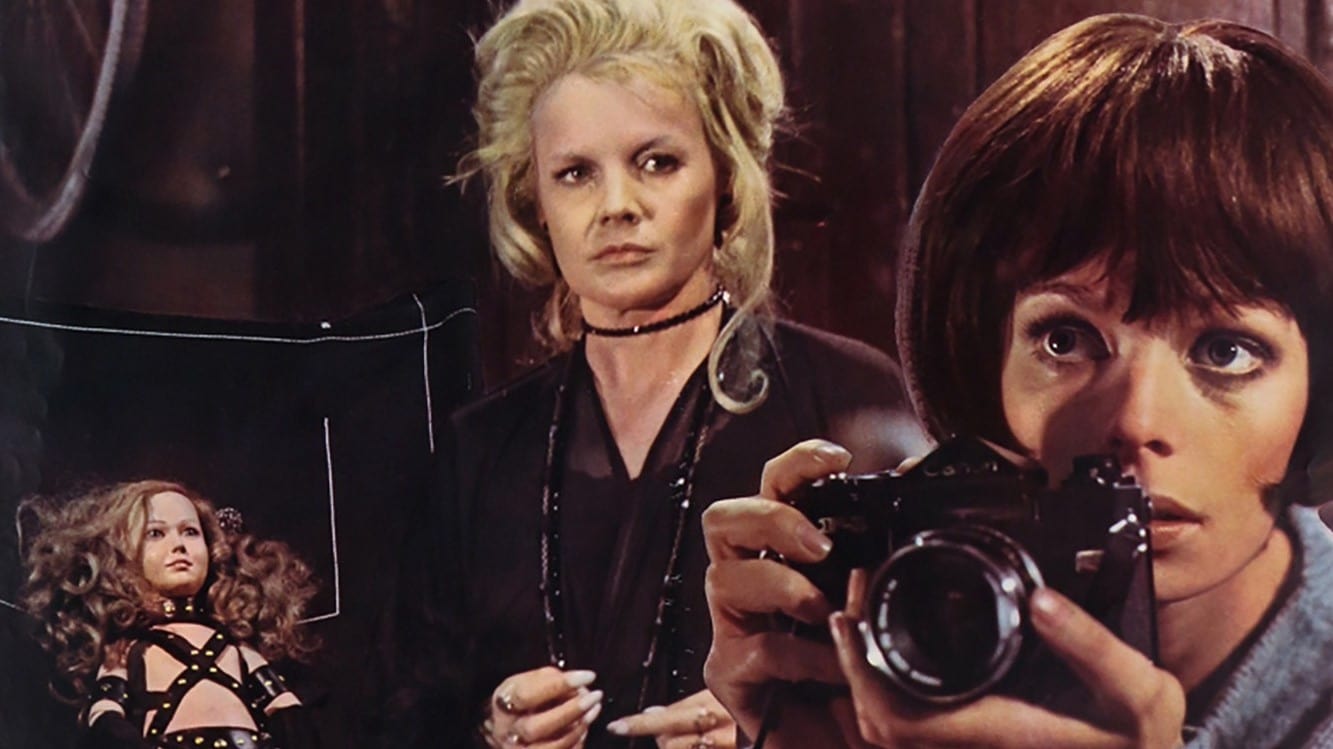
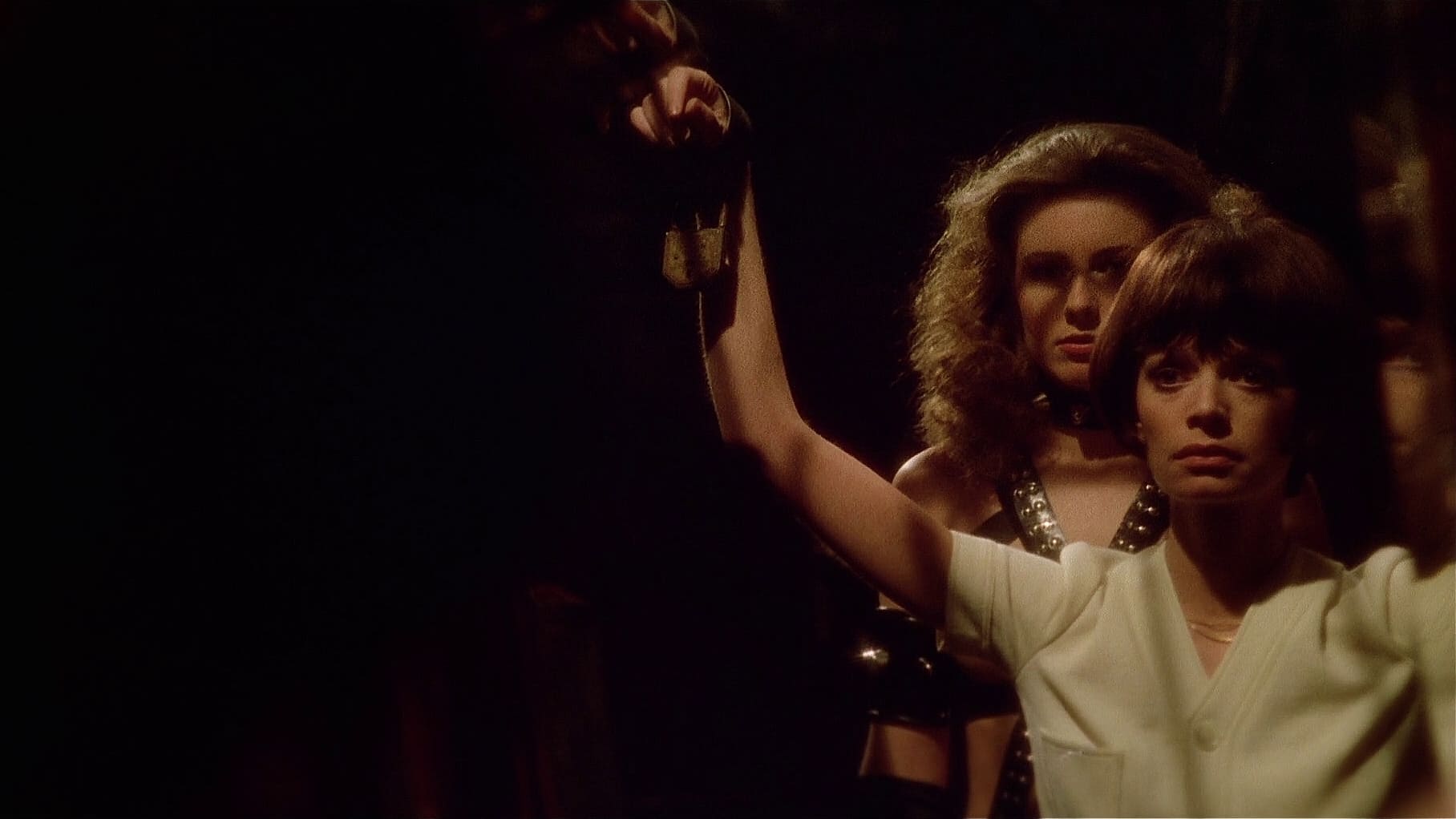
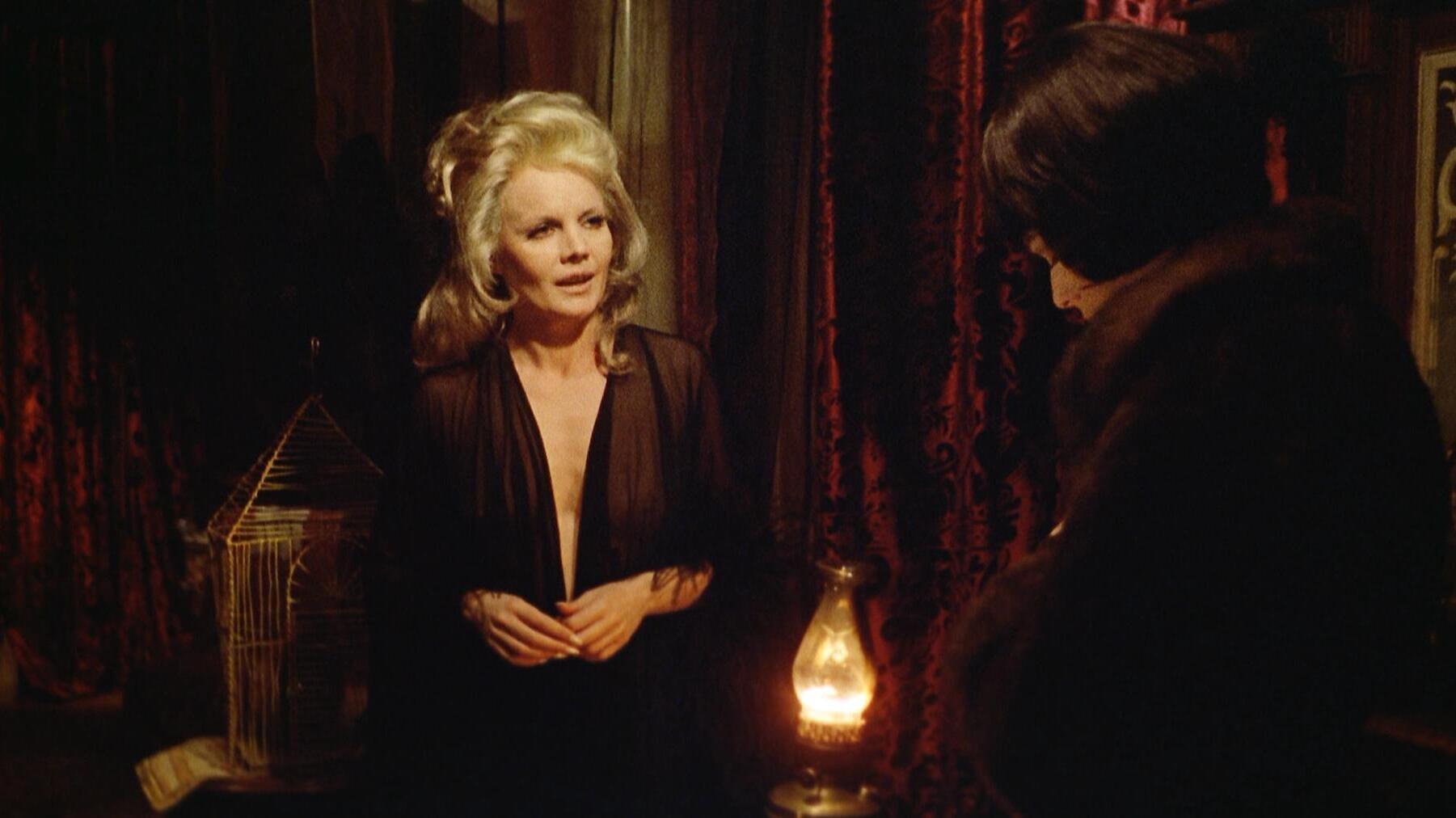
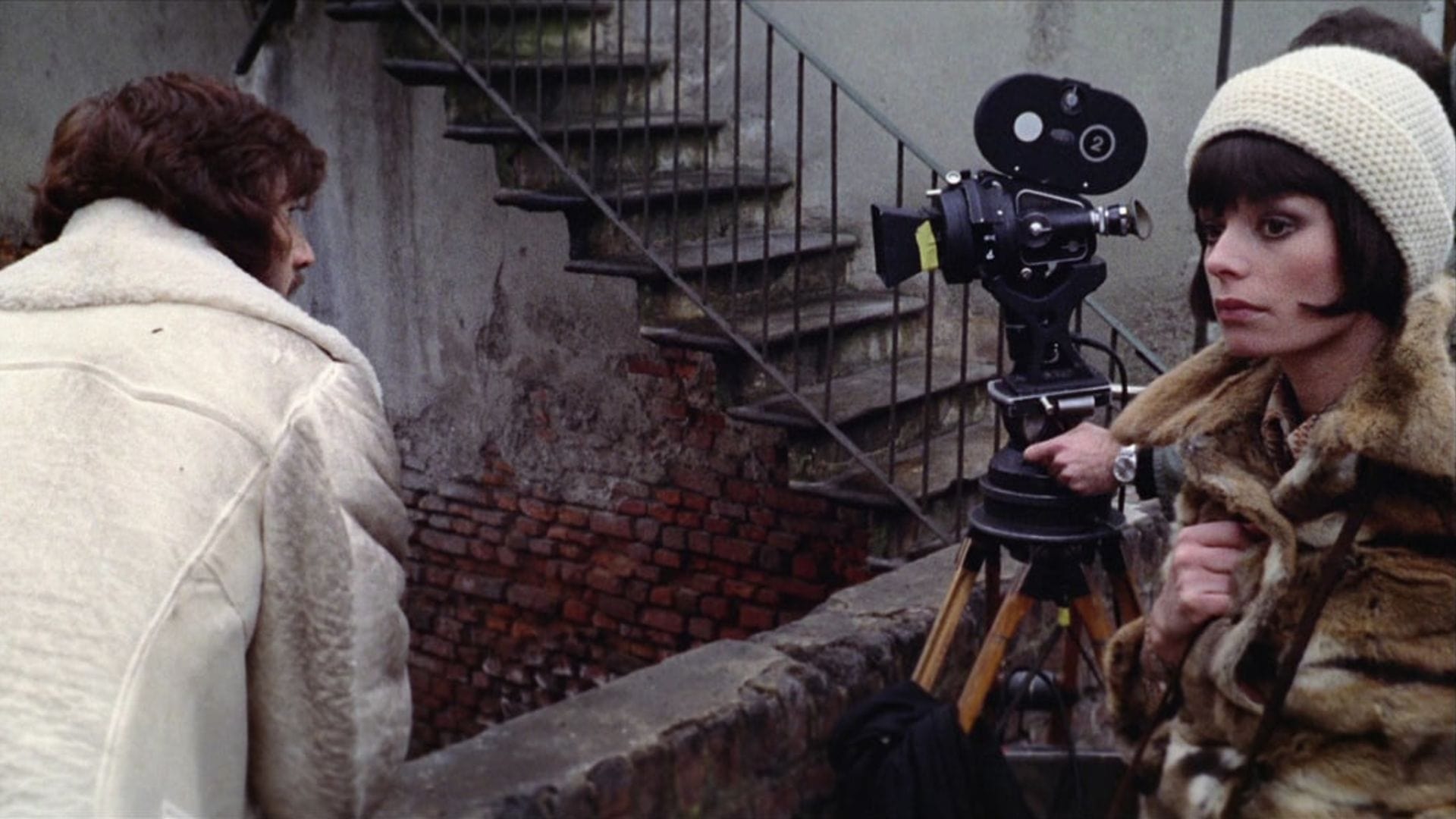
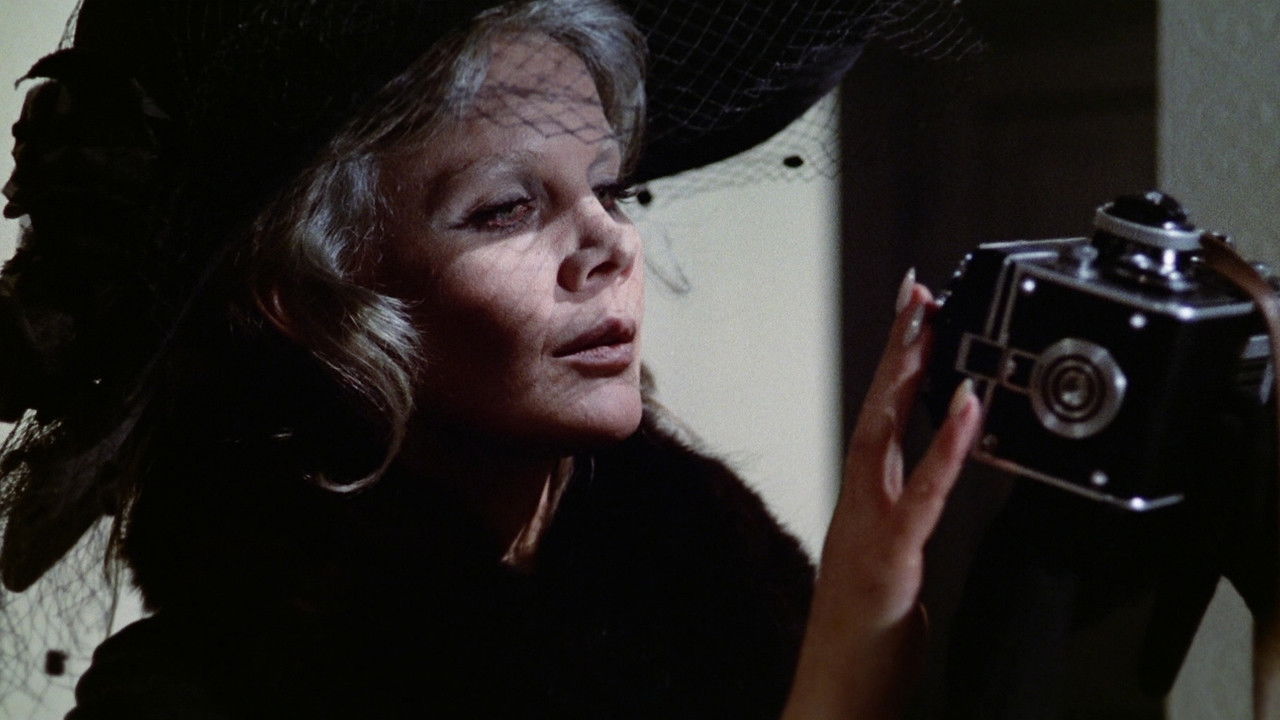
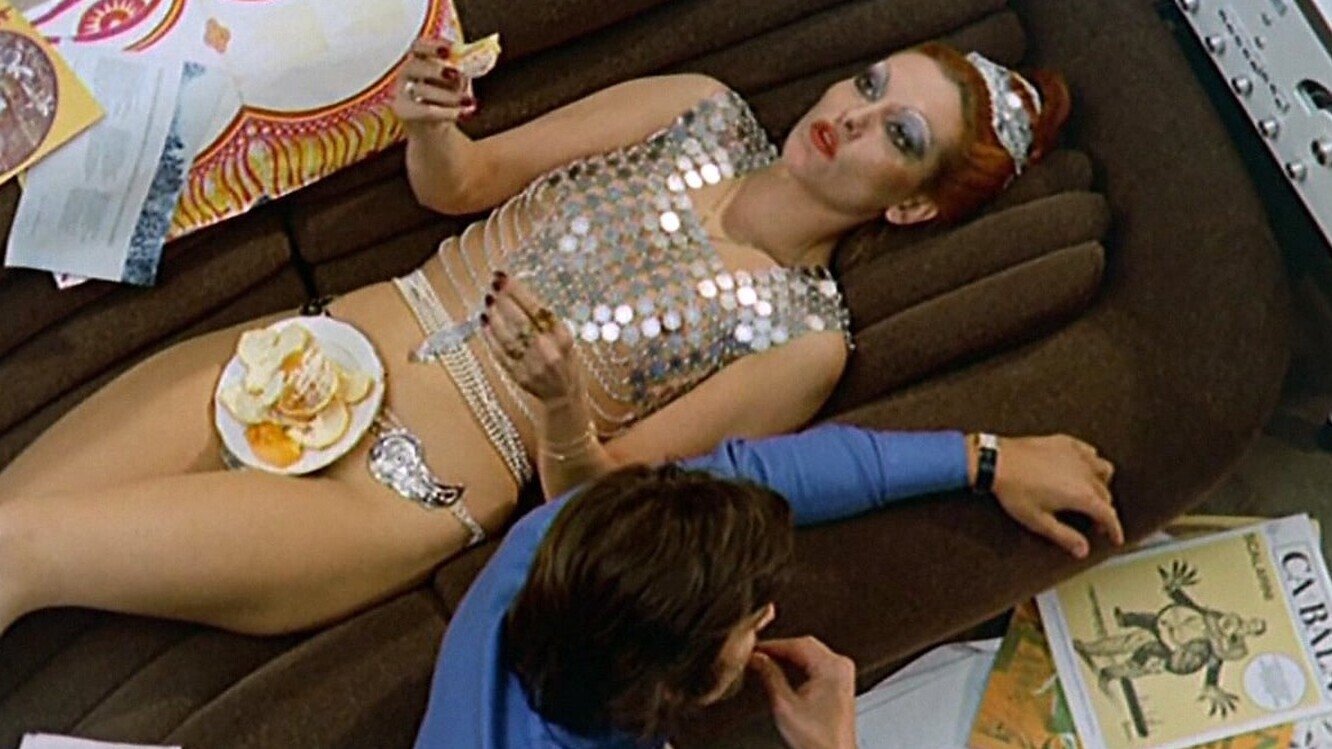
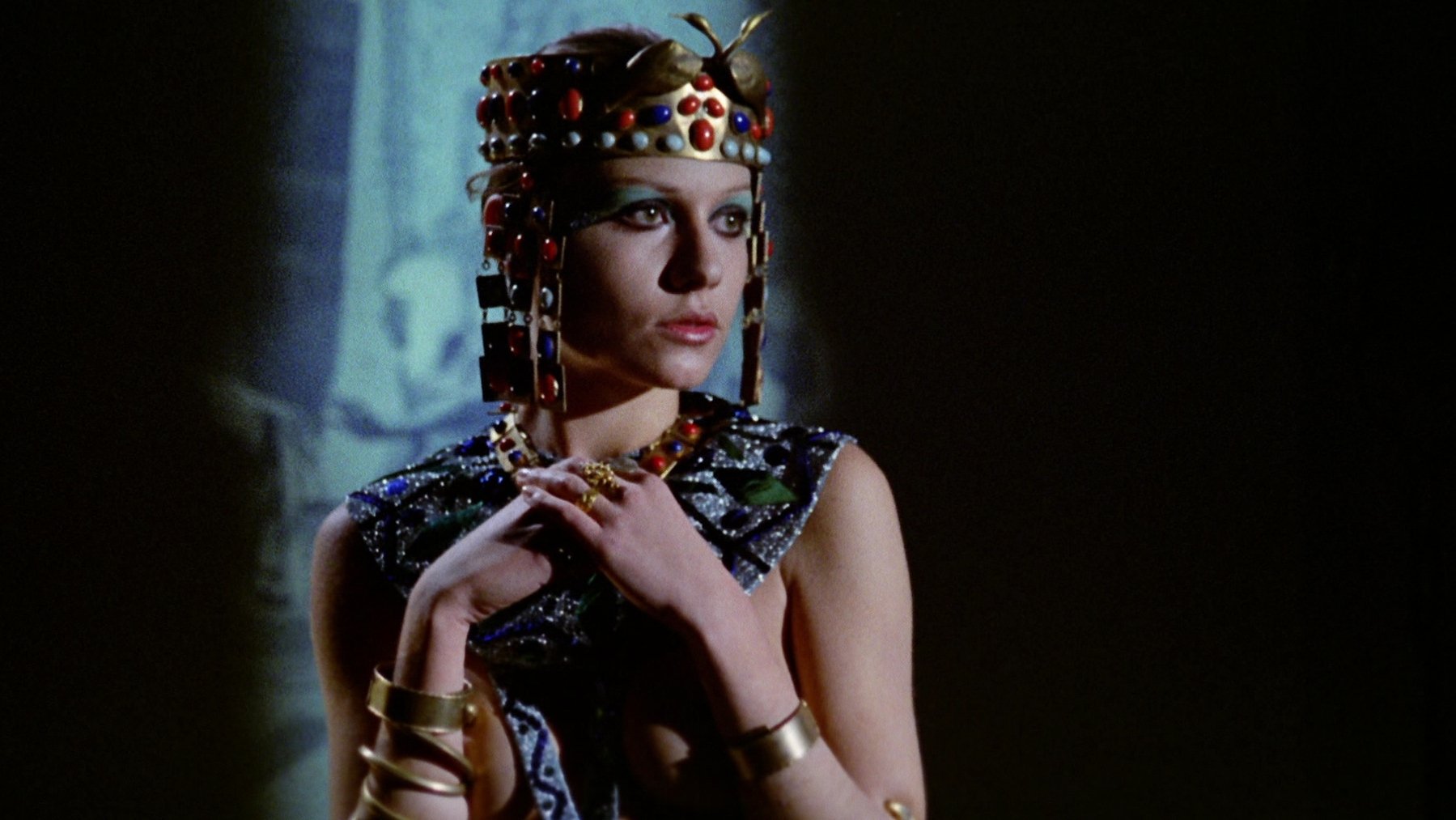
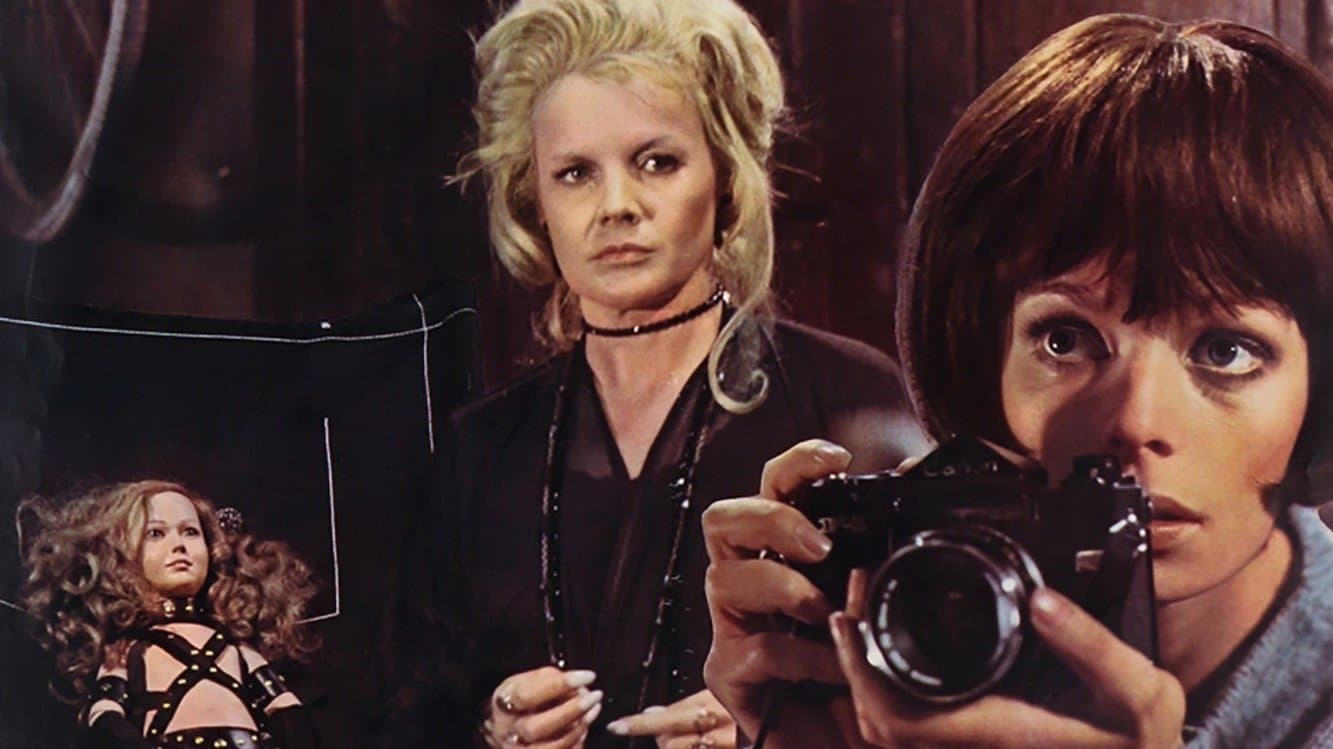
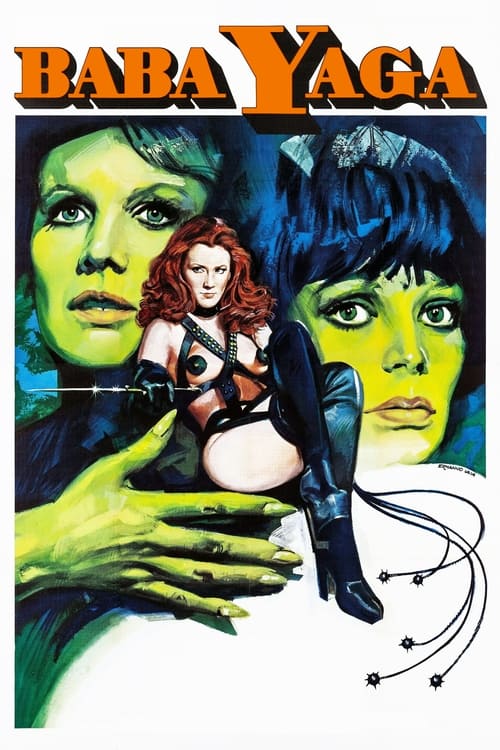
A mysterious witch casts a spell on an attractive young fashion photographer, who is then thrust into a world of sadism.
Directed by Corrado Farina
witch
dreams
nightmare
magic
photographer
supernatural
based on comic
evil doll
curse
death
occult
mysterious

IMDB
N/A
Where to Watch


Cast
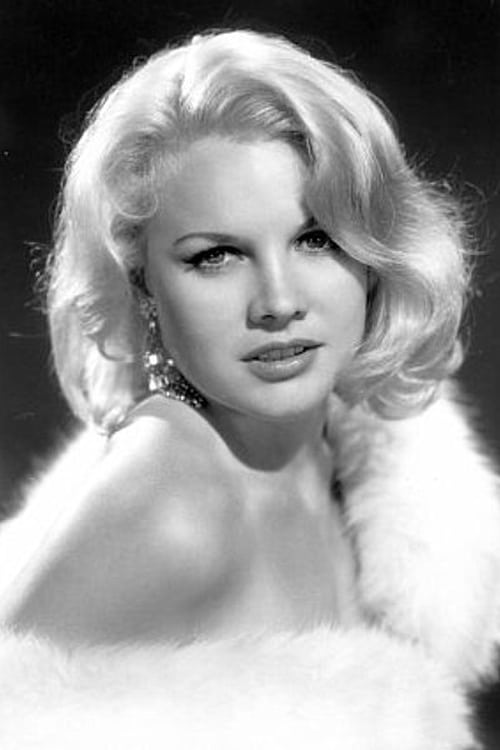
Carroll Baker
Baba Yaga

George Eastman
Arno Treves
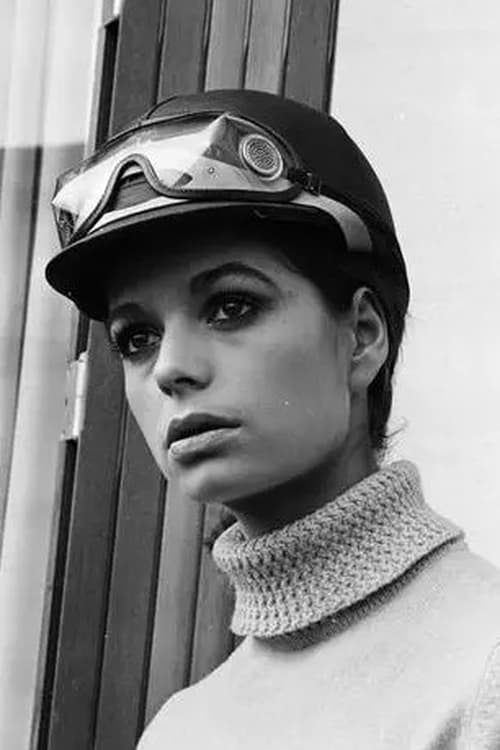
Isabelle De Funès
Valentina Rosselli
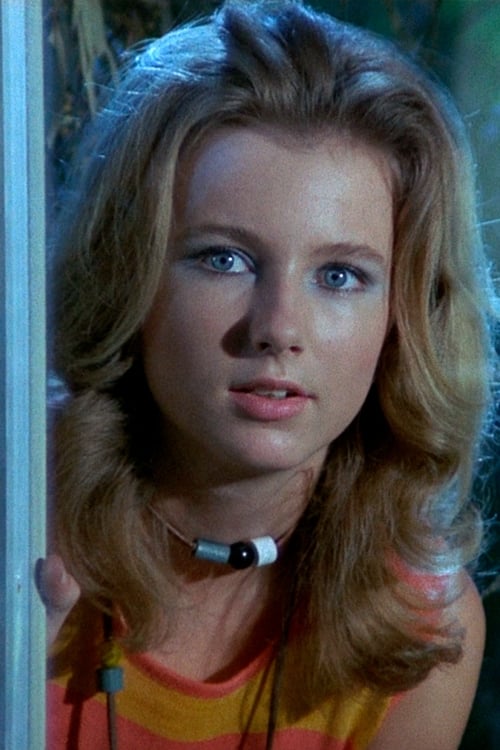
Ely Galleani
Annette
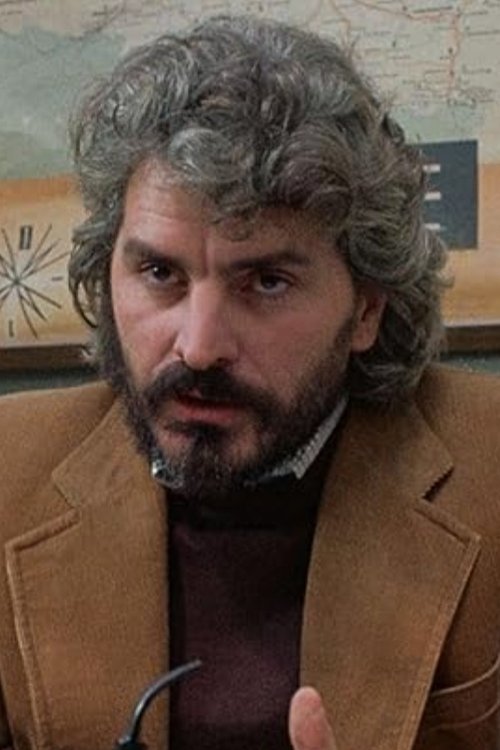
Mario Mattia Giorgetti
Carlo, Hippie in the Demonstration
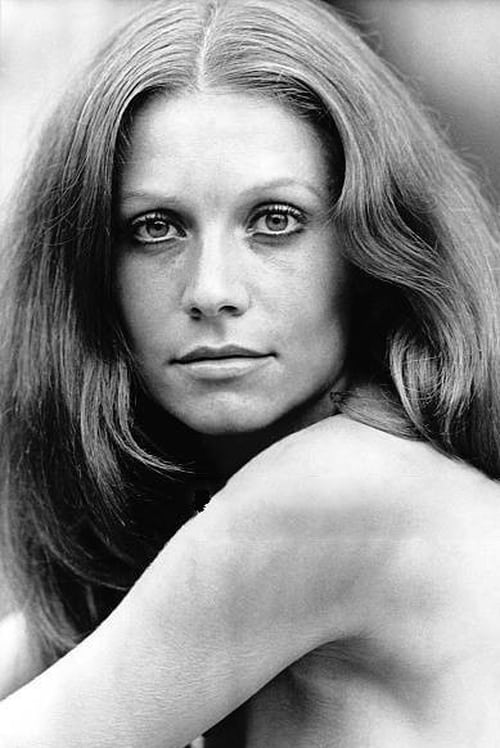
Angela Covello
Toni
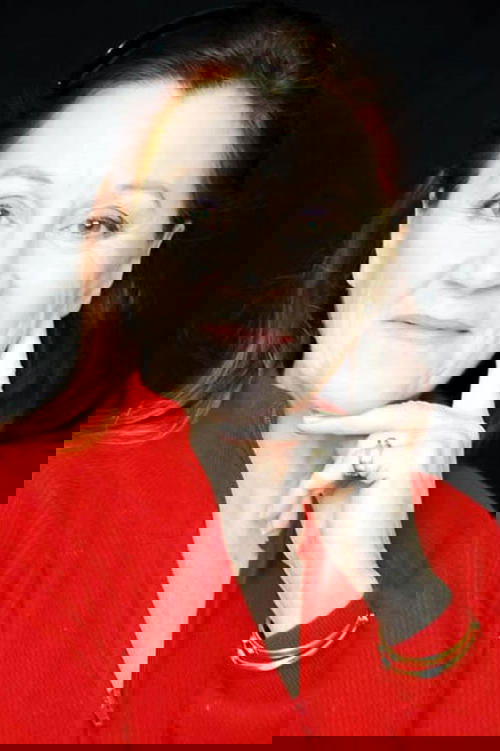
Carla Mancini

Lorenzo Piani
Crew
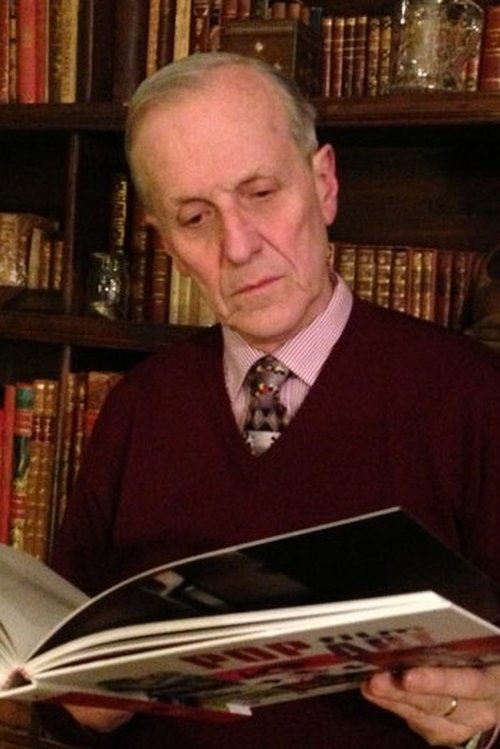
Corrado Farina
Director
Corrado Farina
Writer
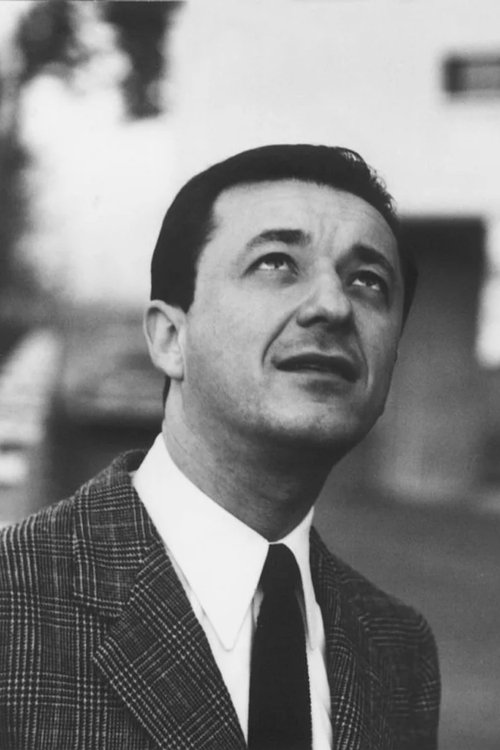
Piero Umiliani
Original Music Composer

Giulio Berruti
Editor
Giulio Berruti
Additional Writing
Popular Reviews
19 reviews
Sepia GorePRO
Gotta love an Italian France co production sapphic witch erotica with Giallo stylings that starts with a Godard name drop. But going further than that, the mention quickly makes us associate not just the cultural atmosphere of the European art scene Baba Yaga is set in but the film’s main key centers on the camera and the idea and powers of seeing, some sequences rendered out in black and white stills that do recall the cinematic innovations of the French New Wave, in a way this film belongs in the same camp as 67’s Bonnie and Clyde in how the impact of the New Wave was felt in films outside of the movement. But in the context of this, there’s something so demystifying throughout, so powerfully erotic and so sinister in that one can’t help but feel constantly acknowledged, that we as a viewer plays part in every mention of sight, and when Valentina engages with her sapphic fantasies and dreams so are we. Isn’t that why we are here after all? What we came to witness, both the danger and the sensations and more so subversions, you’ll never experience horror like this, or dream sequences like this, or the erotic in this way, in such delicacy and absurdity and eeriness respectively. This is the very core, the very function of the film, there’s no attempt to deconstruct or be half assed about it’s self awareness or conscious cinematic language but it is simply the device in which the film plays with the viewer just as a jump scare plays with expectations and it’s this world that these characters exist in being photographers and cinematographers and the likes. We become aware of the edit in the same way there are powers here manipulating things Valentina sees and perceives the world around her. With this force the more we plunge into fantasy the more it counters it with the realities here using the 70s protest for liberation, fantasy and reality clashing brutally, the consequence that dreams can have on real life. The desire to capture what we cannot see and how often times the unknown is simply a reflection back upon us. Doesn’t matter what you intend to capture, for what reason or purpose, it is all desired and dreams of some kind and it can all be so horribly revealing and naked. If you ever wanna see the quintessential Sepia Gore film that is made for me and probably for me only, Baba Yaga is (my) dreams, (my) nightmares filmified.
Gotta love an Italian France co production sapphic witch erotica with Giallo stylings that starts with a Godard name drop. But going further than that, the mention quickly makes us associate not just the cultural atmosphere of the European art scene Baba Yaga is set in but the film’s main key centers on the camera and the idea and powers of seeing, some sequences rendered out in black and white stills that do recall the cinematic innovations of the French New Wave, in a way this film belongs in the same camp as 67’s Bonnie and Clyde in how the impact of the New Wave was felt in films outside of the movement. But in the context of this, there’s something so demystifying throughout, so powerfully erotic and so sinister in that one can’t help but feel constantly acknowledged, that we as a viewer plays part in every mention of sight, and when Valentina engages with her sapphic fantasies and dreams so are we. Isn’t that why we are here after all? What we came to witness, both the danger and the sensations and more so subversions, you’ll never experience horror like this, or dream sequences like this, or the erotic in this way, in such delicacy and absurdity and eeriness respectively. This is the very core, the very function of the film, there’s no attempt to deconstruct or be half assed about it’s self awareness or conscious cinematic language but it is simply the device in which the film plays with the viewer just as a jump scare plays with expectations and it’s this world that these characters exist in being photographers and cinematographers and the likes. We become aware of the edit in the same way there are powers here manipulating things Valentina sees and perceives the world around her. With this force the more we plunge into fantasy the more it counters it with the realities here using the 70s protest for liberation, fantasy and reality clashing brutally, the consequence that dreams can have on real life. The desire to capture what we cannot see and how often times the unknown is simply a reflection back upon us. Doesn’t matter what you intend to capture, for what reason or purpose, it is all desired and dreams of some kind and it can all be so horribly revealing and naked. If you ever wanna see the quintessential Sepia Gore film that is made for me and probably for me only, Baba Yaga is (my) dreams, (my) nightmares filmified.


Sepia GorePRO
Gotta love an Italian France co production sapphic witch erotica with Giallo stylings that starts with a Godard name drop. But going further than that, the mention quickly makes us associate not just the cultural atmosphere of the European art scene Baba Yaga is set in but the film’s main key centers on the camera and the idea and powers of seeing, some sequences rendered out in black and white stills that do recall the cinematic innovations of the French New Wave, in a way this film belongs in the same camp as 67’s Bonnie and Clyde in how the impact of the New Wave was felt in films outside of the movement. But in the context of this, there’s something so demystifying throughout, so powerfully erotic and so sinister in that one can’t help but feel constantly acknowledged, that we as a viewer plays part in every mention of sight, and when Valentina engages with her sapphic fantasies and dreams so are we. Isn’t that why we are here after all? What we came to witness, both the danger and the sensations and more so subversions, you’ll never experience horror like this, or dream sequences like this, or the erotic in this way, in such delicacy and absurdity and eeriness respectively. This is the very core, the very function of the film, there’s no attempt to deconstruct or be half assed about it’s self awareness or conscious cinematic language but it is simply the device in which the film plays with the viewer just as a jump scare plays with expectations and it’s this world that these characters exist in being photographers and cinematographers and the likes. We become aware of the edit in the same way there are powers here manipulating things Valentina sees and perceives the world around her. With this force the more we plunge into fantasy the more it counters it with the realities here using the 70s protest for liberation, fantasy and reality clashing brutally, the consequence that dreams can have on real life. The desire to capture what we cannot see and how often times the unknown is simply a reflection back upon us. Doesn’t matter what you intend to capture, for what reason or purpose, it is all desired and dreams of some kind and it can all be so horribly revealing and naked. If you ever wanna see the quintessential Sepia Gore film that is made for me and probably for me only, Baba Yaga is (my) dreams, (my) nightmares filmified.
Gotta love an Italian France co production sapphic witch erotica with Giallo stylings that starts with a Godard name drop. But going further than that, the mention quickly makes us associate not just the cultural atmosphere of the European art scene Baba Yaga is set in but the film’s main key centers on the camera and the idea and powers of seeing, some sequences rendered out in black and white stills that do recall the cinematic innovations of the French New Wave, in a way this film belongs in the same camp as 67’s Bonnie and Clyde in how the impact of the New Wave was felt in films outside of the movement. But in the context of this, there’s something so demystifying throughout, so powerfully erotic and so sinister in that one can’t help but feel constantly acknowledged, that we as a viewer plays part in every mention of sight, and when Valentina engages with her sapphic fantasies and dreams so are we. Isn’t that why we are here after all? What we came to witness, both the danger and the sensations and more so subversions, you’ll never experience horror like this, or dream sequences like this, or the erotic in this way, in such delicacy and absurdity and eeriness respectively. This is the very core, the very function of the film, there’s no attempt to deconstruct or be half assed about it’s self awareness or conscious cinematic language but it is simply the device in which the film plays with the viewer just as a jump scare plays with expectations and it’s this world that these characters exist in being photographers and cinematographers and the likes. We become aware of the edit in the same way there are powers here manipulating things Valentina sees and perceives the world around her. With this force the more we plunge into fantasy the more it counters it with the realities here using the 70s protest for liberation, fantasy and reality clashing brutally, the consequence that dreams can have on real life. The desire to capture what we cannot see and how often times the unknown is simply a reflection back upon us. Doesn’t matter what you intend to capture, for what reason or purpose, it is all desired and dreams of some kind and it can all be so horribly revealing and naked. If you ever wanna see the quintessential Sepia Gore film that is made for me and probably for me only, Baba Yaga is (my) dreams, (my) nightmares filmified.
Darcy Kika
5.0★ · 01/25/26
god that doll was terrifying
god that doll was terrifying
Syd
8.0★ · 12/29/25
“I want you to forget you have an education and live in the civilized world.”
the title... ah it reminds me with Baba Yaga’s John Wick 😭 (or probably inspired from this? we never know 🗿)been on my watchlist since long time, thanks to my buddy Brad for the recommendation! and my first impression for this movie, this is so giallo-adjacent coded and ofc I LOVE IT. especially as a person who loves giallos so much 🔥
i can say it’s so hypnotic, erotic, and deeply unsettling movie that feels more like a fever dream than a conventional narrative, and mixed the desire, fear, and fantasy into one another (this is so giallo-esque yk)
last but not least, well it feels bold too, especially in how it portrays female sexuality, control, and identity through a distinctly 1970s European lens ✨️
“I want you to forget you have an education and live in the civilized world.”
the title... ah it reminds me with Baba Yaga’s John Wick 😭 (or probably inspired from this? we never know 🗿)been on my watchlist since long time, thanks to my buddy Brad for the recommendation! and my first impression for this movie, this is so giallo-adjacent coded and ofc I LOVE IT. especially as a person who loves giallos so much 🔥
i can say it’s so hypnotic, erotic, and deeply unsettling movie that feels more like a fever dream than a conventional narrative, and mixed the desire, fear, and fantasy into one another (this is so giallo-esque yk)
last but not least, well it feels bold too, especially in how it portrays female sexuality, control, and identity through a distinctly 1970s European lens ✨️
suloPRO
5.0★ · 12/29/25
freaked out blonde baba yaga
freaked out blonde baba yaga