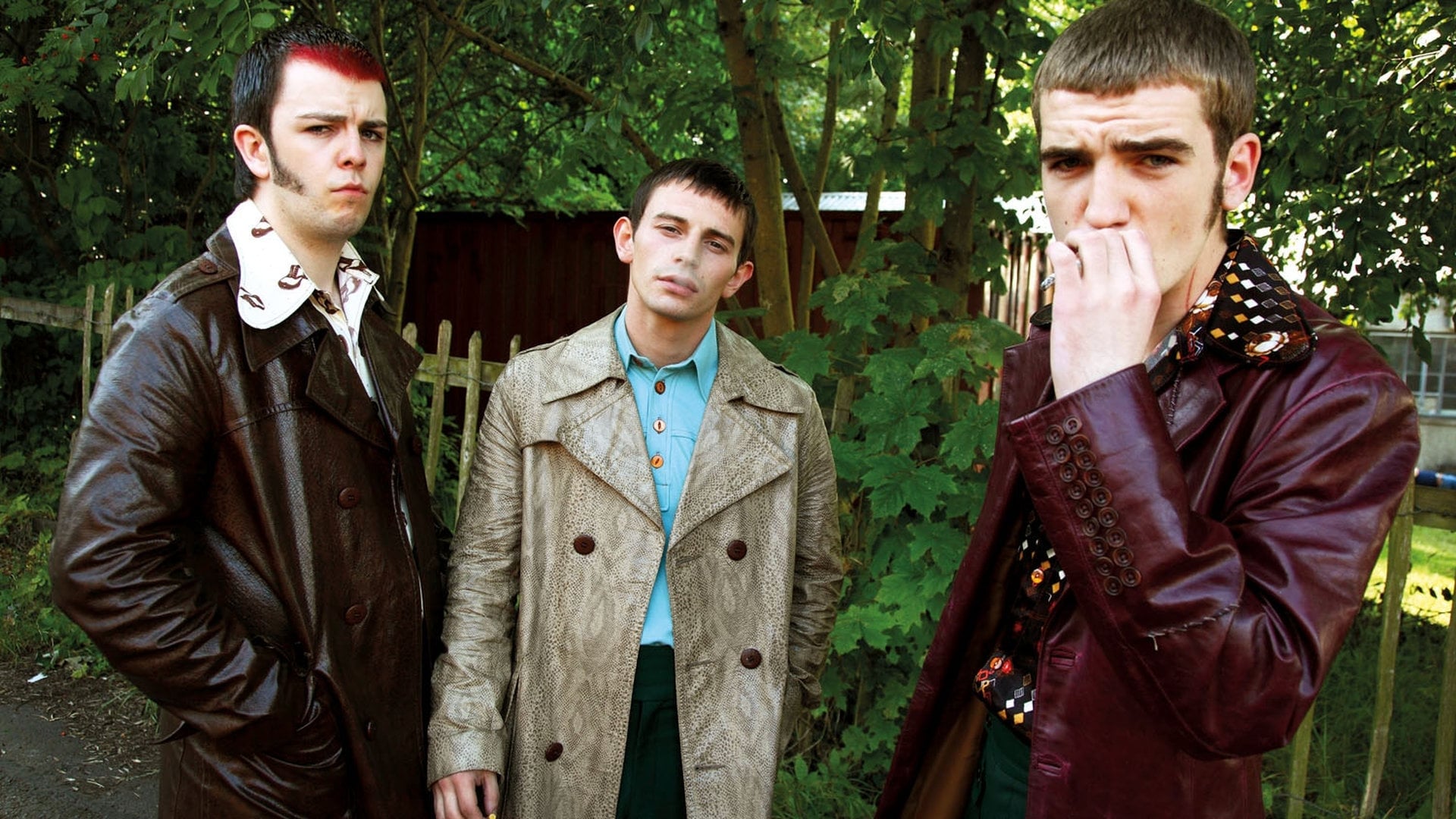
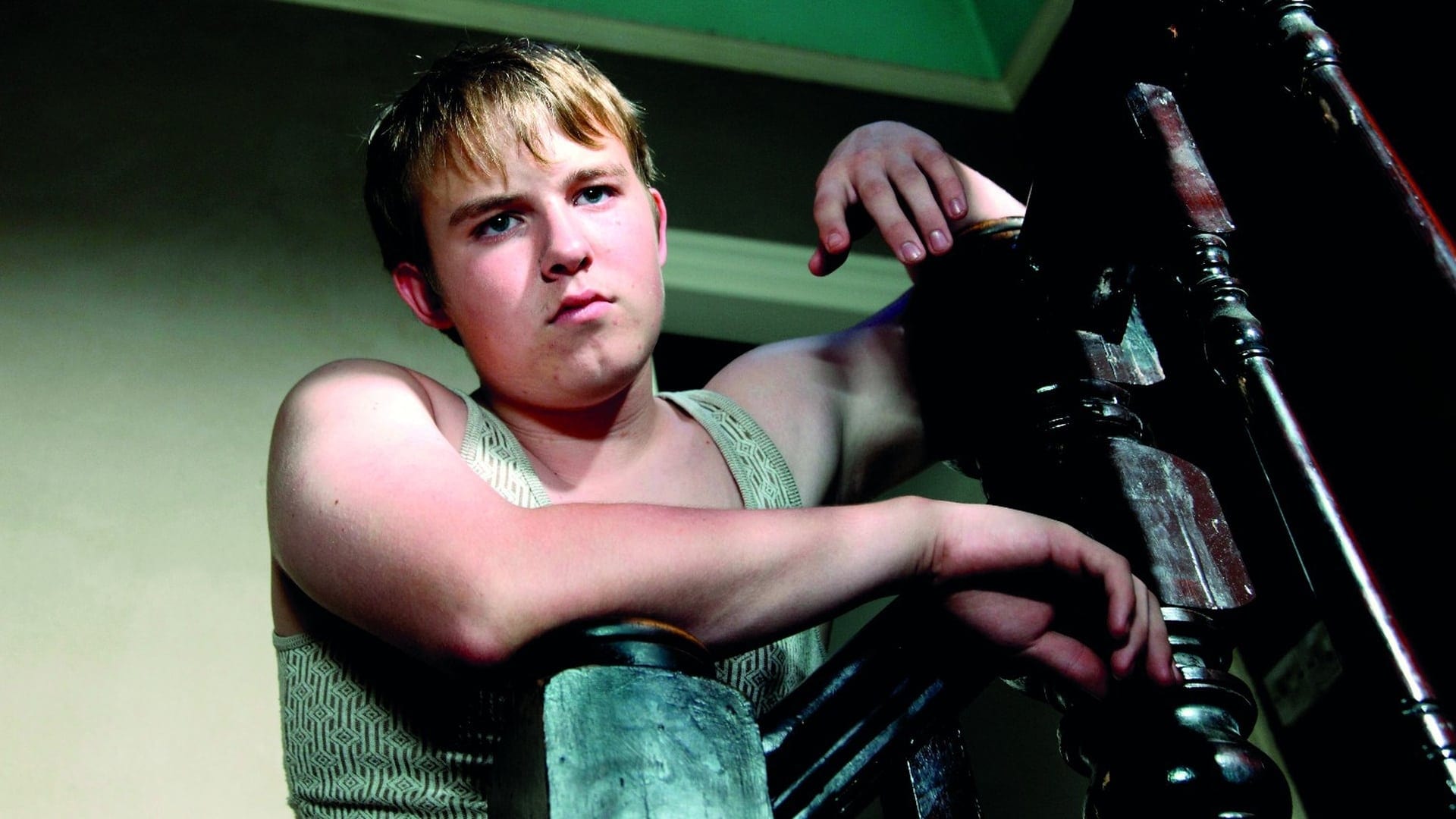
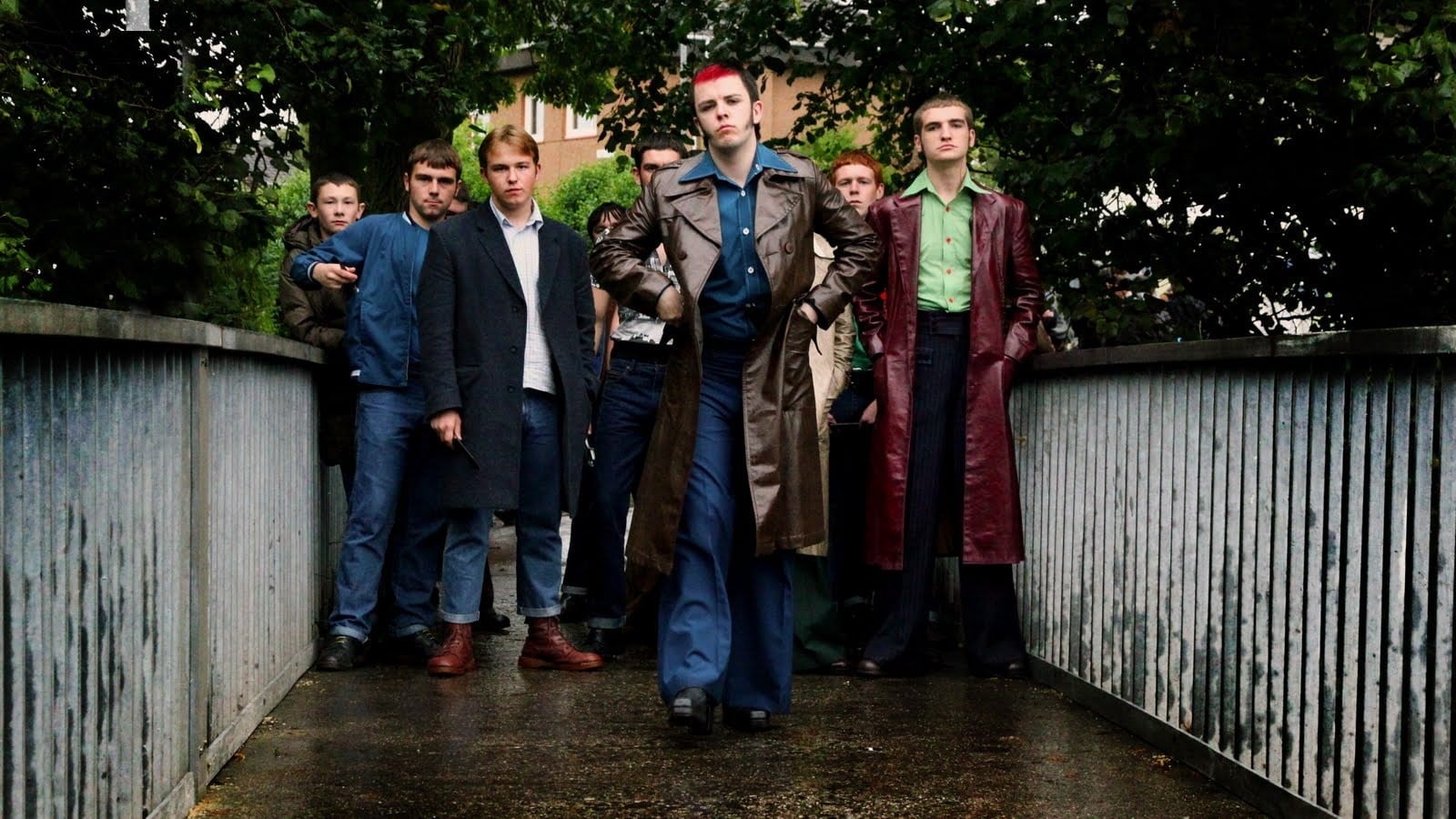
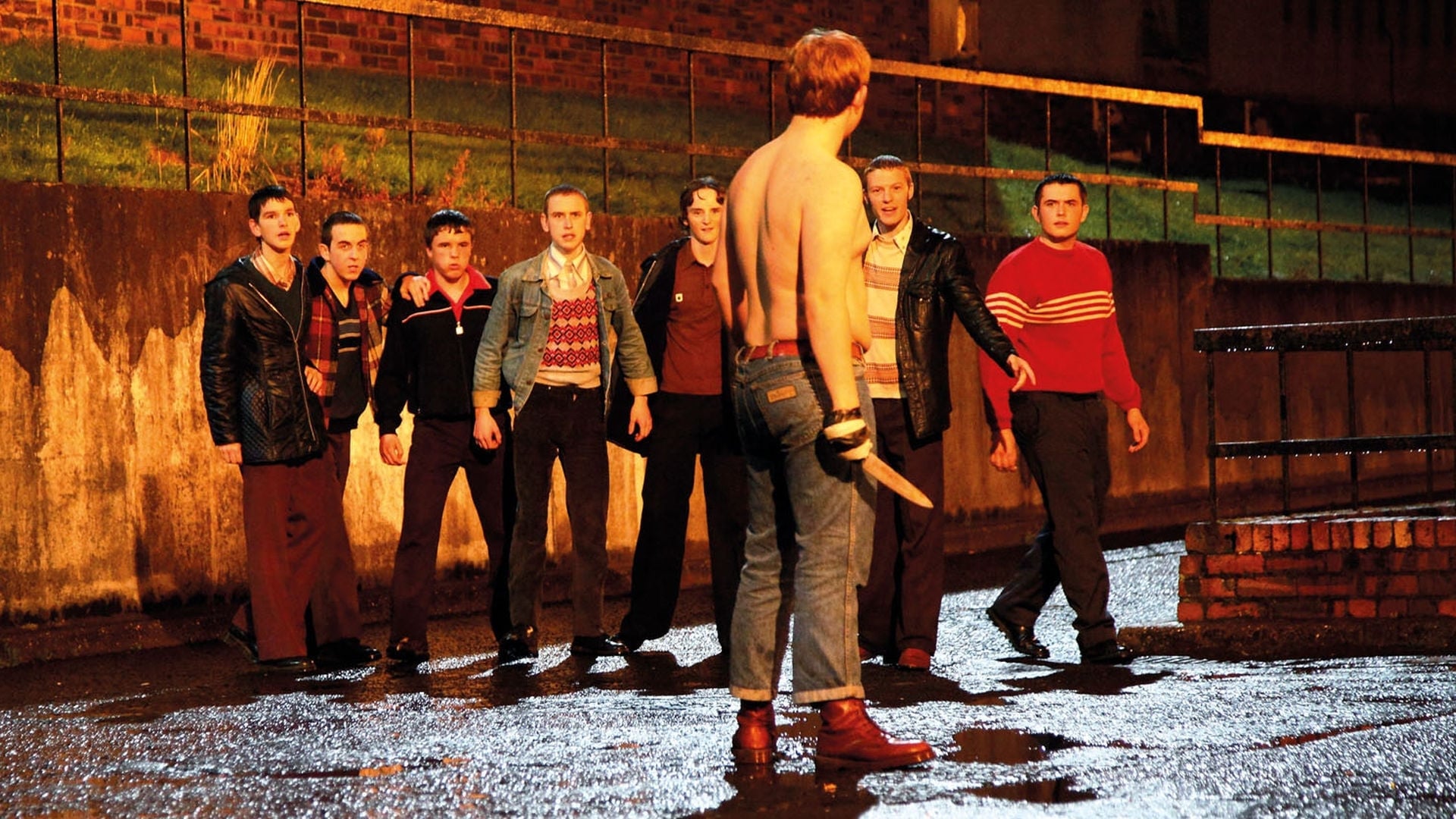
Watching NEDs as someone who grew up and still lives around that area of Glasgow is really interesting. It feels spot on even though it was set 50 something years ago.
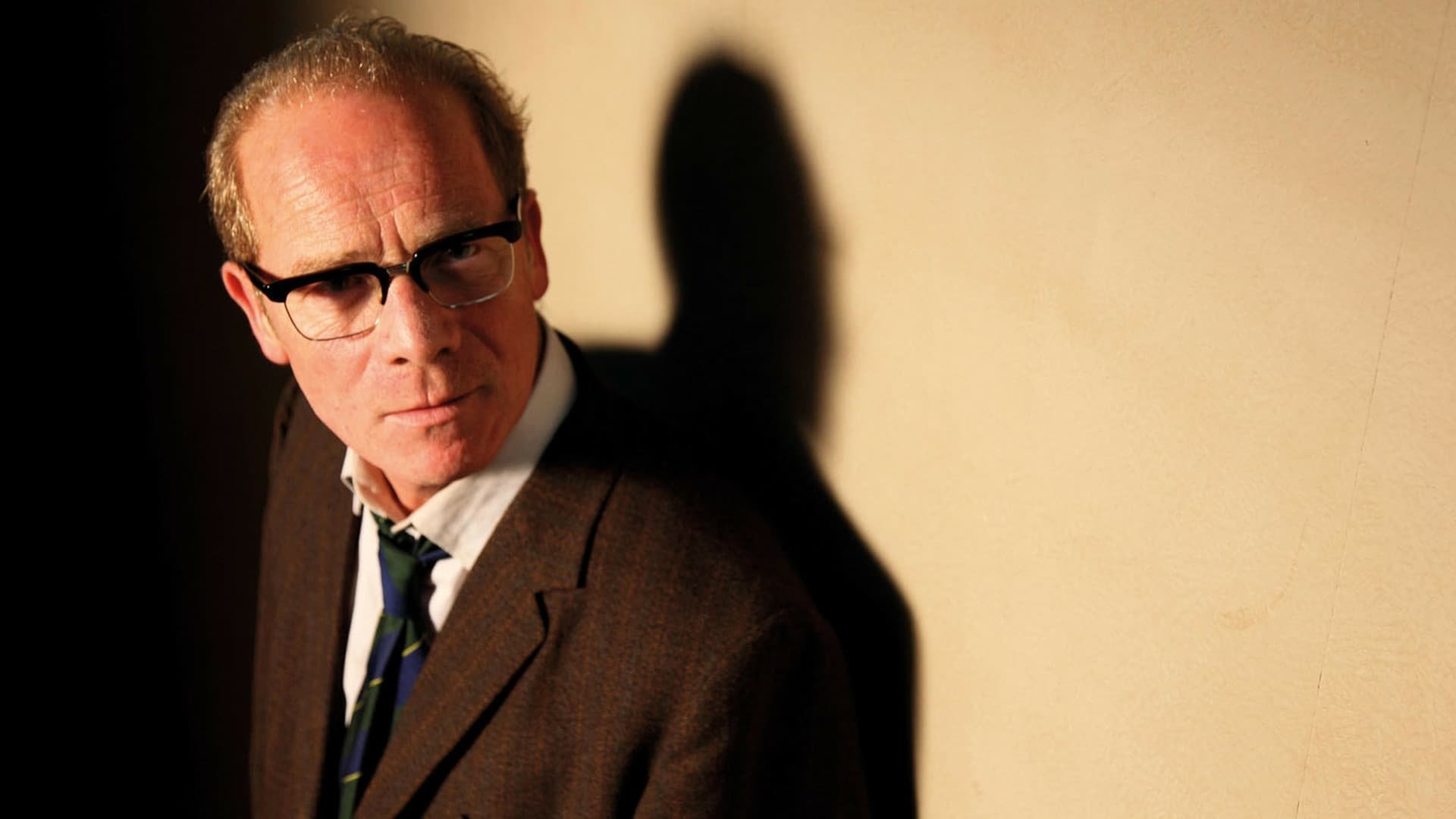
Peter Mullan really captures the feeling and atmosphere of Scottish schools (at the time) and gang culture that still rings true today - and yet manages to not glamourise nor trivialise it.
John’s story hits really hard because it’s not only his but the story of how such “NED” culture in Glasgow and further, Scotland and the rest of the UK, traps boys and sends them down such a sad and dangerous path, affecting there mental and physical health as well as their morals and behaviours.
What makes NEDs such a powerful movie is the way it shows how little choice these boys really had.
You see John start out full of potential, desperate to rise above the limits placed on him, only to be dragged back down by family, school, and the constant pressure of the schemes. That cycle where you’re judged before you’ve even had a chance to prove yourself is still relevant today, and it’s why the film hits so hard.
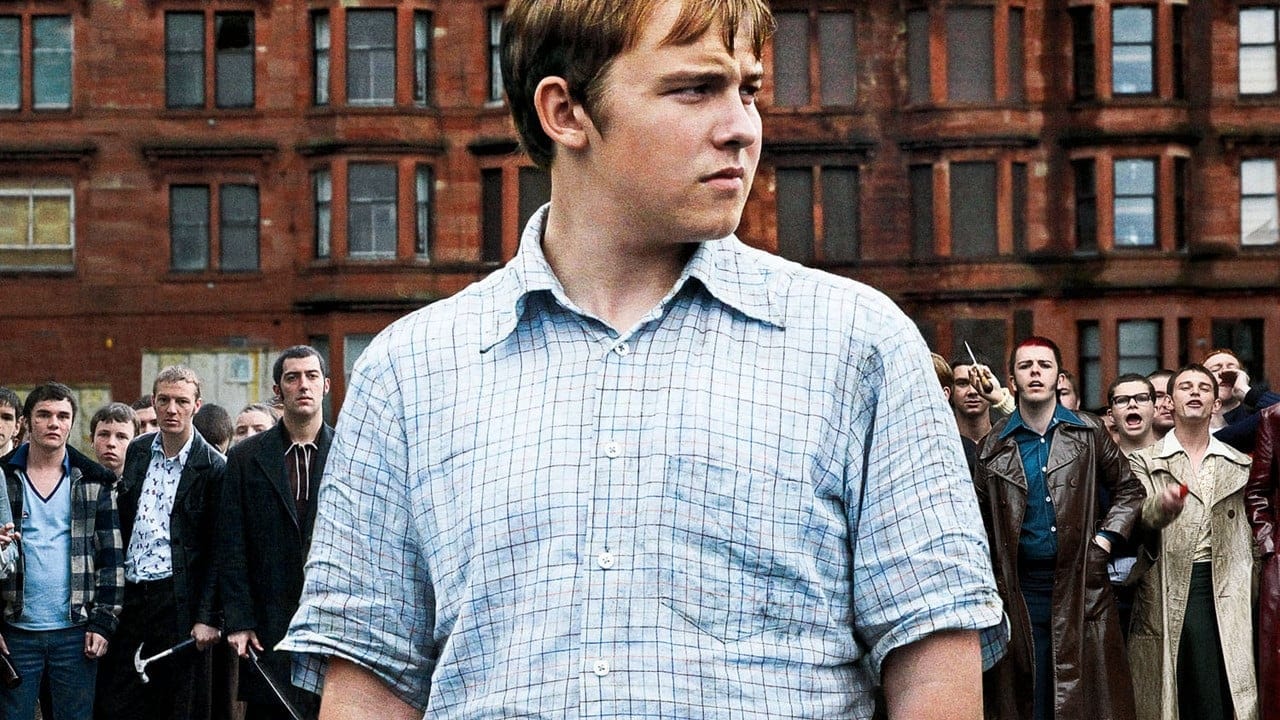
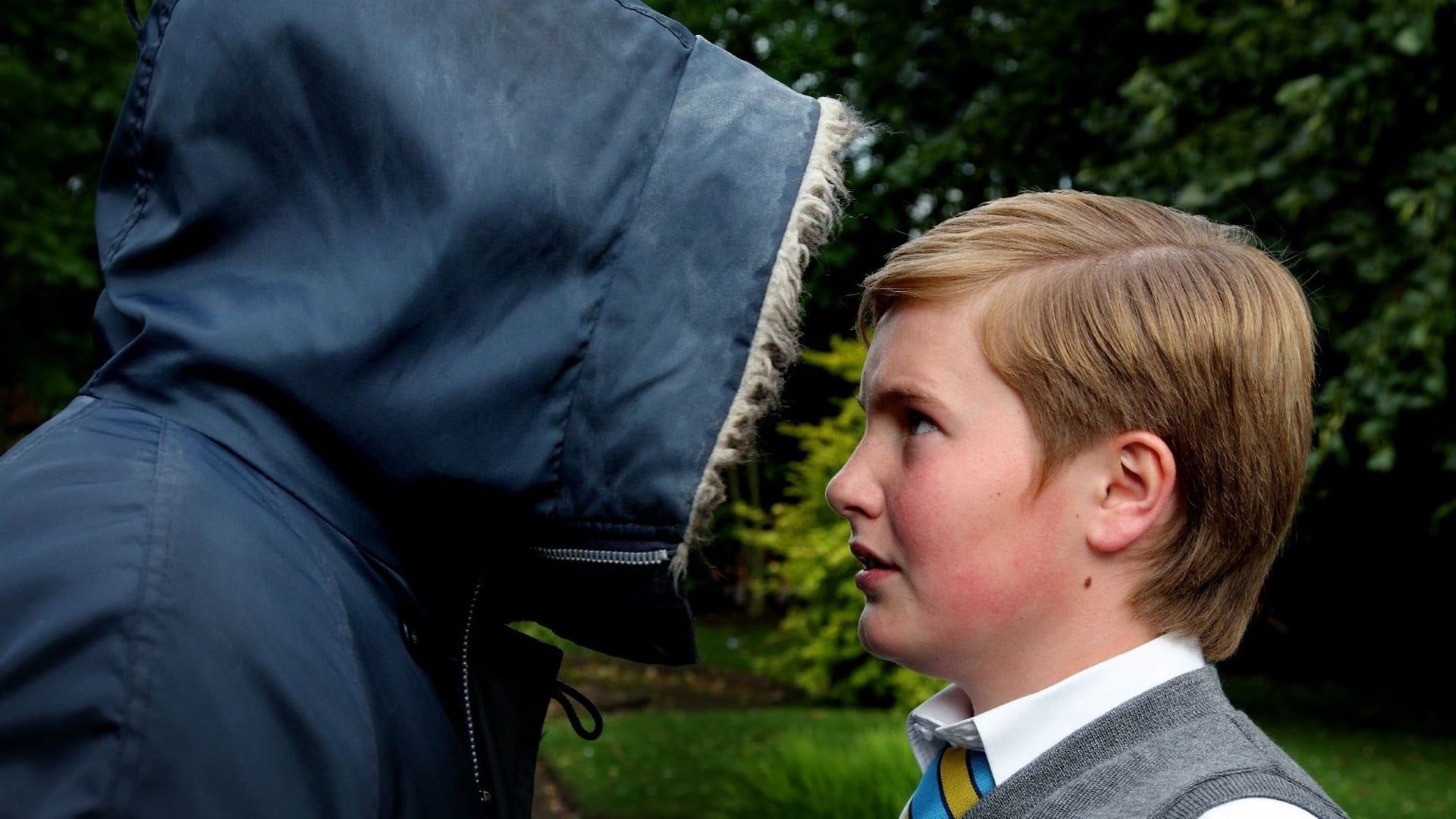
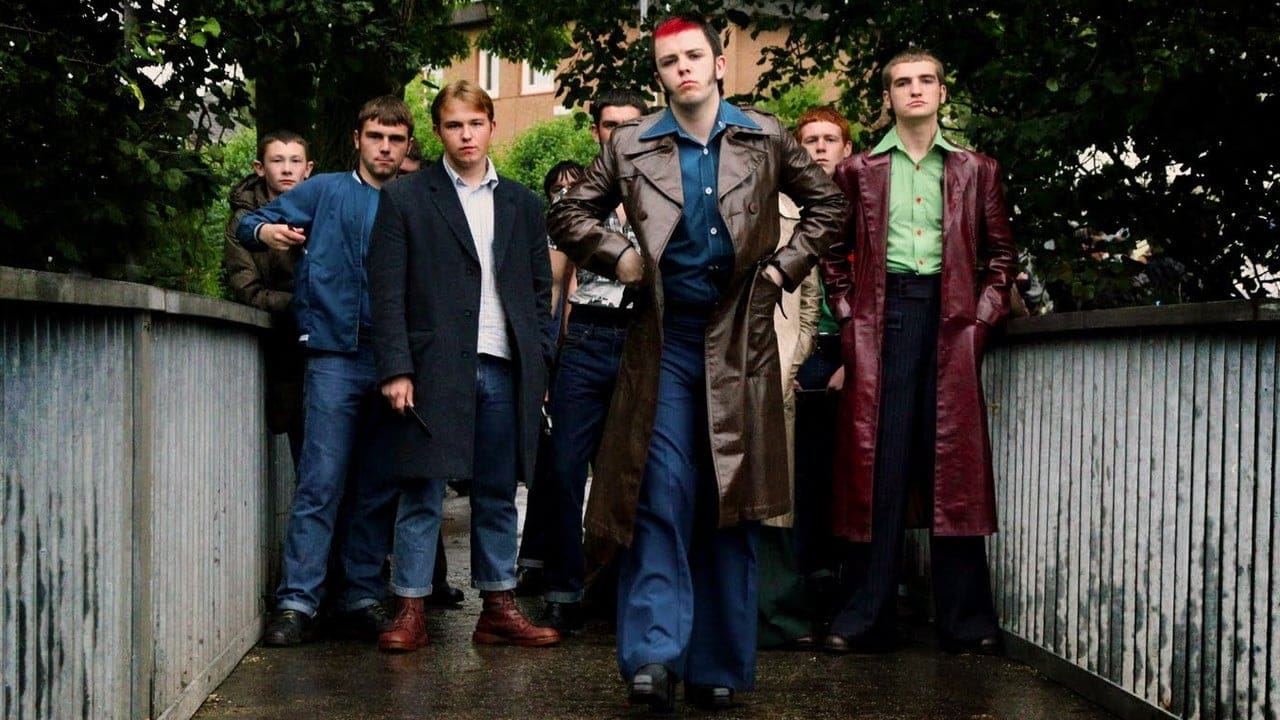
The violence is unflinching but never sensational. The classroom scenes, the gang fights, even the casual brutality from adults, are hard to watch because they’re real.
Anyone from here will know stories like this, whether from parents, relatives, or even just from hearing through your toe .
The rawness gives the film its truth, and that’s what makes it stick with you long after.
A particular part that stood out to me was seeing the result of Johns attack on Julian, the violence in the film has been shocking but almost expected such as scraps between gangs, schoolyard brutality, and the kind of fighting that feels part of the environment. When John lashes out on Julien and we see the consequences later in the film, it is so incredibly haunting. The way he speaks, the vulnerability and struggle in his behaviour is devastating as we see the lasting, permanent cost of even just one act of violence.
And yet somehow Mullan manages to balances this bleakness with fleeting moments of humour and humanity, which makes the downward spiral all the more devastating. There are no easy resolutions in NEDs, no neat redemptions but a painfully honest look at how environment and expectation can shape a life.
Watching NEDs as someone who grew up and still lives around that area of Glasgow is really interesting. It feels spot on even though it was set 50 something years ago.
Peter Mullan really captures the feeling and atmosphere of Scottish schools (at the time) and gang culture that still rings true today - and yet manages to not glamourise nor trivialise it.
John’s story hits really hard because it’s not only his but the story of how such “NED” culture in Glasgow and further, Scotland and the rest of the UK, traps boys and sends them down such a sad and dangerous path, affecting there mental and physical health as well as their morals and behaviours.
What makes NEDs such a powerful movie is the way it shows how little choice these boys really had.
You see John start out full of potential, desperate to rise above the limits placed on him, only to be dragged back down by family, school, and the constant pressure of the schemes. That cycle where you’re judged before you’ve even had a chance to prove yourself is still relevant today, and it’s why the film hits so hard.
The violence is unflinching but never sensational. The classroom scenes, the gang fights, even the casual brutality from adults, are hard to watch because they’re real.
Anyone from here will know stories like this, whether from parents, relatives, or even just from hearing through your toe .
The rawness gives the film its truth, and that’s what makes it stick with you long after.
A particular part that stood out to me was seeing the result of Johns attack on Julian, the violence in the film has been shocking but almost expected such as scraps between gangs, schoolyard brutality, and the kind of fighting that feels part of the environment. When John lashes out on Julien and we see the consequences later in the film, it is so incredibly haunting. The way he speaks, the vulnerability and struggle in his behaviour is devastating as we see the lasting, permanent cost of even just one act of violence.
And yet somehow Mullan manages to balances this bleakness with fleeting moments of humour and humanity, which makes the downward spiral all the more devastating. There are no easy resolutions in NEDs, no neat redemptions but a painfully honest look at how environment and expectation can shape a life.