I fell in love with this film from the moment it started.
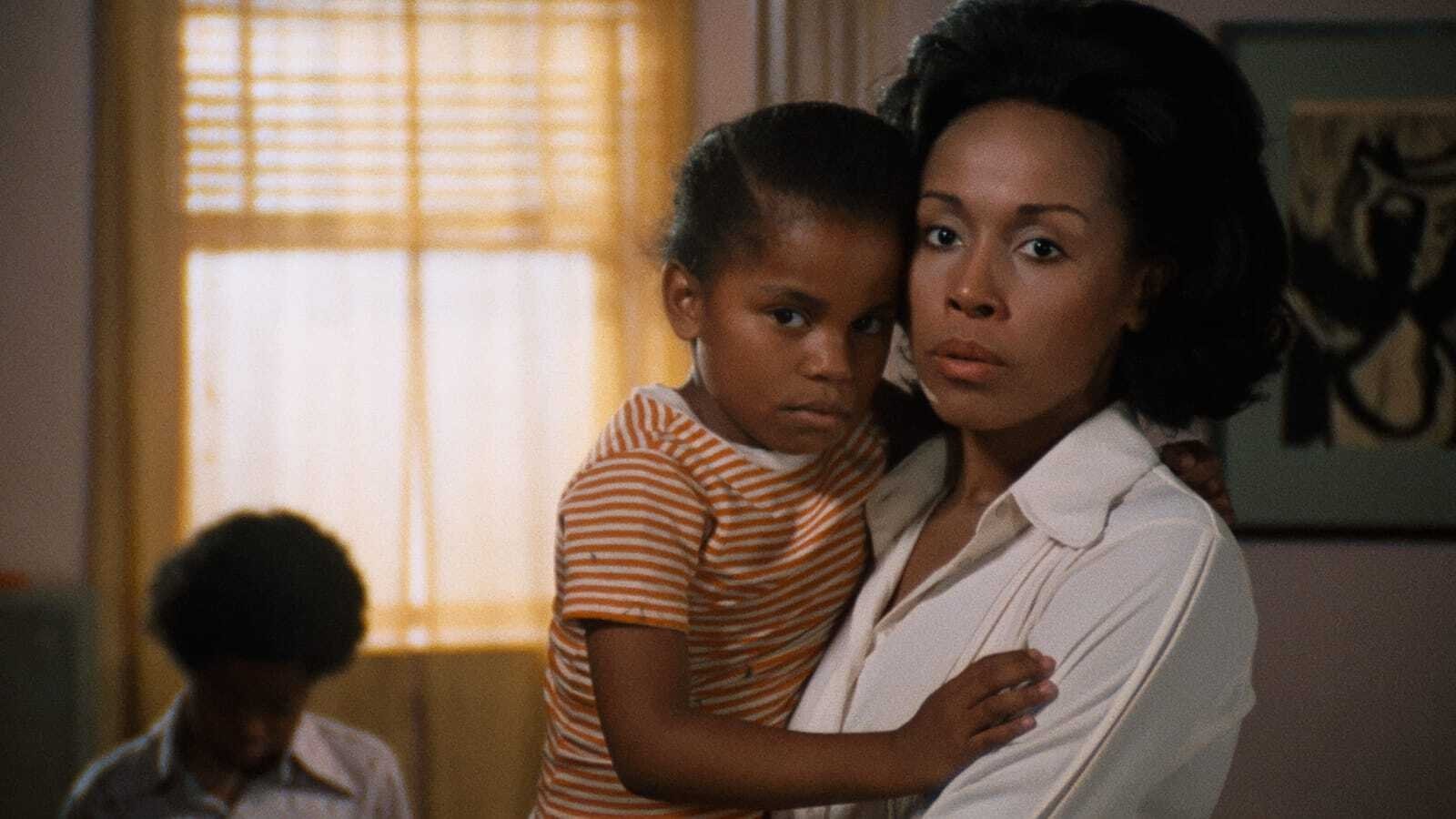
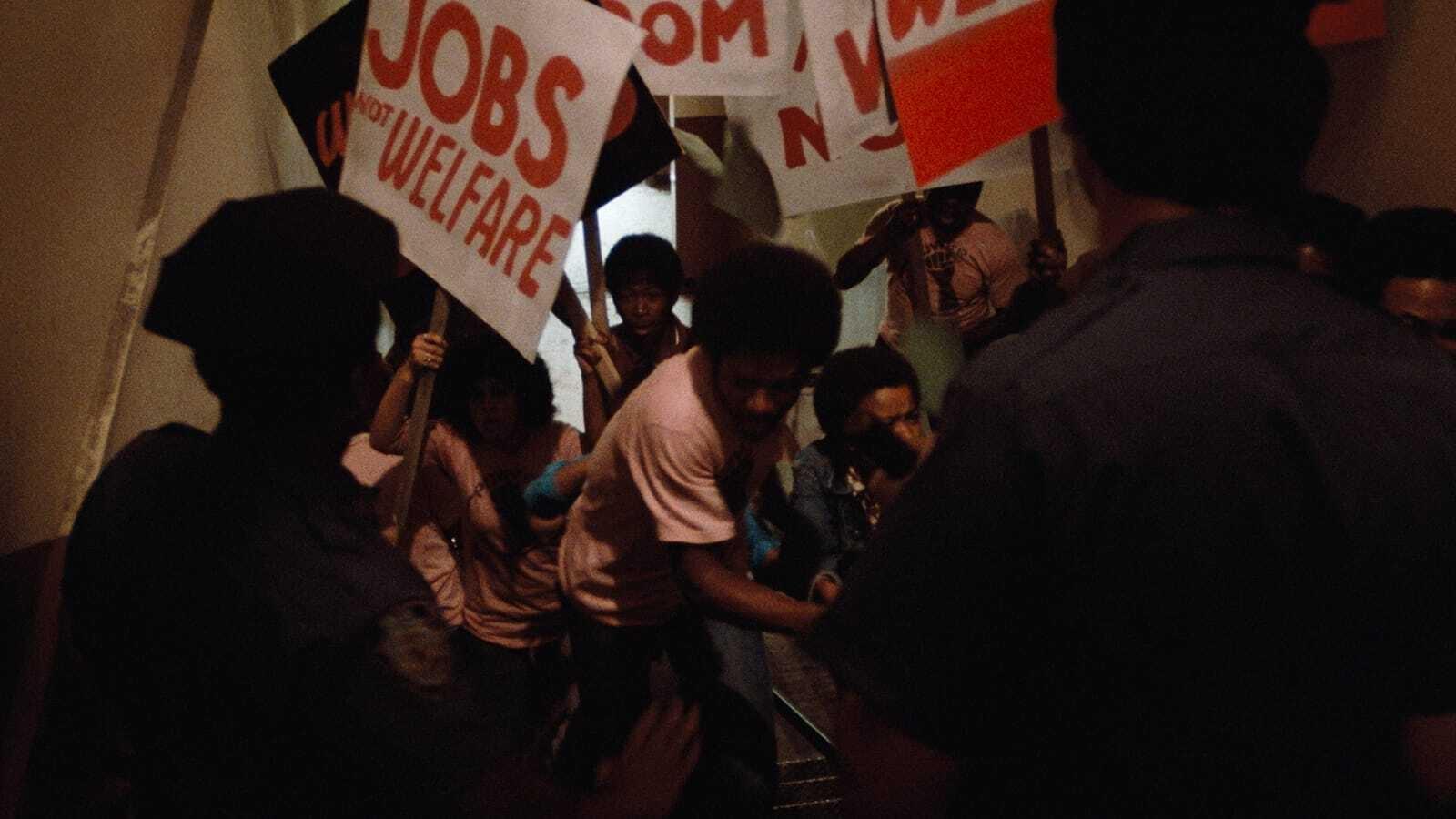
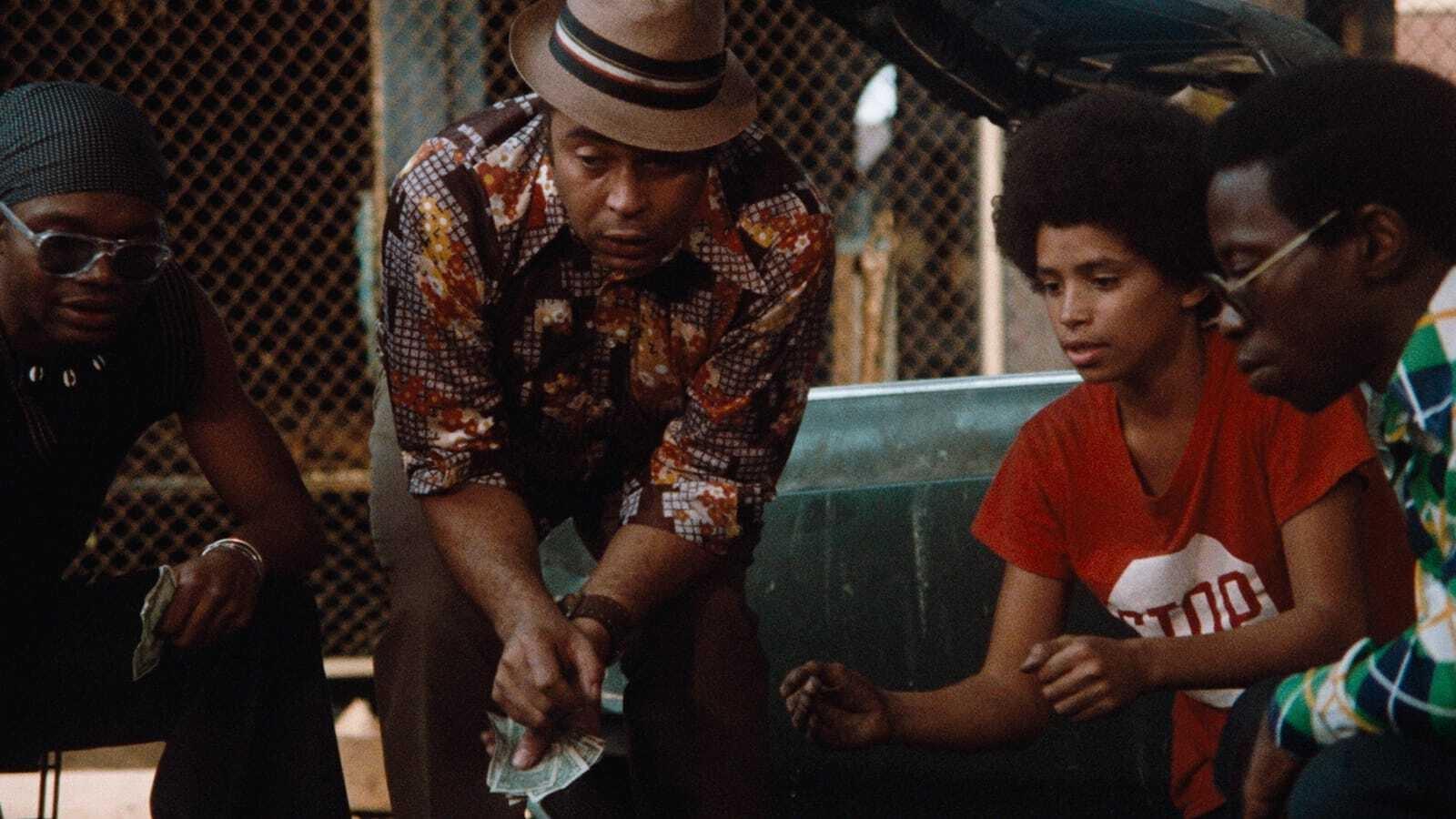
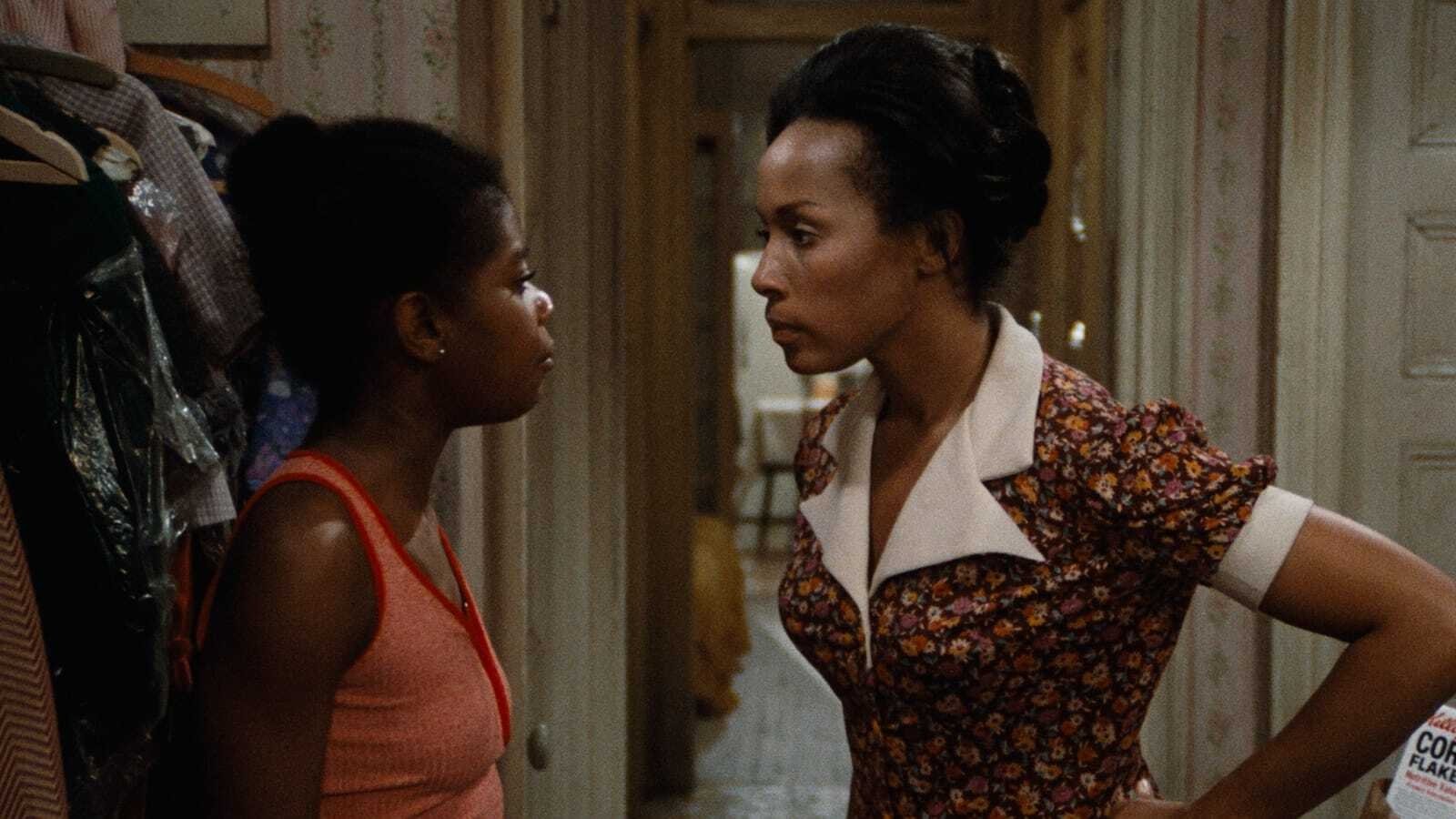
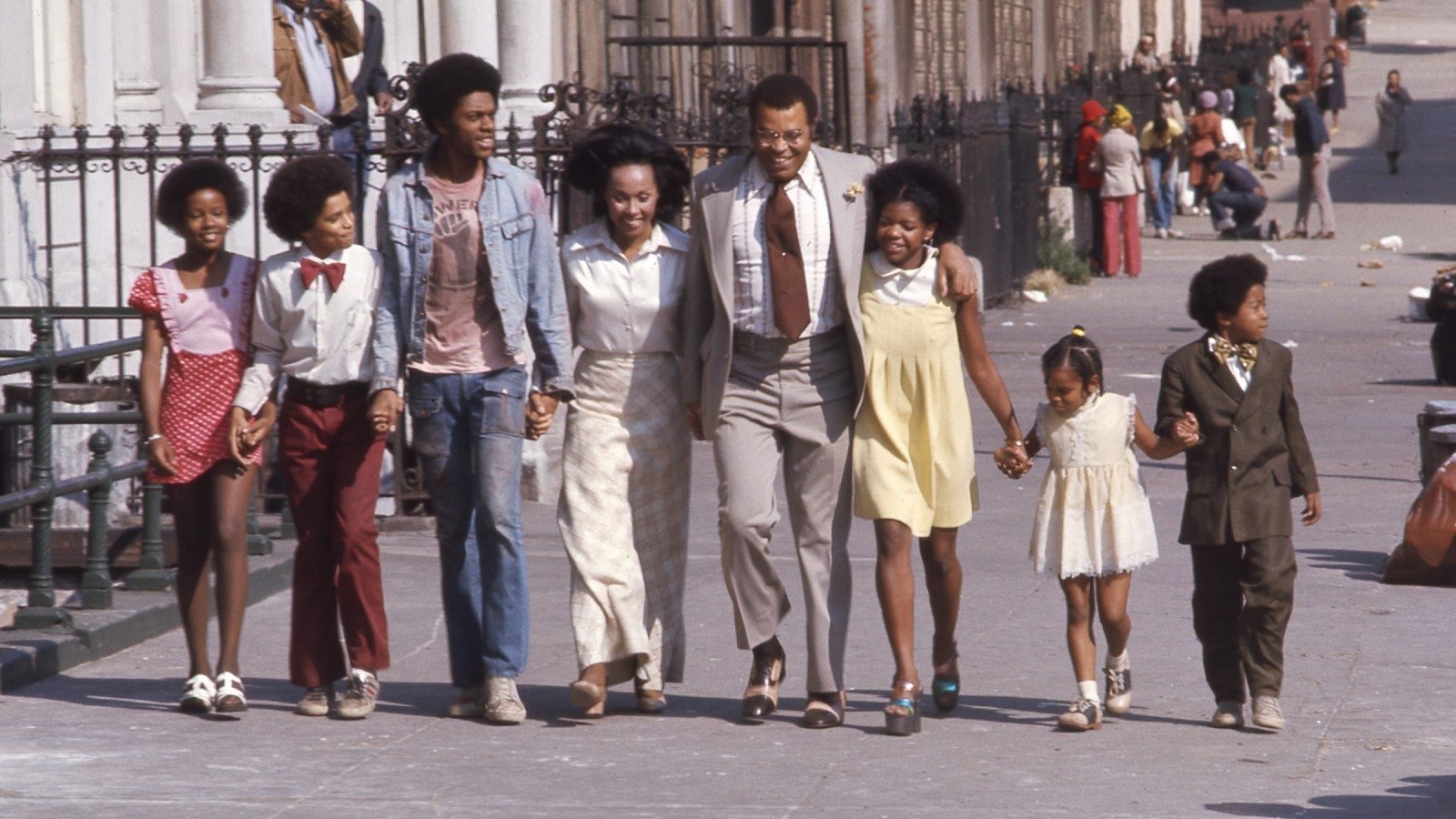
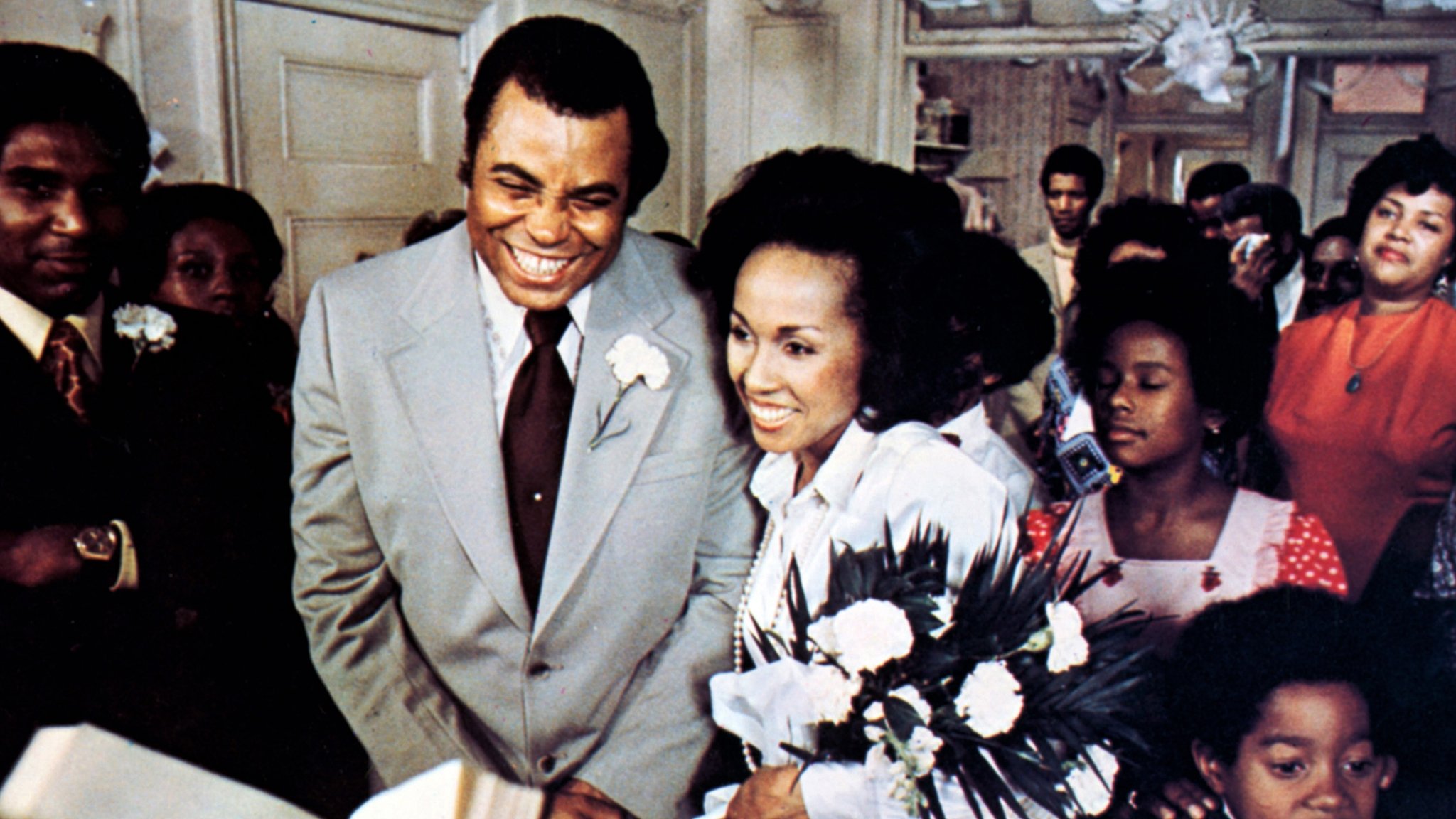
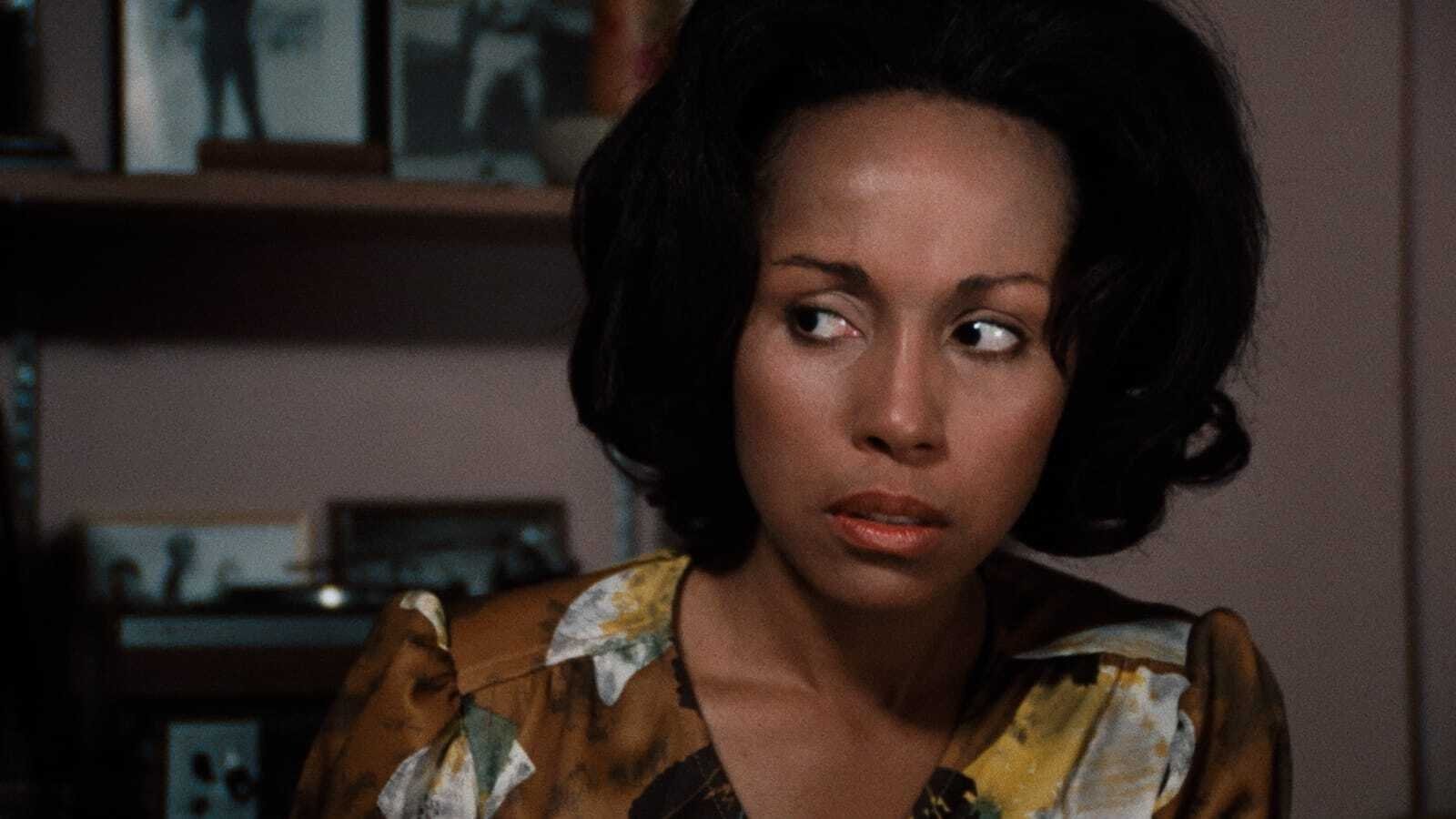
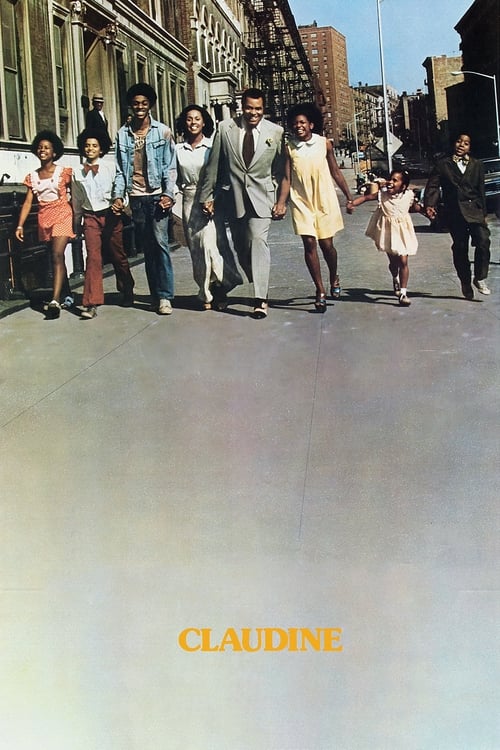
Claudine is a beautiful film about a Black family in New York City living on welfare with six kids ranging from eighteen to three years old and their struggles in a racist system that seeks to disempower the family at every given turn. Claudine is a single mother living on welfare and trying to keep her head above water. Her young sons feel alienated from society as institutions like schools tell her kids that they're not smart enough or at the workplace that they're not good enough for fundamental worker rights while her older daughter is trying to navigate love herself. Claudine masterfully avoids becoming maudlin in depicting a family living in our racist system. Diahann Carroll gives a career-defining performance, humanizing Claudine with affable charm and hesitancy to be vulnerable.
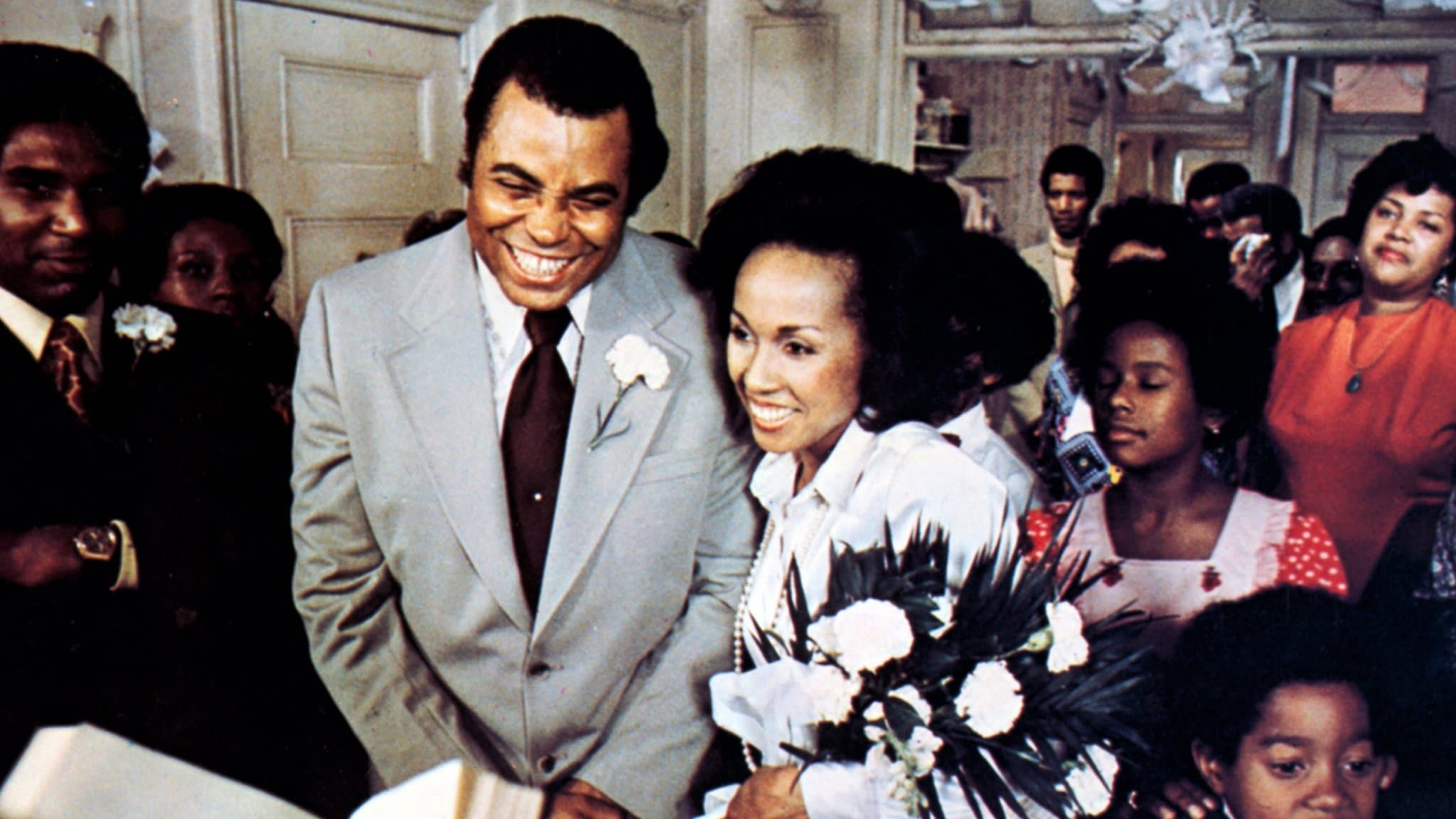
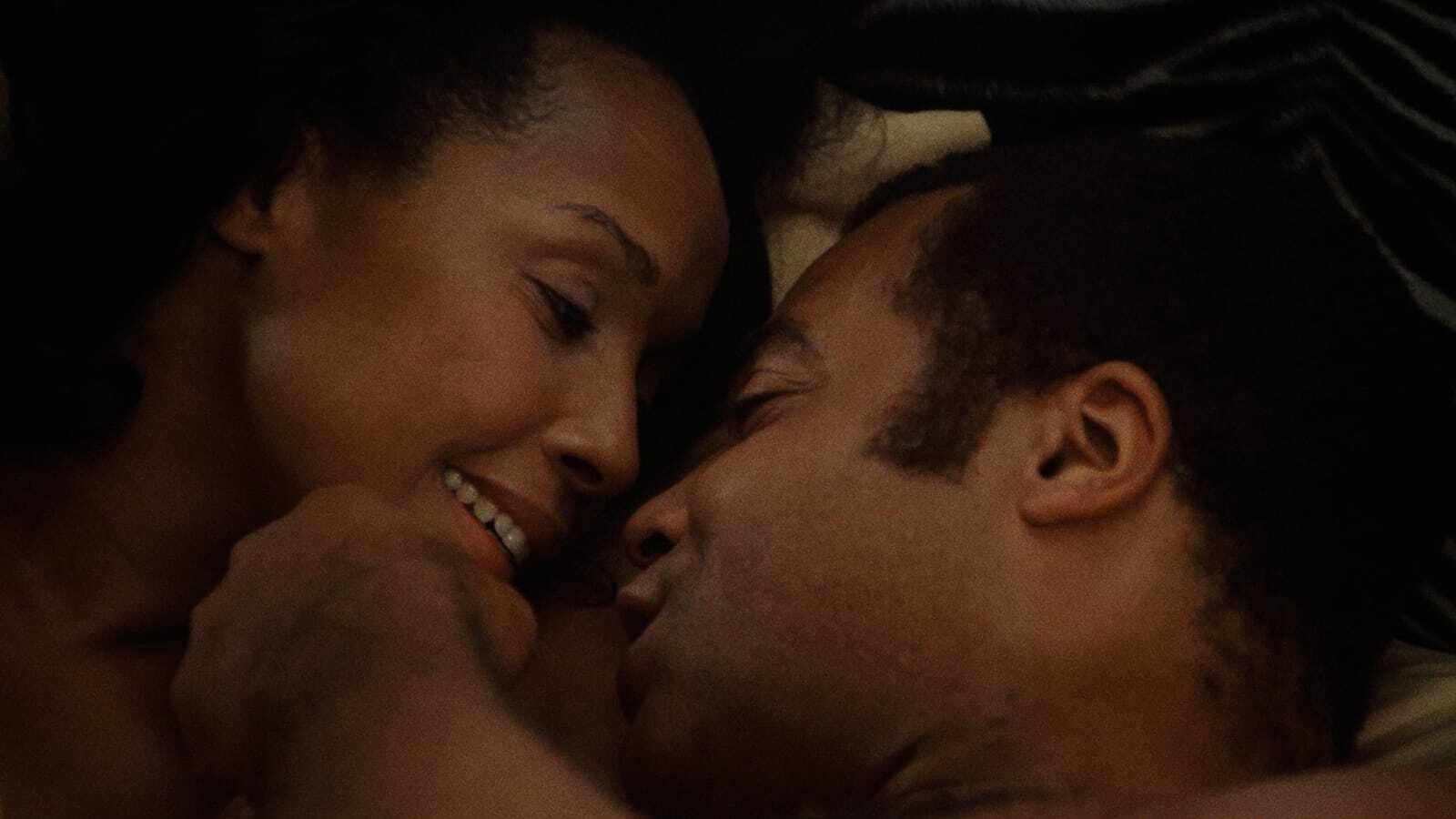
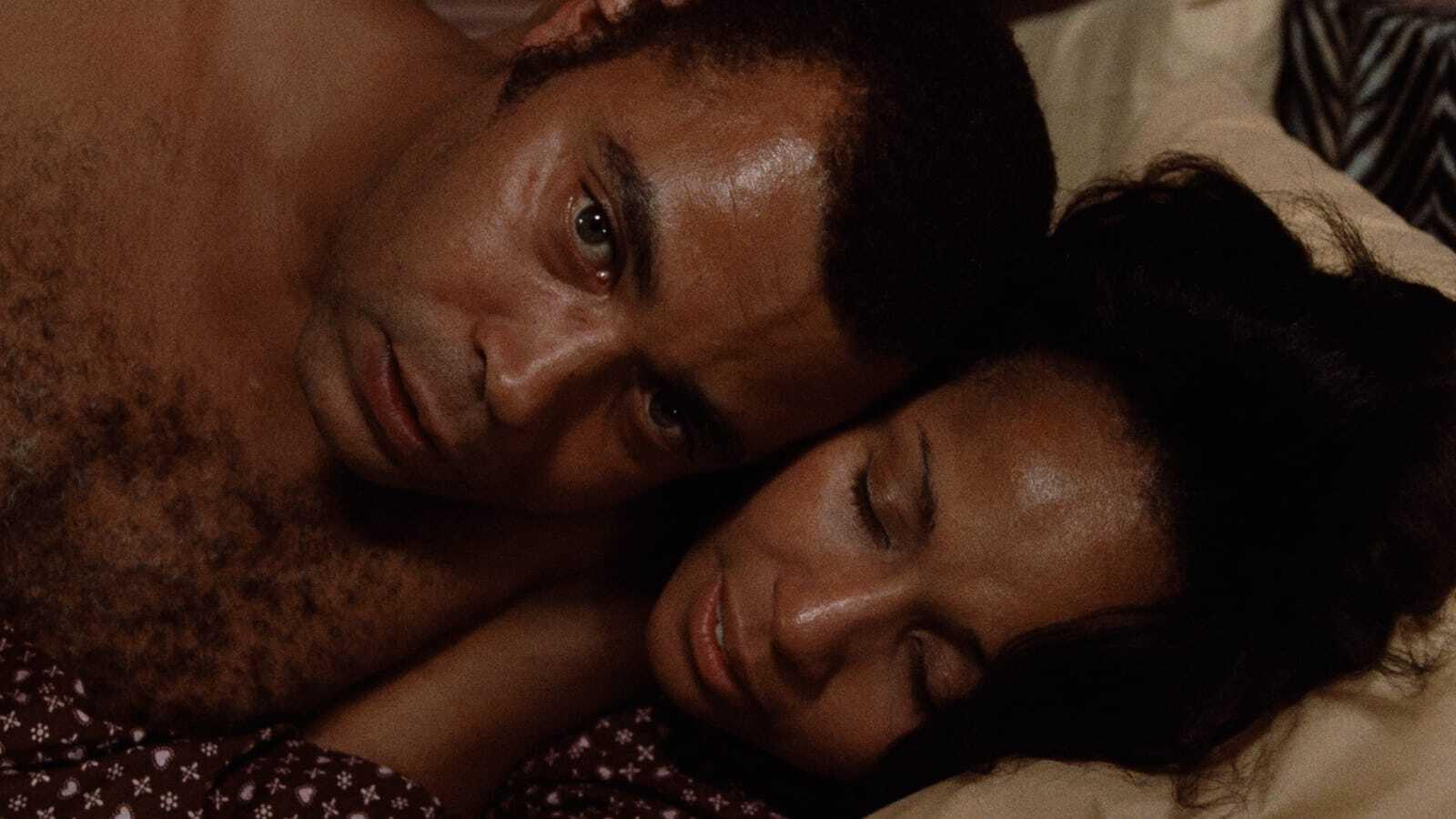
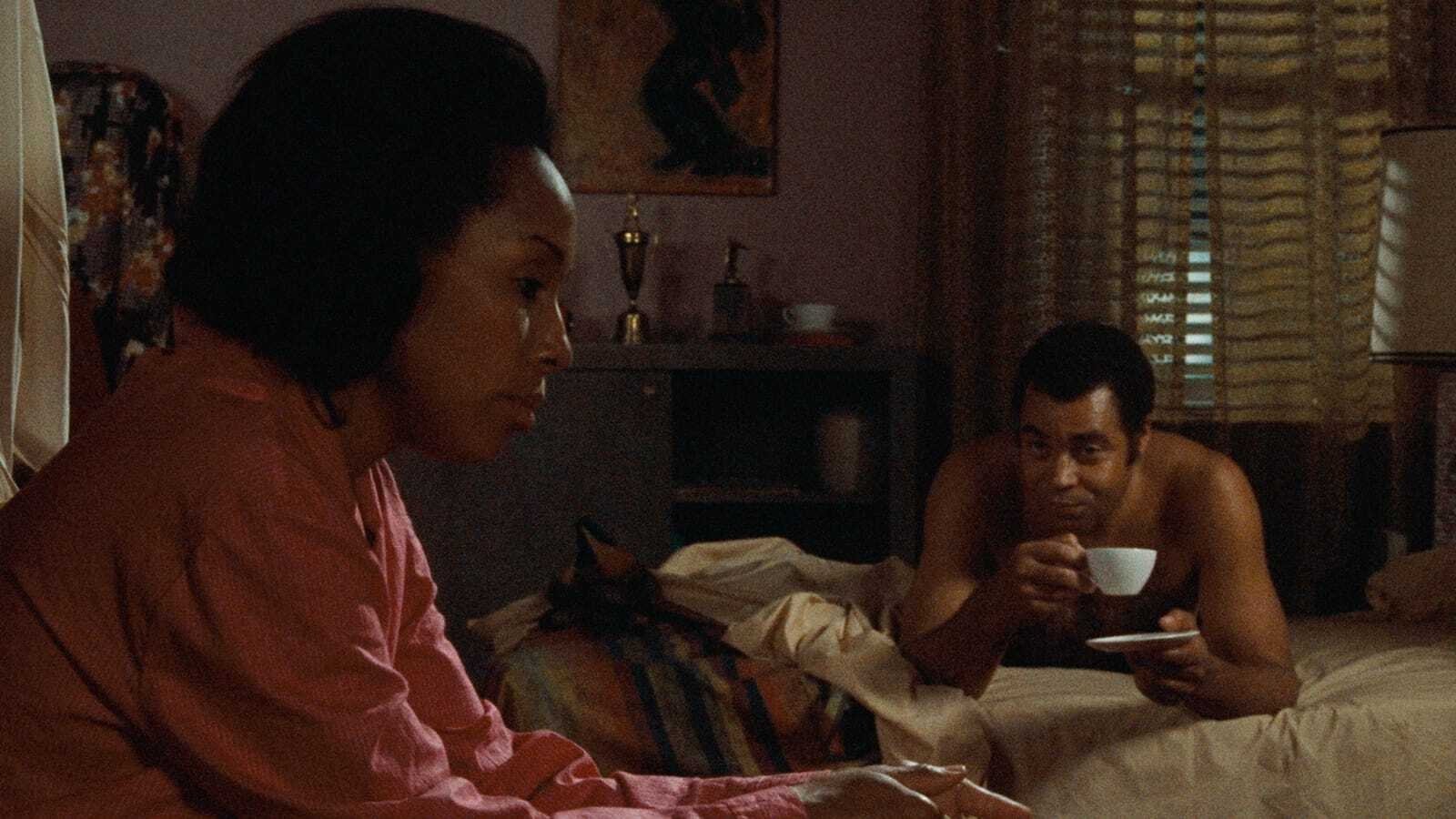
Claudine’s story begins when she meets Roop, played by the great James Earl Jones. He plays the charming stranger (albeit very pushy) as she takes out the trash for one of the wealthy white neighborhoods where she works as a maid. Roop begins to maneuver his way into Claudine’s heart as a sexy, romantic lover after they share a sweet night, but reality begins to set in for Claudine as she worries about what will happen to her welfare status if she continues to pursue this relationship. The push-and-pull dynamic that Claudine introduces with this balancing act makes up the film's emotional core. We want to see these two end up together, but the racist system relies on its inane mechanisms to prevent their love from fulfilling itself.
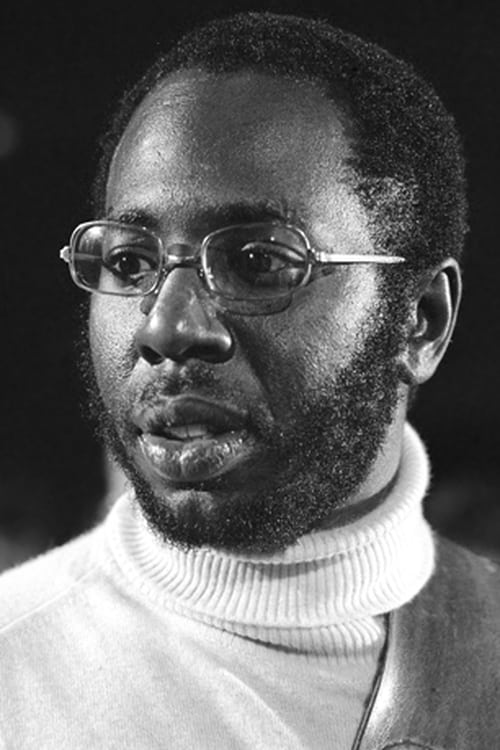
A film like this could’ve easily been about Black suffering, as Hollywood often churns out, but Claudine affirms Black love, family, and the richness of life. I can’t think of a film that has made me as happy to experience life and cinema as Claudine has. A profound wave of warmth washes over me every time I see the montage of Claudine’s younger children riding their bike through the busy New York streets, searching for Roop. It helps that Curtis Mayfield and, Gladys Knight & the Pips worked on the soundtrack, which adds texture and life to the film.
Claudine is a beautiful film with stunning performances from Diahann Carroll and James Earl Jones. Their love feels genuine and believable, warming the film’s core and providing the texture needed to carry this film without becoming just another portrayal of Black suffering—a testament to the beauty in the milieu of life.
I fell in love with this film from the moment it started.
Claudine is a beautiful film about a Black family in New York City living on welfare with six kids ranging from eighteen to three years old and their struggles in a racist system that seeks to disempower the family at every given turn. Claudine is a single mother living on welfare and trying to keep her head above water. Her young sons feel alienated from society as institutions like schools tell her kids that they're not smart enough or at the workplace that they're not good enough for fundamental worker rights while her older daughter is trying to navigate love herself. Claudine masterfully avoids becoming maudlin in depicting a family living in our racist system. Diahann Carroll gives a career-defining performance, humanizing Claudine with affable charm and hesitancy to be vulnerable.
Claudine’s story begins when she meets Roop, played by the great James Earl Jones. He plays the charming stranger (albeit very pushy) as she takes out the trash for one of the wealthy white neighborhoods where she works as a maid. Roop begins to maneuver his way into Claudine’s heart as a sexy, romantic lover after they share a sweet night, but reality begins to set in for Claudine as she worries about what will happen to her welfare status if she continues to pursue this relationship. The push-and-pull dynamic that Claudine introduces with this balancing act makes up the film's emotional core. We want to see these two end up together, but the racist system relies on its inane mechanisms to prevent their love from fulfilling itself.
A film like this could’ve easily been about Black suffering, as Hollywood often churns out, but Claudine affirms Black love, family, and the richness of life. I can’t think of a film that has made me as happy to experience life and cinema as Claudine has. A profound wave of warmth washes over me every time I see the montage of Claudine’s younger children riding their bike through the busy New York streets, searching for Roop. It helps that Curtis Mayfield and, Gladys Knight & the Pips worked on the soundtrack, which adds texture and life to the film.
Claudine is a beautiful film with stunning performances from Diahann Carroll and James Earl Jones. Their love feels genuine and believable, warming the film’s core and providing the texture needed to carry this film without becoming just another portrayal of Black suffering—a testament to the beauty in the milieu of life.