And we'll leave this hell to go to another hell...
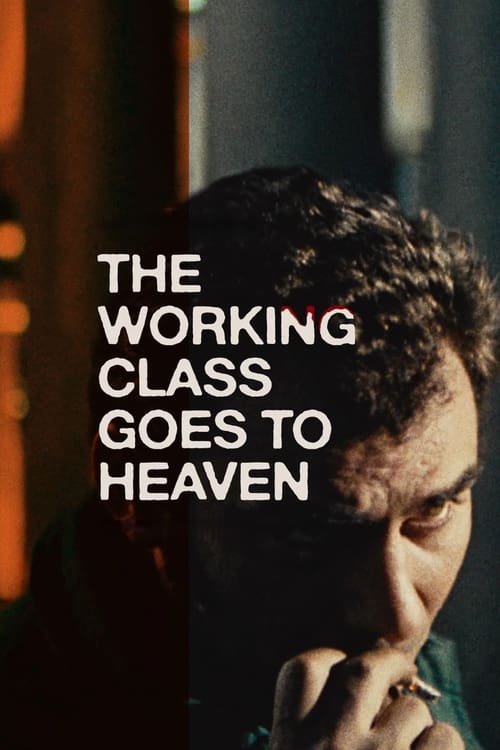
My review to honor Labor Day. Workers have nothing to lose but their chains. They have a world to gain.Elio Petri's film reminds me of Marx's famous phrase, "religion is the opium of the people." Faith as a necessary consolation in the face of oppression, acting as an analgesic that alleviates the pain of a heartless life. Religion mitigates unhappiness without solving the material cause of oppression.
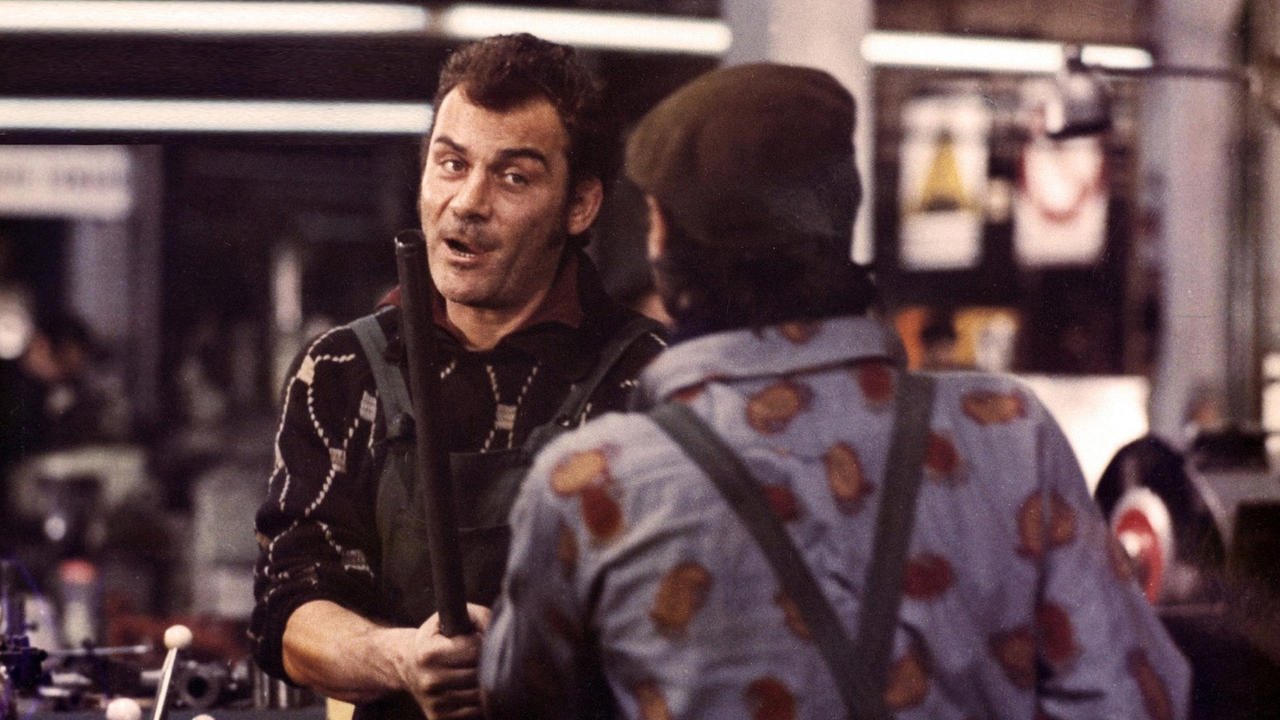
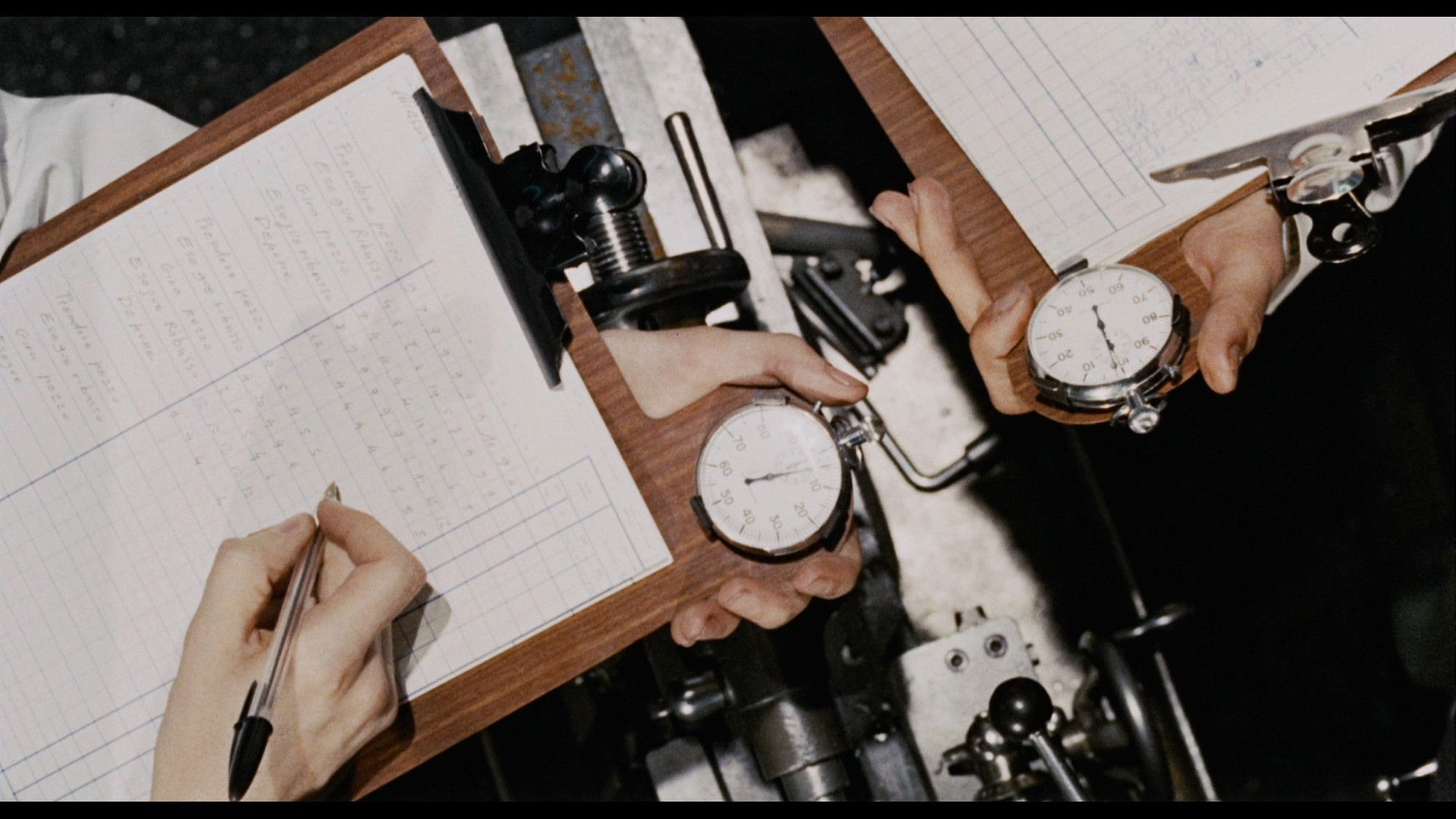
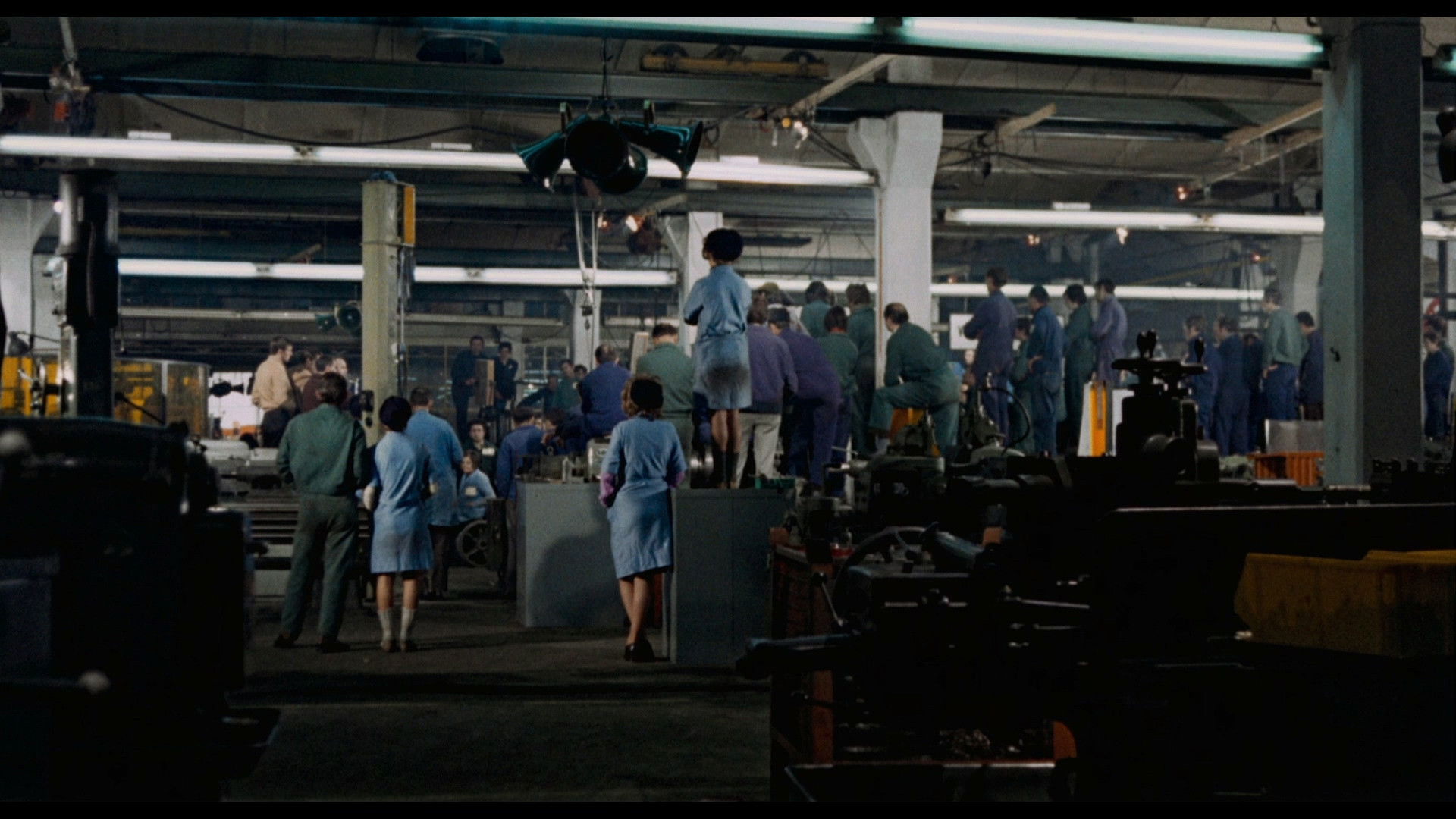
In The Working Class Goes to Heaven, the factory is the physical materialization of the alienation described by Marx. For the worker, work is no longer an extension of their creativity or a way of interacting with the world, but an external force that dominates them. It dominates you so much that you even find it offensive to see people who fight for what is right, you see as lazy people who only want fair pay for work done or simply to spend time with their family. The bosses don't care about your family; you are just another cog in the machine, not even an essential one, a replaceable one.
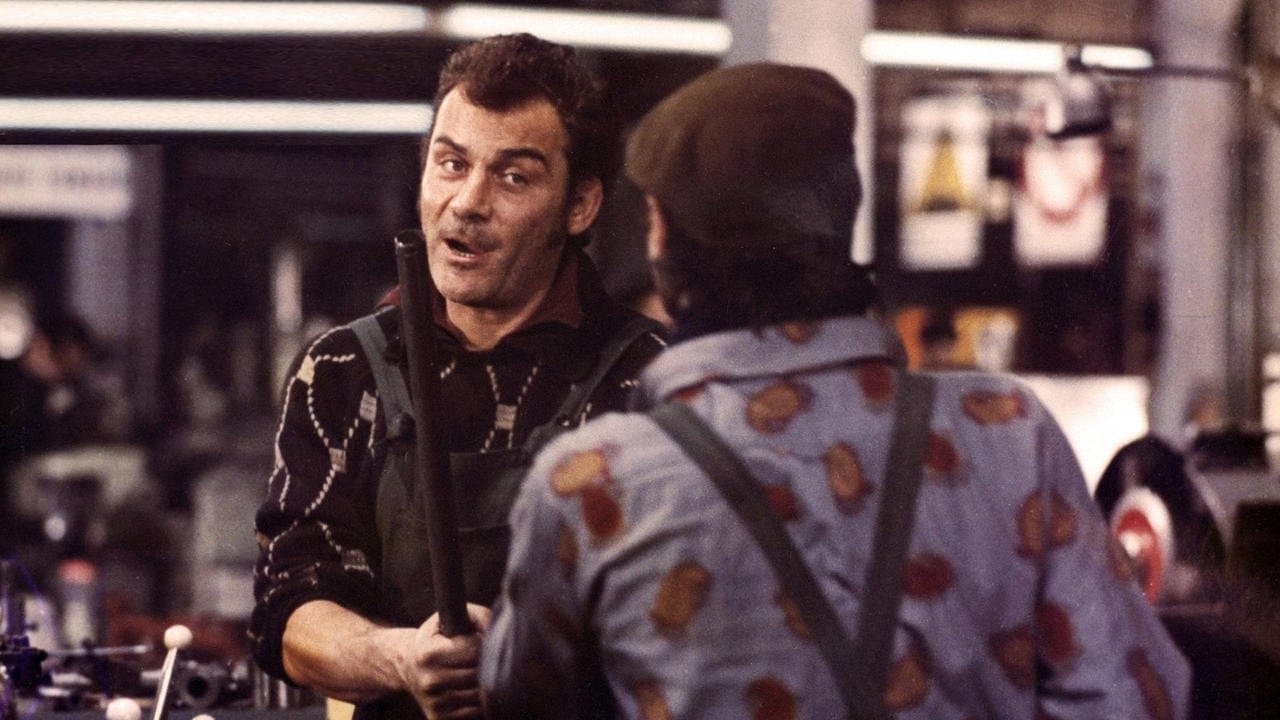
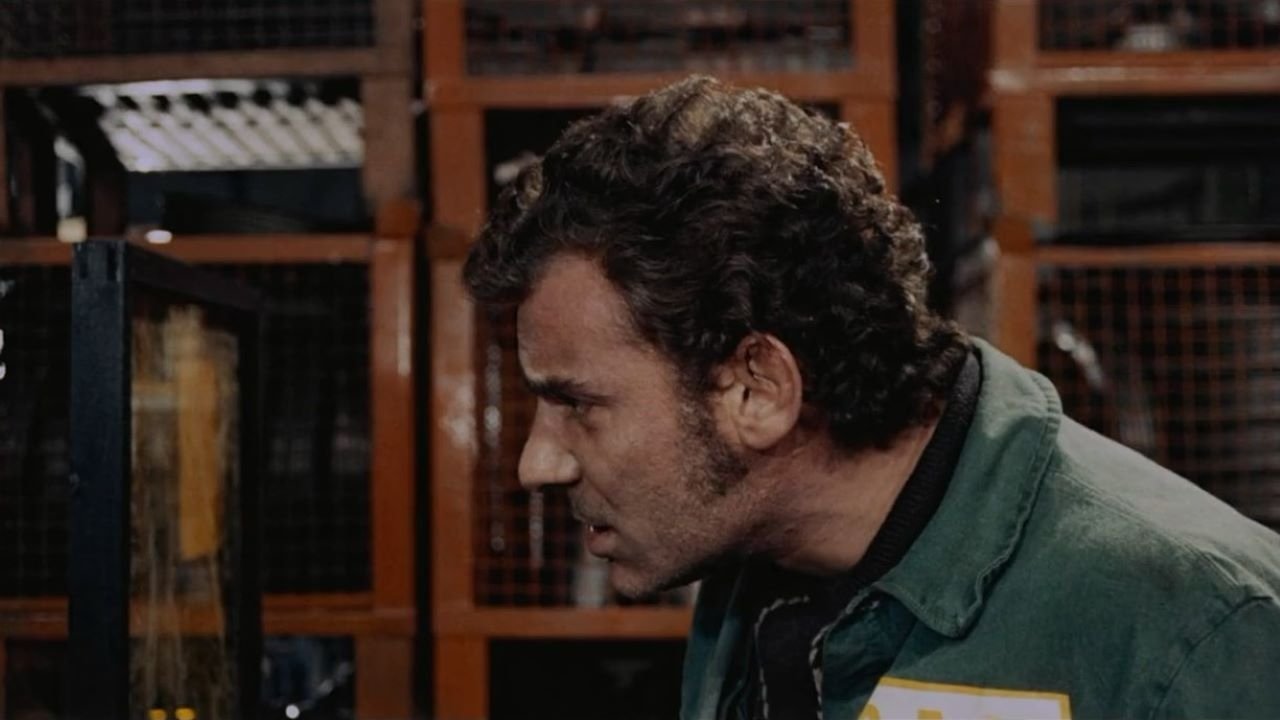
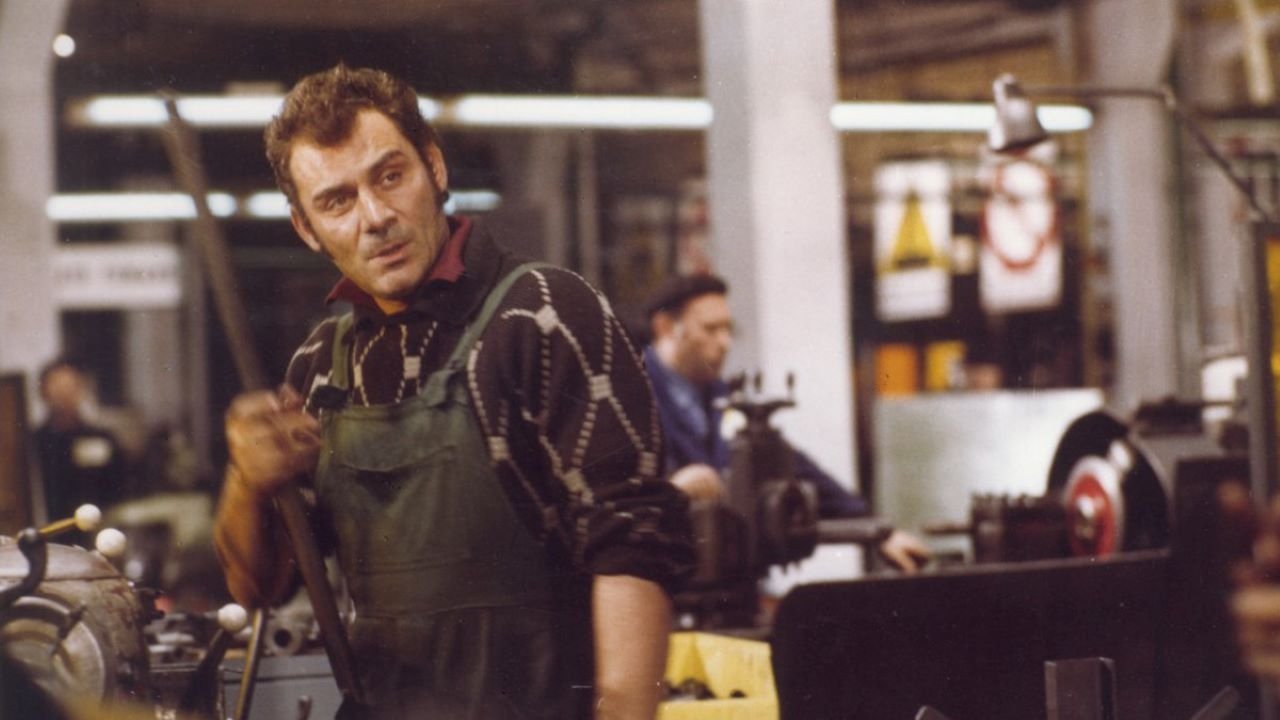
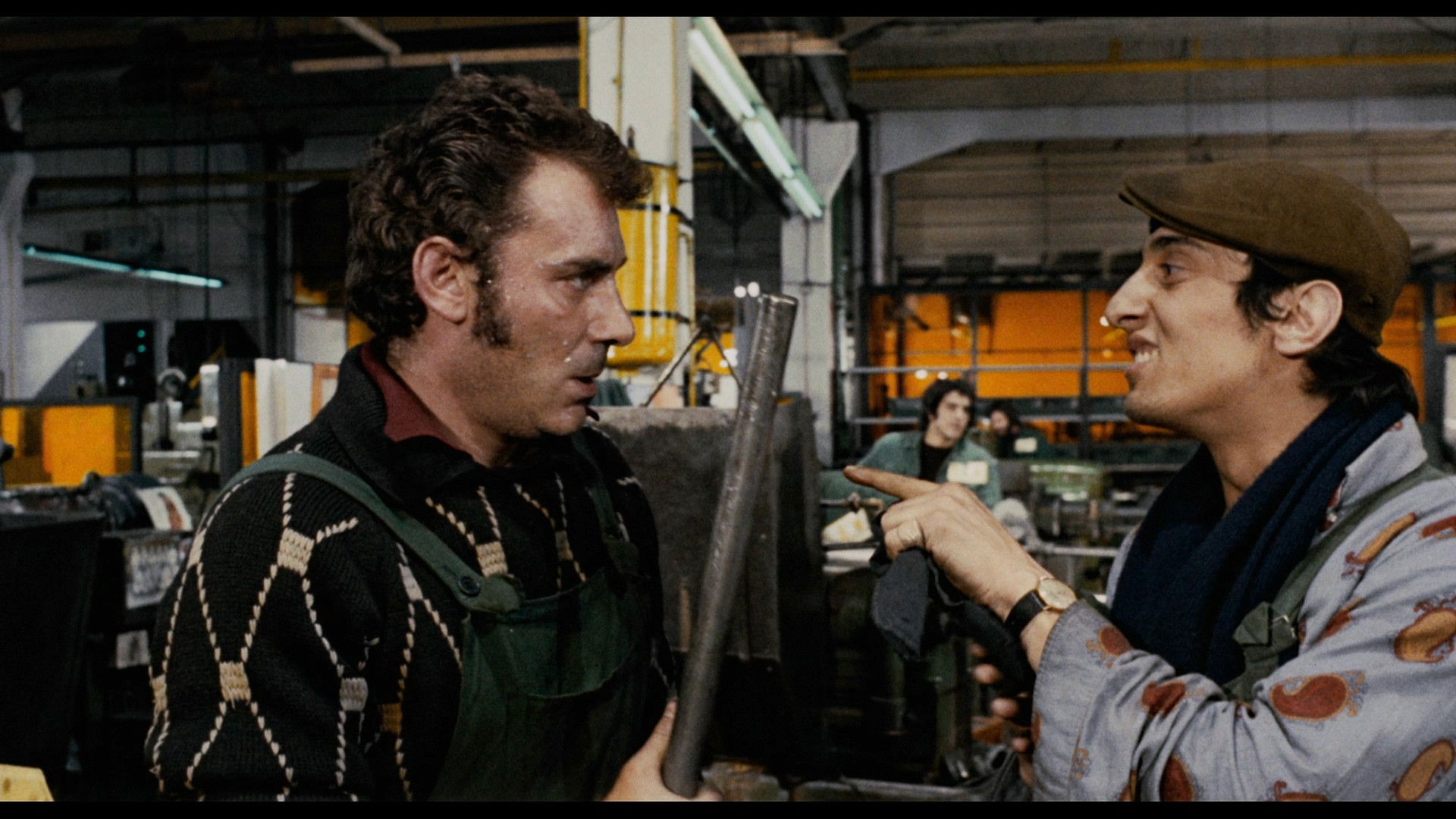
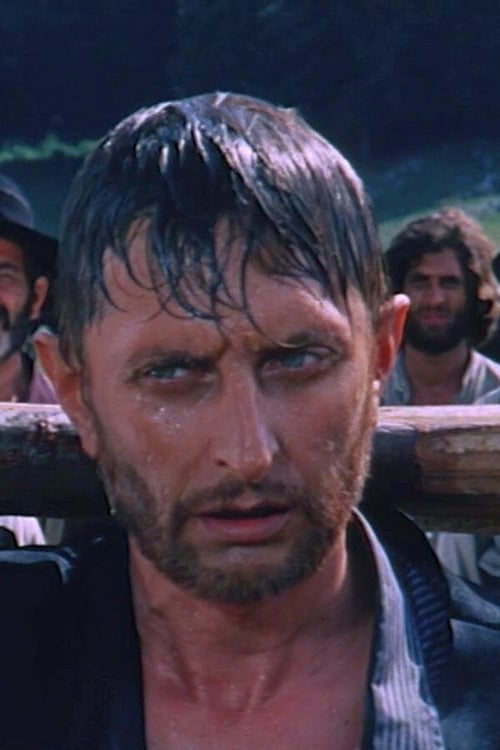
Lulù Massa embodies the ideal of the efficient worker, someone who has internalized the rhythm of the assembly line to the point of making his own body an extension of the machine. When he loses a finger, you realize the worker is a replaceable component. The machine is a subject that demands human sacrifice. The loss of the physical limb is the ultimate metaphor for the spiritual mutilation of the proletariat, no longer able to recognize itself outside the industrial machine.
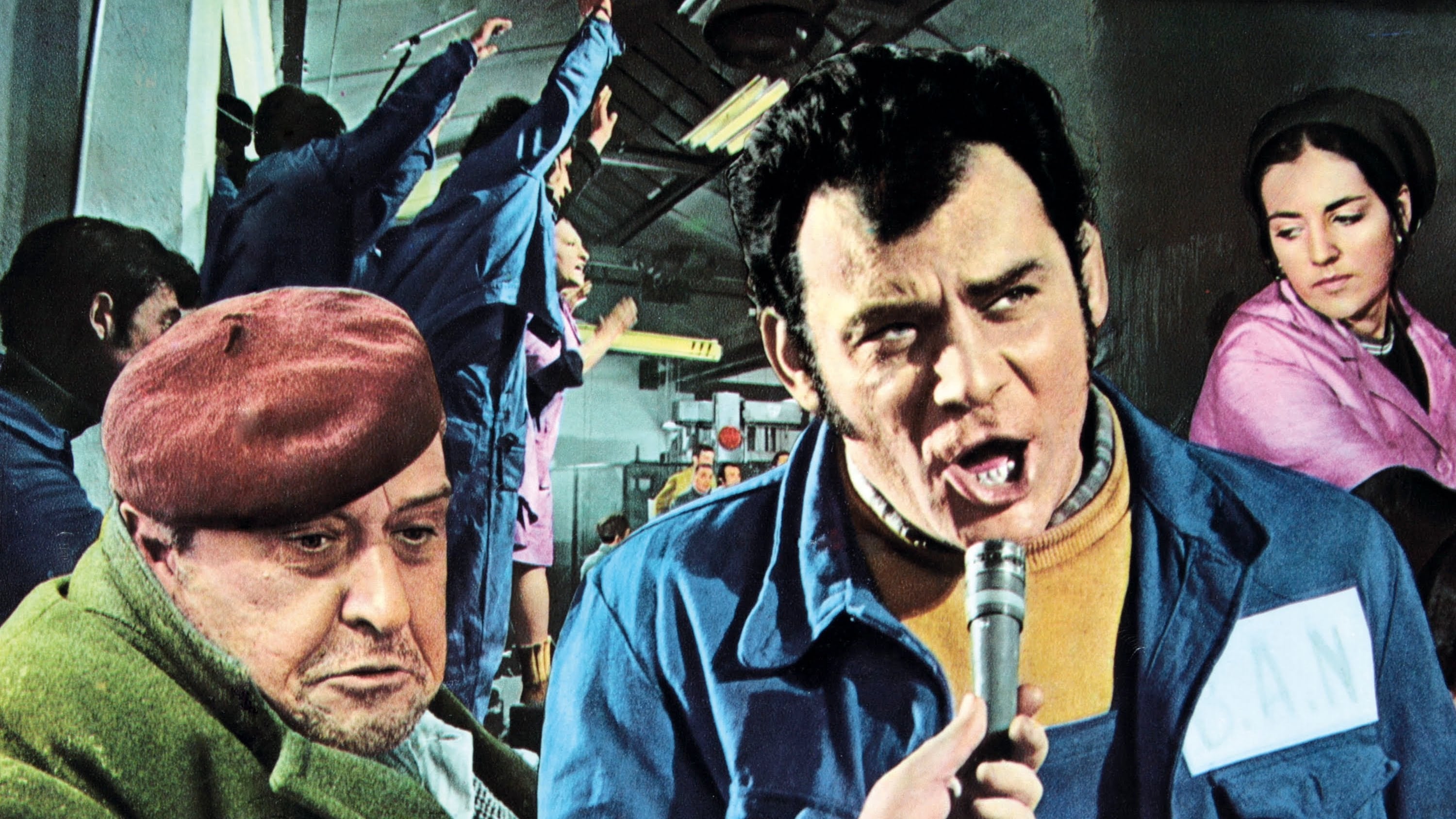
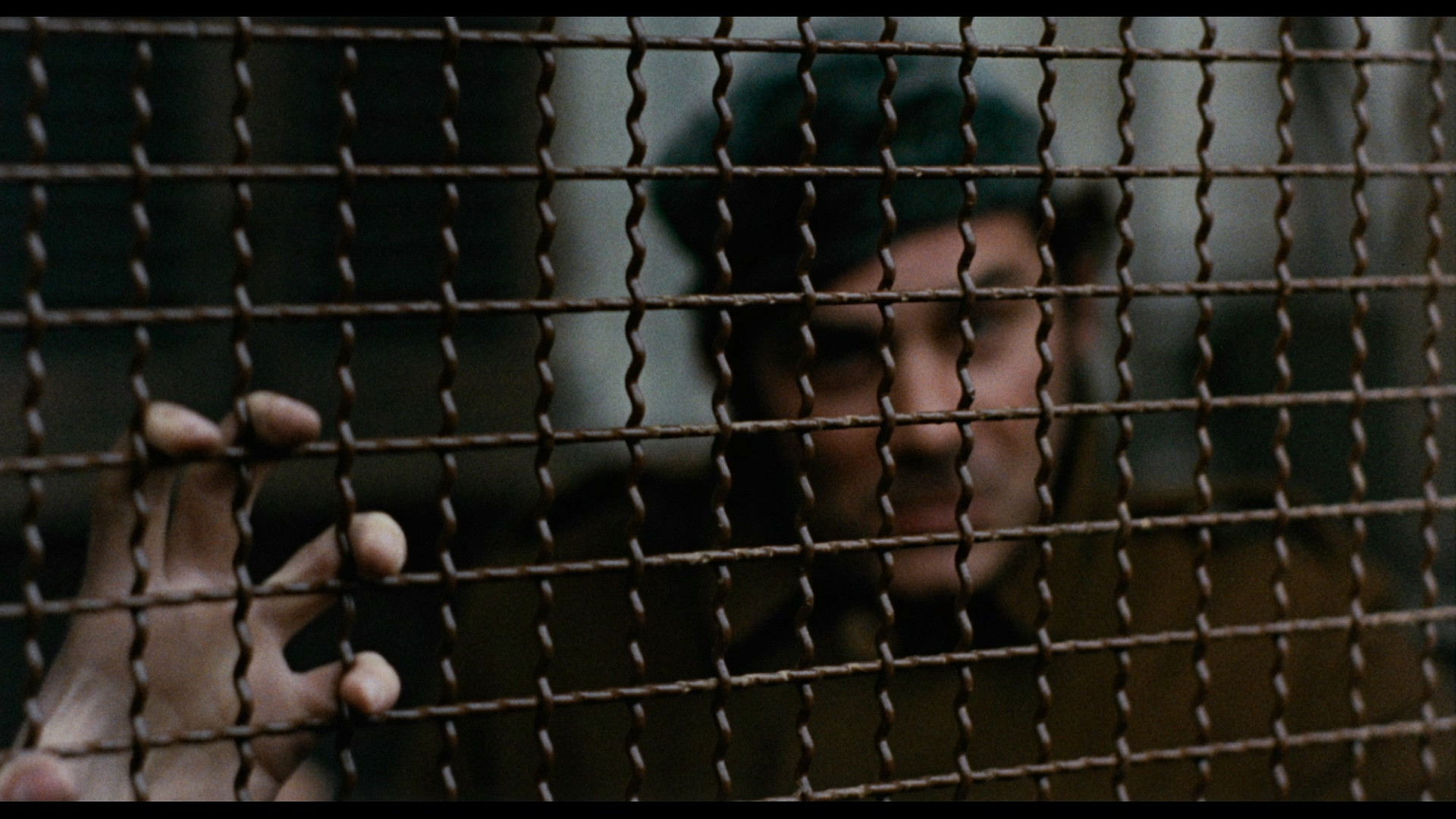
The film portrays the tension between union reformism and the radicalism of student movements. This division is the tragedy of the proletariat, because when the working class is fragmented by the bureaucracy, the struggle loses its revolutionary power and becomes a mere negotiation over the rate of exploitation. Lulù's tragedy is that, despite his attempts to organize, the system has an elastic capacity to reabsorb the protest and reintegrate the worker into the grinding machine, whether through fear, economic necessity, or political dismantling.
I think I've spoken before about my criticism of "workers' cinema." And the thing is, many times even the workers themselves don't see it. Cinema, besides being art, is unfortunately an industry. Perhaps Petri does sympathize with the proletariat, perhaps the screenwriters and actors who participate in this kind of film do, but behind it all there's a whole industry, producers who only care about money. It's a fair representation, yes, and I will always appreciate art that reflects my political ideals, but I still think it's important to remember this: like Soy Cuba, a masterpiece of leftist cinema made with propagandistic intentions, it's still a great work of cinema, but no one is innocent.
The worker who doesn't fight during his life is the one who endures suffering, the one who waits for heaven, paradise, eternal rest. All the injustice of capitalism on earth will cease to matter when we are in the celestial realm.