

1993·Drama·1h 39m
7.1
★
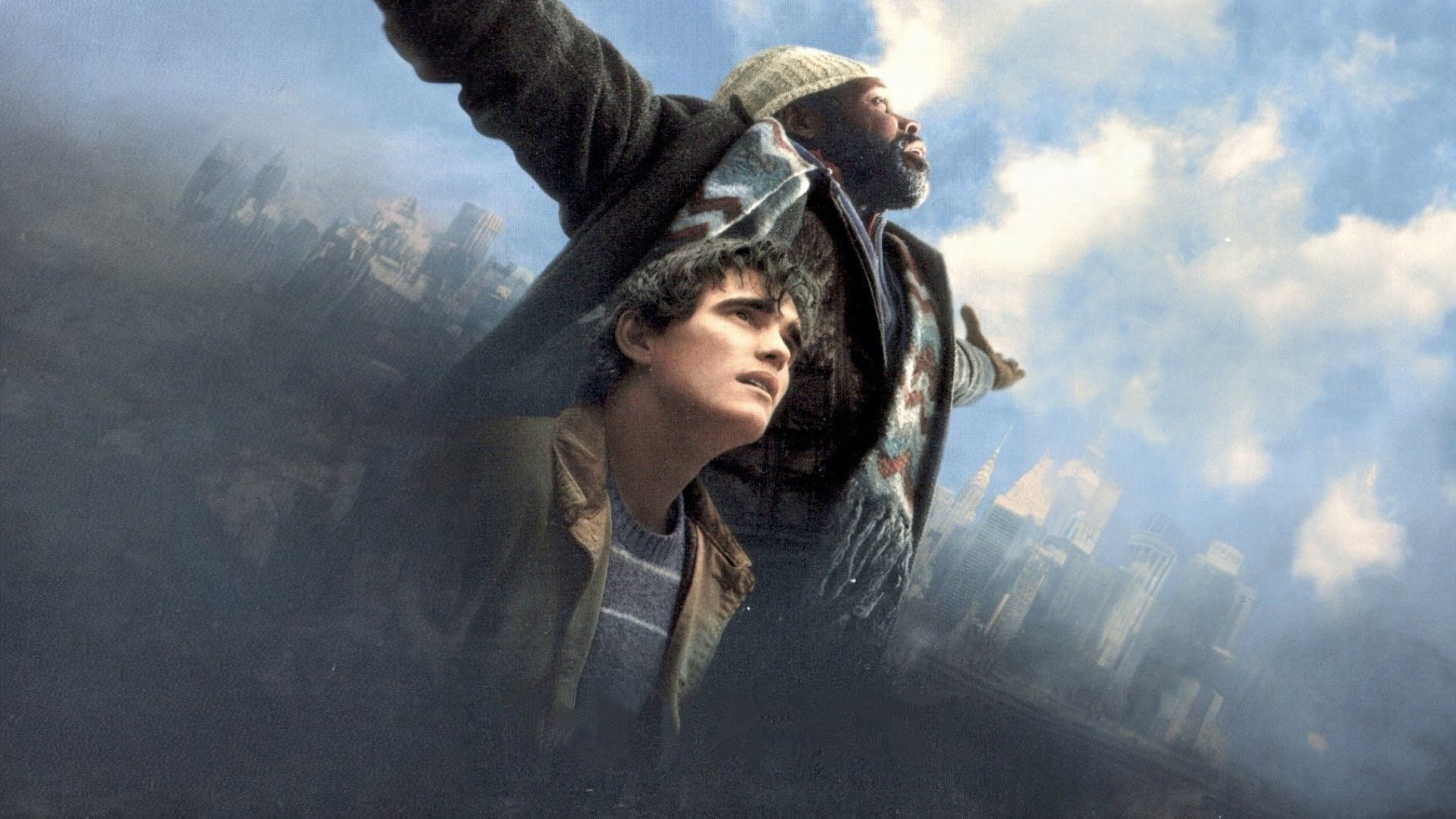
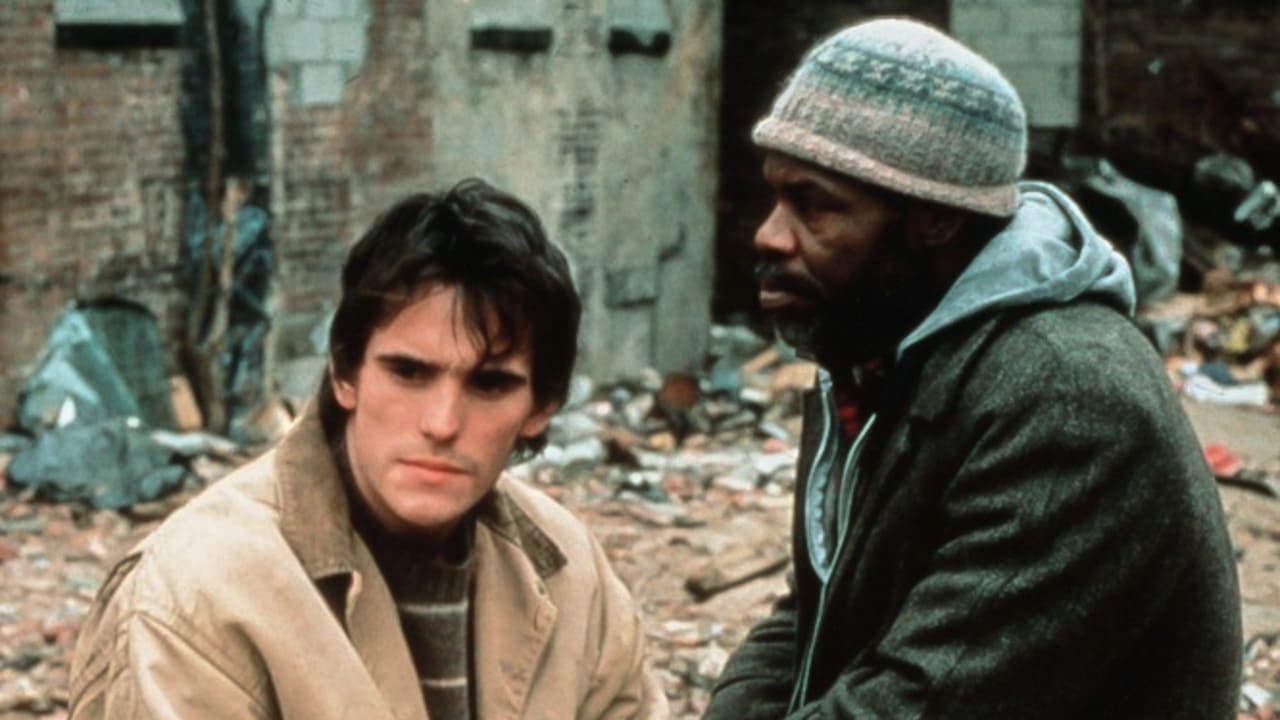
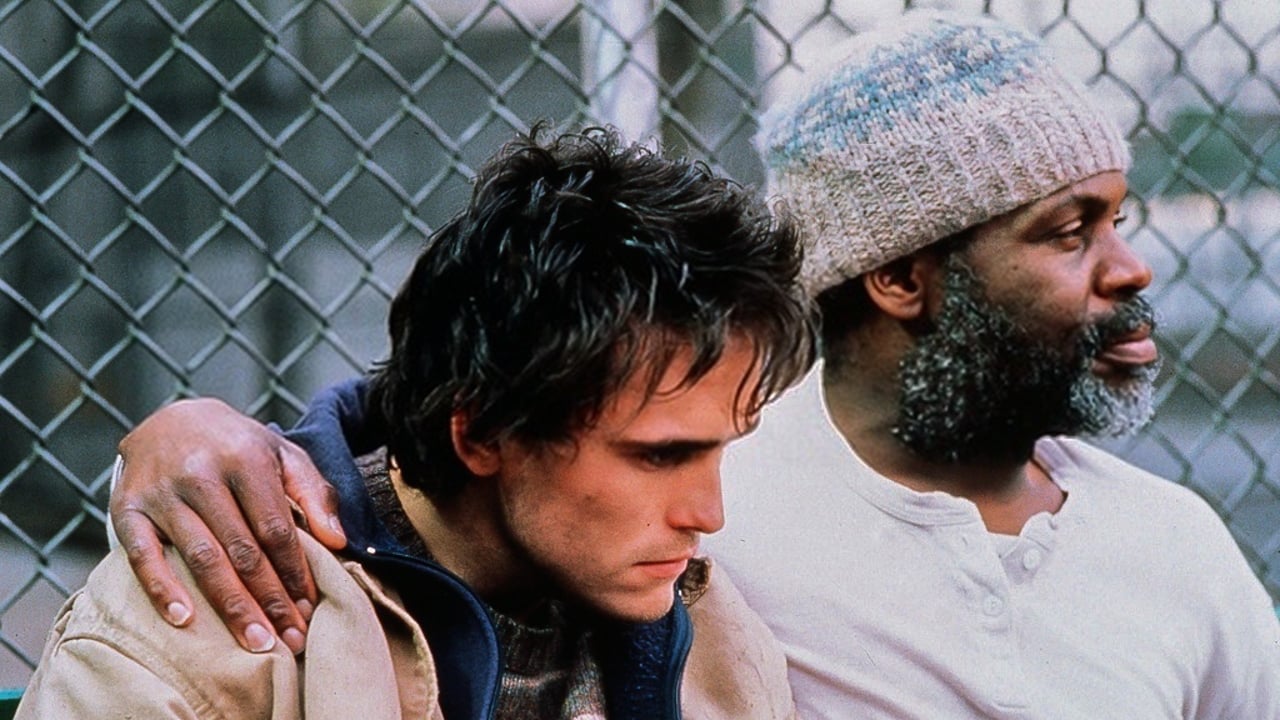
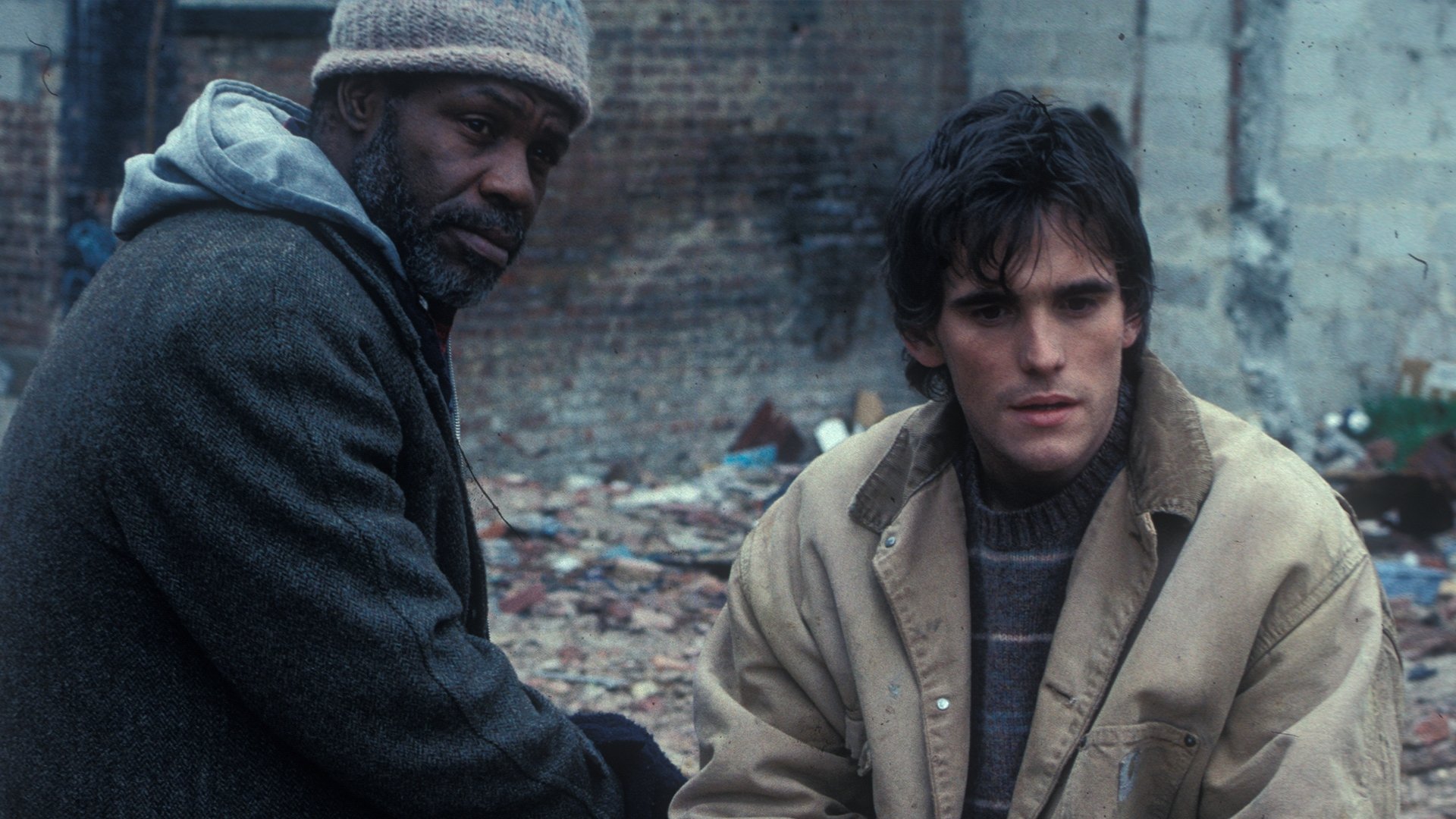
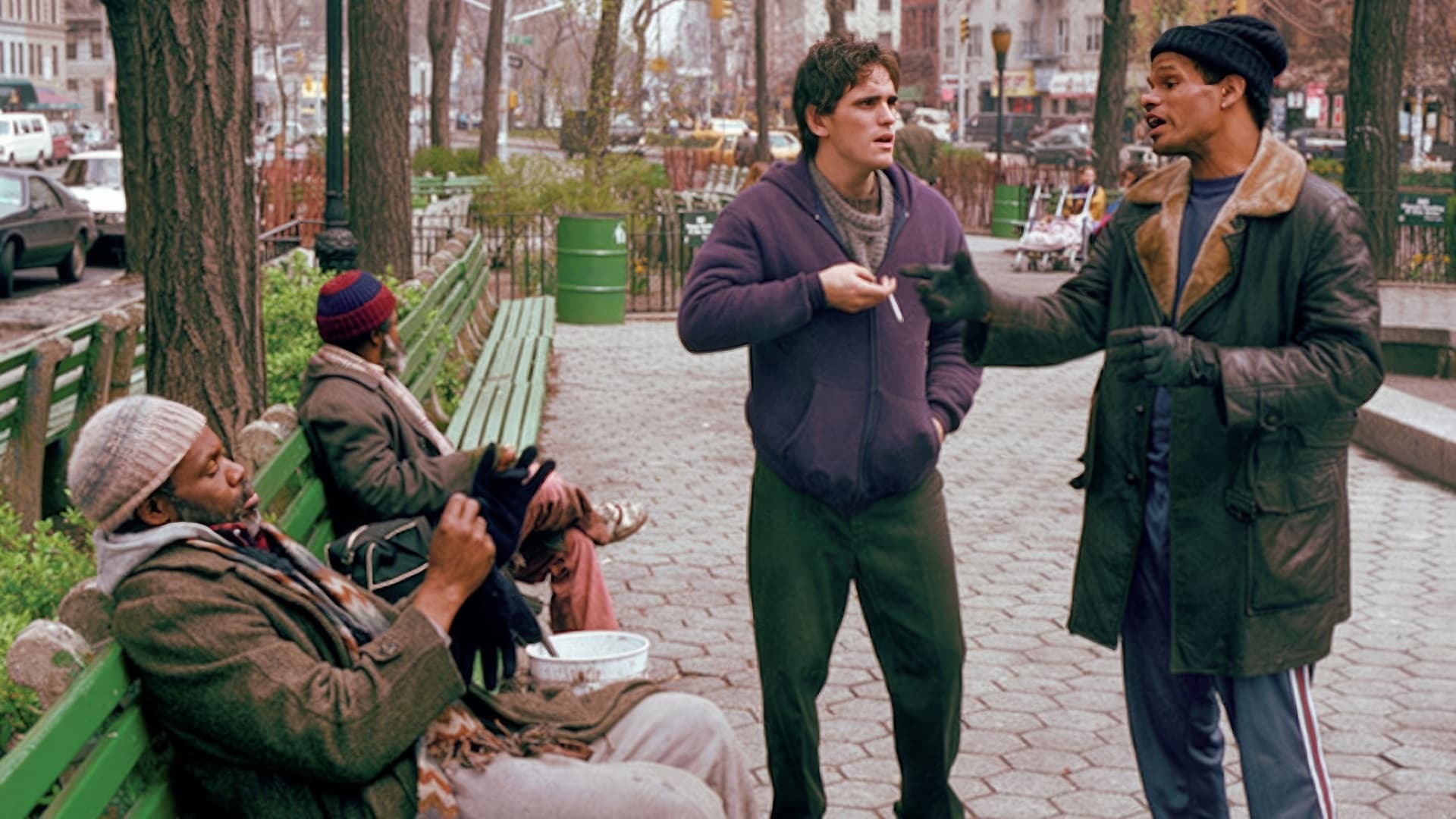
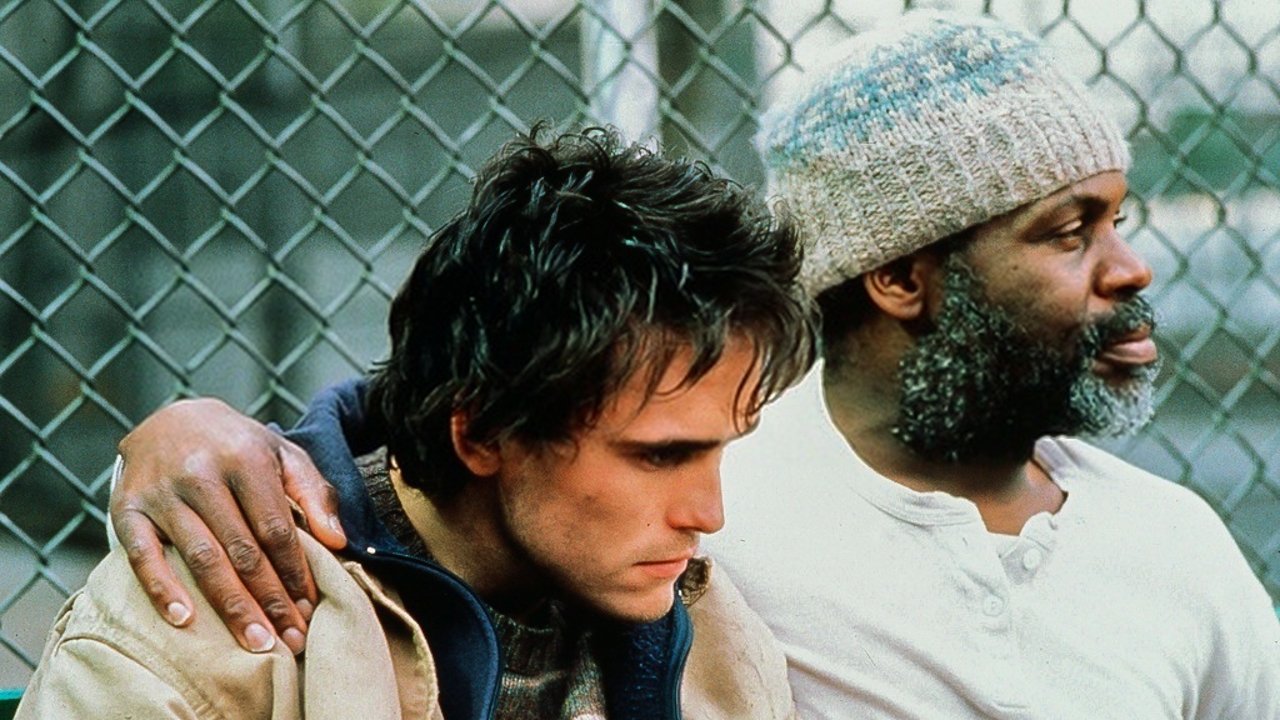
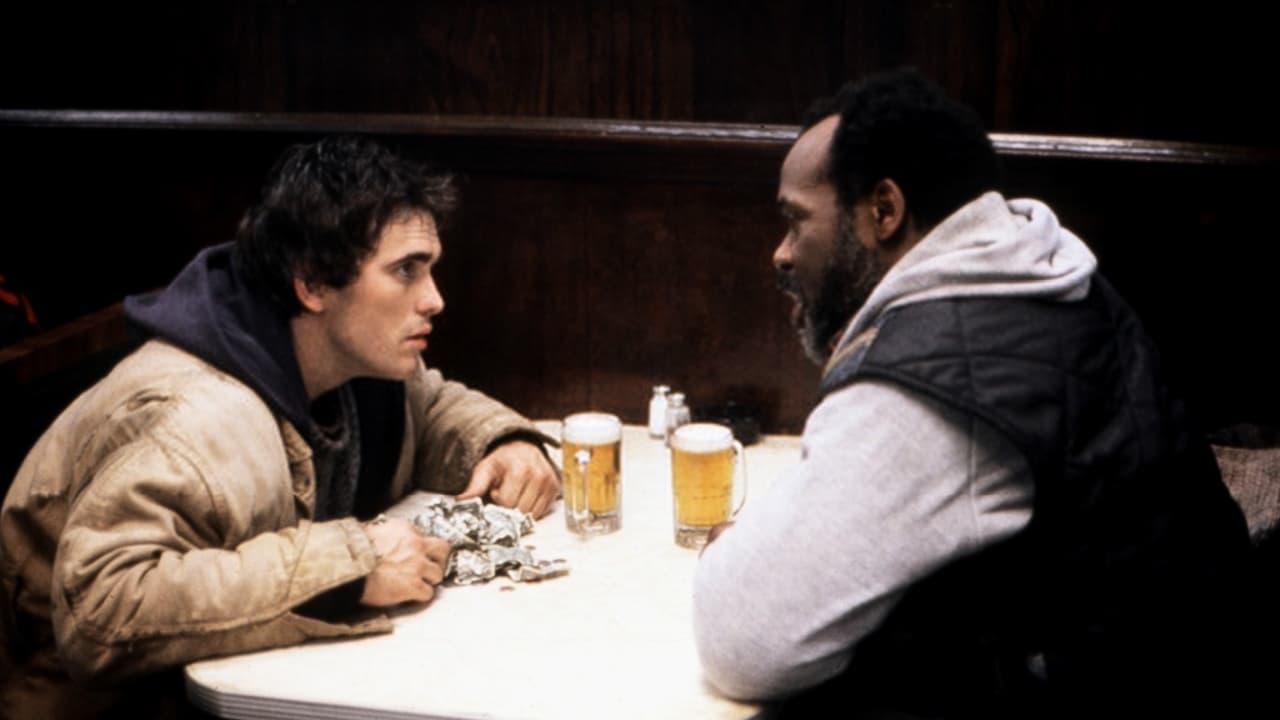
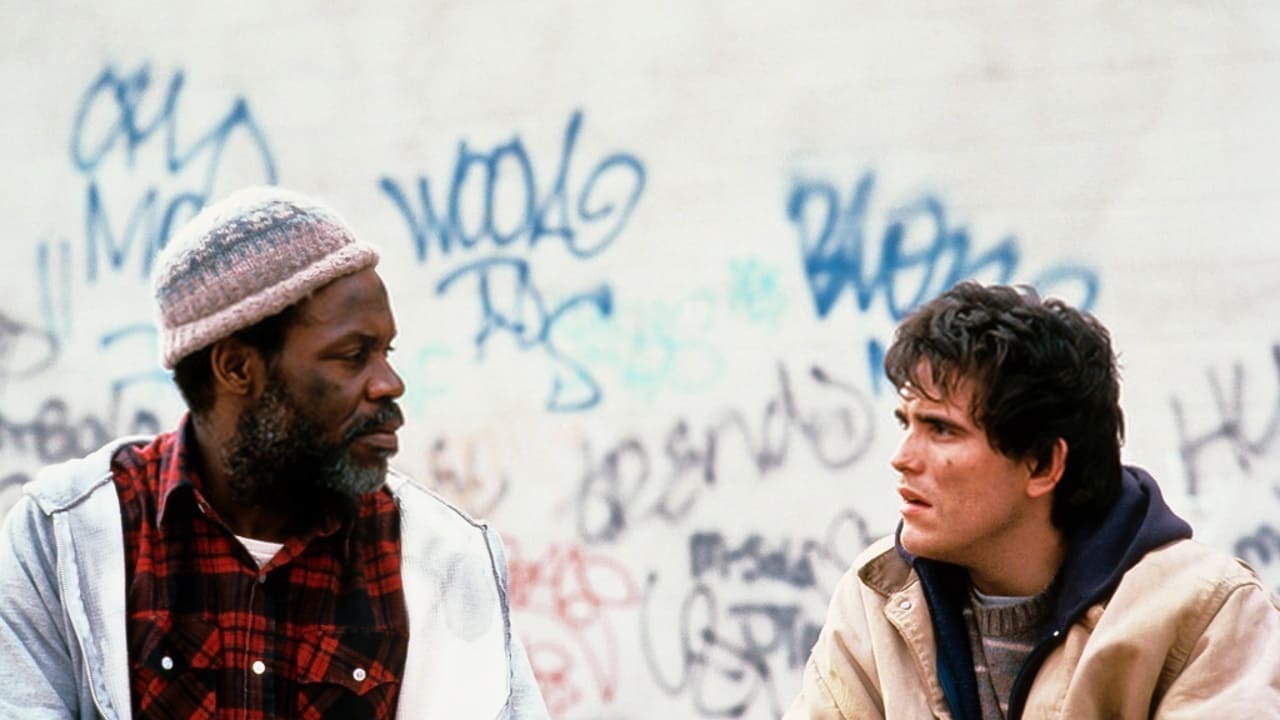
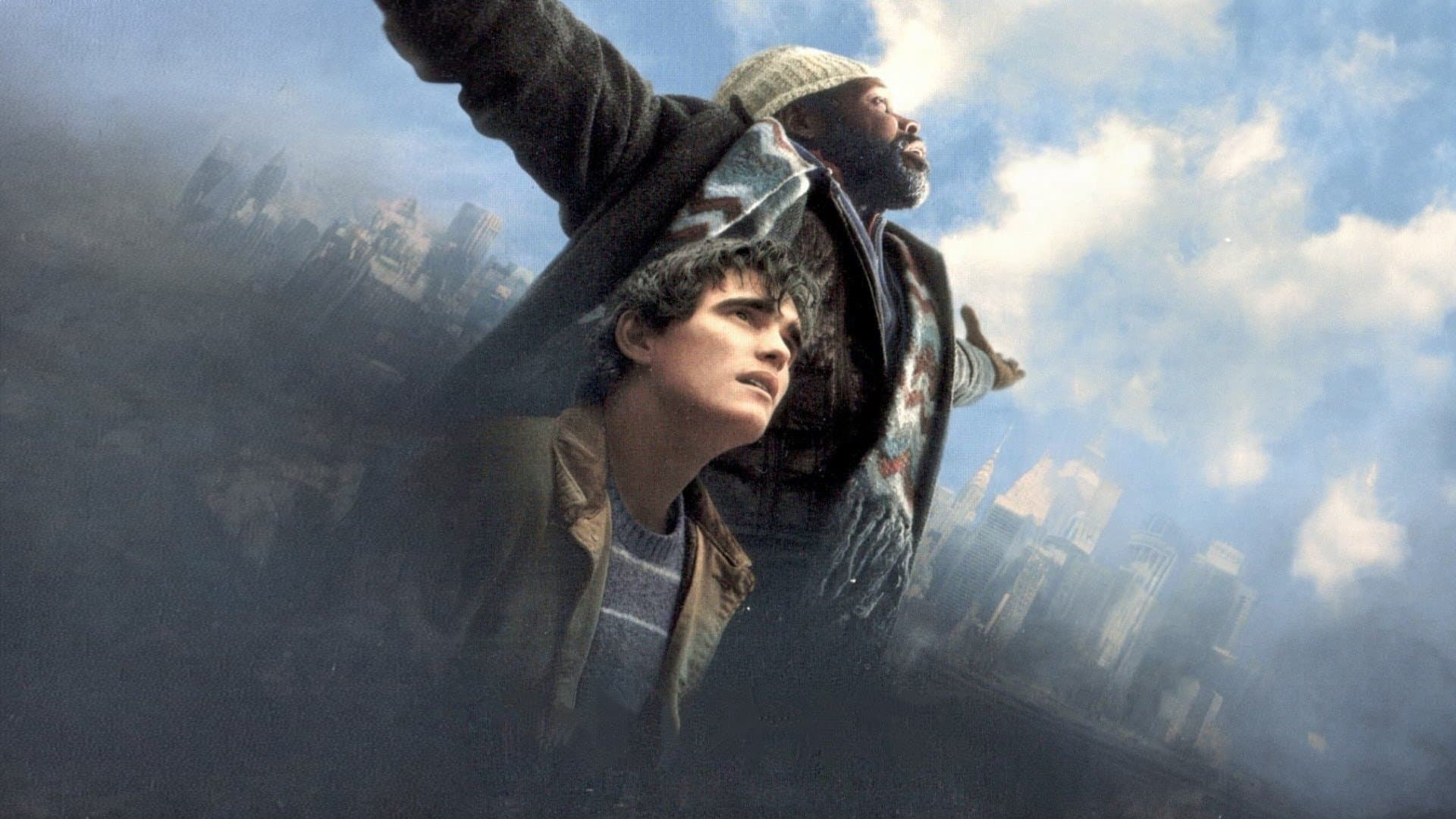
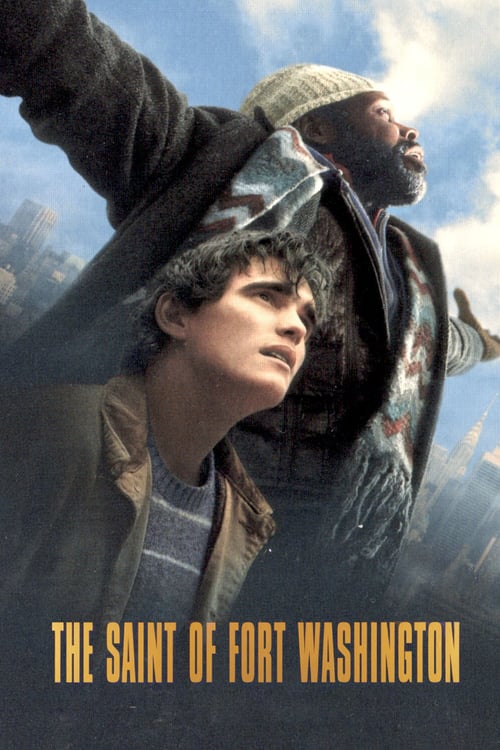
Matthew, a young schizophrenic, finds himself out on the street when a slumlord tears down his apartment building. Soon, he finds himself in even more dire straits, when he is threatened by Little Leroy, a thug who is one of the tough denizens of the Fort Washington Shelter for Men. He reaches out to Jerry, a streetwise combat veteran, who takes Matthew under his wing as a son. The relationship between these two men grows as they attempt to conquer the numbing isolation of homelessness.
Directed by Tim Hunter
new york city
schizophrenia
photographer
photography
homelessness

IMDB
N/A
Where to Watch


Cast
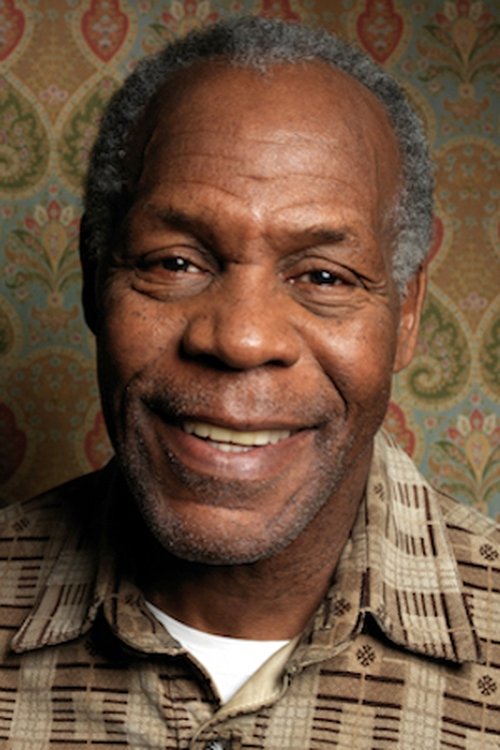
Danny Glover
Jerry

Matt Dillon
Matthew
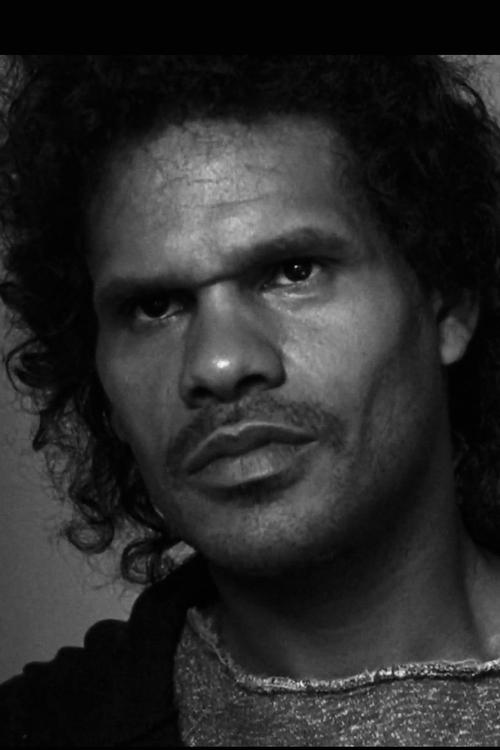
Rick Aviles
Rosario

Nina Siemaszko
Tamsen, la fille de Rosario

Ving Rhames
Little Leroy
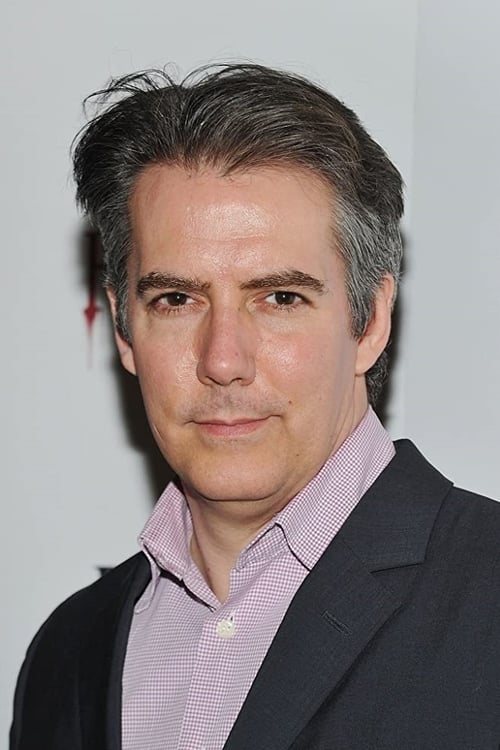
Adam Trese
John
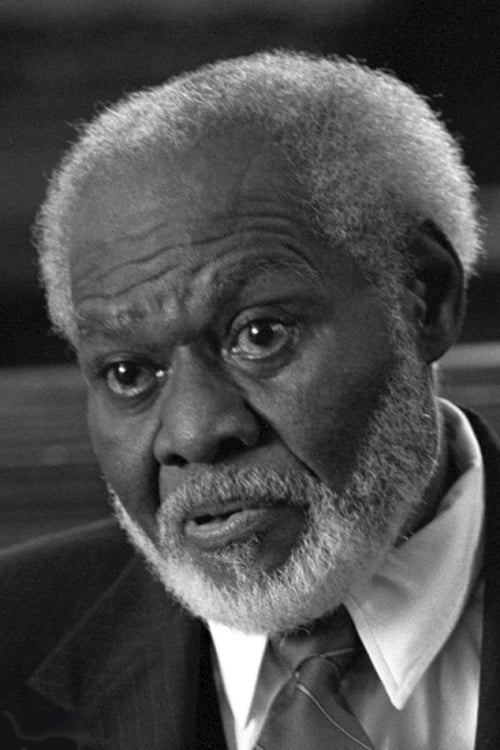
Joe Seneca
Spits

Bahni Turpin
Gloria
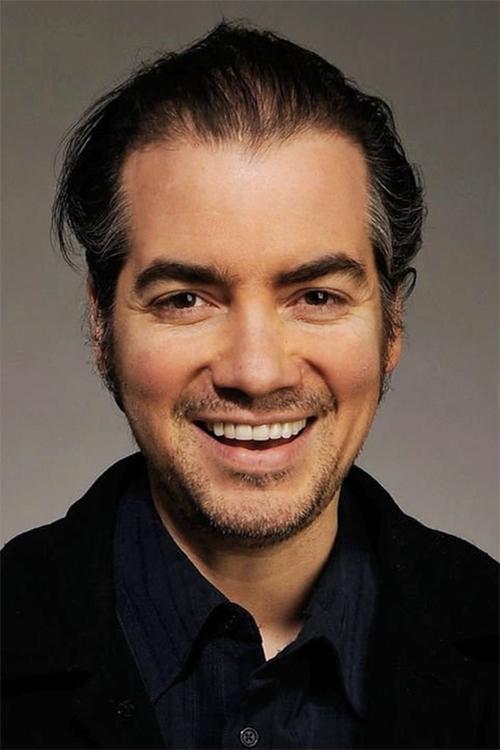
Kevin Corrigan
Peter
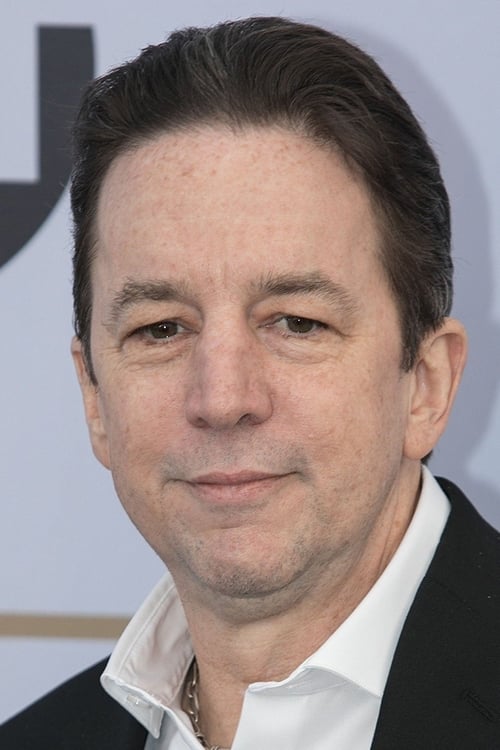
Brian Tarantina
Fred
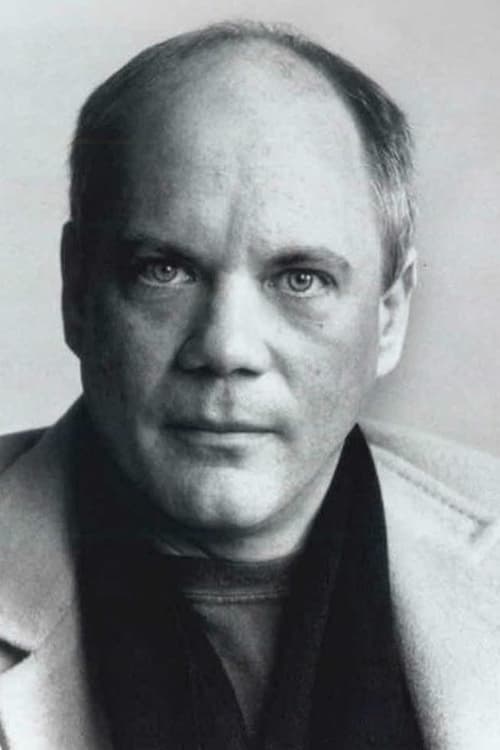
Daniel von Bargen
Boat Captain

Frances Chaney
Woman in the Window
Crew
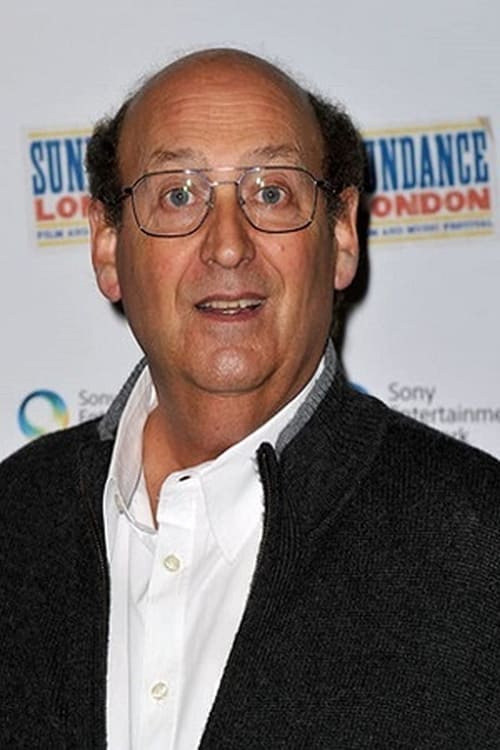
Tim Hunter
Director

James Newton Howard
Original Music Composer
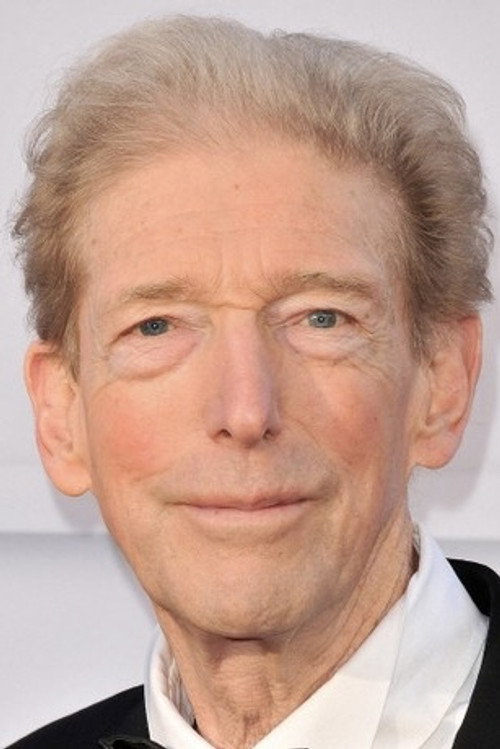
Frederick Elmes
Director of Photography

Christopher Boyes
Foley Recordist

Steve Saklad
Art Direction
Popular Reviews
30 reviews
Maia
8.0★ · 02/18/26
underrated and heartbreaking, got left in tears :((((
underrated and heartbreaking, got left in tears :((((

1

Sydney Habib
10.0★ · 05/07/25
where do fish keep their money
in
in river banks😞😞😞😞😞😞
in
in river banks😞😞😞😞😞😞
where do fish keep their money
in
in river banks😞😞😞😞😞😞
in
in river banks😞😞😞😞😞😞
1
bianca
10.0★ · 05/04/26
this is honestly one of the most beautiful movies I’ve ever seen
this is honestly one of the most beautiful movies I’ve ever seen
polina
8.0★ · 03/31/26
I only came here for Matt Dillon, who is still the most beautiful man in the world, but it ended up being a pretty important and underrated one. I love any film that brings up the subject of photography and people who are passionate about it because it speaks to my soul. and this is essential because people with schizophrenia actually use photography as a form of art therapy. for Matthew, the camera is an opportunity to focus on a specific object and see it with automatic clarity, partially overcome the fright of his hallucinations and see the world less distorted. the last scene is so touching, I wish someone would do that to me in the future.but most of all, I wanted to talk about how this aged well in the context of America's attitude towards marginalized groups and the authorities' desire to make it ‘clean’. there's a excellent scene where Danny Glover's character is beaten and shoved into a truck by the police, despite his shouts of "this is a free country." really similar to what ICE is doing now. this film dispels the myth that homeless people always end up on the streets as a result of their own actions. these are people who have lost everything because of the crisis and the horrors of war. they have lived here all their lives, as has their family, but they are still not on their own land for the state. and instead of graves, there are boxes. It's a very human film that reminds us what a huge story each person we see has. and how crucial it is to look out for others, particularly if they are different from us and experience more difficult times. a great portrayal of friendship as well. these days, I can't see a big studio like Warner Bros. doing something like that since it would be totally at conflict with the political climate in the USA
I only came here for Matt Dillon, who is still the most beautiful man in the world, but it ended up being a pretty important and underrated one. I love any film that brings up the subject of photography and people who are passionate about it because it speaks to my soul. and this is essential because people with schizophrenia actually use photography as a form of art therapy. for Matthew, the camera is an opportunity to focus on a specific object and see it with automatic clarity, partially overcome the fright of his hallucinations and see the world less distorted. the last scene is so touching, I wish someone would do that to me in the future.but most of all, I wanted to talk about how this aged well in the context of America's attitude towards marginalized groups and the authorities' desire to make it ‘clean’. there's a excellent scene where Danny Glover's character is beaten and shoved into a truck by the police, despite his shouts of "this is a free country." really similar to what ICE is doing now. this film dispels the myth that homeless people always end up on the streets as a result of their own actions. these are people who have lost everything because of the crisis and the horrors of war. they have lived here all their lives, as has their family, but they are still not on their own land for the state. and instead of graves, there are boxes. It's a very human film that reminds us what a huge story each person we see has. and how crucial it is to look out for others, particularly if they are different from us and experience more difficult times. a great portrayal of friendship as well. these days, I can't see a big studio like Warner Bros. doing something like that since it would be totally at conflict with the political climate in the USA
johnny dangelo
9.0★ · 01/24/26
oh this deserves to be WAY BIGGER than it is.
oh this deserves to be WAY BIGGER than it is.