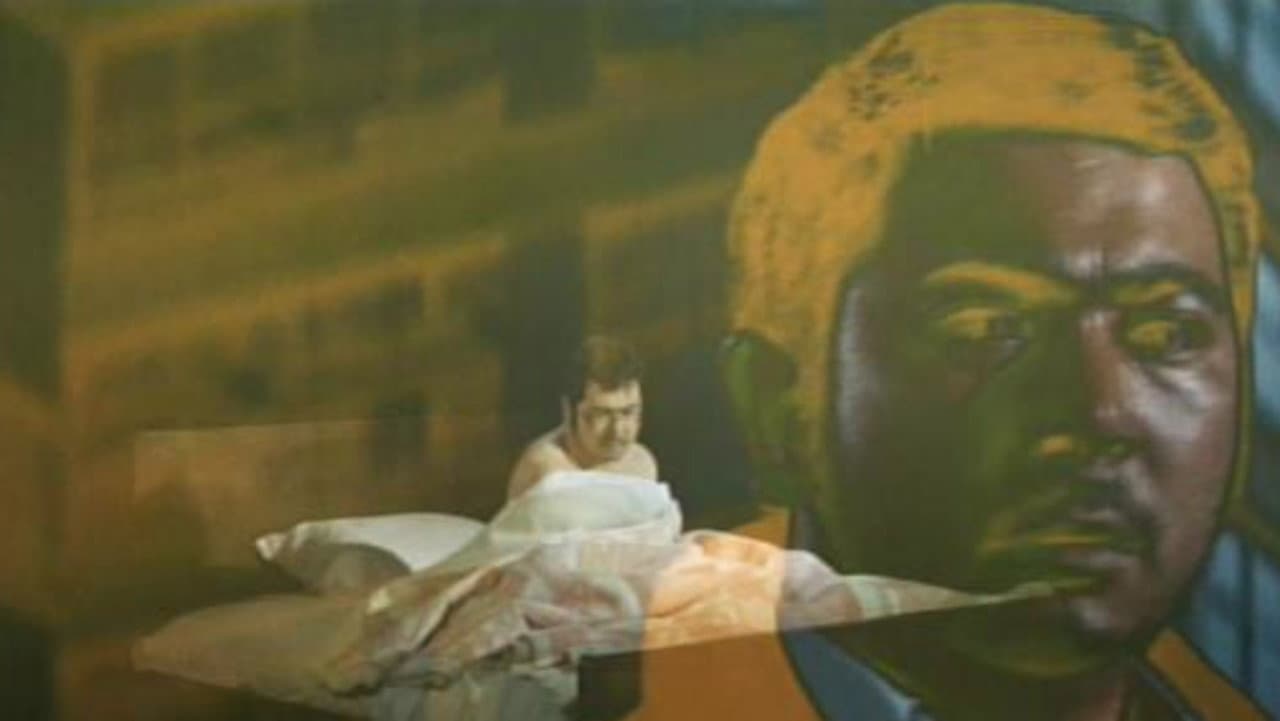
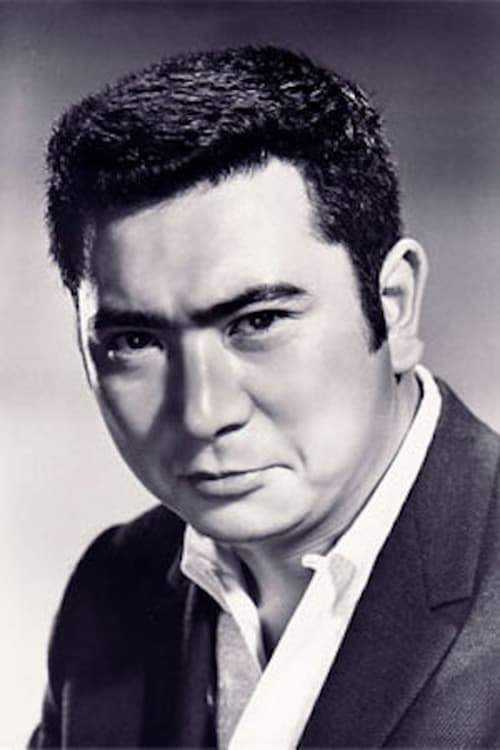
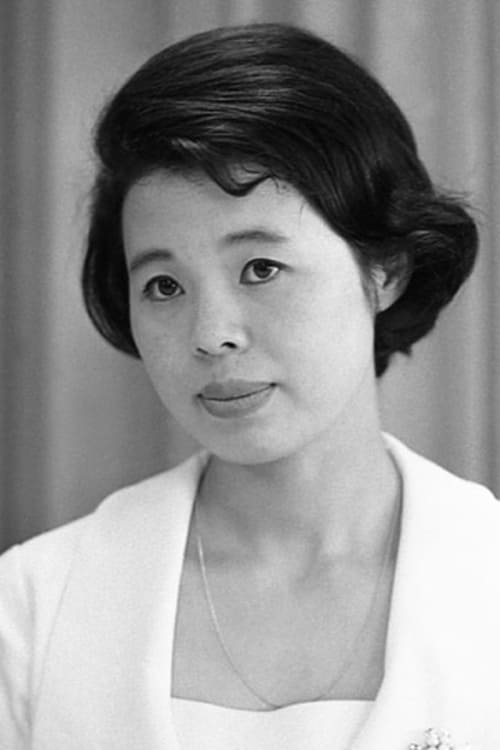
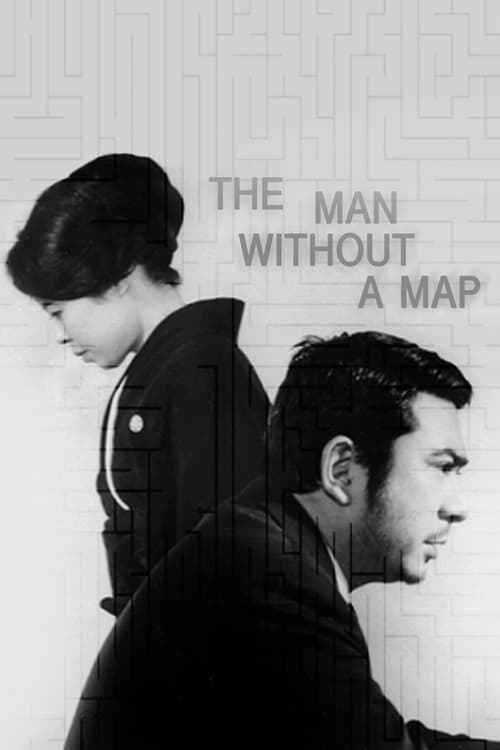
Director- Teshigahara Hiroshi.This is the third work I have seen of his, and I did so as Desser wrote that the themes about the identity of an individual that this film explores, reinforce those of The Face of Another.The film's feel is dry, too dry, with what the material could have become. Thus, I think that this work should have instead been explored by someone like Suzuki Seijun, who could not only tackle the themes well but also add voyeurism to the mix, making it a much more engaging watch.The alteration in his external self that he goes through could have been shot in a wilder, more colorful manner with imploying more distinct visuals. This would have elevated the film to a 4.5.The film revolves around the protagonist, a private investigator, trying to find the missing husband of his client. It explores how he changes throughout the journey and in the end becomes someone changed to quite a degree.The film indeed successfully elevated the Face of Another for me. Where the two films diverged is that while the Face of Another explores identity through much more introspection, the Man Without a Map explores it through the lens of obsession. It is tackling it through the message that if you stare at the abyss long enough, it leaves one a changed man. Through his pursuit of trying to husband, he decides to trace back the steps of the husband in his day to day life. This has him view the world from his shoes and, in turn, start to feel like the husband more and more. His divorce and infatuation with the wife only add to this.The protagonist is shown to be dealing with alienation and isolation in his life and thus he was more susceptible to being influenced by the life of the husband. The title of the film symbolises how the protagonist has no clear idea about what the future has in store for him and neither has any clue about the life he is leading. Thus he spends all of his time on his work to drown out his loneliness. What the film fails to do is drill this point enough. I can view it as such due to my understanding of Teshigahara's work in general and with the help of David Desser. Without the two, I would have easily missed the themes, and thus, I believe that this is a really bad choice to start his filmography with.The film excellently explores the concept of Johatsu, also called Evaporation, which is the event when a person intentionally vanishes from their life to escape societal pressure caused by social, economic and personal sources. The premise and the start of the film is quite generic and so is the nature of the mystery being inconsequential as the film goes on. But it is elevated due to being made by an Auteur who prescribes a deeper meaning to it.One can consider that the detective, in his work of trying to find missing people, is also trying to find himself. Thus, his work acts as a transposition of his search for himself into the search for others. If we look at the identity being a culmination of one's internal and external selves, we can view that the protagonist, through his work, is trying to find a new external self.We can also draw parallels between the Face of Another and the Man Without a Map in how, in the former, the protagonist loses his identity through the loss of his wife, and the protagonist of this film gains one through finding a new wife.Overall, though this film is weaker than The Face of Another, it is nonetheless a banger from a great auteur in its own right. The next work of his that I will explore is The Woman in the Dunes as I was recommended it by two of my friends.
Director- Teshigahara Hiroshi.This is the third work I have seen of his, and I did so as Desser wrote that the themes about the identity of an individual that this film explores, reinforce those of The Face of Another.The film's feel is dry, too dry, with what the material could have become. Thus, I think that this work should have instead been explored by someone like Suzuki Seijun, who could not only tackle the themes well but also add voyeurism to the mix, making it a much more engaging watch.The alteration in his external self that he goes through could have been shot in a wilder, more colorful manner with imploying more distinct visuals. This would have elevated the film to a 4.5.The film revolves around the protagonist, a private investigator, trying to find the missing husband of his client. It explores how he changes throughout the journey and in the end becomes someone changed to quite a degree.The film indeed successfully elevated the Face of Another for me. Where the two films diverged is that while the Face of Another explores identity through much more introspection, the Man Without a Map explores it through the lens of obsession. It is tackling it through the message that if you stare at the abyss long enough, it leaves one a changed man. Through his pursuit of trying to husband, he decides to trace back the steps of the husband in his day to day life. This has him view the world from his shoes and, in turn, start to feel like the husband more and more. His divorce and infatuation with the wife only add to this.The protagonist is shown to be dealing with alienation and isolation in his life and thus he was more susceptible to being influenced by the life of the husband. The title of the film symbolises how the protagonist has no clear idea about what the future has in store for him and neither has any clue about the life he is leading. Thus he spends all of his time on his work to drown out his loneliness. What the film fails to do is drill this point enough. I can view it as such due to my understanding of Teshigahara's work in general and with the help of David Desser. Without the two, I would have easily missed the themes, and thus, I believe that this is a really bad choice to start his filmography with.The film excellently explores the concept of Johatsu, also called Evaporation, which is the event when a person intentionally vanishes from their life to escape societal pressure caused by social, economic and personal sources. The premise and the start of the film is quite generic and so is the nature of the mystery being inconsequential as the film goes on. But it is elevated due to being made by an Auteur who prescribes a deeper meaning to it.One can consider that the detective, in his work of trying to find missing people, is also trying to find himself. Thus, his work acts as a transposition of his search for himself into the search for others. If we look at the identity being a culmination of one's internal and external selves, we can view that the protagonist, through his work, is trying to find a new external self.We can also draw parallels between the Face of Another and the Man Without a Map in how, in the former, the protagonist loses his identity through the loss of his wife, and the protagonist of this film gains one through finding a new wife.Overall, though this film is weaker than The Face of Another, it is nonetheless a banger from a great auteur in its own right. The next work of his that I will explore is The Woman in the Dunes as I was recommended it by two of my friends.