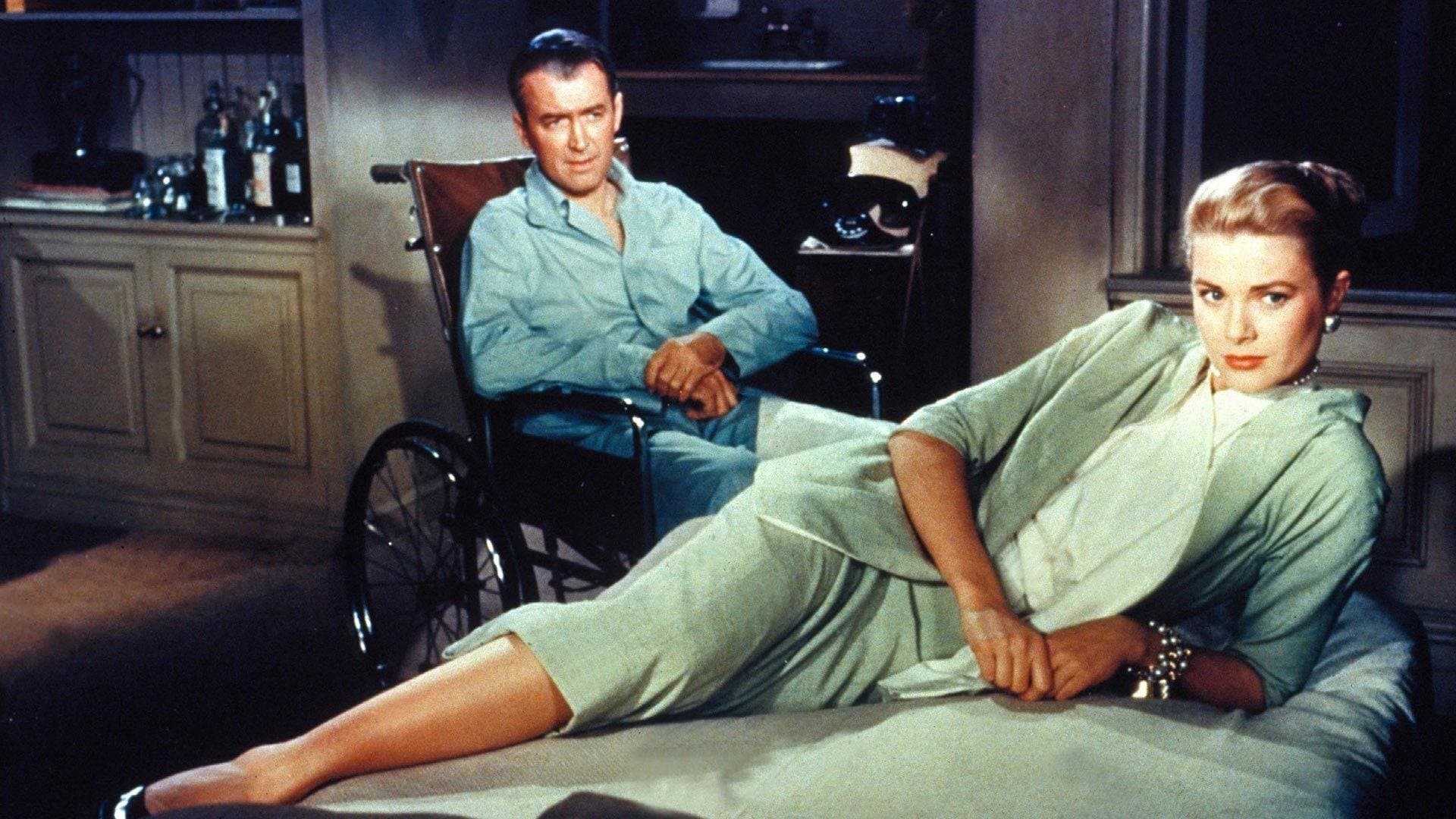
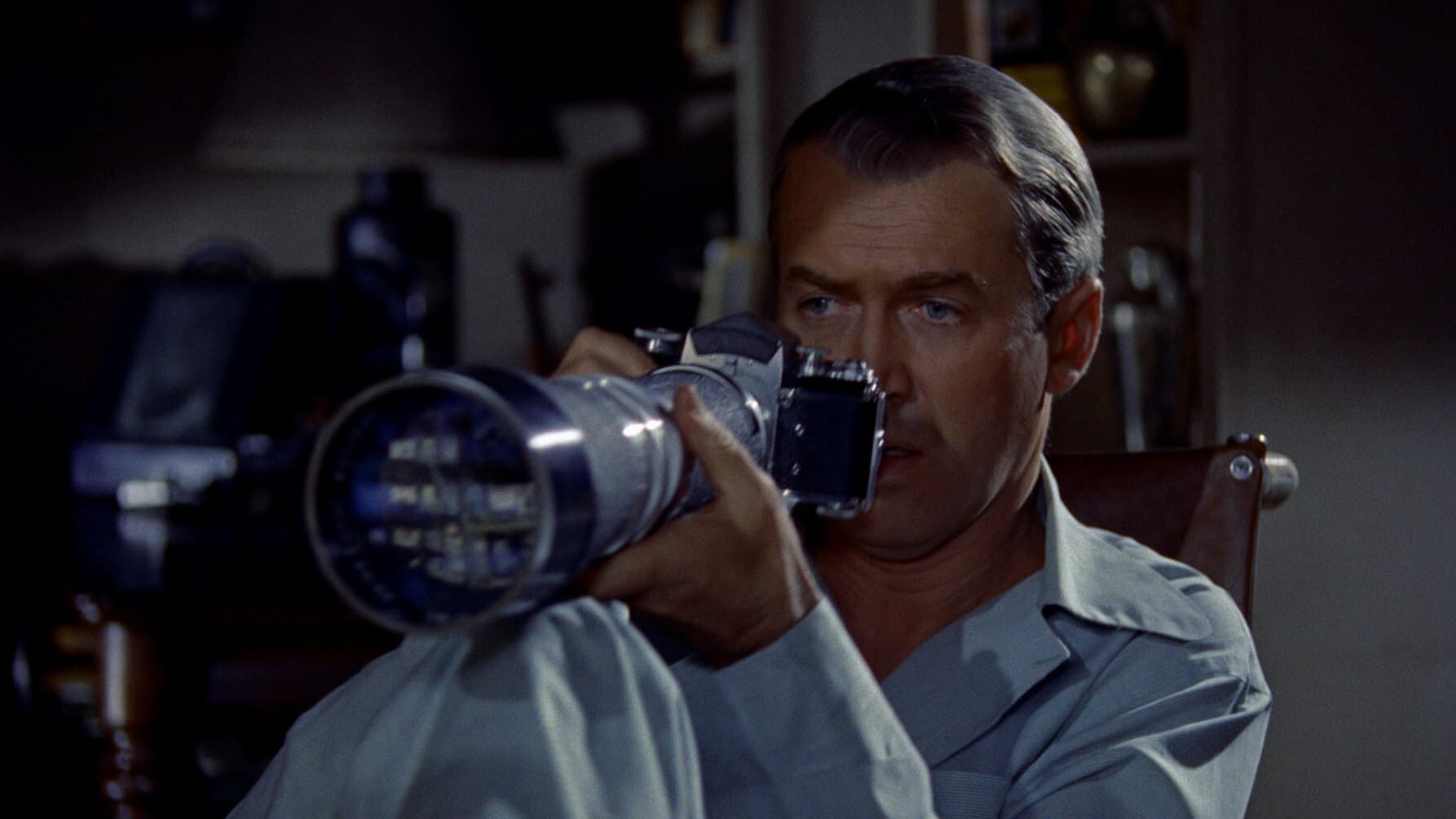
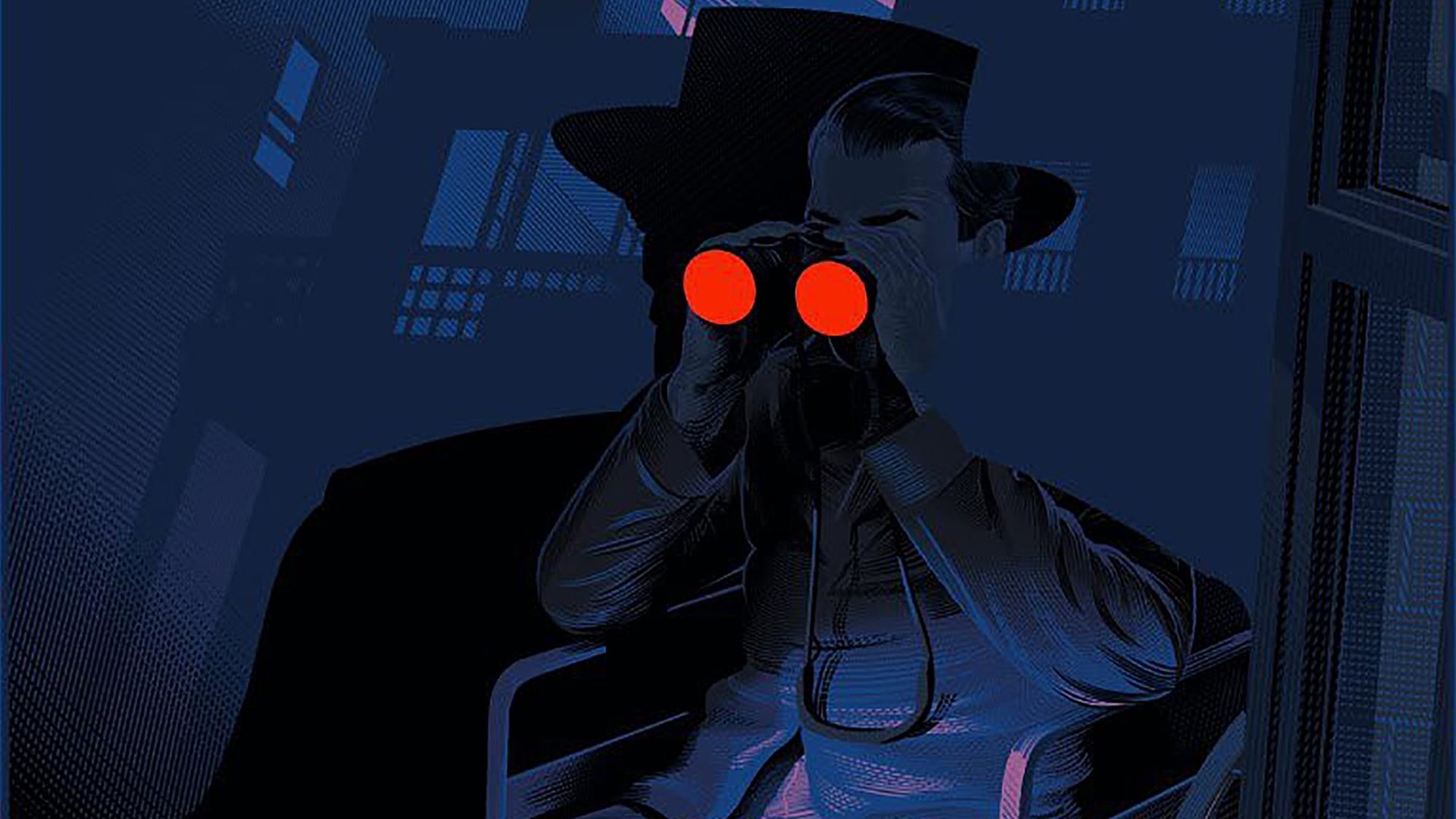
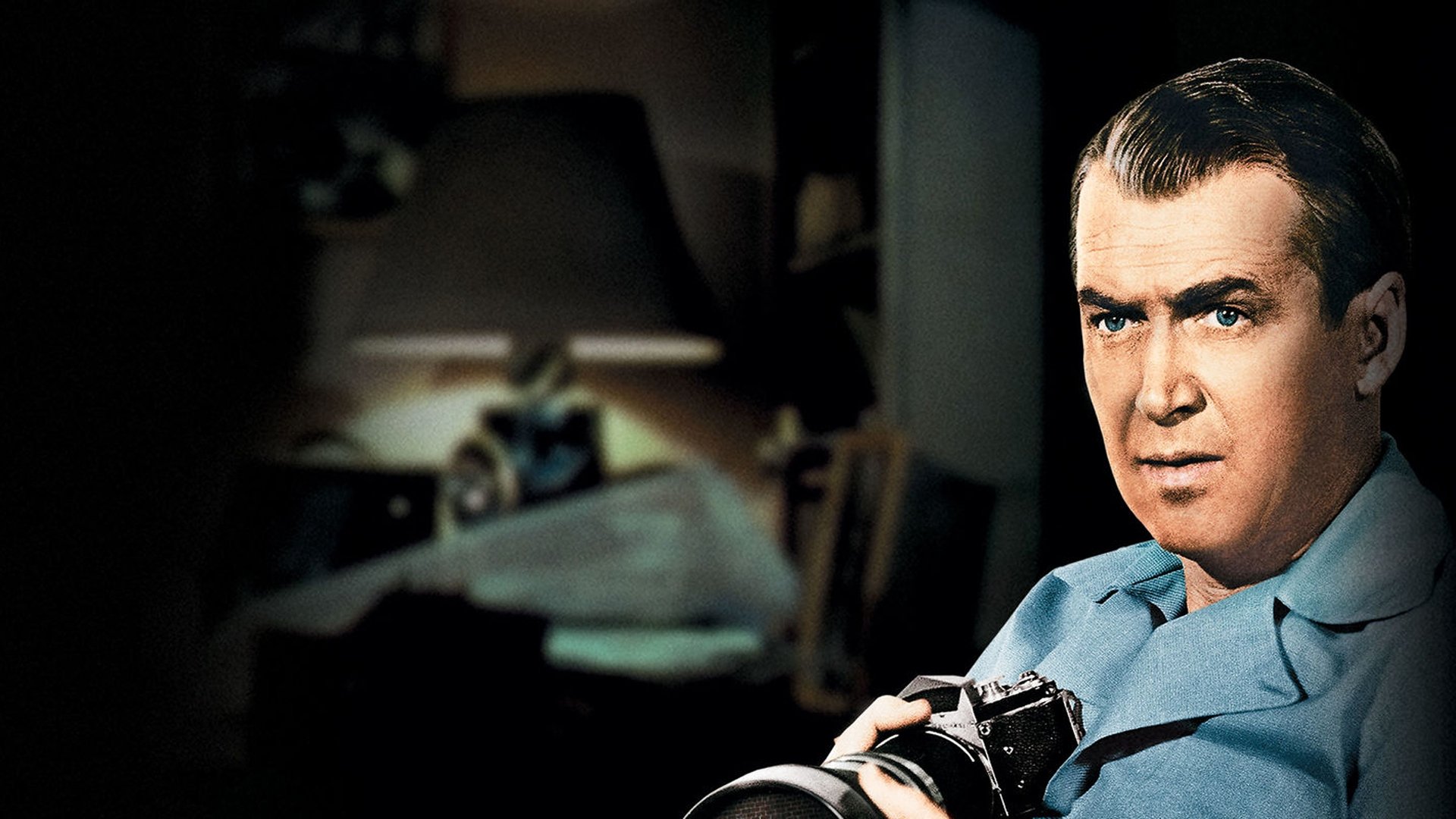
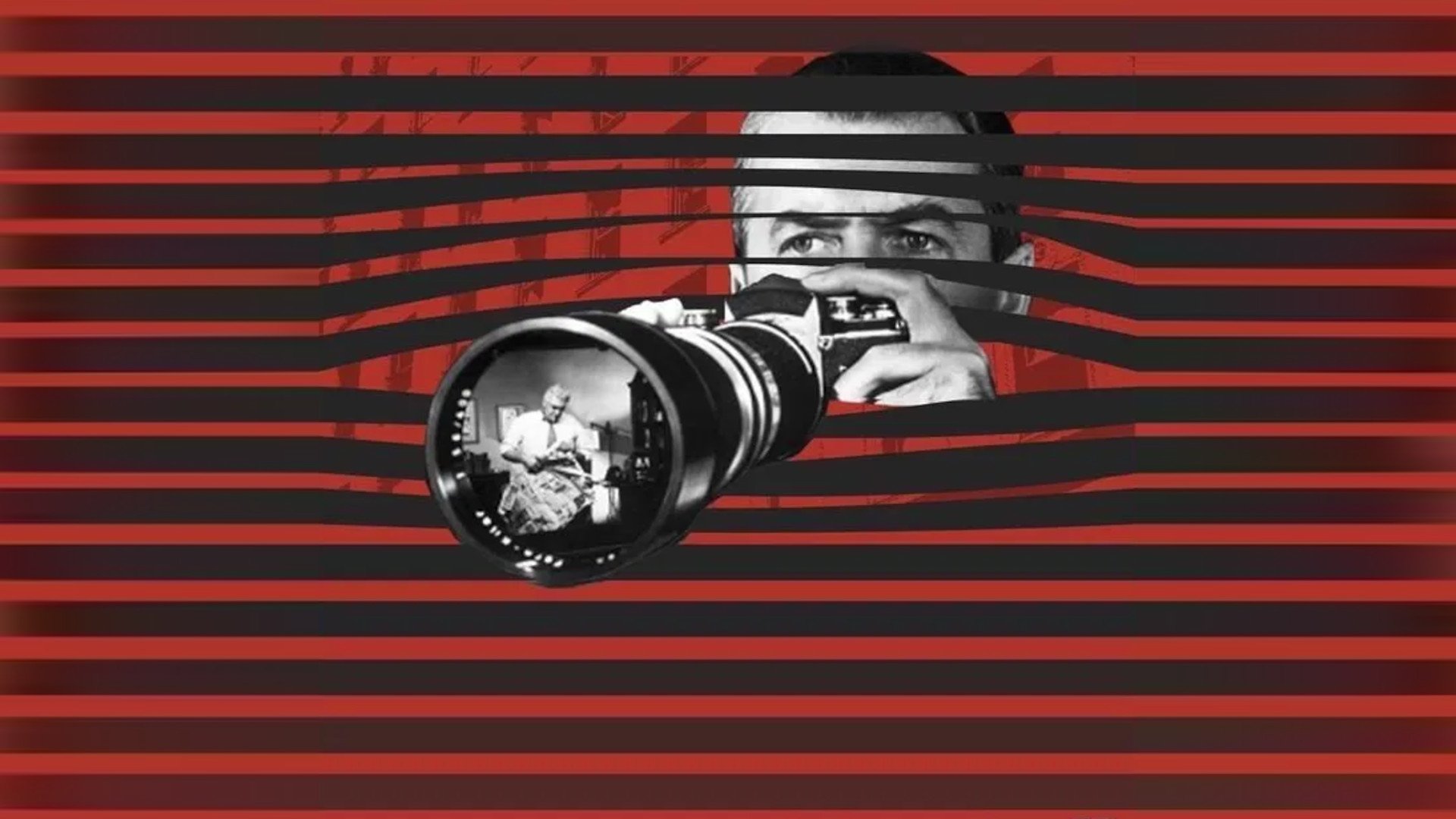
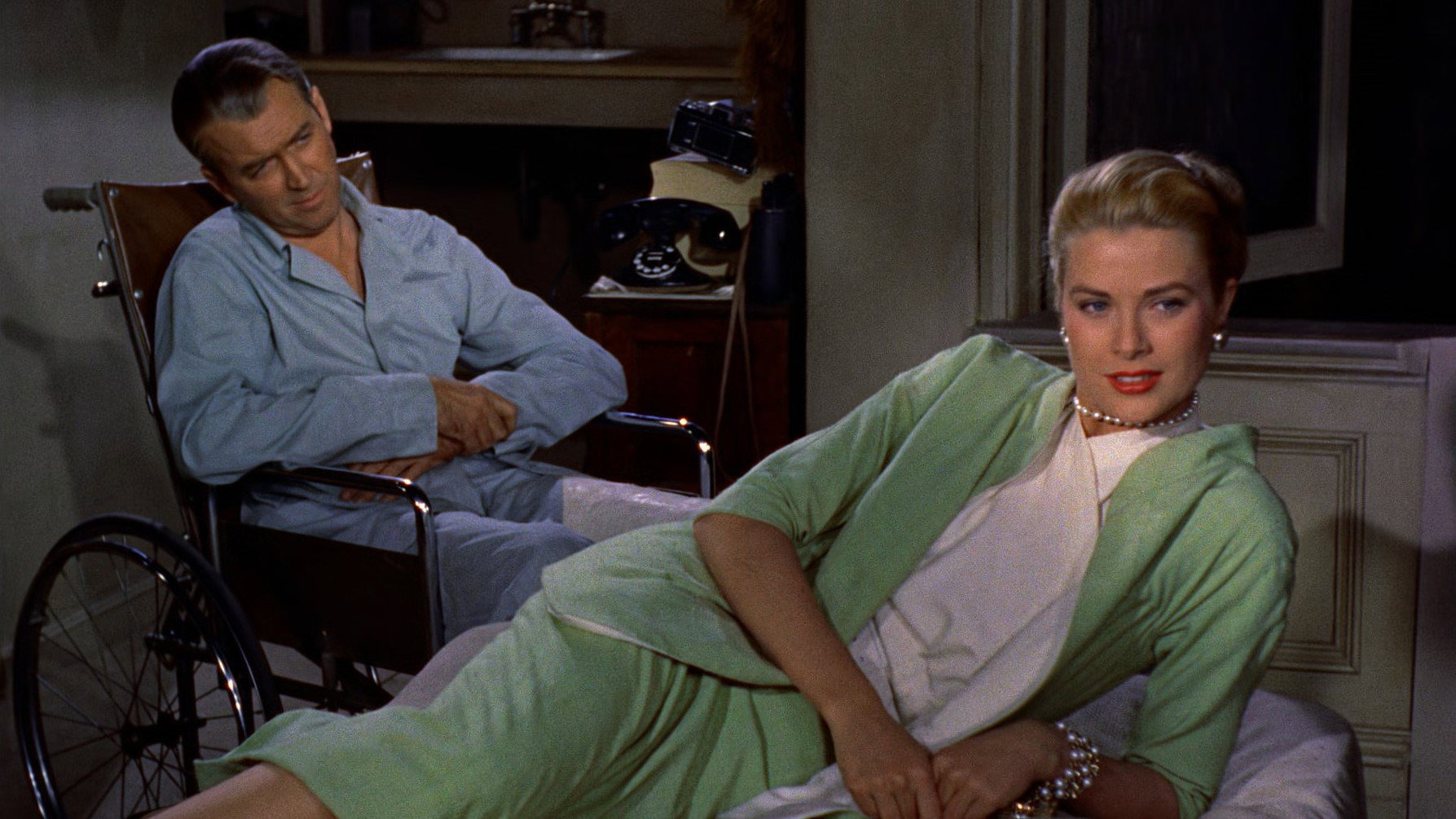
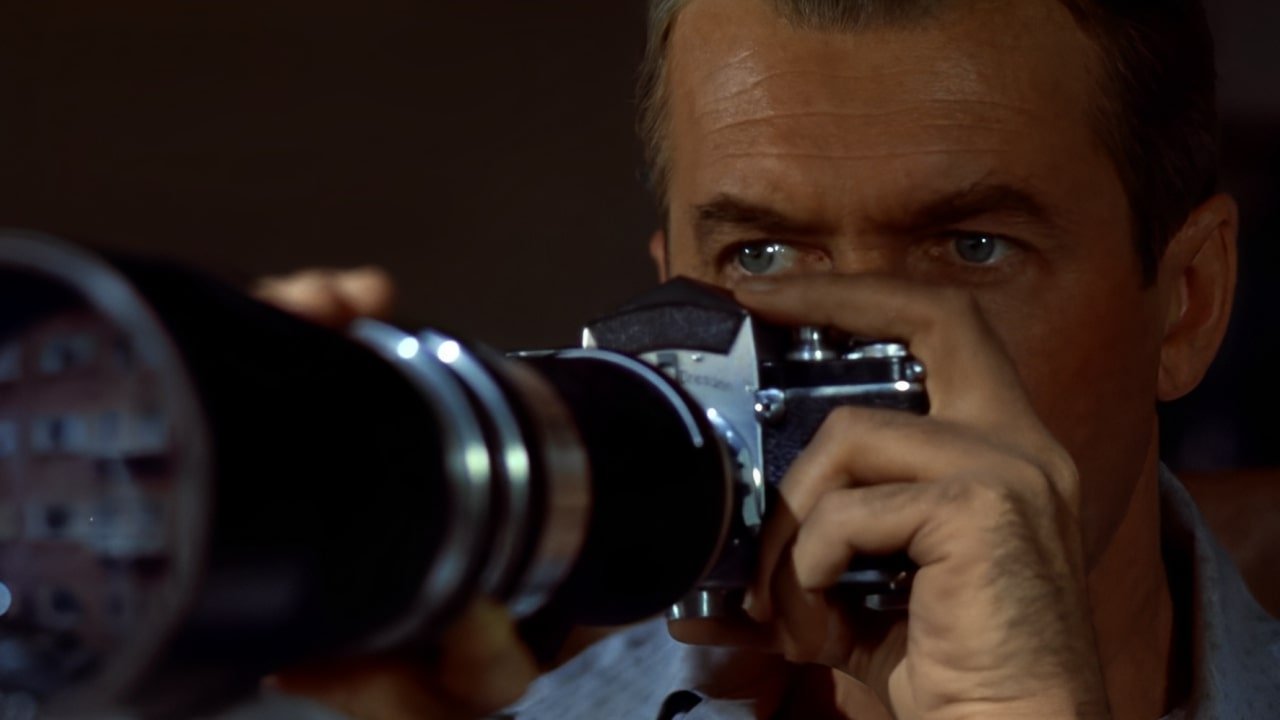
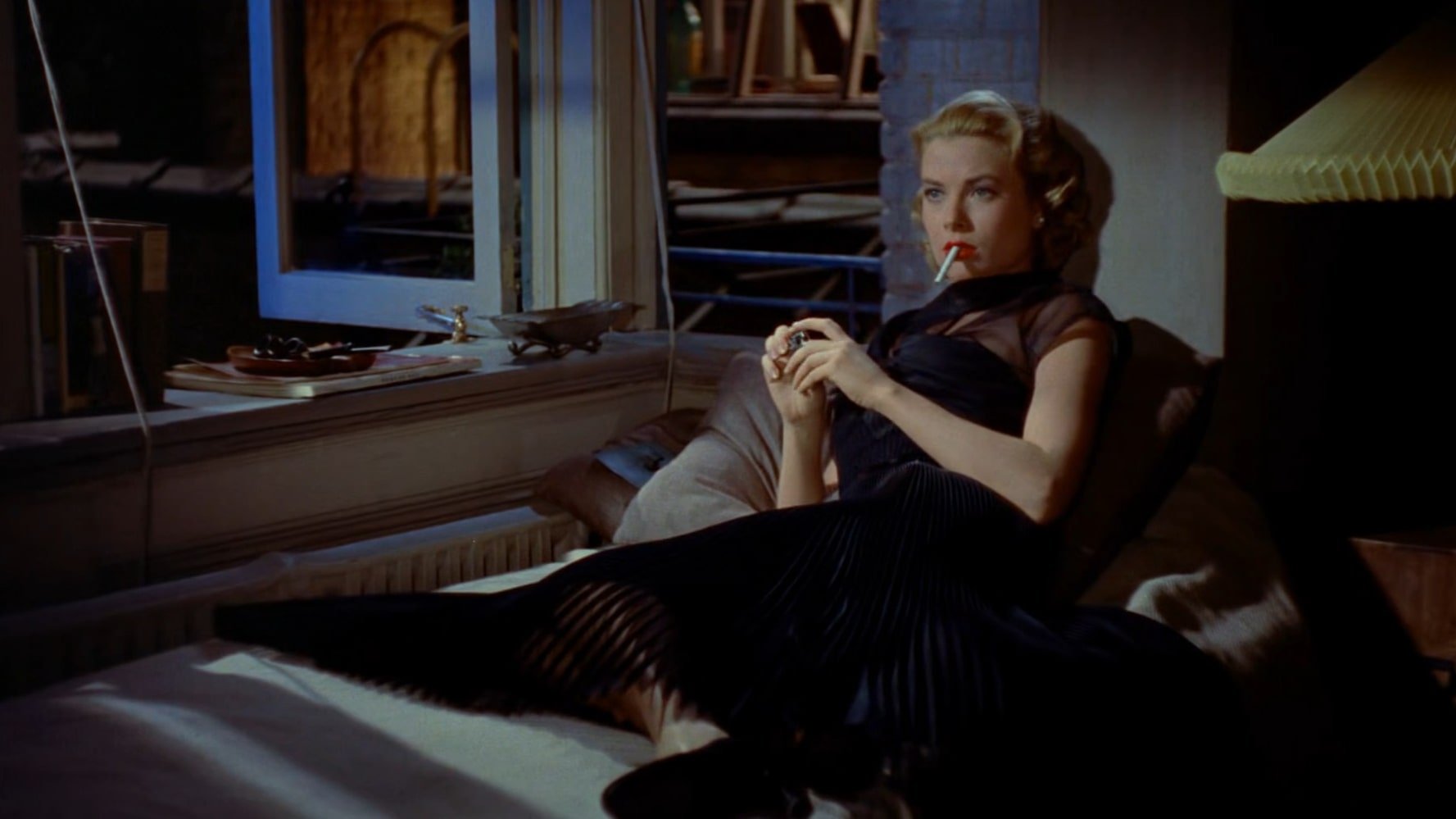
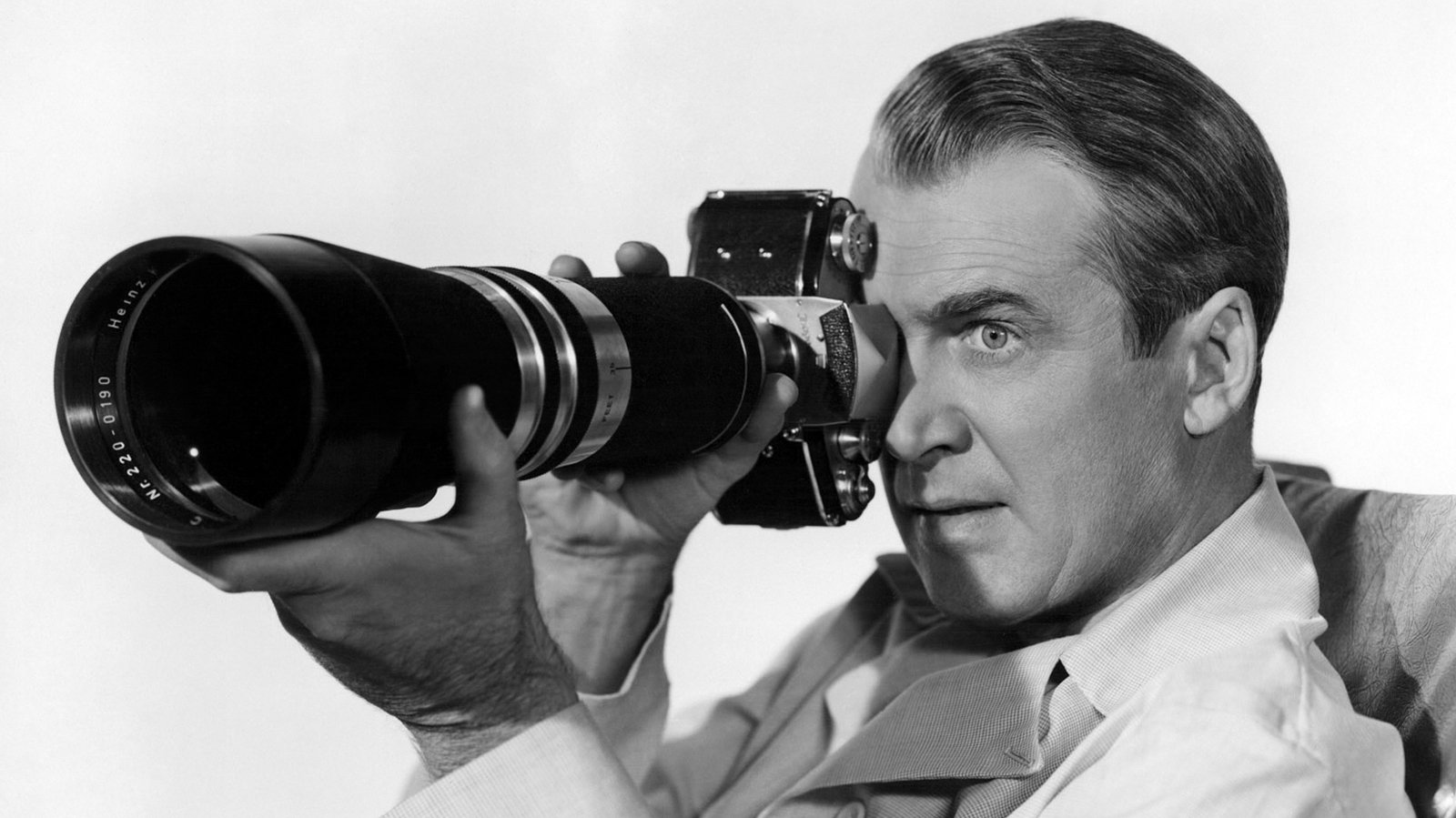
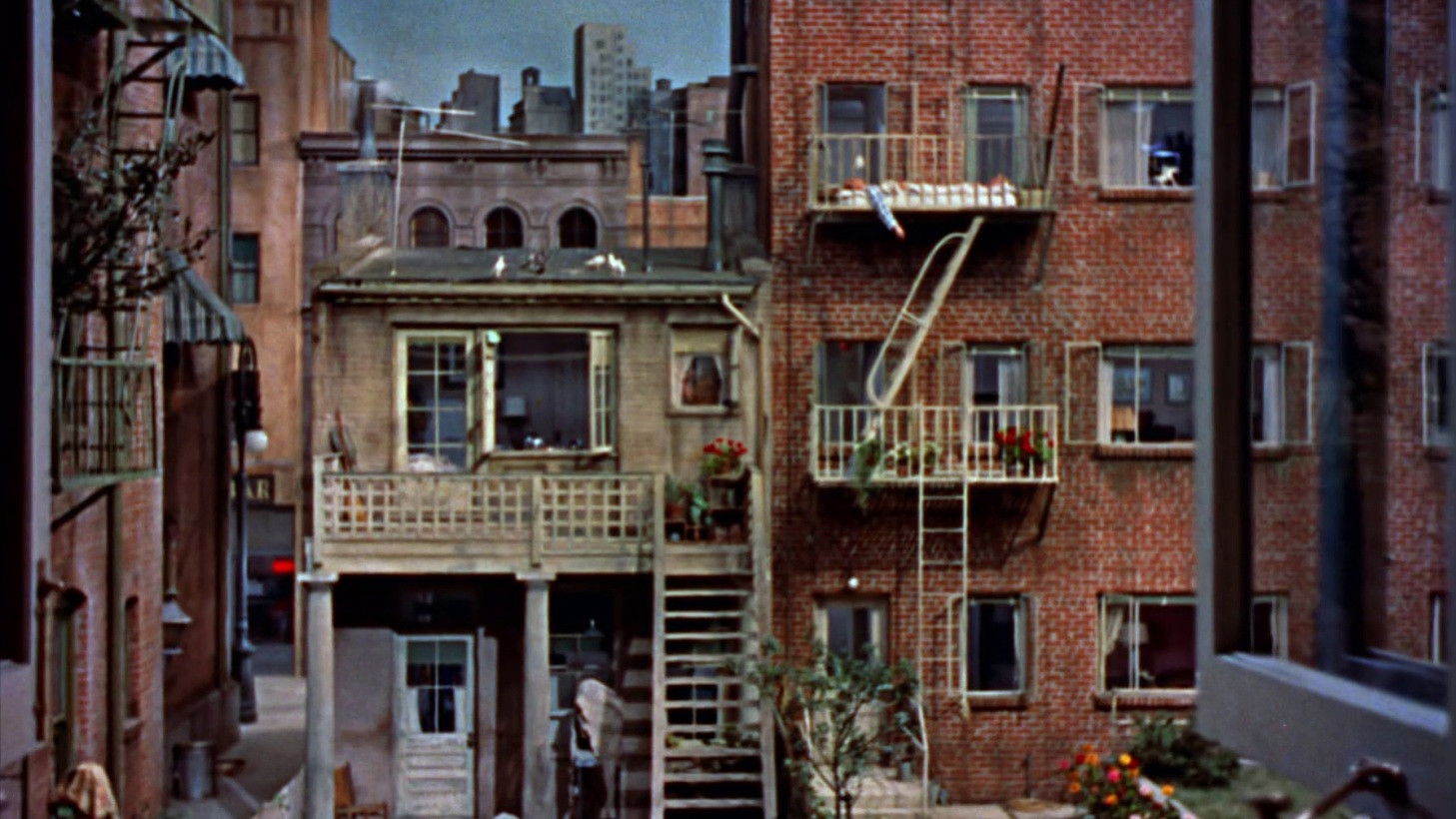
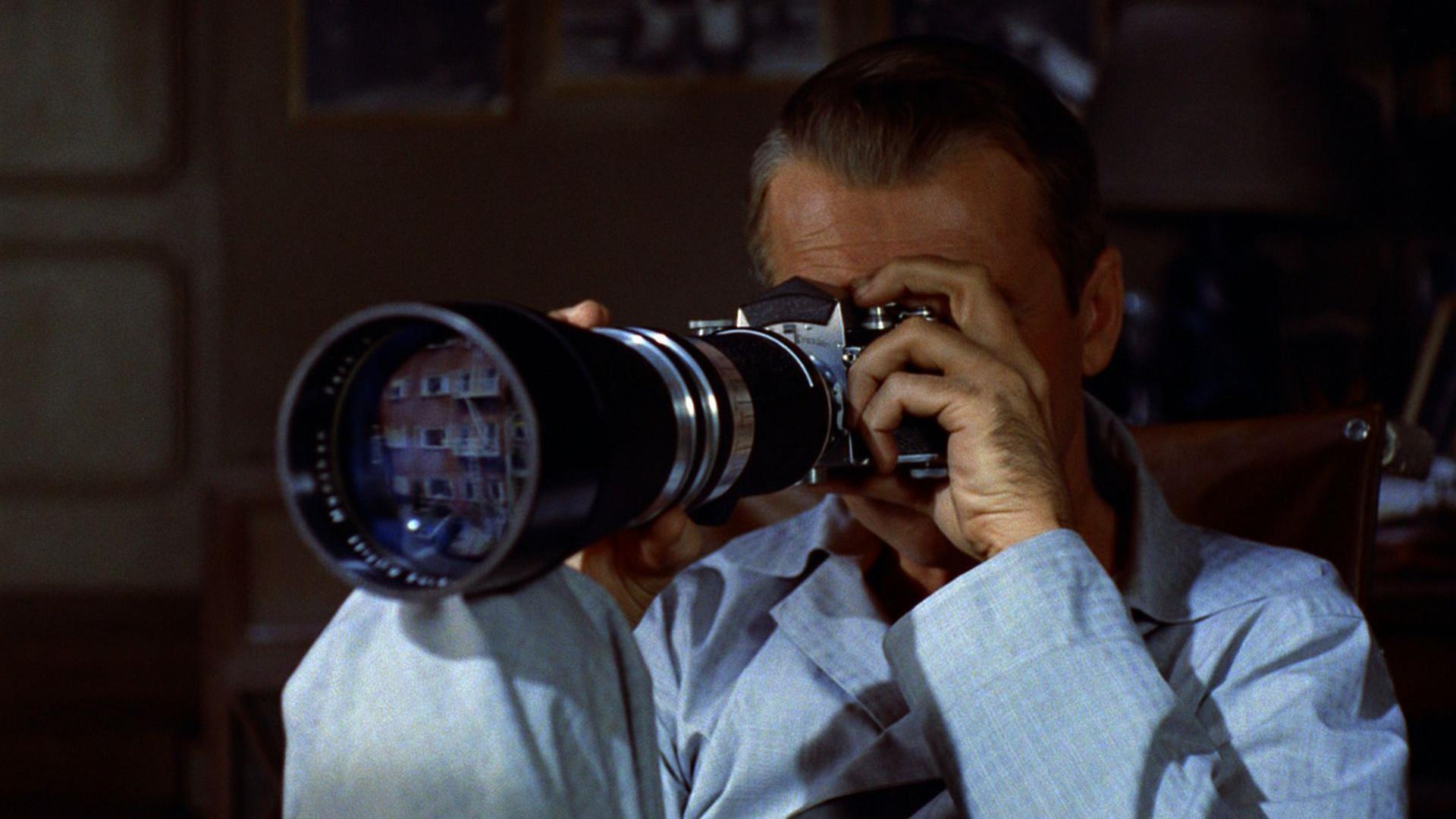
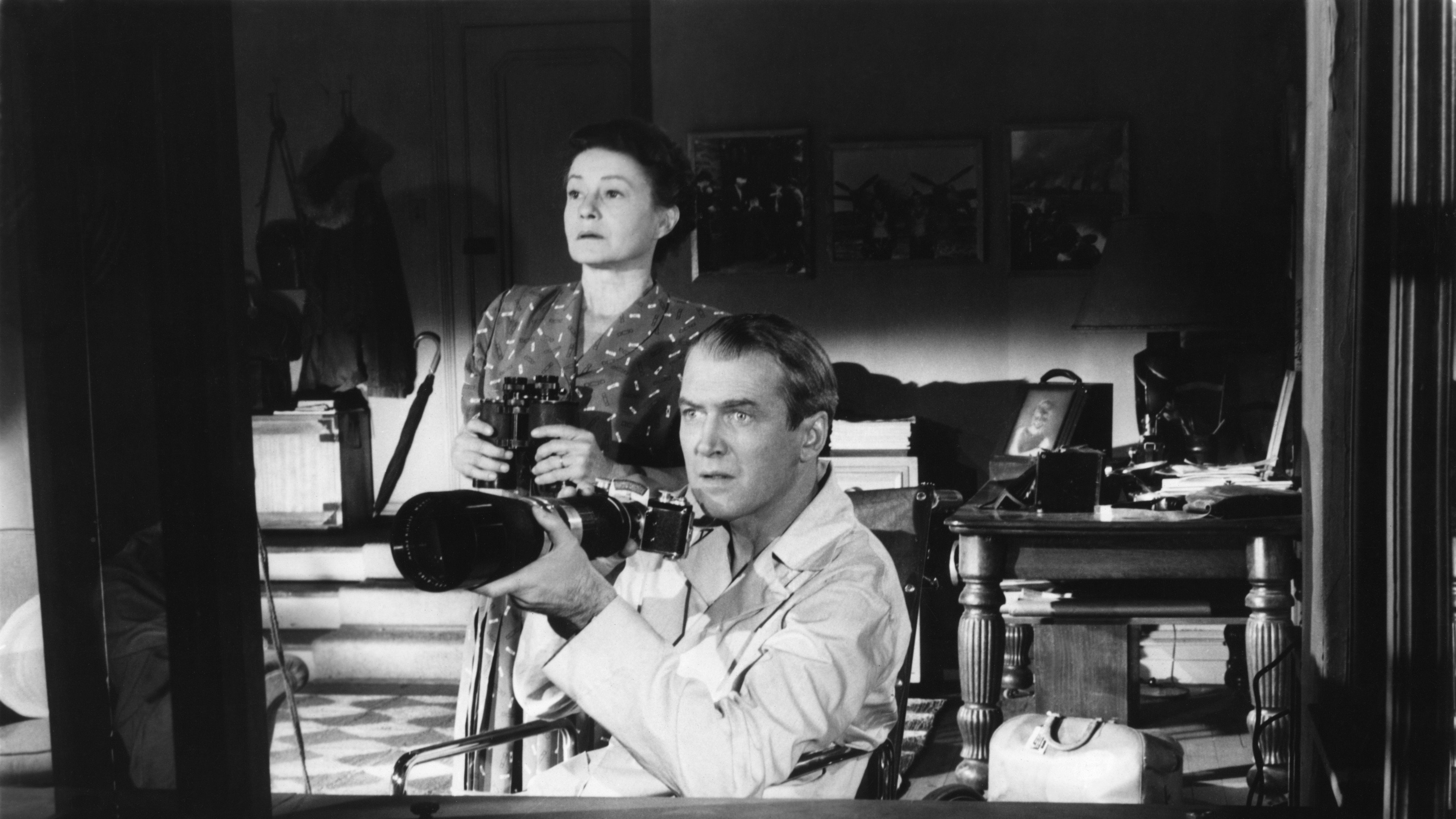
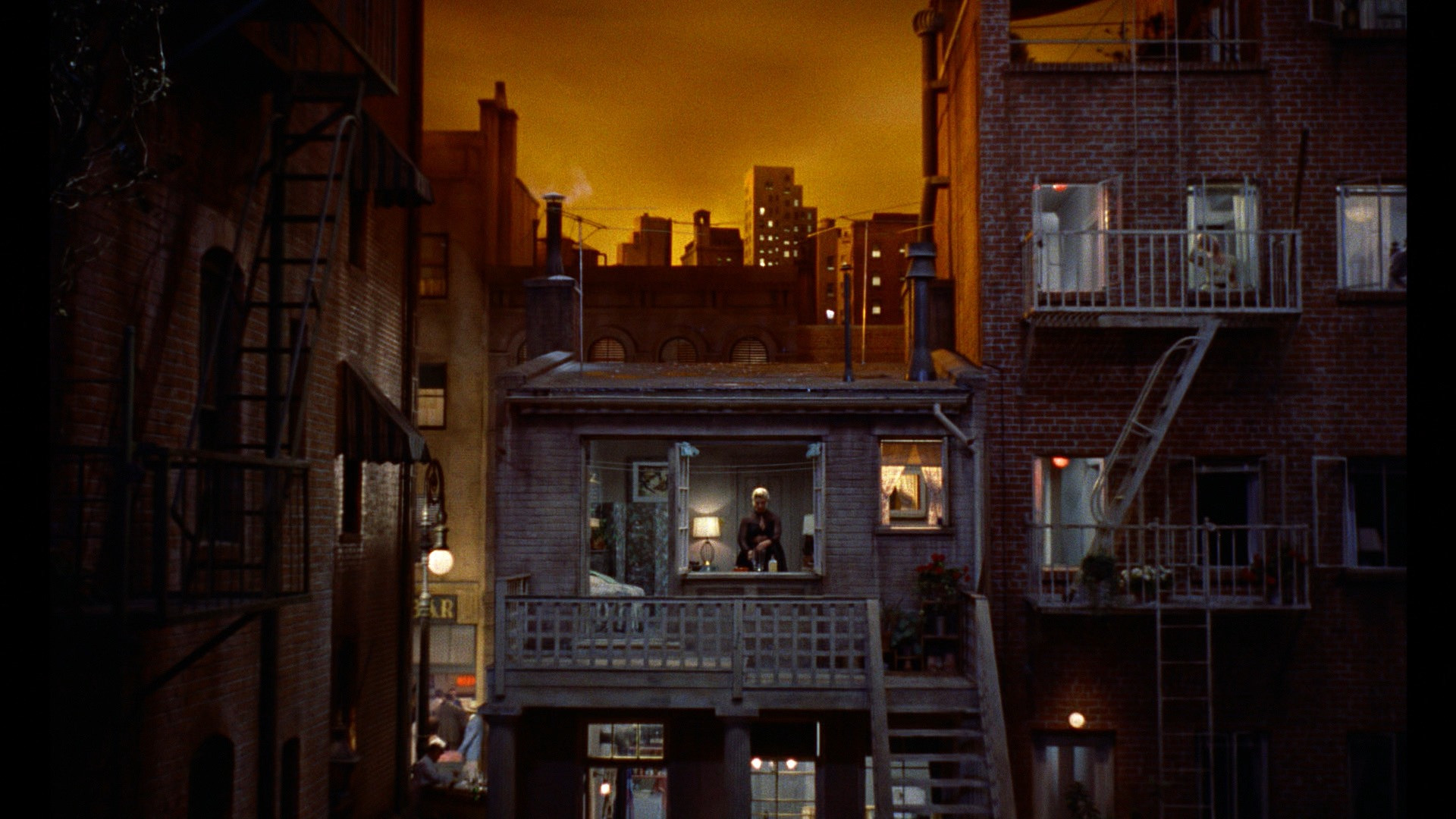
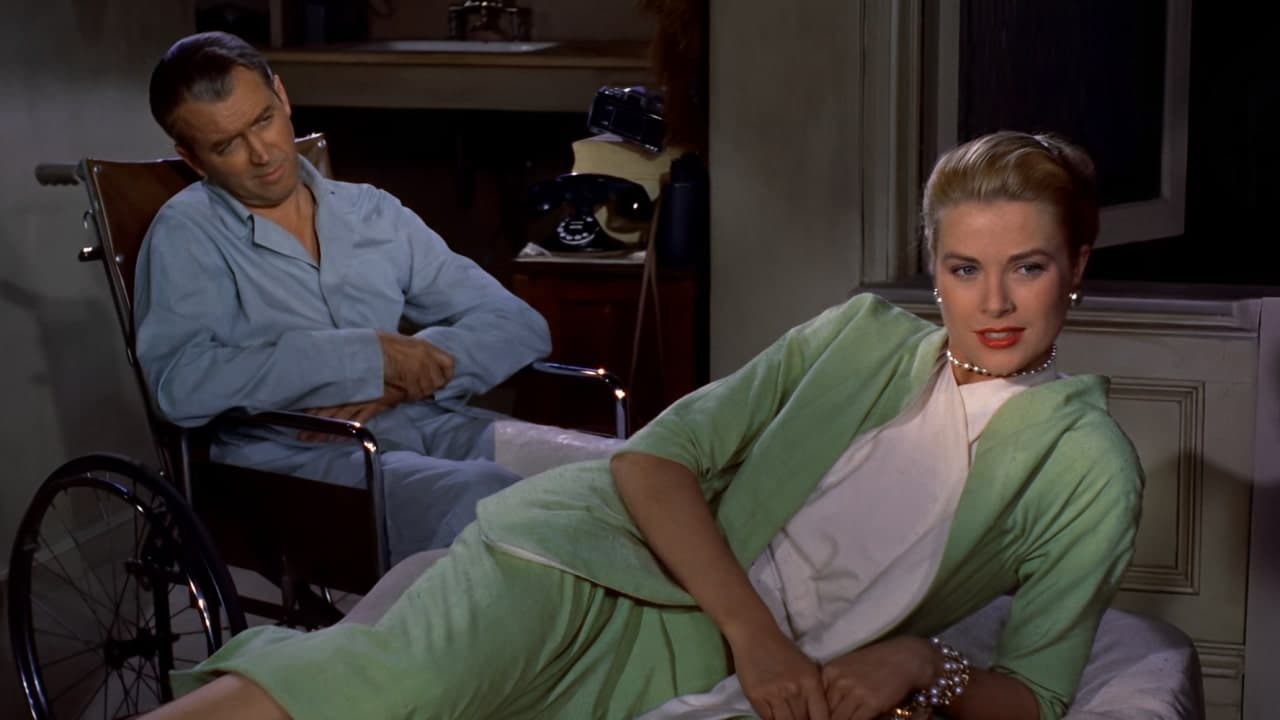
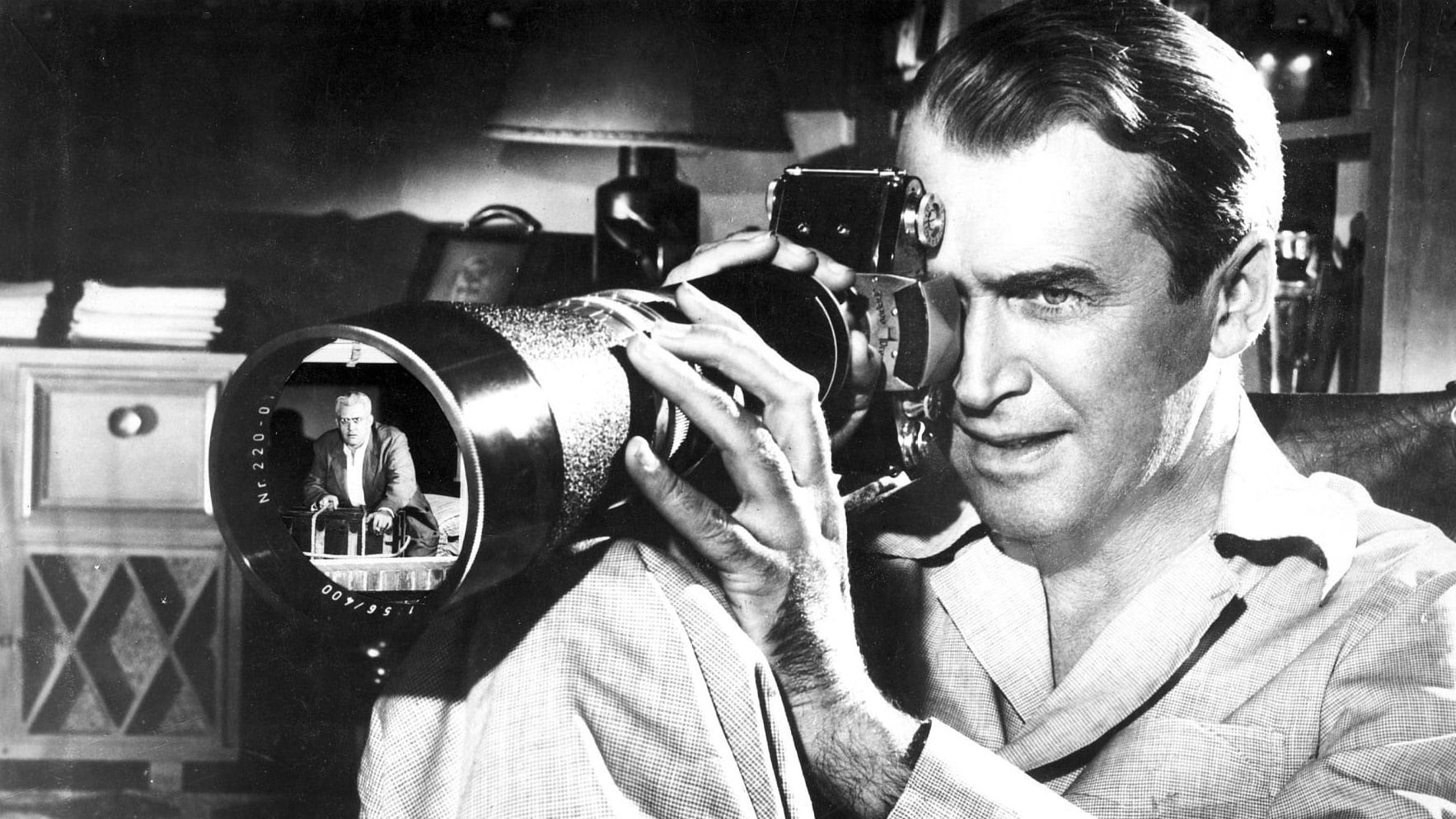
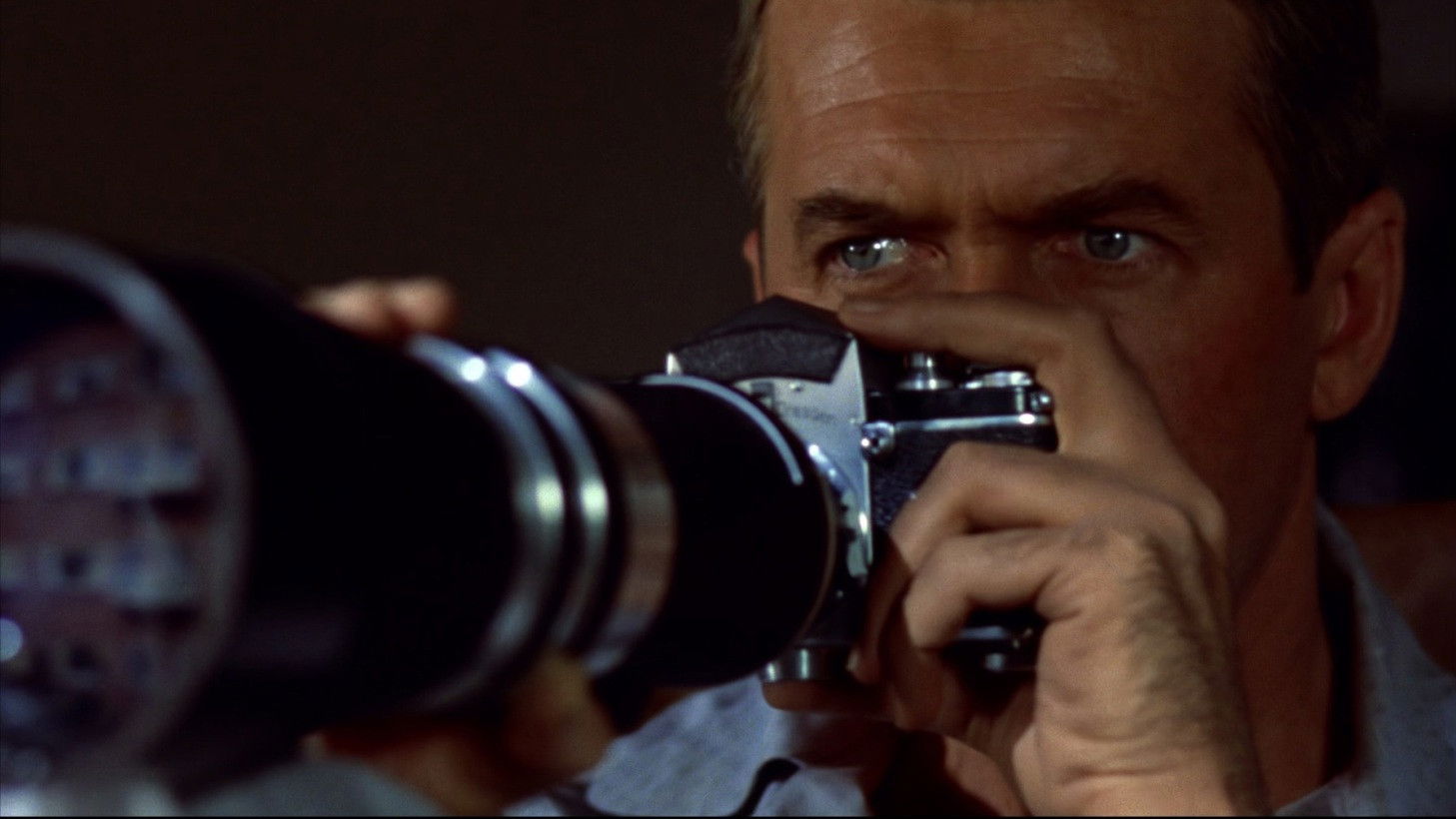
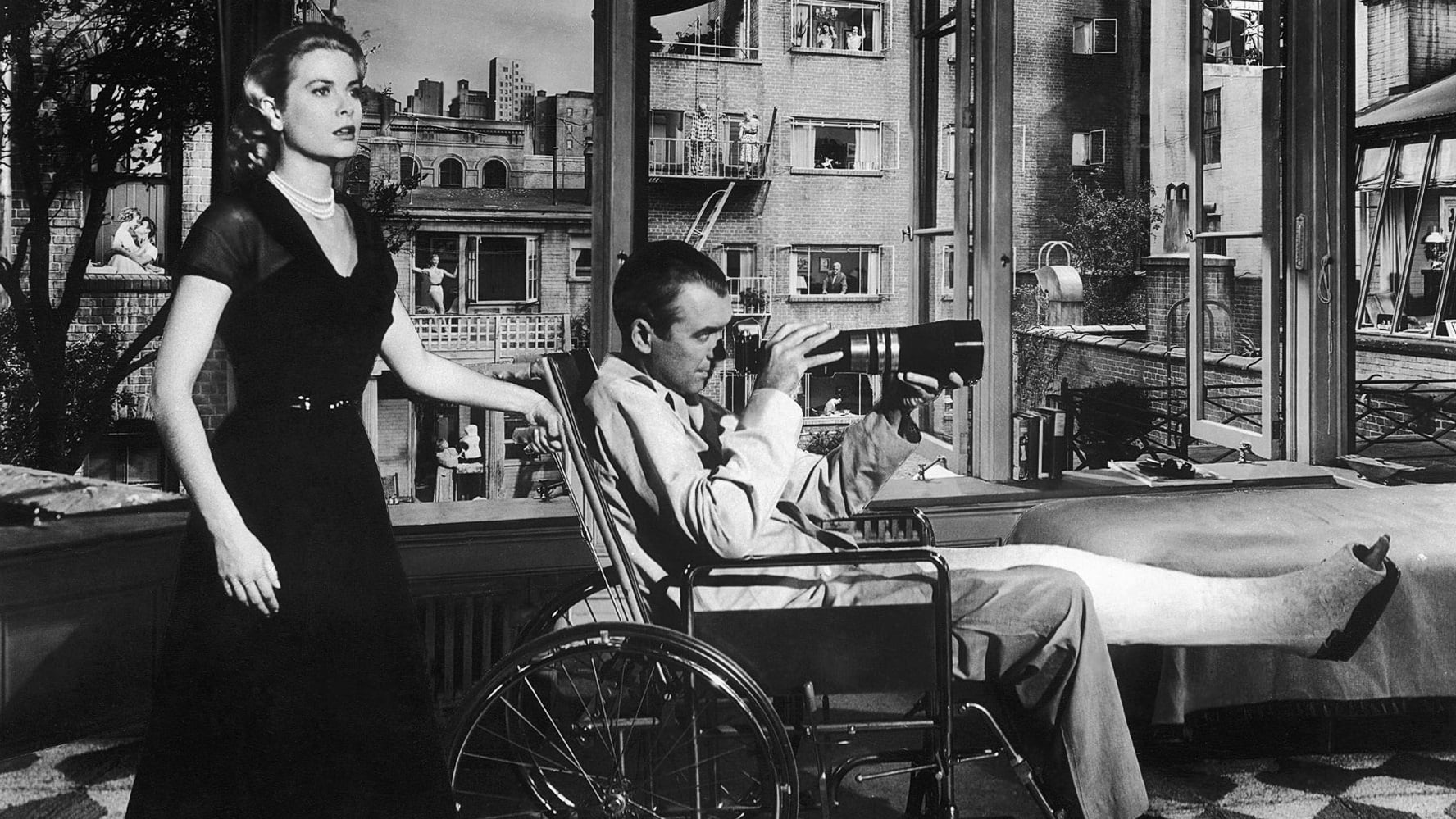
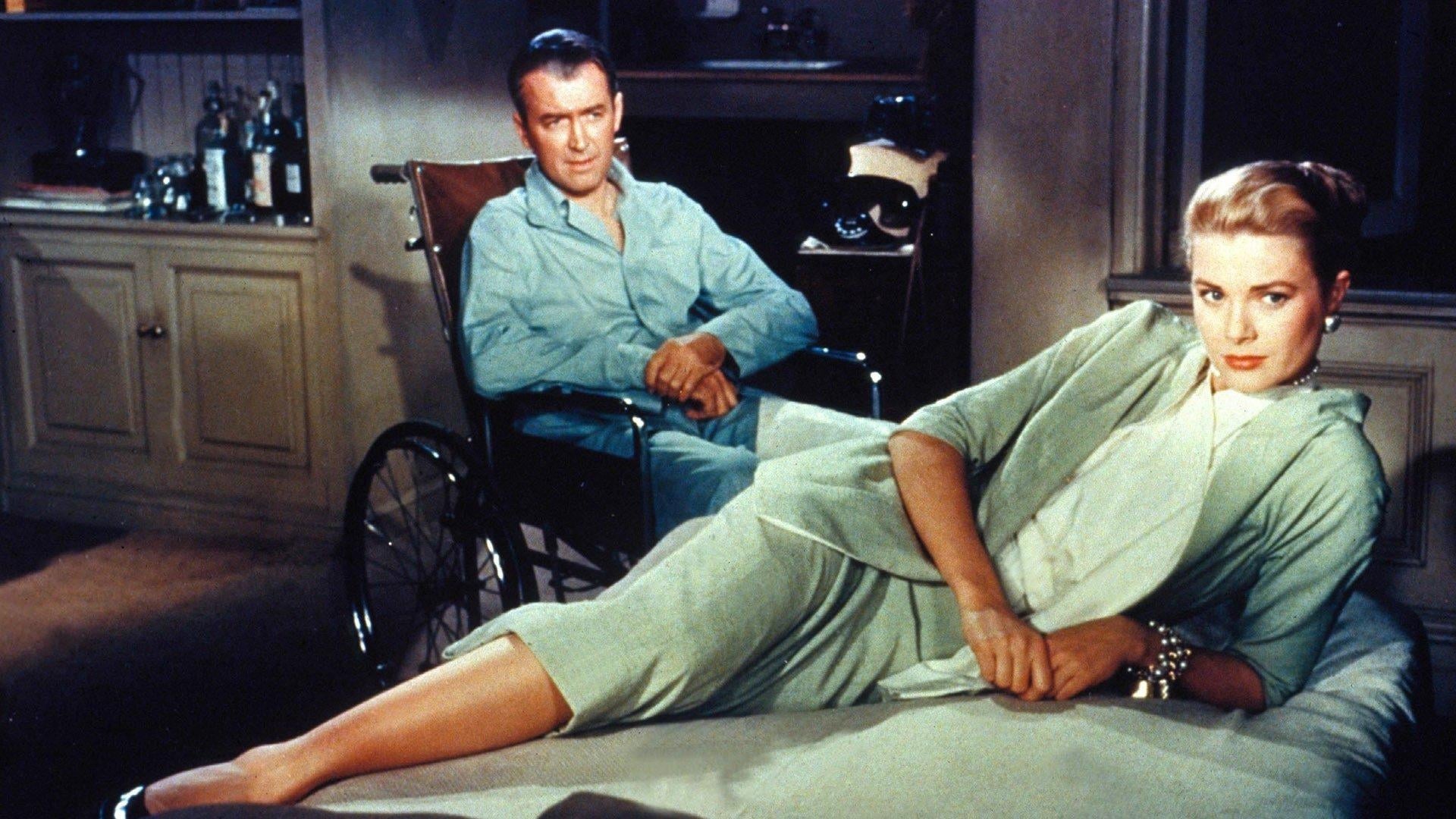
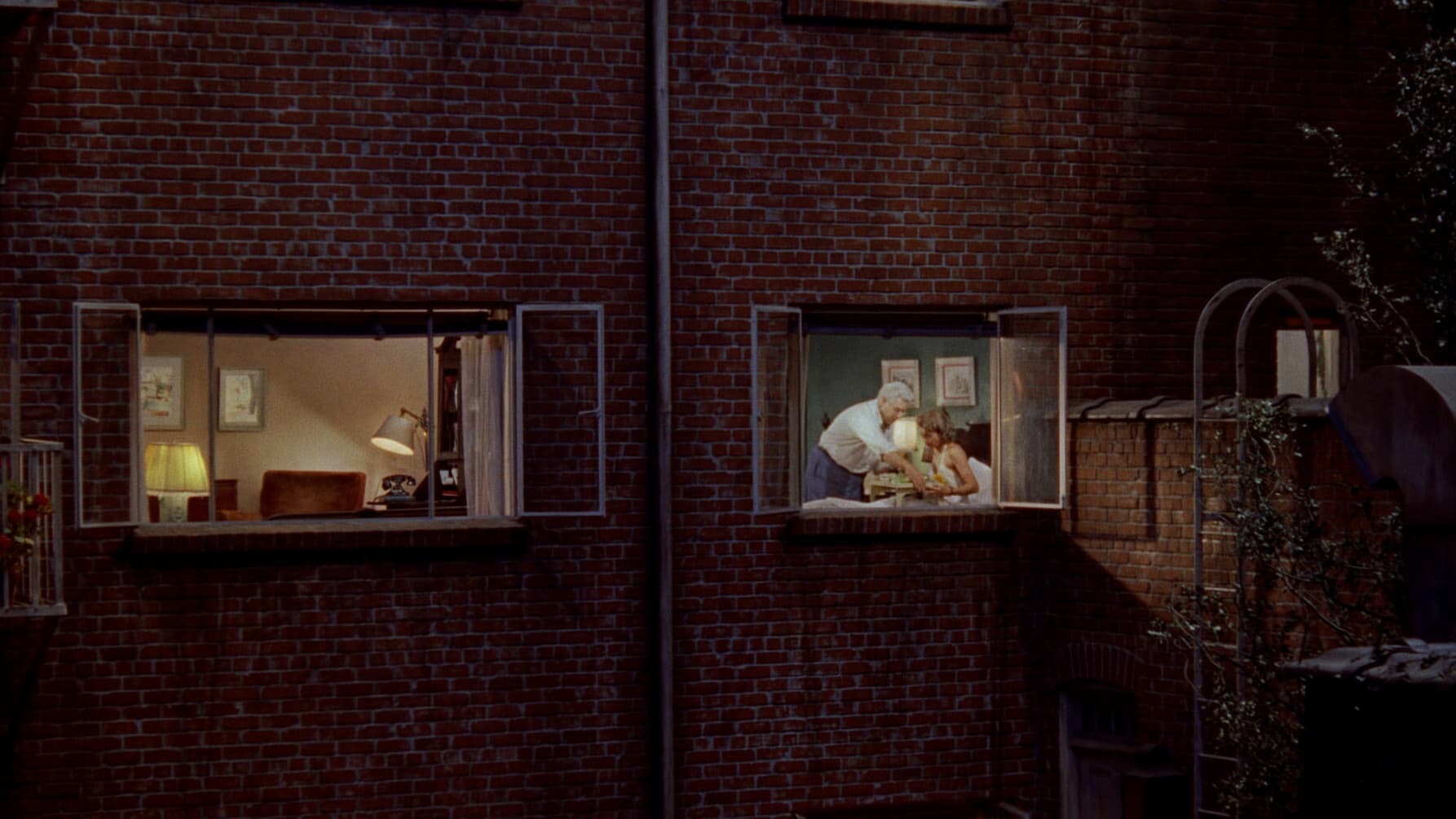
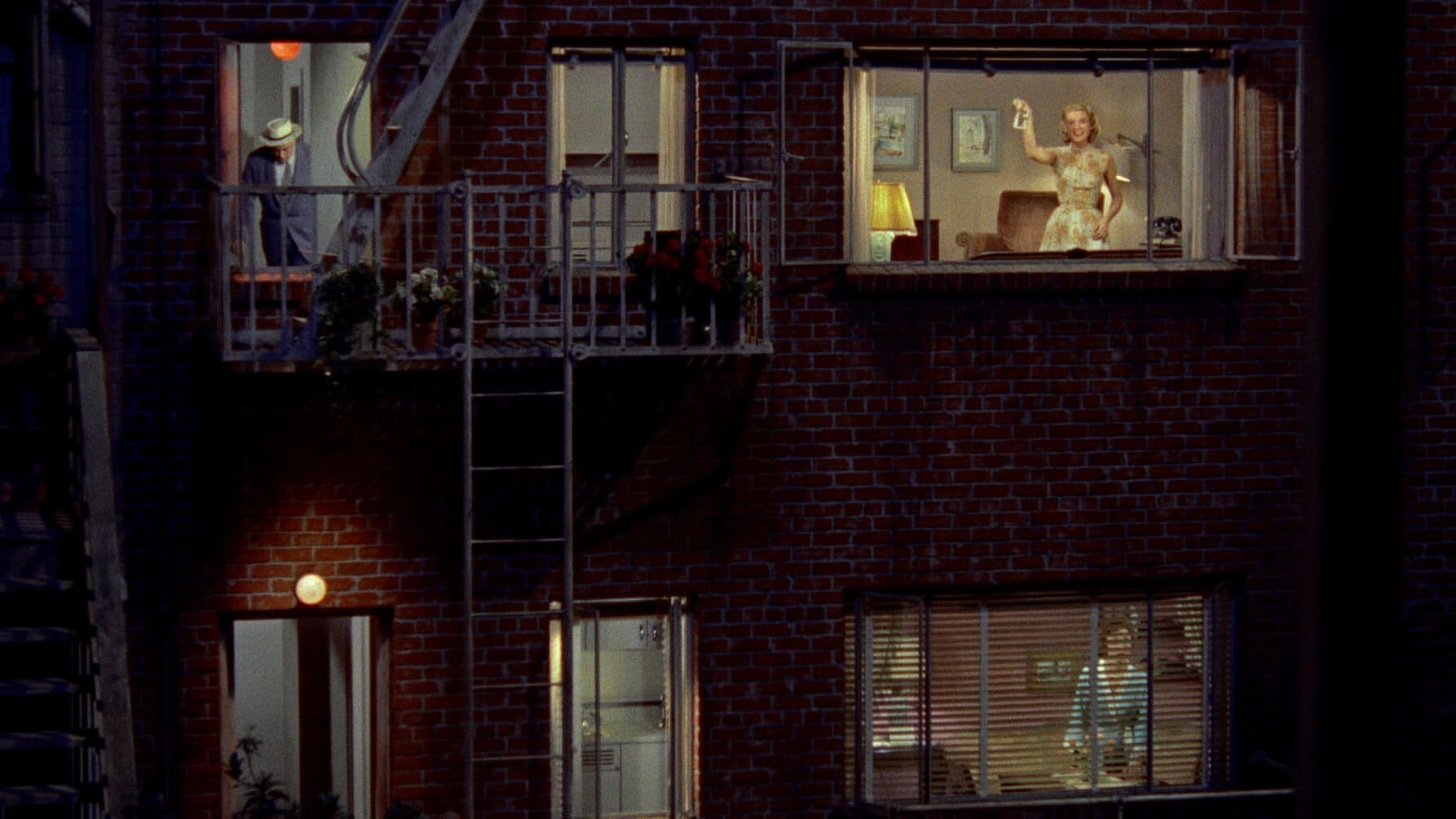
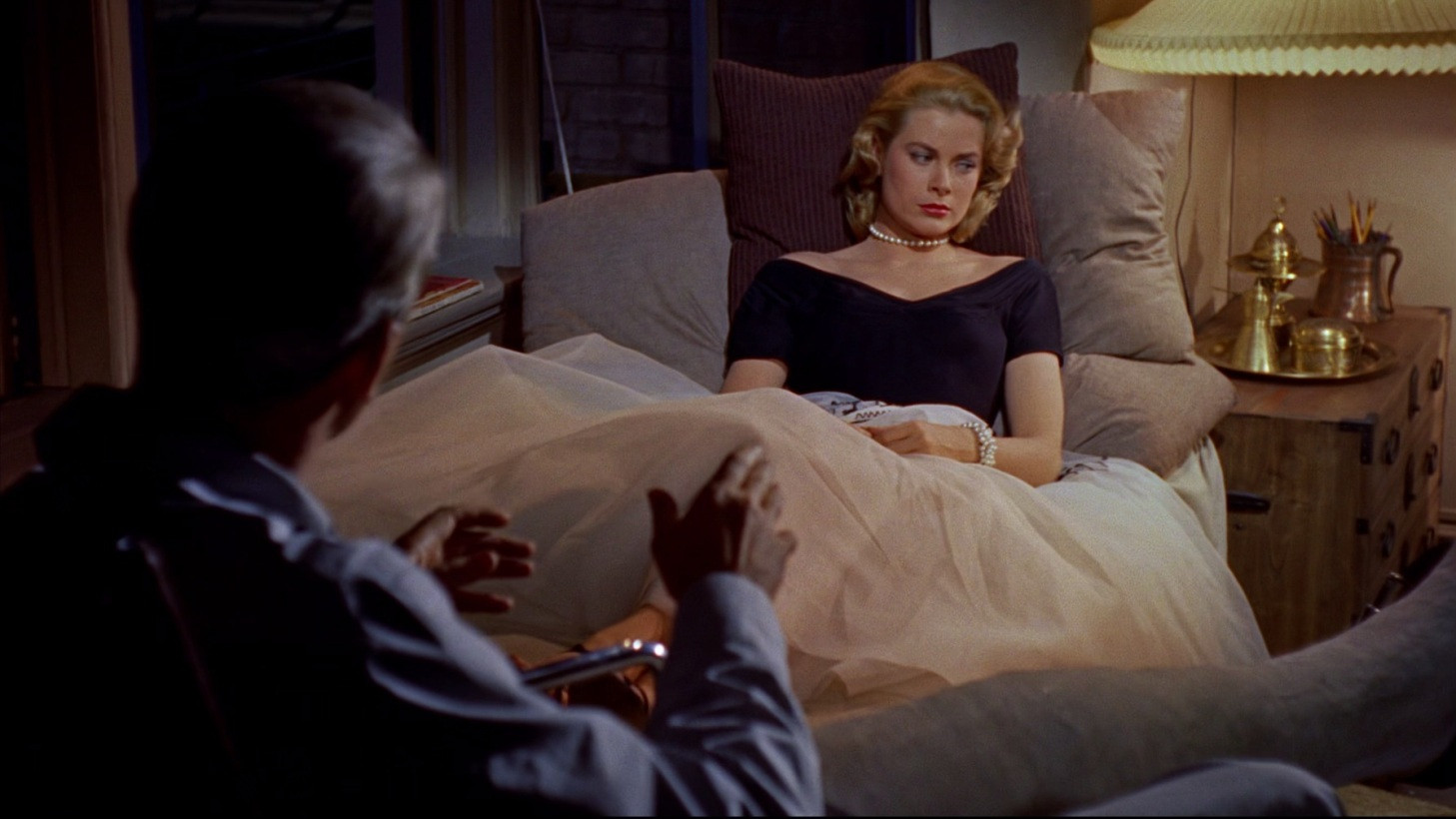
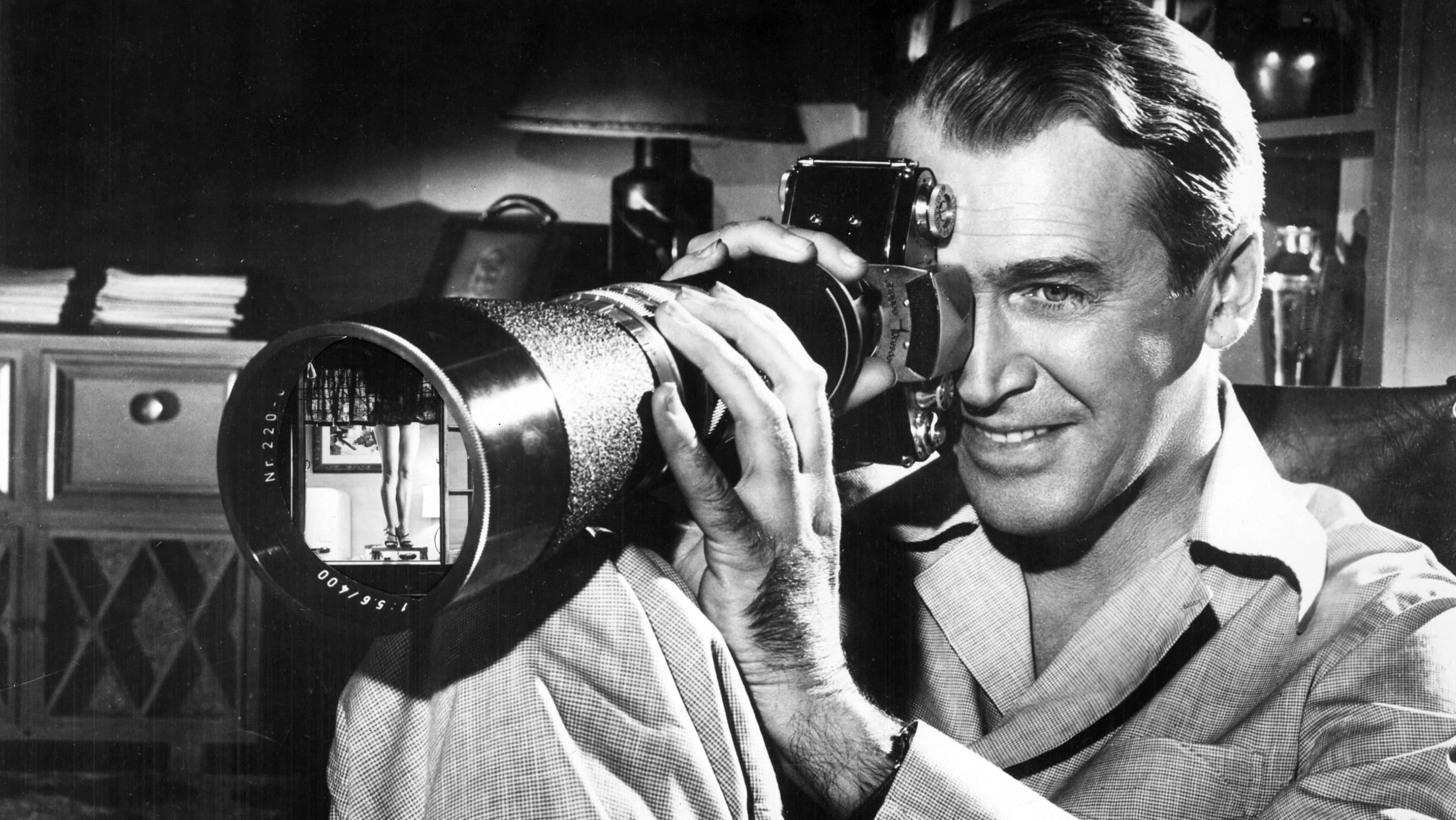
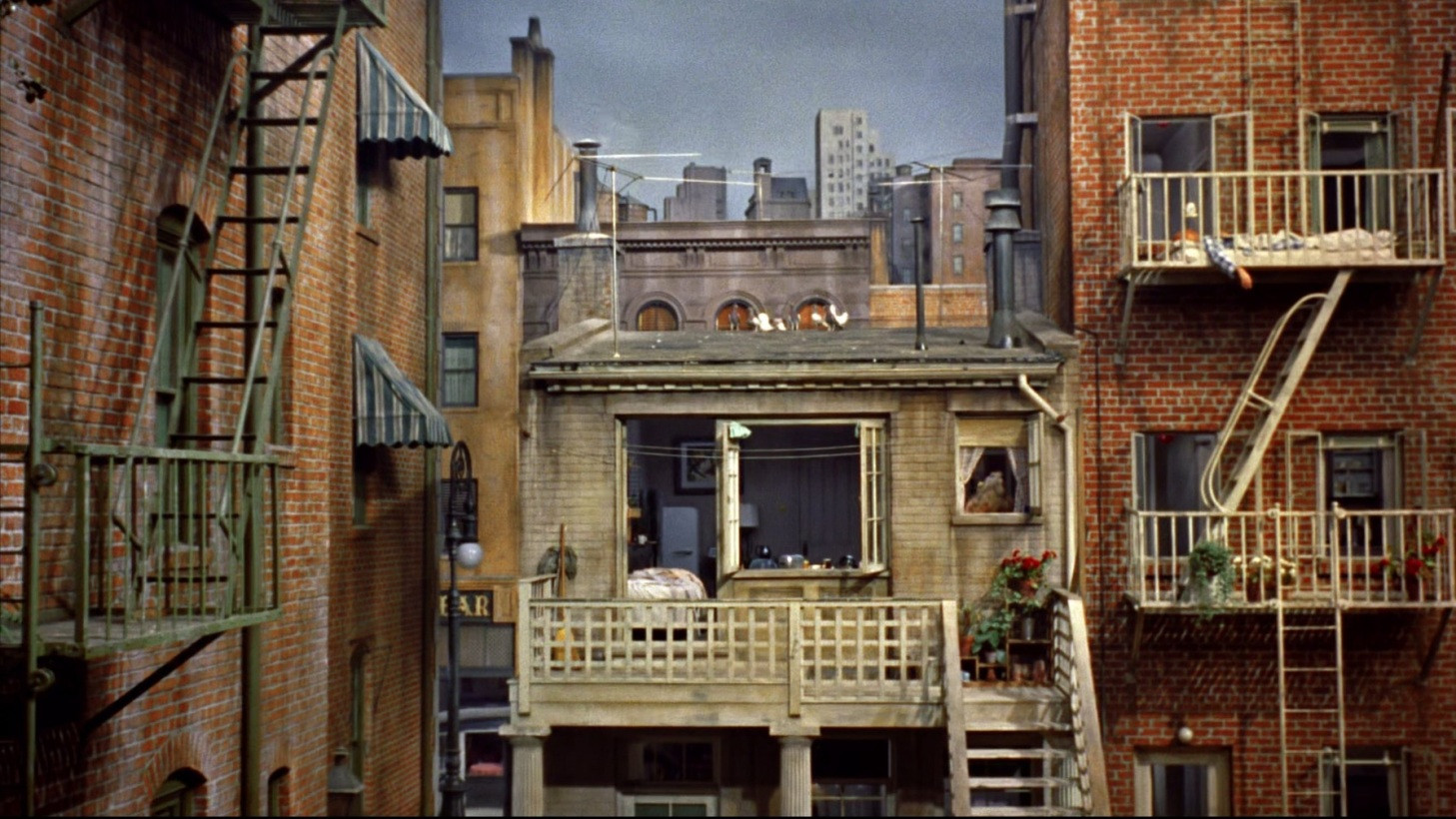
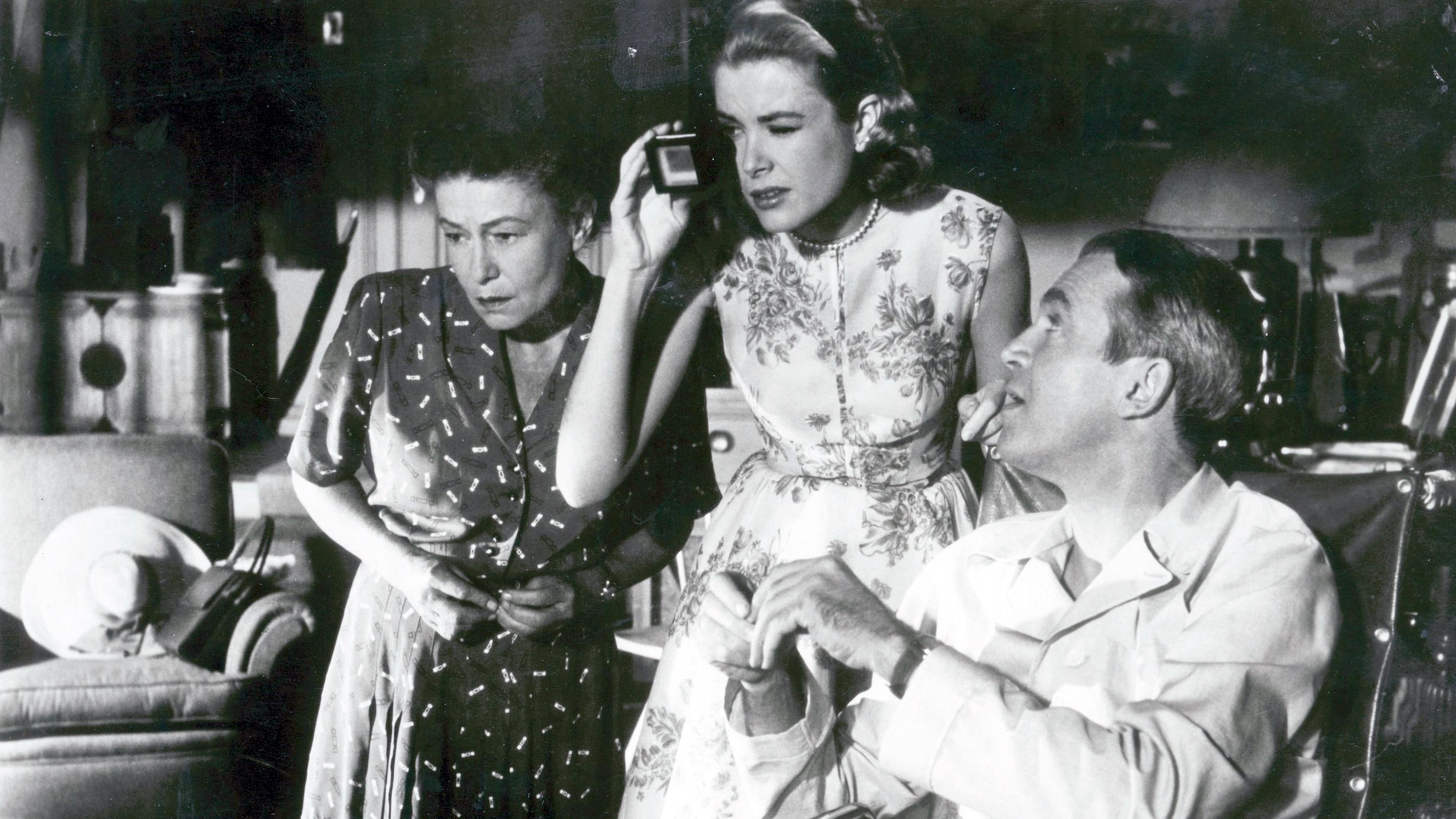
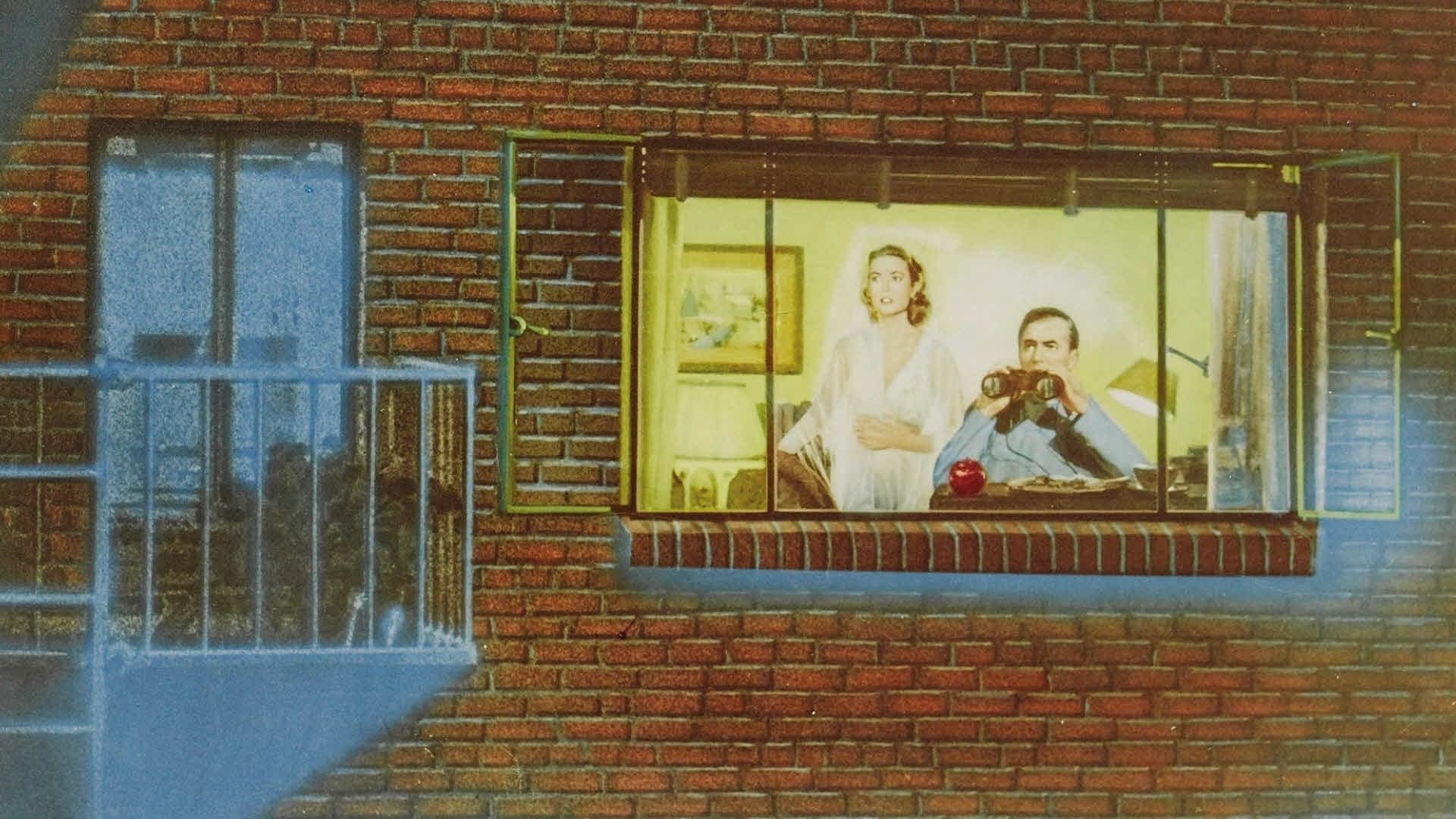
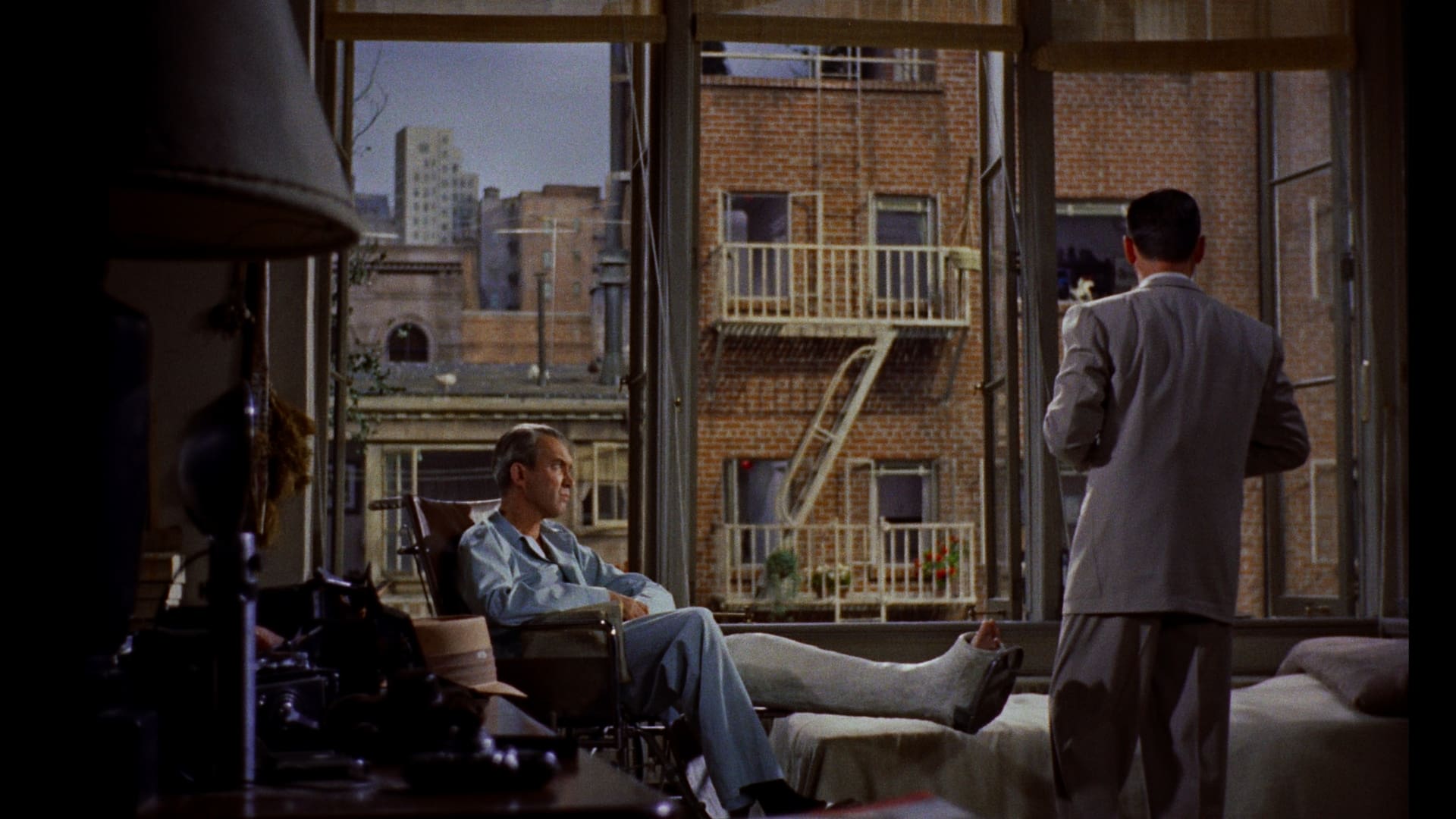
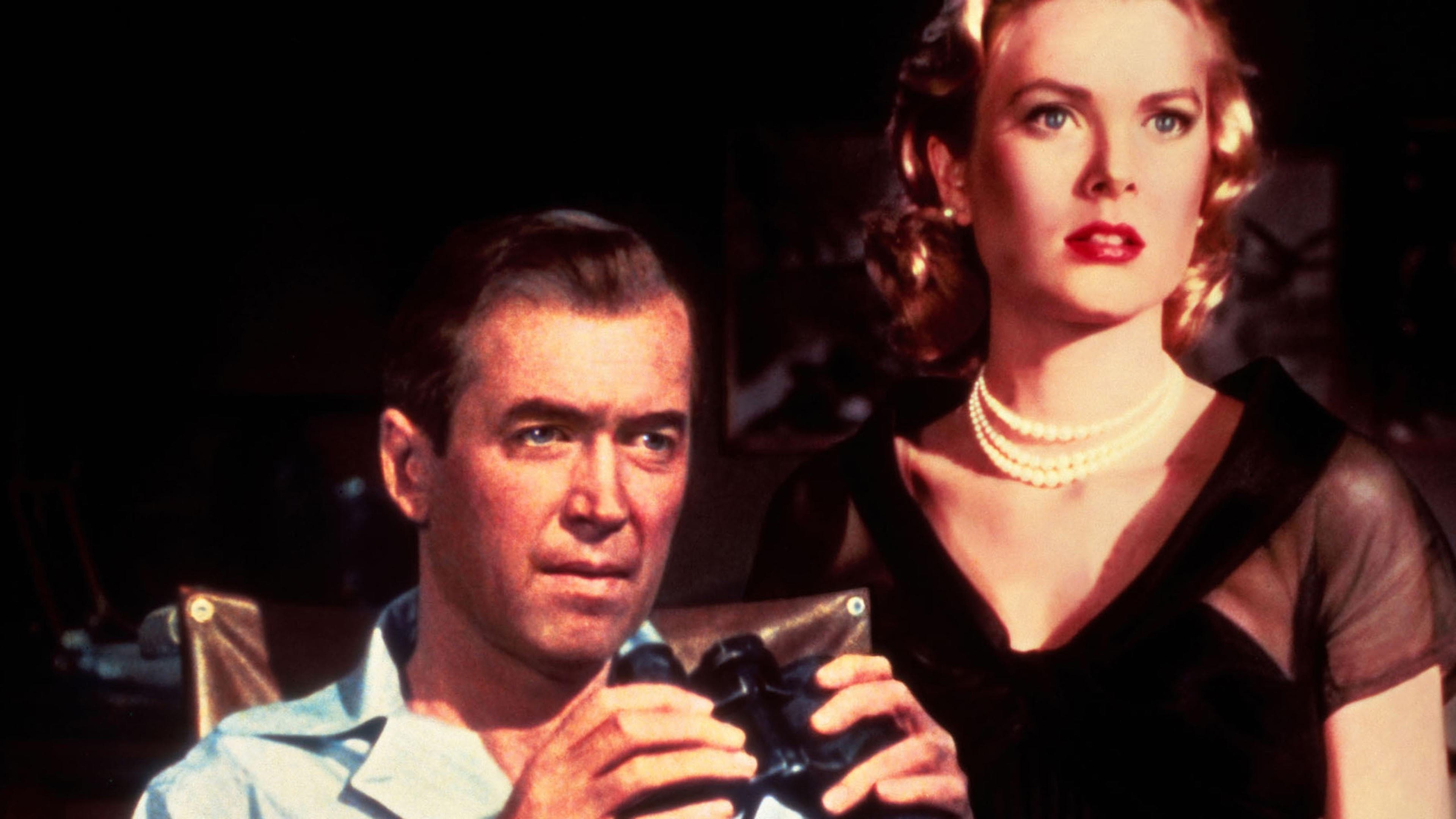
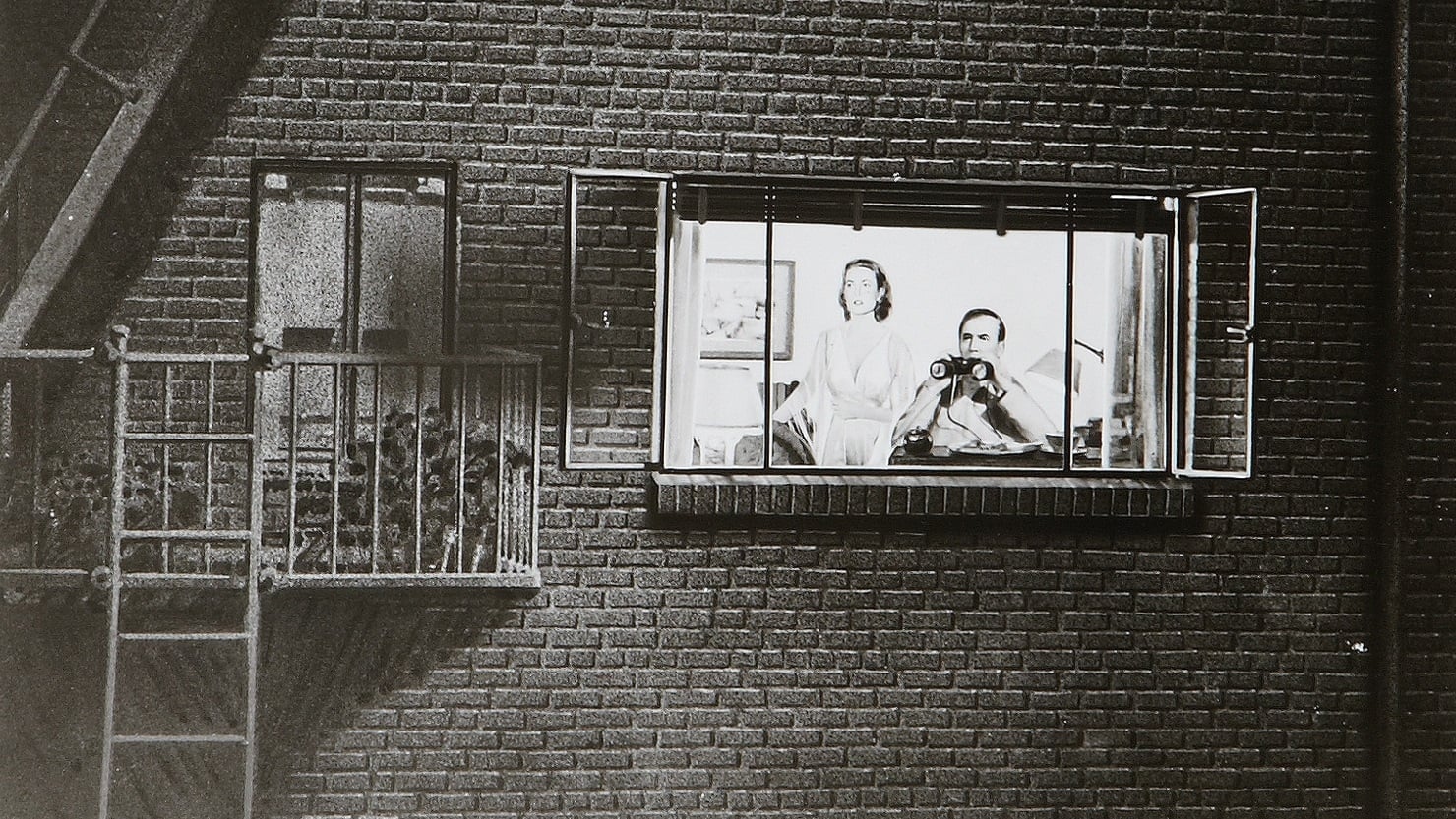
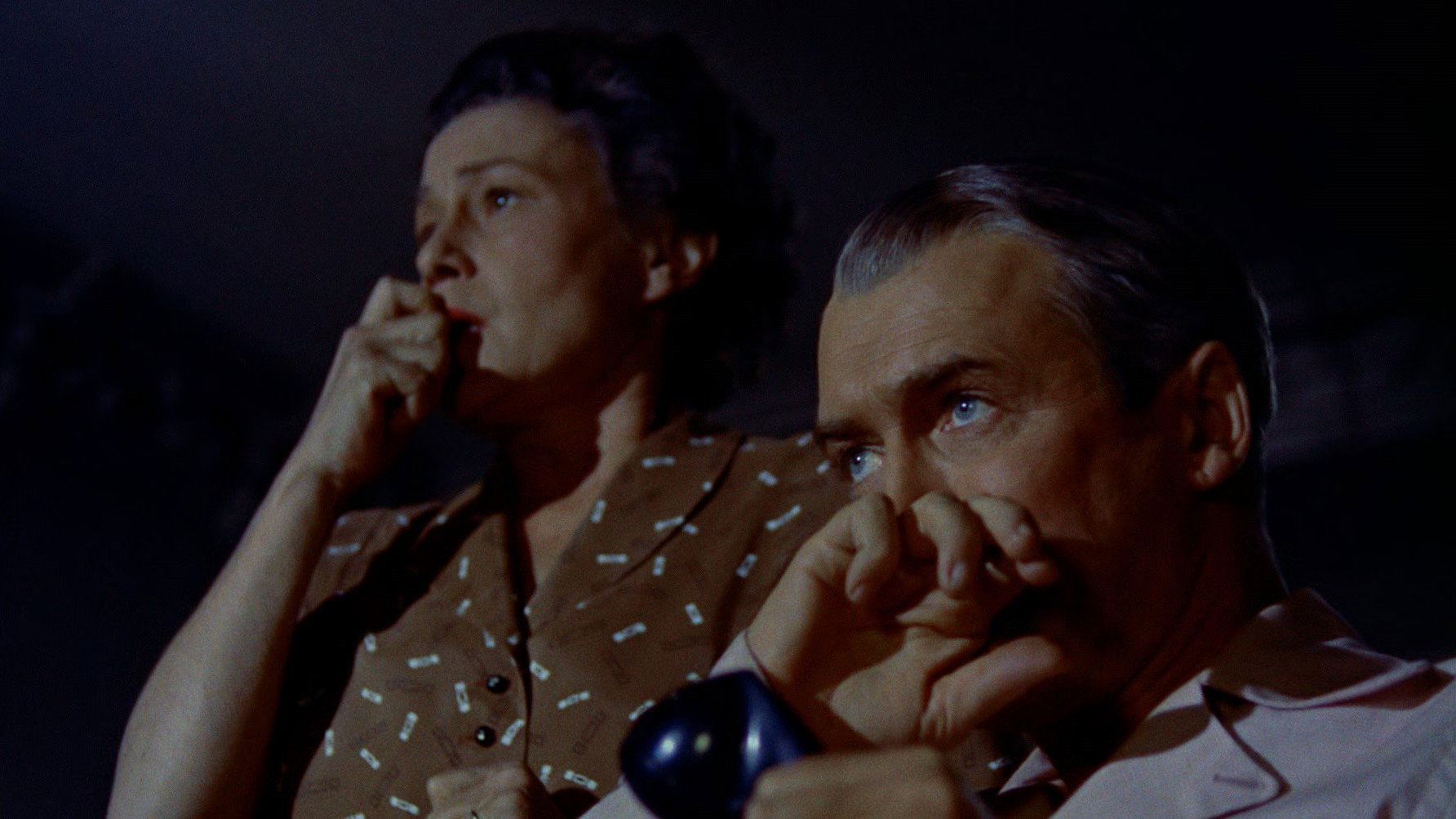
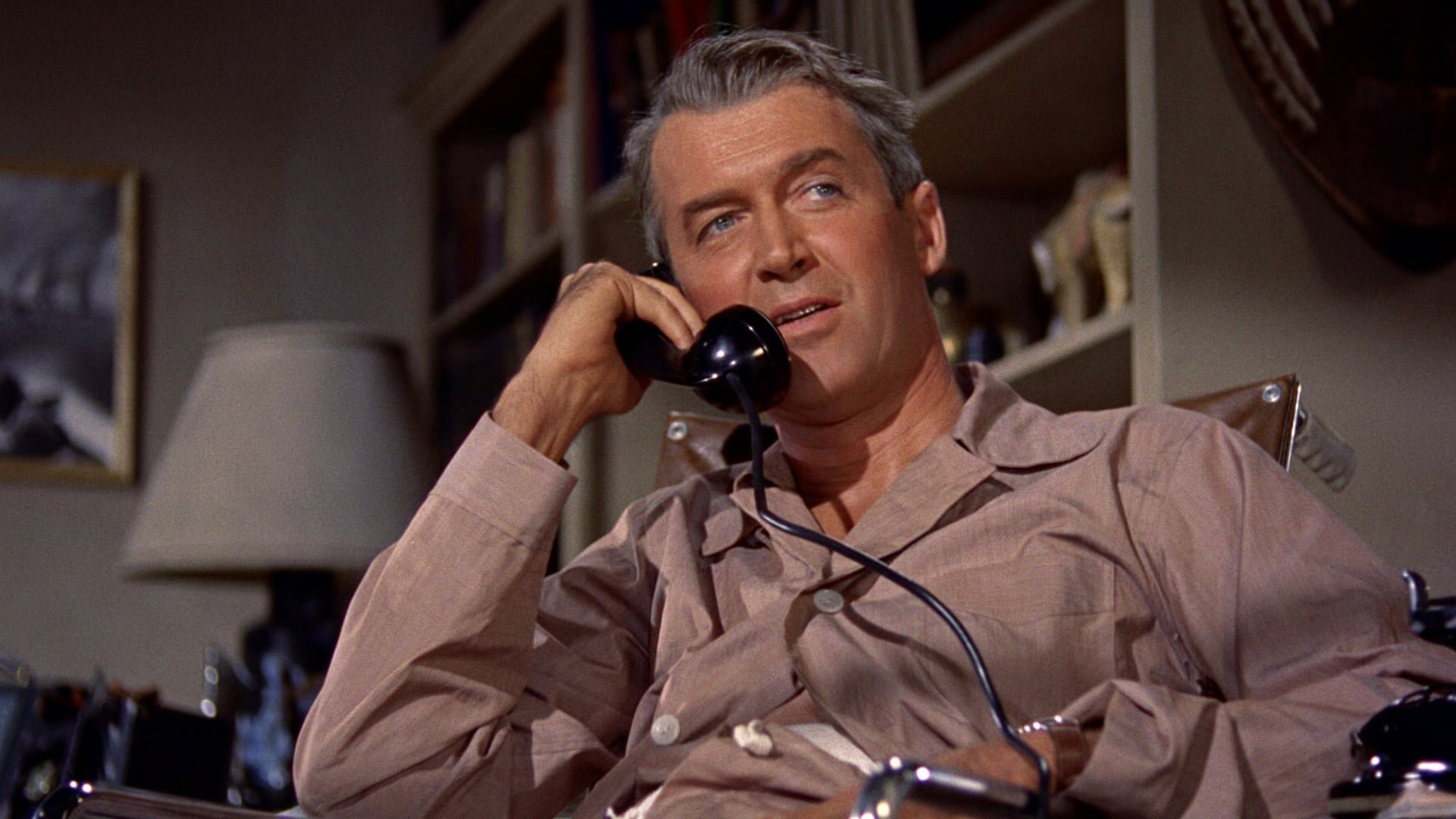
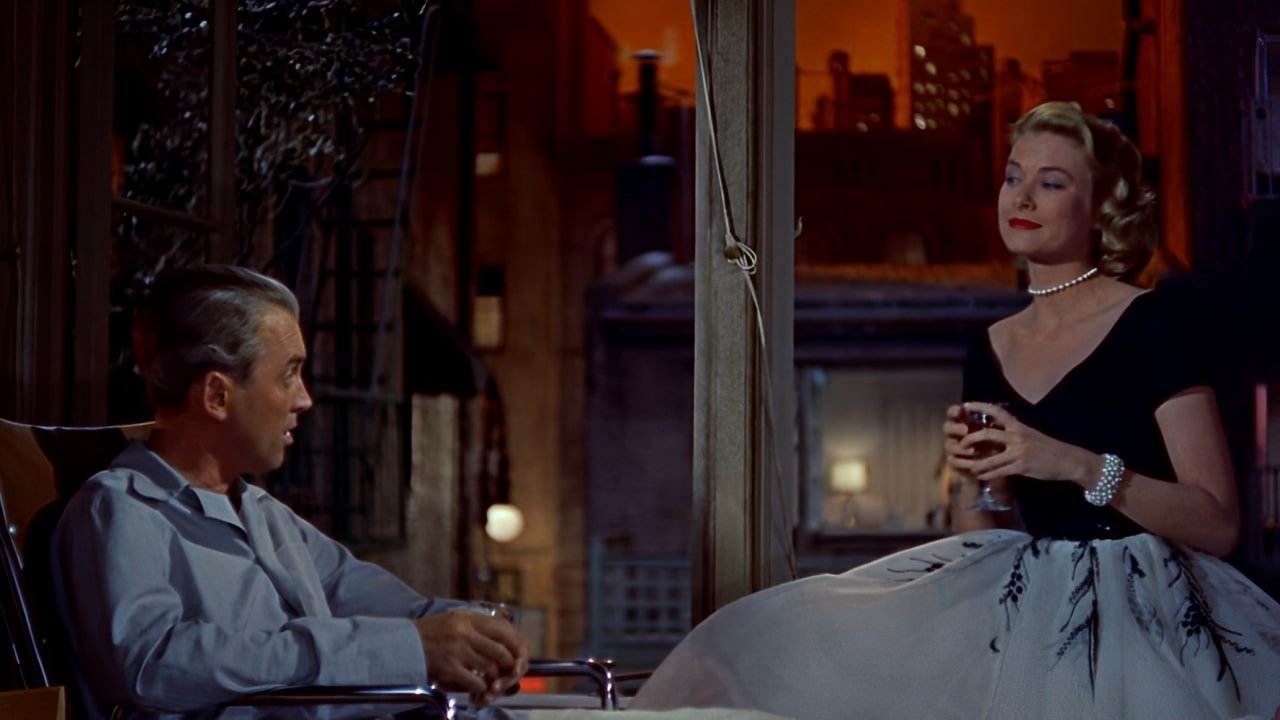
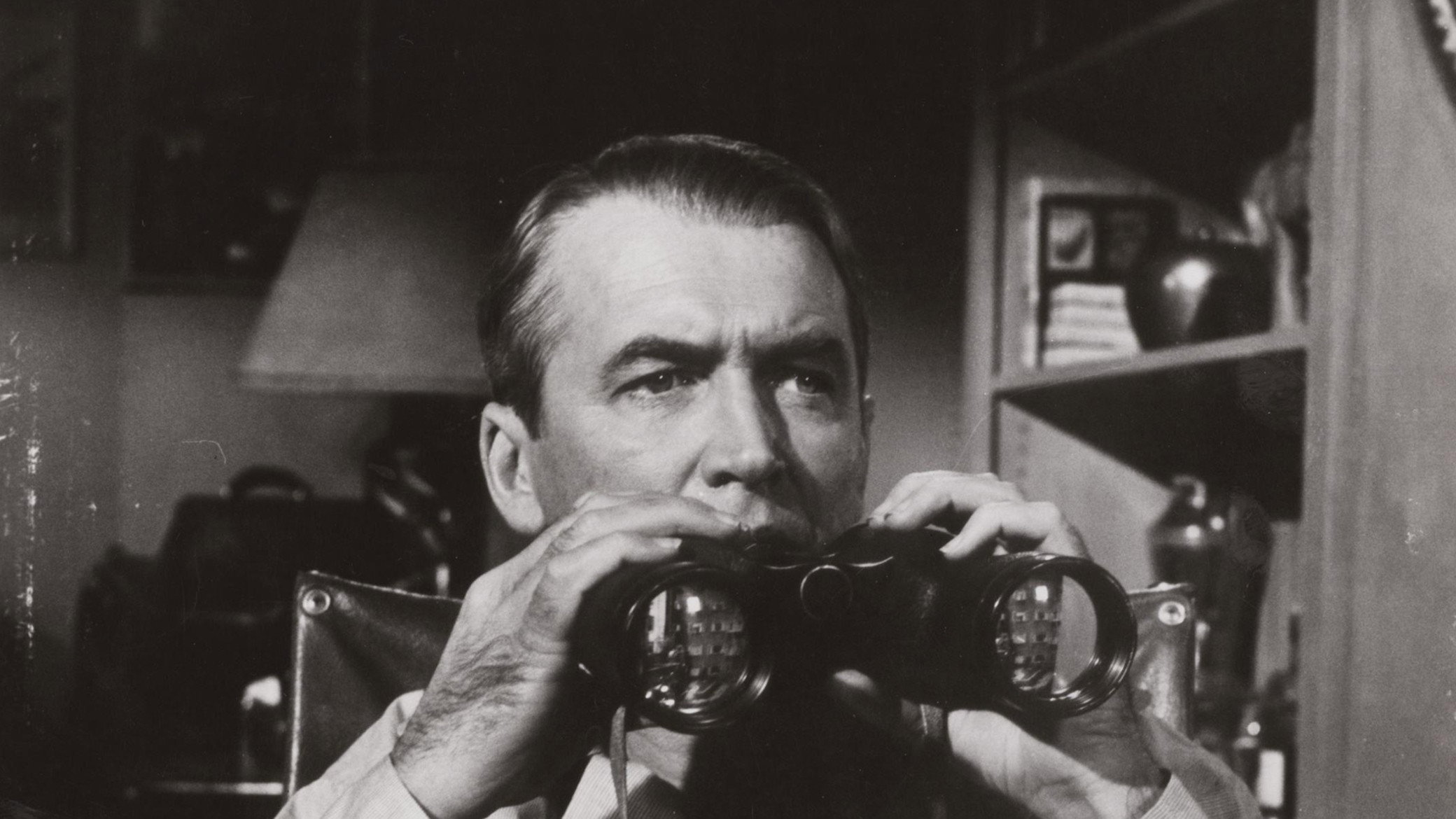
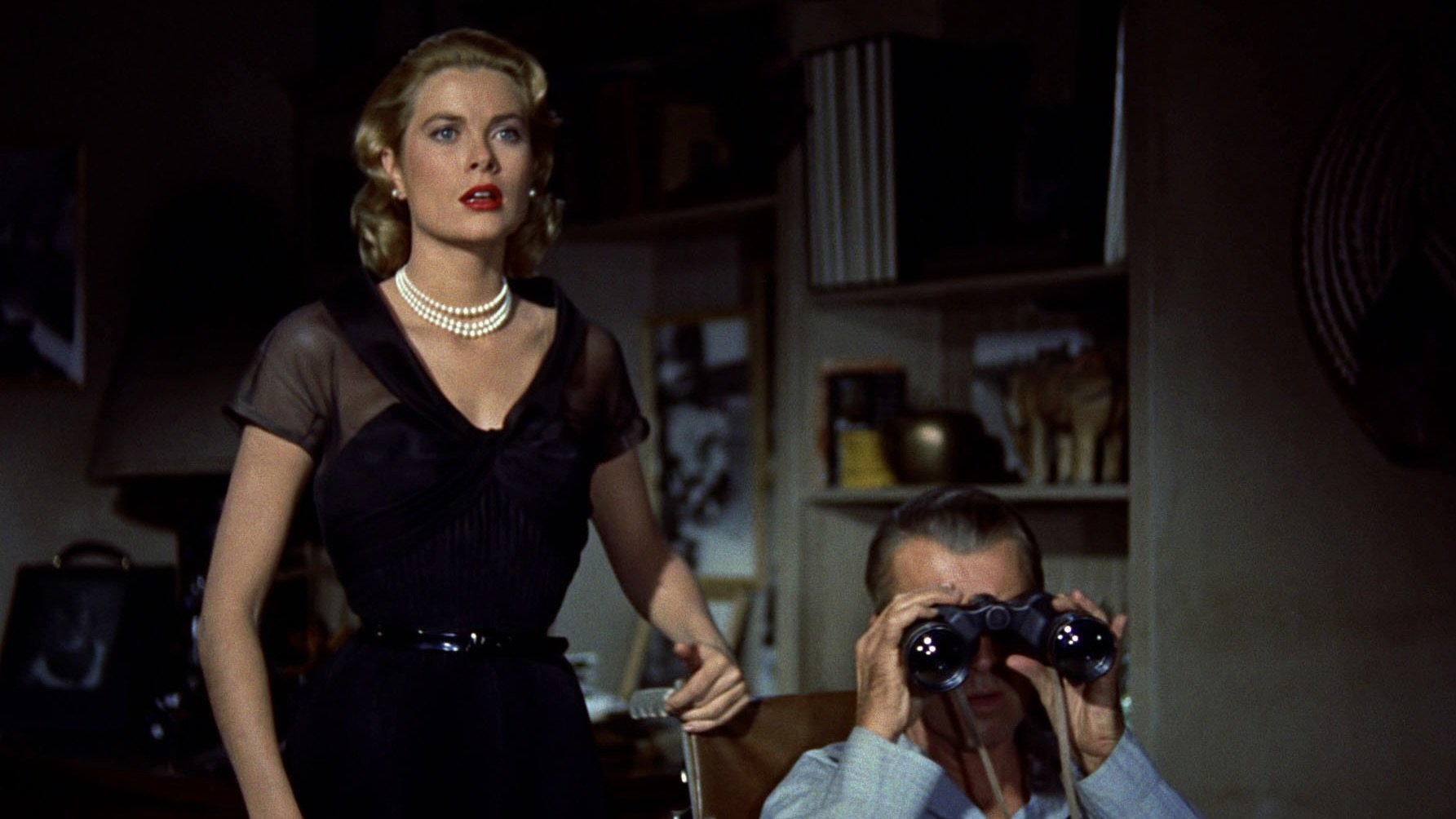
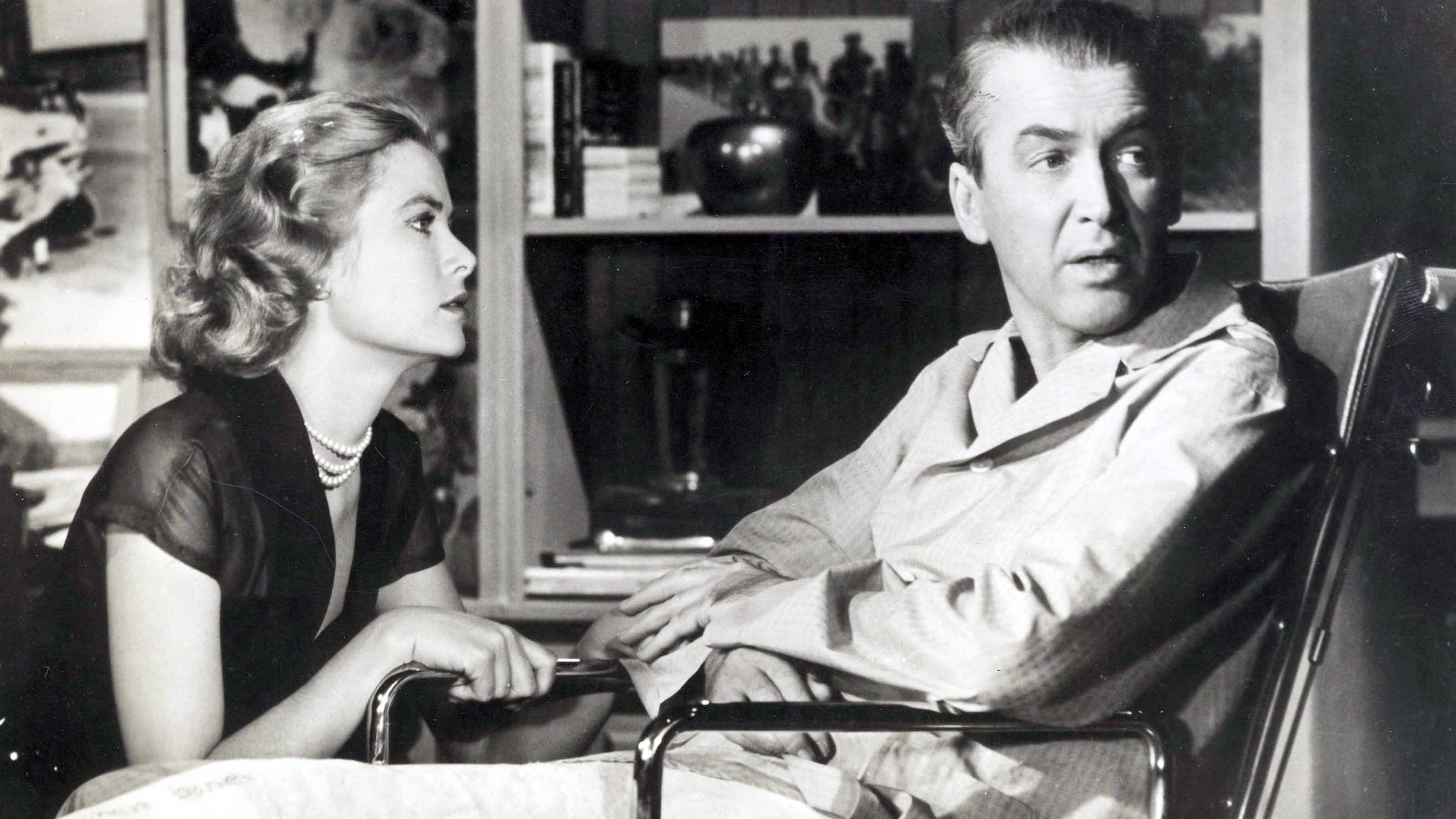
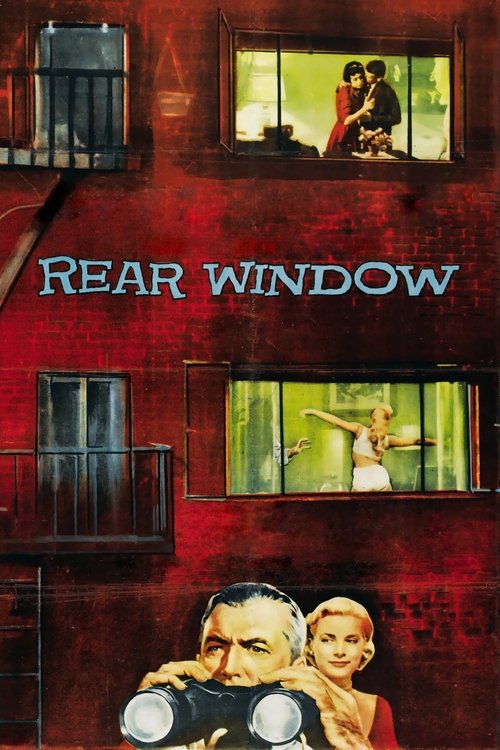
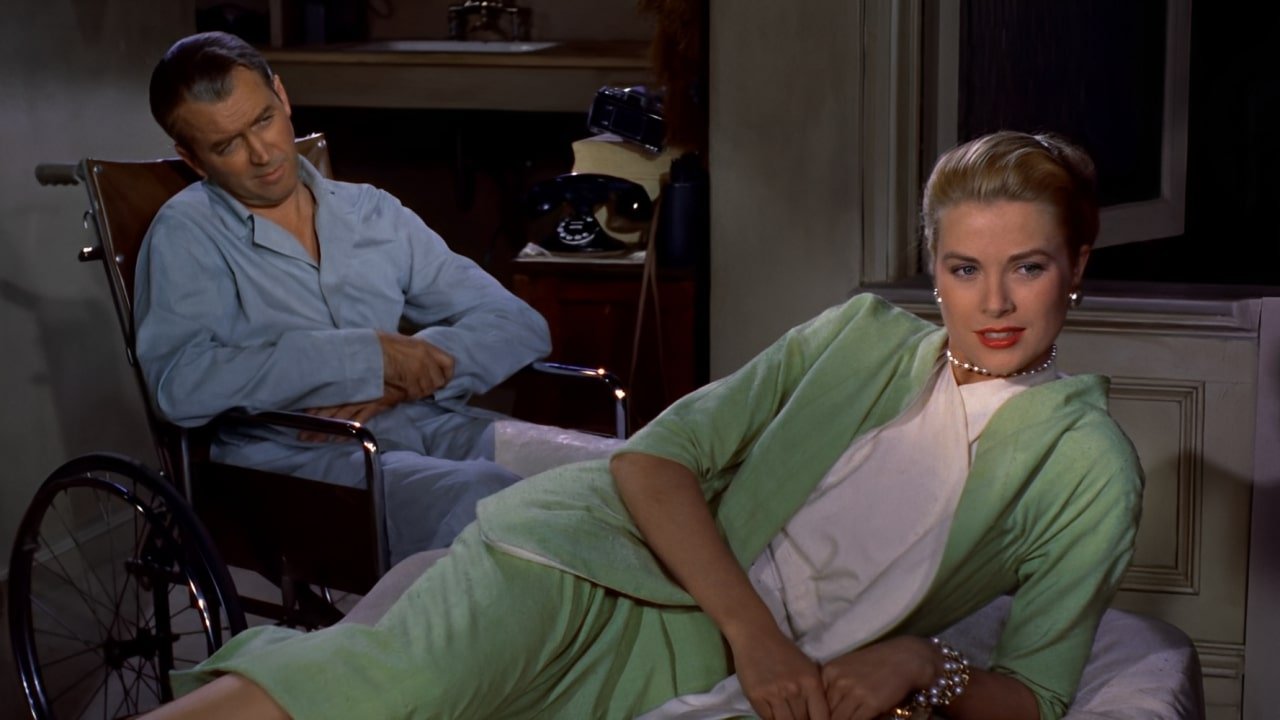
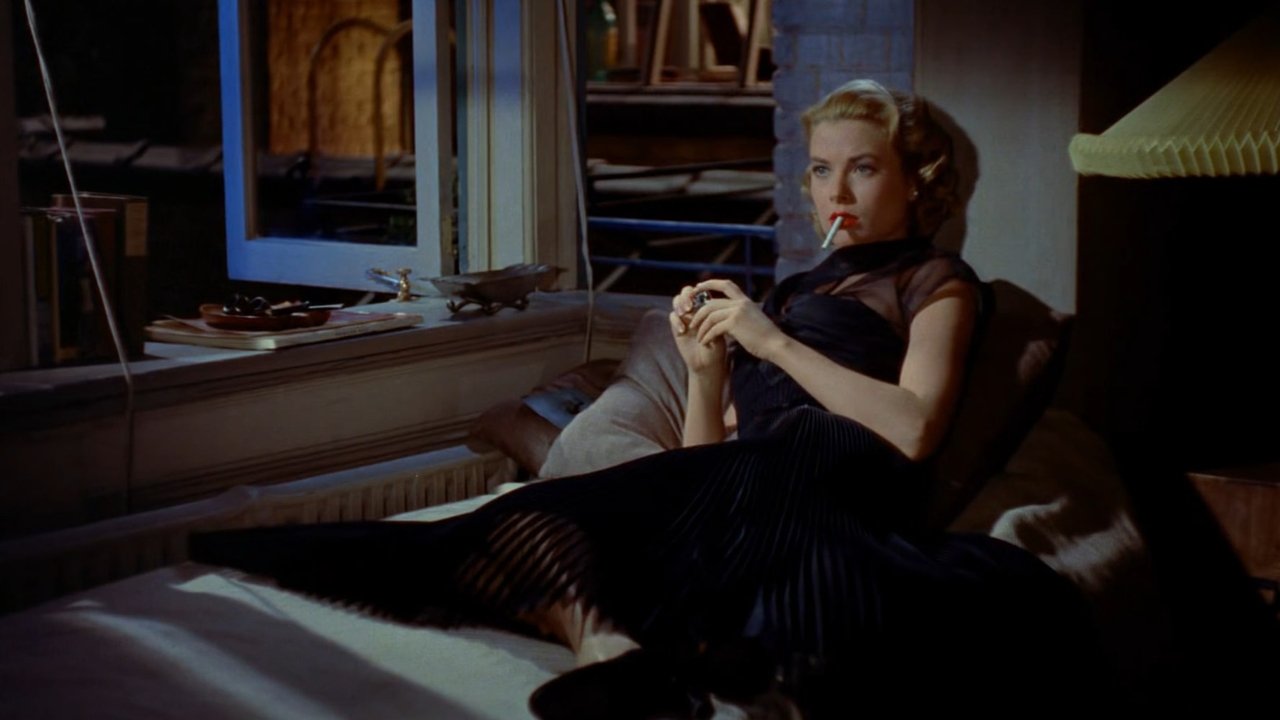
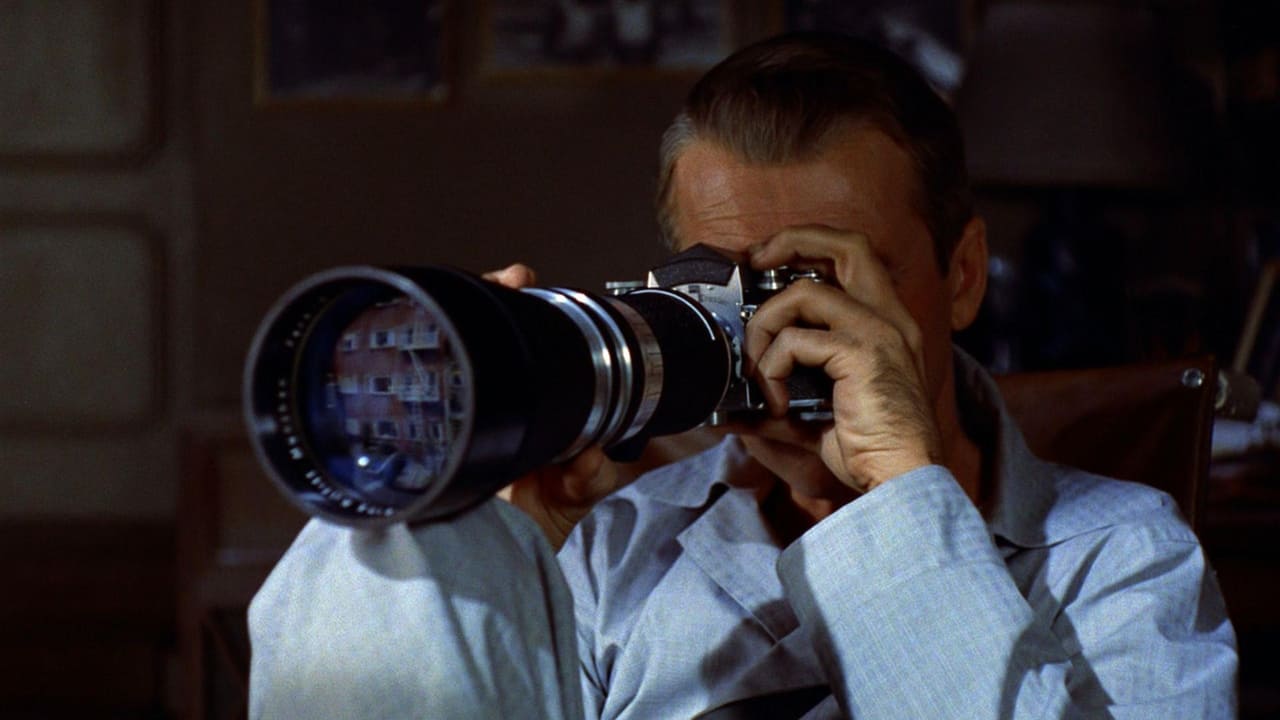
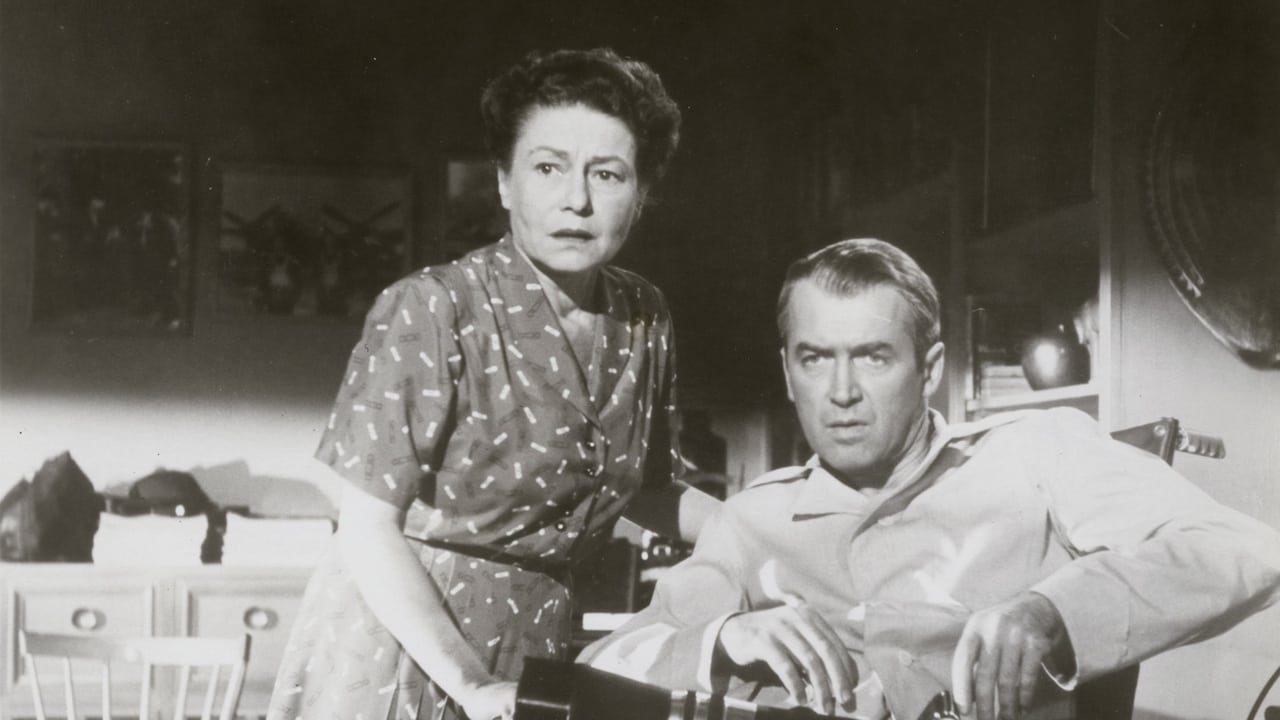
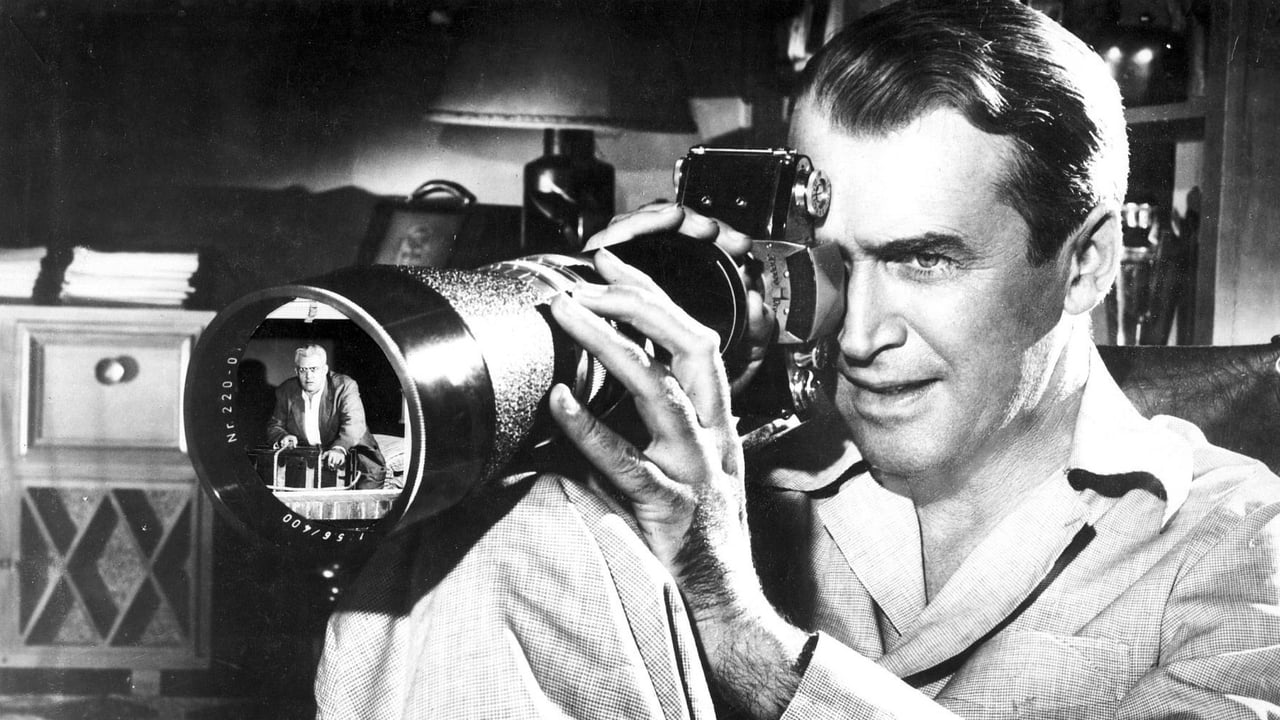
A wheelchair-bound photographer spies on his neighbors from his apartment window and becomes convinced one of them has committed murder.
Directed by Alfred Hitchcock
nurse
isolation
photographer
suspicion of murder
wheelchair
girlfriend
salesman
neighbor
whodunit
biting
convalescence
voyeurism
voyeur
missing wife
homebound
psychotic obsessions
suspicious behavior
huis clos
suspenseful
Rank
#3 in 1954·#208 overall
Trailer
IMDB
N/A
Where to Watch
Cast
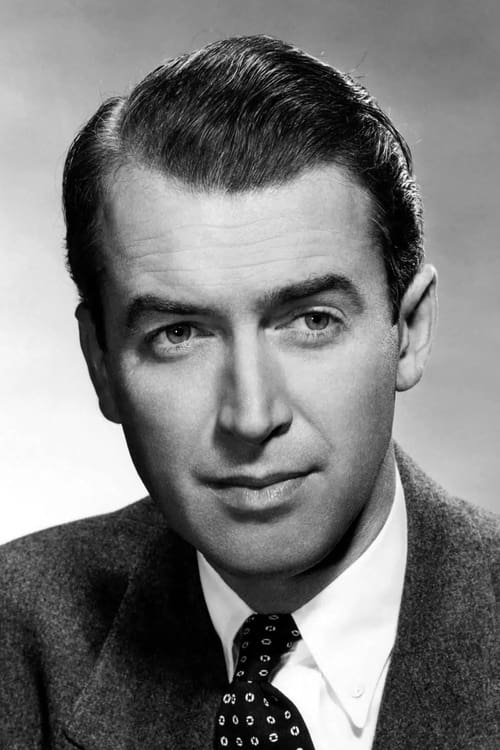
James Stewart
L.B. Jefferies
Grace Kelly
Lisa Fremont
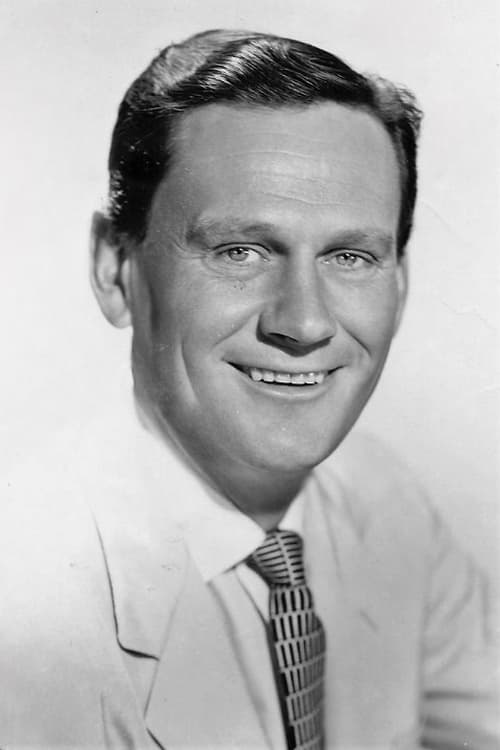
Wendell Corey
Thomas Doyle
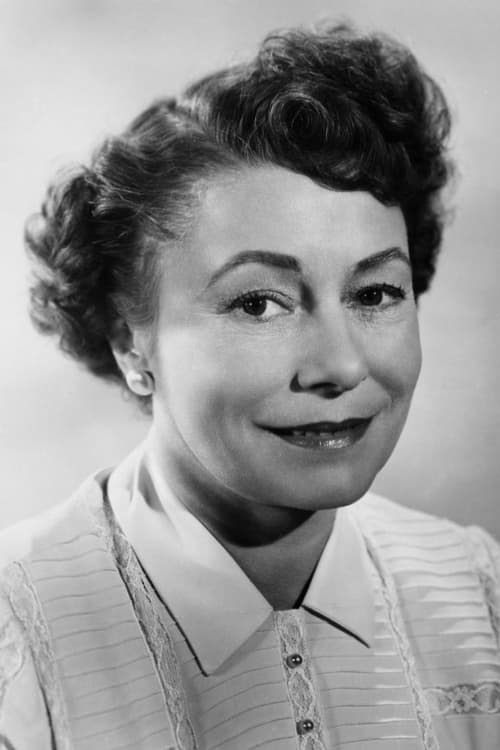
Thelma Ritter
Stella
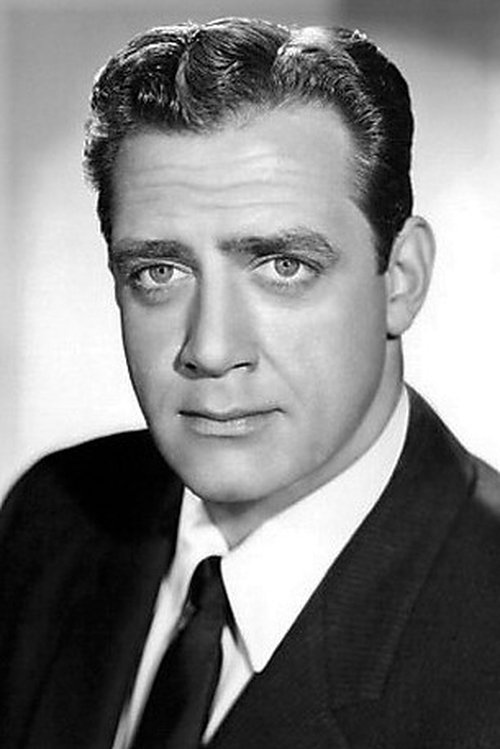
Raymond Burr
Lars Thorwald
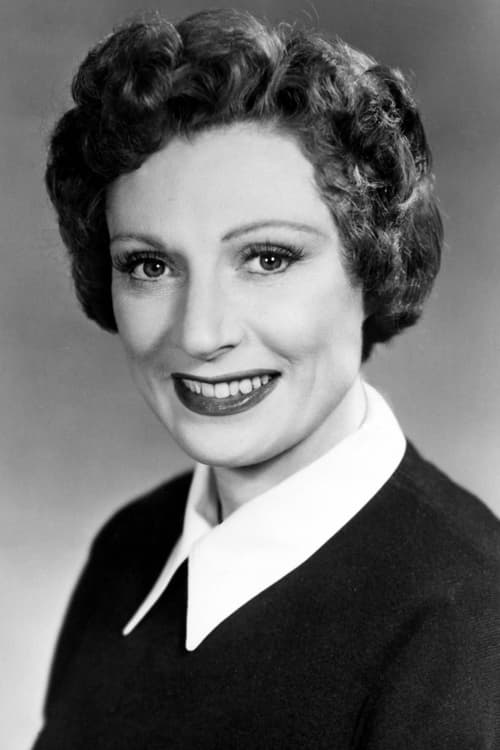
Judith Evelyn
Miss Lonelyhearts
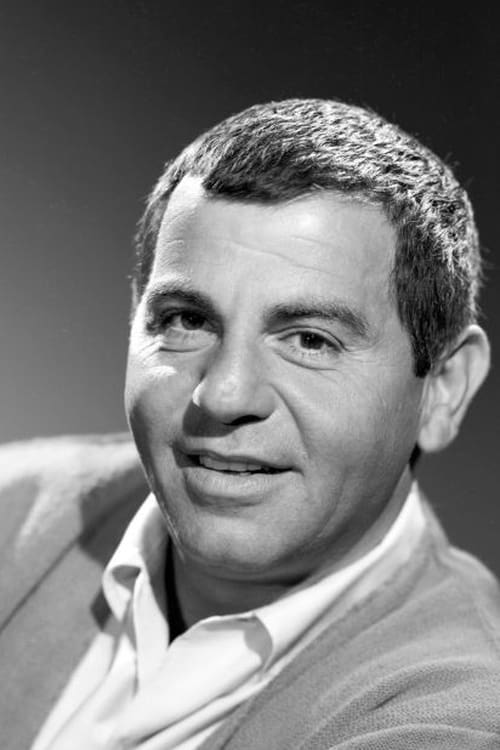
Ross Bagdasarian
Songwriter
Georgine Darcy
Miss Torso
Sara Berner
Woman on Fire Escape
Frank Cady
Man on Fire Escape
Jesslyn Fax
Miss Hearing Aid
Irene Winston
Emma Thorwald
Crew
Alfred Hitchcock
Director
John Michael Hayes
Screenplay
Franz Waxman
Original Music Composer
Edith Head
Costume Design
Sam Comer
Set Decoration
Wally Westmore
Makeup Supervisor
Cornell Woolrich
Short Story
Popular Reviews
6211 reviews
vi
8.0★ · 06/02/18
grace kelly,,,,,,, pretty
grace kelly,,,,,,, pretty
6
Adrian LopezPRO
8.6★ · 12/03/25
really great for its time. I mean the suspense does hold up and Himmy Stewart’s acting is superb. Just a really nosey guy but I mean they didn’t have internet yet so being stuck in wheelchair at home is torturous I actually thought he was trippin from being stuck at home. Great movie!
really great for its time. I mean the suspense does hold up and Himmy Stewart’s acting is superb. Just a really nosey guy but I mean they didn’t have internet yet so being stuck in wheelchair at home is torturous I actually thought he was trippin from being stuck at home. Great movie!
4
Davy Got BoredPRO
5.6★ · 12/14/25
For the type of movie, I was actually mildly entertained throughout. It is a bit long and drawn out as per older movies but in this case it kind of works with it. It wasn’t a waste of time to watch and I actually did enjoy the detective side of it. It’s solid in the end, I don’t have a lot to say on it.
For the type of movie, I was actually mildly entertained throughout. It is a bit long and drawn out as per older movies but in this case it kind of works with it. It wasn’t a waste of time to watch and I actually did enjoy the detective side of it. It’s solid in the end, I don’t have a lot to say on it.
3
Bethany
9.0★ · 05/09/26
you know maybe ill start closing my blinds more often
you know maybe ill start closing my blinds more often