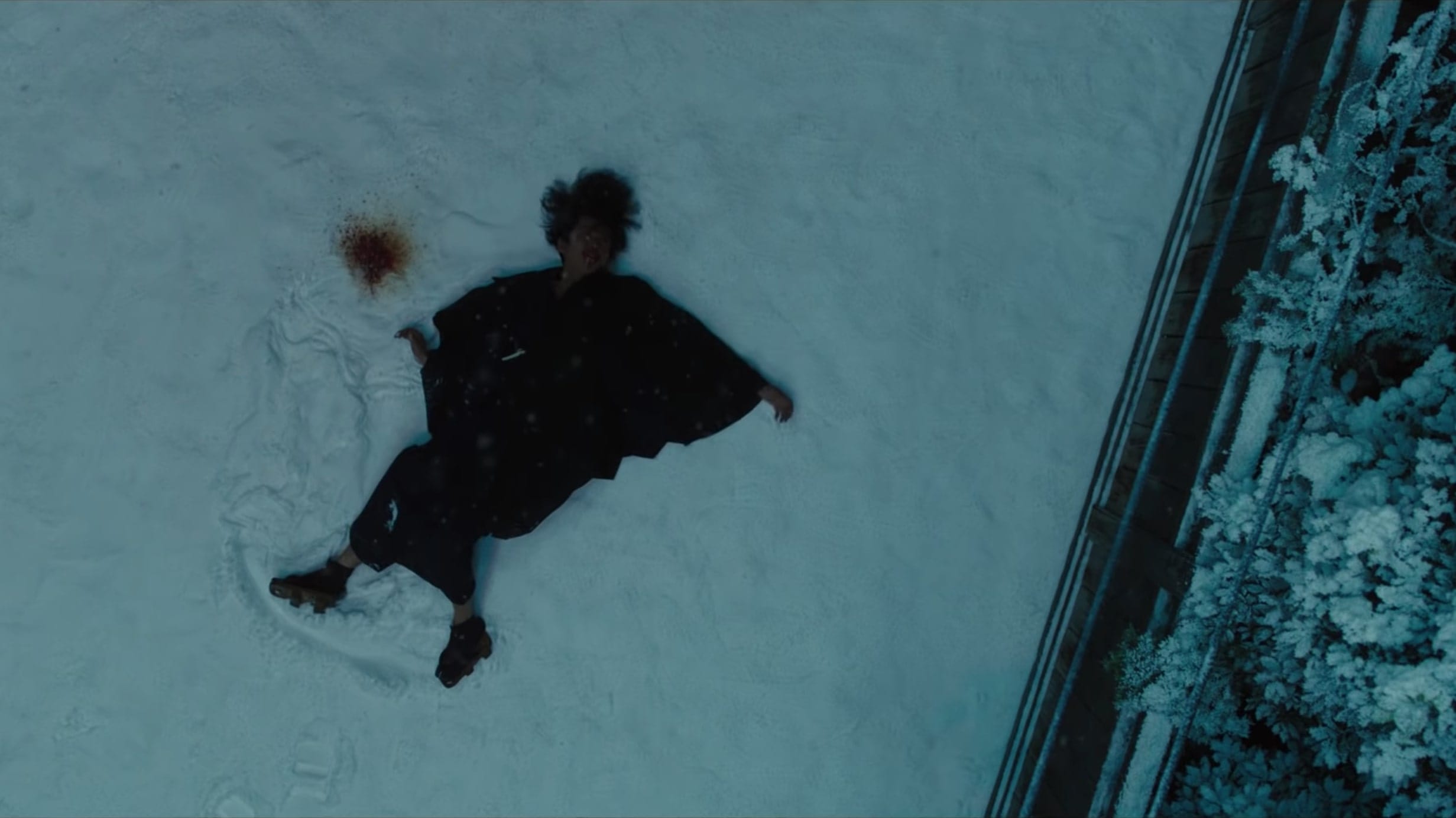
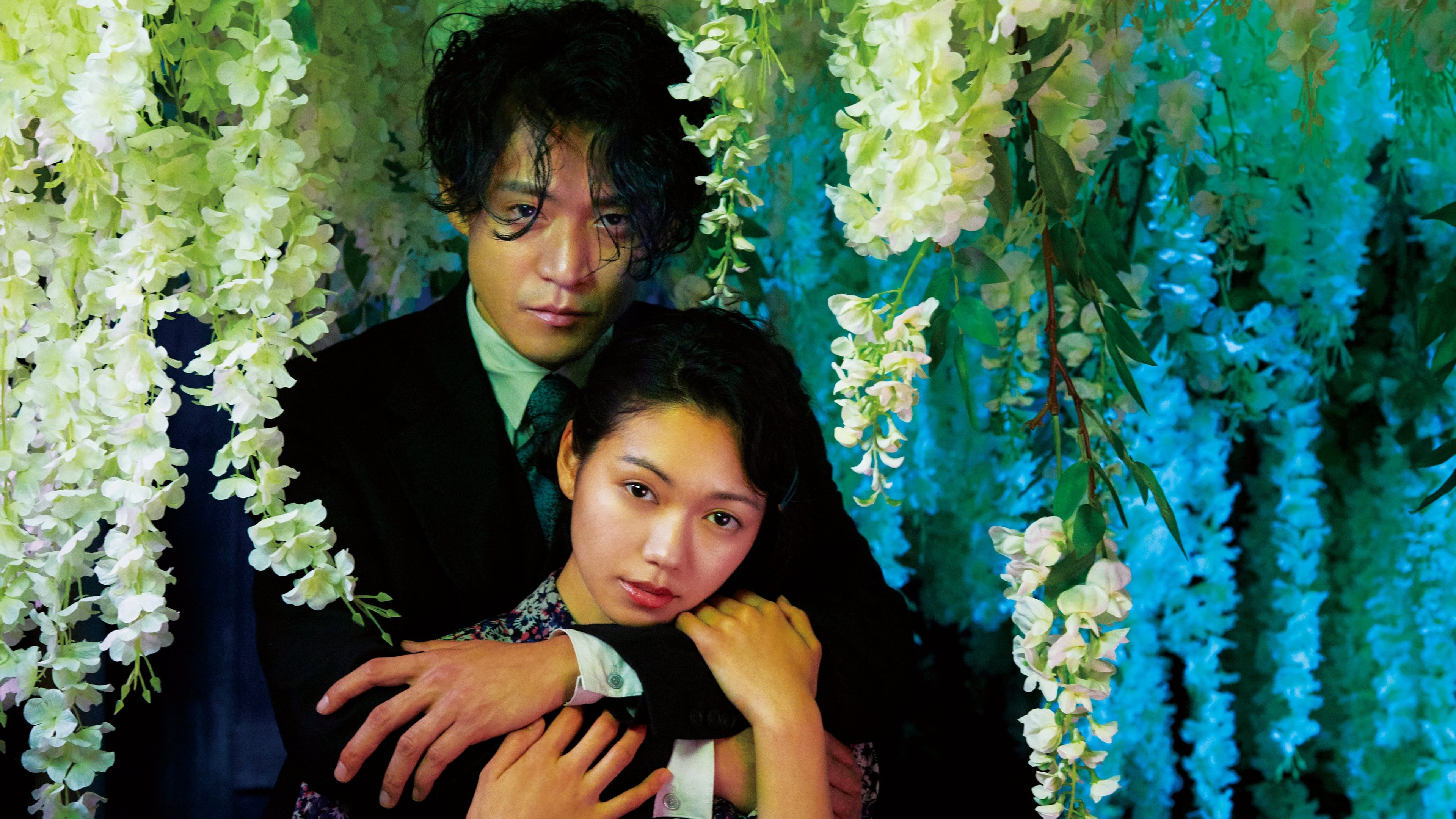
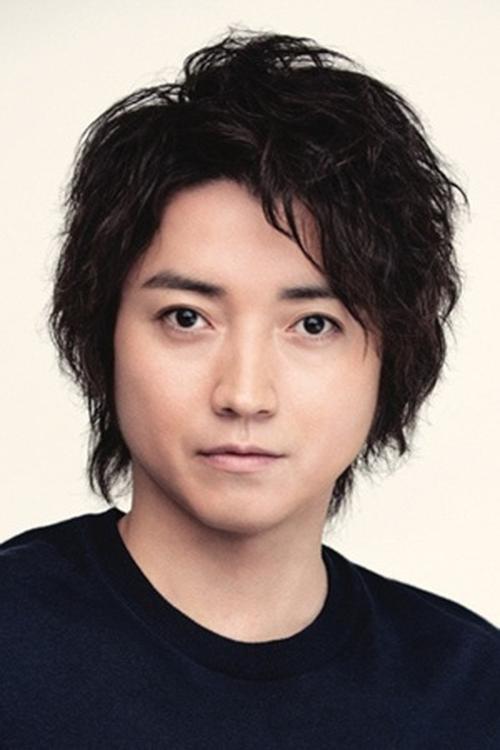
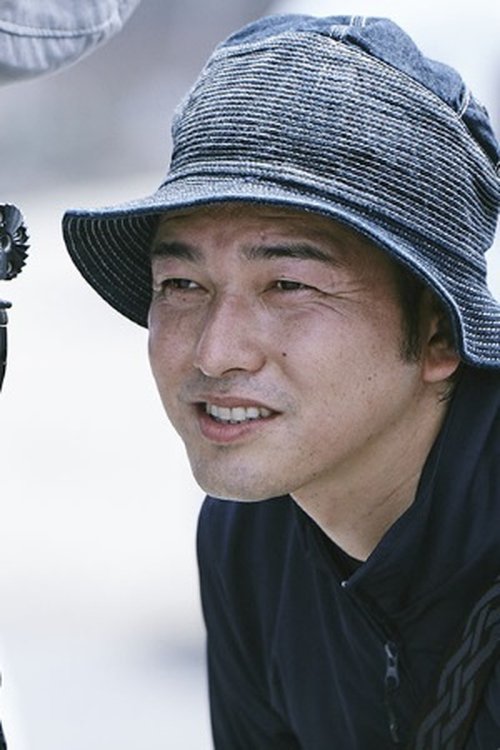
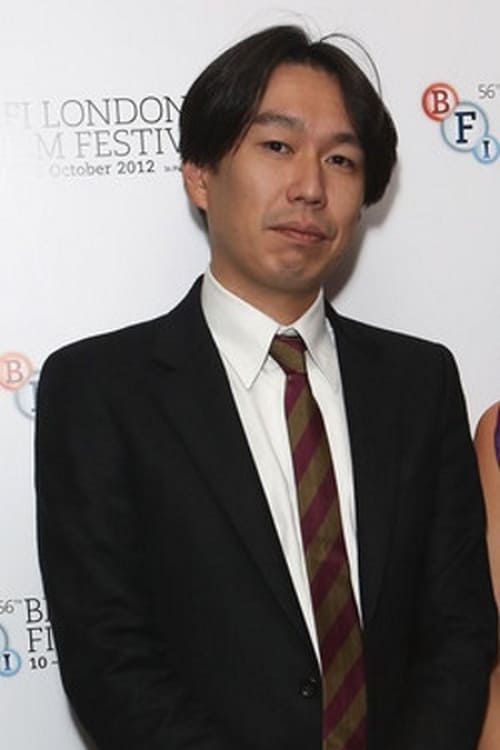
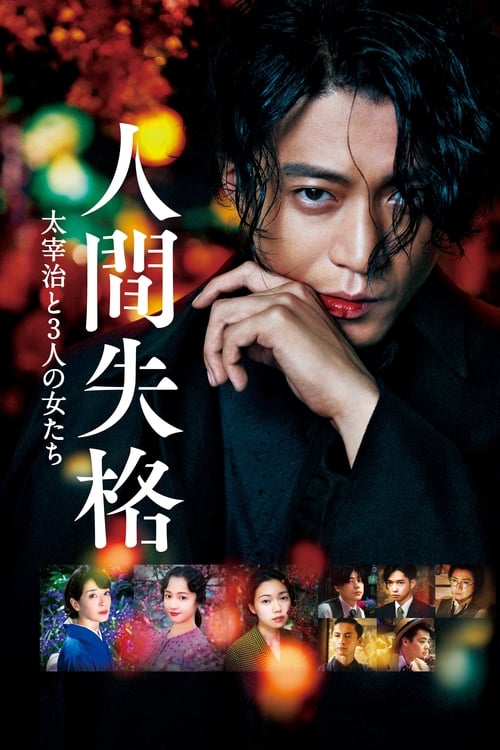
Director- Ninagawa Mika.This is the first work I have seen of her. From the posters of her films, I assumed that they would be quite colorful, but I was wrong. The most colorful thing about the film is the poster.The film is a biographical work of Osamu Dazai, famed for writing a book titled, 'No Longer Human'.I think this film could have benefited from a better script as writing vise it is mostly not good. The way the task of showing us Dazai's life is tackled in this film by using three important women of his life is interesting but it leads to a sense of randomness as all three were with him at the same time. All got enough development to make them their own person but still only felt two-dimensional.The trio are used as pawns to push Dazai's story further and thus aren't fleshed out enough.Dazai too feels like a shell used to portray the nature of a destructive type. He's just a selfish alcoholic incapable of ever truly loving a person. I think there are more nuances to explore but haven't read any of his works so not entirely sure.He treats everyone in his life as a muse to exploit. Everyone is writing material and thus can't connect with anyone beyond the surface level.There are many times the story could have dug deeper into the relationship between the trio and Dazai but for some reason they all fell short.For example, the one with the diary is shown to have had a large impact on Dazai with him quoting her words verbatim. She wanted to be recognized as a writer in her own right which was what brought her to him.The toxic relationship between his wife and him also isn't aptly explored.The relationship between the third and him is the least explored as she doesn't have her own identity and remains but a forgettable silhouette.The film has memorable lines such as, "Man is born for love and revolution".I loved the inclusion of Mishima Yukio in this and how he served to show us how much of a comedic personality our protagonist is. He shows us how flawed Dazai is and aptly critiques him by saying that Dazai is infatuated with death too much but neither respects the process nor ever succeeds in doing so.Ninagawa's use of color reminded me of In the Mood for Love by Wong Kar Wai with her use of yellow and red.The personality of the protagonist reminded me of Mishima a life in four chapters by Paul Schrader. Ninagawa's work managed to remain more so unbiased and showed the bad aspects of Dazai as well as showing us his follies well unlike the glorification of Mishima by Schrader.The film reminded me a lot of Yumeji of Suzuki Seijun as well. It is a way better work overall including the use of color, fleshed-out characters, etc. and Suzuki made a much deeper work.Overall, this was a good watch and if I ever want to rewatch this, I will rewatch Yumeji instead.
Director- Ninagawa Mika.This is the first work I have seen of her. From the posters of her films, I assumed that they would be quite colorful, but I was wrong. The most colorful thing about the film is the poster.The film is a biographical work of Osamu Dazai, famed for writing a book titled, 'No Longer Human'.I think this film could have benefited from a better script as writing vise it is mostly not good. The way the task of showing us Dazai's life is tackled in this film by using three important women of his life is interesting but it leads to a sense of randomness as all three were with him at the same time. All got enough development to make them their own person but still only felt two-dimensional.The trio are used as pawns to push Dazai's story further and thus aren't fleshed out enough.Dazai too feels like a shell used to portray the nature of a destructive type. He's just a selfish alcoholic incapable of ever truly loving a person. I think there are more nuances to explore but haven't read any of his works so not entirely sure.He treats everyone in his life as a muse to exploit. Everyone is writing material and thus can't connect with anyone beyond the surface level.There are many times the story could have dug deeper into the relationship between the trio and Dazai but for some reason they all fell short.For example, the one with the diary is shown to have had a large impact on Dazai with him quoting her words verbatim. She wanted to be recognized as a writer in her own right which was what brought her to him.The toxic relationship between his wife and him also isn't aptly explored.The relationship between the third and him is the least explored as she doesn't have her own identity and remains but a forgettable silhouette.The film has memorable lines such as, "Man is born for love and revolution".I loved the inclusion of Mishima Yukio in this and how he served to show us how much of a comedic personality our protagonist is. He shows us how flawed Dazai is and aptly critiques him by saying that Dazai is infatuated with death too much but neither respects the process nor ever succeeds in doing so.Ninagawa's use of color reminded me of In the Mood for Love by Wong Kar Wai with her use of yellow and red.The personality of the protagonist reminded me of Mishima a life in four chapters by Paul Schrader. Ninagawa's work managed to remain more so unbiased and showed the bad aspects of Dazai as well as showing us his follies well unlike the glorification of Mishima by Schrader.The film reminded me a lot of Yumeji of Suzuki Seijun as well. It is a way better work overall including the use of color, fleshed-out characters, etc. and Suzuki made a much deeper work.Overall, this was a good watch and if I ever want to rewatch this, I will rewatch Yumeji instead.