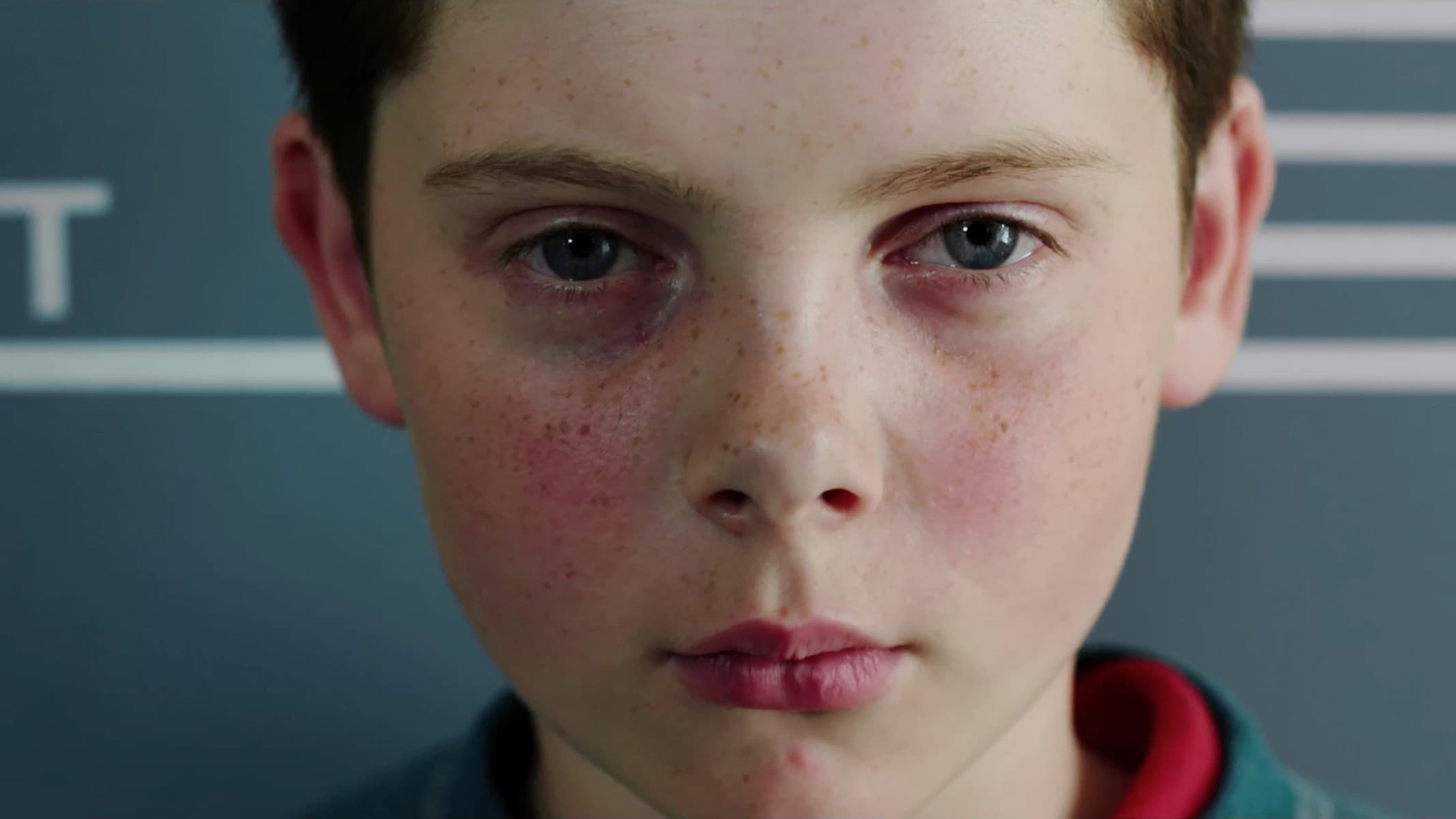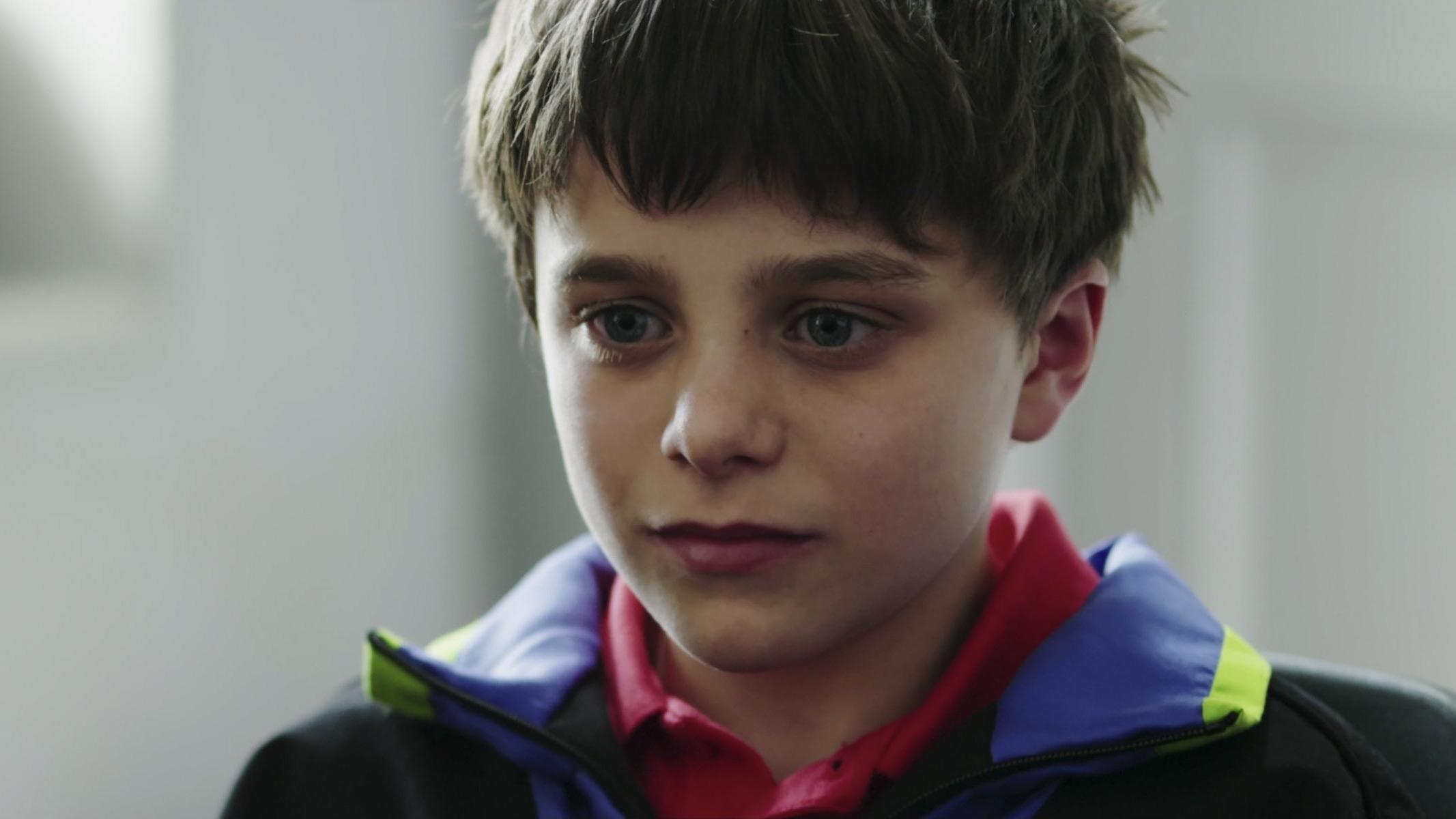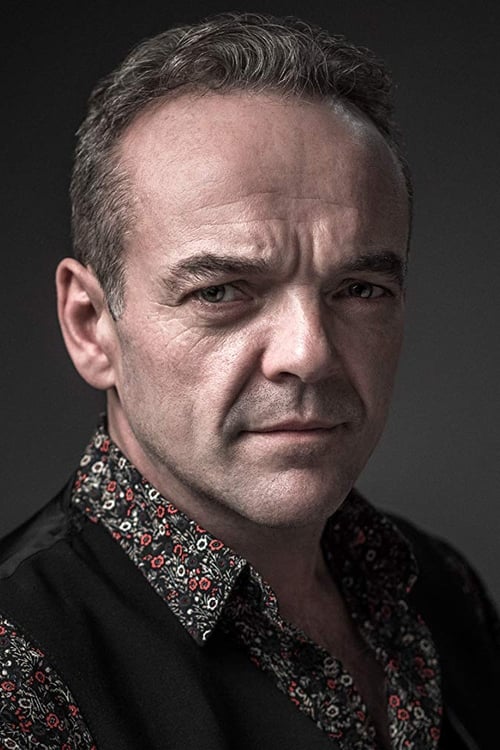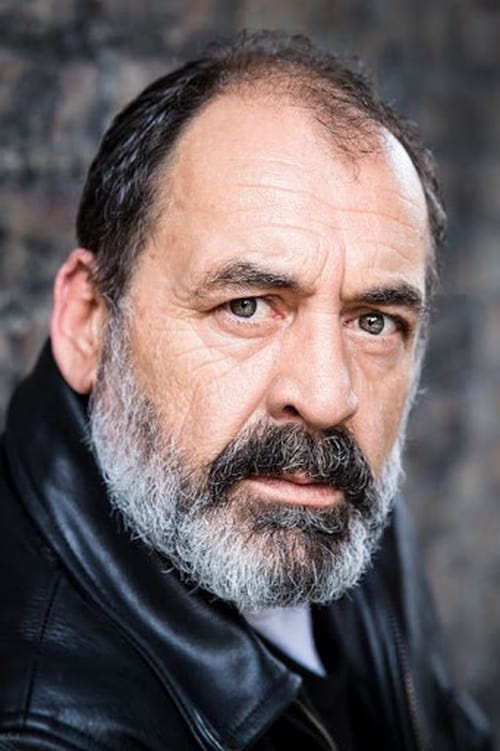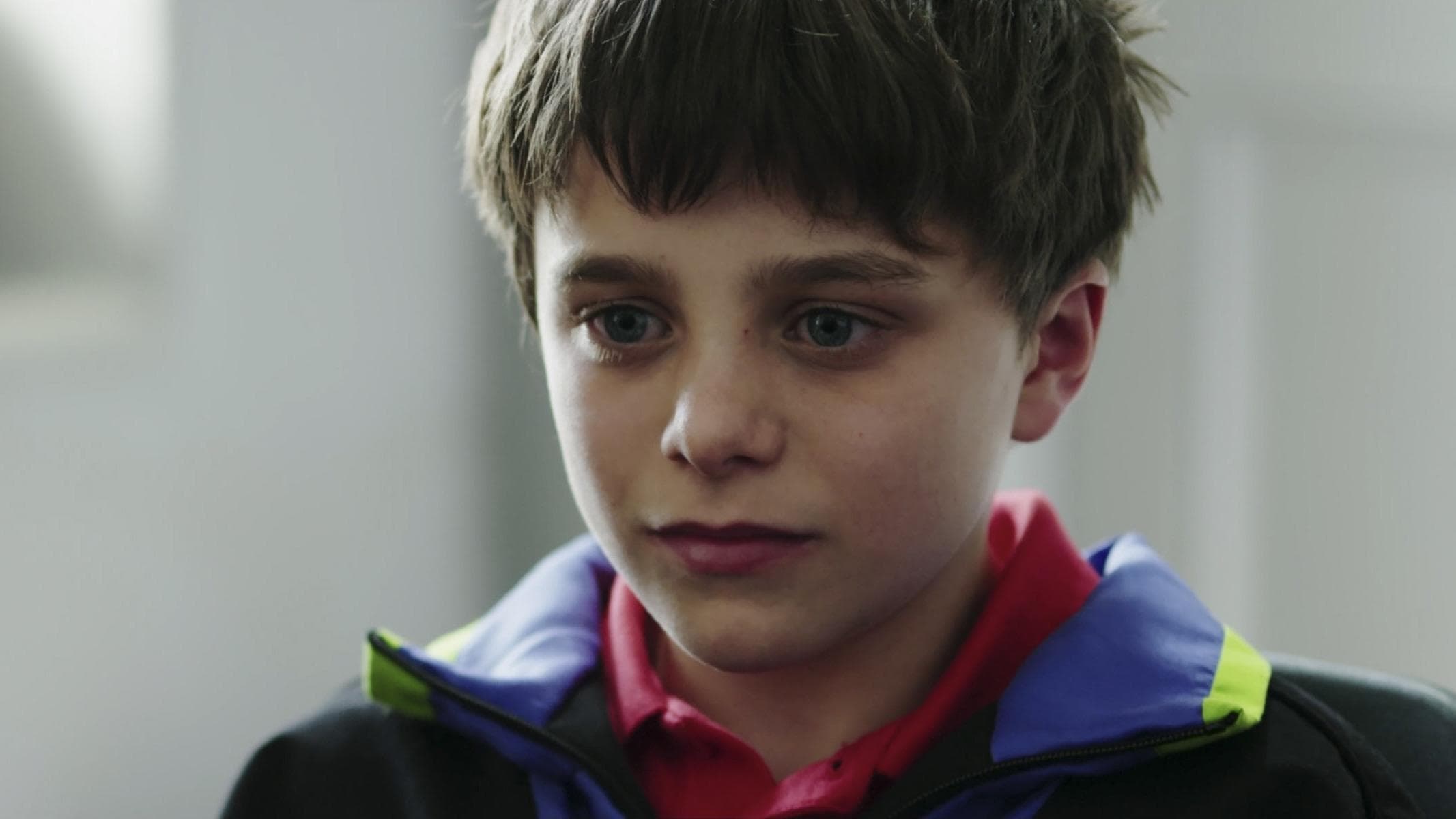

Judging by its honesty, this short is probably at best disingenuous; given the subsequent arrests of Jon Venables, it’s probably fair to call it a bare misrepresentation of truth. And given Robert Thompson’s subsequently clean record, contrasted with Venables being in and out of prison for repeated offences (he is currently still incarcerated, as a British judge deemed him a continued risk to children) reality seems to reinforce Thompson’s repeated assertions that Jon was the main aggressor, not him. Since the short (based both on framing, and the clearly superior acting by the child actor portraying him) makes us identify more with Venables, it pokes serious holes in Detainment as some insightful exposé on the killing of James Bulger. What was Vincent Lamb’s aim here; to gain insight into what made Thompson and Venables go wrong? Depict how evil these two children really were, or weren’t? Showcase what actually happened in that British rail yard 30 years ago? By any of these metrics, he clearly failed.
But as a short film, I can’t help but be intrigued. Again, the acting is superb, the writing spare and its scope just narrow enough for it to feel fulsome. I have been thinking about Adolescence virtually nonstop since it came out, and Detainment feels like a clear precursor. Responsible Child, Beautiful Boy (2010), The Clockmaker (1974), even And Then I Go have similar subjects: how well can we know our children? How accurate is our intrinsic, unshakable understanding of them as innocents, blank slates or purely vulnerable groups? What do you do when you’re on the other side of right, without knowing how you got there? And what makes a Mary Bell in the first place, and how do you deal with one when our impulse towards justice is — in modern political understanding — a thinly veiled impulse to protect her and the demographic she represents at literally any and all costs?
I don’t think there are answers, but (perhaps accidentally) Lamb at least makes you grapple with the questions, uncomfortable as they are. The vitriol, violence and macabre curiosity that can erupt seemingly from nowhere in a child upsets our understanding of innocence and innate goodness. Evil as well becomes messier, more grey as you watch Venables clutching to his mother in terror. Yes he’s a murderer. Yes he’s vulnerable. Yes humans are delicate. Yes they are terrifying. Yes, everything can be shattered in an otherwise boring town, on an otherwise average day, can happen in an instant to otherwise normal people. What does it all mean? Who should be protected? Who can be protected? What does it mean to feel pity and sorrow simultaneously with disgust and horror? I don’t know. It’s weird to feel it, though.
Judging by its honesty, this short is probably at best disingenuous; given the subsequent arrests of Jon Venables, it’s probably fair to call it a bare misrepresentation of truth. And given Robert Thompson’s subsequently clean record, contrasted with Venables being in and out of prison for repeated offences (he is currently still incarcerated, as a British judge deemed him a continued risk to children) reality seems to reinforce Thompson’s repeated assertions that Jon was the main aggressor, not him. Since the short (based both on framing, and the clearly superior acting by the child actor portraying him) makes us identify more with Venables, it pokes serious holes in Detainment as some insightful exposé on the killing of James Bulger. What was Vincent Lamb’s aim here; to gain insight into what made Thompson and Venables go wrong? Depict how evil these two children really were, or weren’t? Showcase what actually happened in that British rail yard 30 years ago? By any of these metrics, he clearly failed.
But as a short film, I can’t help but be intrigued. Again, the acting is superb, the writing spare and its scope just narrow enough for it to feel fulsome. I have been thinking about Adolescence virtually nonstop since it came out, and Detainment feels like a clear precursor. Responsible Child, Beautiful Boy (2010), The Clockmaker (1974), even And Then I Go have similar subjects: how well can we know our children? How accurate is our intrinsic, unshakable understanding of them as innocents, blank slates or purely vulnerable groups? What do you do when you’re on the other side of right, without knowing how you got there? And what makes a Mary Bell in the first place, and how do you deal with one when our impulse towards justice is — in modern political understanding — a thinly veiled impulse to protect her and the demographic she represents at literally any and all costs?
I don’t think there are answers, but (perhaps accidentally) Lamb at least makes you grapple with the questions, uncomfortable as they are. The vitriol, violence and macabre curiosity that can erupt seemingly from nowhere in a child upsets our understanding of innocence and innate goodness. Evil as well becomes messier, more grey as you watch Venables clutching to his mother in terror. Yes he’s a murderer. Yes he’s vulnerable. Yes humans are delicate. Yes they are terrifying. Yes, everything can be shattered in an otherwise boring town, on an otherwise average day, can happen in an instant to otherwise normal people. What does it all mean? Who should be protected? Who can be protected? What does it mean to feel pity and sorrow simultaneously with disgust and horror? I don’t know. It’s weird to feel it, though.