
Misunderstood
1967·Drama·1h 45m
7.1
★
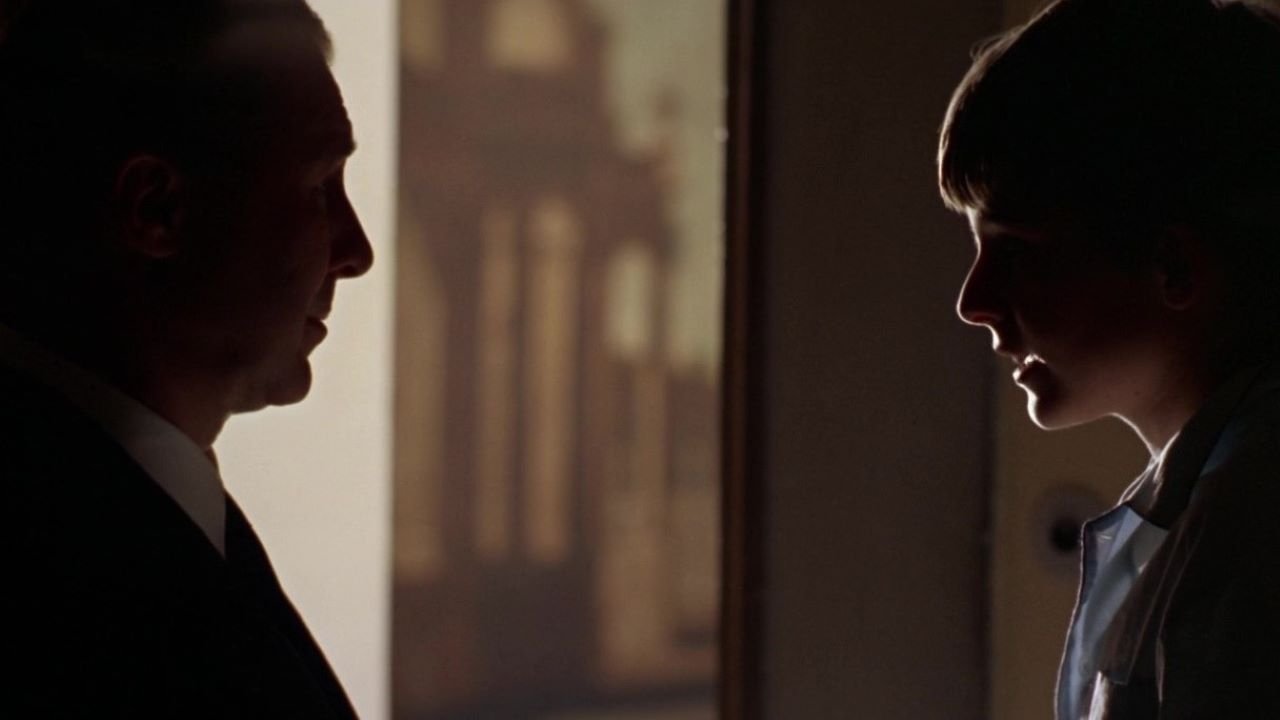
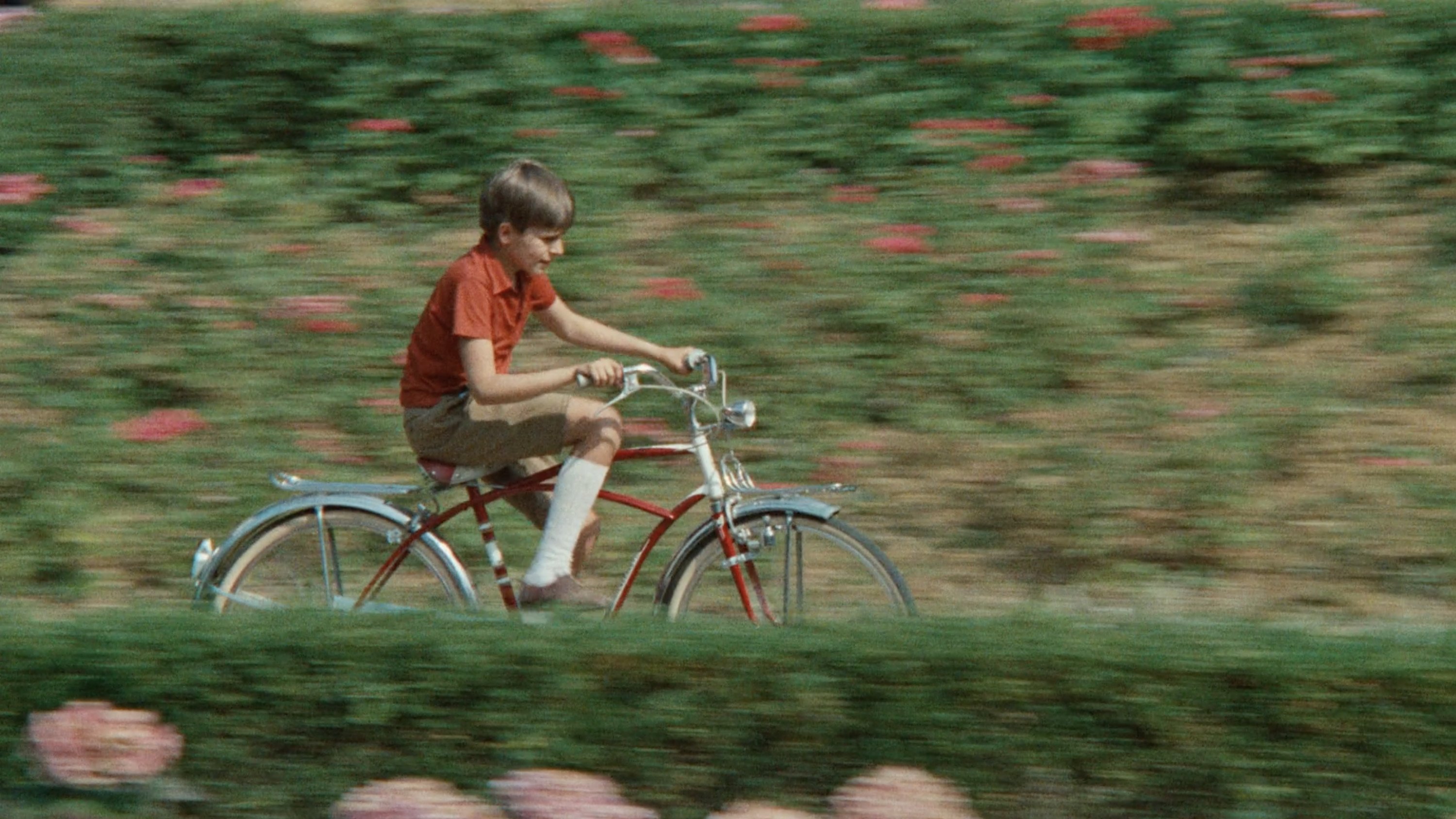
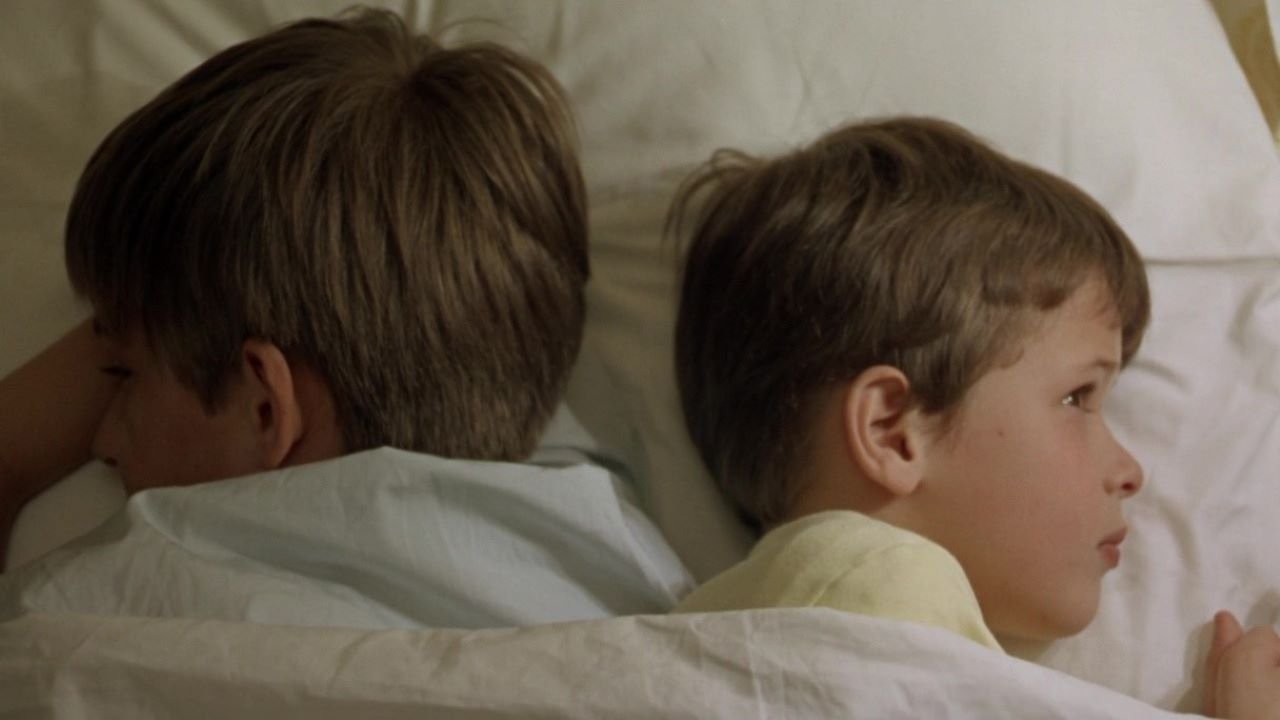
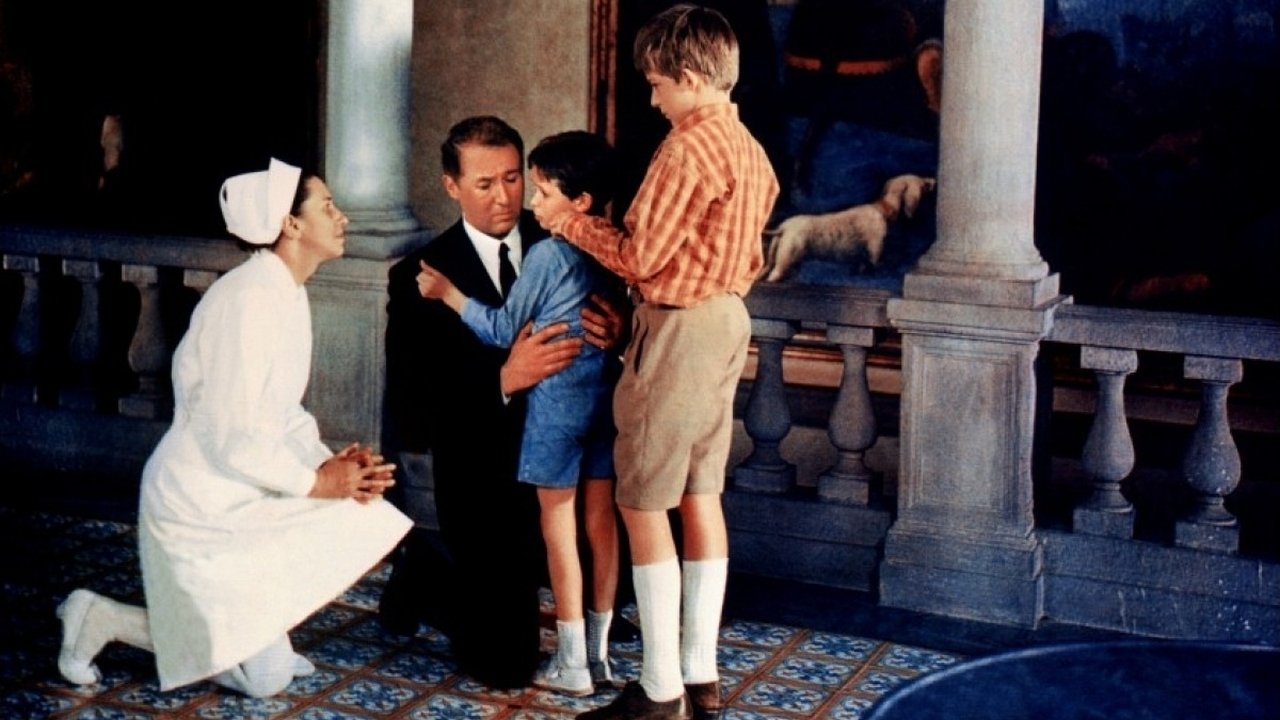
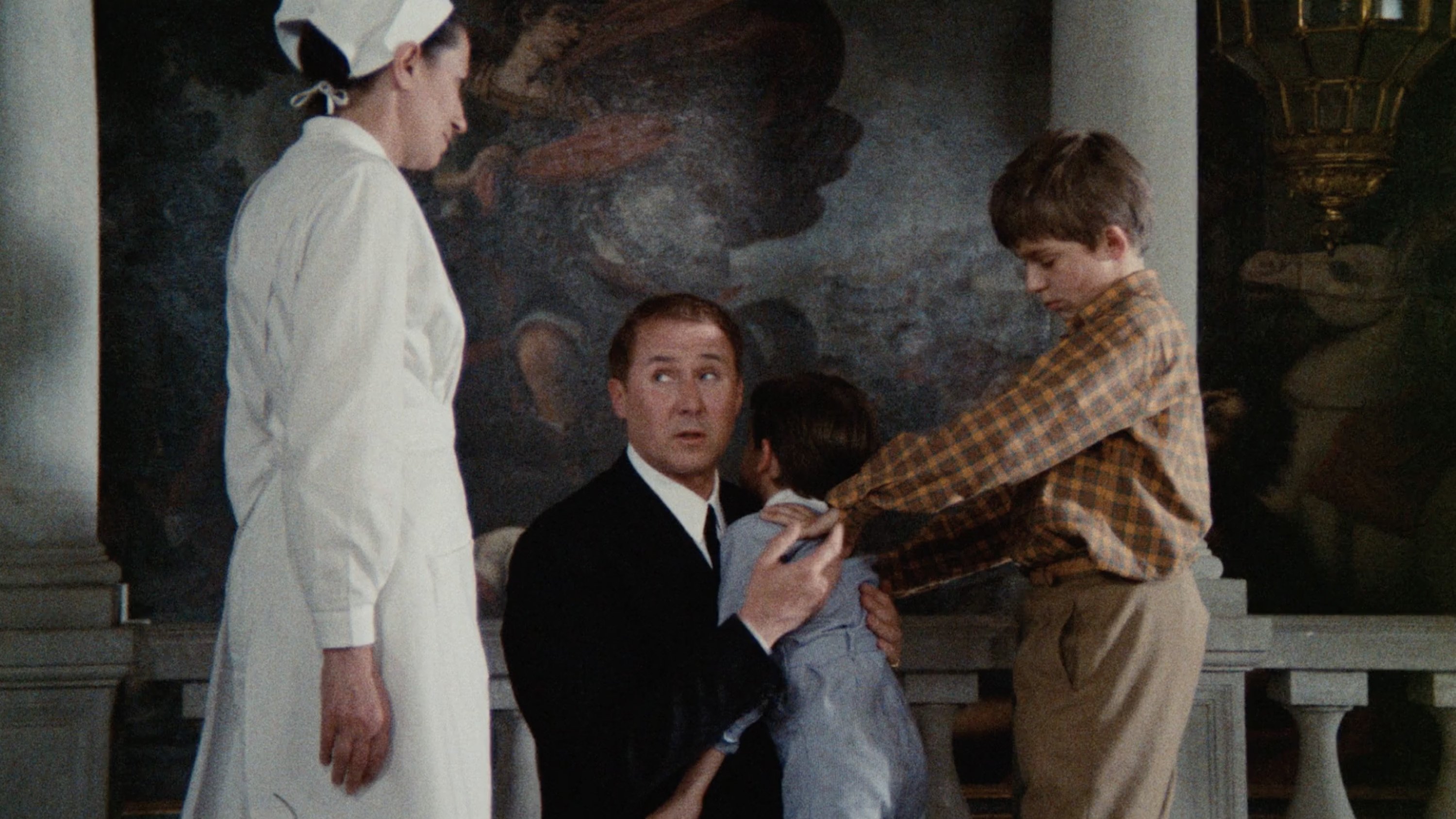
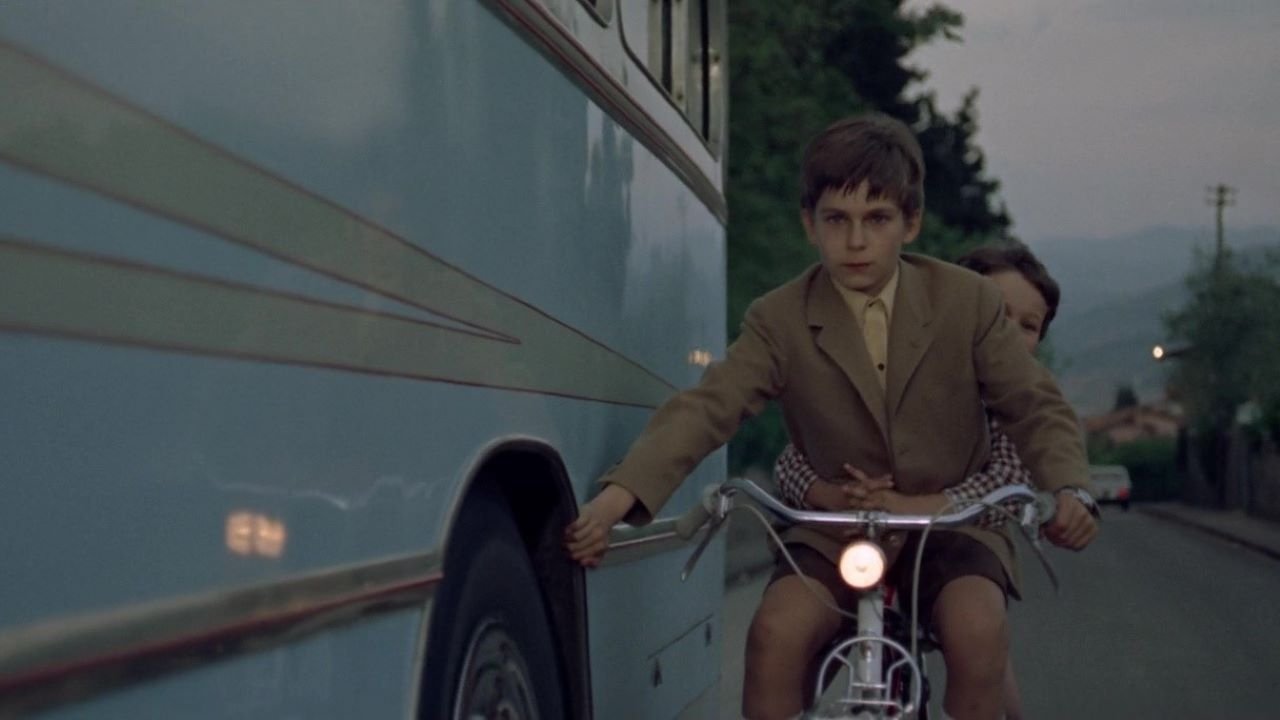
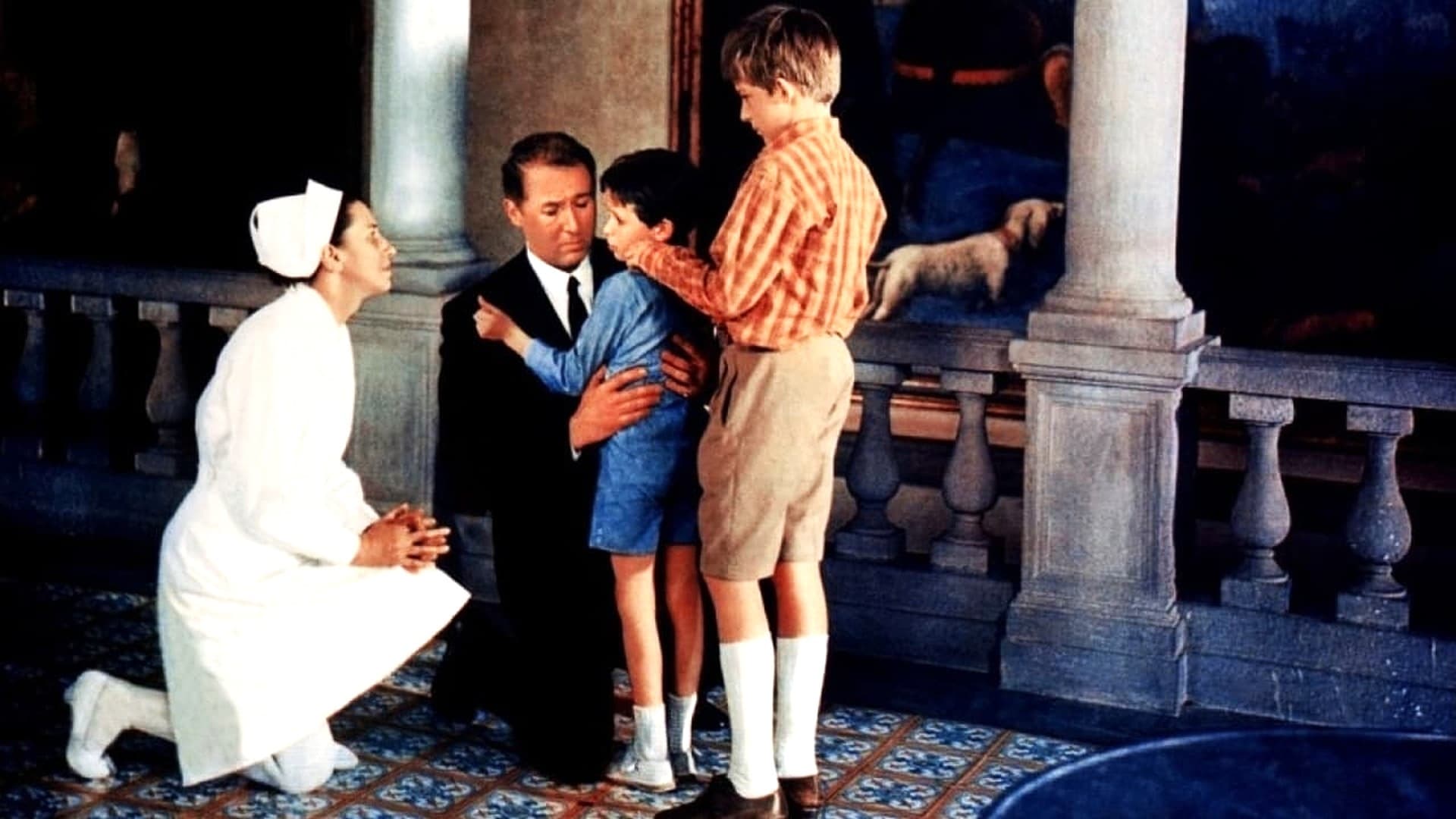
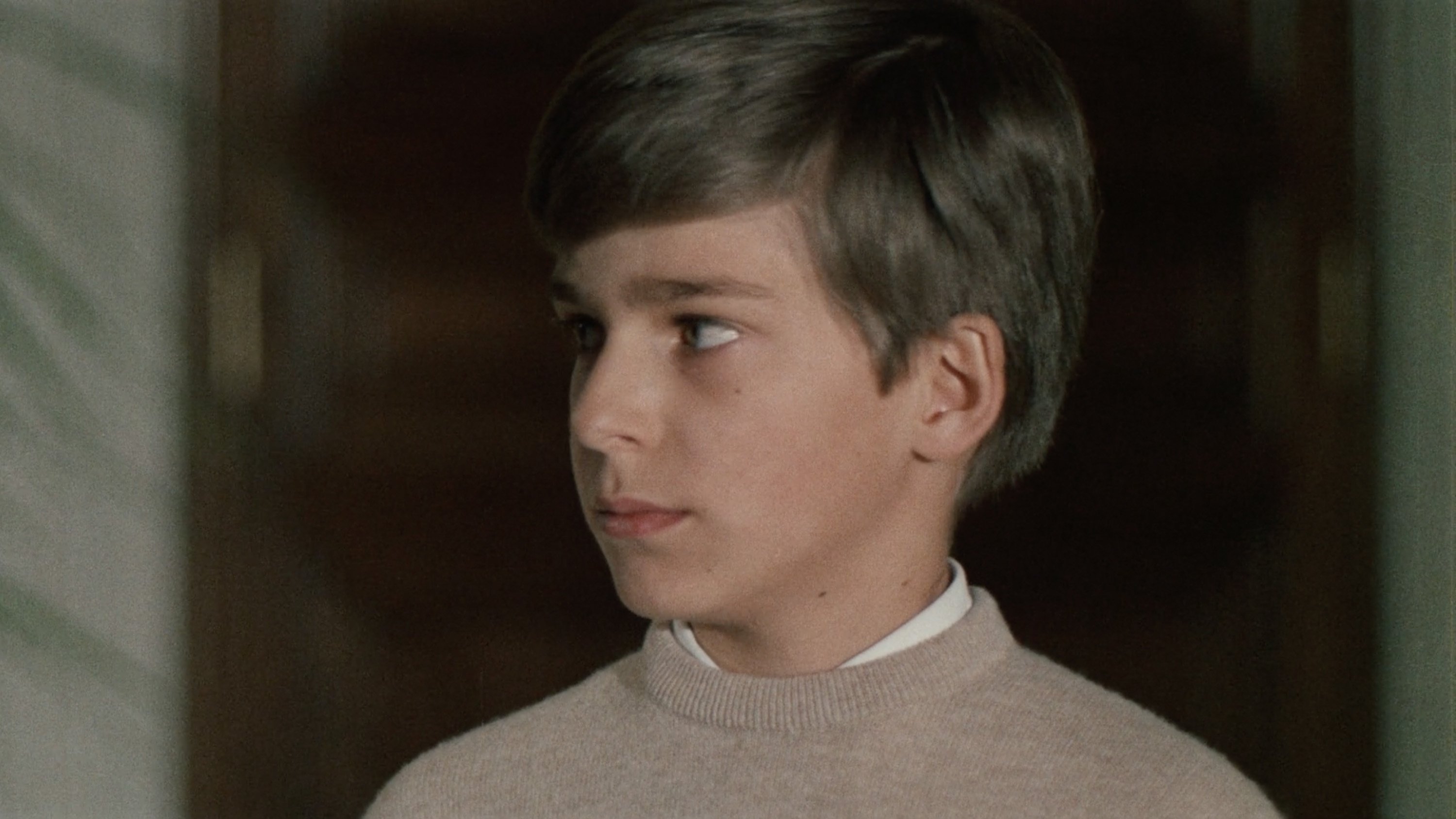
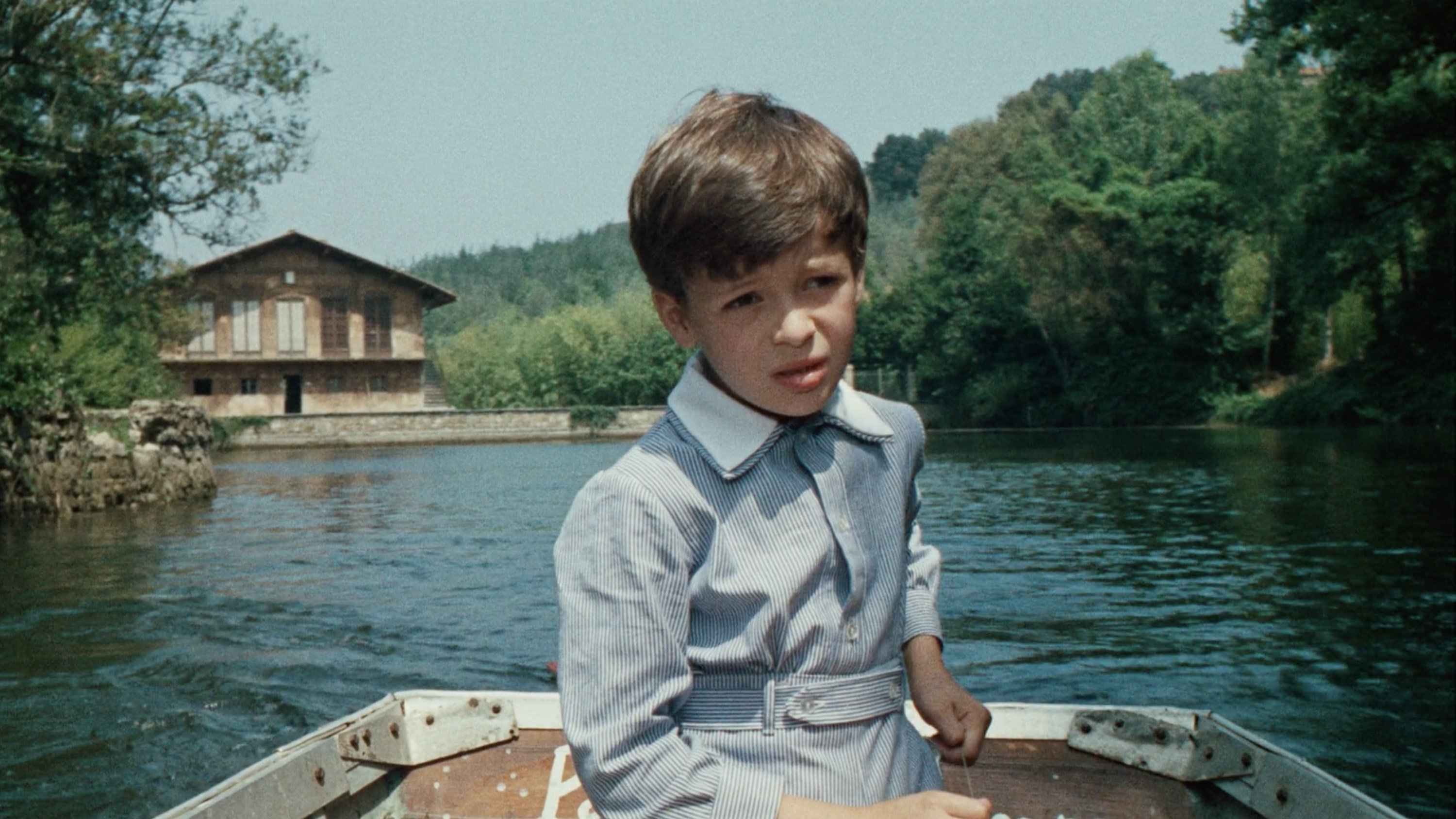
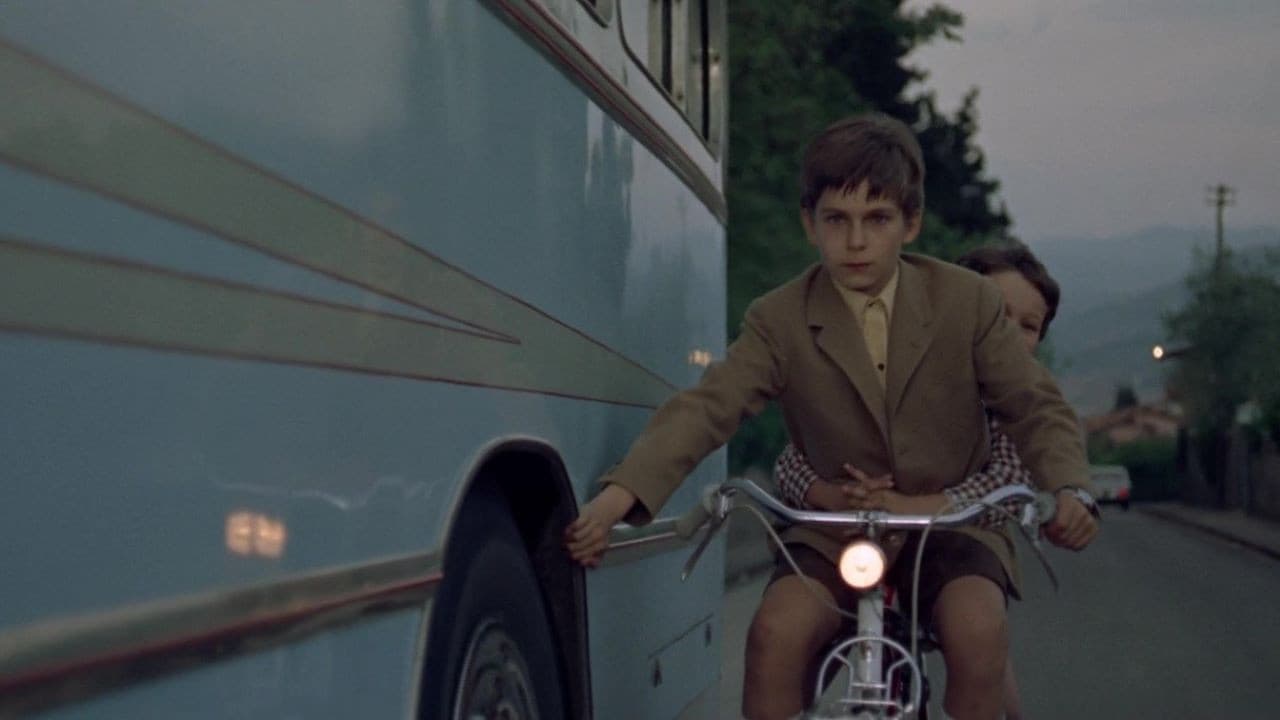
The story of a widower and his two sons, focusing on their complex and sometimes difficult relationships.
Directed by Luigi Comencini
affectation
grief
growing up
feelings
calm
playful
bitter
gentle

Trailer

IMDB
N/A
Where to Watch


Cast

Anthony Quayle
Sir John Edward Duncombe

Adriana Facchetti
Luisa

Giorgia Moll
Judy
Graziella Granata
Dora
Crew
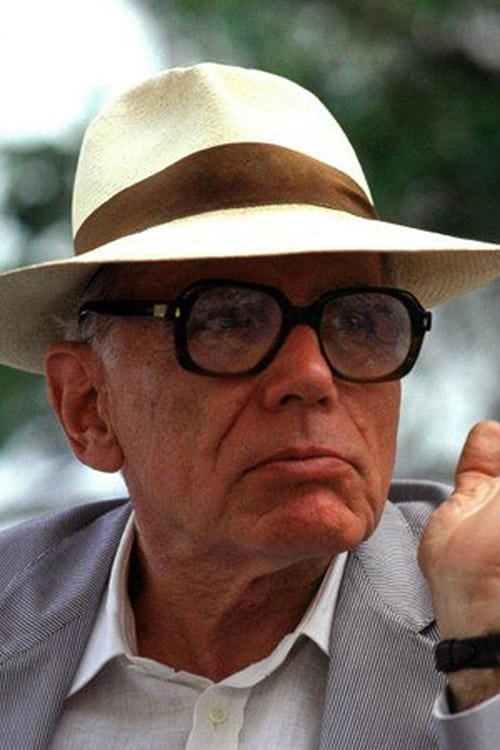
Luigi Comencini
Director
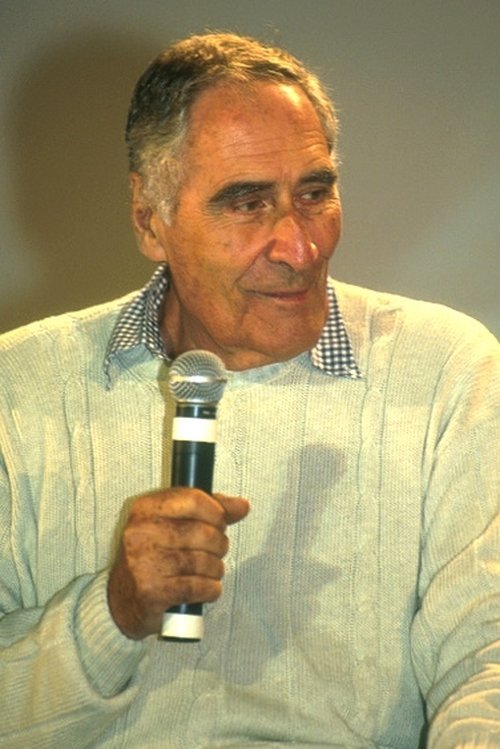
Leonardo Benvenuti
Screenplay

Nino Baragli
Editor
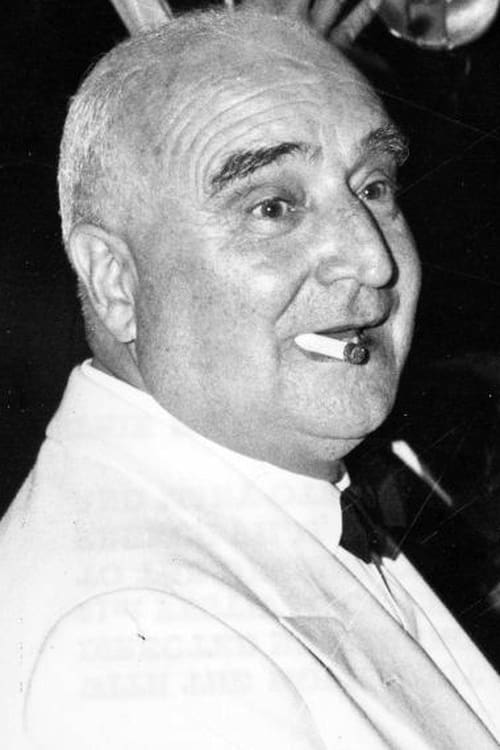
Angelo Rizzoli
Producer

Angelo Iacono
Unit Manager

Bruno Nicolai
Conductor
Popular Reviews
15 reviews
Maël Kfr
8.0★ · 01/12/26

Je me suis trompé sur toute la ligne
Je me suis trompé sur toute la ligne


Jacob Dickens
9.5★ · 01/09/25
As far as melodrama goes, the tightrope a director walks to appeal to an audience's emotion is thin. Classic Hollywood was overflowing with weepy stories of mothers and sacrifice and death to tug at heartstrings and let its stars wallow in glamorous pity but by the 60s that tradition started becoming passe. There was a growing demand for realism born from European arthouse cinema that in the aftermath of the war found the costumed spectacles of emotion less appealing than neorealist stories of the working class, a movement associated most primarily with Italian cinema. Yet the melodrama never truly died even in Italy and a film like Misunderstood is a perfect showcase for why these kinds of heightened dramatics are still just as impactful as ever. In the aftermath of his wife's death, the British consul wonders how to break the news to his two sons. When he decides to reveal the truth to his eldest, Andrew, he's surprised by the seemingly stoic response and assures himself that Andrew has simply matured. Nothing could be further from the truth. Much of the film follows Andrew and his brother Miles who are remarkably close yet Andrew is viewed as a troublemaker, a bad influence on young Miles. Time and time again, we see the truth: the way Andrew collapses in tears upon hearing his mother's voice, the way he passionately protects his brother from nurses and friends, and the unfair punishments he's doled by adults who refuse to give him a chance or understand his plight. It's all communicated through a striking performance by Stefano Colagrande who we almost immediately connect to as an eldest child living under constant scrutiny. As with any good melodrama, the consequences of both Andrew's actions and his father's absence careen into devastating results but Comencini never blinks in the emotional aspect of his storytelling even if we can tell exactly where we're headed. I think that's the mark of good melodrama, when you know exactly where we're headed yet you're connected to the story and its players enough that you still hope against hope for something to happen and someone to love this child who is desperate for it. The final shot of this is heartbreakingly beautiful.
As far as melodrama goes, the tightrope a director walks to appeal to an audience's emotion is thin. Classic Hollywood was overflowing with weepy stories of mothers and sacrifice and death to tug at heartstrings and let its stars wallow in glamorous pity but by the 60s that tradition started becoming passe. There was a growing demand for realism born from European arthouse cinema that in the aftermath of the war found the costumed spectacles of emotion less appealing than neorealist stories of the working class, a movement associated most primarily with Italian cinema. Yet the melodrama never truly died even in Italy and a film like Misunderstood is a perfect showcase for why these kinds of heightened dramatics are still just as impactful as ever. In the aftermath of his wife's death, the British consul wonders how to break the news to his two sons. When he decides to reveal the truth to his eldest, Andrew, he's surprised by the seemingly stoic response and assures himself that Andrew has simply matured. Nothing could be further from the truth. Much of the film follows Andrew and his brother Miles who are remarkably close yet Andrew is viewed as a troublemaker, a bad influence on young Miles. Time and time again, we see the truth: the way Andrew collapses in tears upon hearing his mother's voice, the way he passionately protects his brother from nurses and friends, and the unfair punishments he's doled by adults who refuse to give him a chance or understand his plight. It's all communicated through a striking performance by Stefano Colagrande who we almost immediately connect to as an eldest child living under constant scrutiny. As with any good melodrama, the consequences of both Andrew's actions and his father's absence careen into devastating results but Comencini never blinks in the emotional aspect of his storytelling even if we can tell exactly where we're headed. I think that's the mark of good melodrama, when you know exactly where we're headed yet you're connected to the story and its players enough that you still hope against hope for something to happen and someone to love this child who is desperate for it. The final shot of this is heartbreakingly beautiful.
WeavierPRO
10.0★ · 01/01/25
Visually, effortlessly stunning in an almost incomparable way. In the Radiance Films restoration, Luigi Comencimi’s Italy looks like dreamy, chalk candy wonderland. Narratively it’s a straight shot to the heart — newer films can be defined by their attempts to meld genre to progress storytelling and differentiate themselves. That’s an admirable and necessary step, especially in an art form as young as film, but maybe it’s just old enough to start really yearning for the genuinely formulaic again. Misunderstood is that in the best way: a coming of age tragedy about Andrea, the elder son of a grieving, well-meaning consul. Like so many other films it gets down to the larger world of children, one where everything is terrifying and everything unfair. It’s simple, and it’s powerful.
Visually, effortlessly stunning in an almost incomparable way. In the Radiance Films restoration, Luigi Comencimi’s Italy looks like dreamy, chalk candy wonderland. Narratively it’s a straight shot to the heart — newer films can be defined by their attempts to meld genre to progress storytelling and differentiate themselves. That’s an admirable and necessary step, especially in an art form as young as film, but maybe it’s just old enough to start really yearning for the genuinely formulaic again. Misunderstood is that in the best way: a coming of age tragedy about Andrea, the elder son of a grieving, well-meaning consul. Like so many other films it gets down to the larger world of children, one where everything is terrifying and everything unfair. It’s simple, and it’s powerful.
WeavierPRO
10.0★ · 01/01/25
Visually, effortlessly stunning in an almost incomparable way. In the Radiance Films restoration, Luigi Comencimi’s Italy looks like dreamy, chalk candy wonderland. Narratively it’s a straight shot to the heart — newer films can be defined by their attempts to meld genre to progress storytelling and differentiate themselves. That’s an admirable and necessary step, especially in an art form as young as film, but maybe it’s just old enough to start really yearning for the genuinely formulaic again. Misunderstood is that in the best way: a coming of age tragedy about Andrea, the elder son of a grieving, well-meaning consul. Like so many other films it gets down to the larger world of children, one where everything is terrifying and everything unfair. It’s simple, and it’s powerful.
Visually, effortlessly stunning in an almost incomparable way. In the Radiance Films restoration, Luigi Comencimi’s Italy looks like dreamy, chalk candy wonderland. Narratively it’s a straight shot to the heart — newer films can be defined by their attempts to meld genre to progress storytelling and differentiate themselves. That’s an admirable and necessary step, especially in an art form as young as film, but maybe it’s just old enough to start really yearning for the genuinely formulaic again. Misunderstood is that in the best way: a coming of age tragedy about Andrea, the elder son of a grieving, well-meaning consul. Like so many other films it gets down to the larger world of children, one where everything is terrifying and everything unfair. It’s simple, and it’s powerful.
mimi
8.0★ · 06/08/24
milo better sleep with one eye open 😂
milo better sleep with one eye open 😂