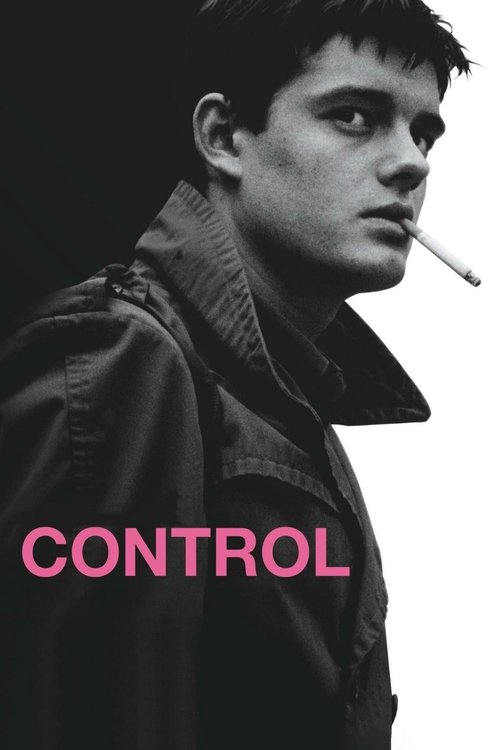
i went into this film already carrying affection for joy division, so i admit my bias from the start: i was never going to meet this film as a neutral viewer because their music has always sounded to me like a transmission from the inside of a collapsing self. so watching this story unfold, knowing where it ends, felt like witnessing the slow confirmation of an inevitability.
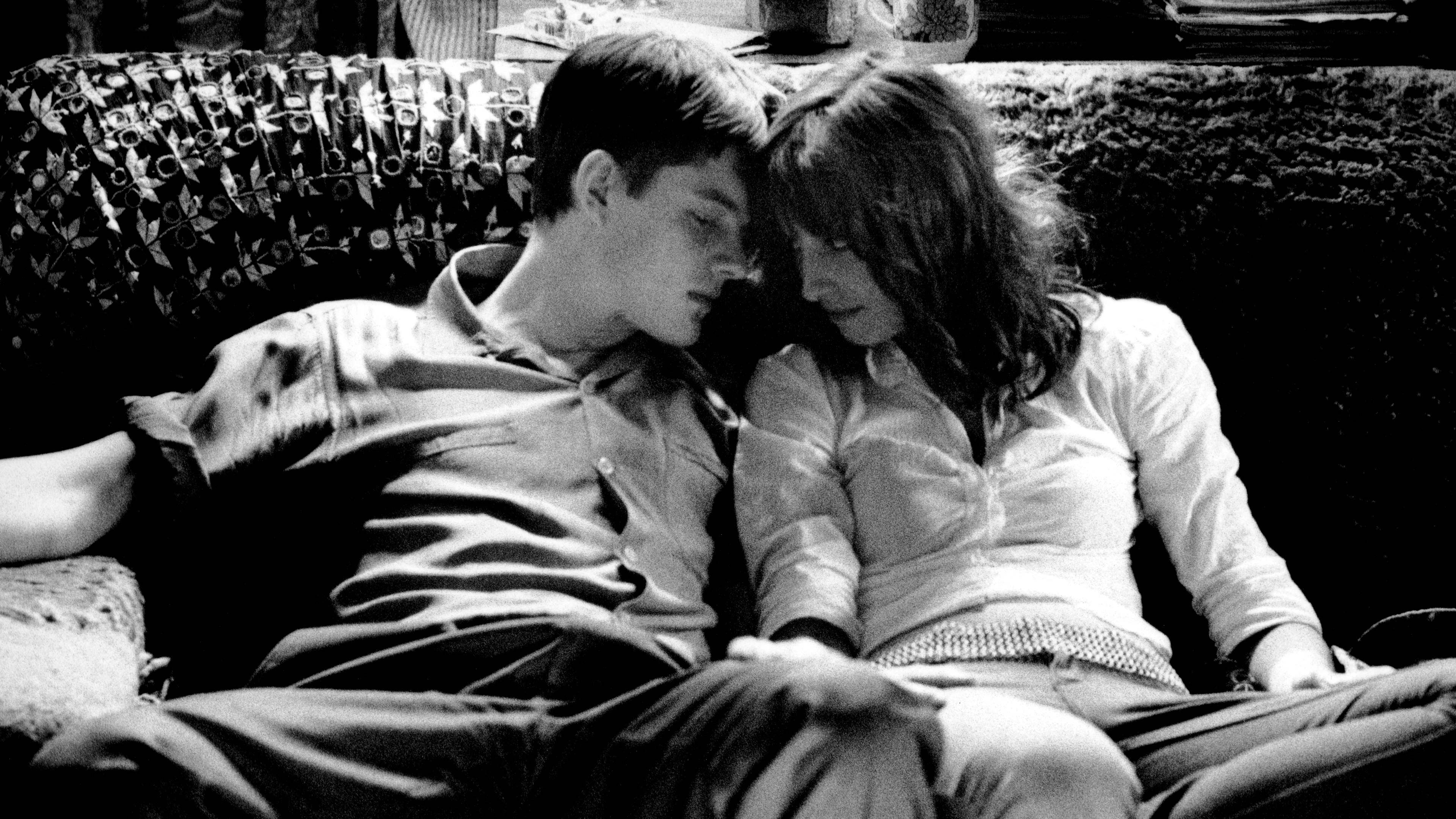
i'm grieving not just for ian but for deborah curtis. the film reveals how genius often leaves collateral damage in its wake. we celebrate the artist while overlooking the emotional labor of those who stand beside them. debbie is the invisible architecture holding together a life that is already splintering. her pain is not as culturally marketable as ian’s despair, but perhaps it is more universal. i think there is a cruel imbalance in how society narrates suffering, that the tormented artist becomes a legend, while the one left behind becomes a footnote.
also, this film made me think about relationships and the impossible expectation that love should save us. society tells us that intimacy is healing, that finding the right person can repair what is fractured within us. but this film shows that love cannot resolve what a person has not reconciled inside themselves. two people can care deeply for one another and still remain unreachable. i think that is one of the saddest realities of human connection. we assume closeness means understanding, but often it only reveals how separate we truly are. every person carries a private interior that no relationship can fully enter. love can endure and support, but it cannot replace the work of self-confrontation.
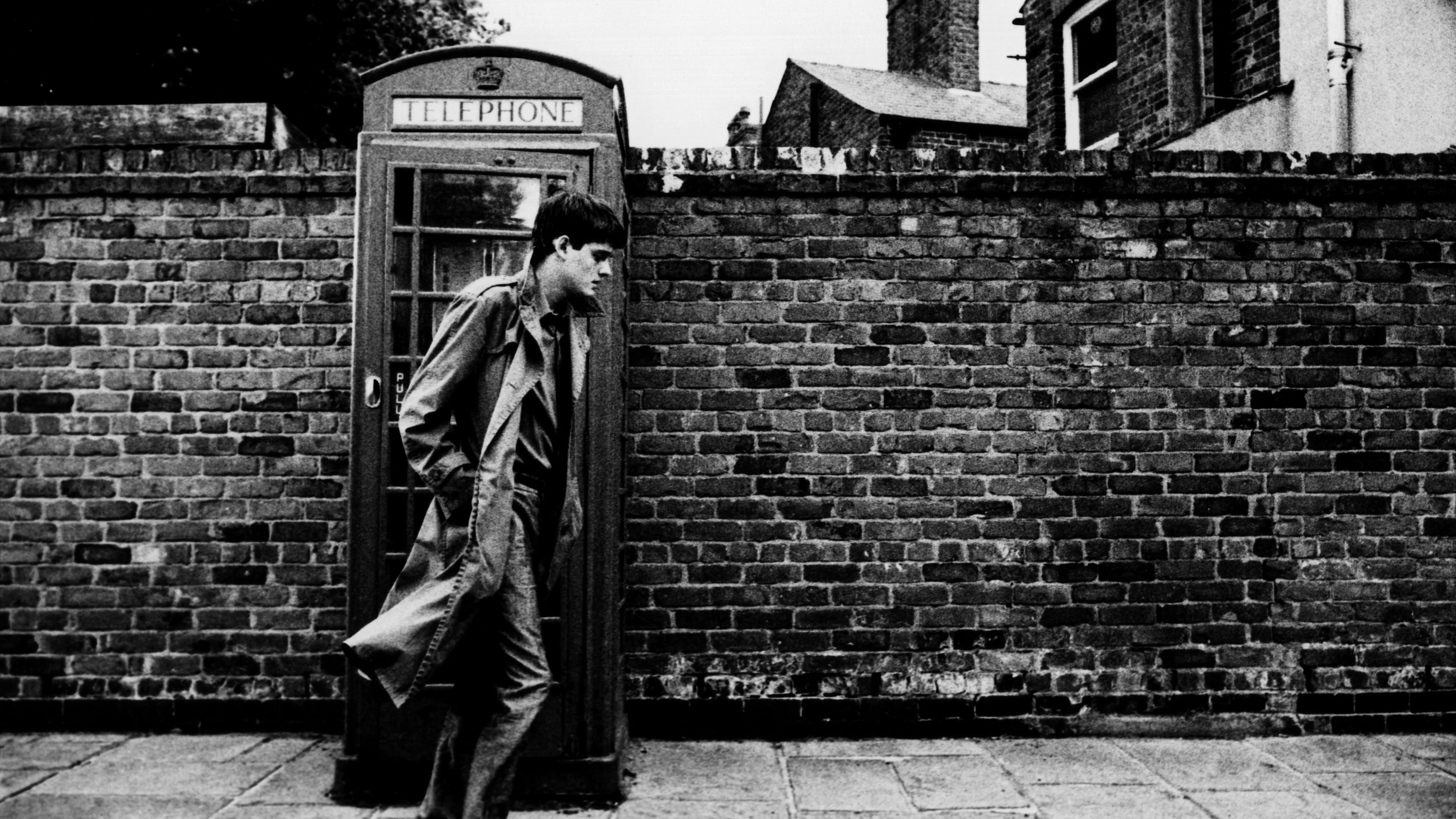
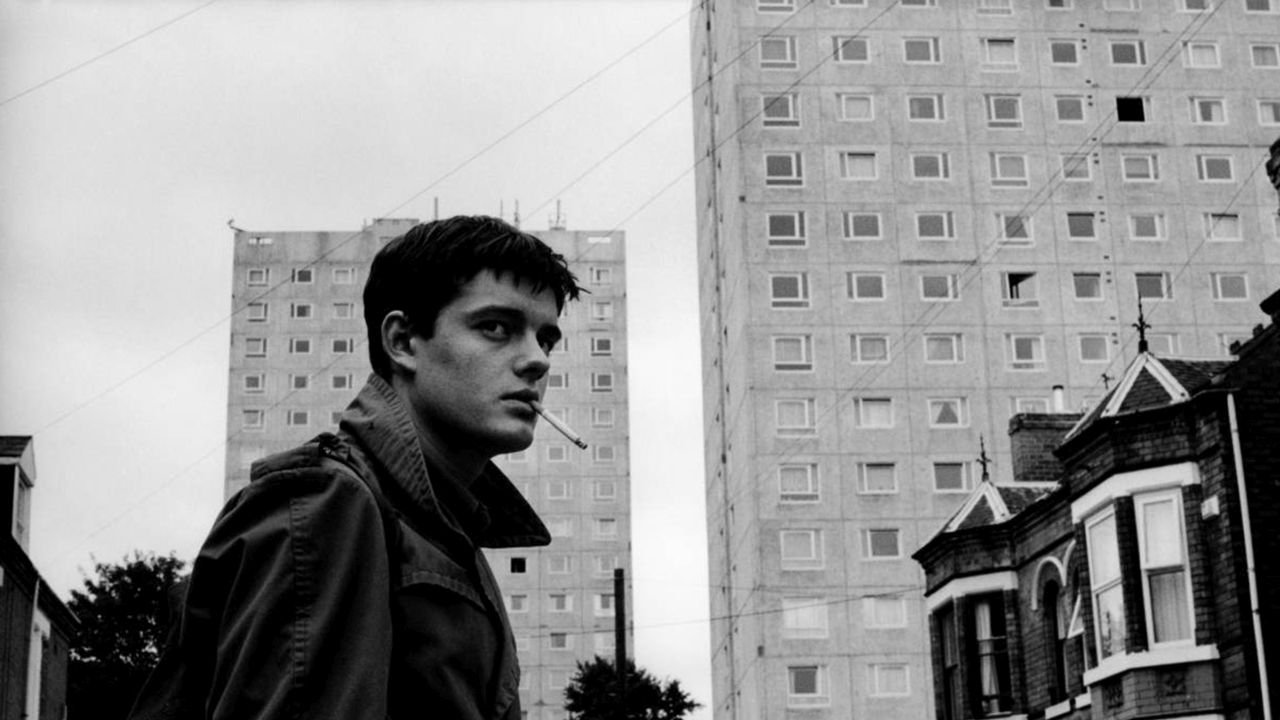
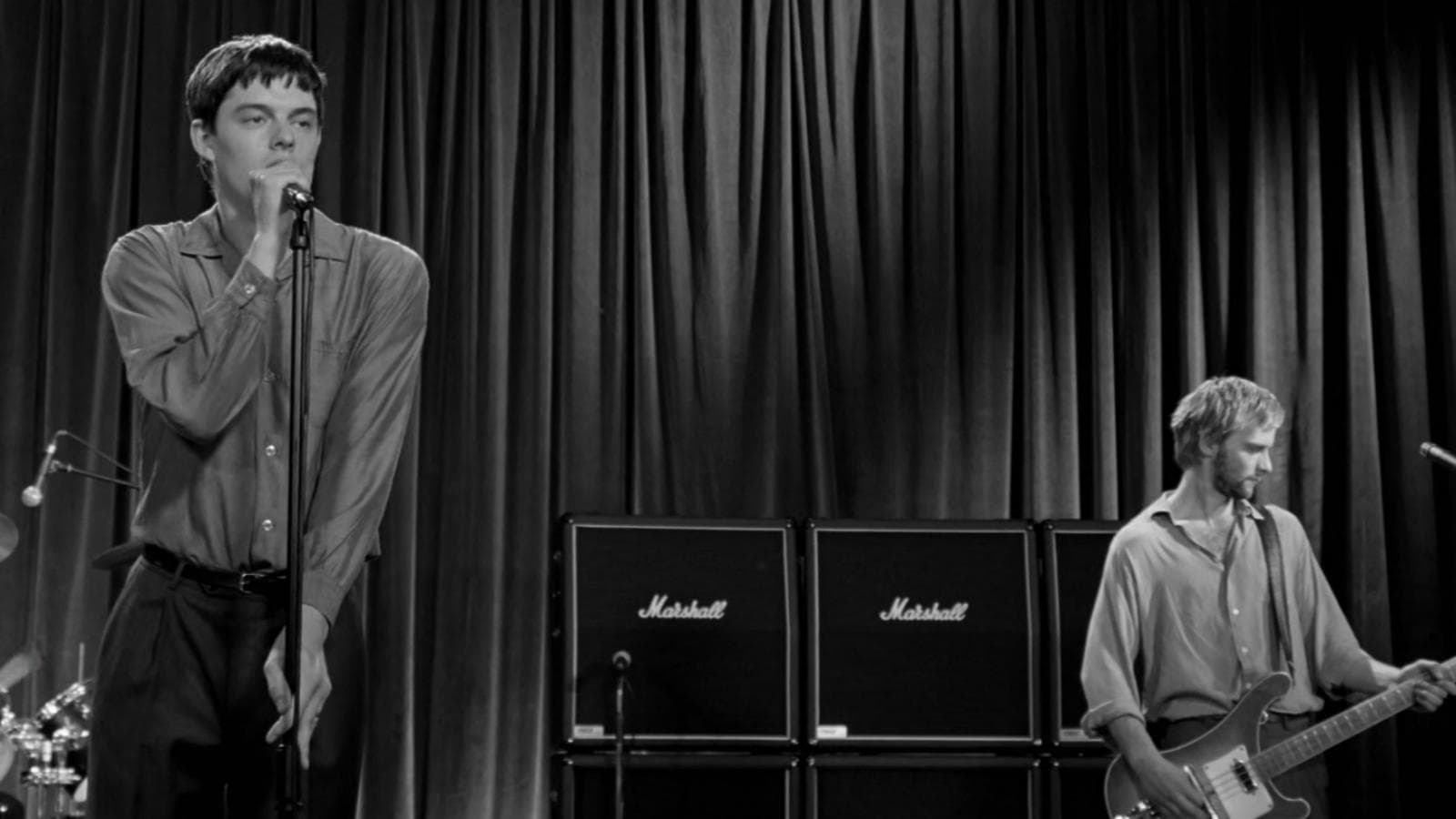
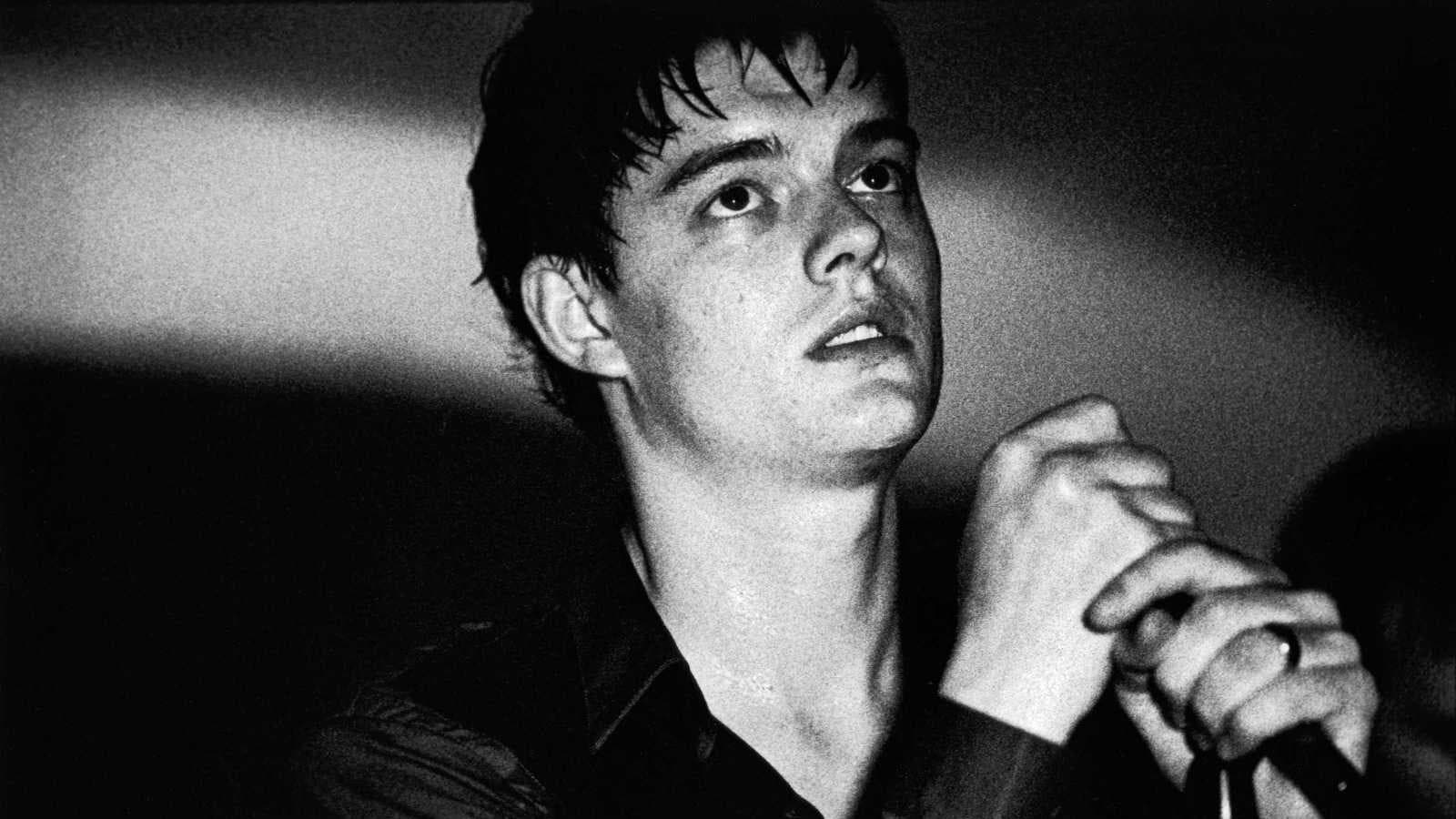
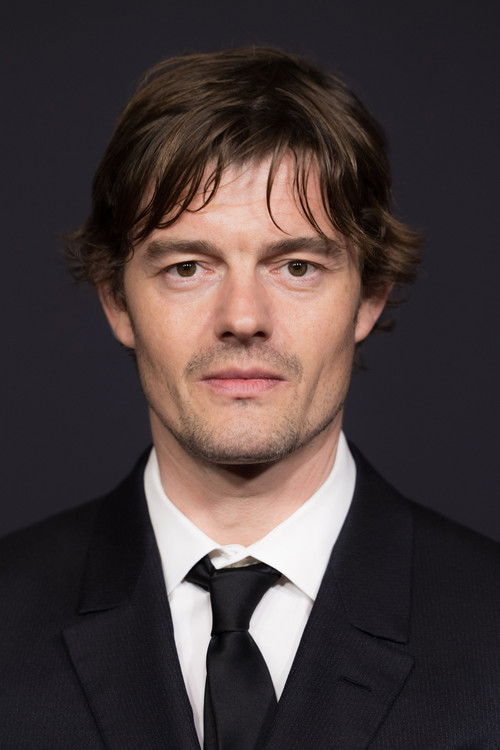
i was struck by how sam riley did not imitate ian so much as inhabit his contradictions. the fact that he sang the songs himself matters because it preserves the rawness of performance. it feels so immediate and incredibly fragile. that same fragility extends to the script, adapted from debbie’s memoir touching from a distance, which means the film is grounded not only in ian’s myth but also in the perspective of someone who survived him.
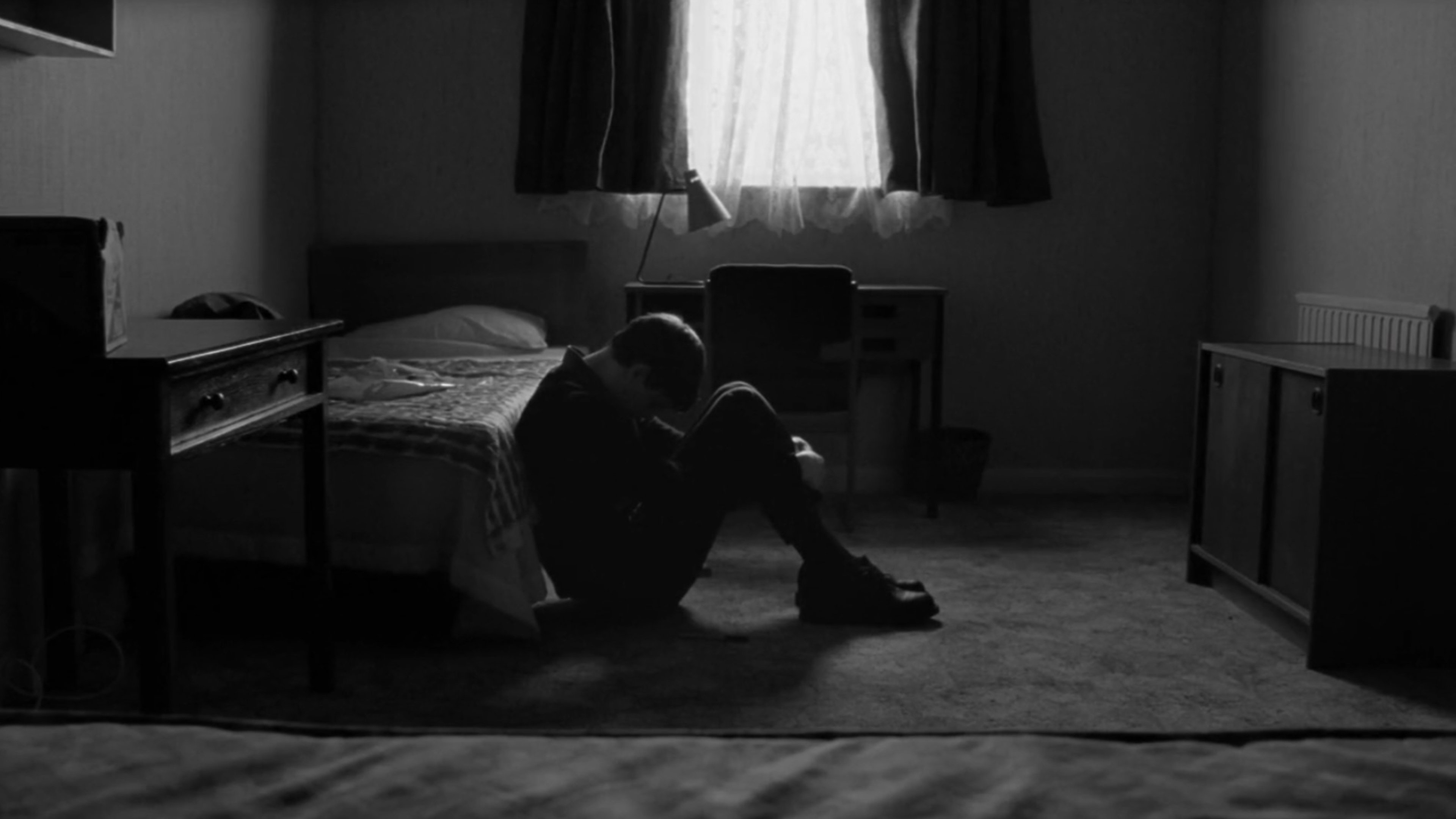
and perhaps that's why, for me, the film lingers so deeply. it is not about fame, nor even about suicide in the simplistic sense. it is about the unbearable weight of fragmentation and illnesses until the self can no longer hold together. human beings are often praised for resilience, but resilience has limits. there is a dangerous cultural obsession with endurance, as though surviving is always a moral achievement. sometimes survival is not a matter of willpower but of circumstance, support, and timing.
life is not always a journey toward coherence. sometimes it is simply the effort to live among contradictions. and maybe that is the closest thing to wisdom i took from it: that being human is not about resolving every fracture but learning how to carry them. some people carry them quietly, some through love, and some through art. some survive them. some do not. but all of us, in one way or another, are shaped by the cracks.
i went into this film already carrying affection for joy division, so i admit my bias from the start: i was never going to meet this film as a neutral viewer because their music has always sounded to me like a transmission from the inside of a collapsing self. so watching this story unfold, knowing where it ends, felt like witnessing the slow confirmation of an inevitability.
i'm grieving not just for ian but for deborah curtis. the film reveals how genius often leaves collateral damage in its wake. we celebrate the artist while overlooking the emotional labor of those who stand beside them. debbie is the invisible architecture holding together a life that is already splintering. her pain is not as culturally marketable as ian’s despair, but perhaps it is more universal. i think there is a cruel imbalance in how society narrates suffering, that the tormented artist becomes a legend, while the one left behind becomes a footnote.
also, this film made me think about relationships and the impossible expectation that love should save us. society tells us that intimacy is healing, that finding the right person can repair what is fractured within us. but this film shows that love cannot resolve what a person has not reconciled inside themselves. two people can care deeply for one another and still remain unreachable. i think that is one of the saddest realities of human connection. we assume closeness means understanding, but often it only reveals how separate we truly are. every person carries a private interior that no relationship can fully enter. love can endure and support, but it cannot replace the work of self-confrontation.
i was struck by how sam riley did not imitate ian so much as inhabit his contradictions. the fact that he sang the songs himself matters because it preserves the rawness of performance. it feels so immediate and incredibly fragile. that same fragility extends to the script, adapted from debbie’s memoir touching from a distance, which means the film is grounded not only in ian’s myth but also in the perspective of someone who survived him.
and perhaps that's why, for me, the film lingers so deeply. it is not about fame, nor even about suicide in the simplistic sense. it is about the unbearable weight of fragmentation and illnesses until the self can no longer hold together. human beings are often praised for resilience, but resilience has limits. there is a dangerous cultural obsession with endurance, as though surviving is always a moral achievement. sometimes survival is not a matter of willpower but of circumstance, support, and timing.

life is not always a journey toward coherence. sometimes it is simply the effort to live among contradictions. and maybe that is the closest thing to wisdom i took from it: that being human is not about resolving every fracture but learning how to carry them. some people carry them quietly, some through love, and some through art. some survive them. some do not. but all of us, in one way or another, are shaped by the cracks.