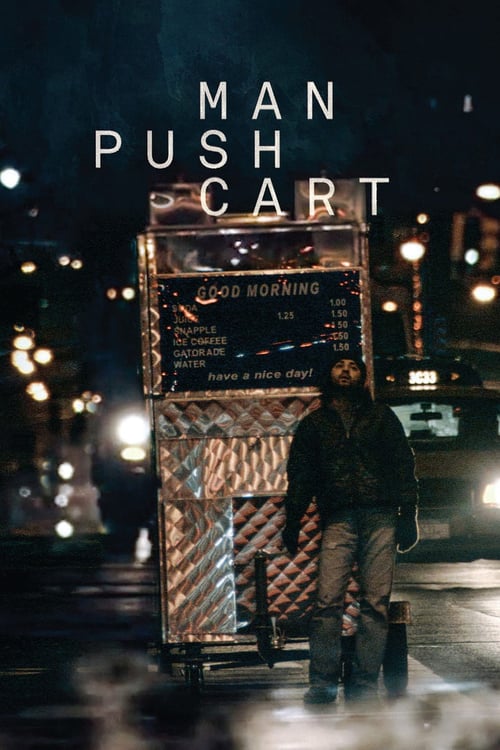
hmmm interesting but i was dead tired when i watched so lowkey i cant remember a lot of it
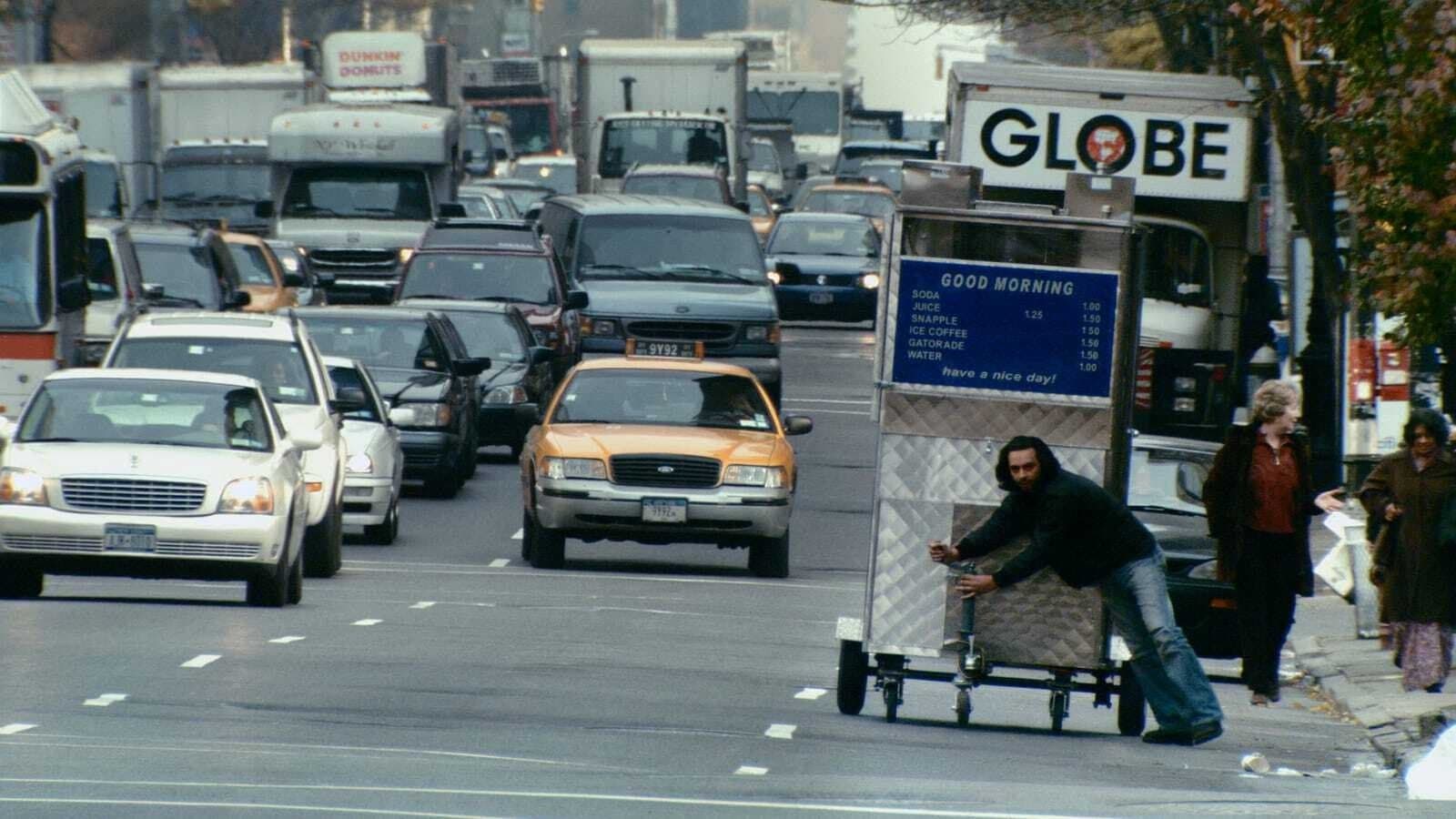
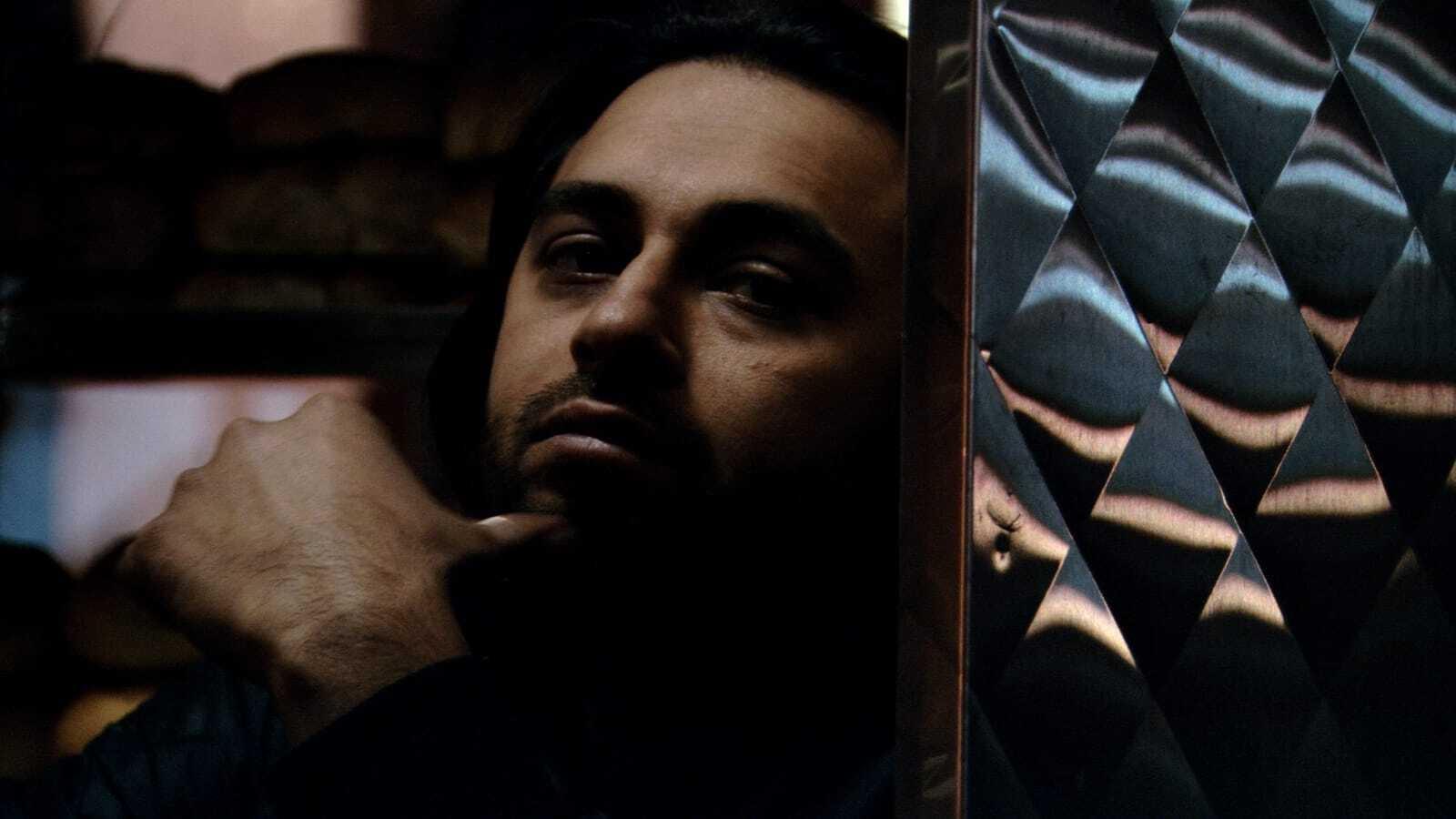
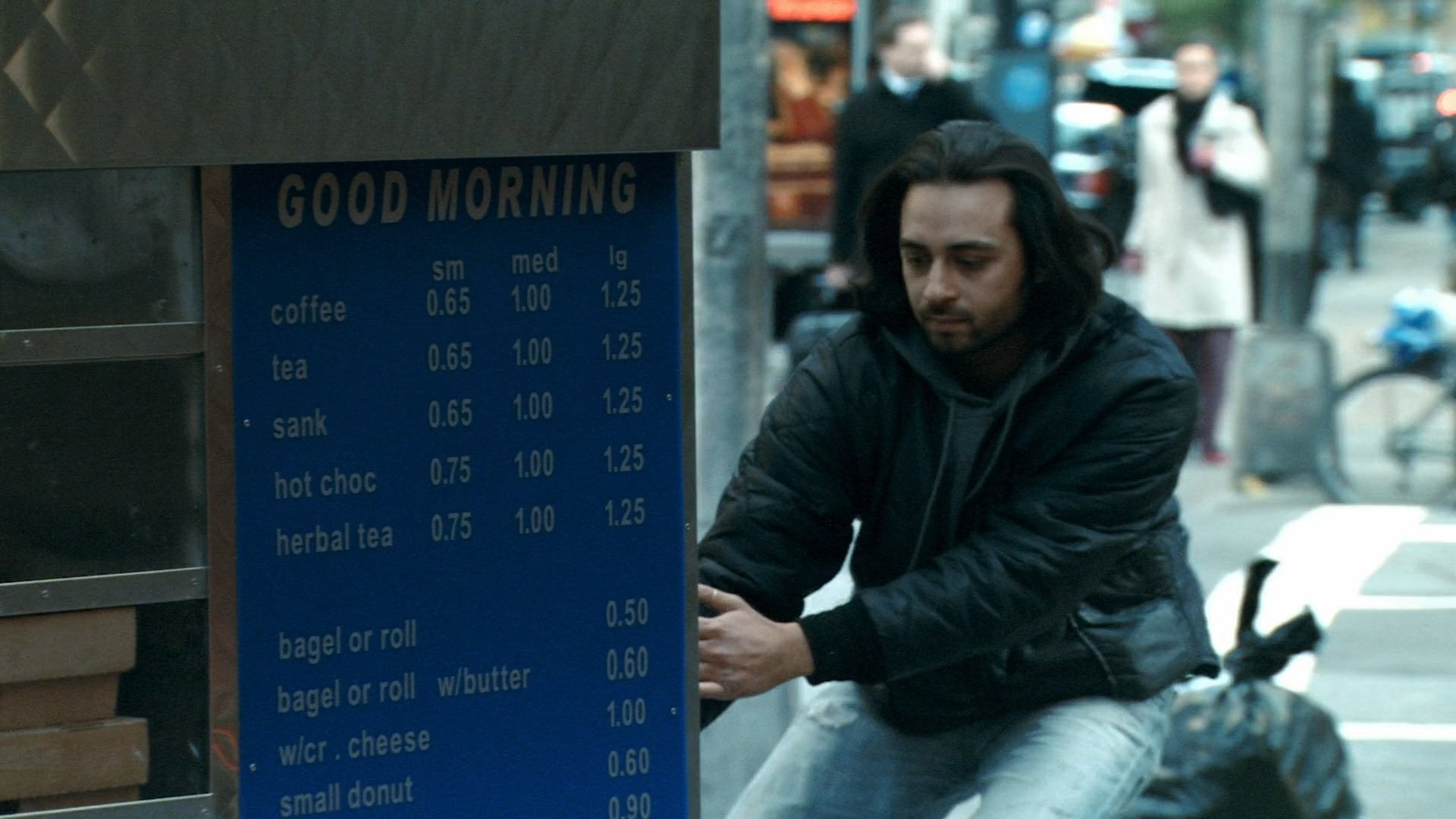
what i DO remember is the scene with Atif (which apparently is a real story) but i cant stop thinking about the way that he kept glancing into the camera and how it made the whole scene a lot more intense. and in doing so, he puts the audience into the same role as the man who is telling this truly horrific story. we are suddenly brutally woken up to our own desperation to know Ahmad’s story, and how unfair that is. what have we done to deserve his life story? why do we think we have the right? we havent lived his life, we can’t feel his pain. and if we had, we wouldnt need him to explain it to us. i think it highlights an aspect of immigrant stories that is often overlooked, which is the kind of voyeuristic desperation that others feel to know these stories. interesting.
hmmm interesting but i was dead tired when i watched so lowkey i cant remember a lot of it
what i DO remember is the scene with Atif (which apparently is a real story) but i cant stop thinking about the way that he kept glancing into the camera and how it made the whole scene a lot more intense. and in doing so, he puts the audience into the same role as the man who is telling this truly horrific story. we are suddenly brutally woken up to our own desperation to know Ahmad’s story, and how unfair that is. what have we done to deserve his life story? why do we think we have the right? we havent lived his life, we can’t feel his pain. and if we had, we wouldnt need him to explain it to us. i think it highlights an aspect of immigrant stories that is often overlooked, which is the kind of voyeuristic desperation that others feel to know these stories. interesting.