

A Home with a View
2019·Comedy·1h 32m
7.0
★
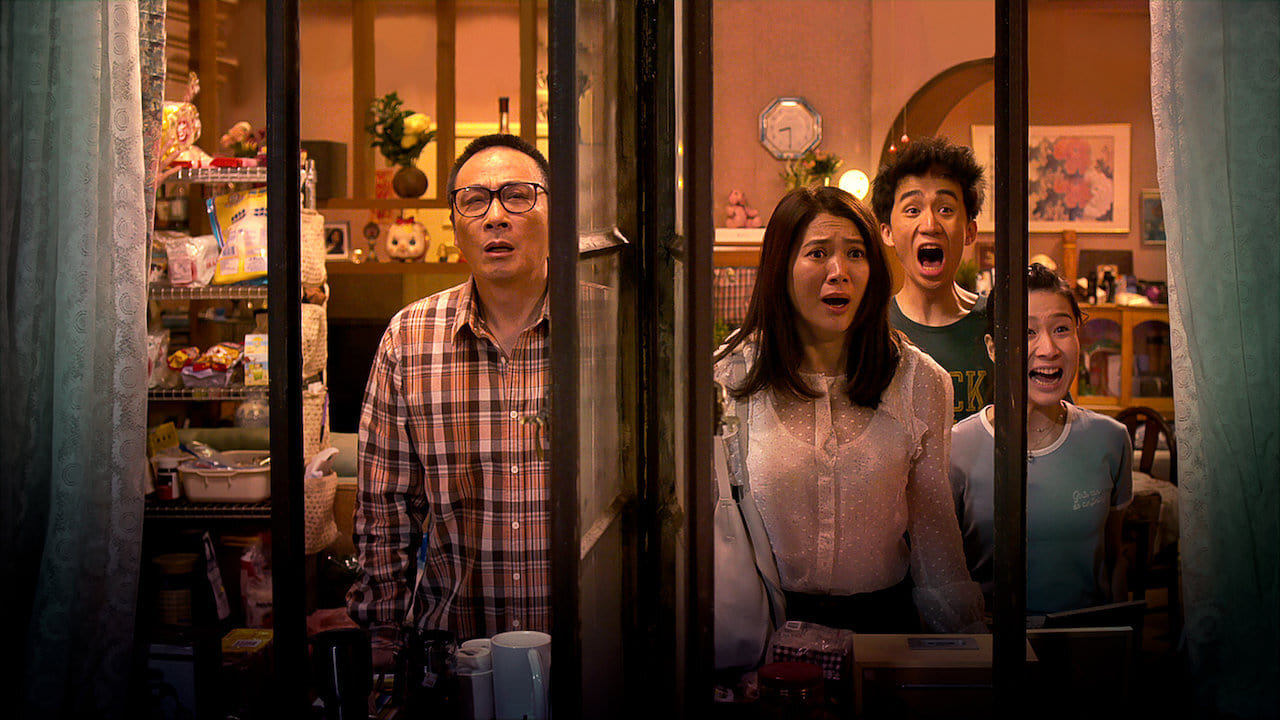
The Lo family live in an old flat in the middle of a noisy neighborhood: father, mother, unemployed son, teenage daughter and his elderly, disabled father. Now a billboard is blocking their perfect view of the harbor, and their already chaotic life becomes sheer madness.
Directed by Herman Yau

Trailer

IMDB
N/A
Cast

Louis Koo
Wong Siu Choi

Francis Ng Chun-Yu
Lo Wai Man

Anita Yuen Wing-Yee
Suk Yin

Cheung Tat-Ming
Grandpa

Ng Siu-Hin
Lo Bun Hong

Lam Suet
Butcher

Lo Hoi-Pang
Chan Tai Hung
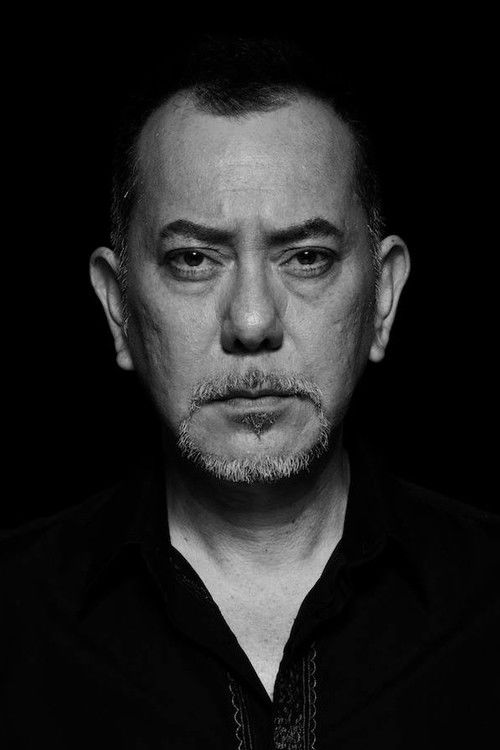
Anthony Wong Chau-Sang
Cheung

Lam Tze-Chung
Mr. Lee

Law Kar-Ying
Landlord

Woo Fung
Superintendent

Bonnie Wong Man-Wai
Chan Tai Hung's Wife
Crew

Herman Yau
Director
Cheung Tat-Ming
Writer

Brother Hung
Original Music Composer

Joe Chan Kwong-Hung
Director of Photography
Cheung Tat-Ming
Producer
Popular Reviews
4 reviews
Npu
4.8★ · 05/30/19

The always prolific Herman Yau directs “A Home with a View”, a middling satire about a working class Hong Kong family who tries to remove a billboard that has blocked the ocean view of their apartment.
Yau has honestly never been much of an aesthete, but he is a director with a workmanlike touch that translates to an appreciation for cause-and-effect. It’s only when you watch a Herman Yau film that you realize how half-assed everybody else is at staging a scene and how effortlessly Yau seems to always find the rigorous logic that drives one.
Having said that, Yau also has his weaknesses. Namely, for a director who is so unusually talented at visually delineating narrative logic, he has a strange affinity towards the schematic. This is especially apparent in “A Home with a View”, where every time Yau tries to work out a theme, he finds room for small scenes that distract from the overall narrative. For example, the scene in the real estate office is, by itself, a well-constructed sequence, but the only purpose it seems to serve is to fulfill a talking point more than anything else.
Despite my complaints, Herman Yau at this point in his career is Hong Kong cinema icon and I always look forward to his films because I like the way he thinks through his scenes. This, along with his recent pet topics of economic instability and problematic consumer behavior, puts him in a similar ballpark as his American contemporary Steven Soderbergh. For the longest time, Hong Kong cinema fans have rightfully lauded him as a master of low-budget features. Maybe it is time we start giving Yau his due as a thinker.
Yau has honestly never been much of an aesthete, but he is a director with a workmanlike touch that translates to an appreciation for cause-and-effect. It’s only when you watch a Herman Yau film that you realize how half-assed everybody else is at staging a scene and how effortlessly Yau seems to always find the rigorous logic that drives one.
Having said that, Yau also has his weaknesses. Namely, for a director who is so unusually talented at visually delineating narrative logic, he has a strange affinity towards the schematic. This is especially apparent in “A Home with a View”, where every time Yau tries to work out a theme, he finds room for small scenes that distract from the overall narrative. For example, the scene in the real estate office is, by itself, a well-constructed sequence, but the only purpose it seems to serve is to fulfill a talking point more than anything else.
Despite my complaints, Herman Yau at this point in his career is Hong Kong cinema icon and I always look forward to his films because I like the way he thinks through his scenes. This, along with his recent pet topics of economic instability and problematic consumer behavior, puts him in a similar ballpark as his American contemporary Steven Soderbergh. For the longest time, Hong Kong cinema fans have rightfully lauded him as a master of low-budget features. Maybe it is time we start giving Yau his due as a thinker.
The always prolific Herman Yau directs “A Home with a View”, a middling satire about a working class Hong Kong family who tries to remove a billboard that has blocked the ocean view of their apartment.
Yau has honestly never been much of an aesthete, but he is a director with a workmanlike touch that translates to an appreciation for cause-and-effect. It’s only when you watch a Herman Yau film that you realize how half-assed everybody else is at staging a scene and how effortlessly Yau seems to always find the rigorous logic that drives one.
Having said that, Yau also has his weaknesses. Namely, for a director who is so unusually talented at visually delineating narrative logic, he has a strange affinity towards the schematic. This is especially apparent in “A Home with a View”, where every time Yau tries to work out a theme, he finds room for small scenes that distract from the overall narrative. For example, the scene in the real estate office is, by itself, a well-constructed sequence, but the only purpose it seems to serve is to fulfill a talking point more than anything else.
Despite my complaints, Herman Yau at this point in his career is Hong Kong cinema icon and I always look forward to his films because I like the way he thinks through his scenes. This, along with his recent pet topics of economic instability and problematic consumer behavior, puts him in a similar ballpark as his American contemporary Steven Soderbergh. For the longest time, Hong Kong cinema fans have rightfully lauded him as a master of low-budget features. Maybe it is time we start giving Yau his due as a thinker.
Yau has honestly never been much of an aesthete, but he is a director with a workmanlike touch that translates to an appreciation for cause-and-effect. It’s only when you watch a Herman Yau film that you realize how half-assed everybody else is at staging a scene and how effortlessly Yau seems to always find the rigorous logic that drives one.
Having said that, Yau also has his weaknesses. Namely, for a director who is so unusually talented at visually delineating narrative logic, he has a strange affinity towards the schematic. This is especially apparent in “A Home with a View”, where every time Yau tries to work out a theme, he finds room for small scenes that distract from the overall narrative. For example, the scene in the real estate office is, by itself, a well-constructed sequence, but the only purpose it seems to serve is to fulfill a talking point more than anything else.
Despite my complaints, Herman Yau at this point in his career is Hong Kong cinema icon and I always look forward to his films because I like the way he thinks through his scenes. This, along with his recent pet topics of economic instability and problematic consumer behavior, puts him in a similar ballpark as his American contemporary Steven Soderbergh. For the longest time, Hong Kong cinema fans have rightfully lauded him as a master of low-budget features. Maybe it is time we start giving Yau his due as a thinker.


Medhansh
4.7★ · 07/29/23
Medhansh Kaushik
3.5★ · 07/28/23
Cineception
4.0★ · 07/15/17