------------------------------------------------------------------------------
Day 280 of 365 of
my year long challengeWeek 40: The Artist's Brush
-----------------------------------------------------------------------------
Inspired by Pieter Bruegel's
The Procession to Calvary,
The Mill and the Cross reaches into the painting to recreate the lives of the peasants so creatively captured by this master painter.
There is no plot to speak of. Instead,
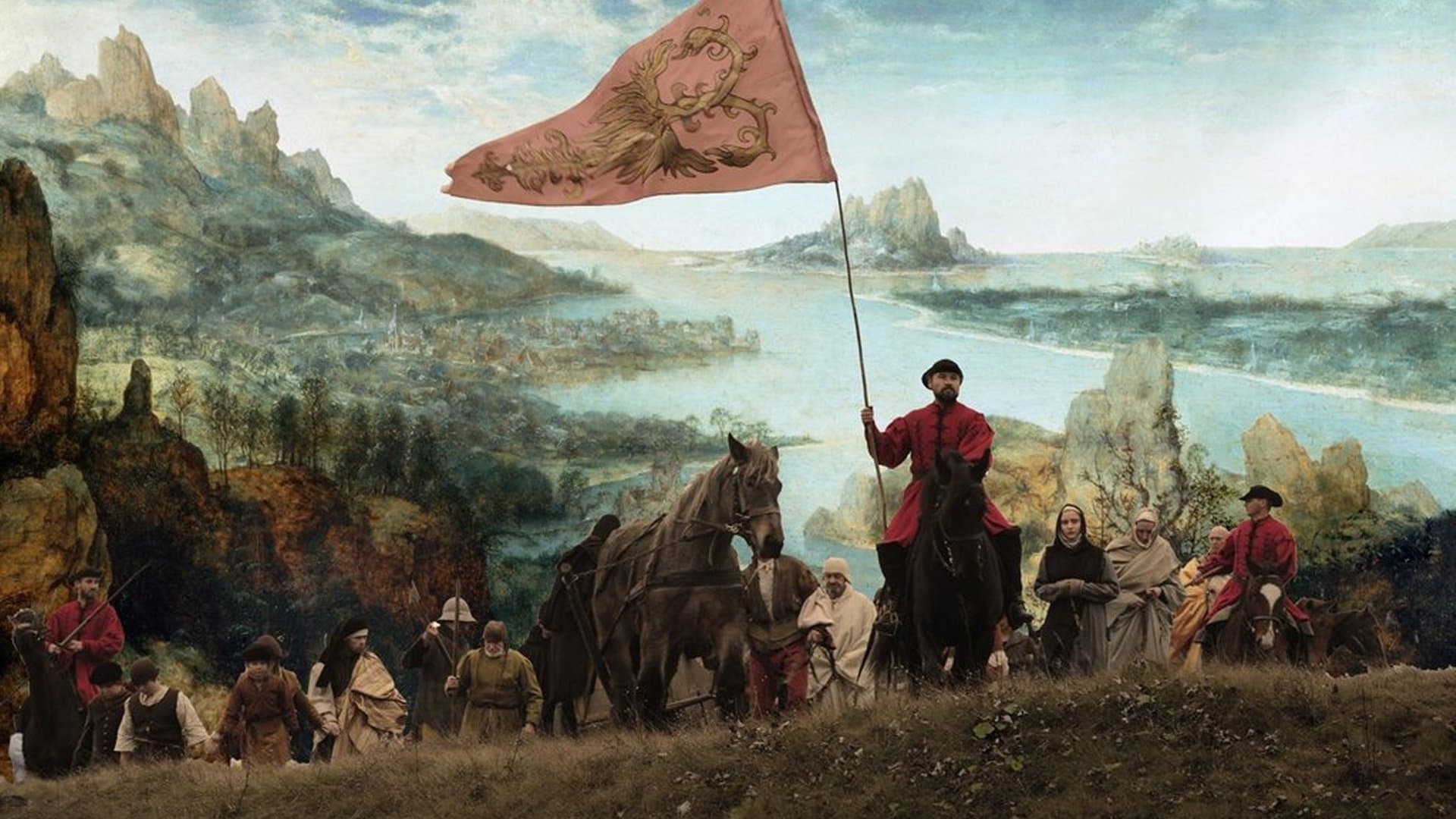
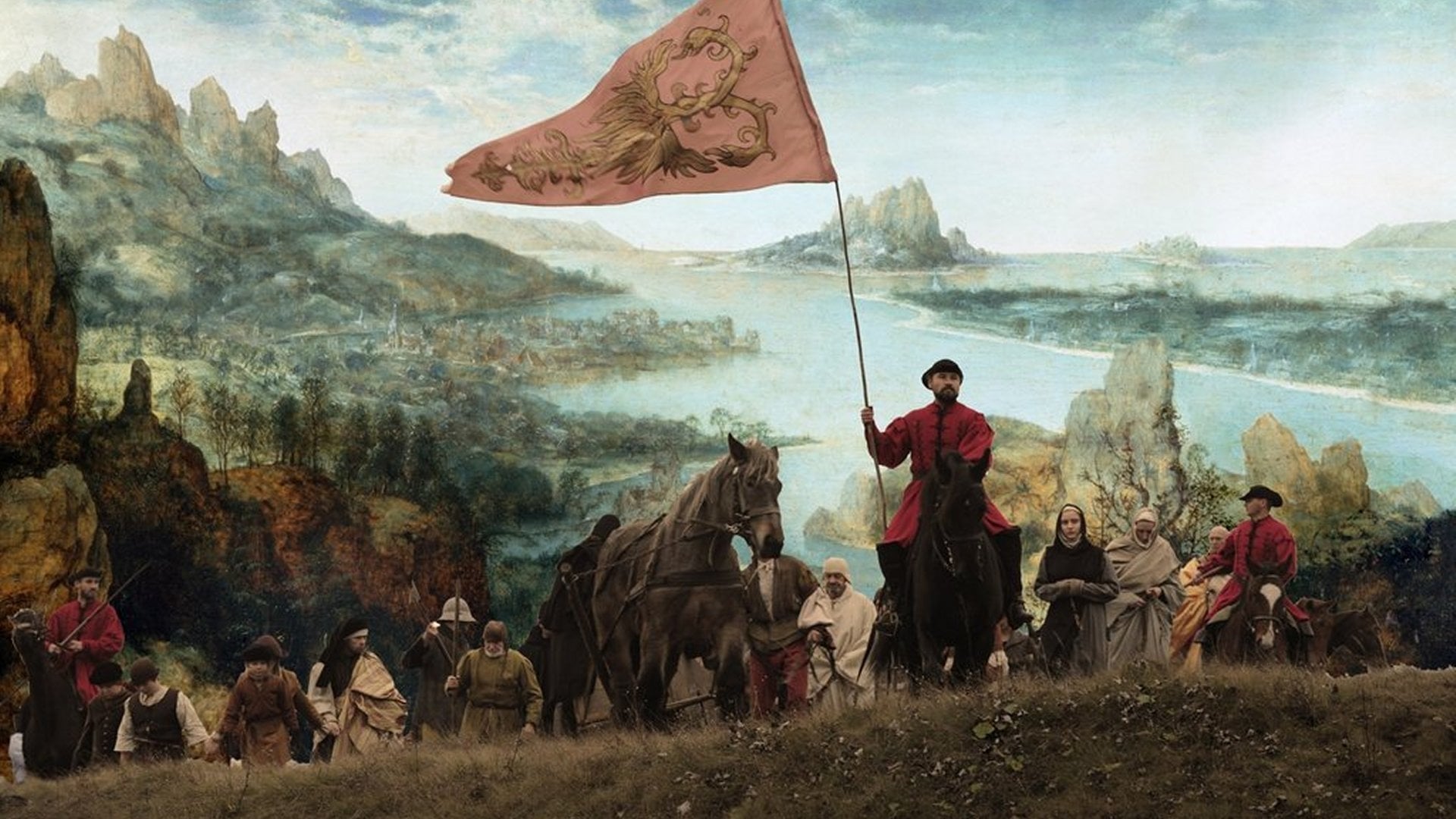
The Mill and the Cross follows dozens of characters found on the canvas as they go about their lives. Slowly panning across various vignettes,
The Mill and the Cross lovingly brings to life a past long since forgotten.
What is amazing about this film is that it really does feel like a painting in motion. Mixtures of live action, green screen and recreations of the painting itself come together to give it all a very ethereal feel, as if it is at once real and make believe. It feels like the dull, muted oils are melting from their captured static and allowed to breathe once more.
Vignettes throughout the film are stunningly crafted and perfectly shot so as to capture the reality of peasant life within the painting and the reality of the audience's life as we slowly glide past as if in a gallery. From the old couple living in the mill to the persecuted victim of Spanish mercenaries, nothing is ever explained. Instead, we are left to wander and wonder as these daily lives take place in front of us with no real context. While it would be breathtaking, ghastly and piteous, the sleepy, gradual pacing of things and the hazy, almost reality keep us at a necessary distance. Peasant life isn't pretty or praiseworthy, it is only worth noticing.
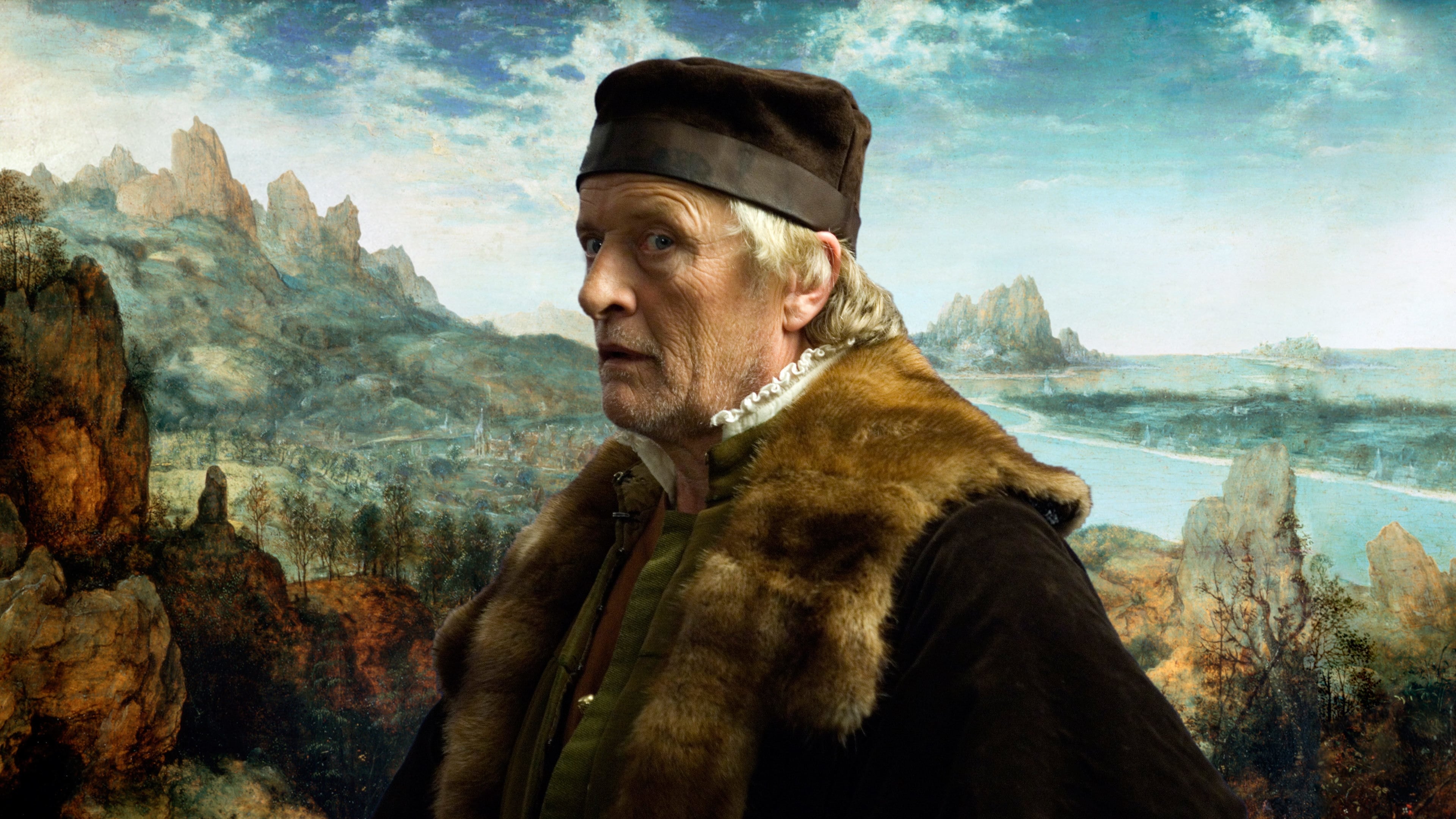
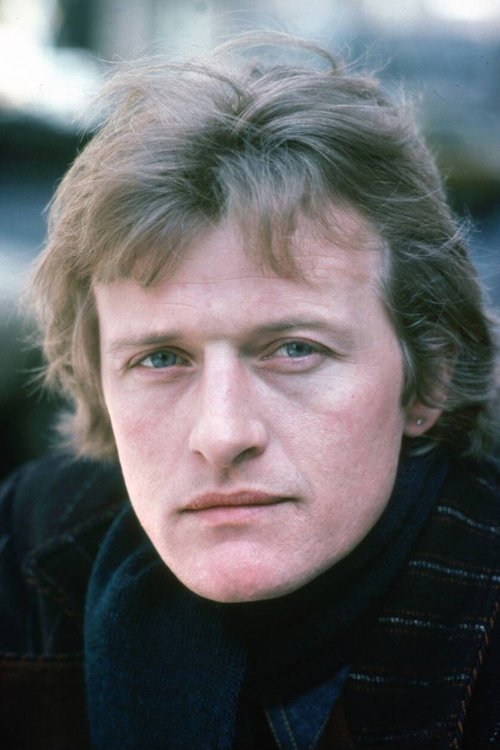
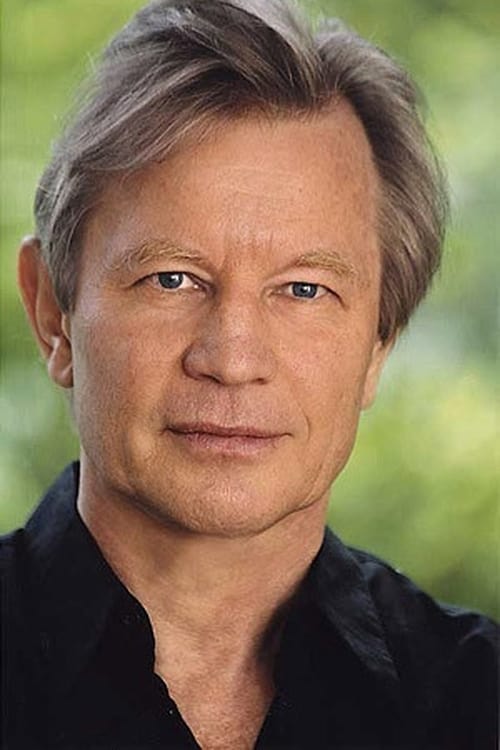
The film tries to create explanations for things by having Bruegel (Rutger Hauer) inserted into his own painting and explaining it to his benefactor Nicholas Jonghelinck (Michael York). These rare moments of dialogue make for interesting interpretations of the painting, particularly in the meaning of its construction and composition but they feel all too clunky.
The Mill and the Cross is a film that takes place almost entirely without dialogue and to hear the stillness and low commotions of the people interrupted by clear and pointed dialogue feel distracting.
It's a nice touch to hear the voices of those around the painting but this is a film dedicated to what is within the painting. To have left this exposition out and let the audience take for themselves what they want from the film would have felt more impressive.
The Mill and the Cross is a magic sort of film. It is one that feels unreal and real all at once. The lives of these peasants are lovingly created in greys, browns and dull greens in such a way you feel as if you are walking through the painting itself. All the while, the camera leaves you feeling like a gallery visitor, admiring the work in slow, contemplative passing. Bruegel may have captured the life of peasants like no other but
The Mill and the Cross has captured Bruegel in a way that invites peasants to look and marvel.