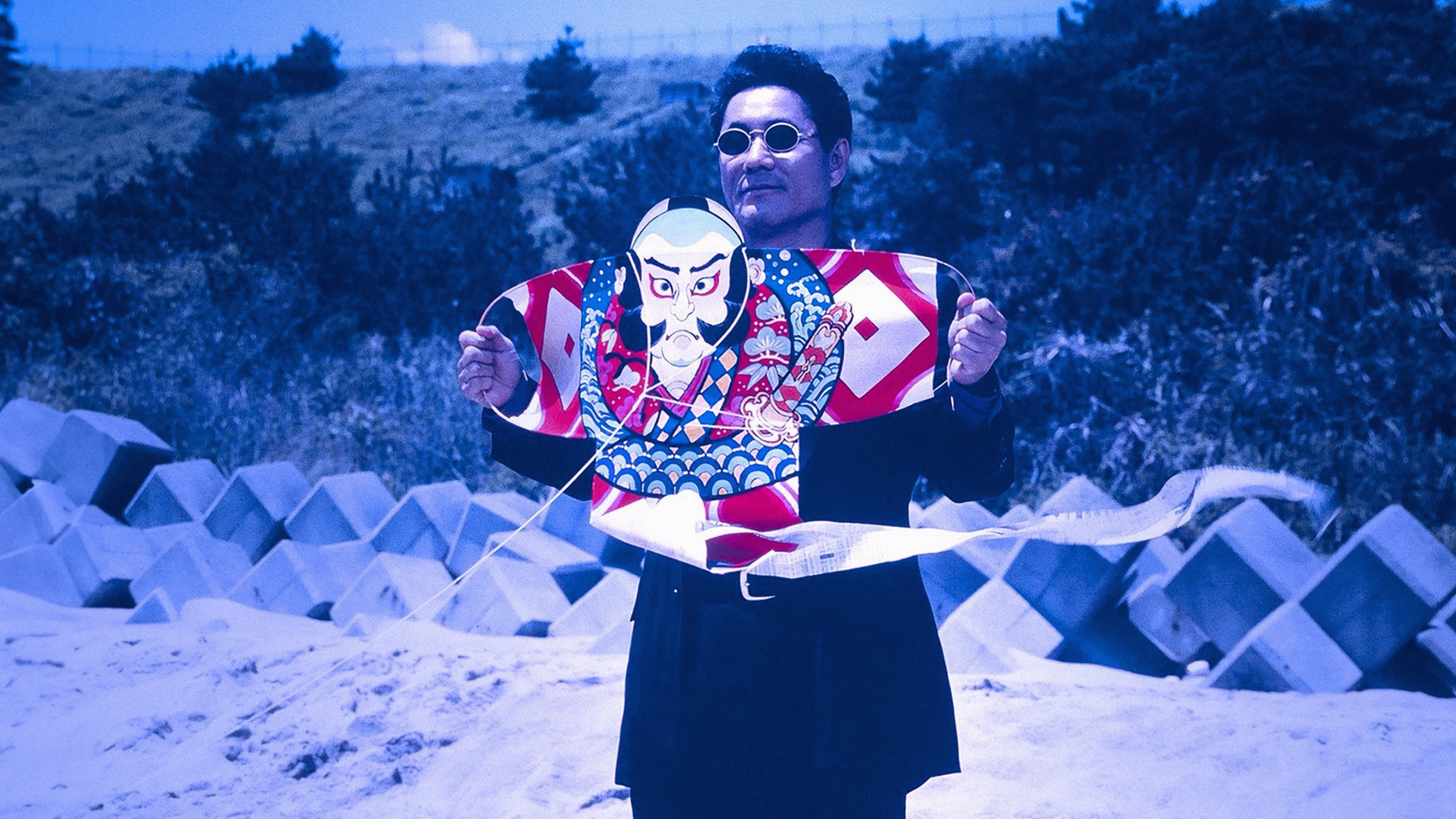
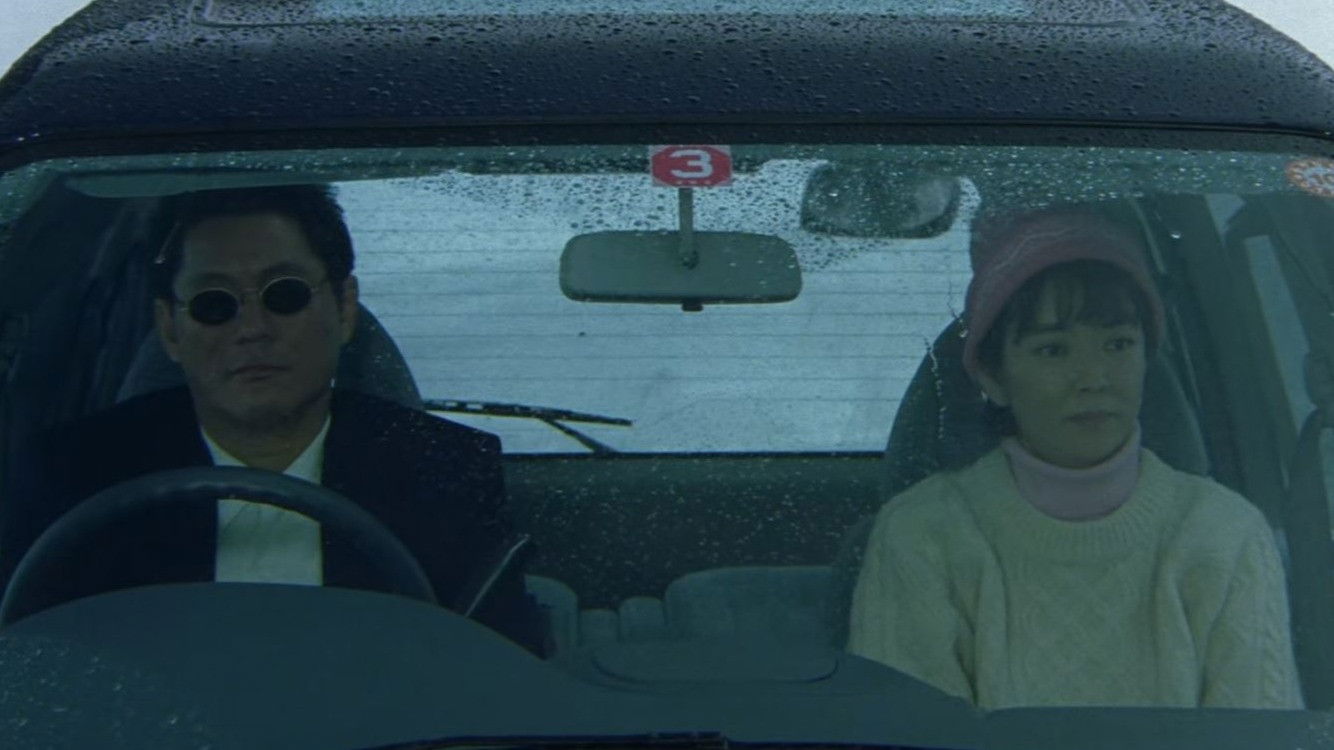
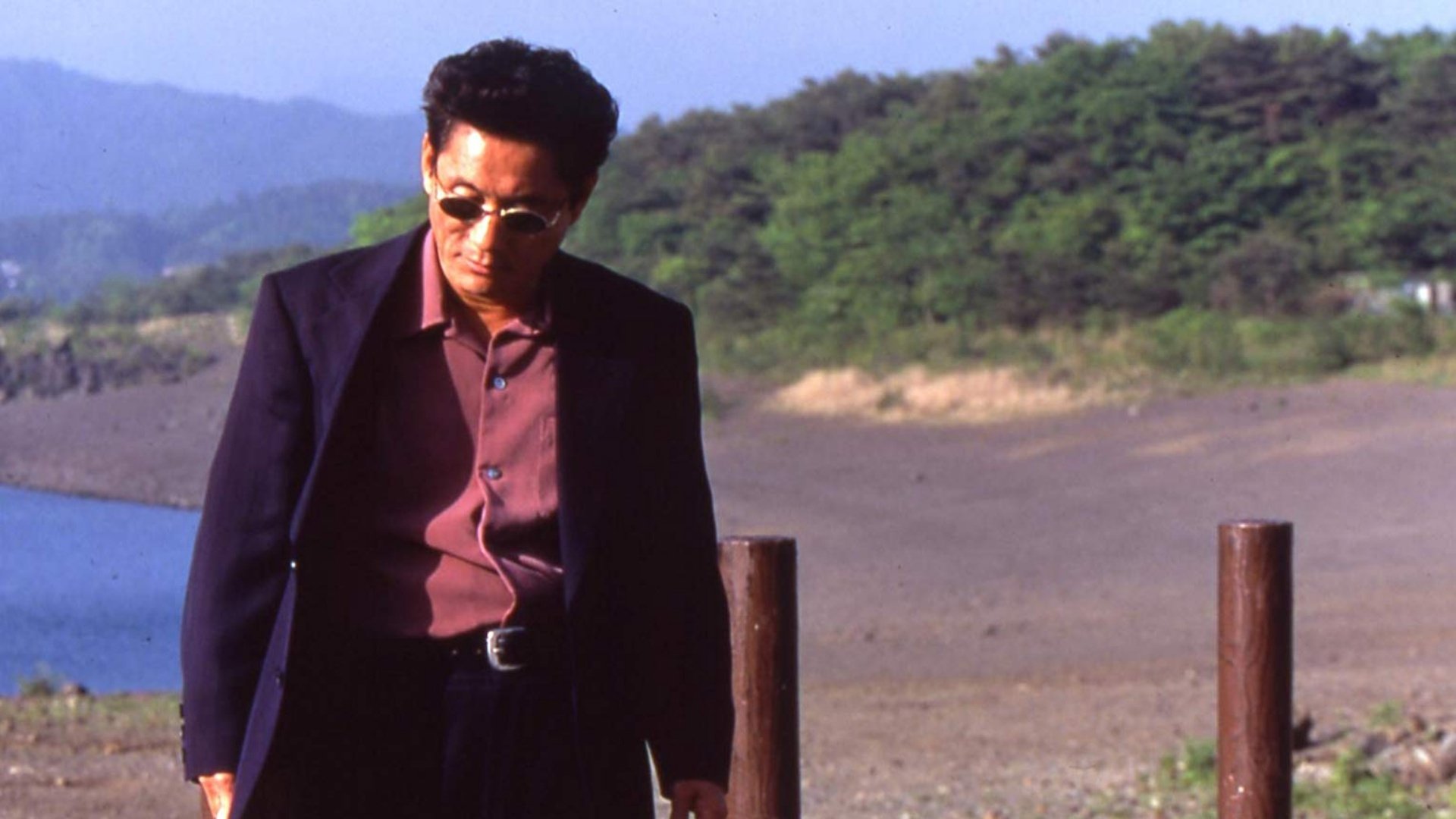
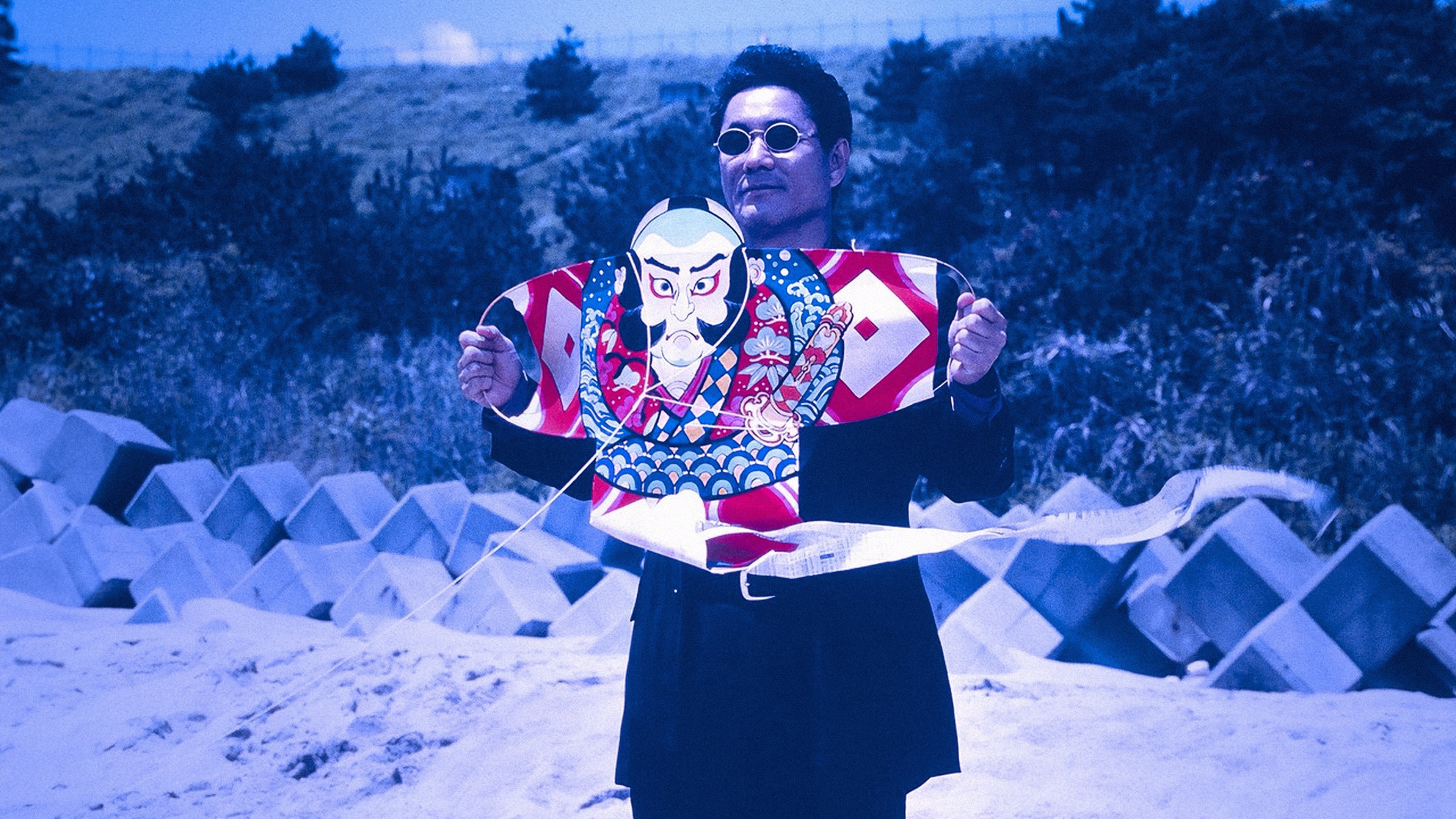
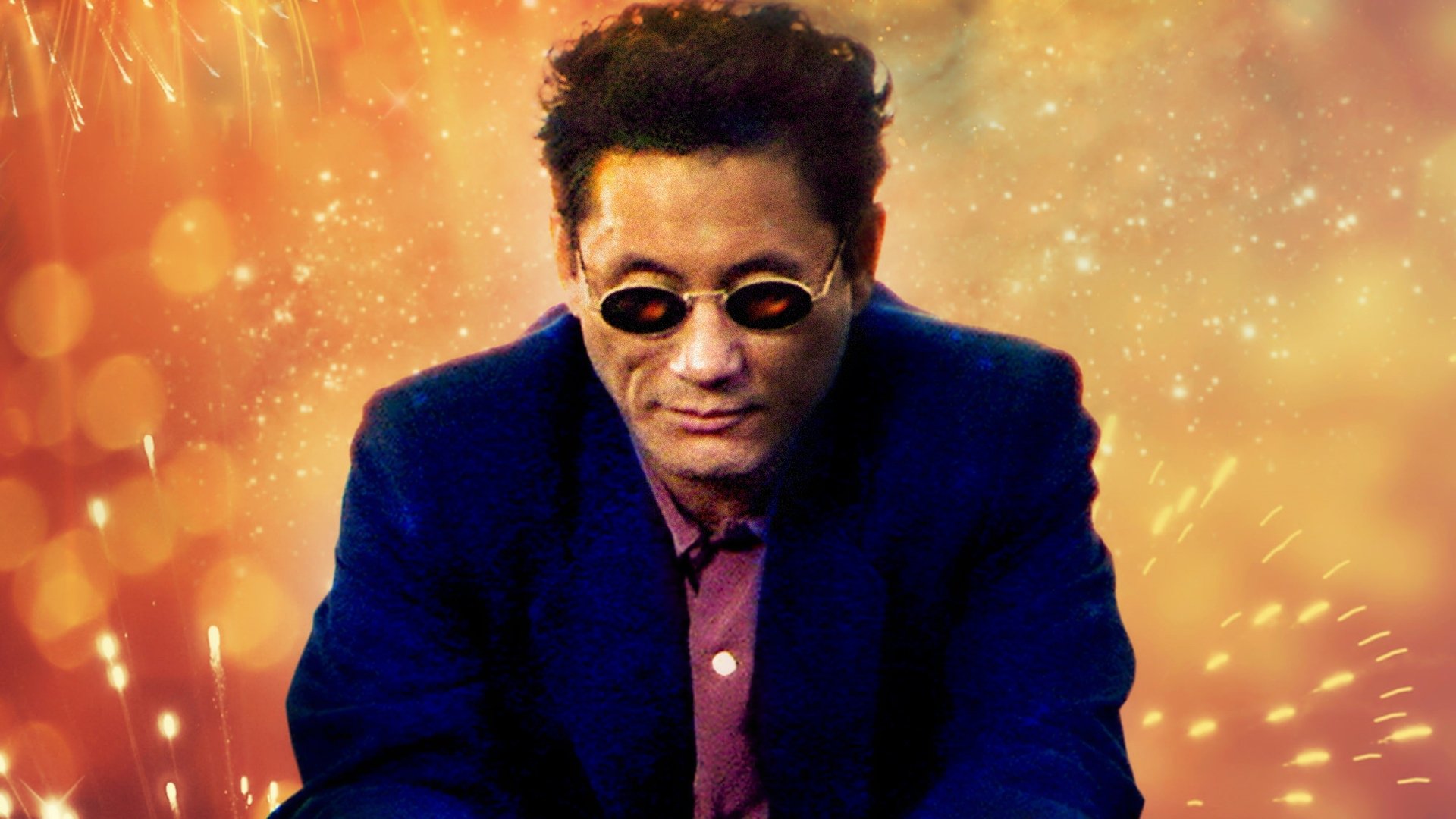
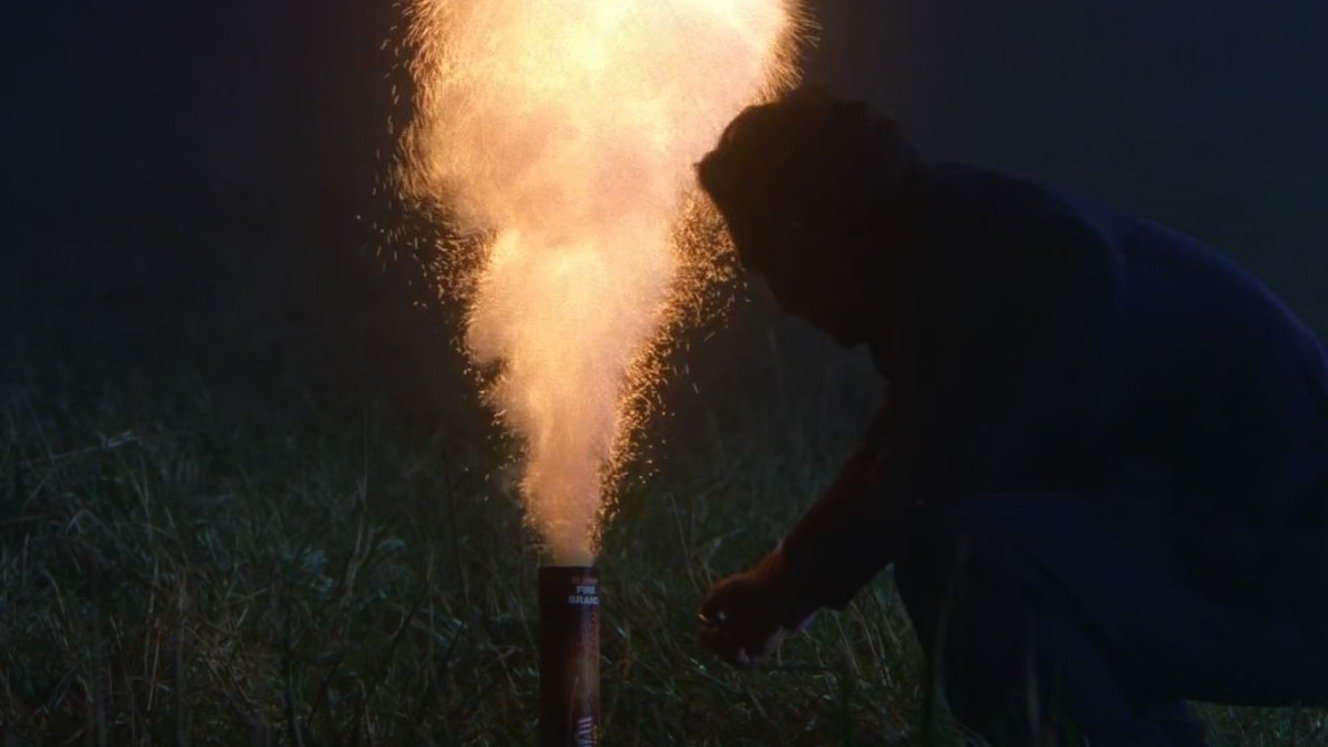
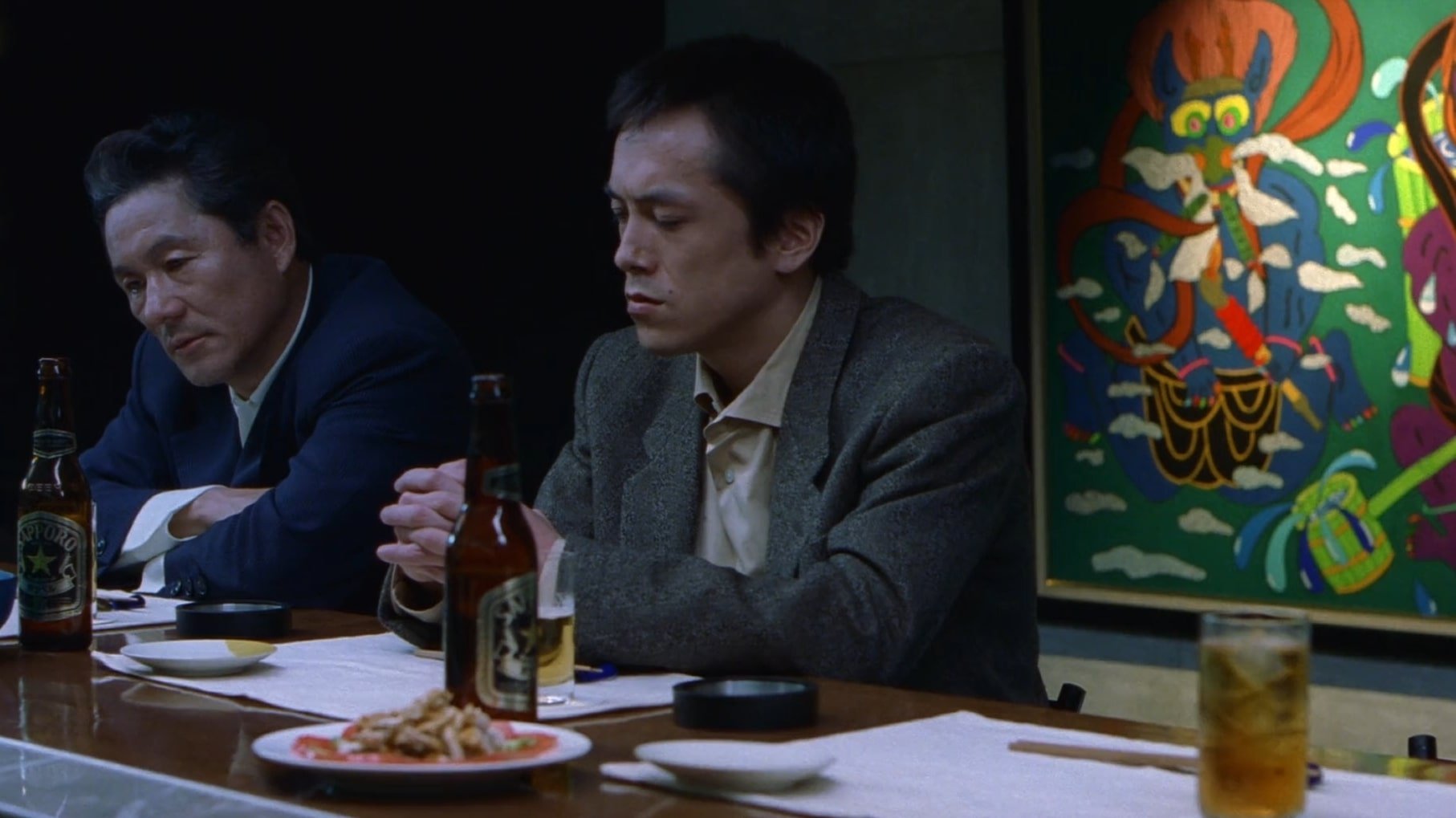
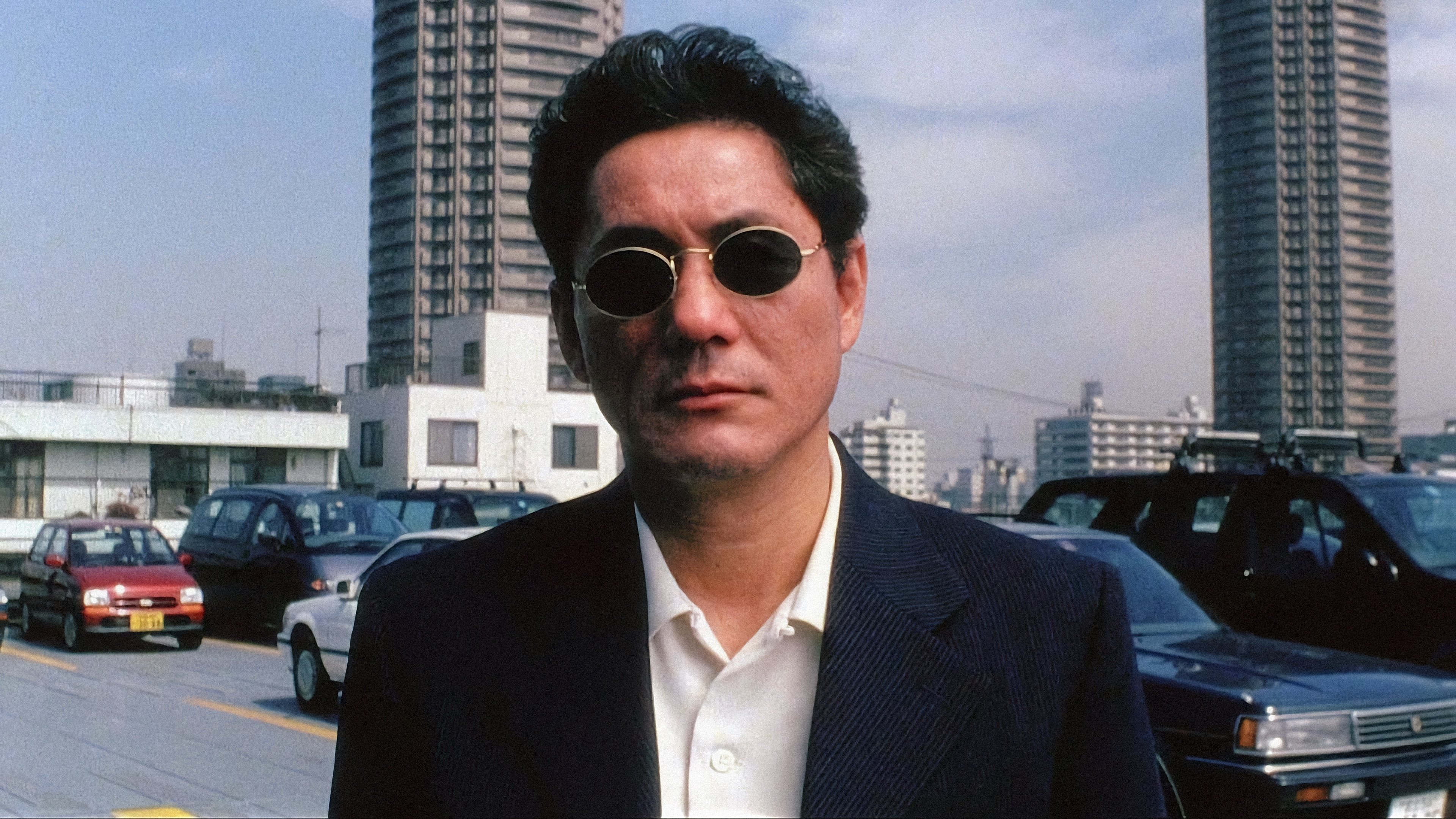
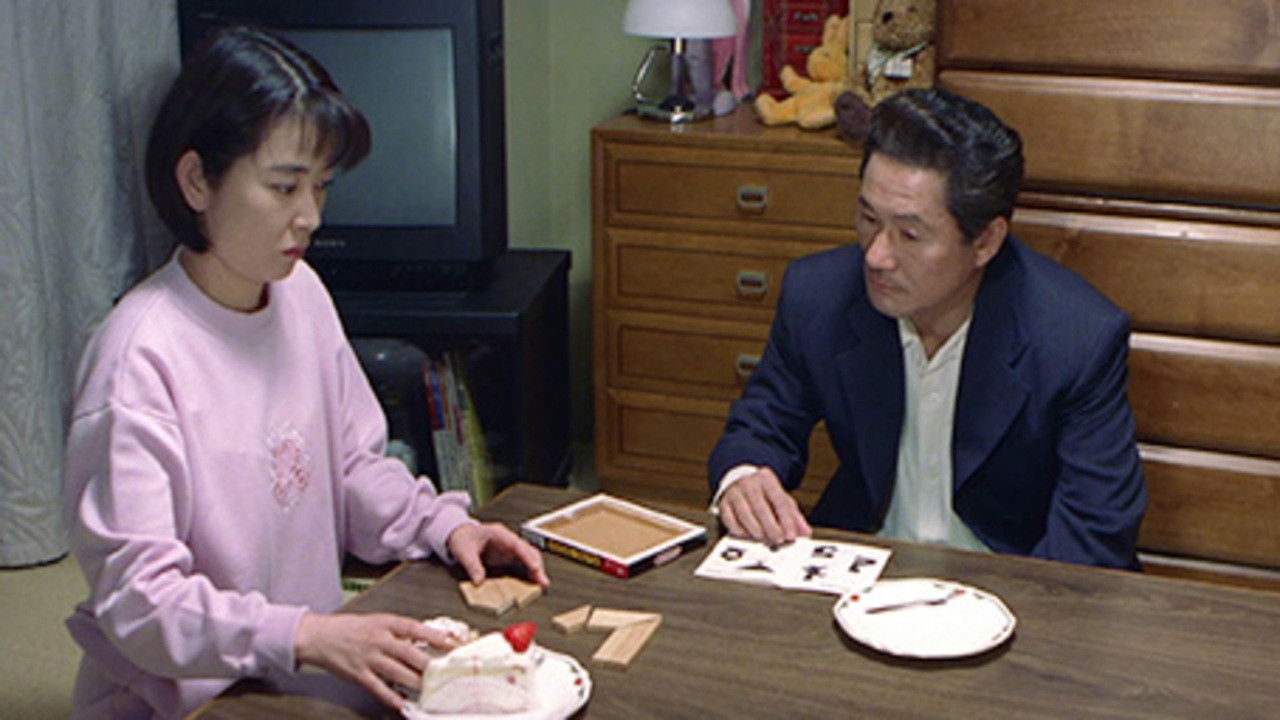
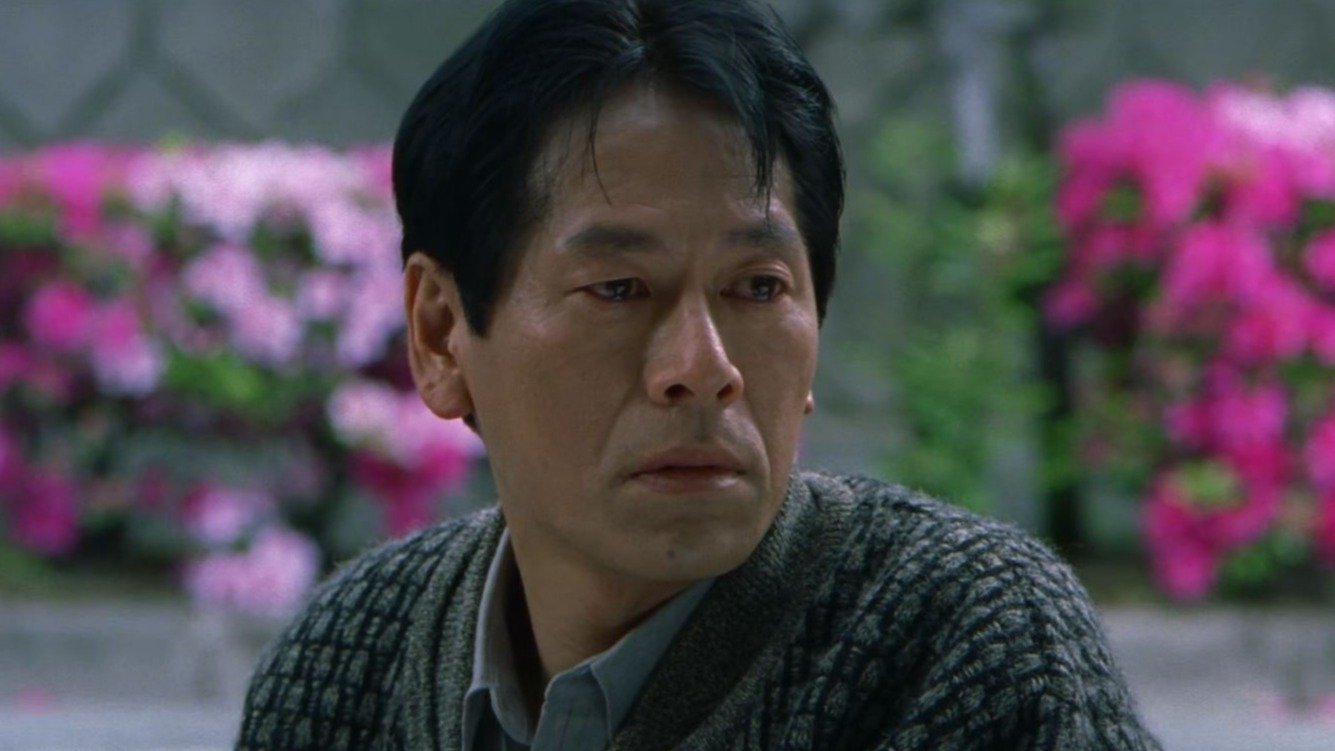
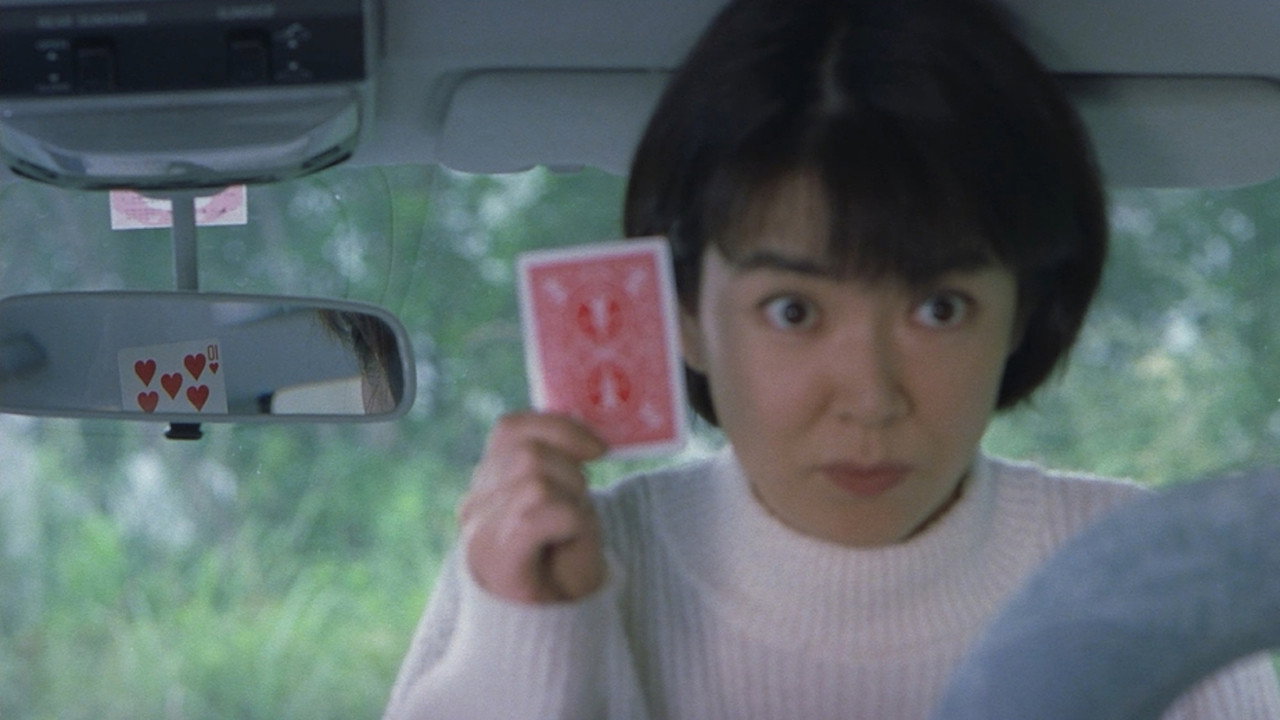
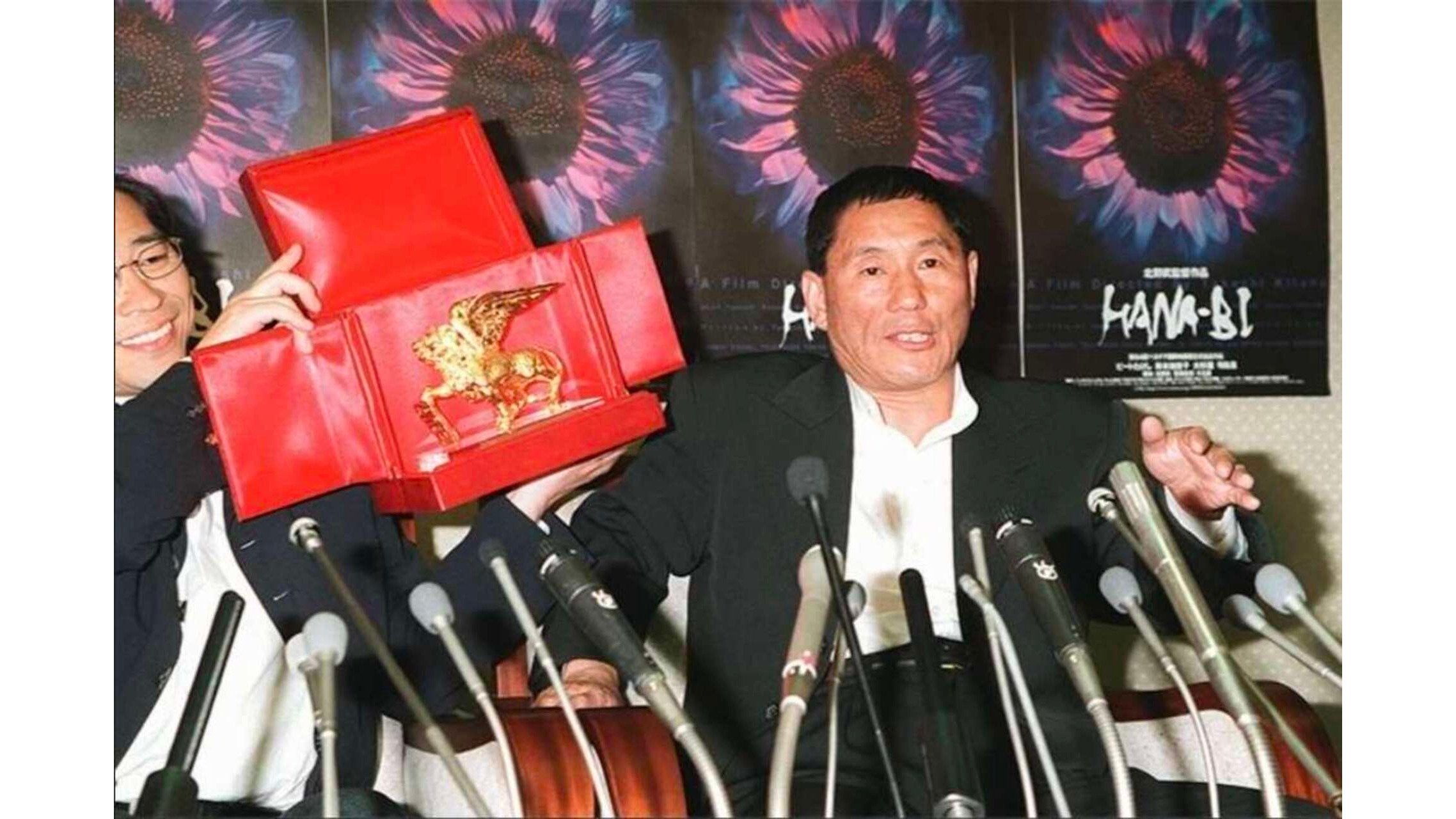
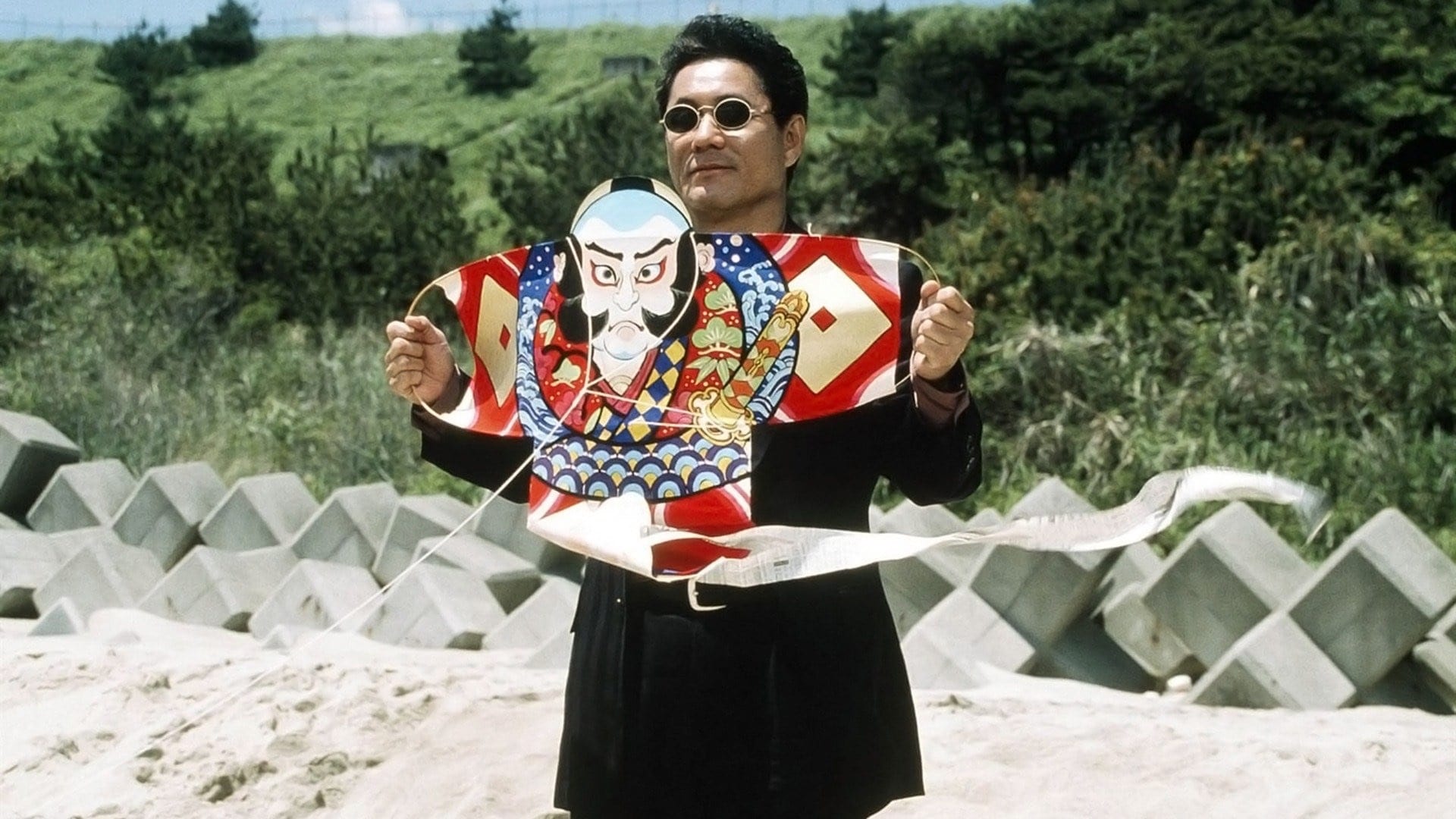
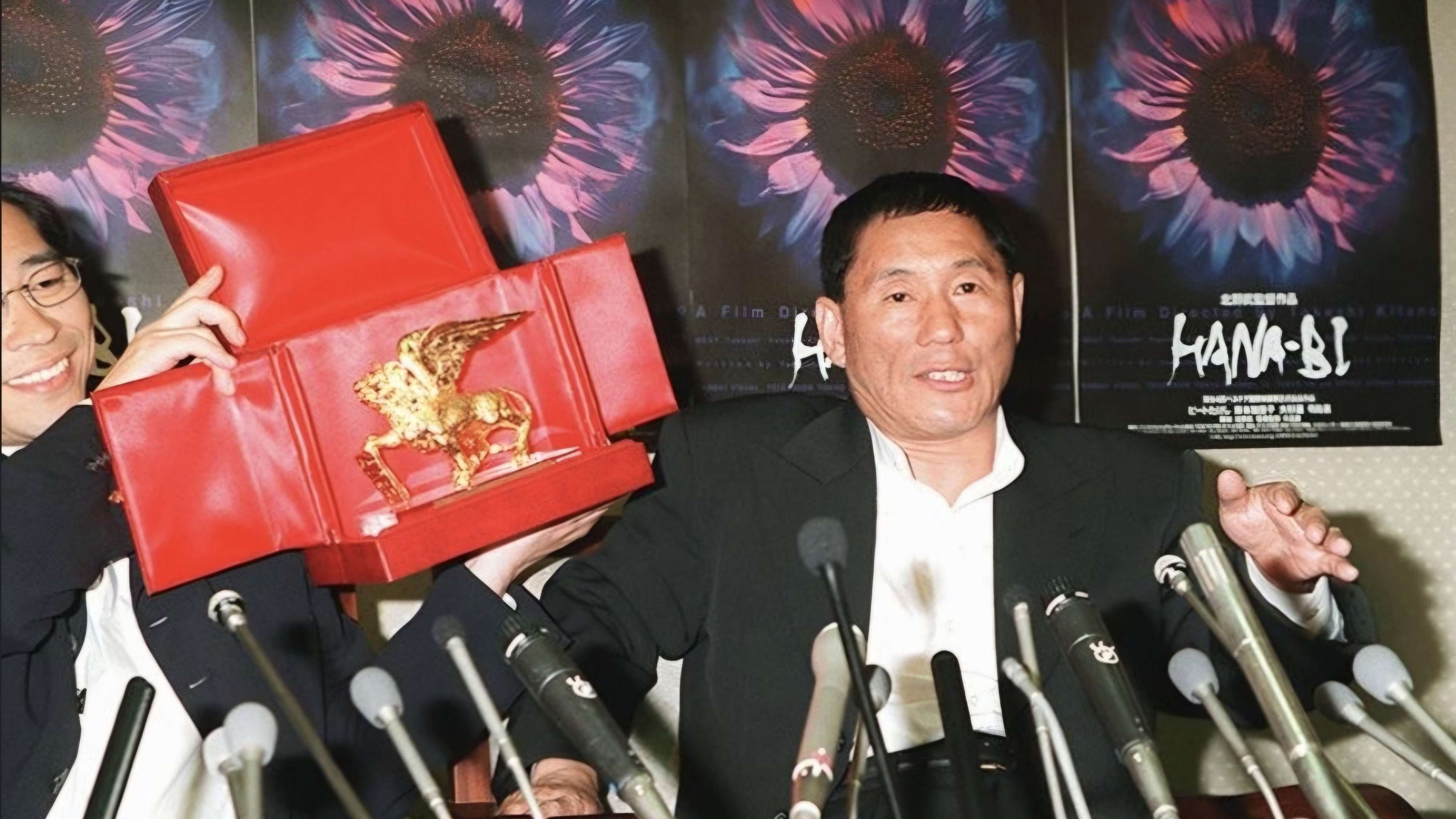
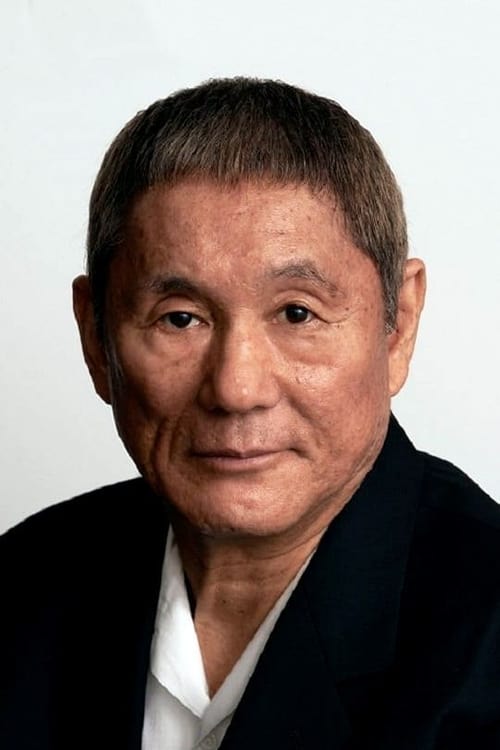
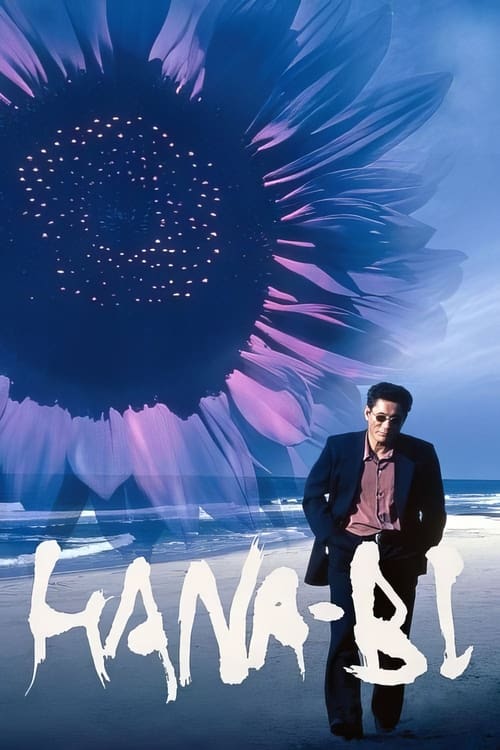
Takeshi Kitano’s Fireworks (1997) is a brilliant film about a retired detective coming to terms with his past, combining melodrama, cop action, and art house styles to great effect. Kitano was known for being a famous Japanese comedian and TV show host (e.g. Takeshi’s castle), but managed to reinvent him as a straight faced actor and critically acclaimed director. In fact, Kitano was the leading figure of Japanese cinema in the 1990’s, and this is his best work.
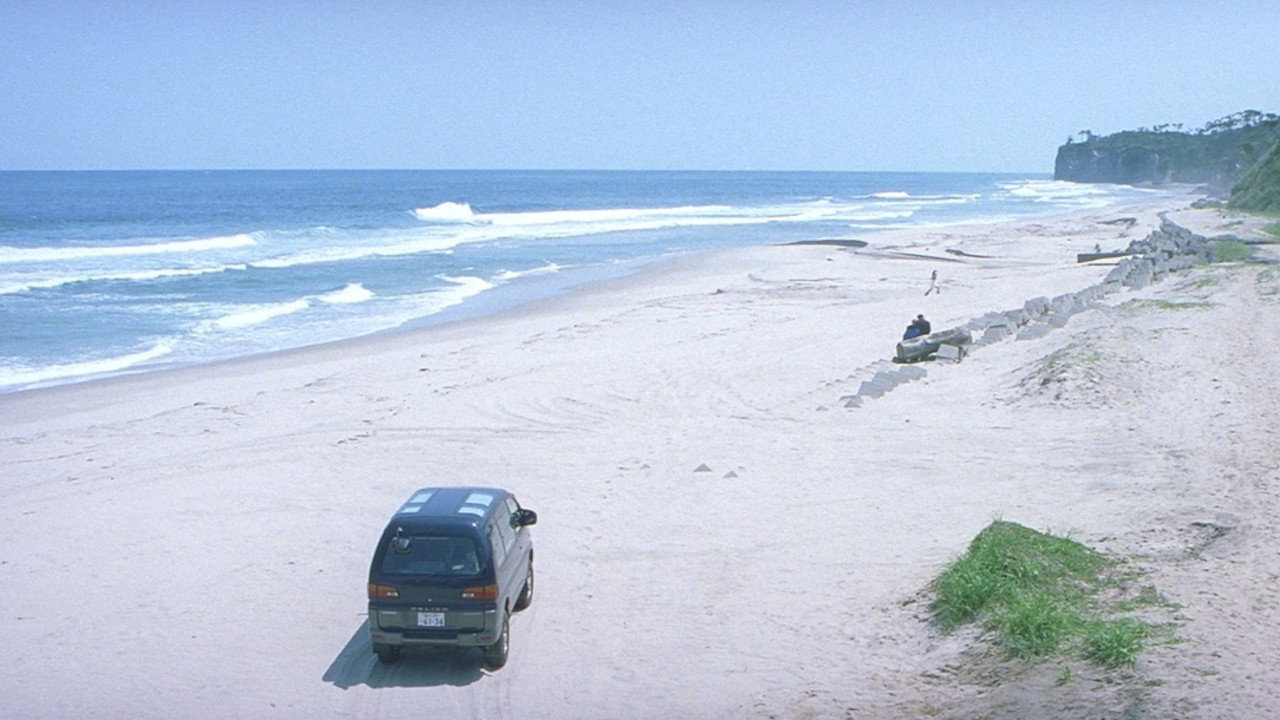
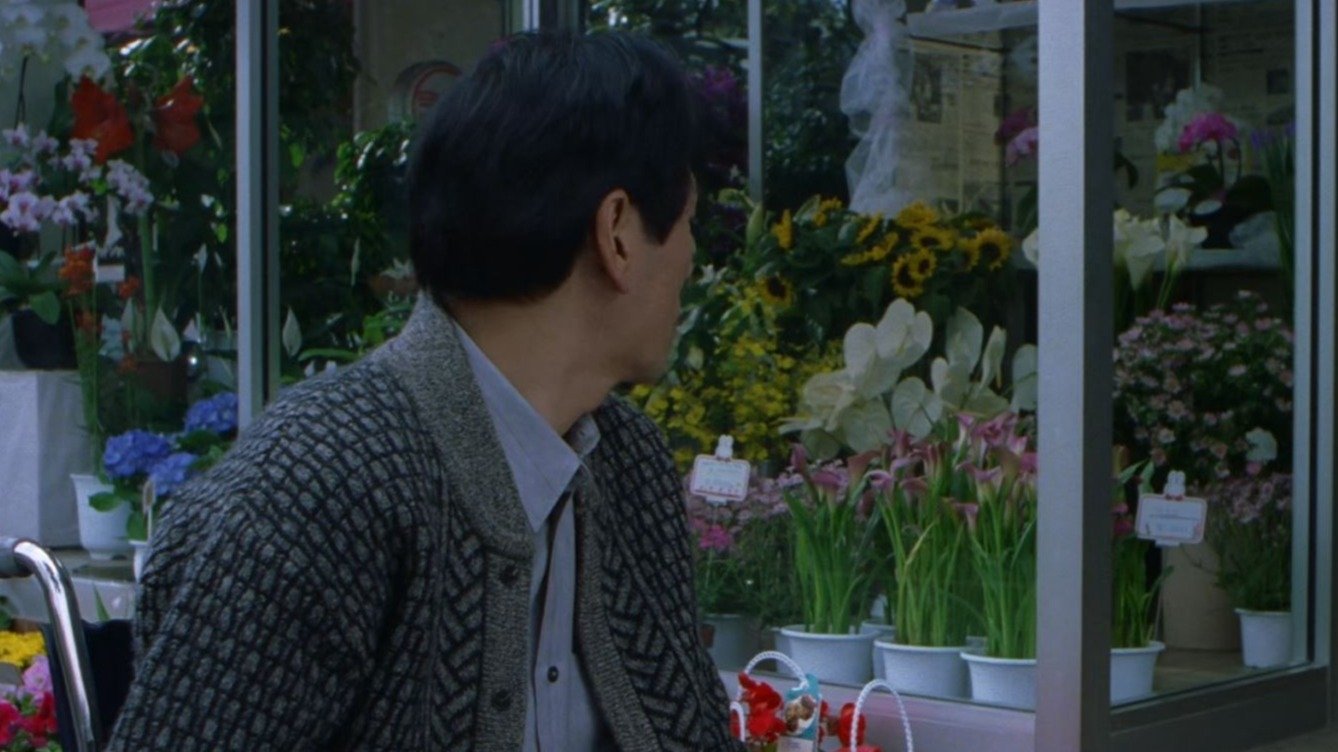
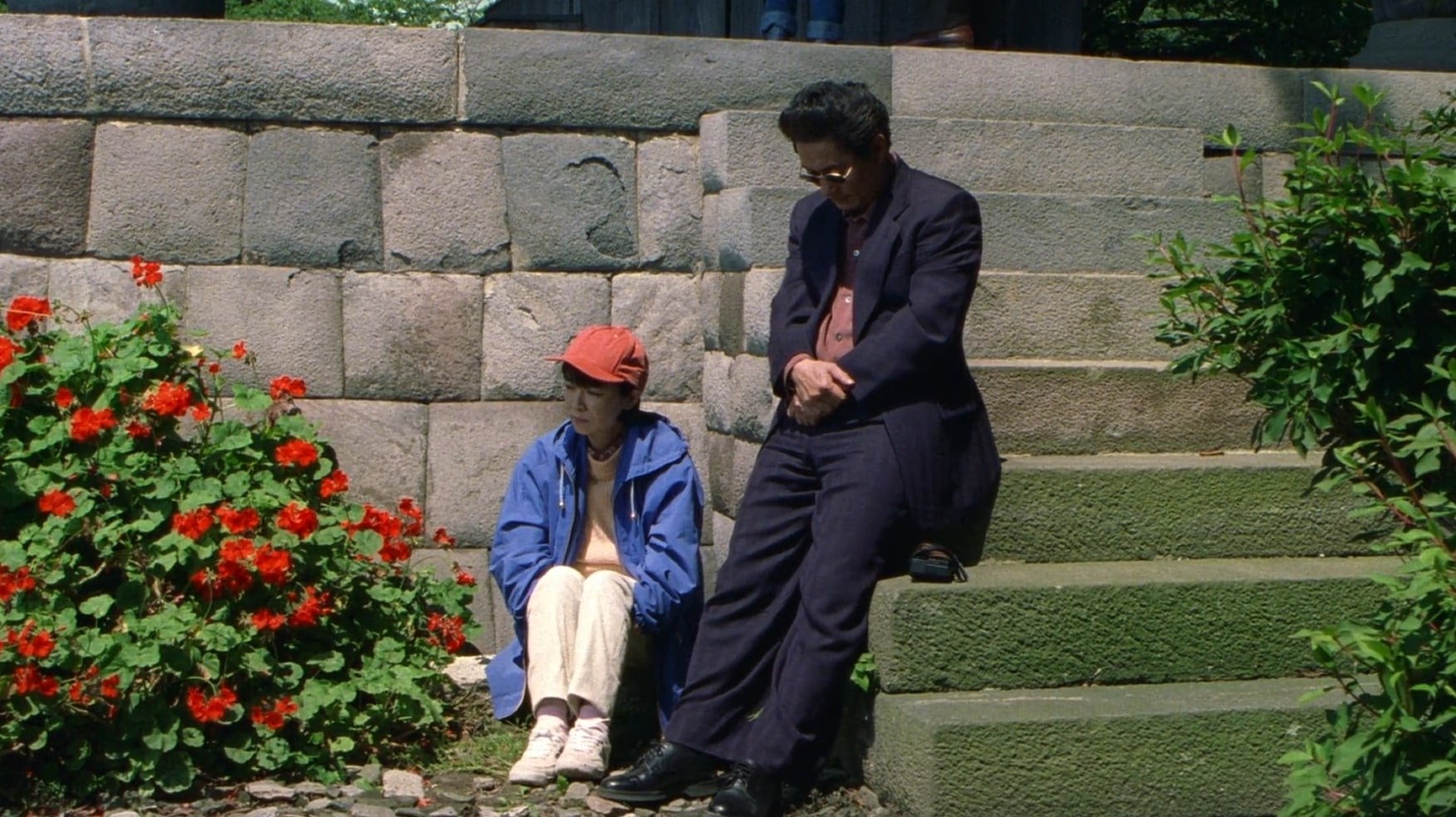
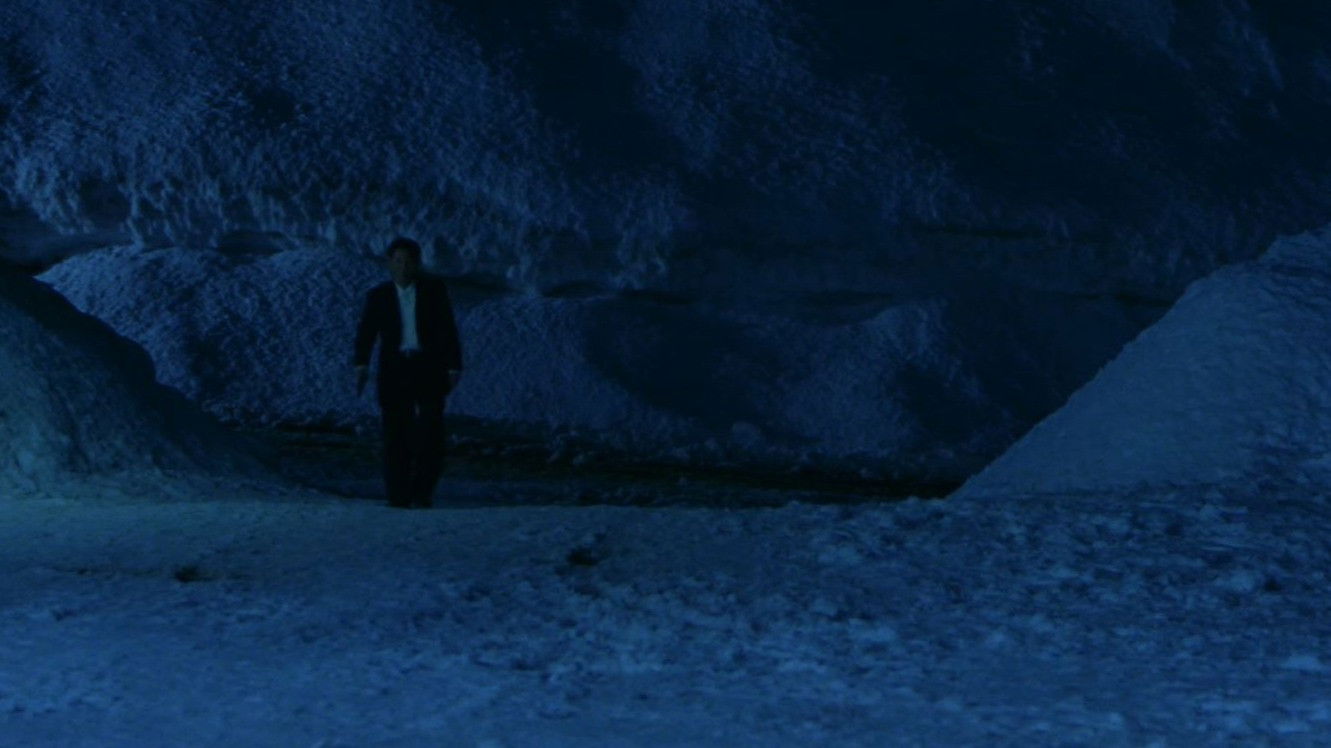
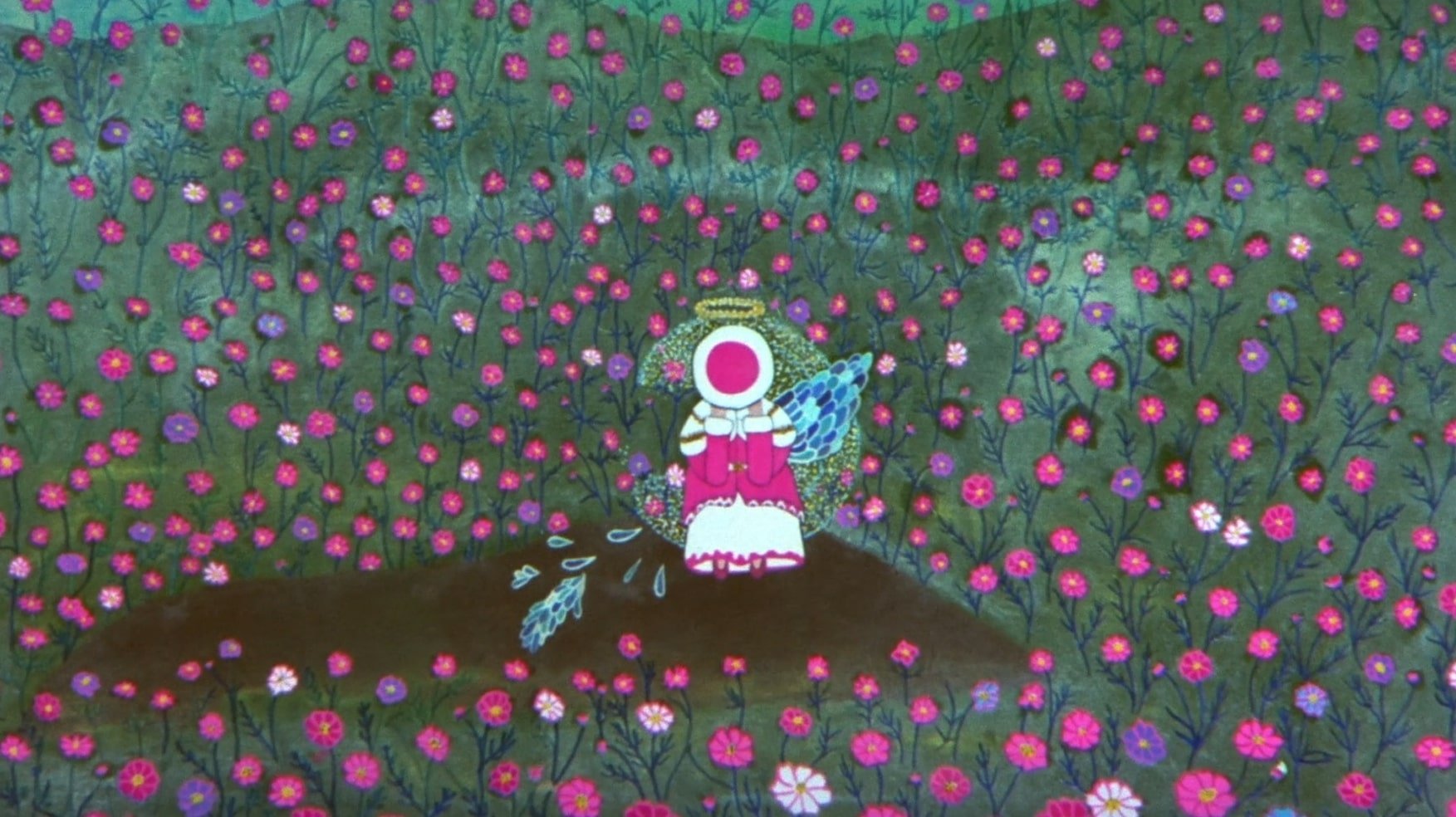
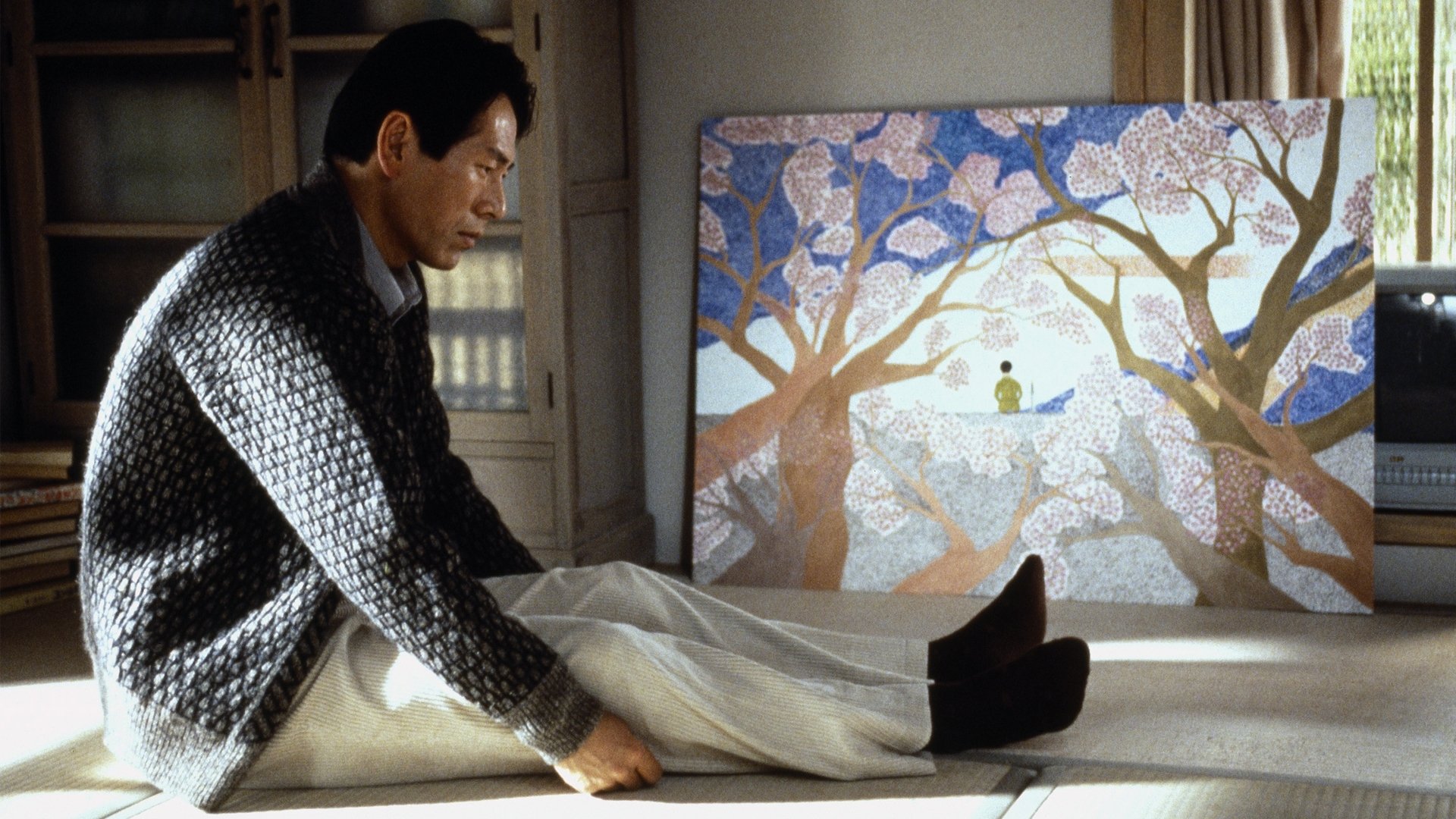
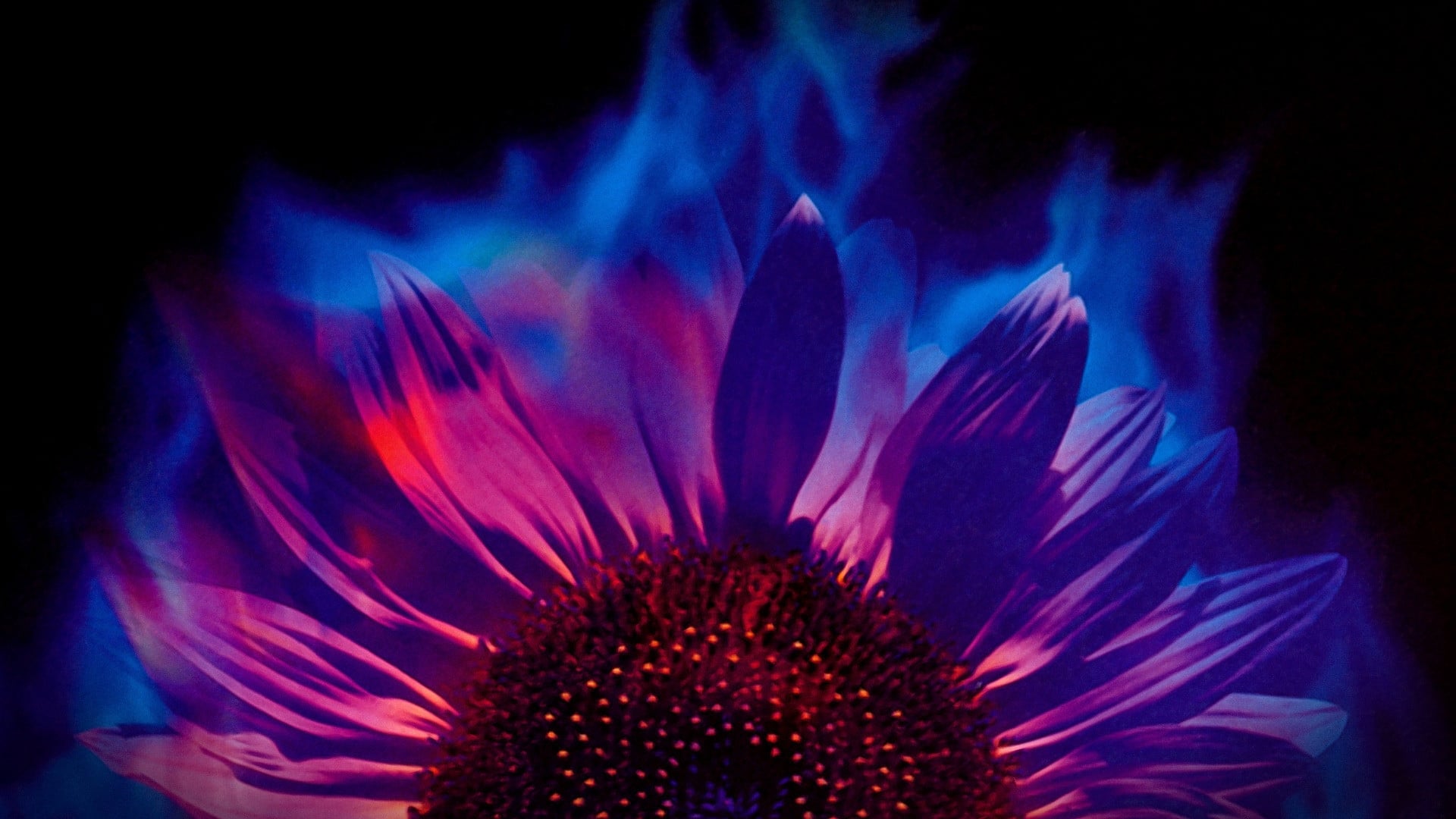
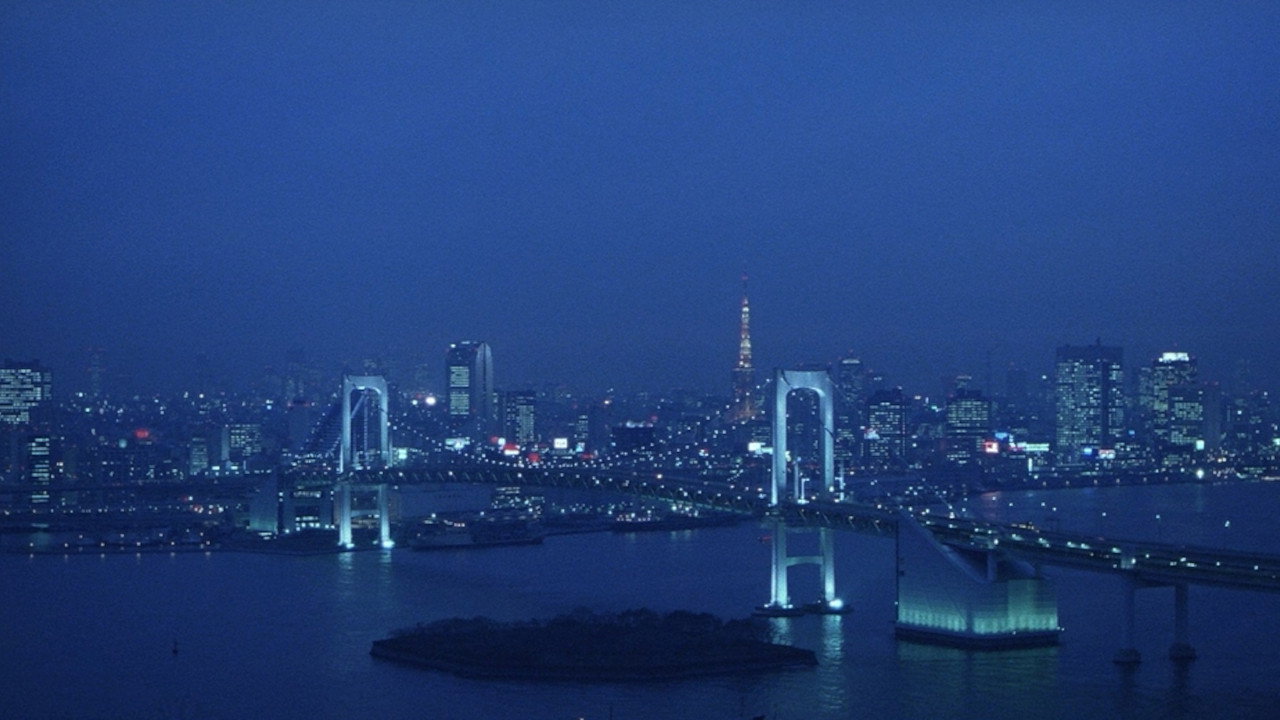
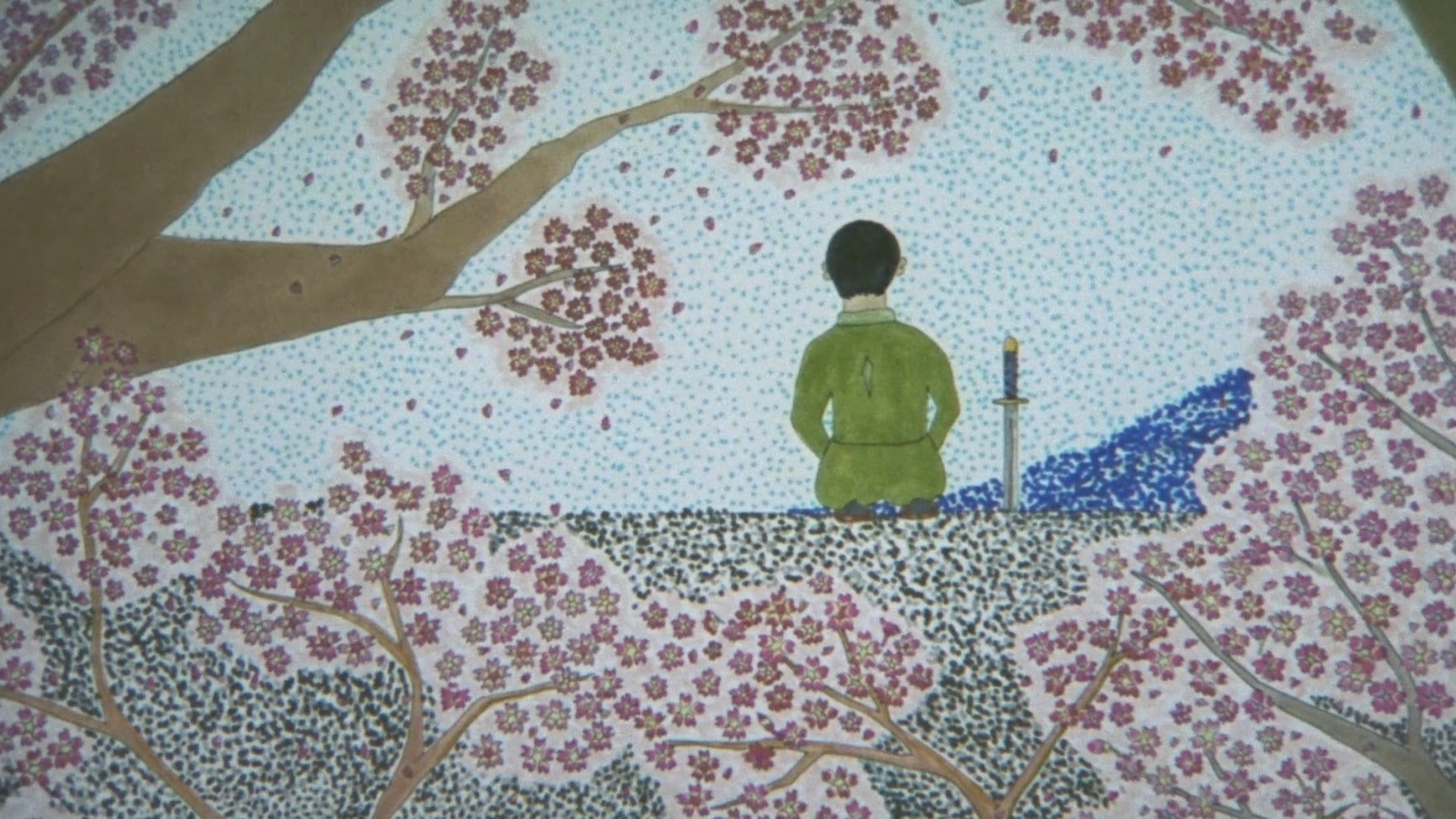
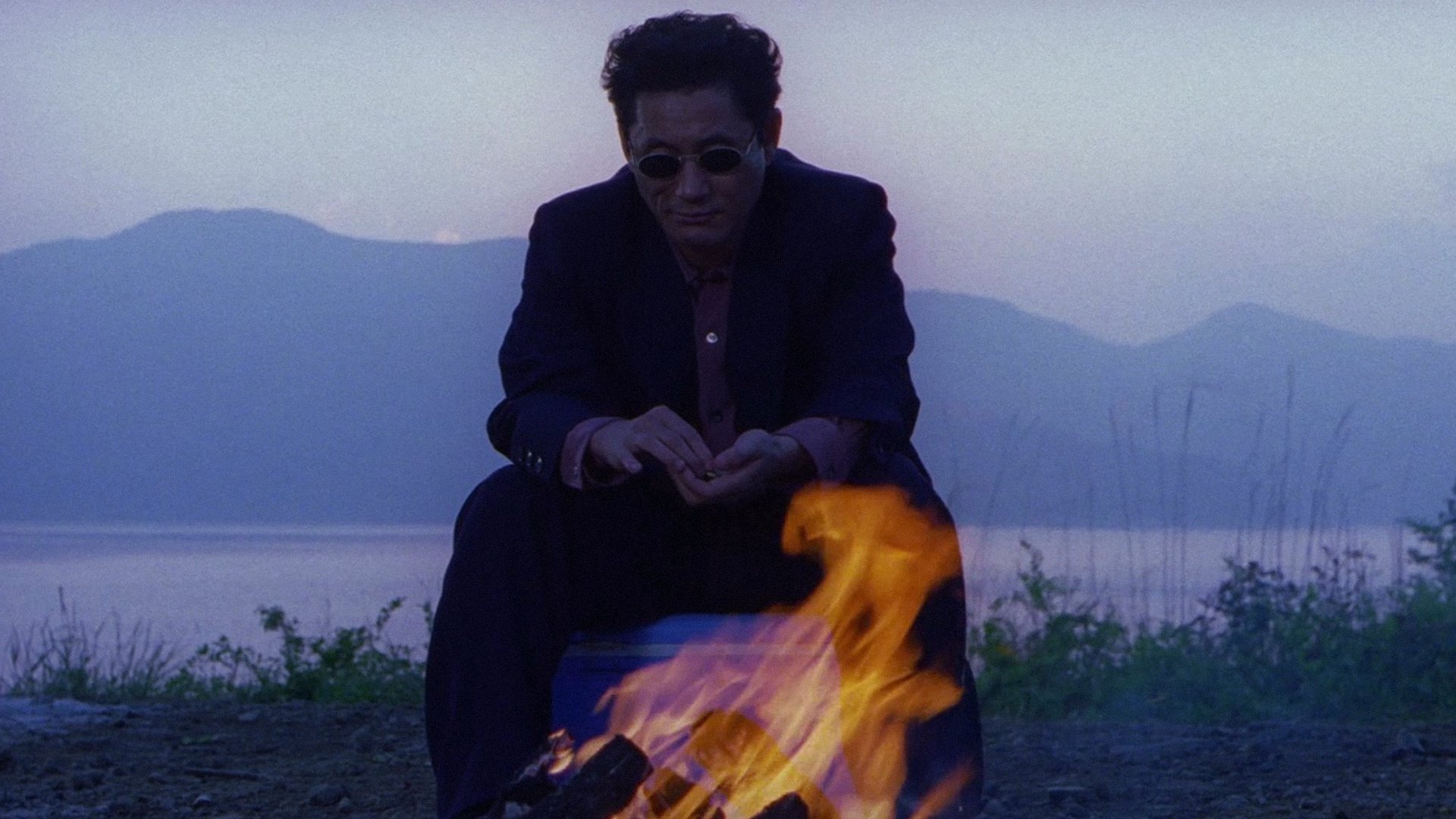
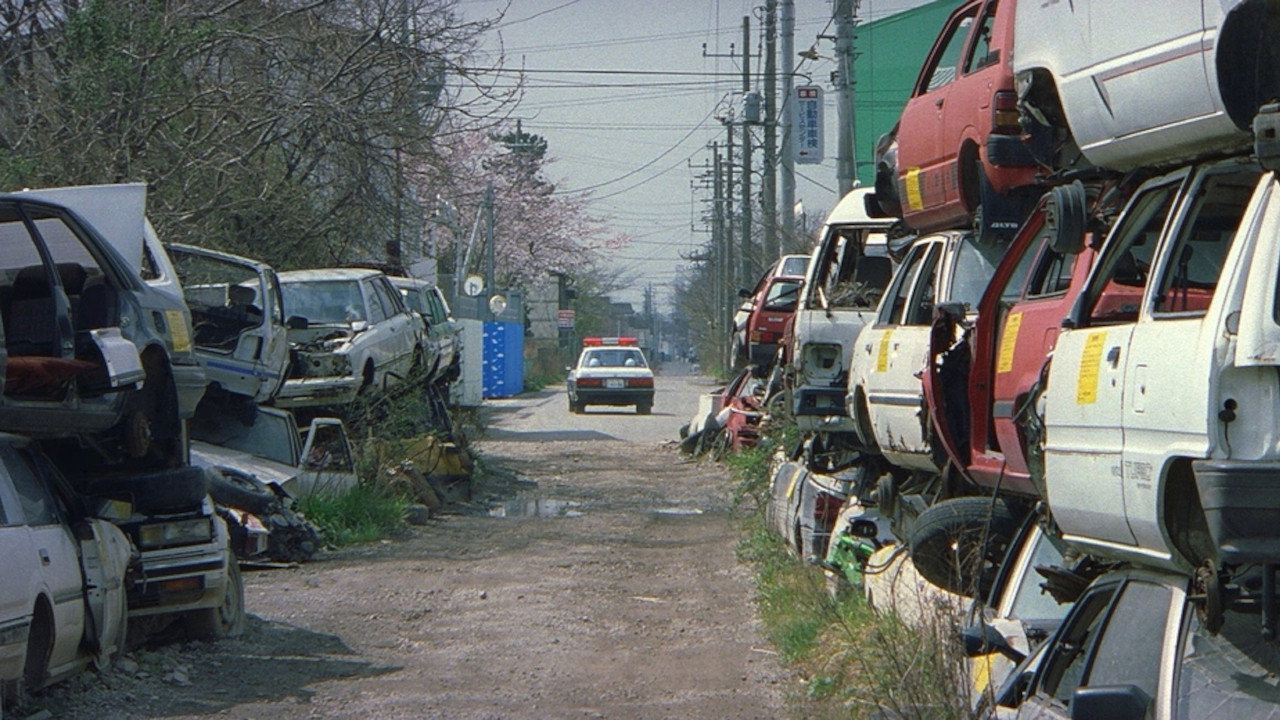
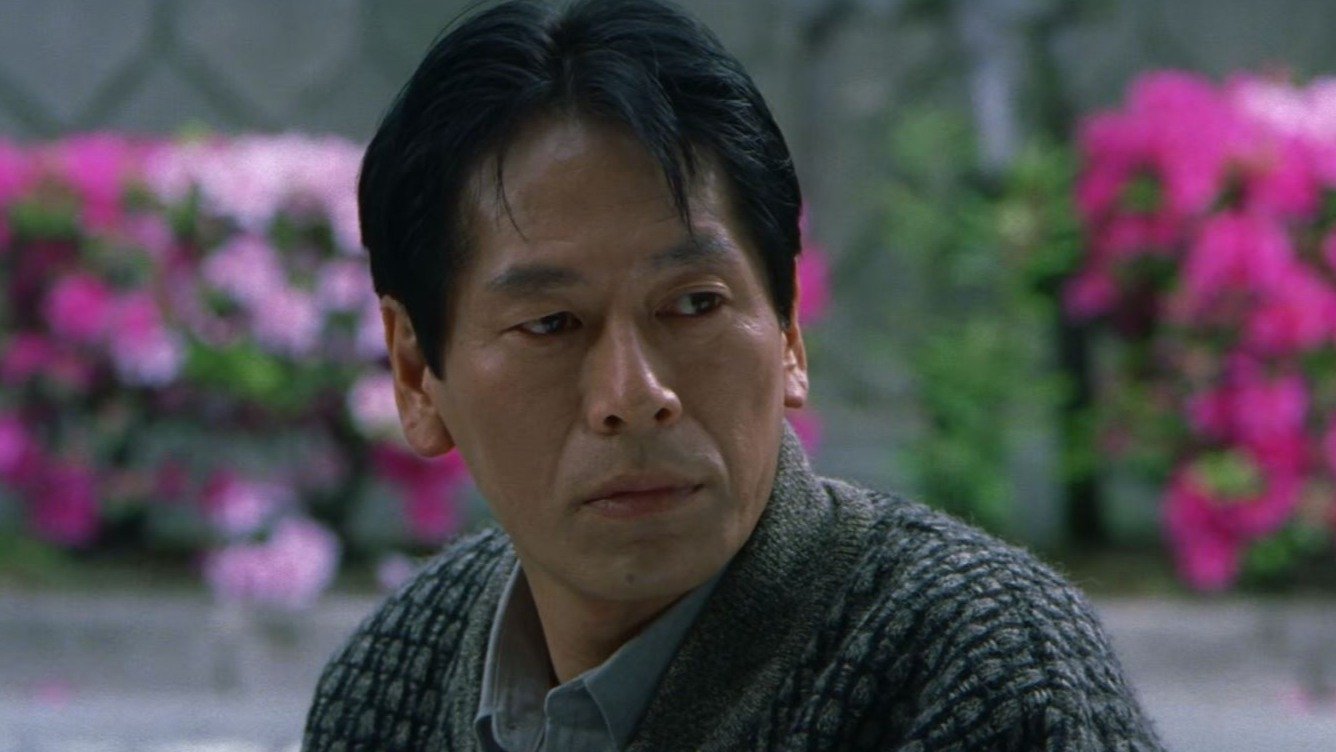
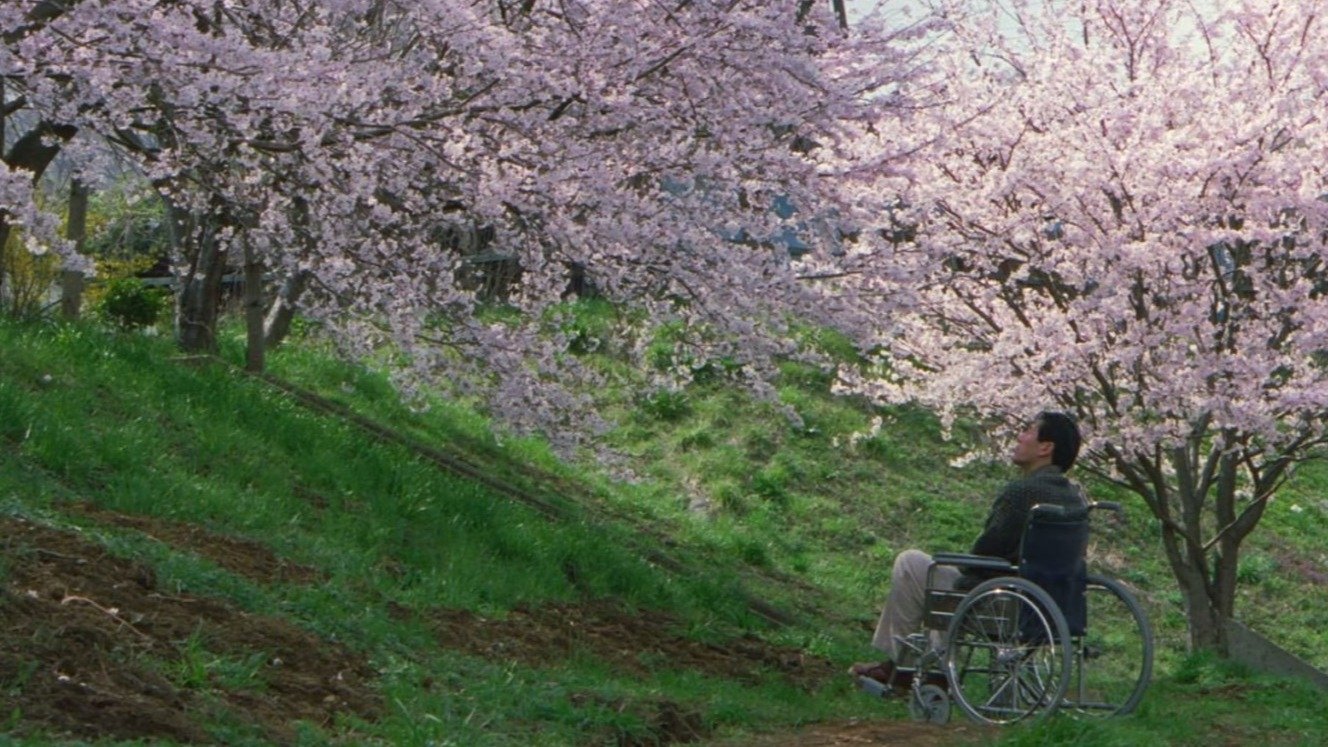
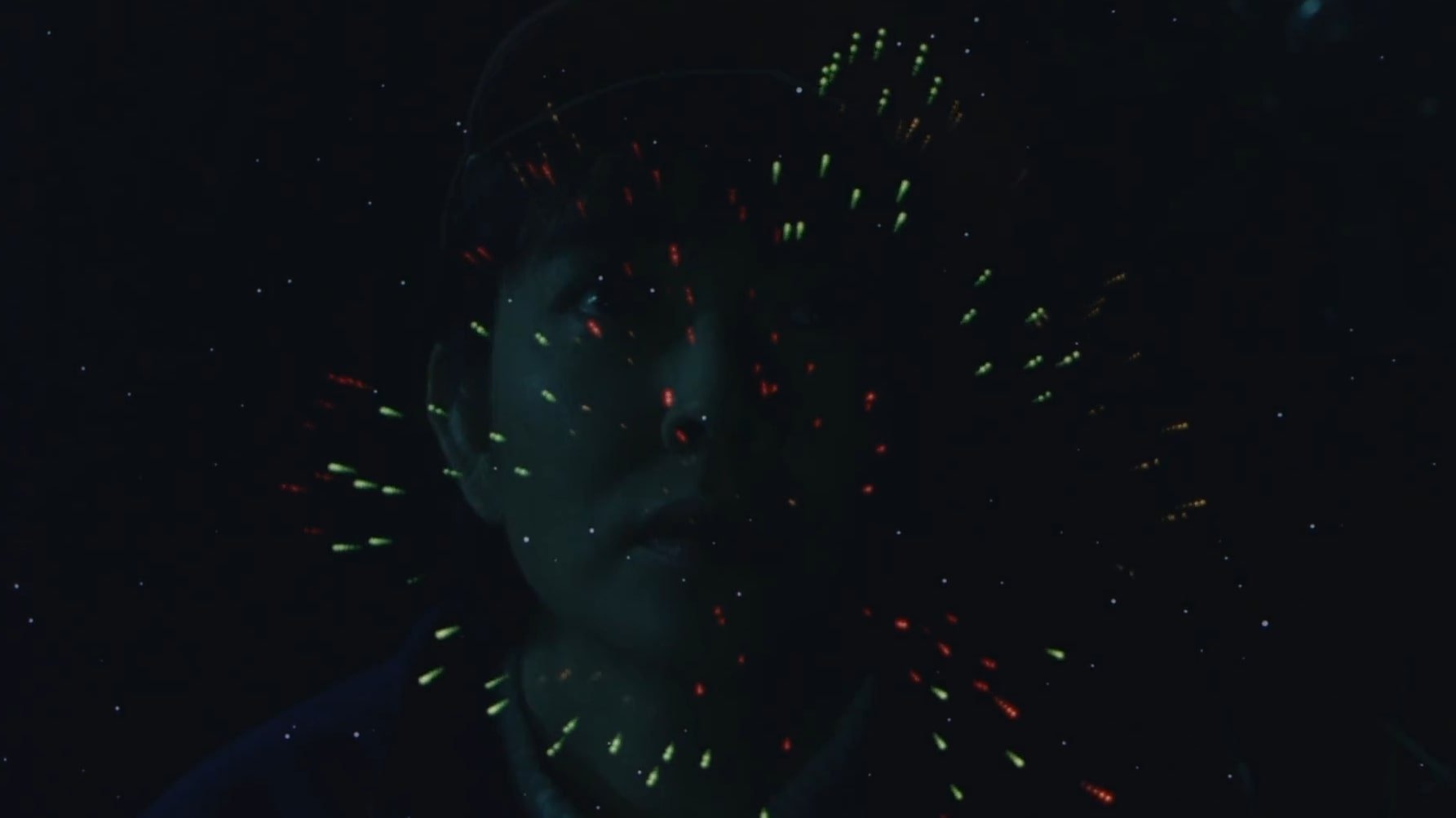
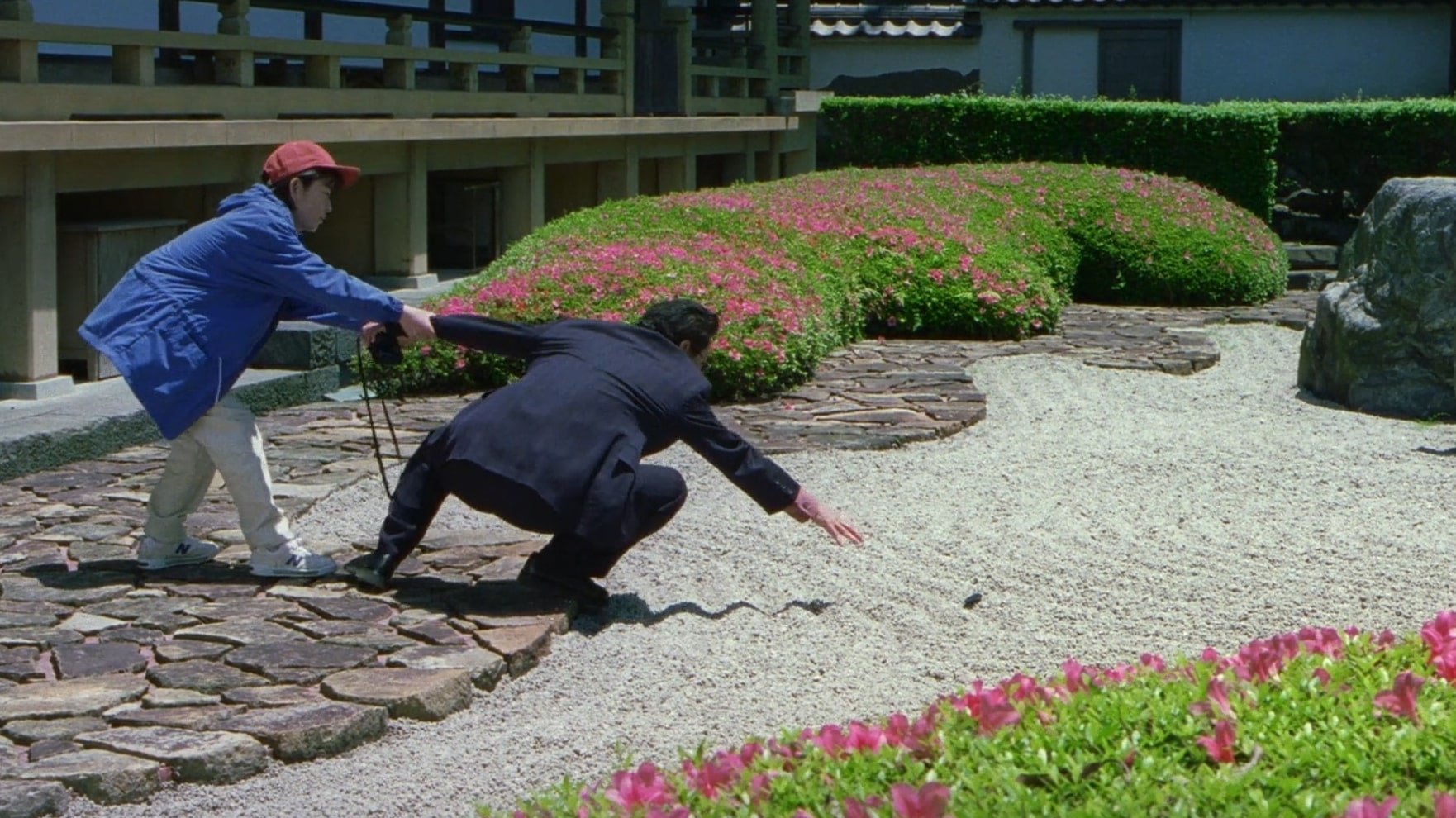
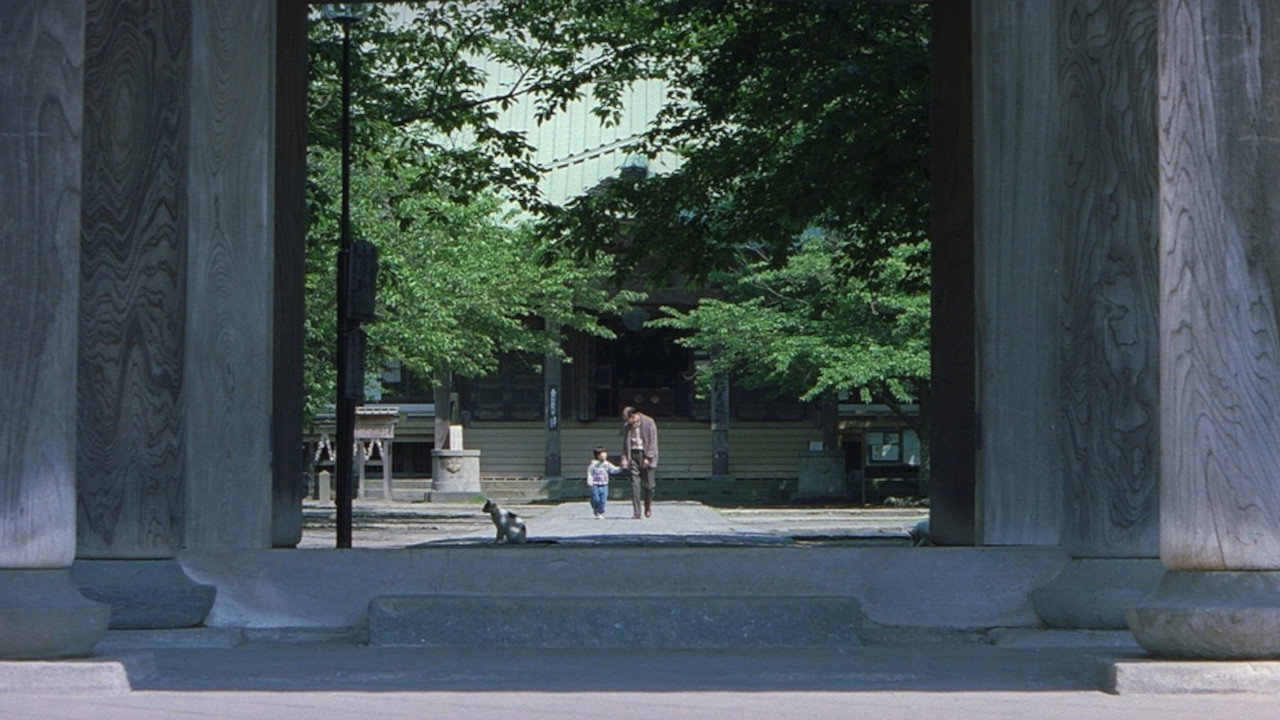
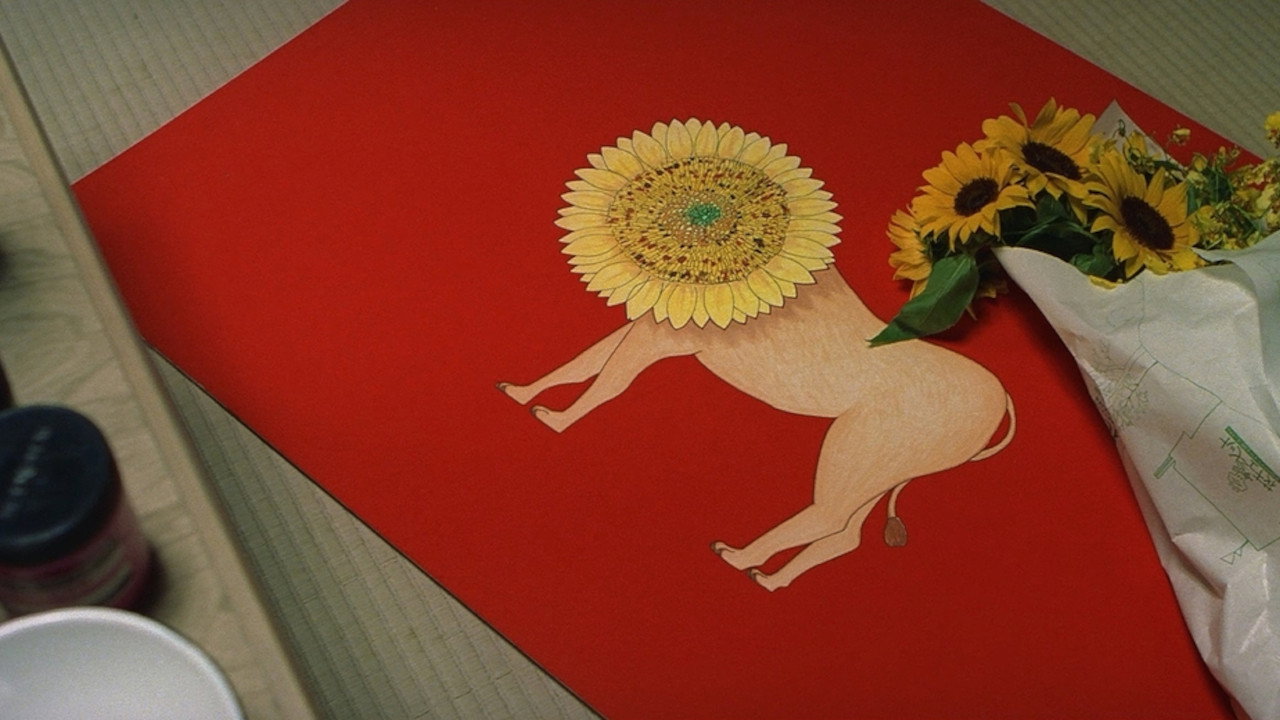
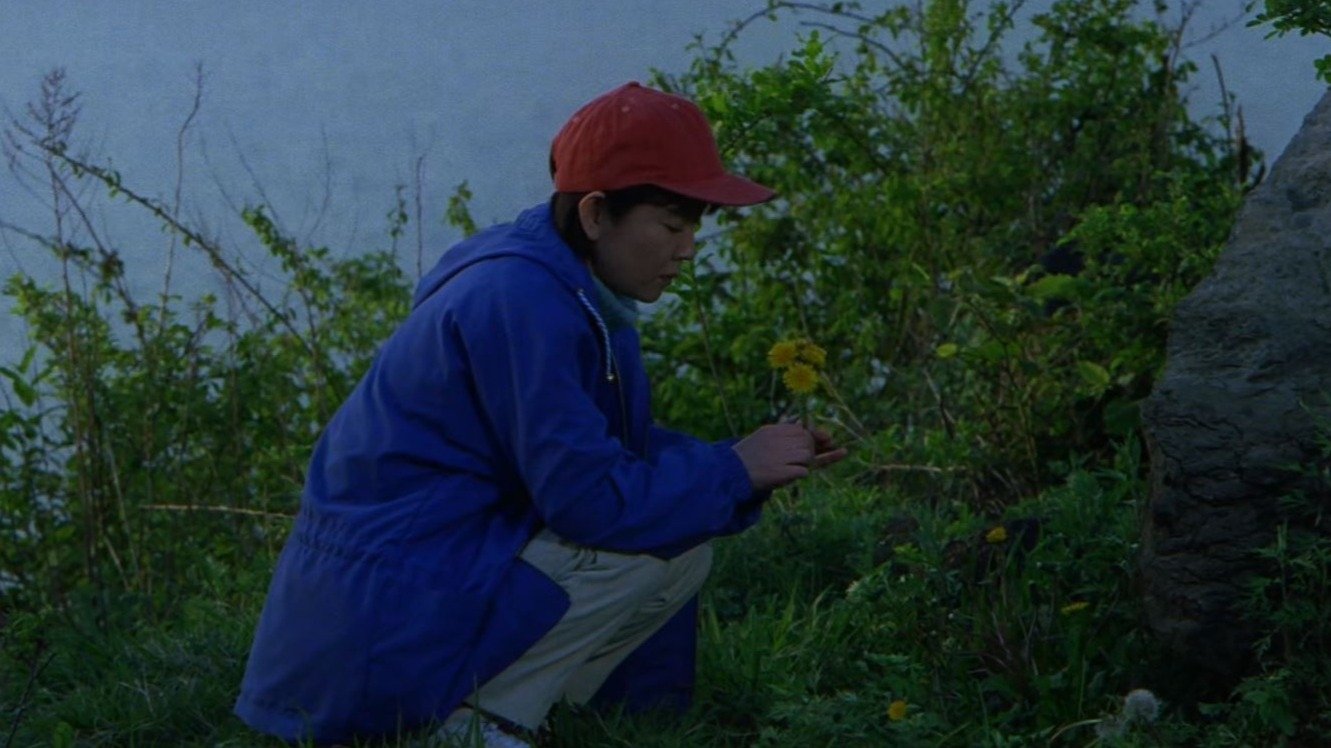
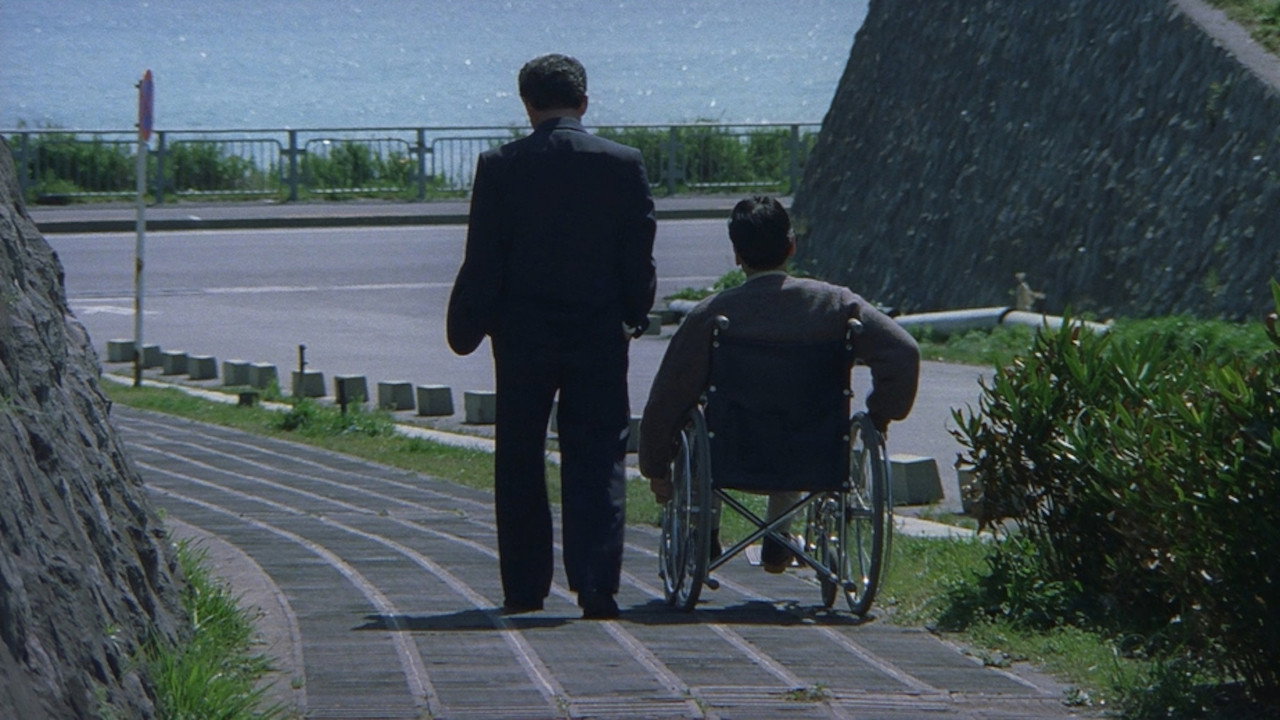
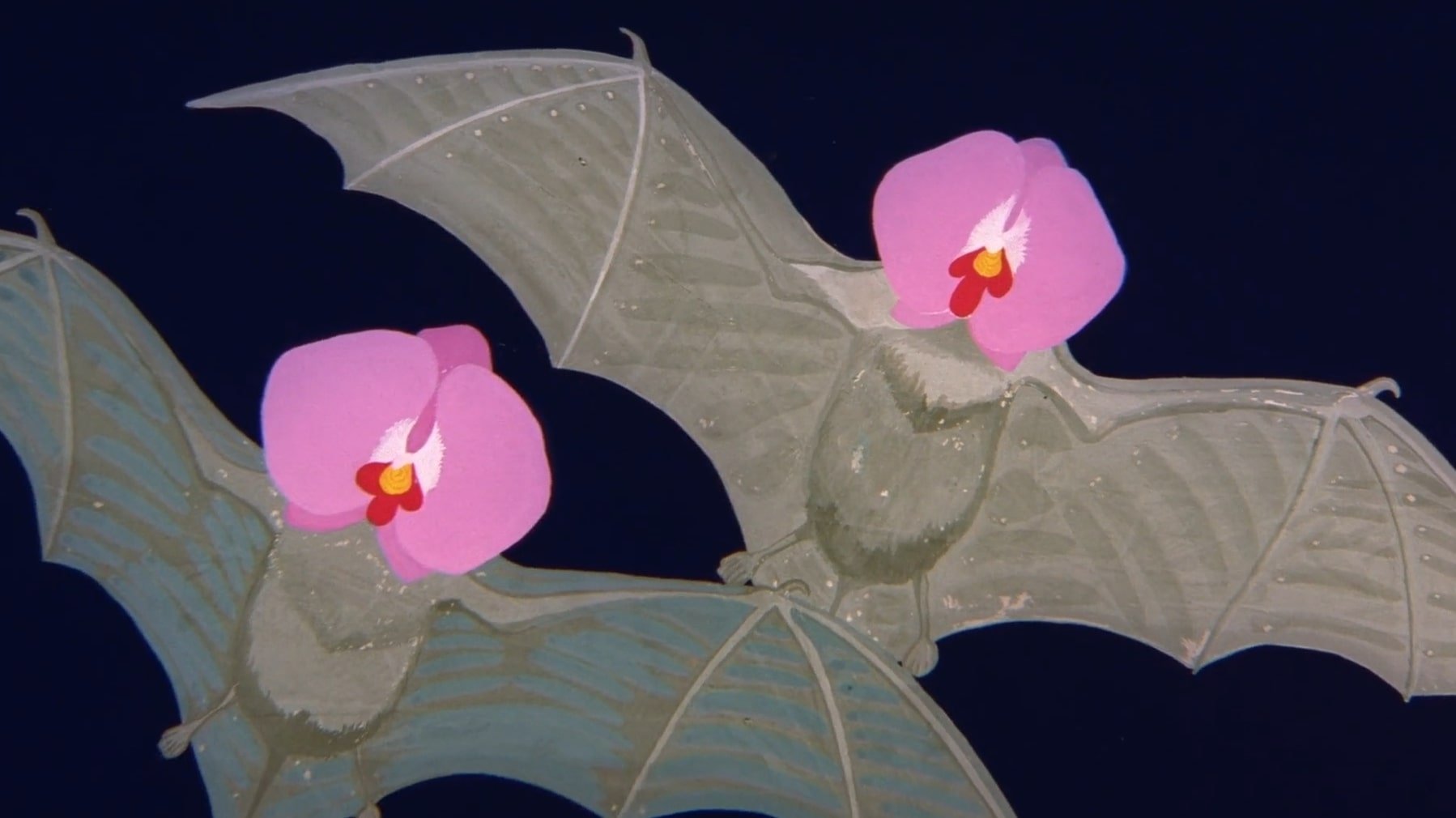
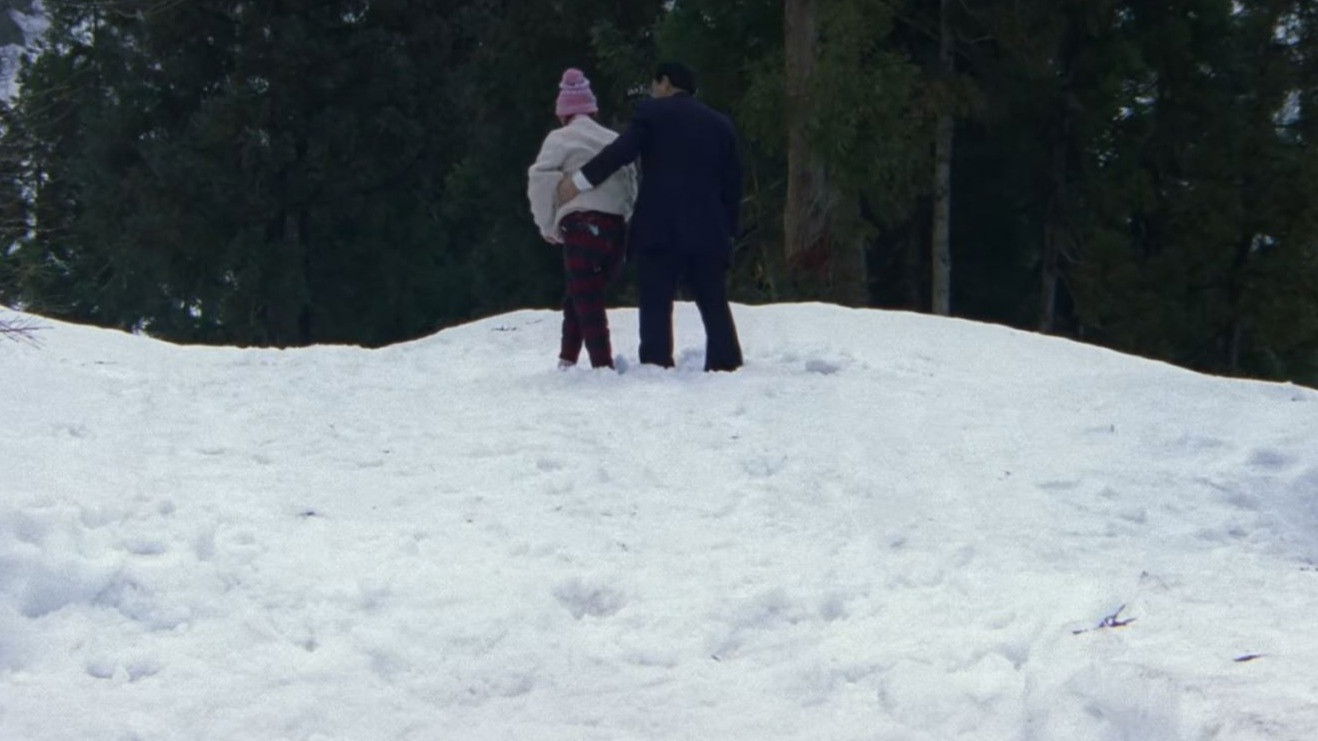
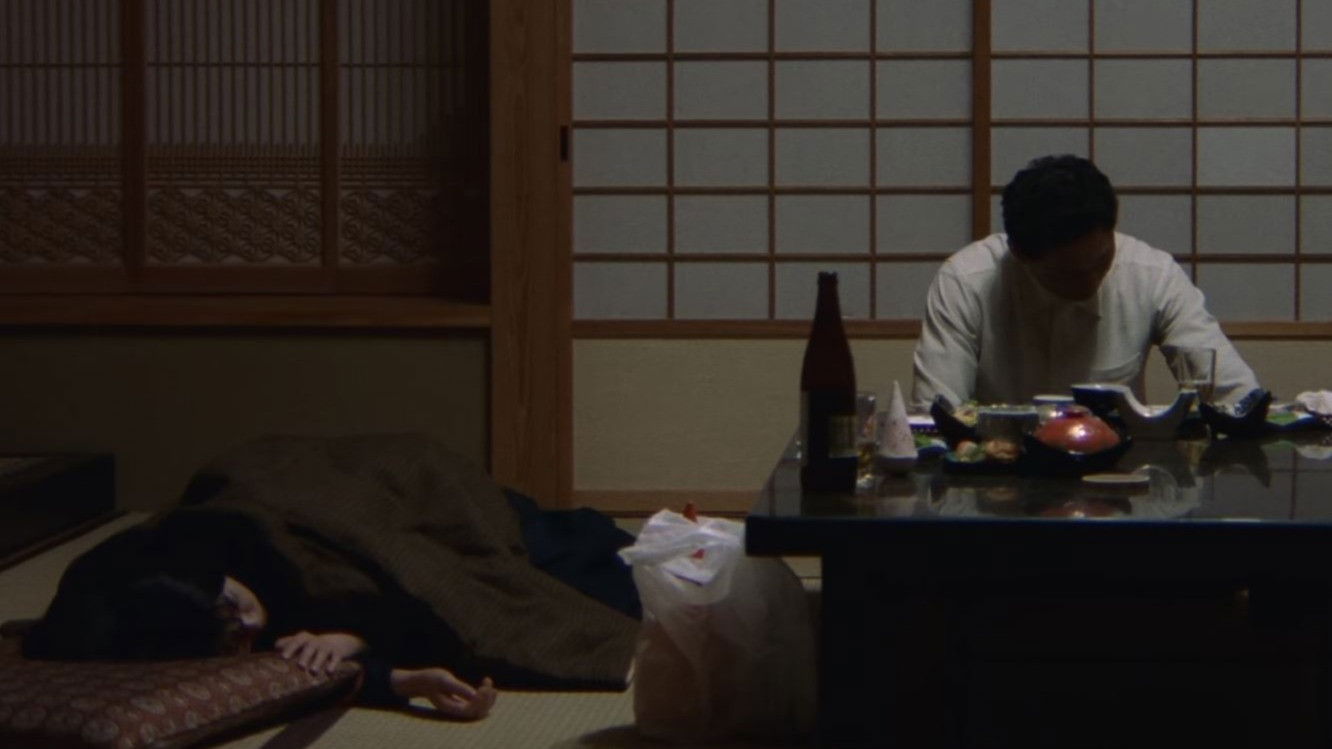
Fireworks (1997) is wonderfully meditative and beautiful to look at. Within the first five minutes, you can tell it will be a film where every shot and scene is perfectly crafted. In 1994, Kitano had a major motorbike accident which required reconstructive surgery, and there are several moments in the film where abstract ethereal paintings appear on screen, all taken from his time in hospital. The soundtrack is also fantastic, bringing a real softness and gentle touch, and adding to the feeling of grief.
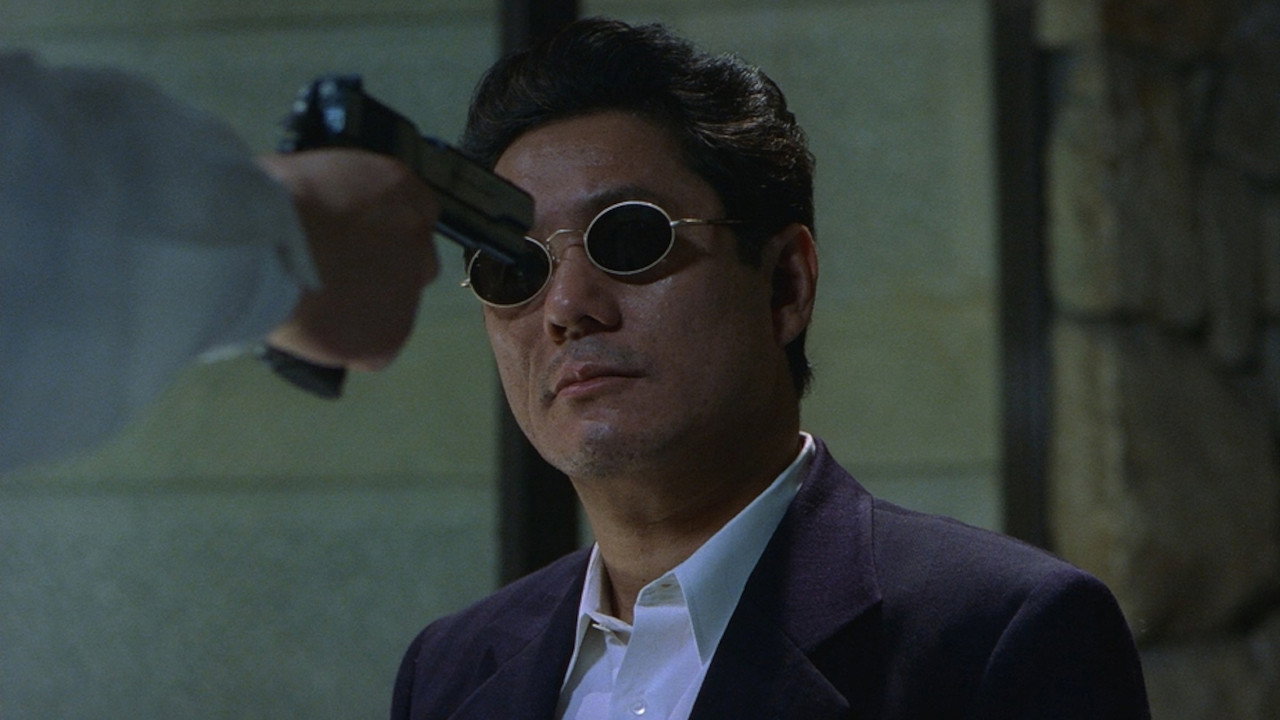
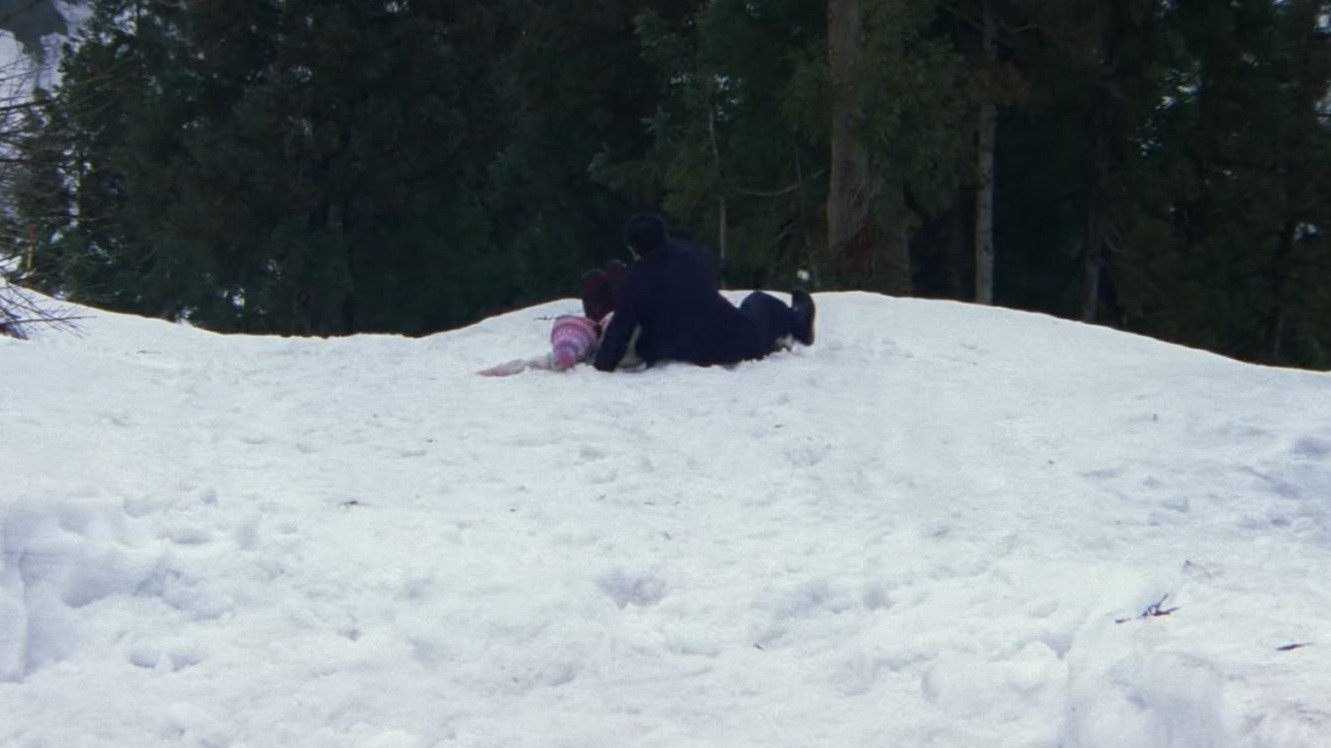
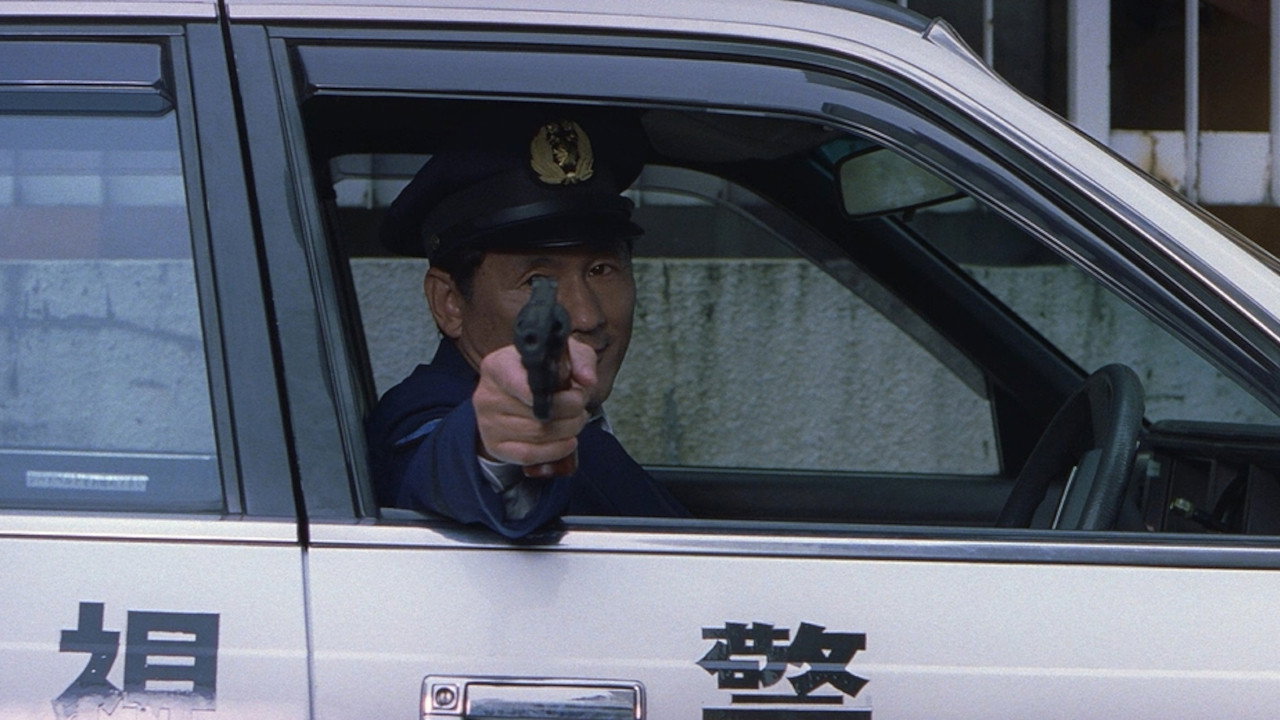
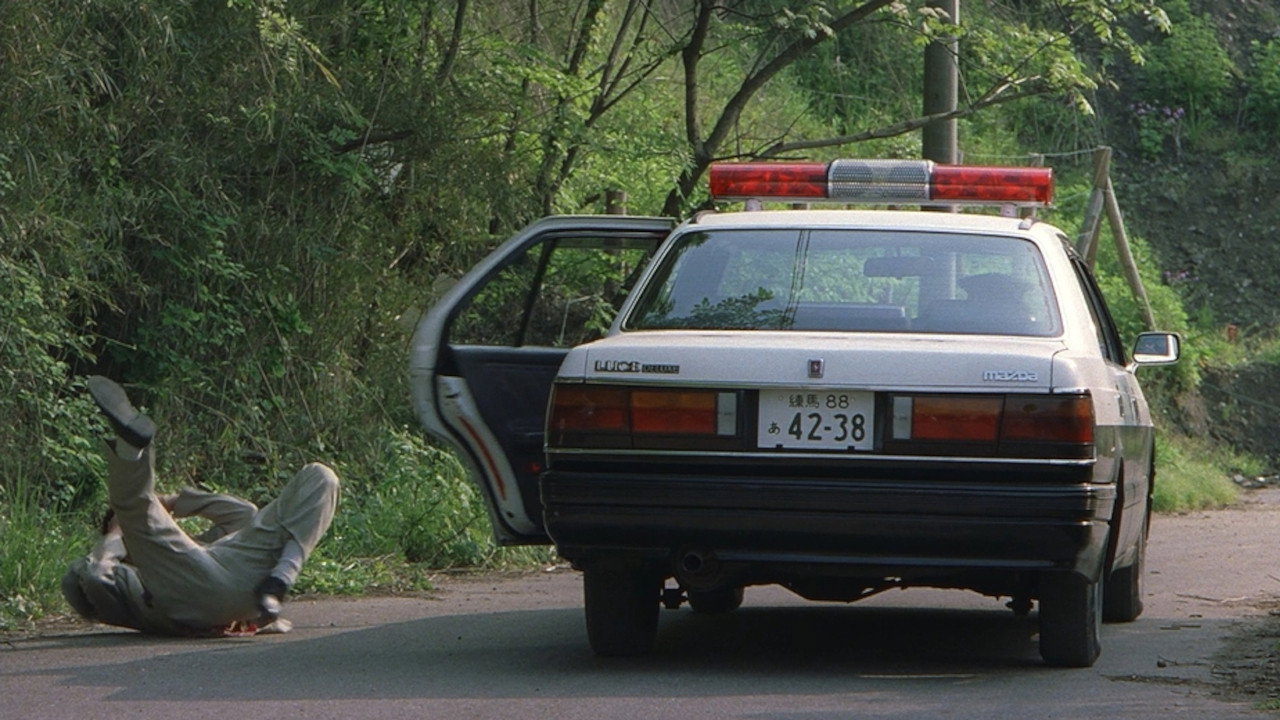
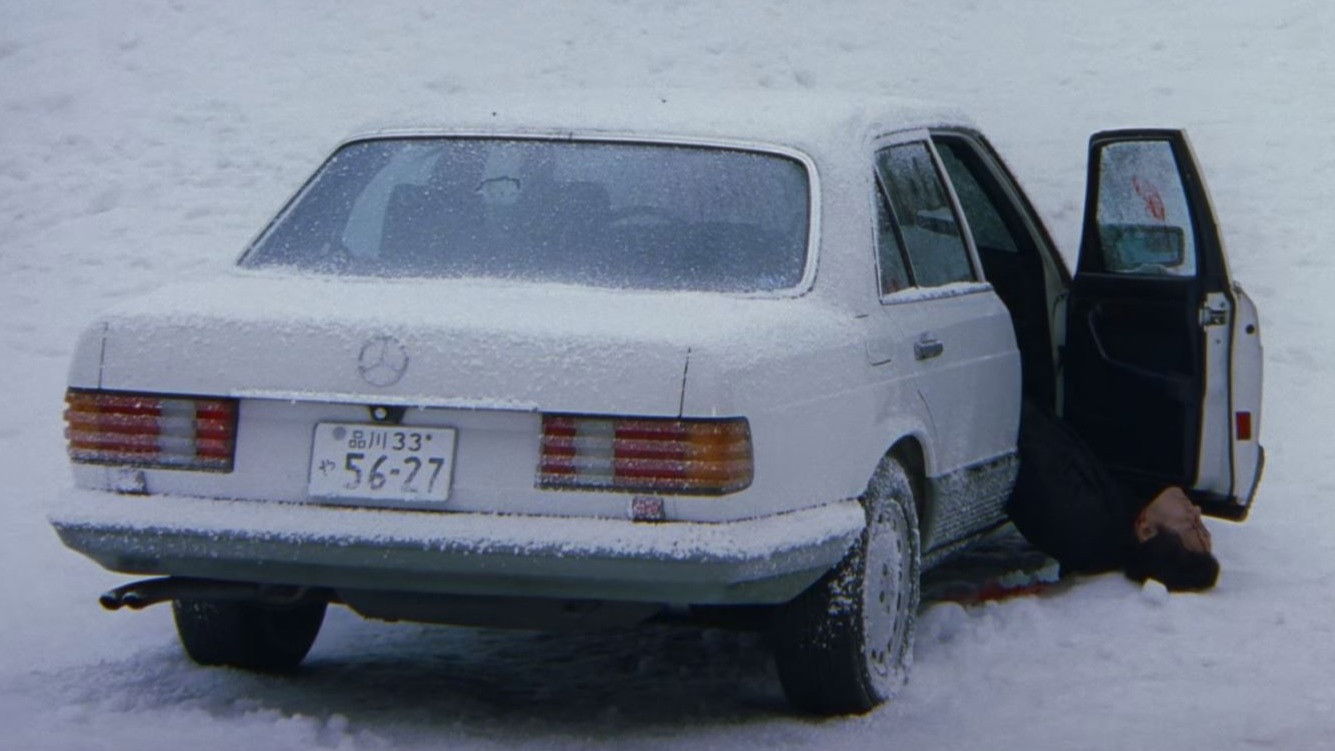
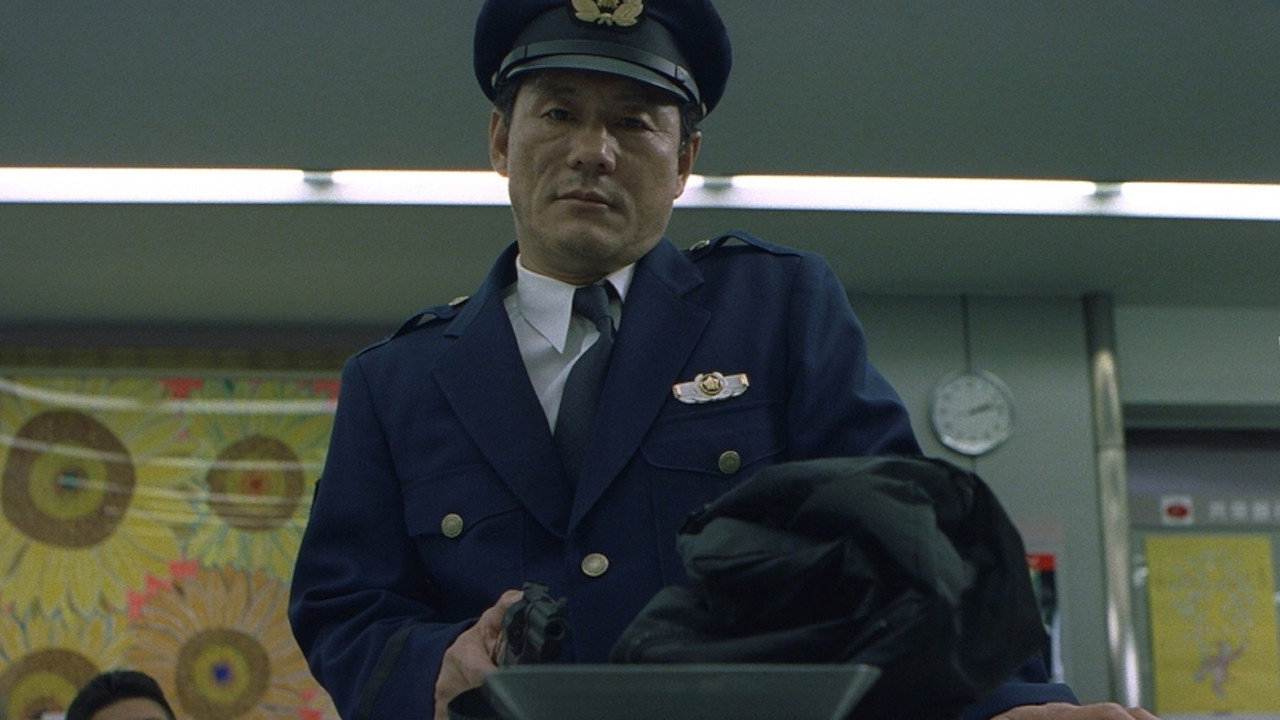
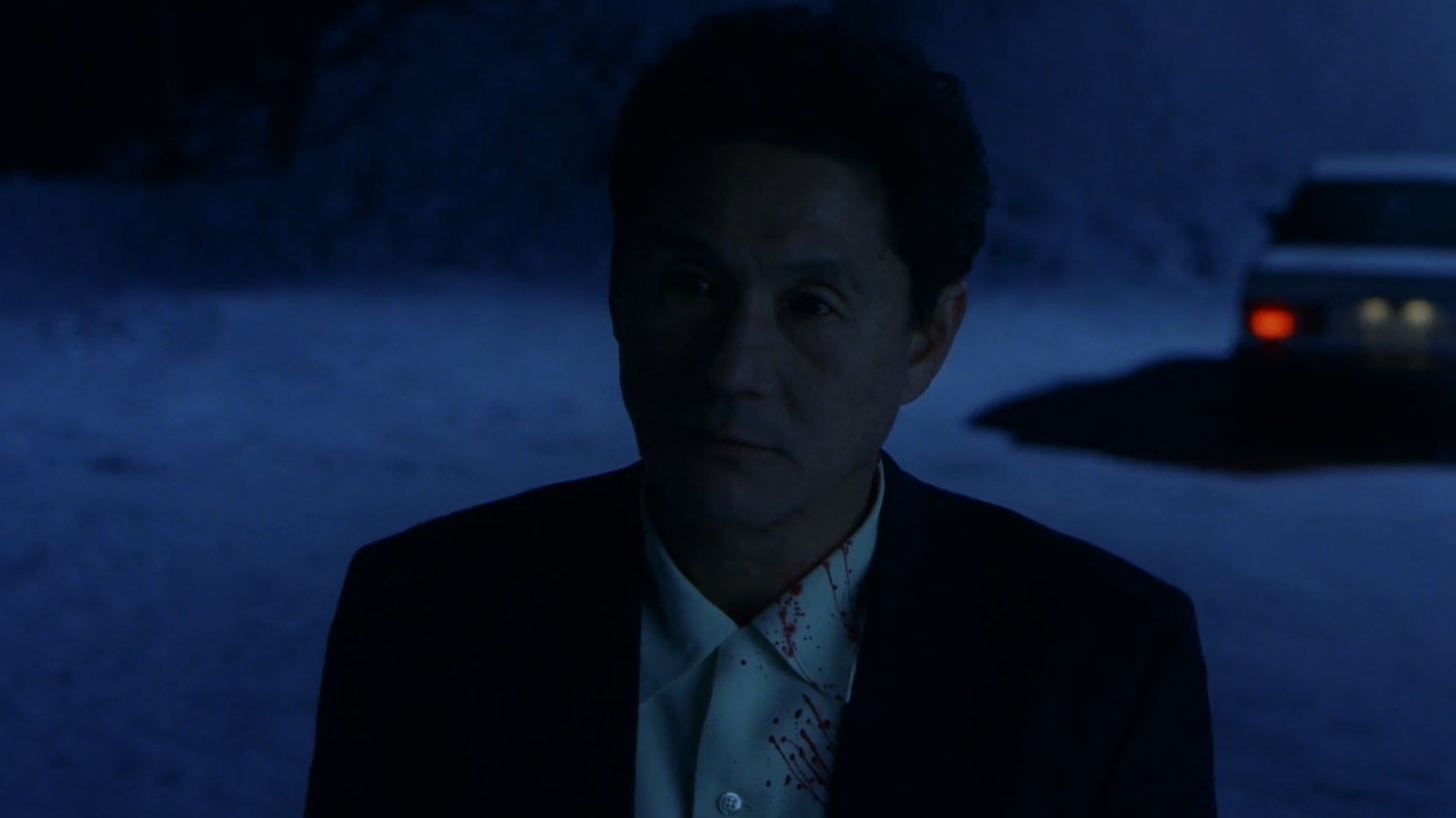
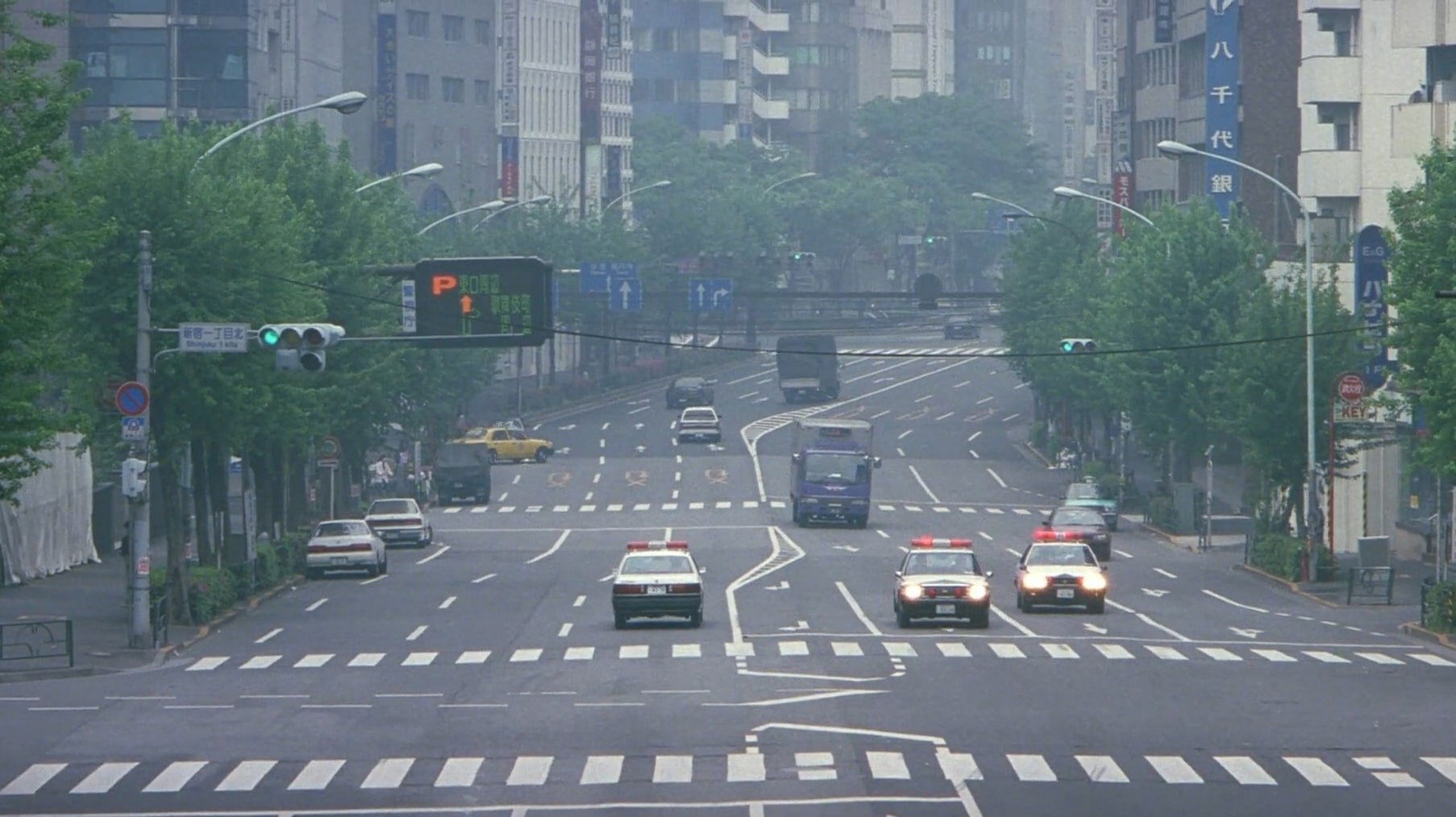
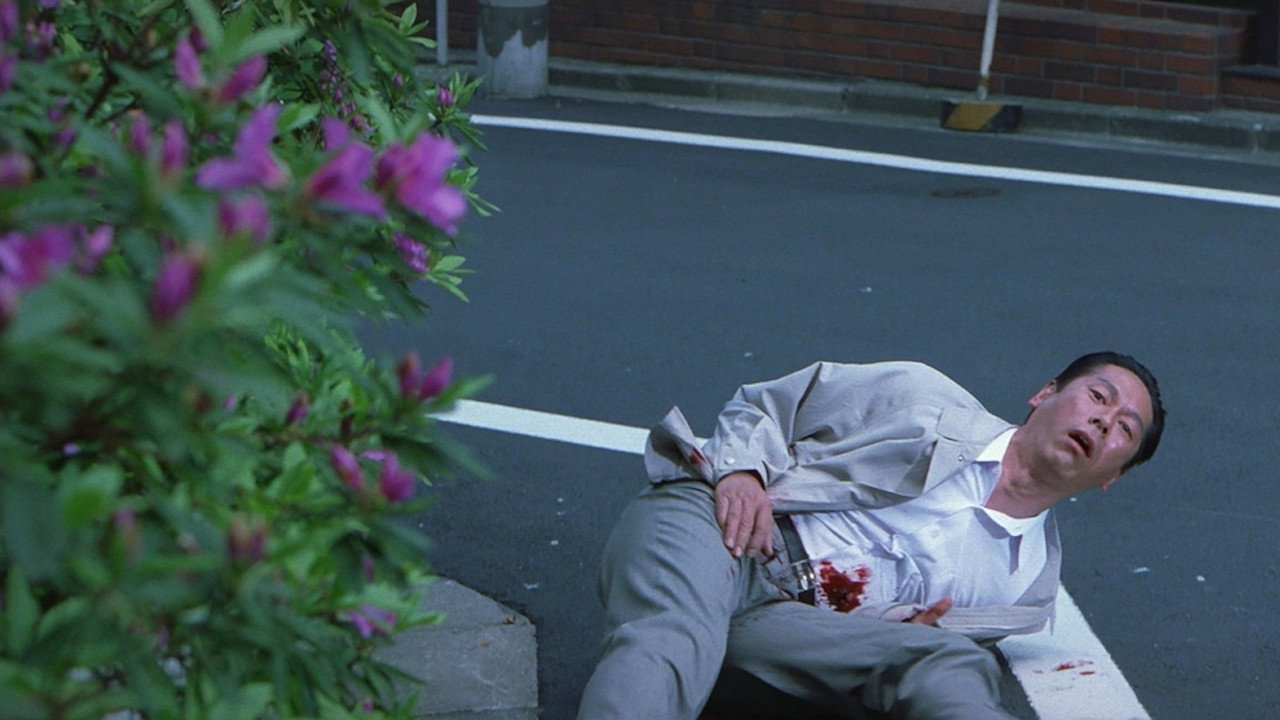
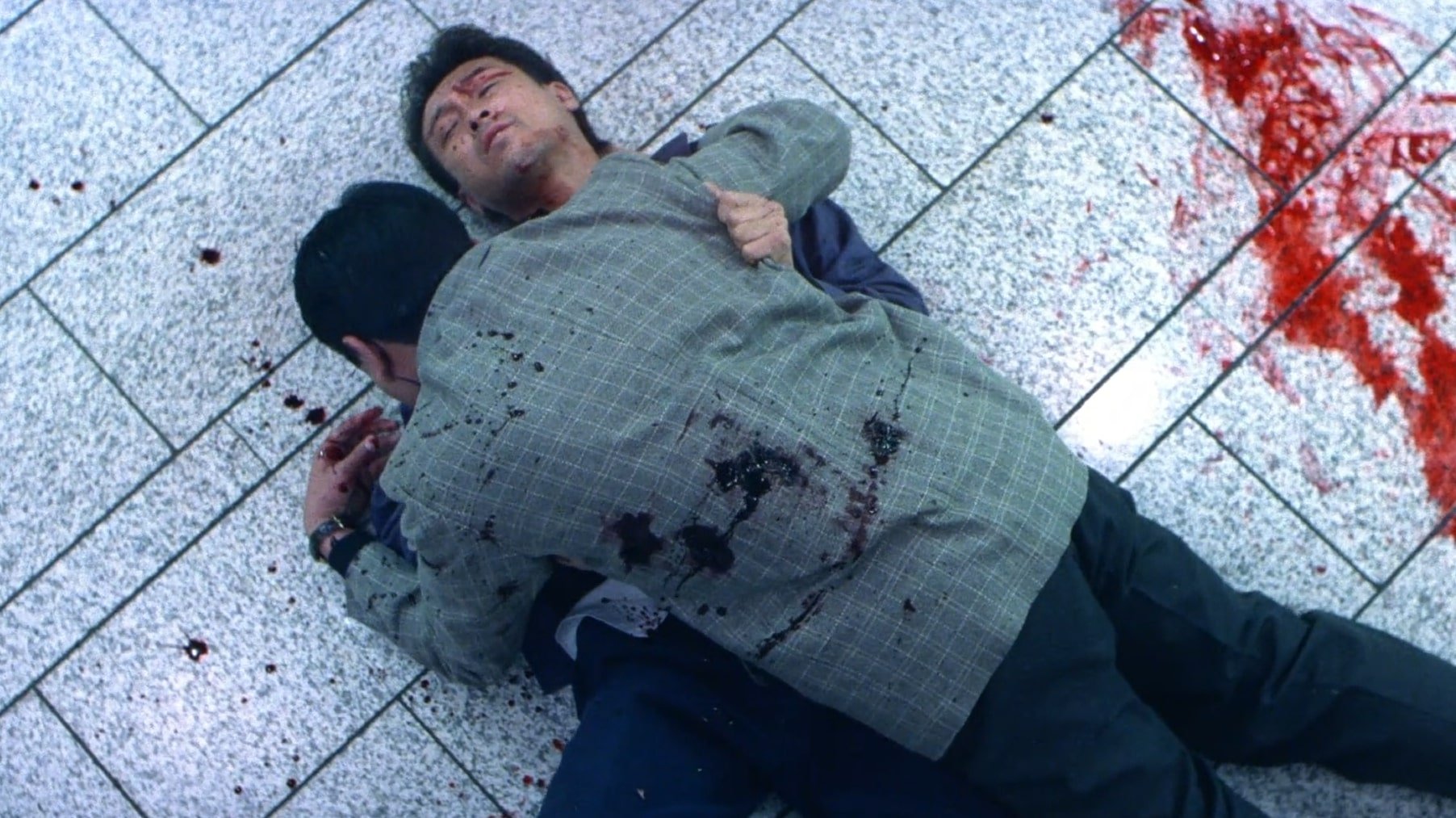
This alone would produce a beautiful art house film. However, Kitano decided to take things a step further and incorporate classic cop drama action tropes. The scenes are shown in flashbacks or sudden bursts of graphic violence. Kitano’s characters actions are sadistic, unexpected and without dialogue or reaction, and it is quite unnerving for audiences to see such extreme violence combined with meditative beauty.
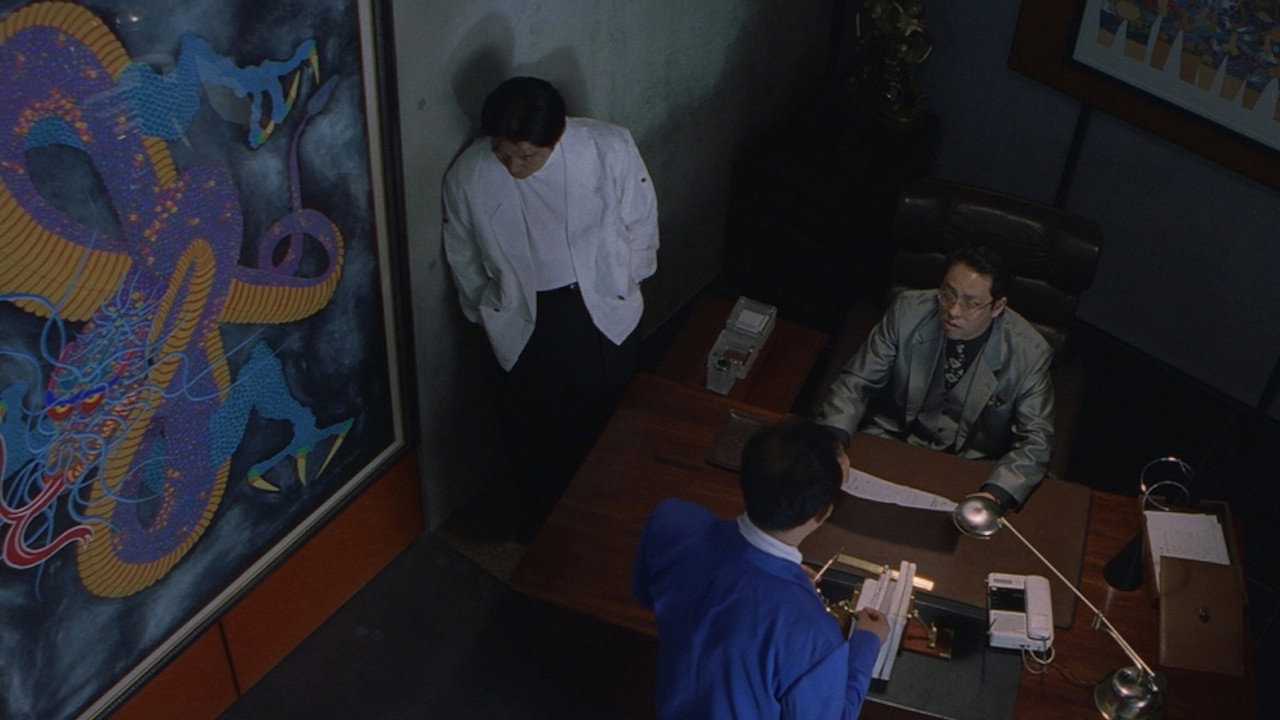
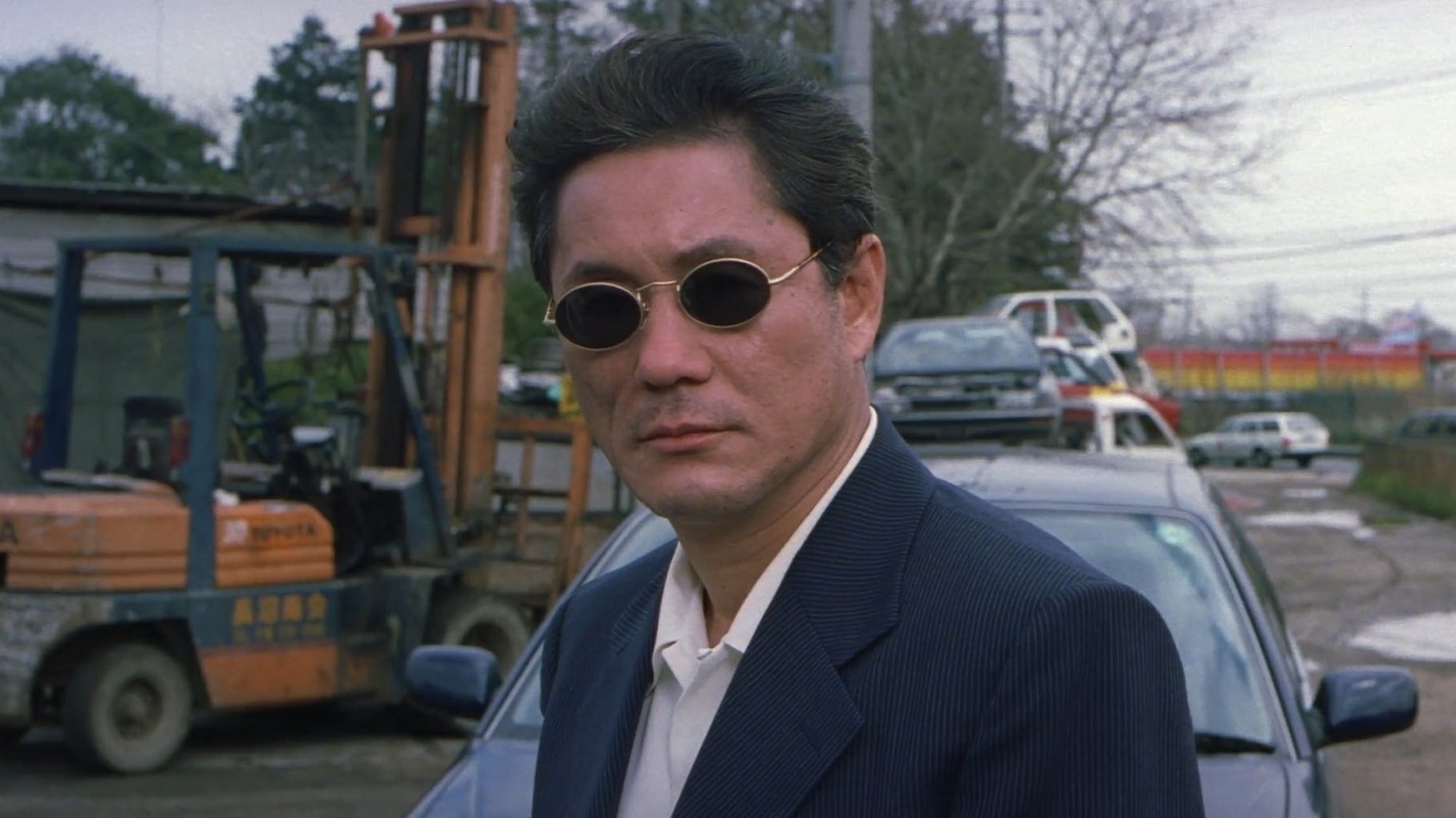
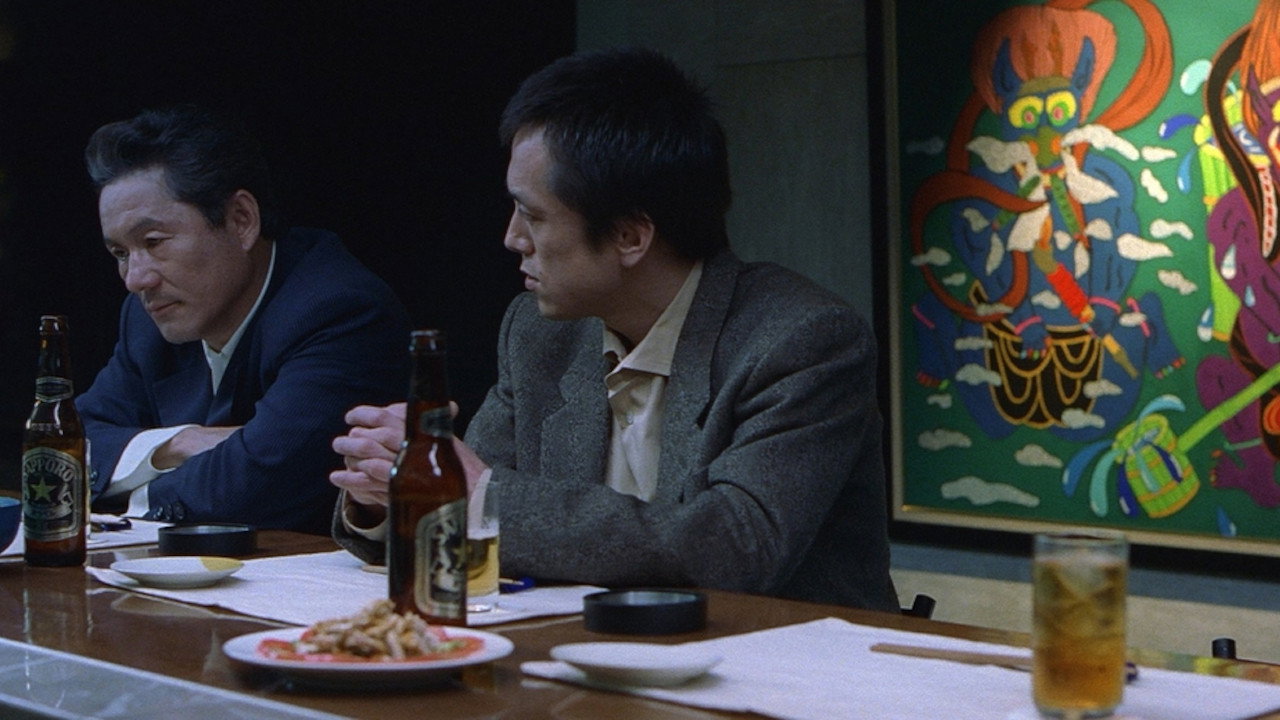
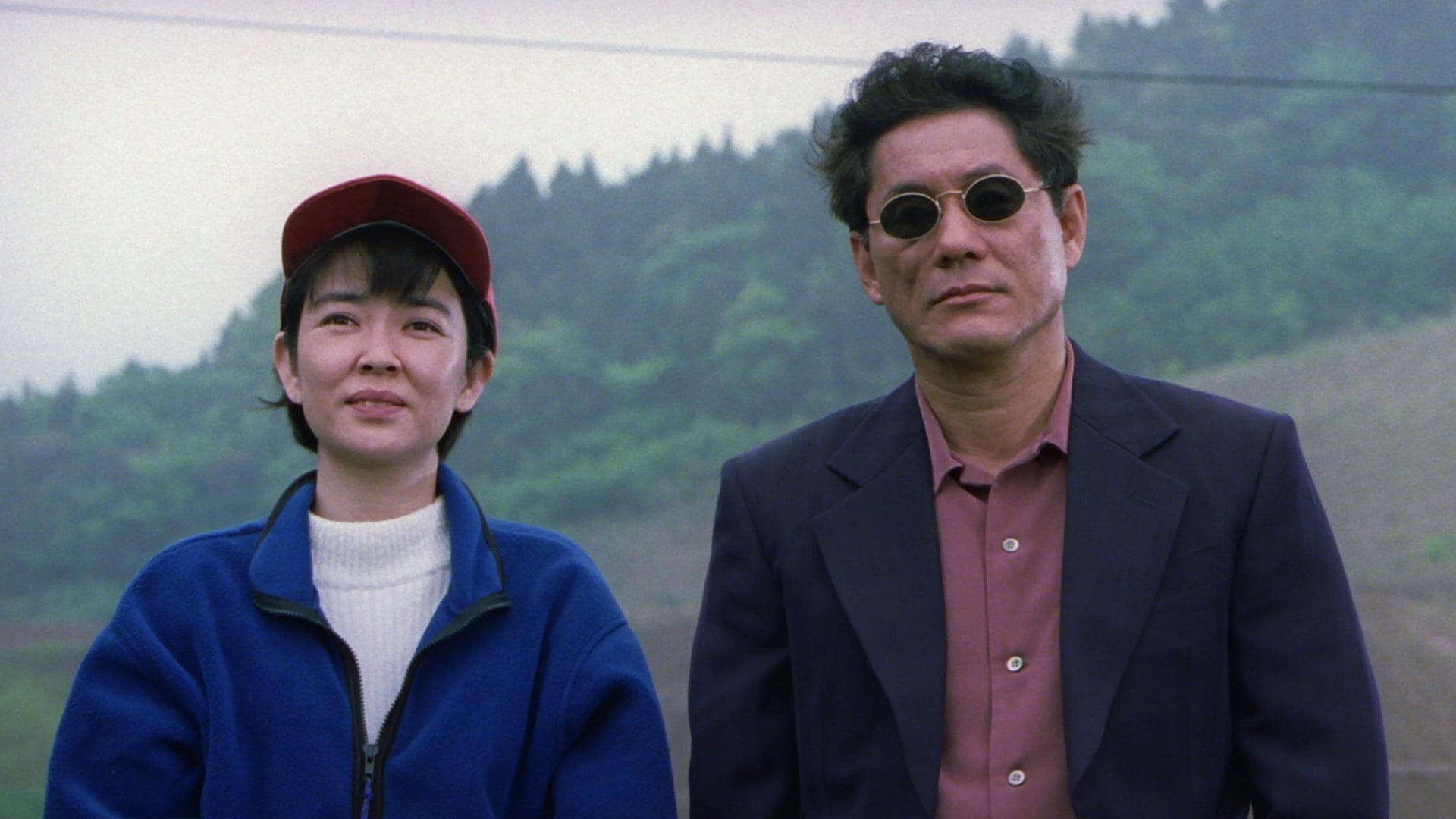
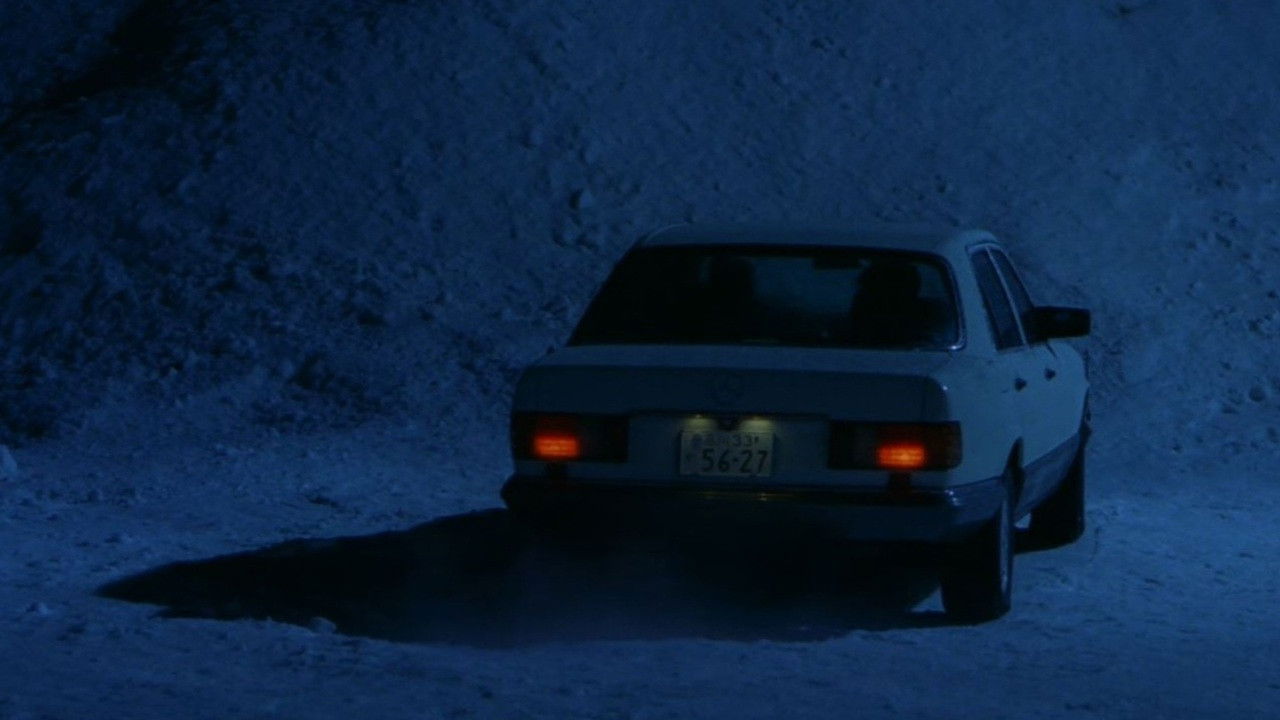
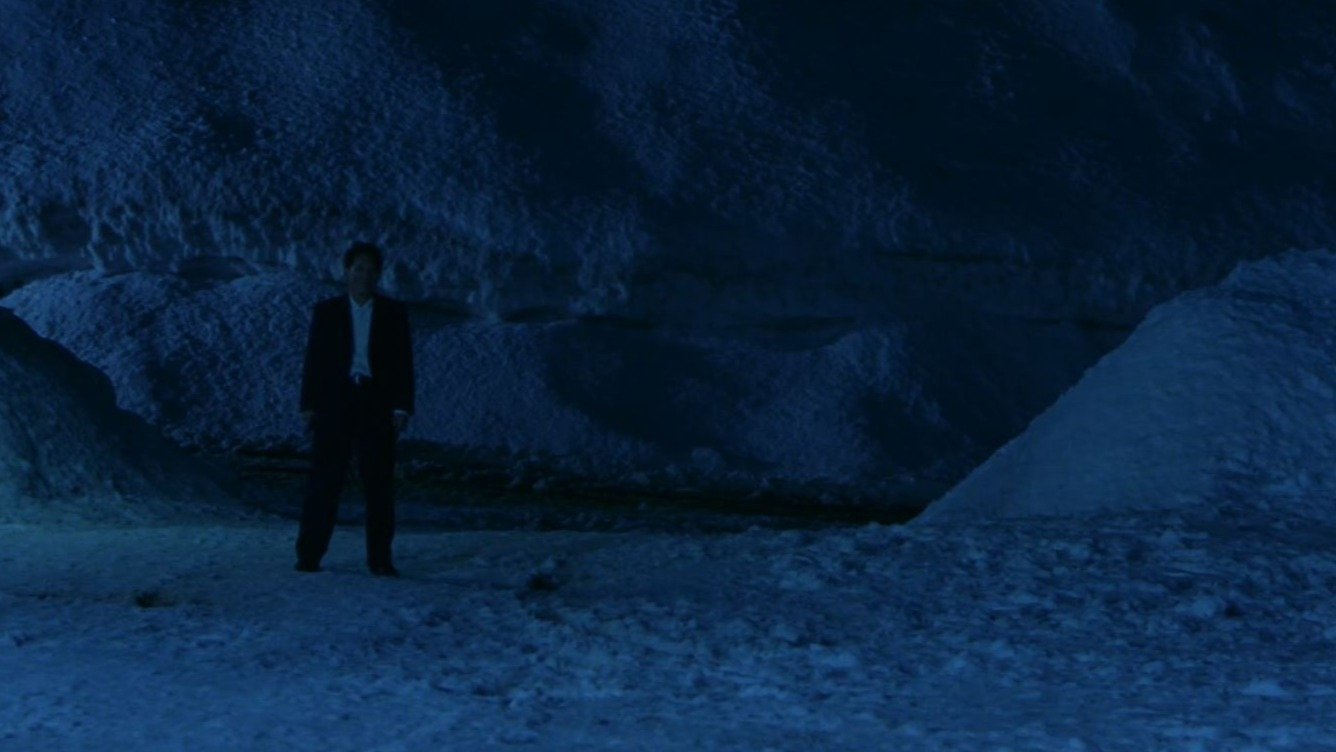
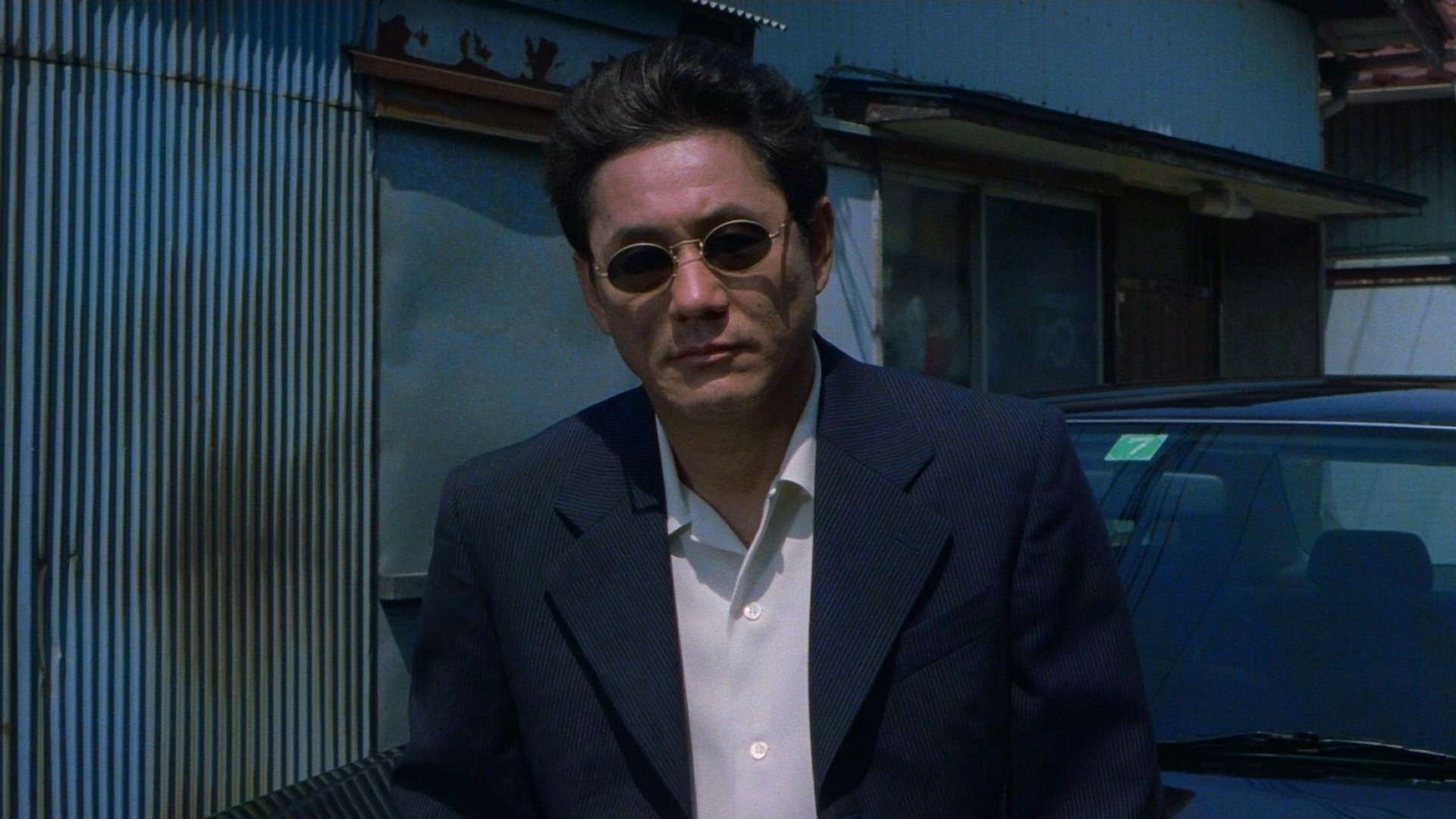
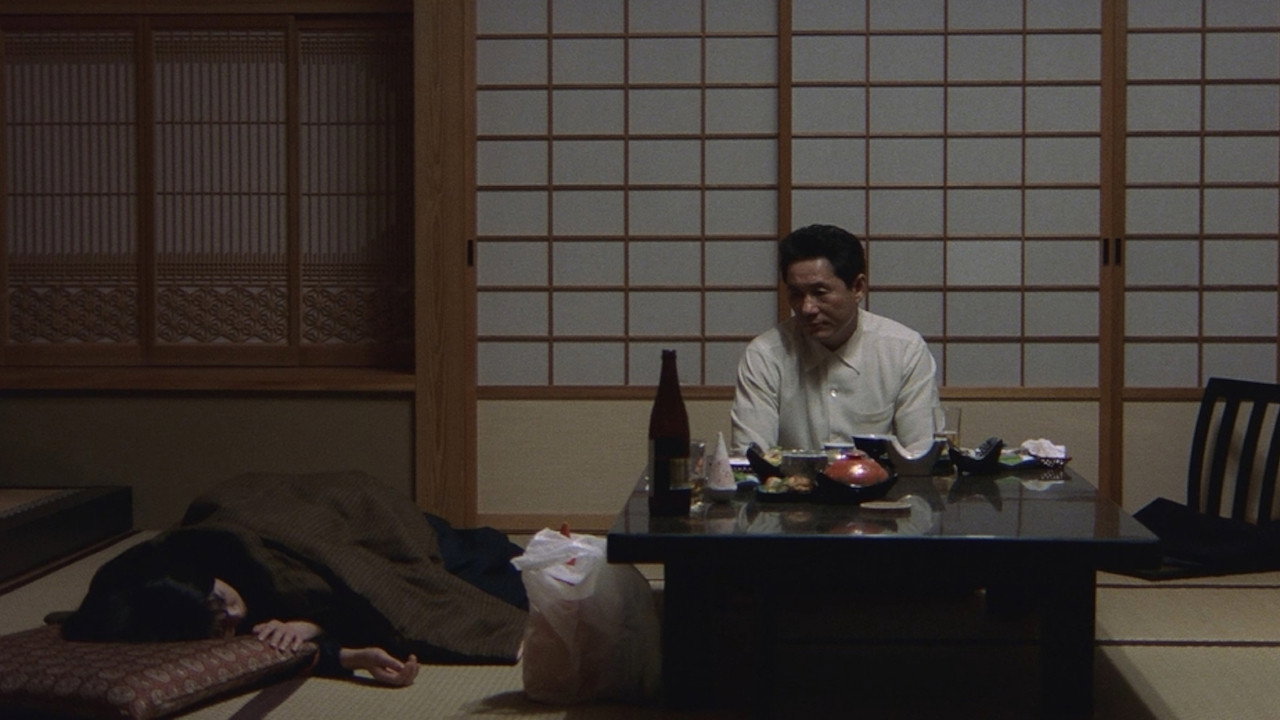
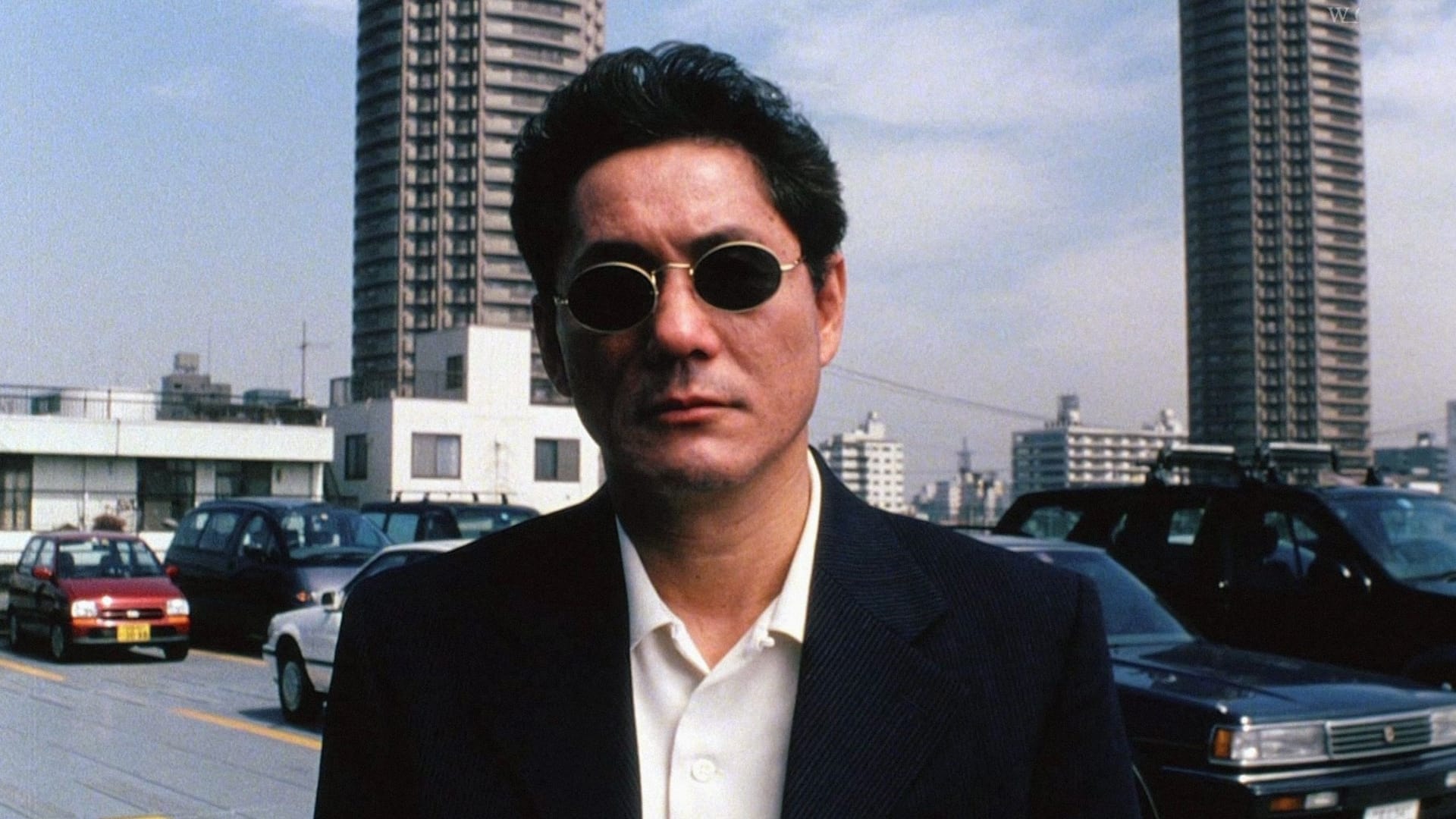
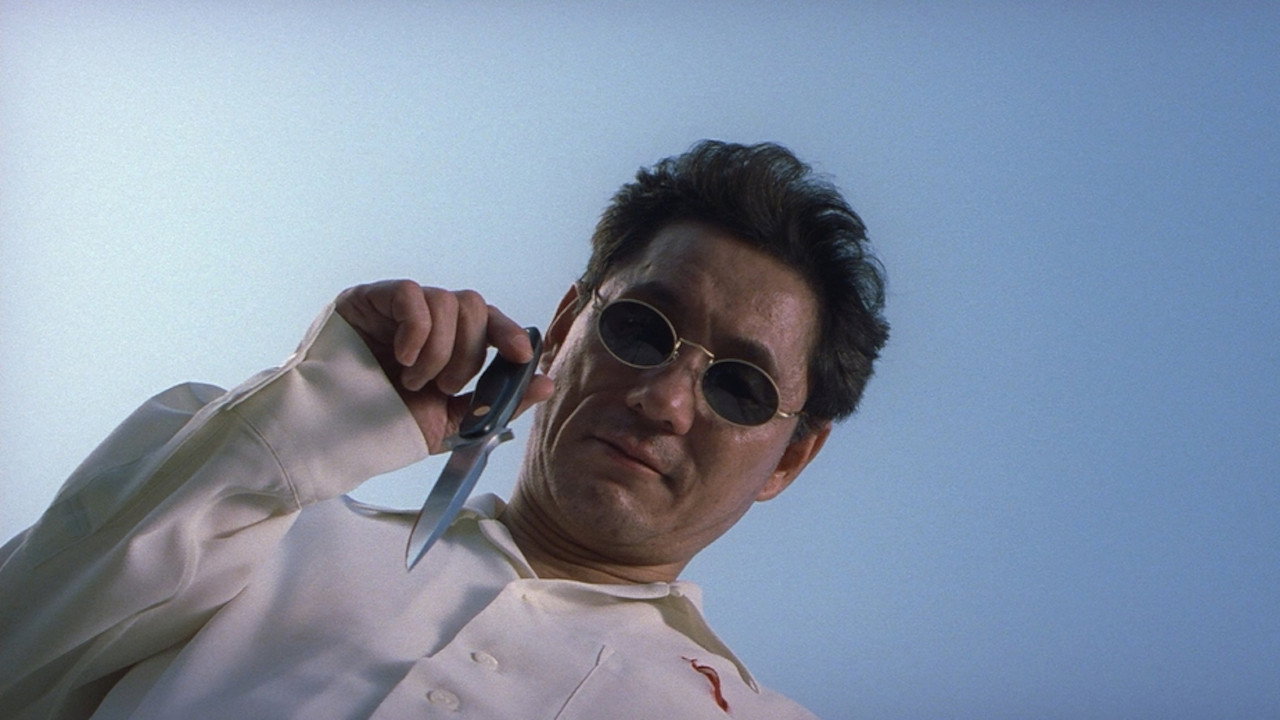
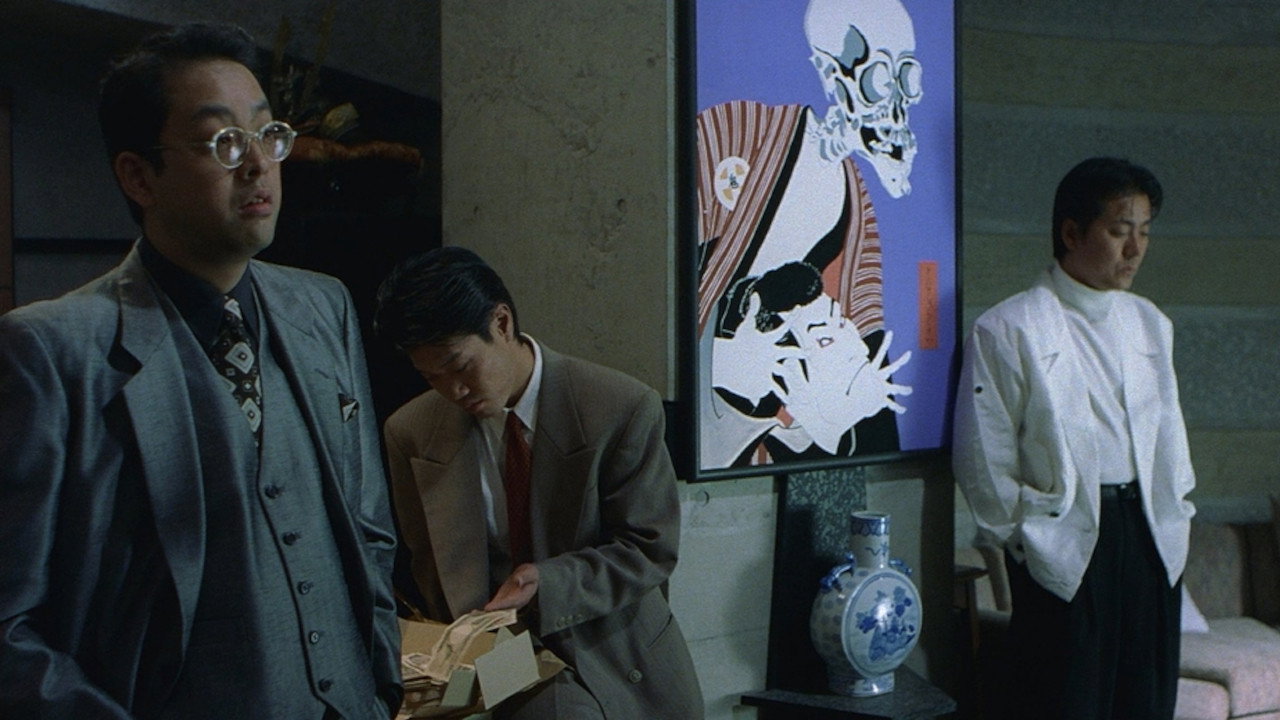
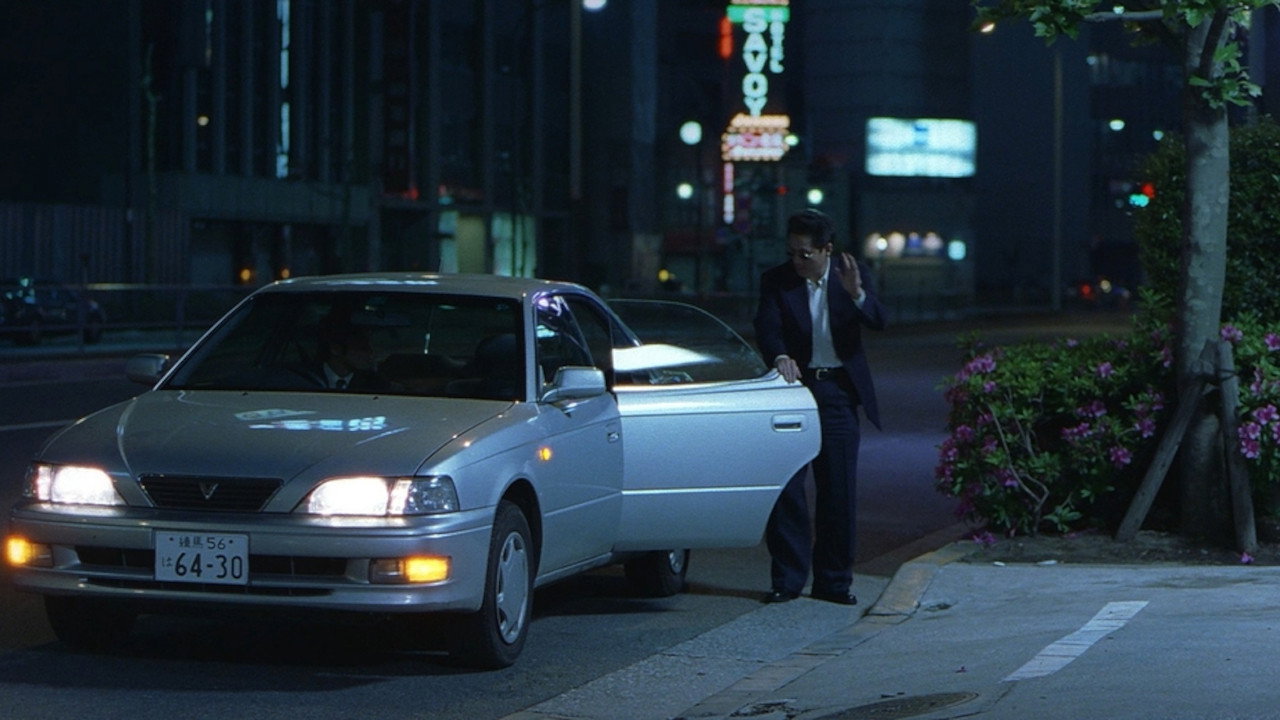
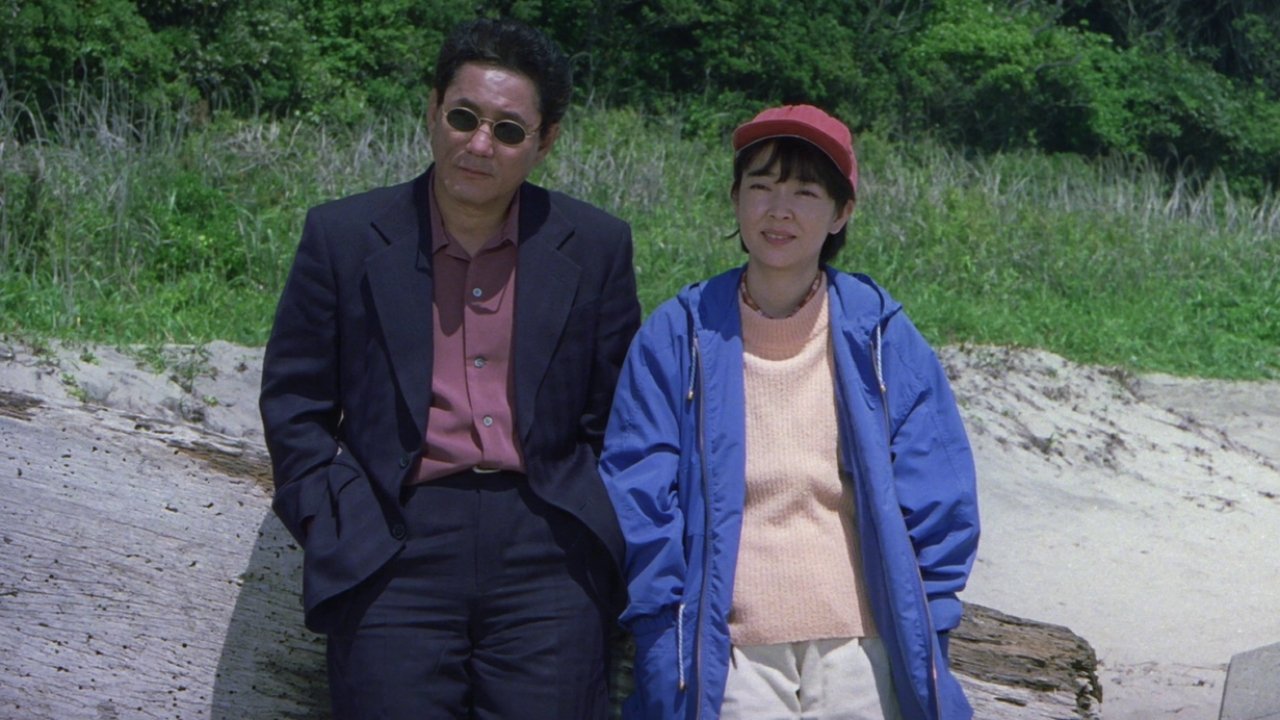
The set up for scenes feels very similar to something out of Tarintino film, with an uninterrupted sequence shot in a medium shot where the audience is asked to observe as details unfold. For this to work, the main characters performance needs to be exceptional and Kitano needs these demands. He is cold, unreactive, with few lines and very little behind the eyes, but his presence is absolutely unquestionable.
At times, Fireworks (1997) is slightly slow and hard to follow, but is so stylish and beautiful, and its blend of extreme violence, beauty and exploration of grief feels completely unique. I also loved the ending, which felt completely fitting for character. This is the perfect introduction to Kitano’s work or Art House Japanese cinema, and I could not recommend it highly enough!
Takeshi Kitano’s Fireworks (1997) is a brilliant film about a retired detective coming to terms with his past, combining melodrama, cop action, and art house styles to great effect. Kitano was known for being a famous Japanese comedian and TV show host (e.g. Takeshi’s castle), but managed to reinvent him as a straight faced actor and critically acclaimed director. In fact, Kitano was the leading figure of Japanese cinema in the 1990’s, and this is his best work.
Fireworks (1997) is wonderfully meditative and beautiful to look at. Within the first five minutes, you can tell it will be a film where every shot and scene is perfectly crafted. In 1994, Kitano had a major motorbike accident which required reconstructive surgery, and there are several moments in the film where abstract ethereal paintings appear on screen, all taken from his time in hospital. The soundtrack is also fantastic, bringing a real softness and gentle touch, and adding to the feeling of grief.
This alone would produce a beautiful art house film. However, Kitano decided to take things a step further and incorporate classic cop drama action tropes. The scenes are shown in flashbacks or sudden bursts of graphic violence. Kitano’s characters actions are sadistic, unexpected and without dialogue or reaction, and it is quite unnerving for audiences to see such extreme violence combined with meditative beauty.
The set up for scenes feels very similar to something out of Tarintino film, with an uninterrupted sequence shot in a medium shot where the audience is asked to observe as details unfold. For this to work, the main characters performance needs to be exceptional and Kitano needs these demands. He is cold, unreactive, with few lines and very little behind the eyes, but his presence is absolutely unquestionable.
At times, Fireworks (1997) is slightly slow and hard to follow, but is so stylish and beautiful, and its blend of extreme violence, beauty and exploration of grief feels completely unique. I also loved the ending, which felt completely fitting for character. This is the perfect introduction to Kitano’s work or Art House Japanese cinema, and I could not recommend it highly enough!