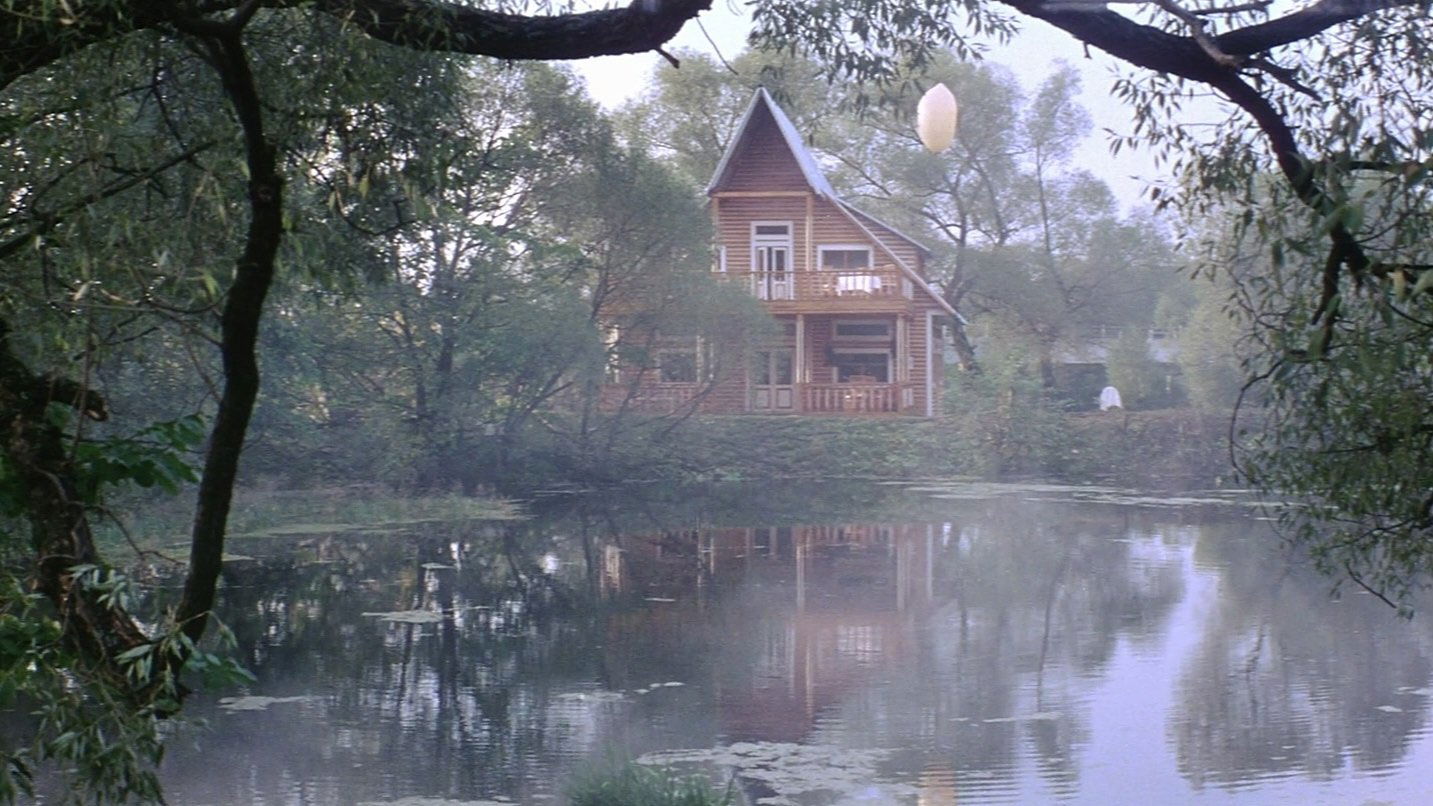
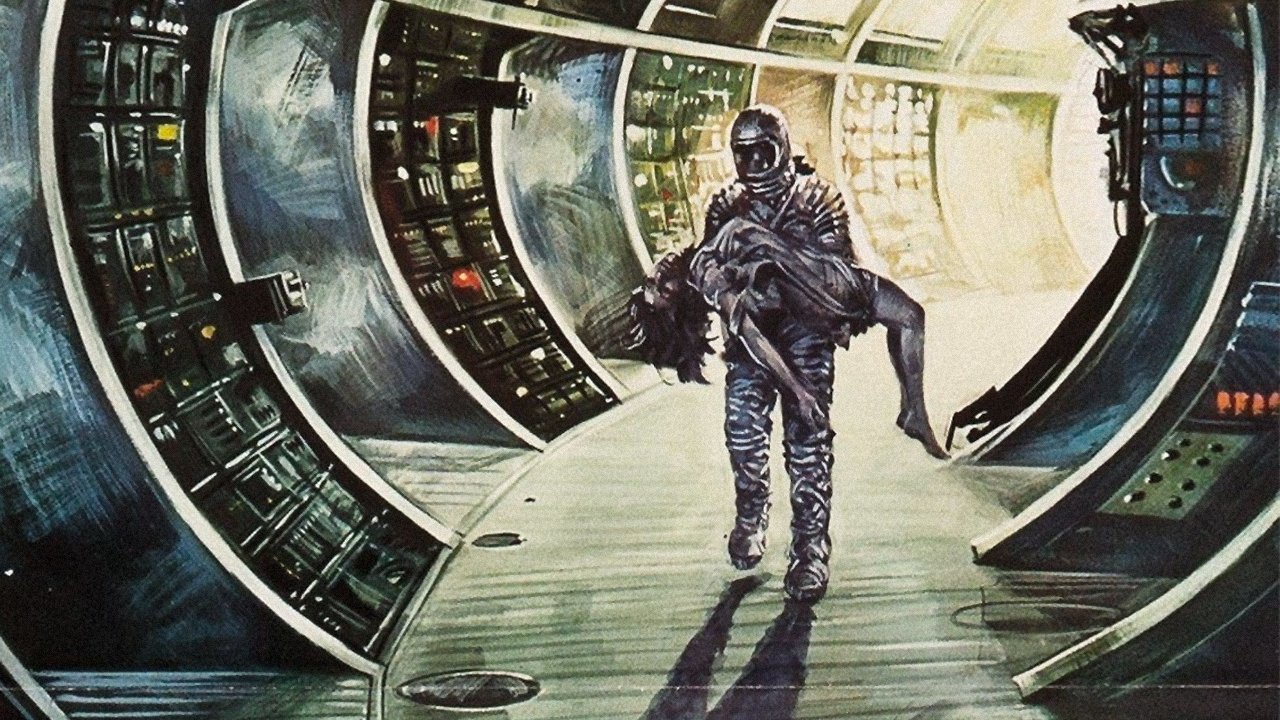
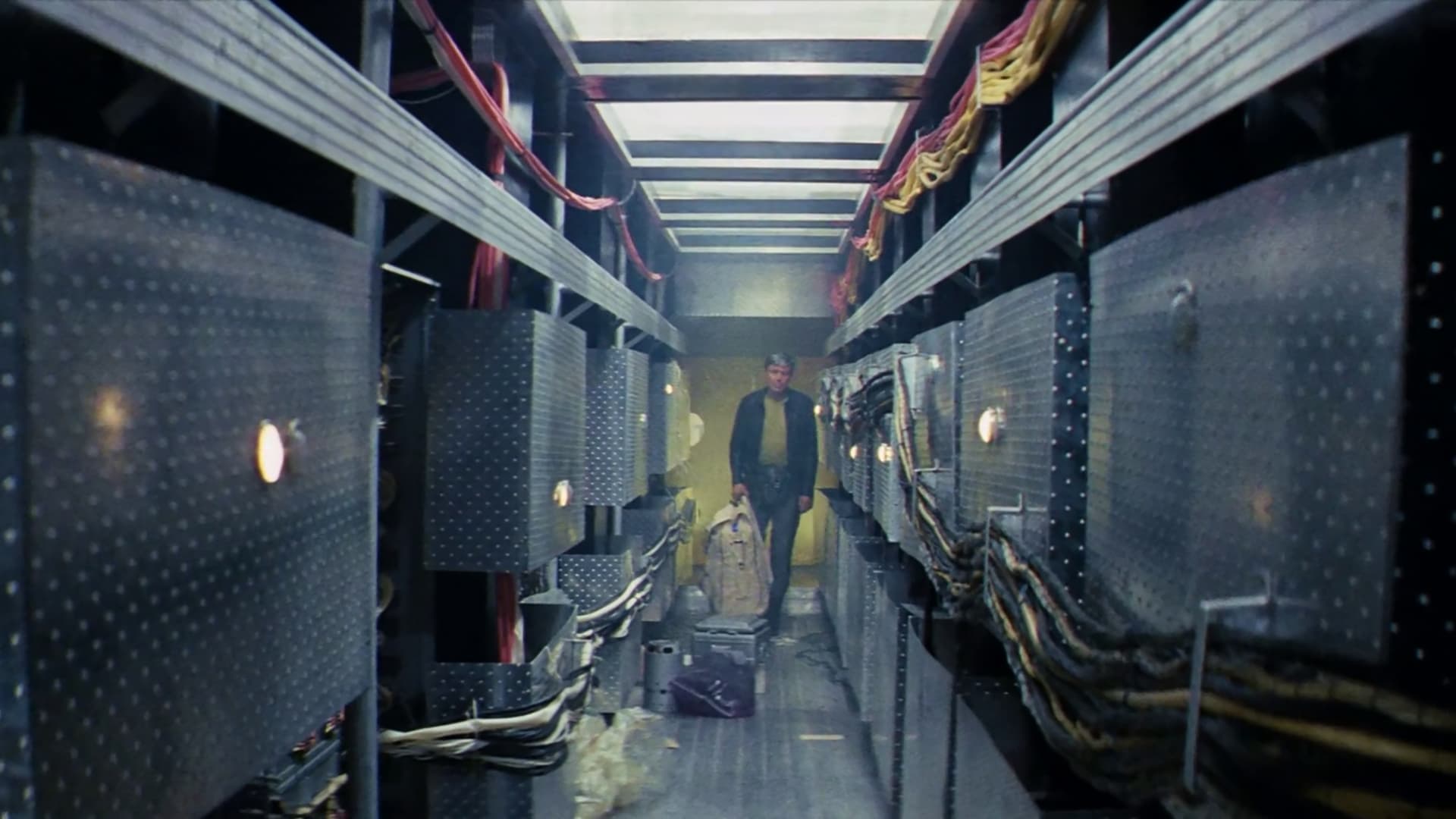
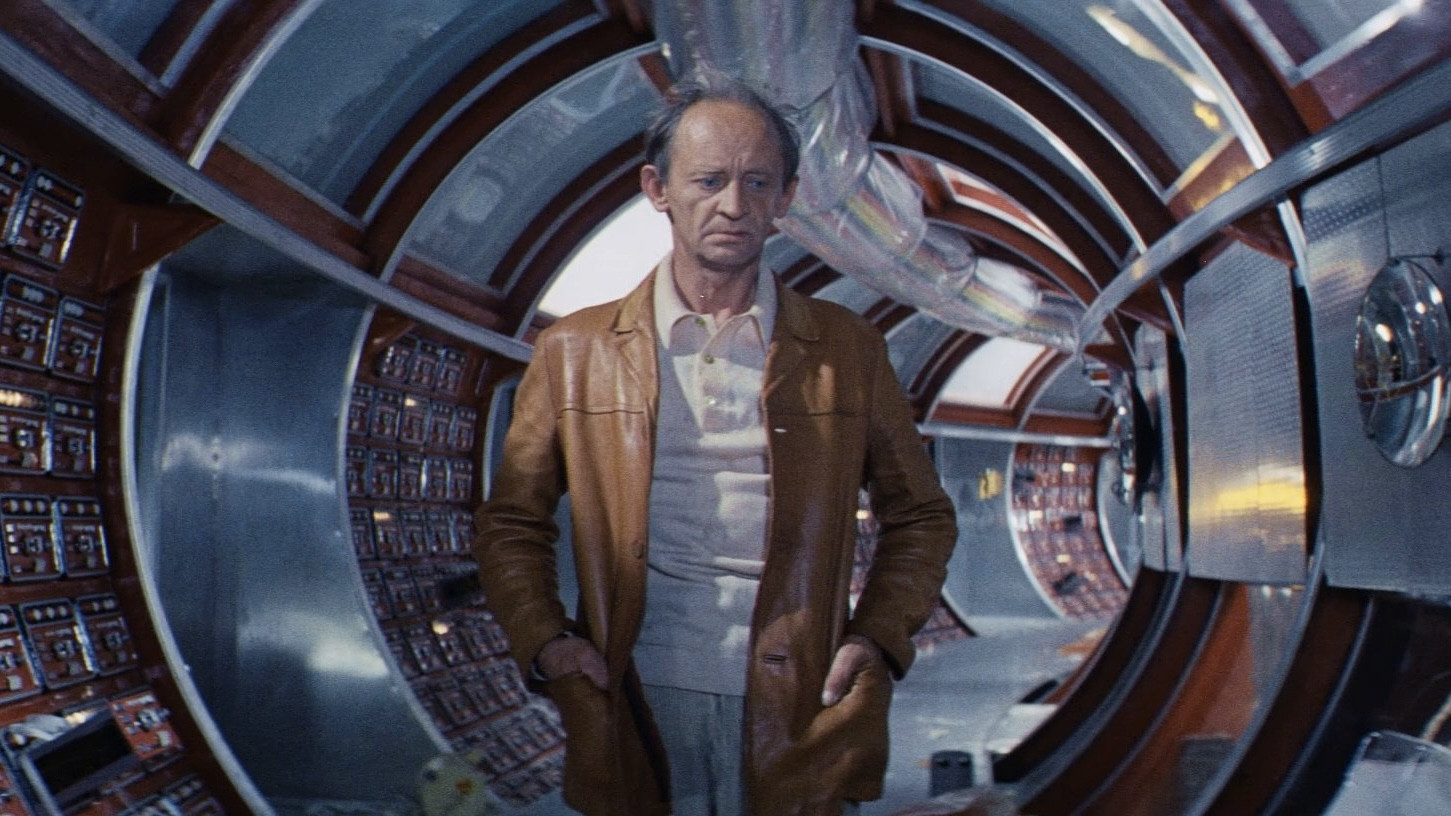
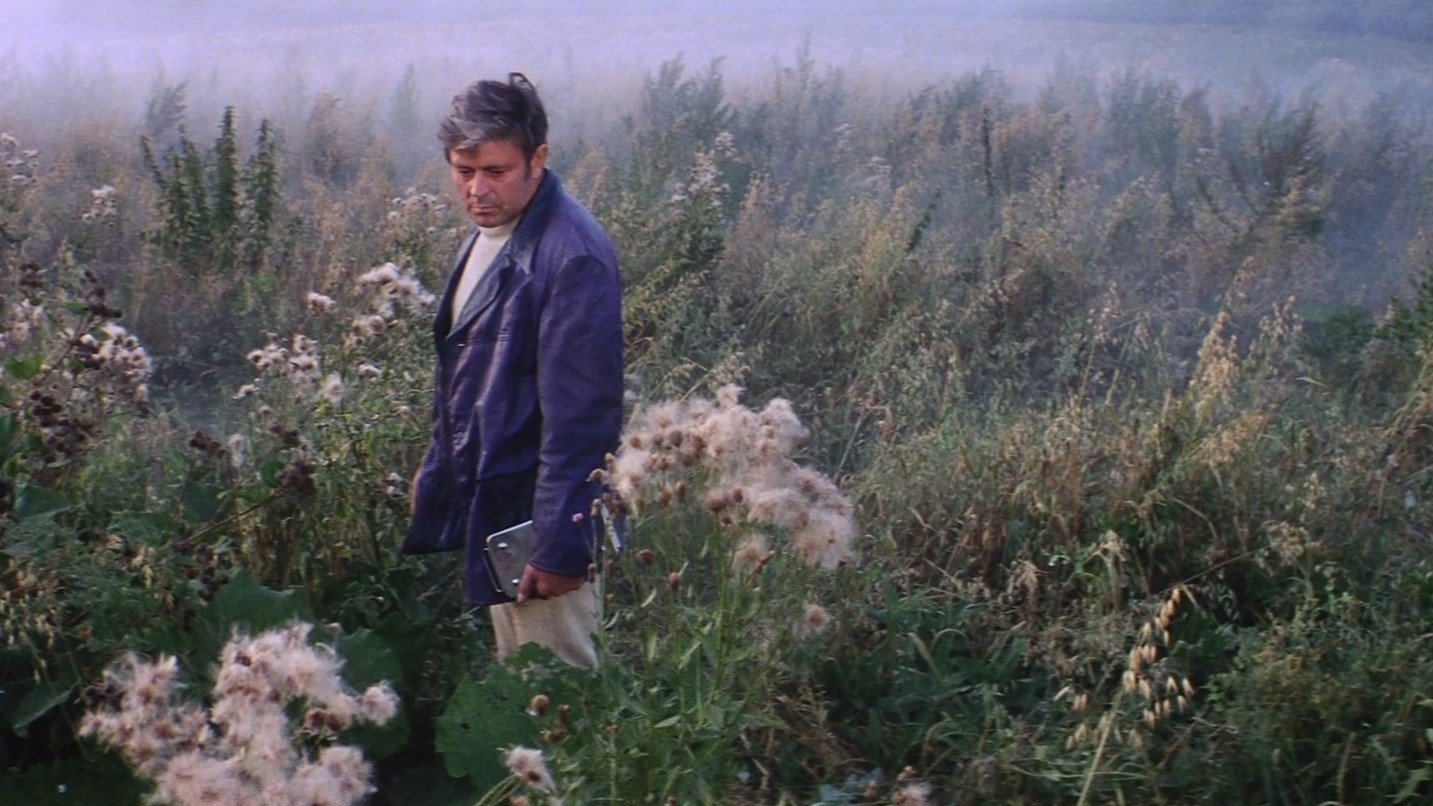
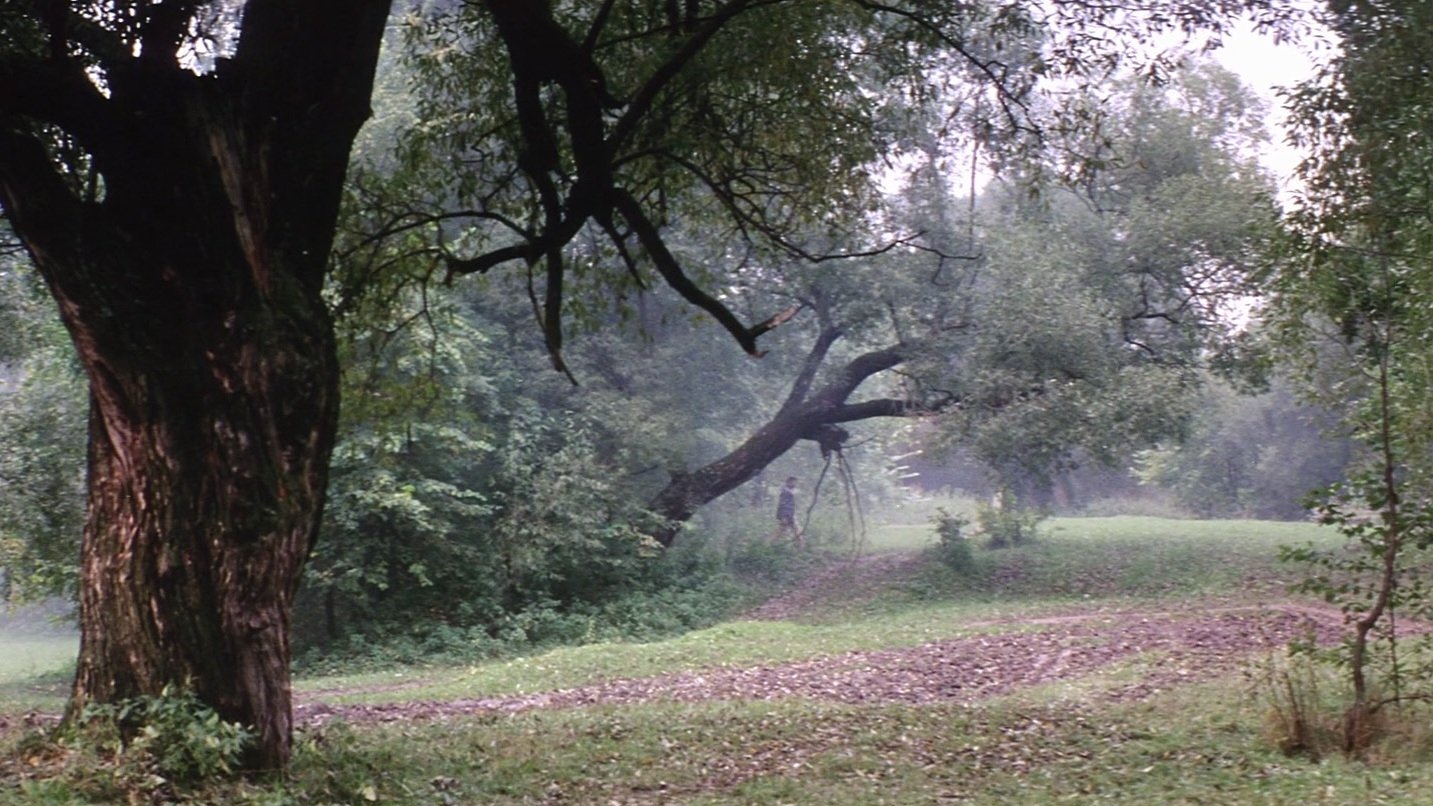
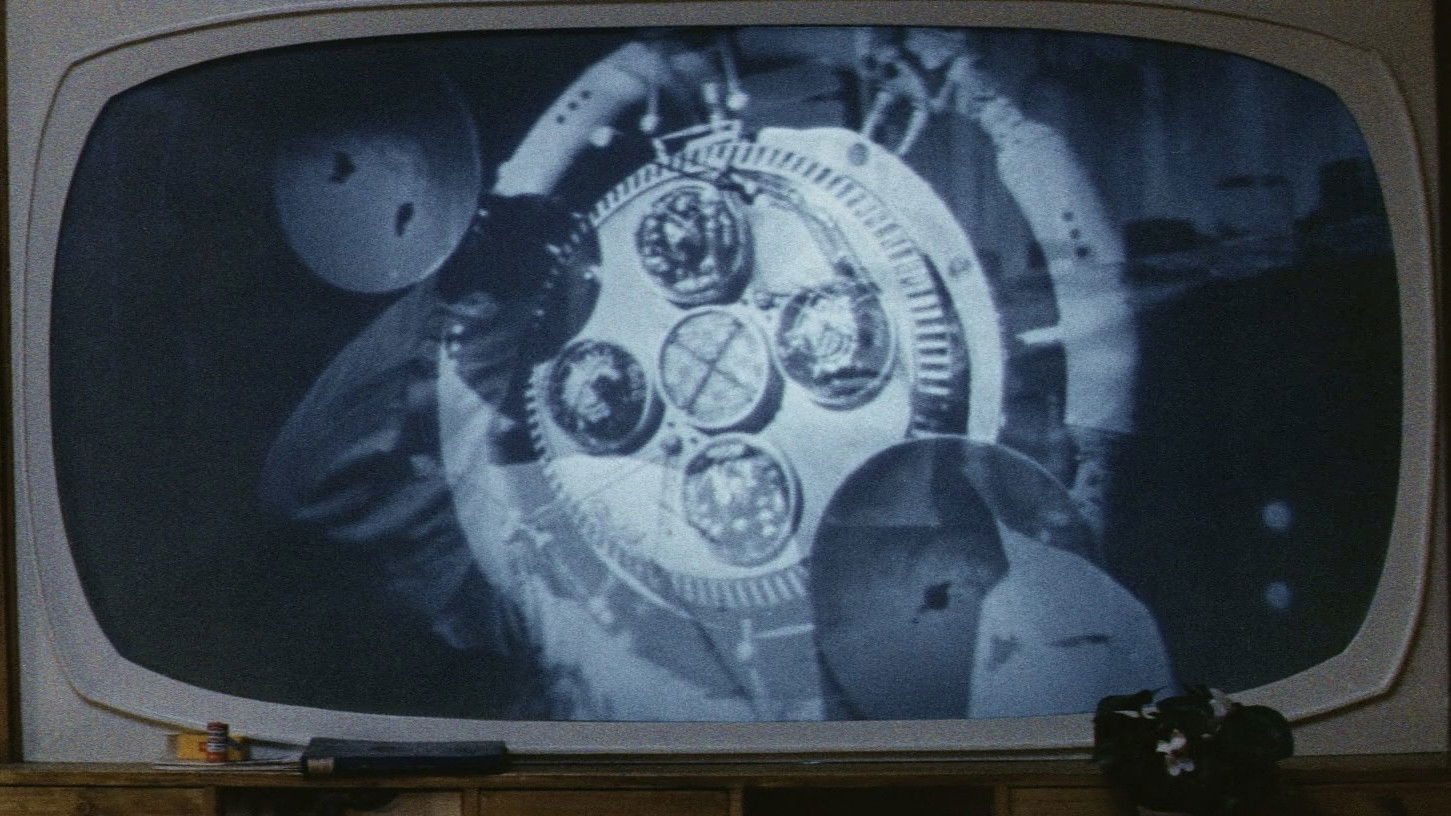
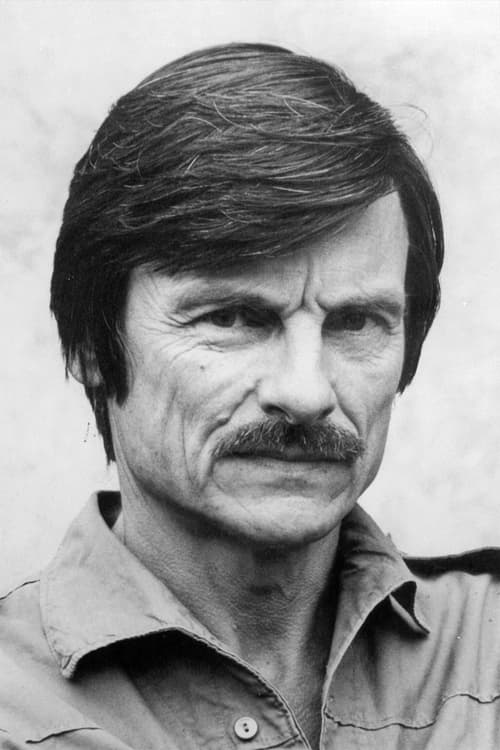
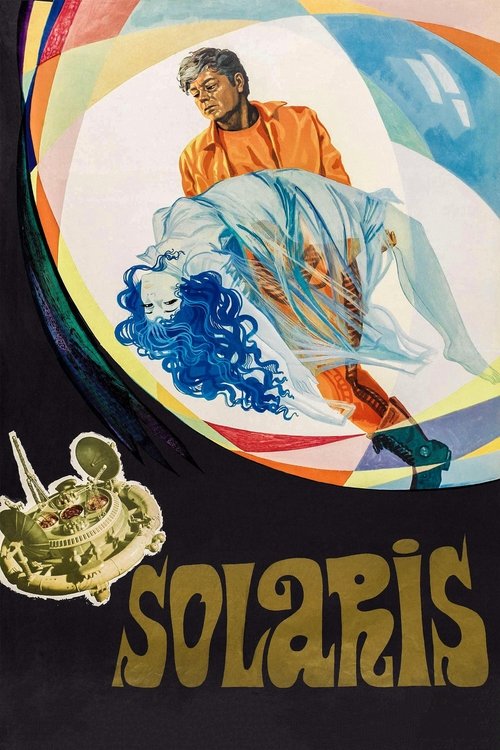
One of the best 75 films I’ve ever seen.I'm crying, it's been a long time since I encountered a film that blew my mind with every theme it presented, with every scene that passed. This film is a majestic masterpiece and one of the greatest works ever made by human beings. Tarkovsky seems like a gift from heaven—a gift that helps us realize things we might never have come to think about otherwise. An artist who created poetry through celluloid, someone who managed to sculpt time to his will. A filmmaker who changed everything.
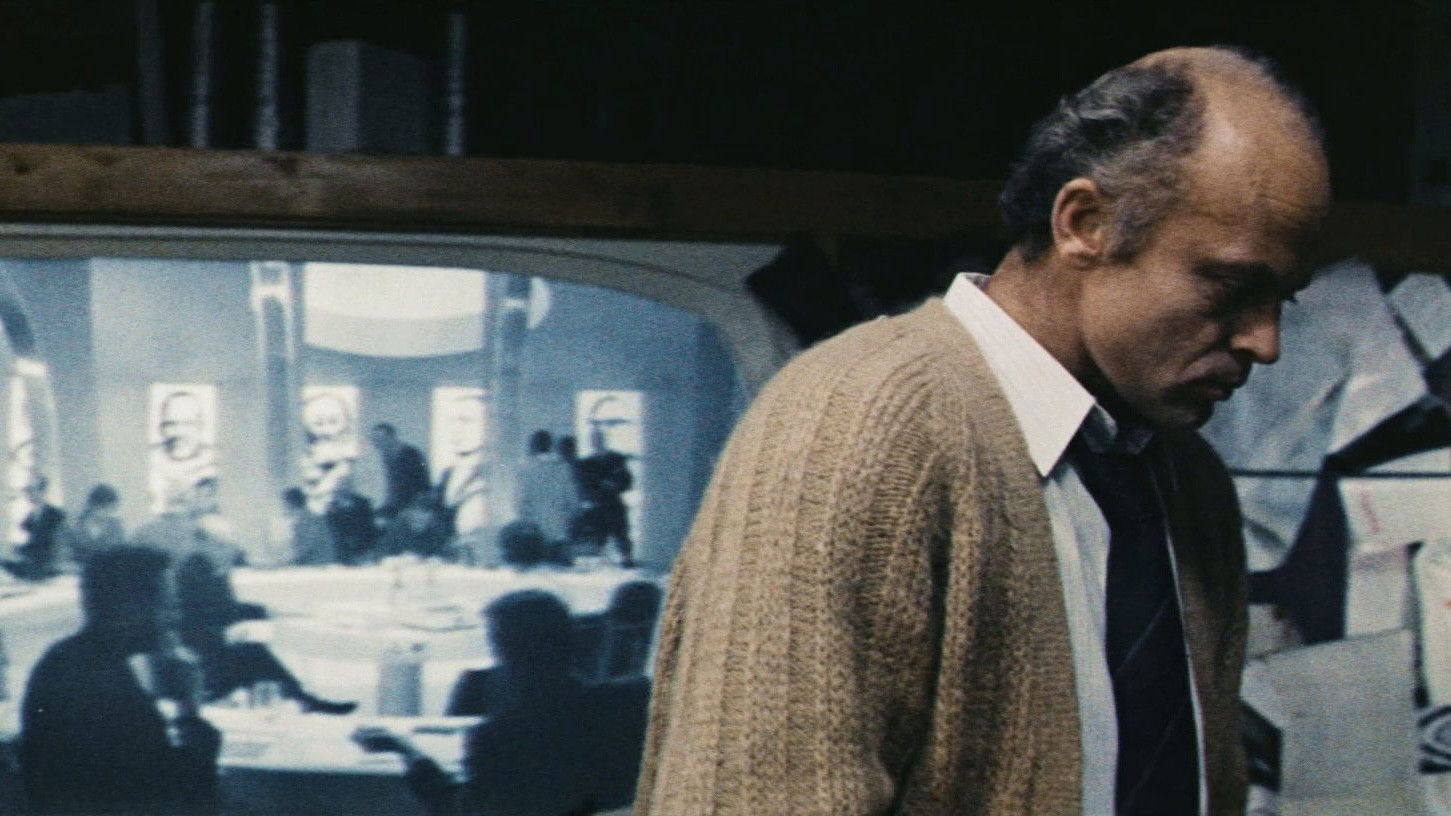
Solaris is a monumental piece based on the novel of the same name by Stanislaw Lem. Tarkovsky’s response to Kubrick after 2001: A Space Odyssey. A response that contrasts greatly with what I previously said. Tarkovsky always criticized science fiction for lacking emotional depth, calling it a superficial genre due to its focus on technological invention. In a 1970 interview, he pointed to Kubrick’s 2001: A Space Odyssey (1968) as “false in many respects” and “a lifeless schema with only pretensions of truth.” Although I don't fully agree with him, I understand what he meant.
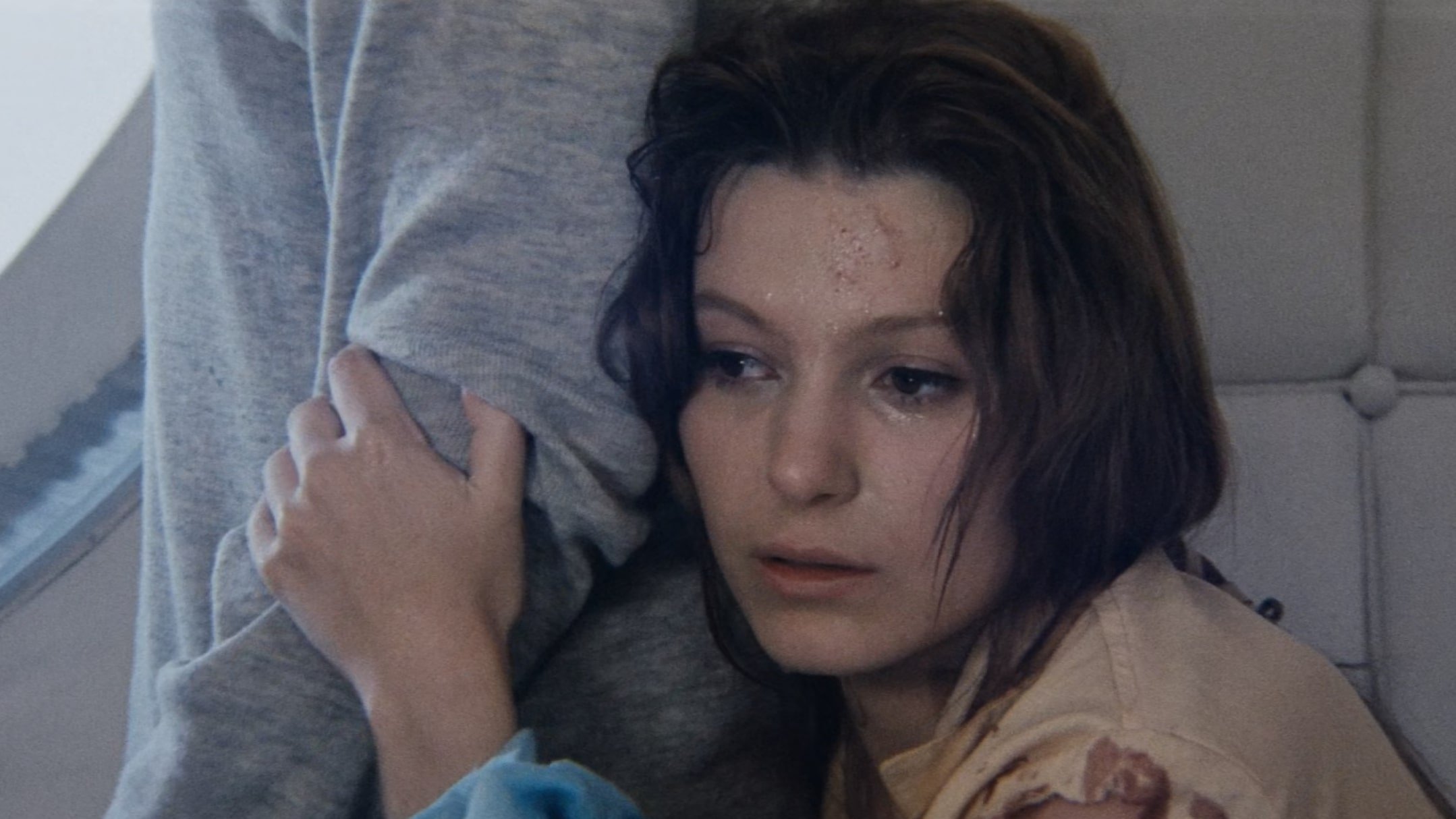
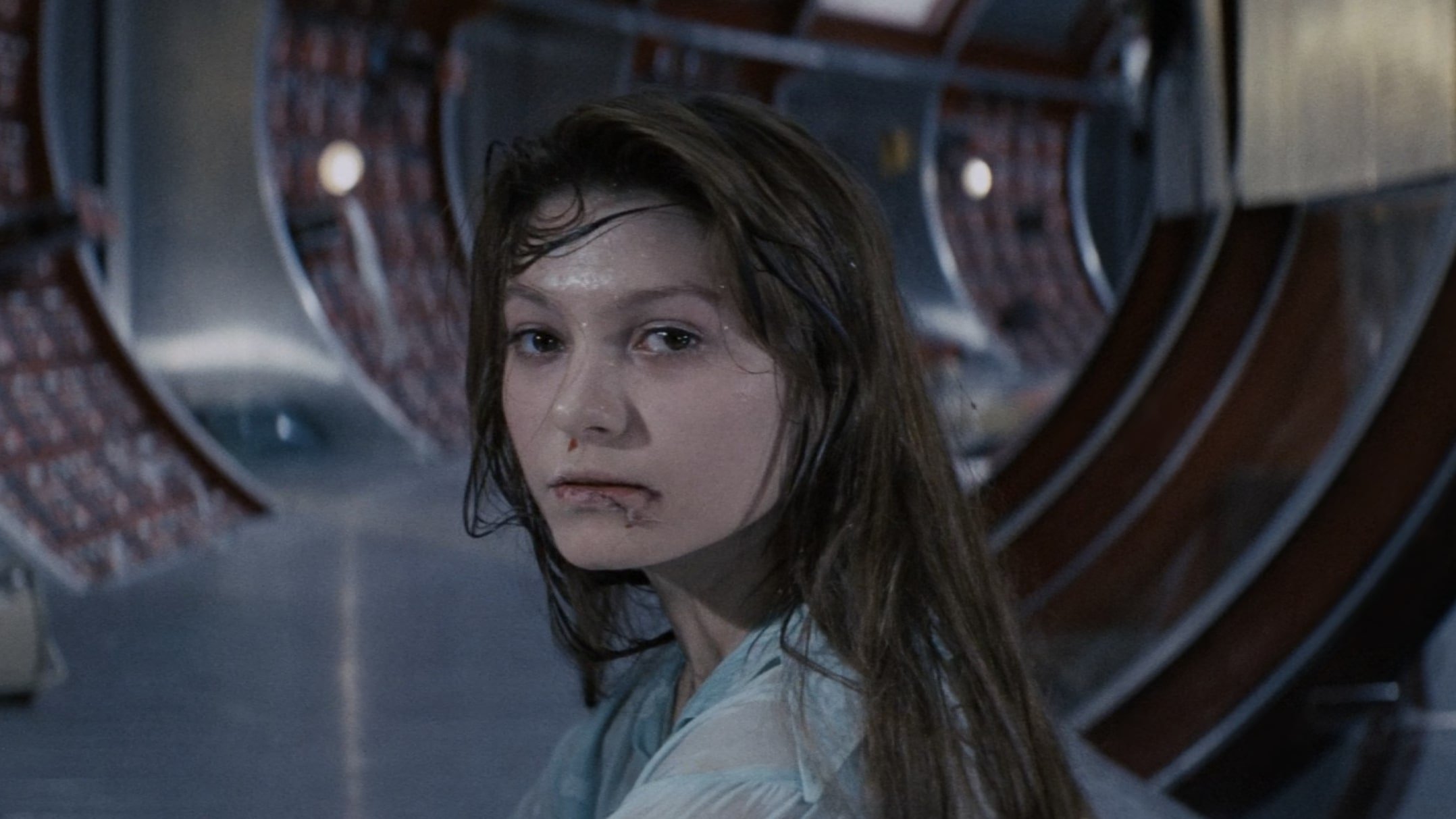
So, he set out to make his own version. A science fiction work that put aside all the technological focus and instead centered on the human condition. While 2001 is an existentialist work (which feels otherworldly and far from human), Solaris is a film one can truly connect with—one that makes you live and feel alongside the protagonists. Here we live their paranoia and uncertainty, their arguments, and their love.
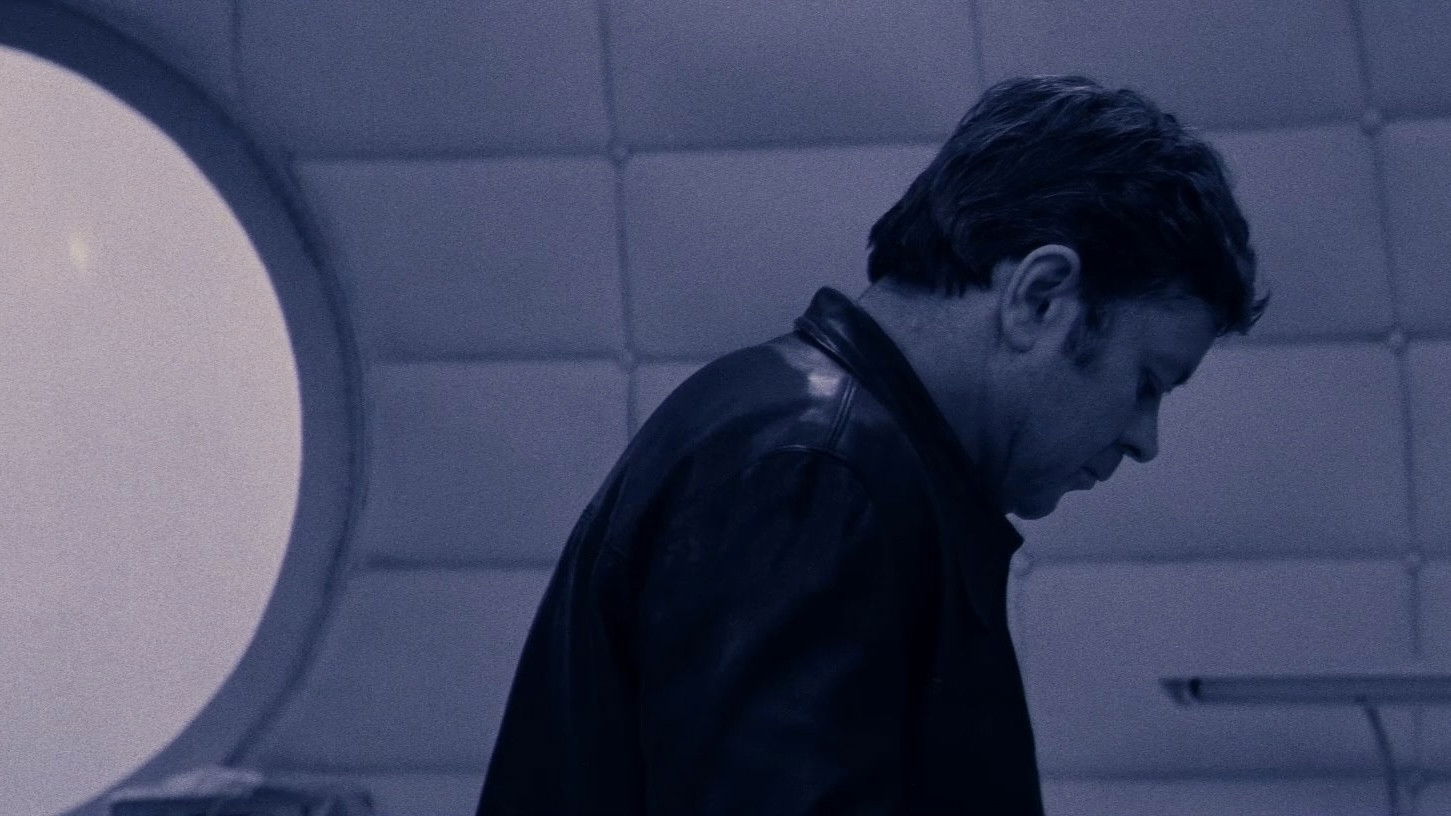
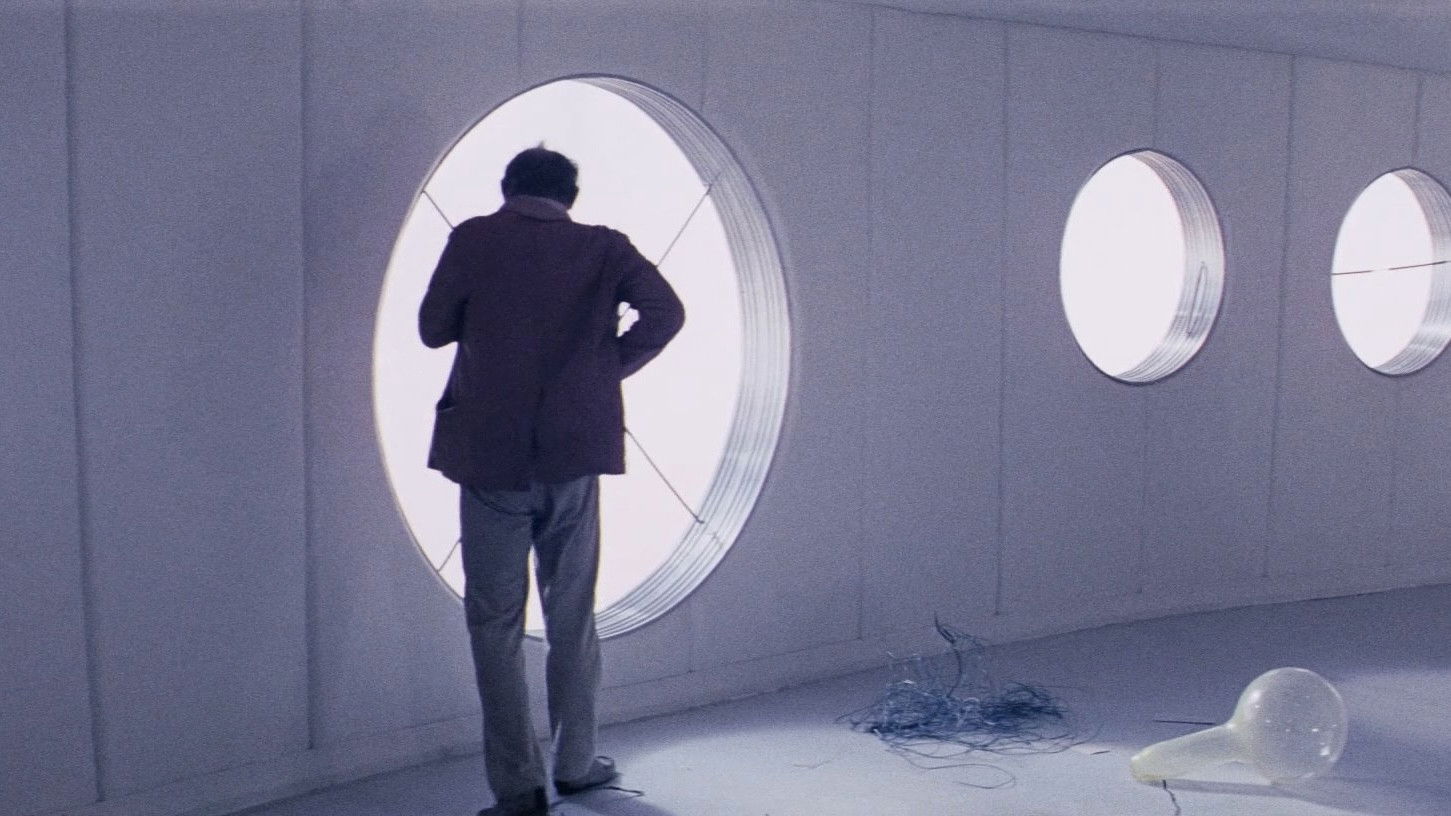
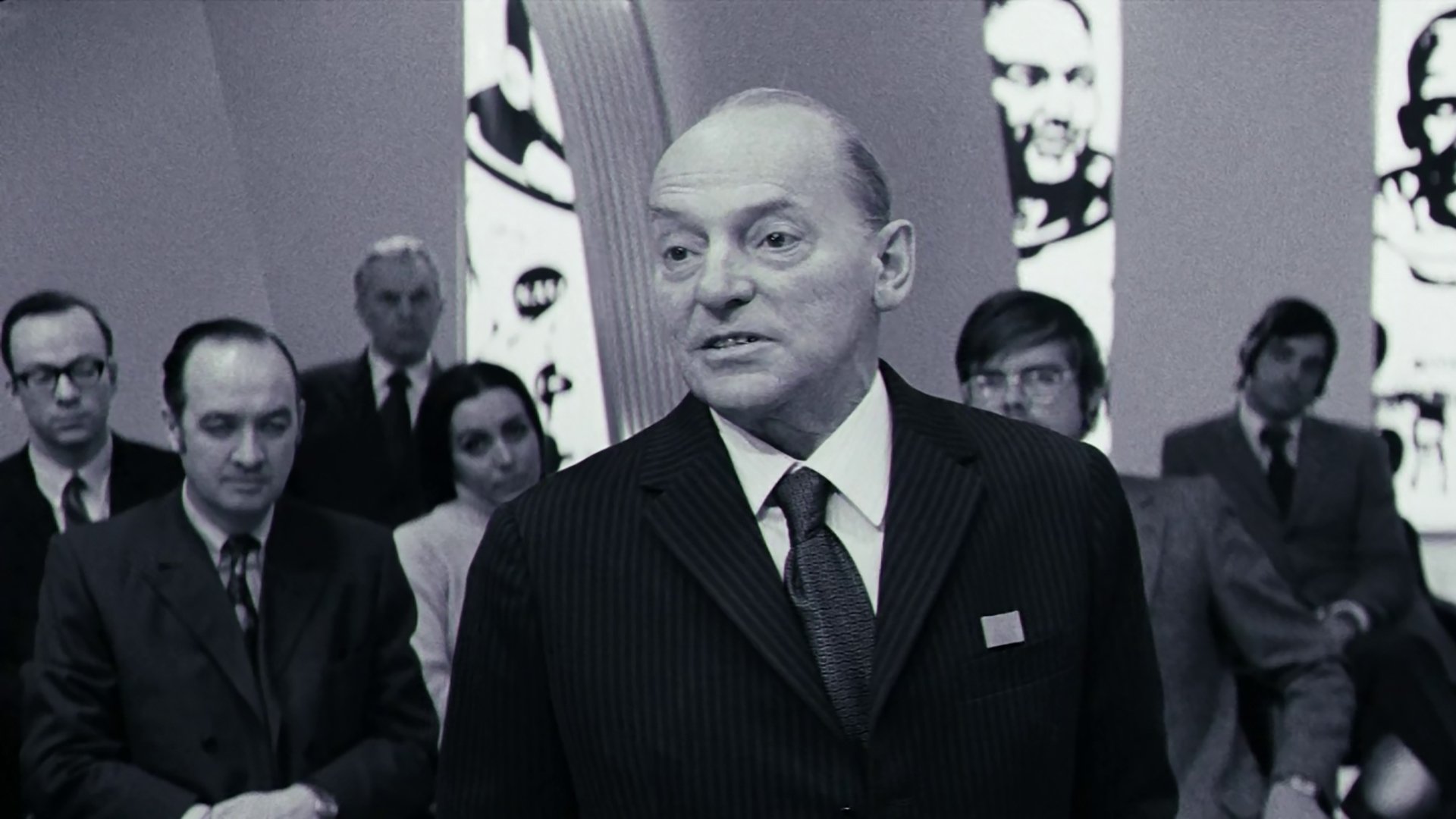
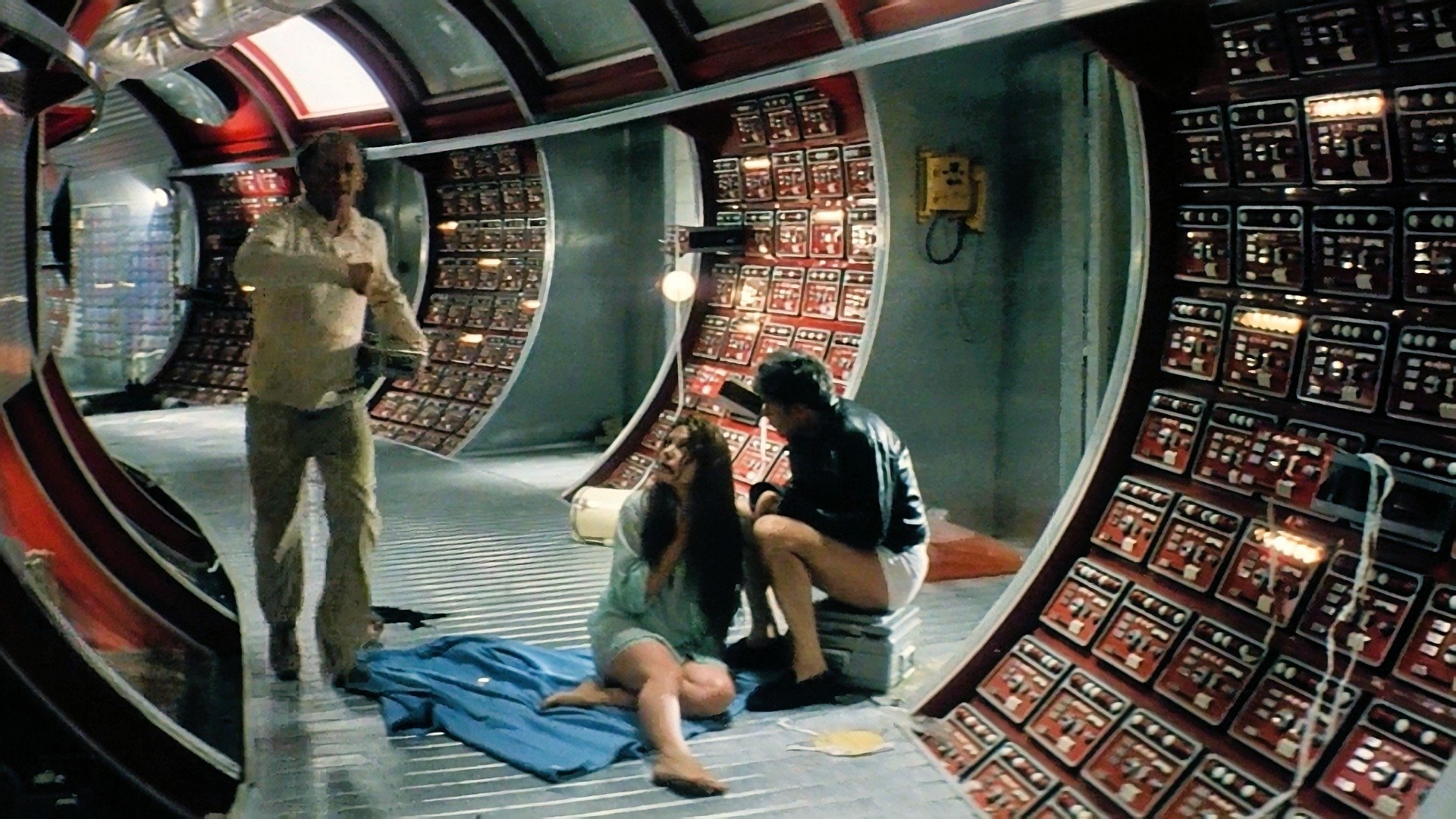
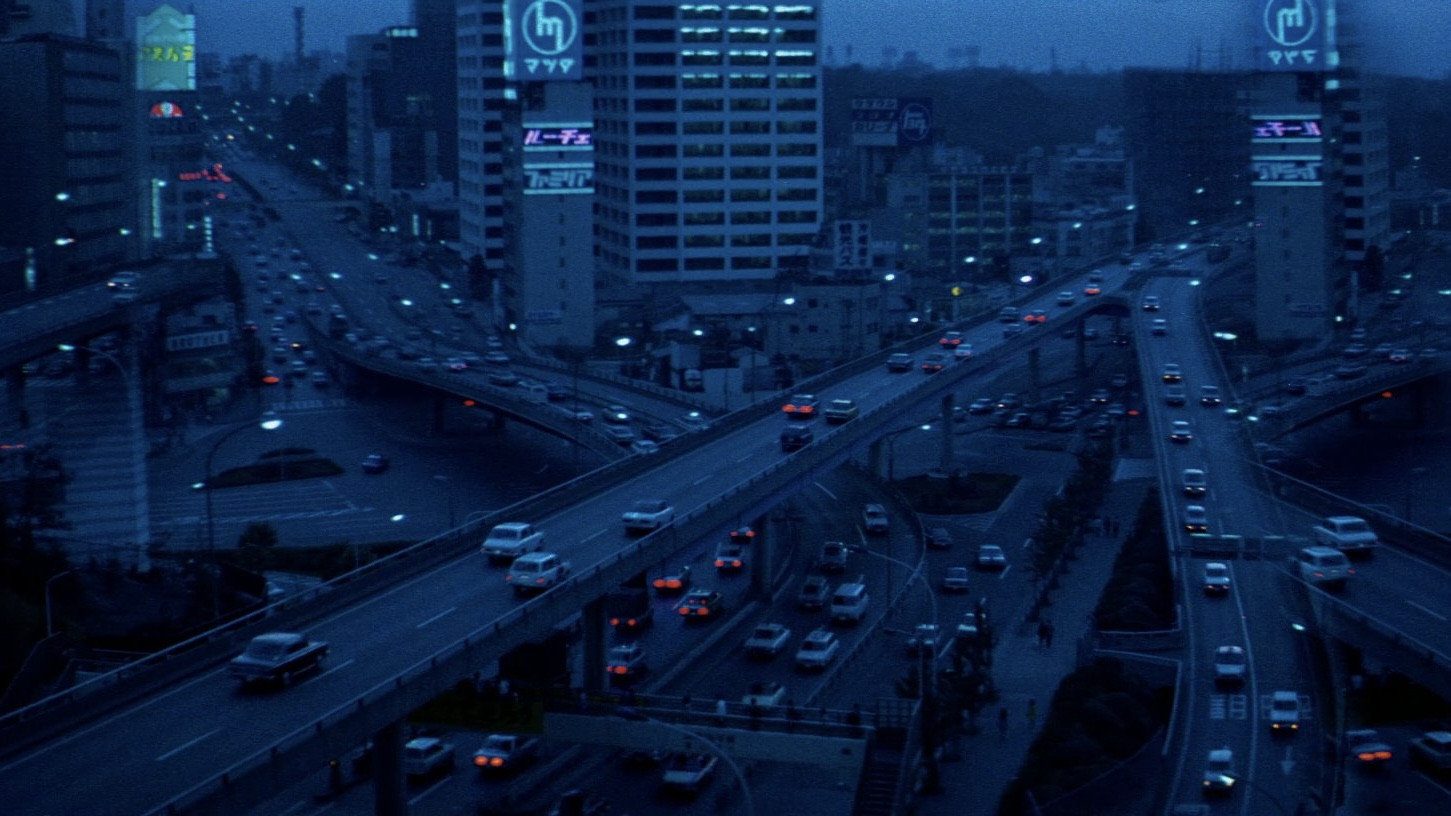
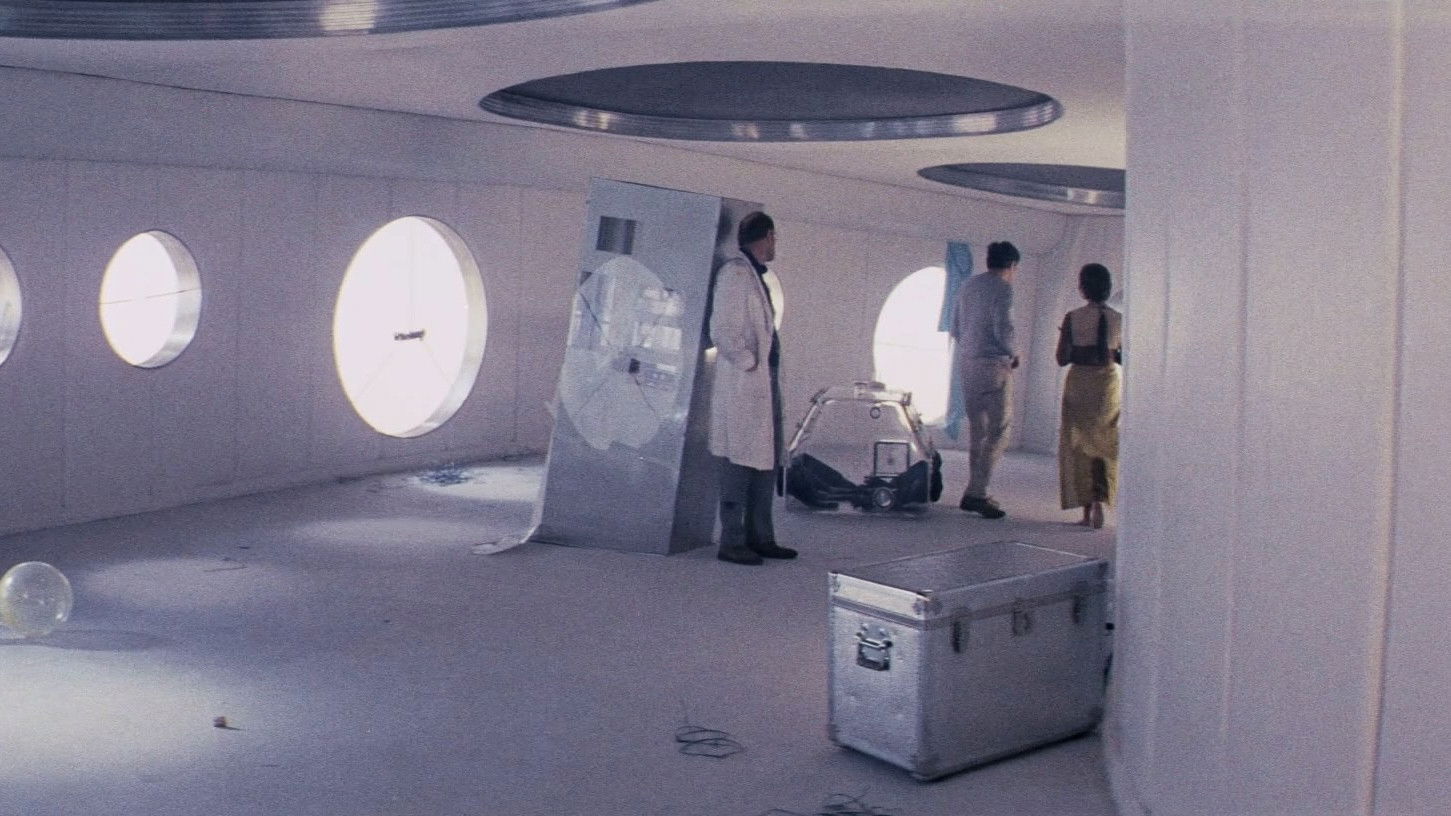
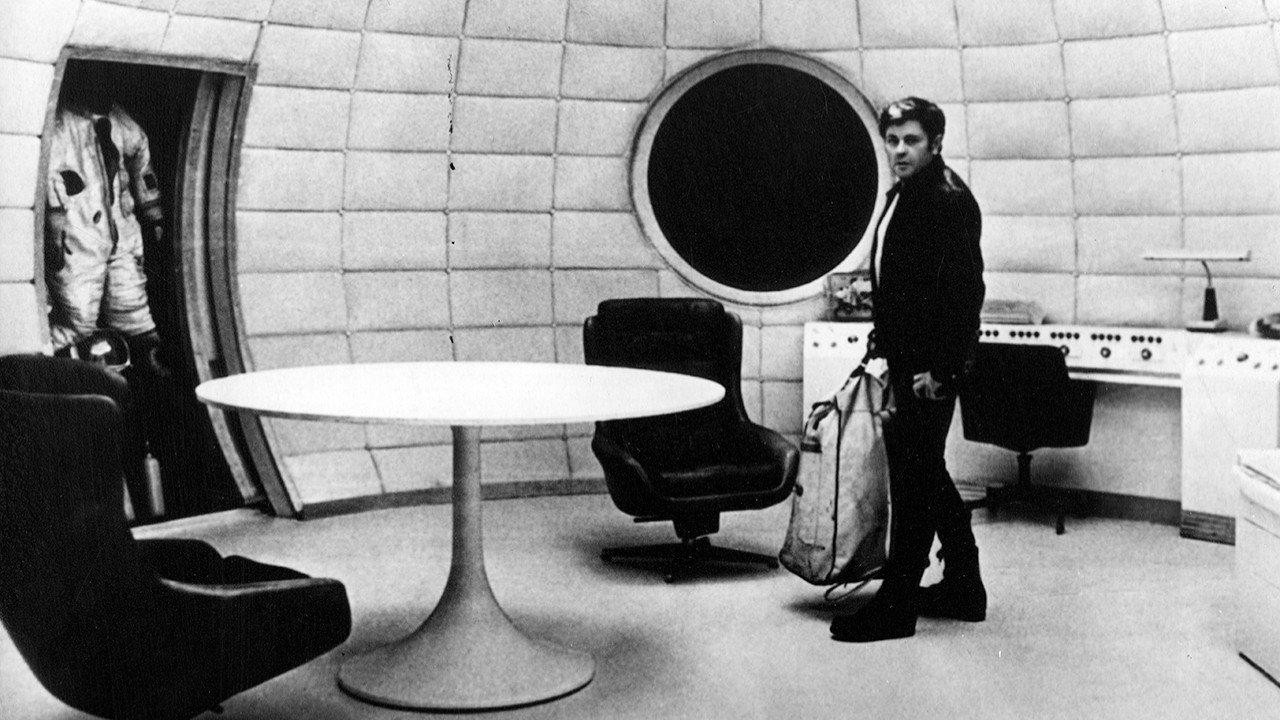
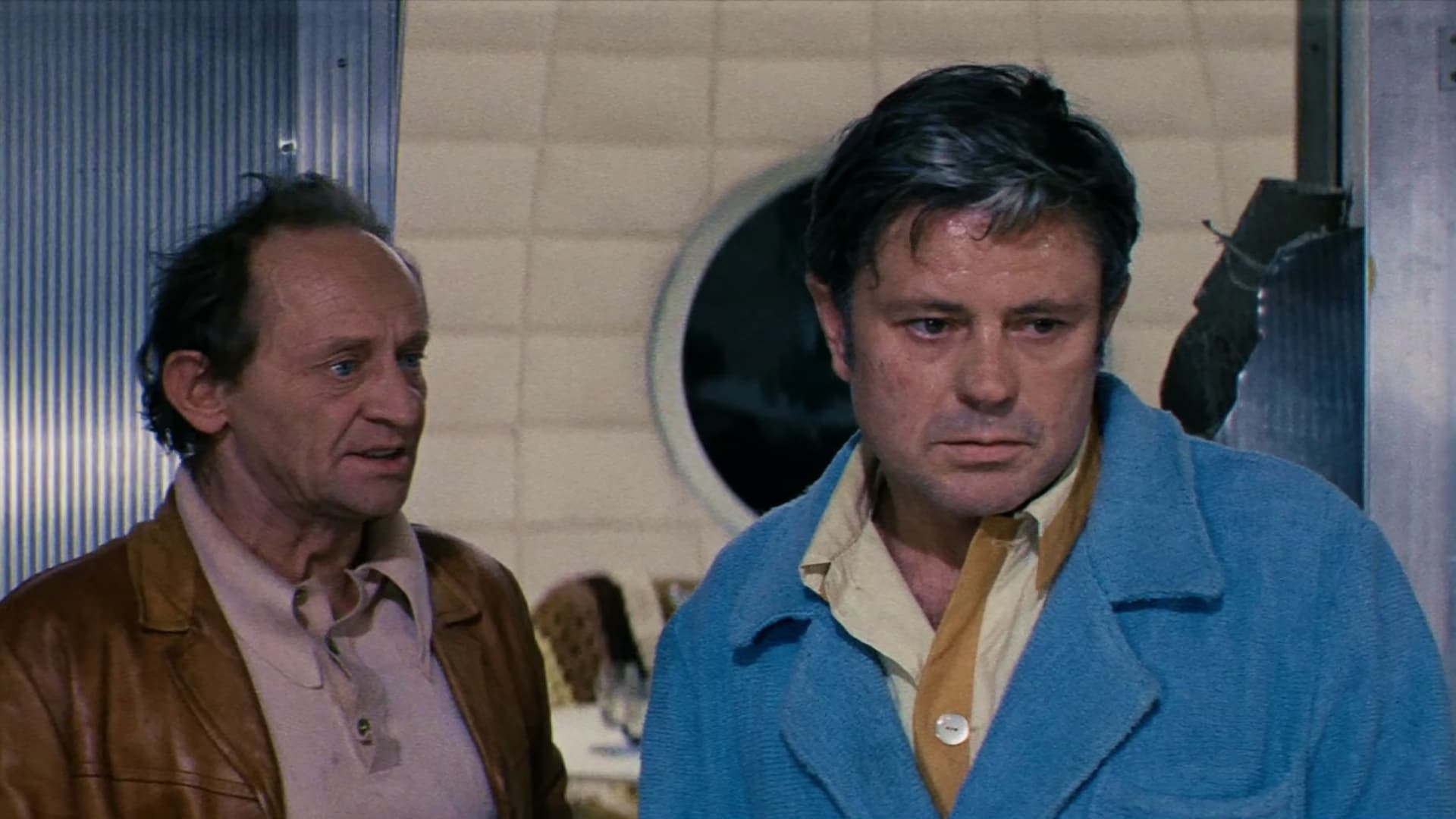
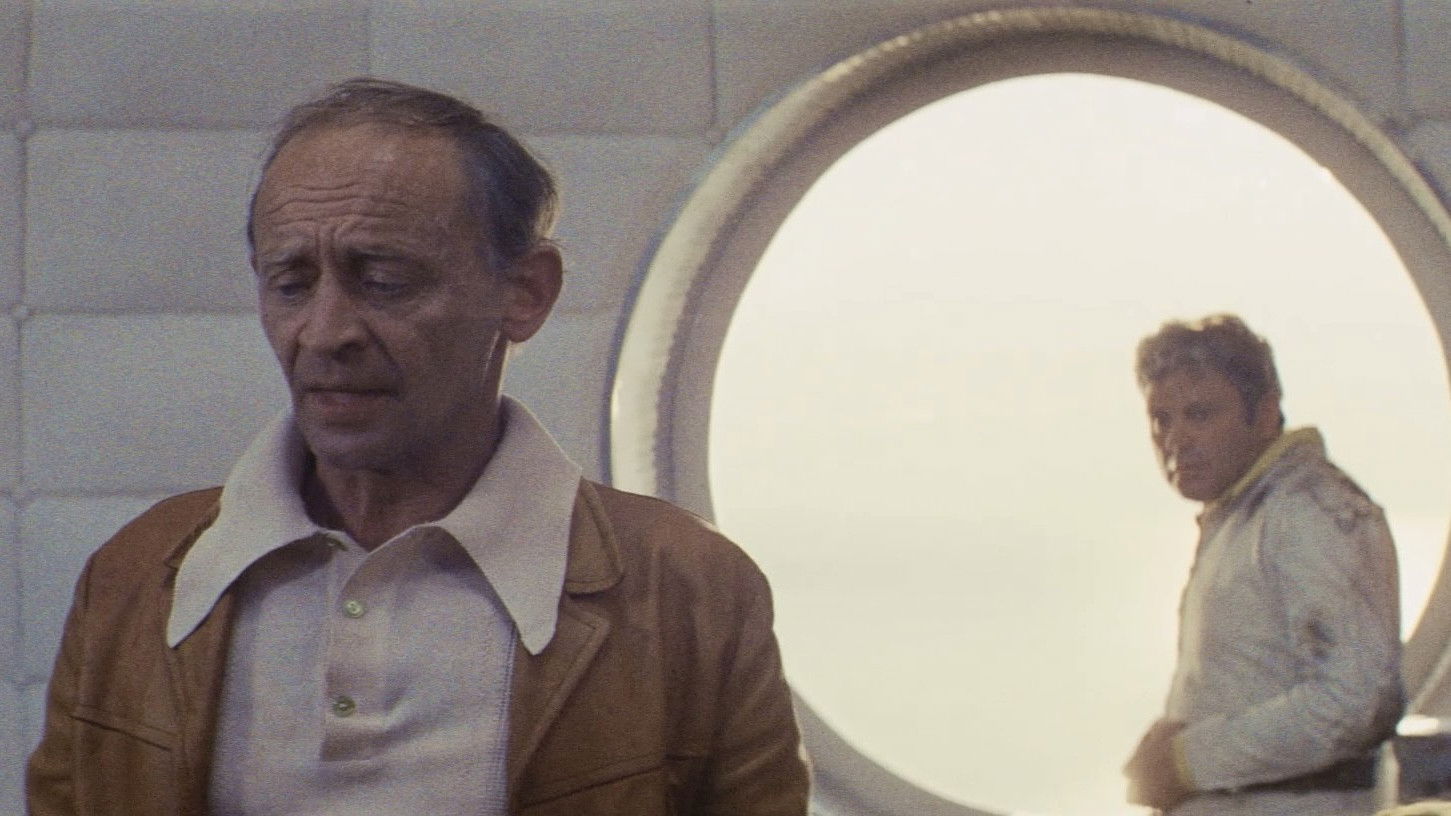
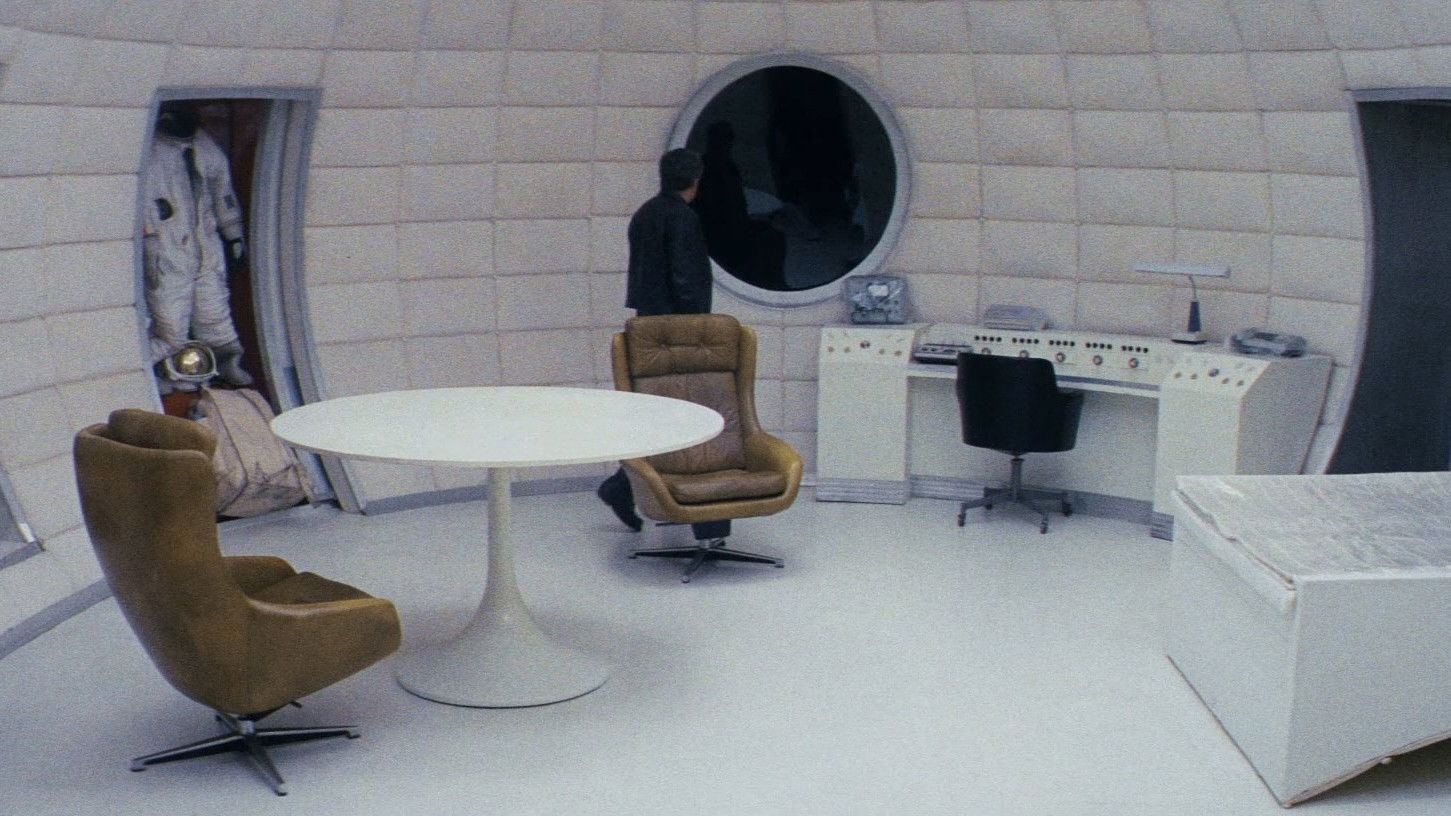
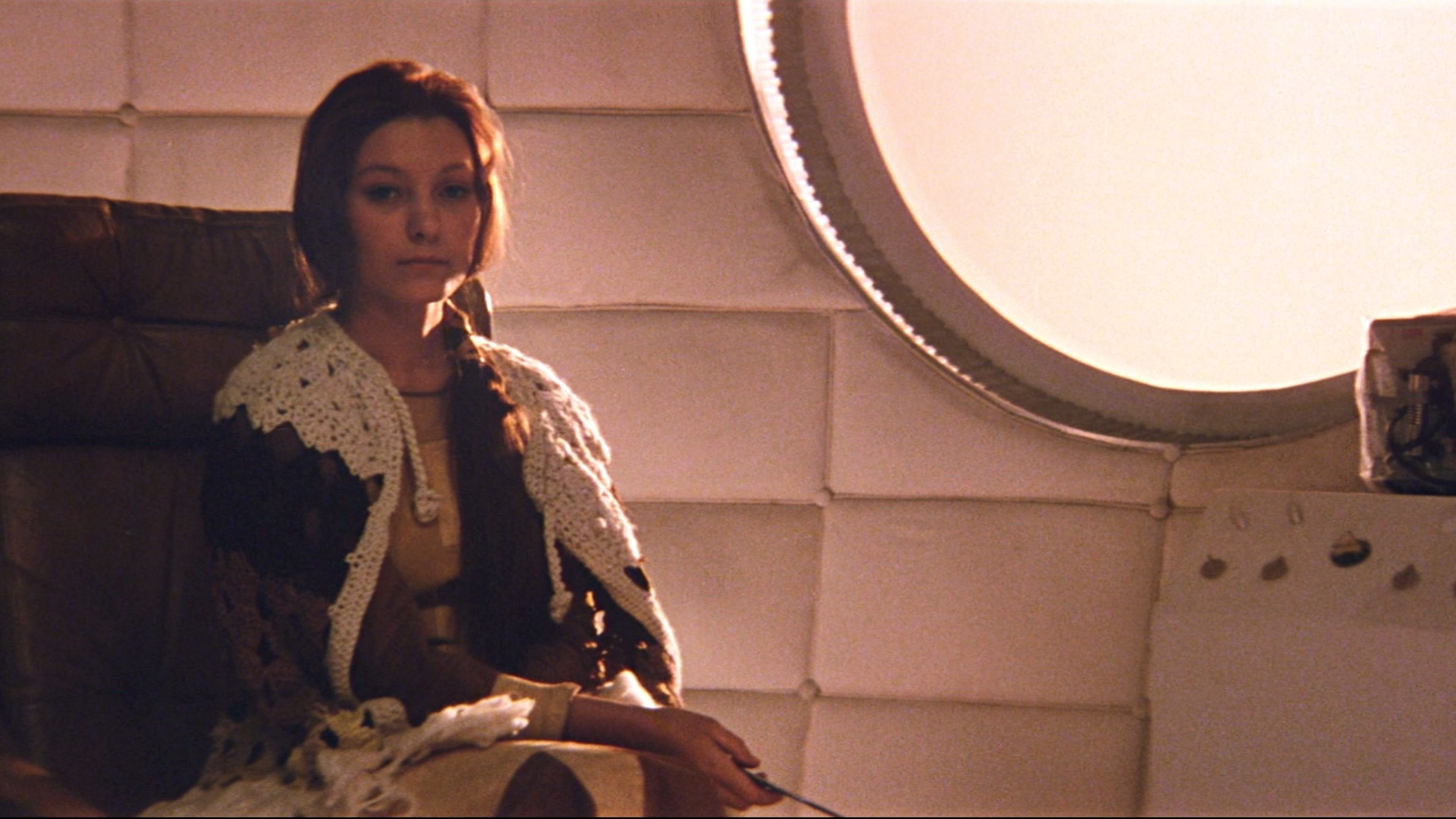
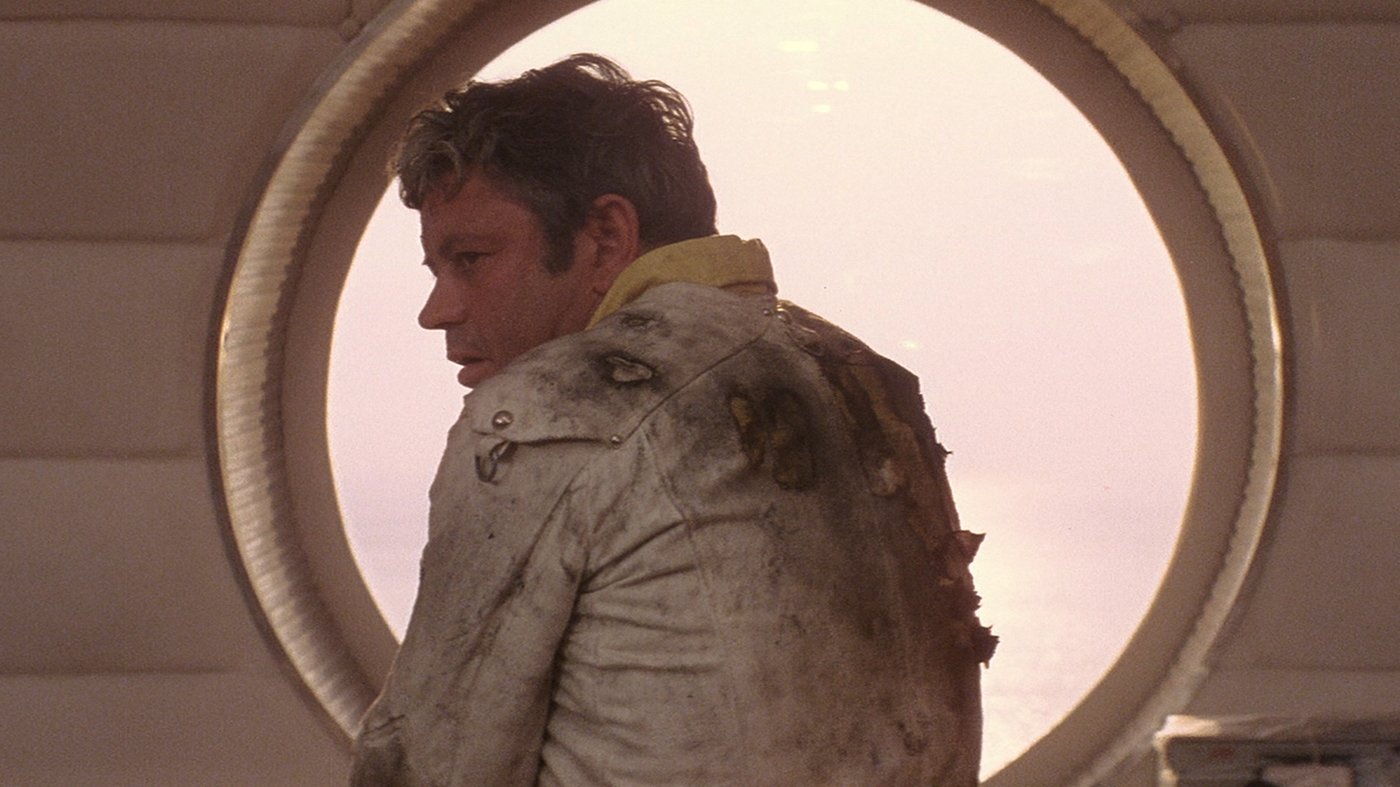
Metaphorical language is something famous in his cinema—from Kris’s room resembling a padded cell (symbolizing isolation and madness) to the highway scene, which to me is one of the greatest scenes ever made. A scene that I find almost impossible to shoot—seeing that unimaginable number of cars passing by and yet not once do we see a human being. Is this a critique of technology? How it slowly dehumanizes us? Because even though we see two human beings (Henri Burton and his child), one has a face as if there were no soul inside, and the other—although seemingly more “human”—feels dimmed. In that scene, Tarkovsky foretells dehumanization in a world that, although hyperconnected, has lost its face, its soul. And that’s where Solaris doesn't settle for just showing a story: it forces us to look inward, to recognize our own padded rooms, our own visitors. And it makes sense—this criticism of technological advancement was one of his complaints about 2001: A Space Odyssey.
Solaris is a film about the soul, memory, guilt, and the inability to know the other—or even oneself. A film that suggests there is a spiritual dimension to the universe, a non-human intelligence that does not destroy but rather confronts humans with their own wounds. Instead of a transcendence upwards (God in the heavens), it is a transcendence inward. An immanent God who does not speak, but responds.
Thank you for reading, and God bless you.
100/100