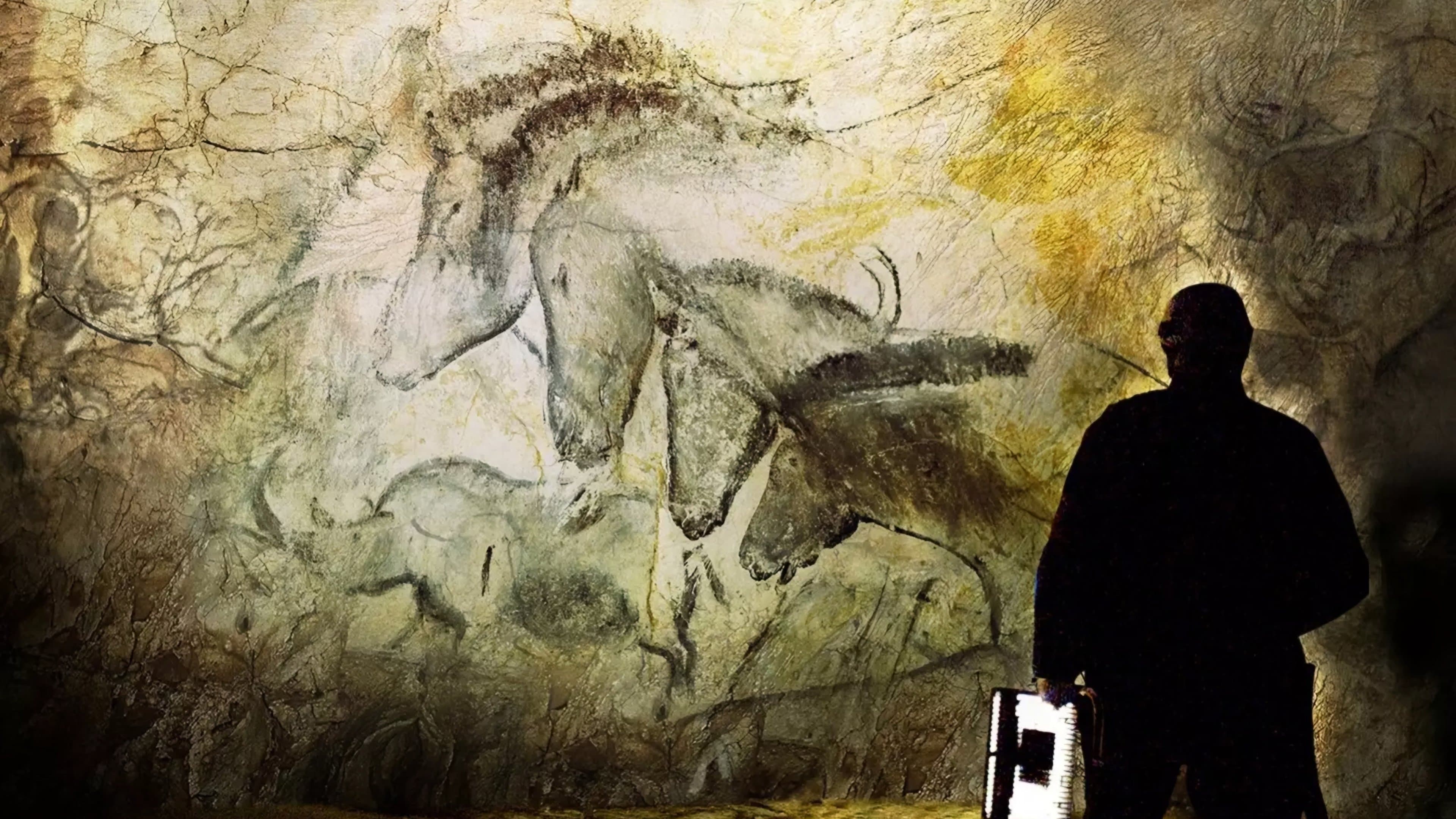
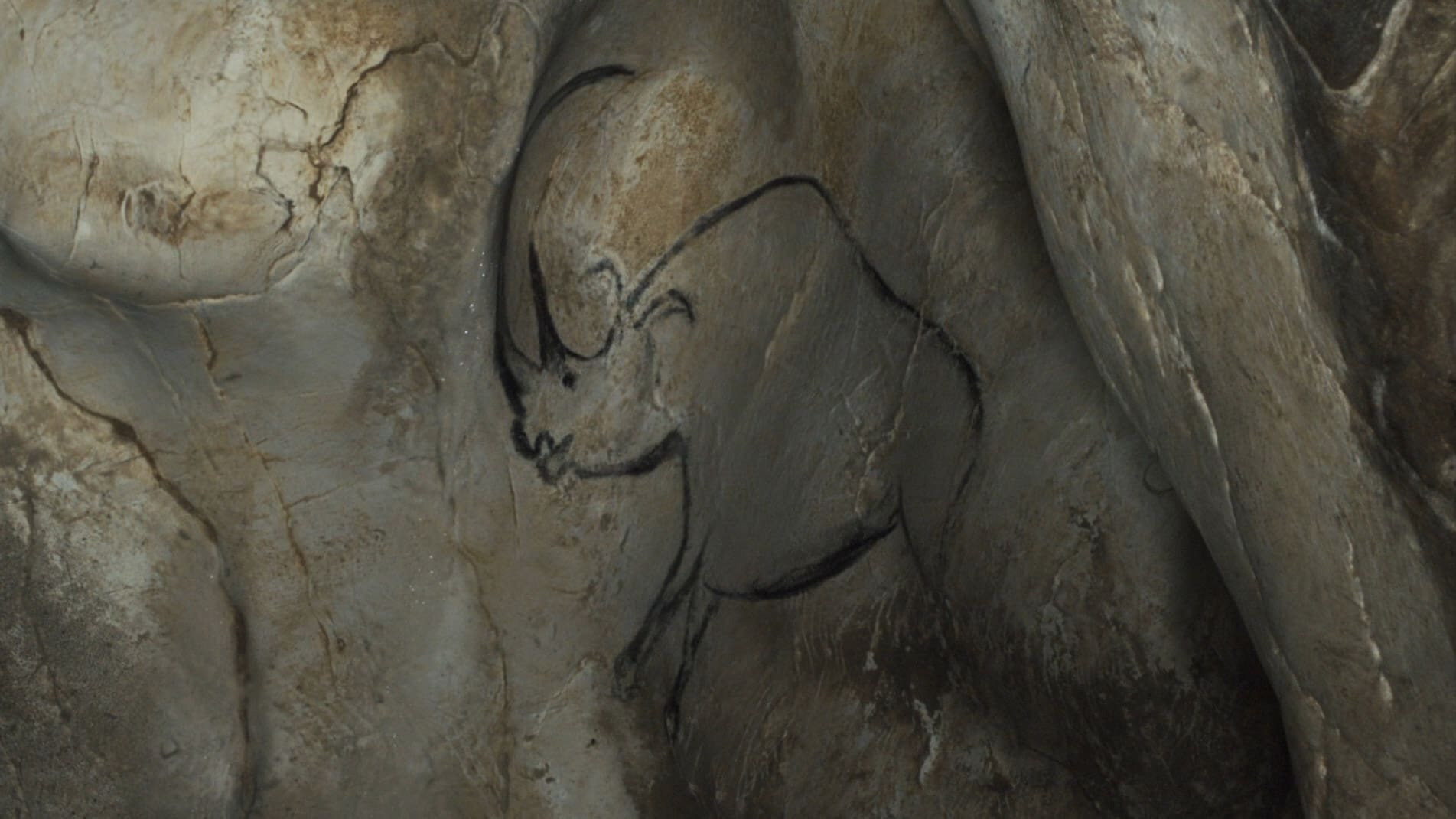
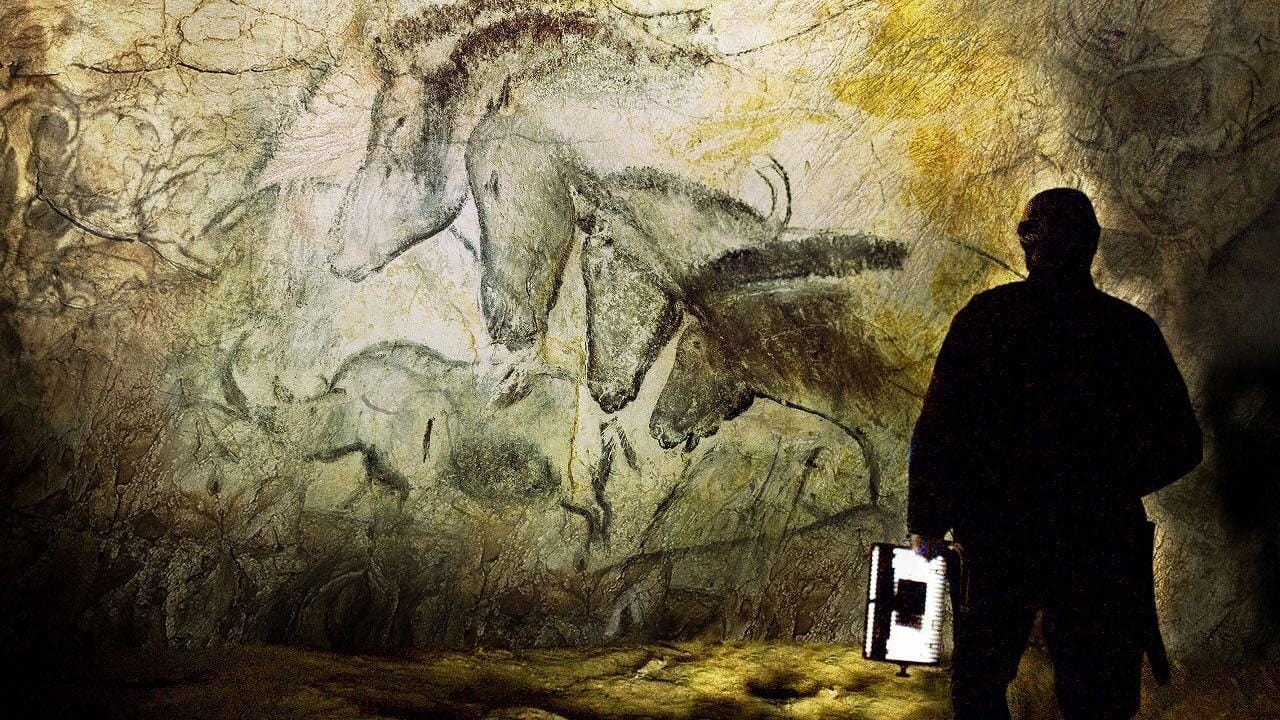
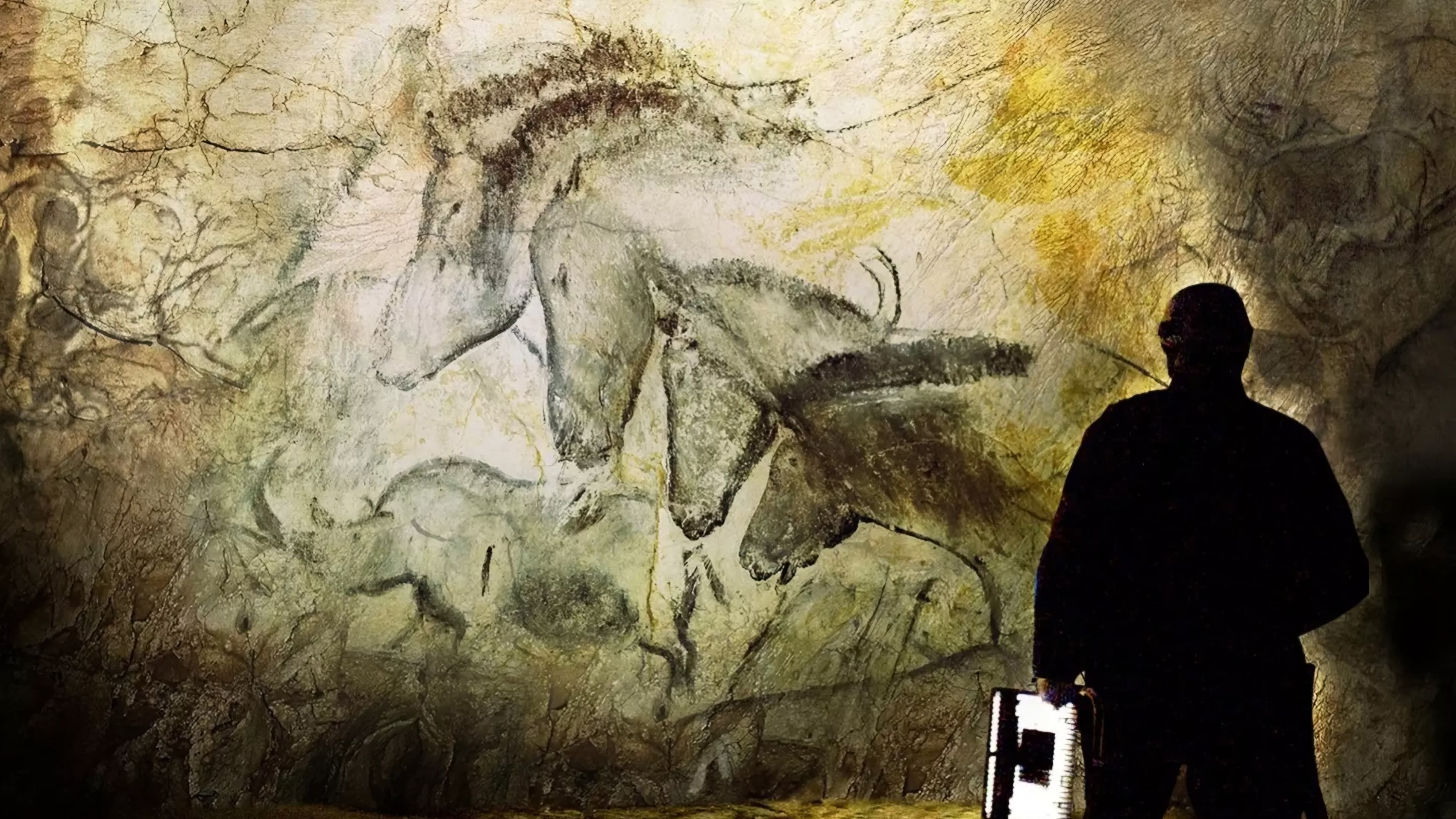
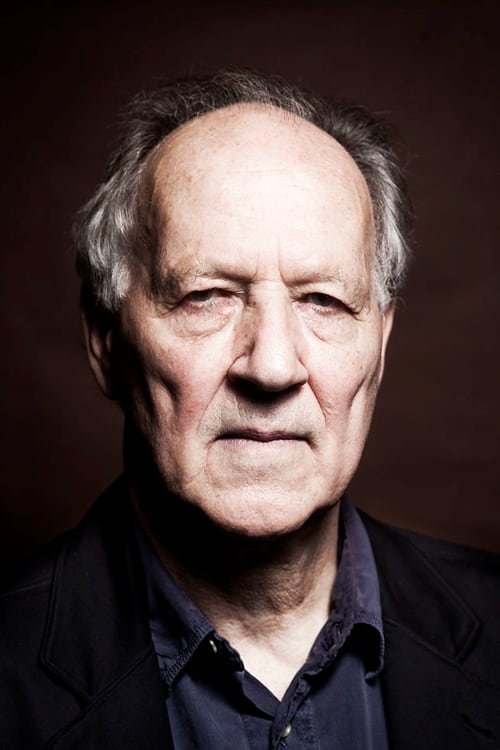
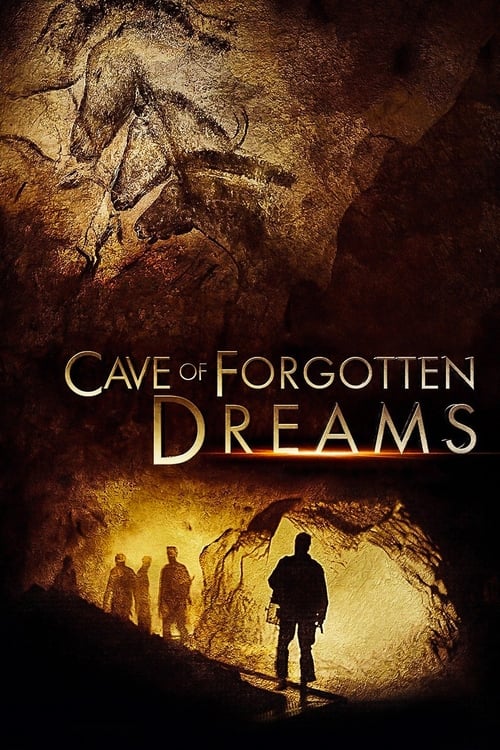
Hearing Werner Herzog’s ever-curious, distinct speaking voice in a huge IMAX auditorium, wearing 3D glasses no less, is quite the experience. Instead of just showing us two twin albino lizards and a couple alligators in a zoo near the film’s end, he asks if they reflect human existence, and says of the gators, “man, do they thrive.” Instead of just showing us an ancient, voluptuous Venus figure, he compares his and our fascination with the creation of a female figure to our pleasure watching Baywatch. Seriously, Werner Herzog could narrate a documentary about paint drying and he’d get me to watch it. He’d enhance it with his complete, wide-eyed curiosity about the world, which comes off less like a lecture and makes the doc more relatable to an equally-curious audience. For such an iconic auteur filmmaker, he never takes himself too seriously (hence the quick references to trashy TV and bits of slang, a perfect marriage of seemingly high and low art) while still having reverence for the subject matter, in this case cave paintings. Cave of Forgotten Dreams would have likely been a more typical historical nature doc with a less distinct, more overly academic voice behind it. The photography of the cavern walls is already gorgeous, letting us soak in every little detail.
Hearing Werner Herzog’s ever-curious, distinct speaking voice in a huge IMAX auditorium, wearing 3D glasses no less, is quite the experience. Instead of just showing us two twin albino lizards and a couple alligators in a zoo near the film’s end, he asks if they reflect human existence, and says of the gators, “man, do they thrive.” Instead of just showing us an ancient, voluptuous Venus figure, he compares his and our fascination with the creation of a female figure to our pleasure watching Baywatch. Seriously, Werner Herzog could narrate a documentary about paint drying and he’d get me to watch it. He’d enhance it with his complete, wide-eyed curiosity about the world, which comes off less like a lecture and makes the doc more relatable to an equally-curious audience. For such an iconic auteur filmmaker, he never takes himself too seriously (hence the quick references to trashy TV and bits of slang, a perfect marriage of seemingly high and low art) while still having reverence for the subject matter, in this case cave paintings. Cave of Forgotten Dreams would have likely been a more typical historical nature doc with a less distinct, more overly academic voice behind it. The photography of the cavern walls is already gorgeous, letting us soak in every little detail.