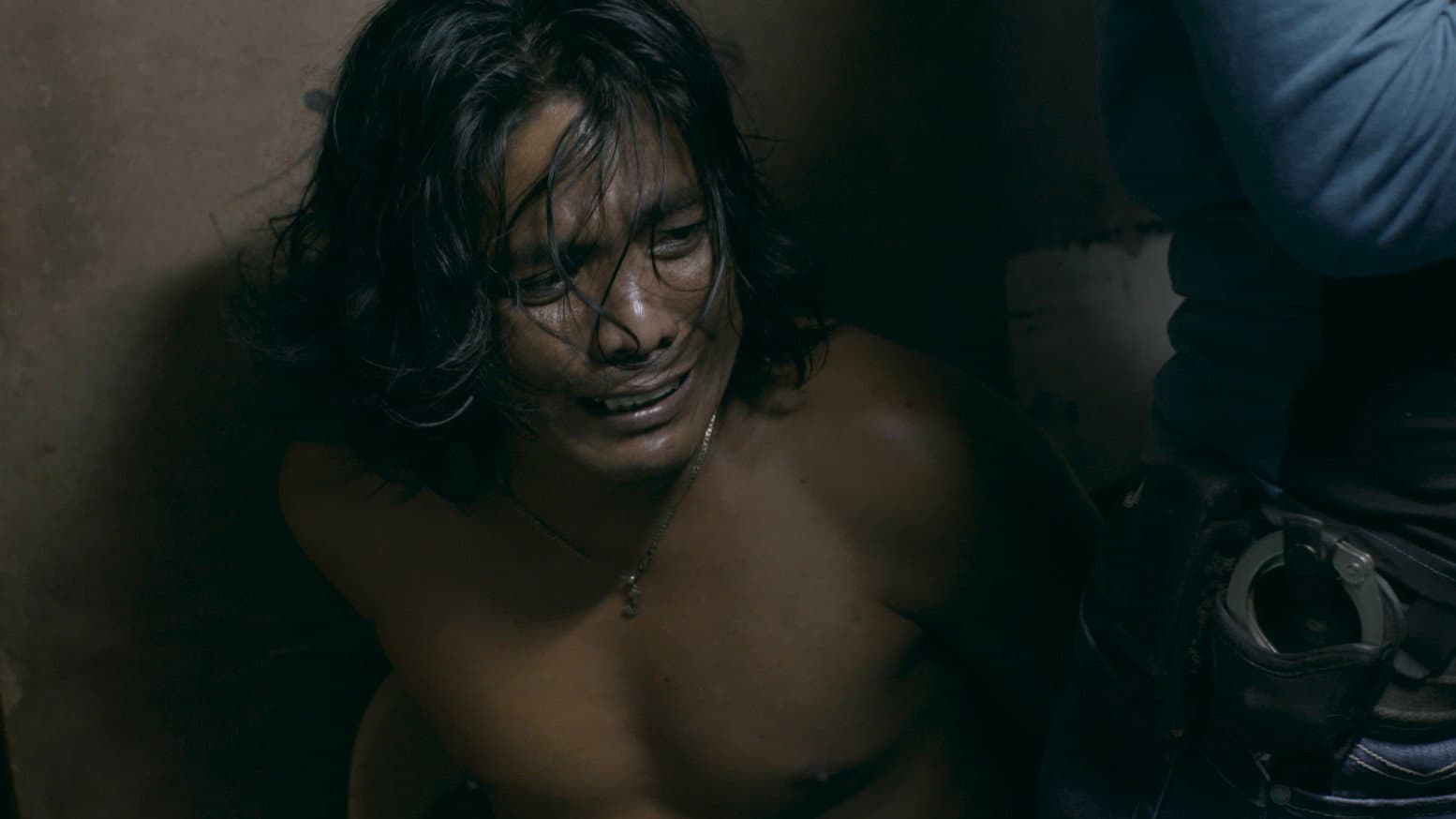
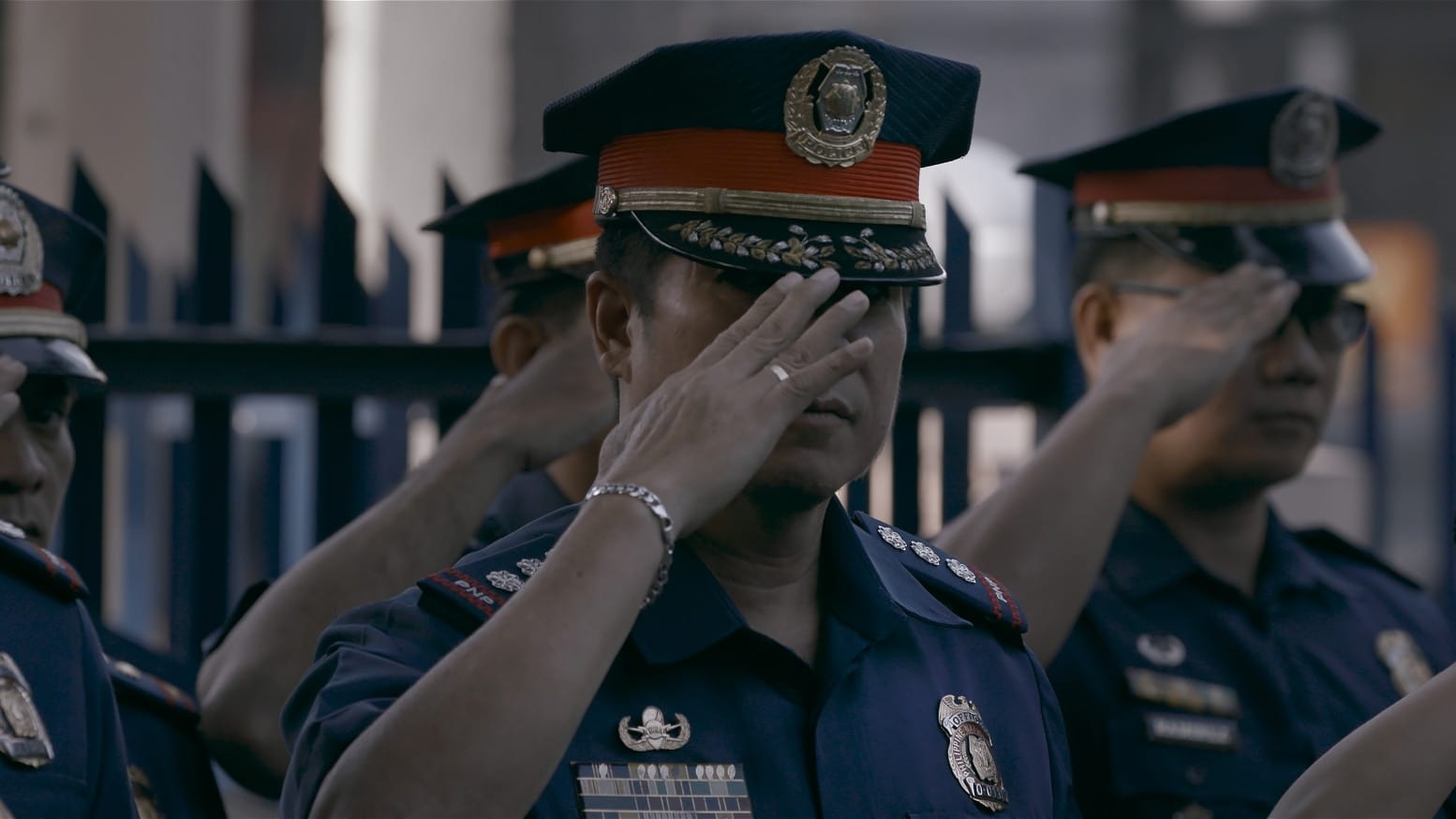
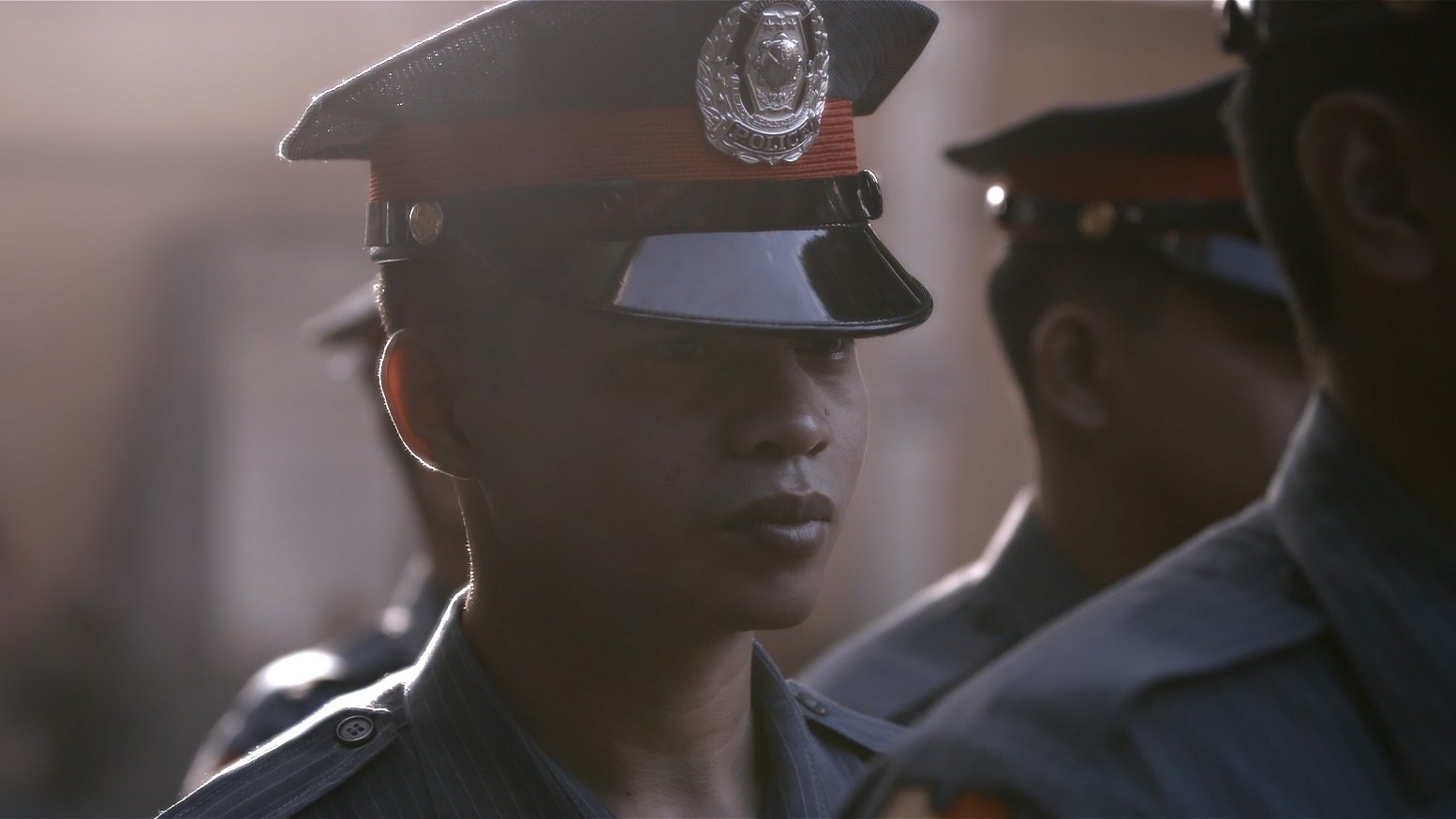
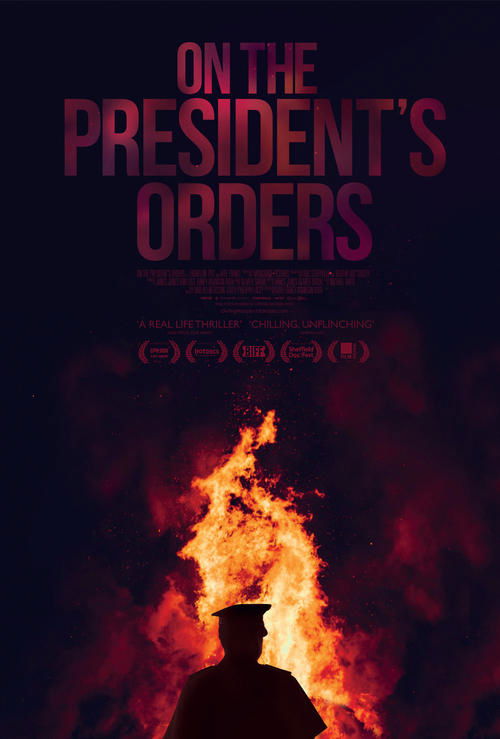
I think it was a very informative piece for the uninitiated (That is, western audiences interested in the extrajudicial killings where they may not have known about it before). But couldn’t shake the “spectator” feeling that comes naturally from an outsider trying to cover the complex reality of the drug war. The film is stylised tastefully but I don’t think it contributes much to the actual discourse of the intersecting social issues of the Phillipines more broadly. Just makes everyone seem like savages more or less. It doesn’t ask many questions, and the message gets a bit convoluted at times.
Moreover, I don’t see much reason to add in English questions in the Q&A scenes of the film other than to catch the officers interviewed in a lie. It seems to only exist to confirm the existing notions of the audience as a shifty, poverty-stricken place with no real nuance.
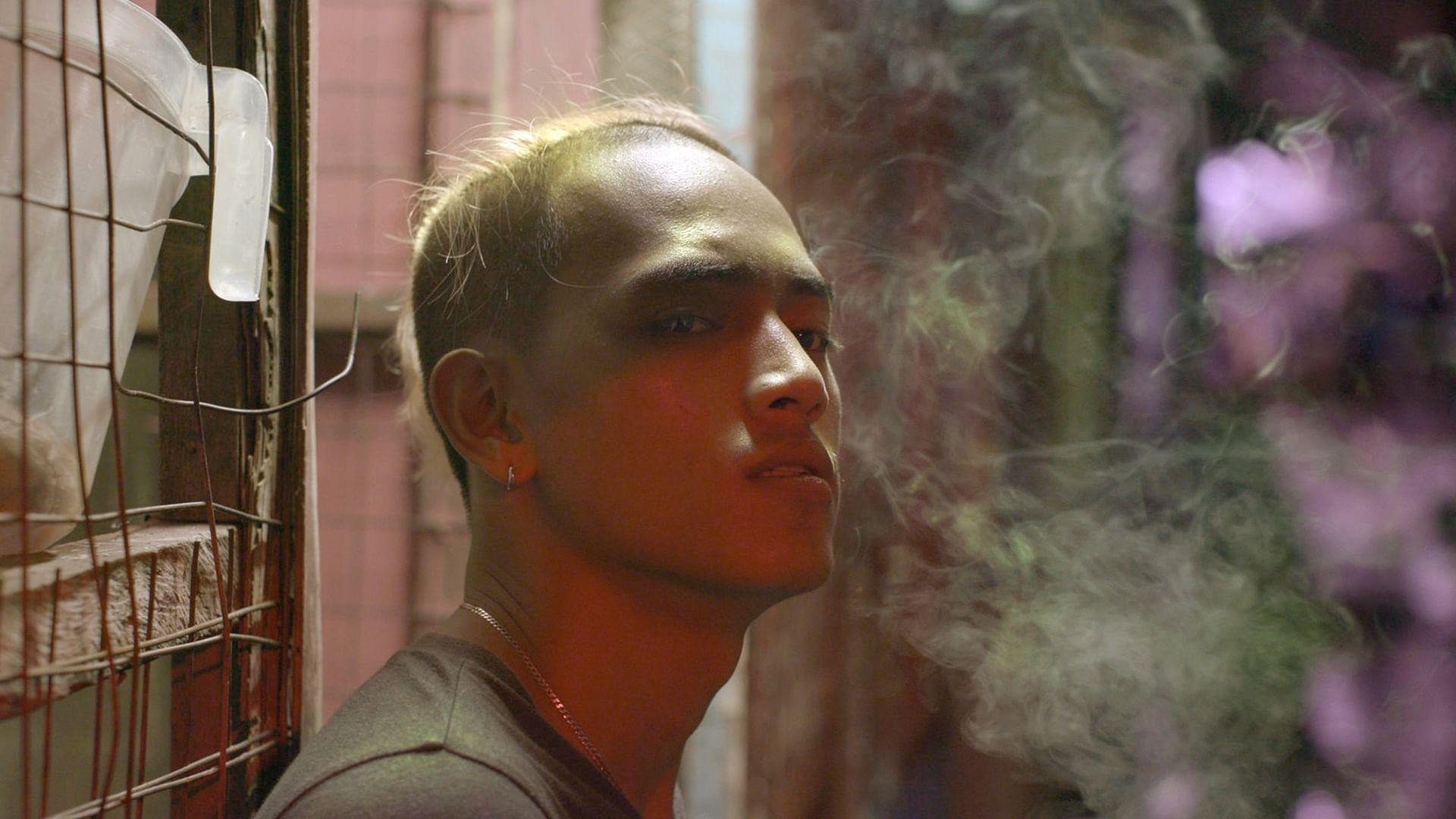
I think the film confirmed how this genre of documentary can be exploitative of the people and communities that have to live through this, no matter how immersive it tries to get. I think the ‘reveal’ towards the end of the young man being the son of the man who was shot, was particularly too cinematic and film-y given the subject matter, this was where it played too much into being a film plot rather than a realistic depiction of the situation.
While the ending suggests that the corruption has continued past the film, the drug war and its consequences is very much a living thing, even to today. Again, it doesn’t really say anything about the situation, just confirms the preconceived biases of its audience about the Phillipines.
I think it was a very informative piece for the uninitiated (That is, western audiences interested in the extrajudicial killings where they may not have known about it before). But couldn’t shake the “spectator” feeling that comes naturally from an outsider trying to cover the complex reality of the drug war. The film is stylised tastefully but I don’t think it contributes much to the actual discourse of the intersecting social issues of the Phillipines more broadly. Just makes everyone seem like savages more or less. It doesn’t ask many questions, and the message gets a bit convoluted at times.
Moreover, I don’t see much reason to add in English questions in the Q&A scenes of the film other than to catch the officers interviewed in a lie. It seems to only exist to confirm the existing notions of the audience as a shifty, poverty-stricken place with no real nuance.
I think the film confirmed how this genre of documentary can be exploitative of the people and communities that have to live through this, no matter how immersive it tries to get. I think the ‘reveal’ towards the end of the young man being the son of the man who was shot, was particularly too cinematic and film-y given the subject matter, this was where it played too much into being a film plot rather than a realistic depiction of the situation.
While the ending suggests that the corruption has continued past the film, the drug war and its consequences is very much a living thing, even to today. Again, it doesn’t really say anything about the situation, just confirms the preconceived biases of its audience about the Phillipines.