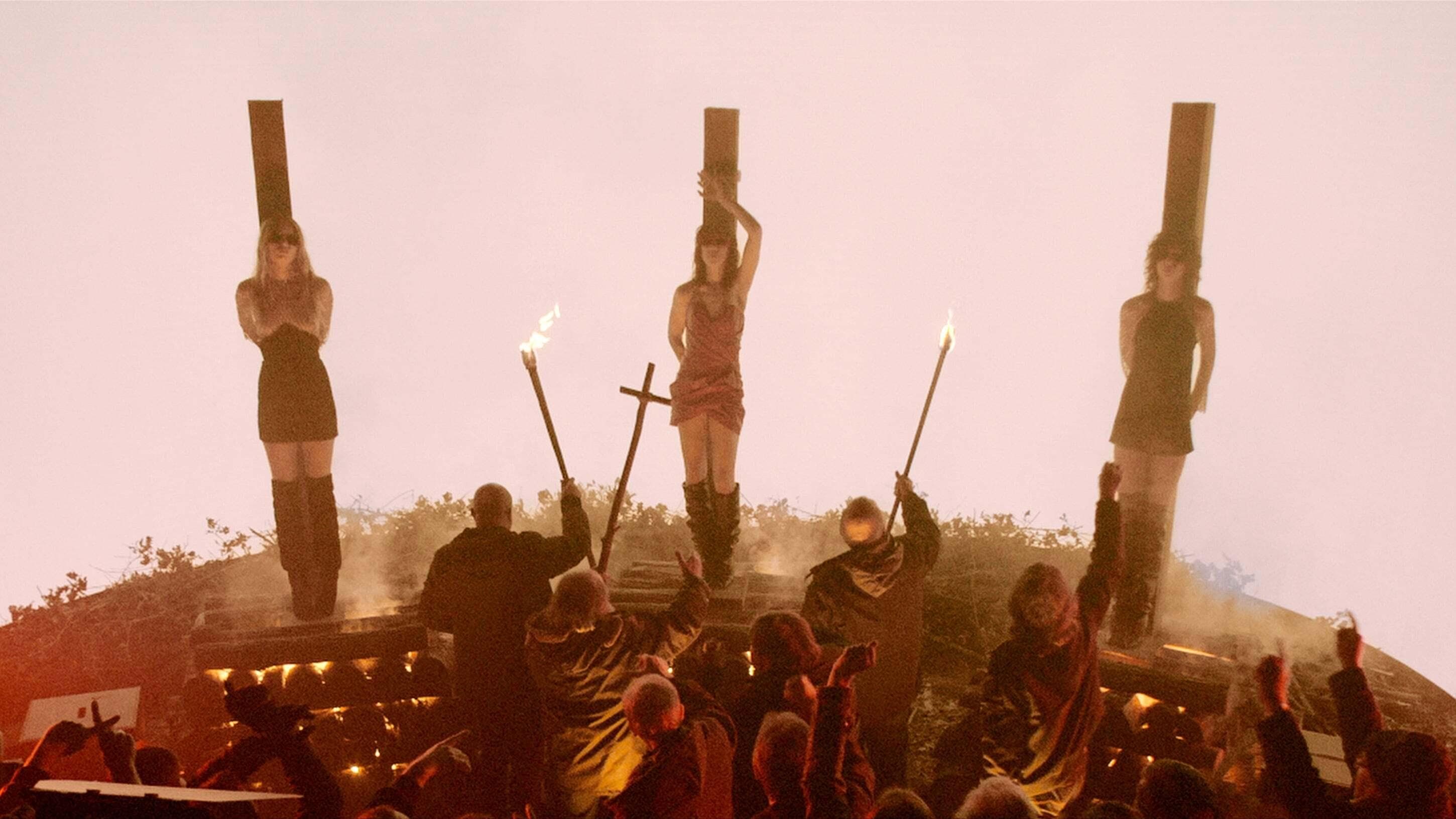
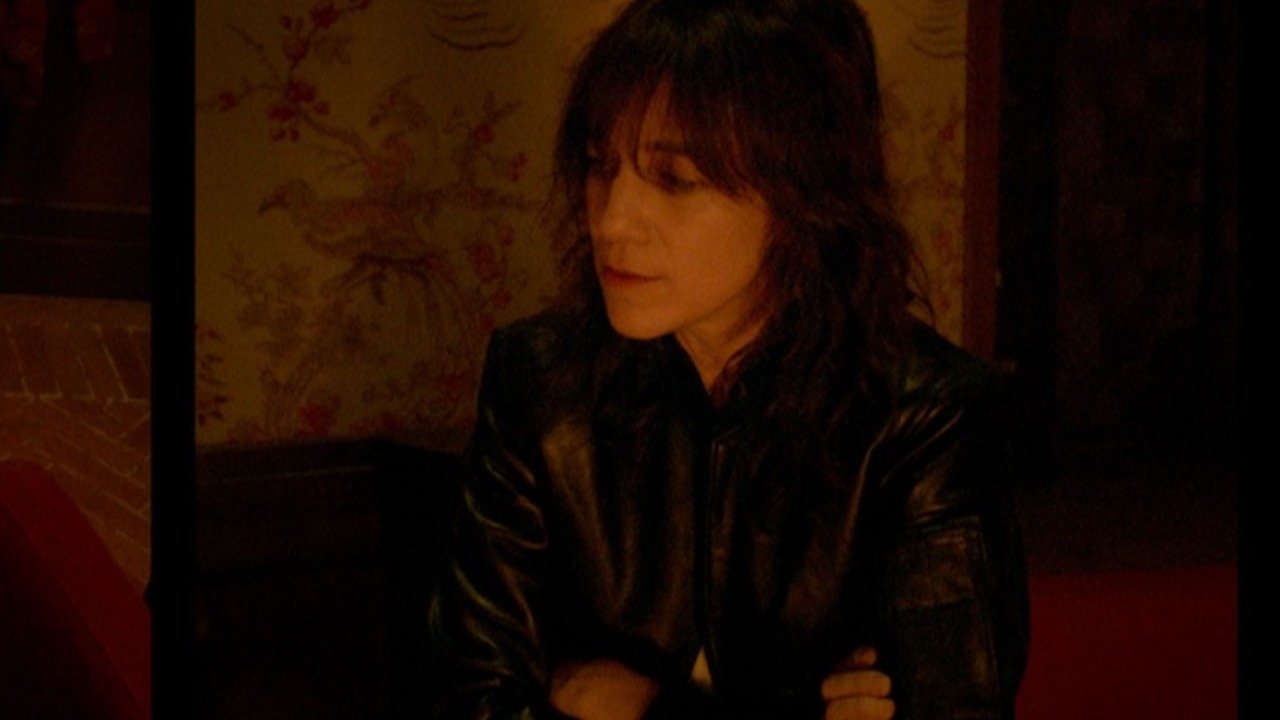
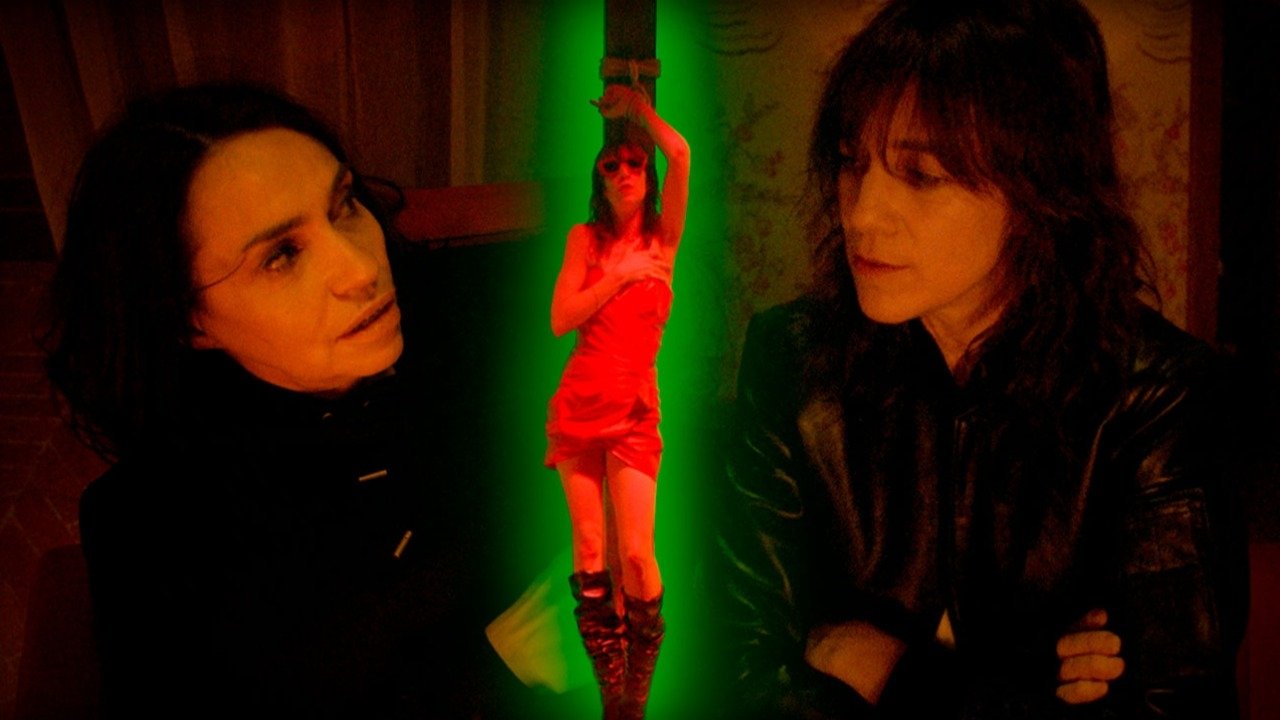
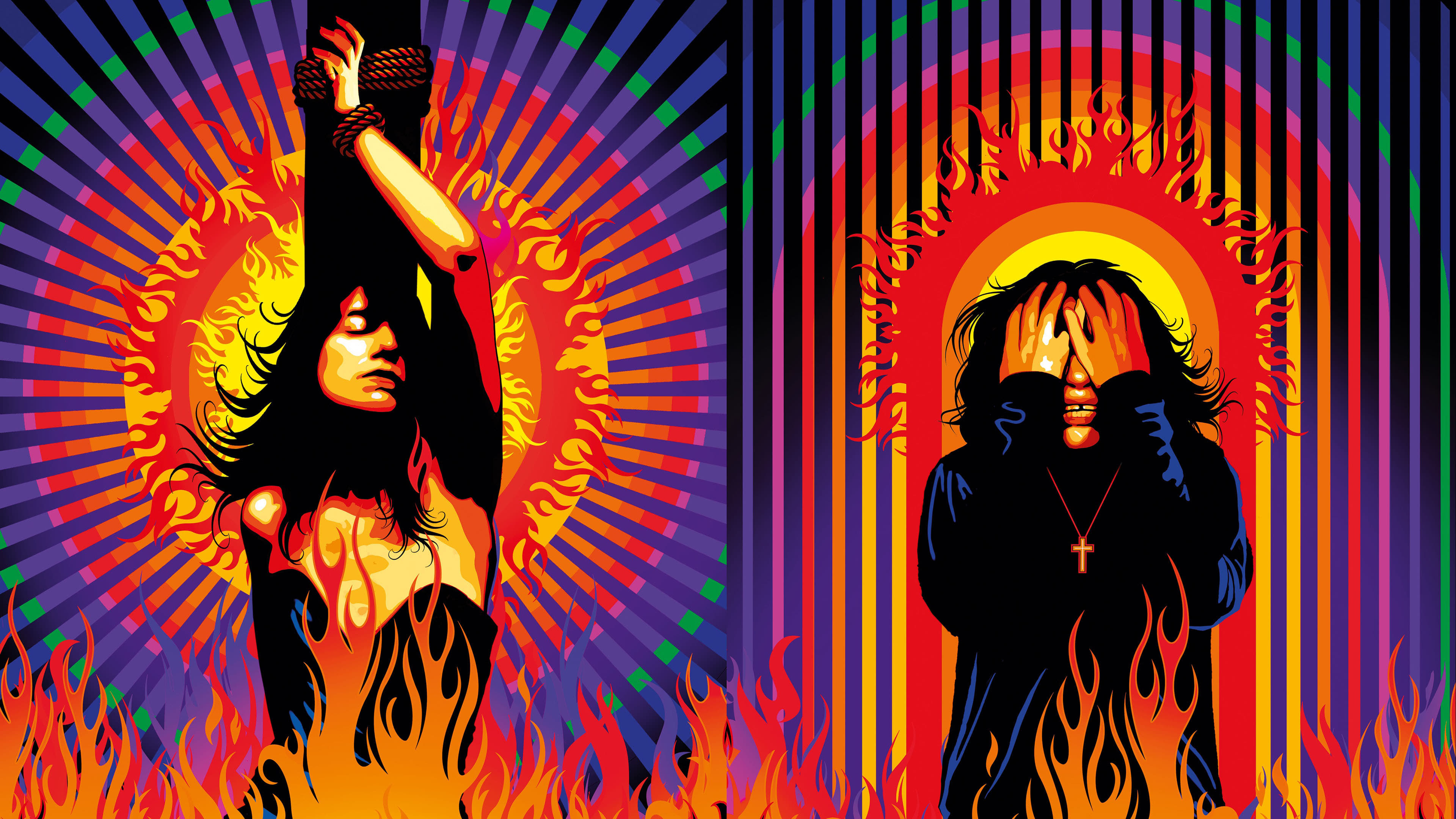
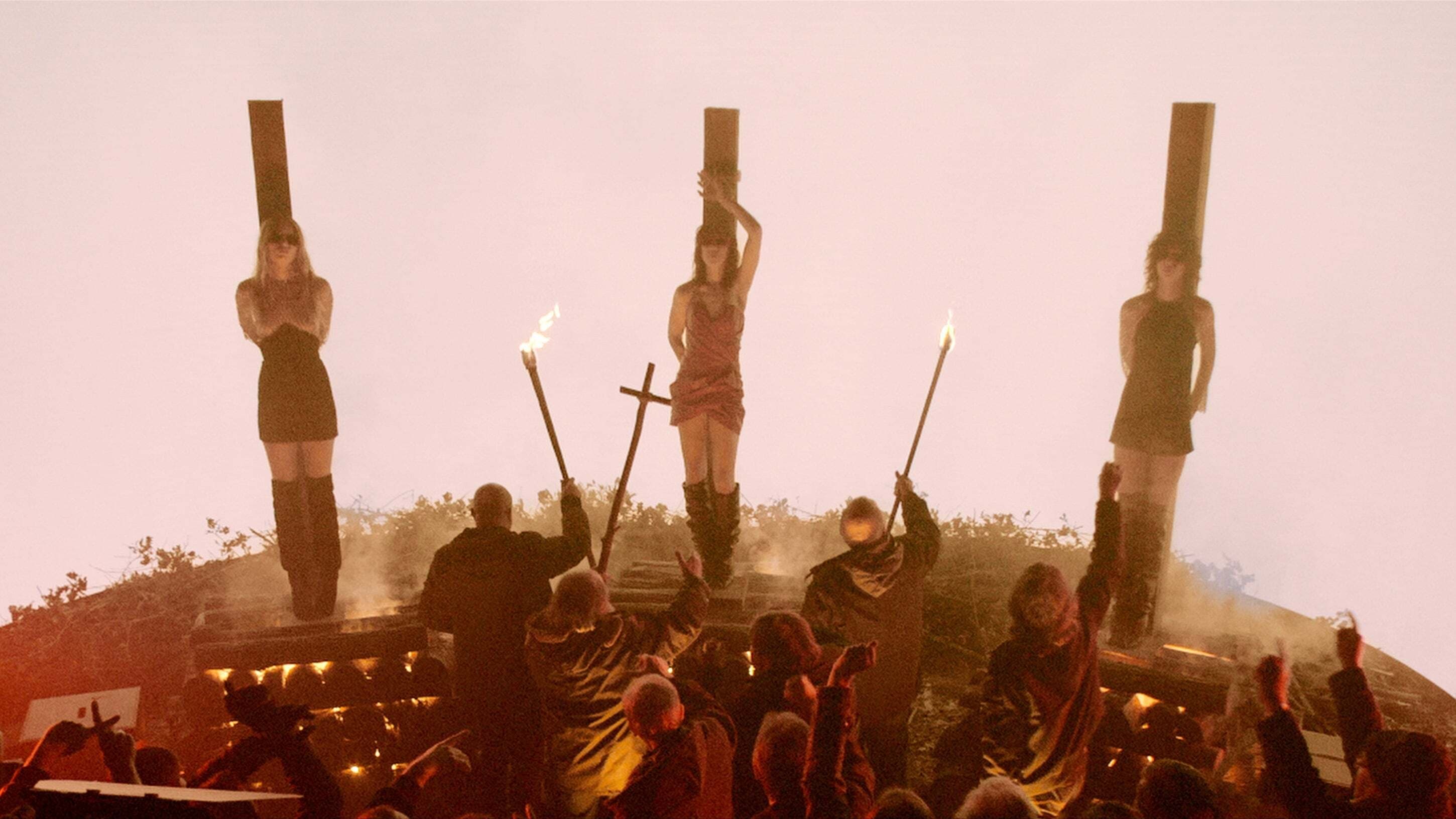
Lux Æterna is a mental state that Gaspar Noé forces you to inhabit. What begins as a casual, even humorous conversation between Béatrice Dalle and Charlotte Gainsbourg slowly unravels into a maelstrom of arguments, technical failures, improvisations, and abuses of power, culminating in a stroboscopic climax that borders on the unbearable. The spectator is dragged from calm to anxiety, from laughter to discomfort, until the very fabric of perception feels assaulted.
The intertitles scattered throughout — quotations from Dostoevsky, Dreyer, Fassbinder, Buñuel — are not mere ornaments. They function as a manifesto in fragments, a meta-commentary on the nature of artistic creation. Dostoevsky speaks of ecstasy before collapse, Fassbinder admits his dictatorial tendencies under pressure, Dreyer insists on the filmmaker’s personal imprint, and Buñuel leaves us with ironic atheism. Put together, they form a perfect synthesis of Lux Æterna itself: a chaotic, ecstatic, uncompromising meditation on the beauty and cruelty of cinema.
What makes the experience truly unsettling is its ambiguity. Noé isn’t simply critiquing the violence and authoritarianism behind the camera — he is also reproducing it, orchestrating the same chaos he pretends to expose. This leaves us with a haunting question: are we watching a denunciation, or an act of complicity? That ambivalence is precisely what makes Lux Æterna both fascinating and disturbing.
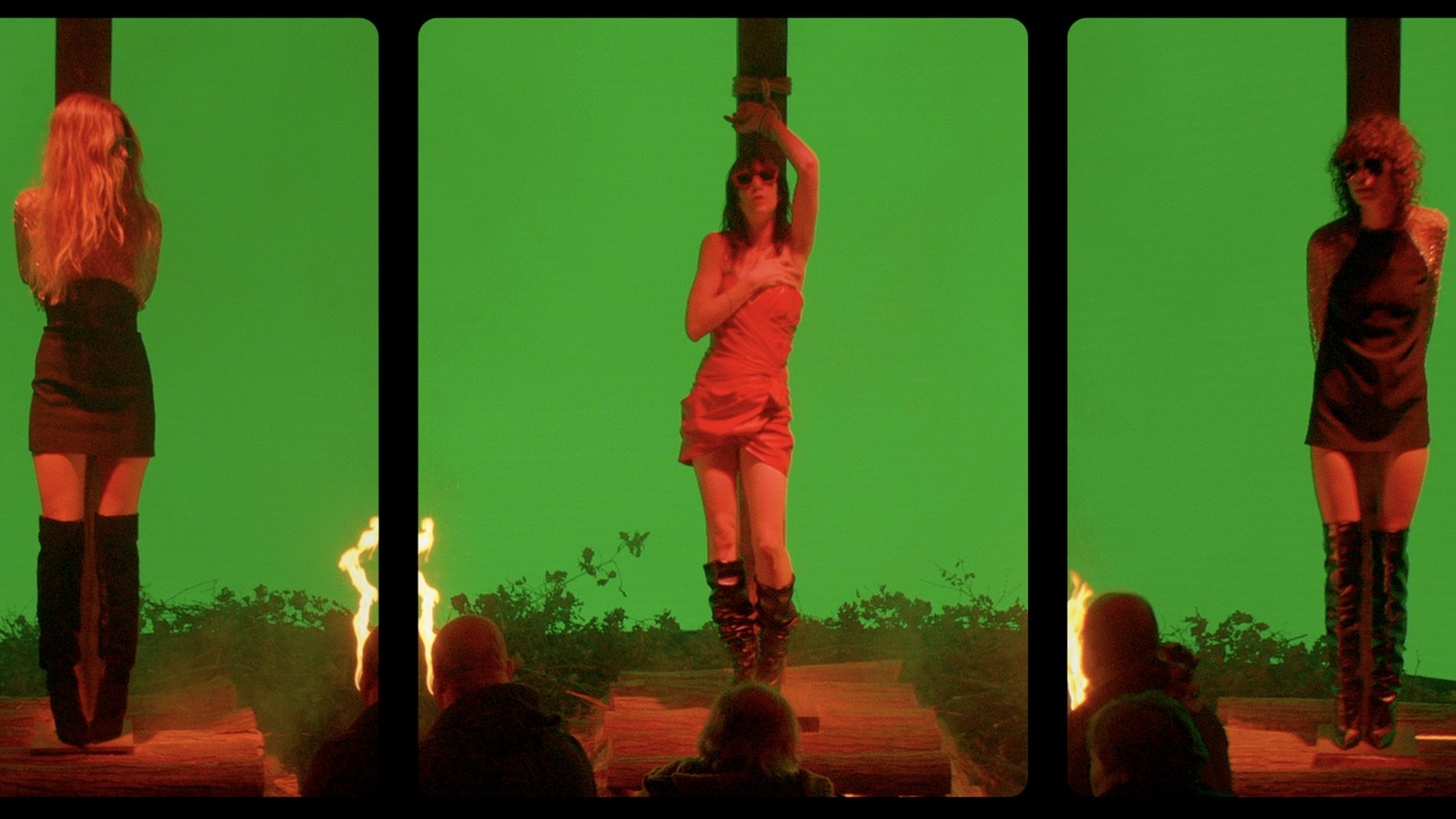
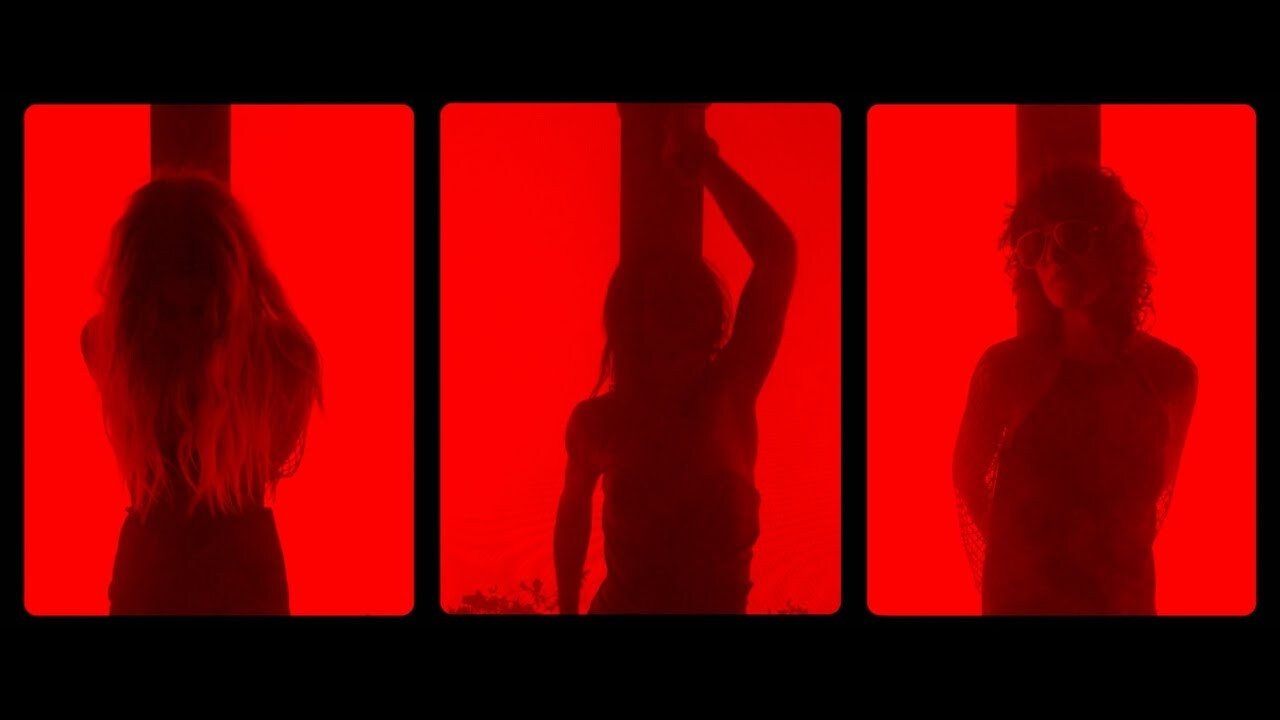
The headache it provokes is by design. The relentless strobe lights, the abrasive soundscape, and the fractured split-screen editing are meant to overwhelm the senses. Noé reminds us that cinema is not only narrative and image, but also a physical machine, capable of pushing us toward discomfort as well as wonder.
In the end, Lux Æterna feels like an exorcism: Noé purging his own frustrations with the industry, the actresses confronting the absurdities of the system, and the audience wrestling with its own tolerance for intensity. You might leave exhausted, perhaps even irritated, but also with the rare conviction of having experienced something radically different — a work that encapsulates not just the chaos of filmmaking, but the ecstatic madness of creation itself.
82/100
Lux Æterna is a mental state that Gaspar Noé forces you to inhabit. What begins as a casual, even humorous conversation between Béatrice Dalle and Charlotte Gainsbourg slowly unravels into a maelstrom of arguments, technical failures, improvisations, and abuses of power, culminating in a stroboscopic climax that borders on the unbearable. The spectator is dragged from calm to anxiety, from laughter to discomfort, until the very fabric of perception feels assaulted.
The intertitles scattered throughout — quotations from Dostoevsky, Dreyer, Fassbinder, Buñuel — are not mere ornaments. They function as a manifesto in fragments, a meta-commentary on the nature of artistic creation. Dostoevsky speaks of ecstasy before collapse, Fassbinder admits his dictatorial tendencies under pressure, Dreyer insists on the filmmaker’s personal imprint, and Buñuel leaves us with ironic atheism. Put together, they form a perfect synthesis of Lux Æterna itself: a chaotic, ecstatic, uncompromising meditation on the beauty and cruelty of cinema.
What makes the experience truly unsettling is its ambiguity. Noé isn’t simply critiquing the violence and authoritarianism behind the camera — he is also reproducing it, orchestrating the same chaos he pretends to expose. This leaves us with a haunting question: are we watching a denunciation, or an act of complicity? That ambivalence is precisely what makes Lux Æterna both fascinating and disturbing.
The headache it provokes is by design. The relentless strobe lights, the abrasive soundscape, and the fractured split-screen editing are meant to overwhelm the senses. Noé reminds us that cinema is not only narrative and image, but also a physical machine, capable of pushing us toward discomfort as well as wonder.
In the end, Lux Æterna feels like an exorcism: Noé purging his own frustrations with the industry, the actresses confronting the absurdities of the system, and the audience wrestling with its own tolerance for intensity. You might leave exhausted, perhaps even irritated, but also with the rare conviction of having experienced something radically different — a work that encapsulates not just the chaos of filmmaking, but the ecstatic madness of creation itself.
82/100