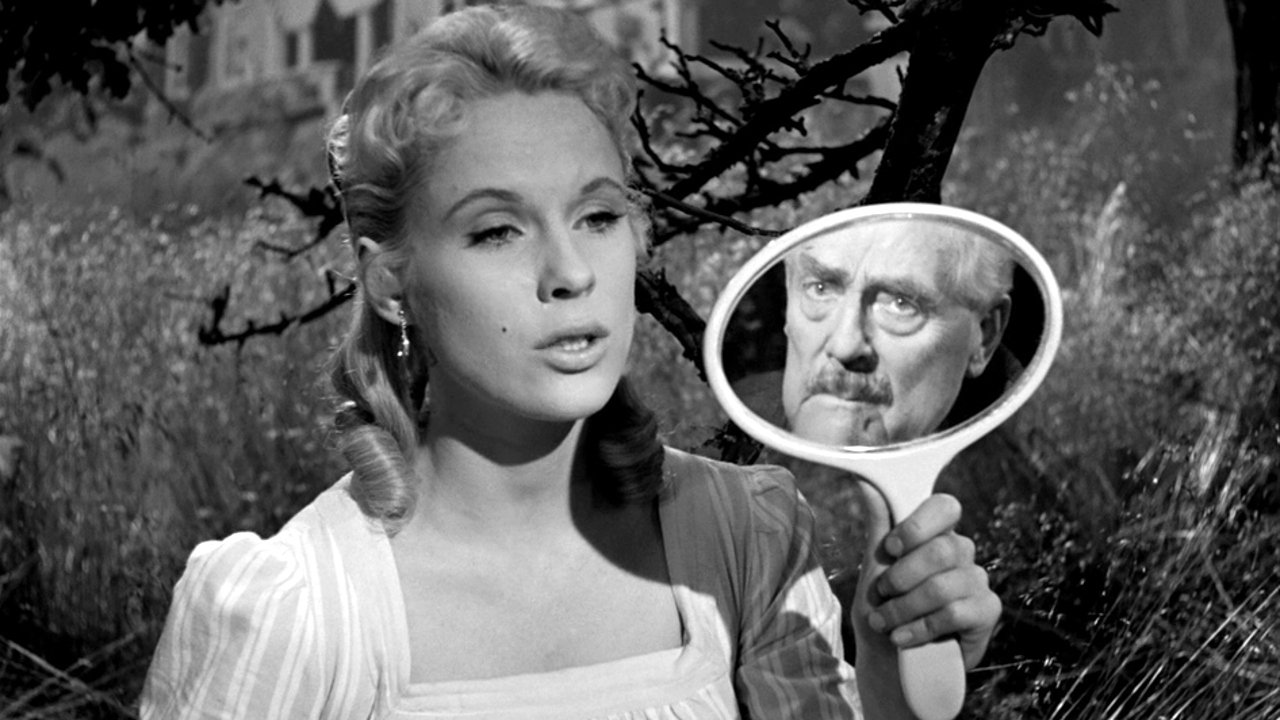
One of the best 75 films I’ve ever seen.****
Potentially one of the most beautiful black-and-white films in the history of cinema.I’ve seen five Bergman films; four are favorites. That may not say much statistically, but for me it’s enough to affirm that Bergman is one of the greatest, most important, genius, monumental, influential, and unforgettable filmmakers to have ever walked this earth.
It still seems almost unbelievable that someone could make two such perfect films in a single year. Films that explore very different themes, yet are clearly siblings—born of the same brilliant mind. I may be in the presence of the greatest filmmaker of all time. Though, personally, my favorite is still Terrence Malick.
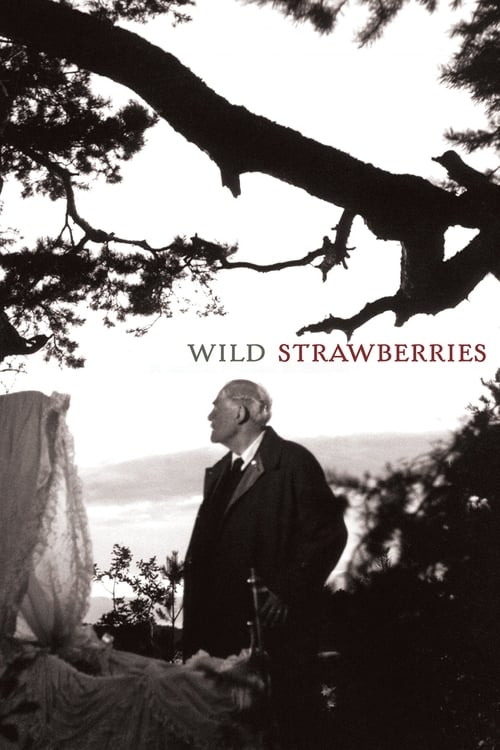
Wild Strawberries is one of his grandest works and one of the greatest films of all time. It’s hard to believe that in a single year he created two masterpieces like this and
The Seventh Seal—so different, and yet deeply connected through Bergman’s unique sensibility.
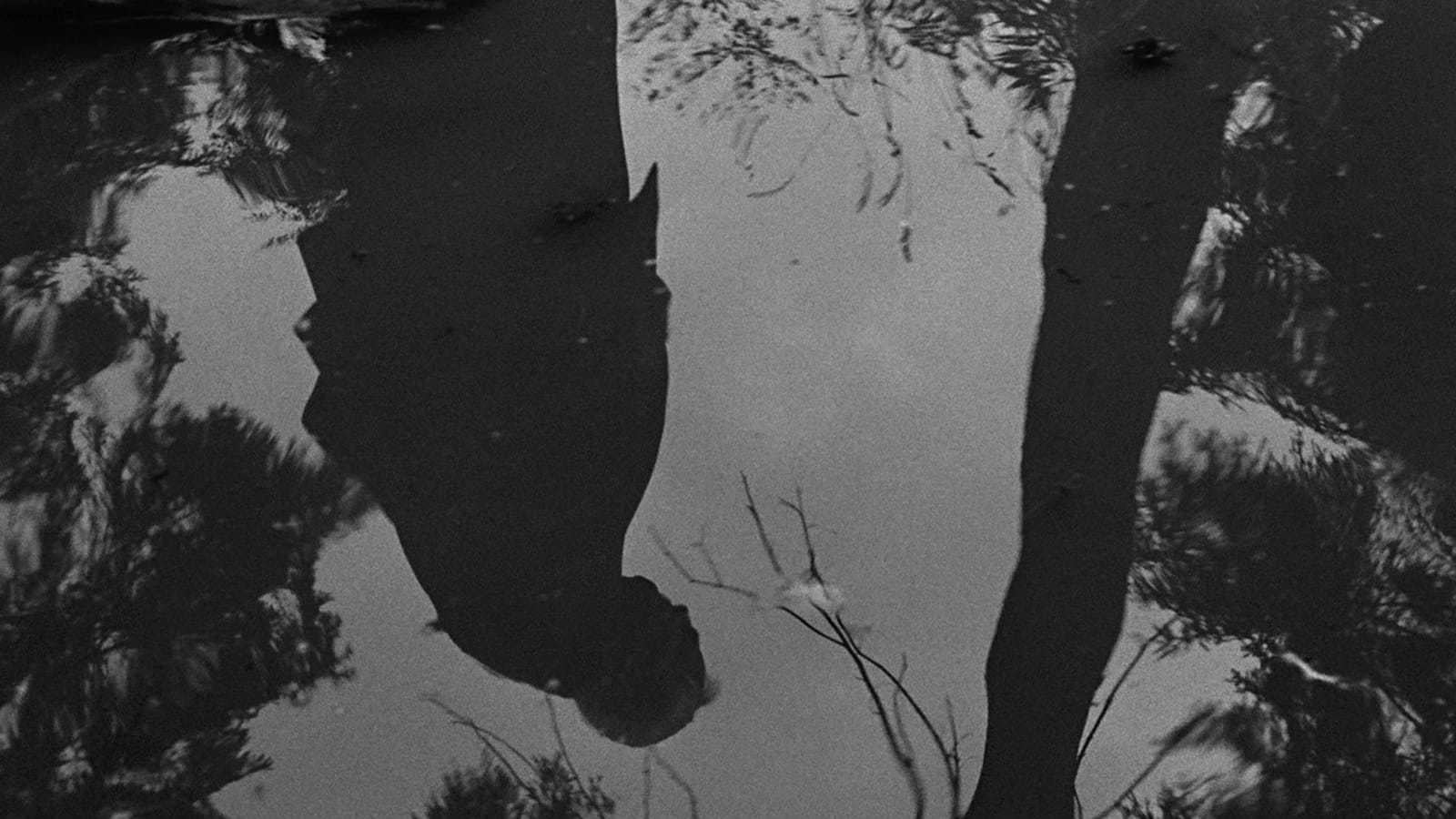
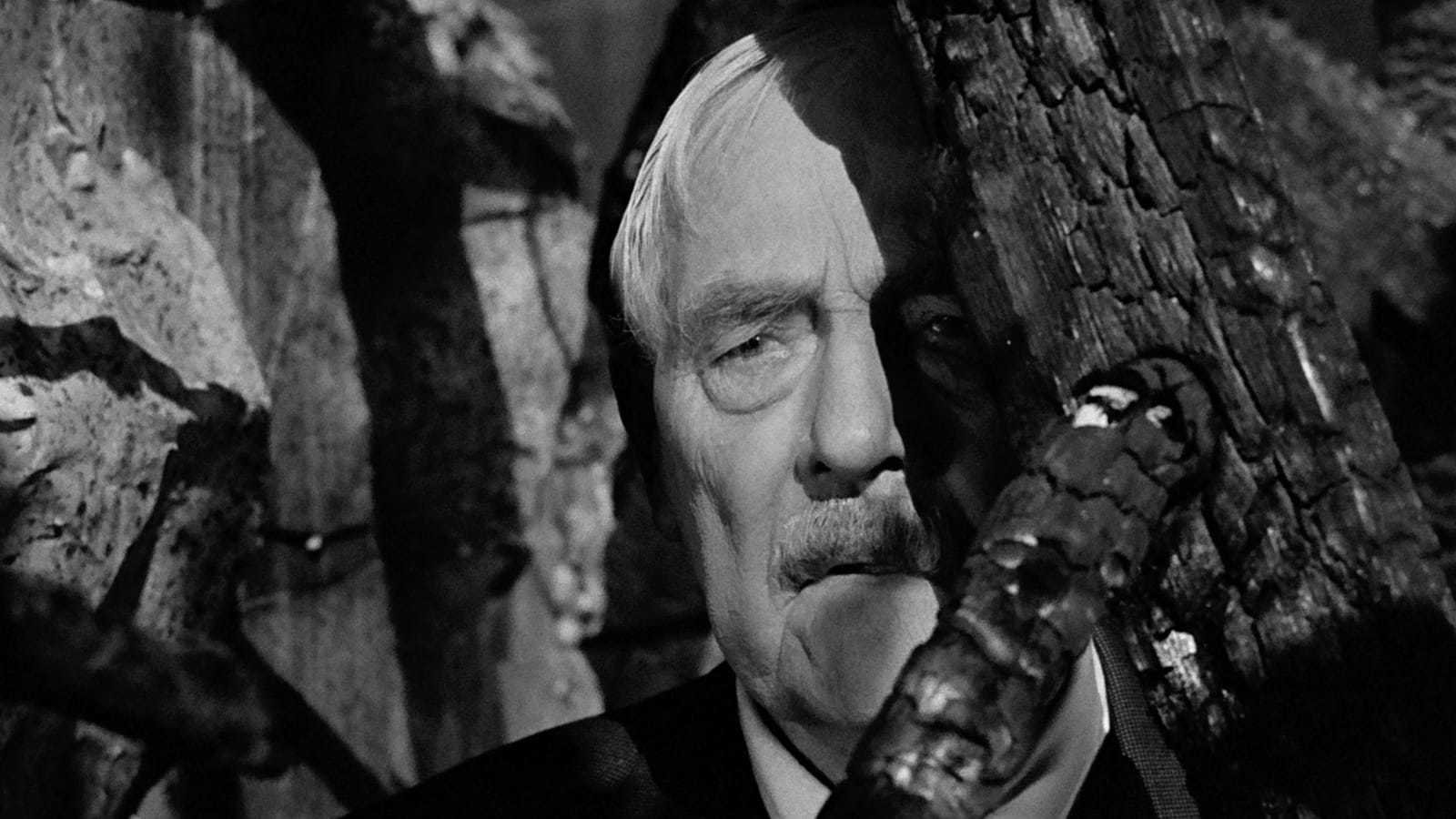
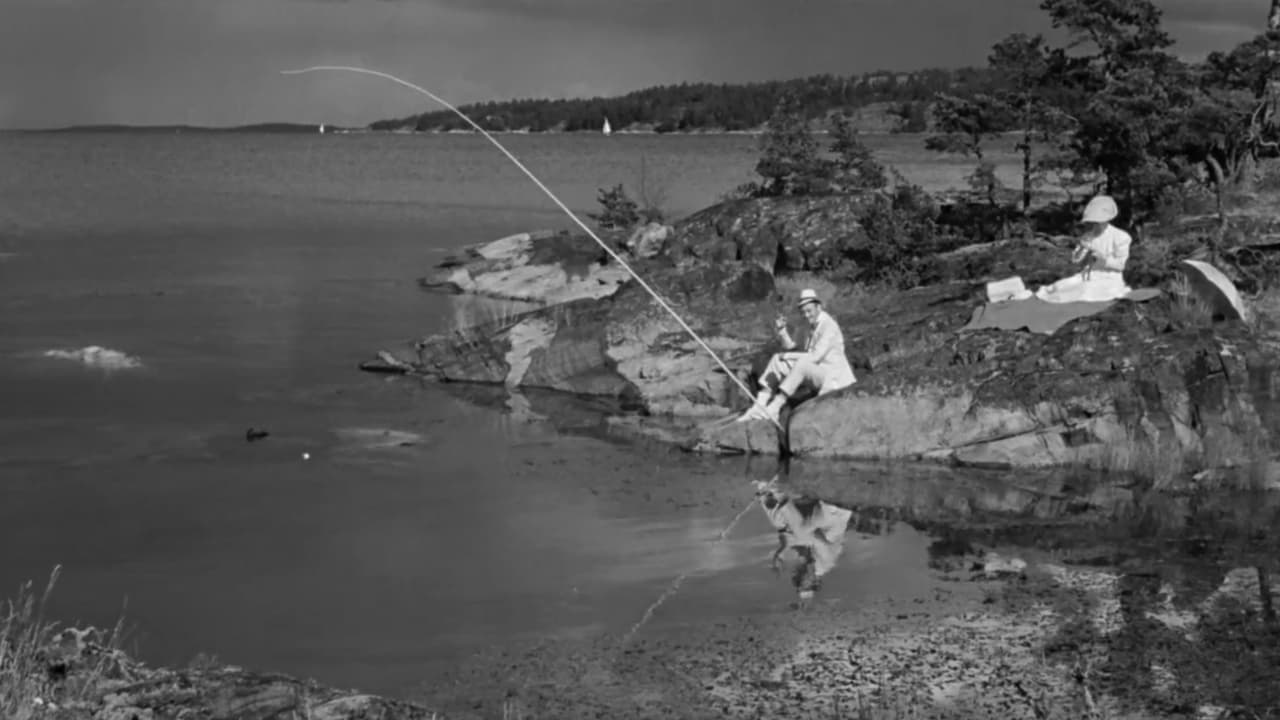
The cinematography in
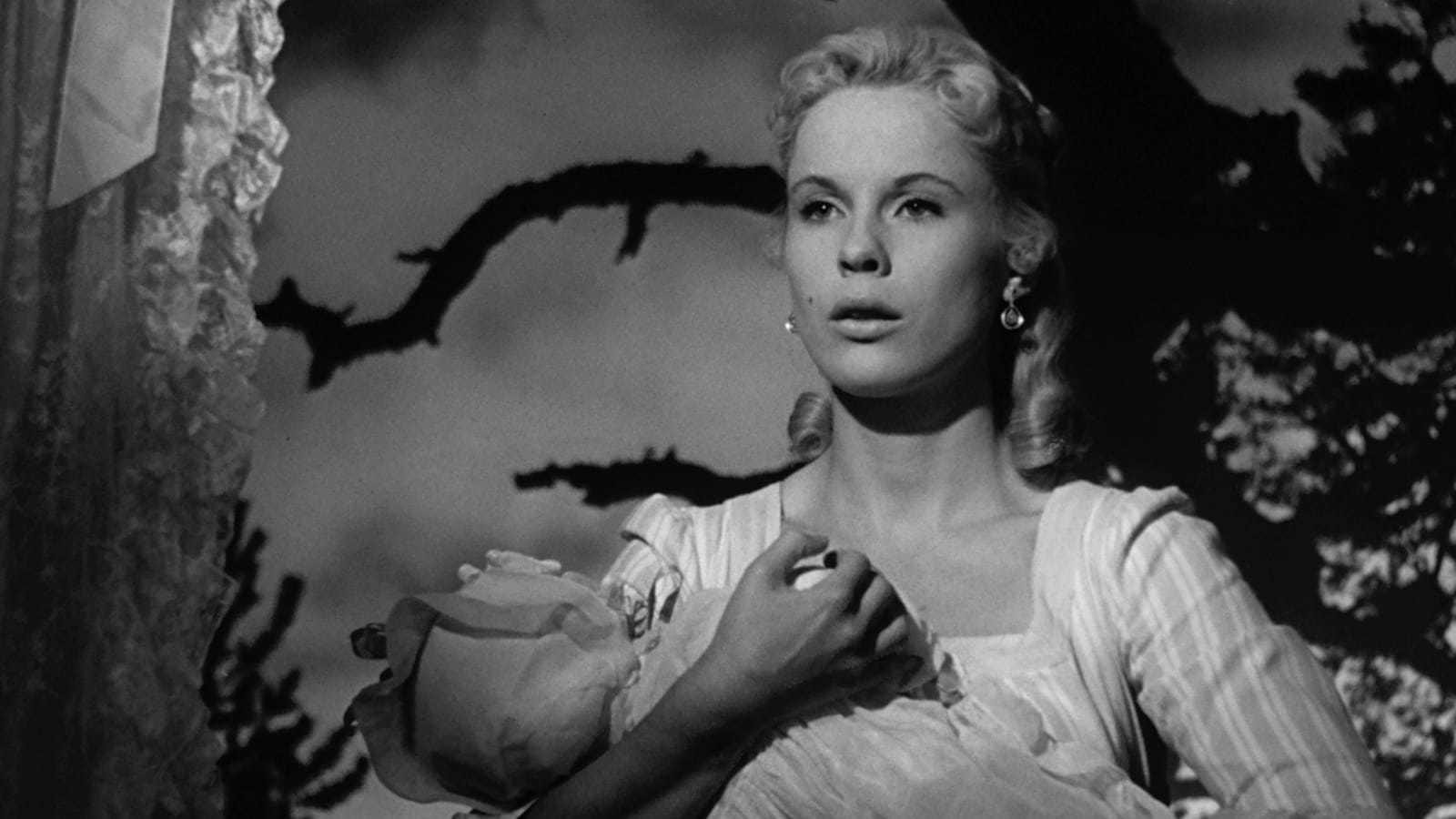
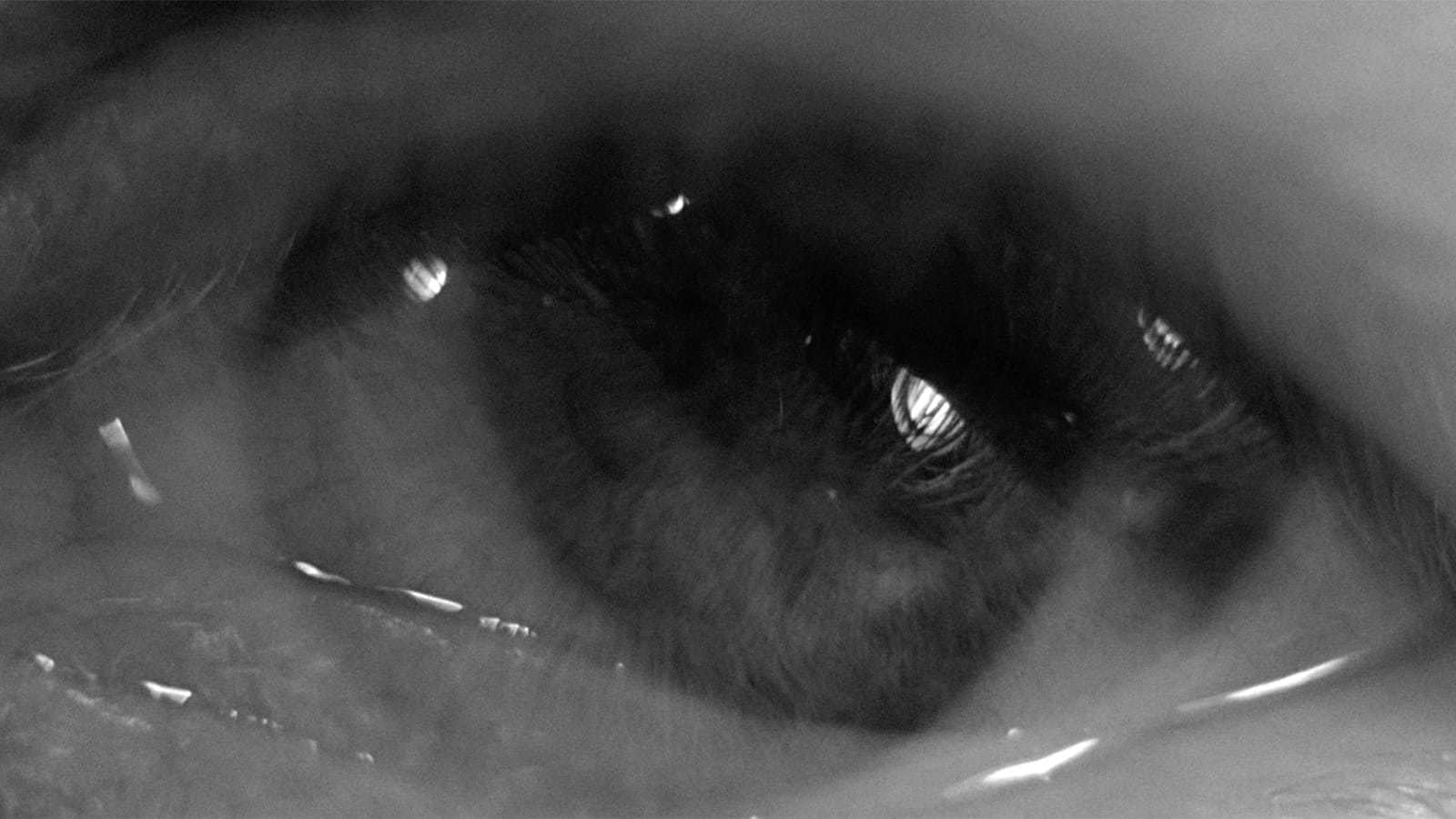
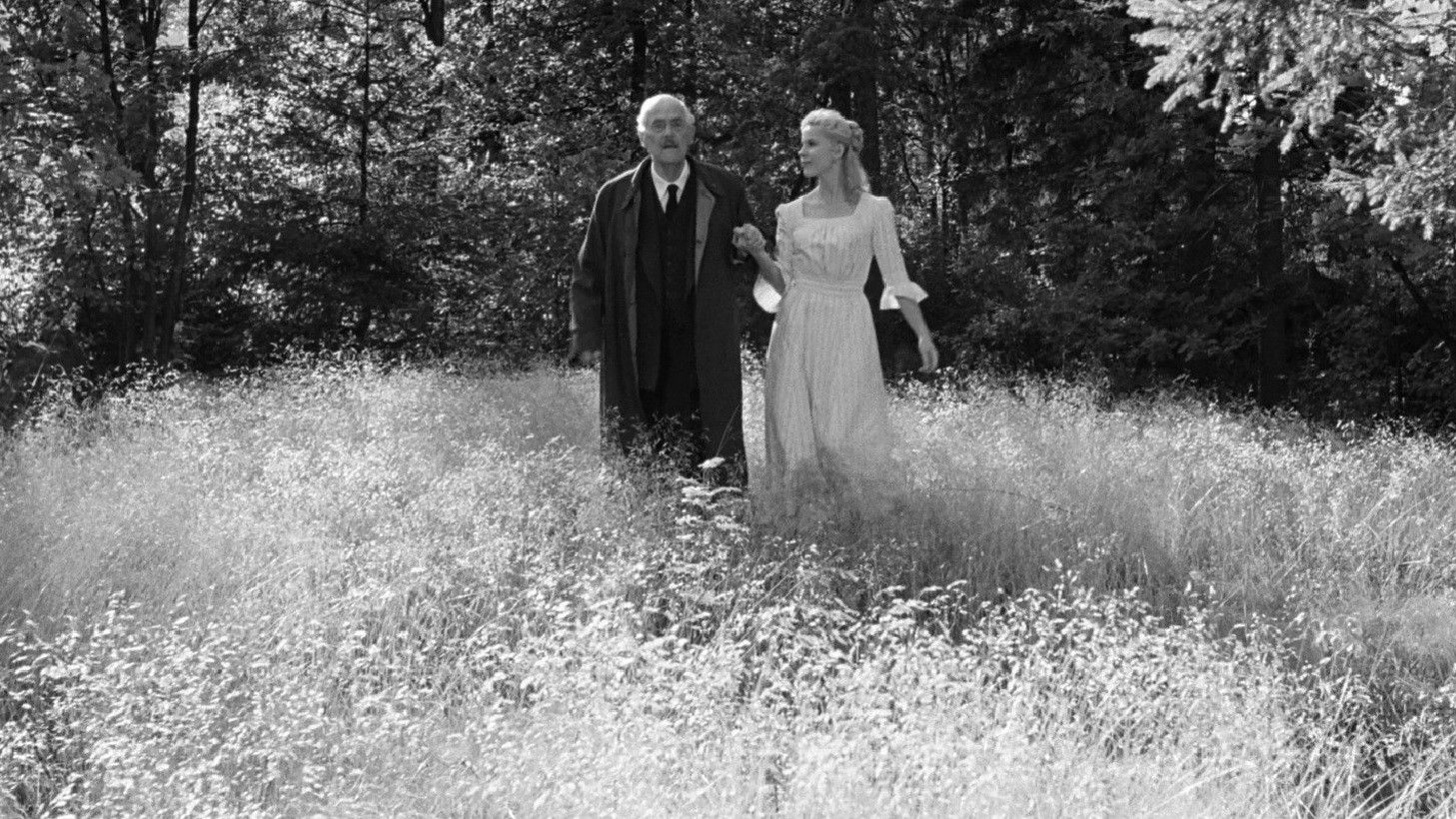
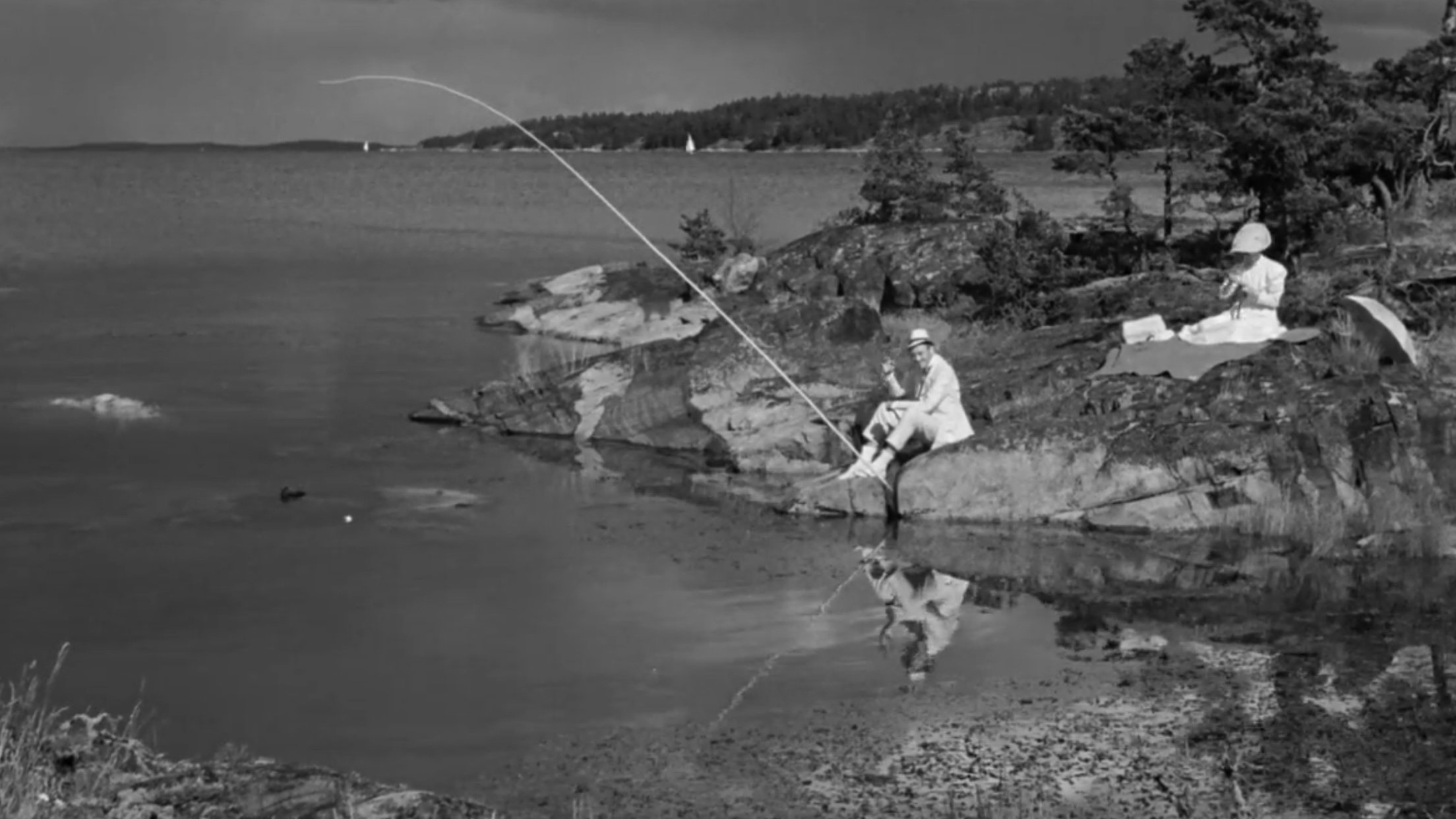
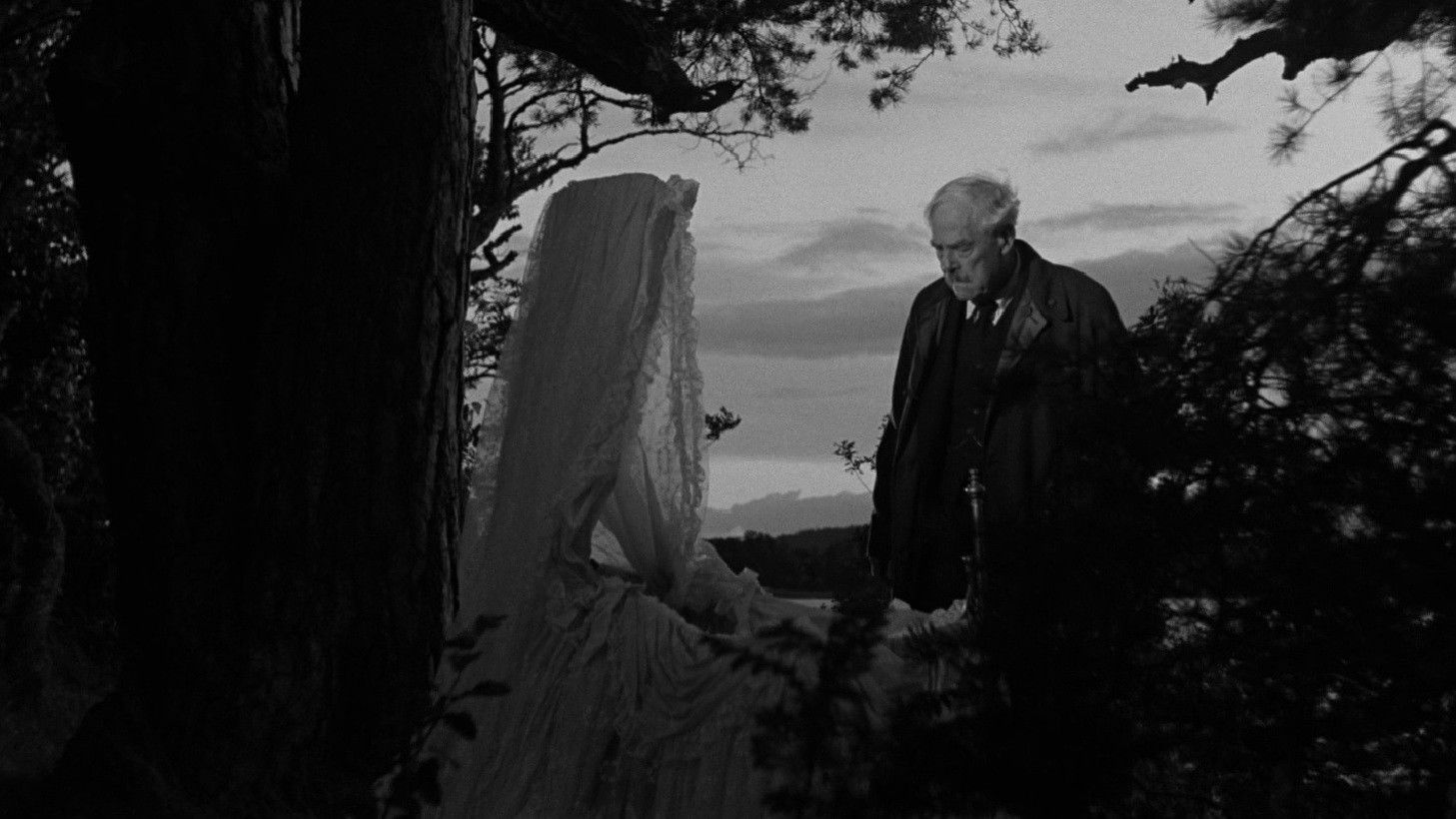
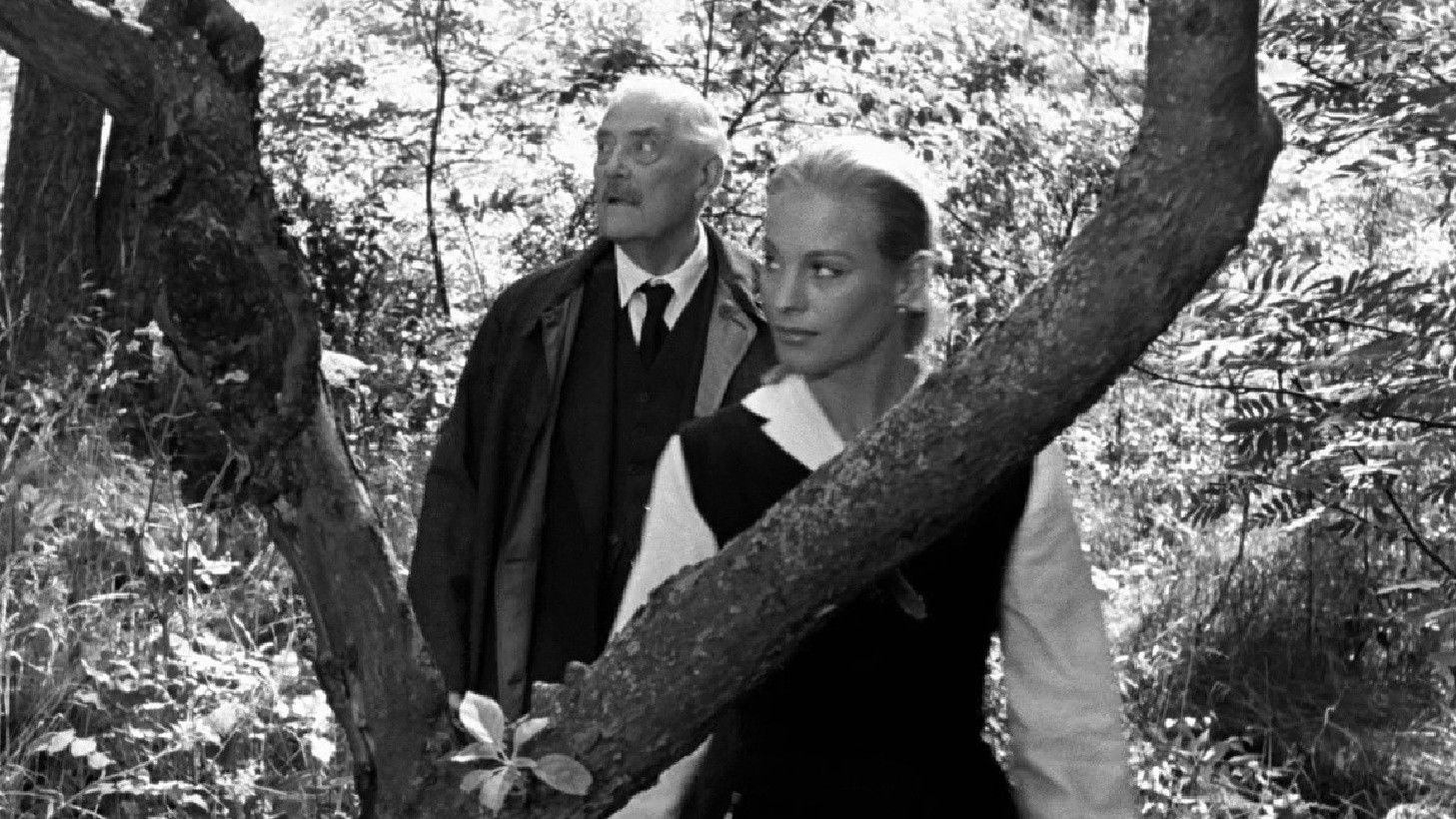
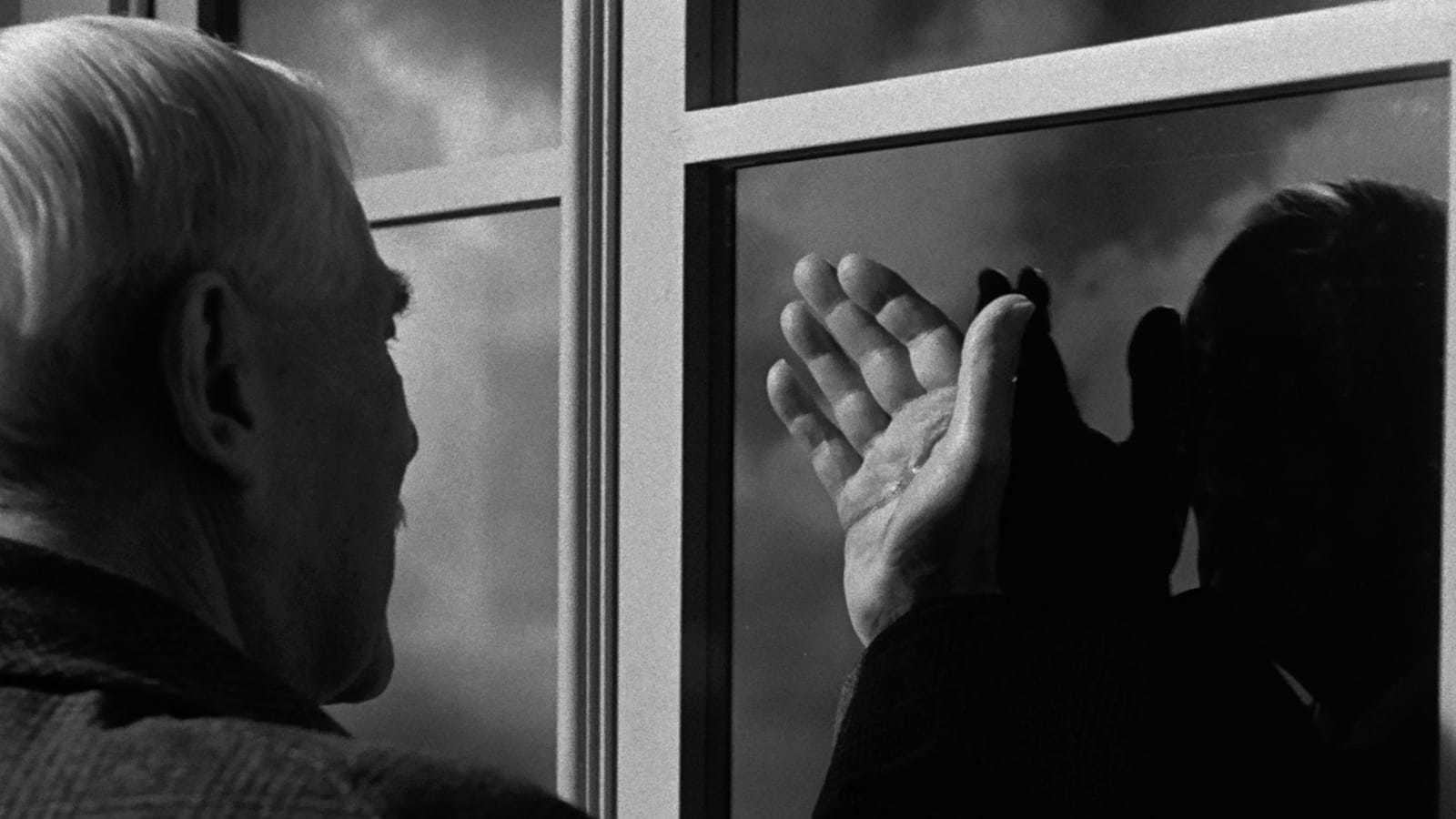
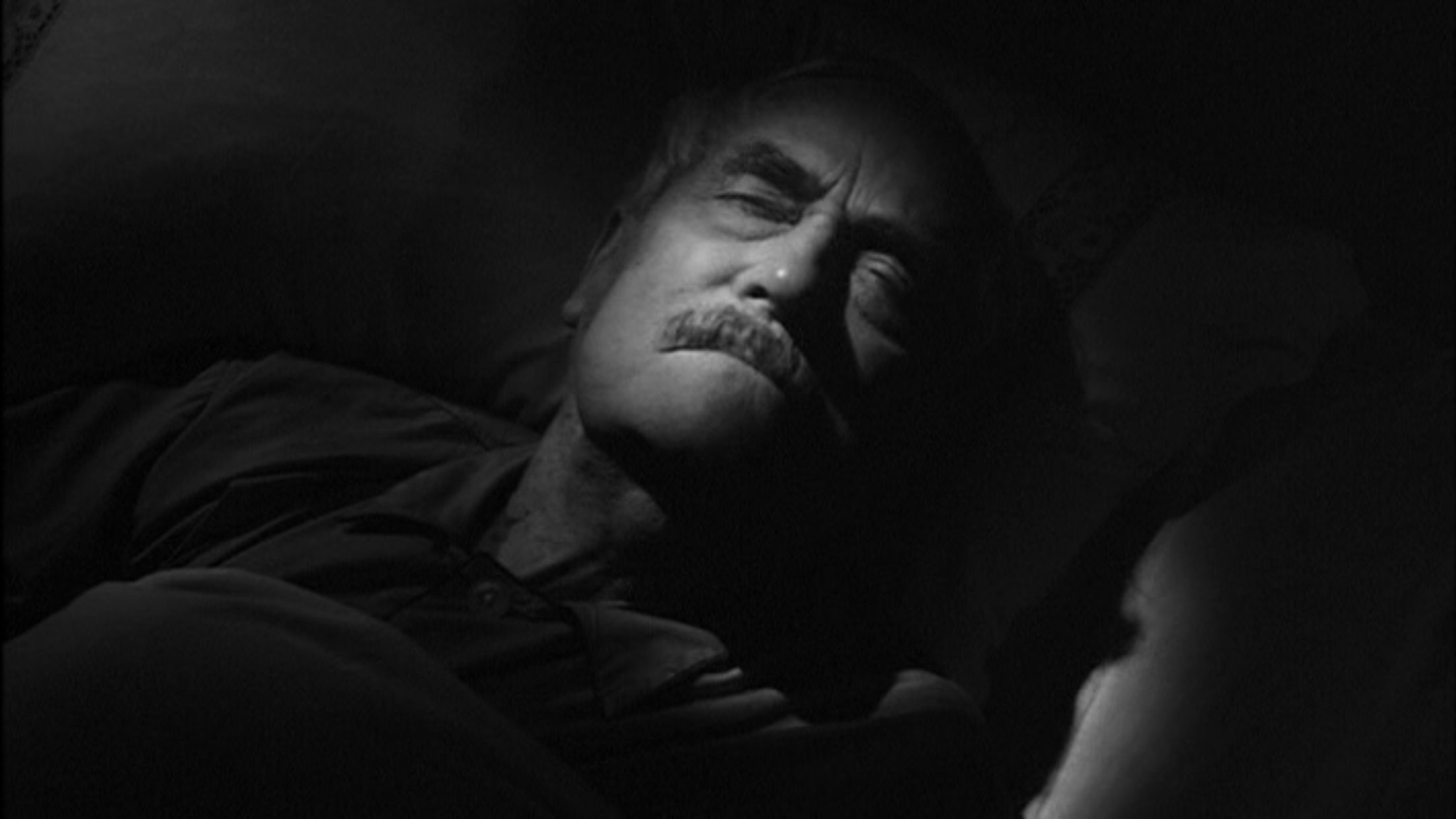
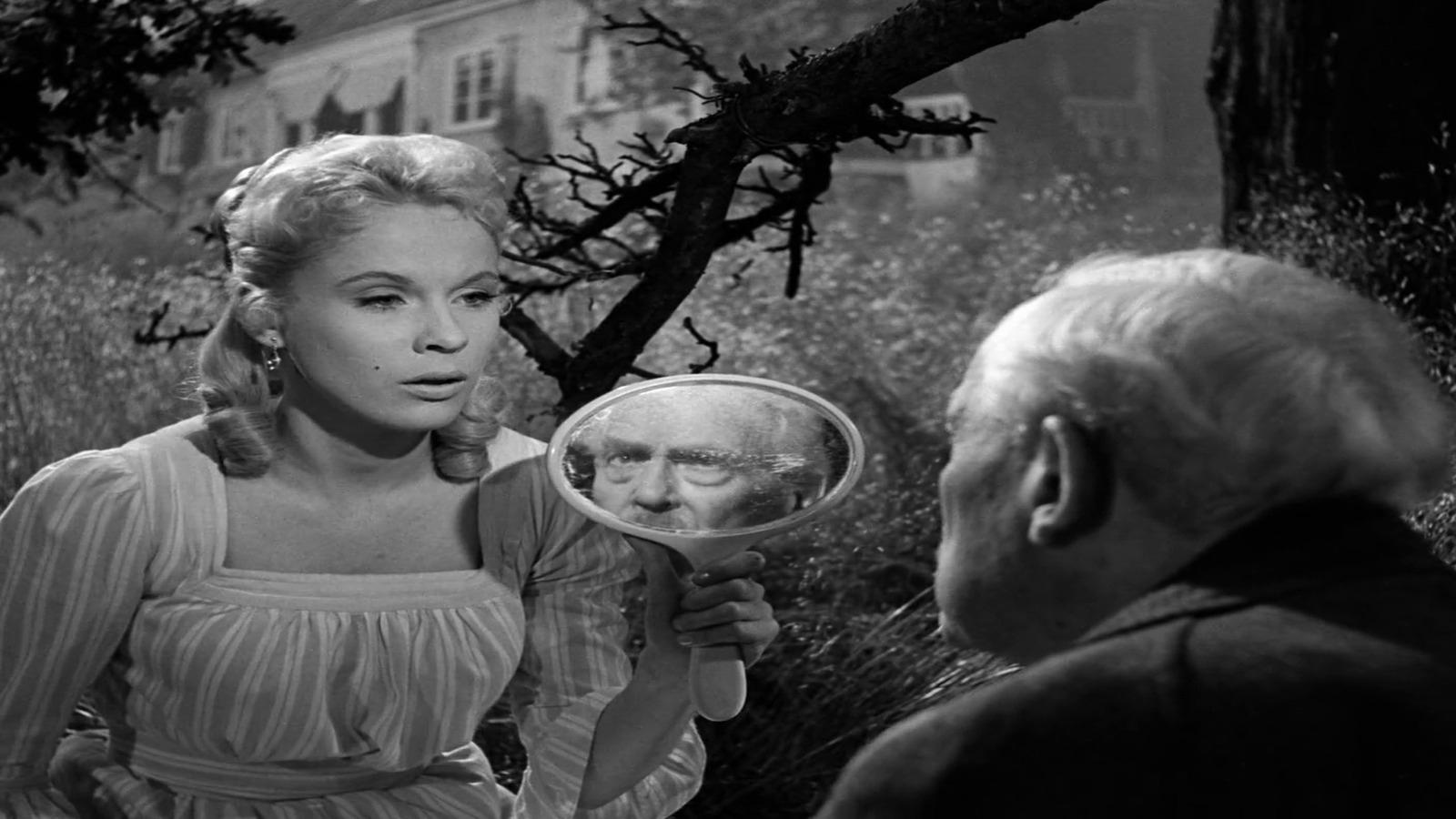
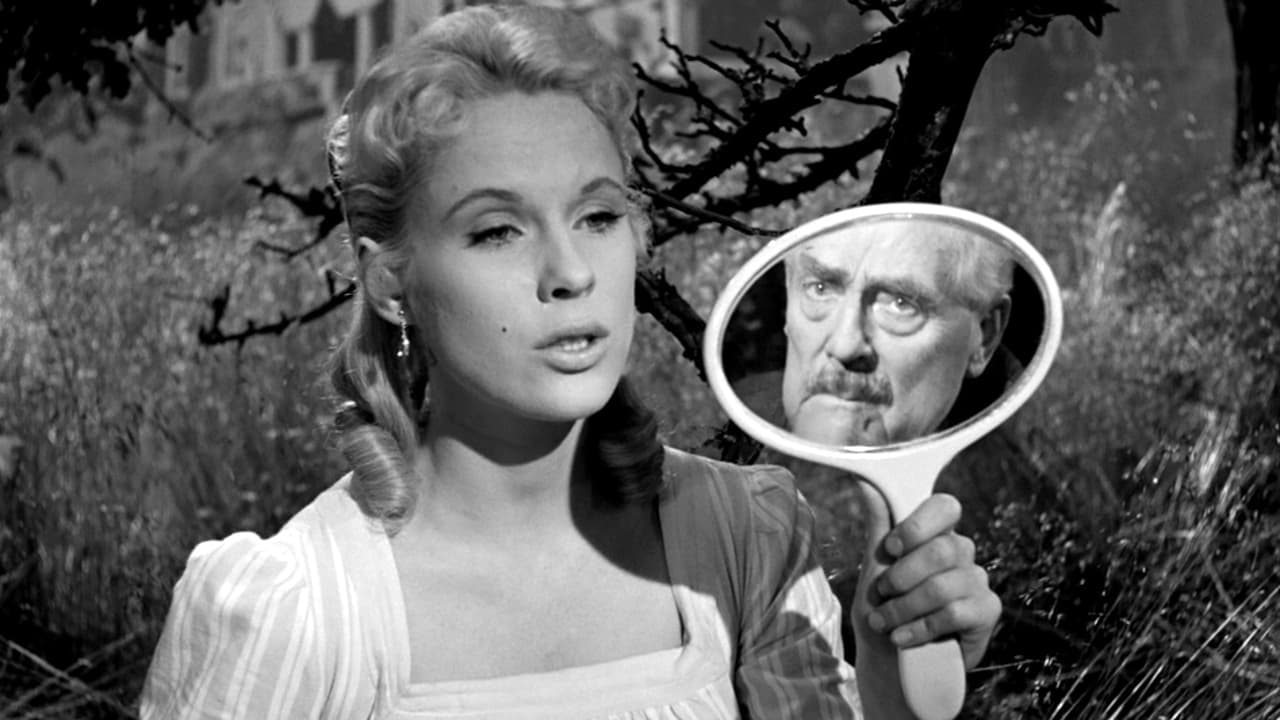
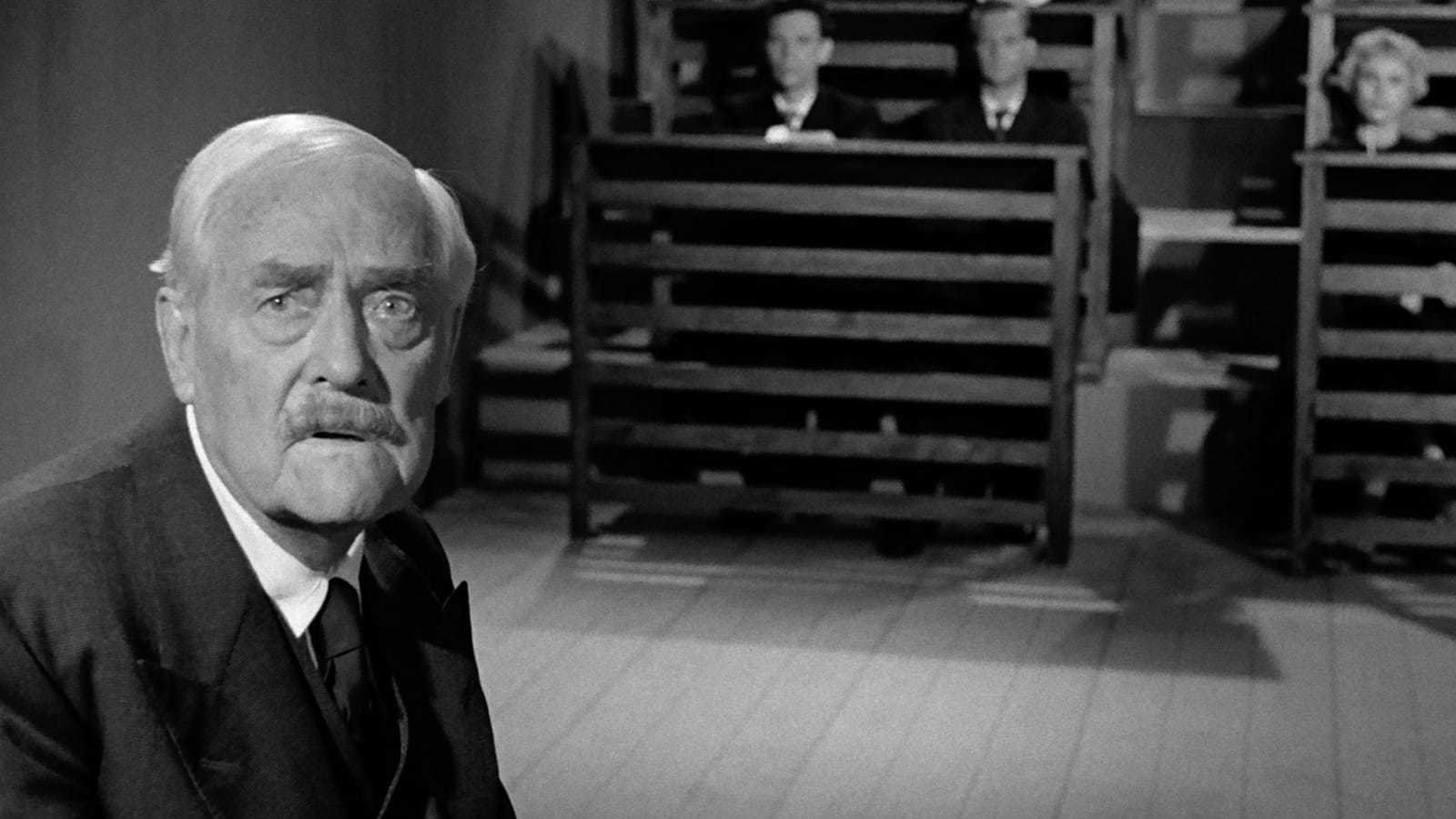
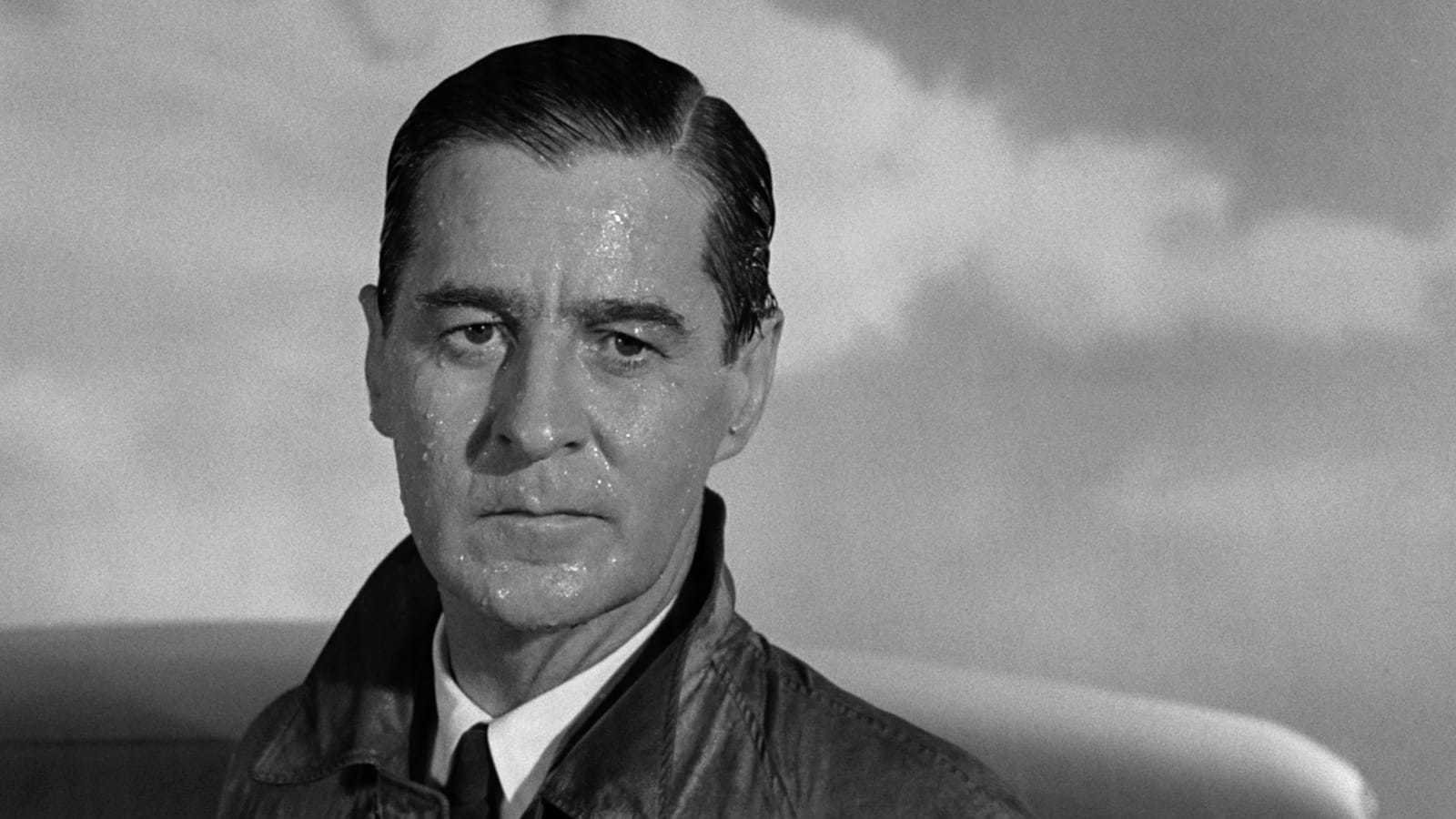
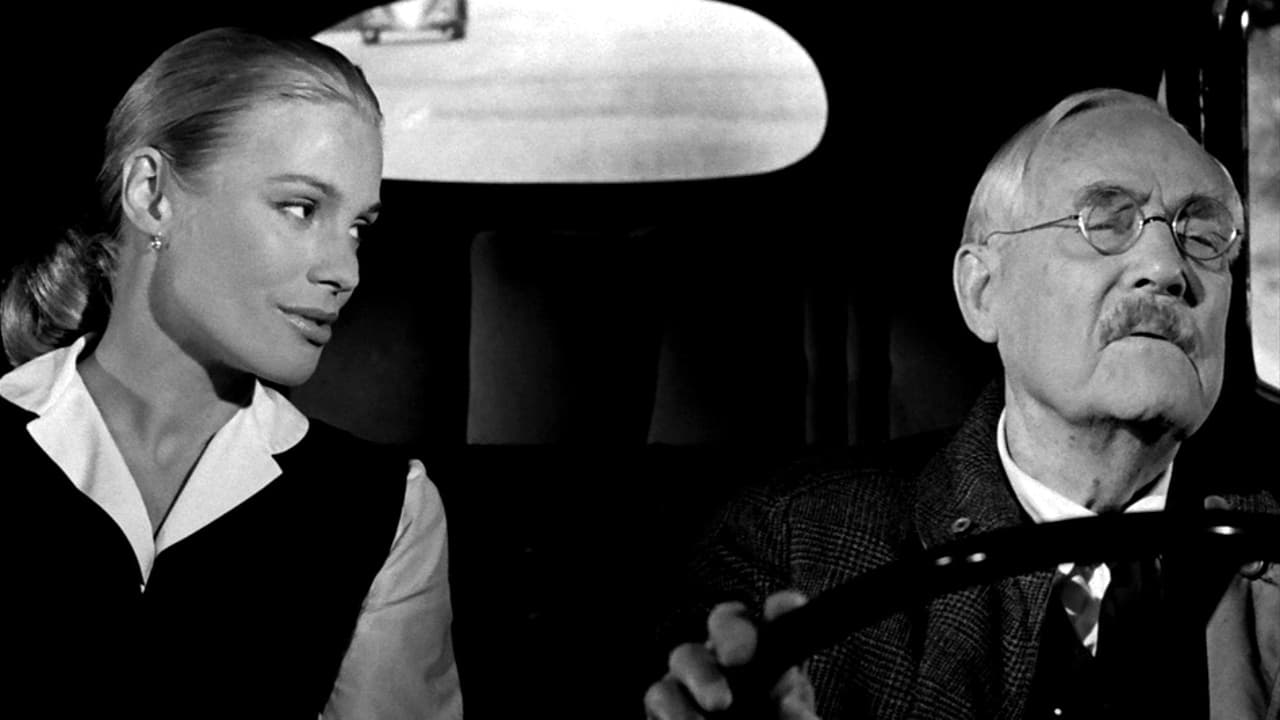
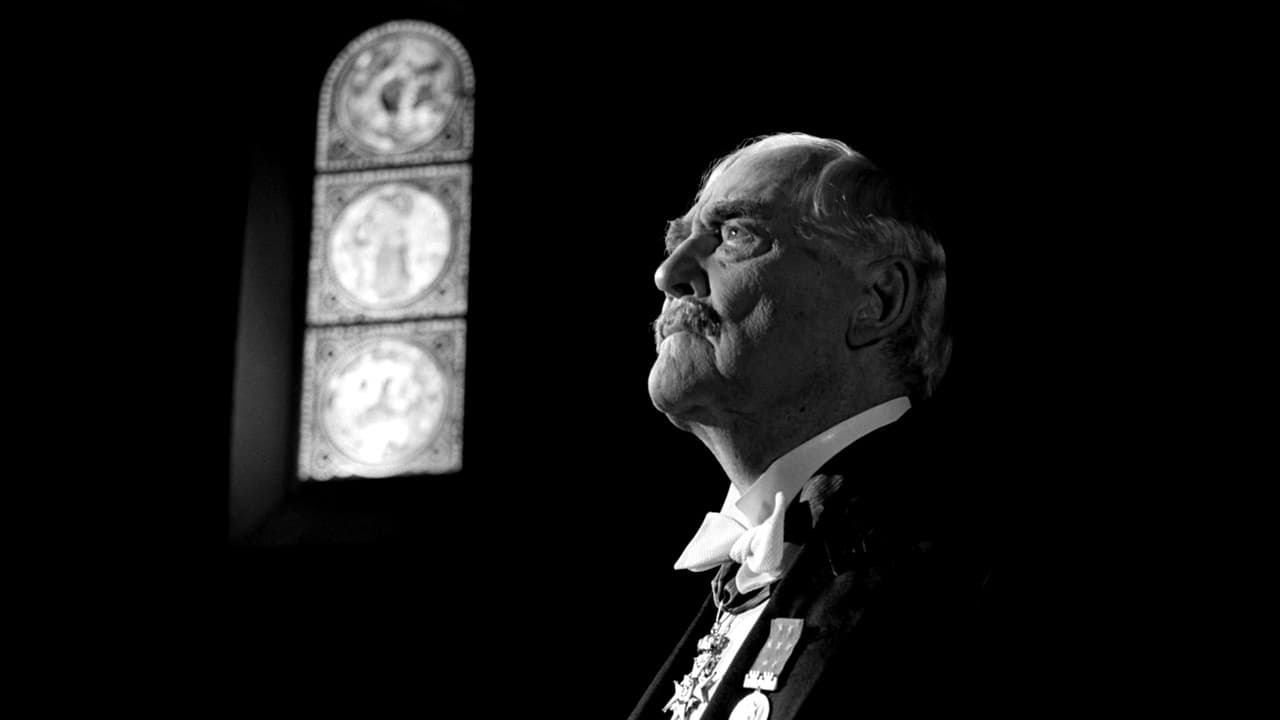
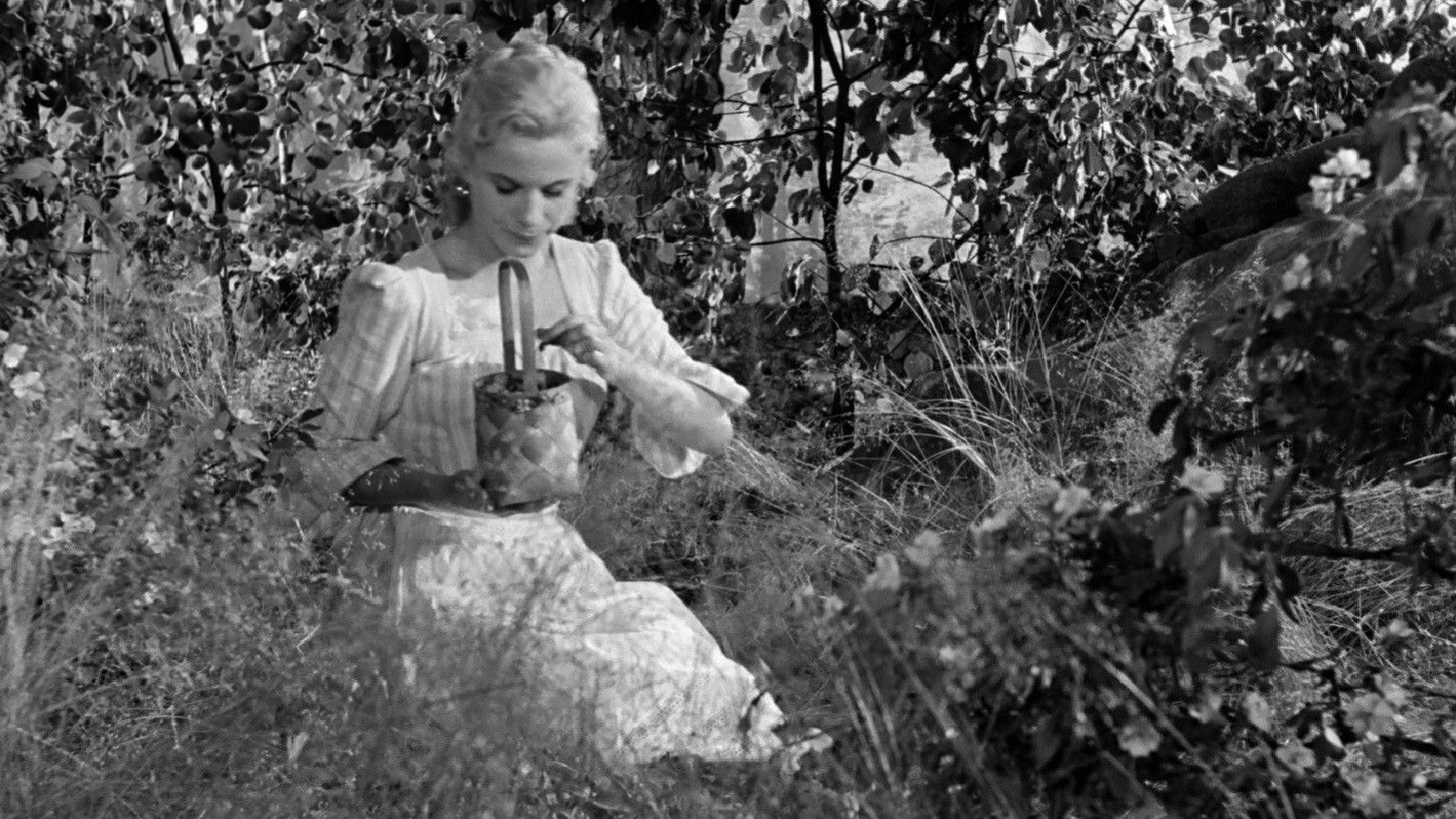
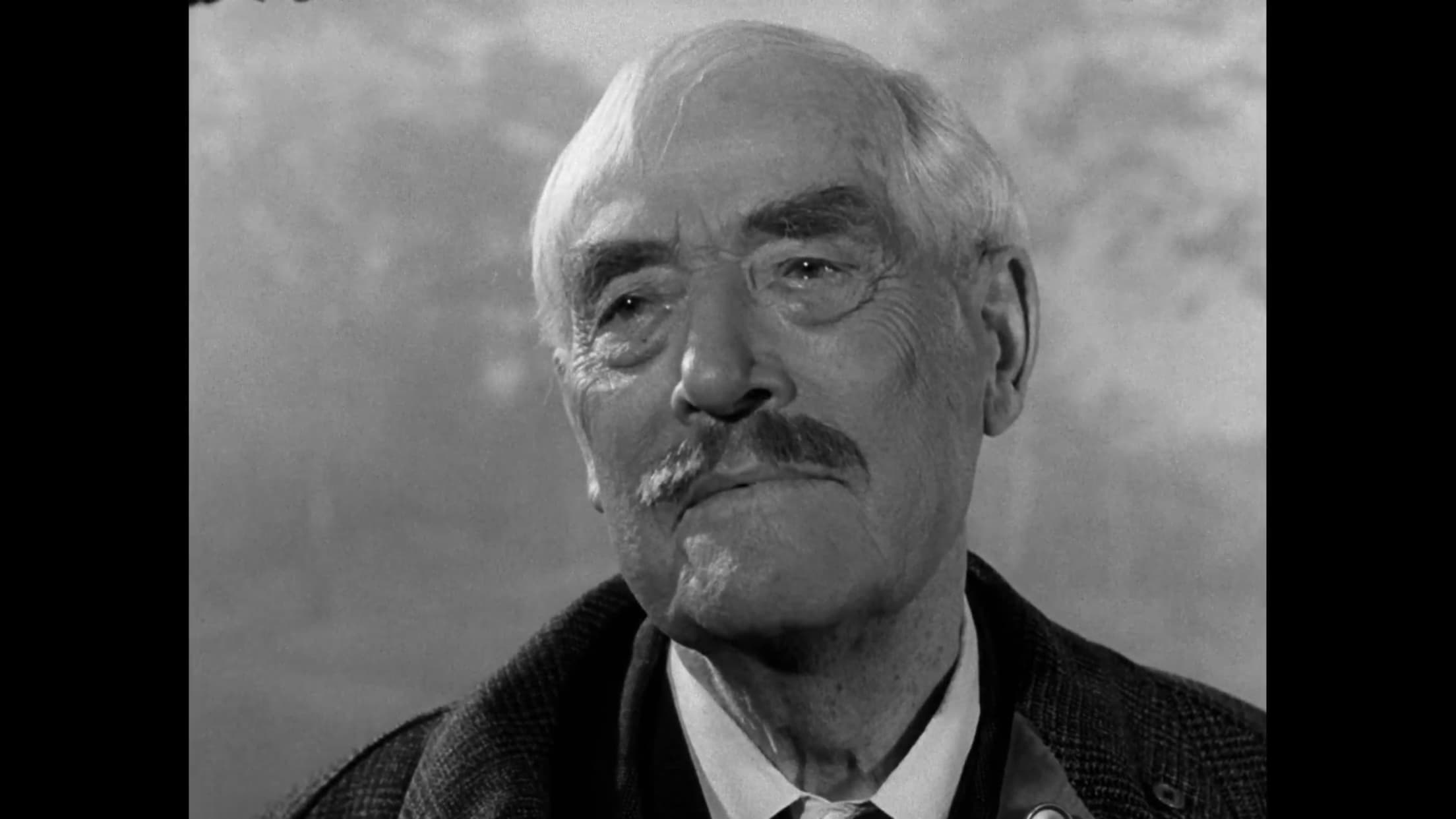
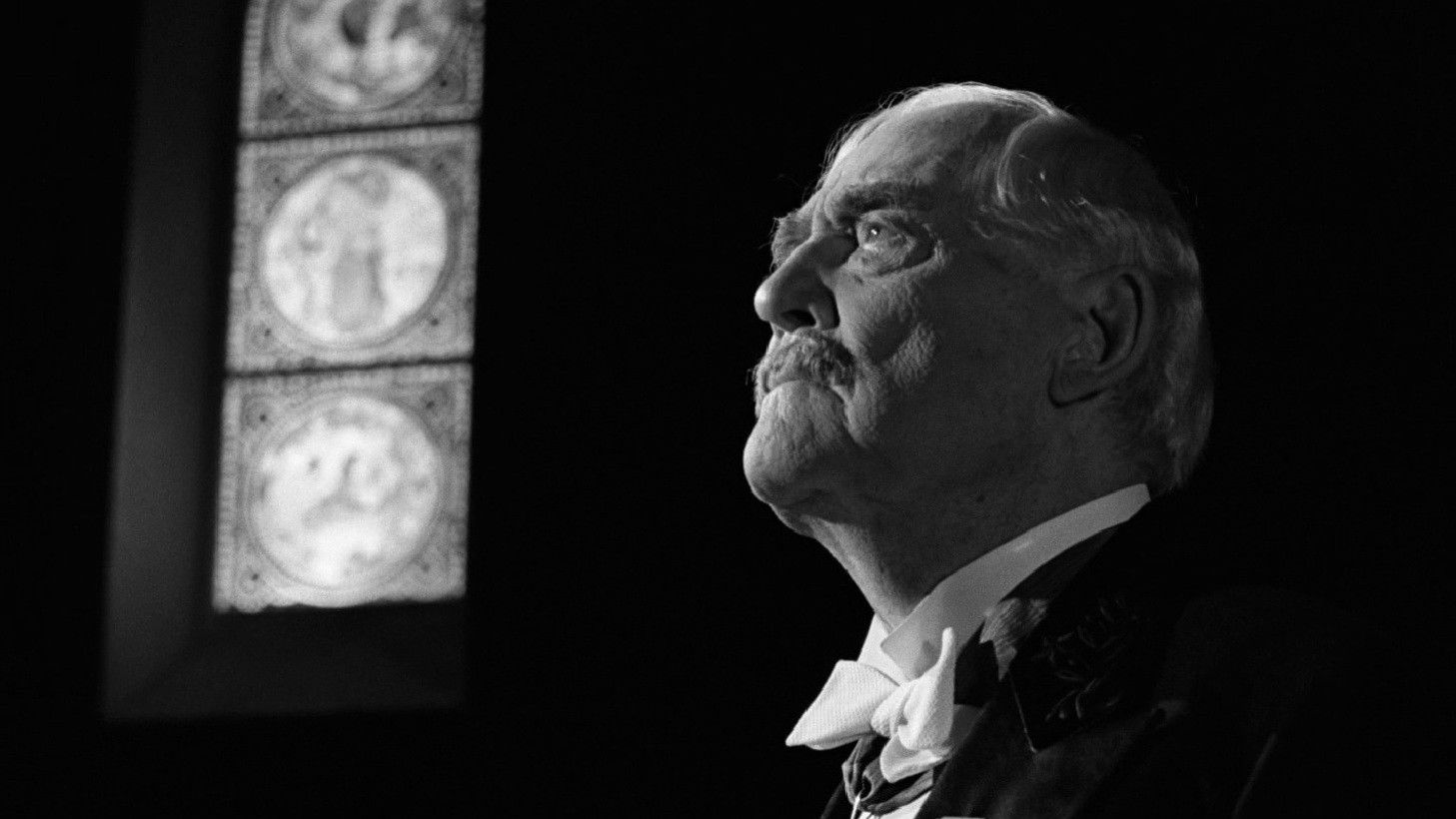
Wild Strawberries is incredibly beautiful and, at the same time, eerie. The dream sequences are one of a kind. Each one stands out through its rhythm, lighting, and music. And yet, they all share a common thread: the figure of an old man nearing death. A man in search of what I’d call a personal reconstruction. He relives memories that don’t seem entirely forgotten, but appear fragmented, distorted. Perhaps because of his very presence—an aging self that inhabits them.
Bergman is a master of atmosphere. His scripts carry a poetic tone that recalls the films of Tarkovsky—another giant of cinematic art.
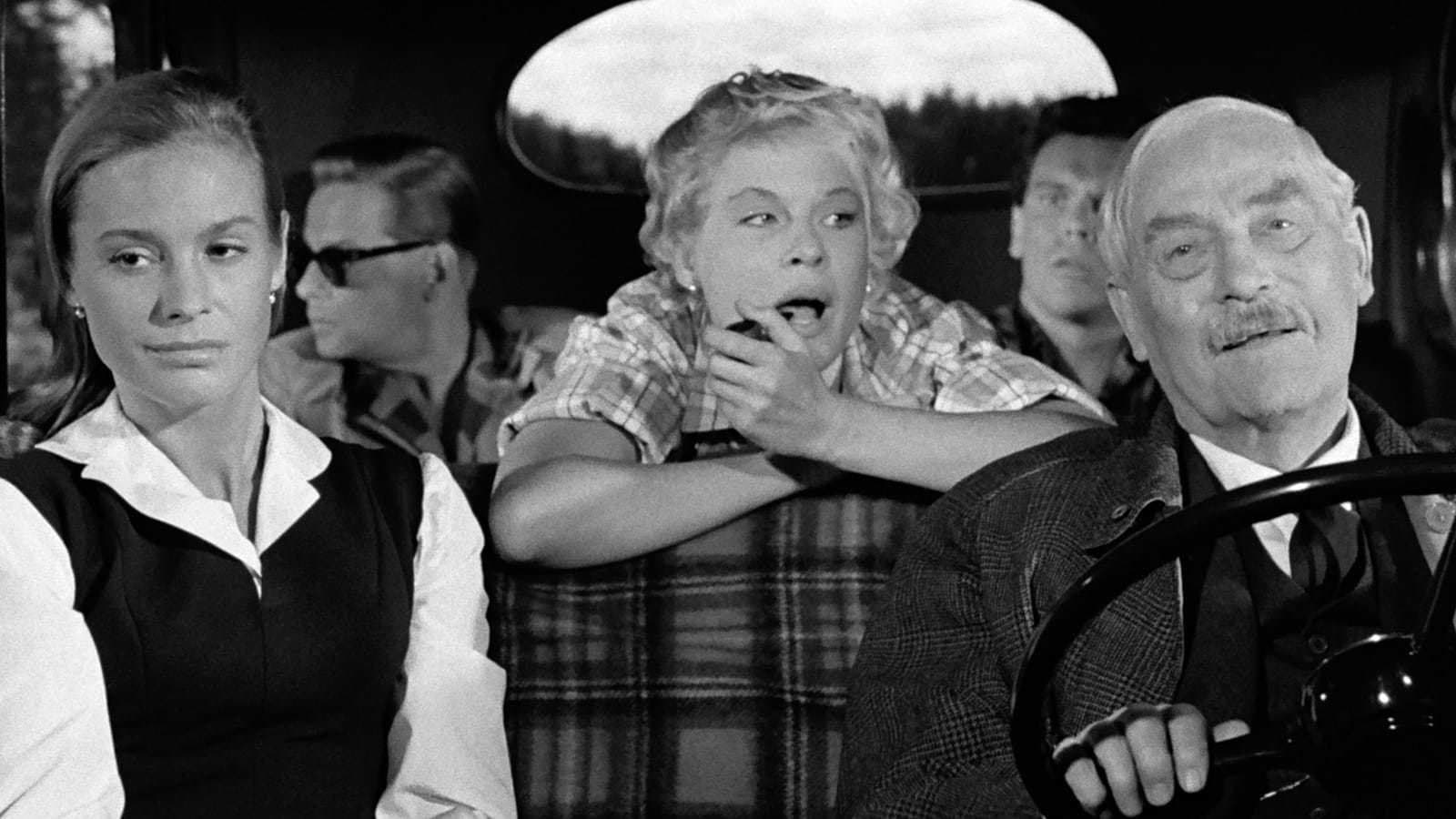
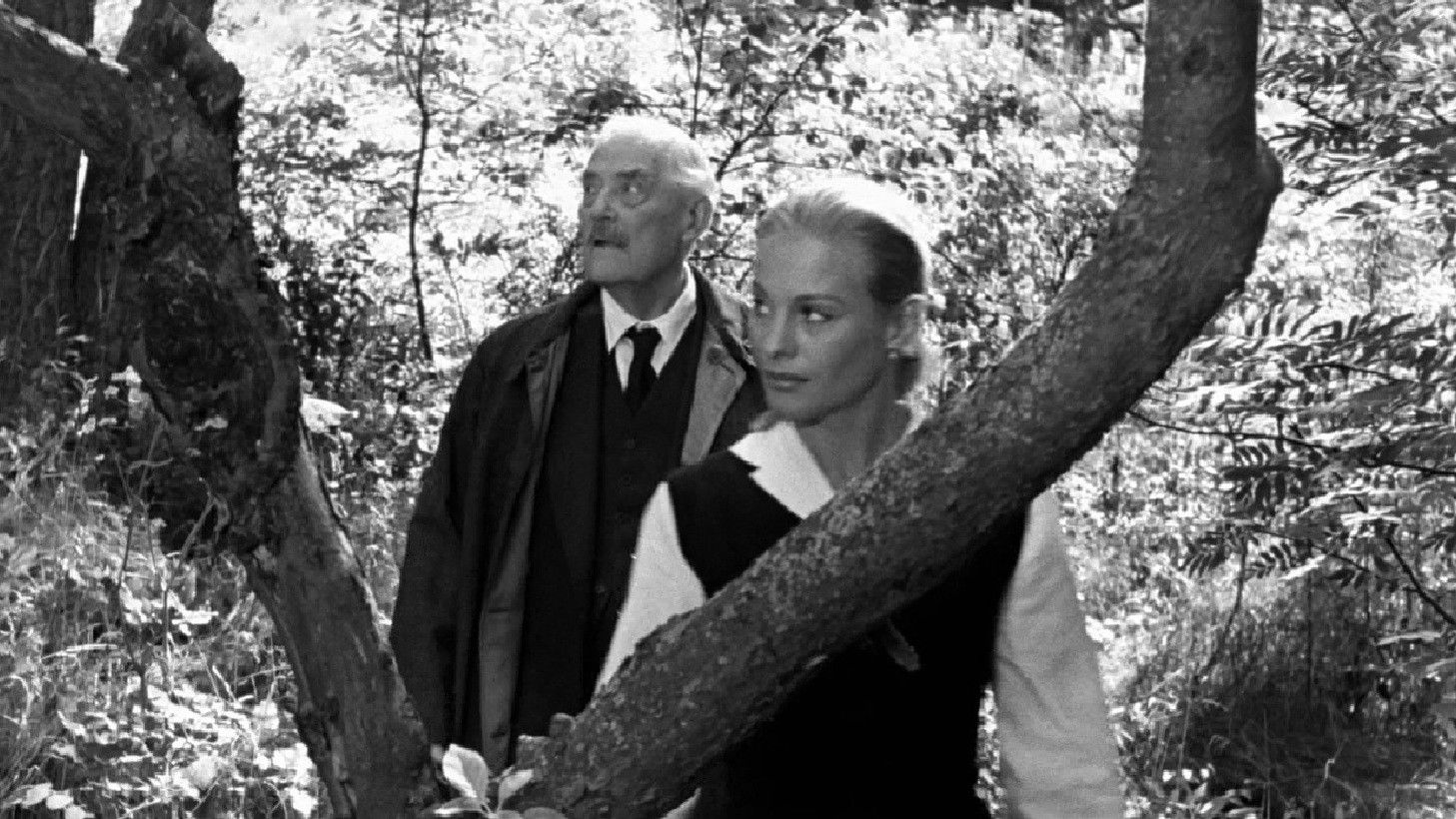
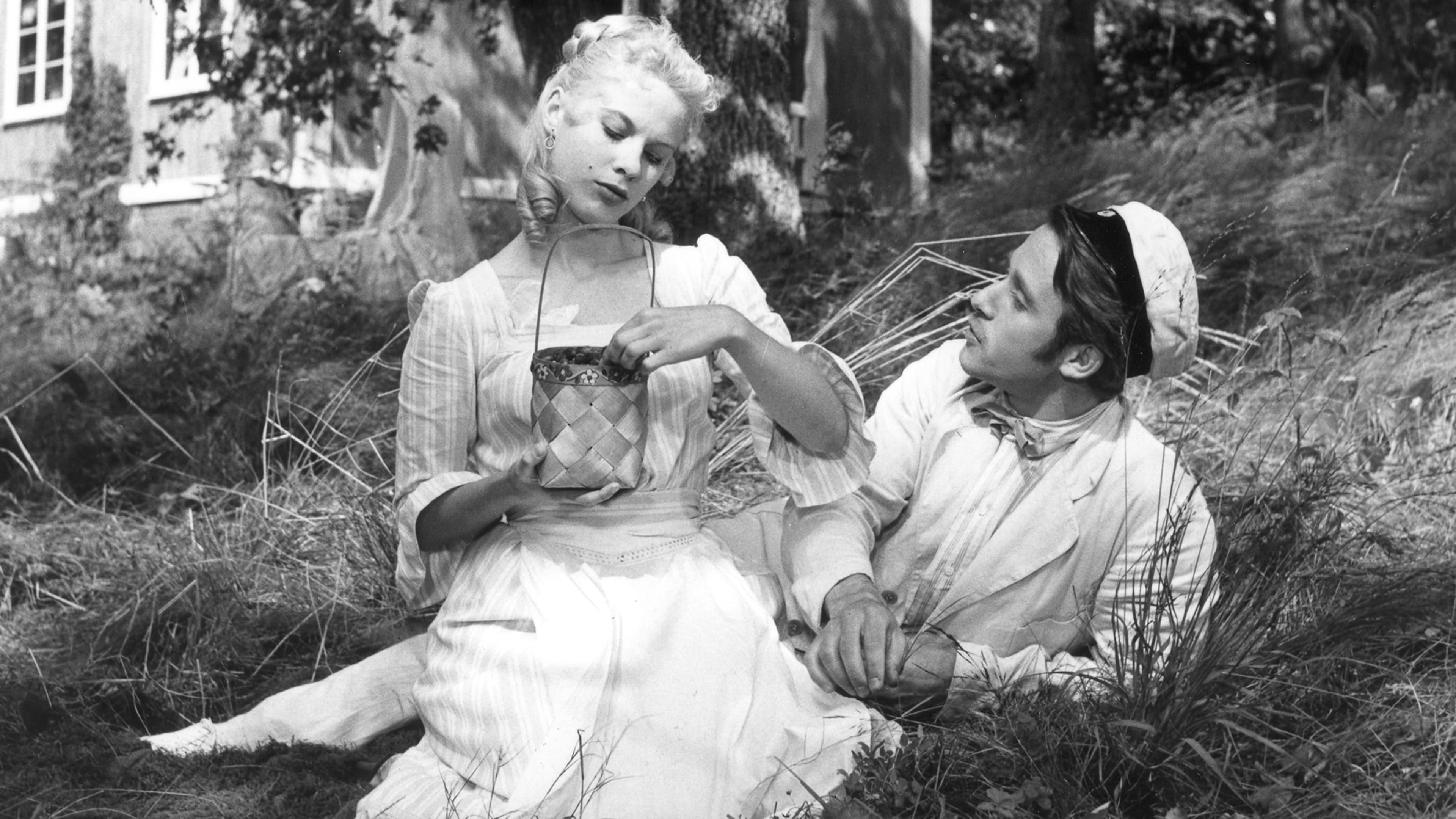
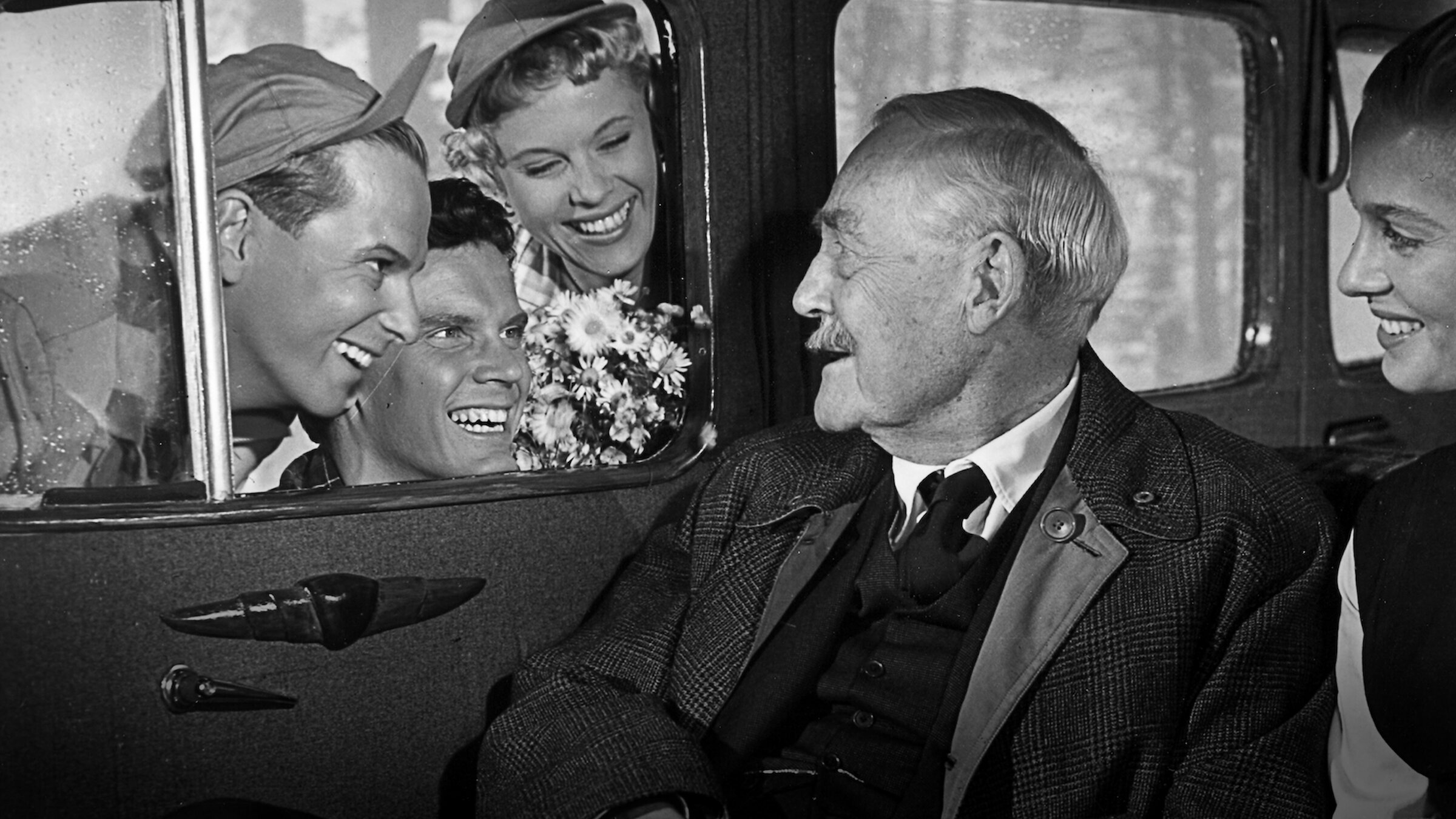
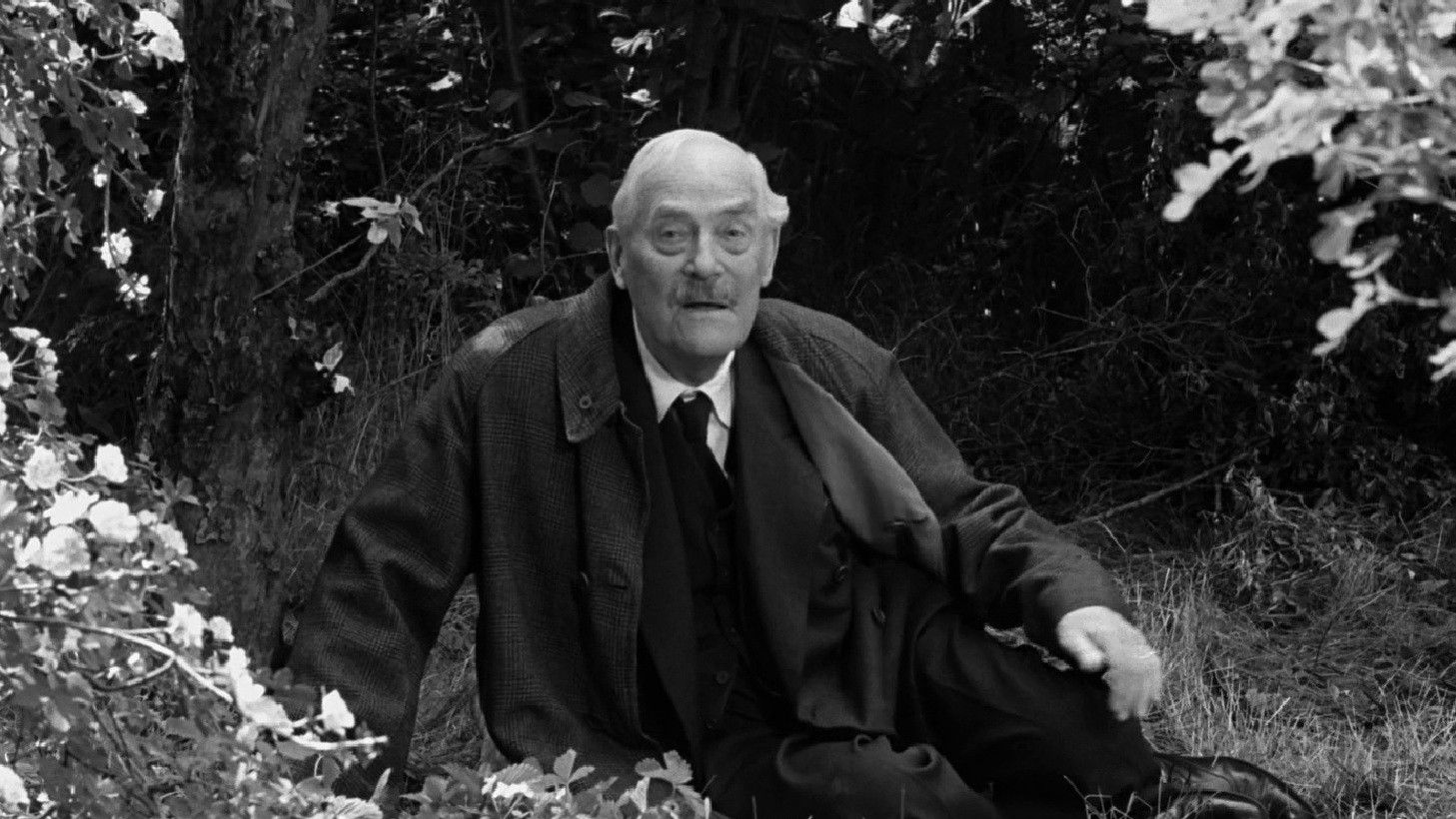
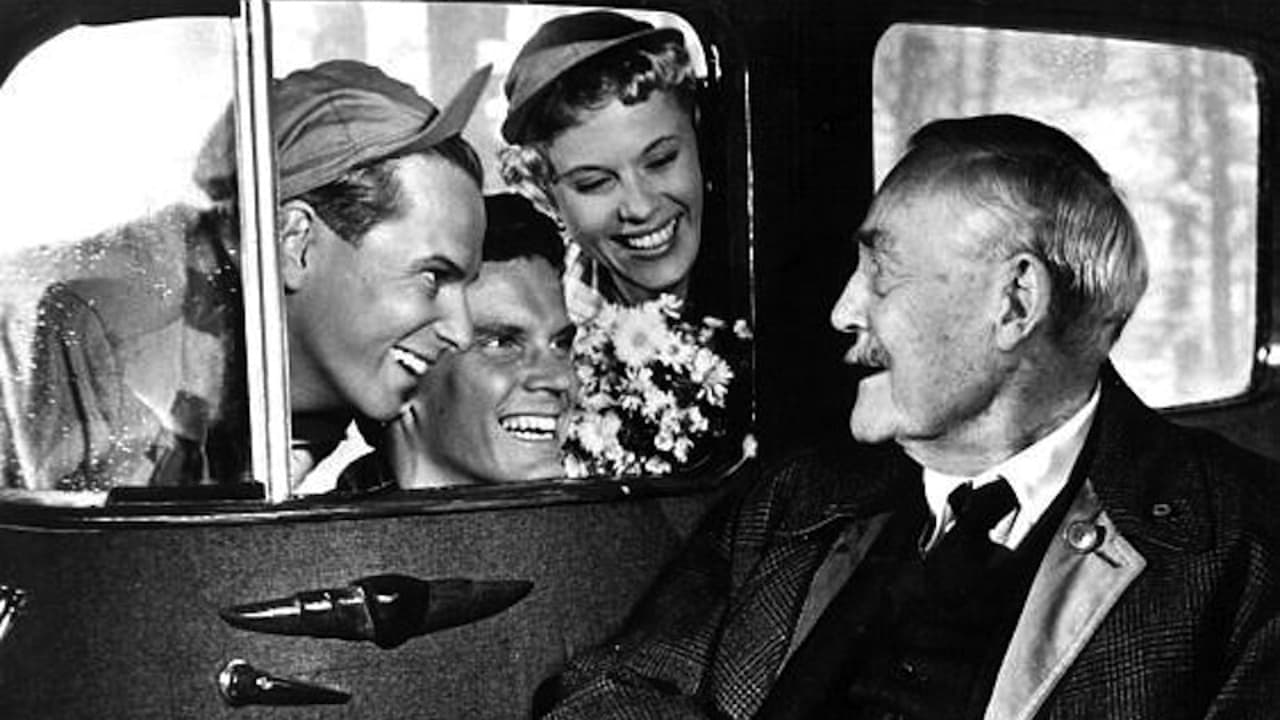
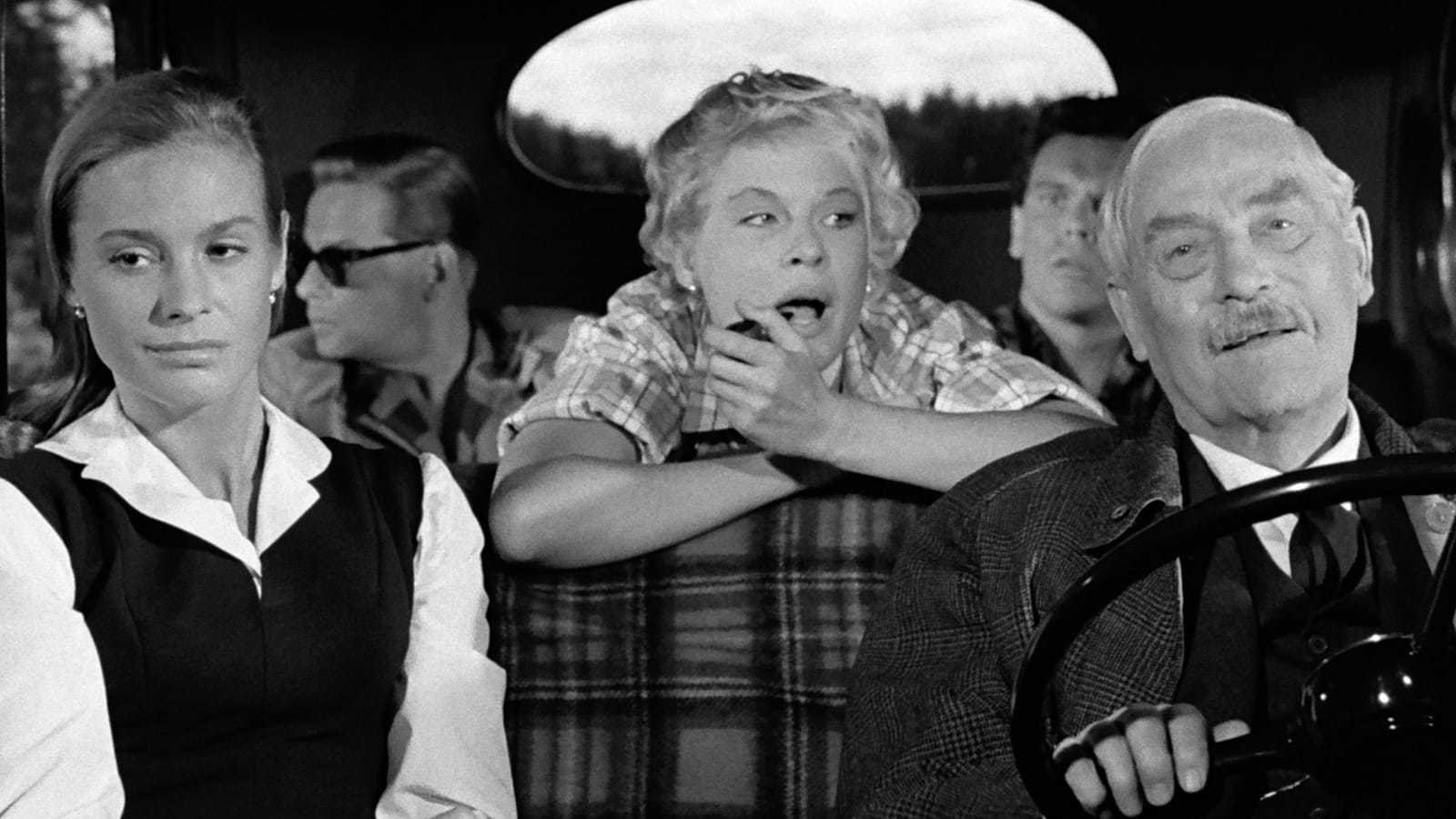
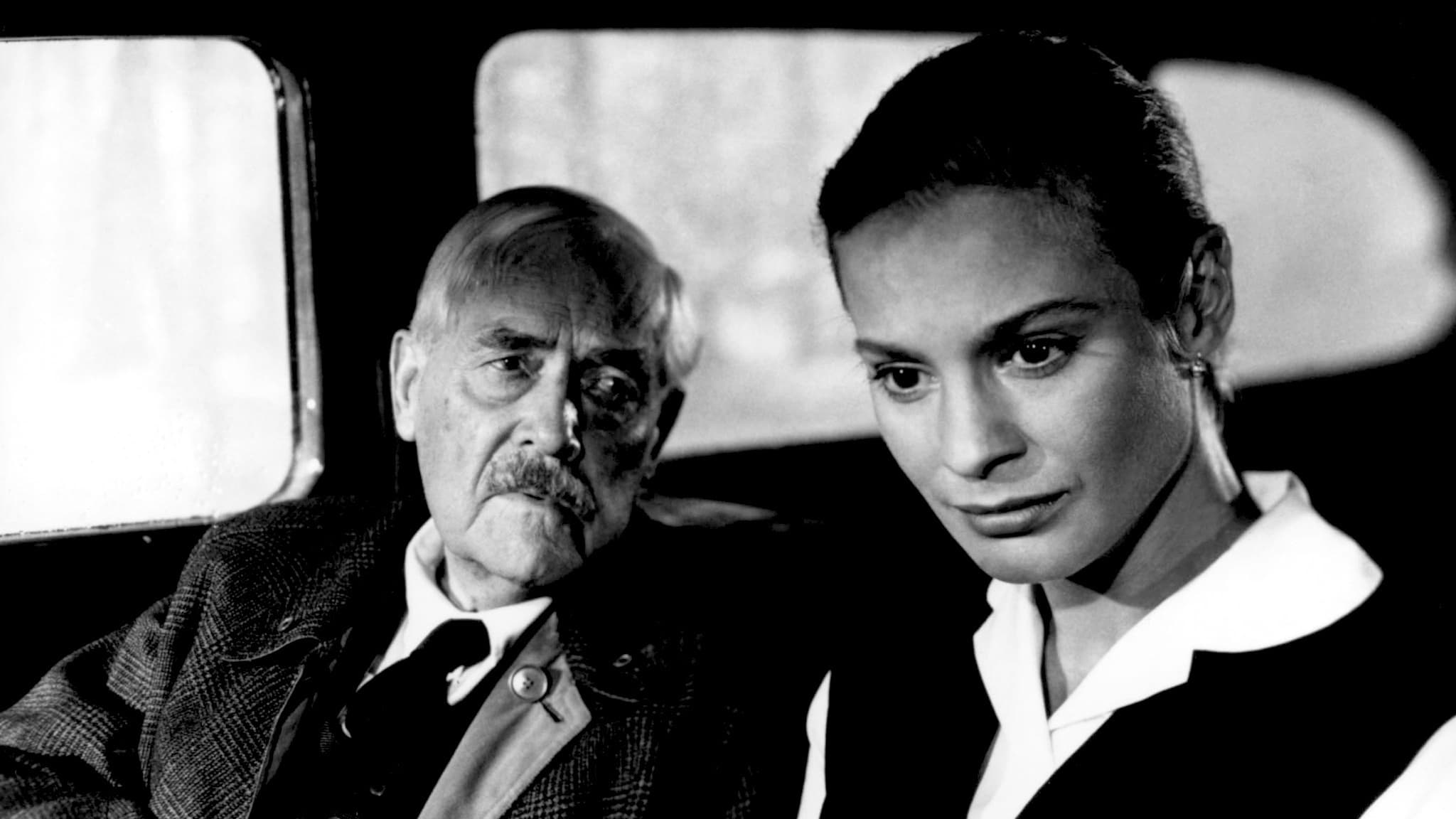
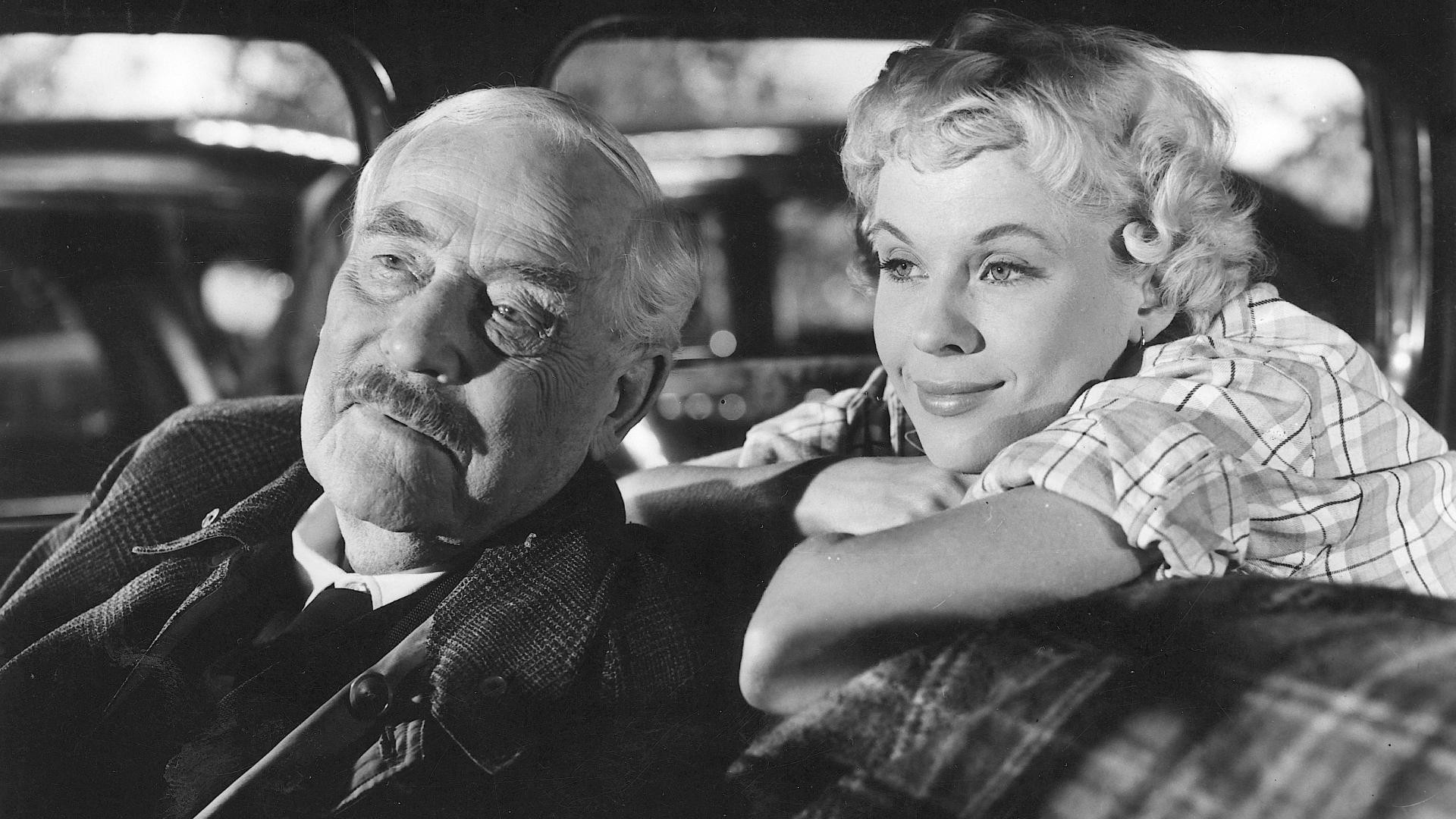
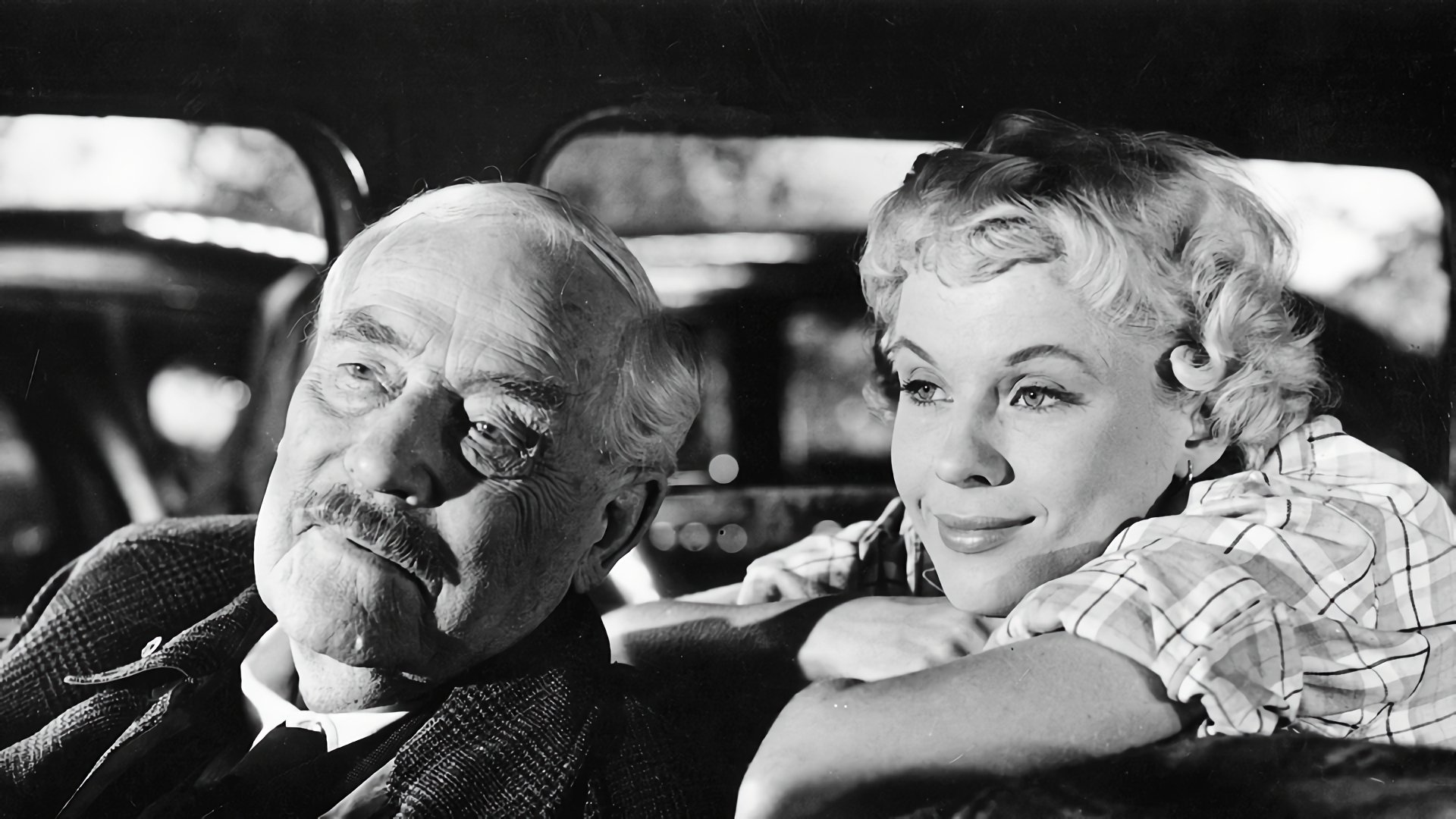
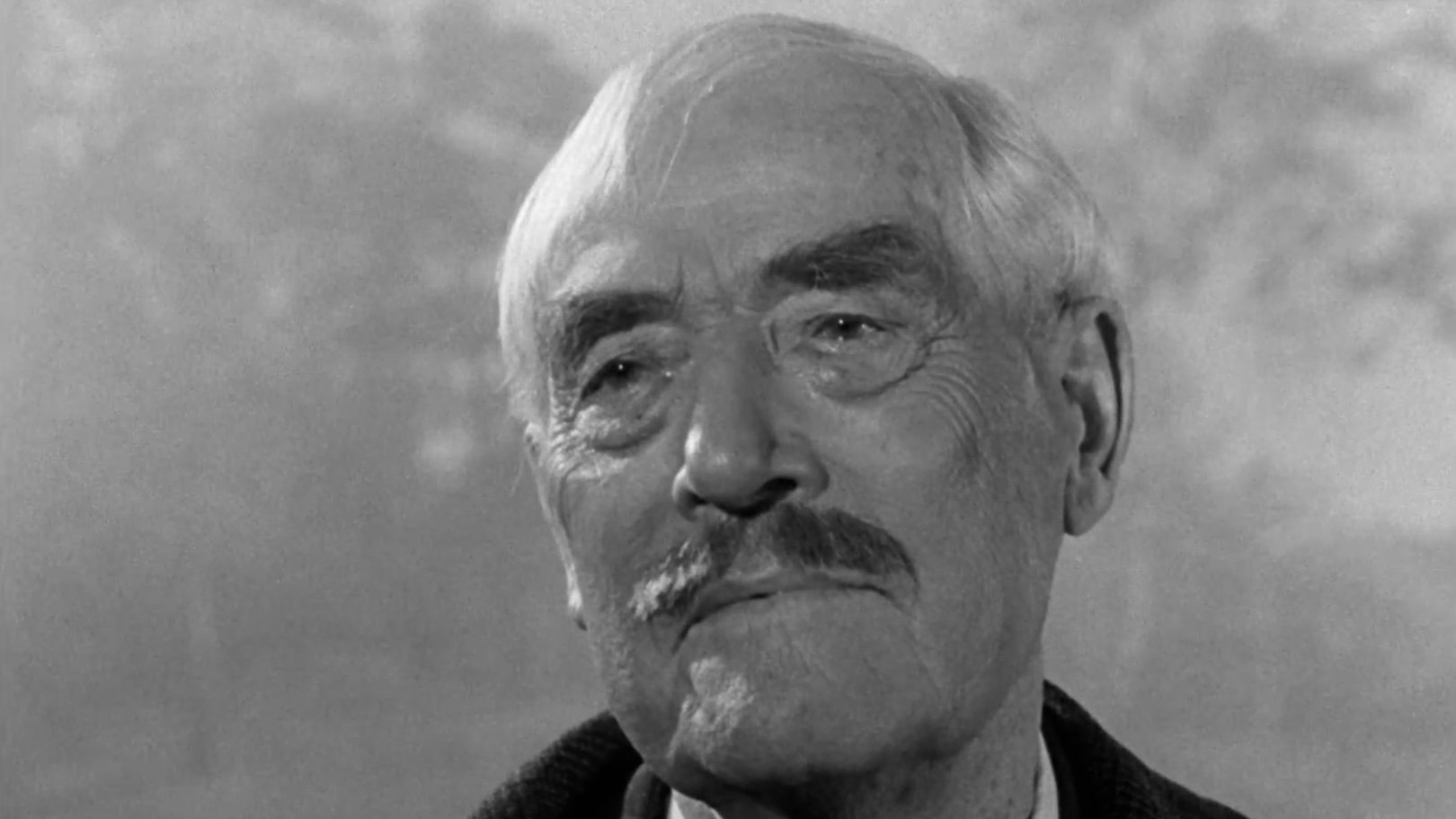
Wild Strawberries invites us to contemplate the final days in the life of a professor, as he reflects on his mistakes and achievements while crossing paths with young people along the way. It is a journey toward reconciliation—a memory not erased, but transformed.
“Under the old oak,the strawberries fall and wait—he does not return.”100/100