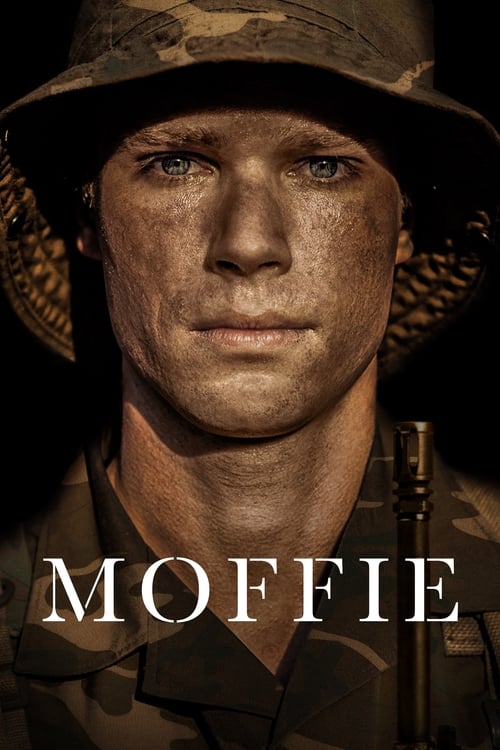
A lot of people criticise Moffie for “not saying anything new,” which usually tells me they’re approaching it as just another war or coming of age film. That reading misses the point entirely. This isn’t about combat or heroism—it’s about Apartheid as a system, and how that system embedded itself into the bodies, minds, and silences of young white men. Even though I never experienced Apartheid firsthand, its residue still lingers in South Africa today, particularly in ideas of masculinity, authority, and fear. In that sense, Moffie stands out as one of the few genuinely good South African films precisely because it doesn’t try to shock or explain—it excavates.
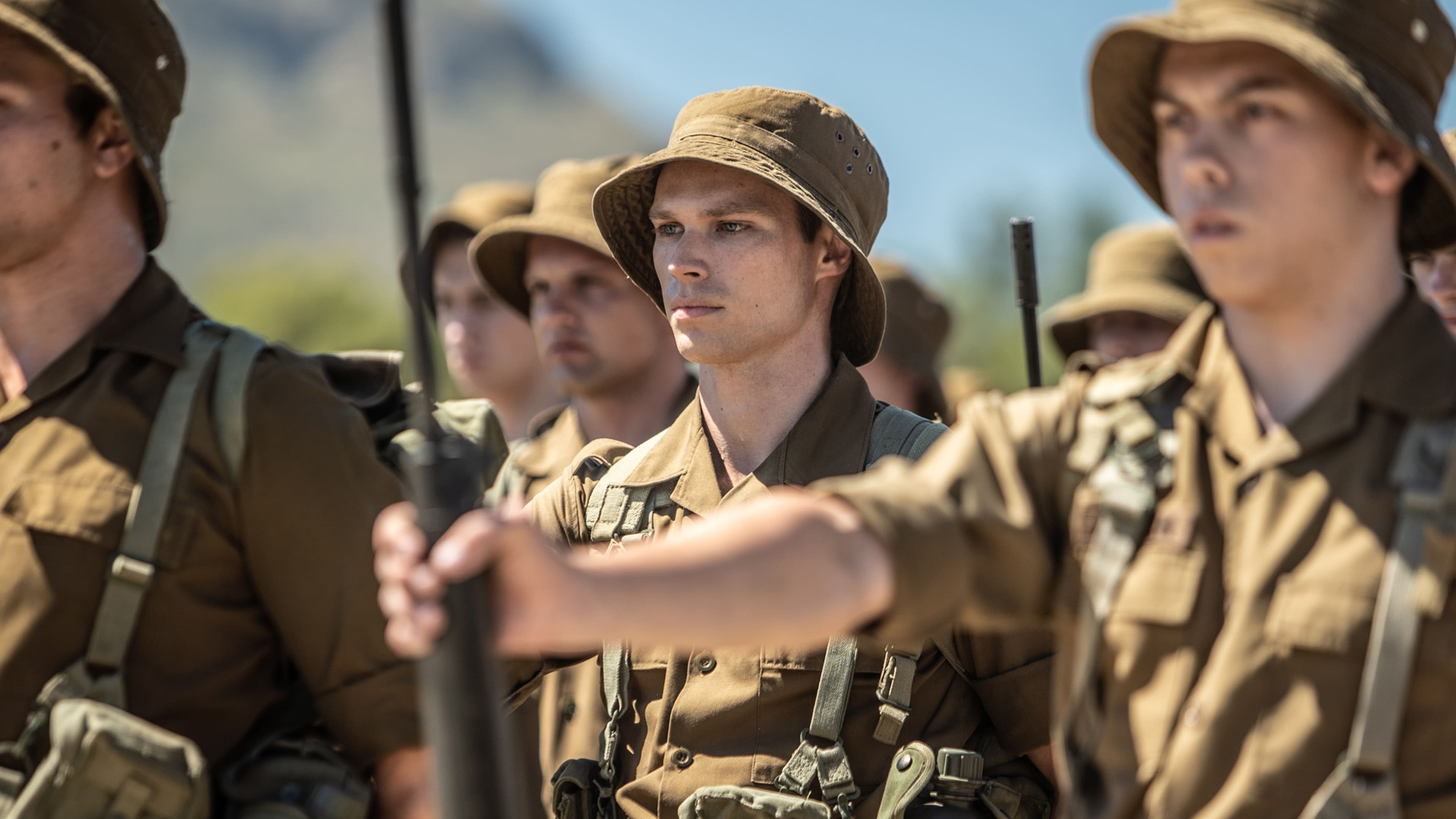
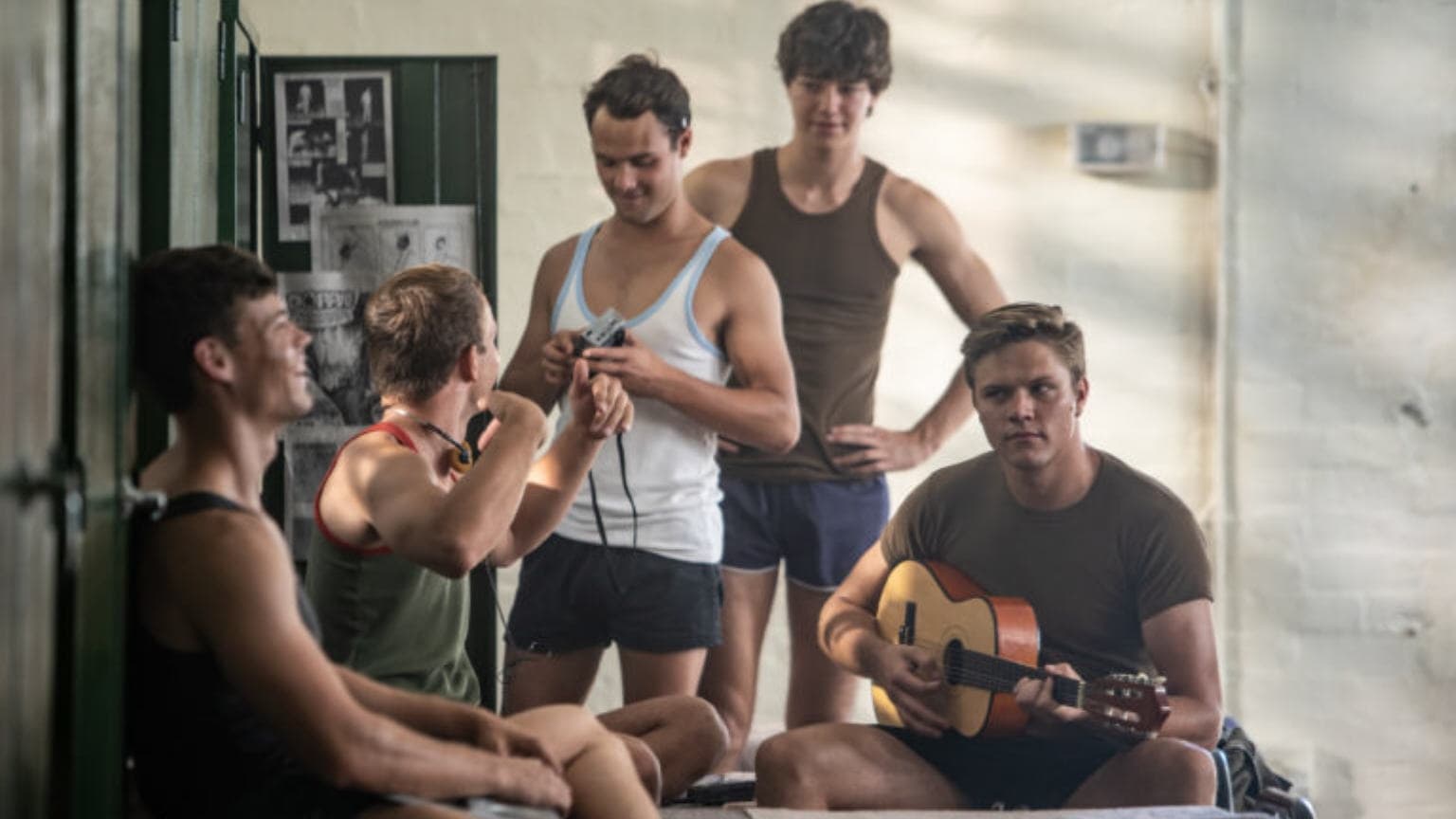
What the film understands with unnerving clarity is the moral hierarchy that existed under Apartheid. White people were largely untouchable, able to exert violence and control with little consequence, even over one another. Casual brutality is normalised, which is why moments like young Nick being thrown around by an older man are met with indifference rather than intervention. No one steps in because, within that system, it isn’t considered wrong enough to disrupt. Whiteness itself functioned as immunity, reframing cruelty as discipline, toughness, or character building.
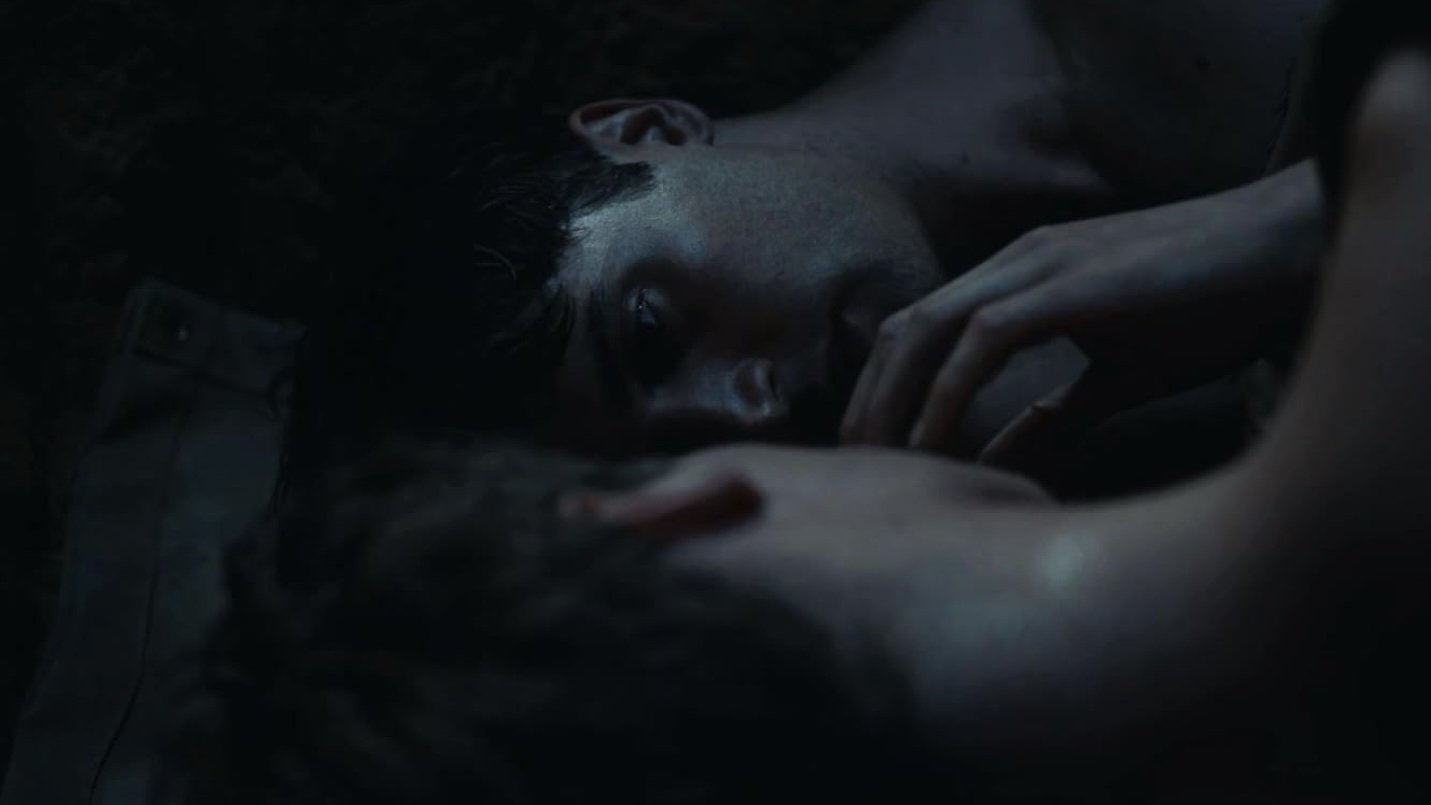
The only real exception to that immunity was homosexuality. While violence was tolerated—and often encouraged—homosexuality was treated as the ultimate transgression. The film makes it painfully clear that being gay was considered more unforgivable than being cruel. Homosexuality instantly stripped white men of their protection, marking them as disposable, correctable, or punishable. Moffie captures this contradiction with brutal precision, exposing how Apartheid relied not only on racism, but on an aggressive policing of masculinity that demanded emotional numbness, obedience, and heterosexuality at any cost.
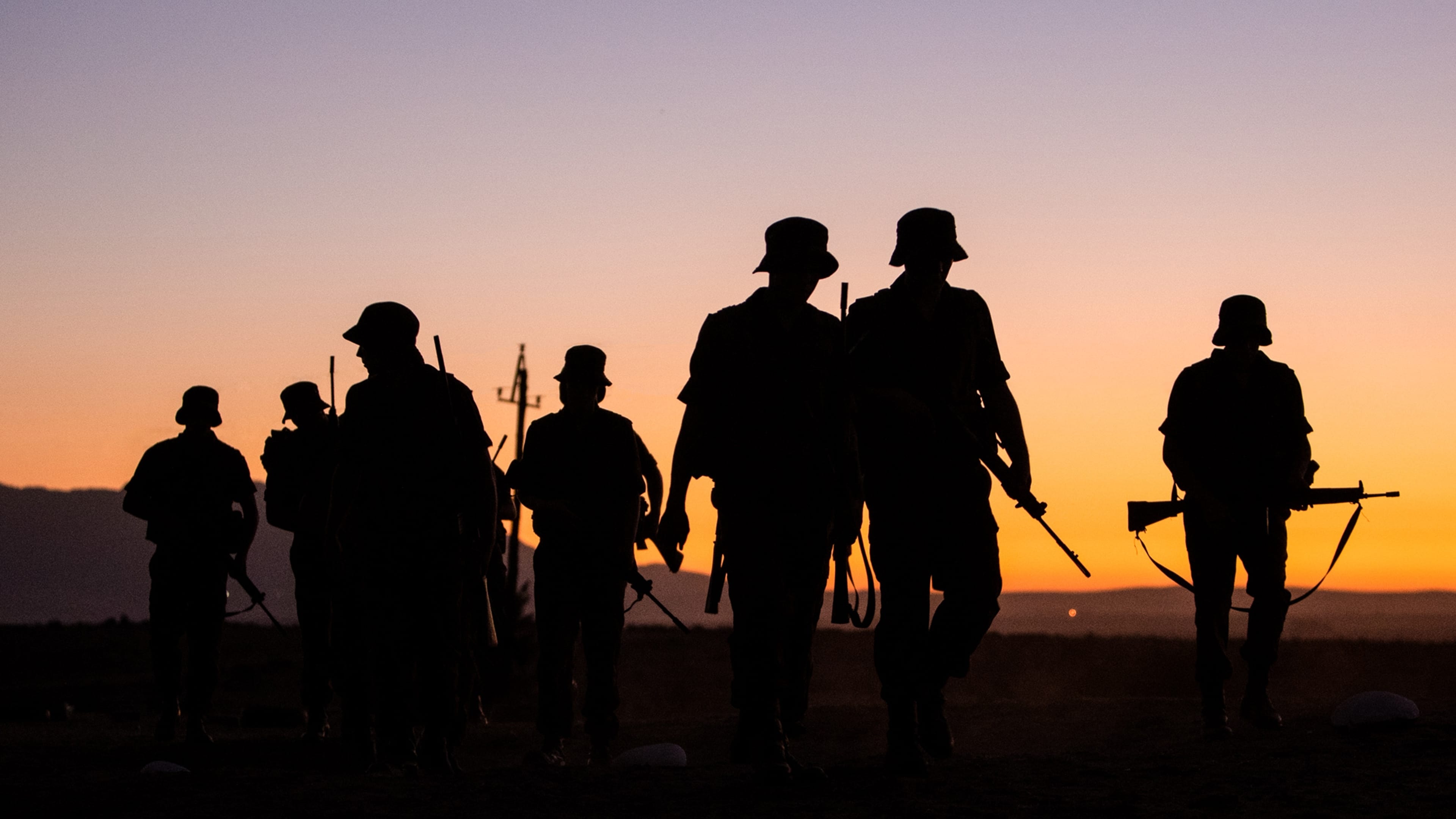
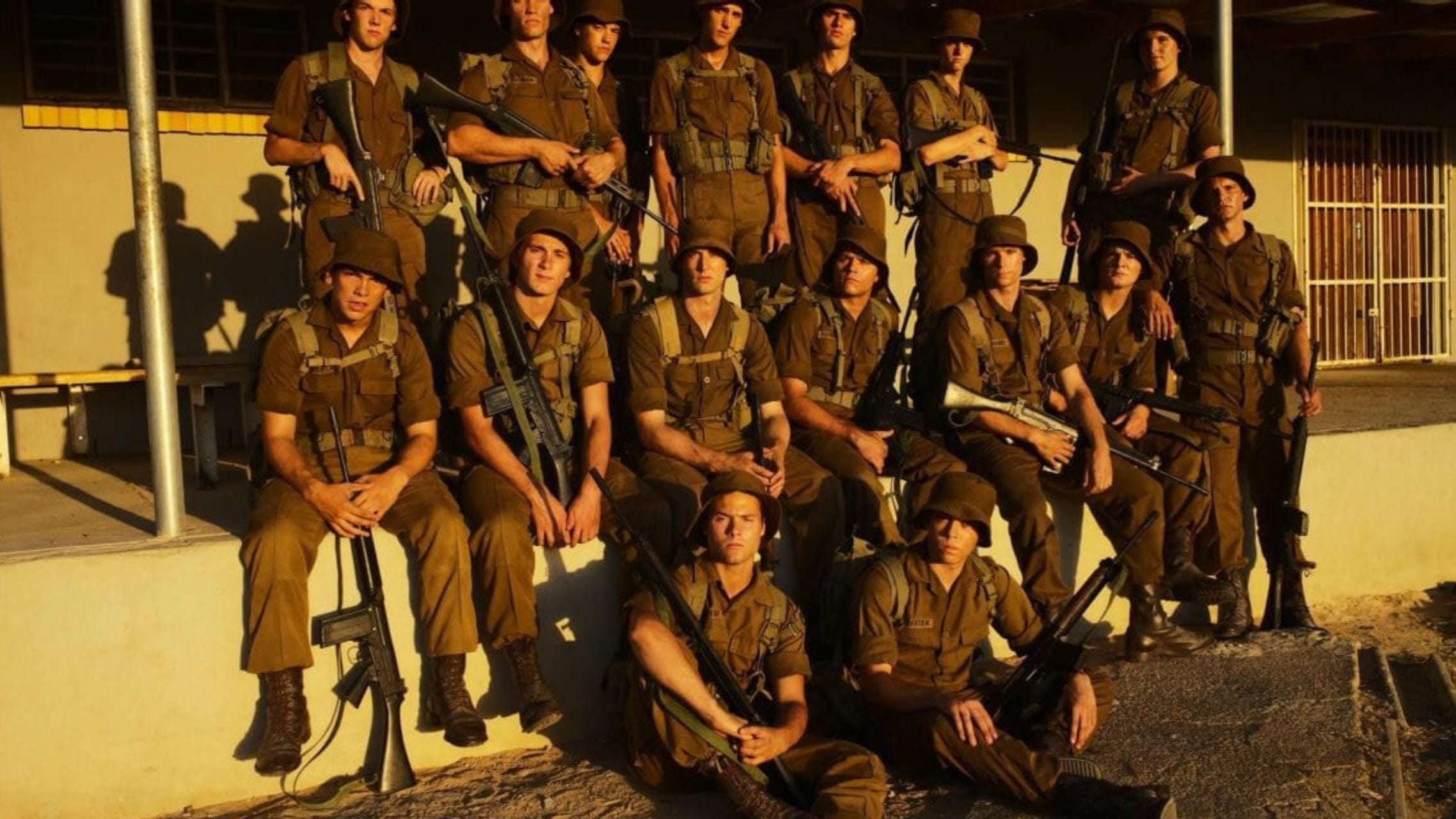
While I do wish the film had delved a little deeper into Apartheid’s racism, I don’t think its focus is accidental. By centring homophobia within this militarised white world, Moffie highlights a brutal history that is rarely discussed. It shows how the regime didn’t only oppress black South Africans—it also crushed those within its walls the moment they deviated from the ideal.
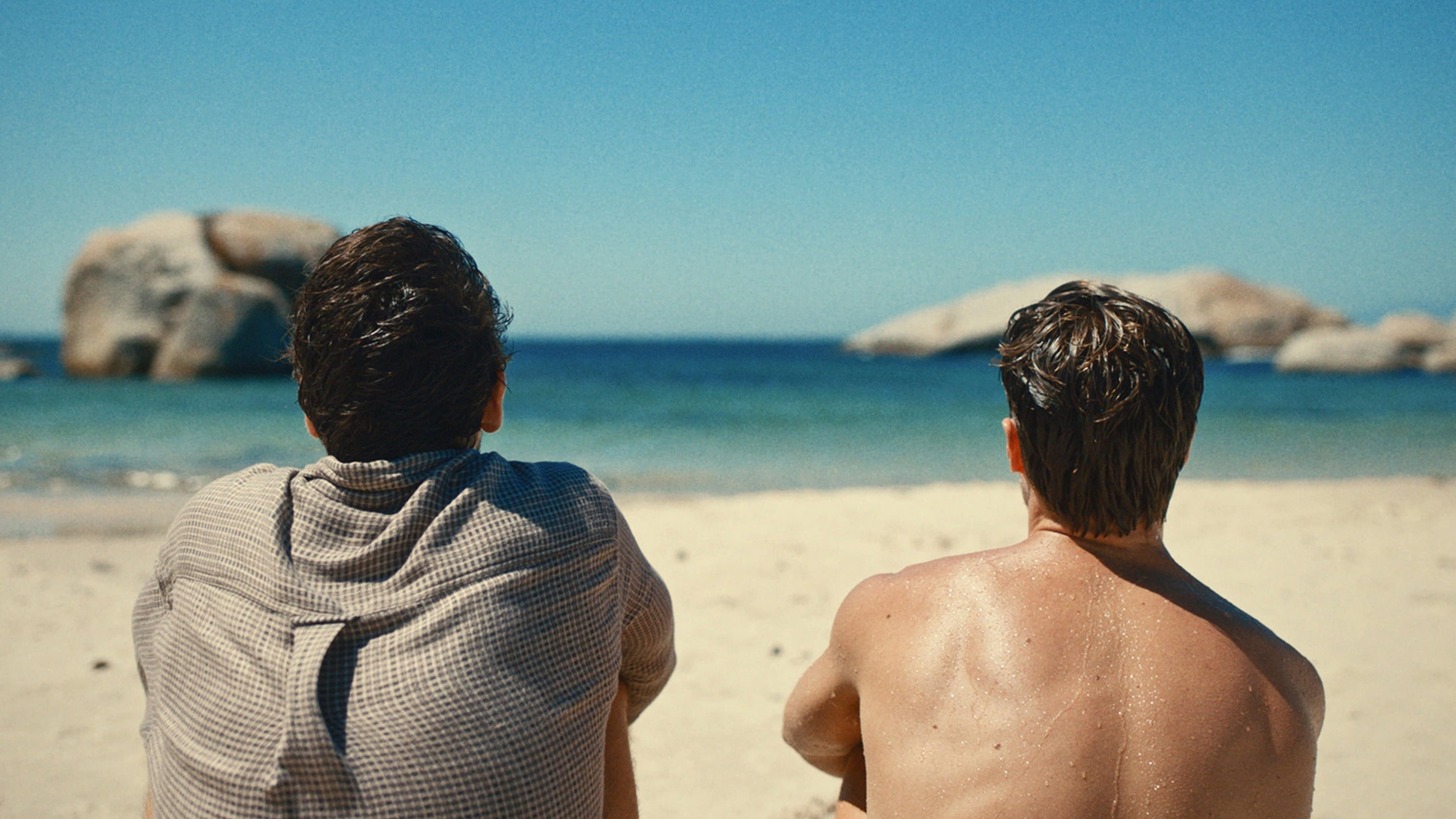
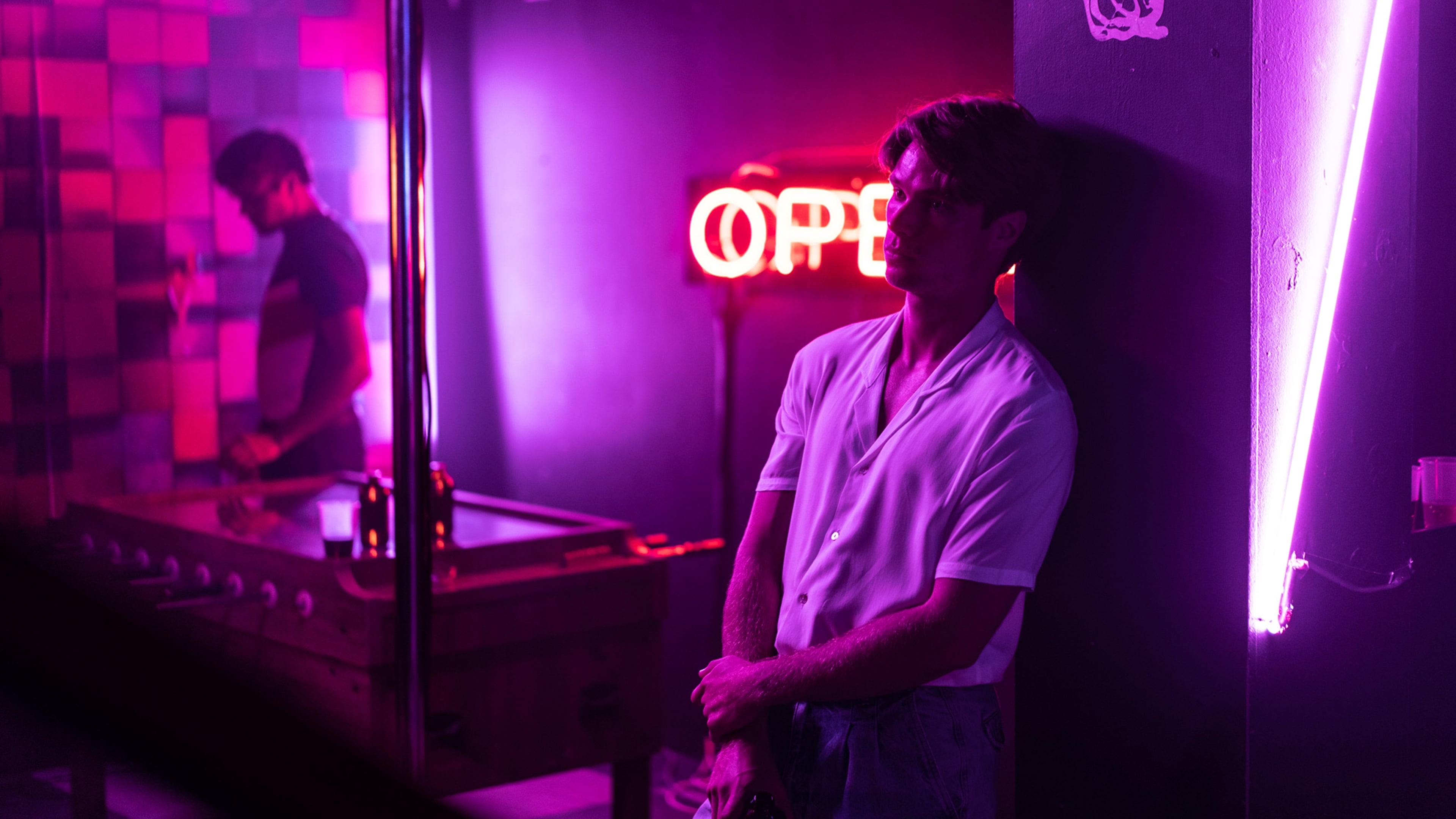
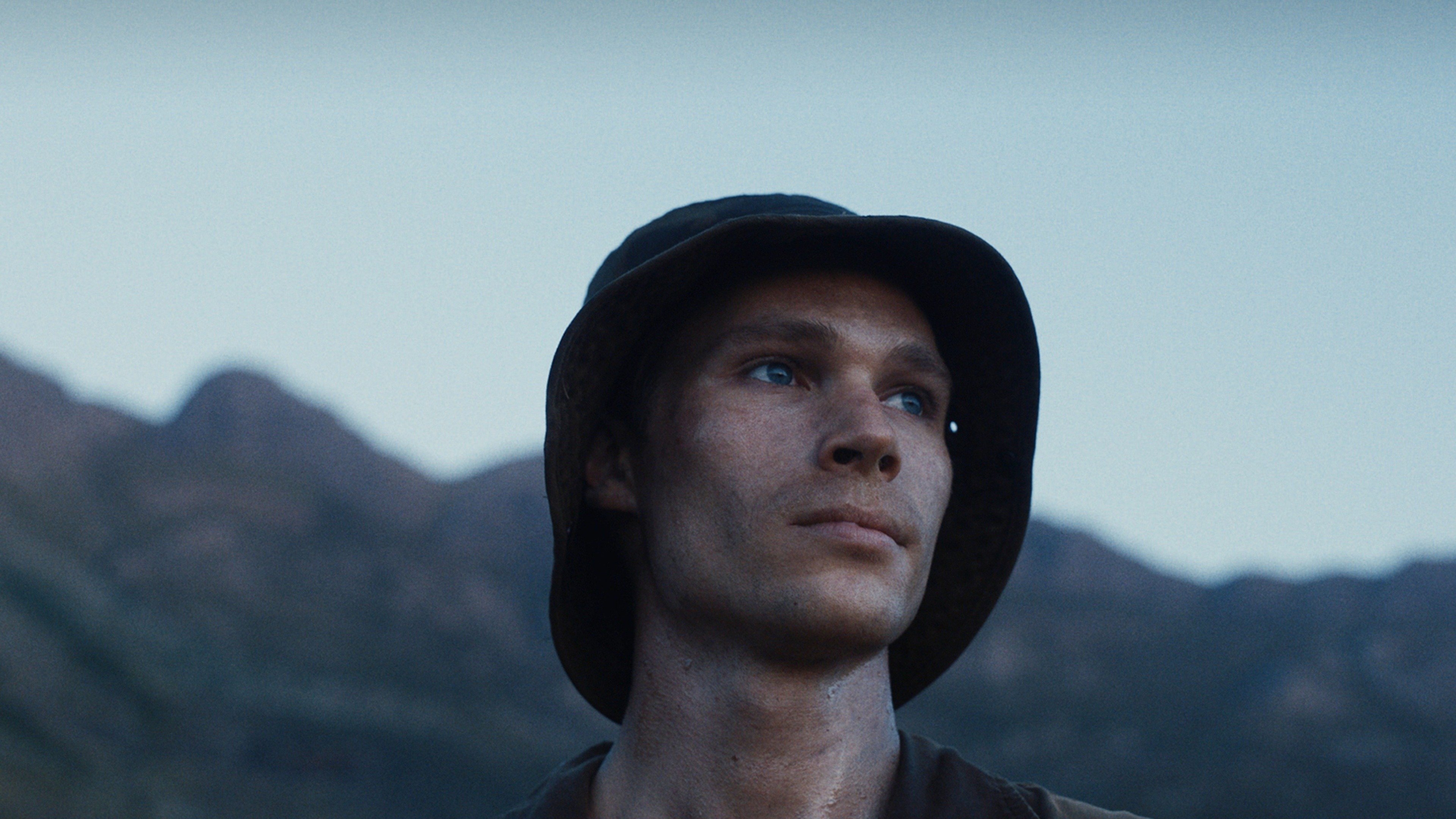
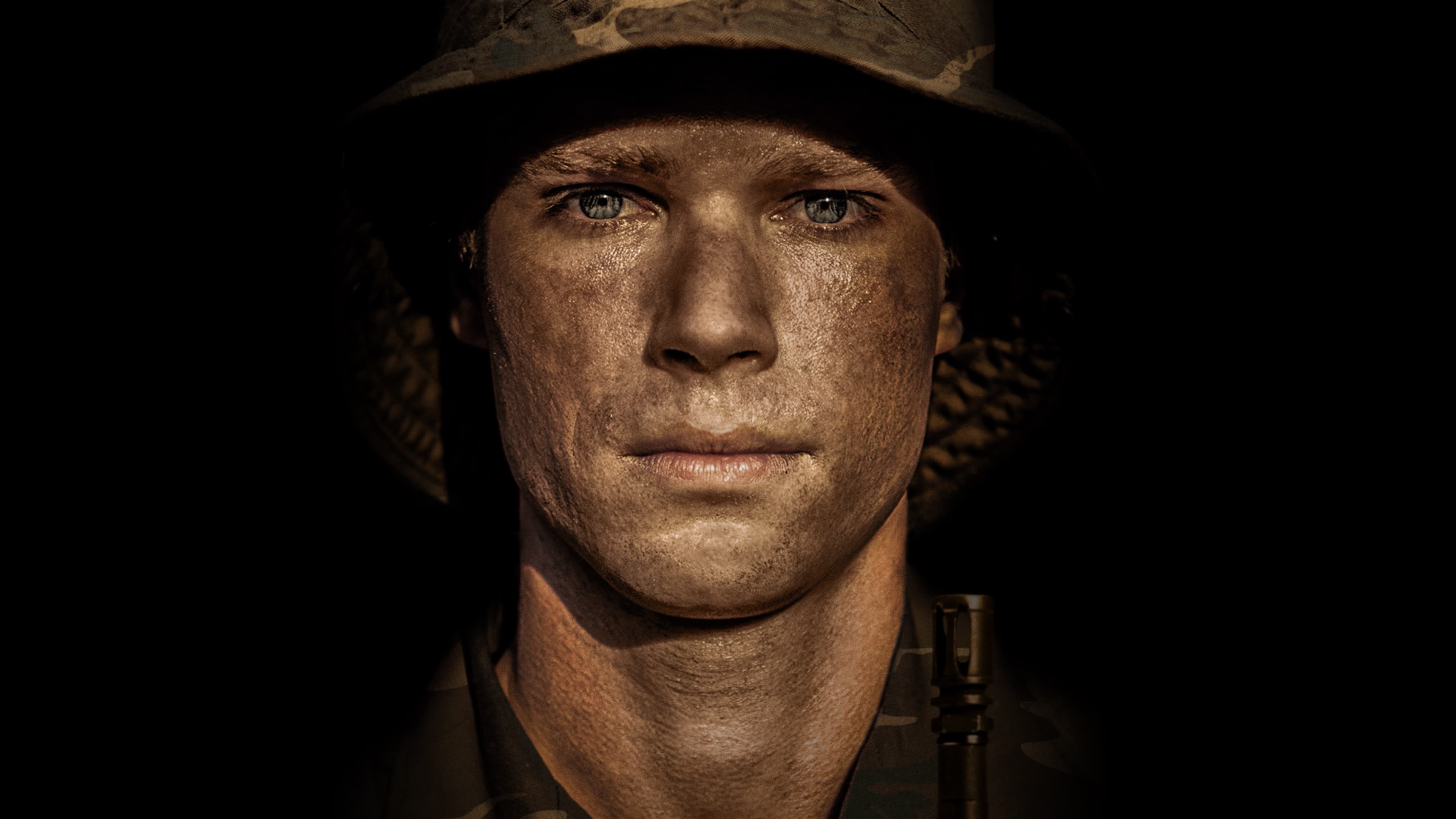
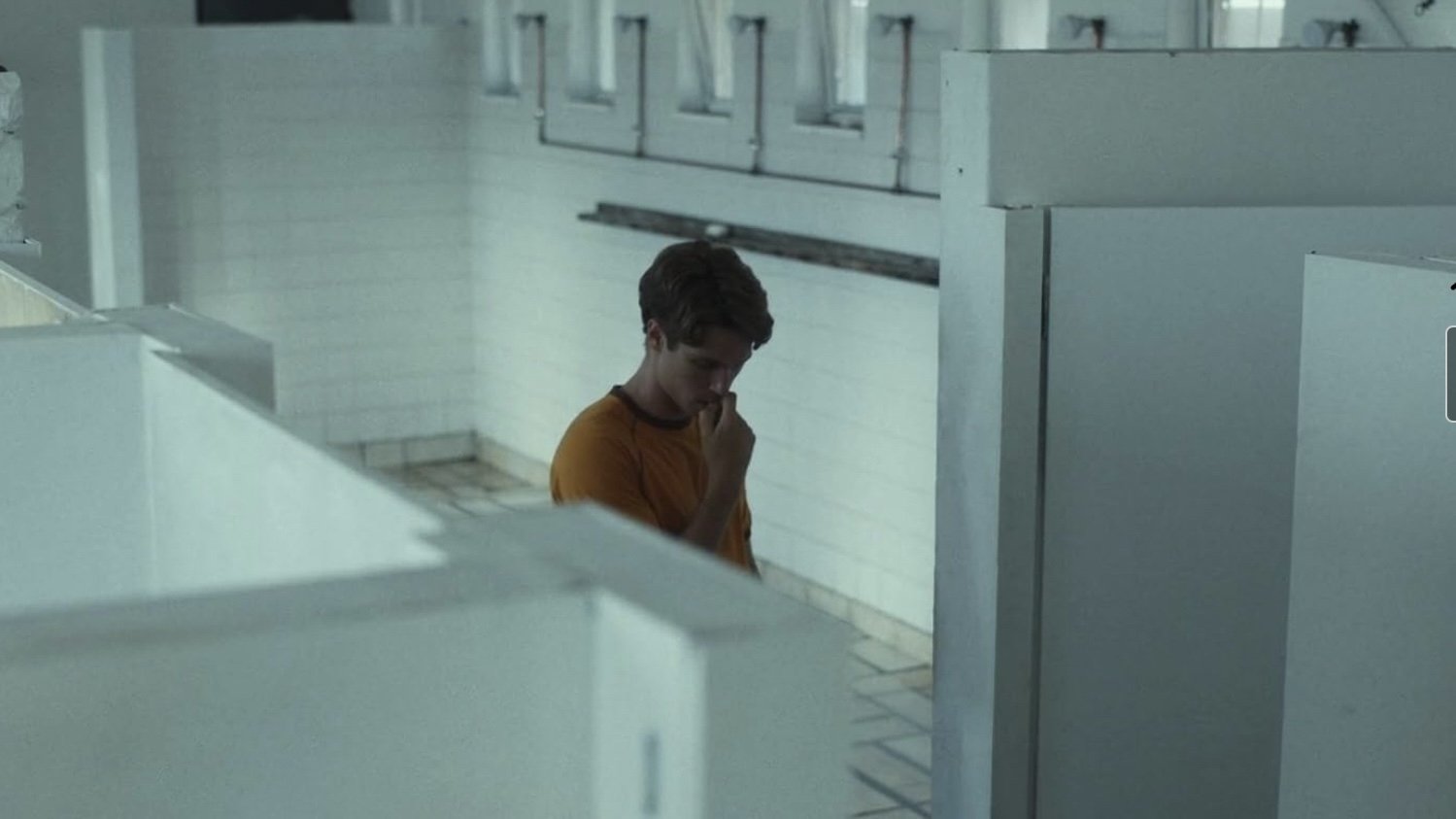
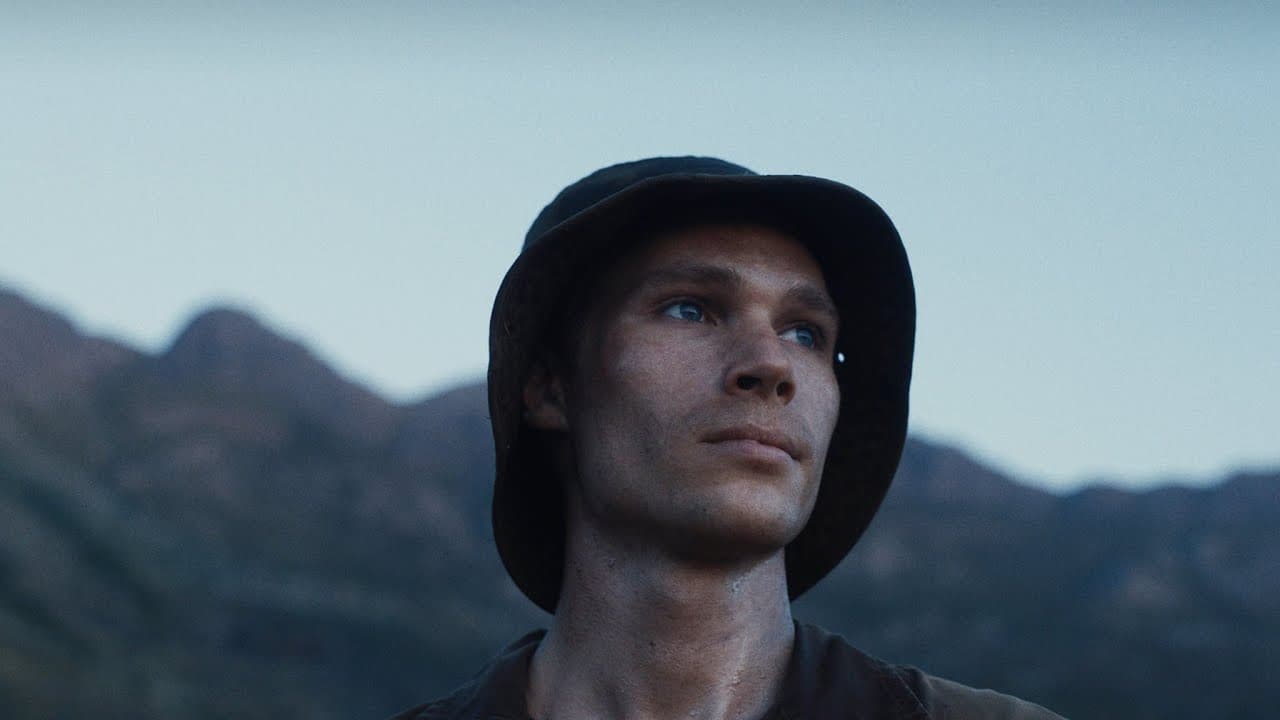
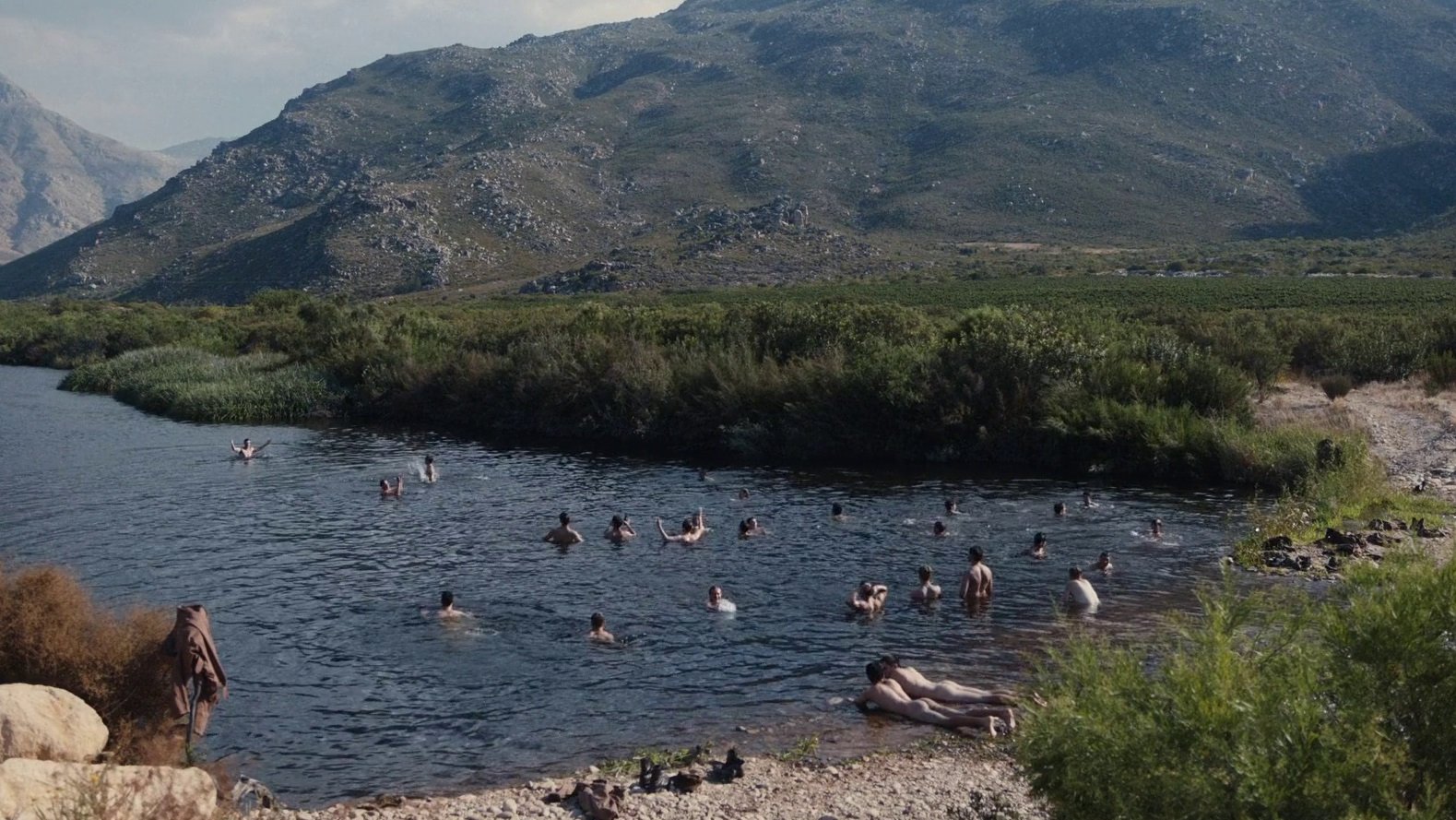
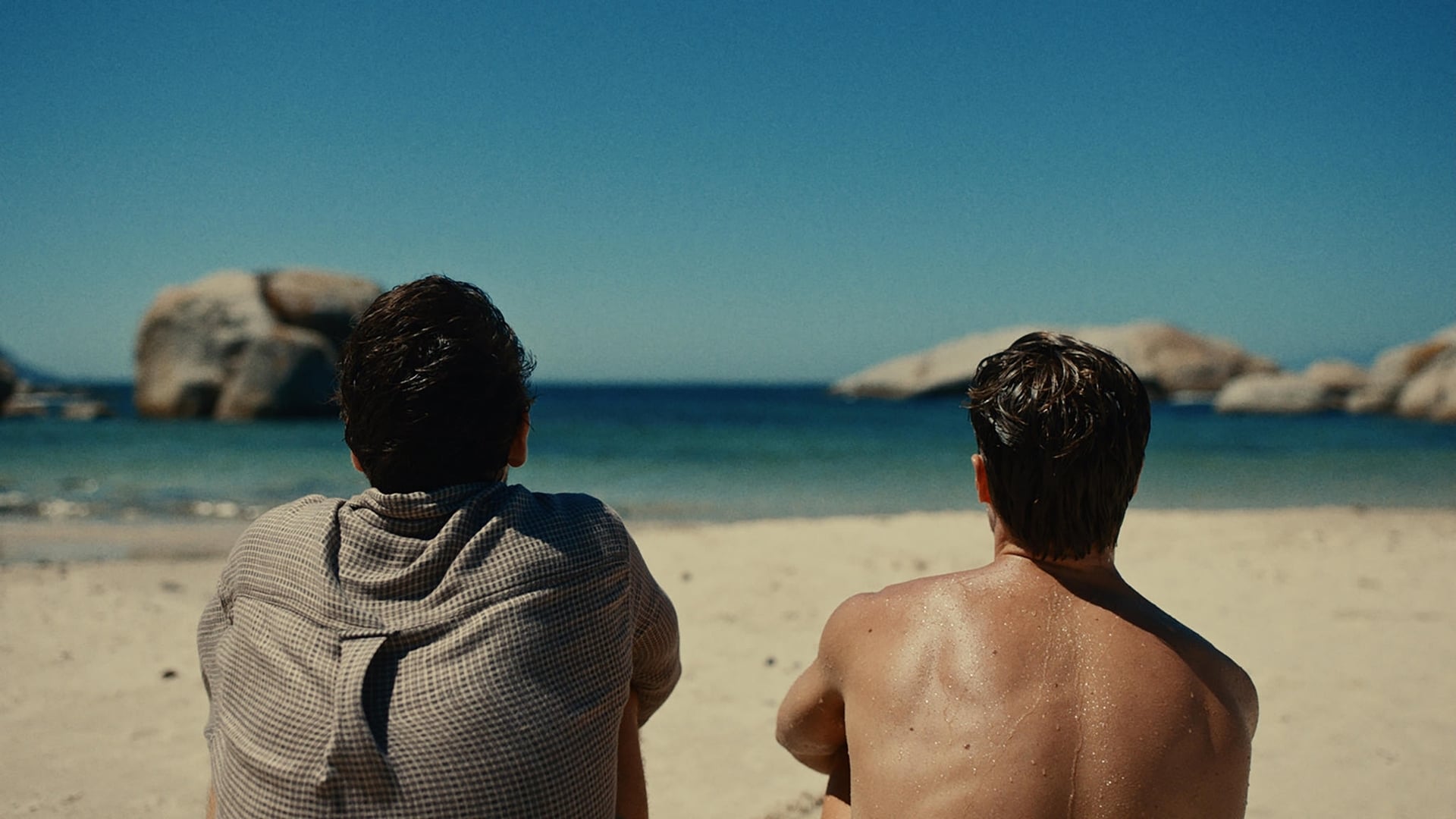
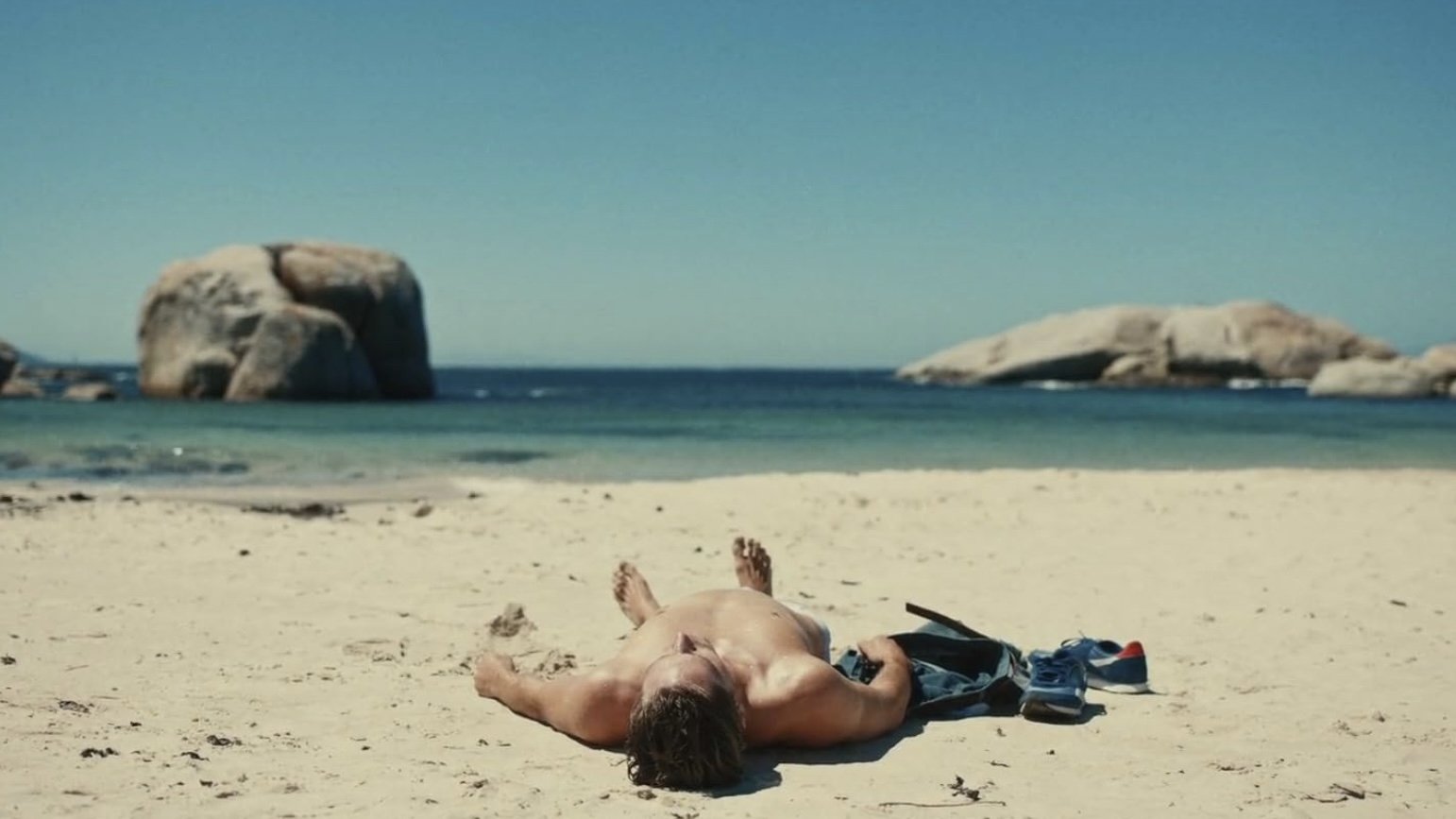
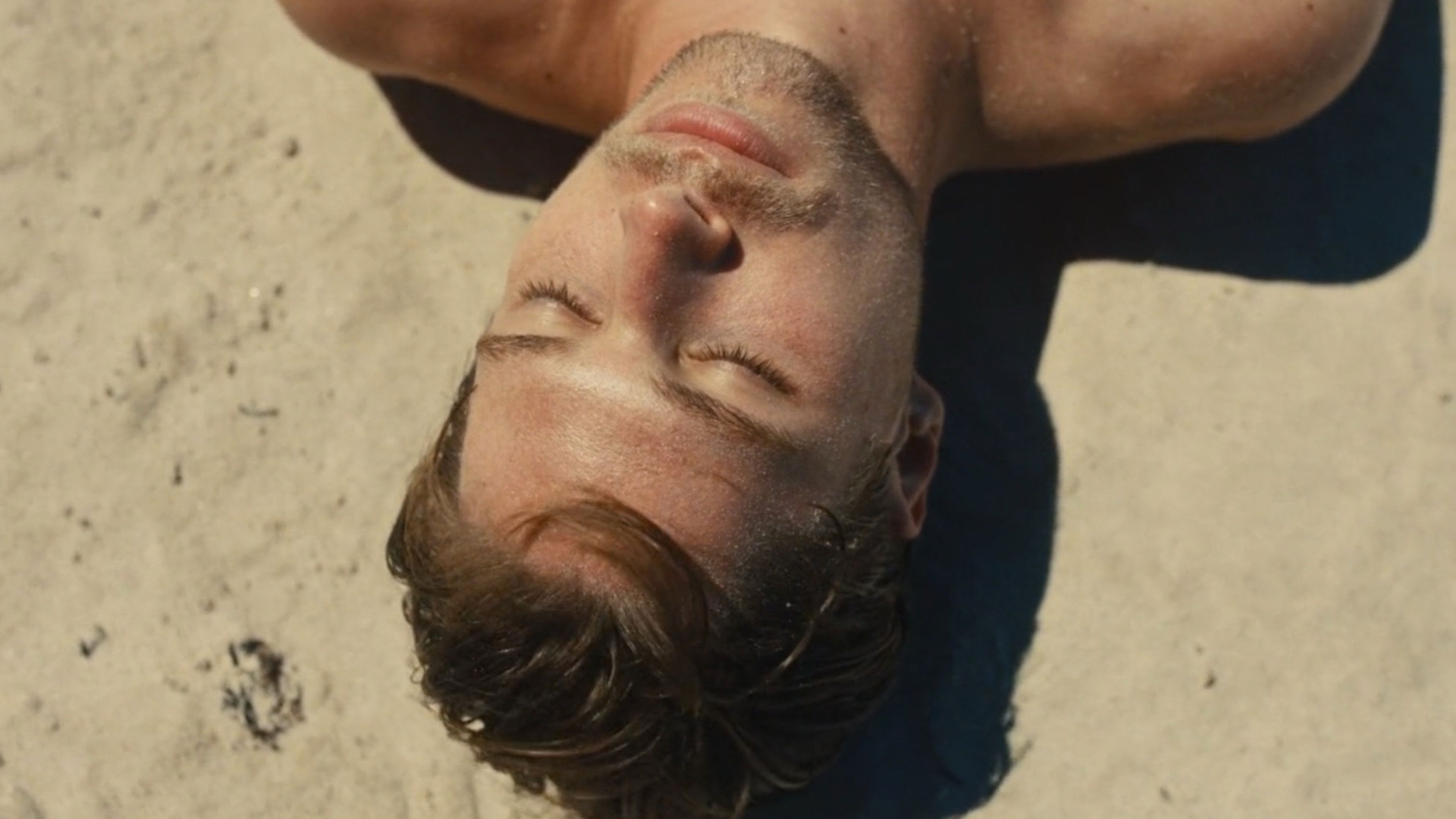
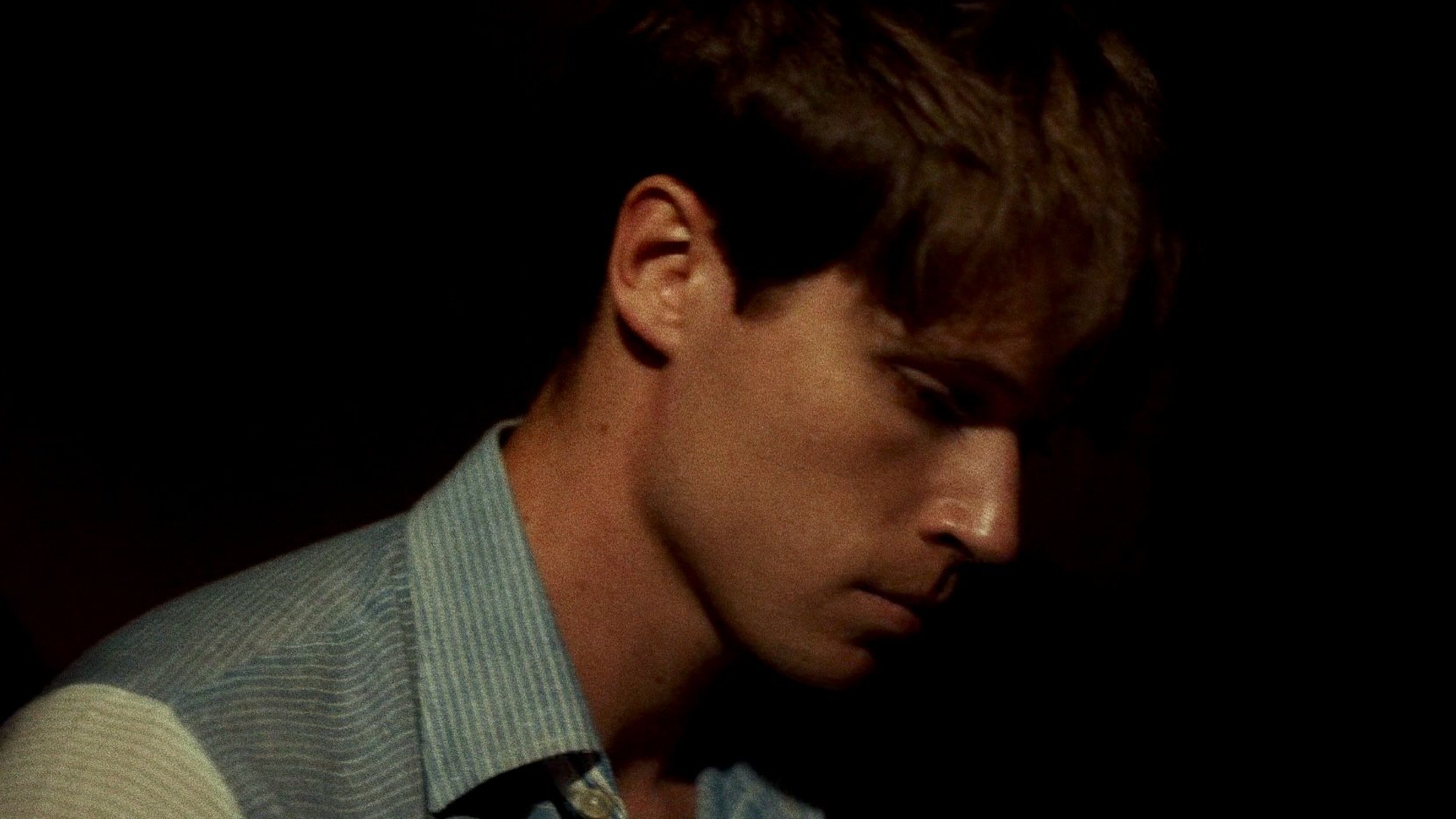
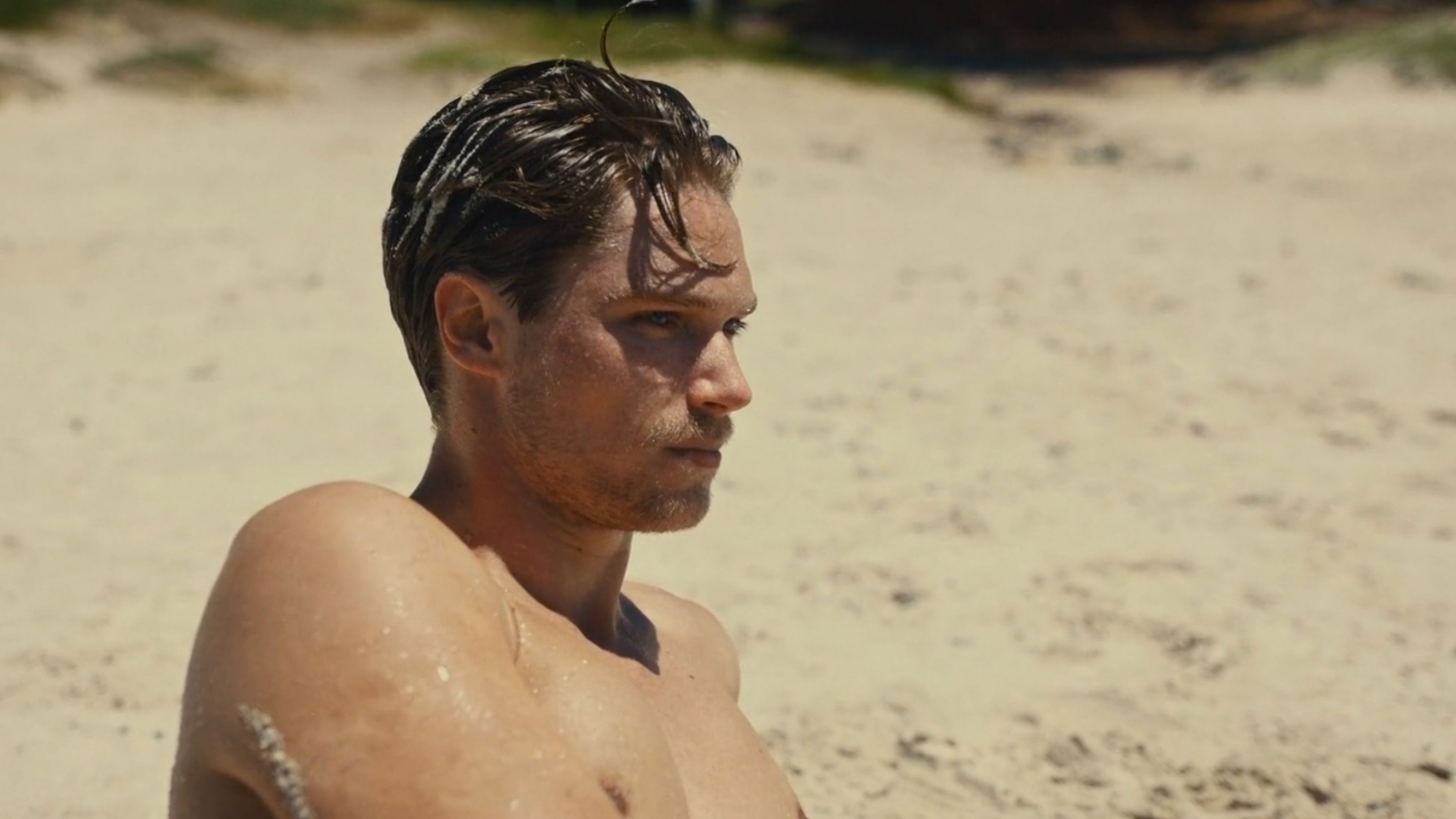
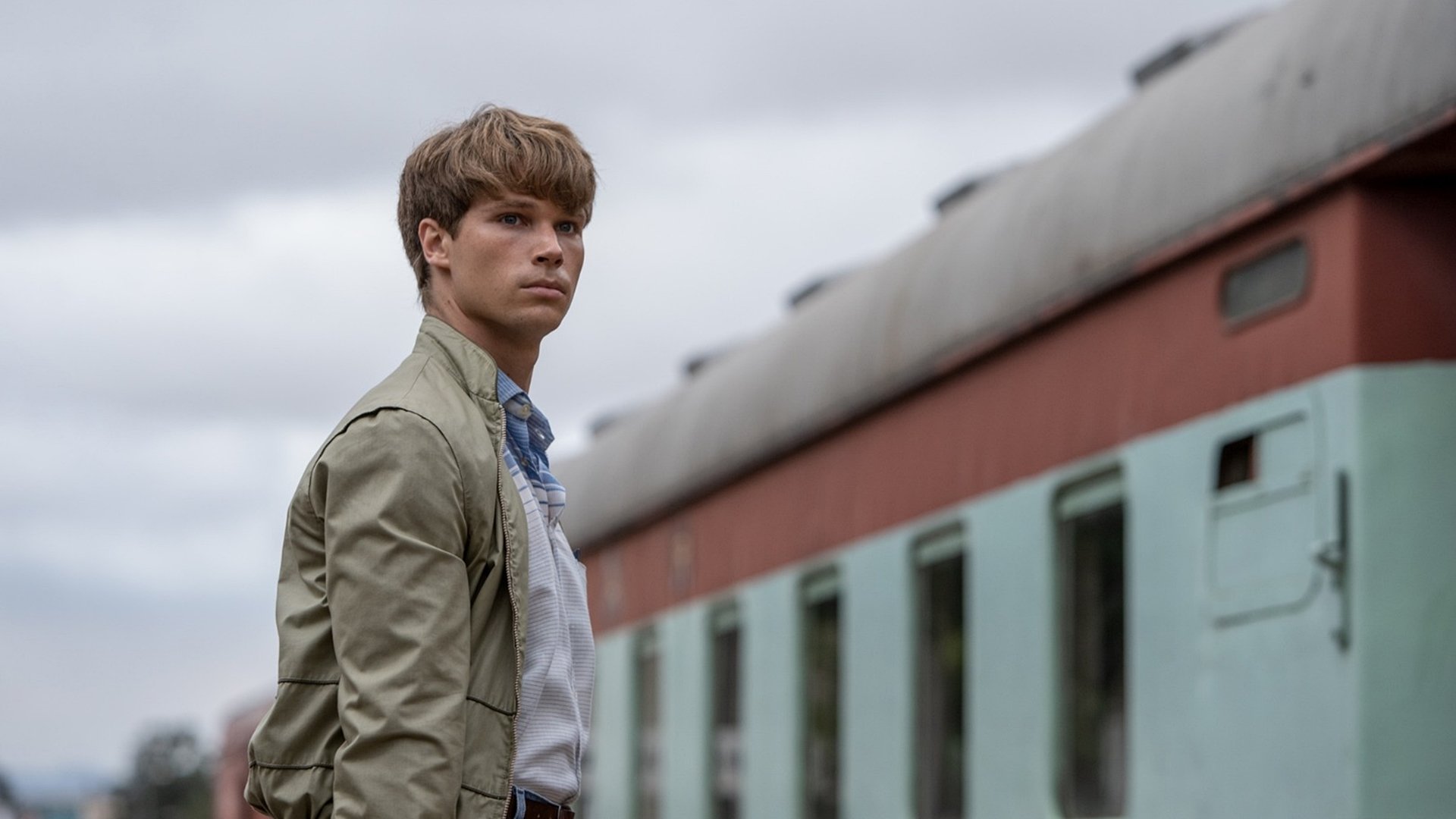
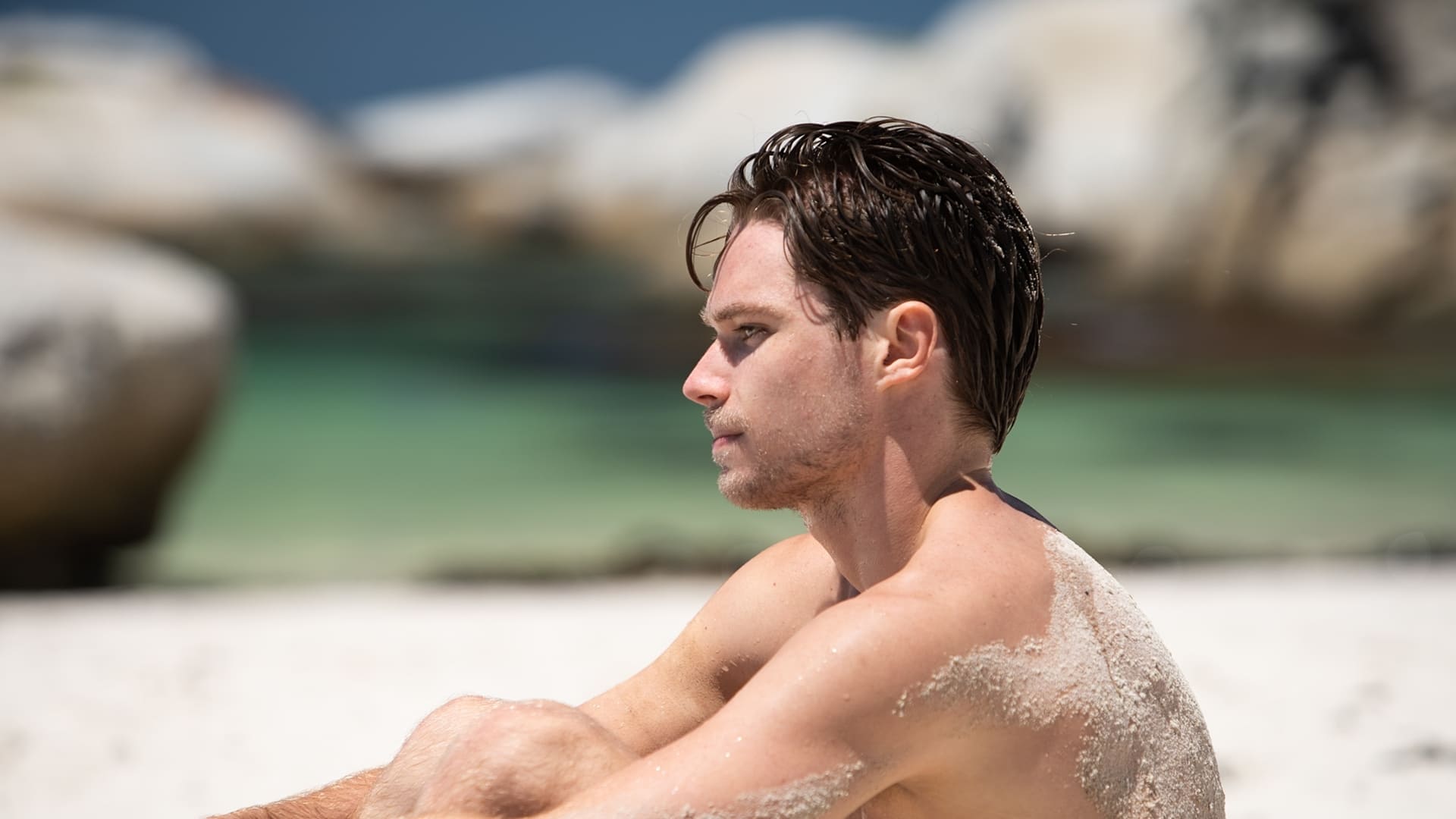
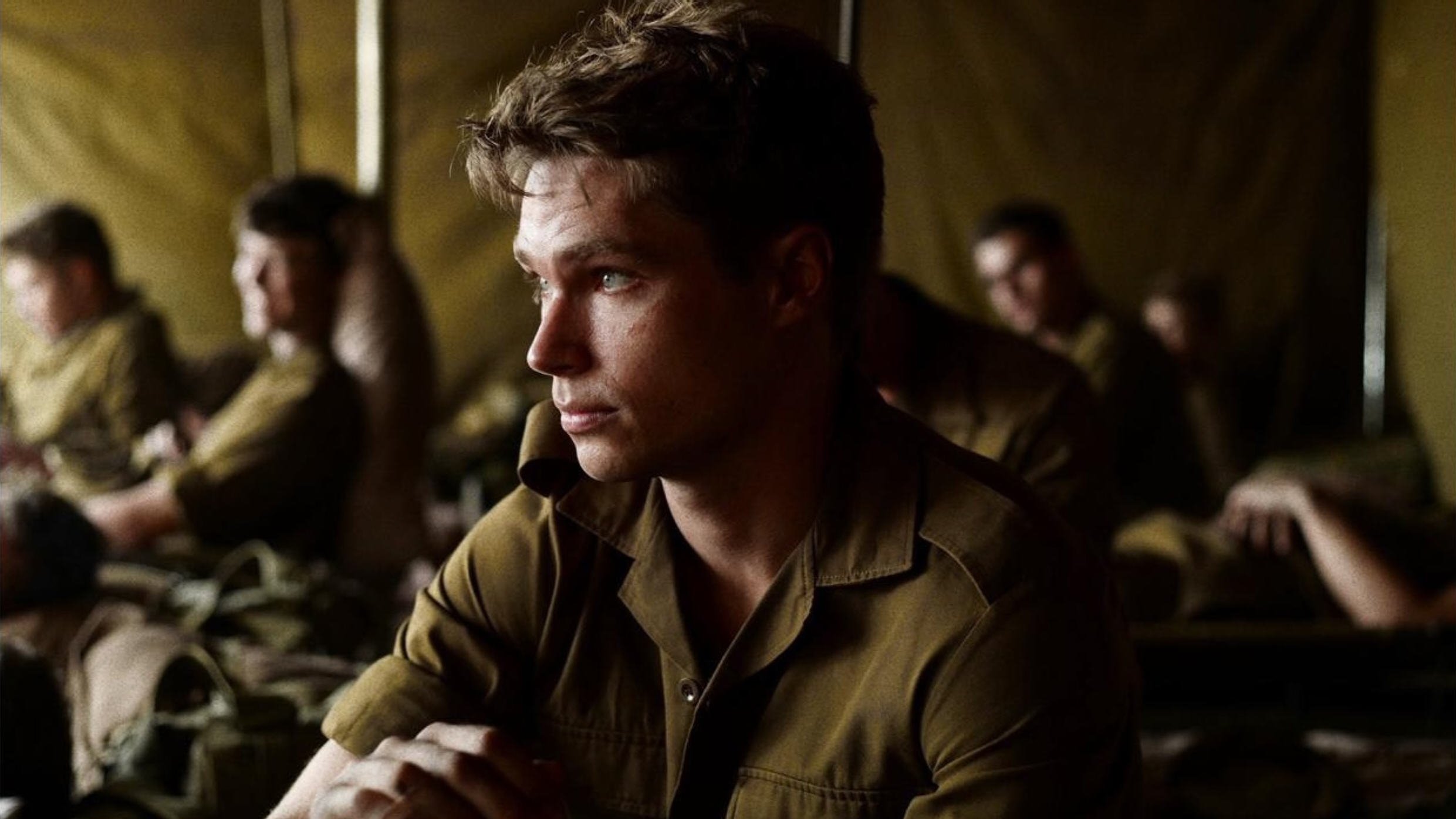
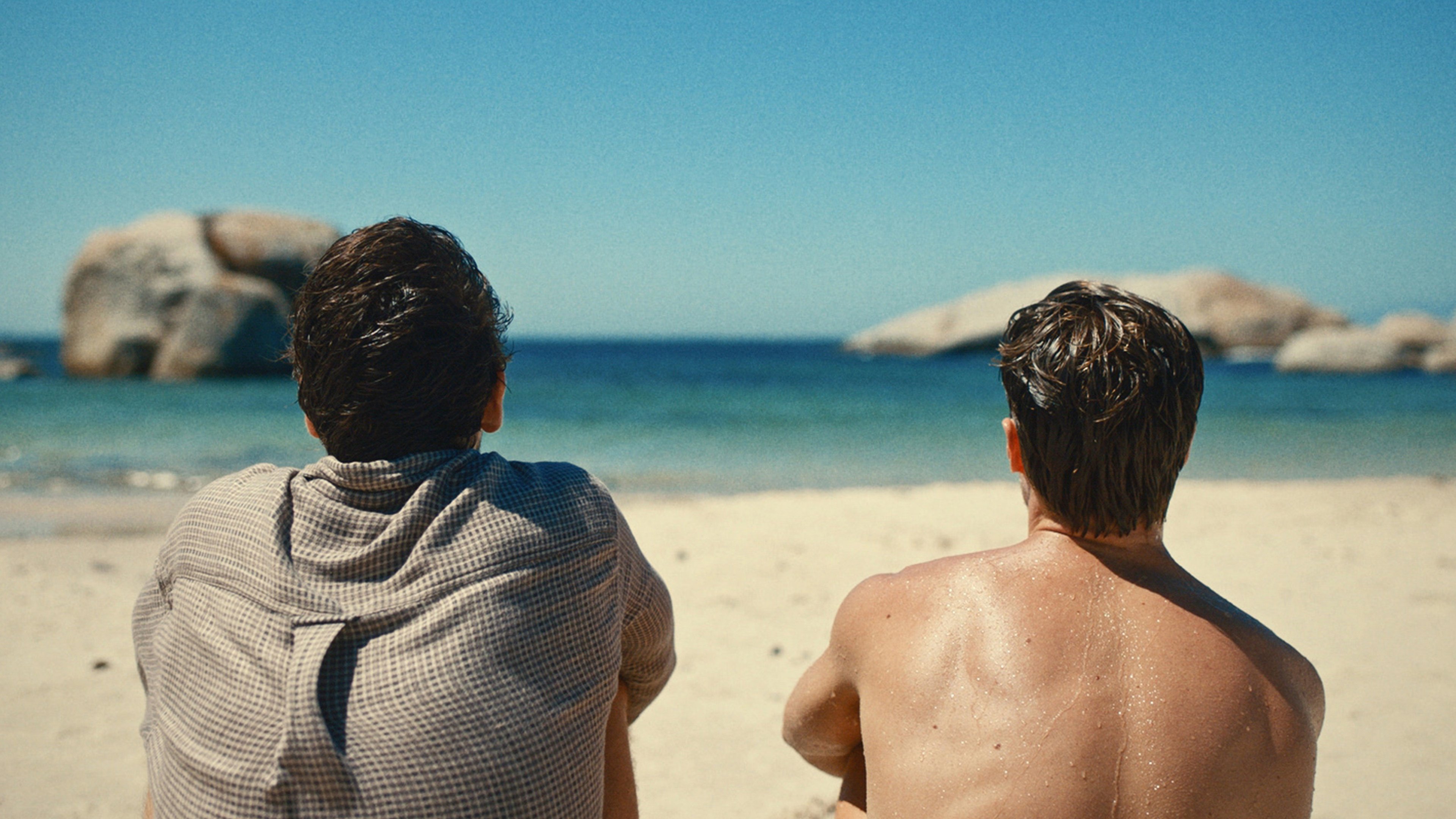
Beautifully shot and emotionally devastating, the film is restrained where it matters most. Brummer, despite having very few lines, delivers a quietly powerful performance through presence alone. His silence speaks louder than dialogue ever could, and his character remains haunting in its emotional impact—even for me, as a straight man.
(Sorry, gay South Africans, for using the word many times—I can’t change the title 💔)
A lot of people criticise Moffie for “not saying anything new,” which usually tells me they’re approaching it as just another war or coming of age film. That reading misses the point entirely. This isn’t about combat or heroism—it’s about Apartheid as a system, and how that system embedded itself into the bodies, minds, and silences of young white men. Even though I never experienced Apartheid firsthand, its residue still lingers in South Africa today, particularly in ideas of masculinity, authority, and fear. In that sense, Moffie stands out as one of the few genuinely good South African films precisely because it doesn’t try to shock or explain—it excavates.
What the film understands with unnerving clarity is the moral hierarchy that existed under Apartheid. White people were largely untouchable, able to exert violence and control with little consequence, even over one another. Casual brutality is normalised, which is why moments like young Nick being thrown around by an older man are met with indifference rather than intervention. No one steps in because, within that system, it isn’t considered wrong enough to disrupt. Whiteness itself functioned as immunity, reframing cruelty as discipline, toughness, or character building.
The only real exception to that immunity was homosexuality. While violence was tolerated—and often encouraged—homosexuality was treated as the ultimate transgression. The film makes it painfully clear that being gay was considered more unforgivable than being cruel. Homosexuality instantly stripped white men of their protection, marking them as disposable, correctable, or punishable. Moffie captures this contradiction with brutal precision, exposing how Apartheid relied not only on racism, but on an aggressive policing of masculinity that demanded emotional numbness, obedience, and heterosexuality at any cost.
While I do wish the film had delved a little deeper into Apartheid’s racism, I don’t think its focus is accidental. By centring homophobia within this militarised white world, Moffie highlights a brutal history that is rarely discussed. It shows how the regime didn’t only oppress black South Africans—it also crushed those within its walls the moment they deviated from the ideal.
Beautifully shot and emotionally devastating, the film is restrained where it matters most. Brummer, despite having very few lines, delivers a quietly powerful performance through presence alone. His silence speaks louder than dialogue ever could, and his character remains haunting in its emotional impact—even for me, as a straight man.
(Sorry, gay South Africans, for using the word many times—I can’t change the title 💔)