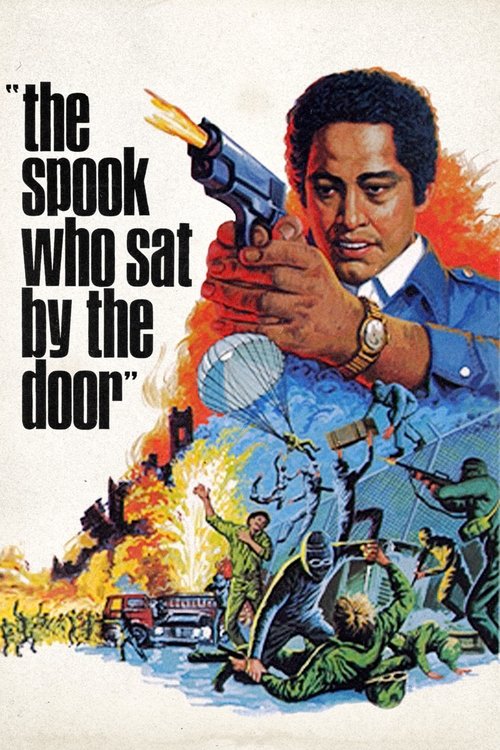
This is what revolutionary cinema looks like. Not something like
One White Boy Fantasy After Another, which only serves the bourgeois and liberals, offering nothing but fantasy and disrespect towards black people and revolution as a whole. This film, made without sanctions, captures the idea and discipline of revolution. It's not something people join for the thrill of blowing things up and robbing banks without face coverings; it's about the lifelong struggle for freedom, something more nuanced and nowhere near as immediate as the so-called revolutionary acts of the French 75.
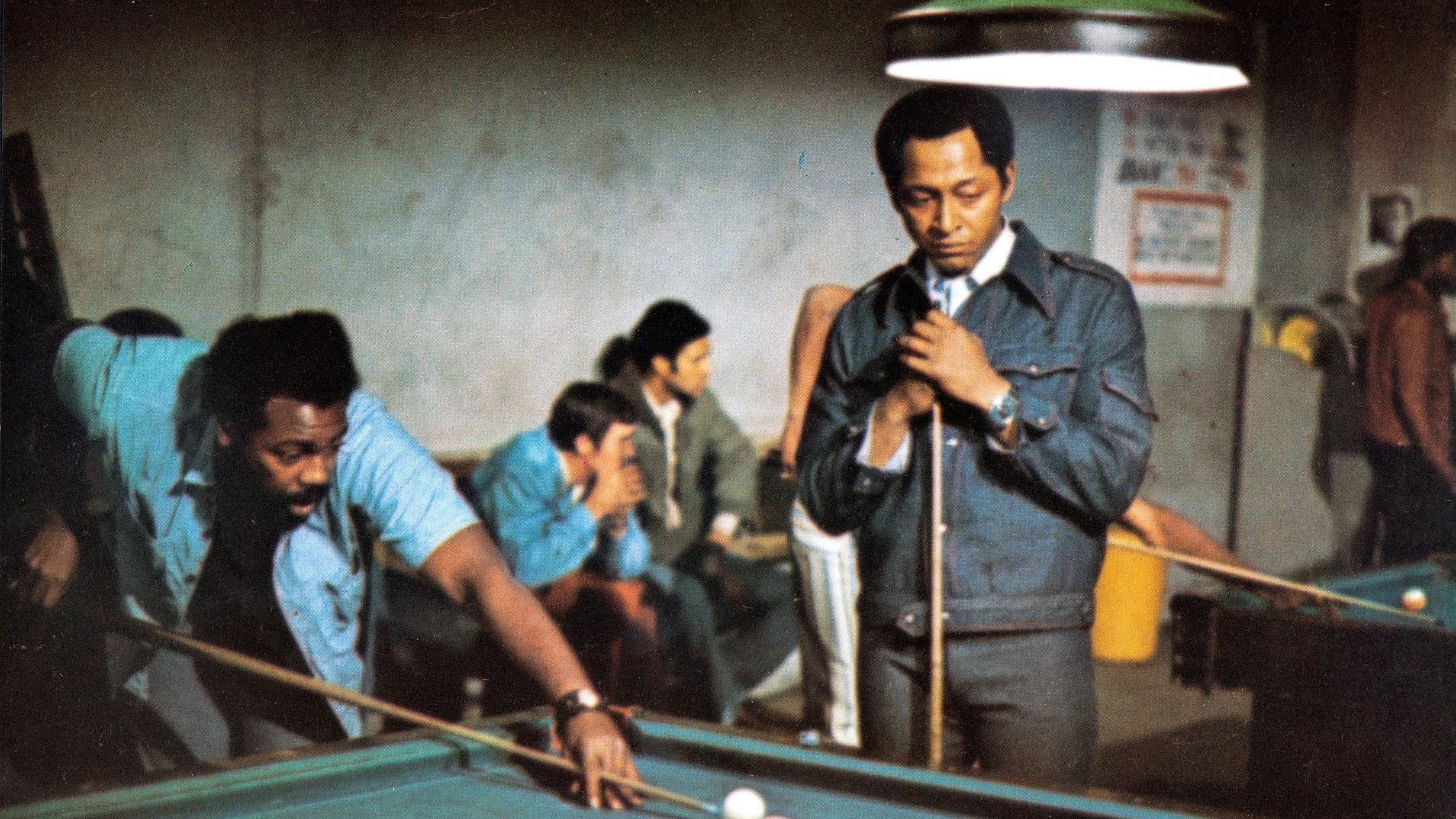
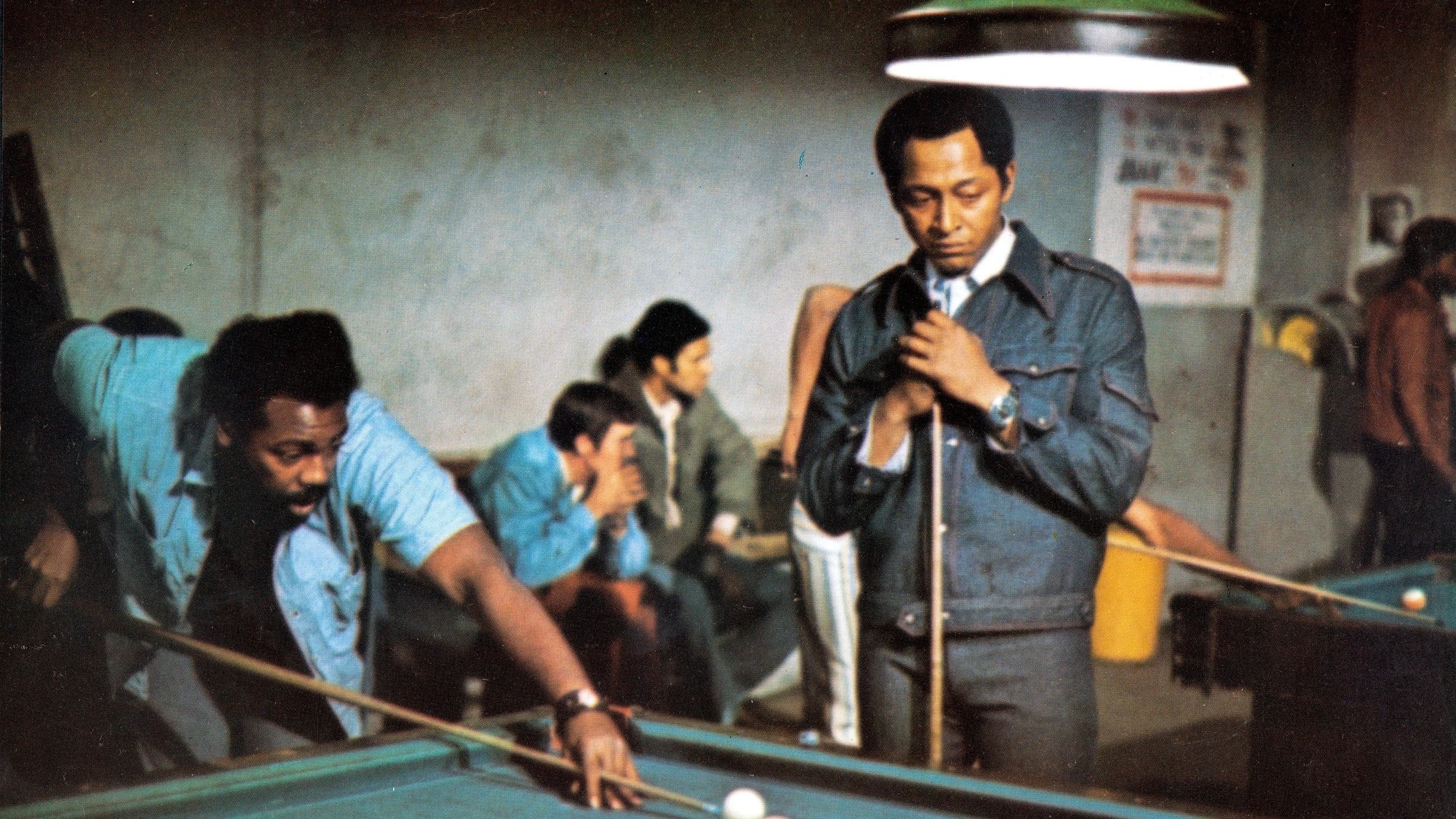
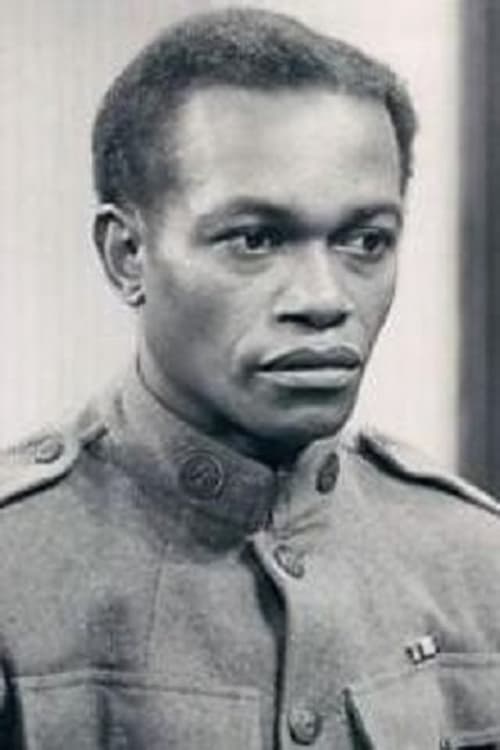
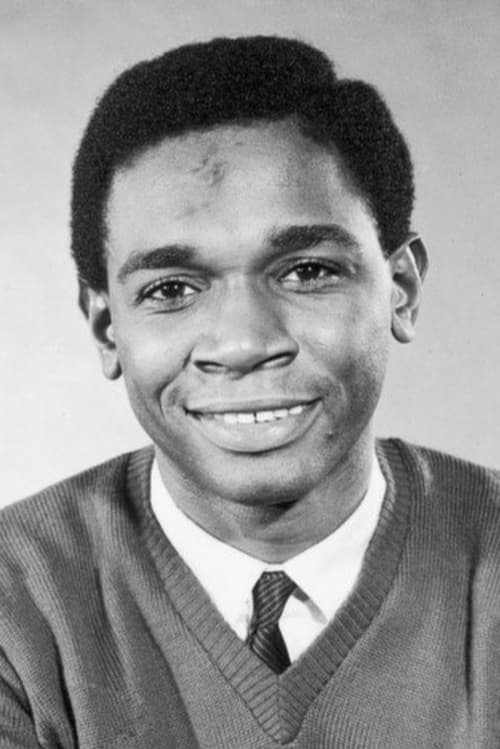
Dan Freeman is a genuine revolutionary, radiating immense charisma and harboring a slow-burning fury against the system beneath the surface. He endures so much shit from white society, gaining access to their institutions and training to one day initiate their downfall.
"What the bourgeoisie therefore produces, above all, are its own grave-diggers. Its fall and the victory of the proletariat are equally inevitable" - Karl Marx.
It's amazing because the only reason Freeman was able to infiltrate the CIA was by a white senator who is dropping in the polls with black voters after a speech about law and order, cynically demanding that the CIA be more inclusive in its recruiting process, and, in turn, the CIA would do everything in its power to ensure that every candidate failed. It is not uncommon for businesses to appear to make the requested changes without actually making them.
There's a moment in this film that makes it one of the best films about revolution I have ever seen. It comes about halfway through, when Freeman and another revolutionary discuss education. The young revolutionary doubts the importance of college, but Freeman asserts the value of education by sharing a deeply moving story about his grandmother. Freeman goes on to explain that education is something the white man can't take from you, the immaterial matter locked within your consciousness, the exact keys to freedom.
In the same exchange, the young revolutionary says he hates white folks, to which Freeman proclaims that this struggle is not about hating white folks; it's about loving freedom enough to die or kill for it. Freeman begins to explain how hate ceases when you spill someone's guts in the gutter, an experience he solemnly recalls from his time in the Korean War, another imperialist war in which working-class people were engaged in deadly combat.
What's so refreshing and admirable about this film is the seriousness with which it depicts the process of revolution, the need for organization, and the requirements for someone aiming to dismantle capitalism. It understands what motivates people to wish to pick up the rifle and fire back at their oppressors; the lifelong immiseration of your people can only be tolerated for so long. The ghetto represents a systemic obstacle designed to perpetuate poverty and entrapment; employment opportunities are scarce, substance abuse is widespread, pigs are indiscriminately killing people, and the judicial system is largely indifferent to residents' struggles – a reflection of capitalism operating as intended. People can only be caged and treated like animals for so long before they begin to fight back. We must also ask where political violence stems from: the ruling class or the working class. We understand that the ruling class is not simply going to give away its power, and we know that it has access to the state's armed forces, so when the working class demands better living conditions and does an act like withholding their labor, the ruling class will be the one to initiate political violence. It also calls on us to examine what political violence is and who is committing it today. Political violence isn't just the police killing innocent people or ICE abducting people; it's also the seemingly banal institutions, like the banking system or the violent act of cutting off aid to social programs for the working class, that perpetuate political violence. The working class does not own these mechanisms; they are subject to the whims of the ruling class.
This film demands that working-class people no longer endure such brutality. It isn't afraid to depict revolutionary actions and mentality, specifically the importance of such acts and the discipline required to pursue a righteous cause. This film respects the long-storied history of black revolutionaries and black struggle rather than reducing them to palatable revolutionaries who don't take the concept seriously, who are totally unorganized, and who lend themselves to adventurism.
I would also recommend people watch this
video about The Vernon Philosophy of Black Media Avoidance.