

2019·Drama·1h 39m
7.1
★


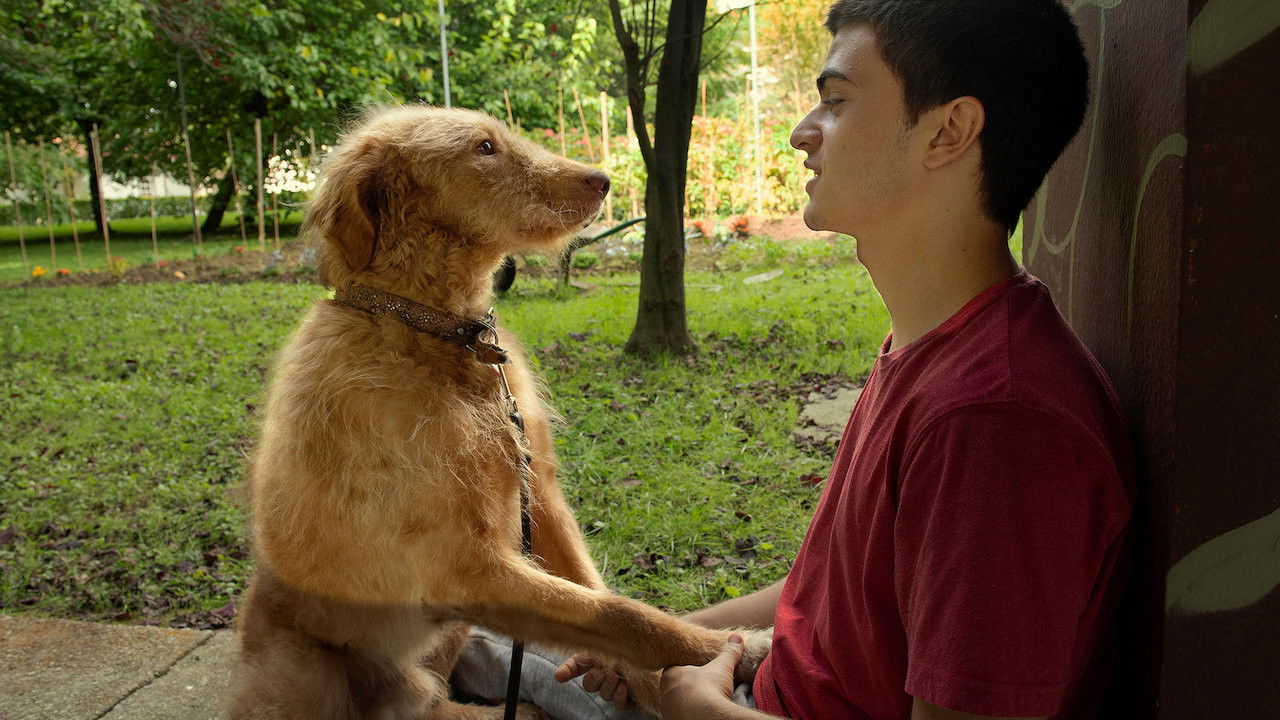
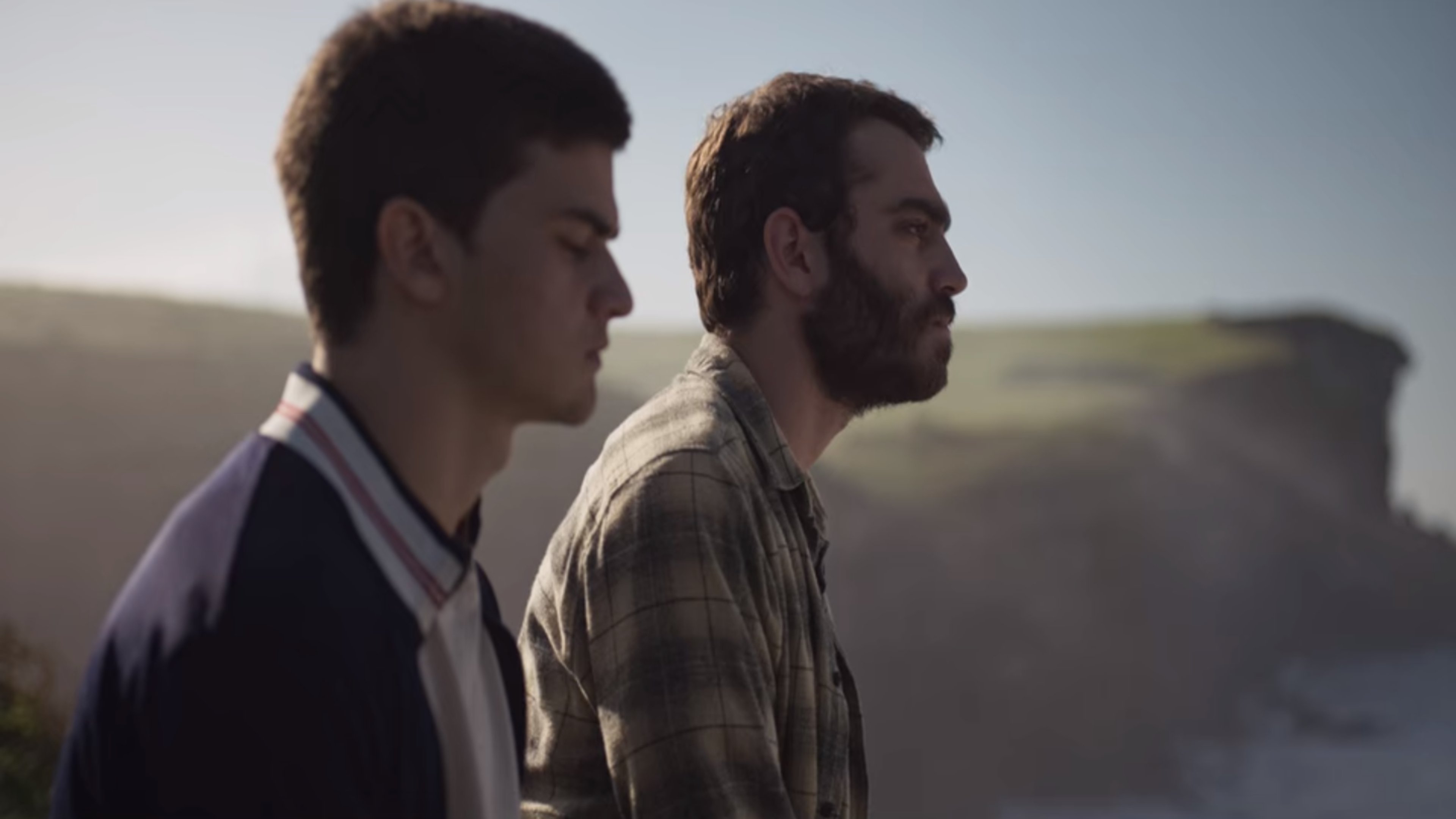
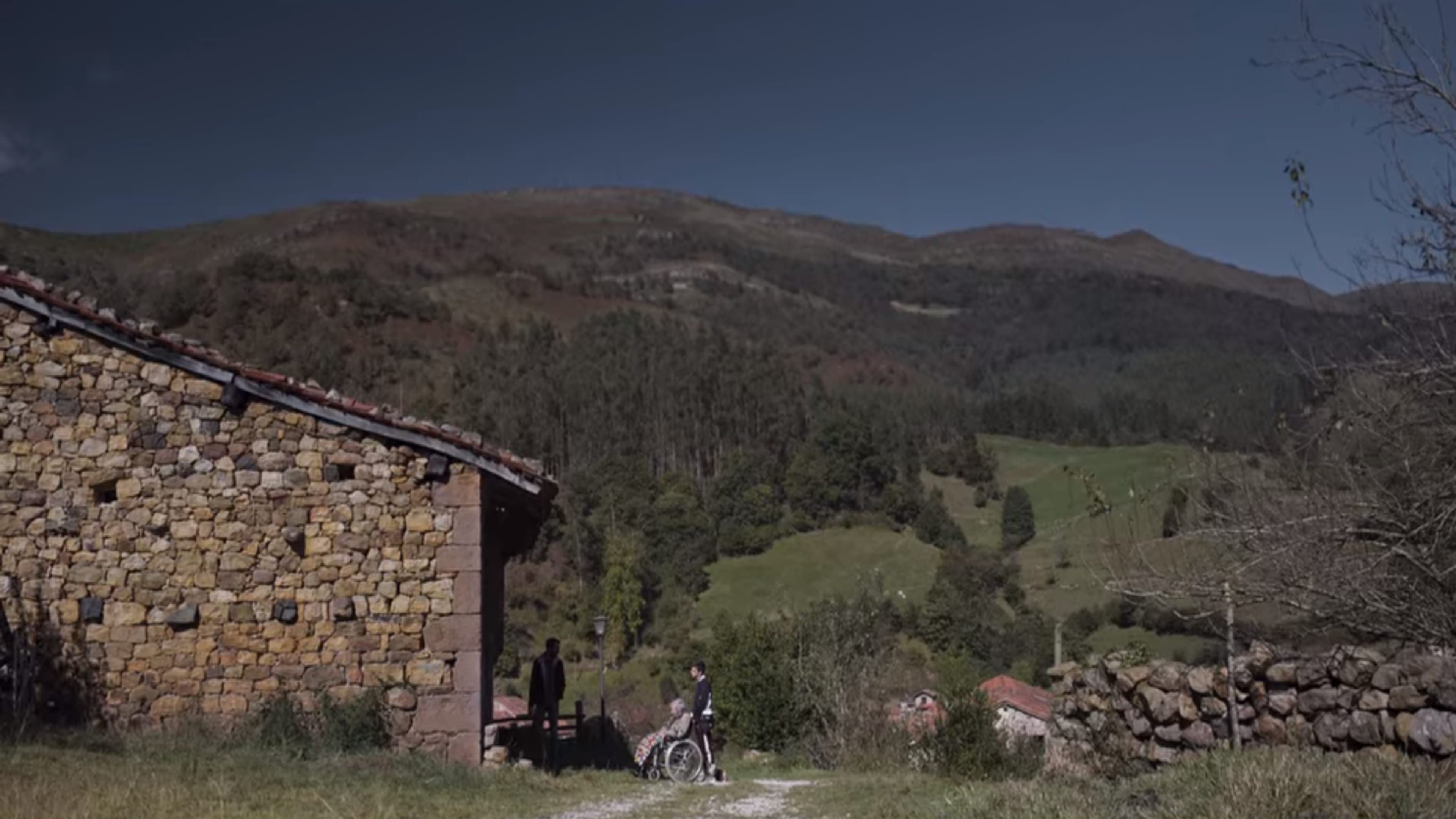
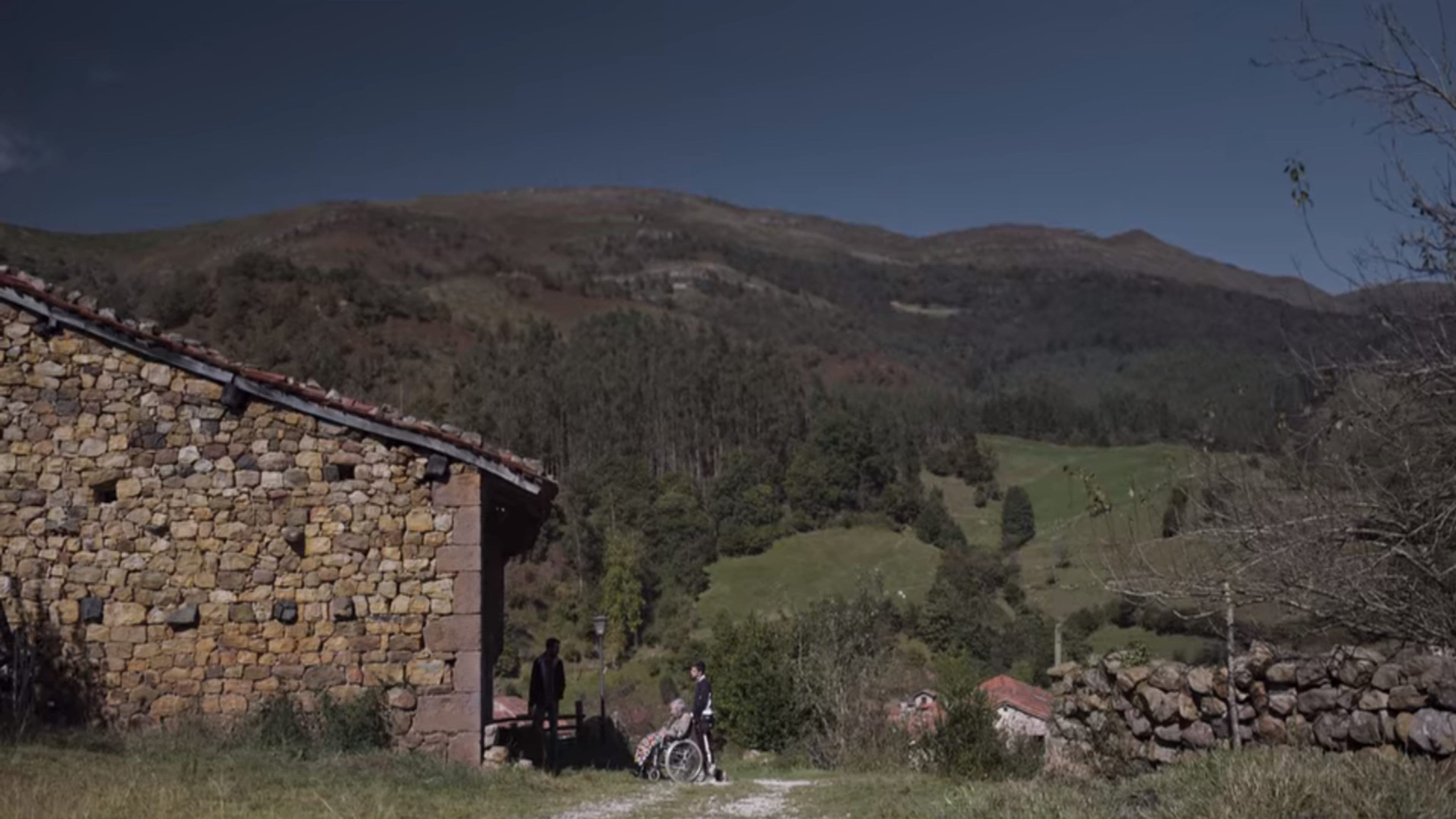
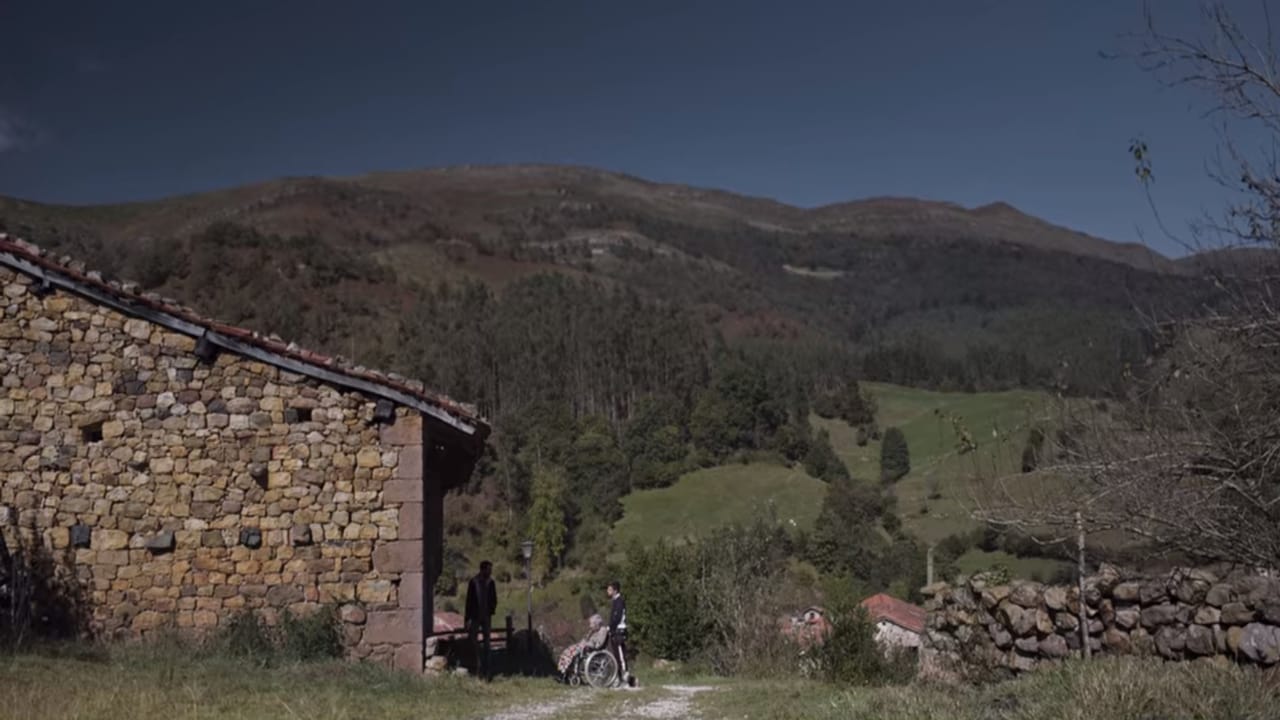
To find his therapy dog, a 17-year-old escapes from juvie and embarks on a journey of reconnection with his brother and grandmother through Cantabria.
Directed by Daniel Sánchez Arévalo
road trip
dog
boy and dog
juvenile detention center
teenage protagonist
brother brother relationship
grandmother grandson relationship

IMDB
N/A
Where to Watch

Cast

Biel Montoro
Héctor

Nacho Sánchez
Ismael

Lola Cordón
Cuca

Kandido Uranga
Cura

Itsaso Arana
Esther

Mamen Duch
Jueza

Chani Martín
Primo Ignacio

Jorge Cabrera
Profesor

Carolina Clemente
Prima Rosa

Iñigo Aranburu
Román

Aarón Porras
Paisano
Crew

Daniel Sánchez Arévalo
Director
Daniel Sánchez Arévalo
Writer

José Antonio Félez
Producer

Julio de la Rosa
Music
Popular Reviews
59 reviews
juzz
6.0★ · 01/21/25

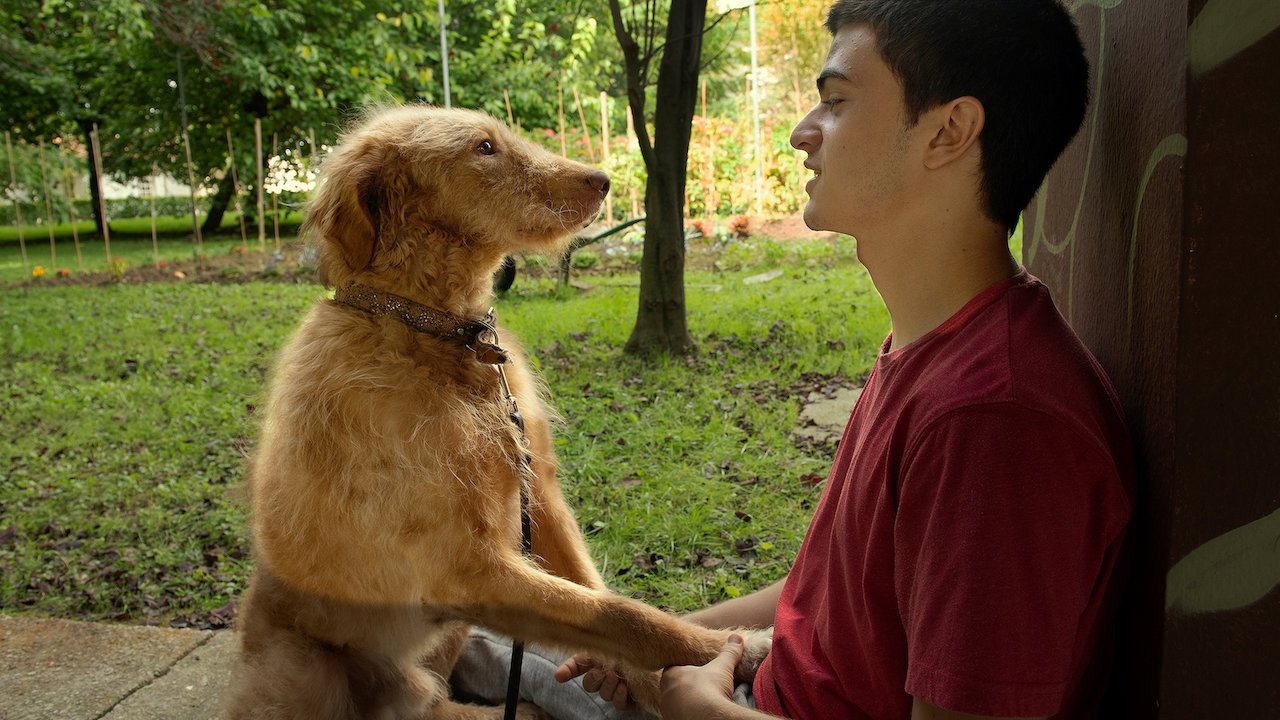
Dogs are often called man’s best friend, and Seventeen builds its emotional core around that bond.
Visually, the film opens strong. The first minutes, are influenced by creative cinematography that captures the harsh conditions and emotional weight of Hector’s life. The opening scene is especially impactful. However, after this point, the visual style falls into typical Netflix territory—polished, but uninspired. This inconsistency detracts from the film’s overall tone.
The narrative leaves gaps that make it feel underdeveloped at times. Hector’s sentencing is mentioned only briefly, and his transition into the detention center feels abrupt and unexplained. Similarly, his brother—an important figure in the story—is introduced off-screen, which makes their complex relationship feel less immediate. That said, the film shines in its details: the symbolic tradition of escapees leaving numbered logs behind.
In the end, Seventeen is a heartwarming road movie that works best in its smaller, emotional moments. The message—Para, Piensa, Escucha (Stop, Think, Listen)—is bought into the narrative, though it could have been more pronounced. While the film stumbles with its pacing, predictability, and technical consistency, it’s worth a watch for those who enjoy stories about family, loyalty, and the bond between humans and their pets.
Visually, the film opens strong. The first minutes, are influenced by creative cinematography that captures the harsh conditions and emotional weight of Hector’s life. The opening scene is especially impactful. However, after this point, the visual style falls into typical Netflix territory—polished, but uninspired. This inconsistency detracts from the film’s overall tone.
The narrative leaves gaps that make it feel underdeveloped at times. Hector’s sentencing is mentioned only briefly, and his transition into the detention center feels abrupt and unexplained. Similarly, his brother—an important figure in the story—is introduced off-screen, which makes their complex relationship feel less immediate. That said, the film shines in its details: the symbolic tradition of escapees leaving numbered logs behind.
In the end, Seventeen is a heartwarming road movie that works best in its smaller, emotional moments. The message—Para, Piensa, Escucha (Stop, Think, Listen)—is bought into the narrative, though it could have been more pronounced. While the film stumbles with its pacing, predictability, and technical consistency, it’s worth a watch for those who enjoy stories about family, loyalty, and the bond between humans and their pets.
Dogs are often called man’s best friend, and Seventeen builds its emotional core around that bond.
Visually, the film opens strong. The first minutes, are influenced by creative cinematography that captures the harsh conditions and emotional weight of Hector’s life. The opening scene is especially impactful. However, after this point, the visual style falls into typical Netflix territory—polished, but uninspired. This inconsistency detracts from the film’s overall tone.
The narrative leaves gaps that make it feel underdeveloped at times. Hector’s sentencing is mentioned only briefly, and his transition into the detention center feels abrupt and unexplained. Similarly, his brother—an important figure in the story—is introduced off-screen, which makes their complex relationship feel less immediate. That said, the film shines in its details: the symbolic tradition of escapees leaving numbered logs behind.
In the end, Seventeen is a heartwarming road movie that works best in its smaller, emotional moments. The message—Para, Piensa, Escucha (Stop, Think, Listen)—is bought into the narrative, though it could have been more pronounced. While the film stumbles with its pacing, predictability, and technical consistency, it’s worth a watch for those who enjoy stories about family, loyalty, and the bond between humans and their pets.
Visually, the film opens strong. The first minutes, are influenced by creative cinematography that captures the harsh conditions and emotional weight of Hector’s life. The opening scene is especially impactful. However, after this point, the visual style falls into typical Netflix territory—polished, but uninspired. This inconsistency detracts from the film’s overall tone.
The narrative leaves gaps that make it feel underdeveloped at times. Hector’s sentencing is mentioned only briefly, and his transition into the detention center feels abrupt and unexplained. Similarly, his brother—an important figure in the story—is introduced off-screen, which makes their complex relationship feel less immediate. That said, the film shines in its details: the symbolic tradition of escapees leaving numbered logs behind.
In the end, Seventeen is a heartwarming road movie that works best in its smaller, emotional moments. The message—Para, Piensa, Escucha (Stop, Think, Listen)—is bought into the narrative, though it could have been more pronounced. While the film stumbles with its pacing, predictability, and technical consistency, it’s worth a watch for those who enjoy stories about family, loyalty, and the bond between humans and their pets.


zareen
4.0★ · 07/06/26
bosan
bosan
vic
i thought this was so lovely. i really connected with hector's character, and how he felt the experiences that come with being autistic and not really understanding the world around you which hasn't been built for people like you. i thought that was really moving. was also really lovely seeing northern spain's gorgeous coast 🥲🥲🥲
-------
q linda esta peli. me he conectado con el personaje de héctor, y cómo experimentó la vida como una persona autista, y no poder comprender el mundo a tu alrededor que no se ha construido para gente como él (y yo). pensé que era muy conmovedor. tmb me ha encantado ver la costa bellísima del norte de españa
-------
q linda esta peli. me he conectado con el personaje de héctor, y cómo experimentó la vida como una persona autista, y no poder comprender el mundo a tu alrededor que no se ha construido para gente como él (y yo). pensé que era muy conmovedor. tmb me ha encantado ver la costa bellísima del norte de españa
i thought this was so lovely. i really connected with hector's character, and how he felt the experiences that come with being autistic and not really understanding the world around you which hasn't been built for people like you. i thought that was really moving. was also really lovely seeing northern spain's gorgeous coast 🥲🥲🥲
-------
q linda esta peli. me he conectado con el personaje de héctor, y cómo experimentó la vida como una persona autista, y no poder comprender el mundo a tu alrededor que no se ha construido para gente como él (y yo). pensé que era muy conmovedor. tmb me ha encantado ver la costa bellísima del norte de españa
-------
q linda esta peli. me he conectado con el personaje de héctor, y cómo experimentó la vida como una persona autista, y no poder comprender el mundo a tu alrededor que no se ha construido para gente como él (y yo). pensé que era muy conmovedor. tmb me ha encantado ver la costa bellísima del norte de españa
Sara Fernández
9.0★ · 01/21/26
Oveja, creo que te amo
Oveja, creo que te amo
sofia
8.0★ · 12/24/25
so sad yet so good
so sad yet so good