“Tell me! You are all mine?”
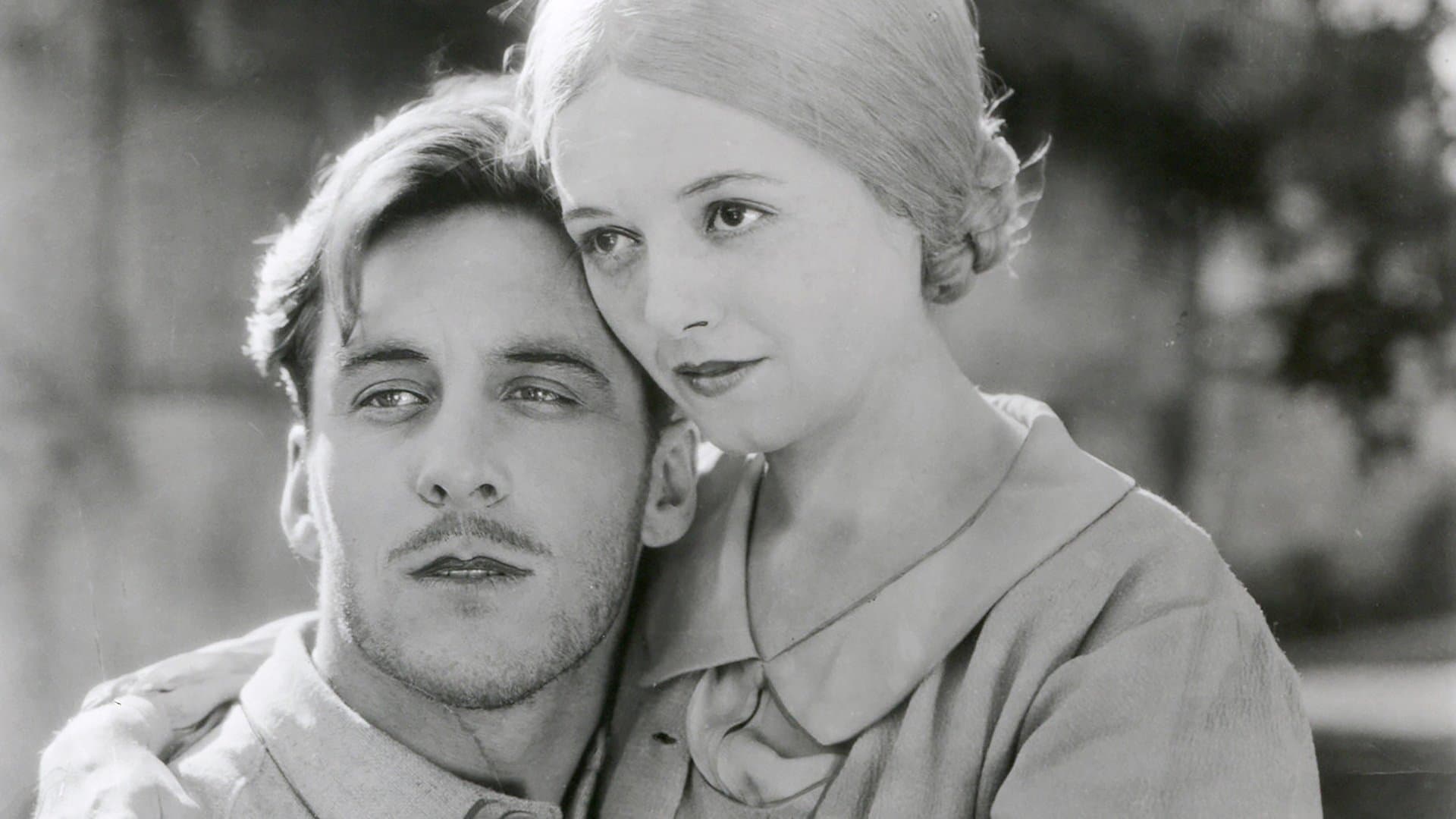
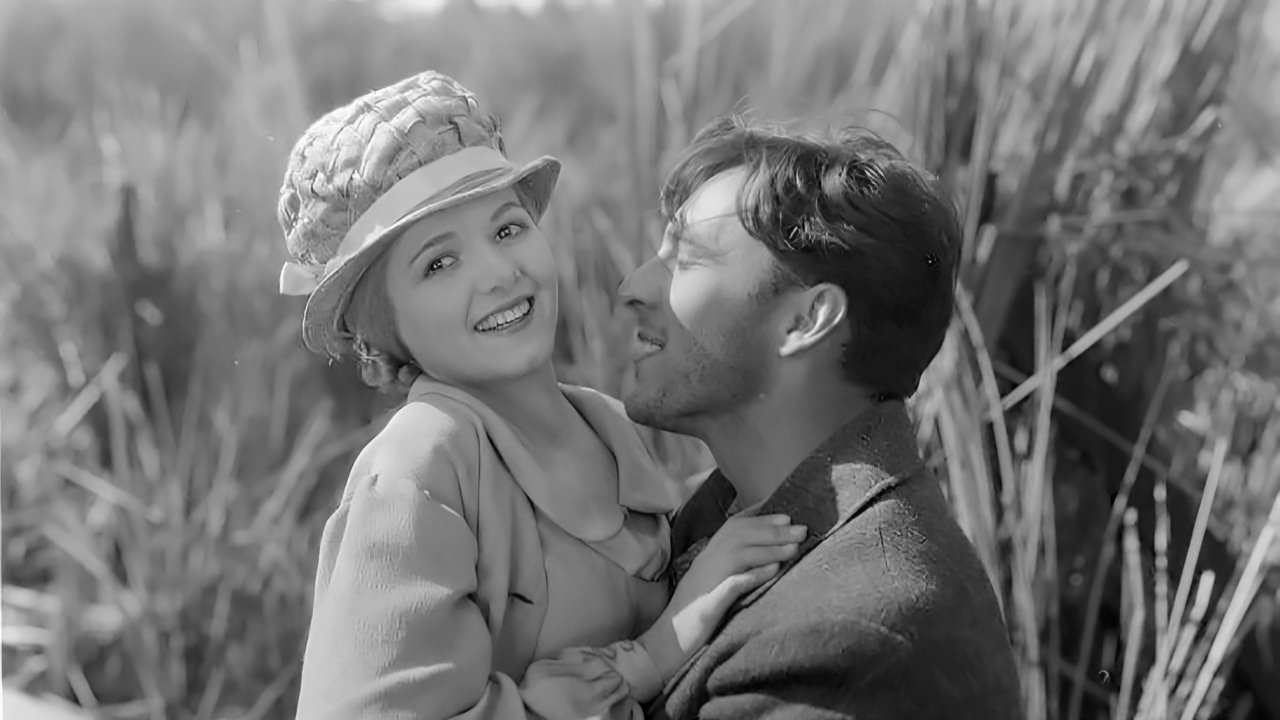
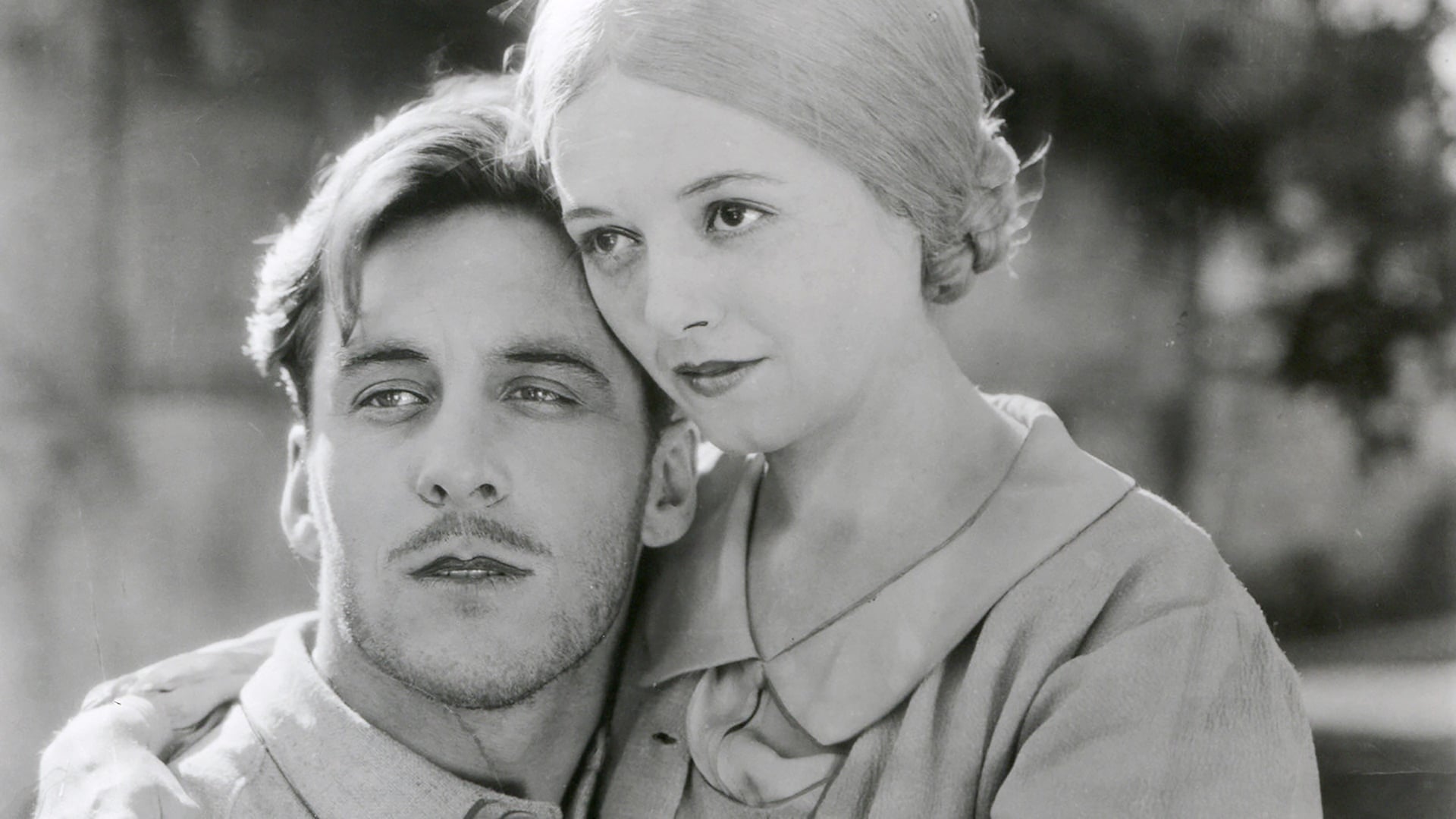
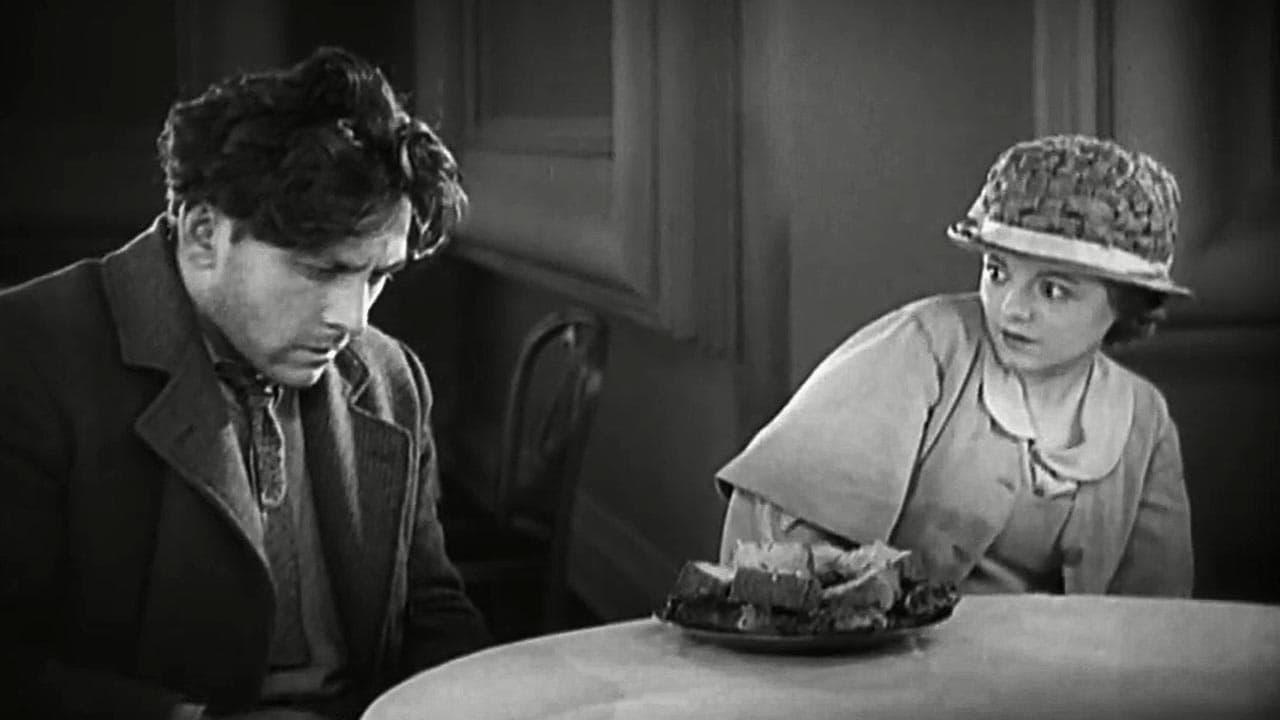
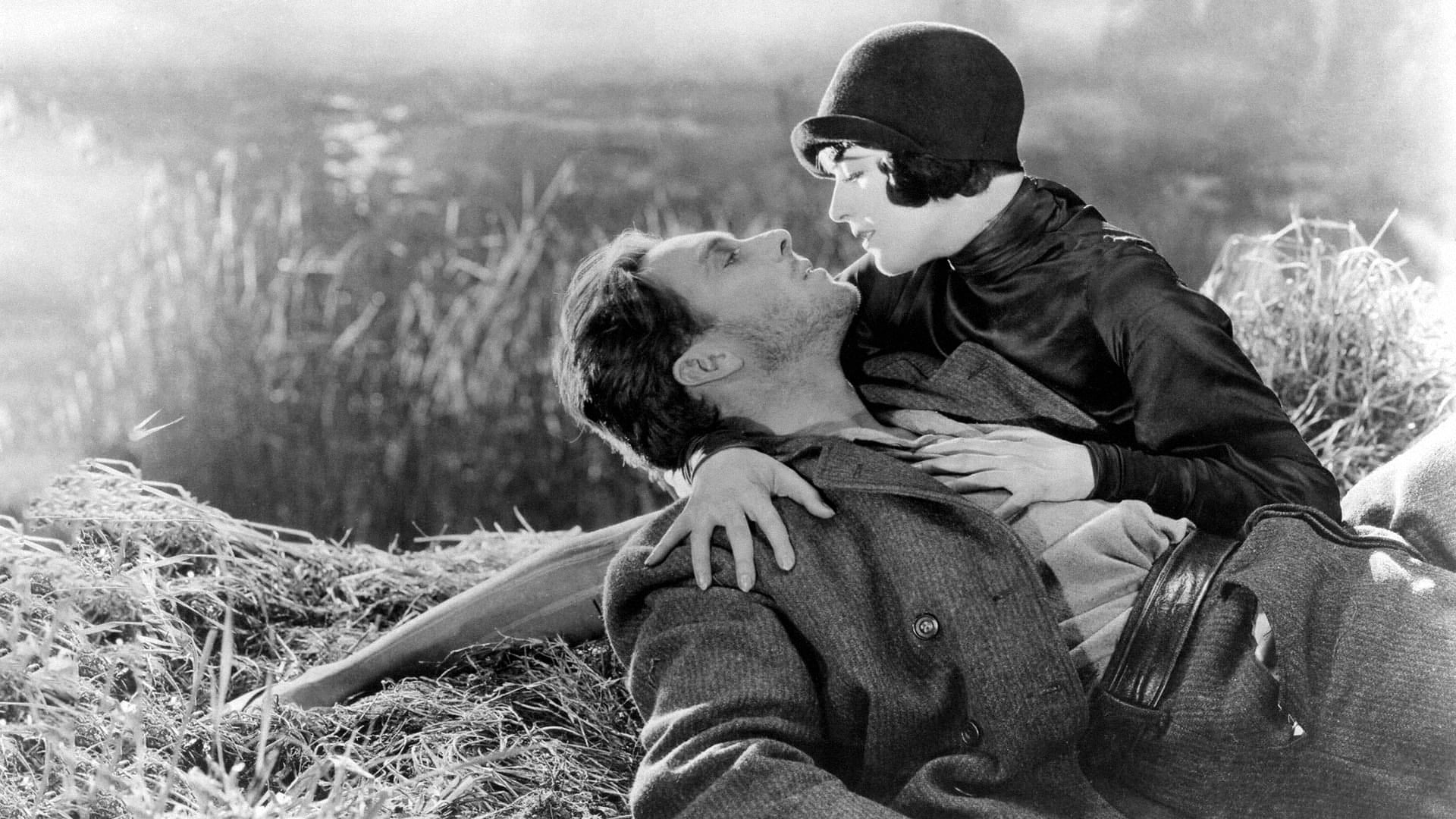
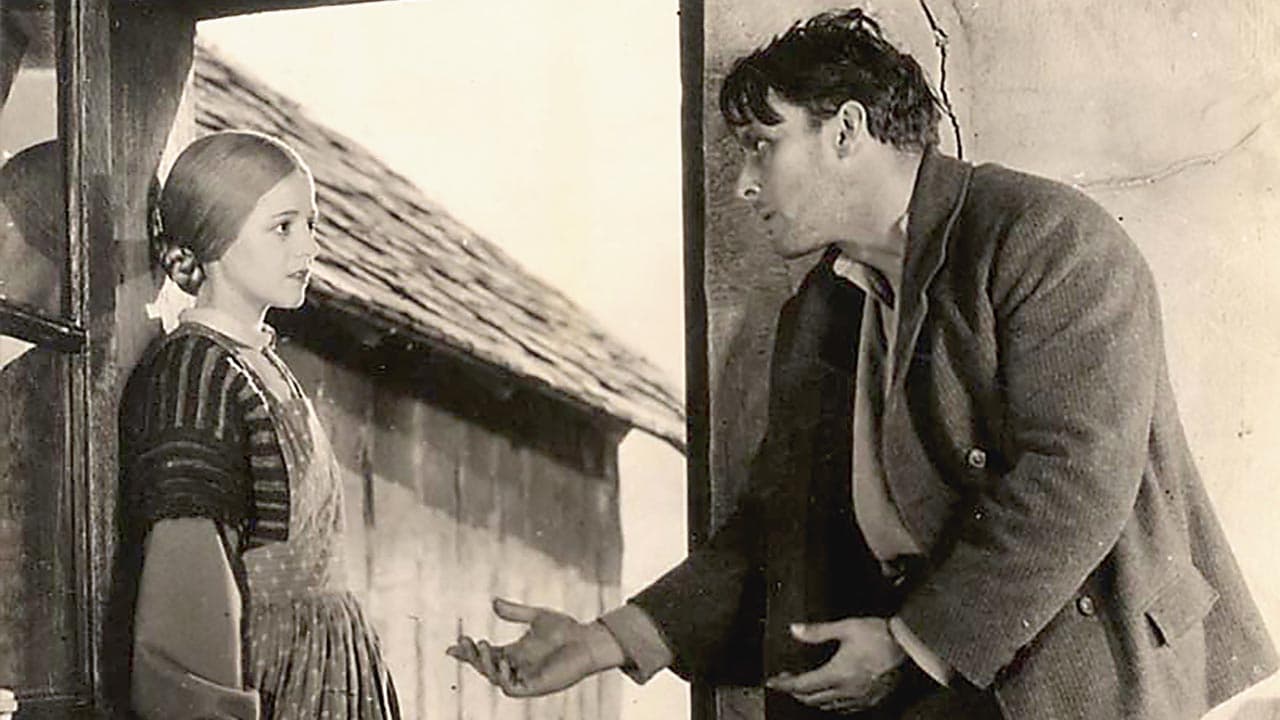
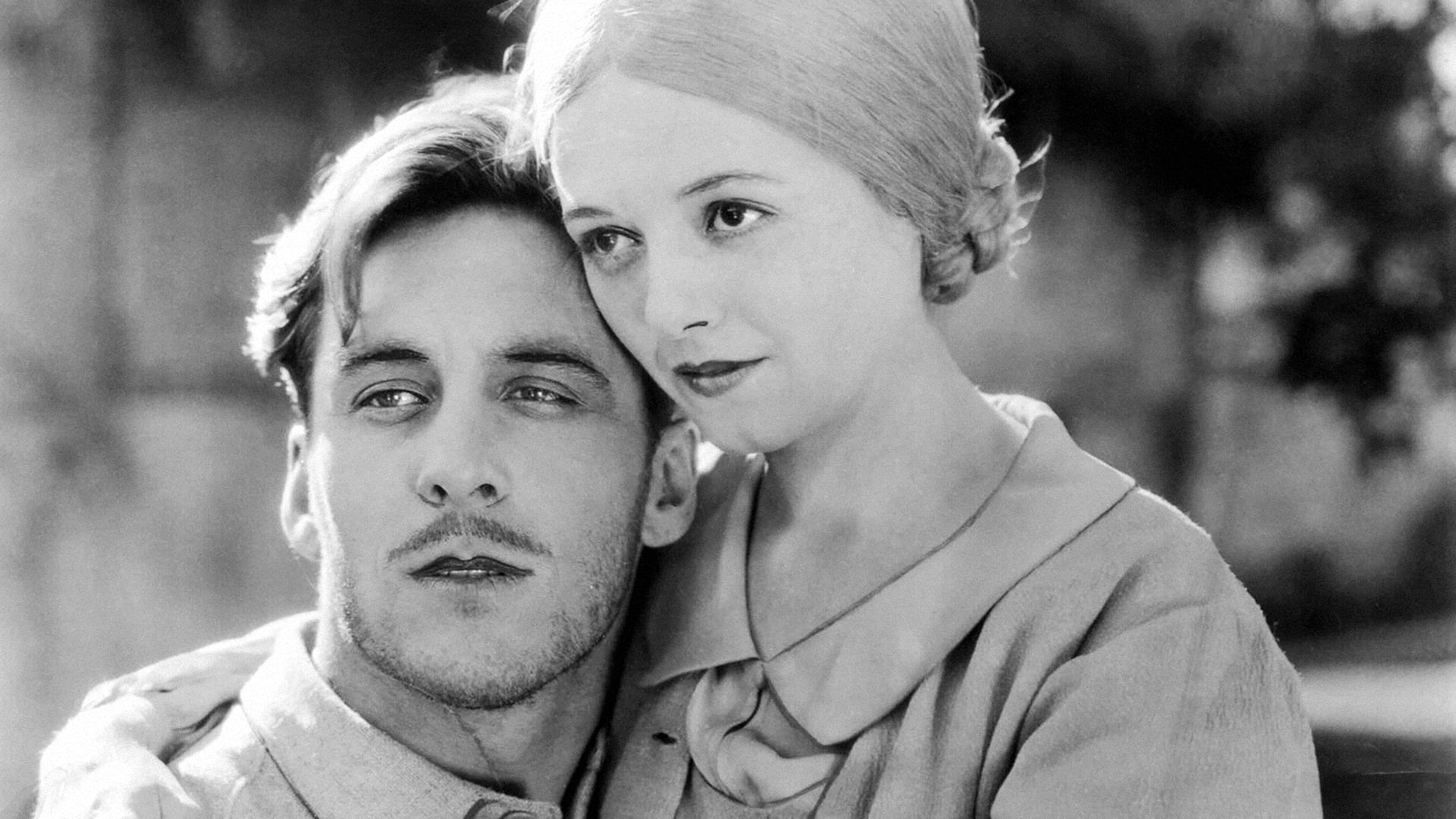
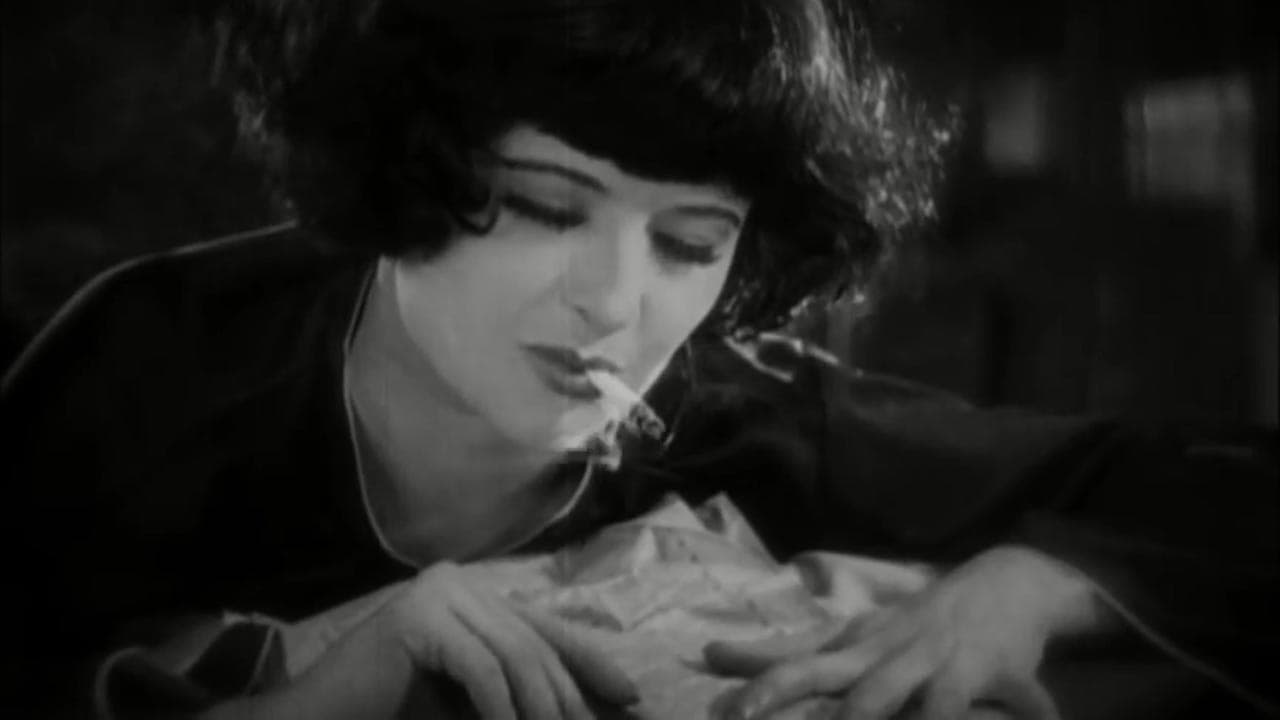
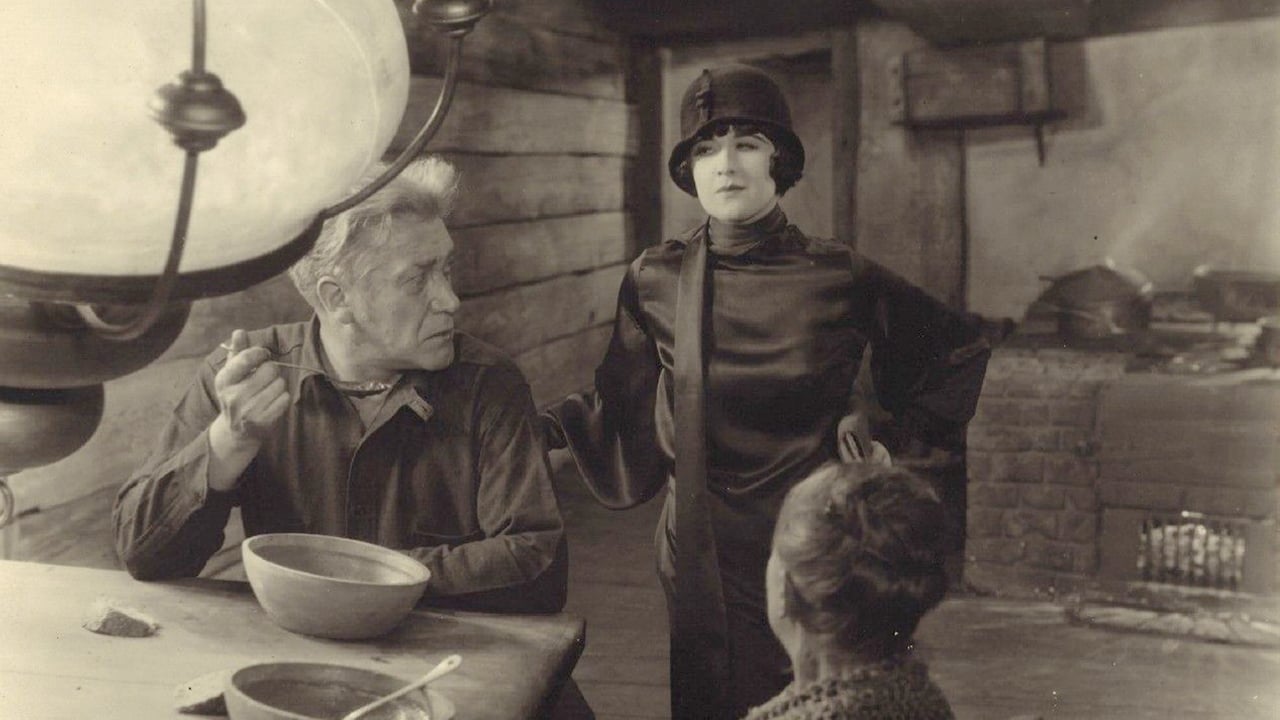
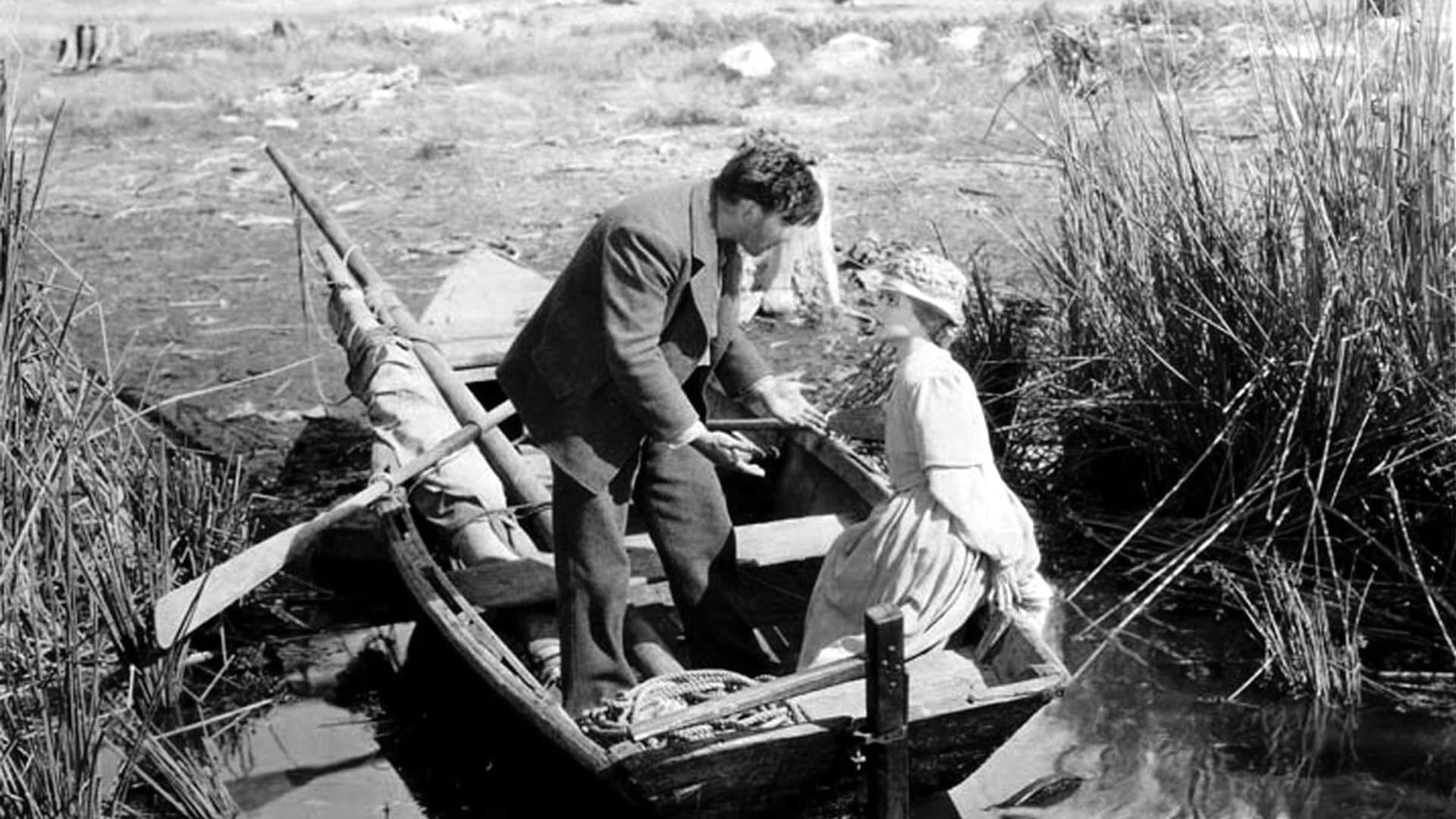
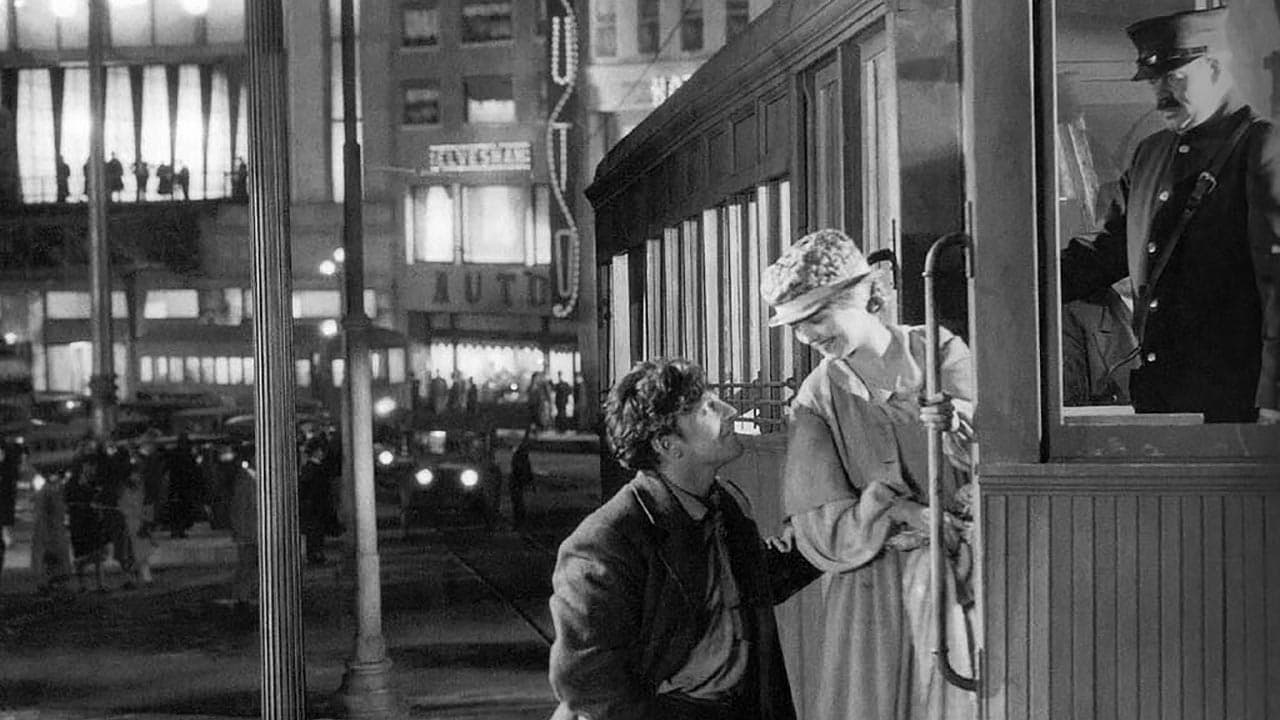
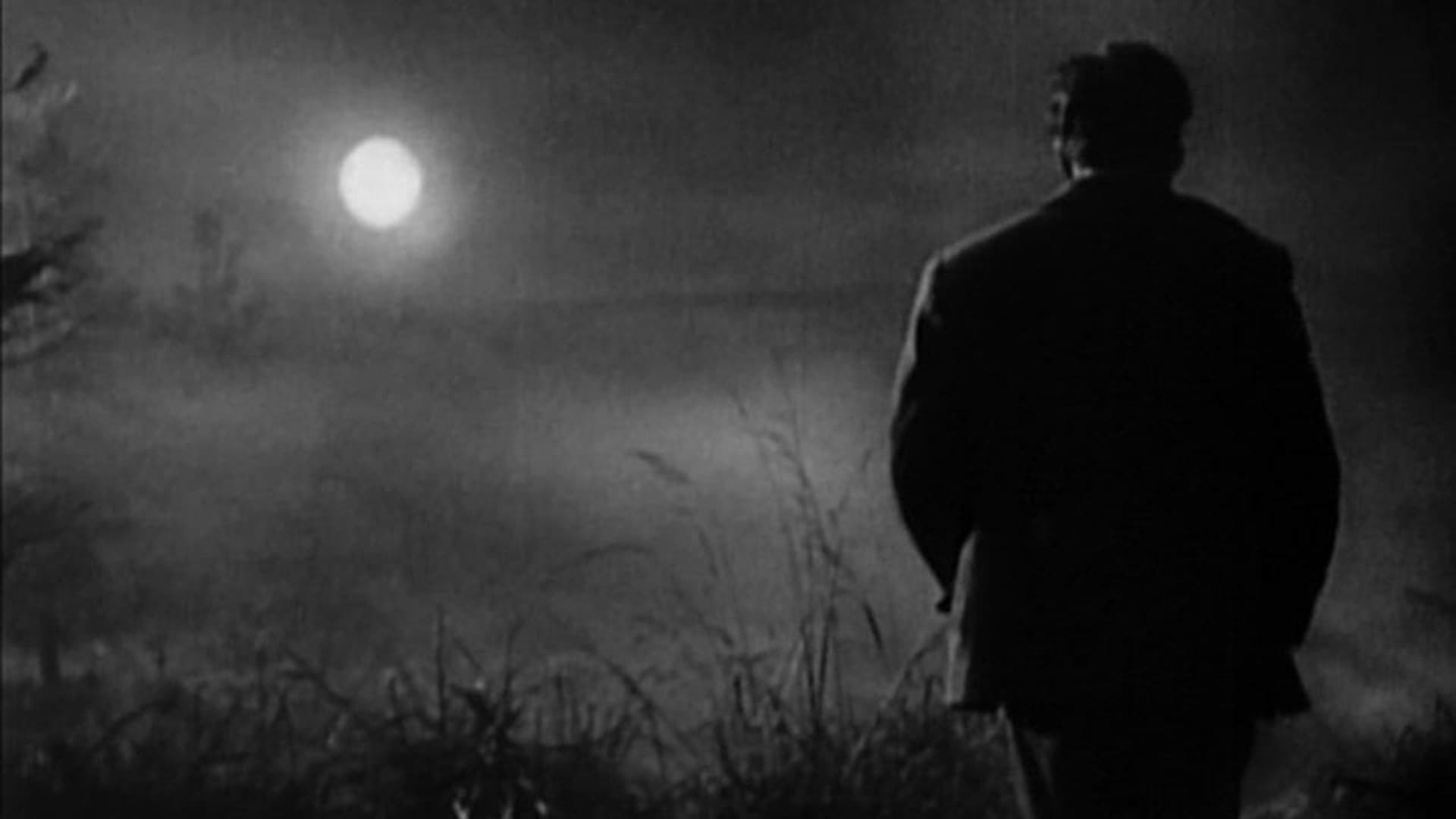
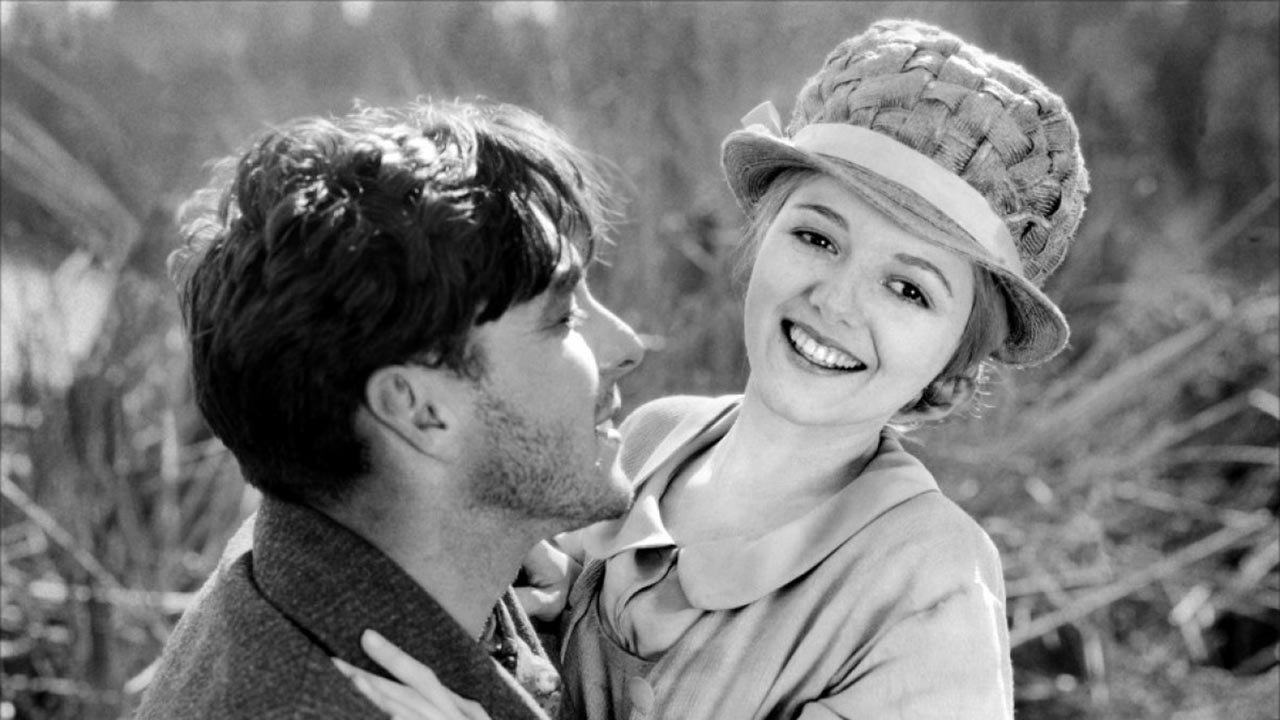
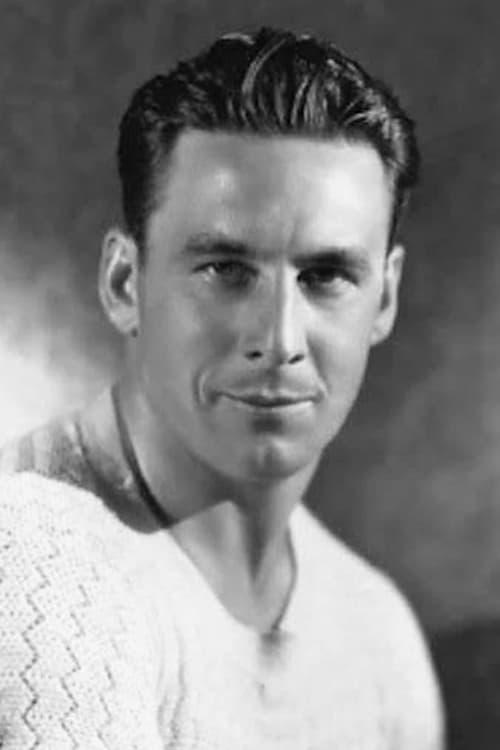
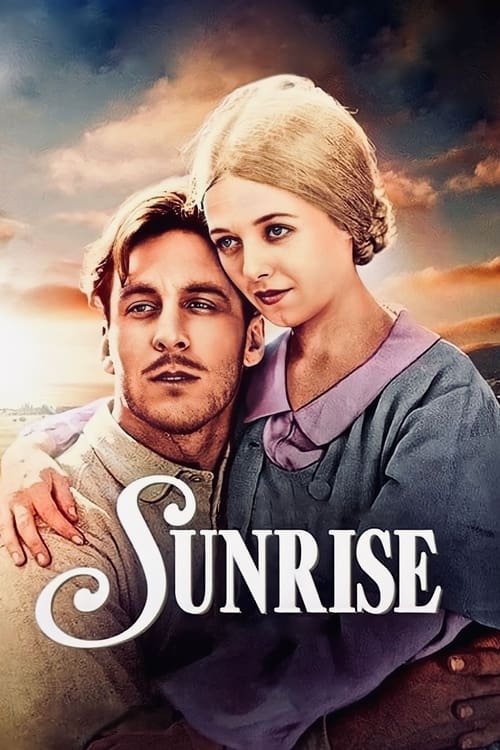
Influential, romantic, and stunning. Released in what I call the golden year of the silent era, 1927, and directed by F.W. Murnau, Sunrise: A Song for Two Humans is a masterpiece in silent cinema. Starring George O’Brien and Janet Gaynor, who I last saw last night in my viewing of Frank Borzage’s 7th Heaven, Sunrise follows a man and his wife, who live on a farm. But when the husband meets a beautiful woman in the city, she persuades him to murder his wife so they can ride off into the sunset.
It’s an idea that not only would I love to see told again in modern cinema, but we actually have seen something sort of like this with George Stevens’ A Place in the Sun, a film I absolutely adore and have to name drop every time I get the chance. While not completely similar, it themes of infidelity and our main female character plotted to be drowned is hard to misread.
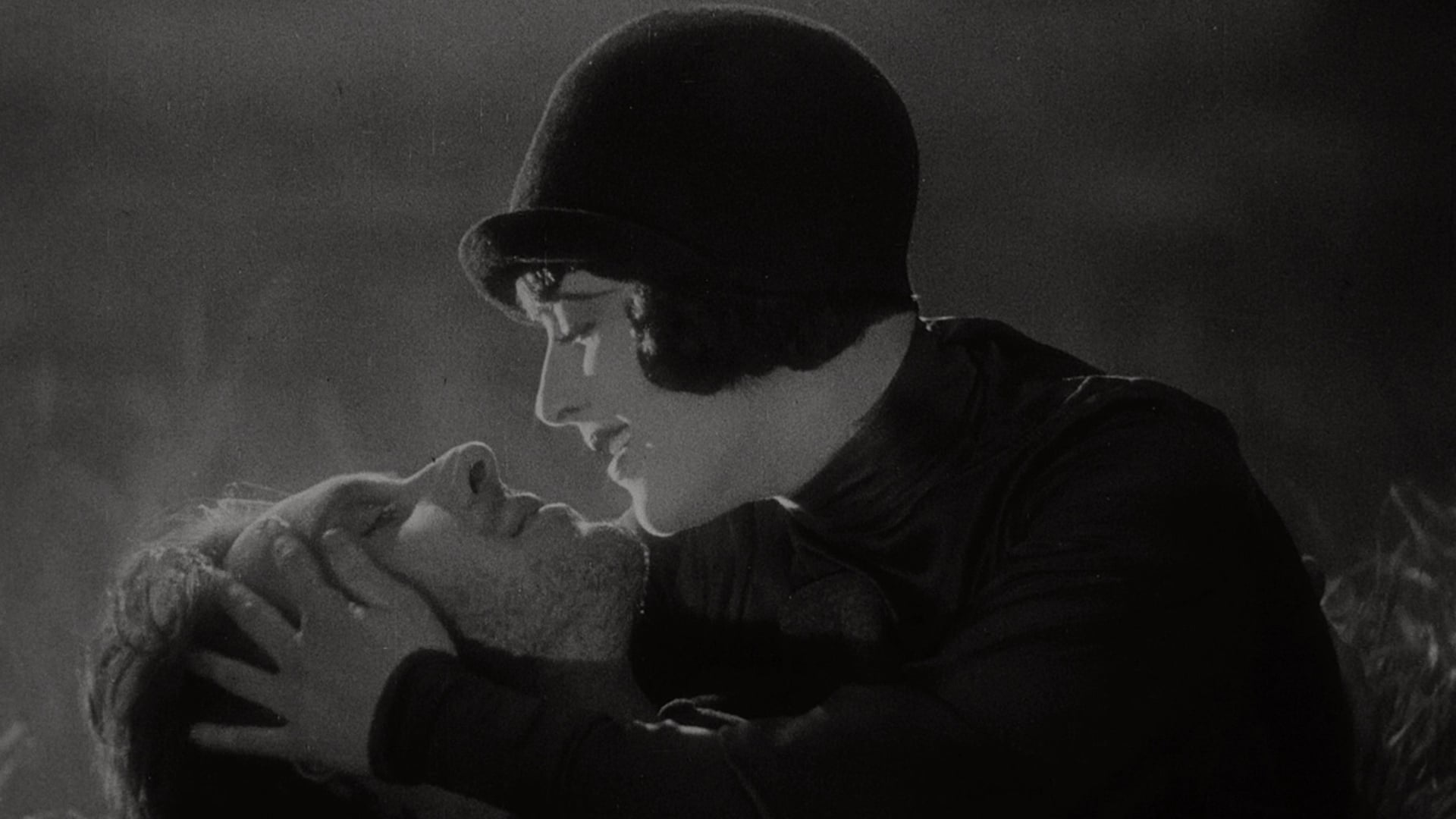
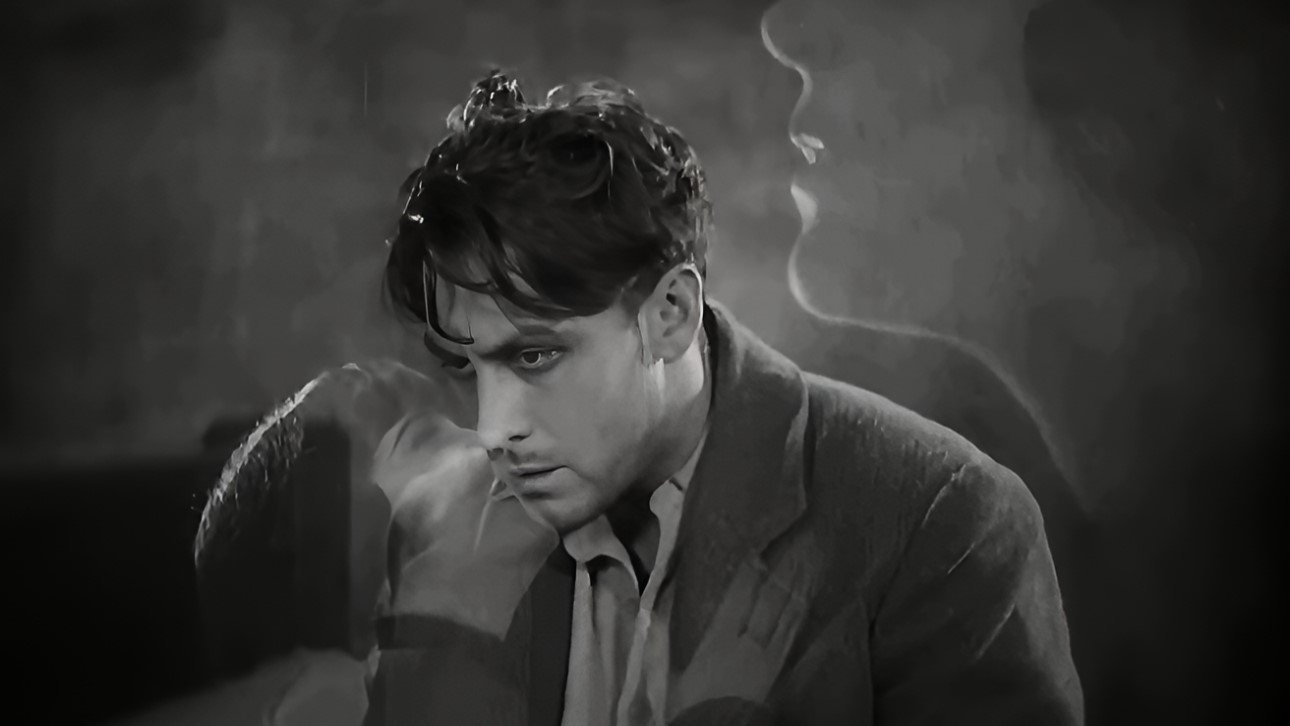
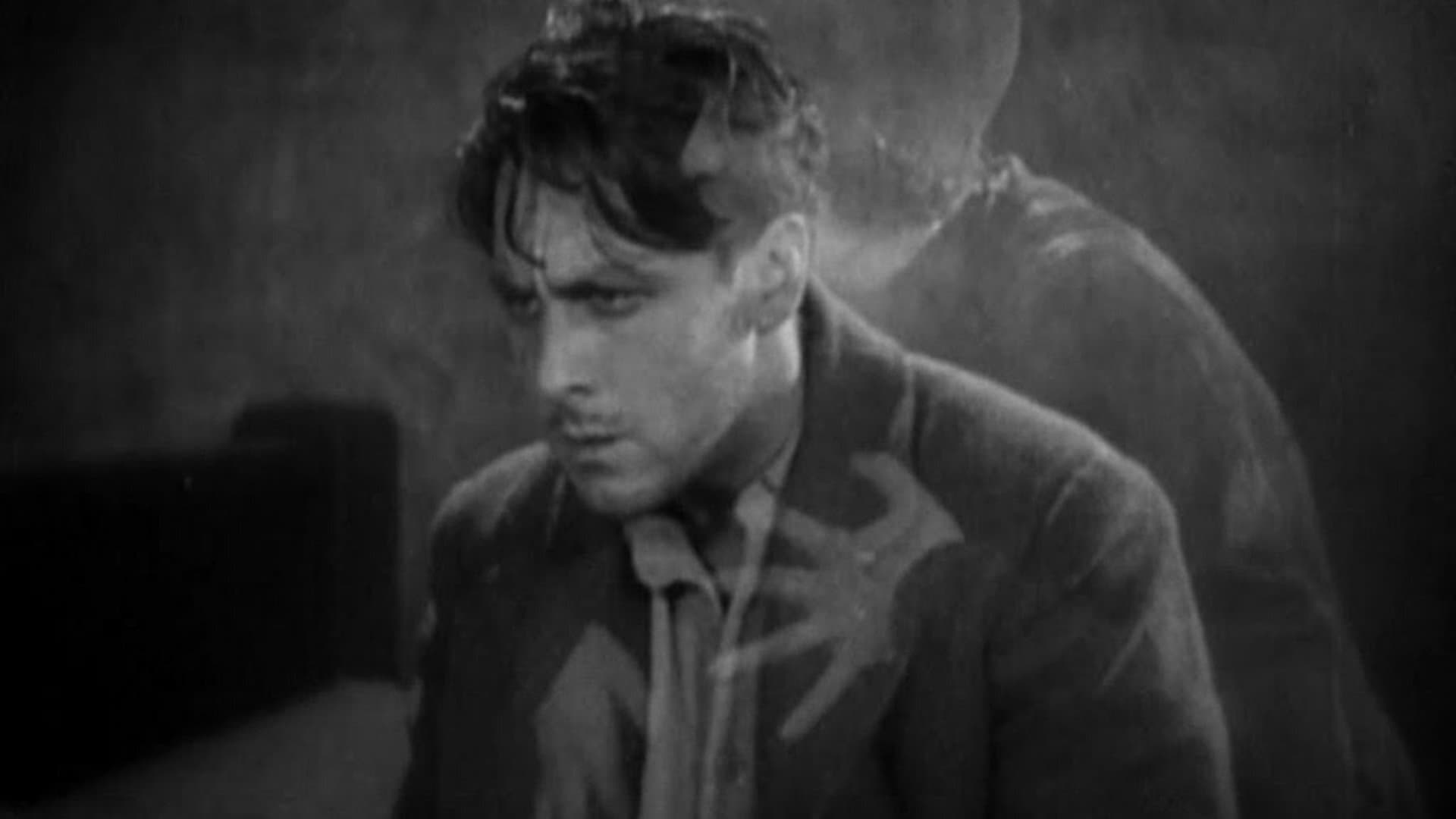
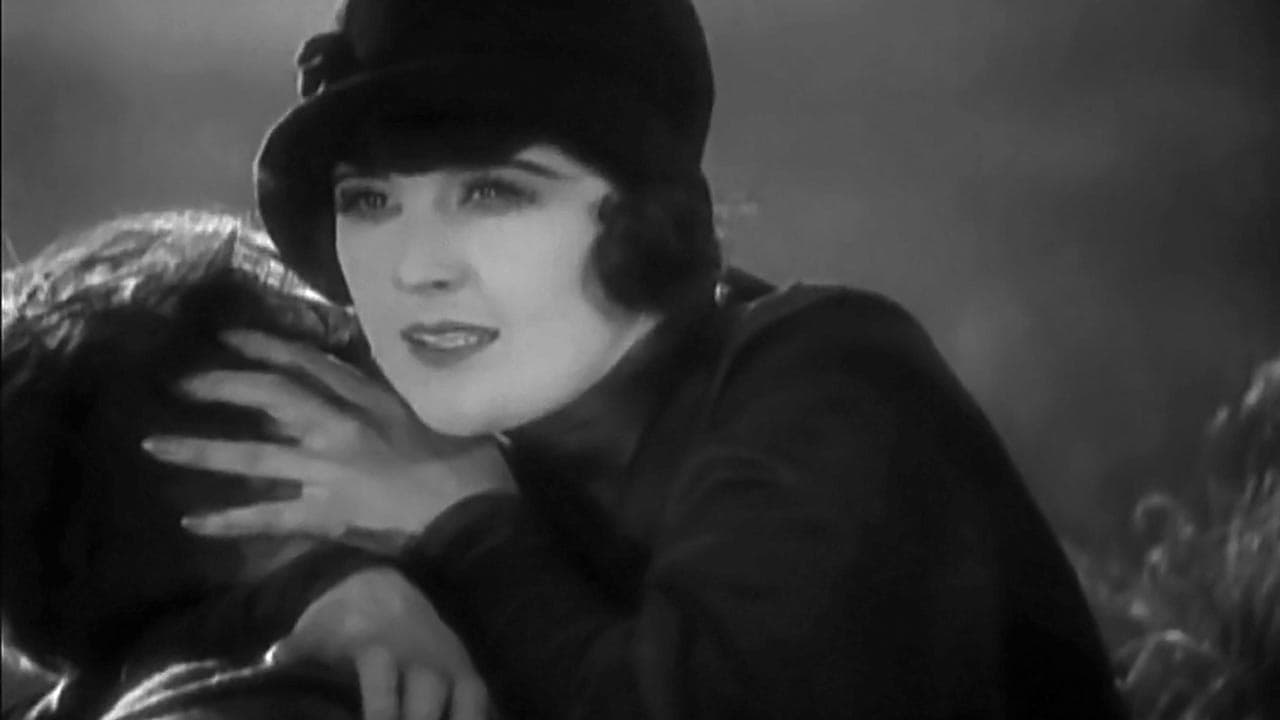
This film is incredibly influential, and one of the greatest feats in cinematography, visual effects and editing for the time. There’s so many iconic moments in this film, but there two specific scenes I want to point out. The first being an incredible shot of our husband and wife holding hands and staring at each other as they walk in the middle of the road through traffic as cars swerve past. You can clearly see in the 4k restoration, they used a traveling matte, which separates the actors from the background, but still a mind-blowing shot for the time that is a standout in this film. The other scene is a stunning shot of the husband, sitting down thinking about the city girl and his wife. When all the sudden, a faint image of the city girl wraps her arms around him and gives him a kiss. What we now know to be a simple edit my layering the two pieces of footage on top of the other, was practically unheard of in 1927.
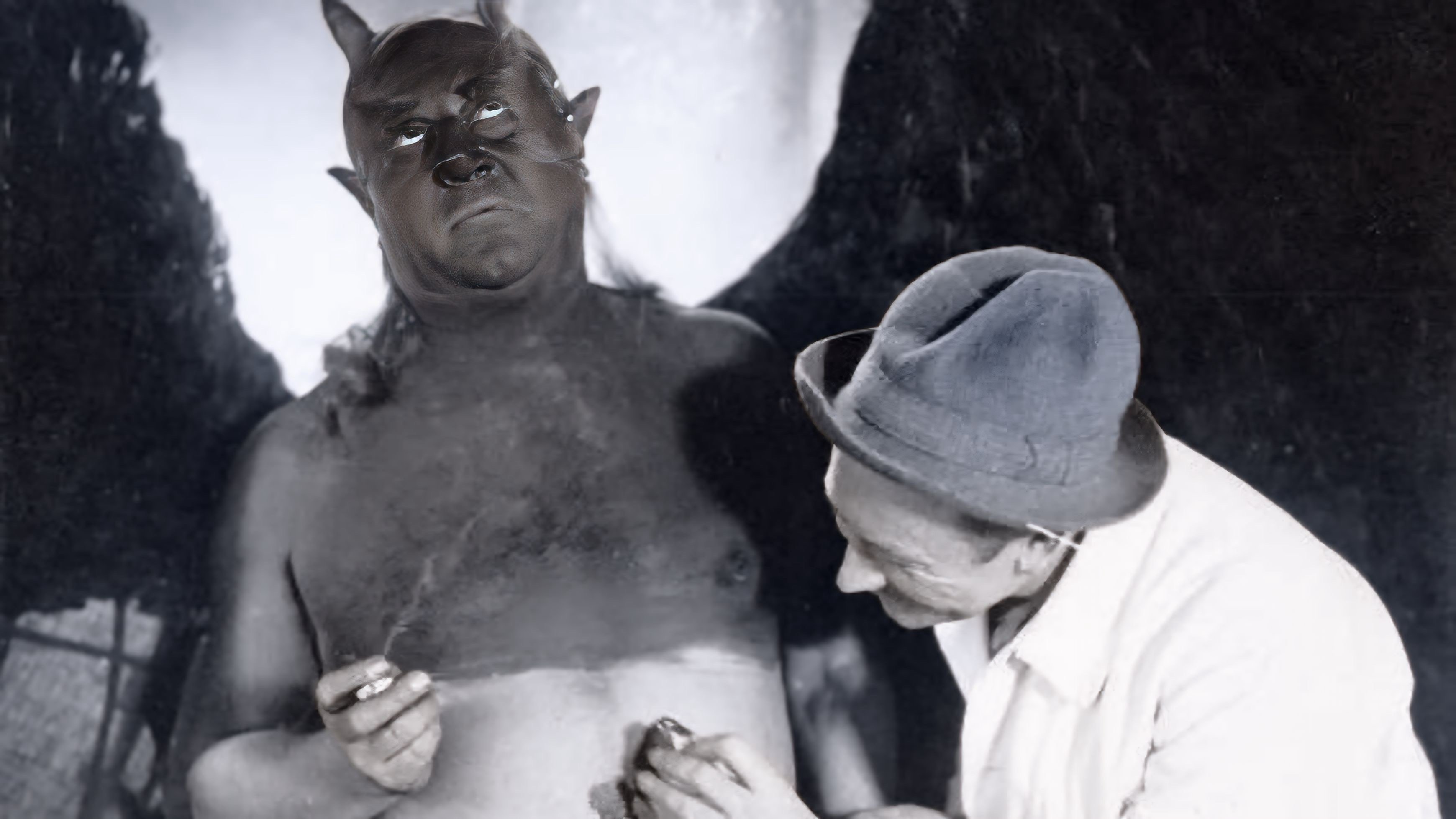
Sunrise: A Song for Two Humans is a masterpiece, being one of the most romantic films of all time. I was not expecting a type of film like this from a director known for his iconic horror silent films like Nosferatu and Faust. This film is a credit to Murnau’s versatility, and cements him as one of the greatest directors of the silent era.
“Tell me! You are all mine?”
Influential, romantic, and stunning. Released in what I call the golden year of the silent era, 1927, and directed by F.W. Murnau, Sunrise: A Song for Two Humans is a masterpiece in silent cinema. Starring George O’Brien and Janet Gaynor, who I last saw last night in my viewing of Frank Borzage’s 7th Heaven, Sunrise follows a man and his wife, who live on a farm. But when the husband meets a beautiful woman in the city, she persuades him to murder his wife so they can ride off into the sunset.
It’s an idea that not only would I love to see told again in modern cinema, but we actually have seen something sort of like this with George Stevens’ A Place in the Sun, a film I absolutely adore and have to name drop every time I get the chance. While not completely similar, it themes of infidelity and our main female character plotted to be drowned is hard to misread.
This film is incredibly influential, and one of the greatest feats in cinematography, visual effects and editing for the time. There’s so many iconic moments in this film, but there two specific scenes I want to point out. The first being an incredible shot of our husband and wife holding hands and staring at each other as they walk in the middle of the road through traffic as cars swerve past. You can clearly see in the 4k restoration, they used a traveling matte, which separates the actors from the background, but still a mind-blowing shot for the time that is a standout in this film. The other scene is a stunning shot of the husband, sitting down thinking about the city girl and his wife. When all the sudden, a faint image of the city girl wraps her arms around him and gives him a kiss. What we now know to be a simple edit my layering the two pieces of footage on top of the other, was practically unheard of in 1927.
Sunrise: A Song for Two Humans is a masterpiece, being one of the most romantic films of all time. I was not expecting a type of film like this from a director known for his iconic horror silent films like Nosferatu and Faust. This film is a credit to Murnau’s versatility, and cements him as one of the greatest directors of the silent era.