
¡Qué Viva México!
1979·Documentary·1h 25m
7.1
★
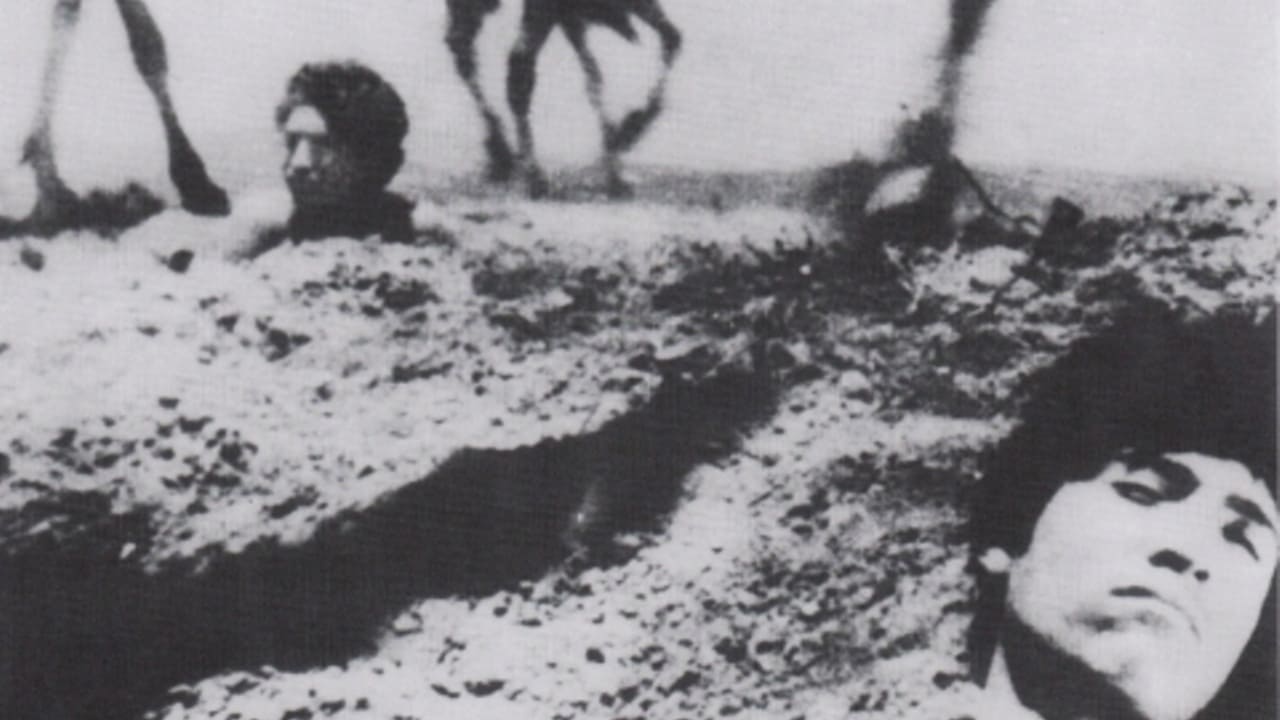
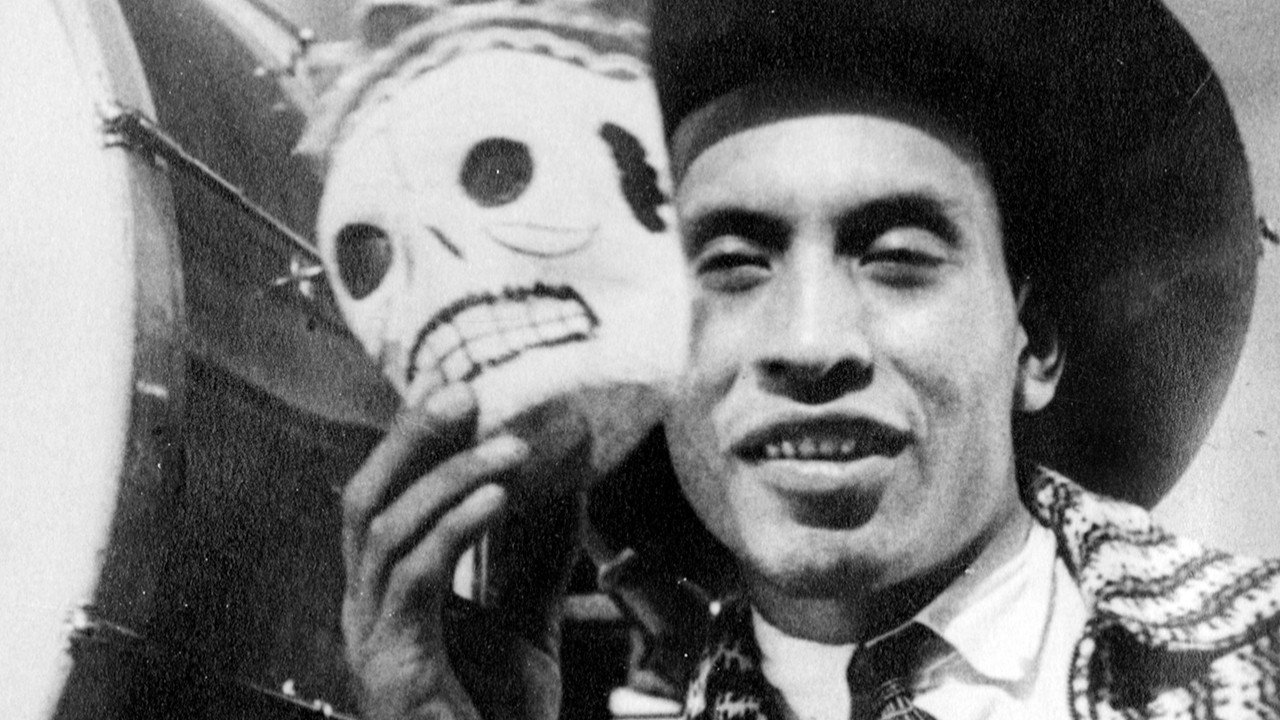
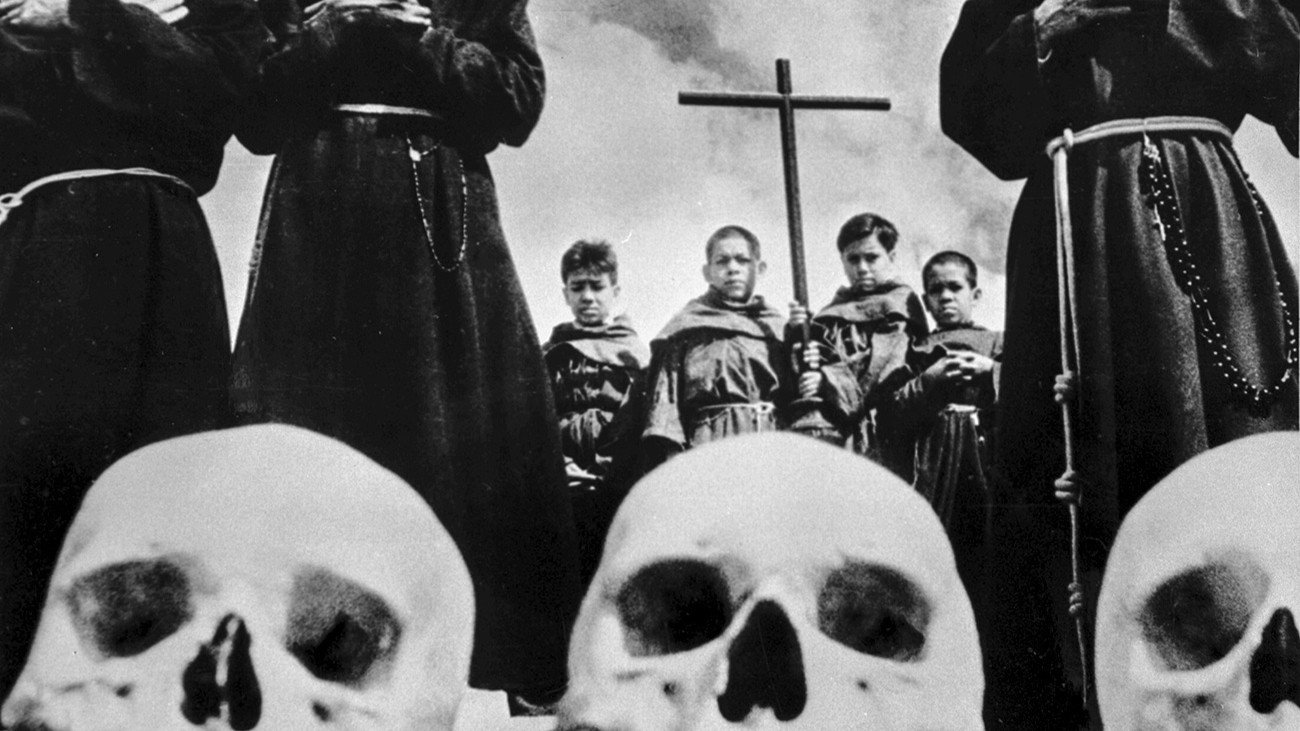
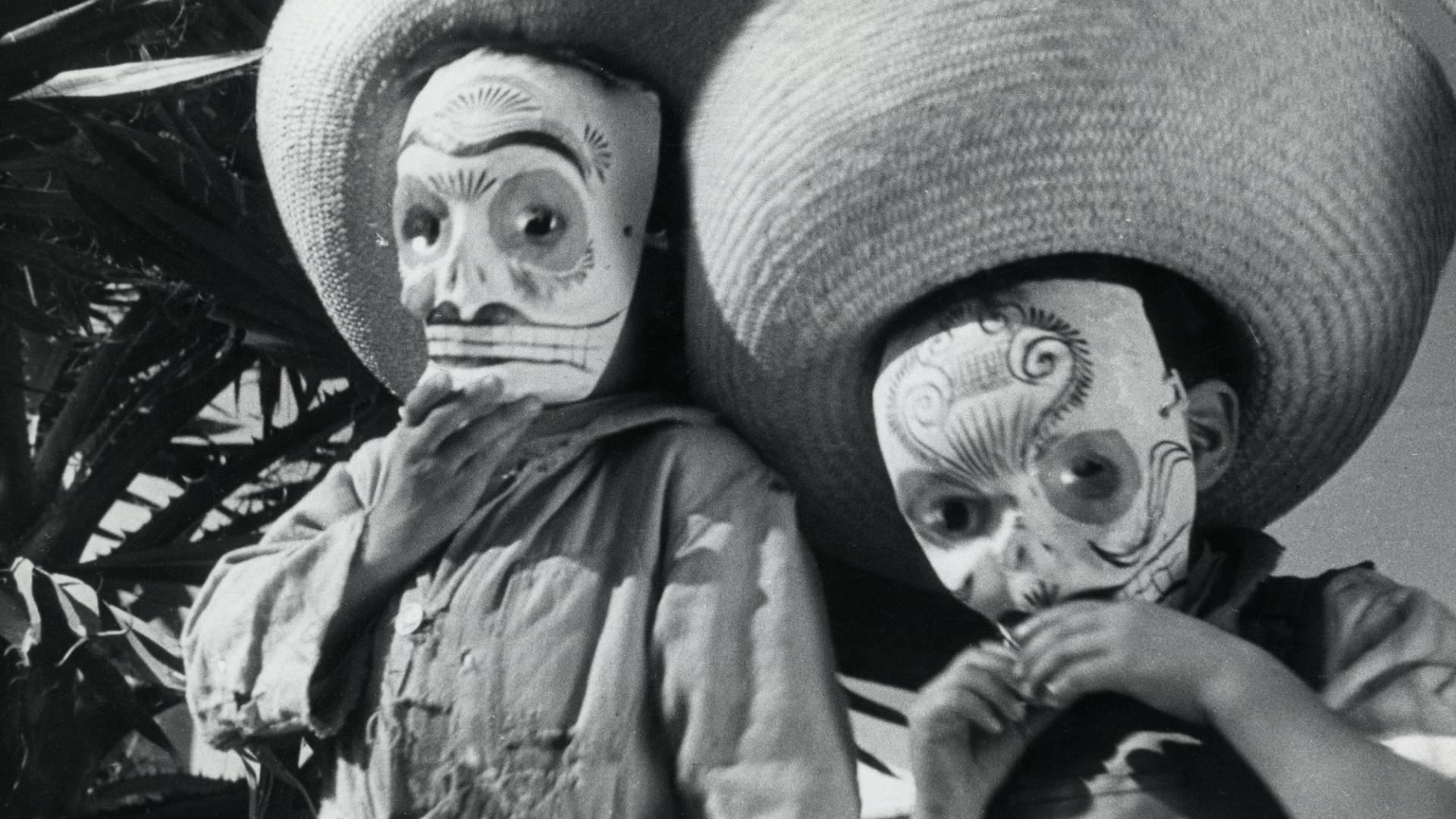
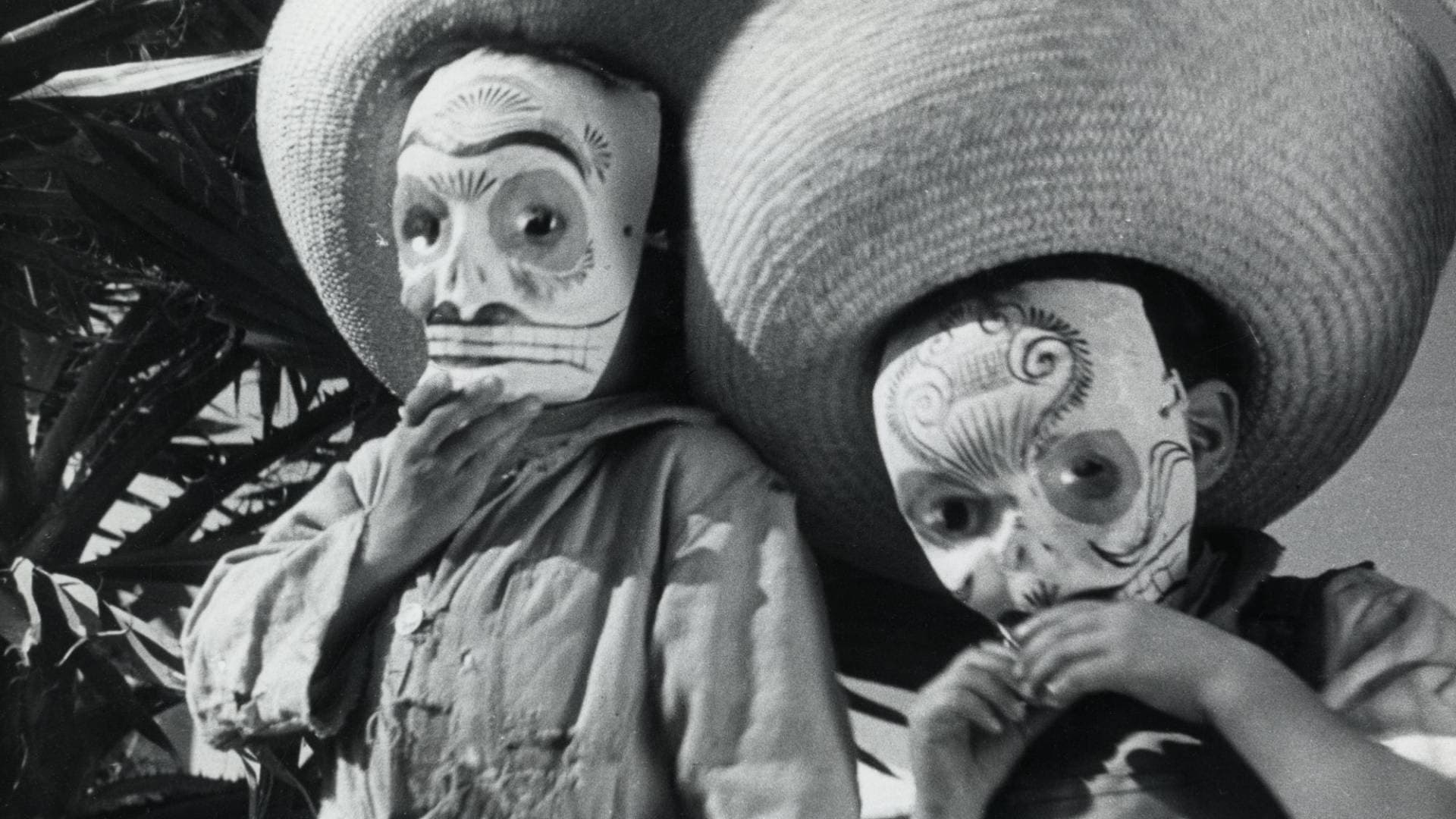
Eisenstein shows us Mexico in this movie, its history and its culture. He believes, that Mexico can become a modern state.
Directed by Sergei Eisenstein

IMDB
N/A
Cast
Sergey Bondarchuk
Narrator (voice)

Grigori Aleksandrov
Self
Crew
Sergei Eisenstein
Director
Grigori Aleksandrov
Co-Director
Sergei Eisenstein
Screenplay
Grigori Aleksandrov
Screenplay

Esfir Tobak
Editor
Grigori Aleksandrov
Editor

Eduard Tisse
Director of Photography

Upton Sinclair
Producer
Popular Reviews
20 reviews
Niko
9.0★ · 10/13/25
I know he (eisenstein) was gay and this movie is proof
I know he (eisenstein) was gay and this movie is proof


Antonio Figueres
6.0★ · 10/09/25
“The Mexican despises death, but he wants more.”
“The Mexican despises death, but he wants more.”
Kanekuri
10.0★ · 08/05/25
¡QUE VIVA MEXICO!
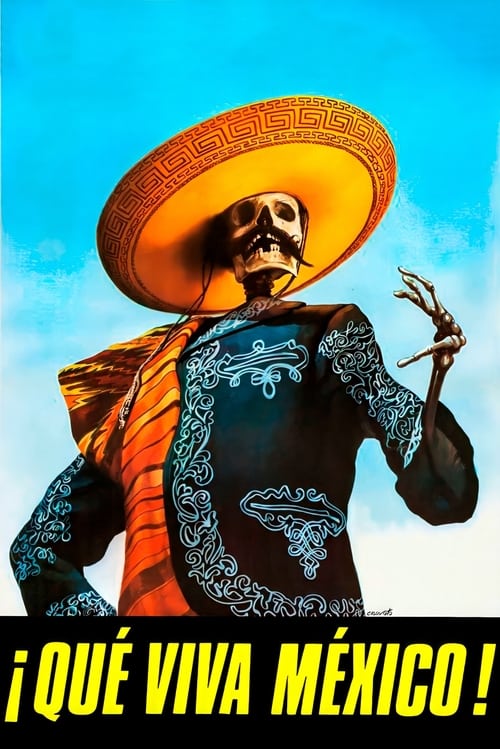
The movie has some aura farming moments ngl. The music in the beginning was fucking peak, it felt like as it was done today, same in the end. That famous humming. Not sure if it came from here or not but it’s just a masterpiece, was really interesting seeing old Mexico, and how the ruins looked then vs how they looked when i visited them. Sadly the movie isn’t finished but still its amazing, you might find it boring somewhere in the middle, the Fiesta part was not that interesting, but for the people who doesn’t know the culture it should be alright/interesting. It’s a pity I started to know Eisenstein with this one. I hope others will be even better. Also the poster is fucking tuff as fuck, probably my favourite ore one of my favourites.
Honestly I don’t know what to rate it. 4.5 is too bad for it but 5 stars is too good. So the real rating for this movie will be 4.83 but because it’s closer to 5 star I’ll put it as one.
It's maybe a miracle that this is as good as it is - though firstly at least it's a great example of how fundamental composition is to Eisenstein's form, as much as montage is fundamental to it. But what's missing is the key - the interplay between composition and the cut, and Eisenstein without montage feels like there is something missing. Indeed, upon returning Russia many assumed Eisenstein was institutionalized as a form of penalization for having spent such a long time in North America, but it's been revealed since it was because of the deep depression he has spiraled into upon realizing that he would never be able to finish this film properly.
this film exists as really plans for a film, rather than the work itself. But Eisenstein's plans are of course head and shoulders above the ability of most filmmakers anyways - what manages to be conveyed is still the central structural conceits via the films intended episodic structure - the principal question (not revealed till the ending) is why does Mexico celebrate a day of the dead? Eisenstein's answer is that the history of Mexico is that of tragedy and oppression. The entire film becomes a build up to an idealized vision of the Mexican revolution - the sequence itself being the one that was never shot - the Soldadera. The celebration of the day of the dead - set in the present of 1931 - becomes a celebration of triumph, a supposed defeat of the oppressors, a look back at the past to understand why it was necessary to create a new future. A scorning and mockery of death and defeat - children play with toy skeletons as though it were pure fantasy.
The movie has some aura farming moments ngl. The music in the beginning was fucking peak, it felt like as it was done today, same in the end. That famous humming. Not sure if it came from here or not but it’s just a masterpiece, was really interesting seeing old Mexico, and how the ruins looked then vs how they looked when i visited them. Sadly the movie isn’t finished but still its amazing, you might find it boring somewhere in the middle, the Fiesta part was not that interesting, but for the people who doesn’t know the culture it should be alright/interesting. It’s a pity I started to know Eisenstein with this one. I hope others will be even better. Also the poster is fucking tuff as fuck, probably my favourite ore one of my favourites.
Honestly I don’t know what to rate it. 4.5 is too bad for it but 5 stars is too good. So the real rating for this movie will be 4.83 but because it’s closer to 5 star I’ll put it as one.
It's maybe a miracle that this is as good as it is - though firstly at least it's a great example of how fundamental composition is to Eisenstein's form, as much as montage is fundamental to it. But what's missing is the key - the interplay between composition and the cut, and Eisenstein without montage feels like there is something missing. Indeed, upon returning Russia many assumed Eisenstein was institutionalized as a form of penalization for having spent such a long time in North America, but it's been revealed since it was because of the deep depression he has spiraled into upon realizing that he would never be able to finish this film properly.
this film exists as really plans for a film, rather than the work itself. But Eisenstein's plans are of course head and shoulders above the ability of most filmmakers anyways - what manages to be conveyed is still the central structural conceits via the films intended episodic structure - the principal question (not revealed till the ending) is why does Mexico celebrate a day of the dead? Eisenstein's answer is that the history of Mexico is that of tragedy and oppression. The entire film becomes a build up to an idealized vision of the Mexican revolution - the sequence itself being the one that was never shot - the Soldadera. The celebration of the day of the dead - set in the present of 1931 - becomes a celebration of triumph, a supposed defeat of the oppressors, a look back at the past to understand why it was necessary to create a new future. A scorning and mockery of death and defeat - children play with toy skeletons as though it were pure fantasy.
¡QUE VIVA MEXICO!
The movie has some aura farming moments ngl. The music in the beginning was fucking peak, it felt like as it was done today, same in the end. That famous humming. Not sure if it came from here or not but it’s just a masterpiece, was really interesting seeing old Mexico, and how the ruins looked then vs how they looked when i visited them. Sadly the movie isn’t finished but still its amazing, you might find it boring somewhere in the middle, the Fiesta part was not that interesting, but for the people who doesn’t know the culture it should be alright/interesting. It’s a pity I started to know Eisenstein with this one. I hope others will be even better. Also the poster is fucking tuff as fuck, probably my favourite ore one of my favourites.
Honestly I don’t know what to rate it. 4.5 is too bad for it but 5 stars is too good. So the real rating for this movie will be 4.83 but because it’s closer to 5 star I’ll put it as one.
It's maybe a miracle that this is as good as it is - though firstly at least it's a great example of how fundamental composition is to Eisenstein's form, as much as montage is fundamental to it. But what's missing is the key - the interplay between composition and the cut, and Eisenstein without montage feels like there is something missing. Indeed, upon returning Russia many assumed Eisenstein was institutionalized as a form of penalization for having spent such a long time in North America, but it's been revealed since it was because of the deep depression he has spiraled into upon realizing that he would never be able to finish this film properly.
this film exists as really plans for a film, rather than the work itself. But Eisenstein's plans are of course head and shoulders above the ability of most filmmakers anyways - what manages to be conveyed is still the central structural conceits via the films intended episodic structure - the principal question (not revealed till the ending) is why does Mexico celebrate a day of the dead? Eisenstein's answer is that the history of Mexico is that of tragedy and oppression. The entire film becomes a build up to an idealized vision of the Mexican revolution - the sequence itself being the one that was never shot - the Soldadera. The celebration of the day of the dead - set in the present of 1931 - becomes a celebration of triumph, a supposed defeat of the oppressors, a look back at the past to understand why it was necessary to create a new future. A scorning and mockery of death and defeat - children play with toy skeletons as though it were pure fantasy.
The movie has some aura farming moments ngl. The music in the beginning was fucking peak, it felt like as it was done today, same in the end. That famous humming. Not sure if it came from here or not but it’s just a masterpiece, was really interesting seeing old Mexico, and how the ruins looked then vs how they looked when i visited them. Sadly the movie isn’t finished but still its amazing, you might find it boring somewhere in the middle, the Fiesta part was not that interesting, but for the people who doesn’t know the culture it should be alright/interesting. It’s a pity I started to know Eisenstein with this one. I hope others will be even better. Also the poster is fucking tuff as fuck, probably my favourite ore one of my favourites.
Honestly I don’t know what to rate it. 4.5 is too bad for it but 5 stars is too good. So the real rating for this movie will be 4.83 but because it’s closer to 5 star I’ll put it as one.
It's maybe a miracle that this is as good as it is - though firstly at least it's a great example of how fundamental composition is to Eisenstein's form, as much as montage is fundamental to it. But what's missing is the key - the interplay between composition and the cut, and Eisenstein without montage feels like there is something missing. Indeed, upon returning Russia many assumed Eisenstein was institutionalized as a form of penalization for having spent such a long time in North America, but it's been revealed since it was because of the deep depression he has spiraled into upon realizing that he would never be able to finish this film properly.
this film exists as really plans for a film, rather than the work itself. But Eisenstein's plans are of course head and shoulders above the ability of most filmmakers anyways - what manages to be conveyed is still the central structural conceits via the films intended episodic structure - the principal question (not revealed till the ending) is why does Mexico celebrate a day of the dead? Eisenstein's answer is that the history of Mexico is that of tragedy and oppression. The entire film becomes a build up to an idealized vision of the Mexican revolution - the sequence itself being the one that was never shot - the Soldadera. The celebration of the day of the dead - set in the present of 1931 - becomes a celebration of triumph, a supposed defeat of the oppressors, a look back at the past to understand why it was necessary to create a new future. A scorning and mockery of death and defeat - children play with toy skeletons as though it were pure fantasy.
thommy
9.6★ · 05/30/25
i want to win a million dollars and time travel back to 1930 and fund this entire project. so sad that a lot of it remained unfinished; seeing revolutionary mexican women through the lens of Eisenstein sounds unbeatable.
but what we do have was amazing. captures how varied and lively mexico is despite all odds. LOVED this!!! will be rewatching for sure. only thing is i wish it kept going with the omnipresent view of mexico instead of randomly getting a plot mid way.
eisenstein should’ve been allowed to make a thousand films
but what we do have was amazing. captures how varied and lively mexico is despite all odds. LOVED this!!! will be rewatching for sure. only thing is i wish it kept going with the omnipresent view of mexico instead of randomly getting a plot mid way.
eisenstein should’ve been allowed to make a thousand films
i want to win a million dollars and time travel back to 1930 and fund this entire project. so sad that a lot of it remained unfinished; seeing revolutionary mexican women through the lens of Eisenstein sounds unbeatable.
but what we do have was amazing. captures how varied and lively mexico is despite all odds. LOVED this!!! will be rewatching for sure. only thing is i wish it kept going with the omnipresent view of mexico instead of randomly getting a plot mid way.
eisenstein should’ve been allowed to make a thousand films
but what we do have was amazing. captures how varied and lively mexico is despite all odds. LOVED this!!! will be rewatching for sure. only thing is i wish it kept going with the omnipresent view of mexico instead of randomly getting a plot mid way.
eisenstein should’ve been allowed to make a thousand films
IssacPRO
9.0★ · 06/09/22
This really is a symphony to Mexico.
Despite its unfinished state, this film still delivers almost dreamy, dramatic, and hopeful look into Mexico in the 1930's. If only Eisenstein was able to complete the epic that he had in mind. But this still delivers a whole load of emotions.
The version that I watched contained some pretty cheesy musical moments, but over all really added to the experience and helped set the tone of the film.
Despite its unfinished state, this film still delivers almost dreamy, dramatic, and hopeful look into Mexico in the 1930's. If only Eisenstein was able to complete the epic that he had in mind. But this still delivers a whole load of emotions.
The version that I watched contained some pretty cheesy musical moments, but over all really added to the experience and helped set the tone of the film.
This really is a symphony to Mexico.
Despite its unfinished state, this film still delivers almost dreamy, dramatic, and hopeful look into Mexico in the 1930's. If only Eisenstein was able to complete the epic that he had in mind. But this still delivers a whole load of emotions.
The version that I watched contained some pretty cheesy musical moments, but over all really added to the experience and helped set the tone of the film.
Despite its unfinished state, this film still delivers almost dreamy, dramatic, and hopeful look into Mexico in the 1930's. If only Eisenstein was able to complete the epic that he had in mind. But this still delivers a whole load of emotions.
The version that I watched contained some pretty cheesy musical moments, but over all really added to the experience and helped set the tone of the film.