
1986·Drama·1h 32m
7.1
★
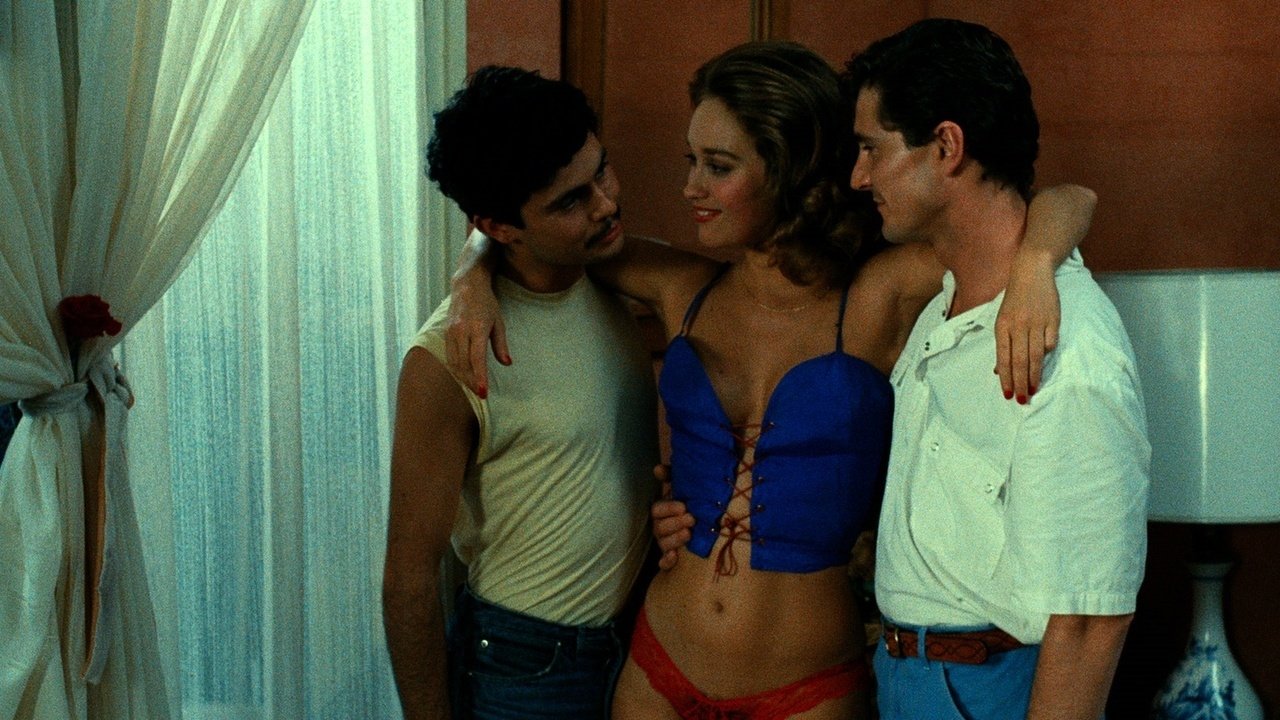
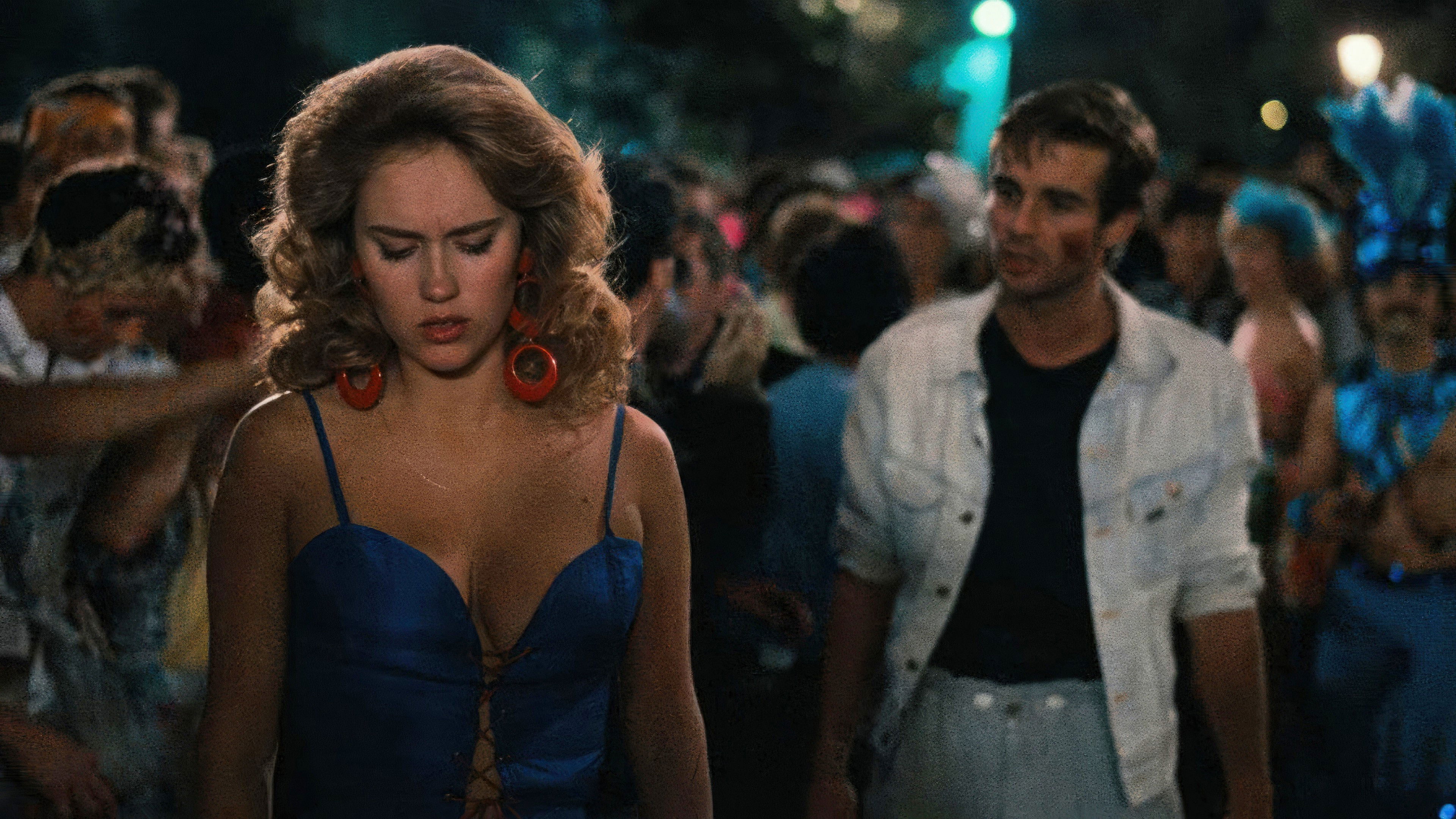
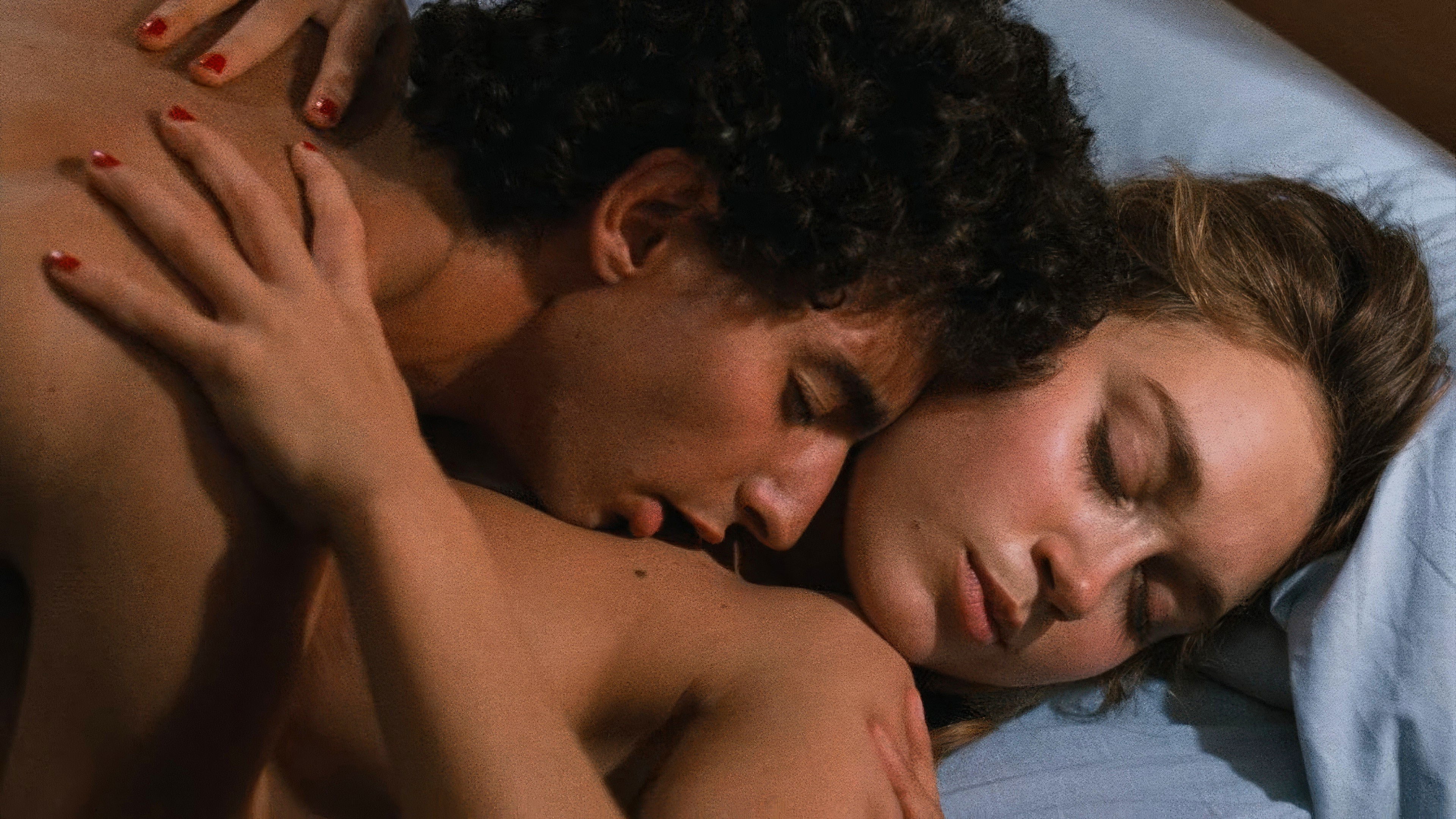
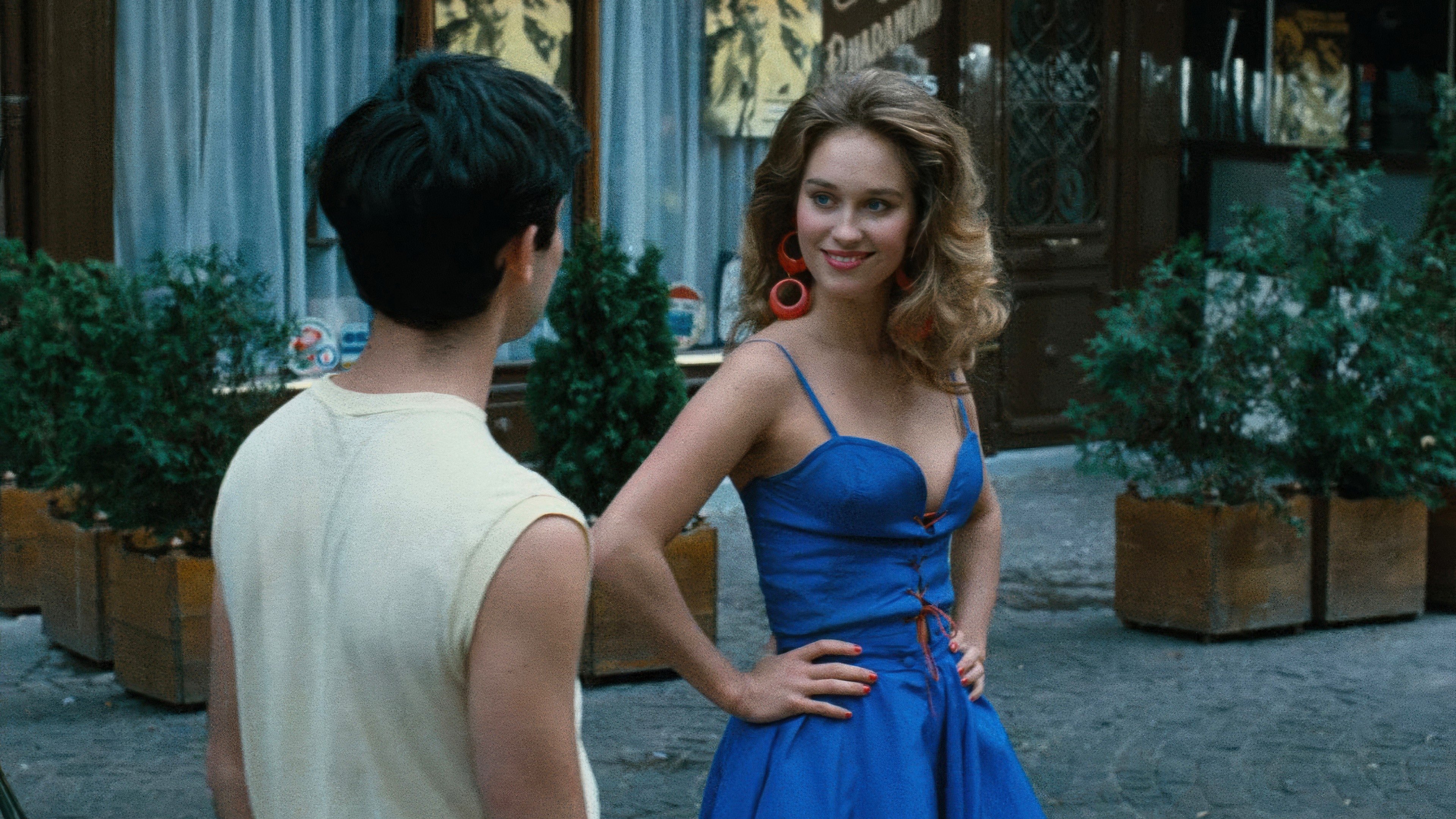
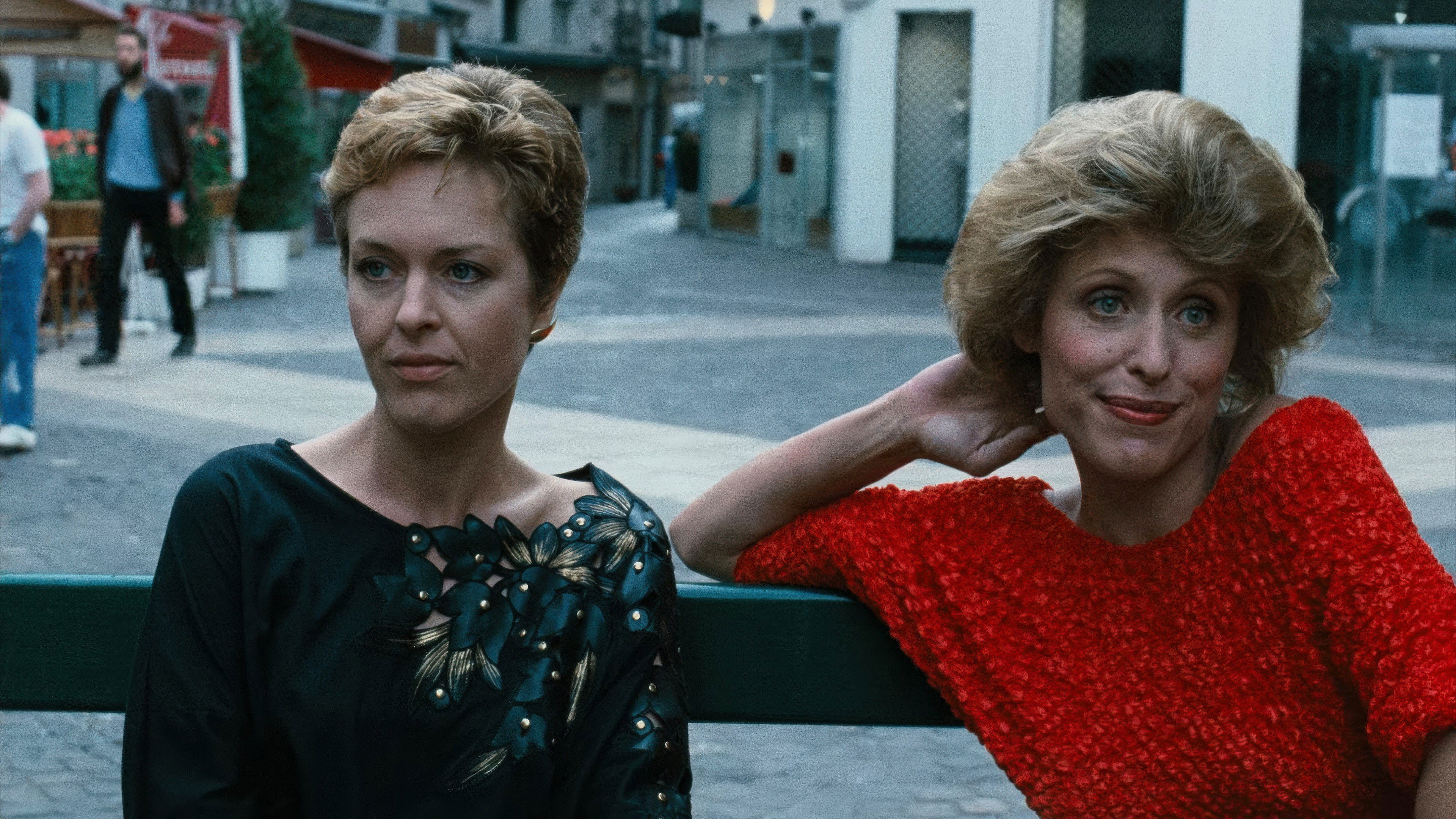
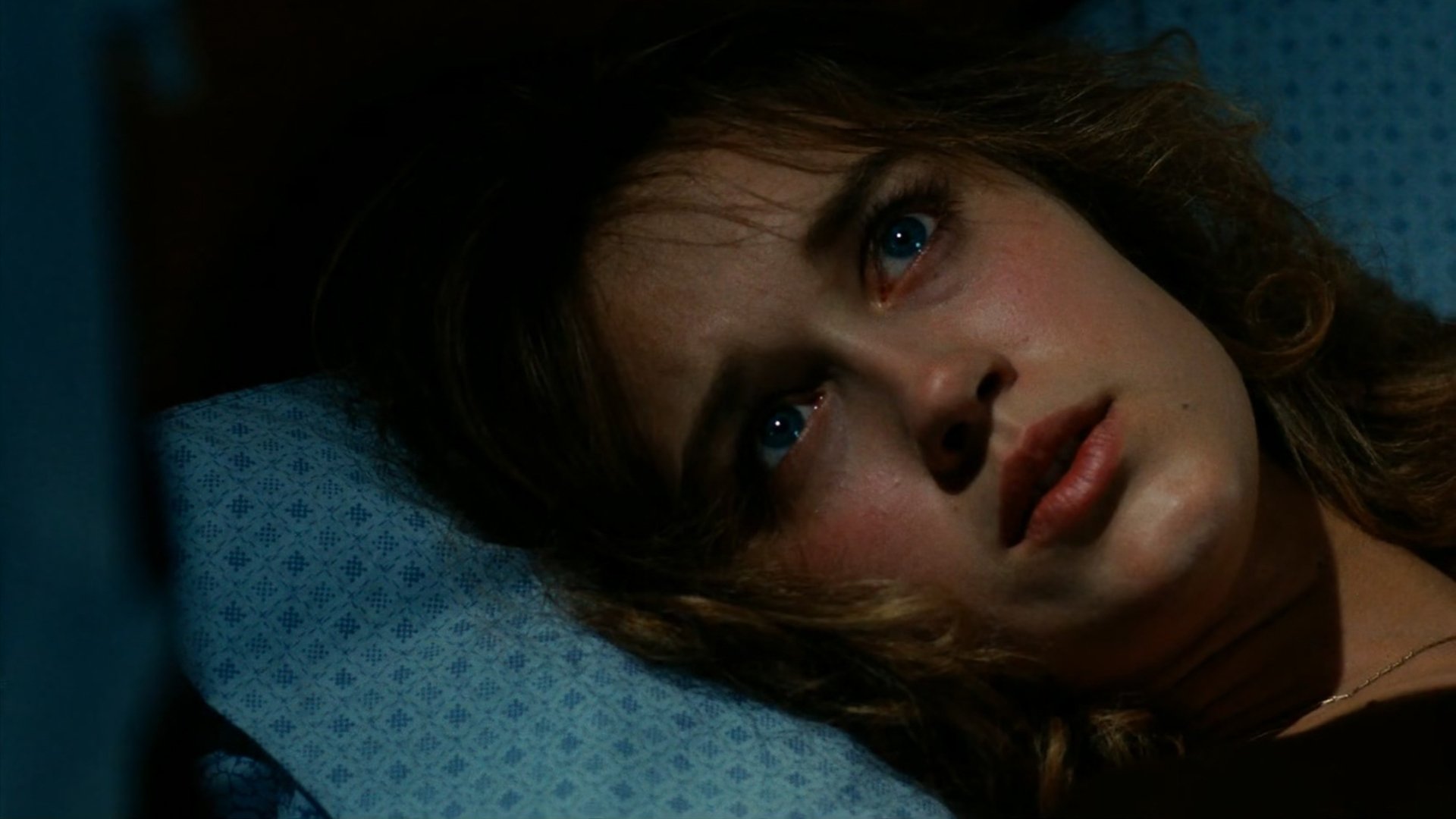
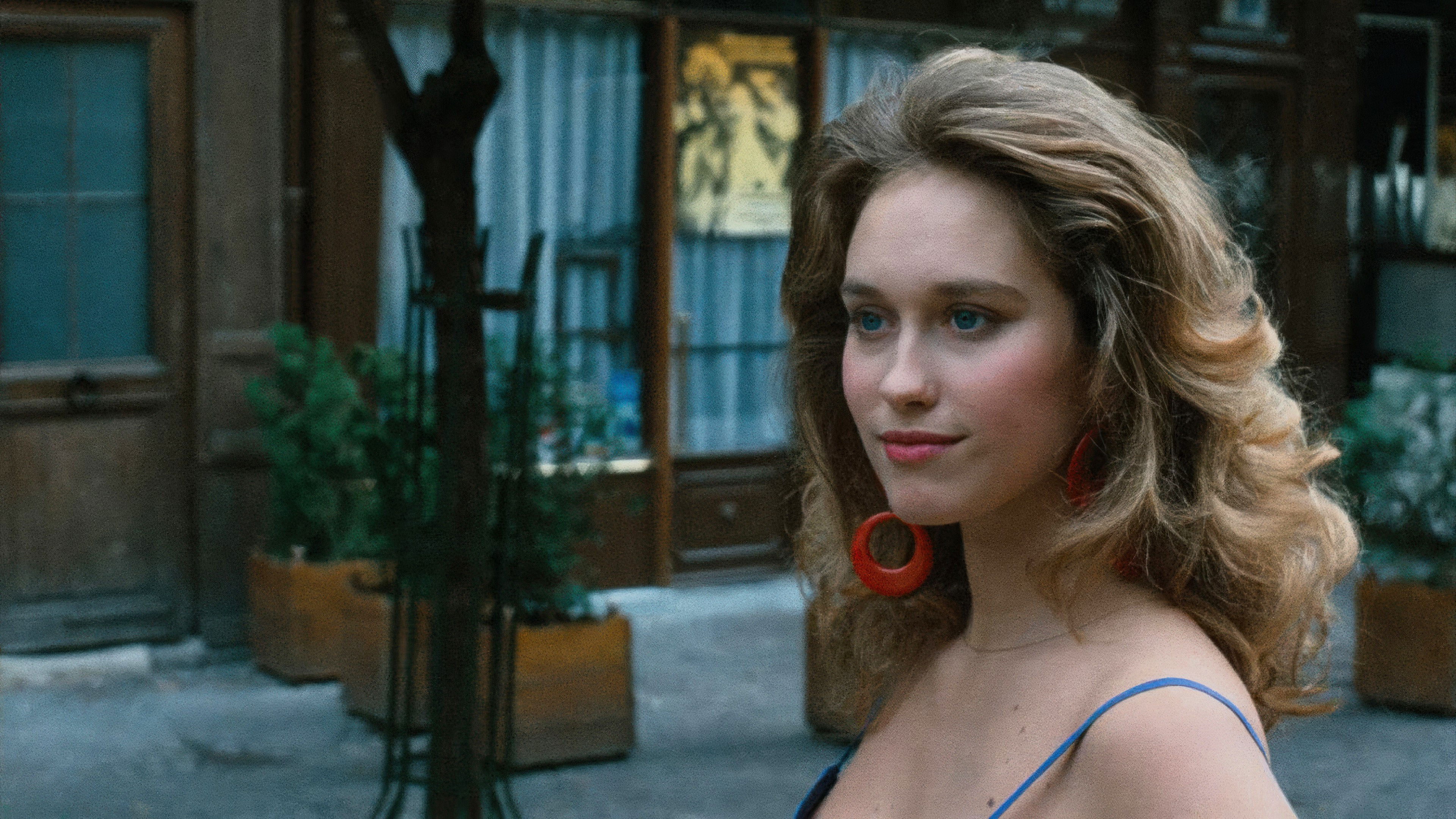
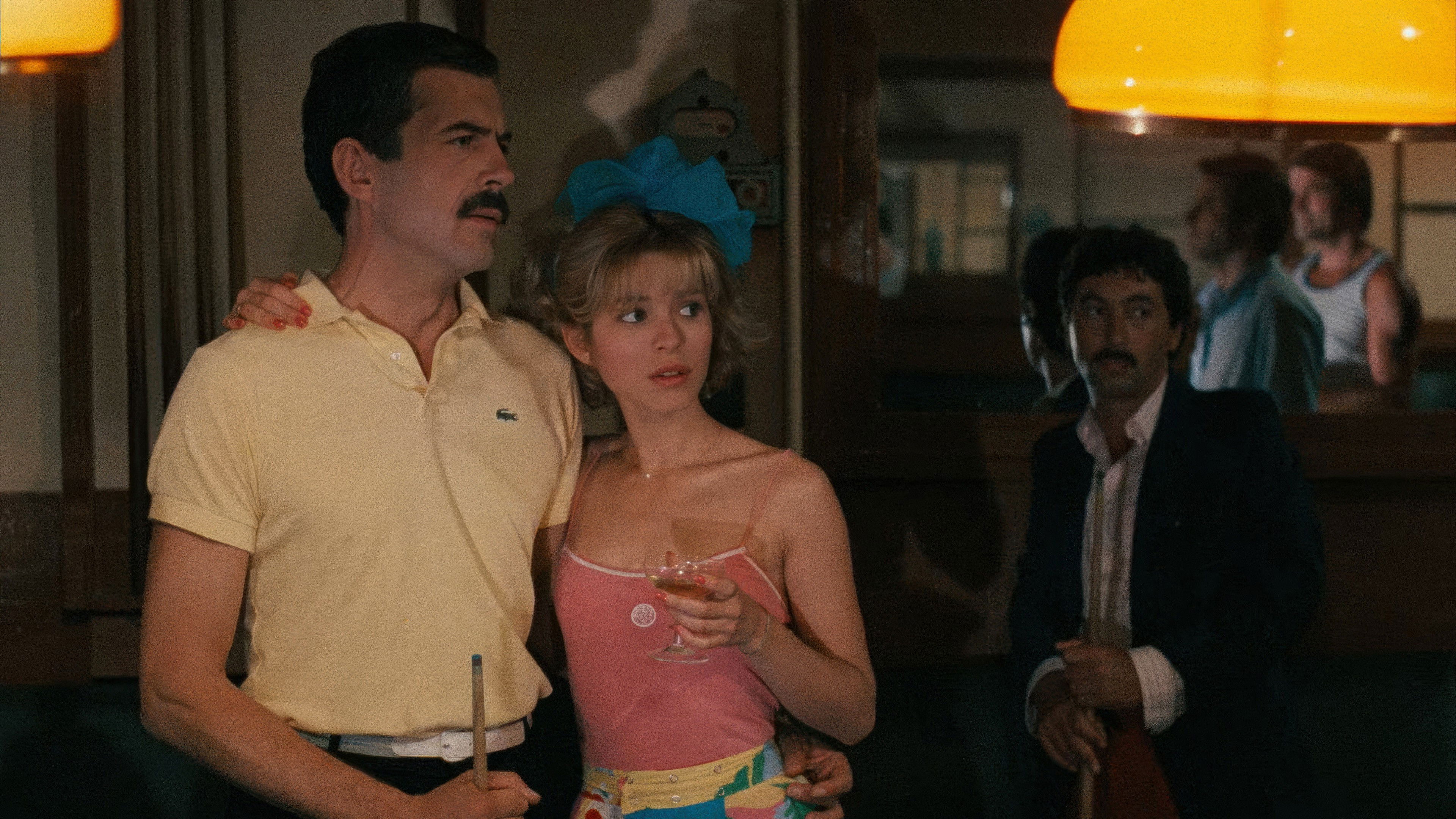
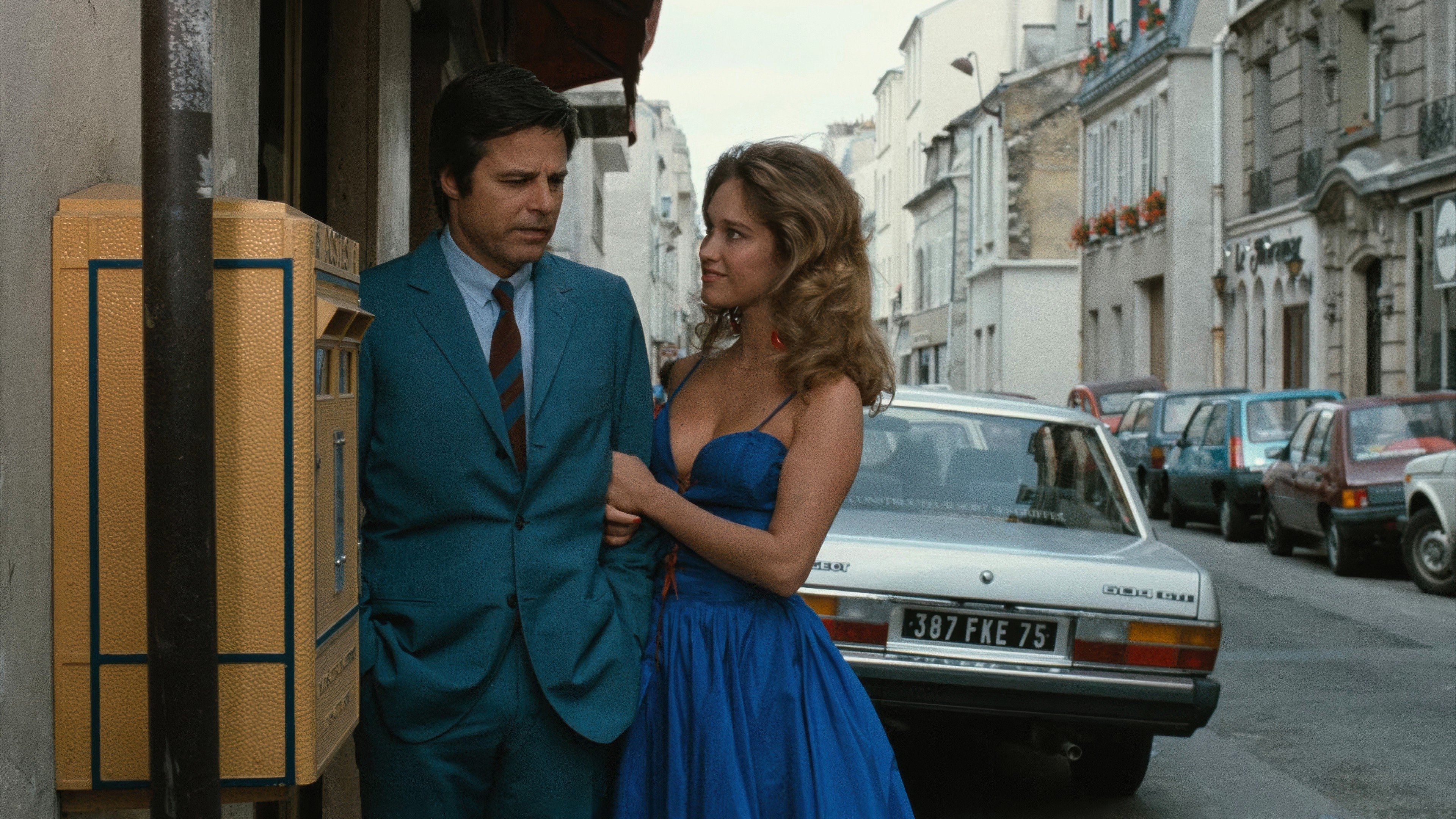
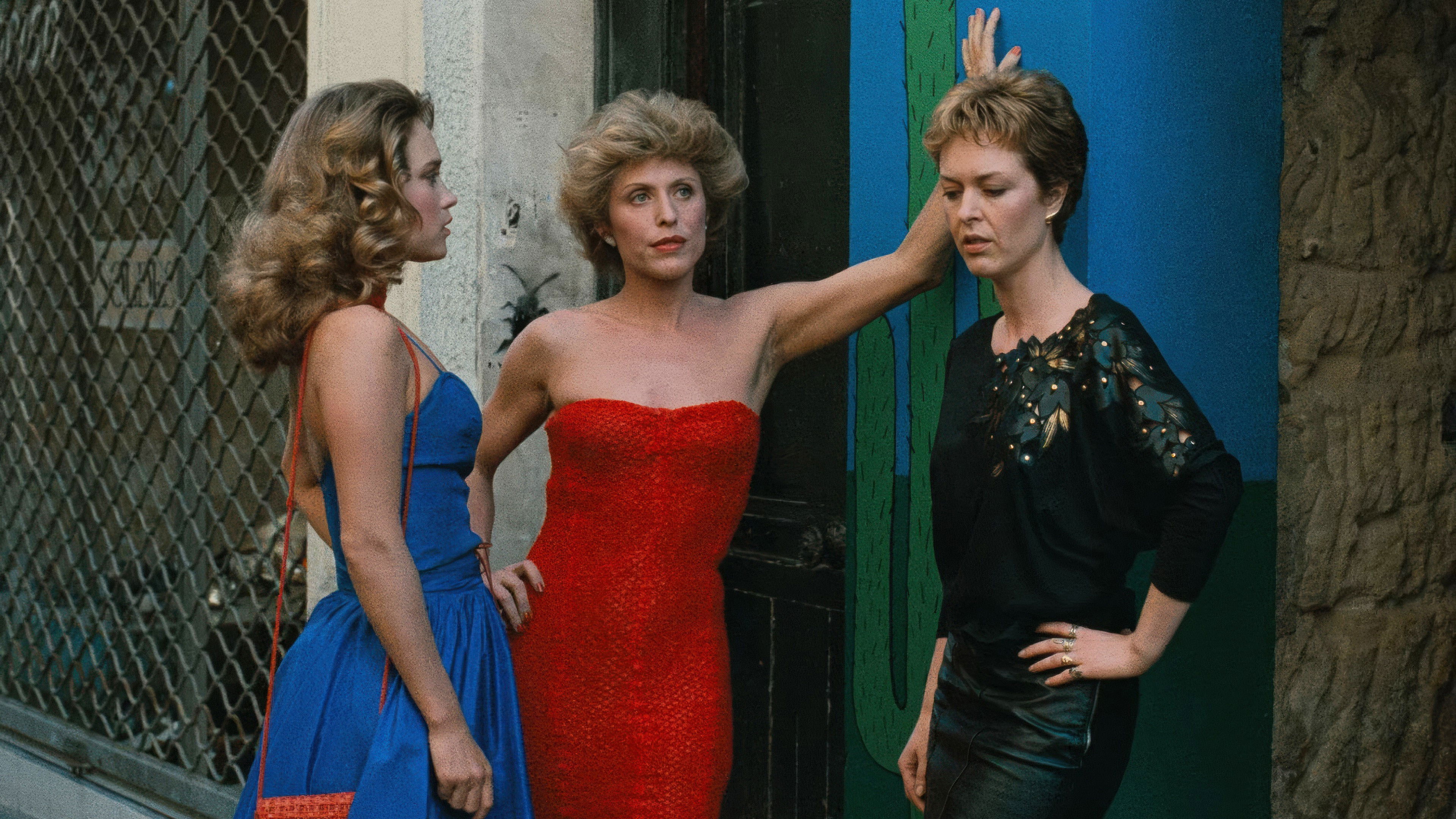
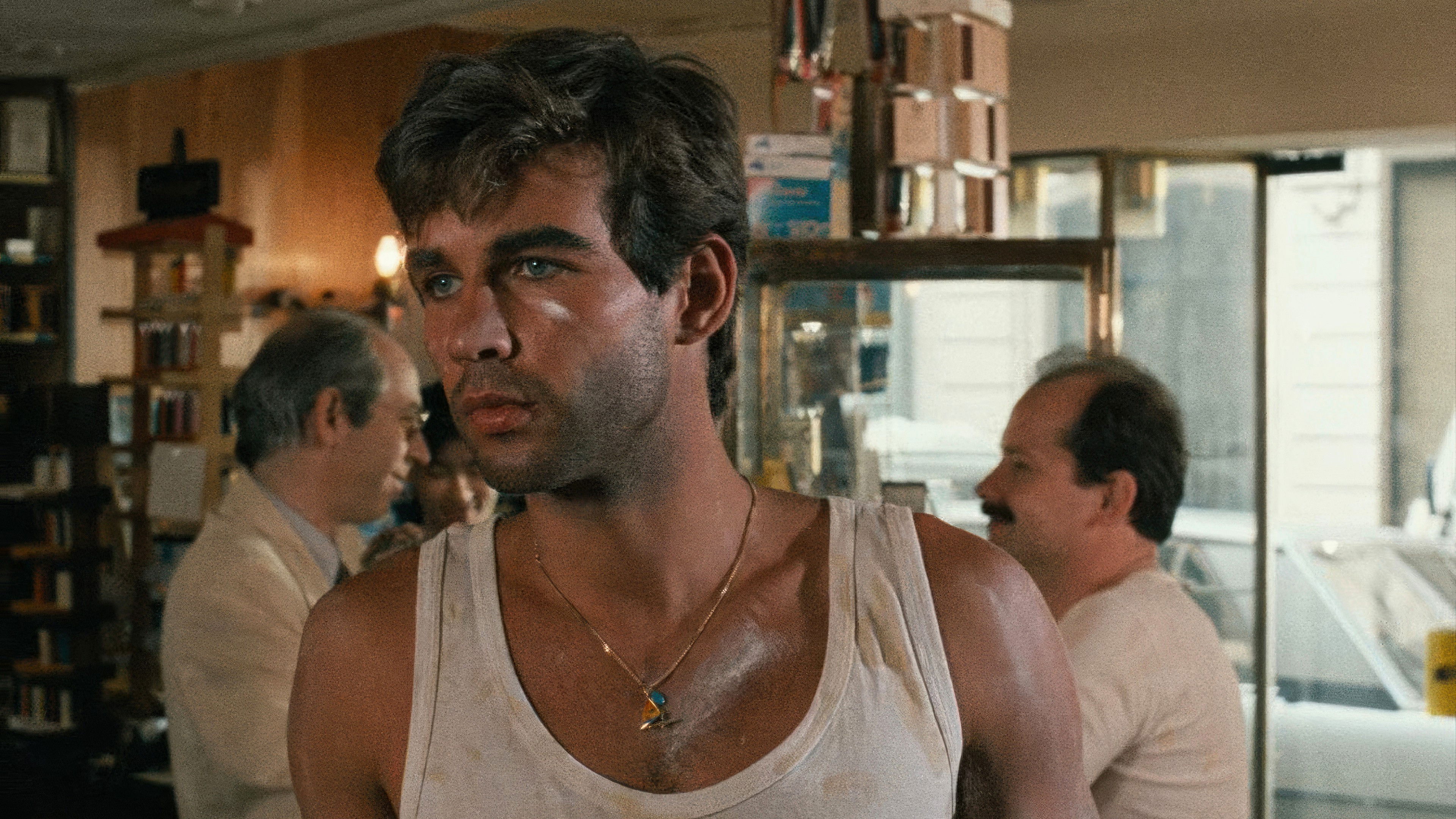
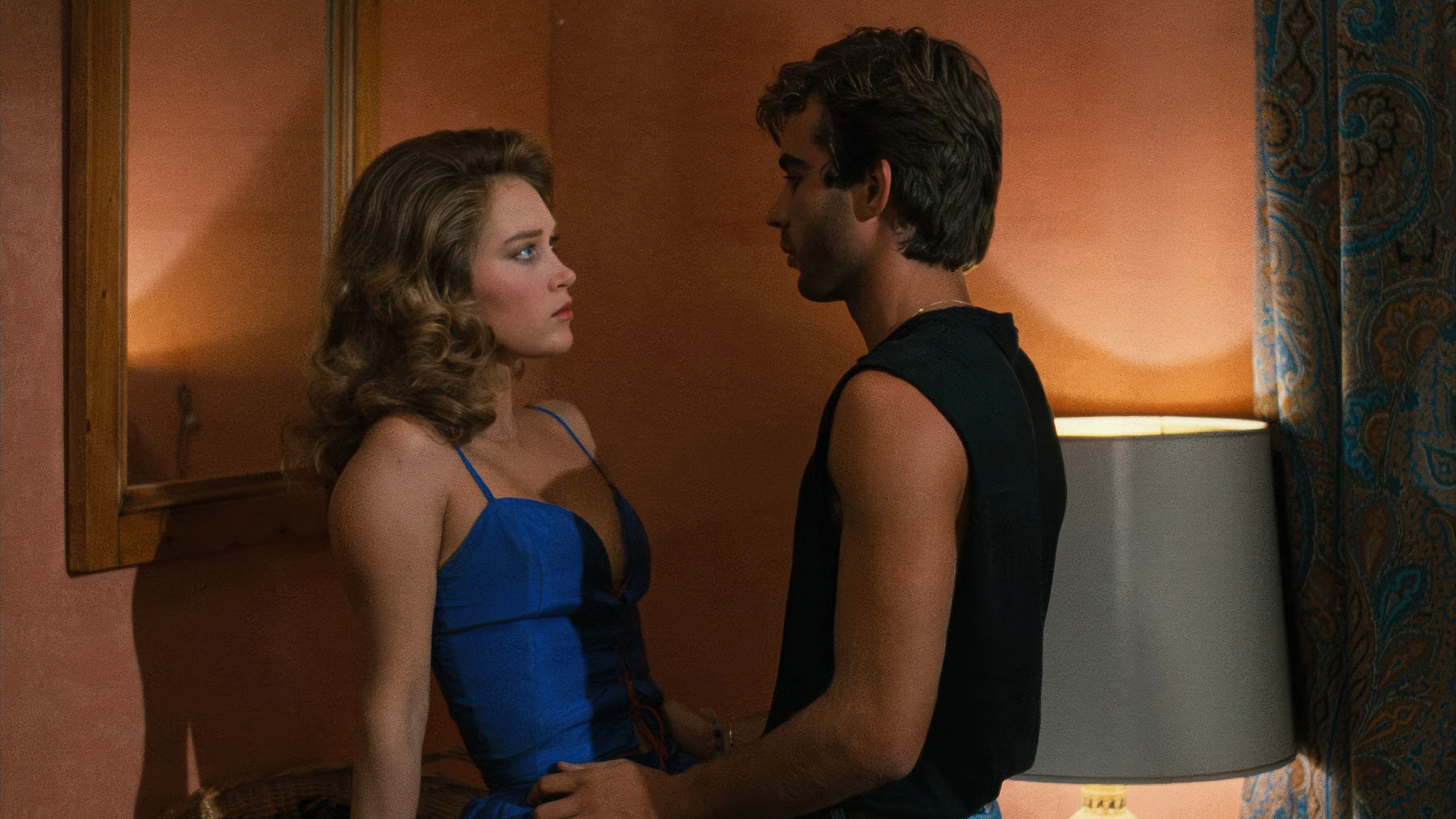
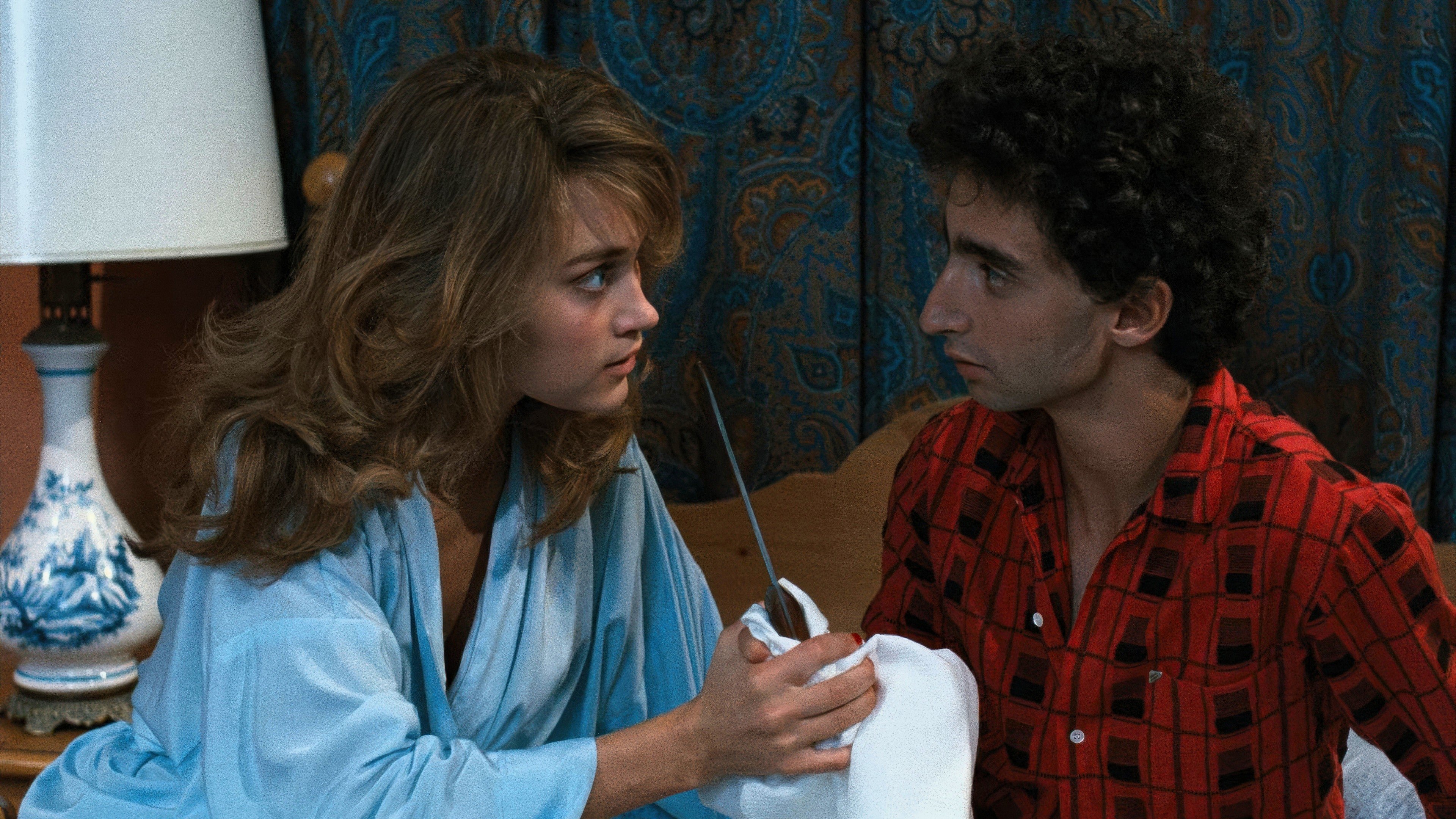
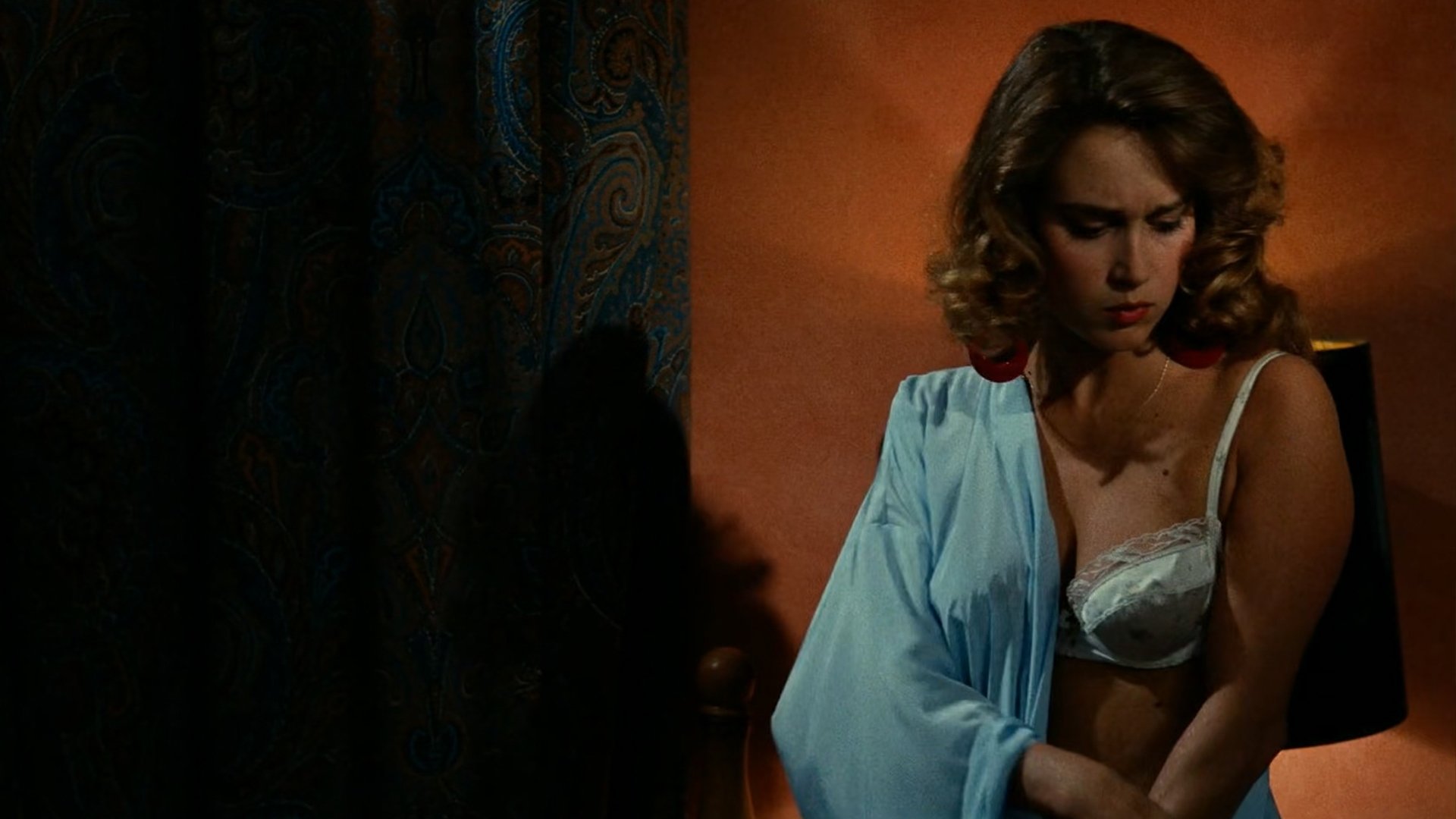
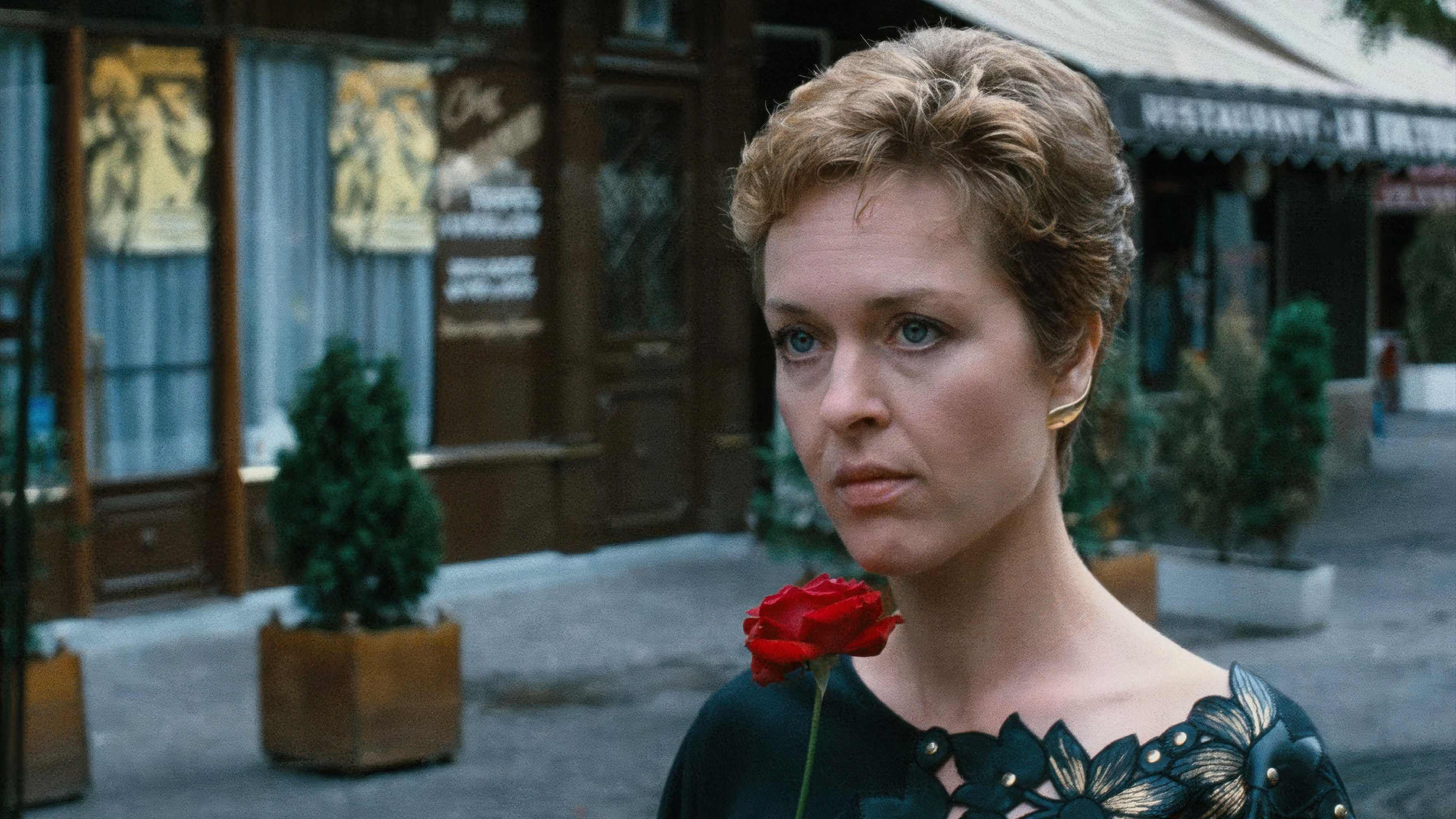
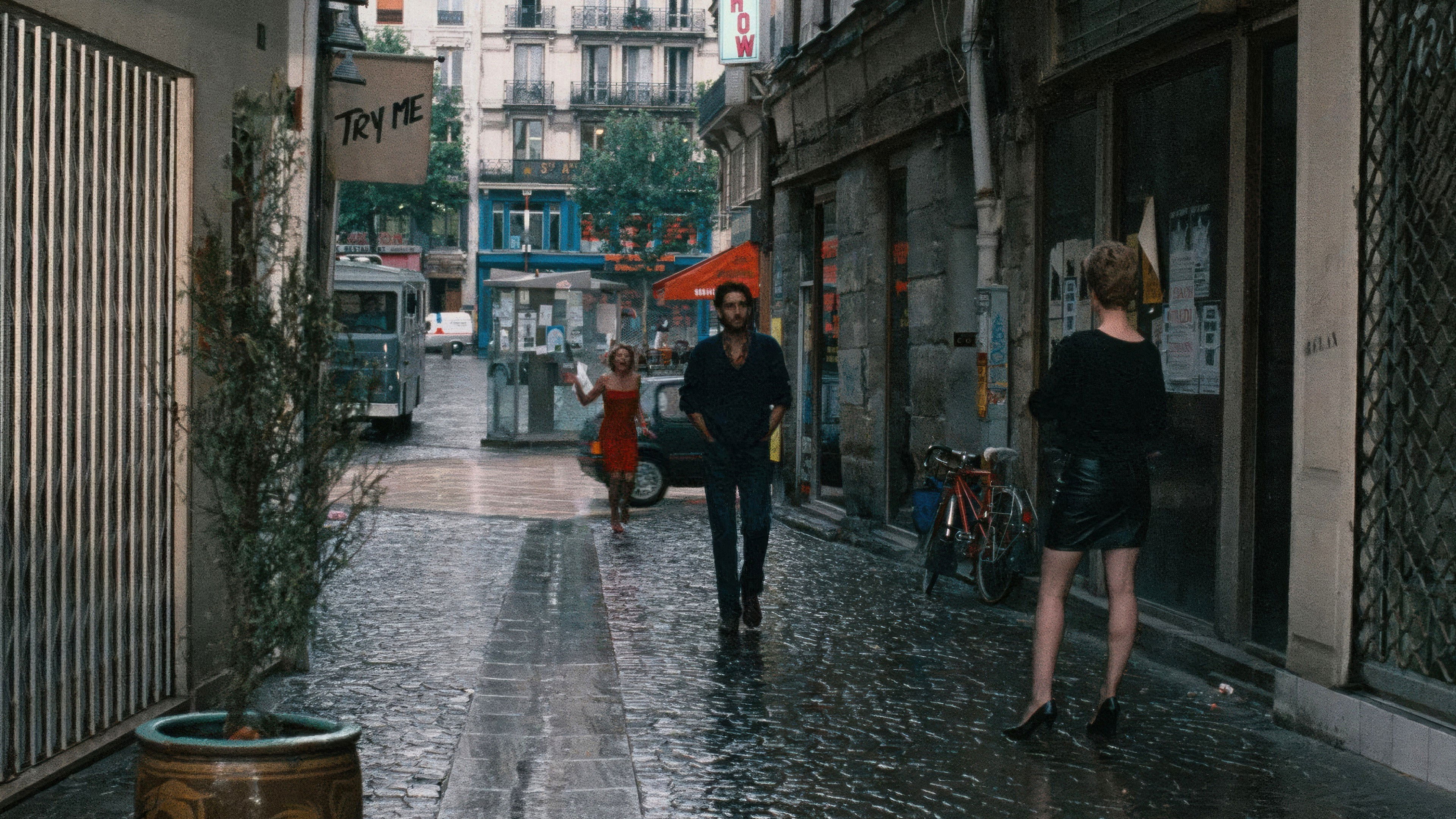
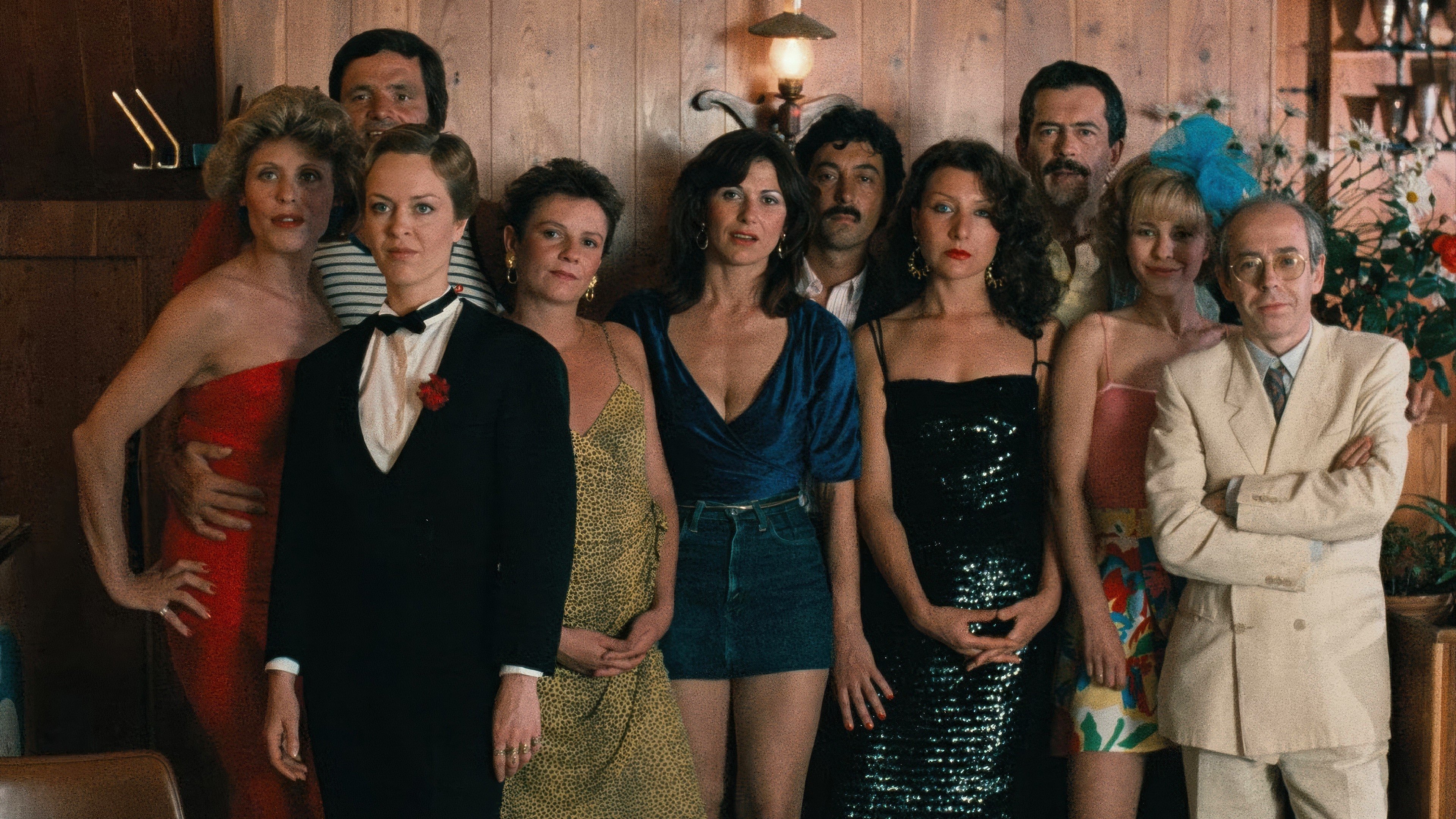
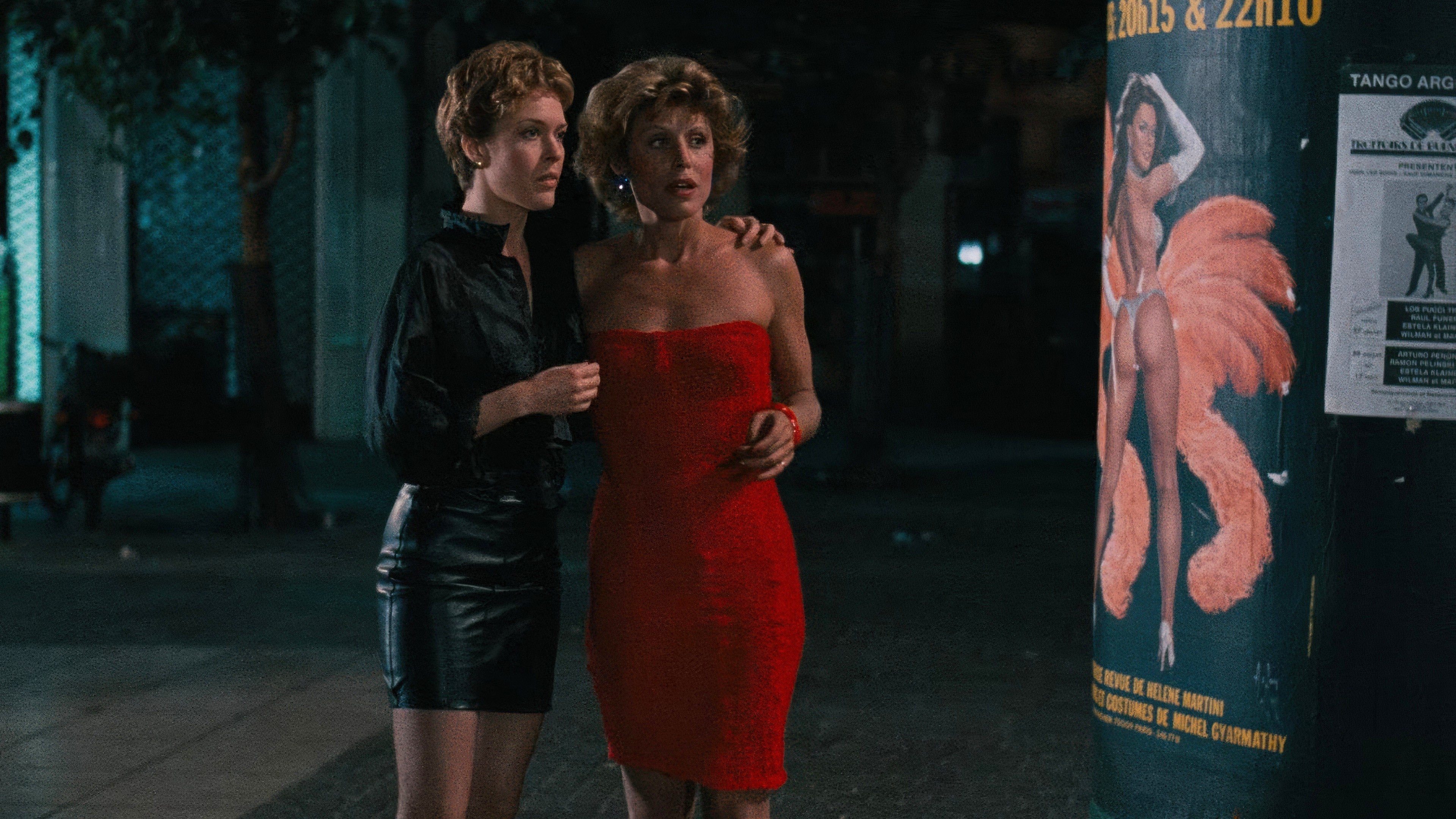
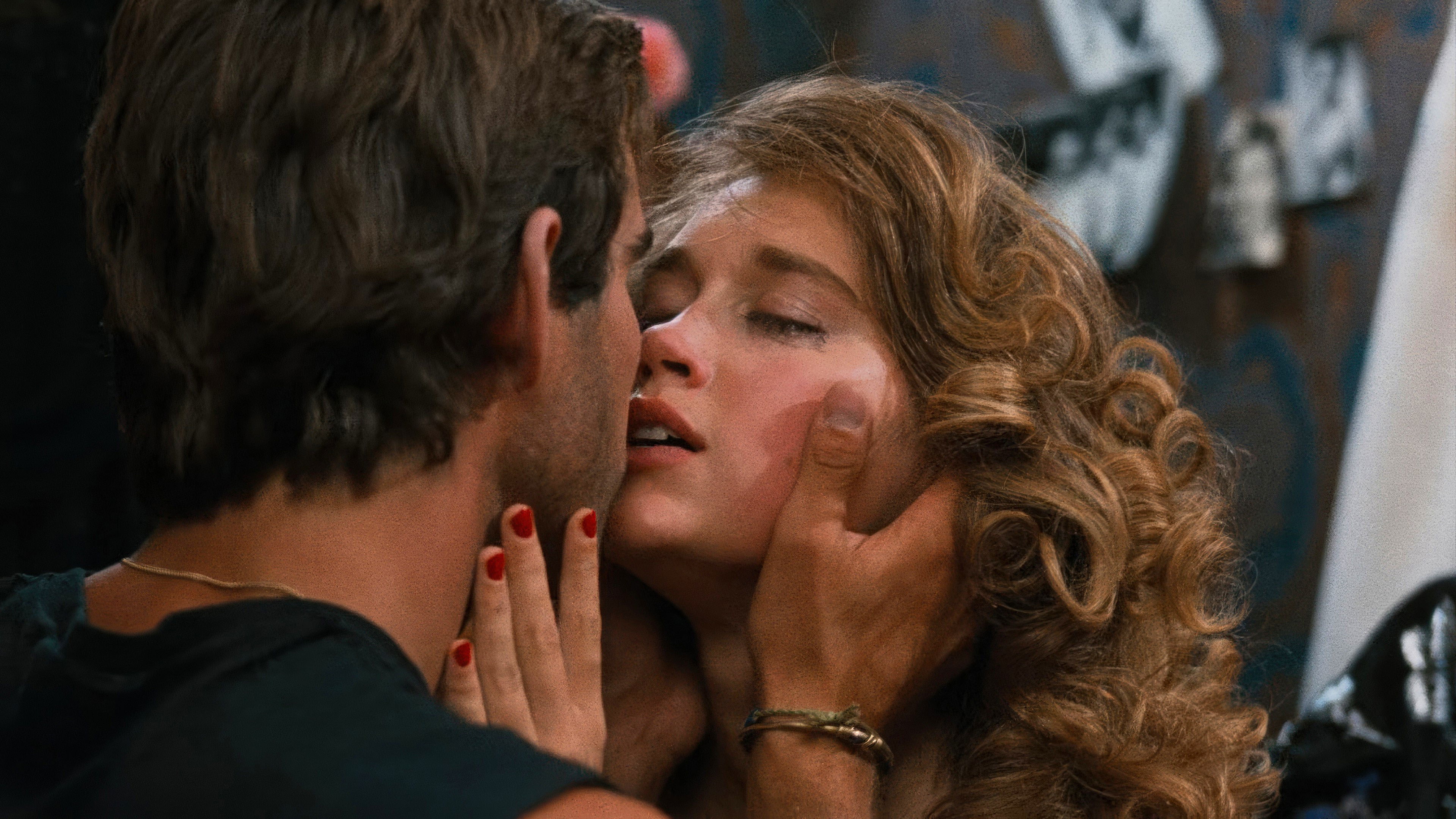
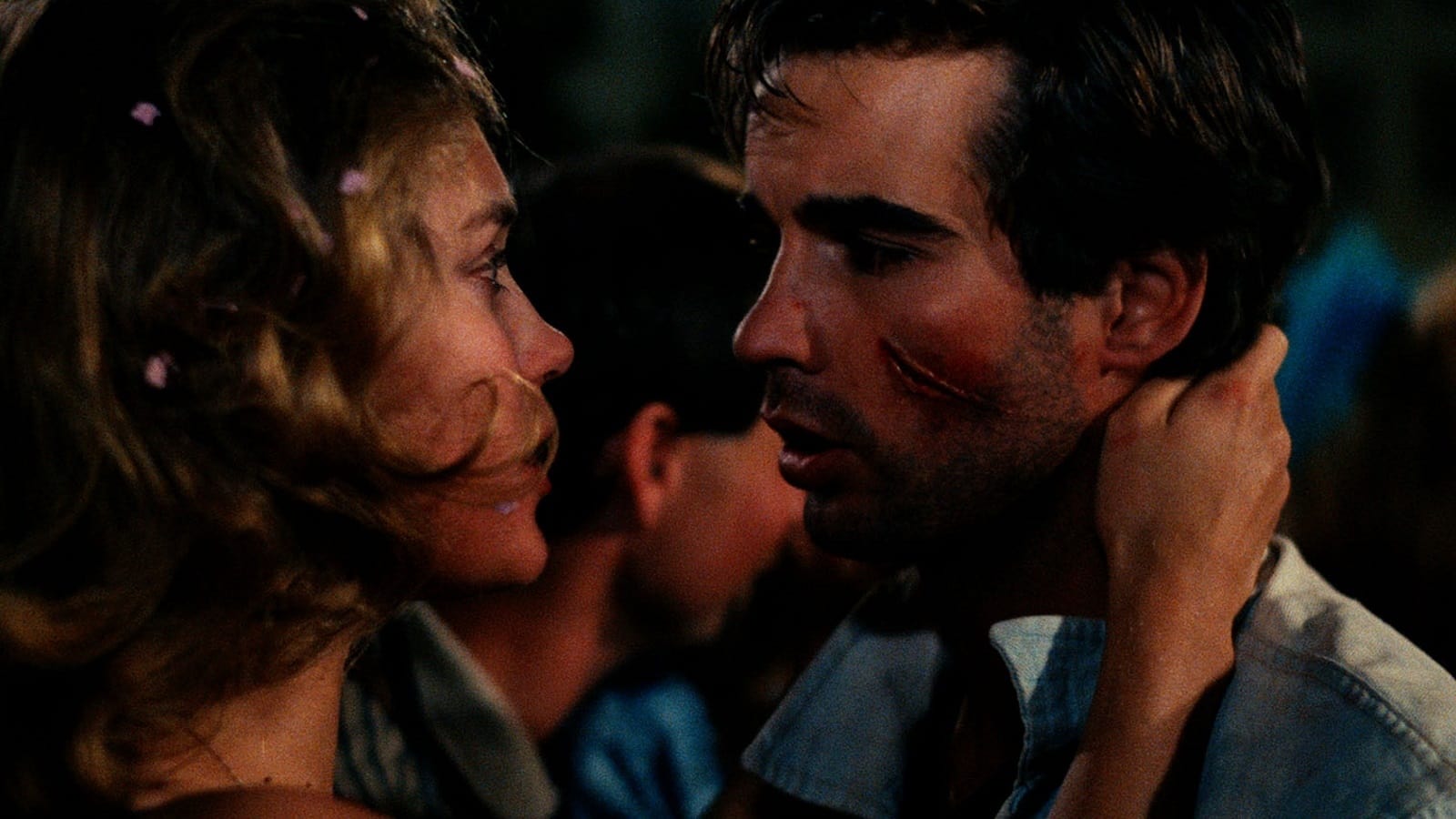

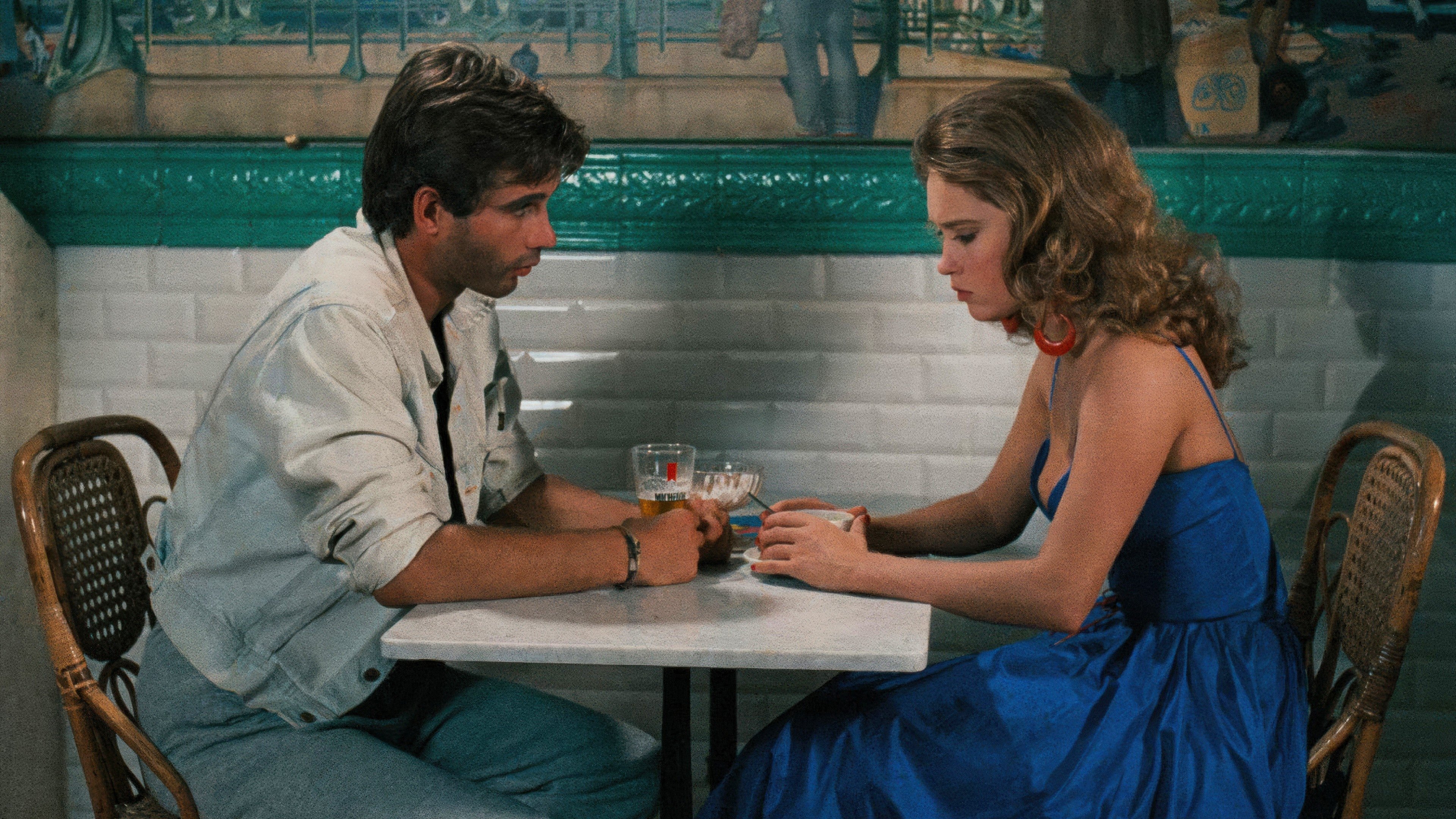
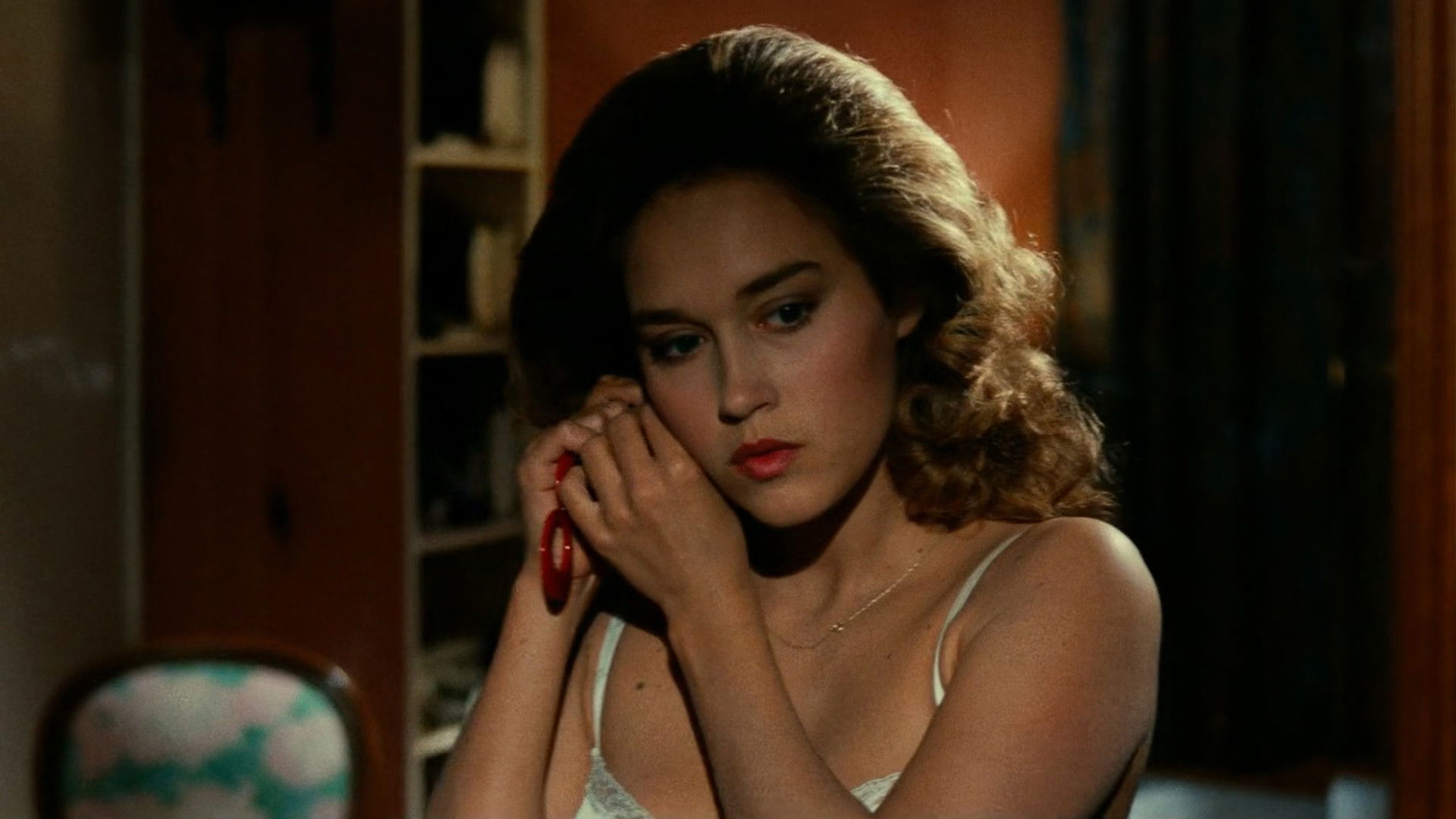
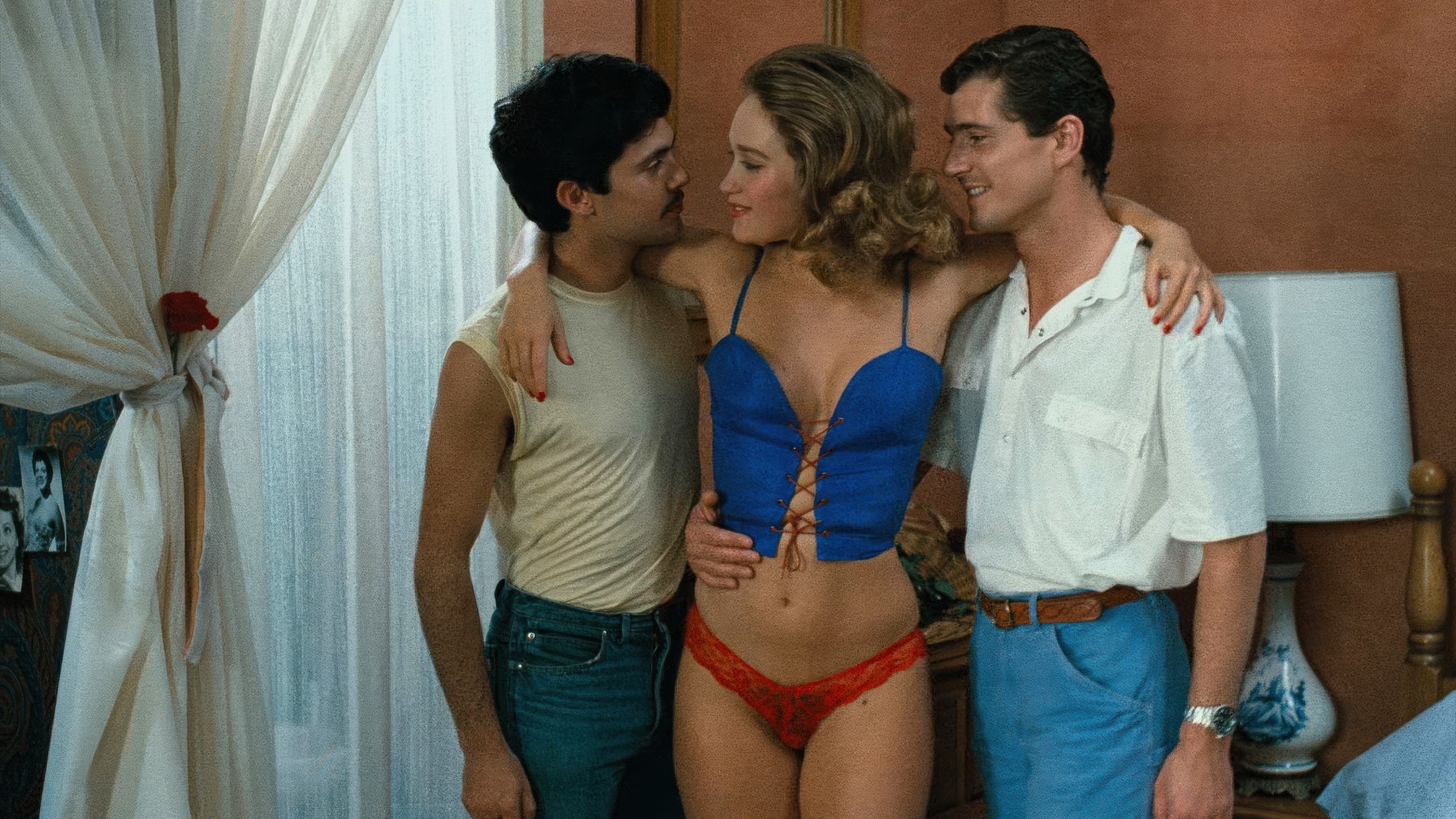
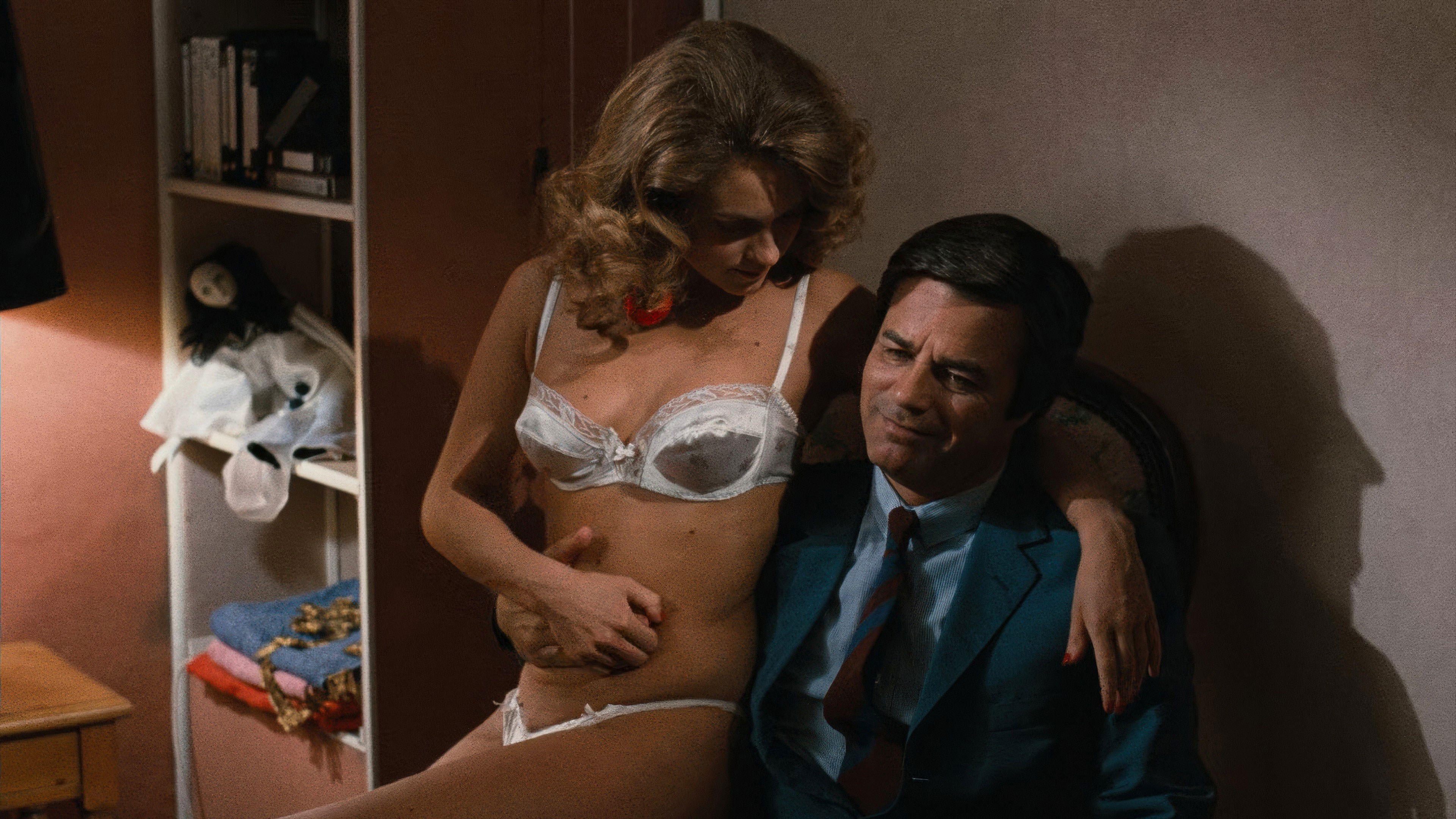
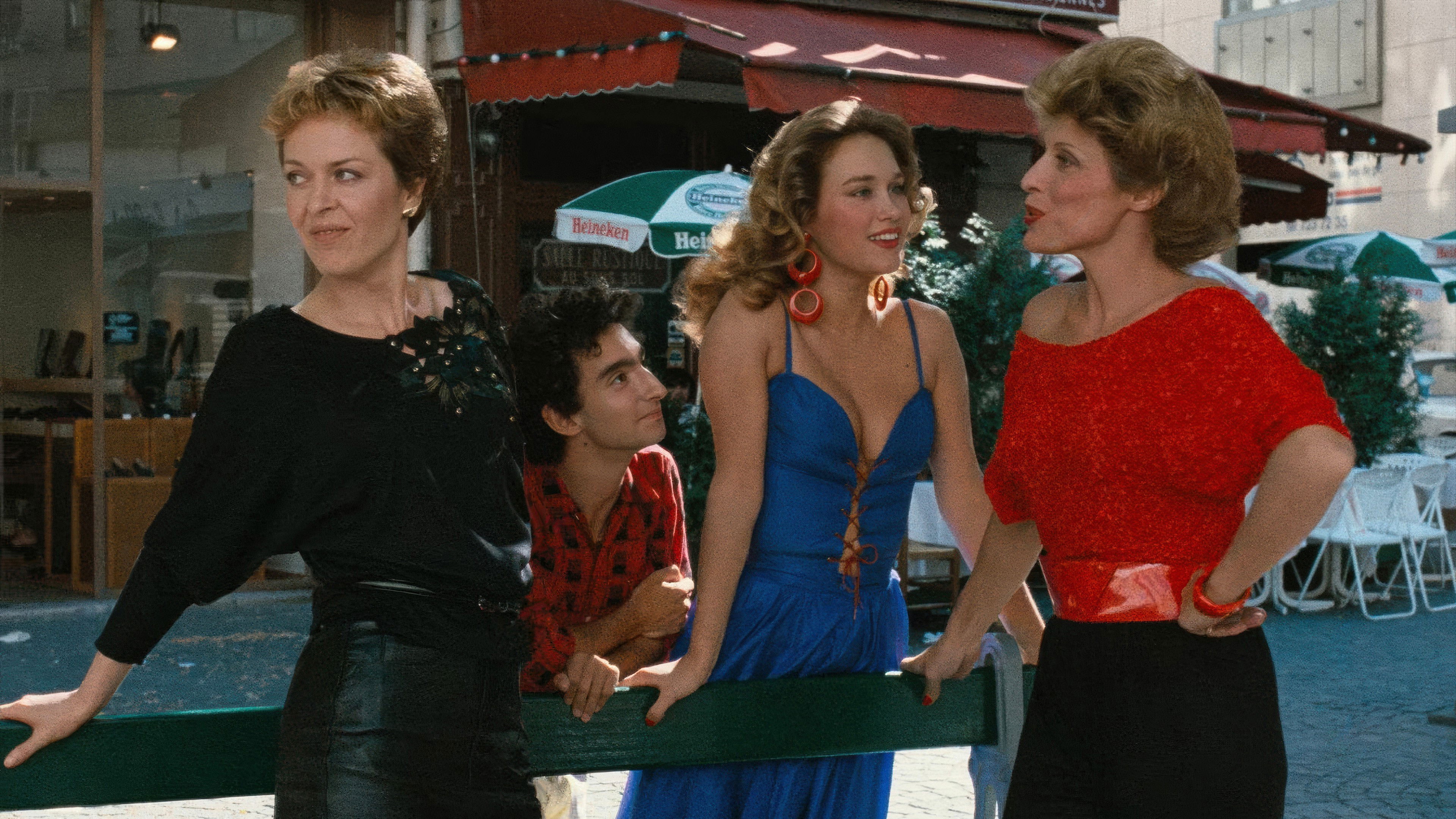
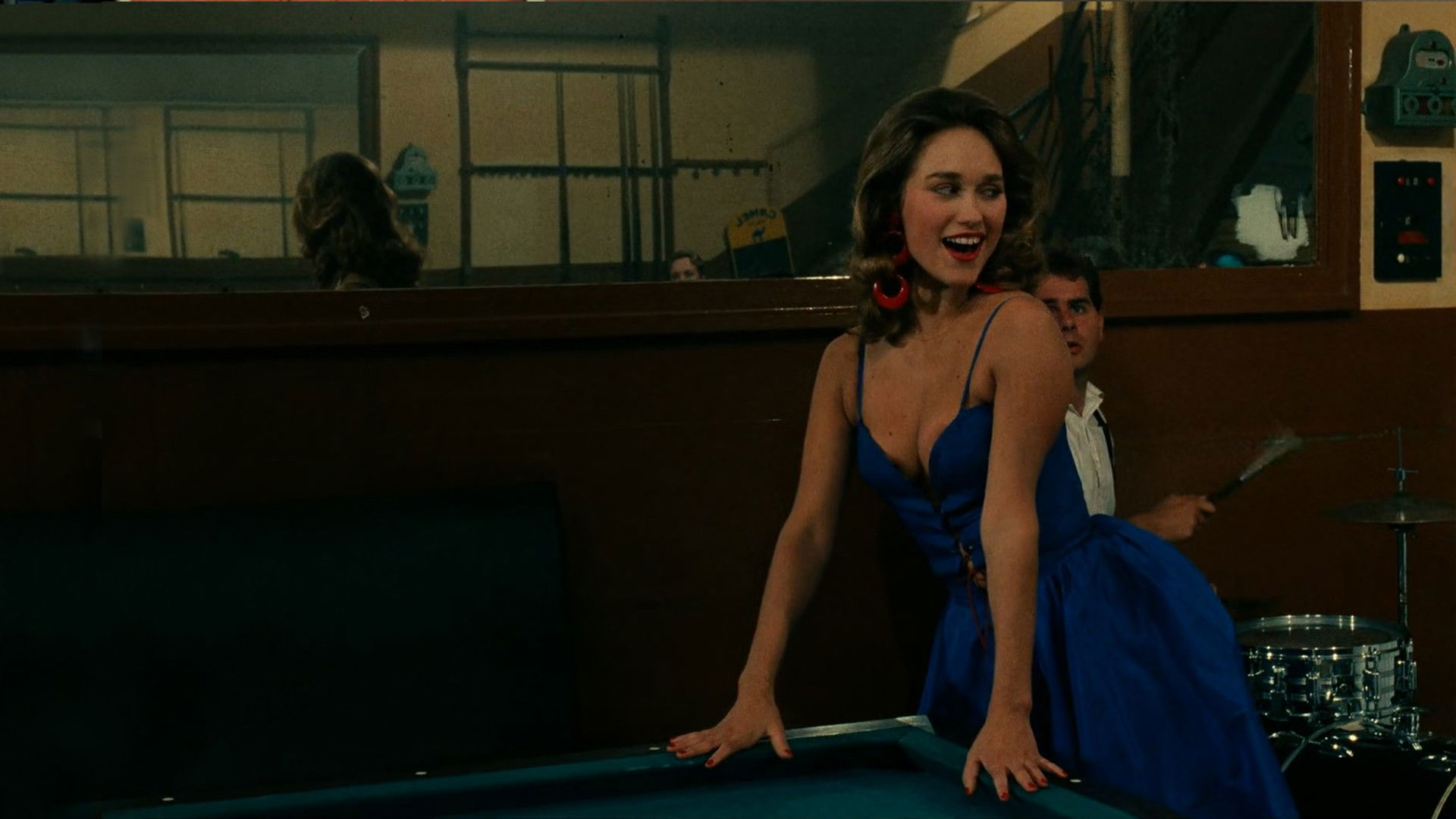
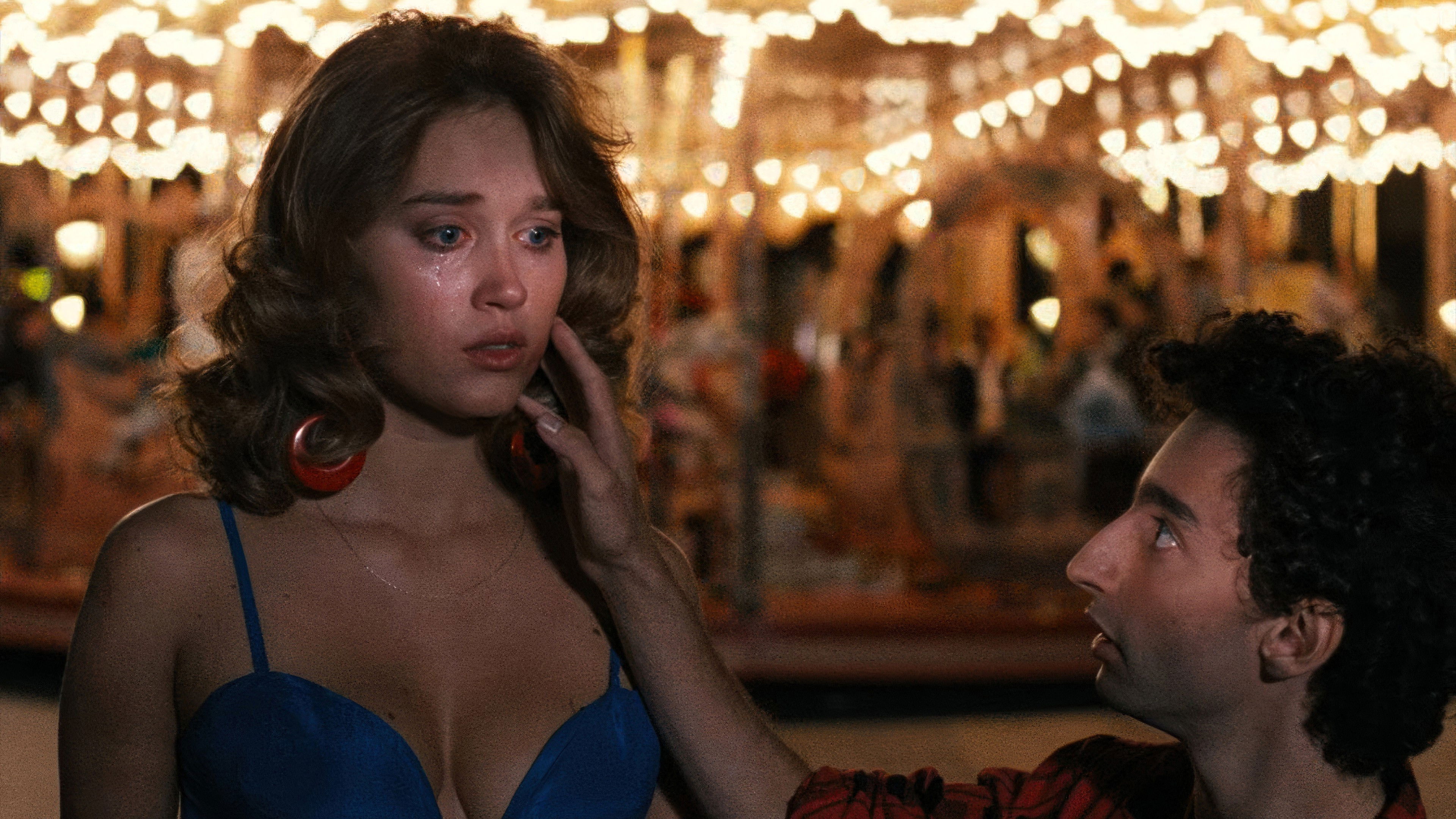
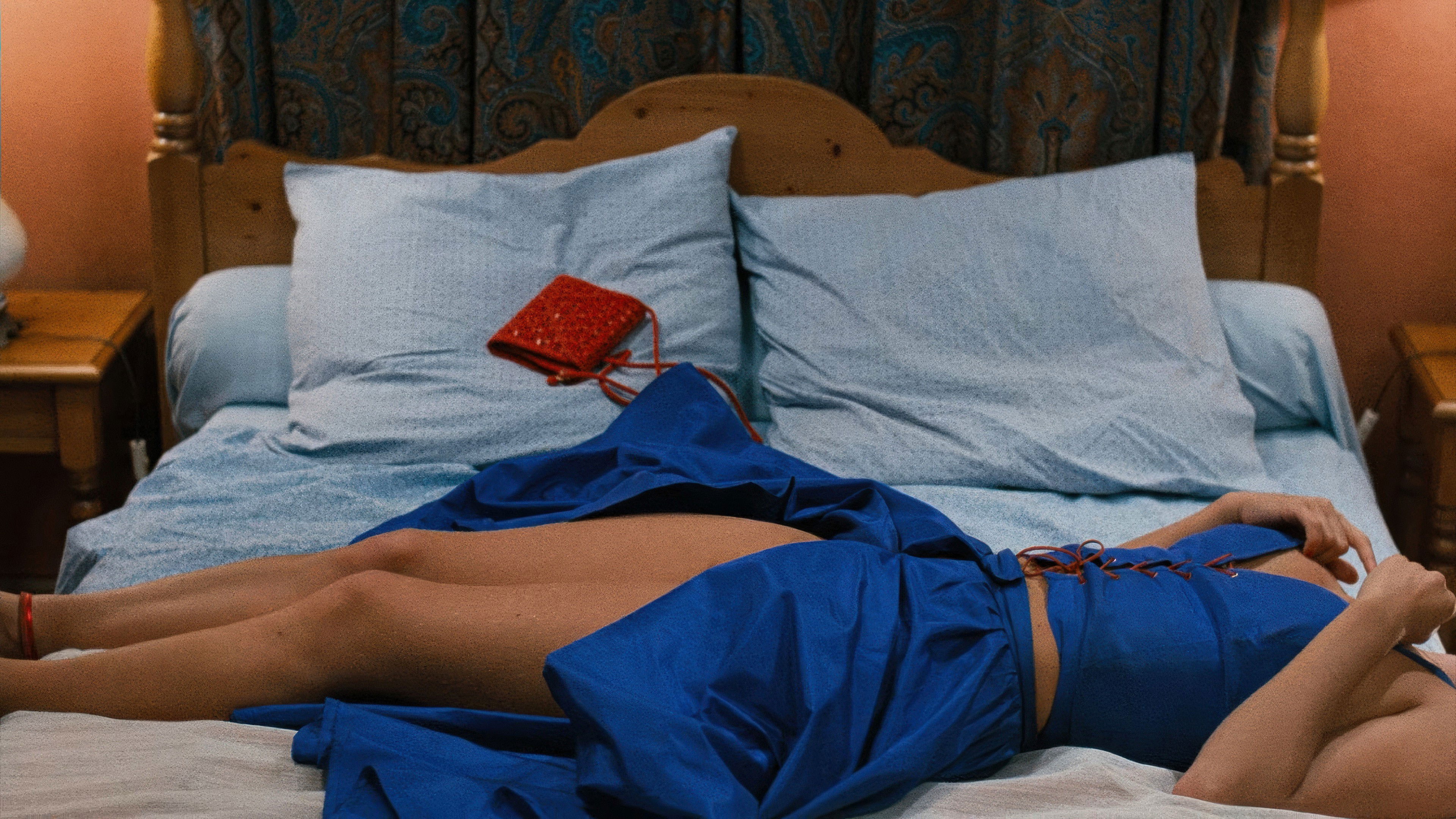
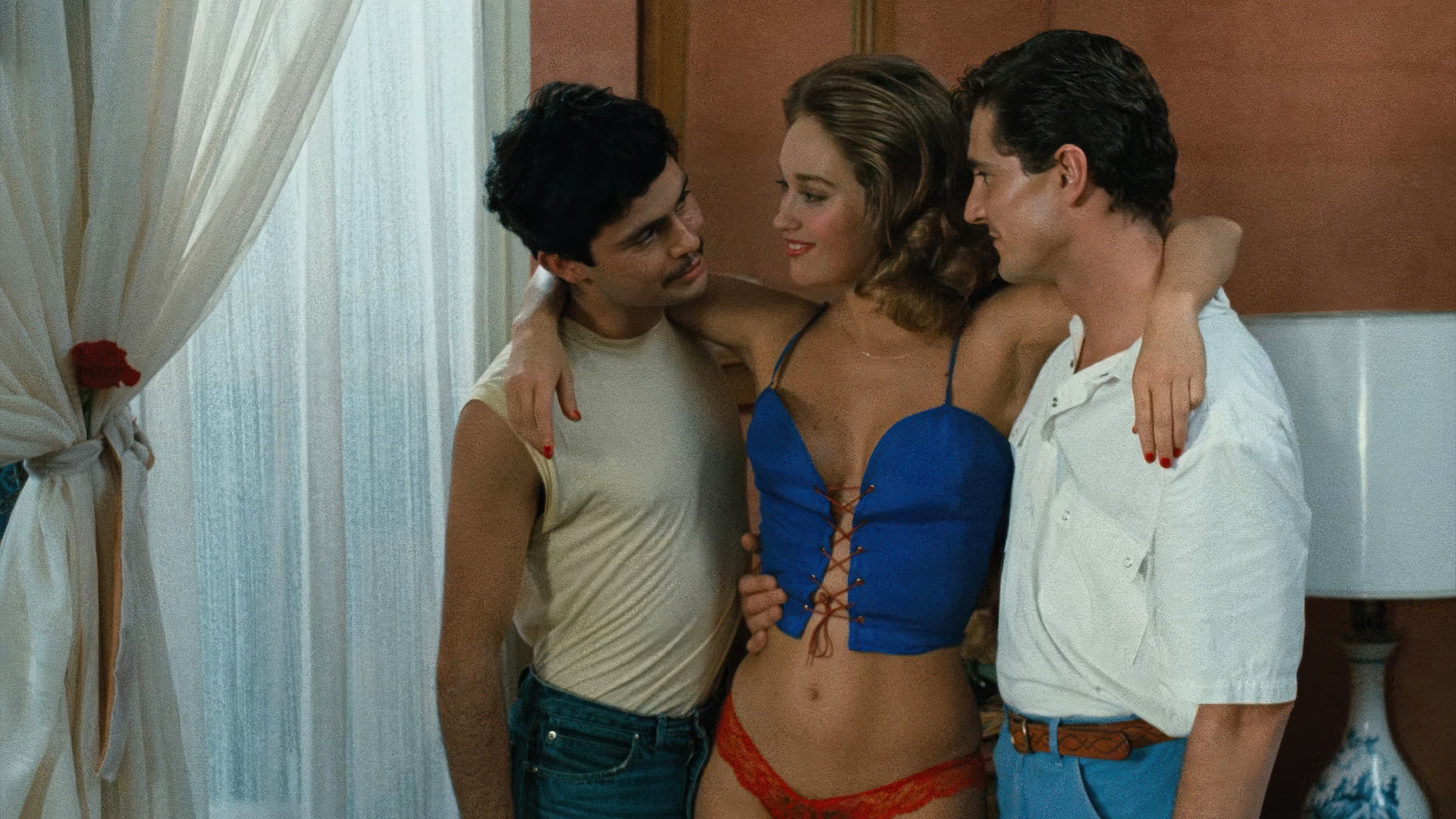
A radiant young sex worker thrives amidst the clients of Paris’s Les Halles under the protectiveness of her pimp. Her carefully balanced existence unravels when she meets a working‑class man and falls in love, forcing her to confront the emotional and social consequences of pursuing a different path.
Directed by Paul Vecchiali
pimp
sex worker
street prostitution
erotism
erotic

Trailer

IMDB
N/A
Cast

Marianne Basler
Rosa
Jean Sorel
Gilbert
Pierre Cosso
Julien
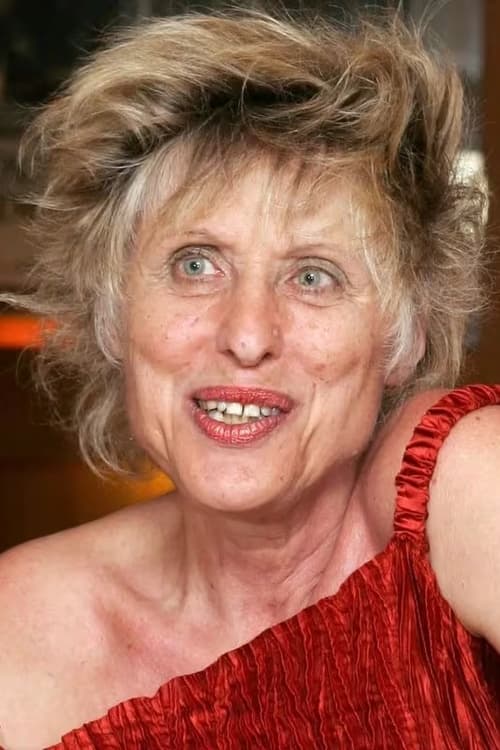
Catherine Lachens
Quarante
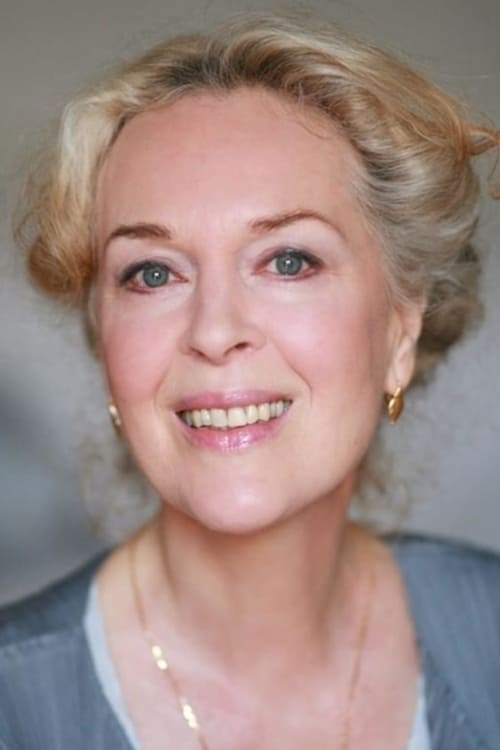
Evelyne Buyle
Trente-Cinq
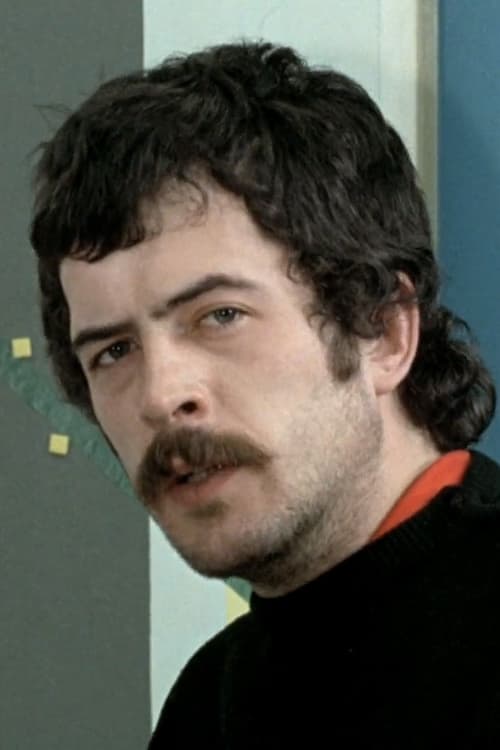
Pierre Oudrey
Paulo
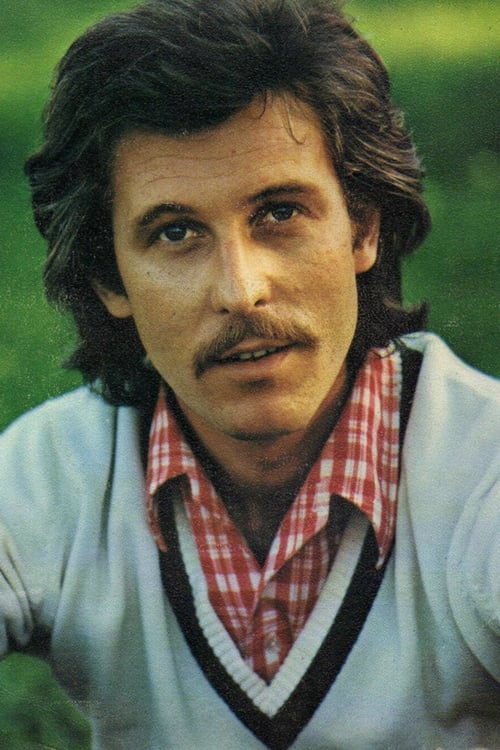
Jean-Louis Rolland
Pierrot

Stéphane Jobert
Jules
Michel Valette
Man of happiness
Jacques Nolot
Alex
Noël Simsolo
Jeannot
Mathieu Rivolier
Homme 2
Crew
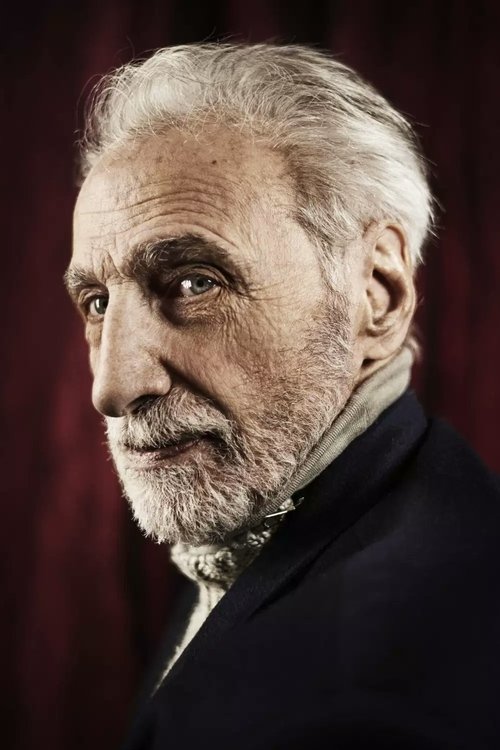
Paul Vecchiali
Director
Paul Vecchiali
Writer
Paul Vecchiali
Editor
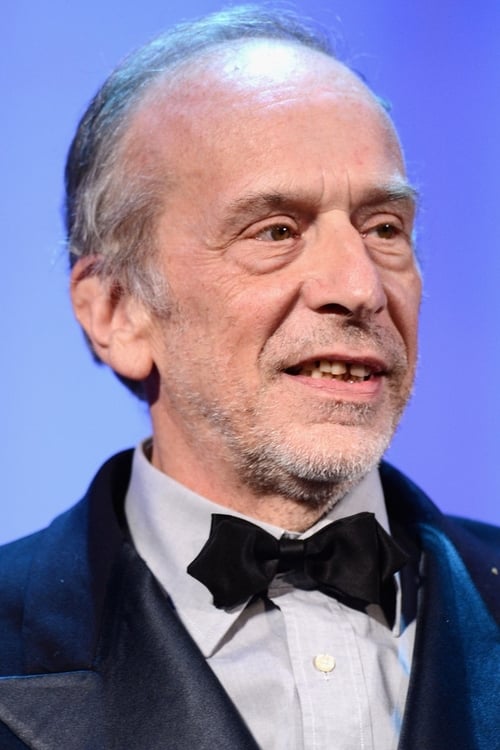
Renato Berta
Director of Photography
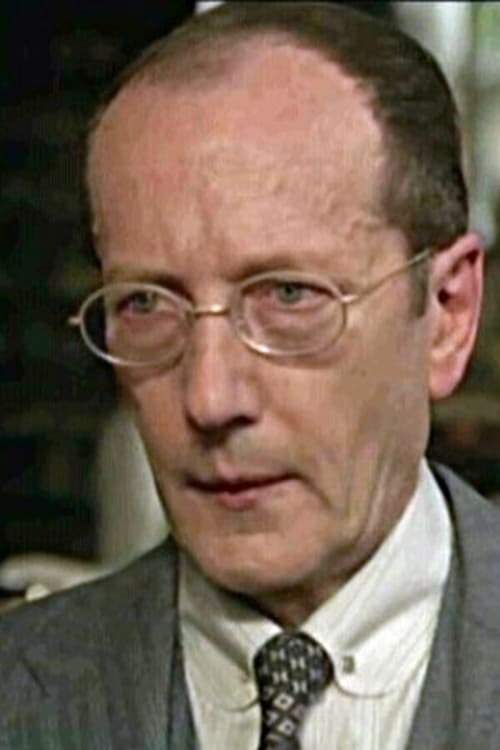
Pierre Belot
Producer
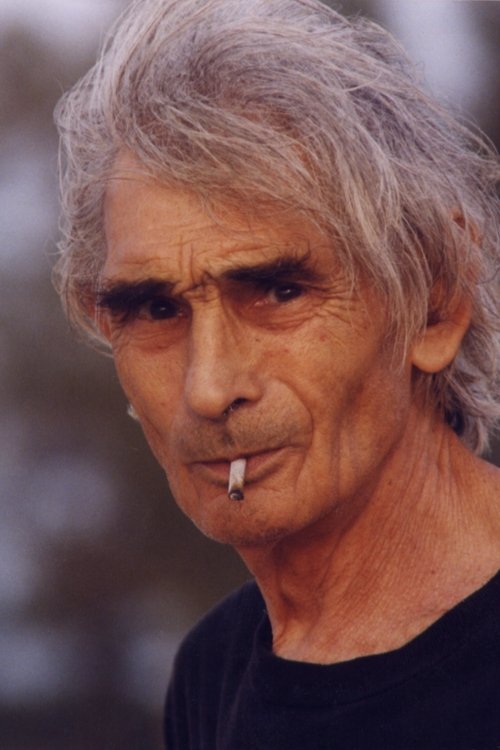
Antoine Bonfanti
Sound Mixer
Popular Reviews
22 reviews
ant
7.0★ · 06/04/26

was it worth to sit there and find the movie? mehhh idk. very classic old shot, no exaggeration with the camera keep it clean and fluid, use of sound, space and color was perfectly on point, that's how you want this type of movies to be.
was it worth to sit there and find the movie? mehhh idk. very classic old shot, no exaggeration with the camera keep it clean and fluid, use of sound, space and color was perfectly on point, that's how you want this type of movies to be.

1

Mel RygusPRO
8.0★ · 03/26/26
I didn’t set out to watch two films about beautiful prostitutes remarking that they were suffocating in their final moments… and yet here we are.
Beautiful in its tragedy, but ultimately a bit emotionally manipulative- we just don’t spend enough time building up the internal tension and the agony of Rosa falling in love for me to buy in fully.
Beautiful in its tragedy, but ultimately a bit emotionally manipulative- we just don’t spend enough time building up the internal tension and the agony of Rosa falling in love for me to buy in fully.
I didn’t set out to watch two films about beautiful prostitutes remarking that they were suffocating in their final moments… and yet here we are.
Beautiful in its tragedy, but ultimately a bit emotionally manipulative- we just don’t spend enough time building up the internal tension and the agony of Rosa falling in love for me to buy in fully.
Beautiful in its tragedy, but ultimately a bit emotionally manipulative- we just don’t spend enough time building up the internal tension and the agony of Rosa falling in love for me to buy in fully.
Jonathan
8.0★ · 02/21/26
there’s something really delicate about this. it never sensationalizes rosa’s life, it just lets her exist with all her small hopes and quiet disappointments. the performance at the center is so open and human that the film feels almost documentary-like at times. simple, compassionate, and heartbreaking.
there’s something really delicate about this. it never sensationalizes rosa’s life, it just lets her exist with all her small hopes and quiet disappointments. the performance at the center is so open and human that the film feels almost documentary-like at times. simple, compassionate, and heartbreaking.
dthyo afupts
8.8★ · 10/25/25
“The only stage is the street!”
an economic world contained in a street corner. Vecchiali’s fluid camera hovers around our vibrant, youthful characters for us to watch as they engage with each other and make ripples in their lives. all of them are plagued by the love - a love that has its own separate meaning according to each one - that’s there but which they have no means to express apart from transactions. beauty and evil coexist seamlessly here: everything seems so beautiful until it’s not, everything seems so dark until it isn’t ,, Rosa embodies the power and fantasy of the cinema; the free movements of dance, the romantic sound of music, the tragedy of the opera, etc. we fawn and weep for her. she takes the stage, basking in the sun for the audience to observe until she starts to attempt to quit the streets, therefore making the performance crumble and the screen go black, leaving the audience alone as the final cut determines her fate. she’s both haunted and reinvigorated by the cinema. freedom comes with a sickly cost.
some truly spellbinding filmmaking here; i struggle to not call it all magical. Vecchiali manages to stuff so much life and texture into a single scene, into a single pan of the camera, into the way the light of each space reflects across each character’s body, all bursting with color. would love to revisit this film once i see more of his filmography and the other directors he seems to be in dialogue with here (Renoir, Ophüls, etc)
an economic world contained in a street corner. Vecchiali’s fluid camera hovers around our vibrant, youthful characters for us to watch as they engage with each other and make ripples in their lives. all of them are plagued by the love - a love that has its own separate meaning according to each one - that’s there but which they have no means to express apart from transactions. beauty and evil coexist seamlessly here: everything seems so beautiful until it’s not, everything seems so dark until it isn’t ,, Rosa embodies the power and fantasy of the cinema; the free movements of dance, the romantic sound of music, the tragedy of the opera, etc. we fawn and weep for her. she takes the stage, basking in the sun for the audience to observe until she starts to attempt to quit the streets, therefore making the performance crumble and the screen go black, leaving the audience alone as the final cut determines her fate. she’s both haunted and reinvigorated by the cinema. freedom comes with a sickly cost.
some truly spellbinding filmmaking here; i struggle to not call it all magical. Vecchiali manages to stuff so much life and texture into a single scene, into a single pan of the camera, into the way the light of each space reflects across each character’s body, all bursting with color. would love to revisit this film once i see more of his filmography and the other directors he seems to be in dialogue with here (Renoir, Ophüls, etc)
“The only stage is the street!”
an economic world contained in a street corner. Vecchiali’s fluid camera hovers around our vibrant, youthful characters for us to watch as they engage with each other and make ripples in their lives. all of them are plagued by the love - a love that has its own separate meaning according to each one - that’s there but which they have no means to express apart from transactions. beauty and evil coexist seamlessly here: everything seems so beautiful until it’s not, everything seems so dark until it isn’t ,, Rosa embodies the power and fantasy of the cinema; the free movements of dance, the romantic sound of music, the tragedy of the opera, etc. we fawn and weep for her. she takes the stage, basking in the sun for the audience to observe until she starts to attempt to quit the streets, therefore making the performance crumble and the screen go black, leaving the audience alone as the final cut determines her fate. she’s both haunted and reinvigorated by the cinema. freedom comes with a sickly cost.
some truly spellbinding filmmaking here; i struggle to not call it all magical. Vecchiali manages to stuff so much life and texture into a single scene, into a single pan of the camera, into the way the light of each space reflects across each character’s body, all bursting with color. would love to revisit this film once i see more of his filmography and the other directors he seems to be in dialogue with here (Renoir, Ophüls, etc)
an economic world contained in a street corner. Vecchiali’s fluid camera hovers around our vibrant, youthful characters for us to watch as they engage with each other and make ripples in their lives. all of them are plagued by the love - a love that has its own separate meaning according to each one - that’s there but which they have no means to express apart from transactions. beauty and evil coexist seamlessly here: everything seems so beautiful until it’s not, everything seems so dark until it isn’t ,, Rosa embodies the power and fantasy of the cinema; the free movements of dance, the romantic sound of music, the tragedy of the opera, etc. we fawn and weep for her. she takes the stage, basking in the sun for the audience to observe until she starts to attempt to quit the streets, therefore making the performance crumble and the screen go black, leaving the audience alone as the final cut determines her fate. she’s both haunted and reinvigorated by the cinema. freedom comes with a sickly cost.
some truly spellbinding filmmaking here; i struggle to not call it all magical. Vecchiali manages to stuff so much life and texture into a single scene, into a single pan of the camera, into the way the light of each space reflects across each character’s body, all bursting with color. would love to revisit this film once i see more of his filmography and the other directors he seems to be in dialogue with here (Renoir, Ophüls, etc)
Drk_27
10.0★ · 01/26/25
Quelle beauté, la gestion des couleurs, la photographie bleutée d’une nuit parisienne, ces personnages hauts en couleurs qui s’entremêlent avec une telle humanité. Paul Vecchiali nous emporte vraiment dans une nuit au récit fatidique portée par Rosa, une figure tragique en quête de liberté mais en proie à des peurs irrationnelles qui auront raison d’elle… La caméra se balade pour capturer des moments de vie avec un grand lyrisme, une poésie douce mais cruelle sur le portrait d’une femme et d’un milieu en pleine contradiction morale.
Quelle beauté, la gestion des couleurs, la photographie bleutée d’une nuit parisienne, ces personnages hauts en couleurs qui s’entremêlent avec une telle humanité. Paul Vecchiali nous emporte vraiment dans une nuit au récit fatidique portée par Rosa, une figure tragique en quête de liberté mais en proie à des peurs irrationnelles qui auront raison d’elle… La caméra se balade pour capturer des moments de vie avec un grand lyrisme, une poésie douce mais cruelle sur le portrait d’une femme et d’un milieu en pleine contradiction morale.