

2024·Science Fiction·1h 53m
6.8
★

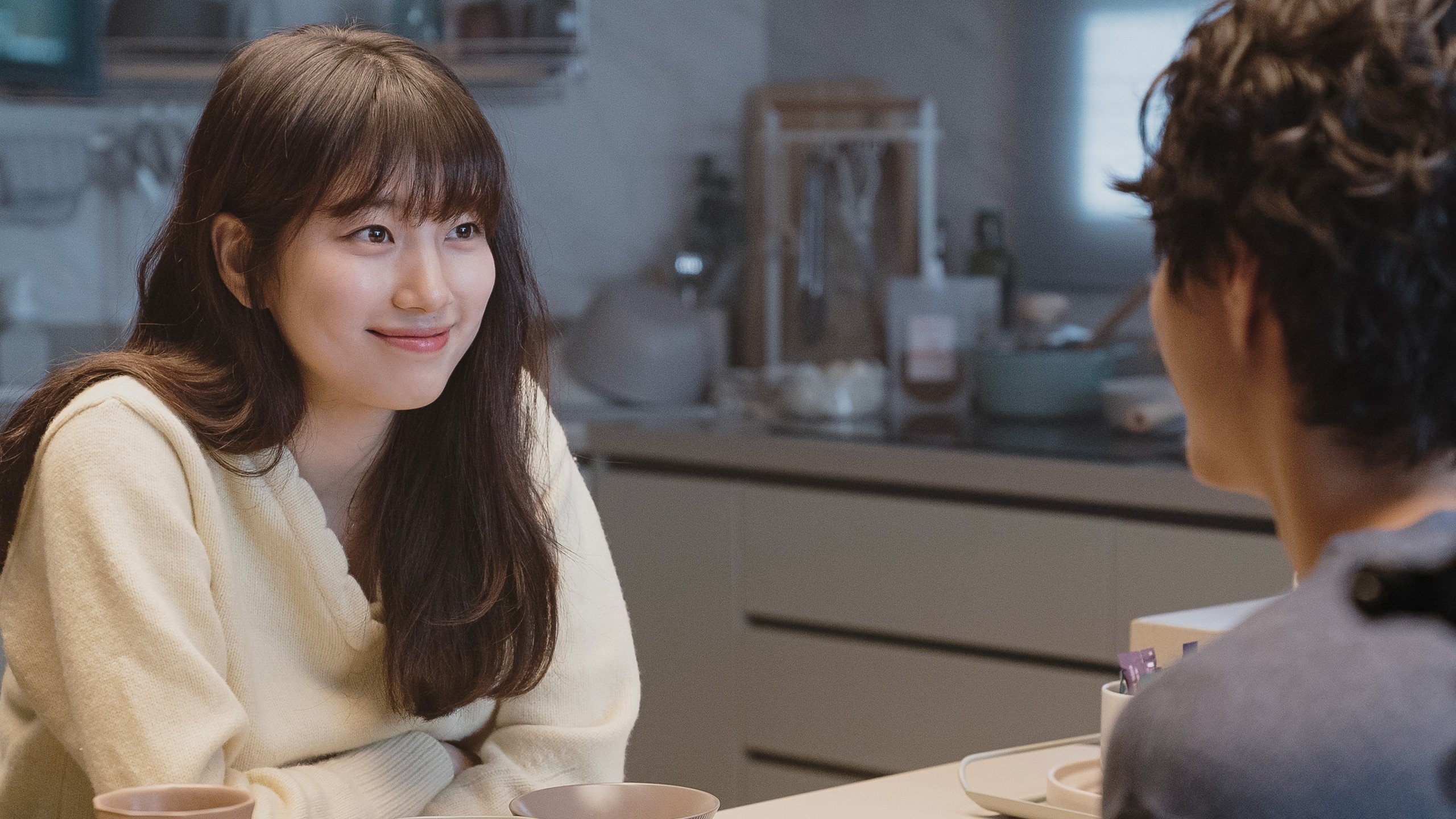
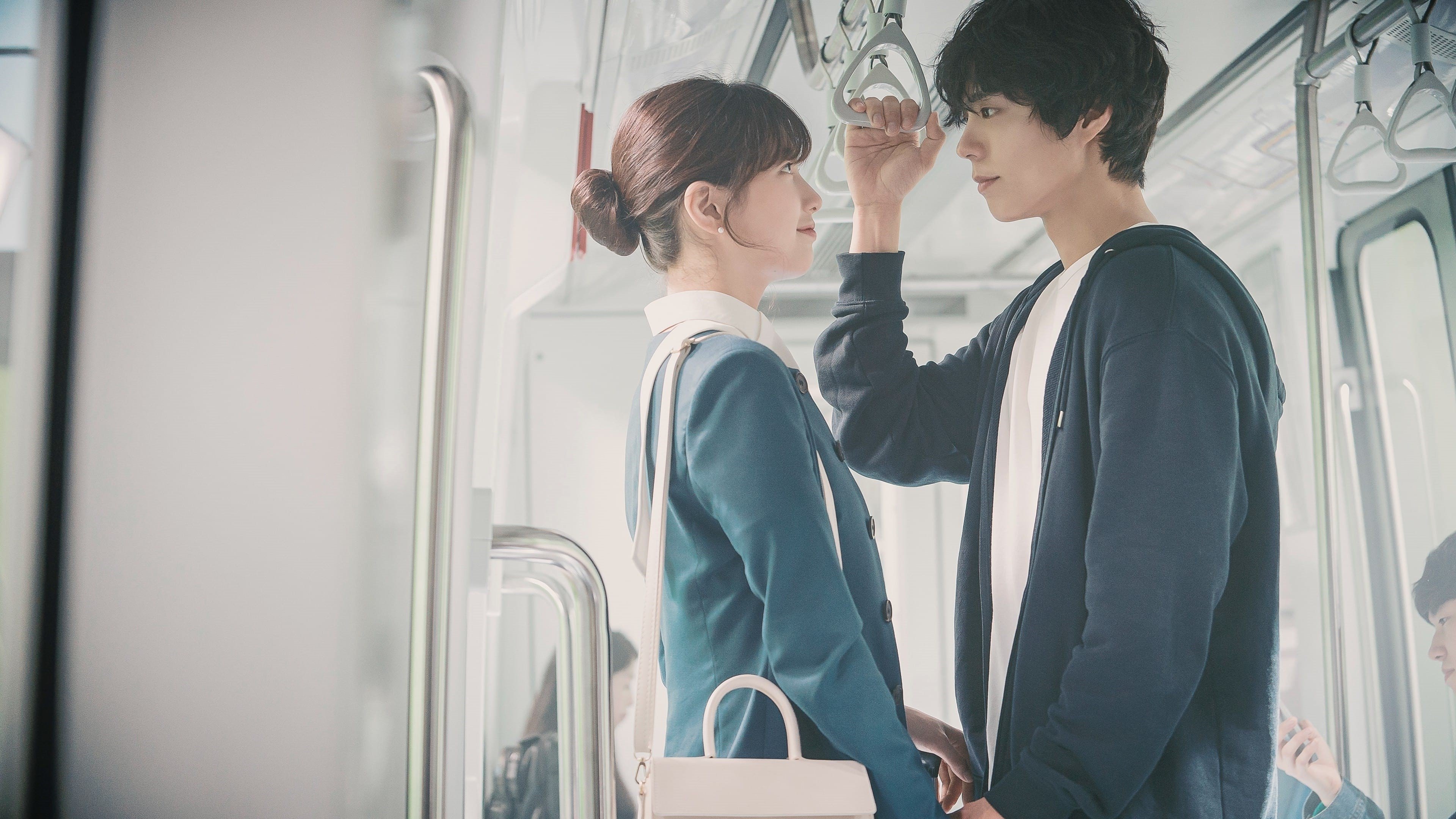
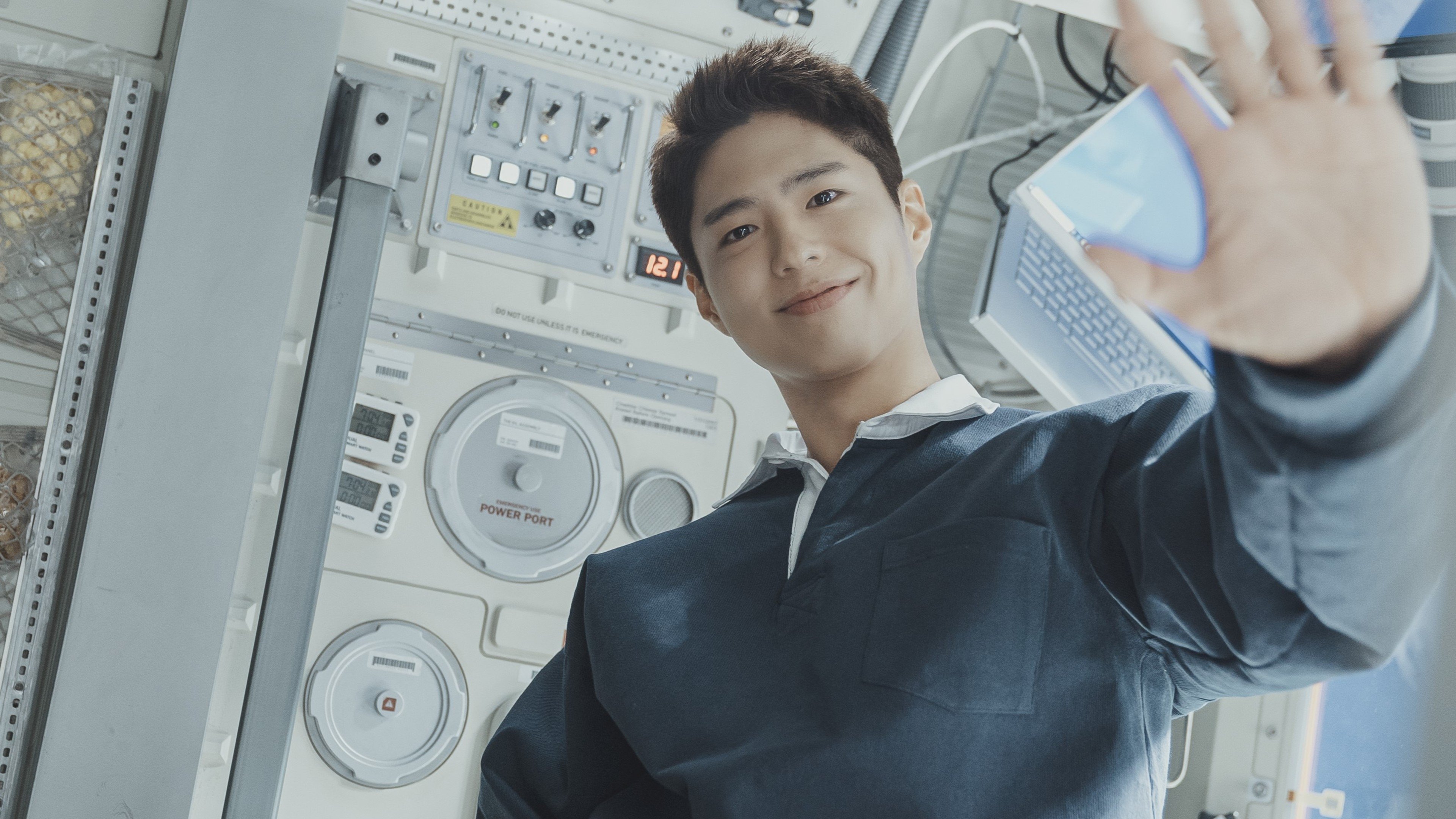
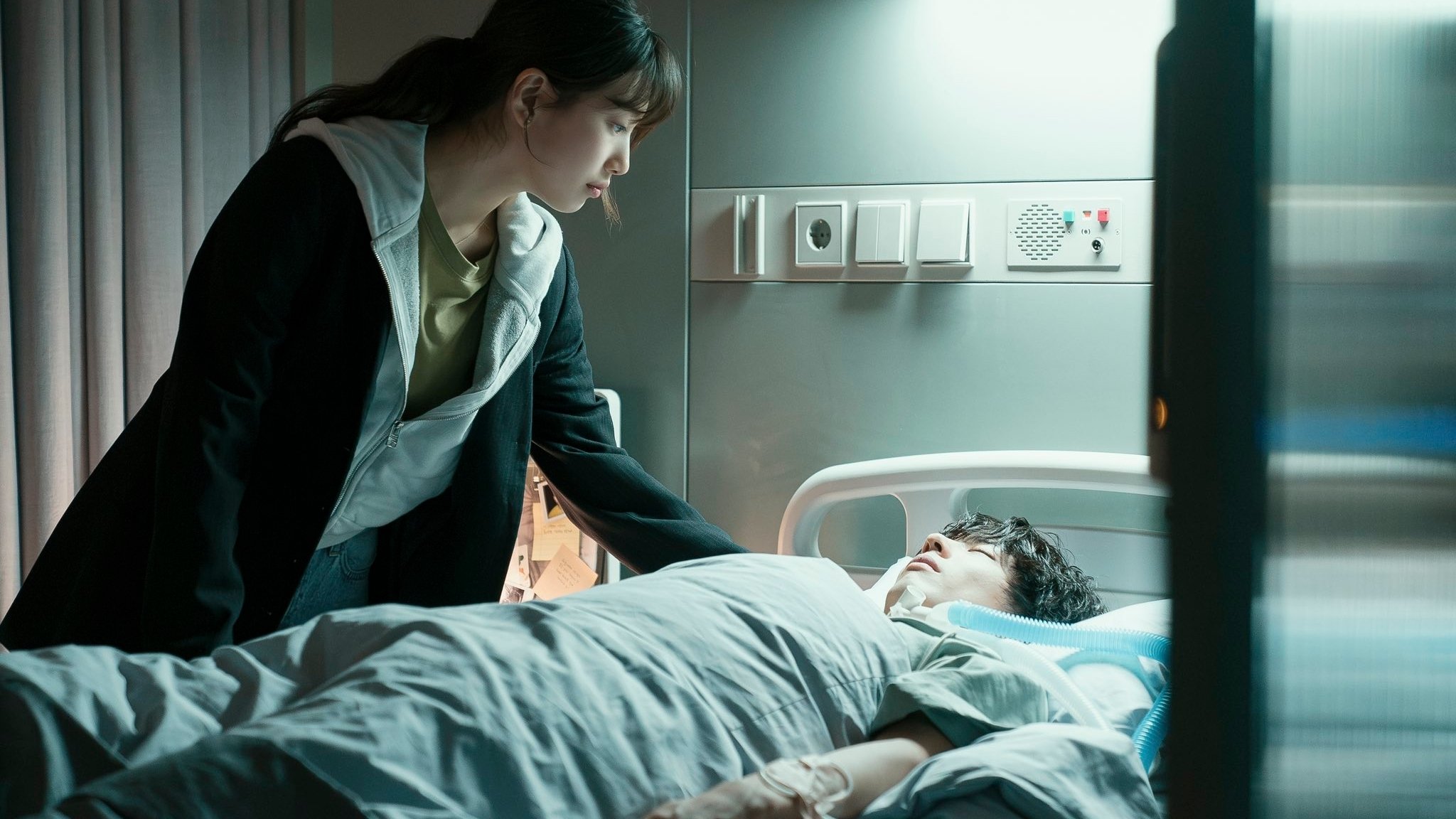
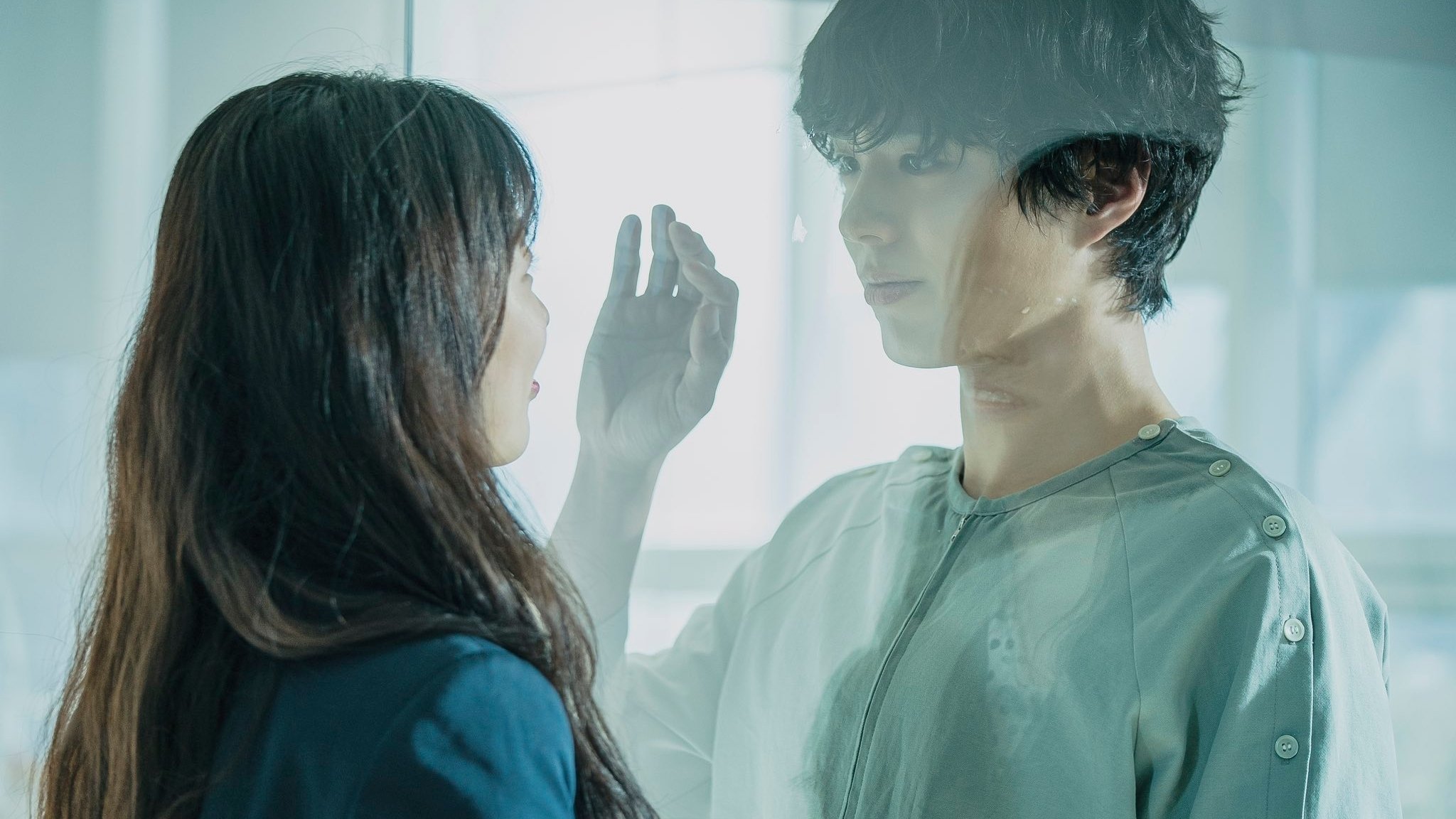
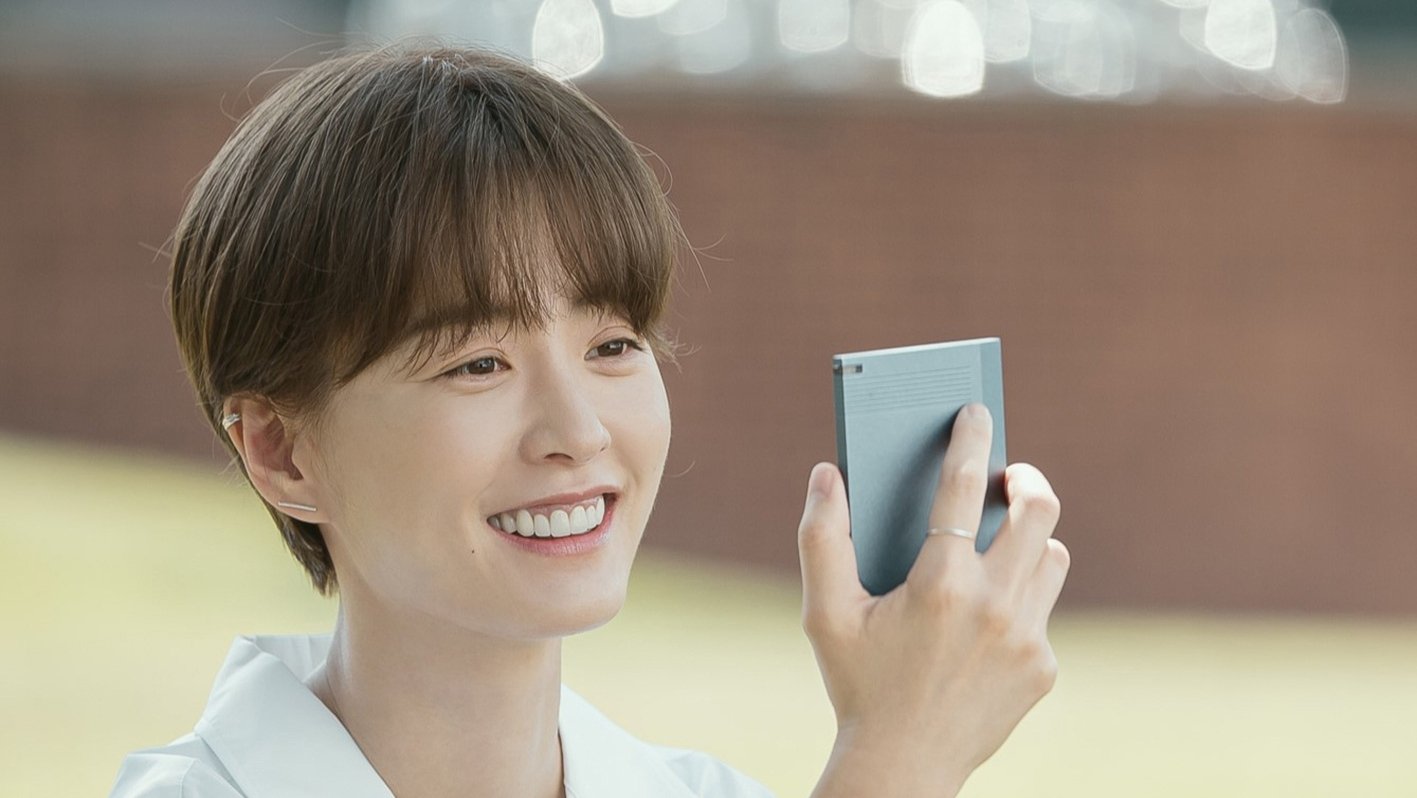
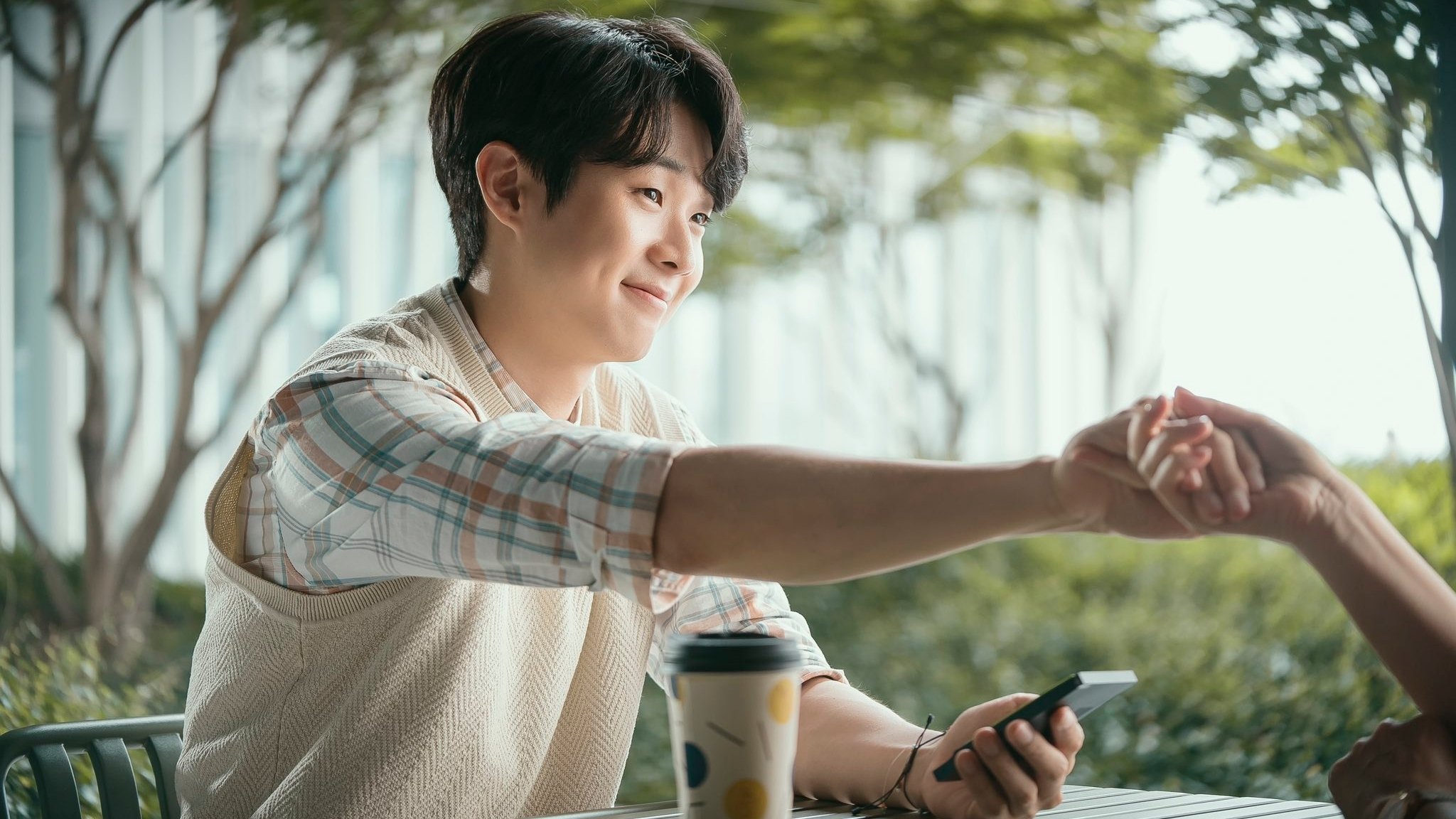
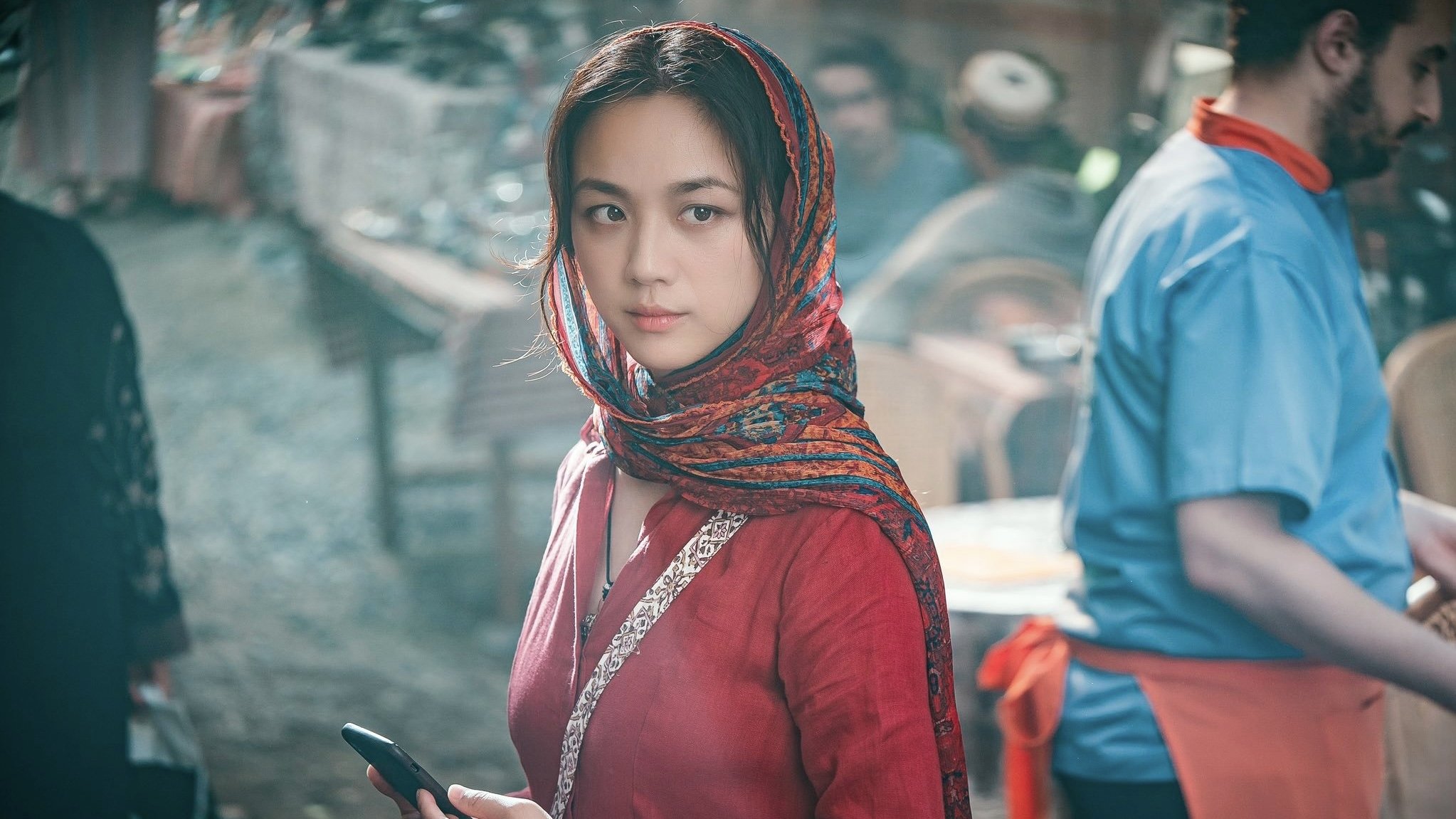
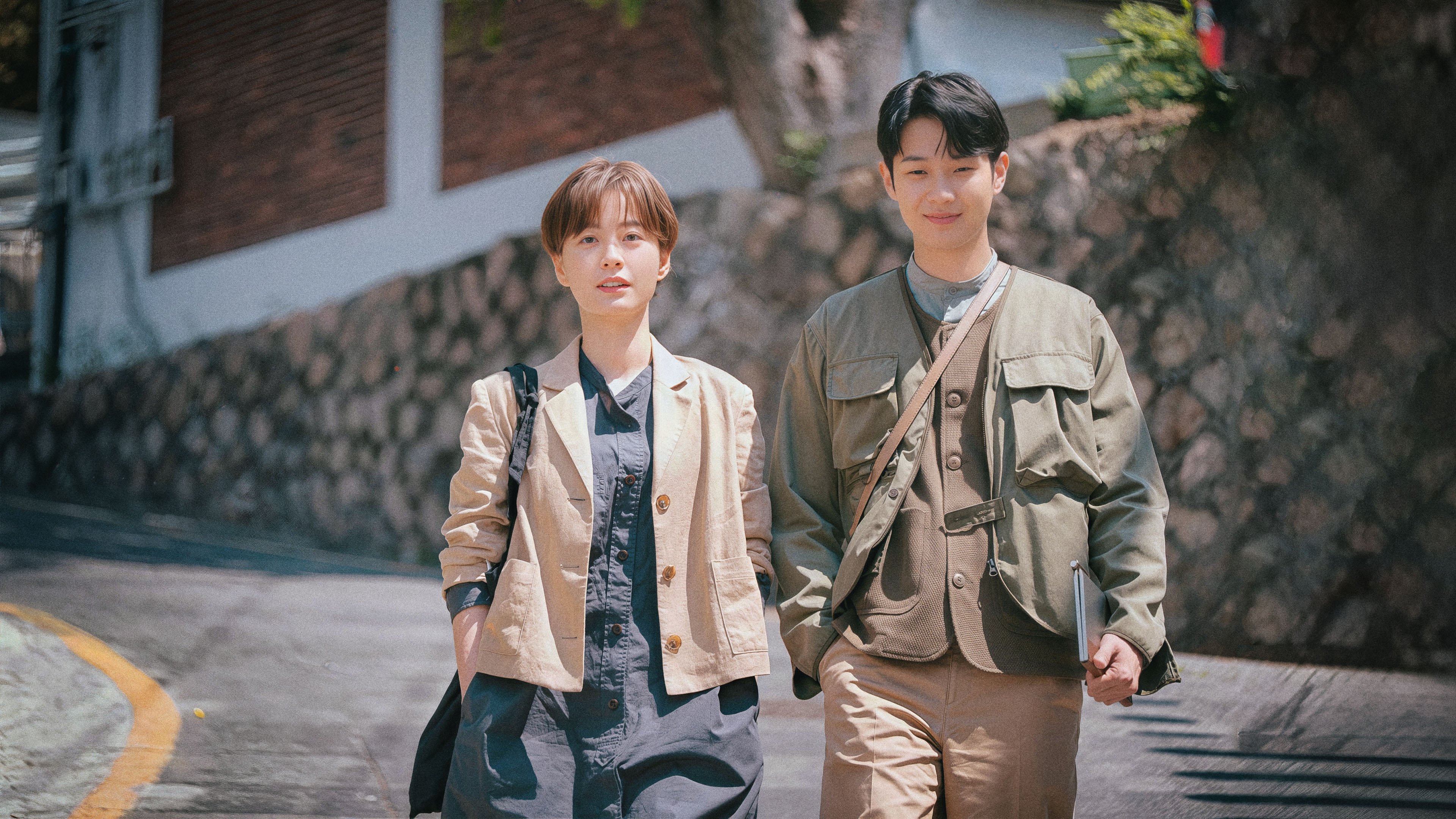
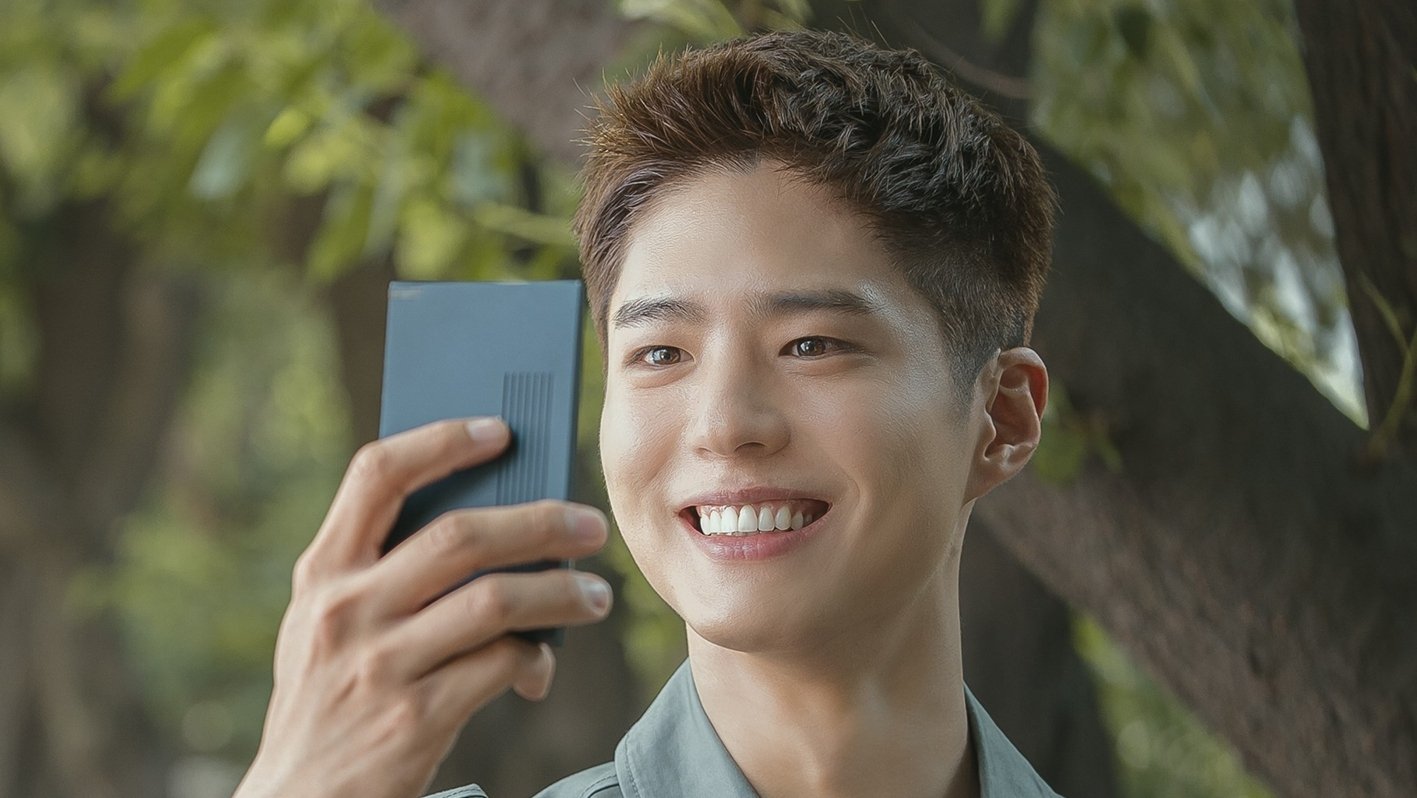
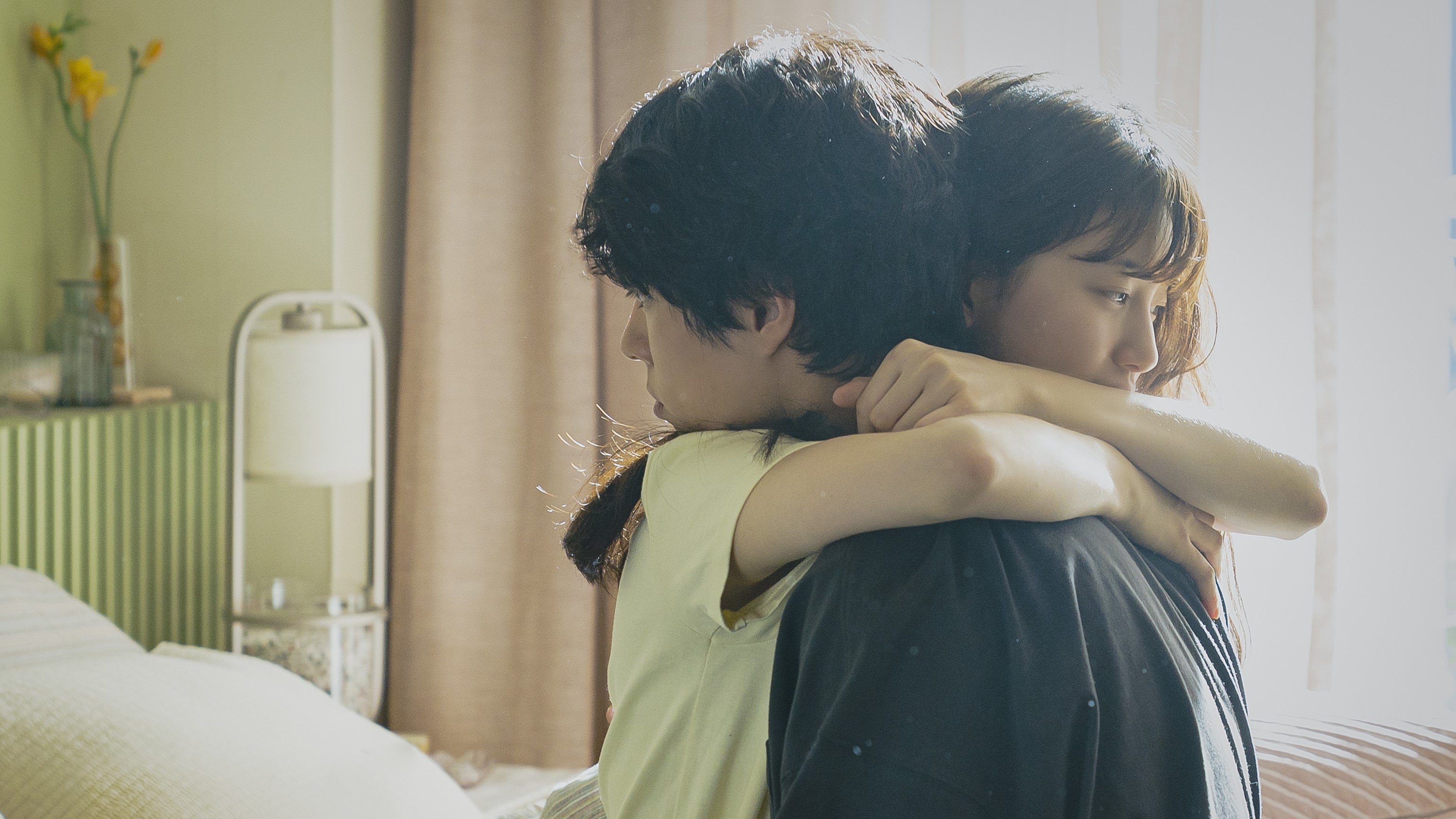
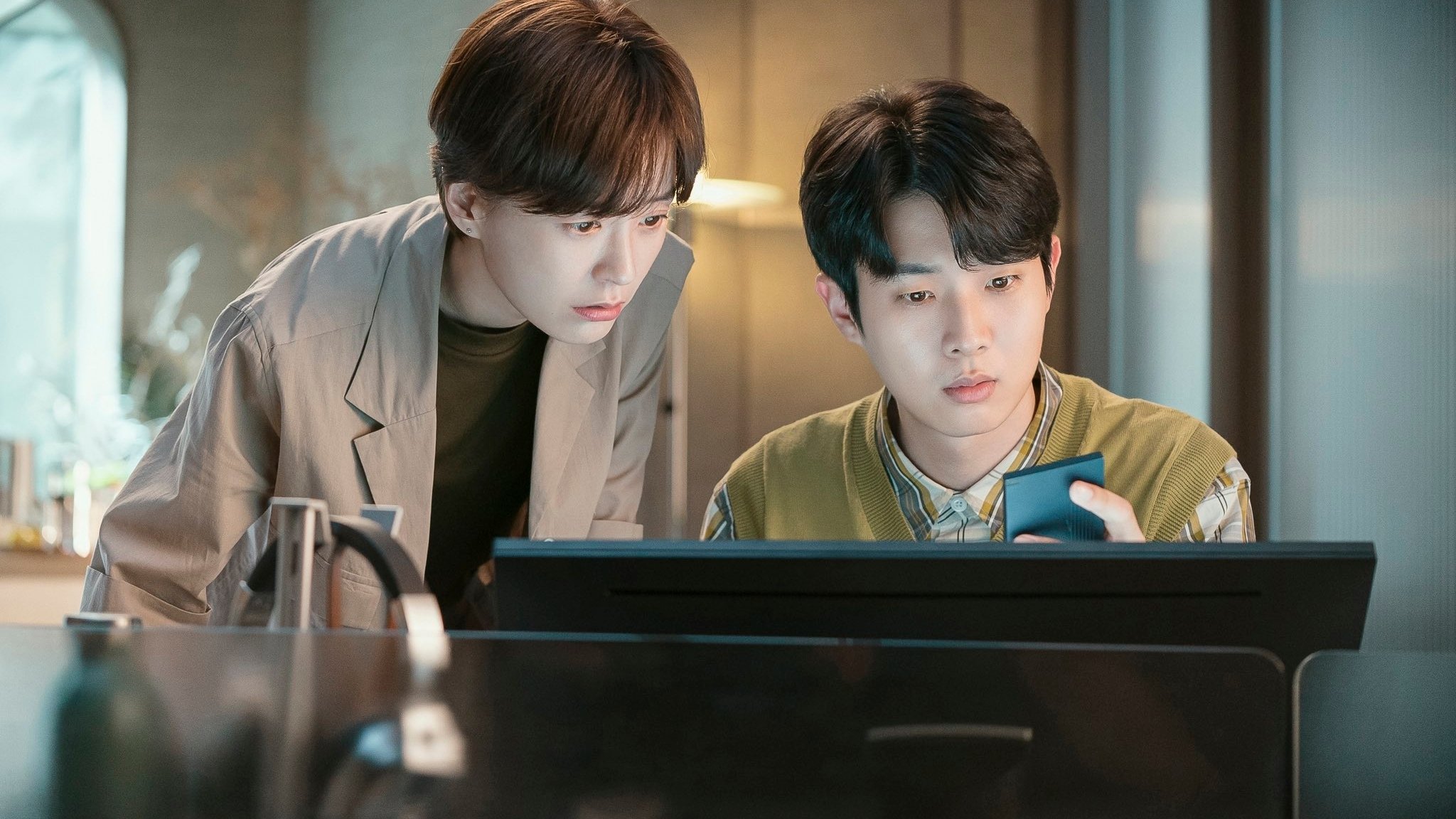
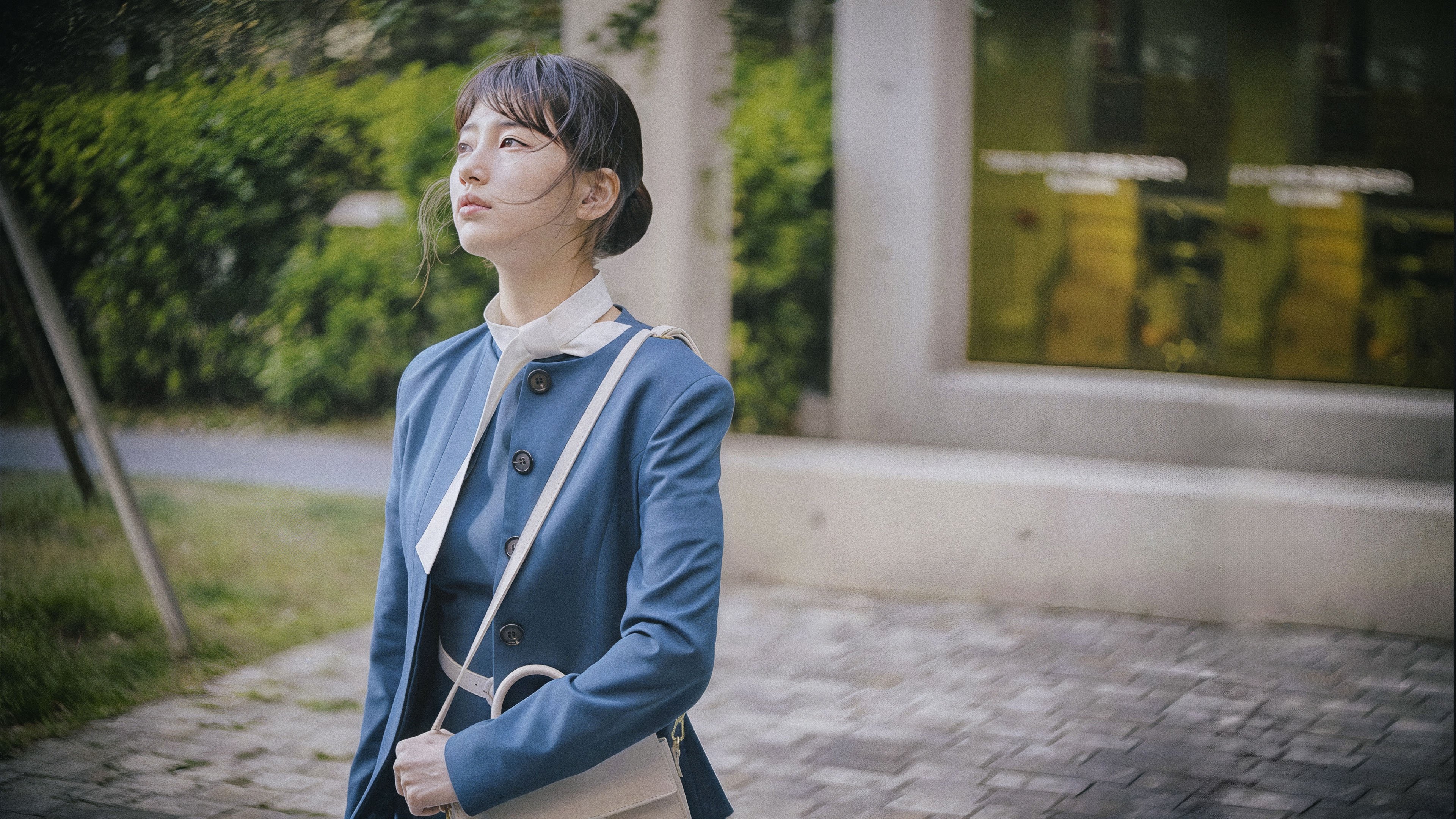
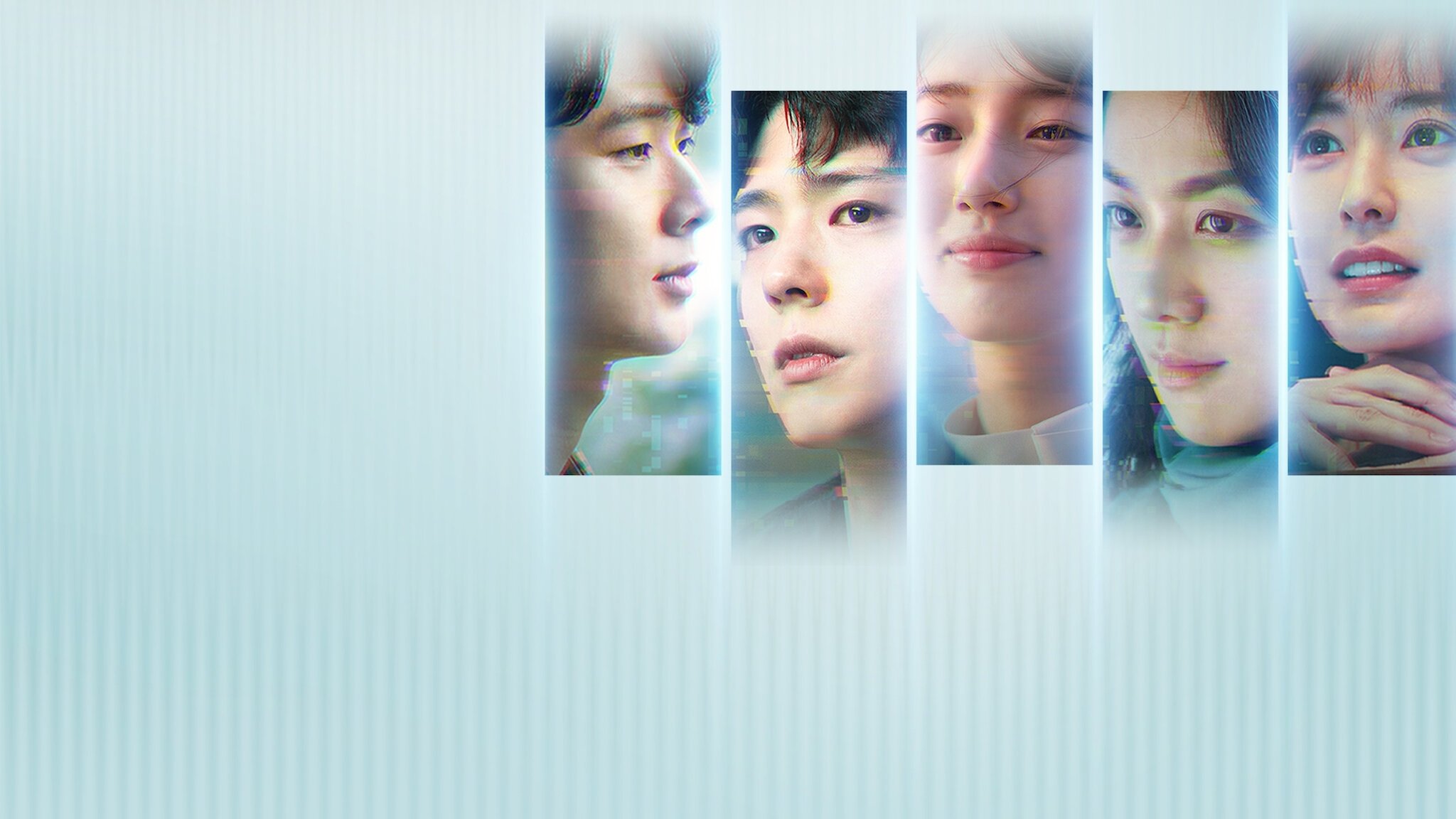
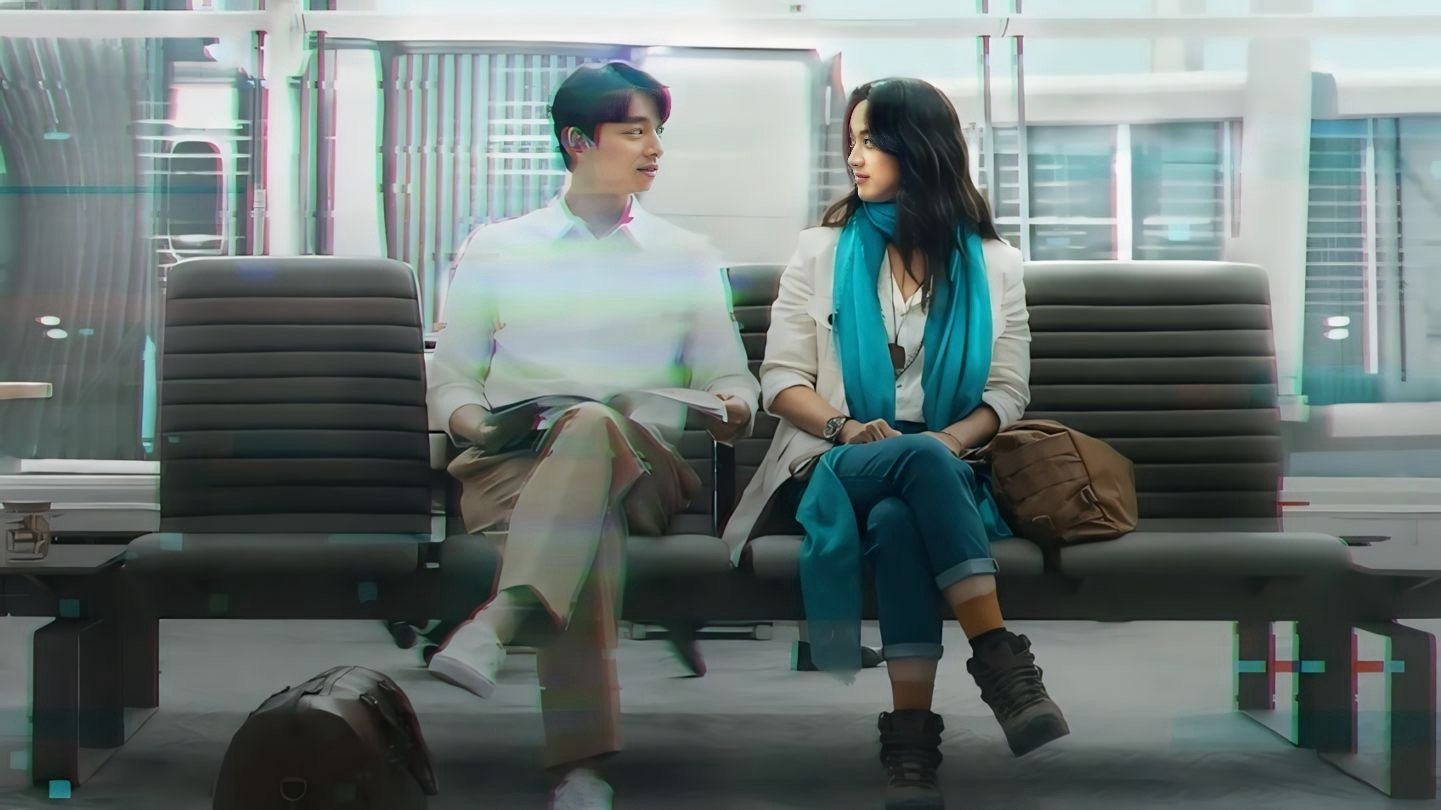
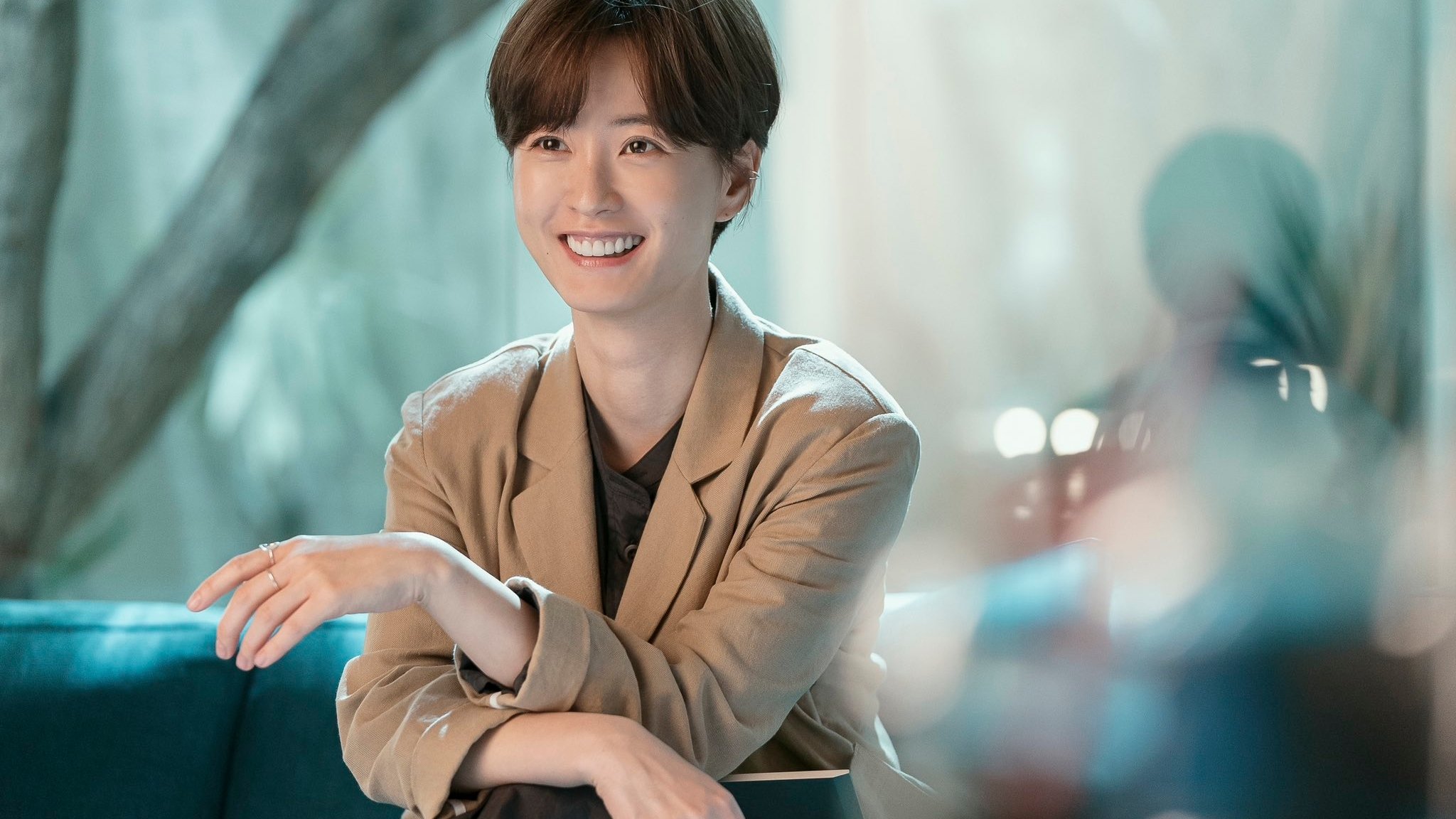


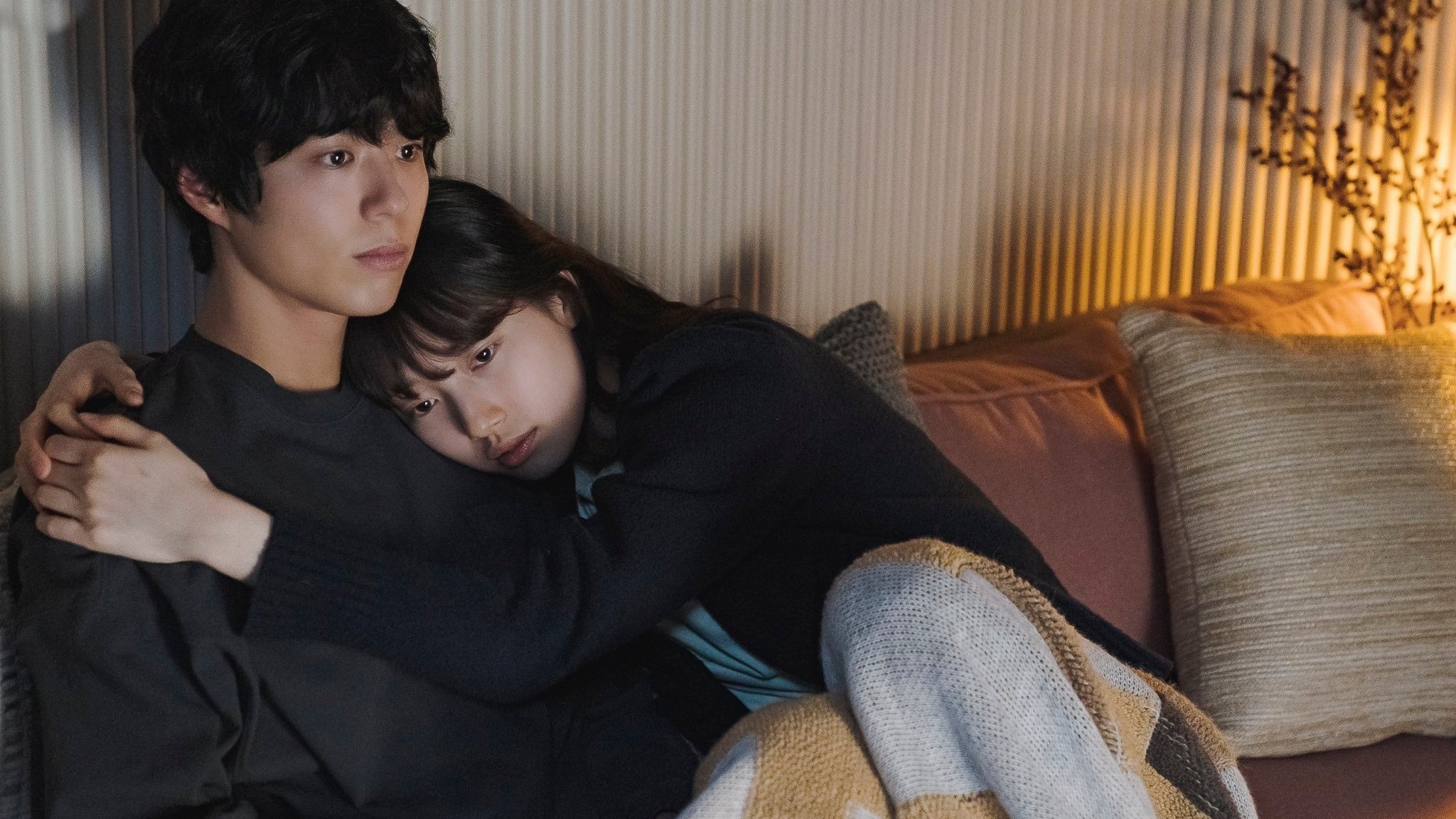
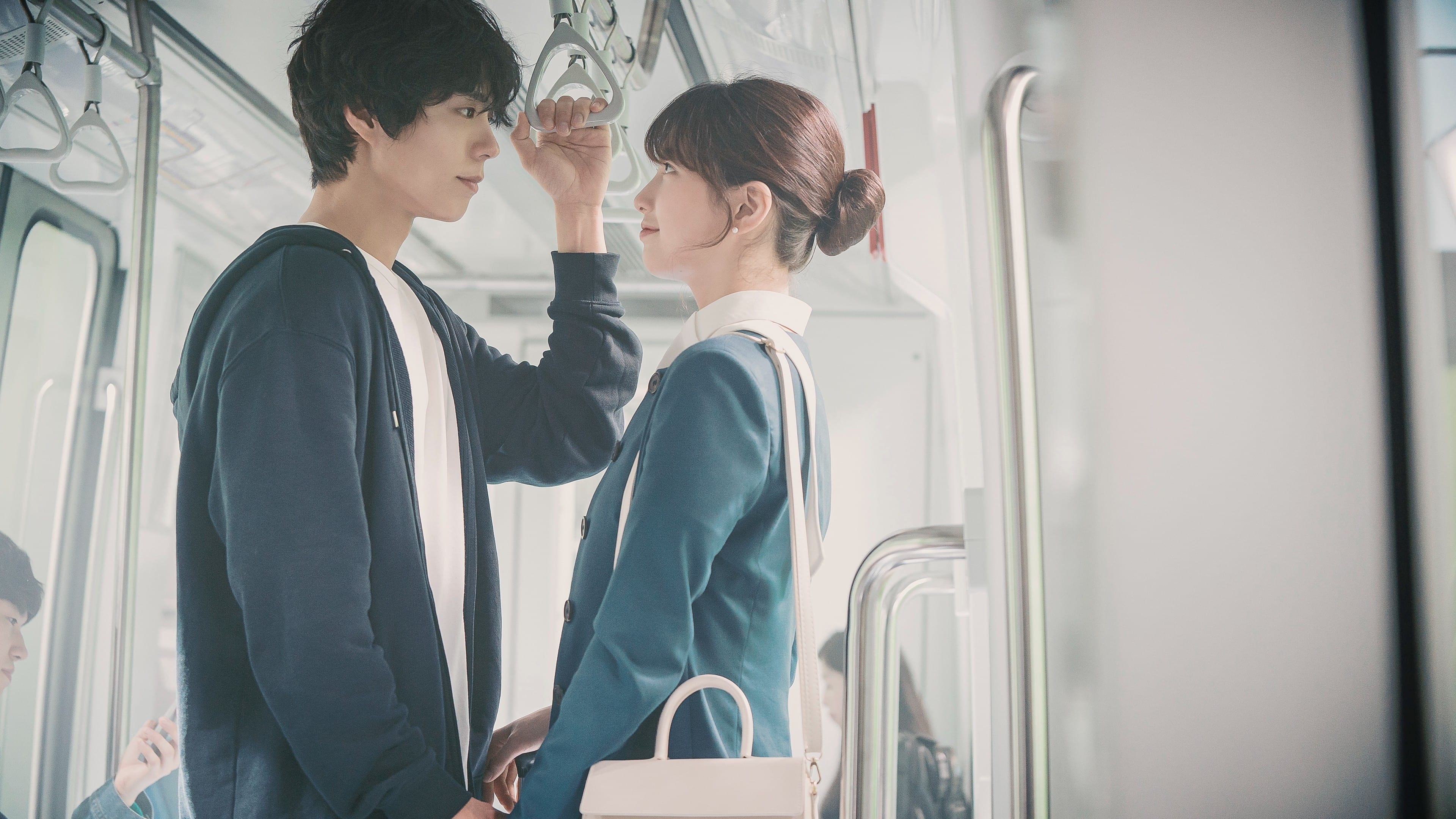


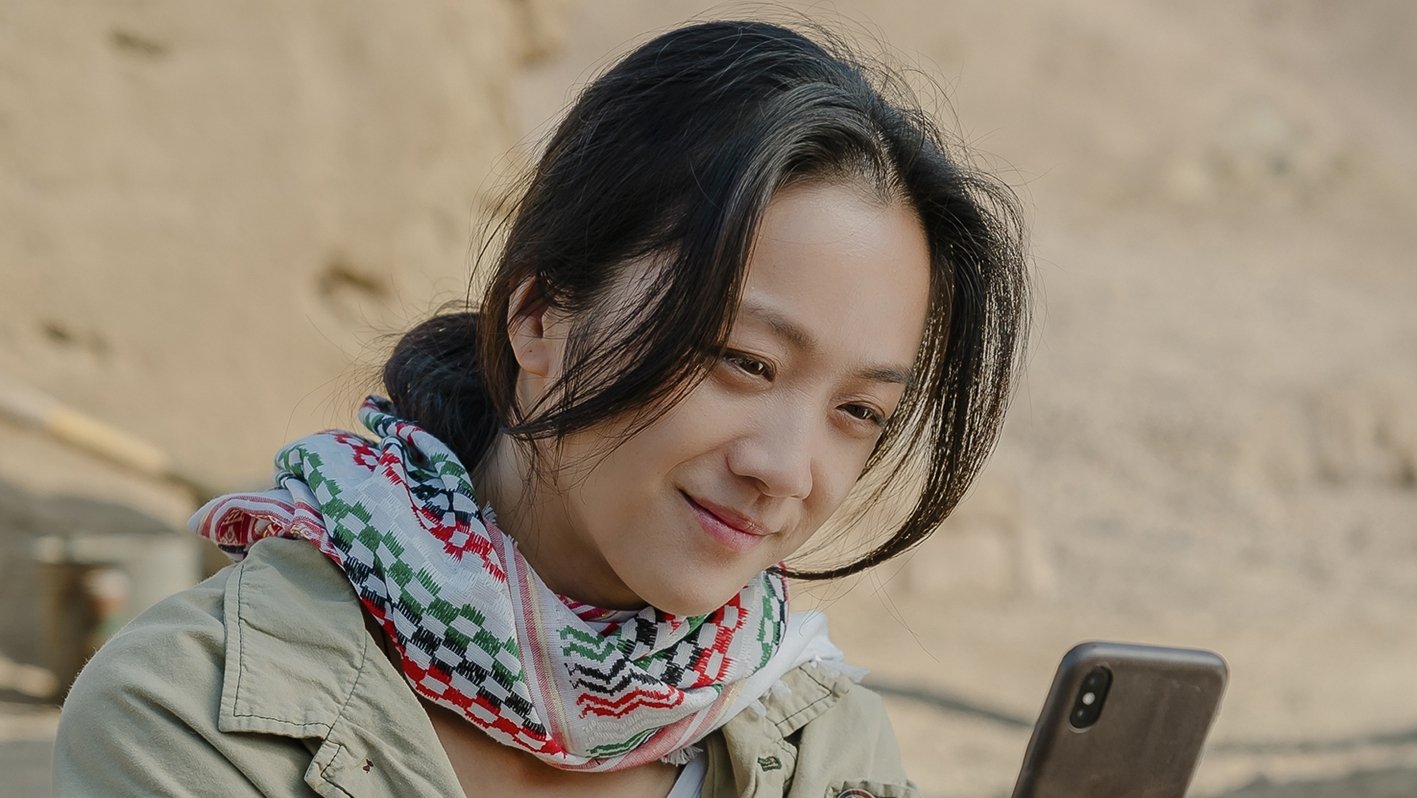
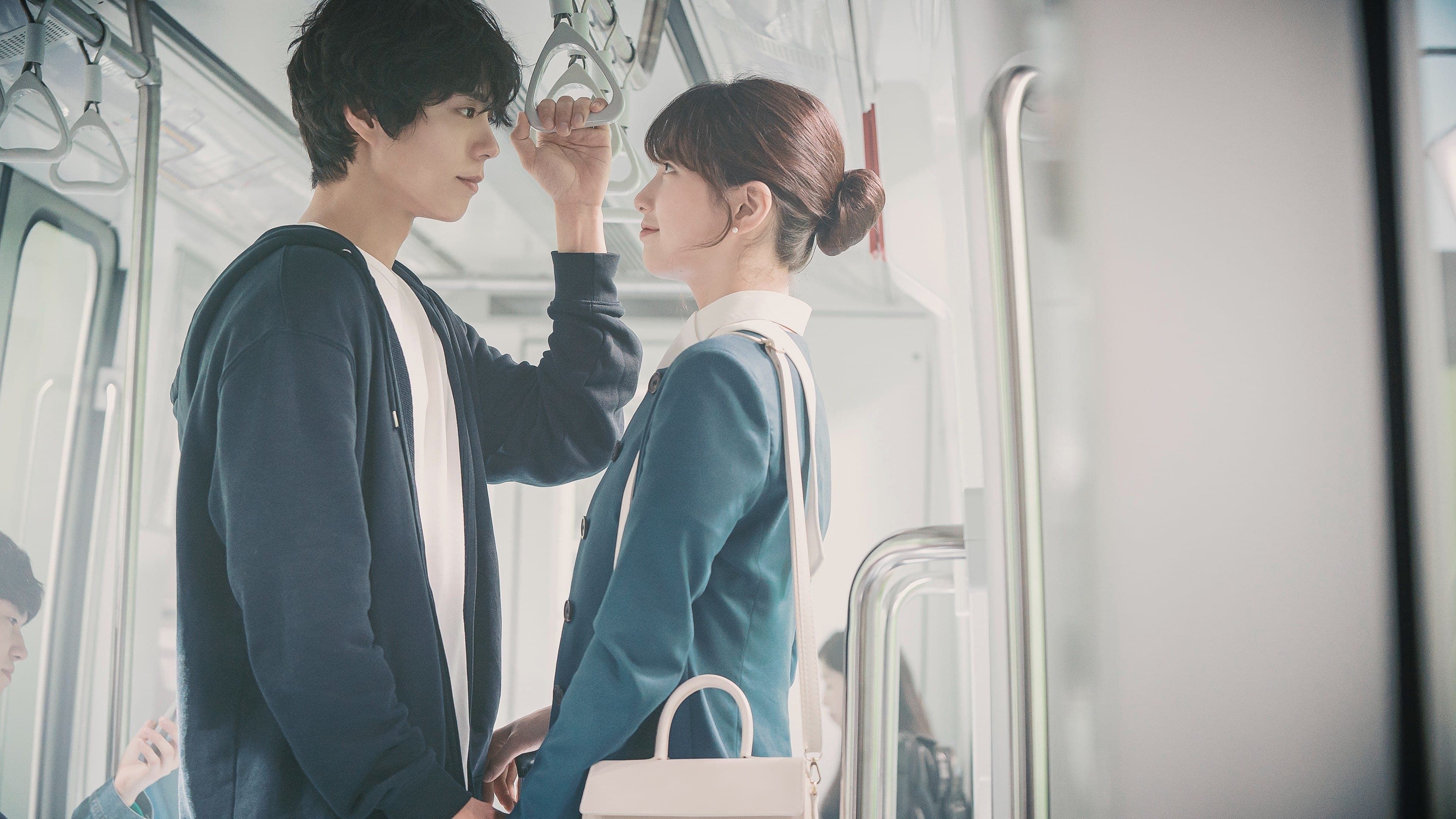
In a world where an AI programme allows people to communicate with their deceased loved ones, a flight attendant and a mother question the meaning of reality and humanity.
Directed by Kim Tae-yong

Trailer

IMDB
N/A
Where to Watch

Cast
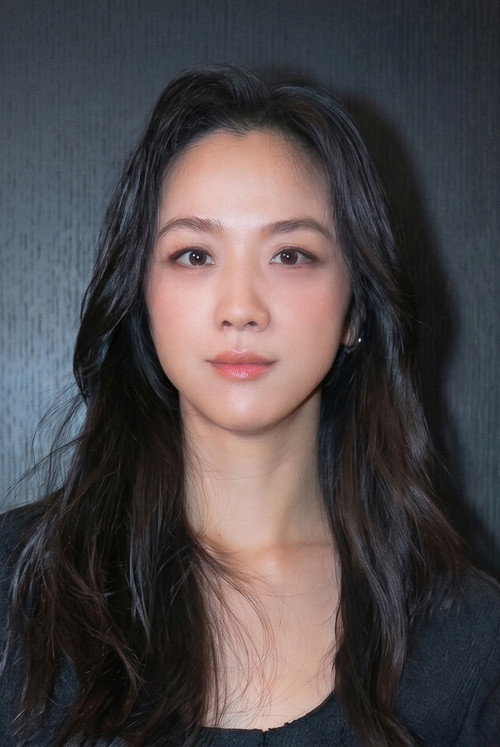
Tang Wei
Bai Li

Suzy
Koo Jeong-in

Park Bo-gum
Park Tae-ju

Jung Yu-mi
Seo Hae-ri

Choi Woo-shik
Kim Hyun-soo

Gong Yoo
Sung-jun
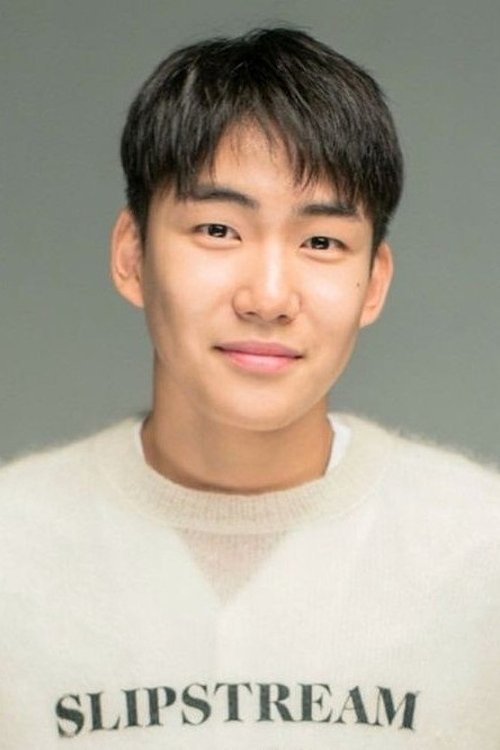
Tang Joon-sang
Choi Jin-gu

Seong Byeong-suk
Song Jeong-ran
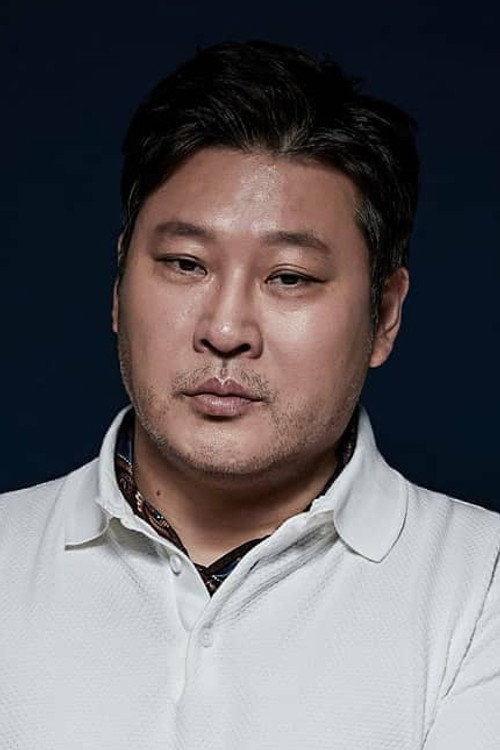
Choi Mu-sung
Lee Yong-sik
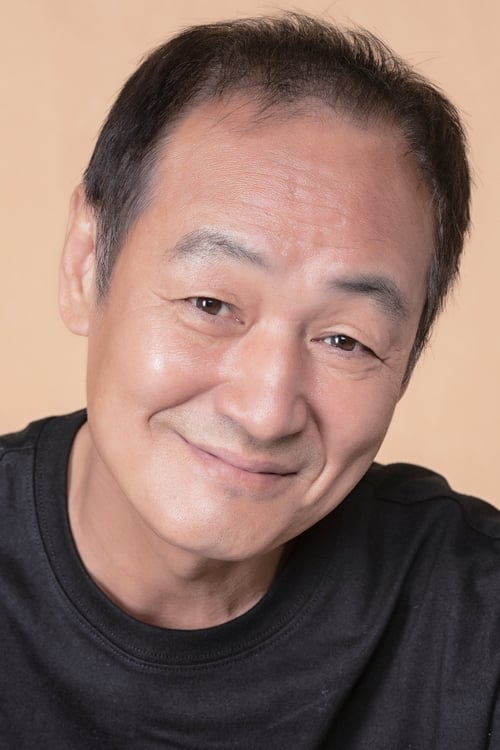
Lee Eol
Hae-ri's Father

Kang Ae-sim
Hae-ri's Mother

Kim Sung-ryung
Gil-soon
Crew
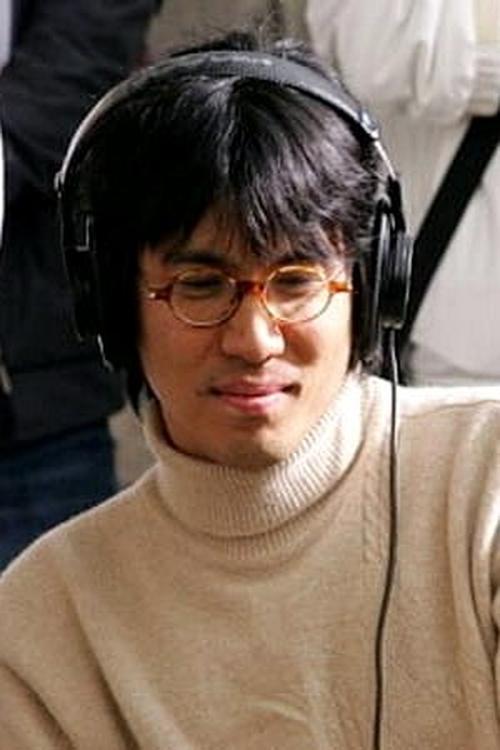
Kim Tae-yong
Director
Kim Tae-yong
Writer
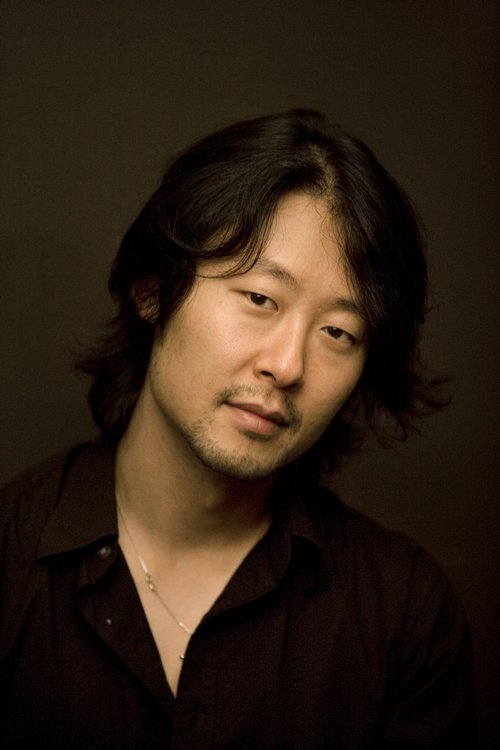
Bang Jun-seok
Original Music Composer
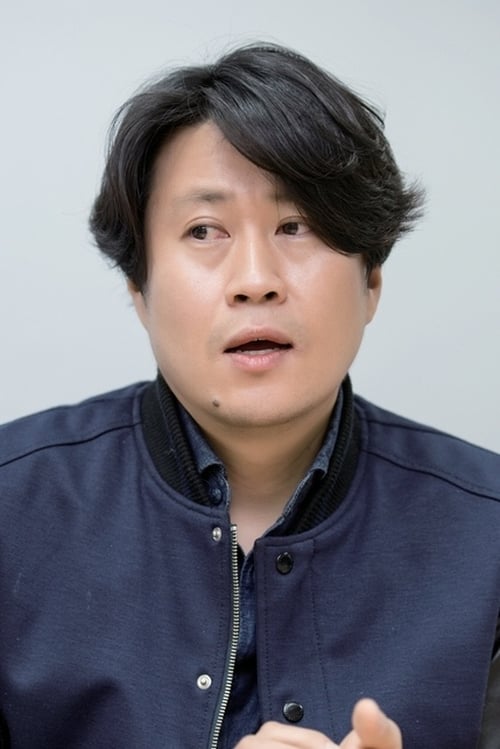
Park Hong-yeol
Director of Photography

Oh Jung-wan
Executive Producer
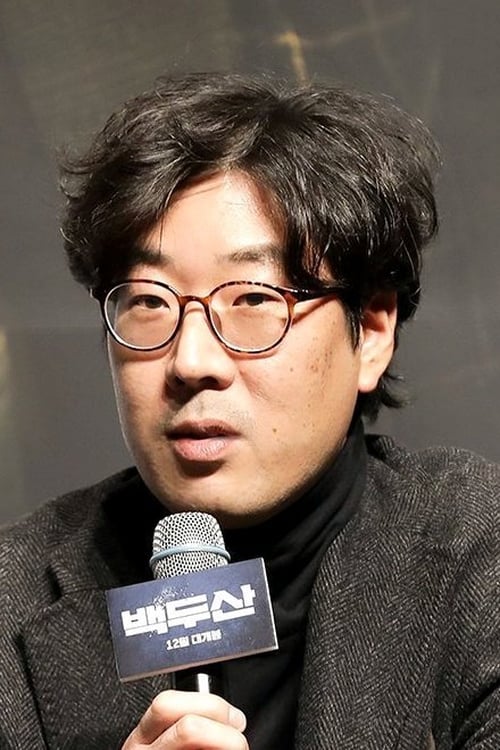
Kim Byung-seo
Adaptation
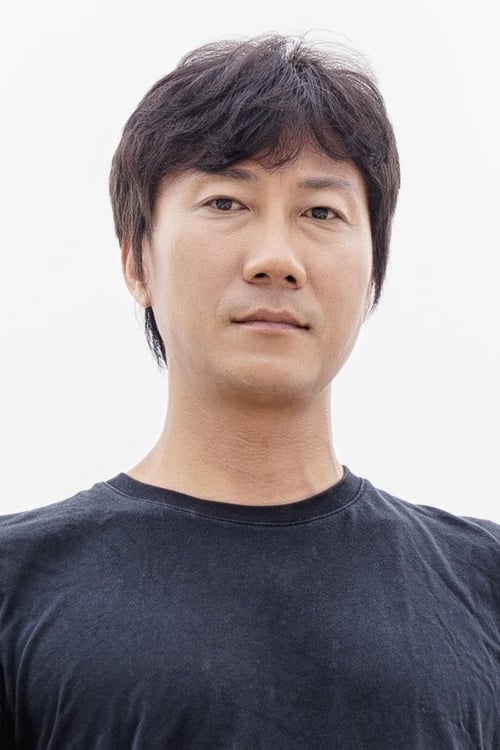
Park Young-sik
Martial Arts Choreographer
Popular Reviews
152 reviews
Kim
3.0★ · 06/16/26

This review may contain spoilers.
This movie lacks depth and misses the opportunity to explore how humans often develop unhealthy coping mechanisms when dealing with grief and loss.Many religions offer the concept of an afterlife as a source of comfort and peace of mind. While this can help people cope, it can also make it difficult for some to fully accept the reality of letting go. We create optimistic narratives to distract ourselves from painful emotions because sadness, grief, and despair are often viewed as negative experiences. Yet, these emotions are natural. It is normal to weep for the people we love.Our resistance to grief is closely tied to our discomfort with impermanence. We struggle to accept that everything eventually changes or comes to an end. As a result, we become anxious about death—both our own and the deaths of those we care about. The film presents an interesting premise about grief and loss, but it fails to develop these themes with the depth they deserve. The narrative feels underdeveloped, and several plot holes weaken its impact.
In Tae-Ji's story, there are many questionable choices made by his girlfriend while she spends time with a virtual version of him during his coma. However, one aspect I appreciated was her decision to remain by his side despite the cognitive a changes he experiences. To me, that reflects a deeper understanding of love. Genuine love persists through both good and difficult times. Even when the person we once knew has changed, we learn to accept those changes because we love them as they are, not merely for the qualities they acquire.Modern relationships often become centered around expectations—what our partners should do for us, how they should behave, and how they should meet our emotional needs. This can make it difficult to accept the reality that human beings are imperfect. Ironically, the AI version of Tae-Ji can remember every detail about her, while the real Tae-Ji cannot. The contrast highlights why artificial companions can seem appealing. Like character AI chatbots, they are designed to validate us, agree with us, and provide a sense of consistency that real people simply cannot offer.
Bai Li's storyline is perhaps the most thought-provoking. She dies before having the chance to watch her daughter grow up. In response, her mother creates a virtual version of Bai Li to fill that absence. Her intention is understandable: she fears her granddaughter will grow up without a mother's love and support. Yet this solution introduces a troubling consequence.Because Jia can continue interacting with a digital version of her mother, she may never fully experience the reality of loss. One detail that stood out to me was her lack of visible grief after learning that her mother had died. She does not seem to mourn because, in her mind, her mother is still present. However, she is not truly communicating with her mother; she is interacting with a simulation built from memories and data. The distinction is important. Grief is painful, but it is also a necessary process that helps us acknowledge reality and eventually move forward.
This movie lacks depth and misses the opportunity to explore how humans often develop unhealthy coping mechanisms when dealing with grief and loss.Many religions offer the concept of an afterlife as a source of comfort and peace of mind. While this can help people cope, it can also make it difficult for some to fully accept the reality of letting go. We create optimistic narratives to distract ourselves from painful emotions because sadness, grief, and despair are often viewed as negative experiences. Yet, these emotions are natural. It is normal to weep for the people we love.Our resistance to grief is closely tied to our discomfort with impermanence. We struggle to accept that everything eventually changes or comes to an end. As a result, we become anxious about death—both our own and the deaths of those we care about. The film presents an interesting premise about grief and loss, but it fails to develop these themes with the depth they deserve. The narrative feels underdeveloped, and several plot holes weaken its impact.
In Tae-Ji's story, there are many questionable choices made by his girlfriend while she spends time with a virtual version of him during his coma. However, one aspect I appreciated was her decision to remain by his side despite the cognitive a changes he experiences. To me, that reflects a deeper understanding of love. Genuine love persists through both good and difficult times. Even when the person we once knew has changed, we learn to accept those changes because we love them as they are, not merely for the qualities they acquire.Modern relationships often become centered around expectations—what our partners should do for us, how they should behave, and how they should meet our emotional needs. This can make it difficult to accept the reality that human beings are imperfect. Ironically, the AI version of Tae-Ji can remember every detail about her, while the real Tae-Ji cannot. The contrast highlights why artificial companions can seem appealing. Like character AI chatbots, they are designed to validate us, agree with us, and provide a sense of consistency that real people simply cannot offer.
Bai Li's storyline is perhaps the most thought-provoking. She dies before having the chance to watch her daughter grow up. In response, her mother creates a virtual version of Bai Li to fill that absence. Her intention is understandable: she fears her granddaughter will grow up without a mother's love and support. Yet this solution introduces a troubling consequence.Because Jia can continue interacting with a digital version of her mother, she may never fully experience the reality of loss. One detail that stood out to me was her lack of visible grief after learning that her mother had died. She does not seem to mourn because, in her mind, her mother is still present. However, she is not truly communicating with her mother; she is interacting with a simulation built from memories and data. The distinction is important. Grief is painful, but it is also a necessary process that helps us acknowledge reality and eventually move forward.
This review may contain spoilers.
This movie lacks depth and misses the opportunity to explore how humans often develop unhealthy coping mechanisms when dealing with grief and loss.Many religions offer the concept of an afterlife as a source of comfort and peace of mind. While this can help people cope, it can also make it difficult for some to fully accept the reality of letting go. We create optimistic narratives to distract ourselves from painful emotions because sadness, grief, and despair are often viewed as negative experiences. Yet, these emotions are natural. It is normal to weep for the people we love.Our resistance to grief is closely tied to our discomfort with impermanence. We struggle to accept that everything eventually changes or comes to an end. As a result, we become anxious about death—both our own and the deaths of those we care about. The film presents an interesting premise about grief and loss, but it fails to develop these themes with the depth they deserve. The narrative feels underdeveloped, and several plot holes weaken its impact.
In Tae-Ji's story, there are many questionable choices made by his girlfriend while she spends time with a virtual version of him during his coma. However, one aspect I appreciated was her decision to remain by his side despite the cognitive a changes he experiences. To me, that reflects a deeper understanding of love. Genuine love persists through both good and difficult times. Even when the person we once knew has changed, we learn to accept those changes because we love them as they are, not merely for the qualities they acquire.Modern relationships often become centered around expectations—what our partners should do for us, how they should behave, and how they should meet our emotional needs. This can make it difficult to accept the reality that human beings are imperfect. Ironically, the AI version of Tae-Ji can remember every detail about her, while the real Tae-Ji cannot. The contrast highlights why artificial companions can seem appealing. Like character AI chatbots, they are designed to validate us, agree with us, and provide a sense of consistency that real people simply cannot offer.
Bai Li's storyline is perhaps the most thought-provoking. She dies before having the chance to watch her daughter grow up. In response, her mother creates a virtual version of Bai Li to fill that absence. Her intention is understandable: she fears her granddaughter will grow up without a mother's love and support. Yet this solution introduces a troubling consequence.Because Jia can continue interacting with a digital version of her mother, she may never fully experience the reality of loss. One detail that stood out to me was her lack of visible grief after learning that her mother had died. She does not seem to mourn because, in her mind, her mother is still present. However, she is not truly communicating with her mother; she is interacting with a simulation built from memories and data. The distinction is important. Grief is painful, but it is also a necessary process that helps us acknowledge reality and eventually move forward.
This movie lacks depth and misses the opportunity to explore how humans often develop unhealthy coping mechanisms when dealing with grief and loss.Many religions offer the concept of an afterlife as a source of comfort and peace of mind. While this can help people cope, it can also make it difficult for some to fully accept the reality of letting go. We create optimistic narratives to distract ourselves from painful emotions because sadness, grief, and despair are often viewed as negative experiences. Yet, these emotions are natural. It is normal to weep for the people we love.Our resistance to grief is closely tied to our discomfort with impermanence. We struggle to accept that everything eventually changes or comes to an end. As a result, we become anxious about death—both our own and the deaths of those we care about. The film presents an interesting premise about grief and loss, but it fails to develop these themes with the depth they deserve. The narrative feels underdeveloped, and several plot holes weaken its impact.
In Tae-Ji's story, there are many questionable choices made by his girlfriend while she spends time with a virtual version of him during his coma. However, one aspect I appreciated was her decision to remain by his side despite the cognitive a changes he experiences. To me, that reflects a deeper understanding of love. Genuine love persists through both good and difficult times. Even when the person we once knew has changed, we learn to accept those changes because we love them as they are, not merely for the qualities they acquire.Modern relationships often become centered around expectations—what our partners should do for us, how they should behave, and how they should meet our emotional needs. This can make it difficult to accept the reality that human beings are imperfect. Ironically, the AI version of Tae-Ji can remember every detail about her, while the real Tae-Ji cannot. The contrast highlights why artificial companions can seem appealing. Like character AI chatbots, they are designed to validate us, agree with us, and provide a sense of consistency that real people simply cannot offer.
Bai Li's storyline is perhaps the most thought-provoking. She dies before having the chance to watch her daughter grow up. In response, her mother creates a virtual version of Bai Li to fill that absence. Her intention is understandable: she fears her granddaughter will grow up without a mother's love and support. Yet this solution introduces a troubling consequence.Because Jia can continue interacting with a digital version of her mother, she may never fully experience the reality of loss. One detail that stood out to me was her lack of visible grief after learning that her mother had died. She does not seem to mourn because, in her mind, her mother is still present. However, she is not truly communicating with her mother; she is interacting with a simulation built from memories and data. The distinction is important. Grief is painful, but it is also a necessary process that helps us acknowledge reality and eventually move forward.


Isra
8.0★ · 05/30/26
I admit watching it only for park bo-gum, but as the movie kept playing, the layers it had linked with the ai technologies and the sad part of it all was touching and emotional.
I admit watching it only for park bo-gum, but as the movie kept playing, the layers it had linked with the ai technologies and the sad part of it all was touching and emotional.
Sera
6.0★ · 05/30/26
Such technology might role out in future. It'd be intresting.
Such technology might role out in future. It'd be intresting.
r
3.0★ · 05/26/26
too much plot and not well executed
too much plot and not well executed
Danissa Con Dos S
6.0★ · 05/12/26
Sentí la historia y sus personajes un poco desconectados de todo pero como soy demasiado sensible lloré igual
Sentí la historia y sus personajes un poco desconectados de todo pero como soy demasiado sensible lloré igual