Duras’ narratives lie within the exchange of disconnect. Always dense with dialogue that seemingly exposes the characters to the audience, yet the inability of thought alone to reach the physical reveals the suffocating distance of her work—which, in turn, is reflective of the hypocrisy of cinema itself as explicitly defined through L’homme atlantique. I have spoken about cinema’s physicality in relation to literature’s abstractions, but film ultimately exists as a projection of said physicality. The art form is a reflection of objective truth that is unable to ever reach such objectivity itself: the formal realization of the human consciousness—the fluidity of subjective experience contrasted against the confinement of our environment.
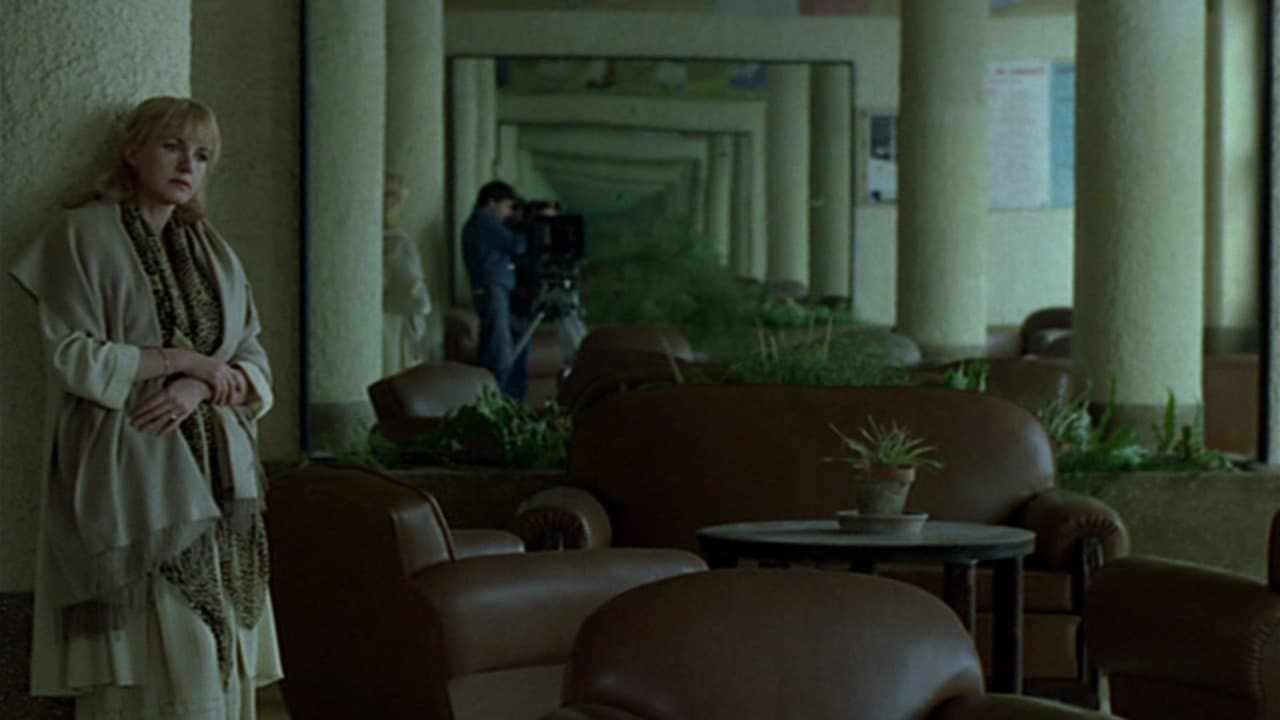
It is this understanding of cinema’s formal existence that uncovers what drives Duras’ narratives. Duras’ reality simultaneously views the physical as confining—evident in her repeated use of architecture as a vehicle of societal entrapment and the bodily detachment of the dialogue from characters—but necessary in contextualizing memory and human emotion. To comprehend the oppressive nature of existence, cinema must detach from the observed concreteness in a transcendent process.
This transcendent detachment leads to emptiness: a void of activity in the camera’s passiveness. This absence is expressed both through Duras’ scripts and visual language.
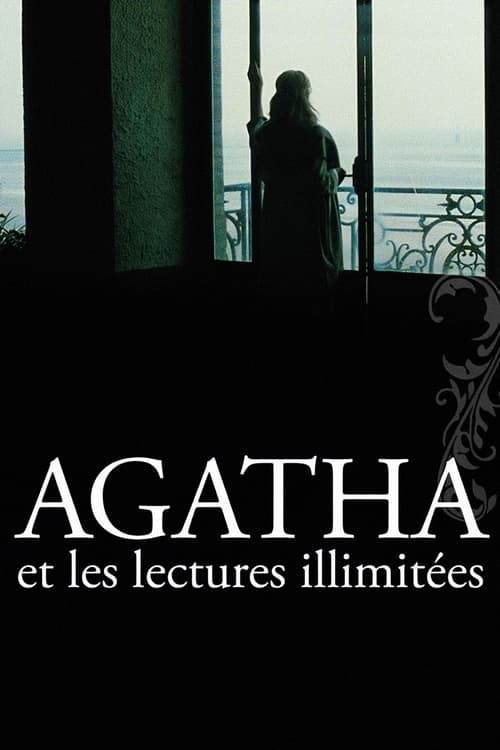
In many ways, this is a sister piece to L’homme atlantique—the two films being released a mere month apart, being filmed in the same(?) location, and both star Duras’ complicated life partner and muse, Yann Andréa. If that film was a deconstruction of film, memory, love, and art, then Agatha serves as a reconstruction of these ideas.
Trying to reconstruct what was always meant to be broken, recollecting memories to fill this shared void surrounding both of these characters. In L’homme atlantique, the dialogue controls the form. Here, the images cannot be controlled the same way. Recollections of memory are contextualized through the empty dissatisfaction of the present moment. Memory cannot replace the absence of the past.
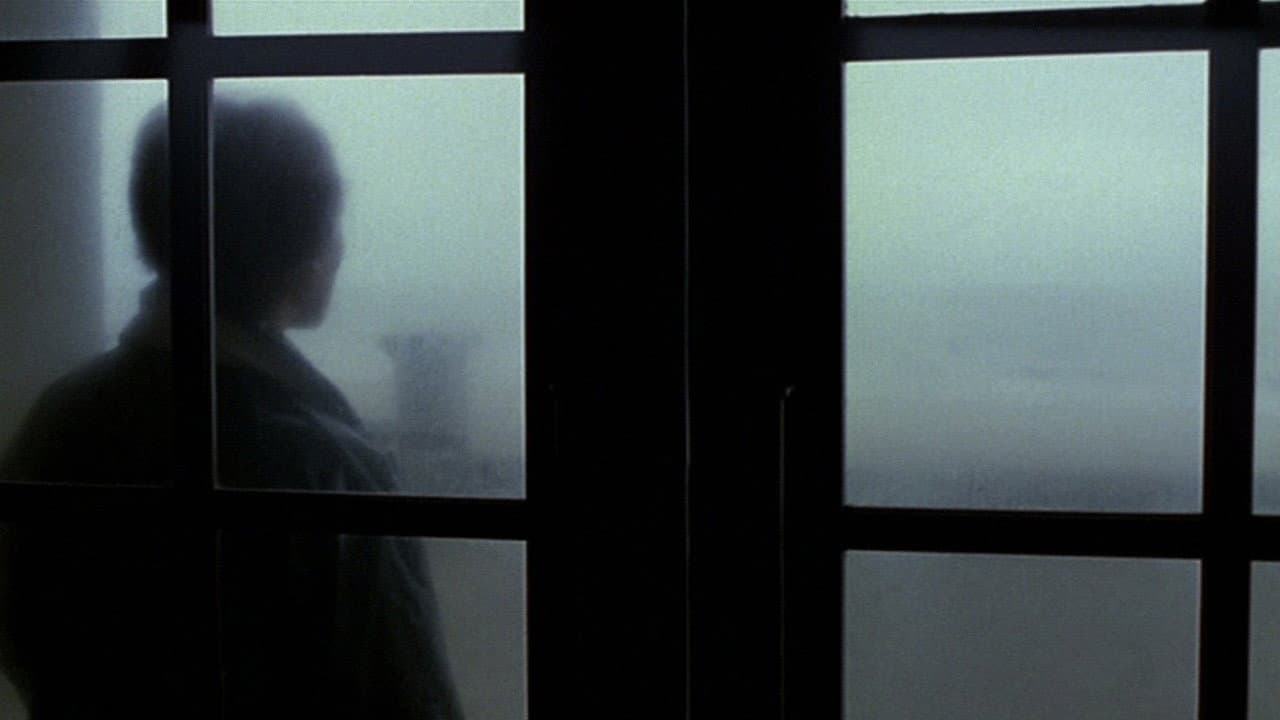
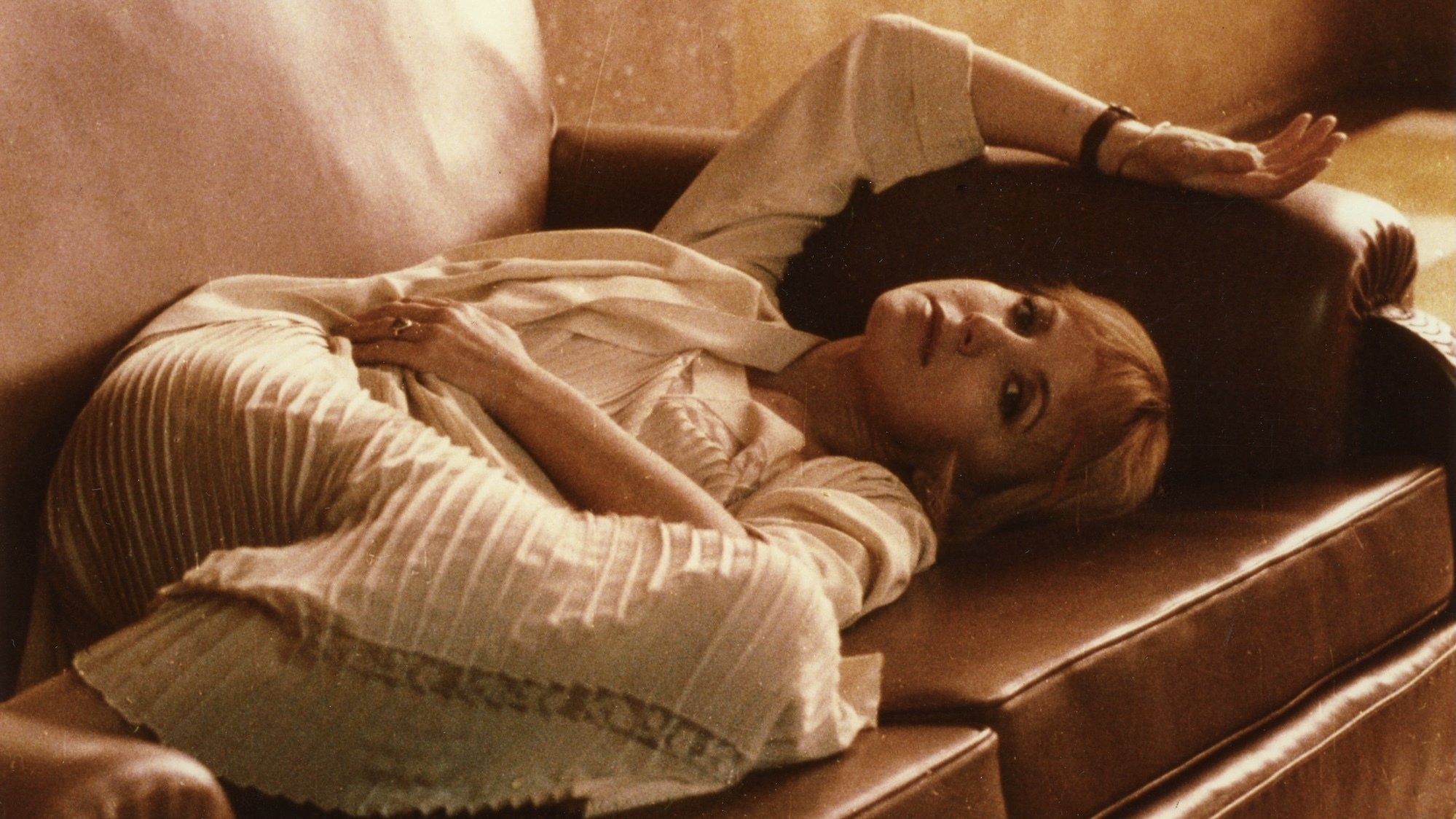
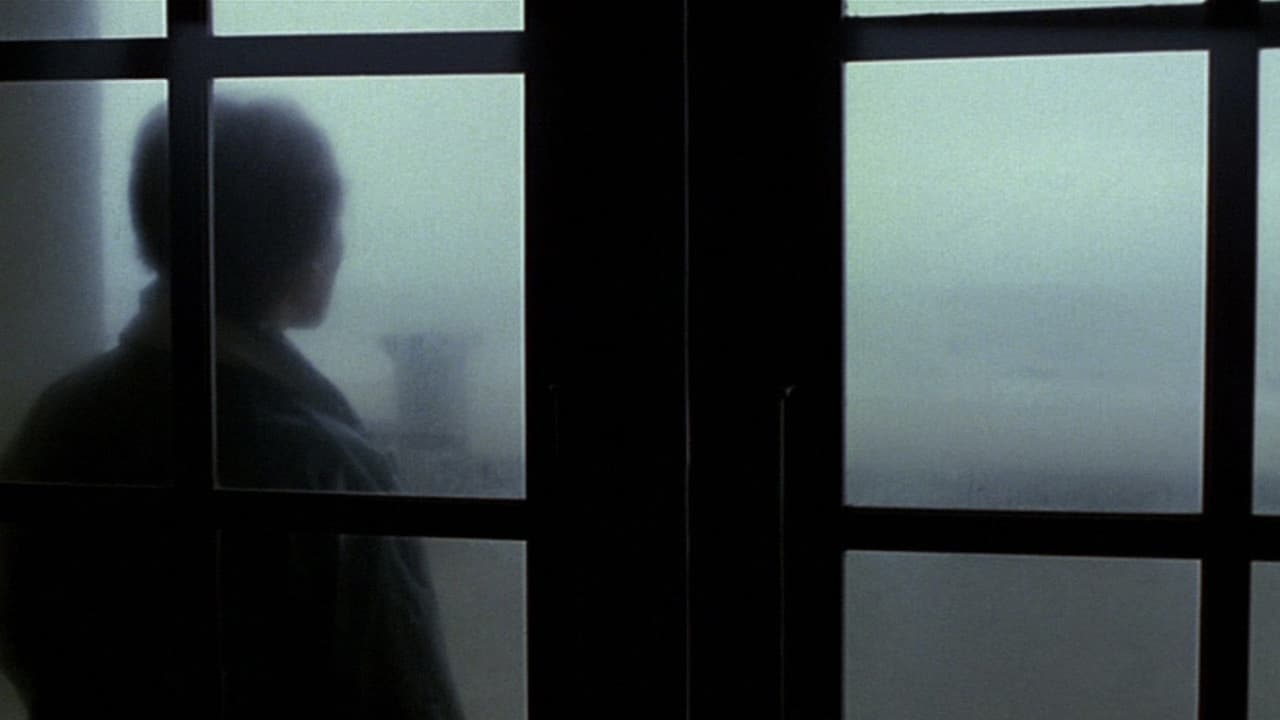
Despite the grounded coldness of the text, the construction of these images is inherently expressionistic, centring the formal focus around capturing the complexity of these emotions, of this absence. The images are eternally untethered from the conversation yet, they consume these characters. Though they try to reject it, this absence of memory, of love, of a future suffocates them. Though the film serves as a reconstruction, it ends up in the same place of personal oblivion as L’homme atlantique.
Every film I’ve seen from Duras involves romance, but I couldn’t call them romantic. Whether you reconstruct your memory or deconstruct your being, the present will always reveal the absence within this structure. Vera Baxter, through escaping the confinement of her environment, stands as the only character I’ve seen escape the absence present in Duras’ worlds.
The irony of Duras is that I truly believe that she had a deeper understanding of cinema than most, despite always approaching it as an outsider. Literature was her love. Even so, she had faith in the camera; therefore, the camera revealed itself to her. I’m thankful that it did. I got silly lil’ incest movies out of it.
Duras’ narratives lie within the exchange of disconnect. Always dense with dialogue that seemingly exposes the characters to the audience, yet the inability of thought alone to reach the physical reveals the suffocating distance of her work—which, in turn, is reflective of the hypocrisy of cinema itself as explicitly defined through L’homme atlantique. I have spoken about cinema’s physicality in relation to literature’s abstractions, but film ultimately exists as a projection of said physicality. The art form is a reflection of objective truth that is unable to ever reach such objectivity itself: the formal realization of the human consciousness—the fluidity of subjective experience contrasted against the confinement of our environment.
It is this understanding of cinema’s formal existence that uncovers what drives Duras’ narratives. Duras’ reality simultaneously views the physical as confining—evident in her repeated use of architecture as a vehicle of societal entrapment and the bodily detachment of the dialogue from characters—but necessary in contextualizing memory and human emotion. To comprehend the oppressive nature of existence, cinema must detach from the observed concreteness in a transcendent process.
This transcendent detachment leads to emptiness: a void of activity in the camera’s passiveness. This absence is expressed both through Duras’ scripts and visual language.
In many ways, this is a sister piece to L’homme atlantique—the two films being released a mere month apart, being filmed in the same(?) location, and both star Duras’ complicated life partner and muse, Yann Andréa. If that film was a deconstruction of film, memory, love, and art, then Agatha serves as a reconstruction of these ideas.
Trying to reconstruct what was always meant to be broken, recollecting memories to fill this shared void surrounding both of these characters. In L’homme atlantique, the dialogue controls the form. Here, the images cannot be controlled the same way. Recollections of memory are contextualized through the empty dissatisfaction of the present moment. Memory cannot replace the absence of the past.
Despite the grounded coldness of the text, the construction of these images is inherently expressionistic, centring the formal focus around capturing the complexity of these emotions, of this absence. The images are eternally untethered from the conversation yet, they consume these characters. Though they try to reject it, this absence of memory, of love, of a future suffocates them. Though the film serves as a reconstruction, it ends up in the same place of personal oblivion as L’homme atlantique.
Every film I’ve seen from Duras involves romance, but I couldn’t call them romantic. Whether you reconstruct your memory or deconstruct your being, the present will always reveal the absence within this structure. Vera Baxter, through escaping the confinement of her environment, stands as the only character I’ve seen escape the absence present in Duras’ worlds.
The irony of Duras is that I truly believe that she had a deeper understanding of cinema than most, despite always approaching it as an outsider. Literature was her love. Even so, she had faith in the camera; therefore, the camera revealed itself to her. I’m thankful that it did. I got silly lil’ incest movies out of it.