

1947·Drama·1h 50m
7.1
★
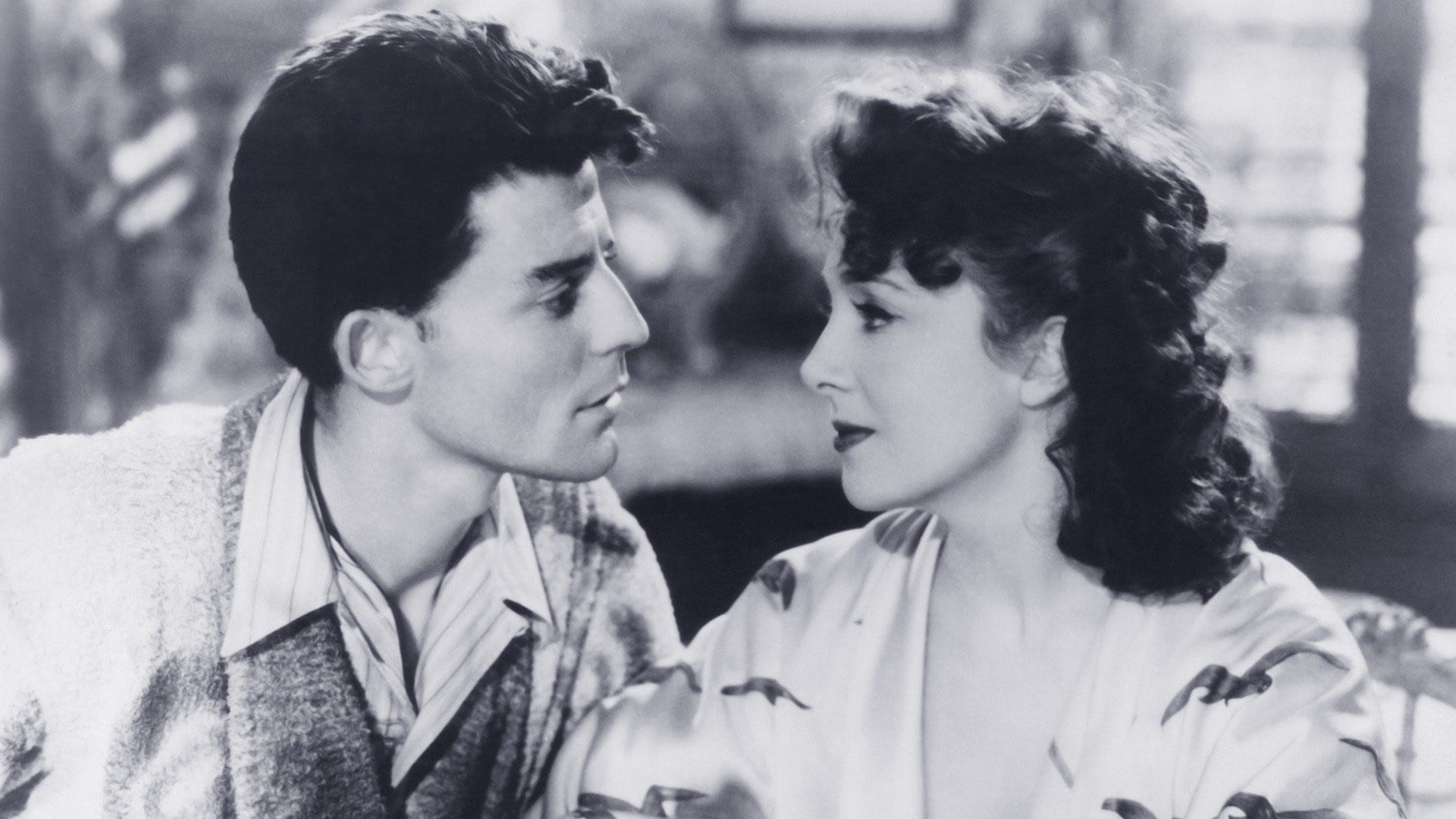
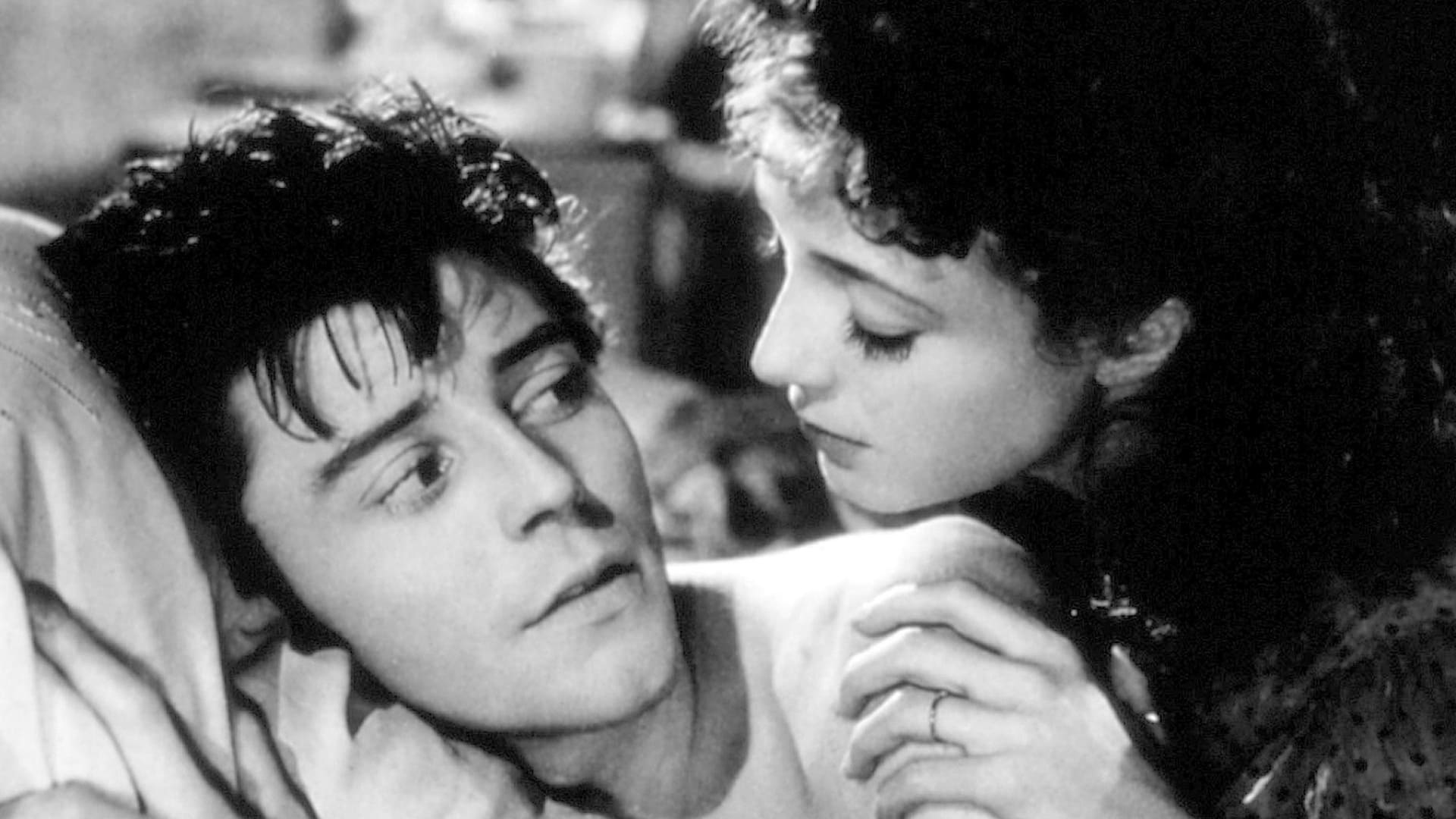
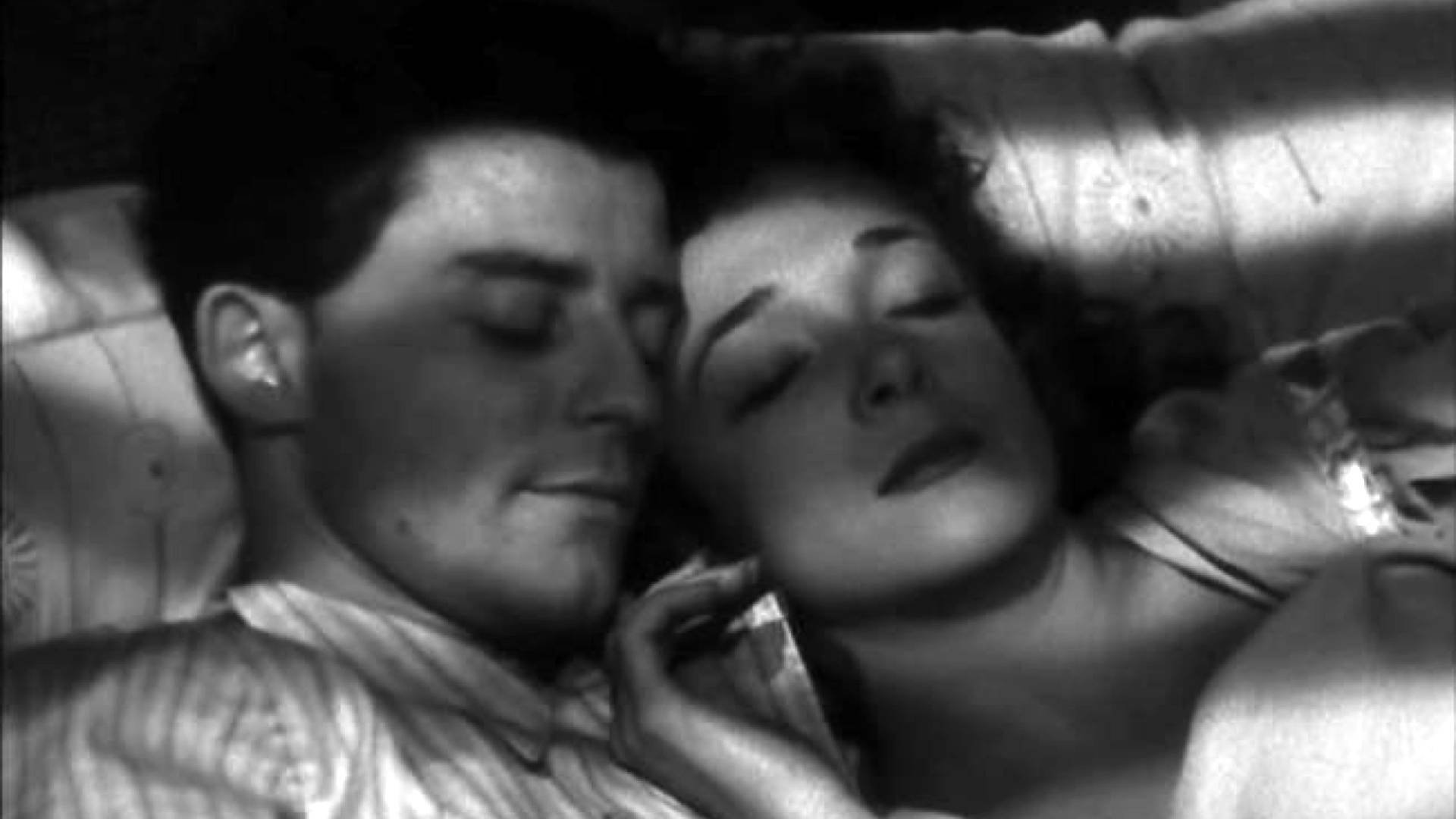
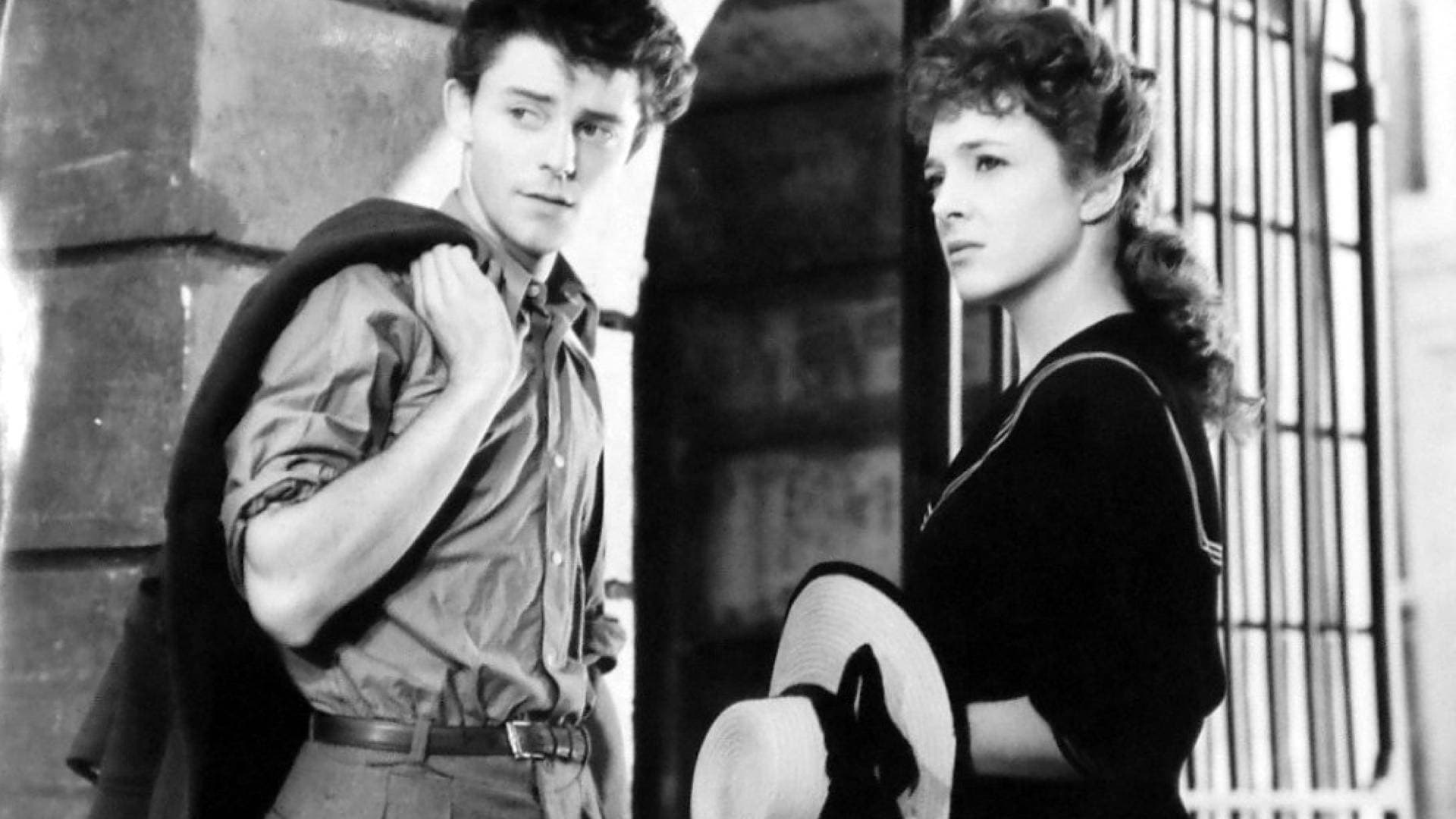
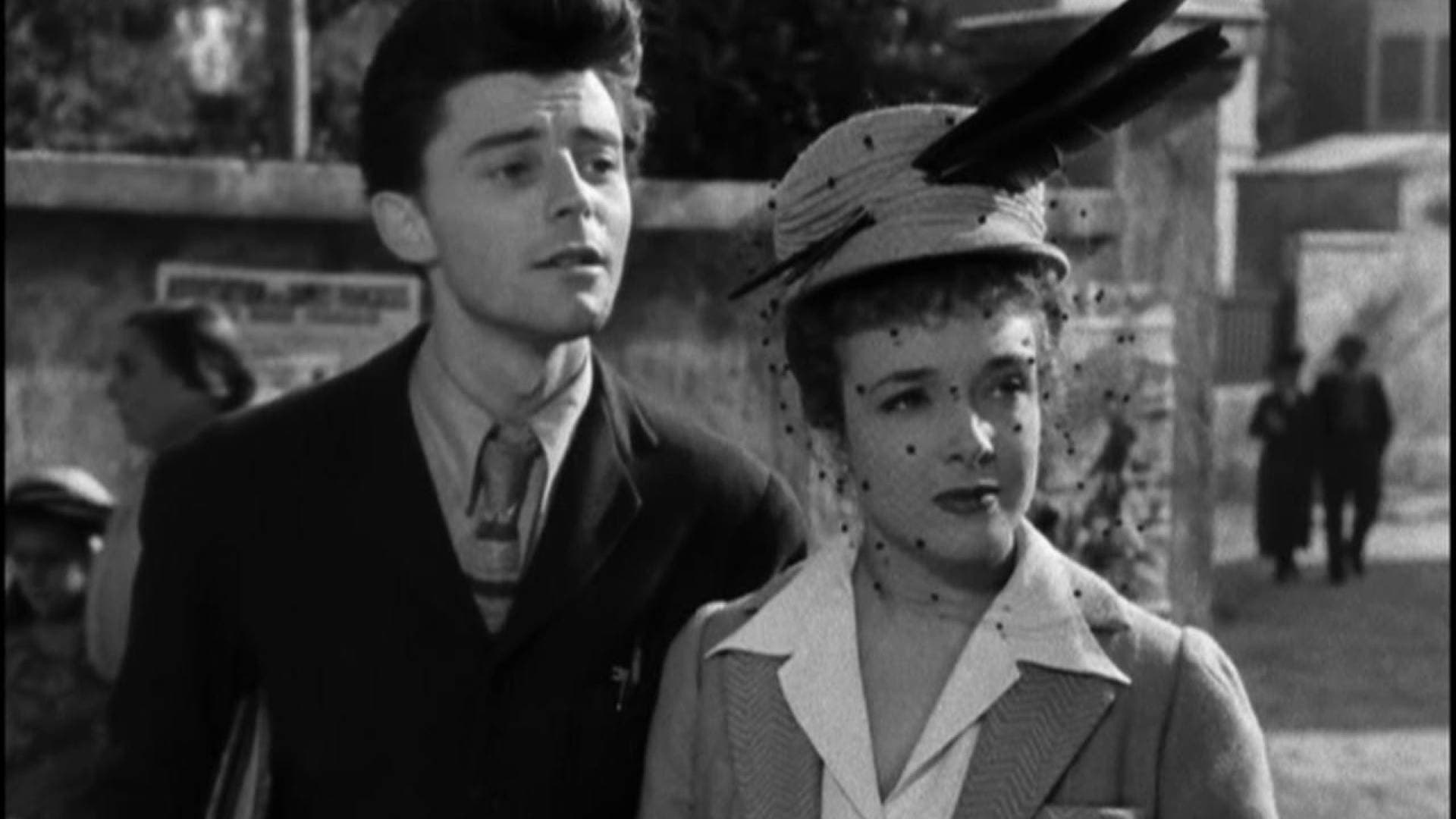
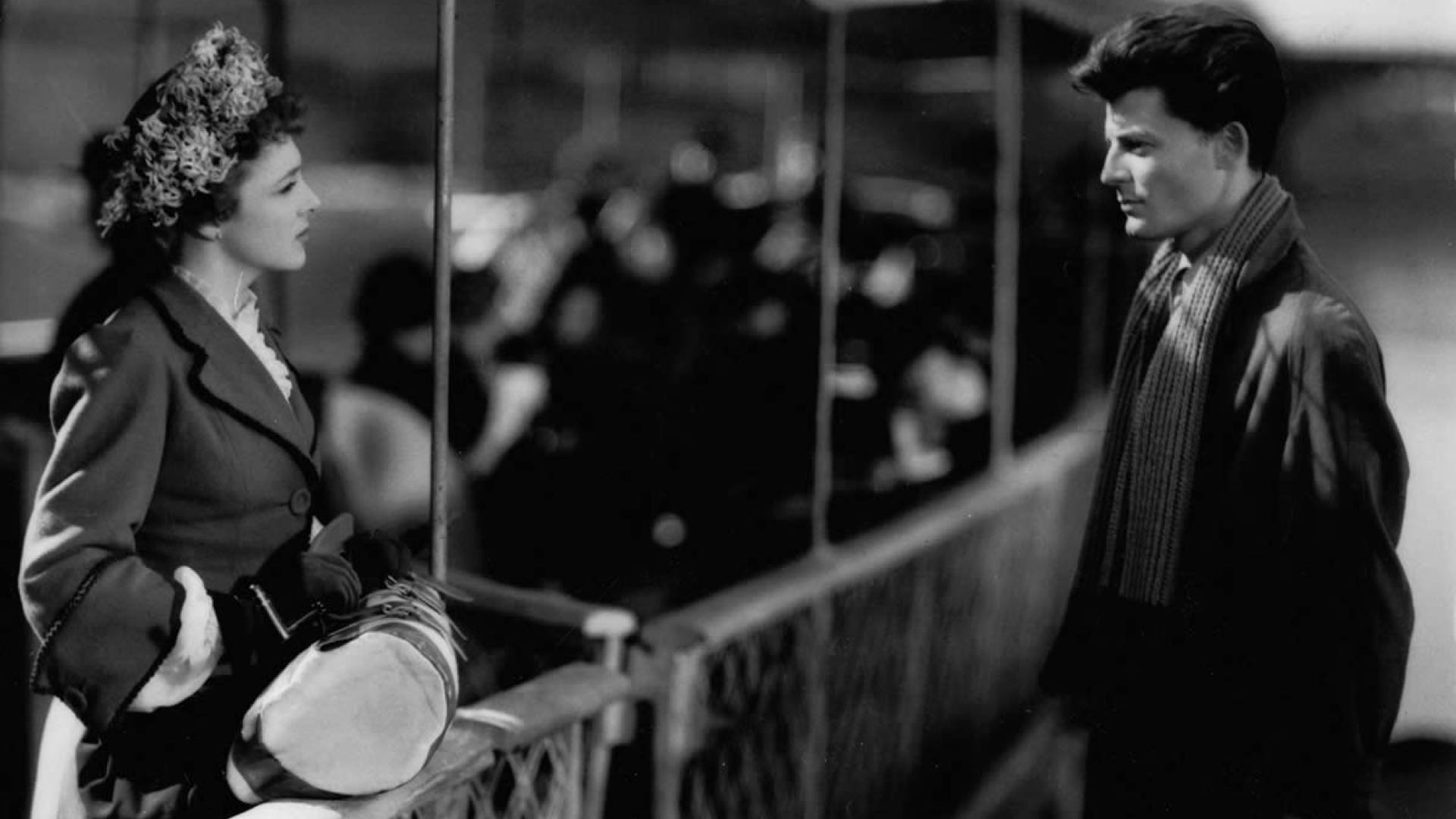
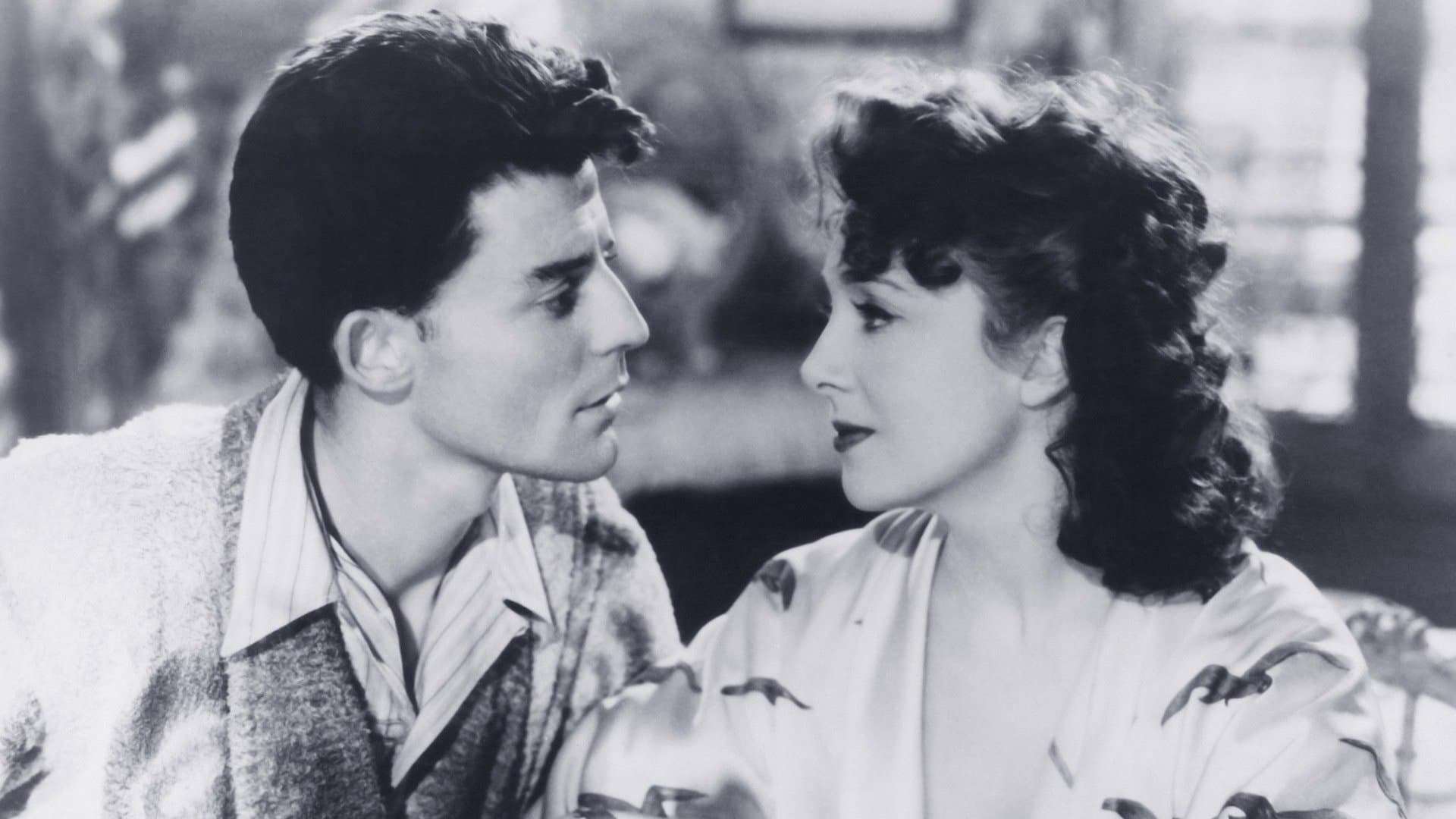
In France during World War I, Marthe waits for her husband, Jacques, while he fights on the front lines. Marthe then begins a tempestuous affair with 17-year-old François, with whom she had a dalliance before marrying Jacques. Jealous François struggles with the fact that Marthe is married, while she tries to prove her devotion to her young, hotheaded lover. Things become even more complex when Marthe becomes pregnant with Jacques' baby.
Directed by Claude Autant-Lara
adultery
based on novel or book
world war i

IMDB
N/A
Cast

Micheline Presle
Marthe Grangier

Gérard Philipe
François Jaubert

Denise Grey
Madame Grangier
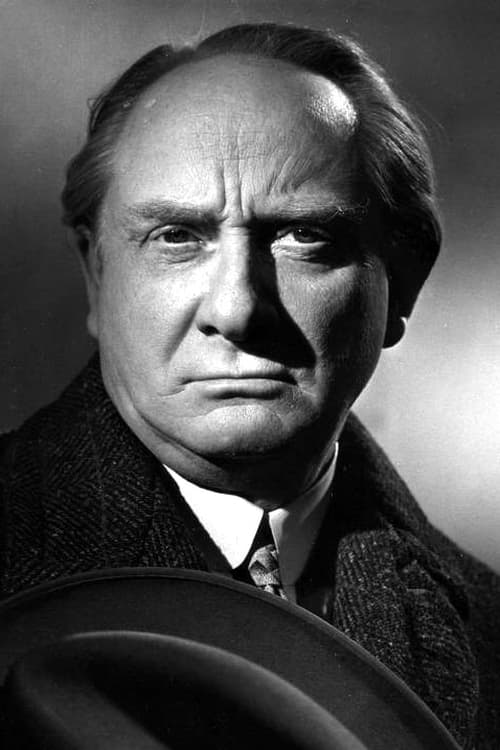
Jean Debucourt
Edouard Jaubert
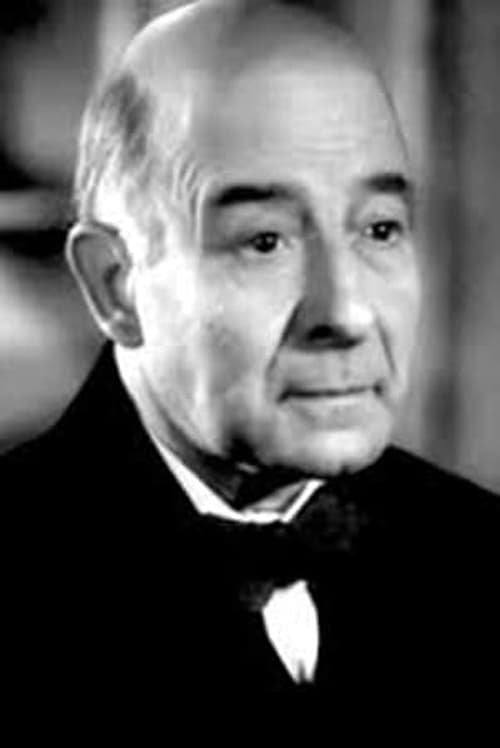
Pierre Palau
Monsieur Marin
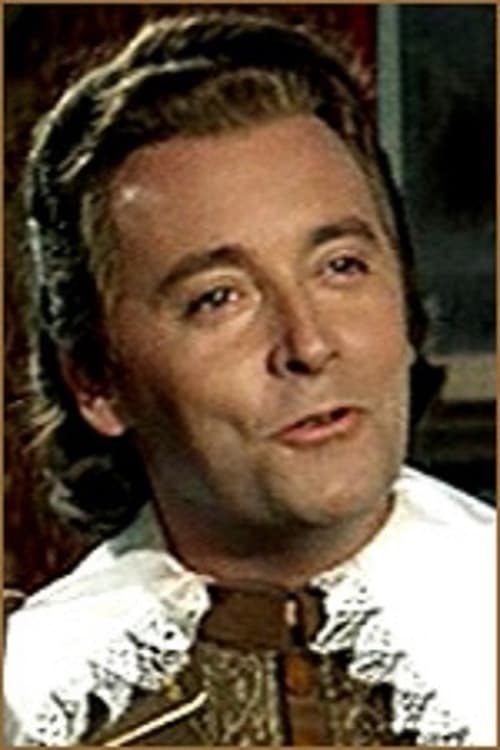
Jean Lara
Jacques Lacombe
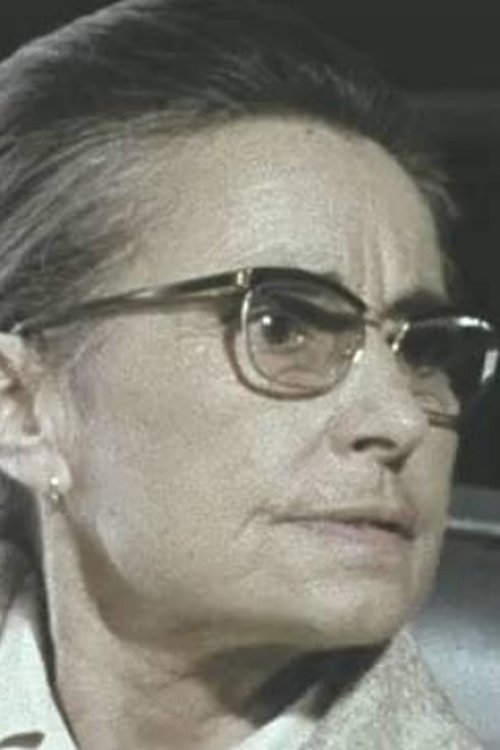
Jeanne Pérez
Madame Marin
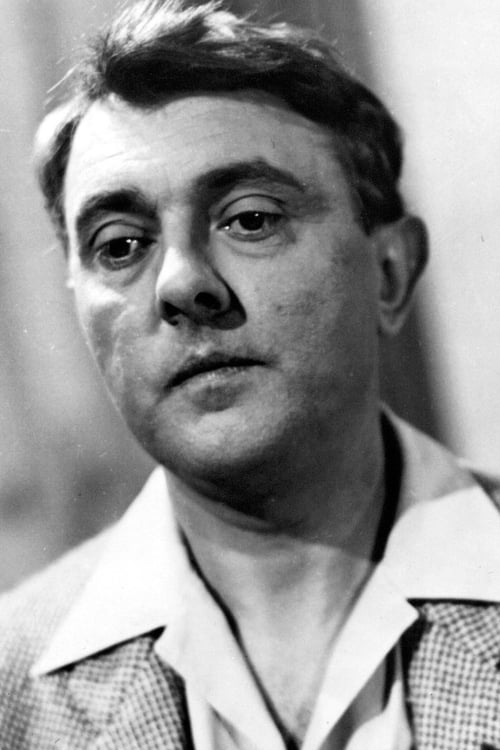
Jacques Tati
Officer at the bar
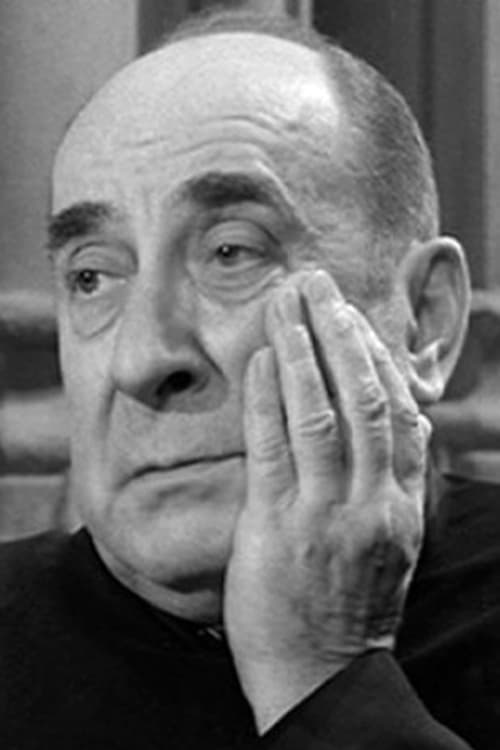
Richard Francœur
Head waiter of the grand restaurant
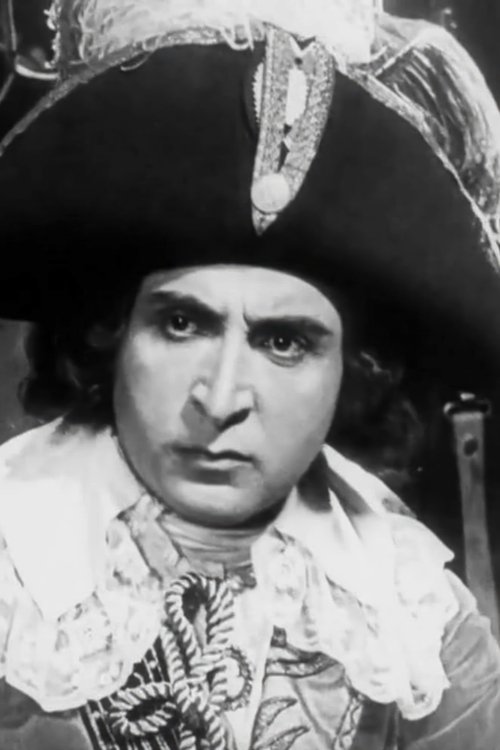
Max Maxudian
Schoolmaster

André Bervil
Partygoer who announces the Armistice a day early

Edmond Beauchamp
Sommelier of the grand restaurant
Crew

Claude Autant-Lara
Director

Pierre Bost
Writer

Jean Aurenche
Writer
Claude Autant-Lara
Writer

René Cloërec
Original Music Composer

Louis Wipf
Production Manager

Max Douy
Production Design
Claude Autant-Lara
Costume Design
Popular Reviews
6 reviews
Nawel Jaan
7.0★ · 06/15/25

***“Then I will only be able to suffer: if you leave me, I will die.”
***
Too many inconsistencies compared to the book, but it's still a good adaptation. What wouldn't we do for the French baccalaureate?
***
Too many inconsistencies compared to the book, but it's still a good adaptation. What wouldn't we do for the French baccalaureate?
***“Then I will only be able to suffer: if you leave me, I will die.”
***
Too many inconsistencies compared to the book, but it's still a good adaptation. What wouldn't we do for the French baccalaureate?
***
Too many inconsistencies compared to the book, but it's still a good adaptation. What wouldn't we do for the French baccalaureate?


Pretentious
9.0★ · 02/18/25
TLDR overview: The story is elevated by a sense of moral ambiguity that resonates as pointedly relevant even decades later. Rather than condemning its lovers, Devil in the Flesh allows viewers to engage deeply with their emotional predicaments, cultivating empathy for characters caught in an inescapable web of wartime pressures and personal desire. Some viewers may find the film’s pacing slow and its melodramatic tendencies overwrought, especially in a contemporary context where the shock value of a teacher-student or soldier’s-wife storyline has diminished.
In Devil in the Flesh (1947), Claude Autant-Lara presents a wartime love affair that scandalizes polite society while reflecting the turbulence of postwar French culture. The film situates itself within France, grappling with changing social values and moral uncertainties in the aftermath of World War II. Autant-Lara’s adaptation ushers in a unique sensitivity—one in which personal desire collided with societal constraints in a fresh, unsentimental way. Next, we need to consider whether its intense romantic tragedy might also bear the DNA of film noir. Finally, we will outline both positive and negative perspectives on Devil in the Flesh—its emotional potency versus its perceived melodramatic excess—before concluding that the film’s enduring appeal lies in the complexity of its portrayal of love and an evolving national identity.
Released in the immediate aftermath of World War II, Devil in the Flesh merges the intimate exploration of a scandalous romance with a subtle critique of a society still reeling from wartime upheaval. For French viewers in 1947, the film’s frank depiction of sexuality and the simmering tension between desire and social decorum was particularly striking, as many were themselves grappling with memories of occupation. In the relationship between François—a young man pulled between youthful passion and conventional duty—and Marthe—whose impending marriage to a soldier underscores the era’s emphasis on sacrifice and loyalty—audiences could see mirrored the wider national struggle to reconcile individual longing with collective expectation.
Devil in the Flesh also symbolizes a broader shift in French cinema, shedding the propagandistic obligations that had characterized wartime productions. Instead of delivering didactic messages, films like this one prioritized personal storytelling rooted in realistic emotional conflict. At a moment when Hollywood adhered to the strictures of the Production Code, French critics and moviegoers embraced morally complex storylines that did not shy away from controversy or psychological depth. This openness allowed Devil in the Flesh to resonate with viewers who questioned the constraints of tradition—whether those constraints stemmed from religion or the remnants of a national war effort. By daring to show flawed individuals in an ethically complicated predicament, Claude Autant-Lara’s adaptation helped reestablish French cinema as a space for nuanced introspection and candor.
Crucially, Devil in the Flesh enjoyed both domestic and international success, highlighting France’s renewed cultural vitality after years of upheaval. Its source material—a novel by Raymond Radiguet famously written when he was still in his teens—had already invited controversy for its depiction of adolescent passion. Autant-Lara’s adaptation carried that aura of provocation onto the screen, prompting spirited debates among critics and moralists about its psychological implications. This whirlwind of discussion signaled a new openness in French cultural life, where cinema was increasingly recognized as a forum for delving into ethical and emotional issues rather than simply providing escapist fare. In that sense, Devil in the Flesh showcased both the boldness of postwar French filmmakers and the readiness of audiences to engage with more intimate and unsettling stories—an appetite that would soon fuel even more radical shifts in European cinema.
By 1947, the French film industry was emerging from the shadows of wartime censorship and harsh economic constraints, readying itself for a cultural revival that would eventually pave the way for transformative movements like the French New Wave. Devil in the Flesh arrived at this transitional juncture, exploring wartime anxieties through an intensely personal lens rather than resorting to overtly political statements. In its focus on the psychological toll of social expectation, the film previewed the emotional realism that directors such as Max Ophüls would pursue in the ensuing years, distancing postwar French cinema from the more formulaic or propagandistic storytelling that had been common during the Occupation.
Although Claude Autant-Lara is not typically classed among the great stylistic visionaries of his generation—such as Jean Renoir or Marcel Carné—Devil in the Flesh exhibits a refined visual sensibility that heightens the film’s emotional core. Rather than employing showy camera movements or overtly expressionistic touches, Autant-Lara crafts a delicate interplay between confined interior spaces and more expansive outdoor locations, visually mirroring the tension between societal expectations and the characters’ yearnings for personal freedom. Close, often claustrophobic, set pieces underscore the lovers’ sense of entrapment, while fleeting scenes outside, lit by natural sunshine or softly dappled shadows, provide momentary relief—symbolic of an emotional liberation that remains ultimately out of reach.
Key to this understated elegance is the film’s lighting design. Soft yet evocative, it bathes François and Marthe in a faintly melancholic glow, hinting at the doom-laden undercurrent of their affair. This approach borrows from mid-century French melodrama’s penchant for ethereal lighting to convey the fragile beauty of doomed relationships, while retaining an almost documentary sense of realism. Another crucial aesthetic element is the restrained, nuanced acting. The two leads, in particular, manage to communicate turbulent emotions with minimalistic body language and subtle facial shifts, allowing the audience to sense the slow, inevitable collapse of their liaison. These performances, coupled with frank dialogue that eschews prudishness in favor of revealing personal truths, set the film apart from many of its contemporaries, which sometimes favored sentimentality or censorship over raw psychological insight.
In weaving together these visual and performative nuances, Autant-Lara invests Devil in the Flesh with a distinctly human texture. Viewers are invited to inhabit the same intimate, pressurized space as the protagonists—a silent testament to the film’s belief in quieter gestures as a vehicle for genuine emotional resonance. This choice reflects a broader French cinematic tradition that placed faith in realism and understated artistry, emphasizing the interior lives of characters as much as the sweeping narrative events. The result is a film that captivates more through simmering tension and evocative details than through grand stylistic flourishes, making it a poignant example of how aesthetic choices can elevate a simple, tragic romance into an enduring work of cinematic introspection.
Determining whether Devil in the Flesh belongs to the film noir tradition hinges largely on how liberally we define that genre. In American cinema, noir tends to center on crime and a shadowy urban underworld of detectives and gangsters. Claude Autant-Lara’s film, by contrast, gravitates toward a specifically French milieu: it is steeped in moral ambiguity and burdened by oppressive social codes, yet it lacks the hallmark noir iconography of clandestine clubs, smoky back alleys, or hardboiled antiheroes. Instead, its noirish qualities surface through a persistent fatalism. The illicit affair is accompanied by a relentless sense of doom—one that suggests society and personal guilt conspire to render authentic happiness unattainable. In that way, Devil in the Flesh shares noir’s fascination with doomed lovers and the mounting tension of moral transgression, but it recasts these elements in a classical European framework. Absent is the American gangsterism or detective archetype; the film’s darkness stems from stifling social expectations, existential longing, and the lingering wounds of war.
One of Devil in the Flesh’s greatest strengths lies in its emotional realism and unflinching depiction of a forbidden romance set against the pressures of wartime France. Autant-Lara coaxes out layered, deeply felt performances that allow the audience to witness how societal constraints and personal longing inevitably collide, often with devastating consequences. Far from demonizing the lovers, the film immerses viewers in their plight, encouraging empathy and understanding rather than casting blanket moral judgments. This nuanced approach remains engaging even decades later, thanks to the film’s commitment to moral ambiguity and its refusal to offer simple answers to complex emotional dilemmas.
Nevertheless, some modern viewers may find the film’s pacing overly deliberate and its melodramatic elements somewhat dated. Contemporary audiences, more accustomed to brisk plotting and heightened conflicts, might feel that the once-shocking premise of an adulterous or taboo affair has lost some of its edge over time. Furthermore, the film’s intense focus on the protagonists’ passion means that the broader historical circumstances—namely, the lingering traumas of war—receive less explicit development. This narrowed scope can make the wartime setting feel more like a backdrop than a fully realized context, potentially undermining the depth of tragedy that a more expansive social perspective might have provided.
In many respects, Devil in the Flesh encapsulates the profound tensions animating postwar France: while it confronts the weight of societal judgment, it also subtly rebels against conventional moral dictates. Autant-Lara’s adaptation of Raymond Radiguet’s novel stands as a testament to French cinema’s readiness in the late 1940s to tackle morally intricate stories onscreen, handling the inner struggles of seemingly ordinary people with empathy and nuance. Though its tonal darkness and focus on moral ambiguity may evoke shades of film noir, the film’s tragedy emerges through a characteristically French lens—favoring subdued emotion over hardboiled grit and finding pathos in intimate romantic turmoil rather than in underworld criminality.
Ultimately, the film’s cultural resonance and historical impact stem from its ability to bridge personal passion with collective duty, recasting postwar anxieties as a solemn yet persuasive love story that subtly alludes to a society still recovering from the traumas of global conflict. By inviting viewers—both then and now—to reflect on how war distorts societal norms and compels us to reconsider our moral assumptions, Devil in the Flesh stands as a notable chapter in French cinematic history. It highlights the capacity of French cinema to delve into universal human dilemmas through a uniquely introspective approach, underscoring how personal longing, social conventions, and the looming specter of national crisis can weave a tragic tapestry of unfulfilled desire and unresolved guilt.
In Devil in the Flesh (1947), Claude Autant-Lara presents a wartime love affair that scandalizes polite society while reflecting the turbulence of postwar French culture. The film situates itself within France, grappling with changing social values and moral uncertainties in the aftermath of World War II. Autant-Lara’s adaptation ushers in a unique sensitivity—one in which personal desire collided with societal constraints in a fresh, unsentimental way. Next, we need to consider whether its intense romantic tragedy might also bear the DNA of film noir. Finally, we will outline both positive and negative perspectives on Devil in the Flesh—its emotional potency versus its perceived melodramatic excess—before concluding that the film’s enduring appeal lies in the complexity of its portrayal of love and an evolving national identity.
Released in the immediate aftermath of World War II, Devil in the Flesh merges the intimate exploration of a scandalous romance with a subtle critique of a society still reeling from wartime upheaval. For French viewers in 1947, the film’s frank depiction of sexuality and the simmering tension between desire and social decorum was particularly striking, as many were themselves grappling with memories of occupation. In the relationship between François—a young man pulled between youthful passion and conventional duty—and Marthe—whose impending marriage to a soldier underscores the era’s emphasis on sacrifice and loyalty—audiences could see mirrored the wider national struggle to reconcile individual longing with collective expectation.
Devil in the Flesh also symbolizes a broader shift in French cinema, shedding the propagandistic obligations that had characterized wartime productions. Instead of delivering didactic messages, films like this one prioritized personal storytelling rooted in realistic emotional conflict. At a moment when Hollywood adhered to the strictures of the Production Code, French critics and moviegoers embraced morally complex storylines that did not shy away from controversy or psychological depth. This openness allowed Devil in the Flesh to resonate with viewers who questioned the constraints of tradition—whether those constraints stemmed from religion or the remnants of a national war effort. By daring to show flawed individuals in an ethically complicated predicament, Claude Autant-Lara’s adaptation helped reestablish French cinema as a space for nuanced introspection and candor.
Crucially, Devil in the Flesh enjoyed both domestic and international success, highlighting France’s renewed cultural vitality after years of upheaval. Its source material—a novel by Raymond Radiguet famously written when he was still in his teens—had already invited controversy for its depiction of adolescent passion. Autant-Lara’s adaptation carried that aura of provocation onto the screen, prompting spirited debates among critics and moralists about its psychological implications. This whirlwind of discussion signaled a new openness in French cultural life, where cinema was increasingly recognized as a forum for delving into ethical and emotional issues rather than simply providing escapist fare. In that sense, Devil in the Flesh showcased both the boldness of postwar French filmmakers and the readiness of audiences to engage with more intimate and unsettling stories—an appetite that would soon fuel even more radical shifts in European cinema.
By 1947, the French film industry was emerging from the shadows of wartime censorship and harsh economic constraints, readying itself for a cultural revival that would eventually pave the way for transformative movements like the French New Wave. Devil in the Flesh arrived at this transitional juncture, exploring wartime anxieties through an intensely personal lens rather than resorting to overtly political statements. In its focus on the psychological toll of social expectation, the film previewed the emotional realism that directors such as Max Ophüls would pursue in the ensuing years, distancing postwar French cinema from the more formulaic or propagandistic storytelling that had been common during the Occupation.
Although Claude Autant-Lara is not typically classed among the great stylistic visionaries of his generation—such as Jean Renoir or Marcel Carné—Devil in the Flesh exhibits a refined visual sensibility that heightens the film’s emotional core. Rather than employing showy camera movements or overtly expressionistic touches, Autant-Lara crafts a delicate interplay between confined interior spaces and more expansive outdoor locations, visually mirroring the tension between societal expectations and the characters’ yearnings for personal freedom. Close, often claustrophobic, set pieces underscore the lovers’ sense of entrapment, while fleeting scenes outside, lit by natural sunshine or softly dappled shadows, provide momentary relief—symbolic of an emotional liberation that remains ultimately out of reach.
Key to this understated elegance is the film’s lighting design. Soft yet evocative, it bathes François and Marthe in a faintly melancholic glow, hinting at the doom-laden undercurrent of their affair. This approach borrows from mid-century French melodrama’s penchant for ethereal lighting to convey the fragile beauty of doomed relationships, while retaining an almost documentary sense of realism. Another crucial aesthetic element is the restrained, nuanced acting. The two leads, in particular, manage to communicate turbulent emotions with minimalistic body language and subtle facial shifts, allowing the audience to sense the slow, inevitable collapse of their liaison. These performances, coupled with frank dialogue that eschews prudishness in favor of revealing personal truths, set the film apart from many of its contemporaries, which sometimes favored sentimentality or censorship over raw psychological insight.
In weaving together these visual and performative nuances, Autant-Lara invests Devil in the Flesh with a distinctly human texture. Viewers are invited to inhabit the same intimate, pressurized space as the protagonists—a silent testament to the film’s belief in quieter gestures as a vehicle for genuine emotional resonance. This choice reflects a broader French cinematic tradition that placed faith in realism and understated artistry, emphasizing the interior lives of characters as much as the sweeping narrative events. The result is a film that captivates more through simmering tension and evocative details than through grand stylistic flourishes, making it a poignant example of how aesthetic choices can elevate a simple, tragic romance into an enduring work of cinematic introspection.
Determining whether Devil in the Flesh belongs to the film noir tradition hinges largely on how liberally we define that genre. In American cinema, noir tends to center on crime and a shadowy urban underworld of detectives and gangsters. Claude Autant-Lara’s film, by contrast, gravitates toward a specifically French milieu: it is steeped in moral ambiguity and burdened by oppressive social codes, yet it lacks the hallmark noir iconography of clandestine clubs, smoky back alleys, or hardboiled antiheroes. Instead, its noirish qualities surface through a persistent fatalism. The illicit affair is accompanied by a relentless sense of doom—one that suggests society and personal guilt conspire to render authentic happiness unattainable. In that way, Devil in the Flesh shares noir’s fascination with doomed lovers and the mounting tension of moral transgression, but it recasts these elements in a classical European framework. Absent is the American gangsterism or detective archetype; the film’s darkness stems from stifling social expectations, existential longing, and the lingering wounds of war.
One of Devil in the Flesh’s greatest strengths lies in its emotional realism and unflinching depiction of a forbidden romance set against the pressures of wartime France. Autant-Lara coaxes out layered, deeply felt performances that allow the audience to witness how societal constraints and personal longing inevitably collide, often with devastating consequences. Far from demonizing the lovers, the film immerses viewers in their plight, encouraging empathy and understanding rather than casting blanket moral judgments. This nuanced approach remains engaging even decades later, thanks to the film’s commitment to moral ambiguity and its refusal to offer simple answers to complex emotional dilemmas.
Nevertheless, some modern viewers may find the film’s pacing overly deliberate and its melodramatic elements somewhat dated. Contemporary audiences, more accustomed to brisk plotting and heightened conflicts, might feel that the once-shocking premise of an adulterous or taboo affair has lost some of its edge over time. Furthermore, the film’s intense focus on the protagonists’ passion means that the broader historical circumstances—namely, the lingering traumas of war—receive less explicit development. This narrowed scope can make the wartime setting feel more like a backdrop than a fully realized context, potentially undermining the depth of tragedy that a more expansive social perspective might have provided.
In many respects, Devil in the Flesh encapsulates the profound tensions animating postwar France: while it confronts the weight of societal judgment, it also subtly rebels against conventional moral dictates. Autant-Lara’s adaptation of Raymond Radiguet’s novel stands as a testament to French cinema’s readiness in the late 1940s to tackle morally intricate stories onscreen, handling the inner struggles of seemingly ordinary people with empathy and nuance. Though its tonal darkness and focus on moral ambiguity may evoke shades of film noir, the film’s tragedy emerges through a characteristically French lens—favoring subdued emotion over hardboiled grit and finding pathos in intimate romantic turmoil rather than in underworld criminality.
Ultimately, the film’s cultural resonance and historical impact stem from its ability to bridge personal passion with collective duty, recasting postwar anxieties as a solemn yet persuasive love story that subtly alludes to a society still recovering from the traumas of global conflict. By inviting viewers—both then and now—to reflect on how war distorts societal norms and compels us to reconsider our moral assumptions, Devil in the Flesh stands as a notable chapter in French cinematic history. It highlights the capacity of French cinema to delve into universal human dilemmas through a uniquely introspective approach, underscoring how personal longing, social conventions, and the looming specter of national crisis can weave a tragic tapestry of unfulfilled desire and unresolved guilt.
TLDR overview: The story is elevated by a sense of moral ambiguity that resonates as pointedly relevant even decades later. Rather than condemning its lovers, Devil in the Flesh allows viewers to engage deeply with their emotional predicaments, cultivating empathy for characters caught in an inescapable web of wartime pressures and personal desire. Some viewers may find the film’s pacing slow and its melodramatic tendencies overwrought, especially in a contemporary context where the shock value of a teacher-student or soldier’s-wife storyline has diminished.
In Devil in the Flesh (1947), Claude Autant-Lara presents a wartime love affair that scandalizes polite society while reflecting the turbulence of postwar French culture. The film situates itself within France, grappling with changing social values and moral uncertainties in the aftermath of World War II. Autant-Lara’s adaptation ushers in a unique sensitivity—one in which personal desire collided with societal constraints in a fresh, unsentimental way. Next, we need to consider whether its intense romantic tragedy might also bear the DNA of film noir. Finally, we will outline both positive and negative perspectives on Devil in the Flesh—its emotional potency versus its perceived melodramatic excess—before concluding that the film’s enduring appeal lies in the complexity of its portrayal of love and an evolving national identity.
Released in the immediate aftermath of World War II, Devil in the Flesh merges the intimate exploration of a scandalous romance with a subtle critique of a society still reeling from wartime upheaval. For French viewers in 1947, the film’s frank depiction of sexuality and the simmering tension between desire and social decorum was particularly striking, as many were themselves grappling with memories of occupation. In the relationship between François—a young man pulled between youthful passion and conventional duty—and Marthe—whose impending marriage to a soldier underscores the era’s emphasis on sacrifice and loyalty—audiences could see mirrored the wider national struggle to reconcile individual longing with collective expectation.
Devil in the Flesh also symbolizes a broader shift in French cinema, shedding the propagandistic obligations that had characterized wartime productions. Instead of delivering didactic messages, films like this one prioritized personal storytelling rooted in realistic emotional conflict. At a moment when Hollywood adhered to the strictures of the Production Code, French critics and moviegoers embraced morally complex storylines that did not shy away from controversy or psychological depth. This openness allowed Devil in the Flesh to resonate with viewers who questioned the constraints of tradition—whether those constraints stemmed from religion or the remnants of a national war effort. By daring to show flawed individuals in an ethically complicated predicament, Claude Autant-Lara’s adaptation helped reestablish French cinema as a space for nuanced introspection and candor.
Crucially, Devil in the Flesh enjoyed both domestic and international success, highlighting France’s renewed cultural vitality after years of upheaval. Its source material—a novel by Raymond Radiguet famously written when he was still in his teens—had already invited controversy for its depiction of adolescent passion. Autant-Lara’s adaptation carried that aura of provocation onto the screen, prompting spirited debates among critics and moralists about its psychological implications. This whirlwind of discussion signaled a new openness in French cultural life, where cinema was increasingly recognized as a forum for delving into ethical and emotional issues rather than simply providing escapist fare. In that sense, Devil in the Flesh showcased both the boldness of postwar French filmmakers and the readiness of audiences to engage with more intimate and unsettling stories—an appetite that would soon fuel even more radical shifts in European cinema.
By 1947, the French film industry was emerging from the shadows of wartime censorship and harsh economic constraints, readying itself for a cultural revival that would eventually pave the way for transformative movements like the French New Wave. Devil in the Flesh arrived at this transitional juncture, exploring wartime anxieties through an intensely personal lens rather than resorting to overtly political statements. In its focus on the psychological toll of social expectation, the film previewed the emotional realism that directors such as Max Ophüls would pursue in the ensuing years, distancing postwar French cinema from the more formulaic or propagandistic storytelling that had been common during the Occupation.
Although Claude Autant-Lara is not typically classed among the great stylistic visionaries of his generation—such as Jean Renoir or Marcel Carné—Devil in the Flesh exhibits a refined visual sensibility that heightens the film’s emotional core. Rather than employing showy camera movements or overtly expressionistic touches, Autant-Lara crafts a delicate interplay between confined interior spaces and more expansive outdoor locations, visually mirroring the tension between societal expectations and the characters’ yearnings for personal freedom. Close, often claustrophobic, set pieces underscore the lovers’ sense of entrapment, while fleeting scenes outside, lit by natural sunshine or softly dappled shadows, provide momentary relief—symbolic of an emotional liberation that remains ultimately out of reach.
Key to this understated elegance is the film’s lighting design. Soft yet evocative, it bathes François and Marthe in a faintly melancholic glow, hinting at the doom-laden undercurrent of their affair. This approach borrows from mid-century French melodrama’s penchant for ethereal lighting to convey the fragile beauty of doomed relationships, while retaining an almost documentary sense of realism. Another crucial aesthetic element is the restrained, nuanced acting. The two leads, in particular, manage to communicate turbulent emotions with minimalistic body language and subtle facial shifts, allowing the audience to sense the slow, inevitable collapse of their liaison. These performances, coupled with frank dialogue that eschews prudishness in favor of revealing personal truths, set the film apart from many of its contemporaries, which sometimes favored sentimentality or censorship over raw psychological insight.
In weaving together these visual and performative nuances, Autant-Lara invests Devil in the Flesh with a distinctly human texture. Viewers are invited to inhabit the same intimate, pressurized space as the protagonists—a silent testament to the film’s belief in quieter gestures as a vehicle for genuine emotional resonance. This choice reflects a broader French cinematic tradition that placed faith in realism and understated artistry, emphasizing the interior lives of characters as much as the sweeping narrative events. The result is a film that captivates more through simmering tension and evocative details than through grand stylistic flourishes, making it a poignant example of how aesthetic choices can elevate a simple, tragic romance into an enduring work of cinematic introspection.
Determining whether Devil in the Flesh belongs to the film noir tradition hinges largely on how liberally we define that genre. In American cinema, noir tends to center on crime and a shadowy urban underworld of detectives and gangsters. Claude Autant-Lara’s film, by contrast, gravitates toward a specifically French milieu: it is steeped in moral ambiguity and burdened by oppressive social codes, yet it lacks the hallmark noir iconography of clandestine clubs, smoky back alleys, or hardboiled antiheroes. Instead, its noirish qualities surface through a persistent fatalism. The illicit affair is accompanied by a relentless sense of doom—one that suggests society and personal guilt conspire to render authentic happiness unattainable. In that way, Devil in the Flesh shares noir’s fascination with doomed lovers and the mounting tension of moral transgression, but it recasts these elements in a classical European framework. Absent is the American gangsterism or detective archetype; the film’s darkness stems from stifling social expectations, existential longing, and the lingering wounds of war.
One of Devil in the Flesh’s greatest strengths lies in its emotional realism and unflinching depiction of a forbidden romance set against the pressures of wartime France. Autant-Lara coaxes out layered, deeply felt performances that allow the audience to witness how societal constraints and personal longing inevitably collide, often with devastating consequences. Far from demonizing the lovers, the film immerses viewers in their plight, encouraging empathy and understanding rather than casting blanket moral judgments. This nuanced approach remains engaging even decades later, thanks to the film’s commitment to moral ambiguity and its refusal to offer simple answers to complex emotional dilemmas.
Nevertheless, some modern viewers may find the film’s pacing overly deliberate and its melodramatic elements somewhat dated. Contemporary audiences, more accustomed to brisk plotting and heightened conflicts, might feel that the once-shocking premise of an adulterous or taboo affair has lost some of its edge over time. Furthermore, the film’s intense focus on the protagonists’ passion means that the broader historical circumstances—namely, the lingering traumas of war—receive less explicit development. This narrowed scope can make the wartime setting feel more like a backdrop than a fully realized context, potentially undermining the depth of tragedy that a more expansive social perspective might have provided.
In many respects, Devil in the Flesh encapsulates the profound tensions animating postwar France: while it confronts the weight of societal judgment, it also subtly rebels against conventional moral dictates. Autant-Lara’s adaptation of Raymond Radiguet’s novel stands as a testament to French cinema’s readiness in the late 1940s to tackle morally intricate stories onscreen, handling the inner struggles of seemingly ordinary people with empathy and nuance. Though its tonal darkness and focus on moral ambiguity may evoke shades of film noir, the film’s tragedy emerges through a characteristically French lens—favoring subdued emotion over hardboiled grit and finding pathos in intimate romantic turmoil rather than in underworld criminality.
Ultimately, the film’s cultural resonance and historical impact stem from its ability to bridge personal passion with collective duty, recasting postwar anxieties as a solemn yet persuasive love story that subtly alludes to a society still recovering from the traumas of global conflict. By inviting viewers—both then and now—to reflect on how war distorts societal norms and compels us to reconsider our moral assumptions, Devil in the Flesh stands as a notable chapter in French cinematic history. It highlights the capacity of French cinema to delve into universal human dilemmas through a uniquely introspective approach, underscoring how personal longing, social conventions, and the looming specter of national crisis can weave a tragic tapestry of unfulfilled desire and unresolved guilt.
In Devil in the Flesh (1947), Claude Autant-Lara presents a wartime love affair that scandalizes polite society while reflecting the turbulence of postwar French culture. The film situates itself within France, grappling with changing social values and moral uncertainties in the aftermath of World War II. Autant-Lara’s adaptation ushers in a unique sensitivity—one in which personal desire collided with societal constraints in a fresh, unsentimental way. Next, we need to consider whether its intense romantic tragedy might also bear the DNA of film noir. Finally, we will outline both positive and negative perspectives on Devil in the Flesh—its emotional potency versus its perceived melodramatic excess—before concluding that the film’s enduring appeal lies in the complexity of its portrayal of love and an evolving national identity.
Released in the immediate aftermath of World War II, Devil in the Flesh merges the intimate exploration of a scandalous romance with a subtle critique of a society still reeling from wartime upheaval. For French viewers in 1947, the film’s frank depiction of sexuality and the simmering tension between desire and social decorum was particularly striking, as many were themselves grappling with memories of occupation. In the relationship between François—a young man pulled between youthful passion and conventional duty—and Marthe—whose impending marriage to a soldier underscores the era’s emphasis on sacrifice and loyalty—audiences could see mirrored the wider national struggle to reconcile individual longing with collective expectation.
Devil in the Flesh also symbolizes a broader shift in French cinema, shedding the propagandistic obligations that had characterized wartime productions. Instead of delivering didactic messages, films like this one prioritized personal storytelling rooted in realistic emotional conflict. At a moment when Hollywood adhered to the strictures of the Production Code, French critics and moviegoers embraced morally complex storylines that did not shy away from controversy or psychological depth. This openness allowed Devil in the Flesh to resonate with viewers who questioned the constraints of tradition—whether those constraints stemmed from religion or the remnants of a national war effort. By daring to show flawed individuals in an ethically complicated predicament, Claude Autant-Lara’s adaptation helped reestablish French cinema as a space for nuanced introspection and candor.
Crucially, Devil in the Flesh enjoyed both domestic and international success, highlighting France’s renewed cultural vitality after years of upheaval. Its source material—a novel by Raymond Radiguet famously written when he was still in his teens—had already invited controversy for its depiction of adolescent passion. Autant-Lara’s adaptation carried that aura of provocation onto the screen, prompting spirited debates among critics and moralists about its psychological implications. This whirlwind of discussion signaled a new openness in French cultural life, where cinema was increasingly recognized as a forum for delving into ethical and emotional issues rather than simply providing escapist fare. In that sense, Devil in the Flesh showcased both the boldness of postwar French filmmakers and the readiness of audiences to engage with more intimate and unsettling stories—an appetite that would soon fuel even more radical shifts in European cinema.
By 1947, the French film industry was emerging from the shadows of wartime censorship and harsh economic constraints, readying itself for a cultural revival that would eventually pave the way for transformative movements like the French New Wave. Devil in the Flesh arrived at this transitional juncture, exploring wartime anxieties through an intensely personal lens rather than resorting to overtly political statements. In its focus on the psychological toll of social expectation, the film previewed the emotional realism that directors such as Max Ophüls would pursue in the ensuing years, distancing postwar French cinema from the more formulaic or propagandistic storytelling that had been common during the Occupation.
Although Claude Autant-Lara is not typically classed among the great stylistic visionaries of his generation—such as Jean Renoir or Marcel Carné—Devil in the Flesh exhibits a refined visual sensibility that heightens the film’s emotional core. Rather than employing showy camera movements or overtly expressionistic touches, Autant-Lara crafts a delicate interplay between confined interior spaces and more expansive outdoor locations, visually mirroring the tension between societal expectations and the characters’ yearnings for personal freedom. Close, often claustrophobic, set pieces underscore the lovers’ sense of entrapment, while fleeting scenes outside, lit by natural sunshine or softly dappled shadows, provide momentary relief—symbolic of an emotional liberation that remains ultimately out of reach.
Key to this understated elegance is the film’s lighting design. Soft yet evocative, it bathes François and Marthe in a faintly melancholic glow, hinting at the doom-laden undercurrent of their affair. This approach borrows from mid-century French melodrama’s penchant for ethereal lighting to convey the fragile beauty of doomed relationships, while retaining an almost documentary sense of realism. Another crucial aesthetic element is the restrained, nuanced acting. The two leads, in particular, manage to communicate turbulent emotions with minimalistic body language and subtle facial shifts, allowing the audience to sense the slow, inevitable collapse of their liaison. These performances, coupled with frank dialogue that eschews prudishness in favor of revealing personal truths, set the film apart from many of its contemporaries, which sometimes favored sentimentality or censorship over raw psychological insight.
In weaving together these visual and performative nuances, Autant-Lara invests Devil in the Flesh with a distinctly human texture. Viewers are invited to inhabit the same intimate, pressurized space as the protagonists—a silent testament to the film’s belief in quieter gestures as a vehicle for genuine emotional resonance. This choice reflects a broader French cinematic tradition that placed faith in realism and understated artistry, emphasizing the interior lives of characters as much as the sweeping narrative events. The result is a film that captivates more through simmering tension and evocative details than through grand stylistic flourishes, making it a poignant example of how aesthetic choices can elevate a simple, tragic romance into an enduring work of cinematic introspection.
Determining whether Devil in the Flesh belongs to the film noir tradition hinges largely on how liberally we define that genre. In American cinema, noir tends to center on crime and a shadowy urban underworld of detectives and gangsters. Claude Autant-Lara’s film, by contrast, gravitates toward a specifically French milieu: it is steeped in moral ambiguity and burdened by oppressive social codes, yet it lacks the hallmark noir iconography of clandestine clubs, smoky back alleys, or hardboiled antiheroes. Instead, its noirish qualities surface through a persistent fatalism. The illicit affair is accompanied by a relentless sense of doom—one that suggests society and personal guilt conspire to render authentic happiness unattainable. In that way, Devil in the Flesh shares noir’s fascination with doomed lovers and the mounting tension of moral transgression, but it recasts these elements in a classical European framework. Absent is the American gangsterism or detective archetype; the film’s darkness stems from stifling social expectations, existential longing, and the lingering wounds of war.
One of Devil in the Flesh’s greatest strengths lies in its emotional realism and unflinching depiction of a forbidden romance set against the pressures of wartime France. Autant-Lara coaxes out layered, deeply felt performances that allow the audience to witness how societal constraints and personal longing inevitably collide, often with devastating consequences. Far from demonizing the lovers, the film immerses viewers in their plight, encouraging empathy and understanding rather than casting blanket moral judgments. This nuanced approach remains engaging even decades later, thanks to the film’s commitment to moral ambiguity and its refusal to offer simple answers to complex emotional dilemmas.
Nevertheless, some modern viewers may find the film’s pacing overly deliberate and its melodramatic elements somewhat dated. Contemporary audiences, more accustomed to brisk plotting and heightened conflicts, might feel that the once-shocking premise of an adulterous or taboo affair has lost some of its edge over time. Furthermore, the film’s intense focus on the protagonists’ passion means that the broader historical circumstances—namely, the lingering traumas of war—receive less explicit development. This narrowed scope can make the wartime setting feel more like a backdrop than a fully realized context, potentially undermining the depth of tragedy that a more expansive social perspective might have provided.
In many respects, Devil in the Flesh encapsulates the profound tensions animating postwar France: while it confronts the weight of societal judgment, it also subtly rebels against conventional moral dictates. Autant-Lara’s adaptation of Raymond Radiguet’s novel stands as a testament to French cinema’s readiness in the late 1940s to tackle morally intricate stories onscreen, handling the inner struggles of seemingly ordinary people with empathy and nuance. Though its tonal darkness and focus on moral ambiguity may evoke shades of film noir, the film’s tragedy emerges through a characteristically French lens—favoring subdued emotion over hardboiled grit and finding pathos in intimate romantic turmoil rather than in underworld criminality.
Ultimately, the film’s cultural resonance and historical impact stem from its ability to bridge personal passion with collective duty, recasting postwar anxieties as a solemn yet persuasive love story that subtly alludes to a society still recovering from the traumas of global conflict. By inviting viewers—both then and now—to reflect on how war distorts societal norms and compels us to reconsider our moral assumptions, Devil in the Flesh stands as a notable chapter in French cinematic history. It highlights the capacity of French cinema to delve into universal human dilemmas through a uniquely introspective approach, underscoring how personal longing, social conventions, and the looming specter of national crisis can weave a tragic tapestry of unfulfilled desire and unresolved guilt.
Léonie
8.0★ · 07/16/26
the great M.I.N
3.0★ · 01/07/26
Sophie
7.0★ · 11/23/22