Batman Beyond: The Movie (1999) Review
A NEW HERO, FOR A NEW ERA
I’ve been excited to dive into the Batman Beyond character for quite some time now. While I’ve known about Terry McGinnis and the futuristic Gotham of Batman Beyond for years—through references, comics, and discussions—I'd never fully explored the world of the new Batman until now. This is my fourth movie on my Letterboxd list of wheel spinner-decided films. This movie is my first real exposure to Terry's journey, and I was eager to see how the character of Batman could evolve in a more modern, tech-driven world. The idea of a new, younger Batman taking up the mantle in a future Gotham intrigued me, especially with Bruce Wayne passing the torch to someone with a different set of motivations and challenges. Now that I’ve finally seen it, I can say it’s a fascinating take on the Batman mythos, even if the film itself has its highs and lows.

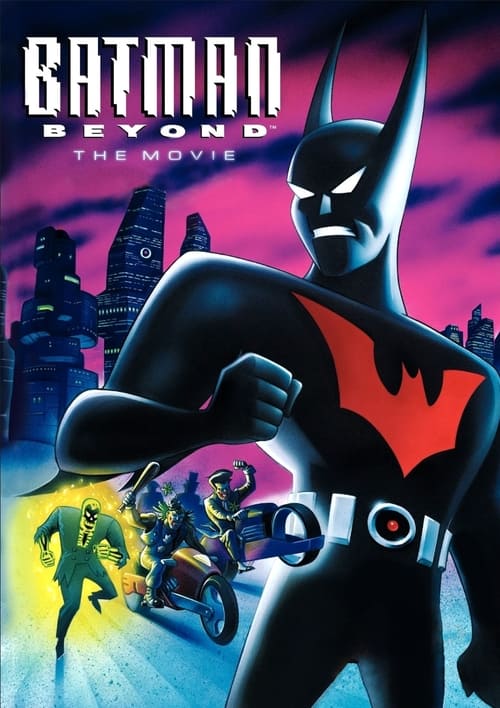
"Batman Beyond: The Movie", directed by Curt Geda, serves as both an introduction to the world of Batman Beyond and a feature-length adventure for the new generation’s Batman, Terry McGinnis. Set in a futuristic Neo-Gotham City, this film explores the transition of the Batman mantle from Bruce Wayne, the iconic Dark Knight of Gotham’s past, to a new, younger, and more reluctant hero. Batman Beyond was originally a TV series that aired in 1999, and "Batman Beyond: The Movie" functions as both a standalone story and an extension of the animated series, delving deeper into Terry’s evolution as the new Batman. This movie offers a unique look at Batman's legacy, with a blend of fresh ideas, intriguing concepts, and some exciting action sequences. However, while it has its moments of brilliance, Batman Beyond: The Movie also falters in a few key areas, keeping it from being a perfect installment in the Batman animated canon. It essentially merges two episodes from the Batman Beyond TV series, specifically the episodes Rebirth parts 1 and 2, which were originally intended to introduce Terry McGinnis as the new Batman and set the stage for the series. The movie version combines these two episodes into a feature-length film, slightly restructured to flow more seamlessly as a standalone story.
The premise of this film is one of its strongest suits. Set in a cyberpunk-inspired, neon-lit future, Neo-Gotham is a stark contrast to the grim, Gothic streets of the old Gotham. I love how the world felt alive with futuristic technology, yet the corruption and crime that plagued the old city continued to thrive. The premise of a new Batman rising in a world where Bruce Wayne is too old to continue the fight is super compelling. Terry McGinnis, a high school student who stumbles upon Bruce Wayne’s secret, is thrust into the role of Gotham’s protector. Terry’s journey from a rebellious teenager to a more disciplined, capable crime-fighter offers a nice contrast to Bruce Wayne’s years of experience and bitterness.
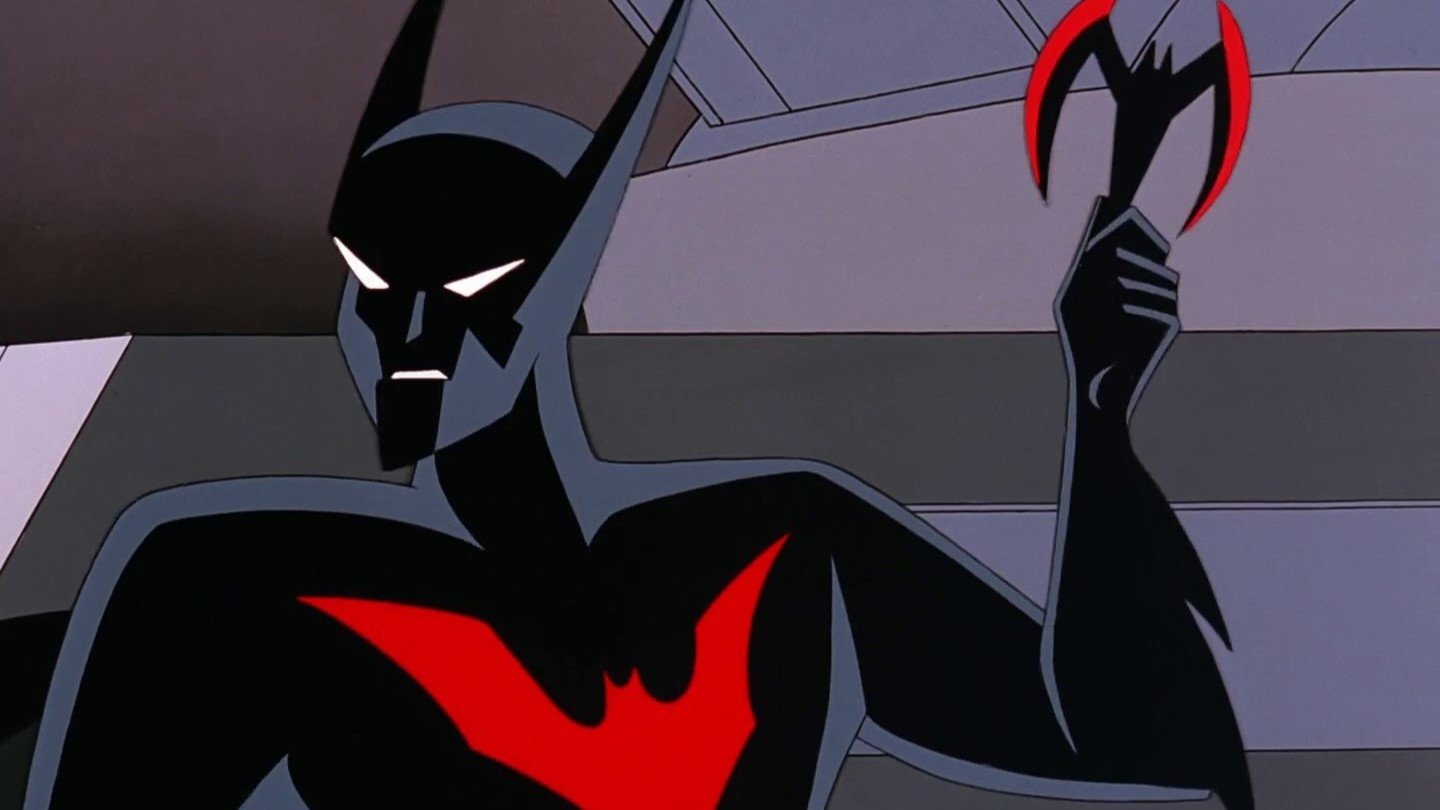
The backdrop of Neo-Gotham, with its towering skyscrapers, flying cars, and sleek, tech-heavy designs, presents an intriguing vision of the future. The world-building, though not as detailed as some other dystopian settings, still offers a fresh perspective on Gotham's evolution. The futuristic gadgets and the high-tech Batsuit, which Terry dons in his new role, add an exciting new dimension to the Batman mythos. The Batsuit, equipped with advanced technology, artificial intelligence, and enhanced strength, feels like a natural evolution of the Bat-gear, fitting into this future world where technology is more advanced, but the threats are also more dangerous. Terry McGinnis, unlike Bruce Wayne, isn’t a seasoned fighter from the get-go. His journey as Batman is driven by a mix of remorse, guilt, and vengeance—feelings stemming from the loss of his father. This humanizes him in a way that Bruce, often depicted as a tortured loner, sometimes isn’t. The notion of a young, inexperienced Batman learning from the ghost of the old one adds a poignant layer to the story. Bruce Wayne serves as Terry’s mentor, but he's also a weary, broken man who’s emotionally detached and reluctant to teach the new Batman the way he was taught.
For me personally, Terry McGinnis is a pretty likable protagonist. Voiced by Will Friedle (who also voiced the character in the tv series), Terry is a more relatable, down-to-earth character compared to Bruce Wayne. His motivations are simple—he wants justice for his father’s murder, and he's determined to protect his city. Friedle’s performance brings a lot of youthful energy to Terry, and while his Batman is still developing, it’s clear that he has the potential to be a strong hero in his own right. There are moments of vulnerability and arrogance in Terry’s portrayal, and it’s refreshing to see a more flawed and impulsive hero—one who has the potential to grow and mature with time. On the other hand, Bruce Wayne, voiced by the legendary Kevin Conroy, is a deeply interesting character in this context. Conroy’s voice work is, as always, stellar. His portrayal of an older, more cynical Bruce is filled with regret, and his reluctance to train Terry shows just how much the years of fighting crime have broken him. This older Bruce is a far cry from the determined, stoic Batman of Batman: The Animated Series. His dynamic with Terry is one of the movie's emotional centerpieces. There’s a constant tug-of-war between the mentor's desire to protect the new Batman from his mistakes and Terry’s drive to prove himself as the new protector of Gotham. While the film’s central characters are well-executed, the supporting cast doesn’t get as much attention. Characters like Dana (Terry’s girlfriend) and Max (his tech-savvy friend) feel somewhat underdeveloped. Max, in particular, seems like she could have had a more significant role in helping Terry balance his dual life as a student and a crime-fighter. Dana’s role is even more limited—she provides emotional stakes for Terry, but we don't get to know much about her beyond her relationship with Terry. She often feels like an afterthought, despite her importance in Terry's personal life.
The film’s antagonist, the mysterious “Blight” (also known as Derek Powers), is somewhat of a letdown. He’s a corporate villain with a clear personal vendetta against Terry’s family, but his motivations are predictable and lack the depth of Batman’s more iconic foes. While the film attempts to explore the power dynamics of corporate greed and corruption, Blight ultimately feels like a one-dimensional villain who doesn’t quite match the emotional or psychological complexity of Batman’s rogues’ gallery. His confrontation with Terry is satisfying, but not as emotionally compelling as it could have been.
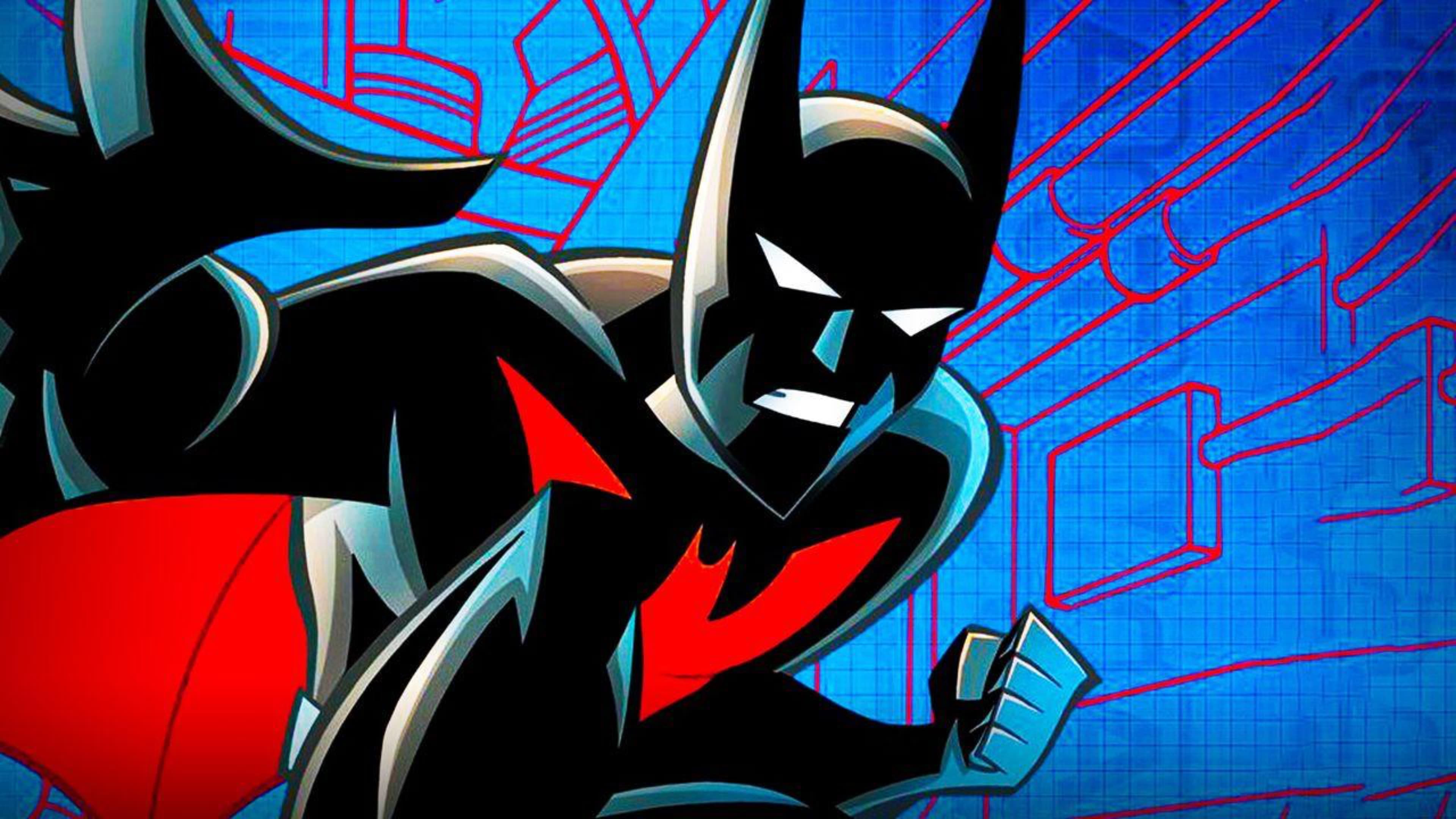
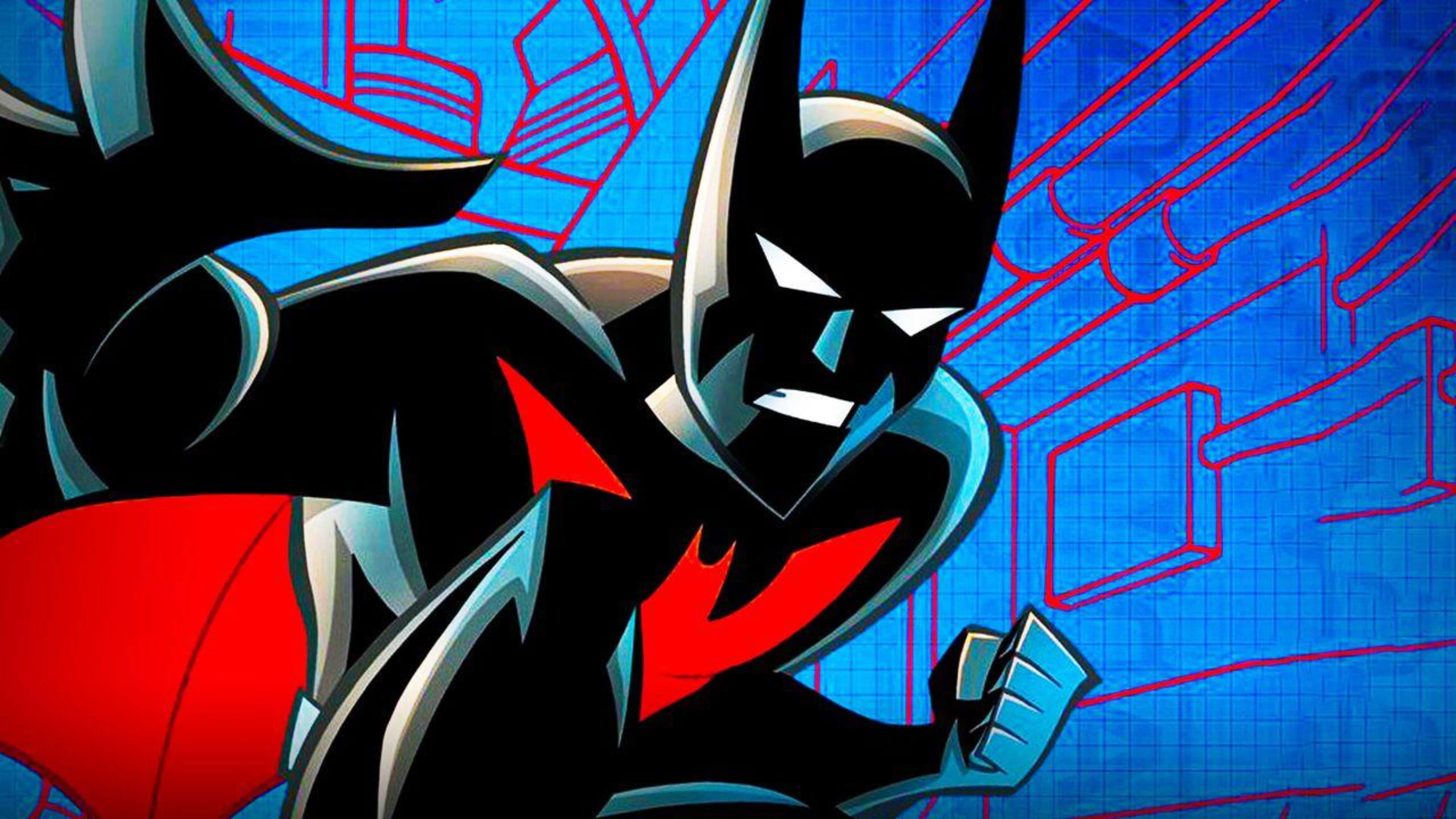
One of the most striking aspects of Batman Beyond: The Movie is its animation. The sleek, futuristic art style is a bold departure from the traditional Batman look, embracing a more angular, sharp design for both characters and backgrounds. The color palette, dominated by dark blues, purples, and neon accents, helps set the mood of Neo-Gotham. The animation quality is solid, especially considering the movie’s TV-movie format, with smooth action sequences and fluid character movements. The film's action scenes are fast-paced, dynamic, and often innovative, showcasing Terry’s high-tech Batsuit in all its glory. There’s a lot of focus on acrobatics, gadgets, and futuristic combat techniques, which give the film a distinct edge over previous Batman adaptations.However, the action is sometimes inconsistent. While the movie starts strong with a few intense confrontations, some of the later action scenes feel a bit repetitive. There are several moments where Terry is in the middle of high-stakes fights that don’t feel particularly tense or varied. This is likely due to the constraints of the format, as the movie doesn’t have the same time or budget as a traditional theatrical film. It’s unfortunate that the exciting visuals and tech-heavy battles sometimes give way to more conventional, run-of-the-mill action sequences.
One of the best things about "Batman Beyond: The Movie" is its exploration of legacy and the passing of the torch. This theme is integral to both Terry’s growth as Batman and to the overall narrative. Bruce Wayne is a man defined by loss and his obsessive commitment to justice, and seeing him pass the mantle to a younger, more impulsive successor creates an interesting dynamic. Terry has the potential to be a better Batman than Bruce ever was—he’s more open to learning and willing to connect with people, whereas Bruce has become a solitary figure burdened by his past. The film delves into these ideas with subtlety, though at times the themes could have been explored in more depth.The movie also touches on the themes of guilt and redemption. Terry’s quest for justice is partly driven by his desire to avenge his father’s death, but he also grows to realize that he must fight for something bigger than his personal revenge. Bruce’s role as a mentor is pivotal in guiding Terry toward understanding that his responsibility as Batman goes beyond just fighting crime—it’s about protecting those who can’t protect themselves. While the film doesn’t go as deep into these themes as it could, it nonetheless presents them in a way that resonates with viewers.
Overall, "Batman Beyond: The Movie" is a very good batman film. Its futuristic world and exploration of Batman's legacy are intriguing and fresh, and the character of Terry McGinnis provides a relatable, modern take on the iconic Batman mythos. The animation is dynamic, and the action sequences, while not flawless, are visually exciting. However, the film suffers from a few key weaknesses. The supporting characters feel underdeveloped, the villain lacks depth, and the action can sometimes feel repetitive. While it introduces a fascinating new Batman for a new generation, it doesn’t quite reach the emotional complexity or lasting impact of other batman related projects. That said, this movie is a highly enjoyable experience that serves as an excellent introduction to the Batman Beyond series. Terry McGinnis is a worthy successor to the Batman legacy, and the film’s exploration of themes like legacy, loss, and redemption adds an emotional layer to the action. It’s not perfect, but it’s a solid entry in the Batman animated universe, and it’s certainly worth watching for fans of this character. I’m excited to continue my exploration of the Batman animated films and to see how Batman Beyond’s story continues to evolve in the series. With its strong premise and unique take on the Batman mythos, it’s a world I look forward to revisiting.
(3.5 stars ⭐️ out of 5). (7.3/10). 73/100
Batman Beyond: The Movie (1999) Review
A NEW HERO, FOR A NEW ERA
I’ve been excited to dive into the Batman Beyond character for quite some time now. While I’ve known about Terry McGinnis and the futuristic Gotham of Batman Beyond for years—through references, comics, and discussions—I'd never fully explored the world of the new Batman until now. This is my fourth movie on my Letterboxd list of wheel spinner-decided films. This movie is my first real exposure to Terry's journey, and I was eager to see how the character of Batman could evolve in a more modern, tech-driven world. The idea of a new, younger Batman taking up the mantle in a future Gotham intrigued me, especially with Bruce Wayne passing the torch to someone with a different set of motivations and challenges. Now that I’ve finally seen it, I can say it’s a fascinating take on the Batman mythos, even if the film itself has its highs and lows.
"Batman Beyond: The Movie", directed by Curt Geda, serves as both an introduction to the world of Batman Beyond and a feature-length adventure for the new generation’s Batman, Terry McGinnis. Set in a futuristic Neo-Gotham City, this film explores the transition of the Batman mantle from Bruce Wayne, the iconic Dark Knight of Gotham’s past, to a new, younger, and more reluctant hero. Batman Beyond was originally a TV series that aired in 1999, and "Batman Beyond: The Movie" functions as both a standalone story and an extension of the animated series, delving deeper into Terry’s evolution as the new Batman. This movie offers a unique look at Batman's legacy, with a blend of fresh ideas, intriguing concepts, and some exciting action sequences. However, while it has its moments of brilliance, Batman Beyond: The Movie also falters in a few key areas, keeping it from being a perfect installment in the Batman animated canon. It essentially merges two episodes from the Batman Beyond TV series, specifically the episodes Rebirth parts 1 and 2, which were originally intended to introduce Terry McGinnis as the new Batman and set the stage for the series. The movie version combines these two episodes into a feature-length film, slightly restructured to flow more seamlessly as a standalone story.
The premise of this film is one of its strongest suits. Set in a cyberpunk-inspired, neon-lit future, Neo-Gotham is a stark contrast to the grim, Gothic streets of the old Gotham. I love how the world felt alive with futuristic technology, yet the corruption and crime that plagued the old city continued to thrive. The premise of a new Batman rising in a world where Bruce Wayne is too old to continue the fight is super compelling. Terry McGinnis, a high school student who stumbles upon Bruce Wayne’s secret, is thrust into the role of Gotham’s protector. Terry’s journey from a rebellious teenager to a more disciplined, capable crime-fighter offers a nice contrast to Bruce Wayne’s years of experience and bitterness.
The backdrop of Neo-Gotham, with its towering skyscrapers, flying cars, and sleek, tech-heavy designs, presents an intriguing vision of the future. The world-building, though not as detailed as some other dystopian settings, still offers a fresh perspective on Gotham's evolution. The futuristic gadgets and the high-tech Batsuit, which Terry dons in his new role, add an exciting new dimension to the Batman mythos. The Batsuit, equipped with advanced technology, artificial intelligence, and enhanced strength, feels like a natural evolution of the Bat-gear, fitting into this future world where technology is more advanced, but the threats are also more dangerous. Terry McGinnis, unlike Bruce Wayne, isn’t a seasoned fighter from the get-go. His journey as Batman is driven by a mix of remorse, guilt, and vengeance—feelings stemming from the loss of his father. This humanizes him in a way that Bruce, often depicted as a tortured loner, sometimes isn’t. The notion of a young, inexperienced Batman learning from the ghost of the old one adds a poignant layer to the story. Bruce Wayne serves as Terry’s mentor, but he's also a weary, broken man who’s emotionally detached and reluctant to teach the new Batman the way he was taught.
For me personally, Terry McGinnis is a pretty likable protagonist. Voiced by Will Friedle (who also voiced the character in the tv series), Terry is a more relatable, down-to-earth character compared to Bruce Wayne. His motivations are simple—he wants justice for his father’s murder, and he's determined to protect his city. Friedle’s performance brings a lot of youthful energy to Terry, and while his Batman is still developing, it’s clear that he has the potential to be a strong hero in his own right. There are moments of vulnerability and arrogance in Terry’s portrayal, and it’s refreshing to see a more flawed and impulsive hero—one who has the potential to grow and mature with time. On the other hand, Bruce Wayne, voiced by the legendary Kevin Conroy, is a deeply interesting character in this context. Conroy’s voice work is, as always, stellar. His portrayal of an older, more cynical Bruce is filled with regret, and his reluctance to train Terry shows just how much the years of fighting crime have broken him. This older Bruce is a far cry from the determined, stoic Batman of Batman: The Animated Series. His dynamic with Terry is one of the movie's emotional centerpieces. There’s a constant tug-of-war between the mentor's desire to protect the new Batman from his mistakes and Terry’s drive to prove himself as the new protector of Gotham. While the film’s central characters are well-executed, the supporting cast doesn’t get as much attention. Characters like Dana (Terry’s girlfriend) and Max (his tech-savvy friend) feel somewhat underdeveloped. Max, in particular, seems like she could have had a more significant role in helping Terry balance his dual life as a student and a crime-fighter. Dana’s role is even more limited—she provides emotional stakes for Terry, but we don't get to know much about her beyond her relationship with Terry. She often feels like an afterthought, despite her importance in Terry's personal life.
The film’s antagonist, the mysterious “Blight” (also known as Derek Powers), is somewhat of a letdown. He’s a corporate villain with a clear personal vendetta against Terry’s family, but his motivations are predictable and lack the depth of Batman’s more iconic foes. While the film attempts to explore the power dynamics of corporate greed and corruption, Blight ultimately feels like a one-dimensional villain who doesn’t quite match the emotional or psychological complexity of Batman’s rogues’ gallery. His confrontation with Terry is satisfying, but not as emotionally compelling as it could have been.
One of the most striking aspects of Batman Beyond: The Movie is its animation. The sleek, futuristic art style is a bold departure from the traditional Batman look, embracing a more angular, sharp design for both characters and backgrounds. The color palette, dominated by dark blues, purples, and neon accents, helps set the mood of Neo-Gotham. The animation quality is solid, especially considering the movie’s TV-movie format, with smooth action sequences and fluid character movements. The film's action scenes are fast-paced, dynamic, and often innovative, showcasing Terry’s high-tech Batsuit in all its glory. There’s a lot of focus on acrobatics, gadgets, and futuristic combat techniques, which give the film a distinct edge over previous Batman adaptations.However, the action is sometimes inconsistent. While the movie starts strong with a few intense confrontations, some of the later action scenes feel a bit repetitive. There are several moments where Terry is in the middle of high-stakes fights that don’t feel particularly tense or varied. This is likely due to the constraints of the format, as the movie doesn’t have the same time or budget as a traditional theatrical film. It’s unfortunate that the exciting visuals and tech-heavy battles sometimes give way to more conventional, run-of-the-mill action sequences.
One of the best things about "Batman Beyond: The Movie" is its exploration of legacy and the passing of the torch. This theme is integral to both Terry’s growth as Batman and to the overall narrative. Bruce Wayne is a man defined by loss and his obsessive commitment to justice, and seeing him pass the mantle to a younger, more impulsive successor creates an interesting dynamic. Terry has the potential to be a better Batman than Bruce ever was—he’s more open to learning and willing to connect with people, whereas Bruce has become a solitary figure burdened by his past. The film delves into these ideas with subtlety, though at times the themes could have been explored in more depth.The movie also touches on the themes of guilt and redemption. Terry’s quest for justice is partly driven by his desire to avenge his father’s death, but he also grows to realize that he must fight for something bigger than his personal revenge. Bruce’s role as a mentor is pivotal in guiding Terry toward understanding that his responsibility as Batman goes beyond just fighting crime—it’s about protecting those who can’t protect themselves. While the film doesn’t go as deep into these themes as it could, it nonetheless presents them in a way that resonates with viewers.
Overall, "Batman Beyond: The Movie" is a very good batman film. Its futuristic world and exploration of Batman's legacy are intriguing and fresh, and the character of Terry McGinnis provides a relatable, modern take on the iconic Batman mythos. The animation is dynamic, and the action sequences, while not flawless, are visually exciting. However, the film suffers from a few key weaknesses. The supporting characters feel underdeveloped, the villain lacks depth, and the action can sometimes feel repetitive. While it introduces a fascinating new Batman for a new generation, it doesn’t quite reach the emotional complexity or lasting impact of other batman related projects. That said, this movie is a highly enjoyable experience that serves as an excellent introduction to the Batman Beyond series. Terry McGinnis is a worthy successor to the Batman legacy, and the film’s exploration of themes like legacy, loss, and redemption adds an emotional layer to the action. It’s not perfect, but it’s a solid entry in the Batman animated universe, and it’s certainly worth watching for fans of this character. I’m excited to continue my exploration of the Batman animated films and to see how Batman Beyond’s story continues to evolve in the series. With its strong premise and unique take on the Batman mythos, it’s a world I look forward to revisiting.
(3.5 stars ⭐️ out of 5). (7.3/10). 73/100