Masterful gritty pitch-perfect realism that's haunting to the core.
Brillante Mendoza exudes a masterful command of the film medium with Kinatay. Starting off with a mundane showing of a Filipino life in poverty made beautiful with insanely naturalistic performances and guerilla-like camera work, Mendoza keeps you invested in the ordinary life of a young couple, Peping and Cecile, in poverty.
Peping, a 20-year-old criminology student, juggling raising a son whilst continuing his studies in pursuit of a better life with his wife, Cecille. Through his personal connections and informal work for a criminal syndicate as a fee collector, Peping's journey into darkness and the depths of hell begins. A journey that Mendoza forcefully brings us into with Peping.
Mendoza's masterful command of the film medium is nothing short of amazing. With the gritty and guerilla-like camera work that frames both the mundane life of poverty and haunting darkness within Filipino society, Mendoza shows its disturbing contrast. With the first half of the film shrouded in the daylight of life, his work into transitioning the experience towards the darkness is both daunting and captivating.
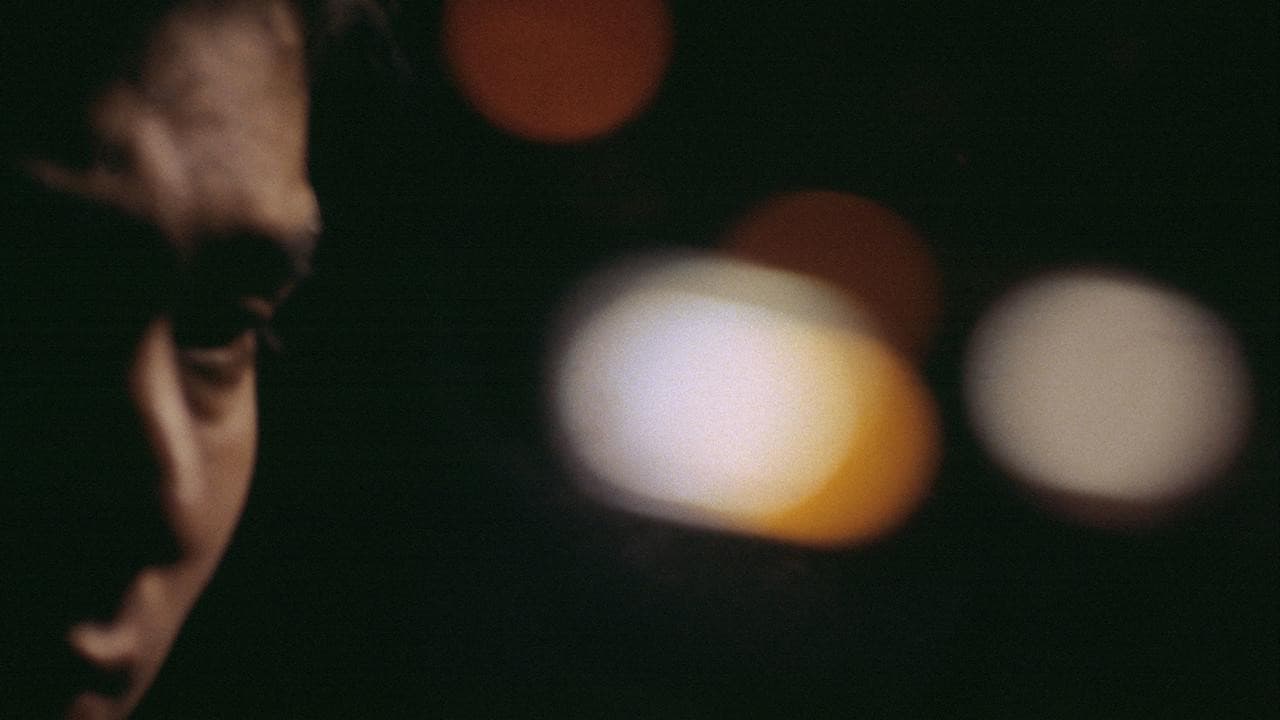
The bold choice of bringing the viewer throughout the 20-minute van ride sequence from Manila to Bulacan is probably one of the most commanding change of tone I've seen from any film, simultaneously easing you in and pulling you down without warning—a 20-minute sequence filled with gritty anxiety, deafeningly silent (compared to the film's prior mood) tension-building, and character turmoil that had me at the edge of my seat and uneasy for what comes next, a journey that seemed like forever.
The darkness that ensues after that delivers. Hellbent on following Peping and his various attempts to comprehend and escape the situation, Mendoza keeps the camera glued next to him, as if we were experiencing all of the horror and his moral dilemmas right next to Peping. The same naturalistic performances and guerilla camera work now induces a constant feeling of claustrophobia, turmoil, and panic. Adding in the eerie and spine-tingling score, absolute hopelessness settles in.
The same naturalistic perfomances, now escalates the air of evil in the film as the syndicate crew operates unconcerned of the gravity of the evil being committed—all while Peping, and the viewer, comprehends the horror in shock, looking out of place amidst a group of calm and collected murderers. With this, Mendoza forces the dilemmas to both Peping and the viewer, what should I do?, what can I do?, can it be done?
Back to being shrouded in the daylight of life, mundanity settles back in. The same performances and camera work is now back to the mundane everyday happenings with Peping in Manila, as if hell hadn't just invaded the very same screen just minutes prior. A choice that perfectly encapsulates the uncomfortable regularity, or dare I say, mundanity of such horrific evil and the society that puts Peping in a situation to take part in such horrific evil.
Mendoza's direction here is something to behold, truly deserving of the Cannes Best Director praise. The way this film realistically, without distortion of any kind, creates the extreme mundane-by-day and horrific-by-night experience of Manila is both endearing and scarring.
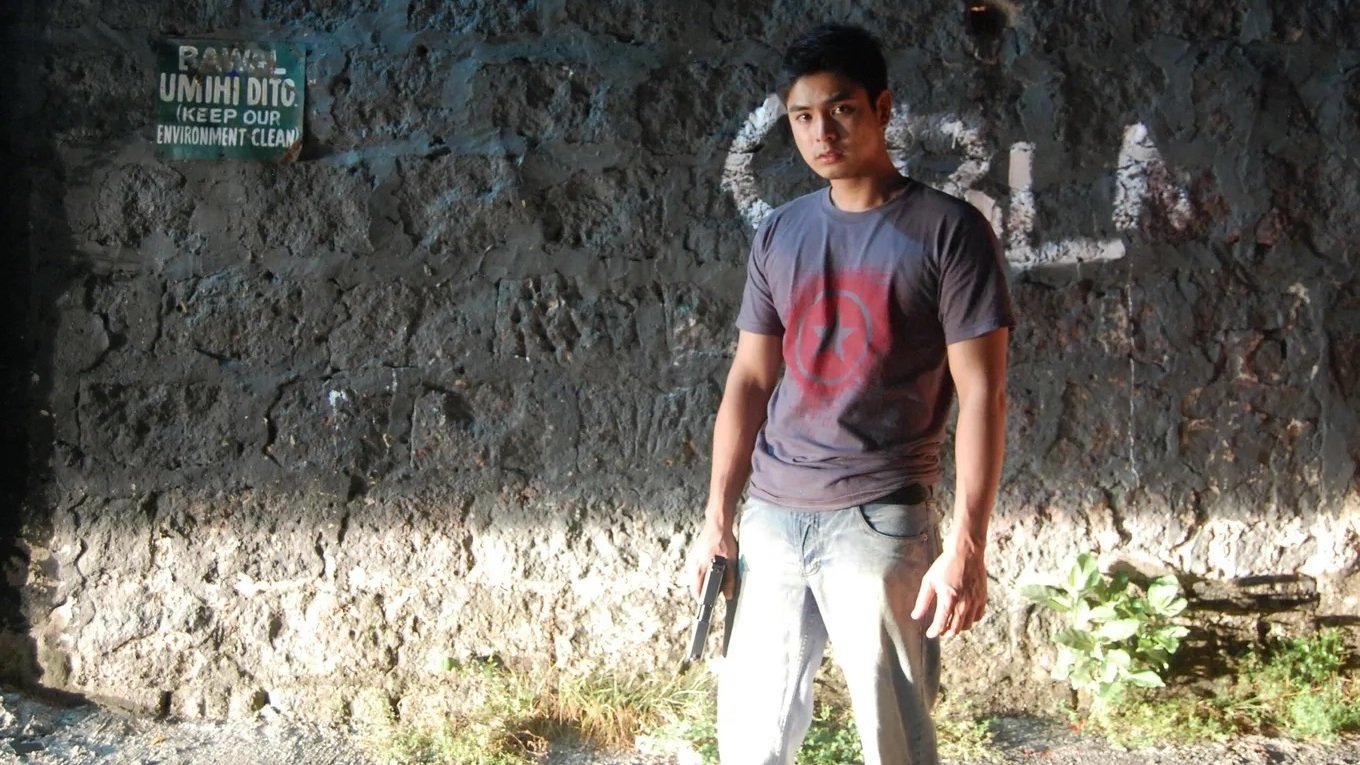
Coco Martin's performance as Peping is no slouch either as he hits the notes perfectly to bring the experience of Mendoza's masterpiece home.
An absolutely technically astounding and pitch-perfect film elevated with masterful direction from Brillante Mendoza. So far the only film I absolutely adore but, ultimately, wish to unsee.
Masterful gritty pitch-perfect realism that's haunting to the core.
Brillante Mendoza exudes a masterful command of the film medium with Kinatay. Starting off with a mundane showing of a Filipino life in poverty made beautiful with insanely naturalistic performances and guerilla-like camera work, Mendoza keeps you invested in the ordinary life of a young couple, Peping and Cecile, in poverty.
Peping, a 20-year-old criminology student, juggling raising a son whilst continuing his studies in pursuit of a better life with his wife, Cecille. Through his personal connections and informal work for a criminal syndicate as a fee collector, Peping's journey into darkness and the depths of hell begins. A journey that Mendoza forcefully brings us into with Peping.
Mendoza's masterful command of the film medium is nothing short of amazing. With the gritty and guerilla-like camera work that frames both the mundane life of poverty and haunting darkness within Filipino society, Mendoza shows its disturbing contrast. With the first half of the film shrouded in the daylight of life, his work into transitioning the experience towards the darkness is both daunting and captivating.
The bold choice of bringing the viewer throughout the 20-minute van ride sequence from Manila to Bulacan is probably one of the most commanding change of tone I've seen from any film, simultaneously easing you in and pulling you down without warning—a 20-minute sequence filled with gritty anxiety, deafeningly silent (compared to the film's prior mood) tension-building, and character turmoil that had me at the edge of my seat and uneasy for what comes next, a journey that seemed like forever.
The darkness that ensues after that delivers. Hellbent on following Peping and his various attempts to comprehend and escape the situation, Mendoza keeps the camera glued next to him, as if we were experiencing all of the horror and his moral dilemmas right next to Peping. The same naturalistic performances and guerilla camera work now induces a constant feeling of claustrophobia, turmoil, and panic. Adding in the eerie and spine-tingling score, absolute hopelessness settles in.
The same naturalistic perfomances, now escalates the air of evil in the film as the syndicate crew operates unconcerned of the gravity of the evil being committed—all while Peping, and the viewer, comprehends the horror in shock, looking out of place amidst a group of calm and collected murderers. With this, Mendoza forces the dilemmas to both Peping and the viewer, what should I do?, what can I do?, can it be done?
Back to being shrouded in the daylight of life, mundanity settles back in. The same performances and camera work is now back to the mundane everyday happenings with Peping in Manila, as if hell hadn't just invaded the very same screen just minutes prior. A choice that perfectly encapsulates the uncomfortable regularity, or dare I say, mundanity of such horrific evil and the society that puts Peping in a situation to take part in such horrific evil.
Mendoza's direction here is something to behold, truly deserving of the Cannes Best Director praise. The way this film realistically, without distortion of any kind, creates the extreme mundane-by-day and horrific-by-night experience of Manila is both endearing and scarring.
Coco Martin's performance as Peping is no slouch either as he hits the notes perfectly to bring the experience of Mendoza's masterpiece home.
An absolutely technically astounding and pitch-perfect film elevated with masterful direction from Brillante Mendoza. So far the only film I absolutely adore but, ultimately, wish to unsee.