This was such a deep and rich play about obsession, passion, control, fear, grief, ego, painting, art, and the color red. I was completely invested, so much so that it even made me emotional by the end. But right in the middle, during one of Rothko’s many crash-outs, I caught myself thinking: so this is just Whiplash for painters.
Anyways, Red.
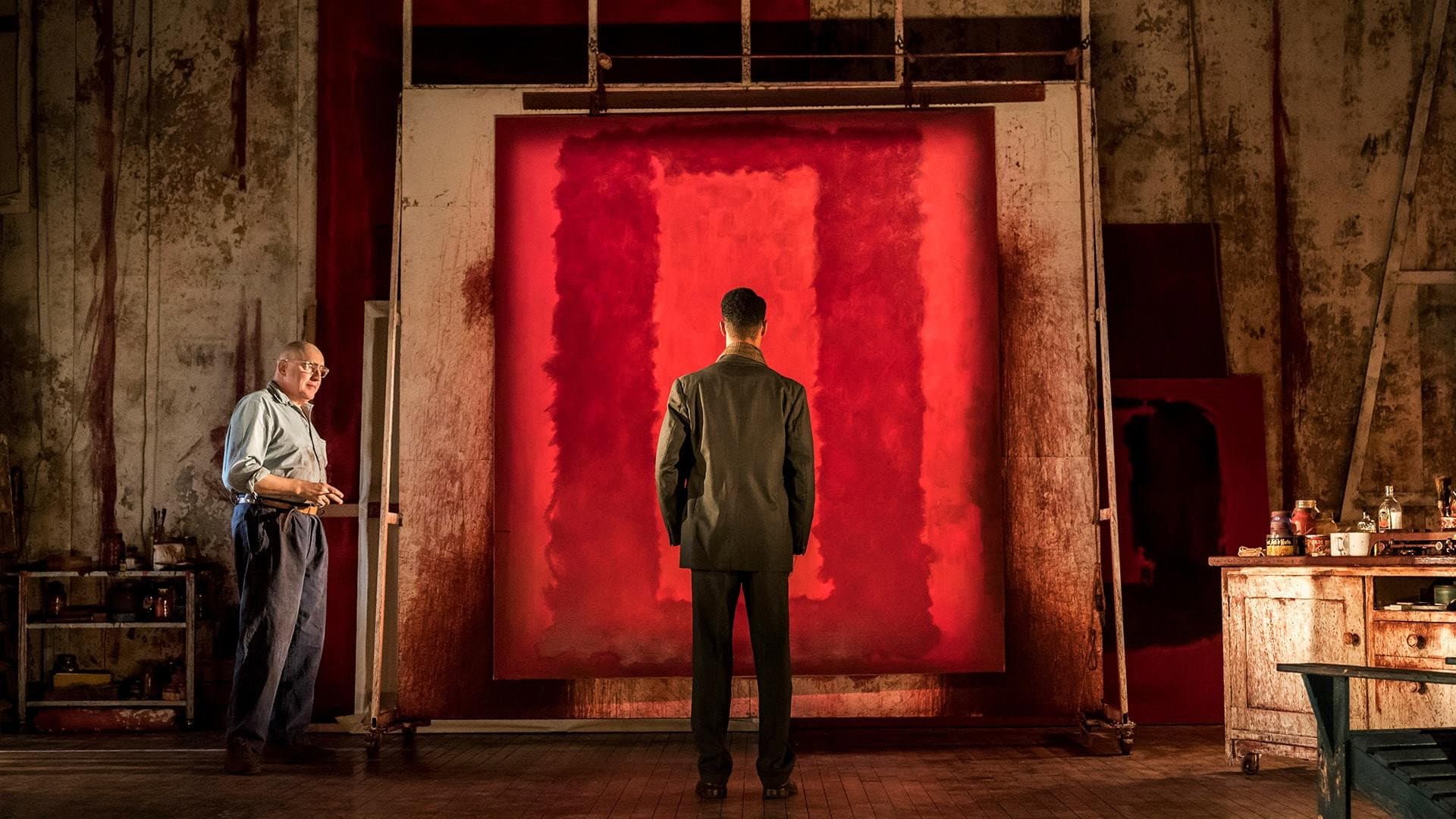
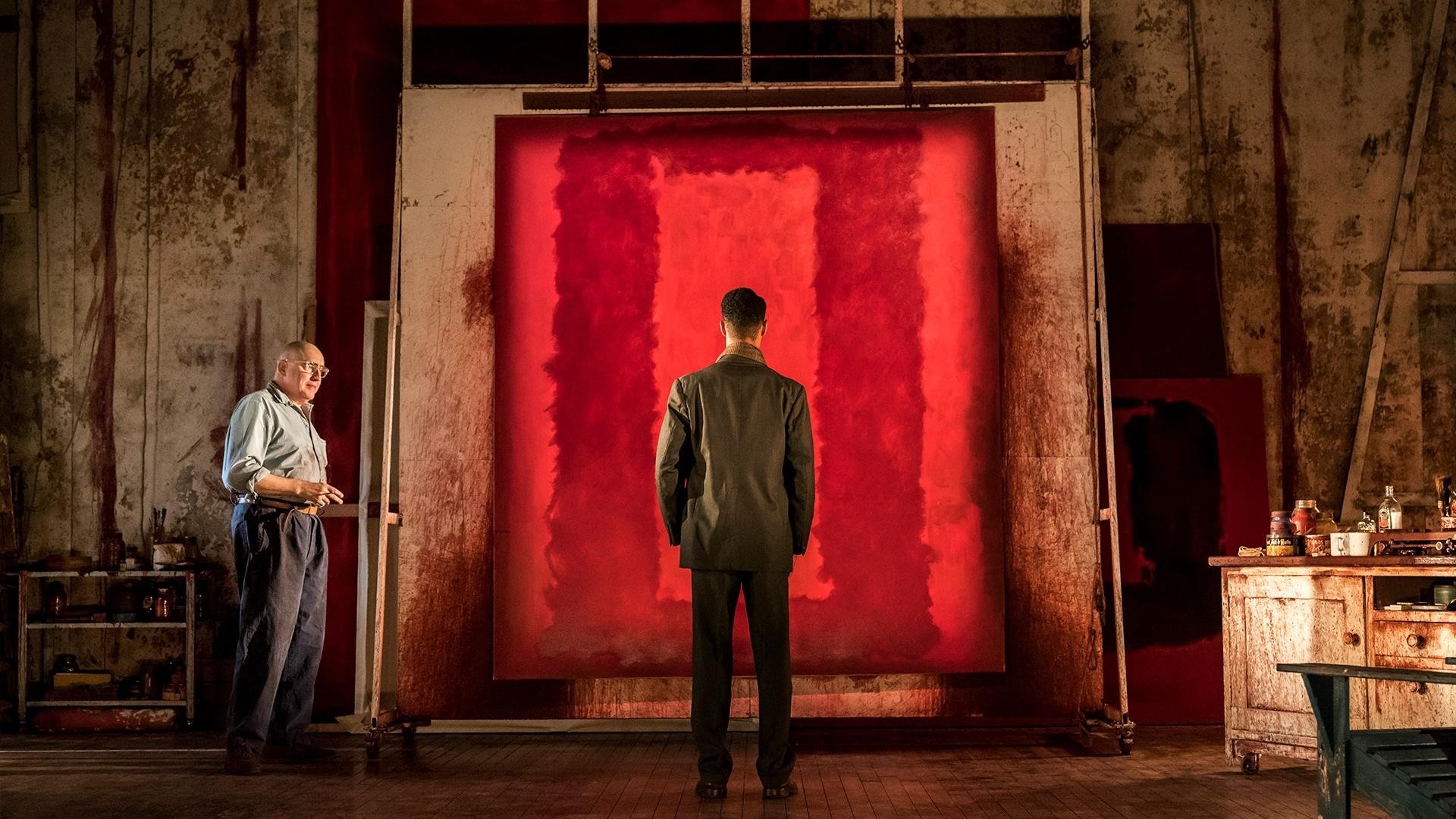
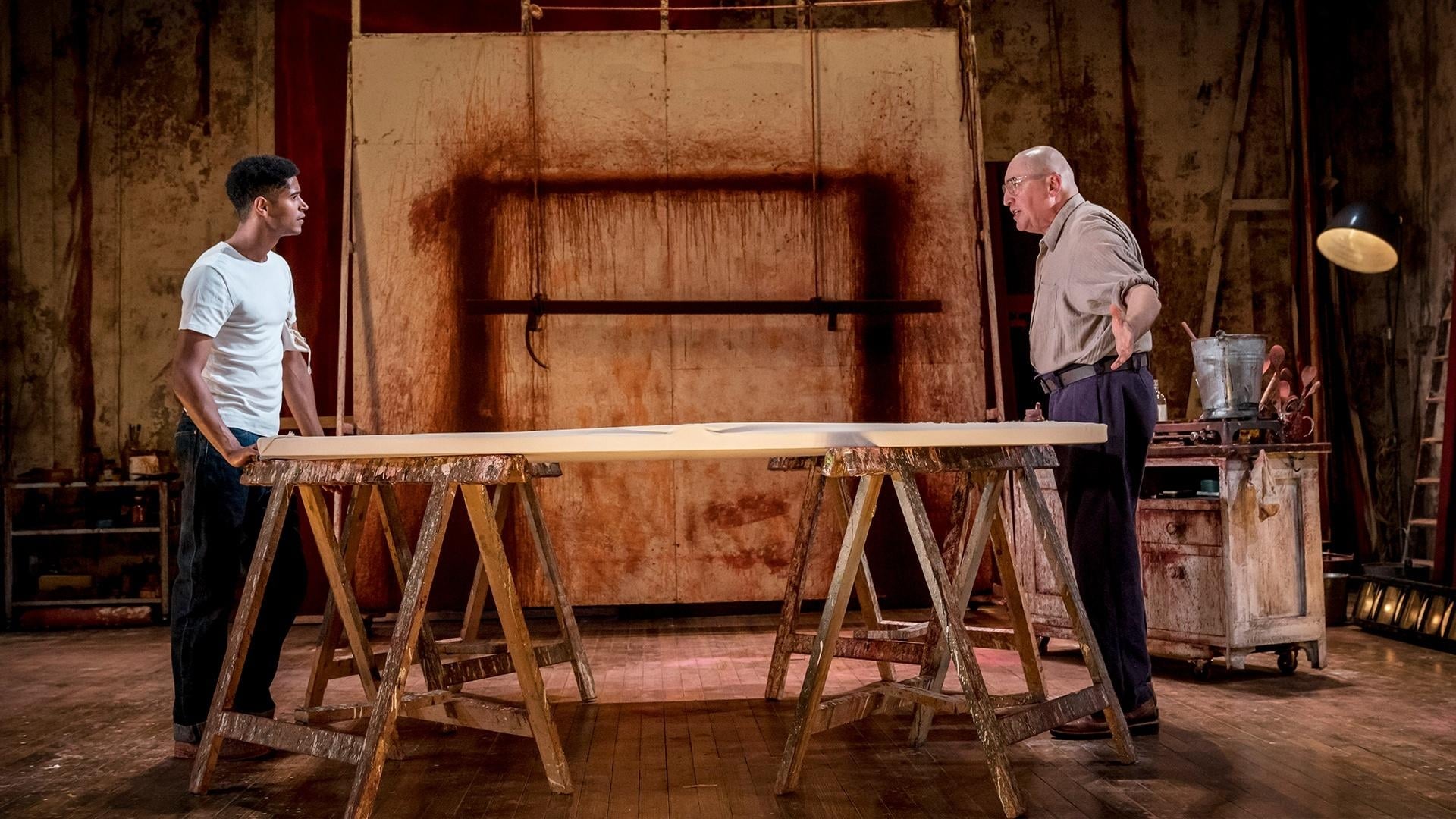
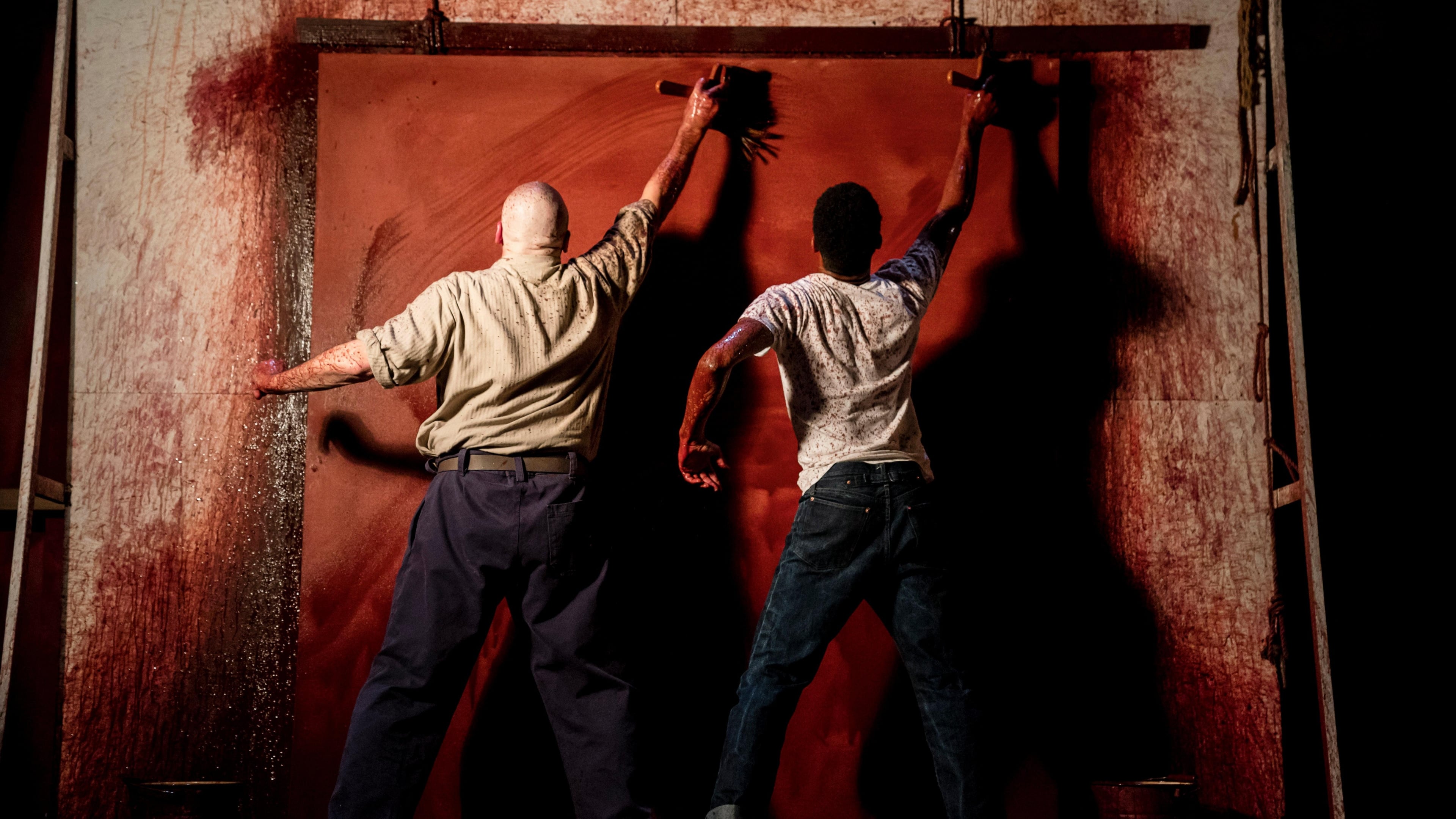
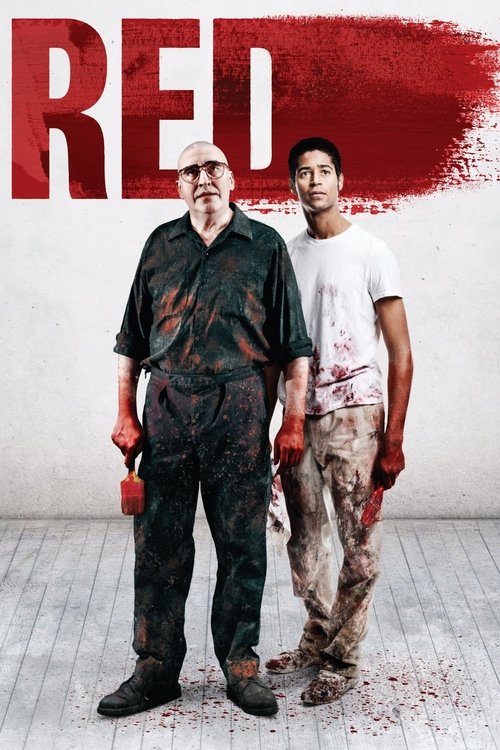
Red is a two-hander stage play written by John Logan (who you might know as the screenwriter of Gladiator and The Aviator). Set in the late 1950s, Red imagines conversations between the famous abstract expressionist Mark Rothko and his young assistant Ken in Rothko’s New York studio. Rothko has just accepted, and is already agonizing over, a massive commission to paint murals for the upscale Seagram Building. Or, more simply… a restaurant.
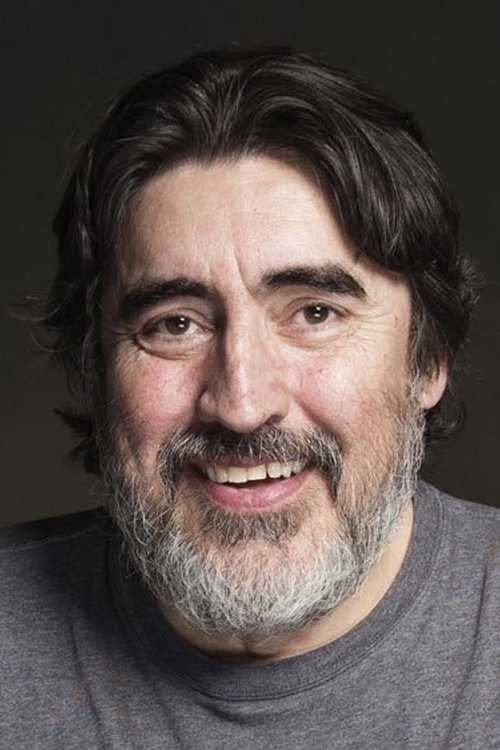
Mark Rothko is played by Alfred Molina, who delivers a performance full of biting emotional intelligence and deep artistic passion. His reactions can sometimes feel overwhelming or overly controlled, but I see that as an active way of life. He can’t live without art. His life is his art. And the dreadful moment when he visits the restaurant and sees his work installed, but hidden. Hit hard. His life’s work, his pain, his love, his passion, everything. Reduced to background decor behind cheap laughs and probably good cuisine.
There’s no debating it: Molina gives a performance of a lifetime. The way he blends sharp humor, blinding wit, explosive anger, and profound sadness was honestly unfamiliar to me. Watching a man give everything to a role and come out the other side in blooming perfection made me appreciate this work even more.
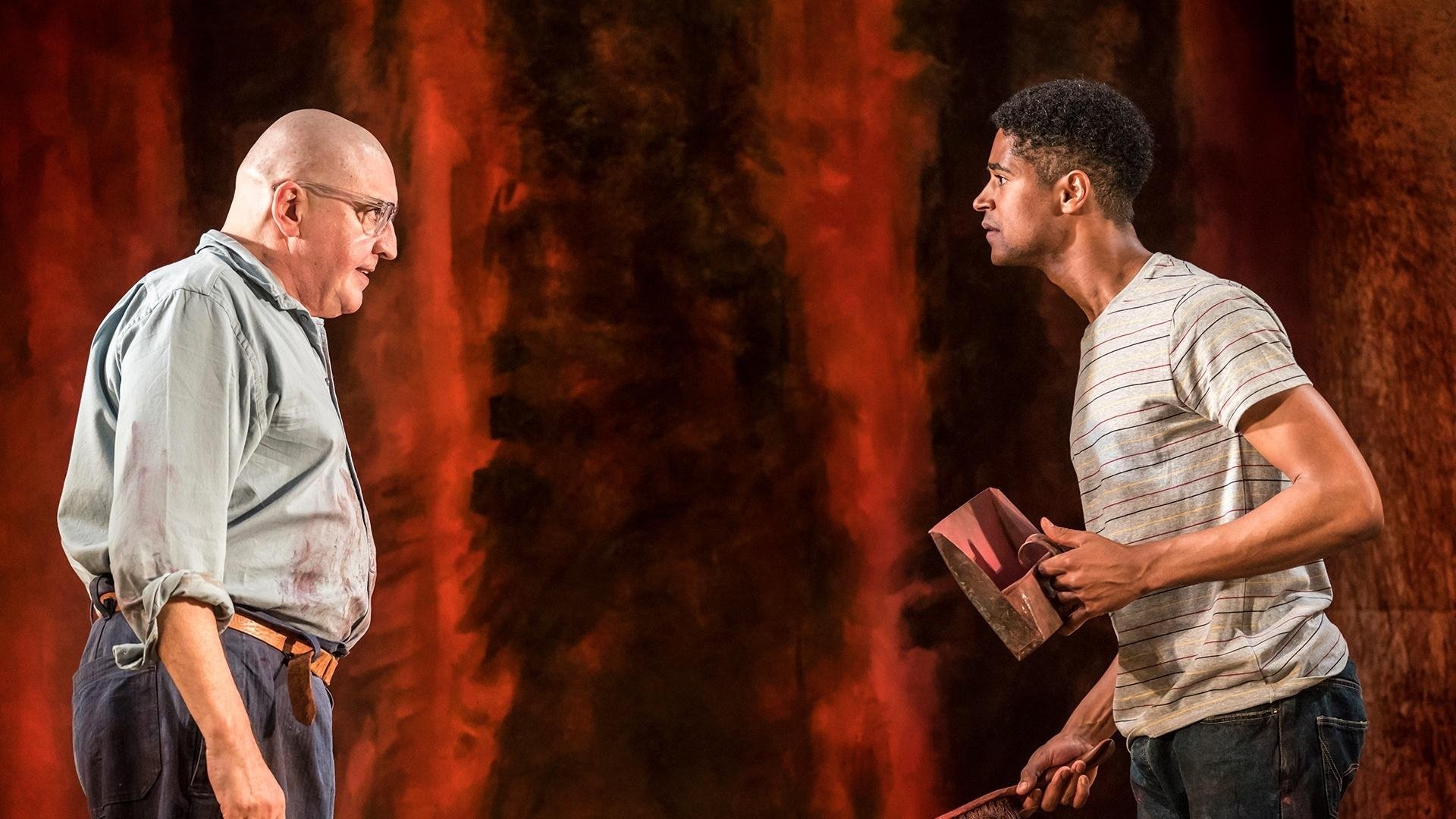
And then there’s Ken, played by Alfred Enoch. He performs with true passion, but not the same unhealthy, consuming relationship to passion that Rothko has. Ken is simply a young man who loves art and wants to become a painter, but he also understands the world. He embraces pop art, comic books, and modern imagery, considering them just as valid. Rothko, meanwhile, sees them as cheap and demented, asking what art even is without pain, struggle, and emotion. That clash creates such an interesting dynamic and makes the short but intense ninety minutes fly by.
That said, there were moments that didn’t fully connect with me. I’ll be honest. I’m not a passionate lover of painting. I’m more into music, film, and, funny enough, comic books. So when the dialogue got extremely deep into painters like Pollock, some of it didn’t intrigue me as much as other moments. But hey, what am I to judge? I knew exactly what I was getting into. It is a play about painting.
Still, the sequence where they debate Ken’s admiration for Pollock, and Rothko’s belief that Ken doesn’t understand “real” art, was genuinely fascinating. Their argument about comfort, chaos, and expression taught me more about painting history than I expected.
So while I didn’t fully understand everything, and some parts felt cryptic. It absolutely worked for me in other ways. I found Red to be an amazing and fascinating theater experience.
And the ending really got to me. It legit made me tear up for a second. Rothko firing Ken, their roles subtly switching. Ken demanding answers while Rothko tries to defuse the situation. Until Rothko finally tells him to leave, to go out into the world and create something new. To not waste precious years with an old man who doesn’t understand the future.
Go out.
Make something.
Make something new.
Truly a fantastic show.
Truly a fascinating show.
This was such a deep and rich play about obsession, passion, control, fear, grief, ego, painting, art, and the color red. I was completely invested, so much so that it even made me emotional by the end. But right in the middle, during one of Rothko’s many crash-outs, I caught myself thinking: so this is just Whiplash for painters.
Anyways, Red.
Red is a two-hander stage play written by John Logan (who you might know as the screenwriter of Gladiator and The Aviator). Set in the late 1950s, Red imagines conversations between the famous abstract expressionist Mark Rothko and his young assistant Ken in Rothko’s New York studio. Rothko has just accepted, and is already agonizing over, a massive commission to paint murals for the upscale Seagram Building. Or, more simply… a restaurant.
Mark Rothko is played by Alfred Molina, who delivers a performance full of biting emotional intelligence and deep artistic passion. His reactions can sometimes feel overwhelming or overly controlled, but I see that as an active way of life. He can’t live without art. His life is his art. And the dreadful moment when he visits the restaurant and sees his work installed, but hidden. Hit hard. His life’s work, his pain, his love, his passion, everything. Reduced to background decor behind cheap laughs and probably good cuisine.
There’s no debating it: Molina gives a performance of a lifetime. The way he blends sharp humor, blinding wit, explosive anger, and profound sadness was honestly unfamiliar to me. Watching a man give everything to a role and come out the other side in blooming perfection made me appreciate this work even more.
And then there’s Ken, played by Alfred Enoch. He performs with true passion, but not the same unhealthy, consuming relationship to passion that Rothko has. Ken is simply a young man who loves art and wants to become a painter, but he also understands the world. He embraces pop art, comic books, and modern imagery, considering them just as valid. Rothko, meanwhile, sees them as cheap and demented, asking what art even is without pain, struggle, and emotion. That clash creates such an interesting dynamic and makes the short but intense ninety minutes fly by.
That said, there were moments that didn’t fully connect with me. I’ll be honest. I’m not a passionate lover of painting. I’m more into music, film, and, funny enough, comic books. So when the dialogue got extremely deep into painters like Pollock, some of it didn’t intrigue me as much as other moments. But hey, what am I to judge? I knew exactly what I was getting into. It is a play about painting.
Still, the sequence where they debate Ken’s admiration for Pollock, and Rothko’s belief that Ken doesn’t understand “real” art, was genuinely fascinating. Their argument about comfort, chaos, and expression taught me more about painting history than I expected.
So while I didn’t fully understand everything, and some parts felt cryptic. It absolutely worked for me in other ways. I found Red to be an amazing and fascinating theater experience.
And the ending really got to me. It legit made me tear up for a second. Rothko firing Ken, their roles subtly switching. Ken demanding answers while Rothko tries to defuse the situation. Until Rothko finally tells him to leave, to go out into the world and create something new. To not waste precious years with an old man who doesn’t understand the future.
Go out.
Make something.
Make something new.
Truly a fantastic show.
Truly a fascinating show.