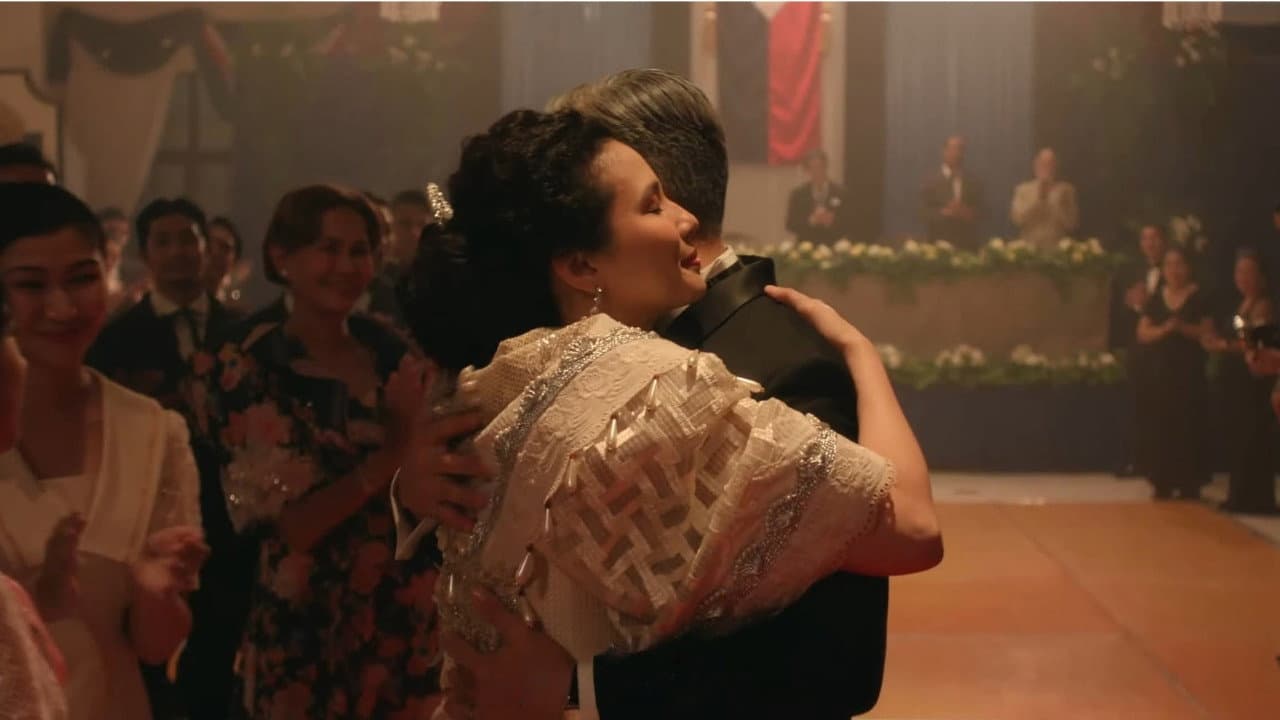
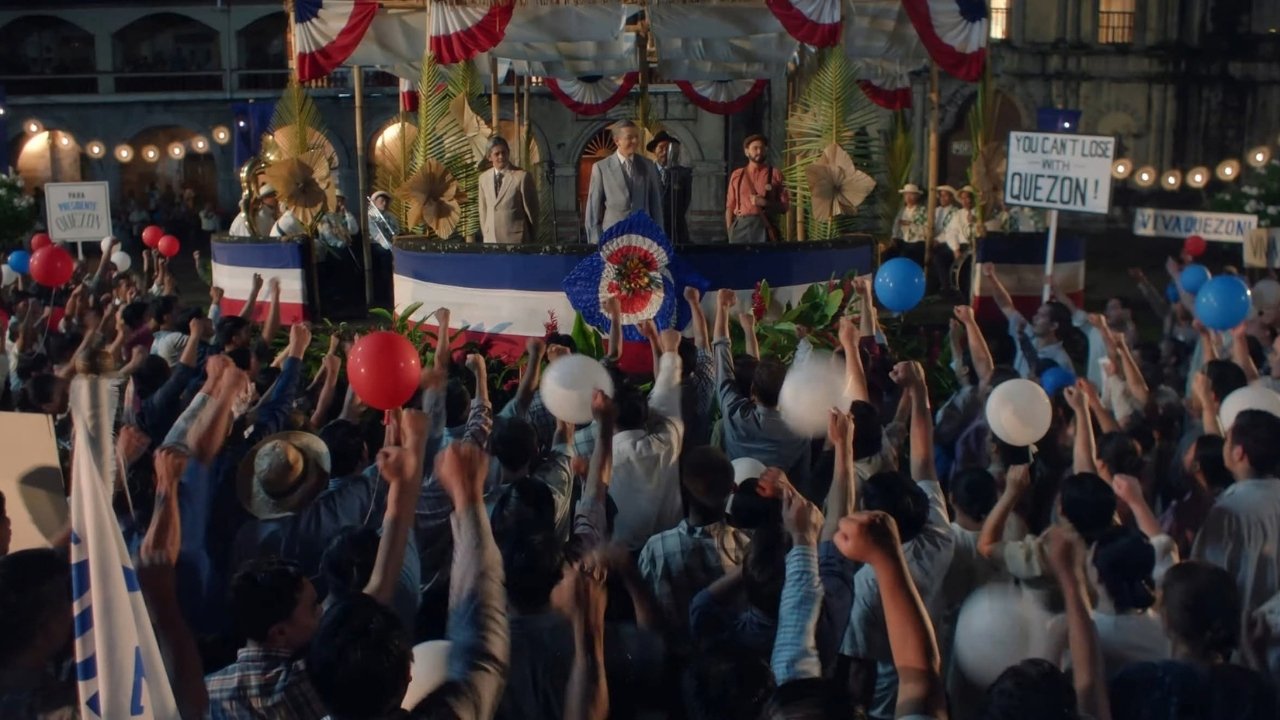
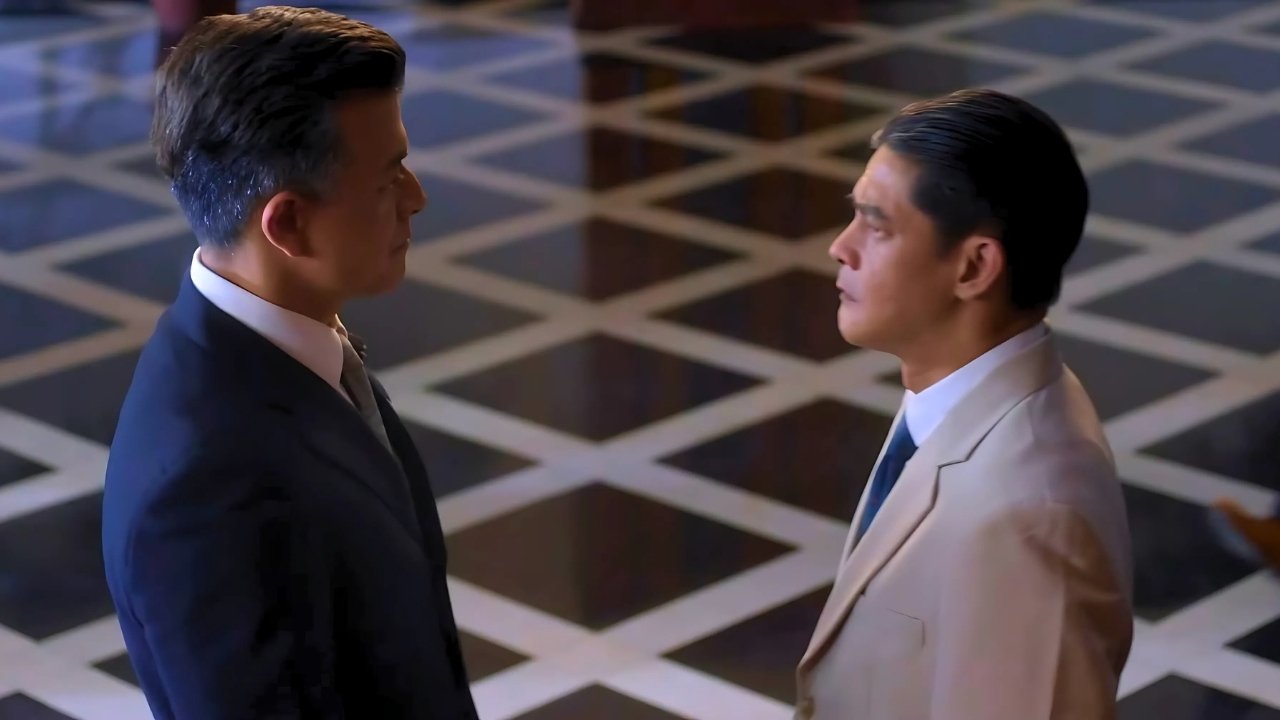
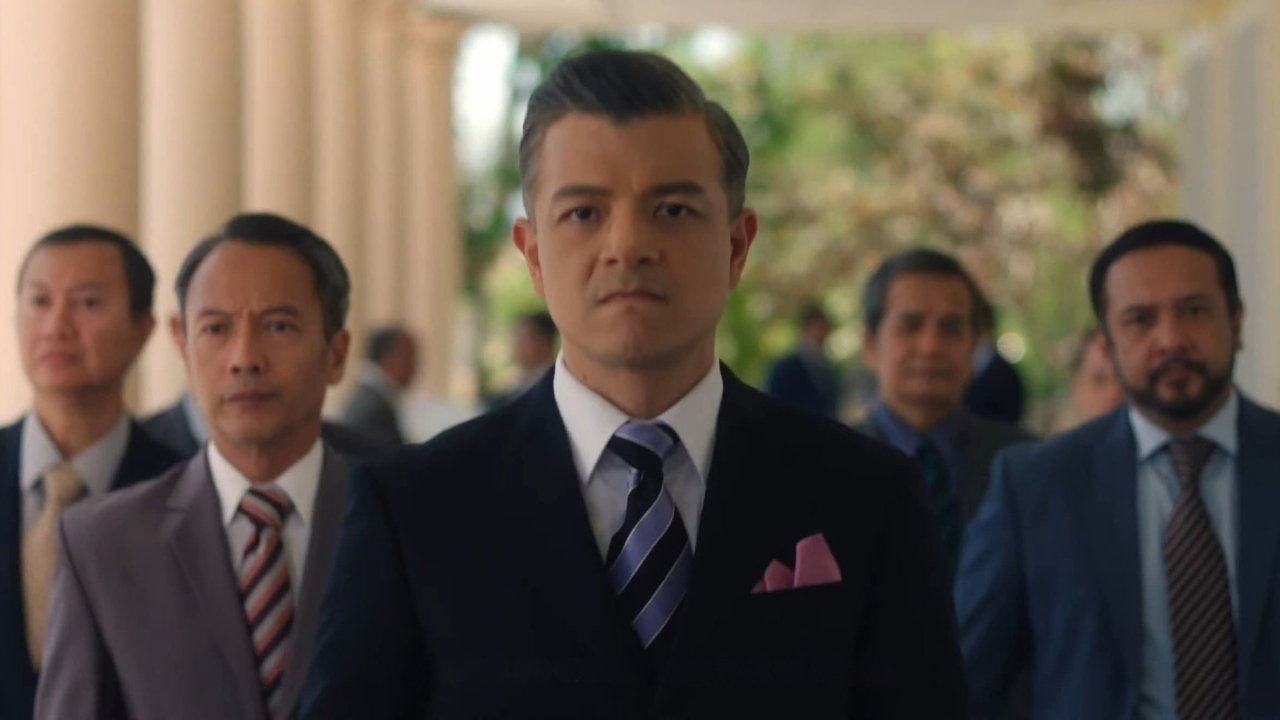
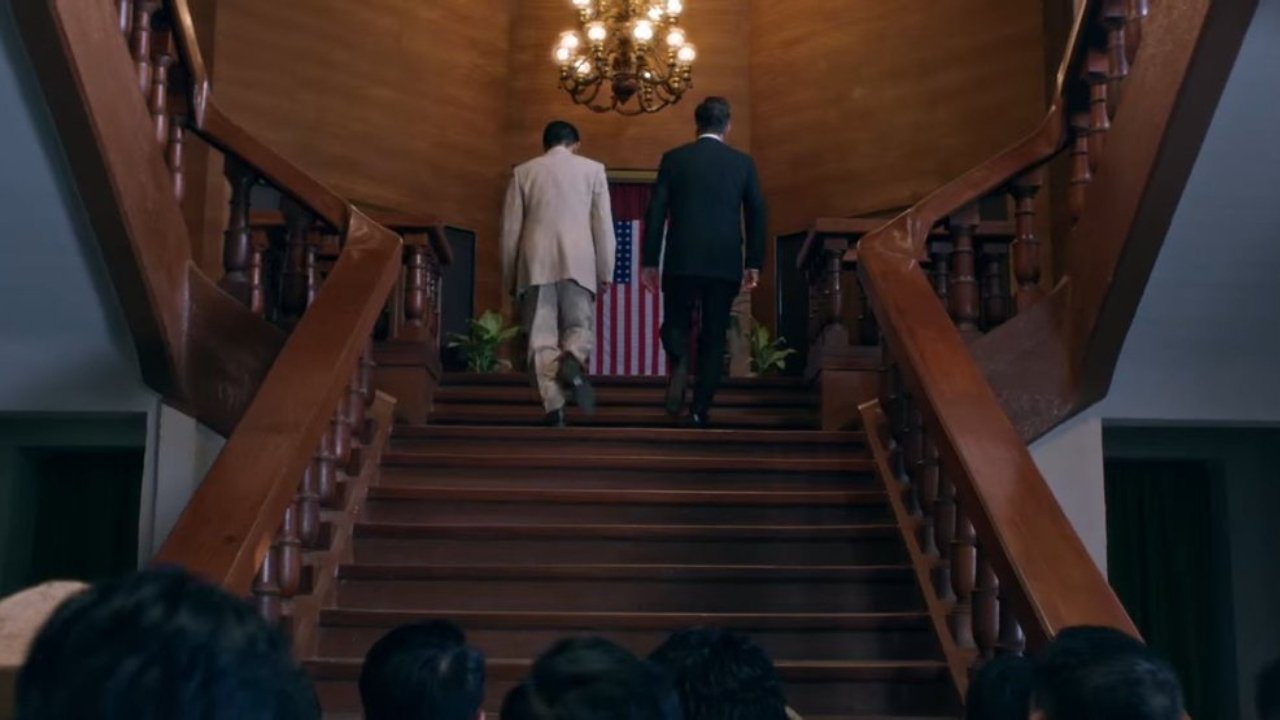
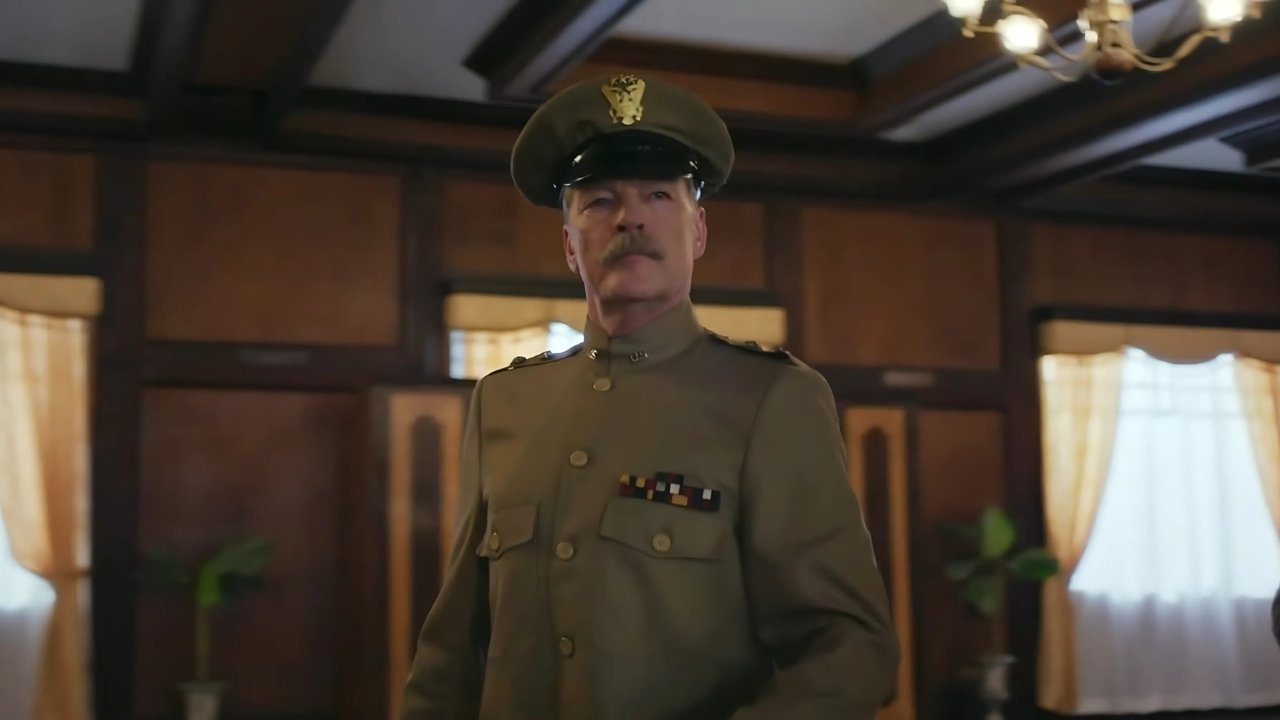
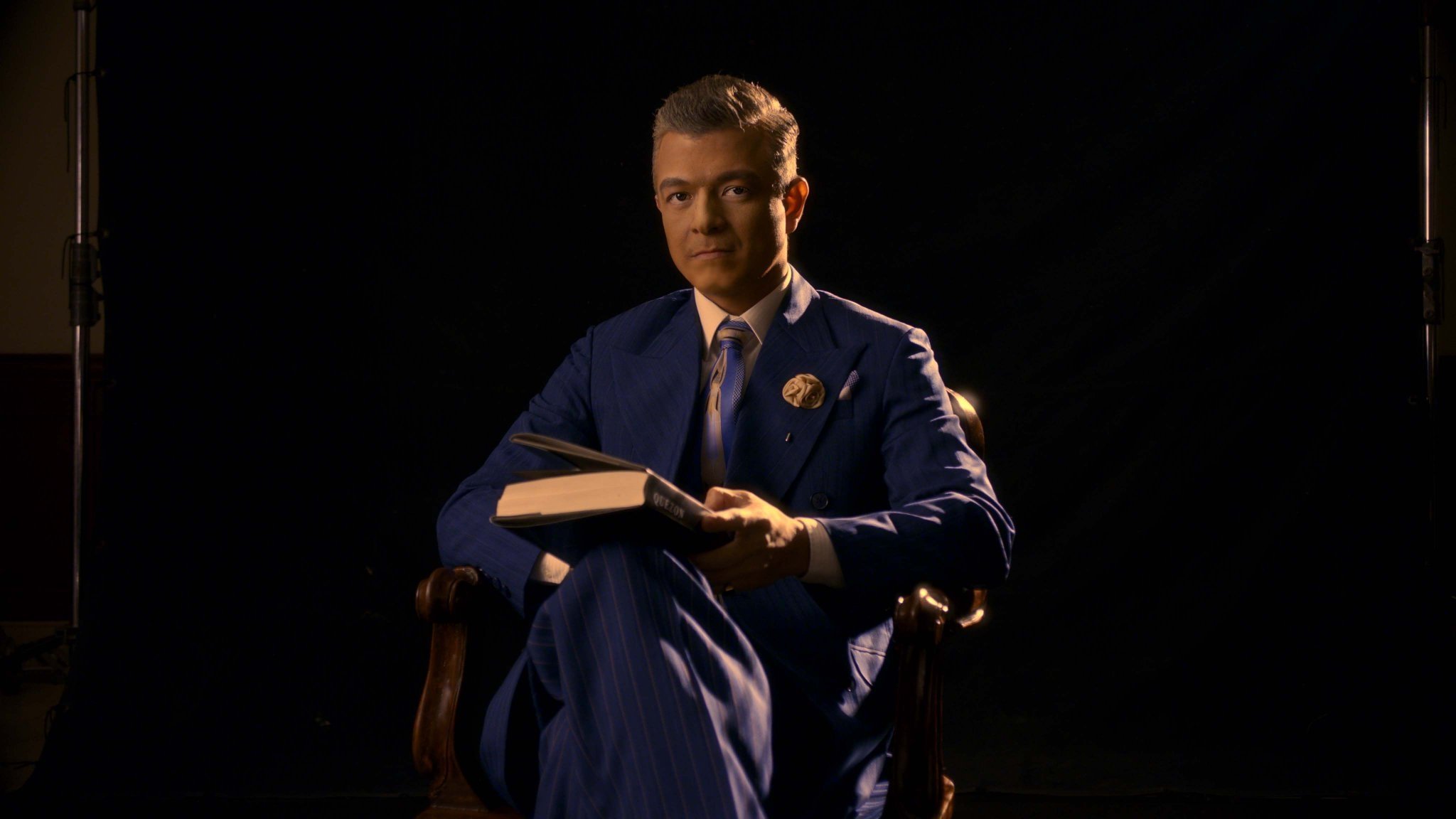
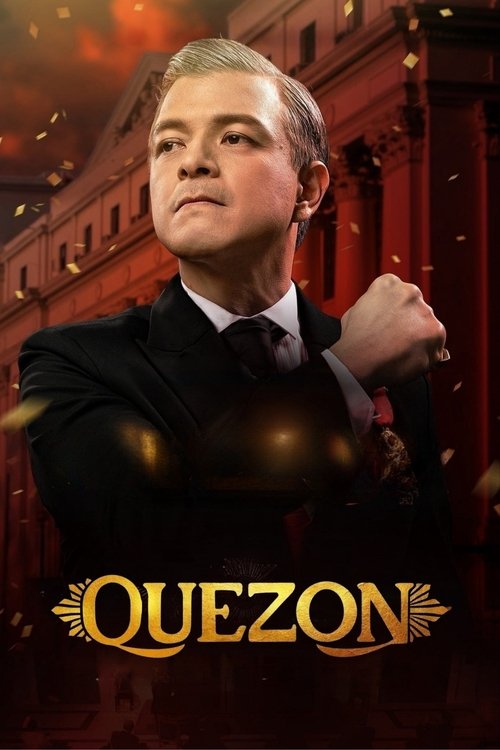
Tarog’s Quezon (2025) truly deconstructs the man — our second president — by using the very myths Quezon built for himself. As the film went on, I found myself in a dialogue within: how far can a man truly go just to achieve his dreams of power? And how could that affect the nationhood of a country that was still trying to build itself then?
Many years after, I think we still feel the effects of it — not merely because of the work Quezon did, but because of the tactics, performances, and political maneuvers he used to get there. In the end, I found myself sad and angry because the film feels painfully present. It does not feel distant from us at all. And I also feel like Jerrold Tarog is conversing within himself through the film. I can sense the cynicism and the anger all throughout.
BUT I think that is also where my issue with the film lies.
Quezon focuses so much on deconstructing the persona of a man who did terrible things to achieve power, but it does not dwell enough on what he ultimately did with that power during his presidency. Instead, we jump across different points of his life then we suddenly arrive at the end of his term. And I am not asking for the filmmakers to put Quezon on a good light doing this. For me, it just lacks the second half of the argument this film has.
But again, you know what, maybe that is also the point.
His ascend to the top is his politics. Heneral Luna (2015) already showcased the vileness of people in power. Goyo (2018) already explored the blind faith of people searching for direction. And here, in the final installment, we circle back to those same ideas — corruption, performance, manipulation, hero worship — but now with less nuance and more pure, unadulterated anger. The presidency comes second as the film is less interested in continuity of policy than in continuity of narrative control.
Maybe Quezon ultimately presents a man who uses the stories of others to proliferate his own ideas of nationhood and power. A person who cannot truly look at the past with intent because that past is still too near to him. Am I making sense? And perhaps that is why the film feels less like historical reflection and more like a confrontation with the present itself. I feel like this is Tarog's own reckoning for how Heneral Luna played in positioning a strong man act to lead the country last 2016.
In the end, I think the film’s greatest strength is also its greatest frustration. It tears down the mythology of heroes so effectively that it leaves the audience themselves to reconstruct what heroism even means in a history as vile and complicated as ours.
------
anywayyy congrats pat and kim!!! sana di pa kayo mamatay galing-galing niyooo huhuhu
Tarog’s Quezon (2025) truly deconstructs the man — our second president — by using the very myths Quezon built for himself. As the film went on, I found myself in a dialogue within: how far can a man truly go just to achieve his dreams of power? And how could that affect the nationhood of a country that was still trying to build itself then?
Many years after, I think we still feel the effects of it — not merely because of the work Quezon did, but because of the tactics, performances, and political maneuvers he used to get there. In the end, I found myself sad and angry because the film feels painfully present. It does not feel distant from us at all. And I also feel like Jerrold Tarog is conversing within himself through the film. I can sense the cynicism and the anger all throughout.
BUT I think that is also where my issue with the film lies.
Quezon focuses so much on deconstructing the persona of a man who did terrible things to achieve power, but it does not dwell enough on what he ultimately did with that power during his presidency. Instead, we jump across different points of his life then we suddenly arrive at the end of his term. And I am not asking for the filmmakers to put Quezon on a good light doing this. For me, it just lacks the second half of the argument this film has.
But again, you know what, maybe that is also the point.
His ascend to the top is his politics. Heneral Luna (2015) already showcased the vileness of people in power. Goyo (2018) already explored the blind faith of people searching for direction. And here, in the final installment, we circle back to those same ideas — corruption, performance, manipulation, hero worship — but now with less nuance and more pure, unadulterated anger. The presidency comes second as the film is less interested in continuity of policy than in continuity of narrative control.
Maybe Quezon ultimately presents a man who uses the stories of others to proliferate his own ideas of nationhood and power. A person who cannot truly look at the past with intent because that past is still too near to him. Am I making sense? And perhaps that is why the film feels less like historical reflection and more like a confrontation with the present itself. I feel like this is Tarog's own reckoning for how Heneral Luna played in positioning a strong man act to lead the country last 2016.
In the end, I think the film’s greatest strength is also its greatest frustration. It tears down the mythology of heroes so effectively that it leaves the audience themselves to reconstruct what heroism even means in a history as vile and complicated as ours.
------
anywayyy congrats pat and kim!!! sana di pa kayo mamatay galing-galing niyooo huhuhu