
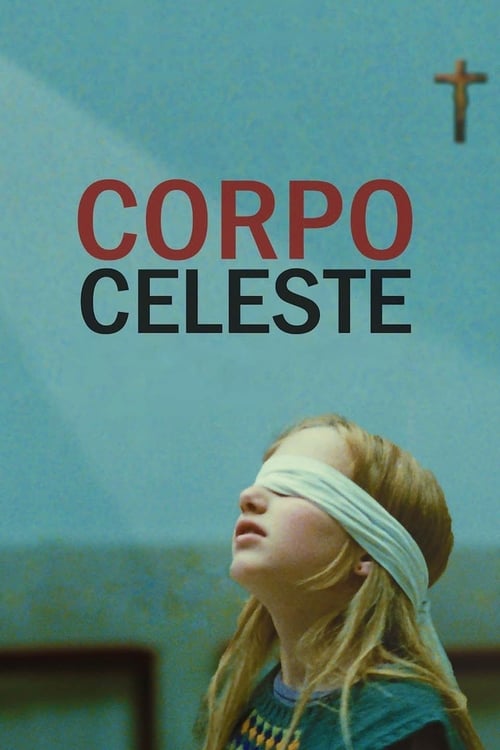
Corpo Celeste
2011·Drama·1h 39m
7.1
★

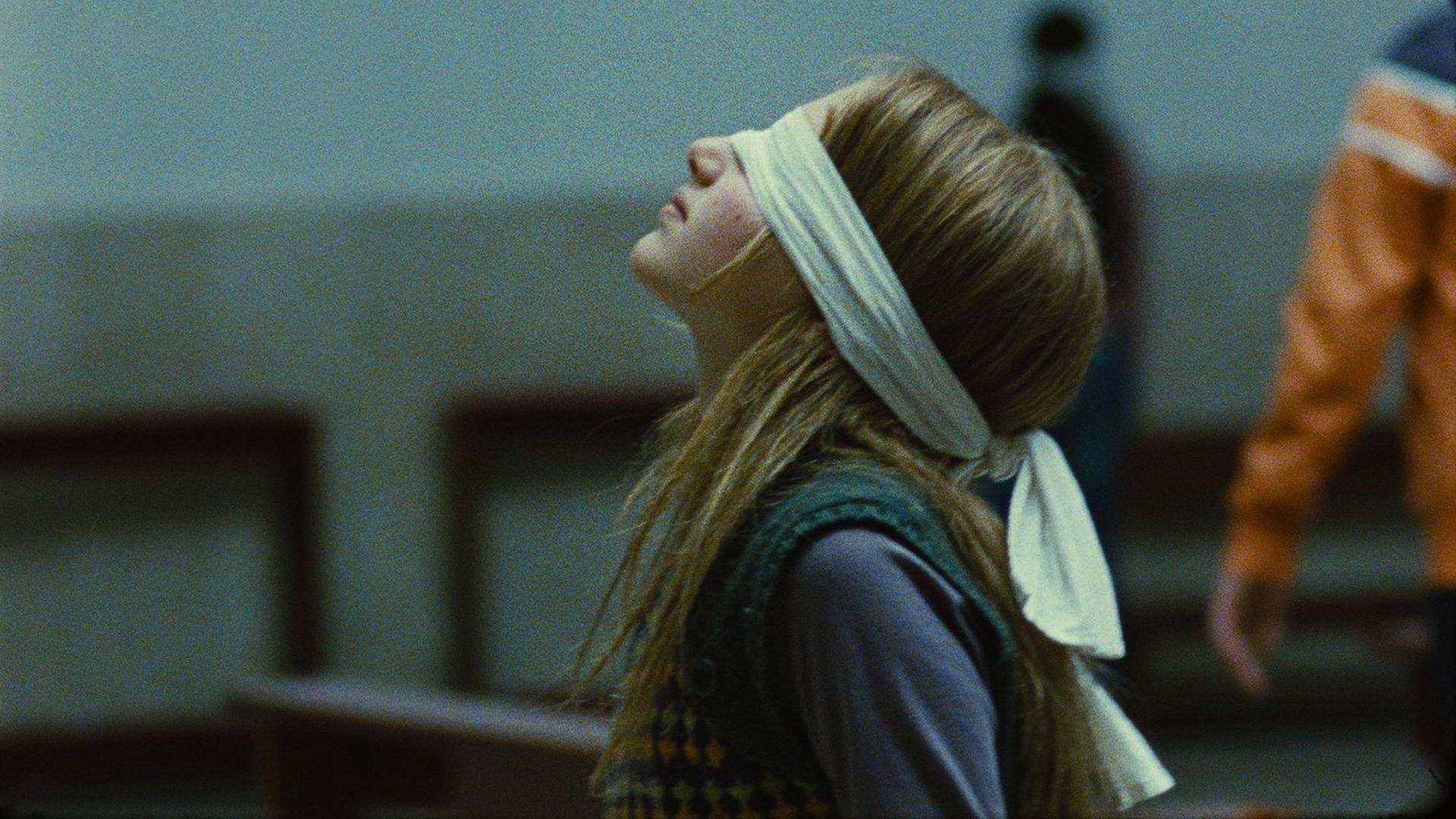
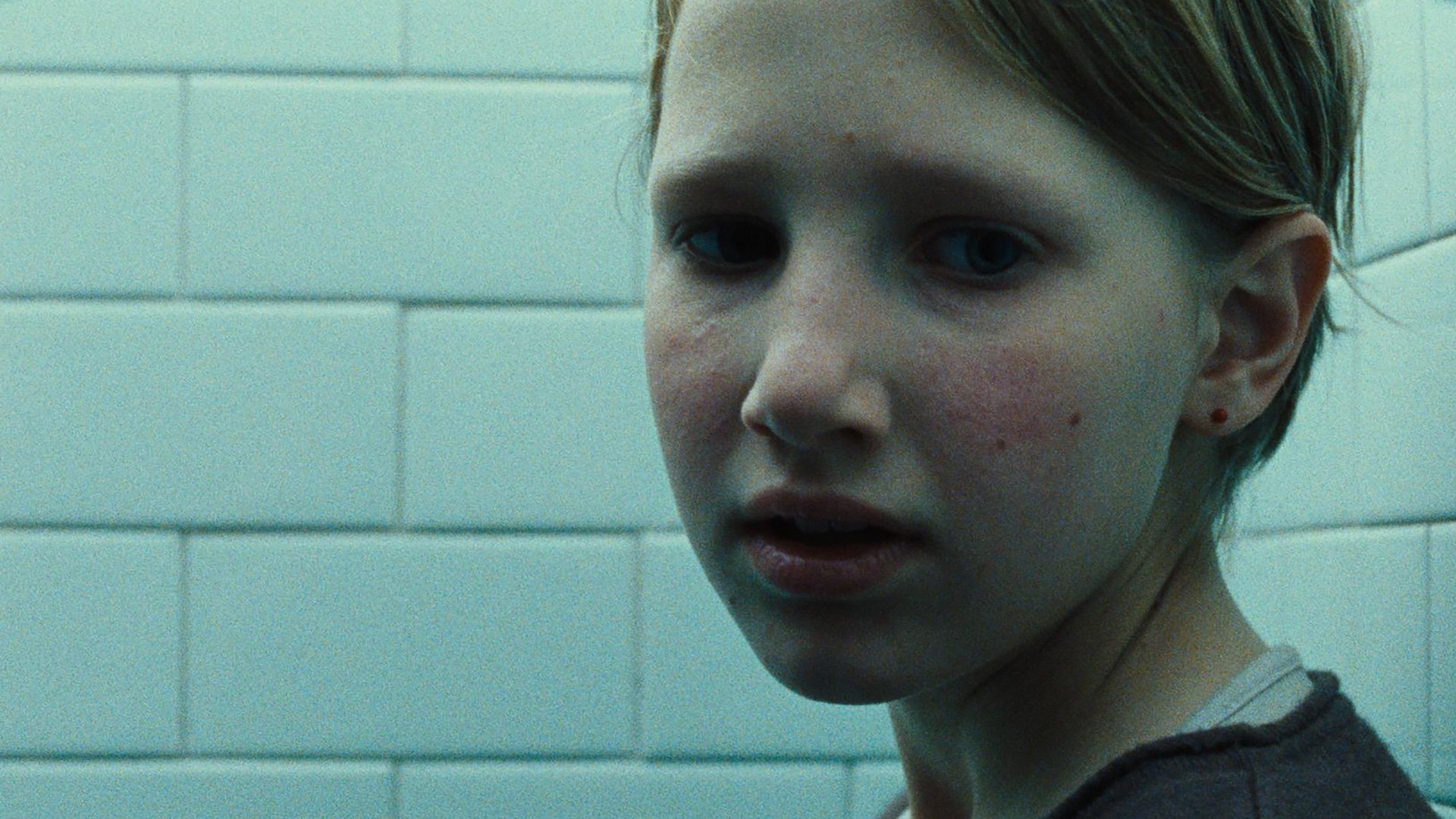
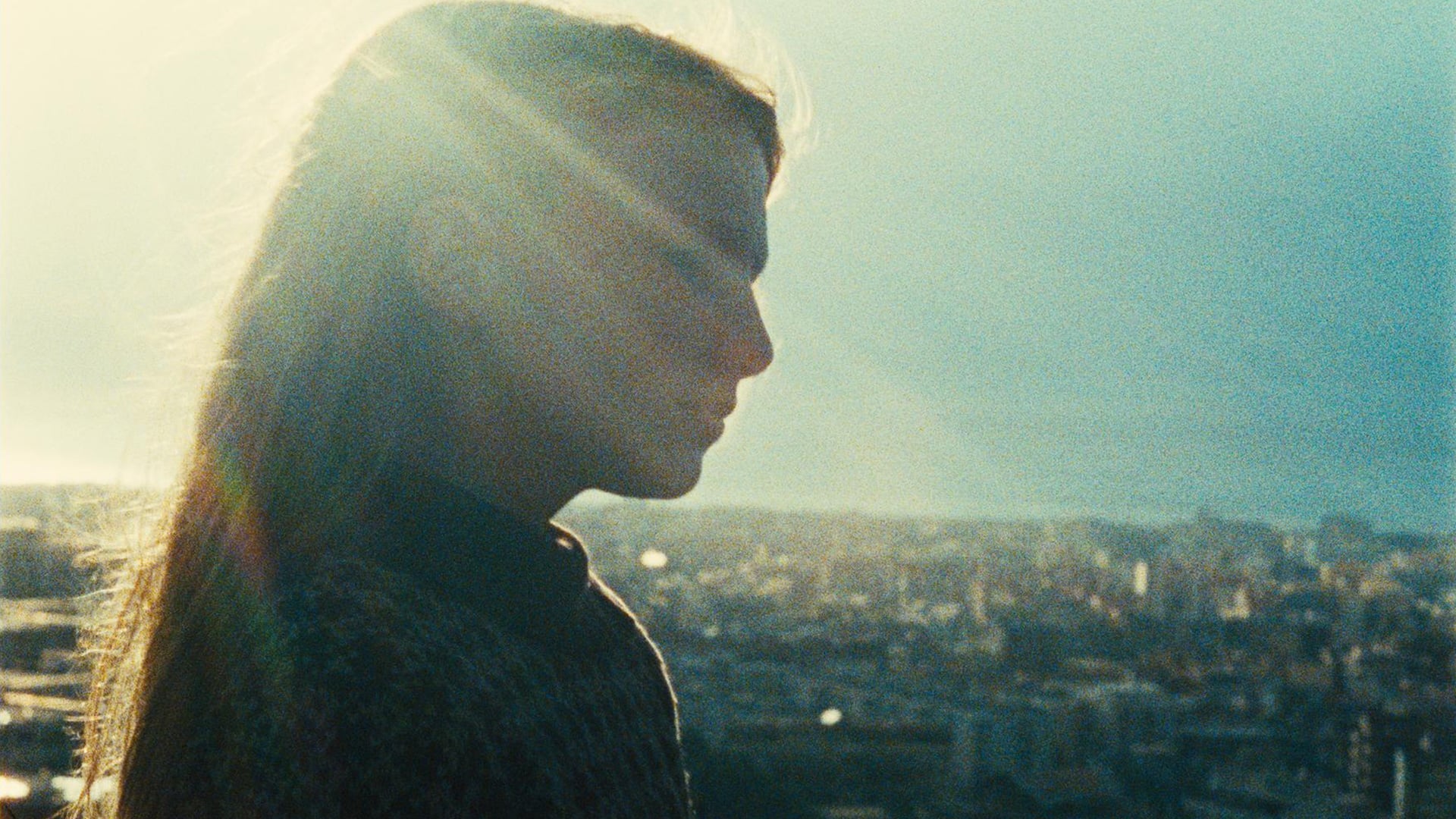
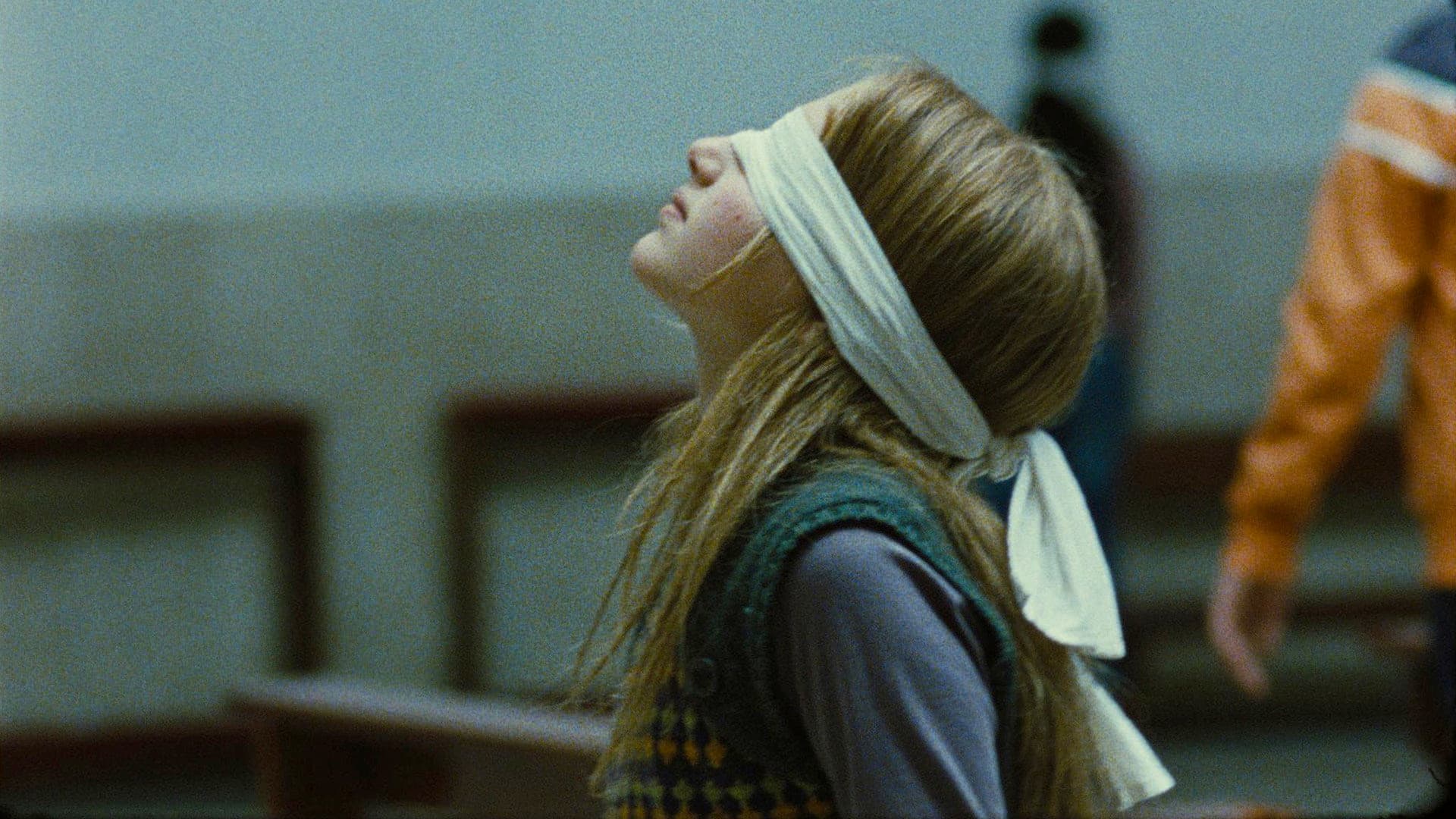
After growing up in Switzerland, 13-year-old Marta returns to a city in southern Italy with her mother and older sister. Independent and inquisitive, she joins a catechism class at a local church. However, the games and religious pop songs she encounters there do not nearly satisfy her interest in faith. Struggling to find her place, Marta pushes the boundaries of the class, the priest, and the church.
Directed by Alice Rohrwacher
faith
religion
teenage girl
church
woman director

Trailer

IMDB
N/A
Cast

Yile Yara Vianello
Marta

Salvatore Cantalupo
Don Mario

Anita Caprioli
Rita
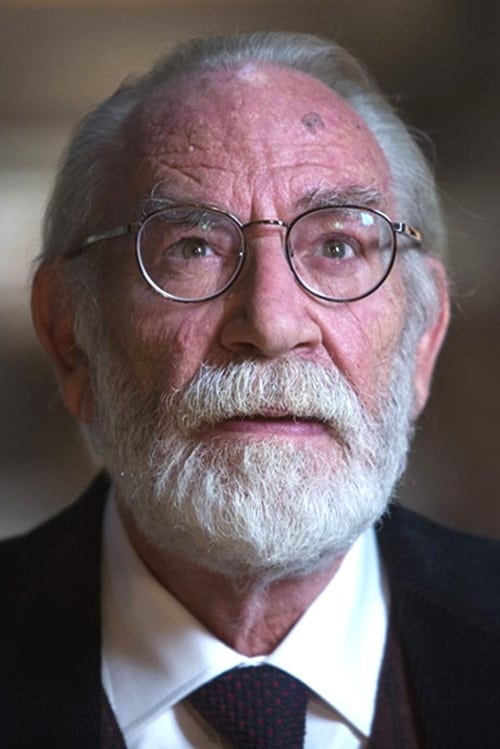
Renato Carpentieri
Don Lorenzo

Gianni Federico
Nino

Maria Luisa De Crescenzo
Rosa

Marcello Fonte
Cameriere al Ristorante
Crew

Alice Rohrwacher
Director
Alice Rohrwacher
Screenplay

Marco Spoletini
Editor

Hélène Louvart
Director of Photography

Jacques Bidou
Producer

Giorgio Gasparini
Line Producer
Popular Reviews
71 reviews
cortadoooo
8.0★ · 06/27/26
the Holy Spirit that is Alice Rohrwacher
the Holy Spirit that is Alice Rohrwacher


Fleur
3.0★ · 02/24/26
Long de fou je me suis endormie
Long de fou je me suis endormie
aurora
8.0★ · 02/08/26
forse i miei genitori mi hanno fatto frequentare il catechismo solo per farmi capire appieno questo film
forse i miei genitori mi hanno fatto frequentare il catechismo solo per farmi capire appieno questo film
stevzlubega
8.0★ · 01/27/26
no hate like catholic love.
(in a time of rio and cars 2, i never would’ve thought of a film like this debuting as well)
(in a time of rio and cars 2, i never would’ve thought of a film like this debuting as well)
no hate like catholic love.
(in a time of rio and cars 2, i never would’ve thought of a film like this debuting as well)
(in a time of rio and cars 2, i never would’ve thought of a film like this debuting as well)
Eli
9.0★ · 12/06/25
Surprisingly more mundane than I expected but still got me intrigued nonetheless. A very honest and thoughtful depiction of the confusion exploration age of teen life that says a lot without words with this character. Alice Rohrwacher really nails it here on the directorial front with quietly moving choices of intentionally depicting the girl’s internal feelings with carful close ups in camerawork. It’s one where she’s able express herself to an audience as a character vehicle for the narrative but not as a person in the world to everyone else around her.
Beneath her quietness, you can see her having a deep longing for some spiritual connection or understanding in religion she’s been exposed to for so long. Those lingering shots of her looking at the cross statue of Christ or lines of her simply asking about God as a person tell so much about her beaming curiosity to truly know God as a person rather than just a mere concept. But everyone around her mistakes that curiosity for typical child innocence and cluelessness, brushing off her questions or actions as her just being lost and wanting to feel apart of “something” rather than the bigger answer of a relationship with God, because they can’t fully read her emotions as a judgement fearing quiet girl who struggles with expression and self advocacy.
Perhaps that may be the problem with many of our church structures and how the youth is guided to religion. We yearn for them to know the face of God yet teach them about him in Bible study like some fun fact card or a game to appease that childlike attention rather than a celestial body waiting for your spiritual attention and maturity. I’m all for letting kids be kids and keeping that inner fun spirit in them with games, but sometimes it gets to a degree where we must train them up to be mature and in tune with deeper thoughts, which is what Marta desperately searched for but never found.
Is this really teaching our youth to religion and spiritual relations or just blind indoctrination without truly making them understand the weight of what they’re being subjected to? It’s a question that has so much more weight than we think and is important more now than ever in a world so troubling that Alice depicts that our teen character Marta with volatile and confusing adolescent thoughts is exposed to.
Beneath her quietness, you can see her having a deep longing for some spiritual connection or understanding in religion she’s been exposed to for so long. Those lingering shots of her looking at the cross statue of Christ or lines of her simply asking about God as a person tell so much about her beaming curiosity to truly know God as a person rather than just a mere concept. But everyone around her mistakes that curiosity for typical child innocence and cluelessness, brushing off her questions or actions as her just being lost and wanting to feel apart of “something” rather than the bigger answer of a relationship with God, because they can’t fully read her emotions as a judgement fearing quiet girl who struggles with expression and self advocacy.
Perhaps that may be the problem with many of our church structures and how the youth is guided to religion. We yearn for them to know the face of God yet teach them about him in Bible study like some fun fact card or a game to appease that childlike attention rather than a celestial body waiting for your spiritual attention and maturity. I’m all for letting kids be kids and keeping that inner fun spirit in them with games, but sometimes it gets to a degree where we must train them up to be mature and in tune with deeper thoughts, which is what Marta desperately searched for but never found.
Is this really teaching our youth to religion and spiritual relations or just blind indoctrination without truly making them understand the weight of what they’re being subjected to? It’s a question that has so much more weight than we think and is important more now than ever in a world so troubling that Alice depicts that our teen character Marta with volatile and confusing adolescent thoughts is exposed to.
Surprisingly more mundane than I expected but still got me intrigued nonetheless. A very honest and thoughtful depiction of the confusion exploration age of teen life that says a lot without words with this character. Alice Rohrwacher really nails it here on the directorial front with quietly moving choices of intentionally depicting the girl’s internal feelings with carful close ups in camerawork. It’s one where she’s able express herself to an audience as a character vehicle for the narrative but not as a person in the world to everyone else around her.
Beneath her quietness, you can see her having a deep longing for some spiritual connection or understanding in religion she’s been exposed to for so long. Those lingering shots of her looking at the cross statue of Christ or lines of her simply asking about God as a person tell so much about her beaming curiosity to truly know God as a person rather than just a mere concept. But everyone around her mistakes that curiosity for typical child innocence and cluelessness, brushing off her questions or actions as her just being lost and wanting to feel apart of “something” rather than the bigger answer of a relationship with God, because they can’t fully read her emotions as a judgement fearing quiet girl who struggles with expression and self advocacy.
Perhaps that may be the problem with many of our church structures and how the youth is guided to religion. We yearn for them to know the face of God yet teach them about him in Bible study like some fun fact card or a game to appease that childlike attention rather than a celestial body waiting for your spiritual attention and maturity. I’m all for letting kids be kids and keeping that inner fun spirit in them with games, but sometimes it gets to a degree where we must train them up to be mature and in tune with deeper thoughts, which is what Marta desperately searched for but never found.
Is this really teaching our youth to religion and spiritual relations or just blind indoctrination without truly making them understand the weight of what they’re being subjected to? It’s a question that has so much more weight than we think and is important more now than ever in a world so troubling that Alice depicts that our teen character Marta with volatile and confusing adolescent thoughts is exposed to.
Beneath her quietness, you can see her having a deep longing for some spiritual connection or understanding in religion she’s been exposed to for so long. Those lingering shots of her looking at the cross statue of Christ or lines of her simply asking about God as a person tell so much about her beaming curiosity to truly know God as a person rather than just a mere concept. But everyone around her mistakes that curiosity for typical child innocence and cluelessness, brushing off her questions or actions as her just being lost and wanting to feel apart of “something” rather than the bigger answer of a relationship with God, because they can’t fully read her emotions as a judgement fearing quiet girl who struggles with expression and self advocacy.
Perhaps that may be the problem with many of our church structures and how the youth is guided to religion. We yearn for them to know the face of God yet teach them about him in Bible study like some fun fact card or a game to appease that childlike attention rather than a celestial body waiting for your spiritual attention and maturity. I’m all for letting kids be kids and keeping that inner fun spirit in them with games, but sometimes it gets to a degree where we must train them up to be mature and in tune with deeper thoughts, which is what Marta desperately searched for but never found.
Is this really teaching our youth to religion and spiritual relations or just blind indoctrination without truly making them understand the weight of what they’re being subjected to? It’s a question that has so much more weight than we think and is important more now than ever in a world so troubling that Alice depicts that our teen character Marta with volatile and confusing adolescent thoughts is exposed to.