

2011·Drama·1h 37m
7.0
★
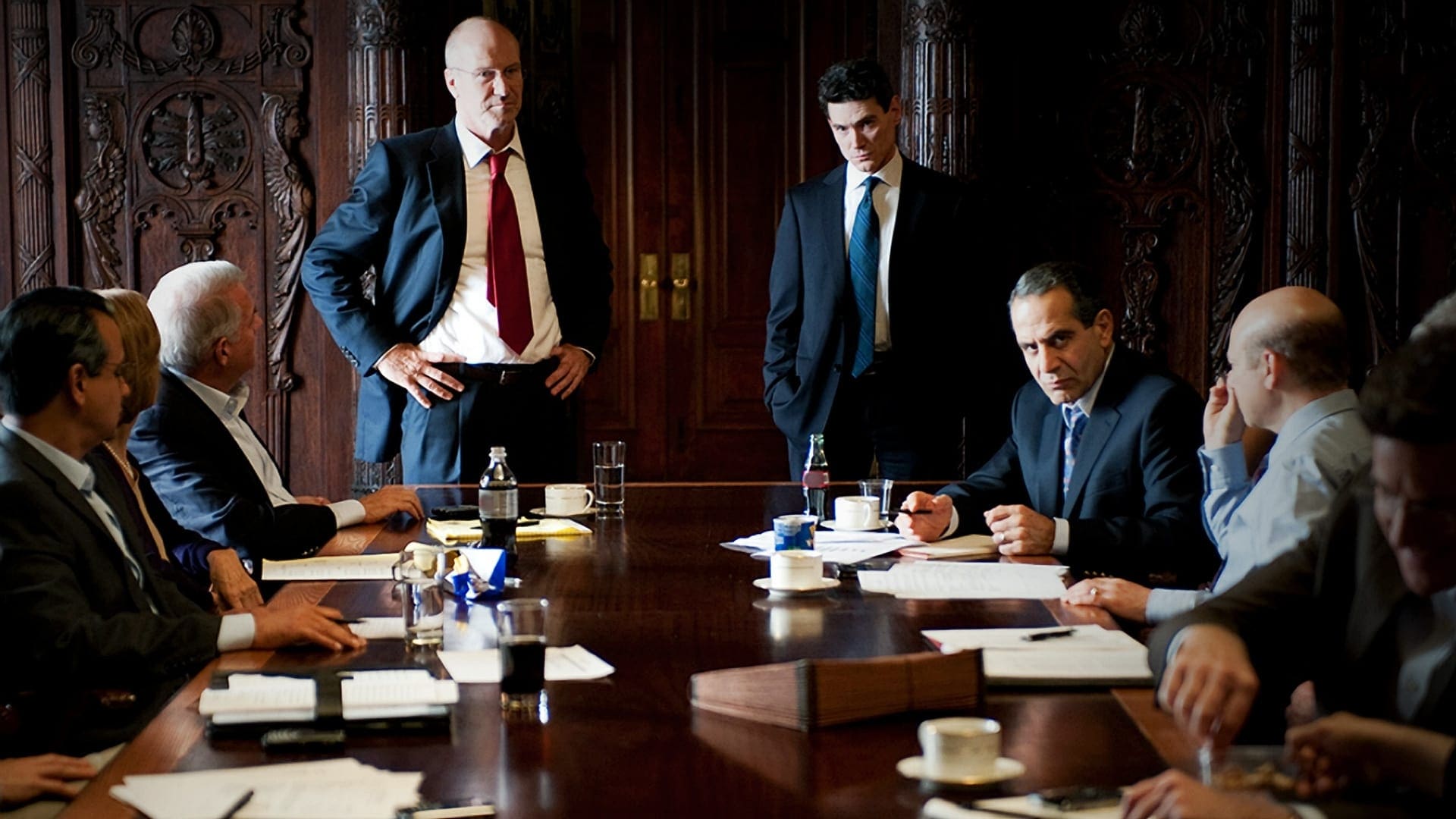
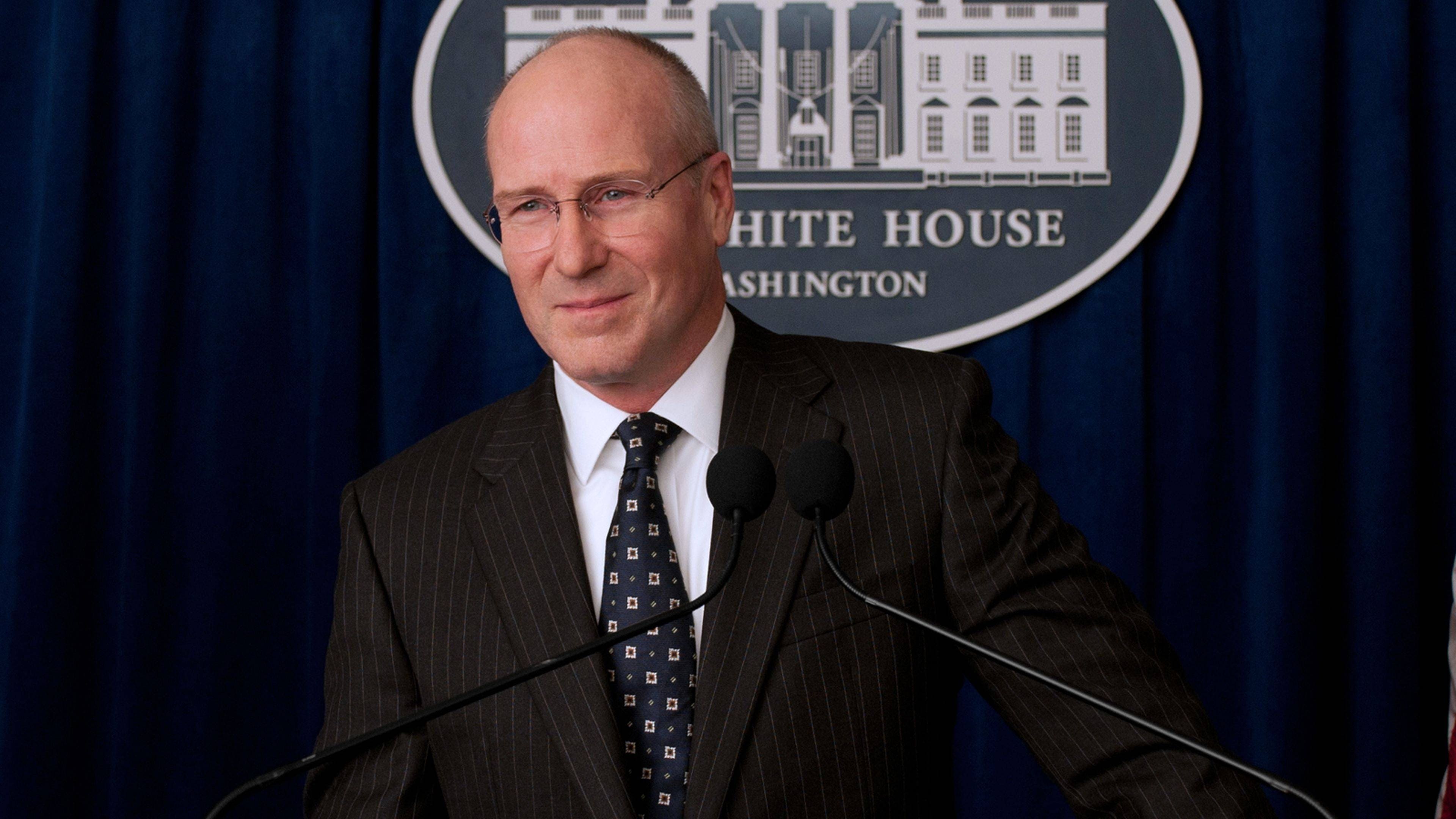
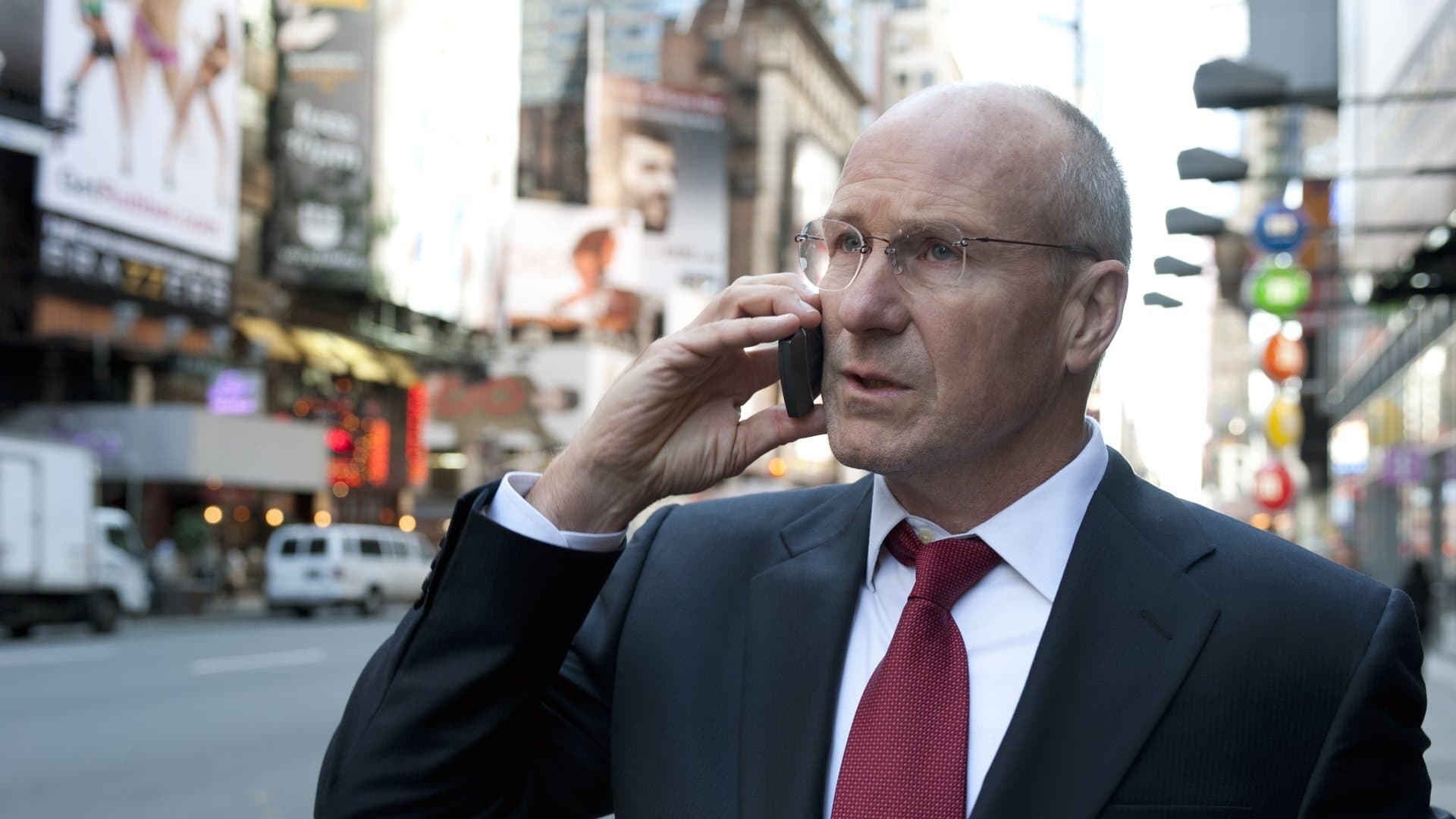
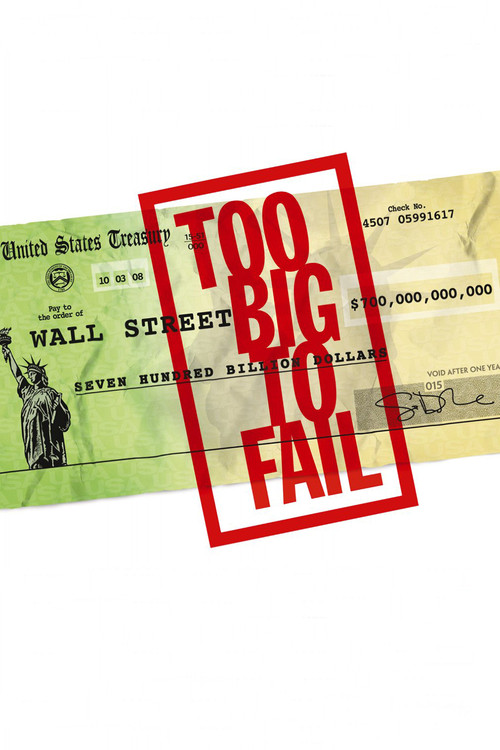
An intimate look at the epochal financial crisis of 2008 and the powerful men and women who decided the fate of the world's economy in a matter of a few weeks.
Directed by Curtis Hanson
wall street
finances
financial crisis
economic crisis
political scandal
secretary of the treasury
social scandal
legal scandal

Trailer
IMDB
N/A
Where to Watch



Cast
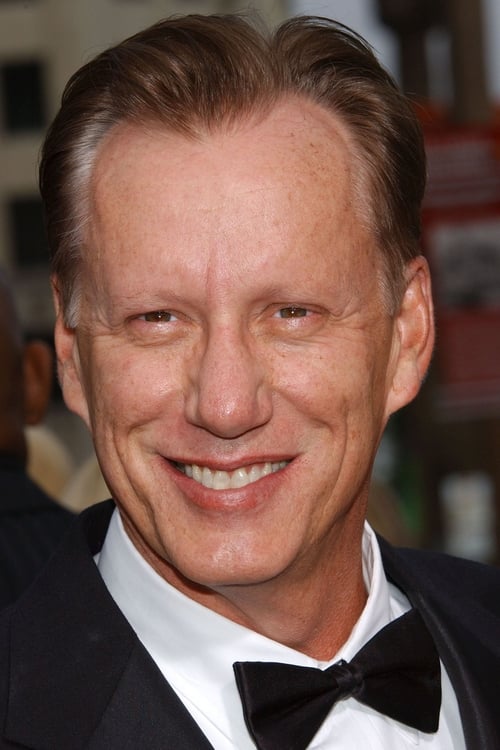
James Woods
Dick Fuld
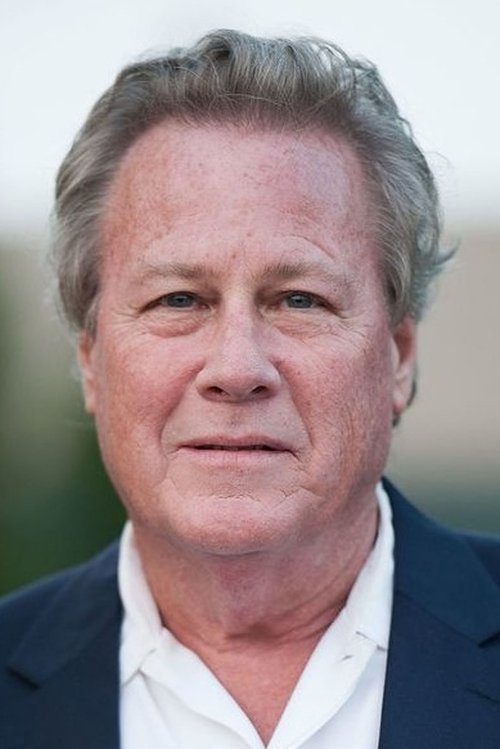
John Heard
Joe Gregory
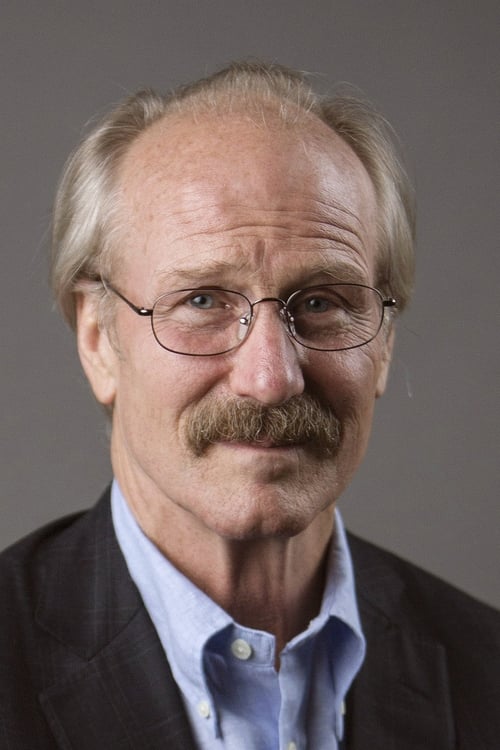
William Hurt
Henry Paulson
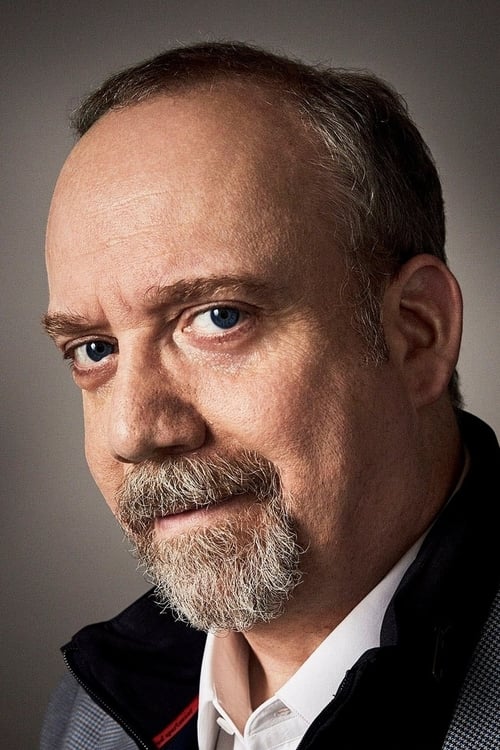
Paul Giamatti
Ben Bernanke
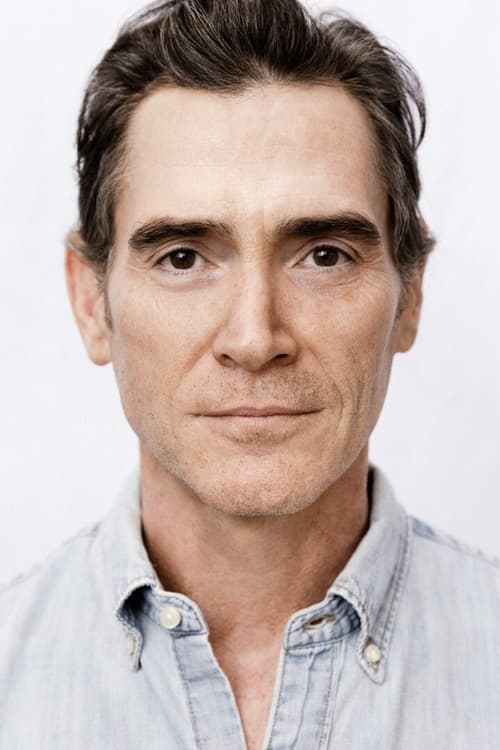
Billy Crudup
Timothy Geithner
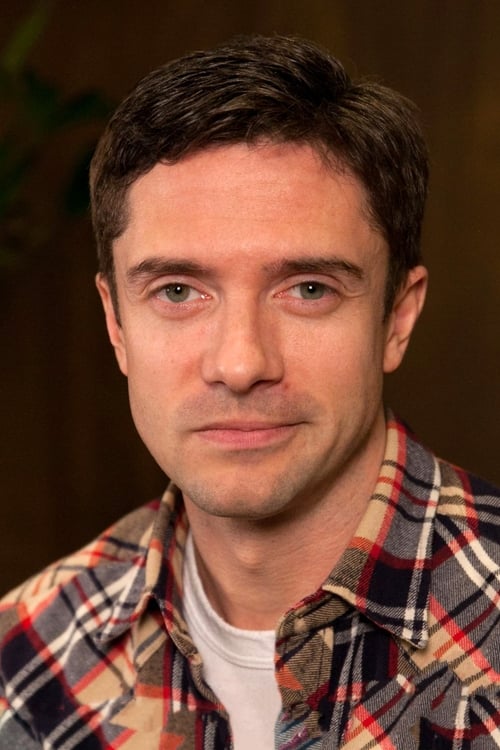
Topher Grace
Jim Wilkinson
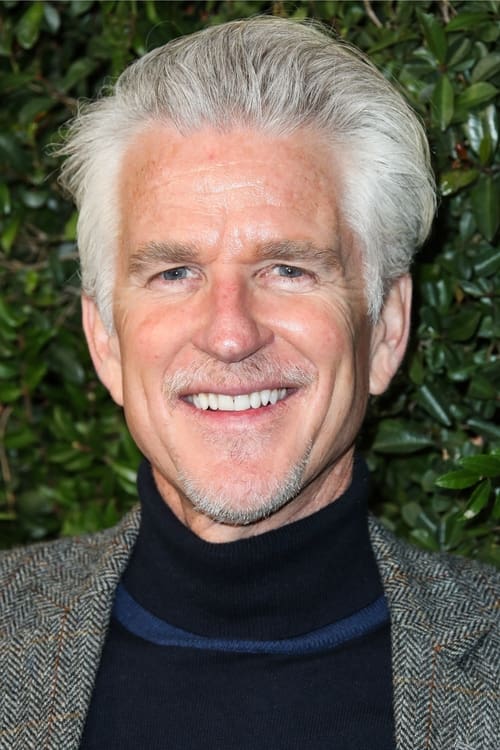
Matthew Modine
John Thain
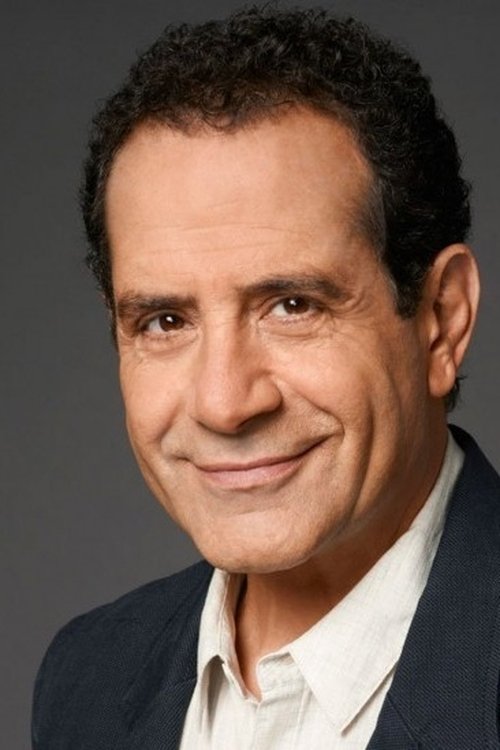
Tony Shalhoub
John Mack
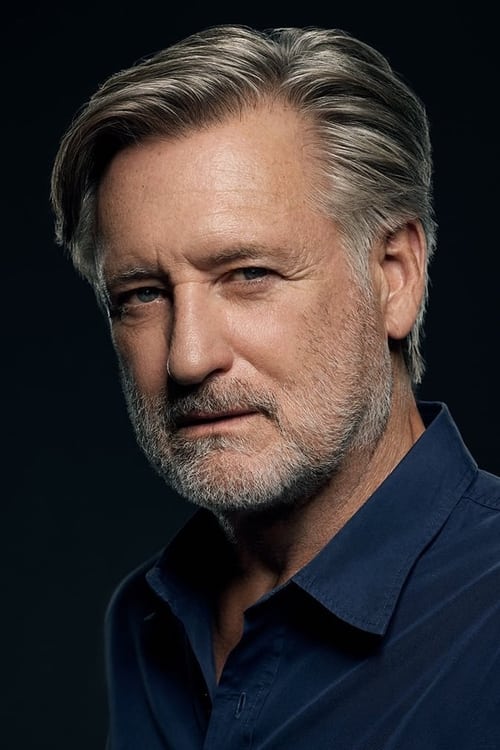
Bill Pullman
Jamie Dimon
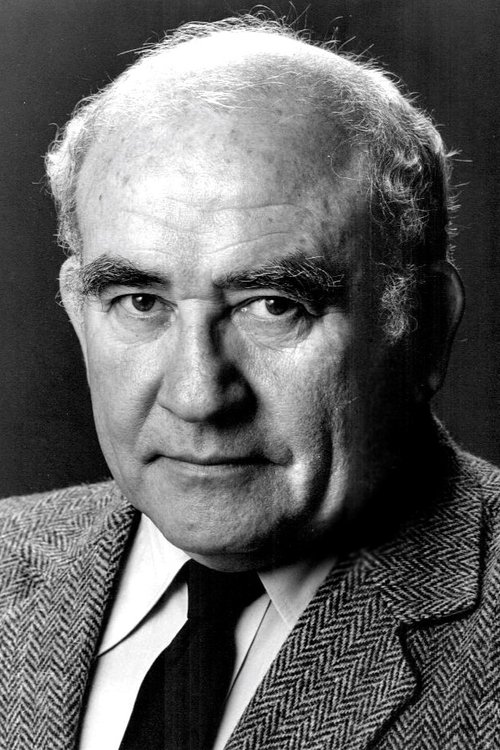
Ed Asner
Warren Buffett
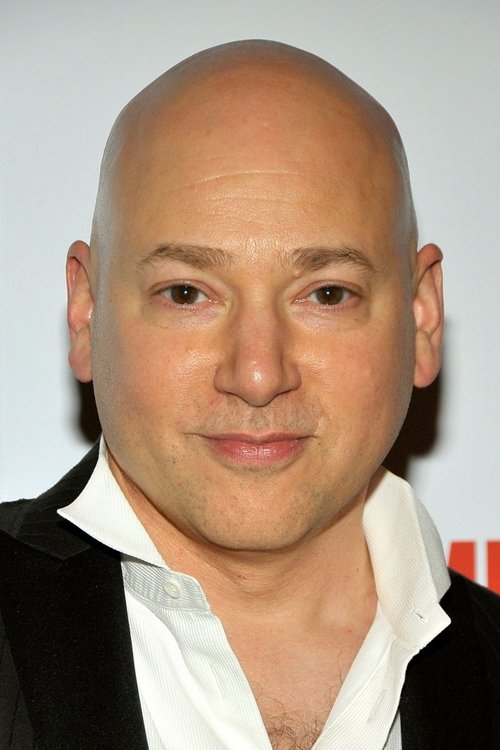
Evan Handler
Lloyd Blankfein
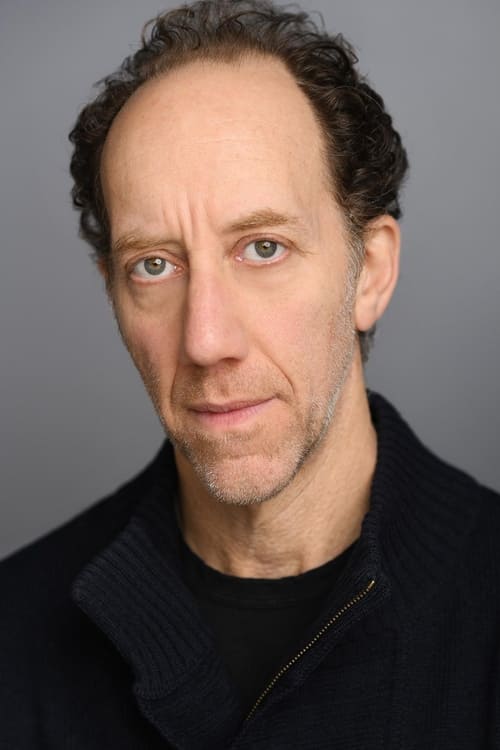
Joey Slotnick
Dan Jester
Crew
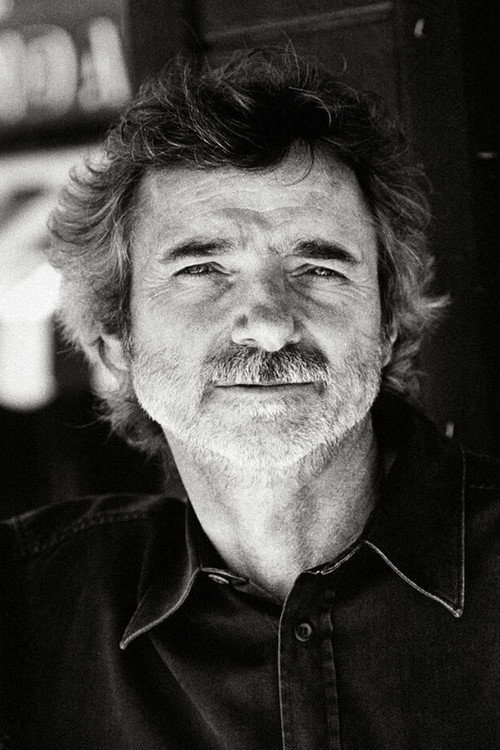
Curtis Hanson
Director
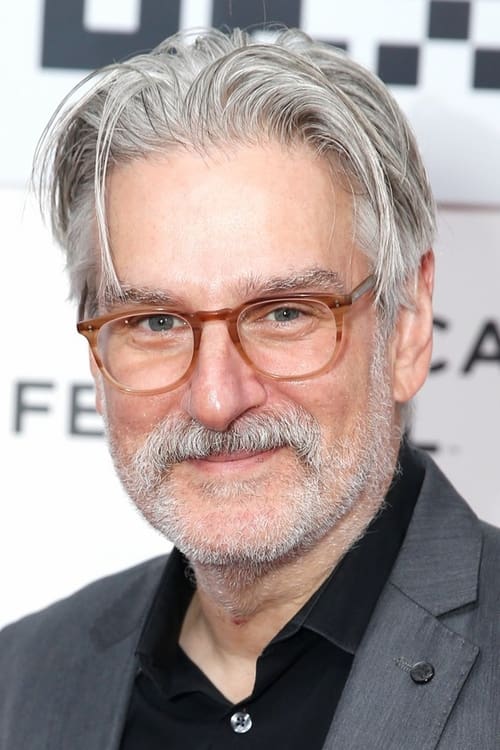
Peter Gould
Screenplay
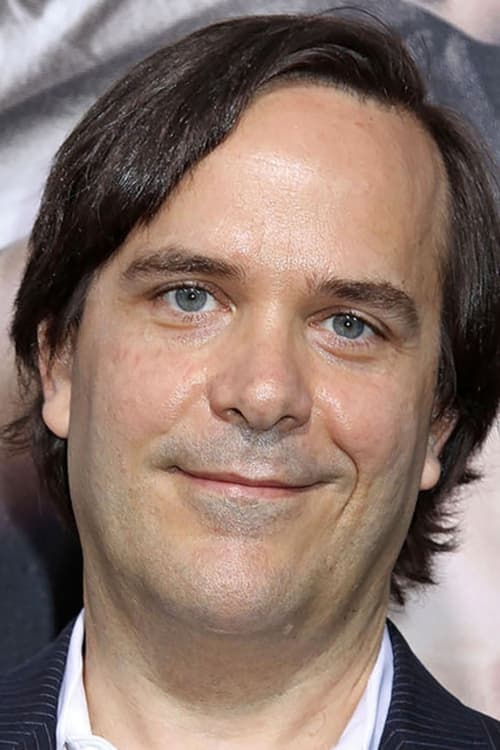
Marcelo Zarvos
Original Music Composer
Kramer Morgenthau
Director of Photography

Andrew Ross Sorkin
Co-Producer
Peter Gould
Co-Producer
Paula Weinstein
Executive Producer
Curtis Hanson
Executive Producer

Melissa Toth
Costume Designer

Carol Fenelon
Co-Executive Producer
Andrew Ross Sorkin
Author

Johnny Caruso
Music Editor
Popular Reviews
43 reviews
Manar Altammar
4.0★ · 02/06/26
the stuff you watch when you have a finance bro for a father, anyways, yay bill pullman
the stuff you watch when you have a finance bro for a father, anyways, yay bill pullman


Jaz
8.1★ · 07/24/24
Ohhh the american dream, pero seh el mercado se regula solo decían. Solo HBO pudo haber hecho una película así de buena sobre esto. Pero, sí fueron demasiadas llamadas por teléfono.
Pd. Si tiene a Topher Grace con traje en un puesto administrativo/político, la película va a ser buena.
Pd. Si tiene a Topher Grace con traje en un puesto administrativo/político, la película va a ser buena.
Ohhh the american dream, pero seh el mercado se regula solo decían. Solo HBO pudo haber hecho una película así de buena sobre esto. Pero, sí fueron demasiadas llamadas por teléfono.
Pd. Si tiene a Topher Grace con traje en un puesto administrativo/político, la película va a ser buena.
Pd. Si tiene a Topher Grace con traje en un puesto administrativo/político, la película va a ser buena.
Xur
Eh.
Eh.
esmePRO
6.0★ · 02/06/24
they referenced daniel day lewis in this and i jumped
also paul giamatti is in this??? my guy has been in everything
also paul giamatti is in this??? my guy has been in everything
they referenced daniel day lewis in this and i jumped
also paul giamatti is in this??? my guy has been in everything
also paul giamatti is in this??? my guy has been in everything
Logan_Yenser
7.0★ · 04/27/23
Creating a financial thriller can be a challenging task as it lacks the typical elements of thrillers such as blood and bodies. It can be difficult to generate excitement when the majority of the action involves middle-aged white men in conservative suits conversing on the phone and the most thrilling scene is a procession of big black Town Cars instead of a car chase. It is also a challenge to maintain the audience's interest when the main action is people scrutinizing spreadsheets and reacting with shock. Moreover, the complexity of financial scandals can make it hard to comprehend the plot. Despite these obstacles, the HBO film "Too Big to Fail," which is based on the book of the same name by journalist Andrew Ross Sorkin of The New York Times, manages to succeed by utilizing various cinematic techniques. However, the film's ultimate triumph is due to the fact that viewers are aware of the real danger that the financial crisis of 2008 posed.
In order to create a sense of urgency, one approach is to have characters state that a crisis is unfolding. The film "Too Big to Fail," directed by Curtis Hanson ("L.A. Confidential"), utilizes this technique frequently, with characters frequently declaring statements such as "If we don't act now, the economy will be in shambles by Monday." The film also employs a lot of intense staring out of windows or into mirrors to emphasize the gravity of the situation. The protagonist of the story, Treasury Secretary Henry M. Paulson Jr. (played by William Hurt), conveys the immense pressure he is under by speaking in an increasingly hushed tone. Similarly, Federal Reserve Chairman Ben S. Bernanke (portrayed by Paul Giamatti) adopts a similar approach. As the situation worsens, the conversations during their weekly breakfast meetings gradually devolve into a barely audible murmur.
As an HBO production, there is a generous amount of foul language, which can quickly stimulate the audience's adrenaline. It is not uncommon to hear actors like James Woods hurling obscenities in a movie, but it is quite startling to hear them spewing out of the mouth of the character he portrays, Richard S. Fuld Jr., the CEO of Lehman Brothers. Even Timothy F. Geithner, the president of the Federal Reserve Bank of New York, who appears even more cherubic than in real life when played by Billy Crudup, uses profanity frequently. This is a testament to the severity of the crisis.
Andrew Ross Sorkin's portrayal of the financial crisis is a traditional one, but that doesn't mean it is incorrect. The film shows that since the Reagan administration, there has been excessive deregulation of the financial industry. The ease of borrowing, particularly for homes, led to individuals becoming overextended, unable to pay back their debts, and causing banks (including A.I.G.) to collapse. Eventually, the government intervened to save the banks and the economy from total collapse, although it was too late for Lehman Brothers. The movie highlights that President George W. Bush required support from Democrats to pass the necessary legislation, as Republicans were already using demagoguery. In Sorkin's perspective, taking no action would have been disastrous. The film emphasizes that saving the failing banks necessitated merging them with healthy ones, leading to the creation of even larger institutions that were too big (to be allowed) to fail.
In my opinion, this account of the financial crisis is mostly accurate, and the film presents it with exceptional clarity. After watching "Too Big to Fail," I believe I have come as close as I ever have to comprehending what a "credit default swap" is, except for maybe after reading Michael Lewis's "Big Short" for an hour or so. However, the film's exposition can be heavy-handed, such as when Cynthia Nixon, best known for her role in "Sex and the City," portrays the Treasury Department's public affairs head and asks, "What should I tell the press?" The film pauses for several minutes to allow all the men in the room to explain things to the sole woman (and to the audience).
"Too Big to Fail" employs the same tactics used in "Law & Order" to generate a feeling of urgency without spending much. Individuals don't merely sit at their desks and converse on the phone; they stride determinedly down extended corridors, trailed by a throng of aides, talking into their BlackBerrys. Once the current plot point has been addressed, they abruptly end the call without saying goodbye. It may be impolite, but the message is clear: a crisis is at hand, and there's no time for pleasantries.
Even if the action in the foreground is dull, irritating, pulsing music in the background can produce anxiety and excitement. This convention was effectively ridiculed in the "Airplane" movies. In "Too Big to Fail," the humor is unintentional but real. The music accompanying a typical helicopter shot of Lower Manhattan leads one to anticipate another September 11, but all that follows is additional men in suits, more meetings, and more black Town Cars.
One enjoyable aspect of "Too Big to Fail" is attempting to identify the Hollywood celebrities playing the roles of lesser-known figures from Washington and Wall Street. In addition to the previously mentioned actors, we see Ed Asner as Warren E. Buffett, Tony Shalhoub as John J. Mack (CEO of Morgan Stanley), and Evan Handler (also known from "Sex and the City") as Lloyd C. Blankfein, CEO of Goldman Sachs.
Bill Pullman is a familiar face in many films, yet his characters seldom win over the leading lady. In "Too Big to Fail," however, he plays Jamie Dimon, the debonair CEO of JPMorgan Chase, and is the closest thing to a romantic hero in a male-dominated narrative. He doesn't win the girl, of course, because there isn't one to be won. Nonetheless, at the beginning of the film, he acquires the securities firm Bear Stearns with a hefty government subsidy, and by the end, he is being implored to accept additional taxpayer funds to take over one or two banks.
From the perspective of the HBO-watching audience, it would have been satisfying to witness a passionate romance between Mr. Dimon and the French finance minister, Christine Lagarde, played by Laila Robins. Though her appearance is brief, her memorable moment of calling Hank Paulson "Honk" is one of the film's highlights. However, it's understandable why such an affair couldn't be included, as it has no basis in reality. It would be a joyous day when distinctions between reality and fantasy become obsolete, as they have in Washington. It's puzzling why Hollywood hasn't caught up yet.
In order to create a sense of urgency, one approach is to have characters state that a crisis is unfolding. The film "Too Big to Fail," directed by Curtis Hanson ("L.A. Confidential"), utilizes this technique frequently, with characters frequently declaring statements such as "If we don't act now, the economy will be in shambles by Monday." The film also employs a lot of intense staring out of windows or into mirrors to emphasize the gravity of the situation. The protagonist of the story, Treasury Secretary Henry M. Paulson Jr. (played by William Hurt), conveys the immense pressure he is under by speaking in an increasingly hushed tone. Similarly, Federal Reserve Chairman Ben S. Bernanke (portrayed by Paul Giamatti) adopts a similar approach. As the situation worsens, the conversations during their weekly breakfast meetings gradually devolve into a barely audible murmur.
As an HBO production, there is a generous amount of foul language, which can quickly stimulate the audience's adrenaline. It is not uncommon to hear actors like James Woods hurling obscenities in a movie, but it is quite startling to hear them spewing out of the mouth of the character he portrays, Richard S. Fuld Jr., the CEO of Lehman Brothers. Even Timothy F. Geithner, the president of the Federal Reserve Bank of New York, who appears even more cherubic than in real life when played by Billy Crudup, uses profanity frequently. This is a testament to the severity of the crisis.
Andrew Ross Sorkin's portrayal of the financial crisis is a traditional one, but that doesn't mean it is incorrect. The film shows that since the Reagan administration, there has been excessive deregulation of the financial industry. The ease of borrowing, particularly for homes, led to individuals becoming overextended, unable to pay back their debts, and causing banks (including A.I.G.) to collapse. Eventually, the government intervened to save the banks and the economy from total collapse, although it was too late for Lehman Brothers. The movie highlights that President George W. Bush required support from Democrats to pass the necessary legislation, as Republicans were already using demagoguery. In Sorkin's perspective, taking no action would have been disastrous. The film emphasizes that saving the failing banks necessitated merging them with healthy ones, leading to the creation of even larger institutions that were too big (to be allowed) to fail.
In my opinion, this account of the financial crisis is mostly accurate, and the film presents it with exceptional clarity. After watching "Too Big to Fail," I believe I have come as close as I ever have to comprehending what a "credit default swap" is, except for maybe after reading Michael Lewis's "Big Short" for an hour or so. However, the film's exposition can be heavy-handed, such as when Cynthia Nixon, best known for her role in "Sex and the City," portrays the Treasury Department's public affairs head and asks, "What should I tell the press?" The film pauses for several minutes to allow all the men in the room to explain things to the sole woman (and to the audience).
"Too Big to Fail" employs the same tactics used in "Law & Order" to generate a feeling of urgency without spending much. Individuals don't merely sit at their desks and converse on the phone; they stride determinedly down extended corridors, trailed by a throng of aides, talking into their BlackBerrys. Once the current plot point has been addressed, they abruptly end the call without saying goodbye. It may be impolite, but the message is clear: a crisis is at hand, and there's no time for pleasantries.
Even if the action in the foreground is dull, irritating, pulsing music in the background can produce anxiety and excitement. This convention was effectively ridiculed in the "Airplane" movies. In "Too Big to Fail," the humor is unintentional but real. The music accompanying a typical helicopter shot of Lower Manhattan leads one to anticipate another September 11, but all that follows is additional men in suits, more meetings, and more black Town Cars.
One enjoyable aspect of "Too Big to Fail" is attempting to identify the Hollywood celebrities playing the roles of lesser-known figures from Washington and Wall Street. In addition to the previously mentioned actors, we see Ed Asner as Warren E. Buffett, Tony Shalhoub as John J. Mack (CEO of Morgan Stanley), and Evan Handler (also known from "Sex and the City") as Lloyd C. Blankfein, CEO of Goldman Sachs.
Bill Pullman is a familiar face in many films, yet his characters seldom win over the leading lady. In "Too Big to Fail," however, he plays Jamie Dimon, the debonair CEO of JPMorgan Chase, and is the closest thing to a romantic hero in a male-dominated narrative. He doesn't win the girl, of course, because there isn't one to be won. Nonetheless, at the beginning of the film, he acquires the securities firm Bear Stearns with a hefty government subsidy, and by the end, he is being implored to accept additional taxpayer funds to take over one or two banks.
From the perspective of the HBO-watching audience, it would have been satisfying to witness a passionate romance between Mr. Dimon and the French finance minister, Christine Lagarde, played by Laila Robins. Though her appearance is brief, her memorable moment of calling Hank Paulson "Honk" is one of the film's highlights. However, it's understandable why such an affair couldn't be included, as it has no basis in reality. It would be a joyous day when distinctions between reality and fantasy become obsolete, as they have in Washington. It's puzzling why Hollywood hasn't caught up yet.
Creating a financial thriller can be a challenging task as it lacks the typical elements of thrillers such as blood and bodies. It can be difficult to generate excitement when the majority of the action involves middle-aged white men in conservative suits conversing on the phone and the most thrilling scene is a procession of big black Town Cars instead of a car chase. It is also a challenge to maintain the audience's interest when the main action is people scrutinizing spreadsheets and reacting with shock. Moreover, the complexity of financial scandals can make it hard to comprehend the plot. Despite these obstacles, the HBO film "Too Big to Fail," which is based on the book of the same name by journalist Andrew Ross Sorkin of The New York Times, manages to succeed by utilizing various cinematic techniques. However, the film's ultimate triumph is due to the fact that viewers are aware of the real danger that the financial crisis of 2008 posed.
In order to create a sense of urgency, one approach is to have characters state that a crisis is unfolding. The film "Too Big to Fail," directed by Curtis Hanson ("L.A. Confidential"), utilizes this technique frequently, with characters frequently declaring statements such as "If we don't act now, the economy will be in shambles by Monday." The film also employs a lot of intense staring out of windows or into mirrors to emphasize the gravity of the situation. The protagonist of the story, Treasury Secretary Henry M. Paulson Jr. (played by William Hurt), conveys the immense pressure he is under by speaking in an increasingly hushed tone. Similarly, Federal Reserve Chairman Ben S. Bernanke (portrayed by Paul Giamatti) adopts a similar approach. As the situation worsens, the conversations during their weekly breakfast meetings gradually devolve into a barely audible murmur.
As an HBO production, there is a generous amount of foul language, which can quickly stimulate the audience's adrenaline. It is not uncommon to hear actors like James Woods hurling obscenities in a movie, but it is quite startling to hear them spewing out of the mouth of the character he portrays, Richard S. Fuld Jr., the CEO of Lehman Brothers. Even Timothy F. Geithner, the president of the Federal Reserve Bank of New York, who appears even more cherubic than in real life when played by Billy Crudup, uses profanity frequently. This is a testament to the severity of the crisis.
Andrew Ross Sorkin's portrayal of the financial crisis is a traditional one, but that doesn't mean it is incorrect. The film shows that since the Reagan administration, there has been excessive deregulation of the financial industry. The ease of borrowing, particularly for homes, led to individuals becoming overextended, unable to pay back their debts, and causing banks (including A.I.G.) to collapse. Eventually, the government intervened to save the banks and the economy from total collapse, although it was too late for Lehman Brothers. The movie highlights that President George W. Bush required support from Democrats to pass the necessary legislation, as Republicans were already using demagoguery. In Sorkin's perspective, taking no action would have been disastrous. The film emphasizes that saving the failing banks necessitated merging them with healthy ones, leading to the creation of even larger institutions that were too big (to be allowed) to fail.
In my opinion, this account of the financial crisis is mostly accurate, and the film presents it with exceptional clarity. After watching "Too Big to Fail," I believe I have come as close as I ever have to comprehending what a "credit default swap" is, except for maybe after reading Michael Lewis's "Big Short" for an hour or so. However, the film's exposition can be heavy-handed, such as when Cynthia Nixon, best known for her role in "Sex and the City," portrays the Treasury Department's public affairs head and asks, "What should I tell the press?" The film pauses for several minutes to allow all the men in the room to explain things to the sole woman (and to the audience).
"Too Big to Fail" employs the same tactics used in "Law & Order" to generate a feeling of urgency without spending much. Individuals don't merely sit at their desks and converse on the phone; they stride determinedly down extended corridors, trailed by a throng of aides, talking into their BlackBerrys. Once the current plot point has been addressed, they abruptly end the call without saying goodbye. It may be impolite, but the message is clear: a crisis is at hand, and there's no time for pleasantries.
Even if the action in the foreground is dull, irritating, pulsing music in the background can produce anxiety and excitement. This convention was effectively ridiculed in the "Airplane" movies. In "Too Big to Fail," the humor is unintentional but real. The music accompanying a typical helicopter shot of Lower Manhattan leads one to anticipate another September 11, but all that follows is additional men in suits, more meetings, and more black Town Cars.
One enjoyable aspect of "Too Big to Fail" is attempting to identify the Hollywood celebrities playing the roles of lesser-known figures from Washington and Wall Street. In addition to the previously mentioned actors, we see Ed Asner as Warren E. Buffett, Tony Shalhoub as John J. Mack (CEO of Morgan Stanley), and Evan Handler (also known from "Sex and the City") as Lloyd C. Blankfein, CEO of Goldman Sachs.
Bill Pullman is a familiar face in many films, yet his characters seldom win over the leading lady. In "Too Big to Fail," however, he plays Jamie Dimon, the debonair CEO of JPMorgan Chase, and is the closest thing to a romantic hero in a male-dominated narrative. He doesn't win the girl, of course, because there isn't one to be won. Nonetheless, at the beginning of the film, he acquires the securities firm Bear Stearns with a hefty government subsidy, and by the end, he is being implored to accept additional taxpayer funds to take over one or two banks.
From the perspective of the HBO-watching audience, it would have been satisfying to witness a passionate romance between Mr. Dimon and the French finance minister, Christine Lagarde, played by Laila Robins. Though her appearance is brief, her memorable moment of calling Hank Paulson "Honk" is one of the film's highlights. However, it's understandable why such an affair couldn't be included, as it has no basis in reality. It would be a joyous day when distinctions between reality and fantasy become obsolete, as they have in Washington. It's puzzling why Hollywood hasn't caught up yet.
In order to create a sense of urgency, one approach is to have characters state that a crisis is unfolding. The film "Too Big to Fail," directed by Curtis Hanson ("L.A. Confidential"), utilizes this technique frequently, with characters frequently declaring statements such as "If we don't act now, the economy will be in shambles by Monday." The film also employs a lot of intense staring out of windows or into mirrors to emphasize the gravity of the situation. The protagonist of the story, Treasury Secretary Henry M. Paulson Jr. (played by William Hurt), conveys the immense pressure he is under by speaking in an increasingly hushed tone. Similarly, Federal Reserve Chairman Ben S. Bernanke (portrayed by Paul Giamatti) adopts a similar approach. As the situation worsens, the conversations during their weekly breakfast meetings gradually devolve into a barely audible murmur.
As an HBO production, there is a generous amount of foul language, which can quickly stimulate the audience's adrenaline. It is not uncommon to hear actors like James Woods hurling obscenities in a movie, but it is quite startling to hear them spewing out of the mouth of the character he portrays, Richard S. Fuld Jr., the CEO of Lehman Brothers. Even Timothy F. Geithner, the president of the Federal Reserve Bank of New York, who appears even more cherubic than in real life when played by Billy Crudup, uses profanity frequently. This is a testament to the severity of the crisis.
Andrew Ross Sorkin's portrayal of the financial crisis is a traditional one, but that doesn't mean it is incorrect. The film shows that since the Reagan administration, there has been excessive deregulation of the financial industry. The ease of borrowing, particularly for homes, led to individuals becoming overextended, unable to pay back their debts, and causing banks (including A.I.G.) to collapse. Eventually, the government intervened to save the banks and the economy from total collapse, although it was too late for Lehman Brothers. The movie highlights that President George W. Bush required support from Democrats to pass the necessary legislation, as Republicans were already using demagoguery. In Sorkin's perspective, taking no action would have been disastrous. The film emphasizes that saving the failing banks necessitated merging them with healthy ones, leading to the creation of even larger institutions that were too big (to be allowed) to fail.
In my opinion, this account of the financial crisis is mostly accurate, and the film presents it with exceptional clarity. After watching "Too Big to Fail," I believe I have come as close as I ever have to comprehending what a "credit default swap" is, except for maybe after reading Michael Lewis's "Big Short" for an hour or so. However, the film's exposition can be heavy-handed, such as when Cynthia Nixon, best known for her role in "Sex and the City," portrays the Treasury Department's public affairs head and asks, "What should I tell the press?" The film pauses for several minutes to allow all the men in the room to explain things to the sole woman (and to the audience).
"Too Big to Fail" employs the same tactics used in "Law & Order" to generate a feeling of urgency without spending much. Individuals don't merely sit at their desks and converse on the phone; they stride determinedly down extended corridors, trailed by a throng of aides, talking into their BlackBerrys. Once the current plot point has been addressed, they abruptly end the call without saying goodbye. It may be impolite, but the message is clear: a crisis is at hand, and there's no time for pleasantries.
Even if the action in the foreground is dull, irritating, pulsing music in the background can produce anxiety and excitement. This convention was effectively ridiculed in the "Airplane" movies. In "Too Big to Fail," the humor is unintentional but real. The music accompanying a typical helicopter shot of Lower Manhattan leads one to anticipate another September 11, but all that follows is additional men in suits, more meetings, and more black Town Cars.
One enjoyable aspect of "Too Big to Fail" is attempting to identify the Hollywood celebrities playing the roles of lesser-known figures from Washington and Wall Street. In addition to the previously mentioned actors, we see Ed Asner as Warren E. Buffett, Tony Shalhoub as John J. Mack (CEO of Morgan Stanley), and Evan Handler (also known from "Sex and the City") as Lloyd C. Blankfein, CEO of Goldman Sachs.
Bill Pullman is a familiar face in many films, yet his characters seldom win over the leading lady. In "Too Big to Fail," however, he plays Jamie Dimon, the debonair CEO of JPMorgan Chase, and is the closest thing to a romantic hero in a male-dominated narrative. He doesn't win the girl, of course, because there isn't one to be won. Nonetheless, at the beginning of the film, he acquires the securities firm Bear Stearns with a hefty government subsidy, and by the end, he is being implored to accept additional taxpayer funds to take over one or two banks.
From the perspective of the HBO-watching audience, it would have been satisfying to witness a passionate romance between Mr. Dimon and the French finance minister, Christine Lagarde, played by Laila Robins. Though her appearance is brief, her memorable moment of calling Hank Paulson "Honk" is one of the film's highlights. However, it's understandable why such an affair couldn't be included, as it has no basis in reality. It would be a joyous day when distinctions between reality and fantasy become obsolete, as they have in Washington. It's puzzling why Hollywood hasn't caught up yet.