

2000·Drama·2h 6m
7.0
★
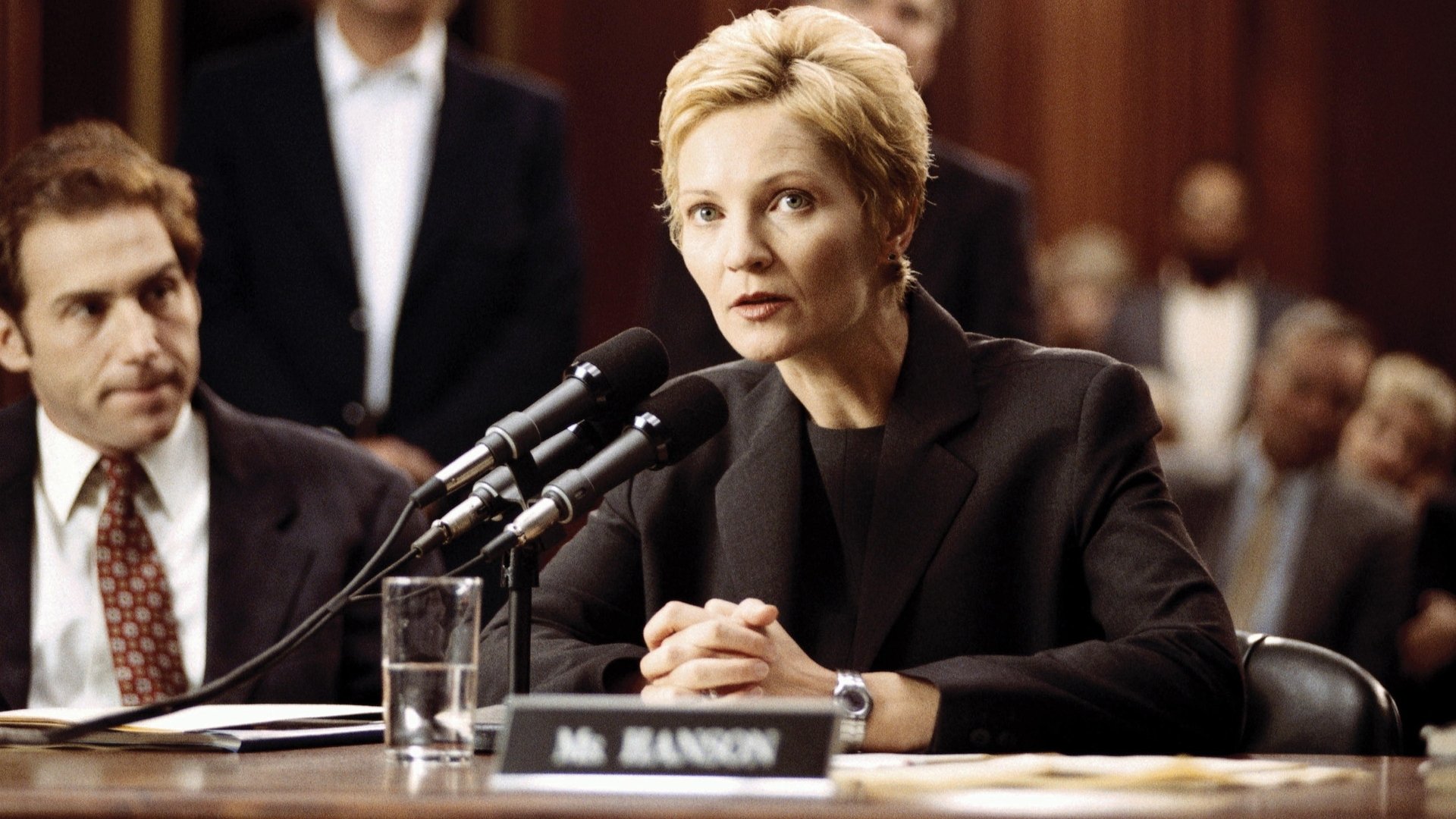
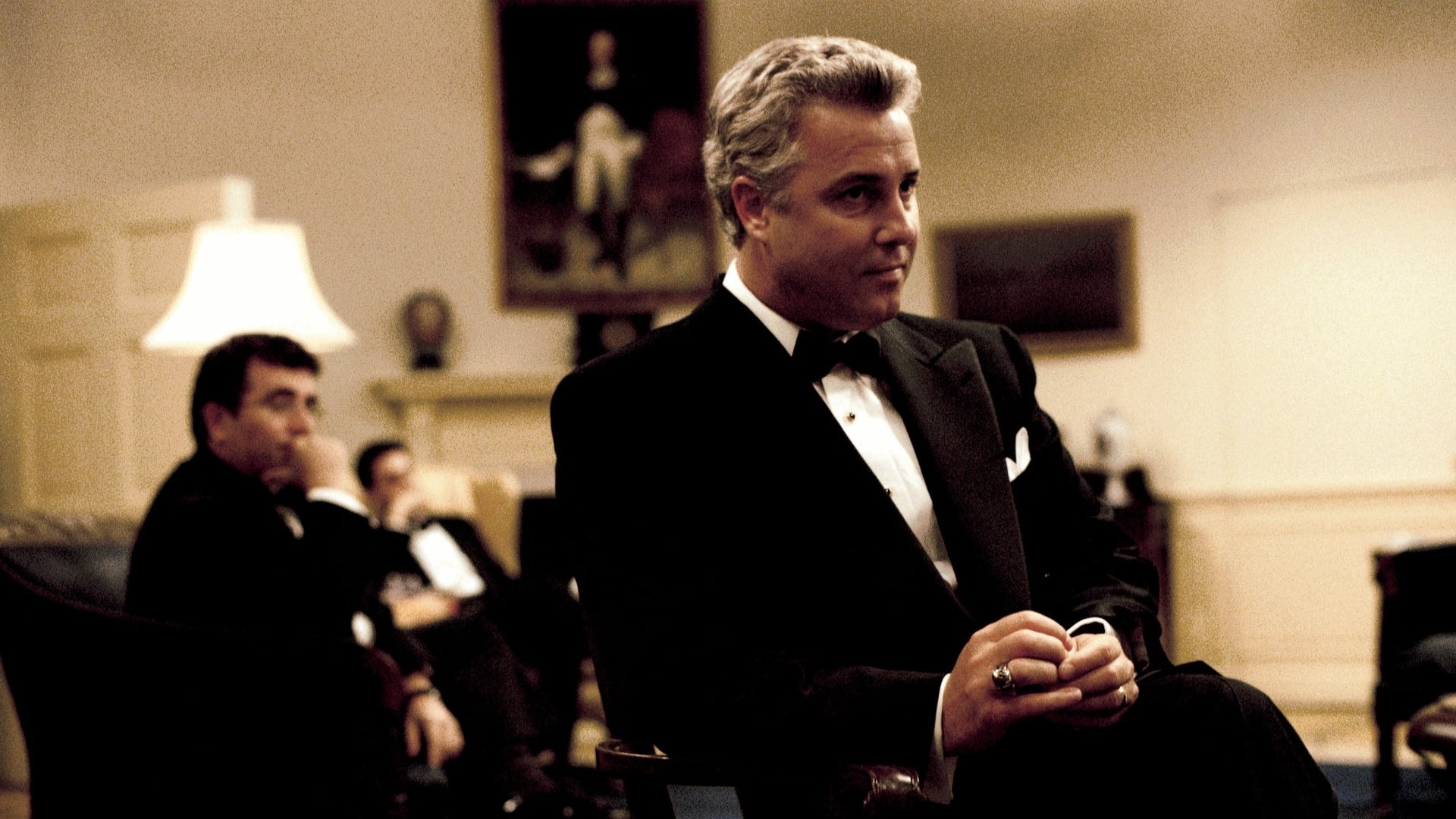

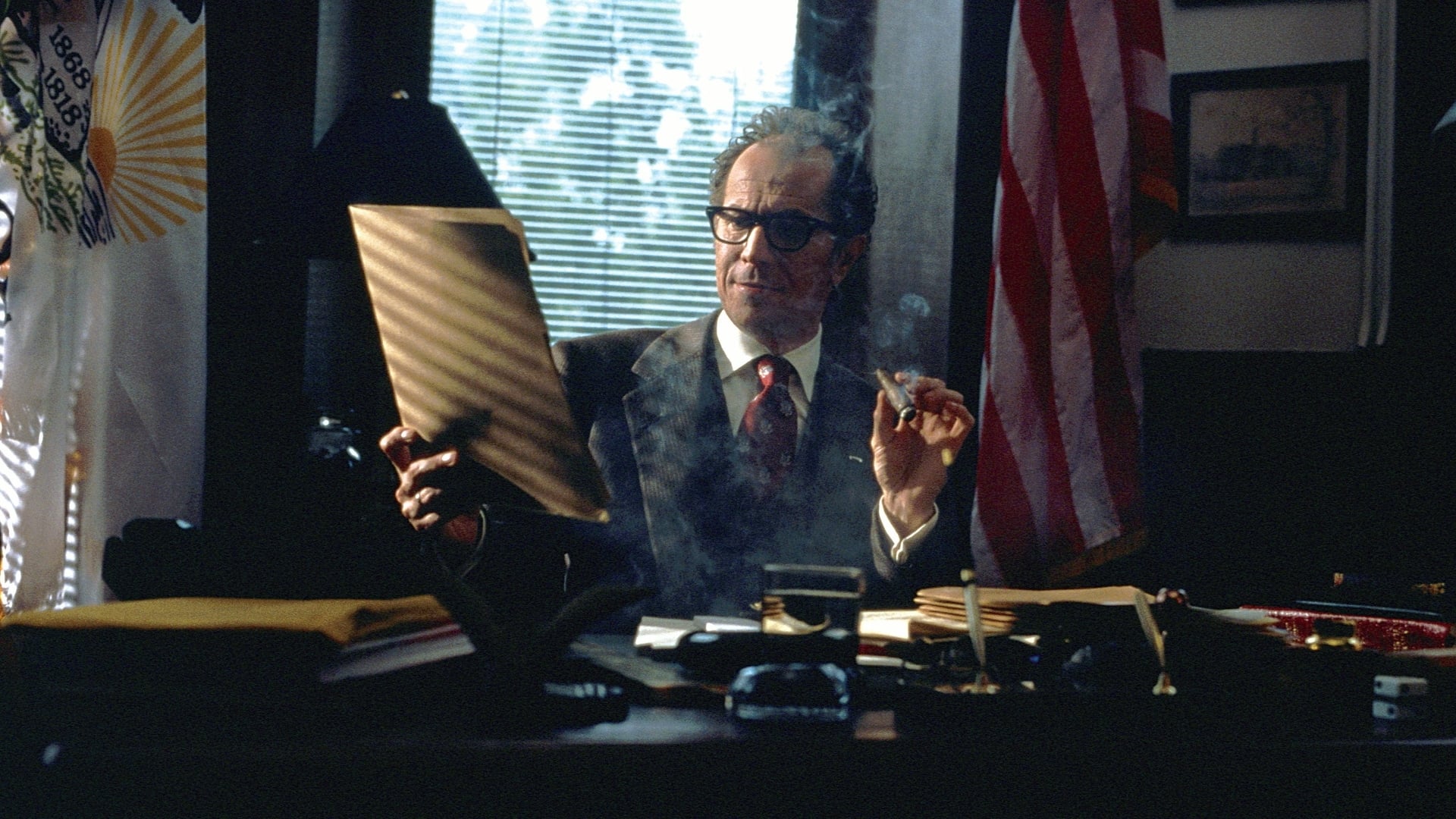
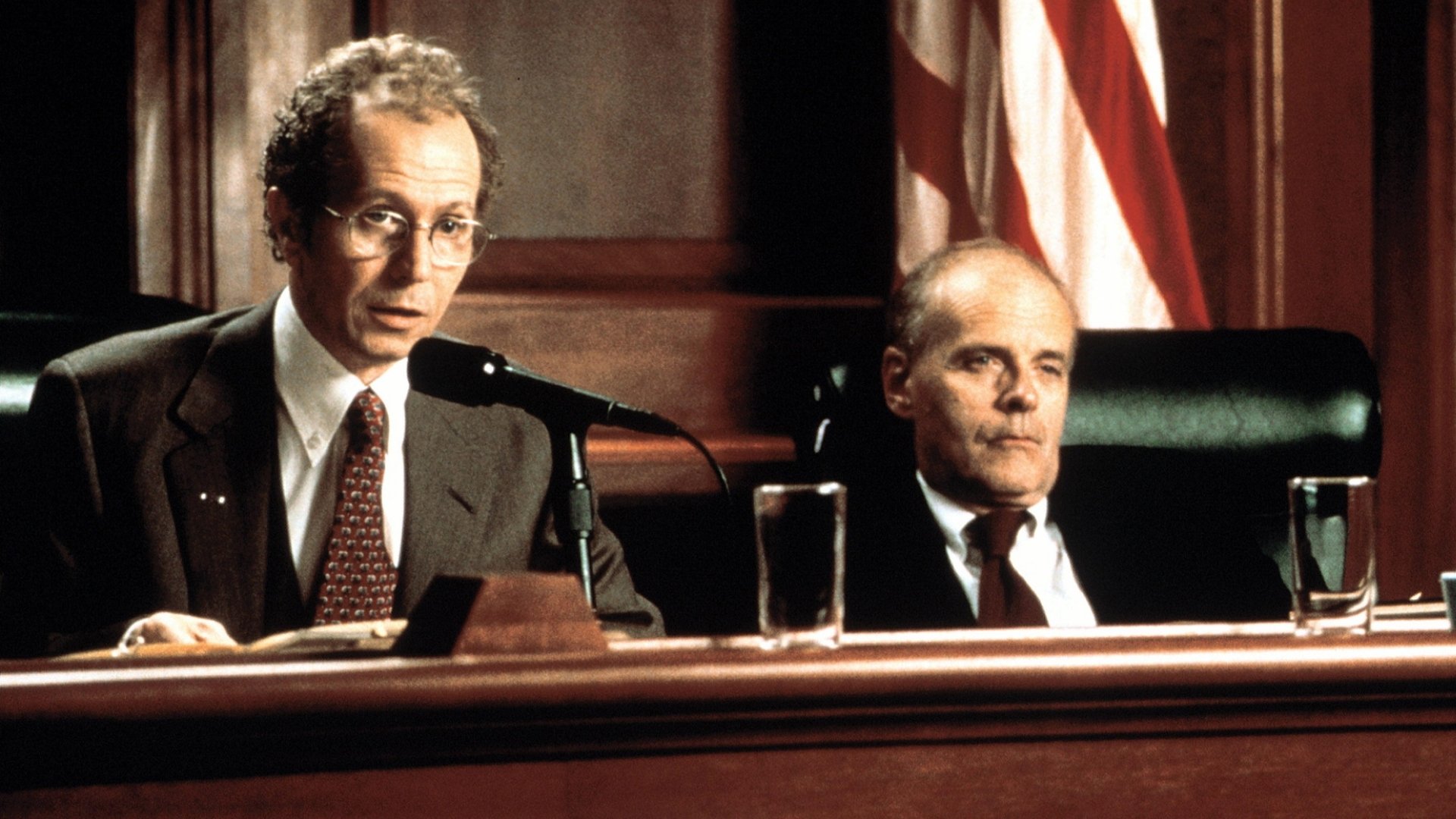
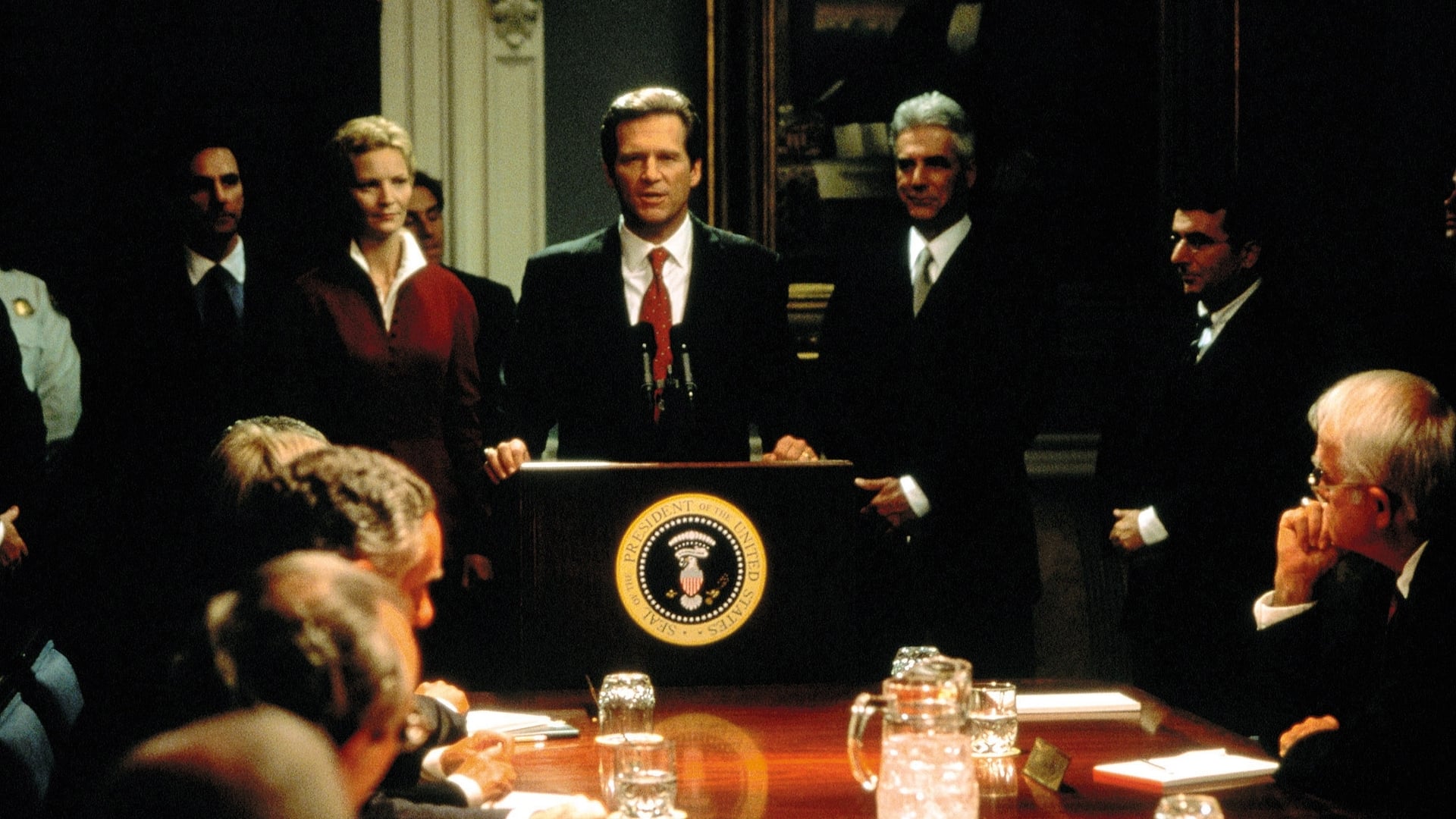

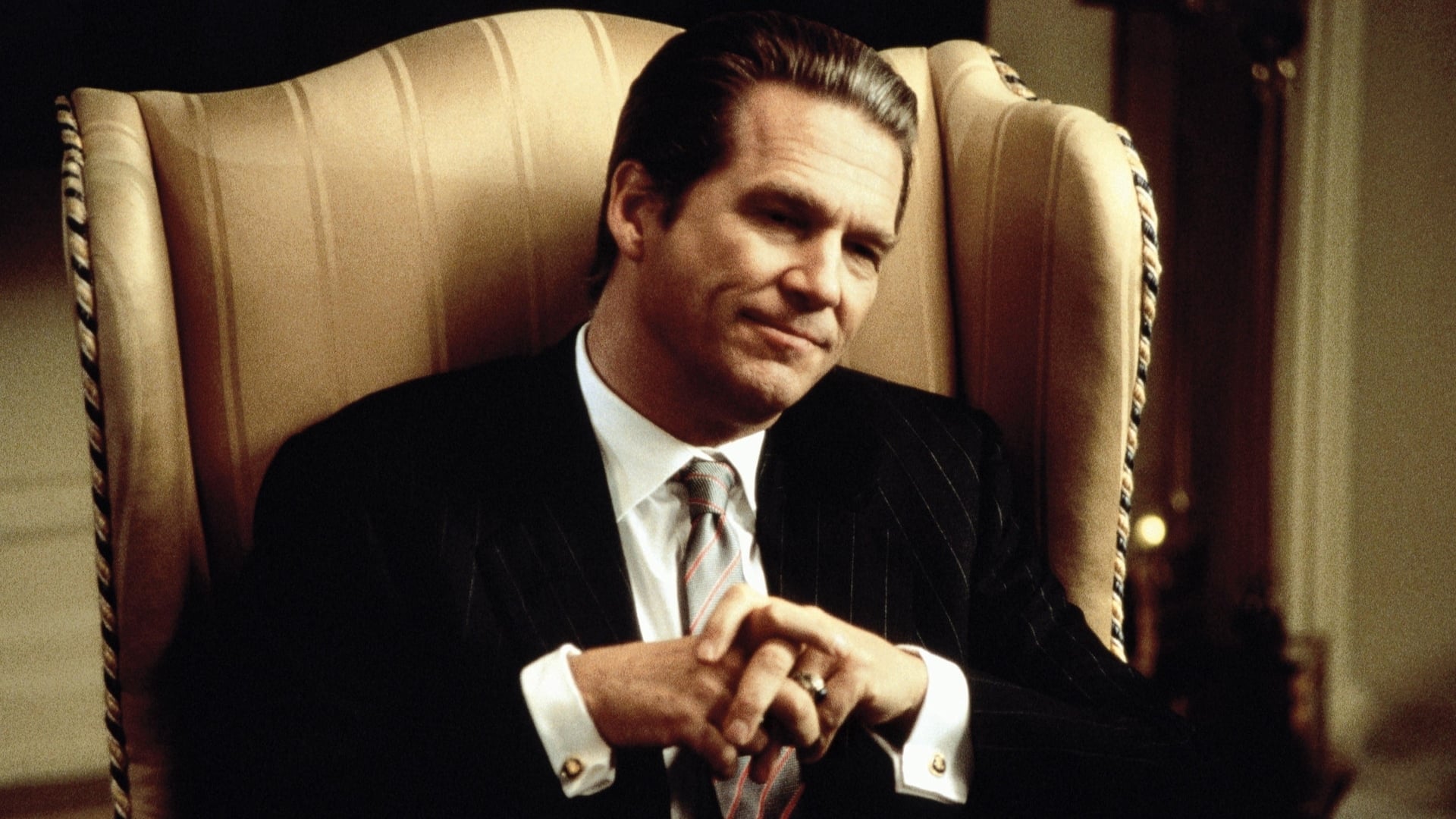
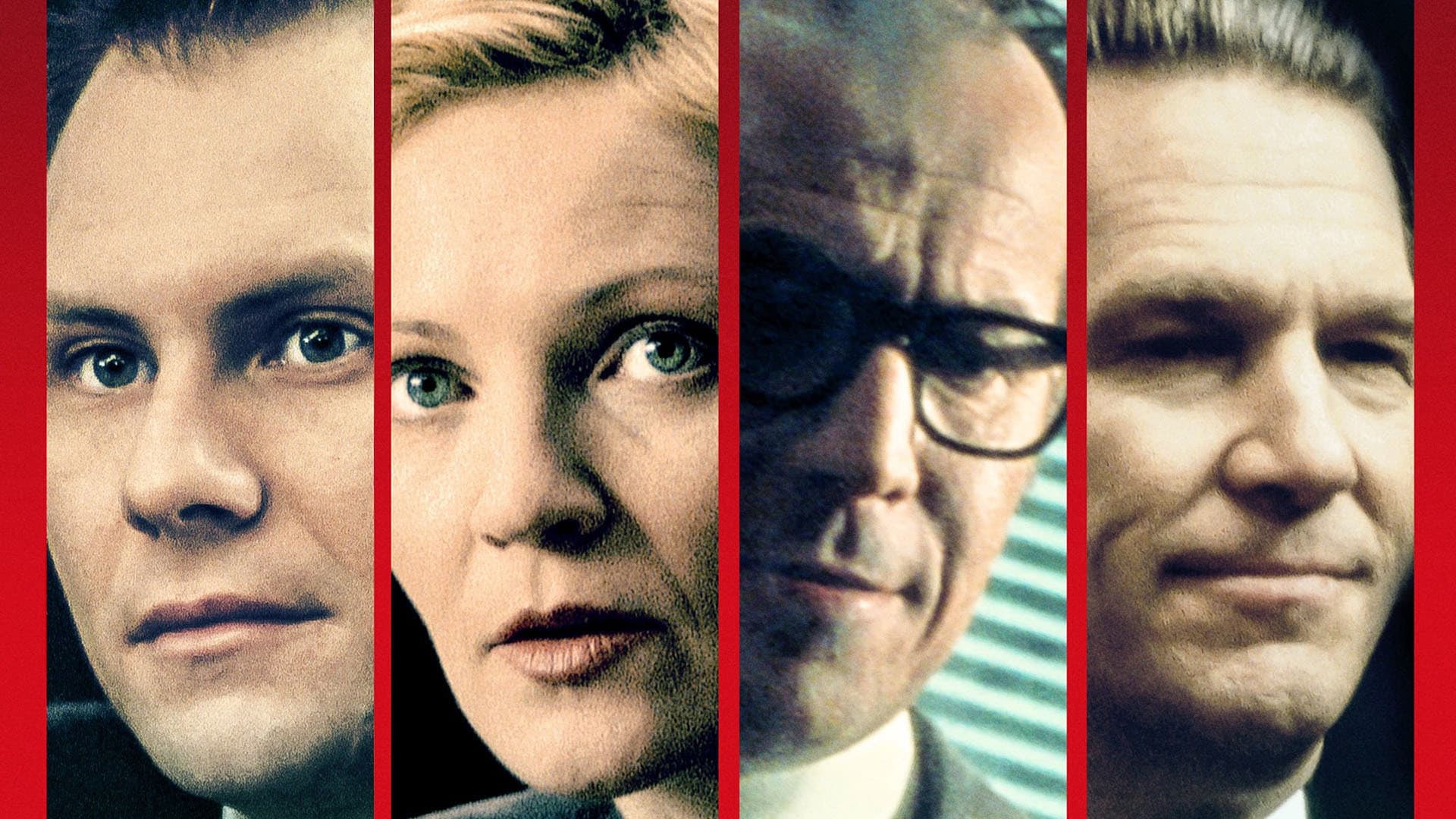
The vice president is dead, and as the president makes his choice for a replacement, a secret contest of wills is being waged by a formidable rival. When Senator Laine Hanson is nominated as the first woman in history to hold the office, hidden agendas explode into a battle for power.
Directed by Rod Lurie
usa president
washington dc, usa
government
politics
sex scandal
vice president

Trailer

IMDB
N/A
Where to Watch

Cast

Joan Allen
Laine Hanson
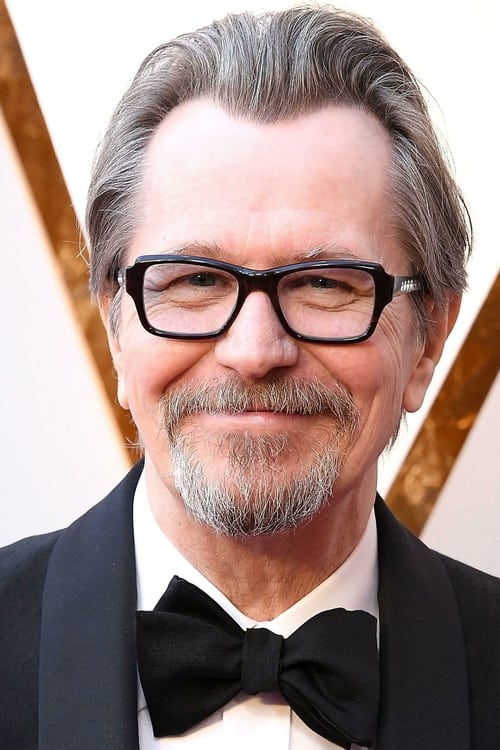
Gary Oldman
Shelly Runyon
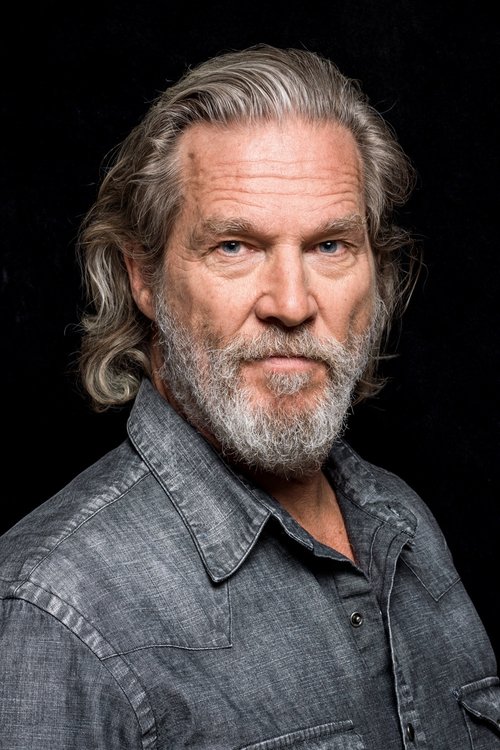
Jeff Bridges
President Jackson Evans

Christian Slater
Reginald Webster
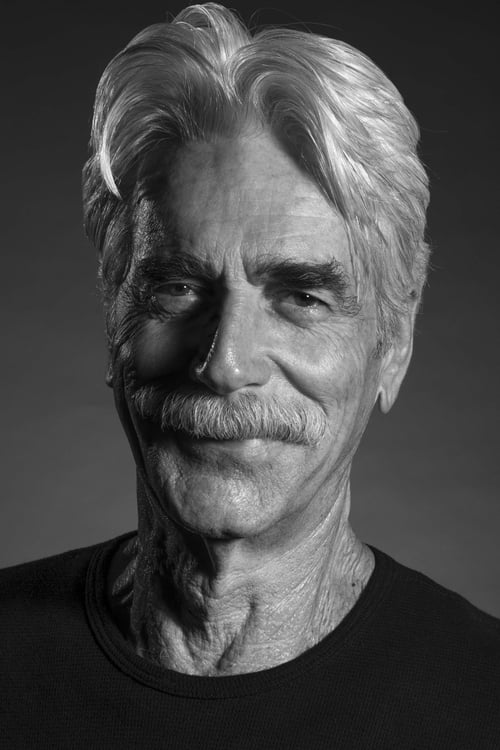
Sam Elliott
Kermit Newman

William L. Petersen
Jack Hathaway
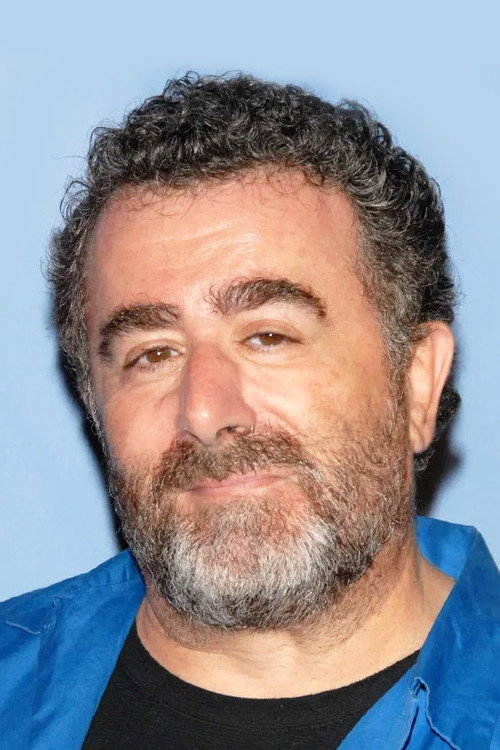
Saul Rubinek
Jerry Tolliver

Philip Baker Hall
Oscar Billings
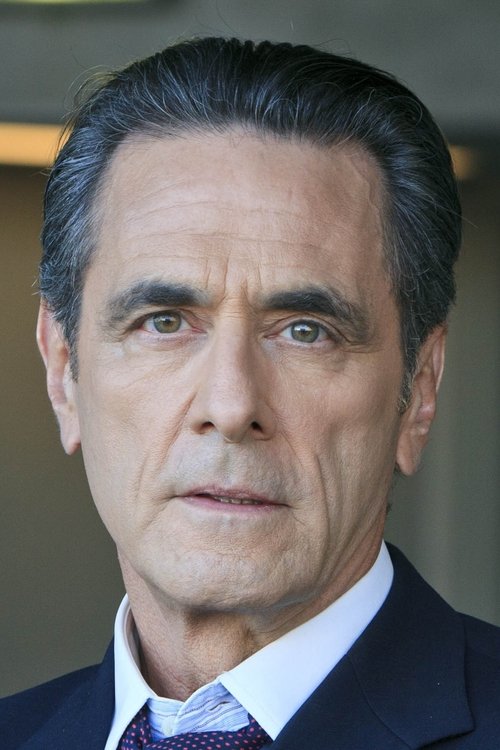
Robin Thomas
William Hanson

Kathryn Morris
Paige Willomina

Mike Binder
Lewis Hollis

Kristen Shaw
Fiona Hathaway
Crew
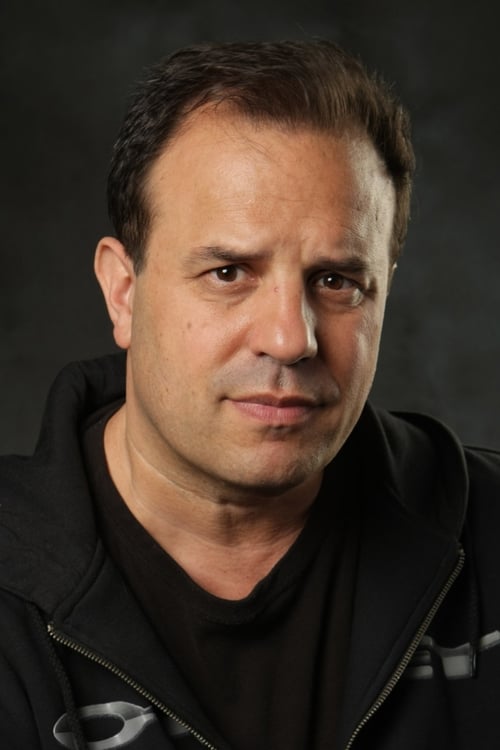
Rod Lurie
Director
Rod Lurie
Writer

Willi Bär
Producer
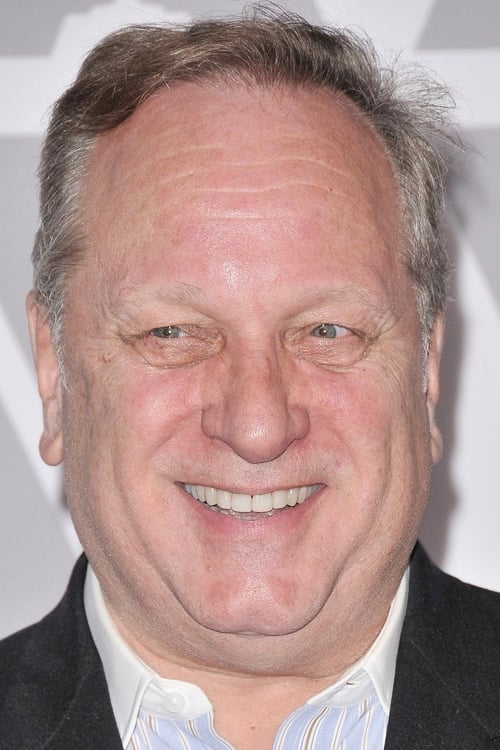
Douglas Urbanski
Producer

Marc Frydman
Producer
Gary Oldman
Executive Producer
Mary Jo Slater
Casting
Caryn Mower
Stunts
Doug Coleman
Stunts

Ronnie Rondell Jr.
Stunts
Loyd Catlett
Stunt Coordinator
Popular Reviews
24 reviews
Connor McCreesh
6.0★ · 07/09/26
Shoutout to Dan Murrell for championing this film on Screen Junkies’ “Best Films You’ve Never Seen” videos—I even bought the DVD for cheap a couple years back, knowing that it was unavailable on streaming at the time—although I didn’t like it quite as much as he did. The Contender is a political drama that I’d describe as what would happen if Aaron Sorkin found out how to actually write women characters, carried by some incredible performances but still quite silly and naive.
The film gets to the heart of Gary Oldman’s smear campaign against Joan Allen’s vice presidential nominee, as he weaponizes her pro-choice views as a political opponent as well as rumors about her sex life, regardless of whether they are true. The entire scandal ends up being the result of the double standard she is up against as a woman nominated for office. Of course parallels were made to the Clinton-Lewinsky scandal, which was fresh in the public’s mind and even mentioned in the film, but I was reminded just as much, maybe even more so of the testimony of Anita Hill, who faced similar smears—that said, if Joan Allen’s character was black, or a whistleblower against a higher-up, she would be screwed, a reality the film doesn’t acknowledge. Both Joan Allen (who got an Oscar nod for the part) and Gary Oldman are terrific, with a constantly shifting power dynamic. It's mind-boggling that neither the director nor Gary Oldman saw his character as a villain, or at least as the antagonist. Oldman at one point claimed that edits were made to make his character less sympathetic, but I have a feeling this is what most of these GOP asshats are like. Regardless of how the character was written at first and what changes happened, Gary Oldman is so naturally great at playing slimy bastards. This one is mainly worth watching for the performances—and keep an eye out for a mustache-less Sam Elliott.
But like many of Sorkin’s works, it’s another overly centrist text, willing to critique the individuals that operate within the political system while not critiquing the institutions themselves. Of course alongside her telling the committee of her more sensible viewpoints, we hear Joan Allen’s character’s belief in a strong growing armed forces “stomping out genocides around the world”—made even more fitting yet ironic given the fact that director Rod Lurie was born in Israel and signed an open letter smearing Jonathan Glazer for his misconstrued Oscar speech. Throughout the making-of features on the film, much is made of the film’s supposed inspiration from All the President’s Men and The Parallax View, 70s conspiracy thrillers that didn’t have nearly the naive trust in our institutions that these post-Reagan political films by the likes of Sorkin have. The film itself also has some baffling filmmaking choices, possibly the result of studio meddling: half of the scenes rely heavily on closeups and feel made-for-TV as a result, the bombastic score is used way too much, and there’s a truly bizarre opening scene right out of CSI: Miami. The ending also becomes goofy in a way that clashes with the previously established tone, evolving into an inspirational speech from President Bridges with some truly ridiculous inspiration music, right out of Independence Day.
The film gets to the heart of Gary Oldman’s smear campaign against Joan Allen’s vice presidential nominee, as he weaponizes her pro-choice views as a political opponent as well as rumors about her sex life, regardless of whether they are true. The entire scandal ends up being the result of the double standard she is up against as a woman nominated for office. Of course parallels were made to the Clinton-Lewinsky scandal, which was fresh in the public’s mind and even mentioned in the film, but I was reminded just as much, maybe even more so of the testimony of Anita Hill, who faced similar smears—that said, if Joan Allen’s character was black, or a whistleblower against a higher-up, she would be screwed, a reality the film doesn’t acknowledge. Both Joan Allen (who got an Oscar nod for the part) and Gary Oldman are terrific, with a constantly shifting power dynamic. It's mind-boggling that neither the director nor Gary Oldman saw his character as a villain, or at least as the antagonist. Oldman at one point claimed that edits were made to make his character less sympathetic, but I have a feeling this is what most of these GOP asshats are like. Regardless of how the character was written at first and what changes happened, Gary Oldman is so naturally great at playing slimy bastards. This one is mainly worth watching for the performances—and keep an eye out for a mustache-less Sam Elliott.
But like many of Sorkin’s works, it’s another overly centrist text, willing to critique the individuals that operate within the political system while not critiquing the institutions themselves. Of course alongside her telling the committee of her more sensible viewpoints, we hear Joan Allen’s character’s belief in a strong growing armed forces “stomping out genocides around the world”—made even more fitting yet ironic given the fact that director Rod Lurie was born in Israel and signed an open letter smearing Jonathan Glazer for his misconstrued Oscar speech. Throughout the making-of features on the film, much is made of the film’s supposed inspiration from All the President’s Men and The Parallax View, 70s conspiracy thrillers that didn’t have nearly the naive trust in our institutions that these post-Reagan political films by the likes of Sorkin have. The film itself also has some baffling filmmaking choices, possibly the result of studio meddling: half of the scenes rely heavily on closeups and feel made-for-TV as a result, the bombastic score is used way too much, and there’s a truly bizarre opening scene right out of CSI: Miami. The ending also becomes goofy in a way that clashes with the previously established tone, evolving into an inspirational speech from President Bridges with some truly ridiculous inspiration music, right out of Independence Day.
Shoutout to Dan Murrell for championing this film on Screen Junkies’ “Best Films You’ve Never Seen” videos—I even bought the DVD for cheap a couple years back, knowing that it was unavailable on streaming at the time—although I didn’t like it quite as much as he did. The Contender is a political drama that I’d describe as what would happen if Aaron Sorkin found out how to actually write women characters, carried by some incredible performances but still quite silly and naive.
The film gets to the heart of Gary Oldman’s smear campaign against Joan Allen’s vice presidential nominee, as he weaponizes her pro-choice views as a political opponent as well as rumors about her sex life, regardless of whether they are true. The entire scandal ends up being the result of the double standard she is up against as a woman nominated for office. Of course parallels were made to the Clinton-Lewinsky scandal, which was fresh in the public’s mind and even mentioned in the film, but I was reminded just as much, maybe even more so of the testimony of Anita Hill, who faced similar smears—that said, if Joan Allen’s character was black, or a whistleblower against a higher-up, she would be screwed, a reality the film doesn’t acknowledge. Both Joan Allen (who got an Oscar nod for the part) and Gary Oldman are terrific, with a constantly shifting power dynamic. It's mind-boggling that neither the director nor Gary Oldman saw his character as a villain, or at least as the antagonist. Oldman at one point claimed that edits were made to make his character less sympathetic, but I have a feeling this is what most of these GOP asshats are like. Regardless of how the character was written at first and what changes happened, Gary Oldman is so naturally great at playing slimy bastards. This one is mainly worth watching for the performances—and keep an eye out for a mustache-less Sam Elliott.
But like many of Sorkin’s works, it’s another overly centrist text, willing to critique the individuals that operate within the political system while not critiquing the institutions themselves. Of course alongside her telling the committee of her more sensible viewpoints, we hear Joan Allen’s character’s belief in a strong growing armed forces “stomping out genocides around the world”—made even more fitting yet ironic given the fact that director Rod Lurie was born in Israel and signed an open letter smearing Jonathan Glazer for his misconstrued Oscar speech. Throughout the making-of features on the film, much is made of the film’s supposed inspiration from All the President’s Men and The Parallax View, 70s conspiracy thrillers that didn’t have nearly the naive trust in our institutions that these post-Reagan political films by the likes of Sorkin have. The film itself also has some baffling filmmaking choices, possibly the result of studio meddling: half of the scenes rely heavily on closeups and feel made-for-TV as a result, the bombastic score is used way too much, and there’s a truly bizarre opening scene right out of CSI: Miami. The ending also becomes goofy in a way that clashes with the previously established tone, evolving into an inspirational speech from President Bridges with some truly ridiculous inspiration music, right out of Independence Day.
The film gets to the heart of Gary Oldman’s smear campaign against Joan Allen’s vice presidential nominee, as he weaponizes her pro-choice views as a political opponent as well as rumors about her sex life, regardless of whether they are true. The entire scandal ends up being the result of the double standard she is up against as a woman nominated for office. Of course parallels were made to the Clinton-Lewinsky scandal, which was fresh in the public’s mind and even mentioned in the film, but I was reminded just as much, maybe even more so of the testimony of Anita Hill, who faced similar smears—that said, if Joan Allen’s character was black, or a whistleblower against a higher-up, she would be screwed, a reality the film doesn’t acknowledge. Both Joan Allen (who got an Oscar nod for the part) and Gary Oldman are terrific, with a constantly shifting power dynamic. It's mind-boggling that neither the director nor Gary Oldman saw his character as a villain, or at least as the antagonist. Oldman at one point claimed that edits were made to make his character less sympathetic, but I have a feeling this is what most of these GOP asshats are like. Regardless of how the character was written at first and what changes happened, Gary Oldman is so naturally great at playing slimy bastards. This one is mainly worth watching for the performances—and keep an eye out for a mustache-less Sam Elliott.
But like many of Sorkin’s works, it’s another overly centrist text, willing to critique the individuals that operate within the political system while not critiquing the institutions themselves. Of course alongside her telling the committee of her more sensible viewpoints, we hear Joan Allen’s character’s belief in a strong growing armed forces “stomping out genocides around the world”—made even more fitting yet ironic given the fact that director Rod Lurie was born in Israel and signed an open letter smearing Jonathan Glazer for his misconstrued Oscar speech. Throughout the making-of features on the film, much is made of the film’s supposed inspiration from All the President’s Men and The Parallax View, 70s conspiracy thrillers that didn’t have nearly the naive trust in our institutions that these post-Reagan political films by the likes of Sorkin have. The film itself also has some baffling filmmaking choices, possibly the result of studio meddling: half of the scenes rely heavily on closeups and feel made-for-TV as a result, the bombastic score is used way too much, and there’s a truly bizarre opening scene right out of CSI: Miami. The ending also becomes goofy in a way that clashes with the previously established tone, evolving into an inspirational speech from President Bridges with some truly ridiculous inspiration music, right out of Independence Day.


Fart
6.0★ · 10/23/25
Kinda a mid movie with a pretty good ending so idk
Kinda a mid movie with a pretty good ending so idk
Jimmy Farino
3.4★ · 06/05/25
Stupid movie that has a lot of good scenes of President Jeff Bridges ordering food
Stupid movie that has a lot of good scenes of President Jeff Bridges ordering food
sophia
4.0★ · 03/04/25
Could not gaf
Could not gaf
Lucien WD
4.0★ · 11/13/24
This movie is… so low stakes? Idk if I’ve ever seen a political drama that just hinges on someone being railroaded bc of bad faith actors with no satisfying resolution. Clint Eastwood wouldn’t accept the way this wraps up. Oldman and Elliott are fun but it lost me fairly quickly. Actually has a lot in common with Conclave in terms of how little momentum there is.
This movie is… so low stakes? Idk if I’ve ever seen a political drama that just hinges on someone being railroaded bc of bad faith actors with no satisfying resolution. Clint Eastwood wouldn’t accept the way this wraps up. Oldman and Elliott are fun but it lost me fairly quickly. Actually has a lot in common with Conclave in terms of how little momentum there is.