
1953·Western·1h 24m
7.0
★
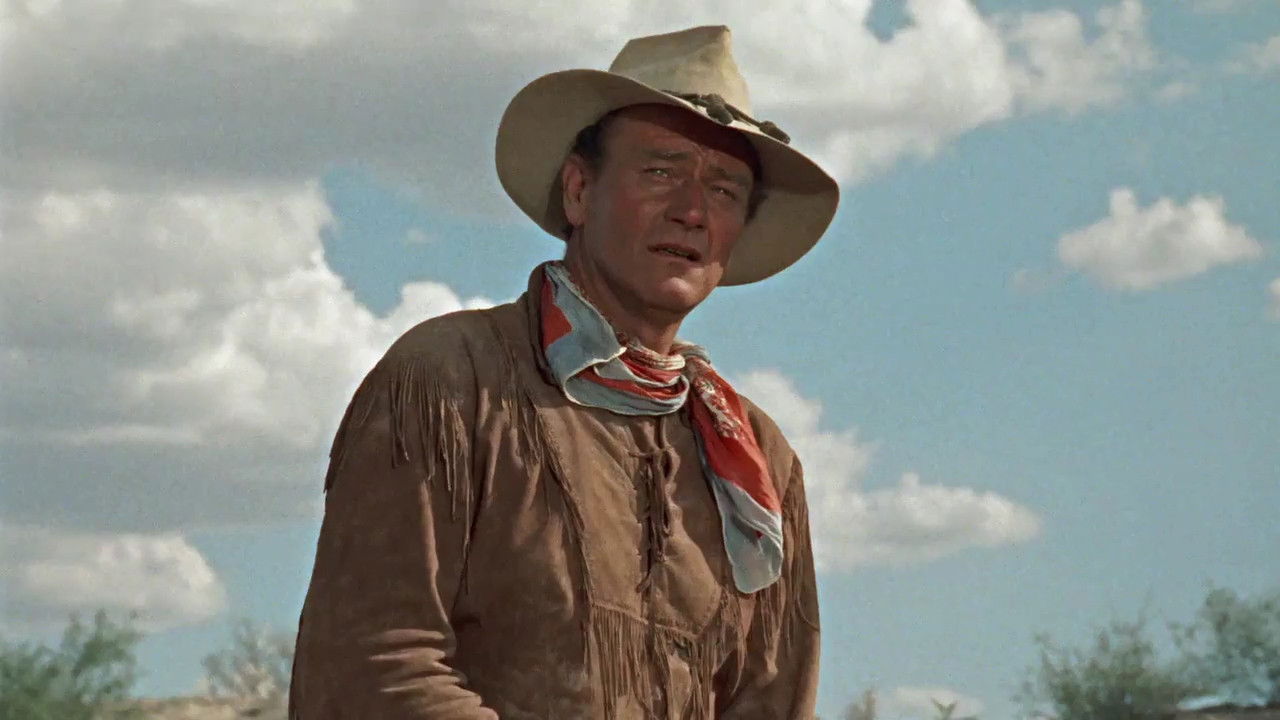
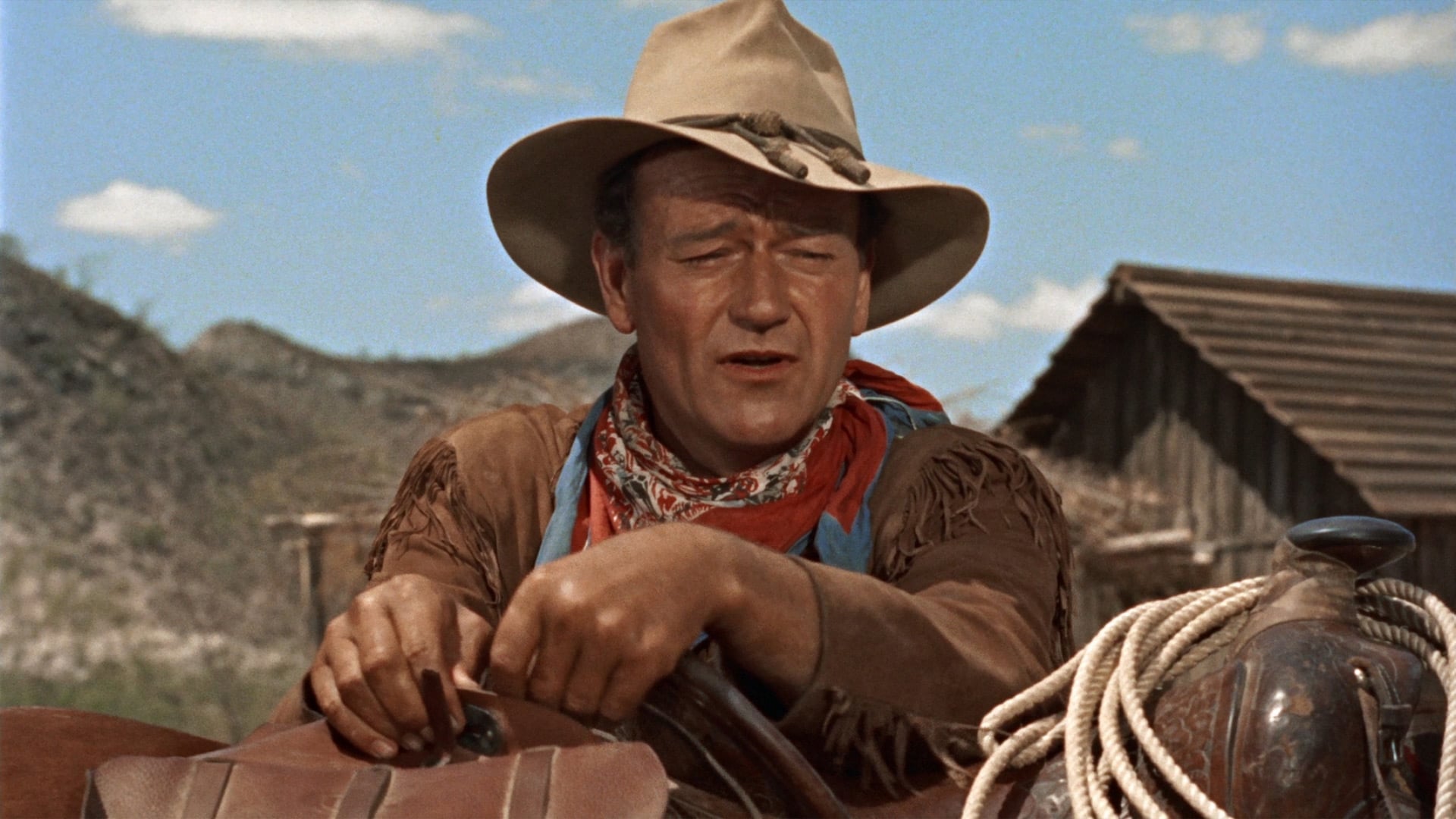

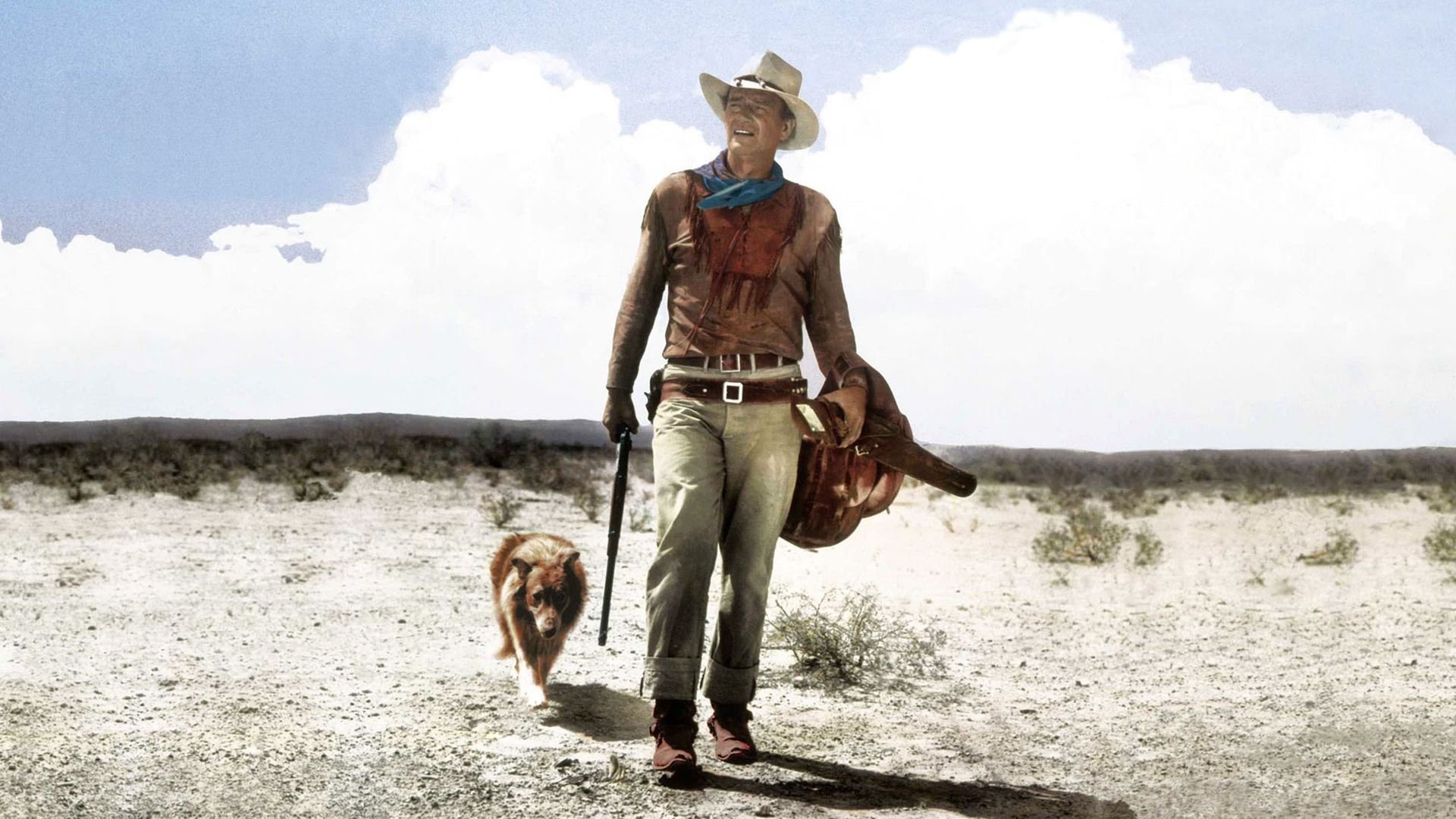
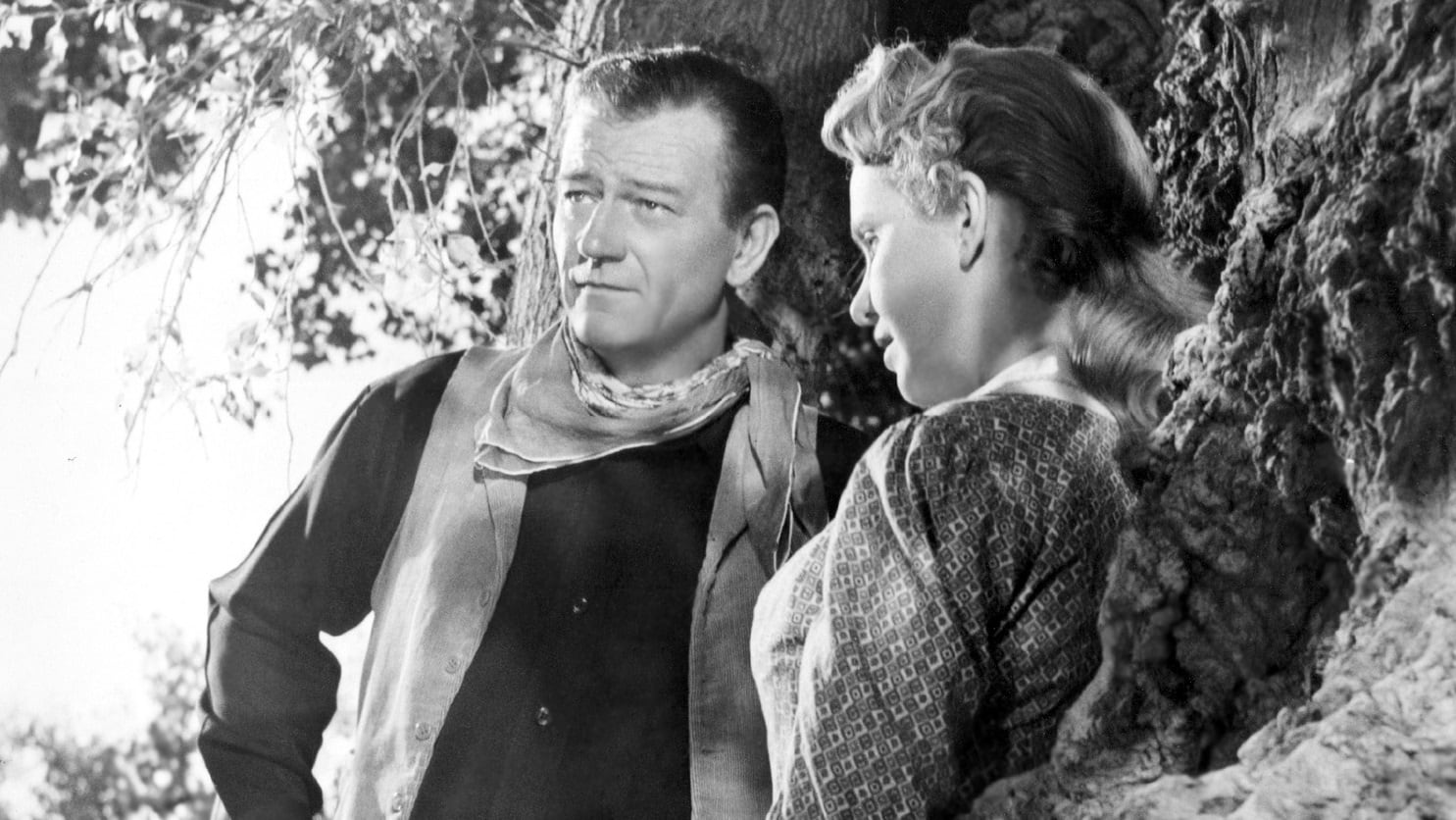

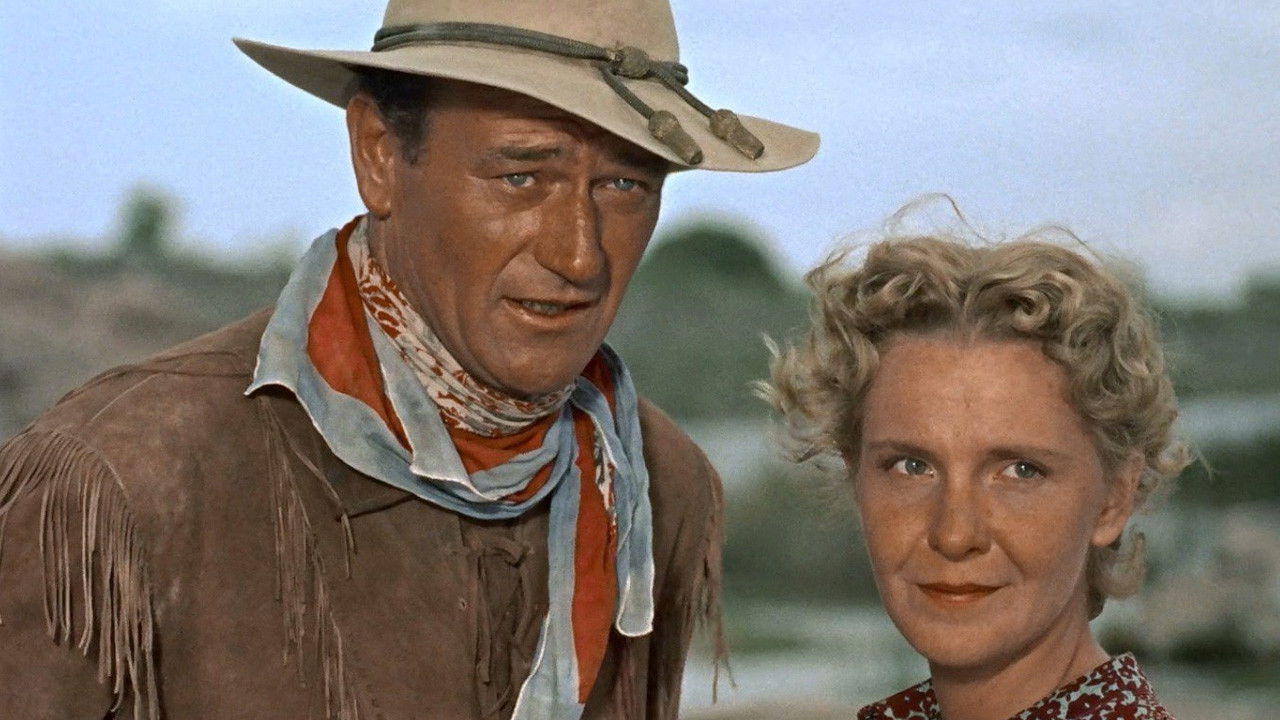
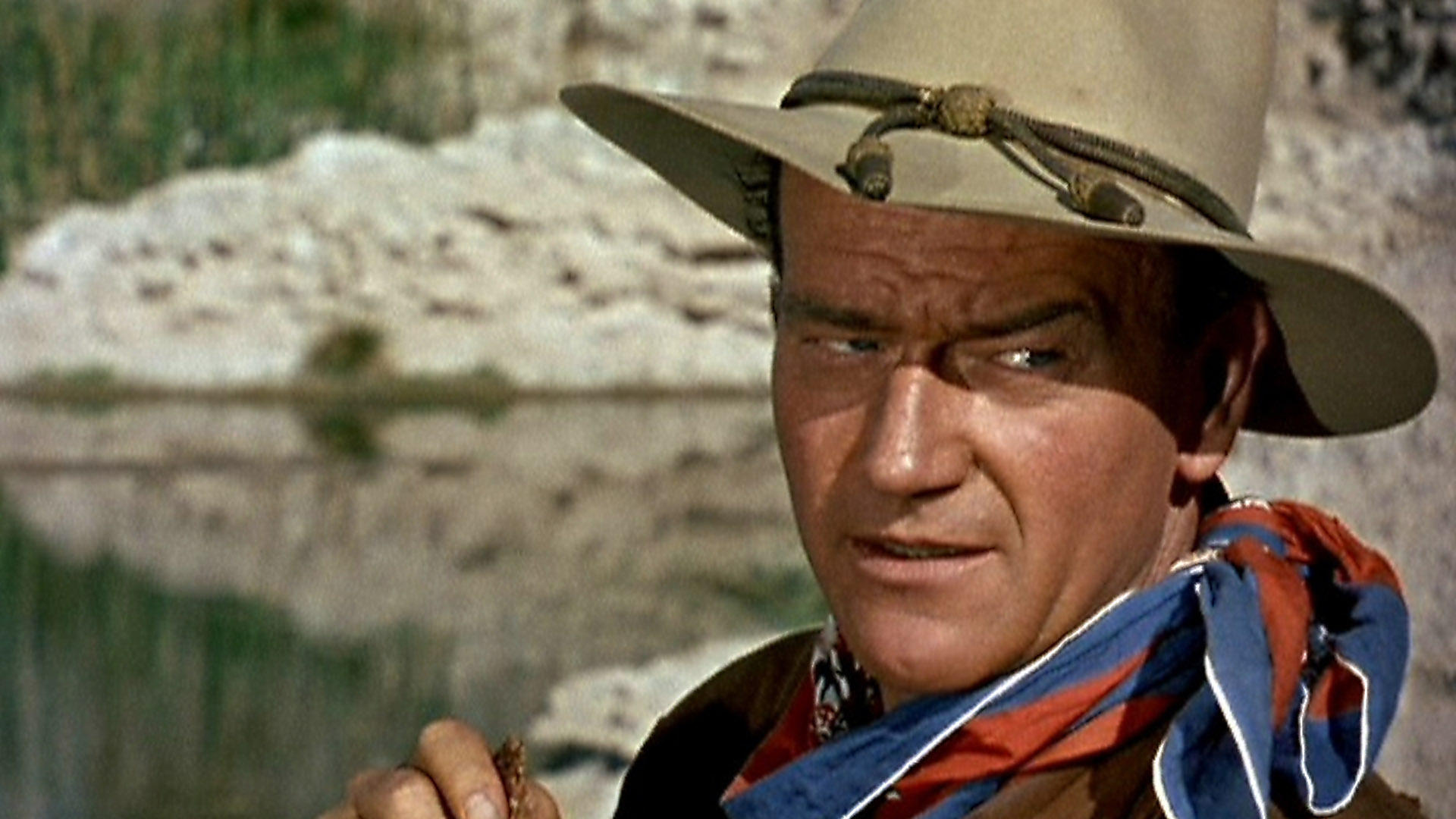
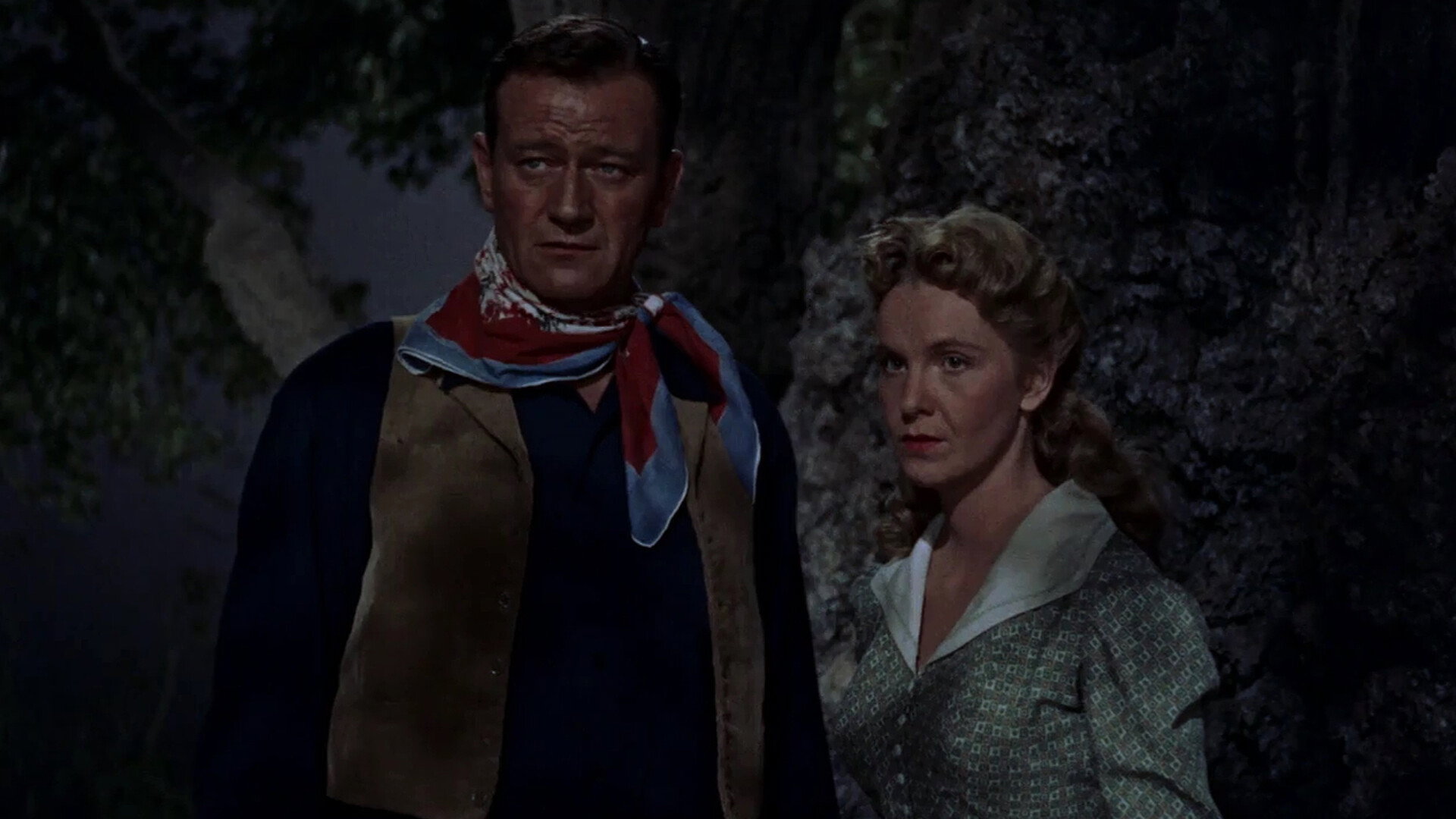
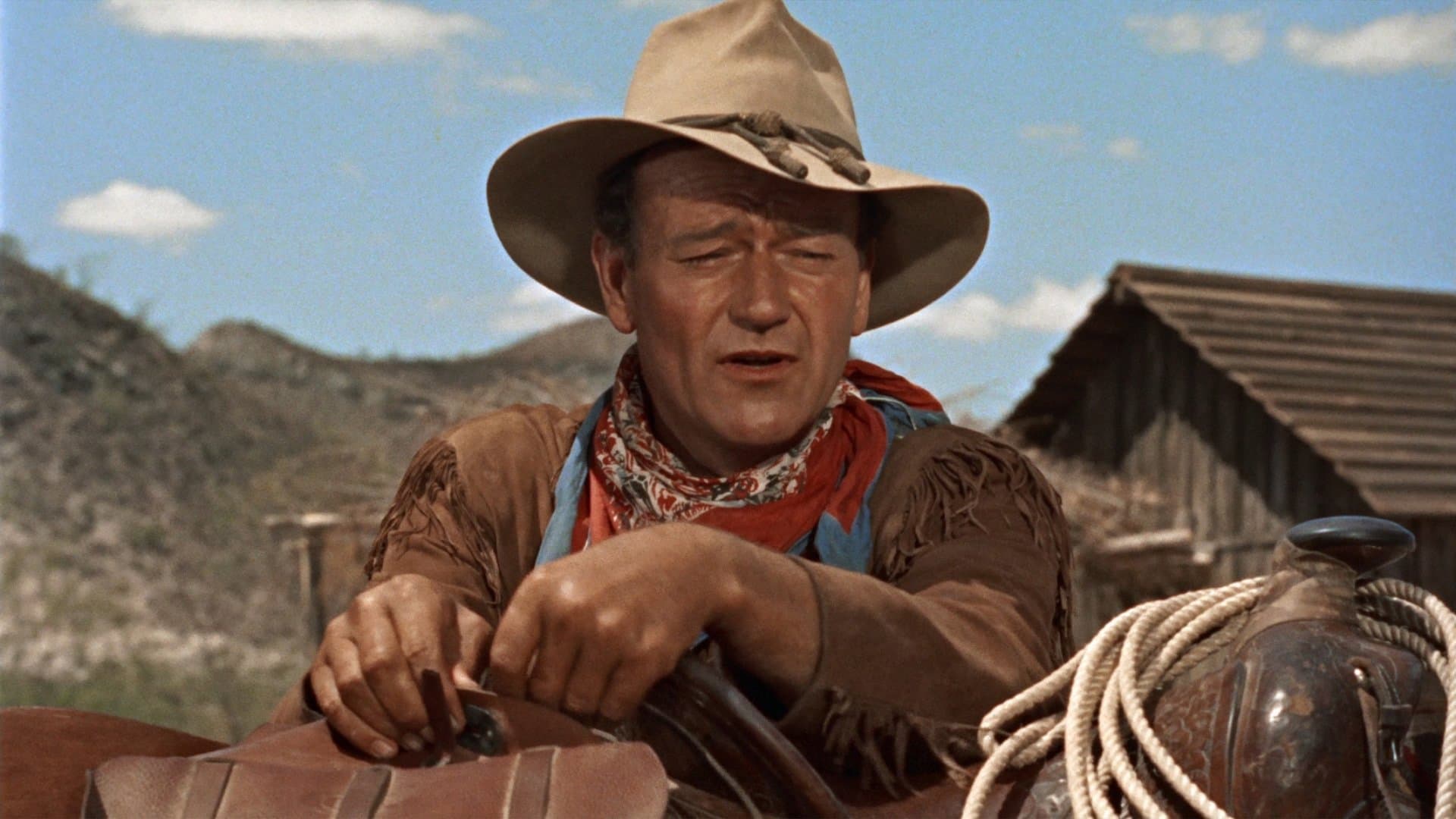
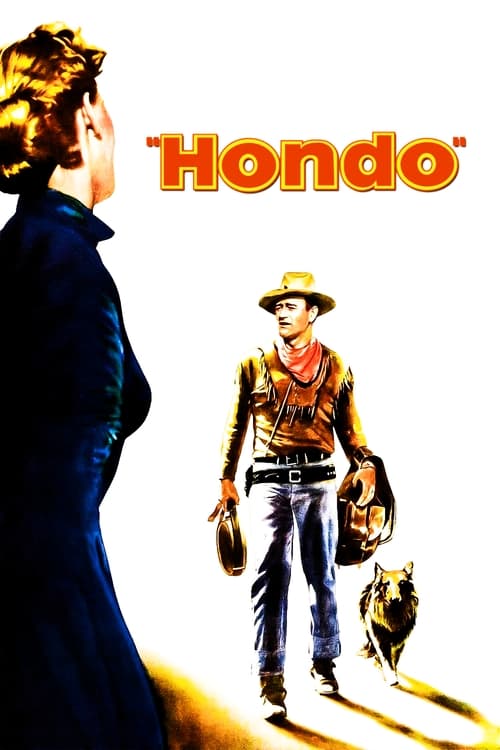
Army despatch rider Hondo Lane discovers a woman and her son living in the midst of warring Apaches, and he becomes their protector.
Directed by John Farrow
military officer
apache nation
native american
cavalry
19th century

Trailer

IMDB
N/A
Where to Watch



Cast
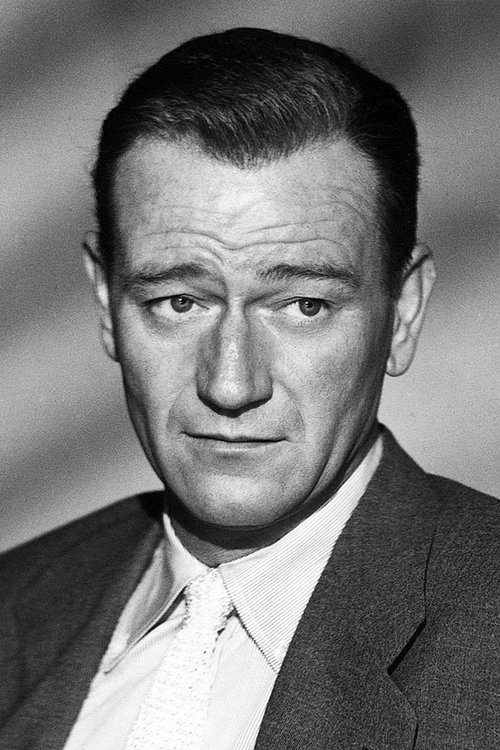
John Wayne
Hondo Lane
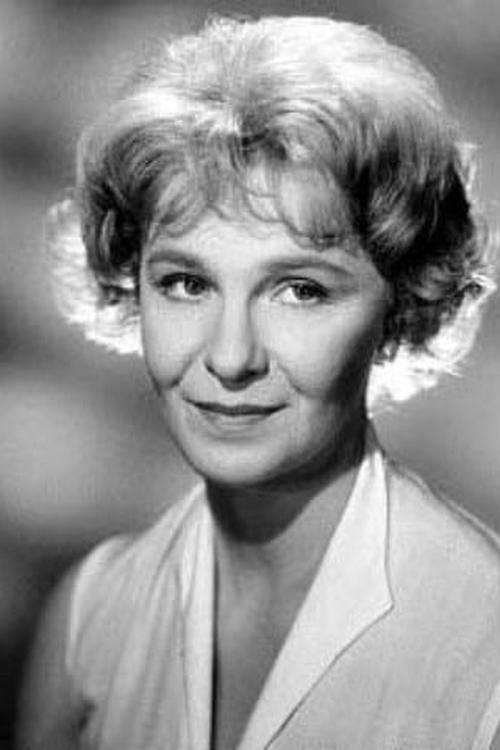
Geraldine Page
Angie Lowe
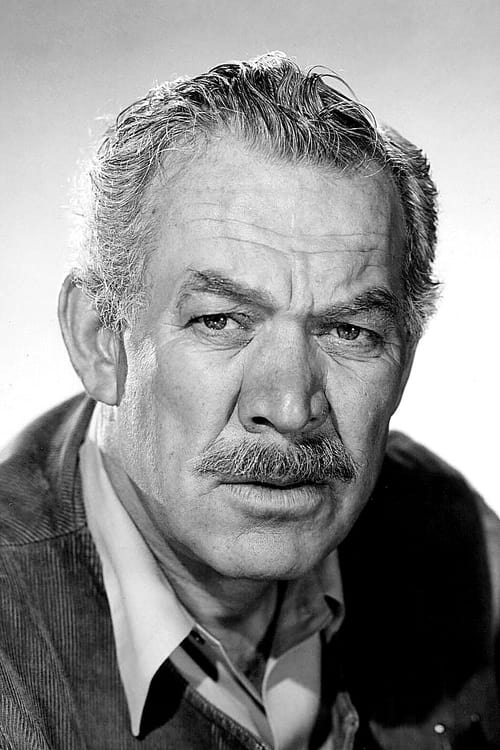
Ward Bond
Buffalo Baker
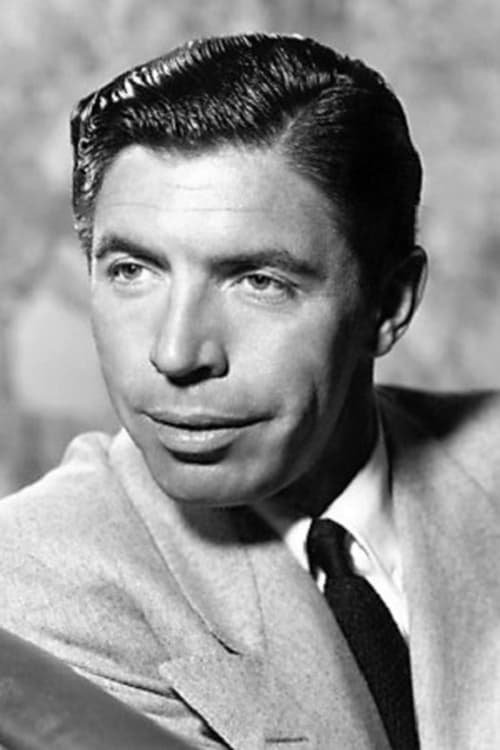
Michael Pate
Vittorio
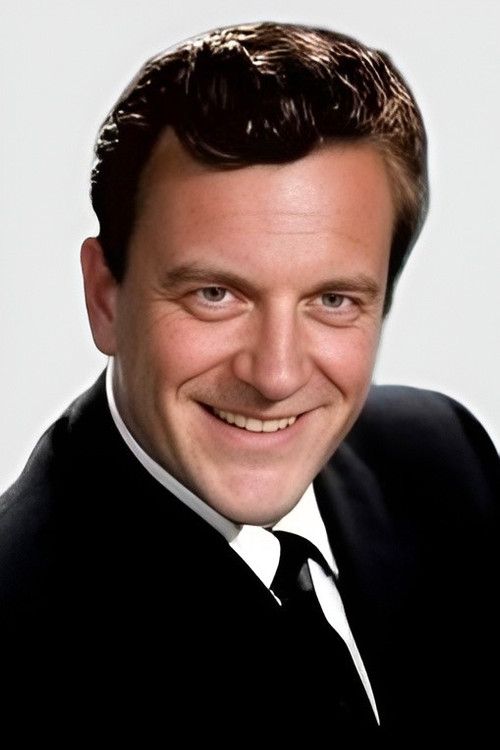
James Arness
Lennie
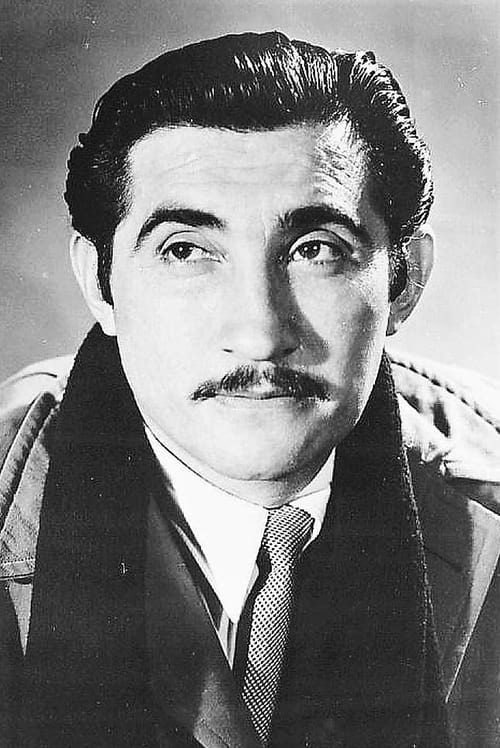
Rodolfo Acosta
Silva
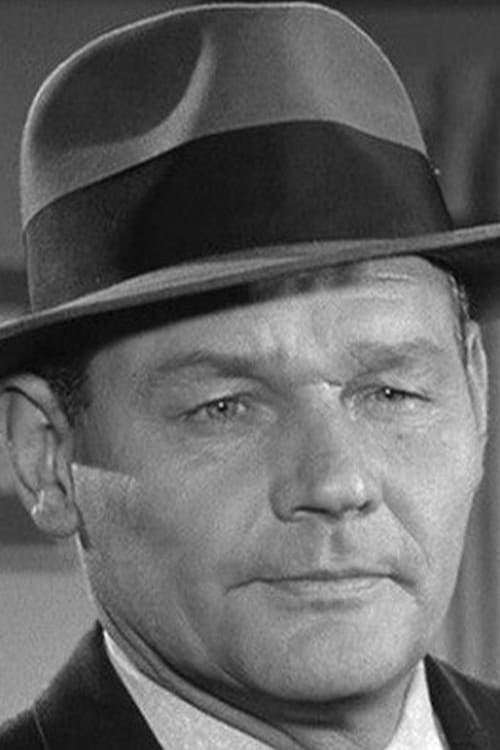
Leo Gordon
Ed Lowe
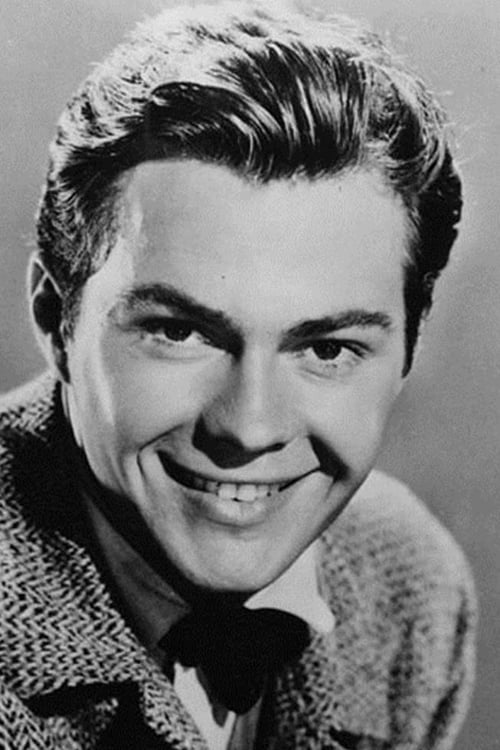
Tom Irish
Lt. McKay
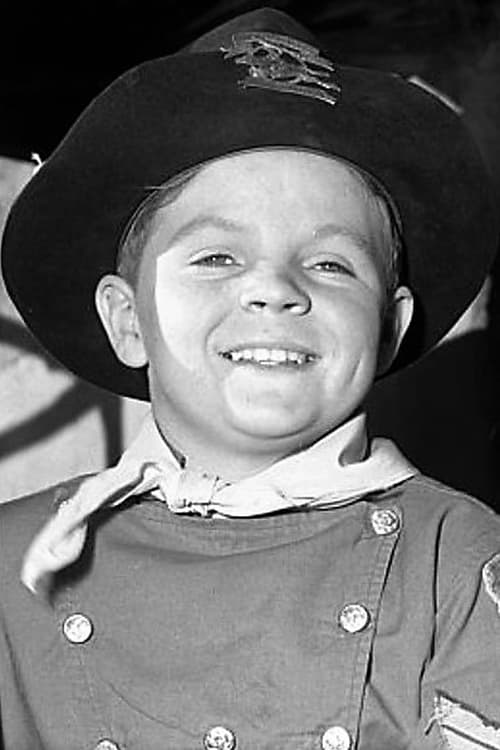
Lee Aaker
Johnny Lowe
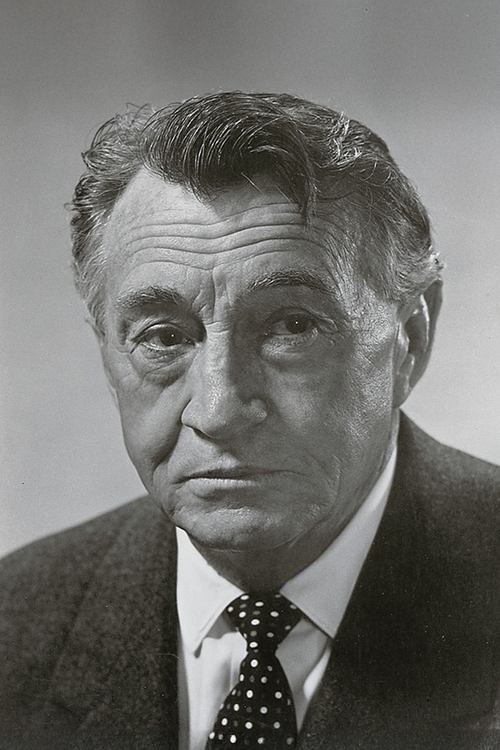
Paul Fix
Major Sherry
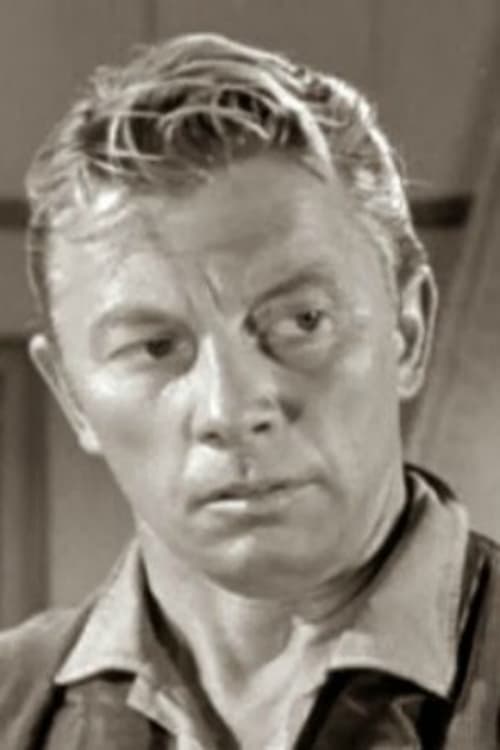
Rayford Barnes
Pete
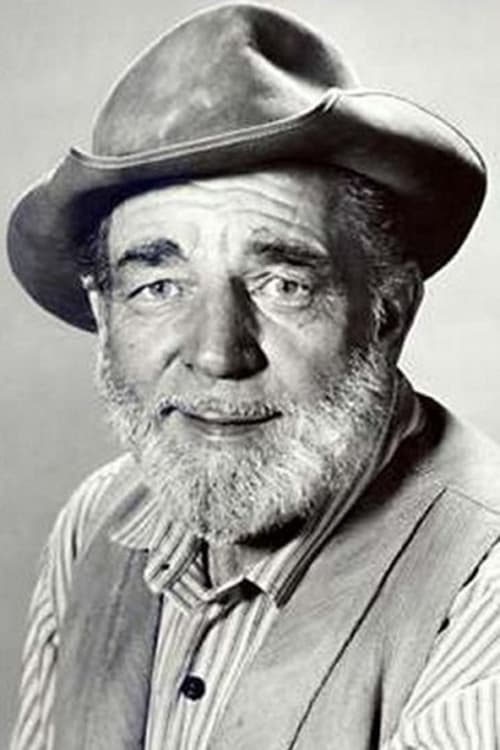
Frank McGrath
Lowes Partner (uncredited)
Crew
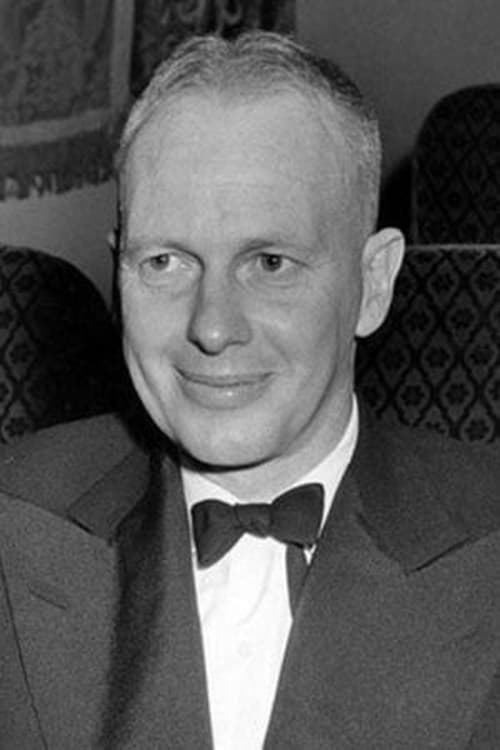
John Farrow
Director
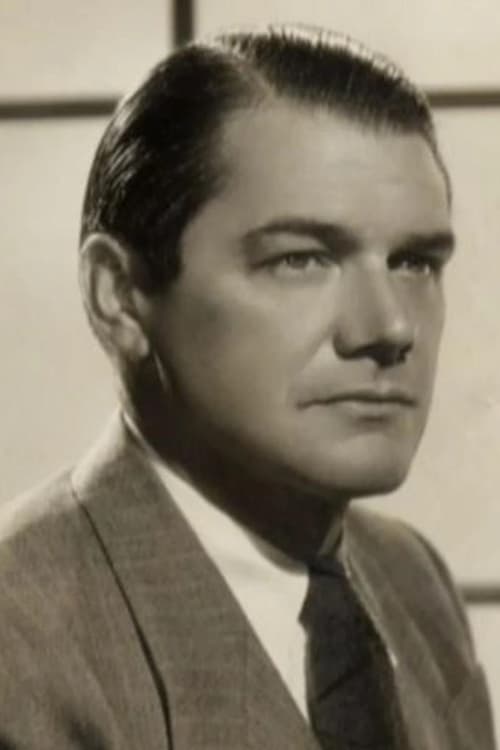
James Edward Grant
Screenplay
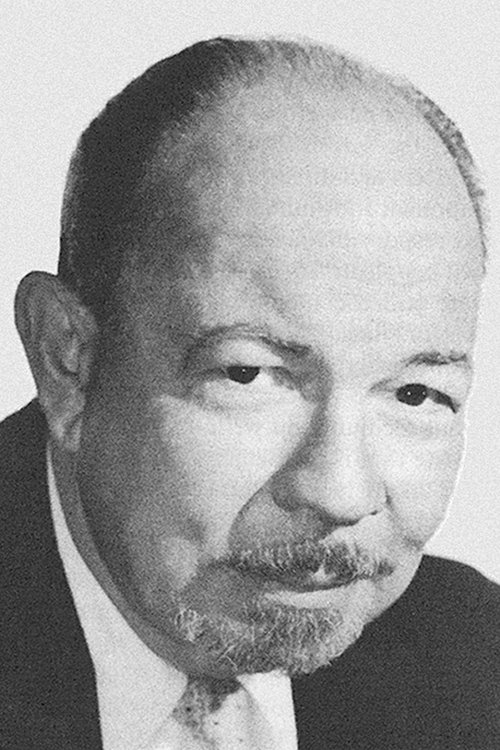
Hugo Friedhofer
Original Music Composer
John Wayne
Producer
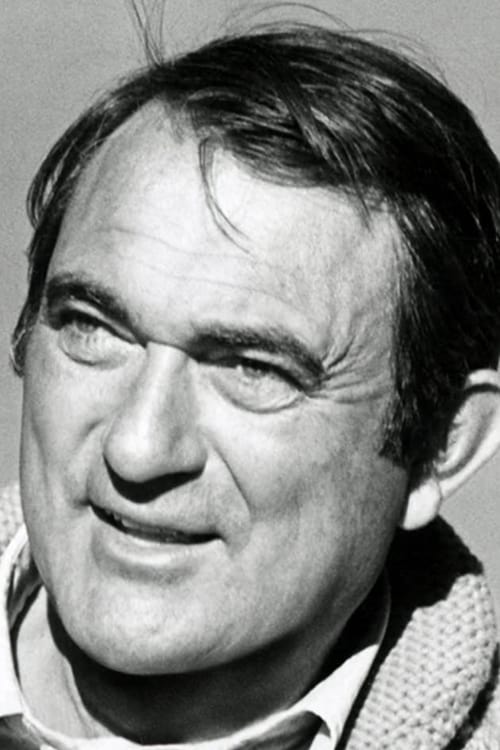
Andrew V. McLaglen
Unit Production Manager

Louis L'Amour
Short Story
Louis L'Amour
Story

Chuck Hayward
Stunt Double
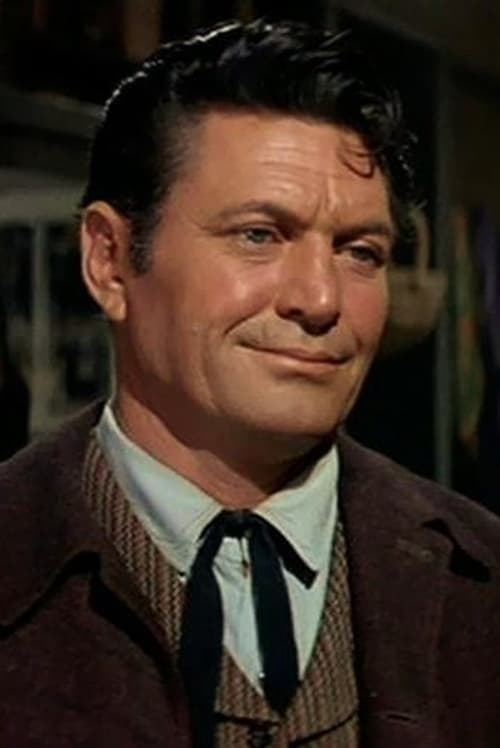
Chuck Roberson
Stunt Double
Popular Reviews
33 reviews
caitlin
6.0★ · 02/28/26
i CACKLED i did not expect john wayne to throw that kid so FAR
i CACKLED i did not expect john wayne to throw that kid so FAR


Stephen Kane
4.0★ · 01/23/26
A definite influence on the recurring character from Star Wars The Clone Wars
A definite influence on the recurring character from Star Wars The Clone Wars
Nathan Rogers
6.0★ · 08/07/25
Dad picked the movie again. This is the one where John Wayne throws a kid, who doesn’t know how to swim, into a pond. It also has an intermission, despite it only being 84 minutes long
Dad picked the movie again. This is the one where John Wayne throws a kid, who doesn’t know how to swim, into a pond. It also has an intermission, despite it only being 84 minutes long
Will
8.0★ · 03/11/25
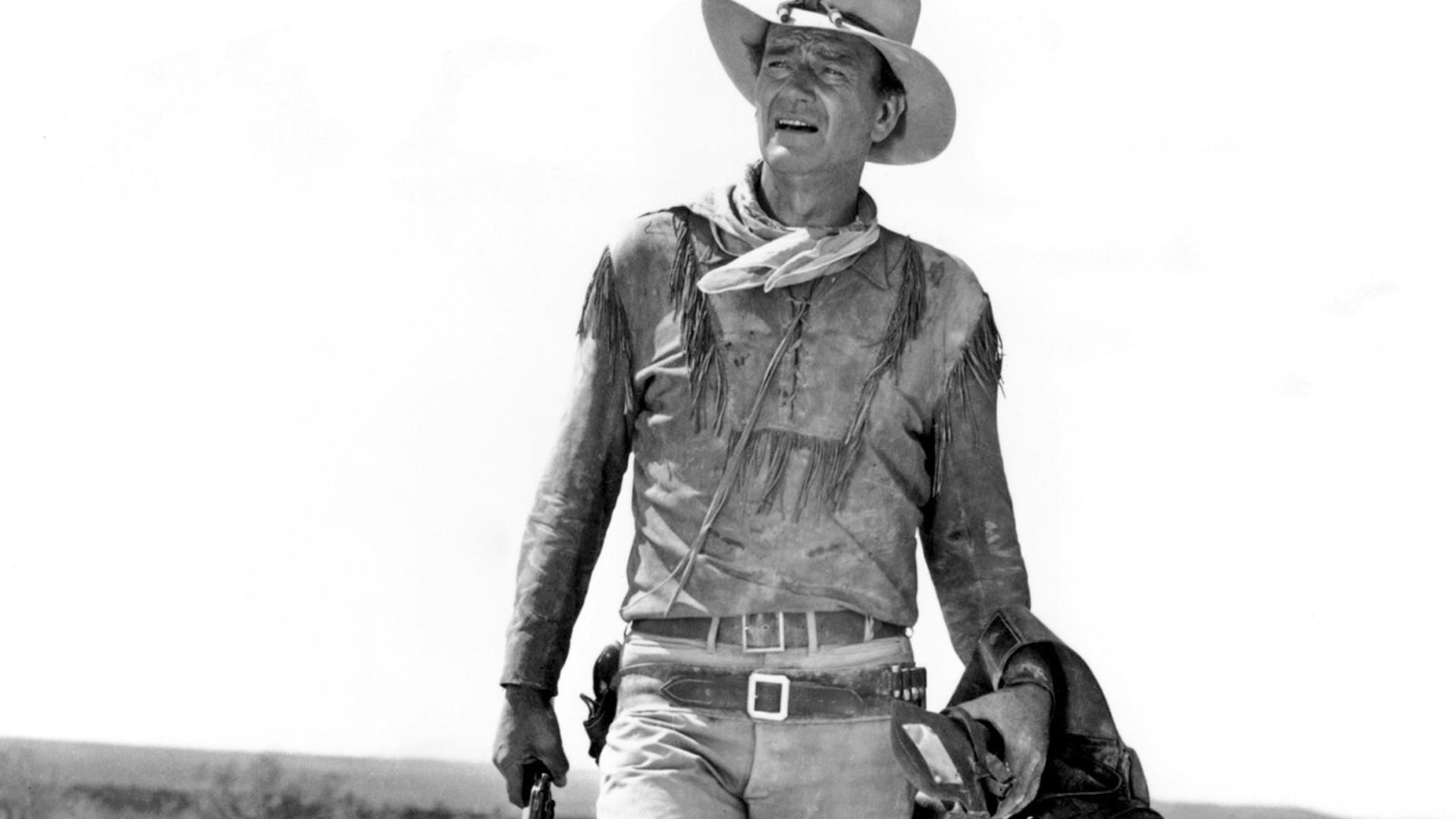
The movie that started it all. I’m not even exaggerating. Hondo is the first film that I can actively remember burrowing its way into my brain and staying there, becoming a sincere piece of my personality. I don’t remember a lot about being four years old but I can remember glimpses of sitting in my dad’s man cave and watching John Wayne slowly march his way down that mountain during the film’s opening minutes. Cemented Duke as an actor that will always be a part of my personal canon (regardless of how abhorrent his politics were and how much I probably would not have liked the man himself) and ensured that I would always feel right at home with the Old West. Being objective about it: certainly not one of Wayne’s more legendary, culturally omnipresent outings. Although that image of him dirty as hell, walking along with his trusted dog Sam is one of his most iconic. But sentimentality goes a long way with art in my book and for the impact that it’s had on me, and it’s staying power in the years since— I am all but betrothed to it. There’s stuff that can absolutely be scrutinized here, deservingly. The film’s politics are more than a little misguided and unsavory in a way not unlike the ideologies of those centrists who are honestly conservative but somehow not hateful enough to stumble into out and out bigotry. To a point it is startlingly progressive for a John Wayne film in the way that it rather unambiguously discusses the injustices and the betrayals dealt out onto the Apache by the white man. The character of Hondo himself expresses a fondness and an empathy for them as a people repeatedly. There is never really a sort of central conflict between he and the chief Vittorio, as much as they just happen to be two men at the epicenter of a war that is ravaging the territory, a war that is depicted as irresponsible and cruel— and not exclusively because of the people who lived there first. An exchange that stuck out as especially poignant and heartbreaking to me this time is when Vittorio and his warriors place the Lowe ranch under their protection and we get a glimpse into the rage that motivates him in this bloodshed. (“I hope someday someone befriends your sons.” “My sons are dead. White men kill them.”) The unfortunate part of all of this is that the film’s final moments do remind you that it’s a 1950s Western made by white Republicans and Wayne’s rather dismissive “it’s a shame” sort of response when being faced with the imminent obliteration of the Apache is incredibly deflating for a movie that seemed to have far more nuance than most of its contemporaries. I guess I’m able to swallow it because it was an unfortunate commonality of the era that it was not alone in falling victim to and because I feel that the marginal effort it does make is better than none. Be that as it may, all of the iconic images and the lines that I’ve been able to quote for twenty two years now do a lot of the heavy lifting. I love the film’s decadent, Fordian look. I love how rugged and dirty the desert is, a much rougher and unkempt terrain than the overwhelming and gargantuan depths of the Monument Valley. I love the schticky father and surrogate son stuff between Hondo and Johnny. I love the quiet, fairly modest and yet still complicated love story between Duke and a really lovely Geraldine Page. There’s a chase scene between Hondo and what feels like every Apache warrior who’s ever lived that I still find insanely thrilling. Ward Bond is always welcome on my television. There’s an elegance to the film that stands out to me as an adult that I’d never really picked up on as a child. Those shots of Duke and Page at night, by the lake, the moon peeling in through the trees and illuminating them. Deeply romantic. And, I’m sorry, but I just have no choice to fall for the film all over again when I’m sitting next to my old man who’s now officially an actual old man and watch those dazzling opening minutes that have captured both of our imaginations for as long as we’ve been alive. You cannot escape your roots.
“A man ought to do what he thinks is best.”
The movie that started it all. I’m not even exaggerating. Hondo is the first film that I can actively remember burrowing its way into my brain and staying there, becoming a sincere piece of my personality. I don’t remember a lot about being four years old but I can remember glimpses of sitting in my dad’s man cave and watching John Wayne slowly march his way down that mountain during the film’s opening minutes. Cemented Duke as an actor that will always be a part of my personal canon (regardless of how abhorrent his politics were and how much I probably would not have liked the man himself) and ensured that I would always feel right at home with the Old West. Being objective about it: certainly not one of Wayne’s more legendary, culturally omnipresent outings. Although that image of him dirty as hell, walking along with his trusted dog Sam is one of his most iconic. But sentimentality goes a long way with art in my book and for the impact that it’s had on me, and it’s staying power in the years since— I am all but betrothed to it. There’s stuff that can absolutely be scrutinized here, deservingly. The film’s politics are more than a little misguided and unsavory in a way not unlike the ideologies of those centrists who are honestly conservative but somehow not hateful enough to stumble into out and out bigotry. To a point it is startlingly progressive for a John Wayne film in the way that it rather unambiguously discusses the injustices and the betrayals dealt out onto the Apache by the white man. The character of Hondo himself expresses a fondness and an empathy for them as a people repeatedly. There is never really a sort of central conflict between he and the chief Vittorio, as much as they just happen to be two men at the epicenter of a war that is ravaging the territory, a war that is depicted as irresponsible and cruel— and not exclusively because of the people who lived there first. An exchange that stuck out as especially poignant and heartbreaking to me this time is when Vittorio and his warriors place the Lowe ranch under their protection and we get a glimpse into the rage that motivates him in this bloodshed. (“I hope someday someone befriends your sons.” “My sons are dead. White men kill them.”) The unfortunate part of all of this is that the film’s final moments do remind you that it’s a 1950s Western made by white Republicans and Wayne’s rather dismissive “it’s a shame” sort of response when being faced with the imminent obliteration of the Apache is incredibly deflating for a movie that seemed to have far more nuance than most of its contemporaries. I guess I’m able to swallow it because it was an unfortunate commonality of the era that it was not alone in falling victim to and because I feel that the marginal effort it does make is better than none. Be that as it may, all of the iconic images and the lines that I’ve been able to quote for twenty two years now do a lot of the heavy lifting. I love the film’s decadent, Fordian look. I love how rugged and dirty the desert is, a much rougher and unkempt terrain than the overwhelming and gargantuan depths of the Monument Valley. I love the schticky father and surrogate son stuff between Hondo and Johnny. I love the quiet, fairly modest and yet still complicated love story between Duke and a really lovely Geraldine Page. There’s a chase scene between Hondo and what feels like every Apache warrior who’s ever lived that I still find insanely thrilling. Ward Bond is always welcome on my television. There’s an elegance to the film that stands out to me as an adult that I’d never really picked up on as a child. Those shots of Duke and Page at night, by the lake, the moon peeling in through the trees and illuminating them. Deeply romantic. And, I’m sorry, but I just have no choice to fall for the film all over again when I’m sitting next to my old man who’s now officially an actual old man and watch those dazzling opening minutes that have captured both of our imaginations for as long as we’ve been alive. You cannot escape your roots.
“A man ought to do what he thinks is best.”
avery
5.0★ · 01/25/25
this one’s for the biracials
this one’s for the biracials