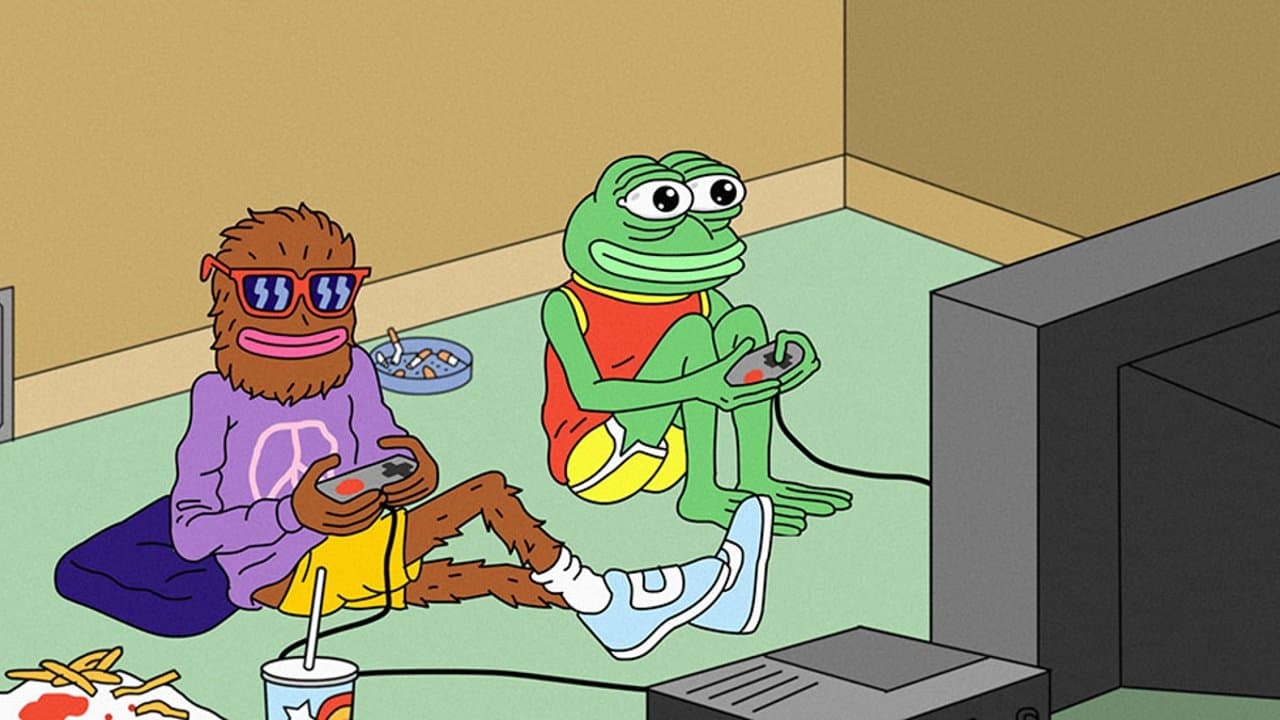
Feels Good Man (2020) is a documentary examining the rise of comic book character Pepe the Frog, and it’s evolution from a world famous internet meme to a right wing symbol attached to Trump.
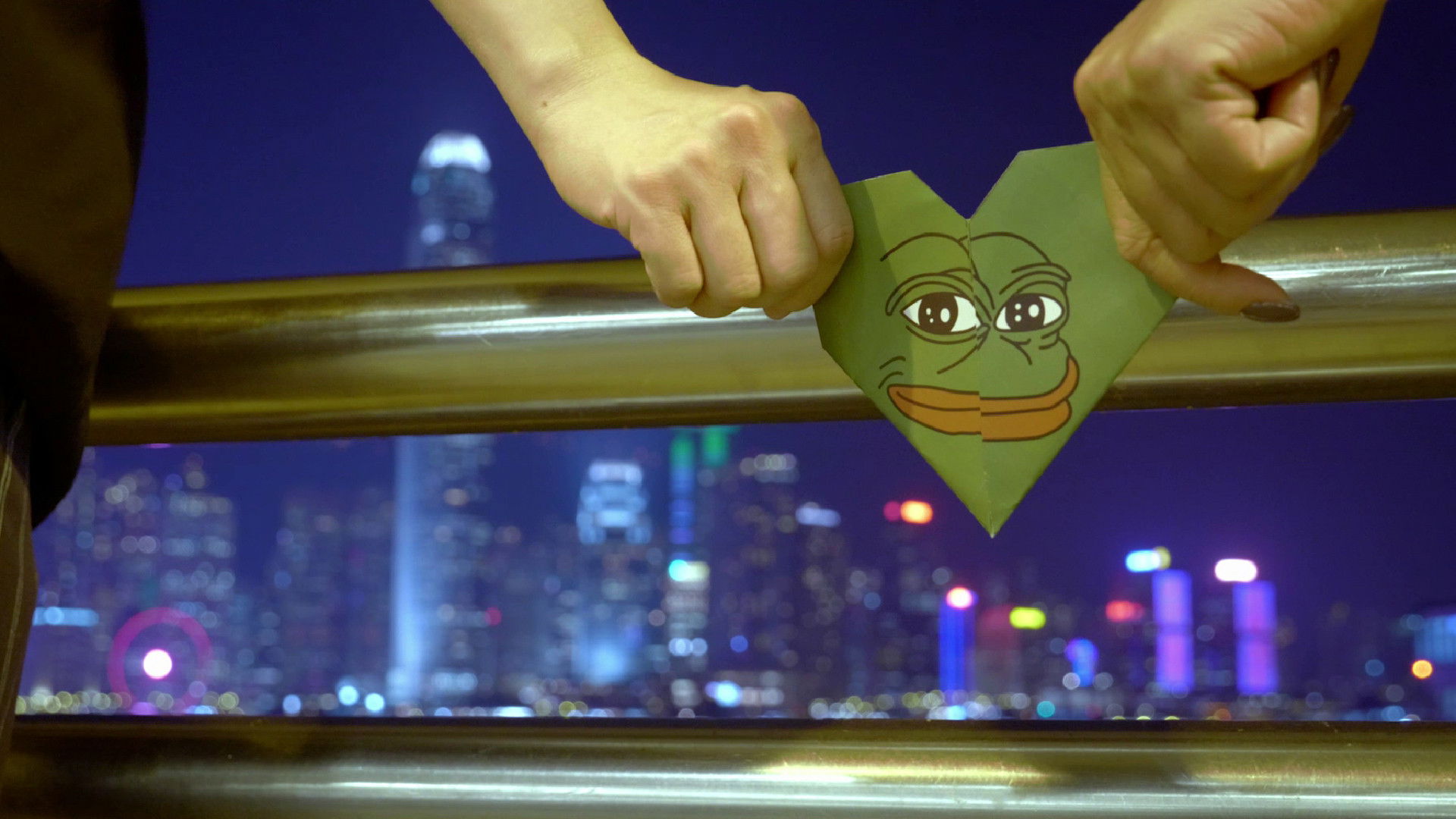
Pepe the Frog was created by animator Matt Furie in 2004 as part of his ‘Boys Club’ comic book. Pepe was made to be peaceful and carefree, with a stoner adjacent character archetype. By 2008, Pepe had been adopted by the internet to become a popular internet meme. The documentary explains the power of the internet, and how the meaning behind the character changed over times through iterations of different Pepe meme formats and trends. In 2016, the documentary explains how Pepe became a far right hate symbol, repurposed by Trump and the Anti Defamation League in tandem with the presidential election campaign. The developments are shocking, and a brilliant example to show people how meme culture can seep into mainstream culture, and have real tangible power. Trump was very aware of how powerful Pepe could be, making isolated individuals feel like their online work had purpose and could genuinely influence American election results and discourse around free speech. The film talks about how Trump turns the world into winners and losers, and that if you are at the bottom it’s because other groups are taking opportunities away from you, and this is a powerful messages for perpetually online communities who sometimes self identify reclusive or NEET’s. Hilary Clinton wrote an official rebuttal towards the use of Pepe, but it was too late. Trump has always been ahead of the curve in this sense, taking risks to appear on major podcasts and YouTube channels with young audiences at a time when others would dare not.
The documentary itself is brilliantly paced, and carefully dissects the influence of meme culture on mainstream media across several topics with expert speakers. However, describing the film as an academic exercise in the relationship between media, memes, and politics would be doing it a disservice.
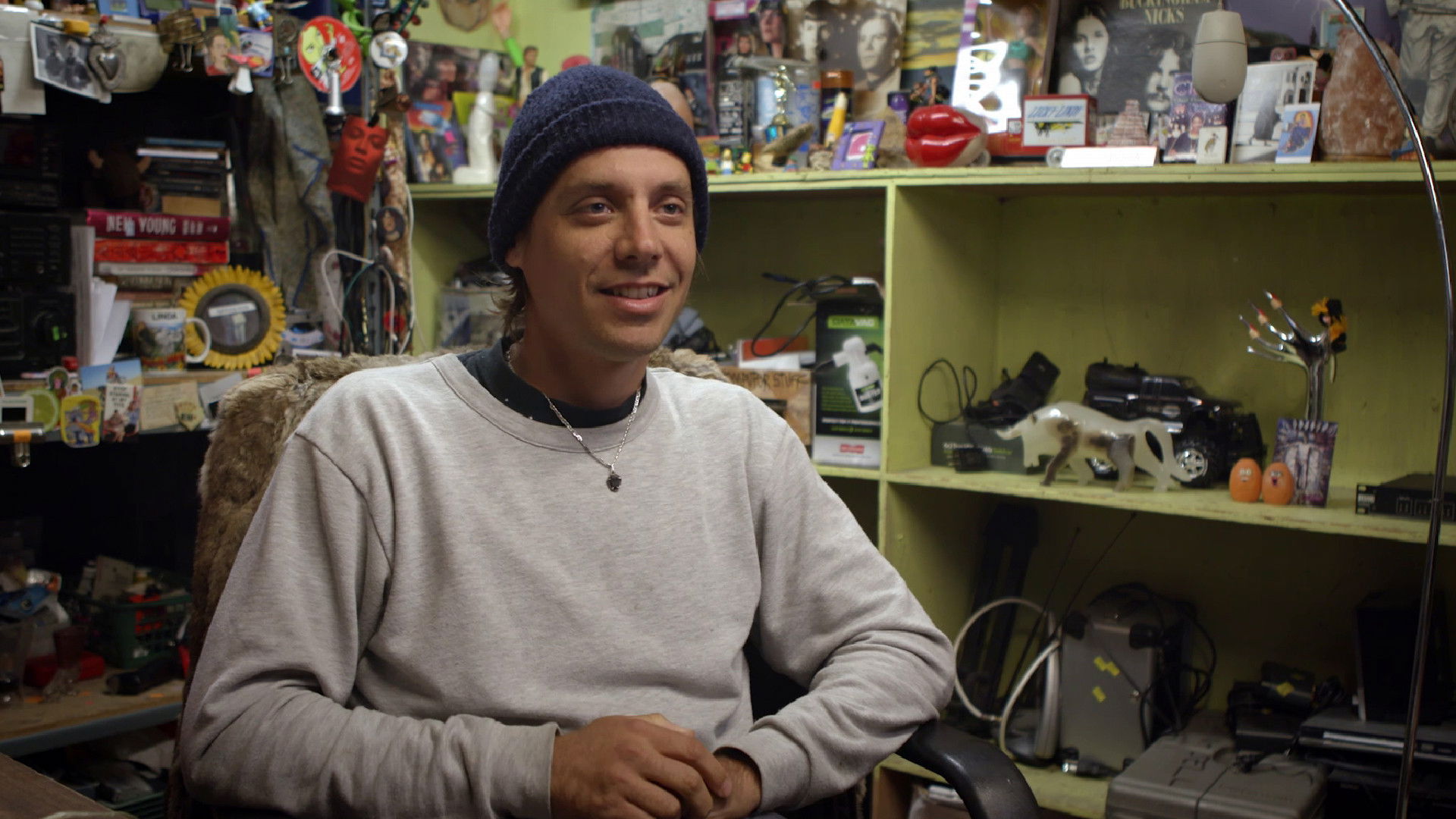
Beyond all this, the film has a real heart and emotional core, and large passages focus on Matt’s personal relationship with his character, and attempts to come to terms with what it eventually became. It explores legal presidents around improper use an animated character, and an understanding around how characters can be adopted and transformed by others.
My only criticism of the film is that at times some of the interviews felt a little constructed and artificial. Feels Good Man is clearly Expository in style, presenting views and arguments, rather than Observational (fly on the wall), and Bill Nicholas famously argued that it is impossible to avoid bias in documentaries as the directors choices always comes from a personal interpretation of material. However, the director needs to be aware of the power he has, and deciding to place the Homer Pepe card owner in front of a Lamborghini and Trumps ex advisor is in a sky rise clinical office feels a little unnecessary in biasing audience opinions. You can also see this in scenes with Matt, who appears pressed to complete more interviews on the topic of how Pepe should be used when this is something he is clearly not comfortable engaging in. Finally, the ending discusses how Pepe is now a symbol for peace protests and resistance rather than hate. Unfortunately, I found it hard to judge the truth in this. Speaking cynically, it could easily have been included to allow the narrative to come full circle, and I wouldn’t have thought this if it wasn’t for the constructed elements that came before.
Despite this issue, I thoroughly enjoyed Feels Good Man. It is rare for a documentary to feel unique, magical, informative, entertainment, and maintain its emotional core. Matt is a fascinating character, and I loved hearing about this journey in parallel to an expert dissection of Trumps infamous election campaign through a meme culture lens. Low 4.5!
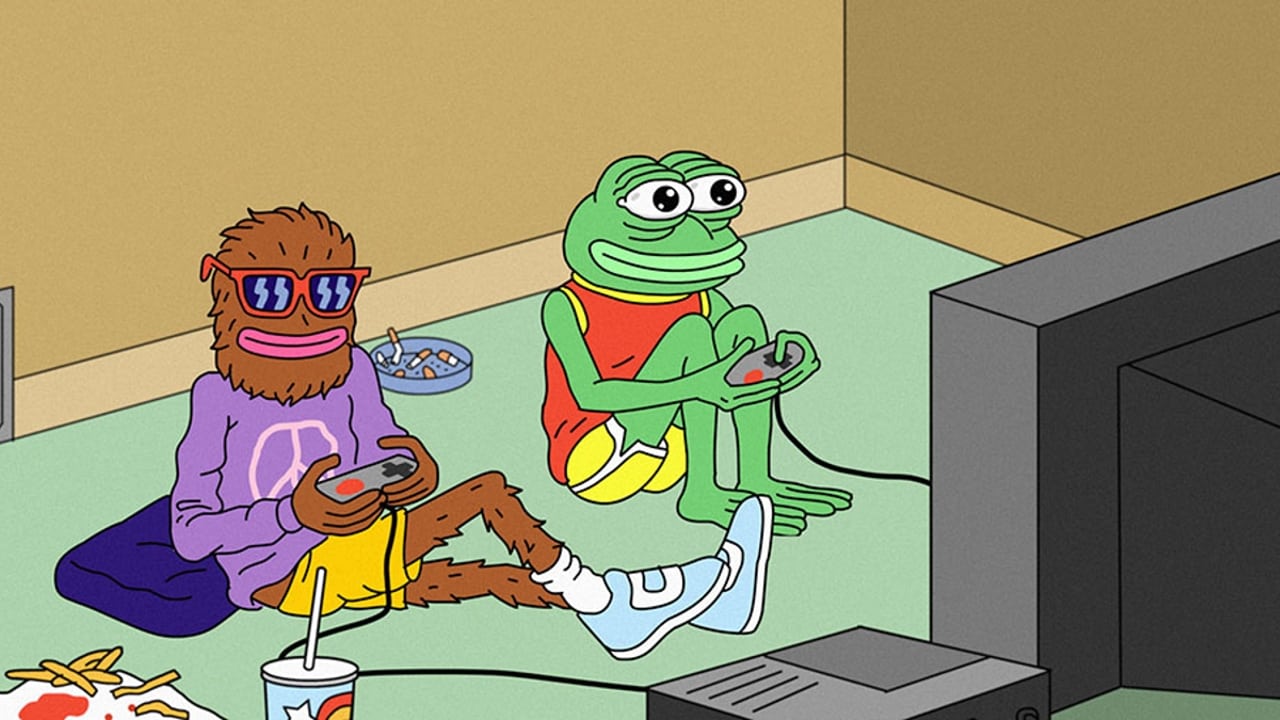
Feels Good Man (2020) is a documentary examining the rise of comic book character Pepe the Frog, and it’s evolution from a world famous internet meme to a right wing symbol attached to Trump.
Pepe the Frog was created by animator Matt Furie in 2004 as part of his ‘Boys Club’ comic book. Pepe was made to be peaceful and carefree, with a stoner adjacent character archetype. By 2008, Pepe had been adopted by the internet to become a popular internet meme. The documentary explains the power of the internet, and how the meaning behind the character changed over times through iterations of different Pepe meme formats and trends. In 2016, the documentary explains how Pepe became a far right hate symbol, repurposed by Trump and the Anti Defamation League in tandem with the presidential election campaign. The developments are shocking, and a brilliant example to show people how meme culture can seep into mainstream culture, and have real tangible power. Trump was very aware of how powerful Pepe could be, making isolated individuals feel like their online work had purpose and could genuinely influence American election results and discourse around free speech. The film talks about how Trump turns the world into winners and losers, and that if you are at the bottom it’s because other groups are taking opportunities away from you, and this is a powerful messages for perpetually online communities who sometimes self identify reclusive or NEET’s. Hilary Clinton wrote an official rebuttal towards the use of Pepe, but it was too late. Trump has always been ahead of the curve in this sense, taking risks to appear on major podcasts and YouTube channels with young audiences at a time when others would dare not.
The documentary itself is brilliantly paced, and carefully dissects the influence of meme culture on mainstream media across several topics with expert speakers. However, describing the film as an academic exercise in the relationship between media, memes, and politics would be doing it a disservice.
Beyond all this, the film has a real heart and emotional core, and large passages focus on Matt’s personal relationship with his character, and attempts to come to terms with what it eventually became. It explores legal presidents around improper use an animated character, and an understanding around how characters can be adopted and transformed by others.
My only criticism of the film is that at times some of the interviews felt a little constructed and artificial. Feels Good Man is clearly Expository in style, presenting views and arguments, rather than Observational (fly on the wall), and Bill Nicholas famously argued that it is impossible to avoid bias in documentaries as the directors choices always comes from a personal interpretation of material. However, the director needs to be aware of the power he has, and deciding to place the Homer Pepe card owner in front of a Lamborghini and Trumps ex advisor is in a sky rise clinical office feels a little unnecessary in biasing audience opinions. You can also see this in scenes with Matt, who appears pressed to complete more interviews on the topic of how Pepe should be used when this is something he is clearly not comfortable engaging in. Finally, the ending discusses how Pepe is now a symbol for peace protests and resistance rather than hate. Unfortunately, I found it hard to judge the truth in this. Speaking cynically, it could easily have been included to allow the narrative to come full circle, and I wouldn’t have thought this if it wasn’t for the constructed elements that came before.
Despite this issue, I thoroughly enjoyed Feels Good Man. It is rare for a documentary to feel unique, magical, informative, entertainment, and maintain its emotional core. Matt is a fascinating character, and I loved hearing about this journey in parallel to an expert dissection of Trumps infamous election campaign through a meme culture lens. Low 4.5!