Criterion Challenge 202527. 2020sTime, directed by Garrett Bradley, 2020
One of the continued and repeated tragedies of America is the mass incarceration of black men. The effects that long, term imprisonment has had on families of these men is harsh and cruel, all serving punishments that do not fit the crime. The reality of this incarceration is that it is an effect of incomplete measures to free black slaves during the antebellum south, a means of lashing back at Reconstruction during Jim Crow, and means of policing communities. Slavery hasn’t been abolished, just its targets moved to those who are imprisoned, and in America black men are disproportionately imprisoned, often unjustly.
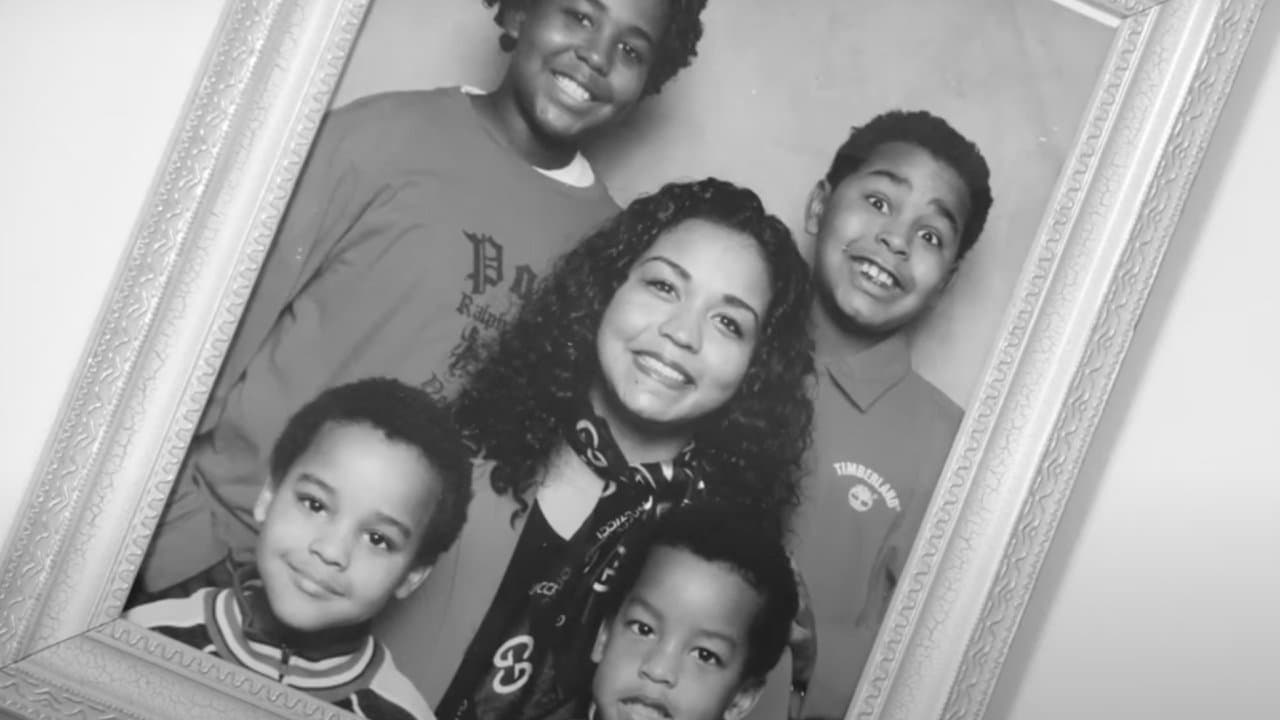
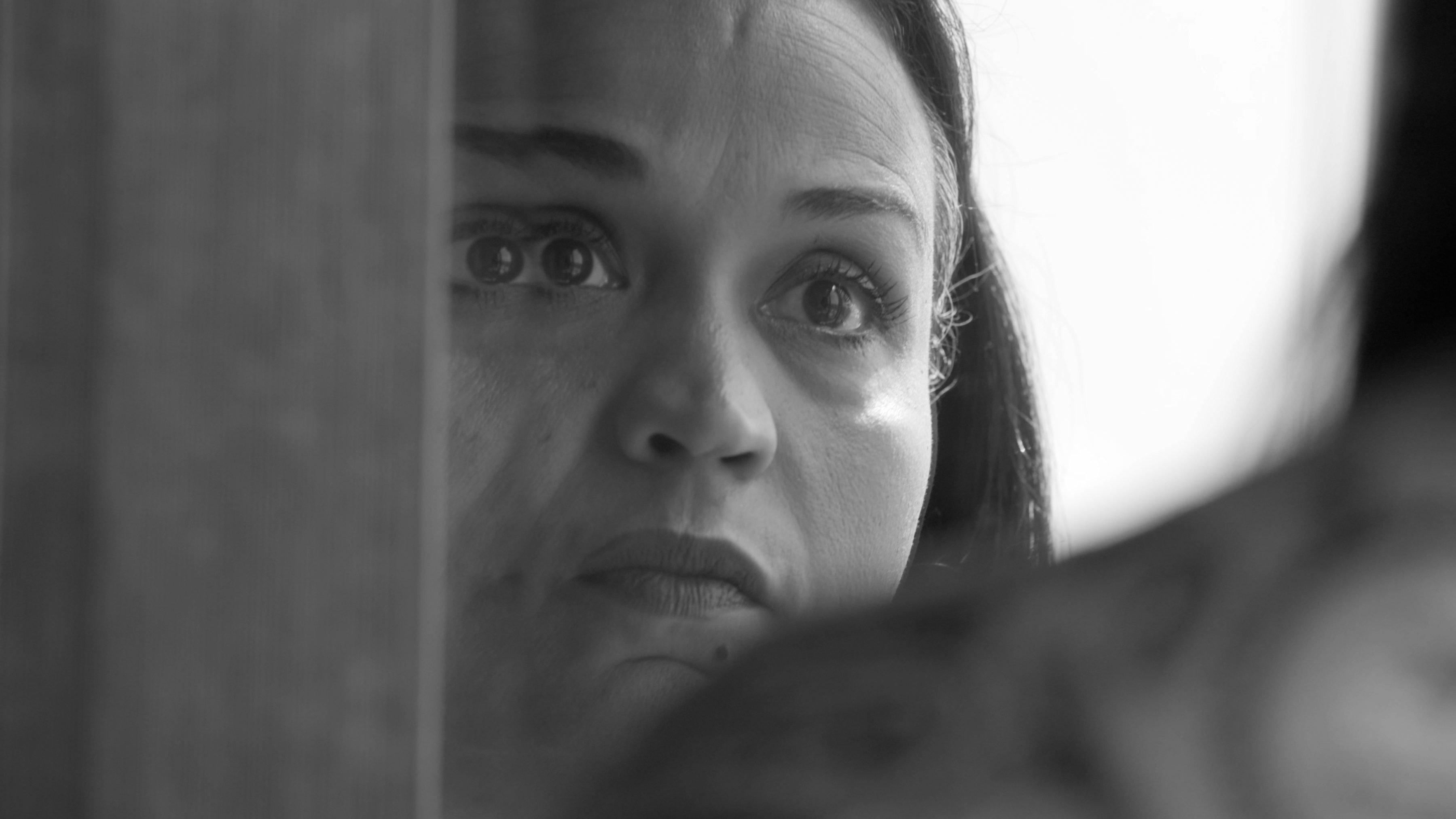
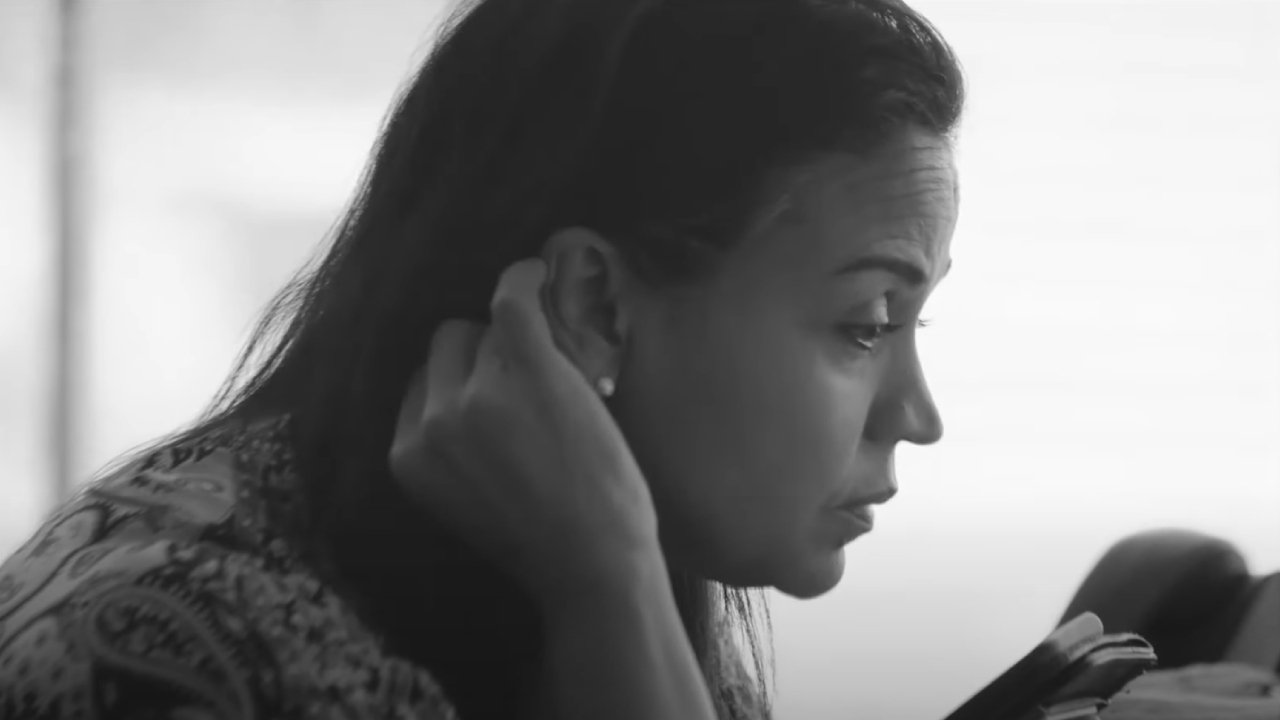
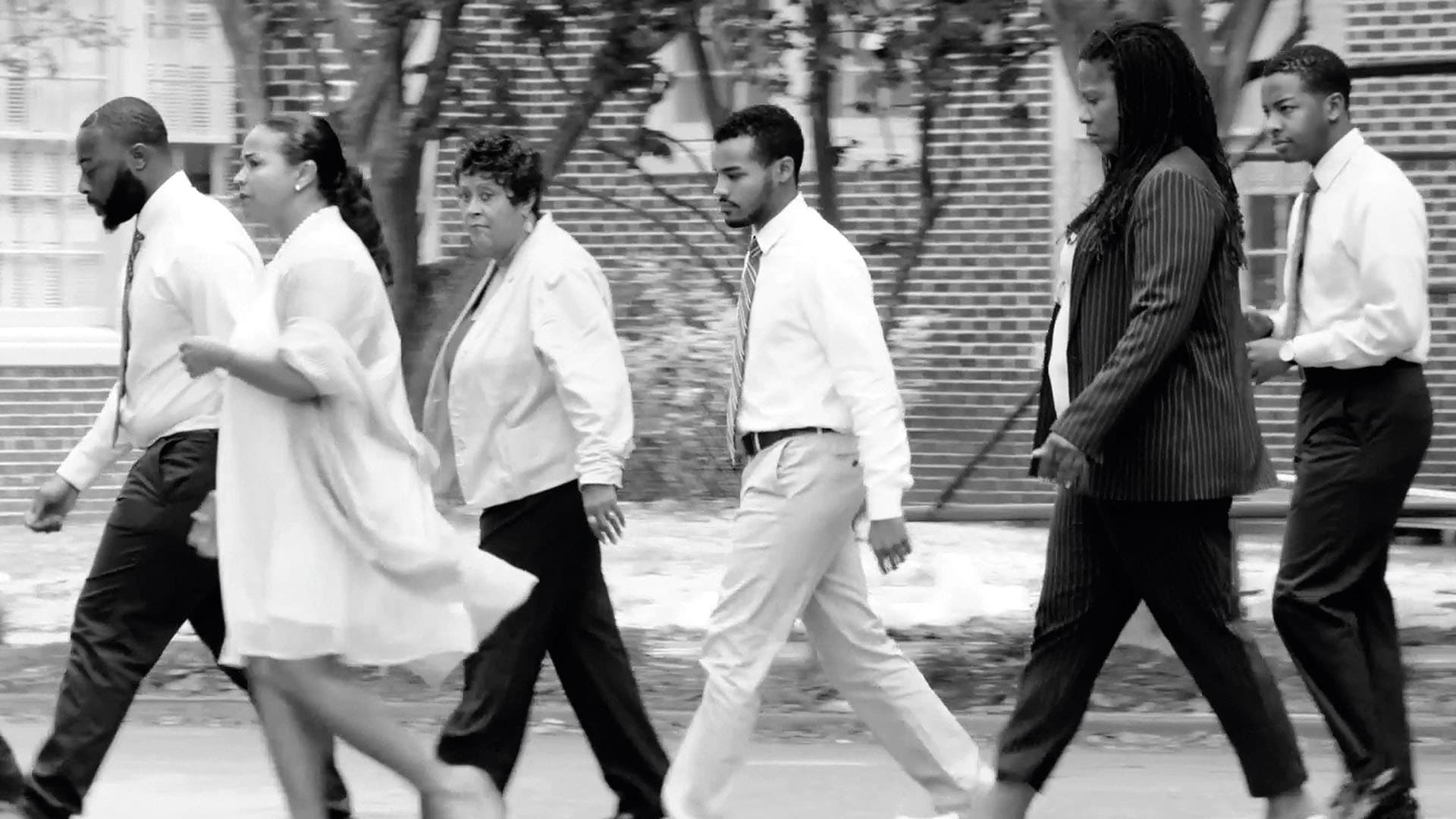
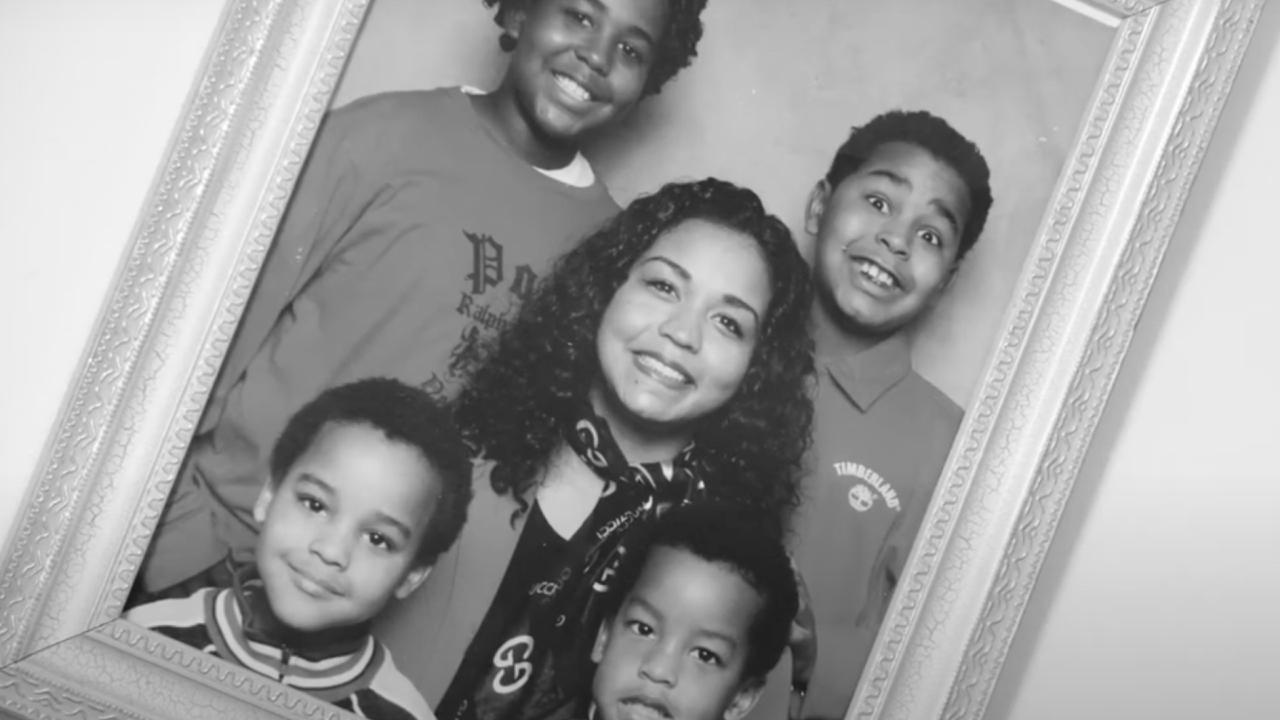
Time follows the family of one such man, with his wife, Sibil Fox Richardson, taking the charge to free him while raising their six children alone. Sibil Fox herself was also incarcerated for a time, but with a lighter sentence whereas Robert Richardson was sentenced to sixty-six years. Director Garrett Bradley focuses mostly on Sibil Fox, but will also shift focus to her sons, most notably Justus. Bradley’s black and white filmmaking is sharp and stunning, capturing the movement of time across two decades, using Fox’s own home video to compare and contrast with the present, especially doing so to show how the sons have grown.
What I find so compelling about Bradley’s film is that she doesn’t focus solely on the pain. She finds a lot of opportunity to find the moments of joy, of solidarity, and of comfort. It’s an incredibly humanistic approach to showcasing the pains of how the system aims to keep people apart from their families. In an interview on the Criterion Collection disc, Fox talks about how the purpose of the system is to create repeated cycles by removing people from their families. Incarceration already removes people from society, but the lengths that they go to make sure that family cannot stay in contact is just further cruelty. Bradley showcases this by showing us the entire process of Fox trying to appeal and appeal over and over again to advocate for her husband and talk against the system. In the end, the pair are reunited, but it’s not a complete victory. The damage had been done and the damage will continue to happen to more and more people as long as reform and restructuring of our prisons systems are centered around punishment rather than rehabilitation - and we cannot have a prison system centered around rehabilitation as long as white supremacy aims to keep black people in bondage.
Criterion Challenge 202527. 2020sTime, directed by Garrett Bradley, 2020
One of the continued and repeated tragedies of America is the mass incarceration of black men. The effects that long, term imprisonment has had on families of these men is harsh and cruel, all serving punishments that do not fit the crime. The reality of this incarceration is that it is an effect of incomplete measures to free black slaves during the antebellum south, a means of lashing back at Reconstruction during Jim Crow, and means of policing communities. Slavery hasn’t been abolished, just its targets moved to those who are imprisoned, and in America black men are disproportionately imprisoned, often unjustly.
Time follows the family of one such man, with his wife, Sibil Fox Richardson, taking the charge to free him while raising their six children alone. Sibil Fox herself was also incarcerated for a time, but with a lighter sentence whereas Robert Richardson was sentenced to sixty-six years. Director Garrett Bradley focuses mostly on Sibil Fox, but will also shift focus to her sons, most notably Justus. Bradley’s black and white filmmaking is sharp and stunning, capturing the movement of time across two decades, using Fox’s own home video to compare and contrast with the present, especially doing so to show how the sons have grown.
What I find so compelling about Bradley’s film is that she doesn’t focus solely on the pain. She finds a lot of opportunity to find the moments of joy, of solidarity, and of comfort. It’s an incredibly humanistic approach to showcasing the pains of how the system aims to keep people apart from their families. In an interview on the Criterion Collection disc, Fox talks about how the purpose of the system is to create repeated cycles by removing people from their families. Incarceration already removes people from society, but the lengths that they go to make sure that family cannot stay in contact is just further cruelty. Bradley showcases this by showing us the entire process of Fox trying to appeal and appeal over and over again to advocate for her husband and talk against the system. In the end, the pair are reunited, but it’s not a complete victory. The damage had been done and the damage will continue to happen to more and more people as long as reform and restructuring of our prisons systems are centered around punishment rather than rehabilitation - and we cannot have a prison system centered around rehabilitation as long as white supremacy aims to keep black people in bondage.