

2020·Documentary·1h 22m
7.1
★
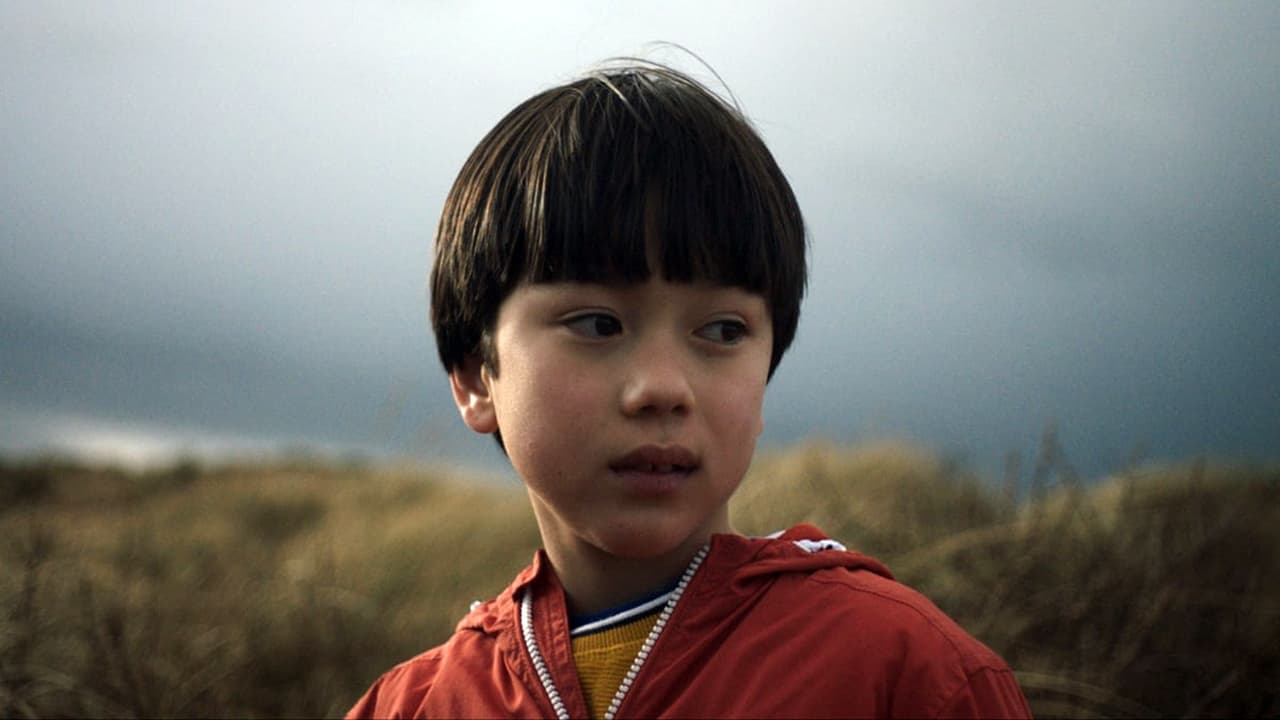
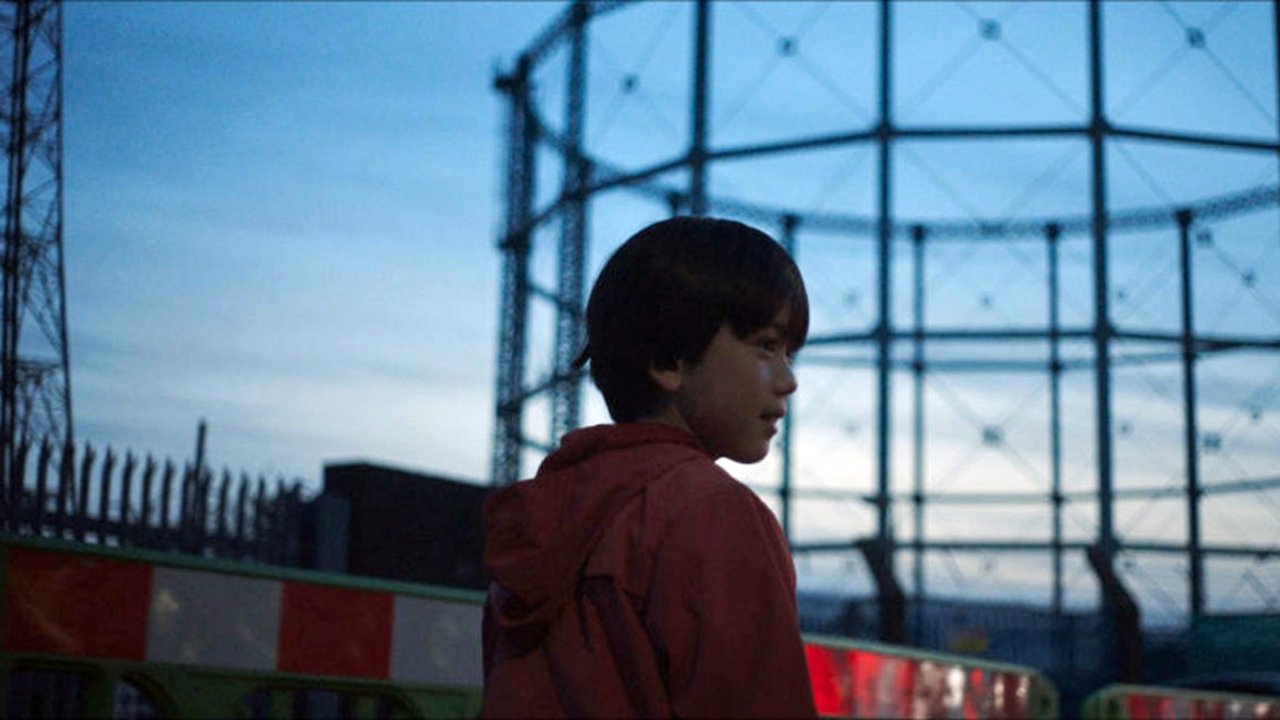



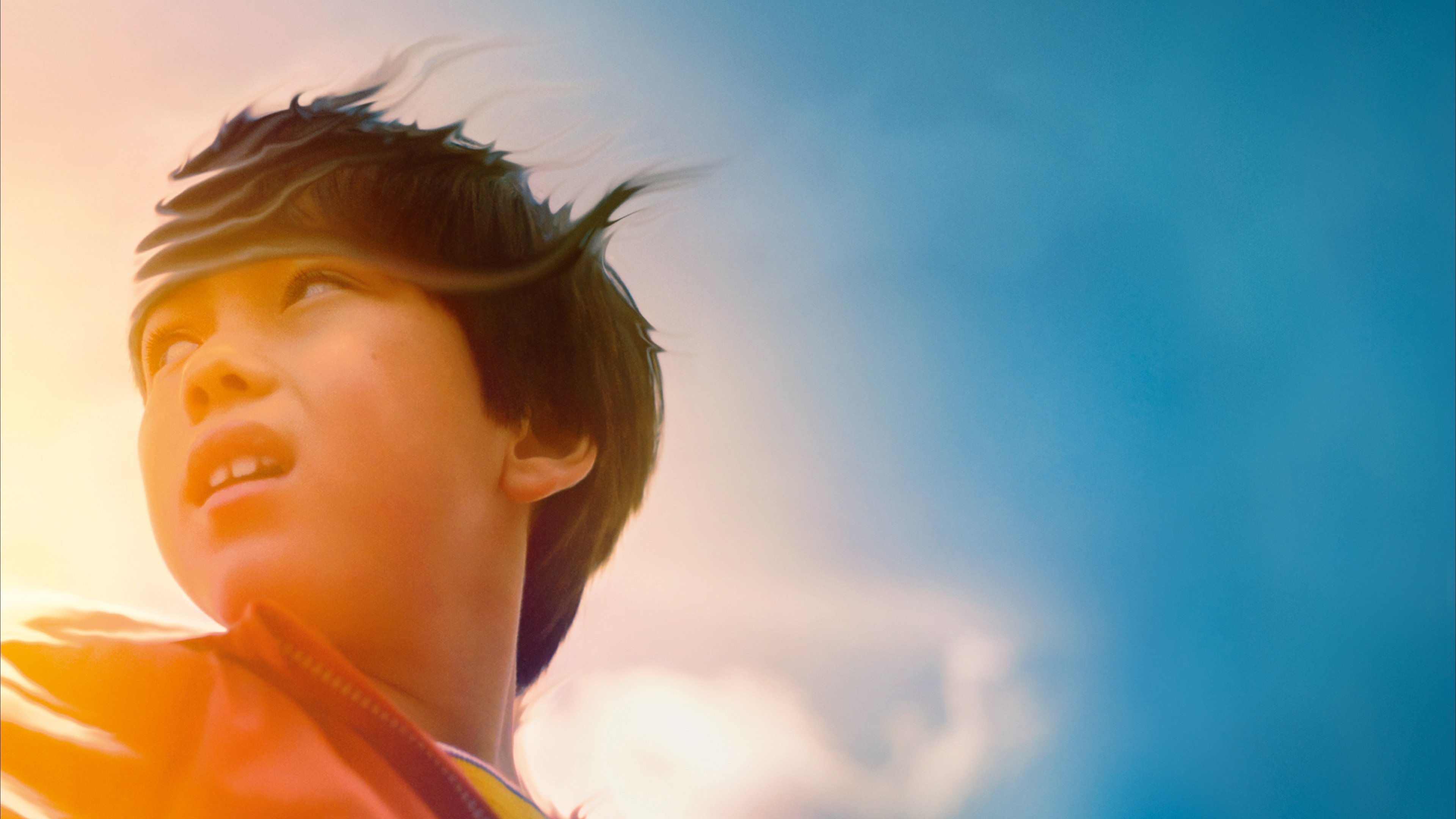
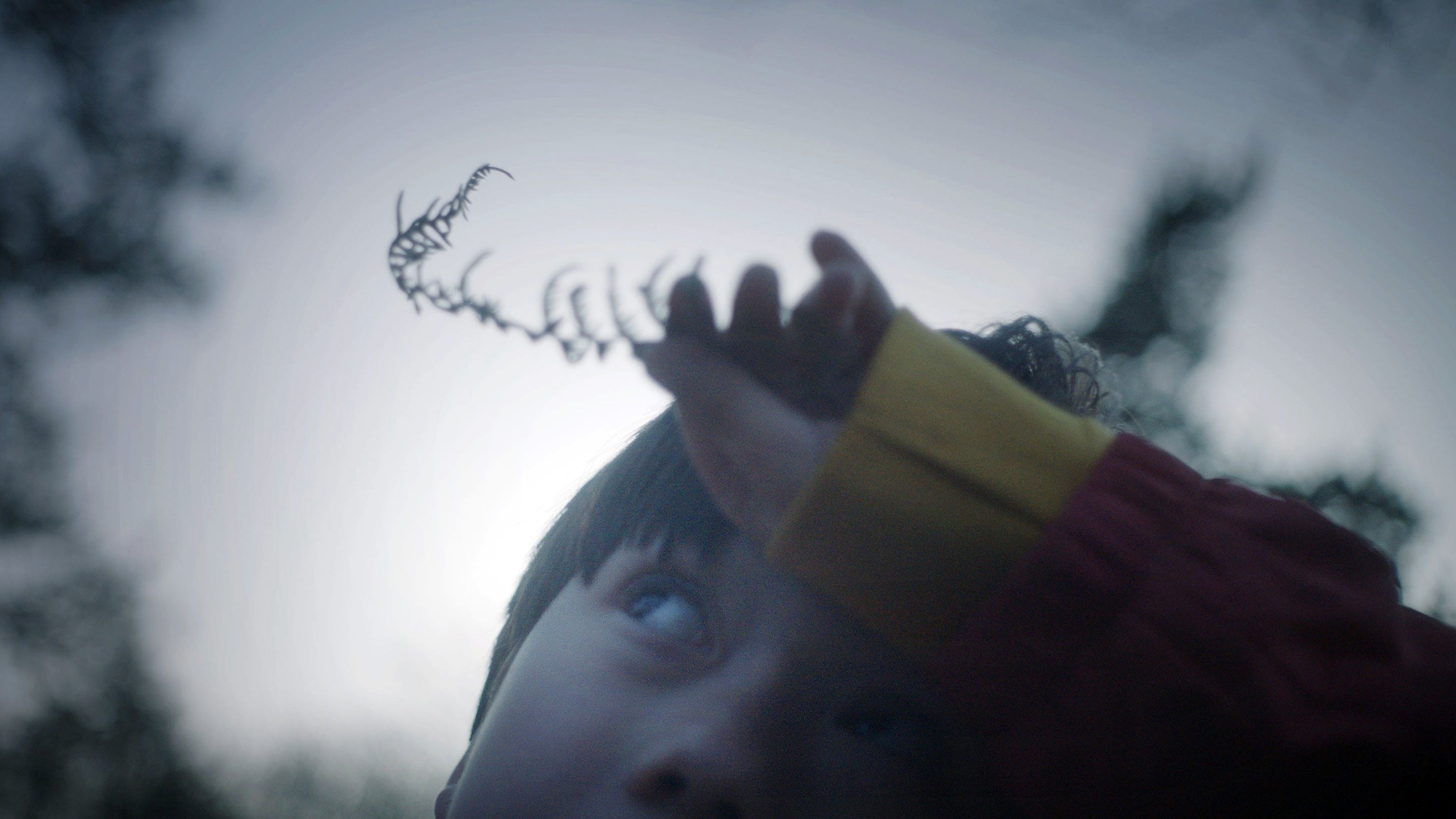
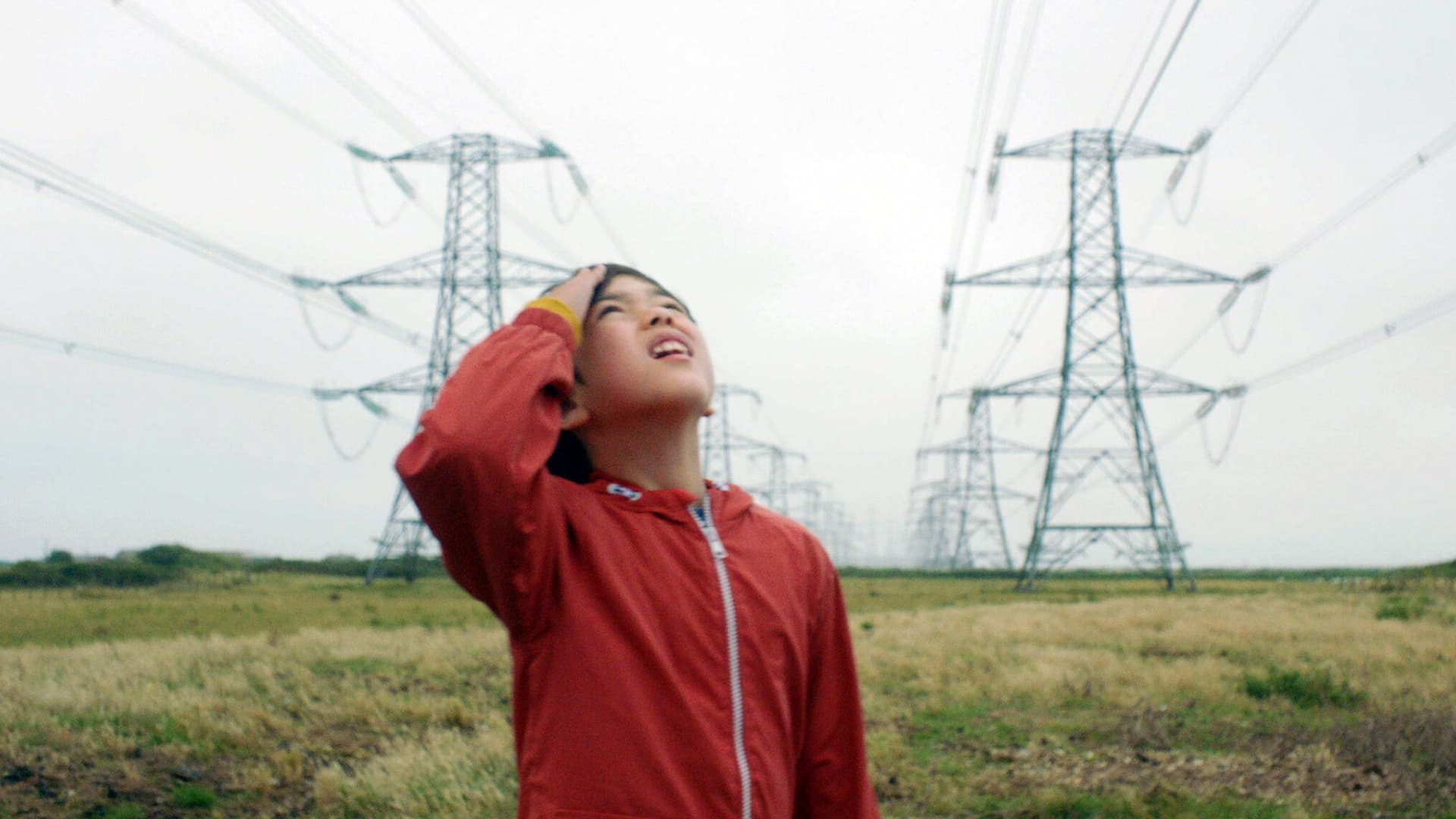
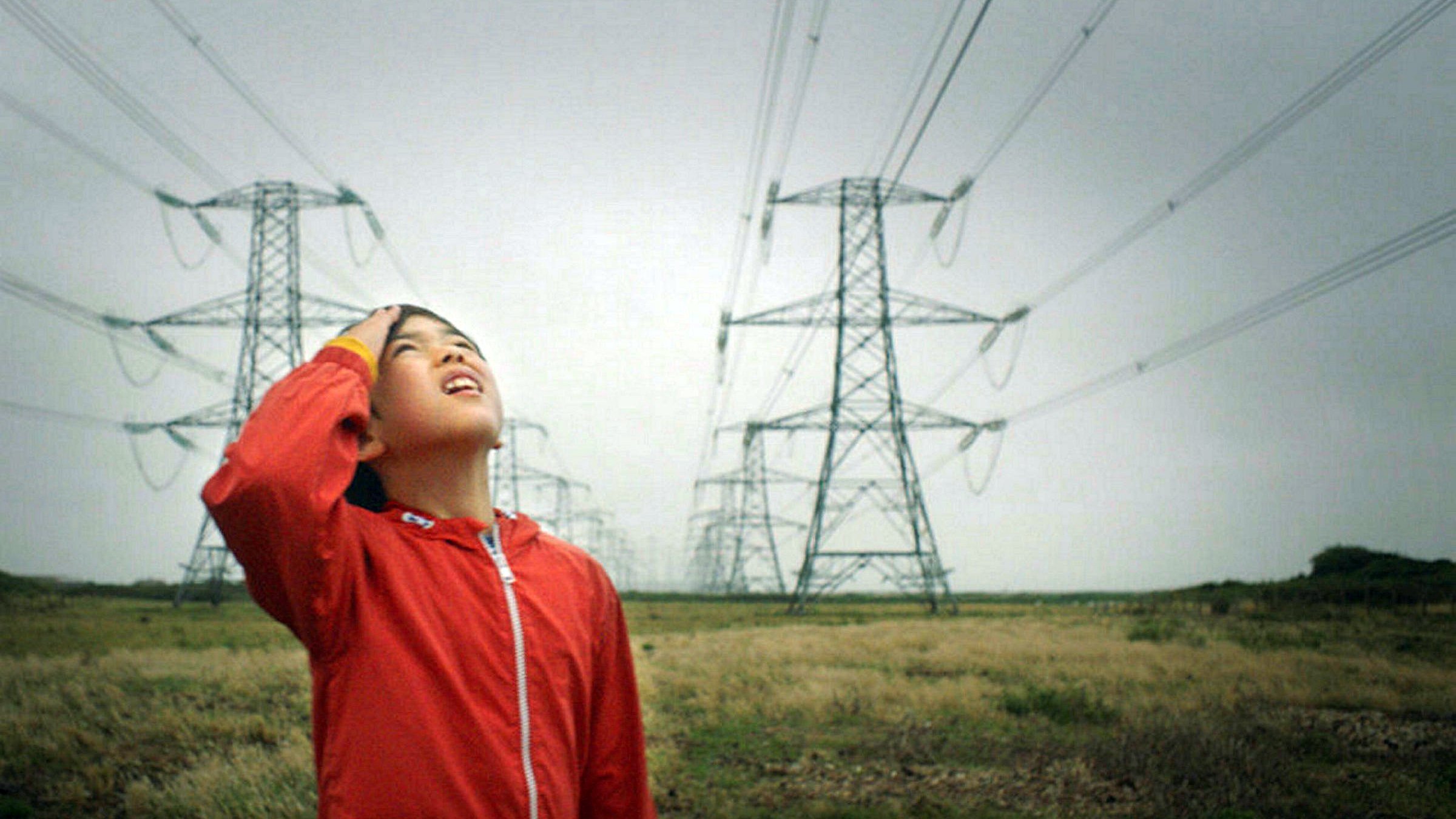
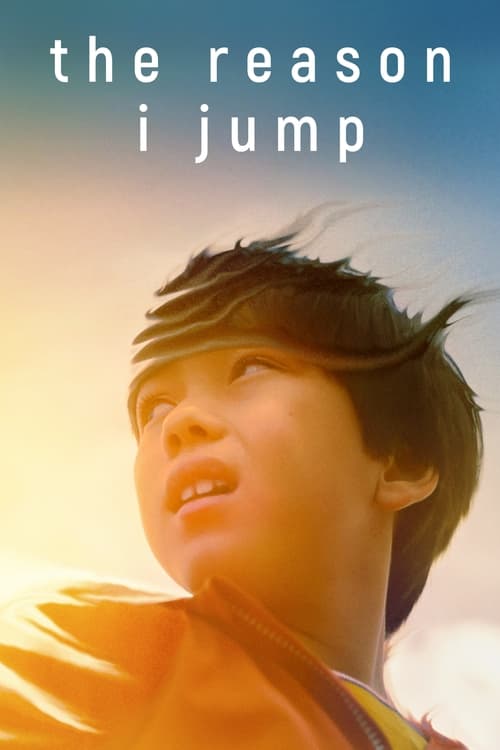
Based on the book by Naoki Higashida, filmmaker Jerry Rothwell examines the lives of five non-speaking, autistic youngsters.
Directed by Jerry Rothwell
autism
non-verbal
loving
playful
familiar

Trailer

IMDB
N/A
Where to Watch



Cast
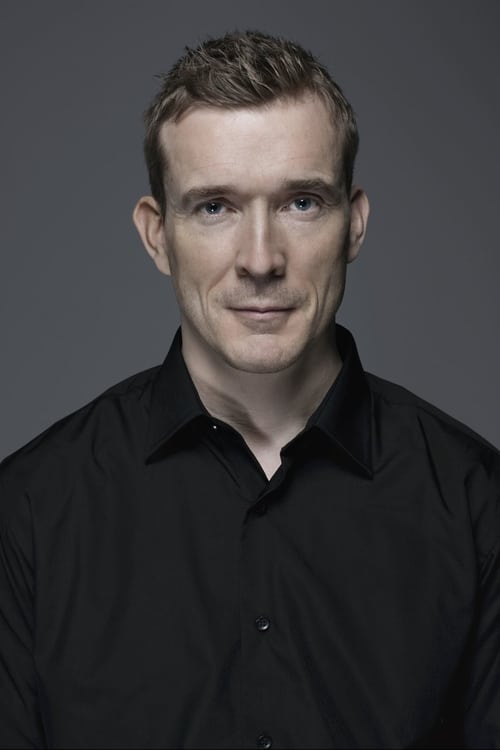
David Mitchell
Self
Crew

Jerry Rothwell
Director

Nainita Desai
Original Music Composer
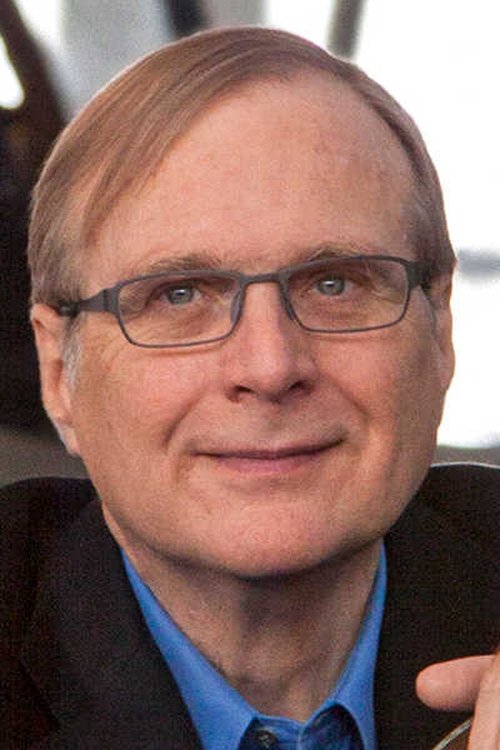
Paul G. Allen
Executive Producer

Jannat Gargi
Executive Producer
Popular Reviews
17 reviews
Jess
9.0★ · 04/08/25
“I think we can change the conversation around autism by being part of the conversation.”
The last time I watched this film, I was blown away. I felt like it captured what it’s like being autistic well. I wanted to rewatch it in honor of Autism Awareness/Acceptance Month.
I want to talk about certain things this film addressed.
I’m not nonverbal, so I can’t relate to how it’s like to struggle to speak all the time. But I can still relate to it in some way. Autism is different for every individual. That’s why it’s a spectrum. But in my life, I am a quiet person for the most part. I have moments where I go mute. In my day to day life, I’m a lot more expressive online than I am in real life.
One thing that Naoki described about his life in his book is that his memory is more like a pool of dots. Like he remembers certain things about his life not in order. It’s like this for me, too. I can’t remember the entirety of my life, especially my childhood. I only remember certain things from it. I feel like a good chunk of my life was left blank.
He also talked about why he jumps (hence the title). He described it as breaking through ropes that were holding him down. I identified with that completely. That was a very common thing I did as a kid. Sometimes we feel something very strongly, like happiness. And when that happens, for some people, you have to let it out in a physical way. Jumping was how let those feelings out. It’s a form of stimming. I would always jump when I became excited from something that was on tv. These days, my physical forms of stimming are snapping my fingers, flapping my hands and pacing.
I also want to mention meltdowns/breakdowns. In my experience, the smallest things that could negatively affect me could cause a meltdown. I have anxiety, too, so I have things that linger that really aren’t a big deal to others. For the meltdowns I’ve had, they’ve never been like screaming and thrashing. My mind starts to shut down and all my energy starts to drain out. When I feel a meltdown coming, I make sure if there’s a quiet room or space I can go to. I latch onto a comfort item or a stim toy and put on my headphones to play music. There were times I’d play 127 Hours during a meltdown, too. They don’t happen to me much, but when they do, they suck. They absolutely suck.
“Autistic people obsess over certain things because we’d go crazy if we didn’t. Repetitive things are comforting. They soothe me and protect me from uncertainty.” This. Obviously, this is me with 127 Hours. In a way, I feel like having this interest has helped me with expressing myself. I’d truly go crazy without it.
I think that’s all I’ll cover for today. I’ll share more in future posts!
But anyway, about the film. I still love it. I do wish it focused a bit more on the individuals instead of the parents. But as an autistic person, this film makes me feel seen. Autistic people are important and should be treated with respect, just like everybody else.
“I think we can change the conversation around autism by being part of the conversation.”
The last time I watched this film, I was blown away. I felt like it captured what it’s like being autistic well. I wanted to rewatch it in honor of Autism Awareness/Acceptance Month.
I want to talk about certain things this film addressed.
I’m not nonverbal, so I can’t relate to how it’s like to struggle to speak all the time. But I can still relate to it in some way. Autism is different for every individual. That’s why it’s a spectrum. But in my life, I am a quiet person for the most part. I have moments where I go mute. In my day to day life, I’m a lot more expressive online than I am in real life.
One thing that Naoki described about his life in his book is that his memory is more like a pool of dots. Like he remembers certain things about his life not in order. It’s like this for me, too. I can’t remember the entirety of my life, especially my childhood. I only remember certain things from it. I feel like a good chunk of my life was left blank.
He also talked about why he jumps (hence the title). He described it as breaking through ropes that were holding him down. I identified with that completely. That was a very common thing I did as a kid. Sometimes we feel something very strongly, like happiness. And when that happens, for some people, you have to let it out in a physical way. Jumping was how let those feelings out. It’s a form of stimming. I would always jump when I became excited from something that was on tv. These days, my physical forms of stimming are snapping my fingers, flapping my hands and pacing.
I also want to mention meltdowns/breakdowns. In my experience, the smallest things that could negatively affect me could cause a meltdown. I have anxiety, too, so I have things that linger that really aren’t a big deal to others. For the meltdowns I’ve had, they’ve never been like screaming and thrashing. My mind starts to shut down and all my energy starts to drain out. When I feel a meltdown coming, I make sure if there’s a quiet room or space I can go to. I latch onto a comfort item or a stim toy and put on my headphones to play music. There were times I’d play 127 Hours during a meltdown, too. They don’t happen to me much, but when they do, they suck. They absolutely suck.
“Autistic people obsess over certain things because we’d go crazy if we didn’t. Repetitive things are comforting. They soothe me and protect me from uncertainty.” This. Obviously, this is me with 127 Hours. In a way, I feel like having this interest has helped me with expressing myself. I’d truly go crazy without it.
I think that’s all I’ll cover for today. I’ll share more in future posts!
But anyway, about the film. I still love it. I do wish it focused a bit more on the individuals instead of the parents. But as an autistic person, this film makes me feel seen. Autistic people are important and should be treated with respect, just like everybody else.


masha zinchenko
8.0★ · 12/16/23
“there is a hole between what you see and what you say”.
the representation of autism in this film feels quite raw, and I've noticed a scarcity of dedicated autistic portrayals, which strikes me as unusual for a film of this nature.i personally like it. genuinely craving more of those representations. it feels like people are unsure where to begin or are hesitant due to a lack of expertise in certain areas. the film tackles an incredibly important theme, so I'm hopeful that we'll see more films like this hitting the cinema scene down the road.
one of my favorite quotes from the film — “making sounds with your mouth isn’t the same thing as communication.”
“there is a hole between what you see and what you say”.
the representation of autism in this film feels quite raw, and I've noticed a scarcity of dedicated autistic portrayals, which strikes me as unusual for a film of this nature.i personally like it. genuinely craving more of those representations. it feels like people are unsure where to begin or are hesitant due to a lack of expertise in certain areas. the film tackles an incredibly important theme, so I'm hopeful that we'll see more films like this hitting the cinema scene down the road.
one of my favorite quotes from the film — “making sounds with your mouth isn’t the same thing as communication.”
Naps
6.9★ · 04/06/23
I’m not a big fan of documentaries but this was very interesting and well paced. The shots at points were breath taking and it really uses visual/audio cues to simulate people who suffer from autisms struggle in daily life. The only thing I would change is to have more stories from more people and try and link it back to the book.
I’m not a big fan of documentaries but this was very interesting and well paced. The shots at points were breath taking and it really uses visual/audio cues to simulate people who suffer from autisms struggle in daily life. The only thing I would change is to have more stories from more people and try and link it back to the book.
gabby
7.0★ · 03/18/23
as someone who is on the spectrum and has two siblings who have it severely, i believe this film does give an understanding to neurotypical people on how people with asd see the world. especially about those who are non-verbal and those who learn to speak in their own ways. for example, my brother also jumps alot to express himself and is also non-verbal and learning how to speak. however, i believe that they didn’t have to include the meltdowns that the children had to experience but that’s just me because i also experience with meltdowns as well as my siblings. so overall, the movie was alright. it was emotional more than anything. but after watching this, i’ll like to read the book that this film was inspired from.
as someone who is on the spectrum and has two siblings who have it severely, i believe this film does give an understanding to neurotypical people on how people with asd see the world. especially about those who are non-verbal and those who learn to speak in their own ways. for example, my brother also jumps alot to express himself and is also non-verbal and learning how to speak. however, i believe that they didn’t have to include the meltdowns that the children had to experience but that’s just me because i also experience with meltdowns as well as my siblings. so overall, the movie was alright. it was emotional more than anything. but after watching this, i’ll like to read the book that this film was inspired from.
Gabby
7.0★ · 03/18/23
as someone who is on the spectrum and has two siblings who have it severely, i believe this film does give an understanding to neurotypical people on how people with asd see the world. especially about those who are non-verbal and those who learn to speak in their own ways. for example, my brother also jumps alot to express himself and is also non-verbal and learning how to speak. however, i believe that they didn’t have to include the meltdowns that the children had to experience but that’s just me because i also experience with meltdowns as well as my siblings. so overall, the movie was alright. it was emotional more than anything. but after watching this, i’ll like to read the book that this film was inspired from.
as someone who is on the spectrum and has two siblings who have it severely, i believe this film does give an understanding to neurotypical people on how people with asd see the world. especially about those who are non-verbal and those who learn to speak in their own ways. for example, my brother also jumps alot to express himself and is also non-verbal and learning how to speak. however, i believe that they didn’t have to include the meltdowns that the children had to experience but that’s just me because i also experience with meltdowns as well as my siblings. so overall, the movie was alright. it was emotional more than anything. but after watching this, i’ll like to read the book that this film was inspired from.