
1979·Action·1h 39m
7.1
★

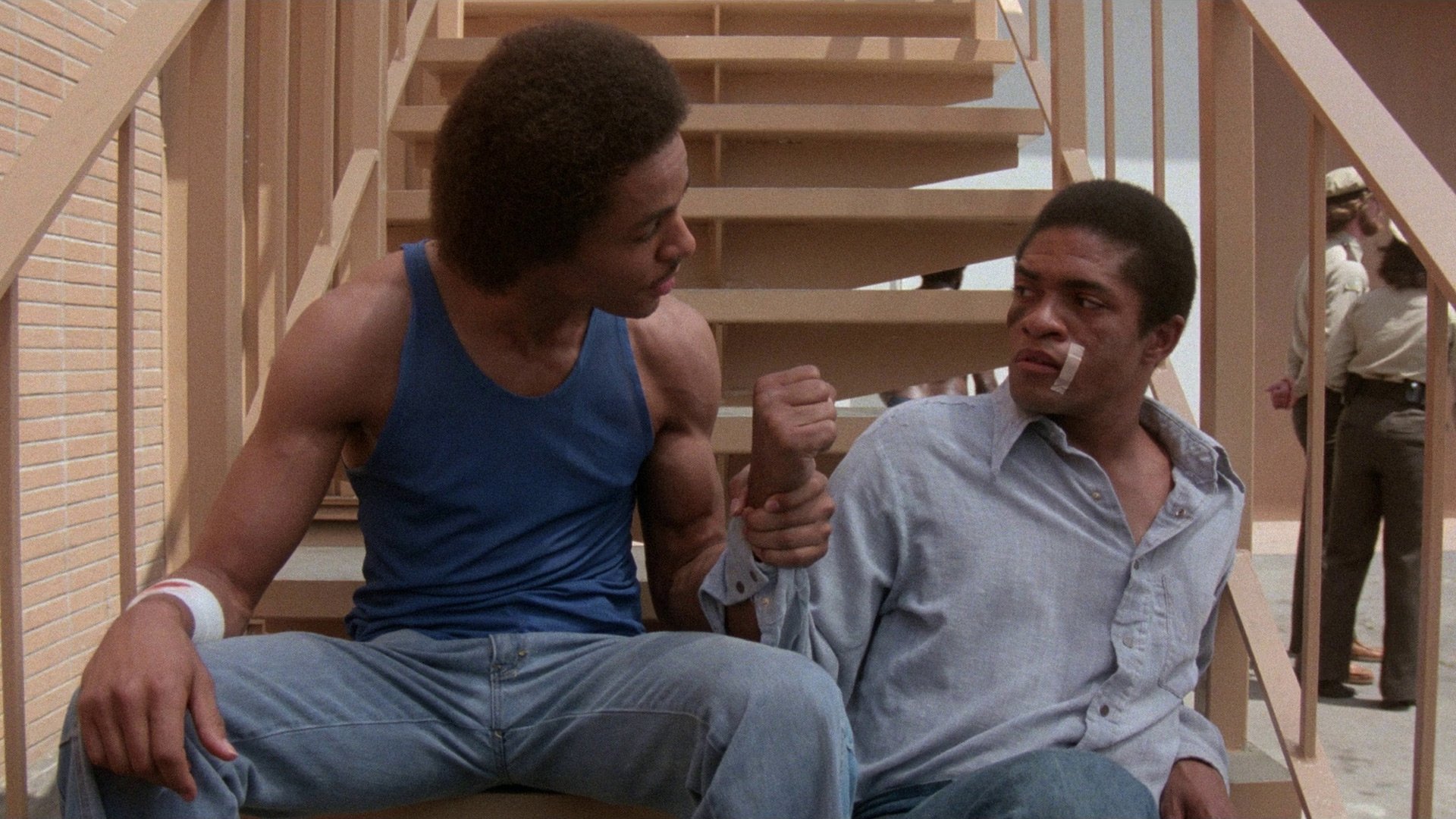
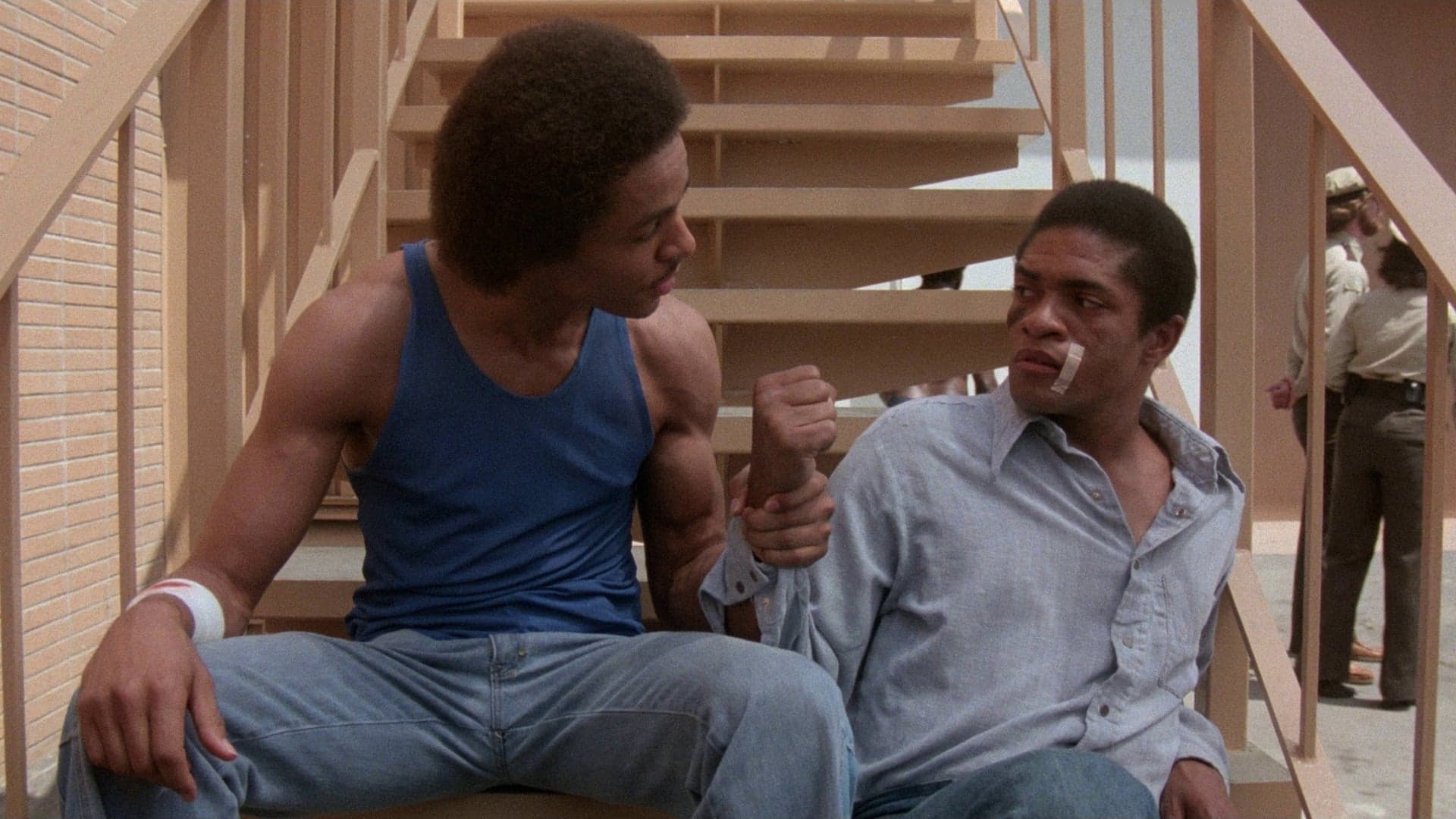
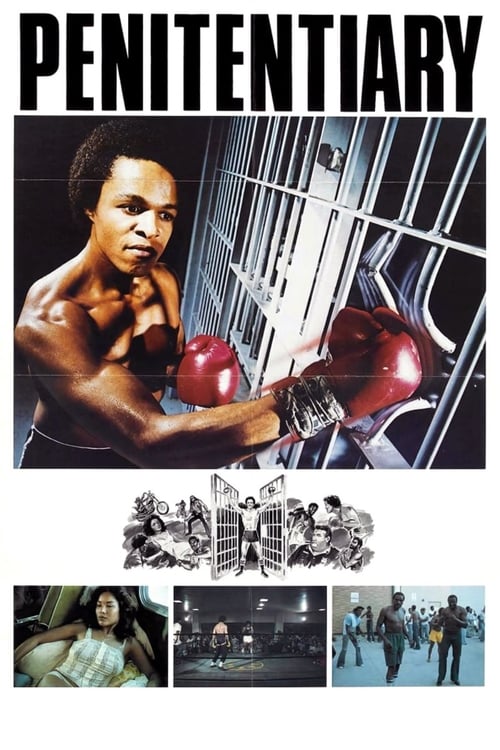
A hitchhiker named Martel Gordone gets in a fight with two bikers over a prostitute, and one of the bikers is killed. Gordone is arrested and sent to prison, where he joins the prison's boxing team in an effort to secure an early parole and to establish his dominance over the prison's toughest gang.
Directed by Jamaa Fanaka
prison
boxing
l.a. rebellion
gay theme

Trailer

IMDB
N/A
Where to Watch


Cast
Leon Isaac Kennedy
Martel 'Too Sweet' Gordone
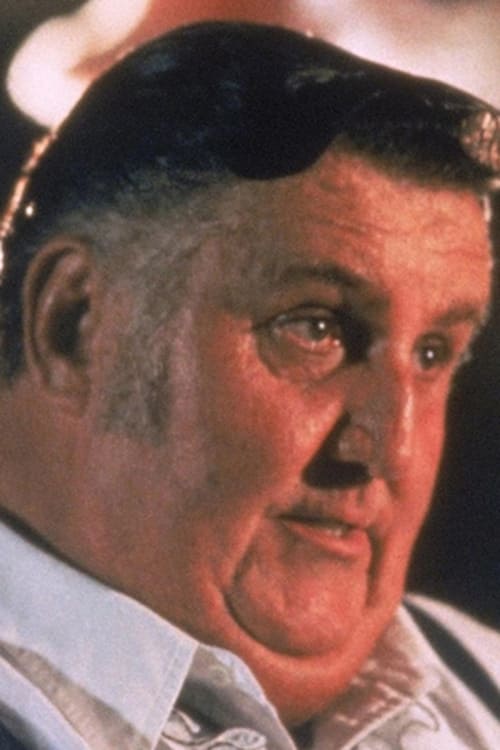
Chuck Mitchell
Lieutenant Arnsworth
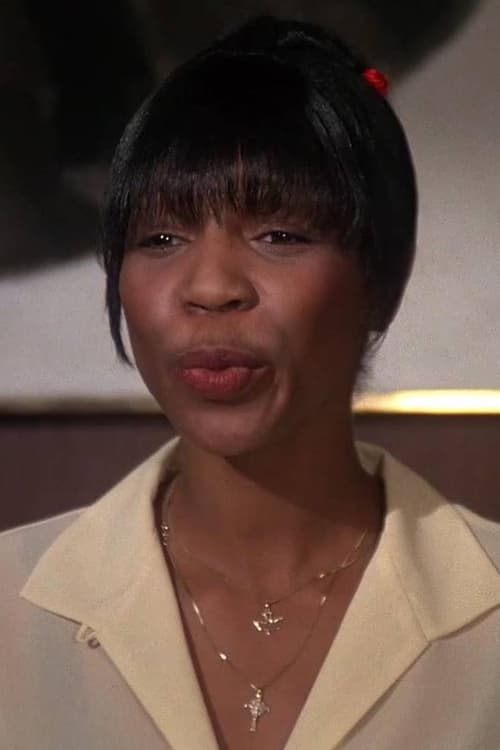
Gloria Delaney
Peaches
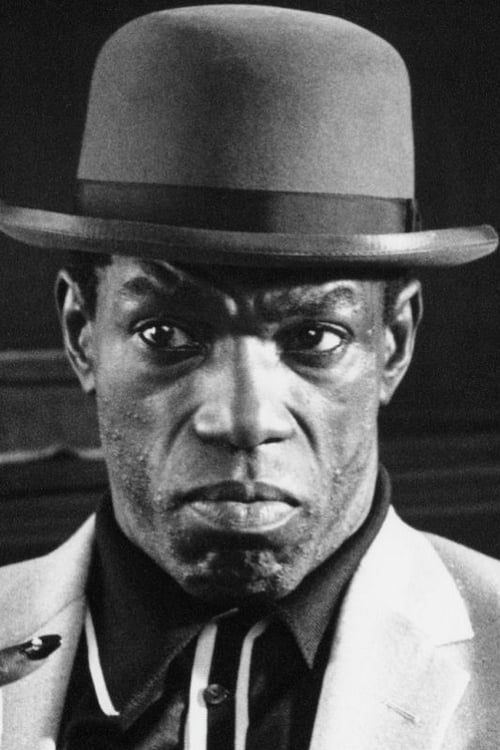
Badja Djola
'Half Dead' Johnson
Crew
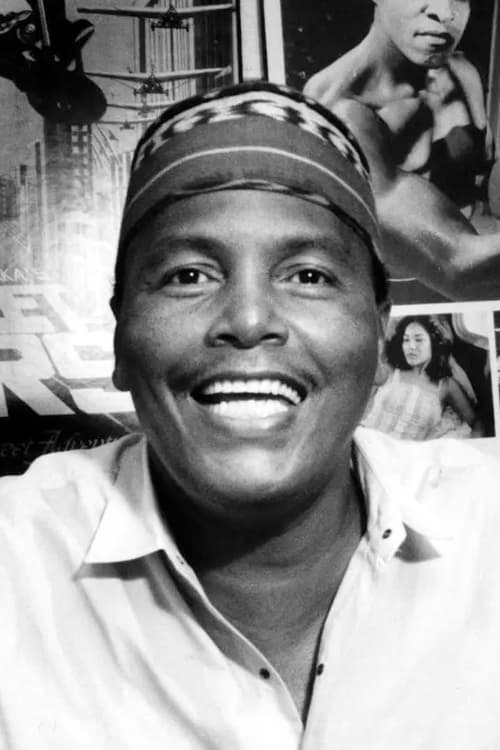
Jamaa Fanaka
Director
Jamaa Fanaka
Writer
Jamaa Fanaka
Producer
Popular Reviews
7 reviews
diego brando
8.5★ · 05/03/25
Lacan, Freud, and Foucault all have varying ideas on the psychological origins of sexuality and violence. I believe they would agree it exists on the same continuum. This film respects and encapsulates that continuum wholeheartedly with hints of Blaxploitation.
Lacan, Freud, and Foucault all have varying ideas on the psychological origins of sexuality and violence. I believe they would agree it exists on the same continuum. This film respects and encapsulates that continuum wholeheartedly with hints of Blaxploitation.


angelo
9.1★ · 02/17/25
what the fuck is creed after this? a film so emotionally intelligent behind all of the imperfect grit that displays act of violence in generic fashion yet guarded by a beautiful dialogue. even the simple cinematography is fantastic, whether it’s holding shadows from light to describe the misleading security of society’s evolution from discrimination and sexism or the one to ones between the camera and the man—allowing the people to see the masks they’re wearing. the film isn’t too personal to where it feels selfish to one being instead it appeals to generation to generation.
i absolutely love when films explore intense themes of the modern world through a lens that’s unpolished. the cheesy and outlandish narrative execution really helps the dialogue. the narrative plays as the entertainment and that refreshing grasp of life is the dialogue—“you can make one too [a fist], now don’t nobody have to be nobody’s property”. i swear the amount of passion and reason that’s in this film just makes me loves filmmaking’s purpose.
ideas of black on black violence-how it’s depressing that even through the related struggles we could still be against each other. at the end of the day, we’re not one together, we’re all separate there’s no togetherness. tackling modern day slavery within the justice system: cages and upper ranks allowing ownership between cellmates. the ever-lasting existence of discrimination, there’s the clear and obvious elephant in the room when it comes to the amount of black people in cells. dating back to when laws were being put out specifically to get more people in cells.
i also find the main character’s stance in reality interesting. he’s homeless and feels trapped in a cell where he’s gone through more life understanding experiences than ever before. but once he’s out, being homeless again is the most refreshing feeling since he realizes it’s the most free he’ll ever be. no home or car to keep payments up with, no useless valuables to protect, no taxes, nothing. but the one time he’s experienced any system in america was prison.
i absolutely love when films explore intense themes of the modern world through a lens that’s unpolished. the cheesy and outlandish narrative execution really helps the dialogue. the narrative plays as the entertainment and that refreshing grasp of life is the dialogue—“you can make one too [a fist], now don’t nobody have to be nobody’s property”. i swear the amount of passion and reason that’s in this film just makes me loves filmmaking’s purpose.
ideas of black on black violence-how it’s depressing that even through the related struggles we could still be against each other. at the end of the day, we’re not one together, we’re all separate there’s no togetherness. tackling modern day slavery within the justice system: cages and upper ranks allowing ownership between cellmates. the ever-lasting existence of discrimination, there’s the clear and obvious elephant in the room when it comes to the amount of black people in cells. dating back to when laws were being put out specifically to get more people in cells.
i also find the main character’s stance in reality interesting. he’s homeless and feels trapped in a cell where he’s gone through more life understanding experiences than ever before. but once he’s out, being homeless again is the most refreshing feeling since he realizes it’s the most free he’ll ever be. no home or car to keep payments up with, no useless valuables to protect, no taxes, nothing. but the one time he’s experienced any system in america was prison.
what the fuck is creed after this? a film so emotionally intelligent behind all of the imperfect grit that displays act of violence in generic fashion yet guarded by a beautiful dialogue. even the simple cinematography is fantastic, whether it’s holding shadows from light to describe the misleading security of society’s evolution from discrimination and sexism or the one to ones between the camera and the man—allowing the people to see the masks they’re wearing. the film isn’t too personal to where it feels selfish to one being instead it appeals to generation to generation.
i absolutely love when films explore intense themes of the modern world through a lens that’s unpolished. the cheesy and outlandish narrative execution really helps the dialogue. the narrative plays as the entertainment and that refreshing grasp of life is the dialogue—“you can make one too [a fist], now don’t nobody have to be nobody’s property”. i swear the amount of passion and reason that’s in this film just makes me loves filmmaking’s purpose.
ideas of black on black violence-how it’s depressing that even through the related struggles we could still be against each other. at the end of the day, we’re not one together, we’re all separate there’s no togetherness. tackling modern day slavery within the justice system: cages and upper ranks allowing ownership between cellmates. the ever-lasting existence of discrimination, there’s the clear and obvious elephant in the room when it comes to the amount of black people in cells. dating back to when laws were being put out specifically to get more people in cells.
i also find the main character’s stance in reality interesting. he’s homeless and feels trapped in a cell where he’s gone through more life understanding experiences than ever before. but once he’s out, being homeless again is the most refreshing feeling since he realizes it’s the most free he’ll ever be. no home or car to keep payments up with, no useless valuables to protect, no taxes, nothing. but the one time he’s experienced any system in america was prison.
i absolutely love when films explore intense themes of the modern world through a lens that’s unpolished. the cheesy and outlandish narrative execution really helps the dialogue. the narrative plays as the entertainment and that refreshing grasp of life is the dialogue—“you can make one too [a fist], now don’t nobody have to be nobody’s property”. i swear the amount of passion and reason that’s in this film just makes me loves filmmaking’s purpose.
ideas of black on black violence-how it’s depressing that even through the related struggles we could still be against each other. at the end of the day, we’re not one together, we’re all separate there’s no togetherness. tackling modern day slavery within the justice system: cages and upper ranks allowing ownership between cellmates. the ever-lasting existence of discrimination, there’s the clear and obvious elephant in the room when it comes to the amount of black people in cells. dating back to when laws were being put out specifically to get more people in cells.
i also find the main character’s stance in reality interesting. he’s homeless and feels trapped in a cell where he’s gone through more life understanding experiences than ever before. but once he’s out, being homeless again is the most refreshing feeling since he realizes it’s the most free he’ll ever be. no home or car to keep payments up with, no useless valuables to protect, no taxes, nothing. but the one time he’s experienced any system in america was prison.
David Clausson
8.0★ · 12/29/24
A blend between Rocky and Shawshank, with some soft core porn and Porky thrown in there for seasoning.
A blend between Rocky and Shawshank, with some soft core porn and Porky thrown in there for seasoning.
Jacob Dickens
6.2★ · 05/07/22
Tremendously impressive for a student film. Penitentiary is grimy and slimy but, like all the best exploitation films, has a loose collection of ideas floating around it that make it more noteworthy than your run of the mill shlock. For one thing, there's a running commentary on masculinity and the historical exploitation of Black prisoners that's interesting to pick at when it makes itself known. For another, the film's hedonism in violence and sex can be fascinatingly gratuitous at times (one particular scene intercuts a boxing match with graphic sex to interesting effect). But this is far from a perfect film. There's a good amount of casual homophobia/transphobia spread throughout, a bit of a loose editing style, and a lack of polish that is equal parts charming and distracting. I absolutely see what others appreciate in this but I found those moments somewhat fleeting throughout the runtime.
Tremendously impressive for a student film. Penitentiary is grimy and slimy but, like all the best exploitation films, has a loose collection of ideas floating around it that make it more noteworthy than your run of the mill shlock. For one thing, there's a running commentary on masculinity and the historical exploitation of Black prisoners that's interesting to pick at when it makes itself known. For another, the film's hedonism in violence and sex can be fascinatingly gratuitous at times (one particular scene intercuts a boxing match with graphic sex to interesting effect). But this is far from a perfect film. There's a good amount of casual homophobia/transphobia spread throughout, a bit of a loose editing style, and a lack of polish that is equal parts charming and distracting. I absolutely see what others appreciate in this but I found those moments somewhat fleeting throughout the runtime.
Patrick Michael
7.6★ · 08/28/23