

1977·Mystery·1h 35m
7.1
★
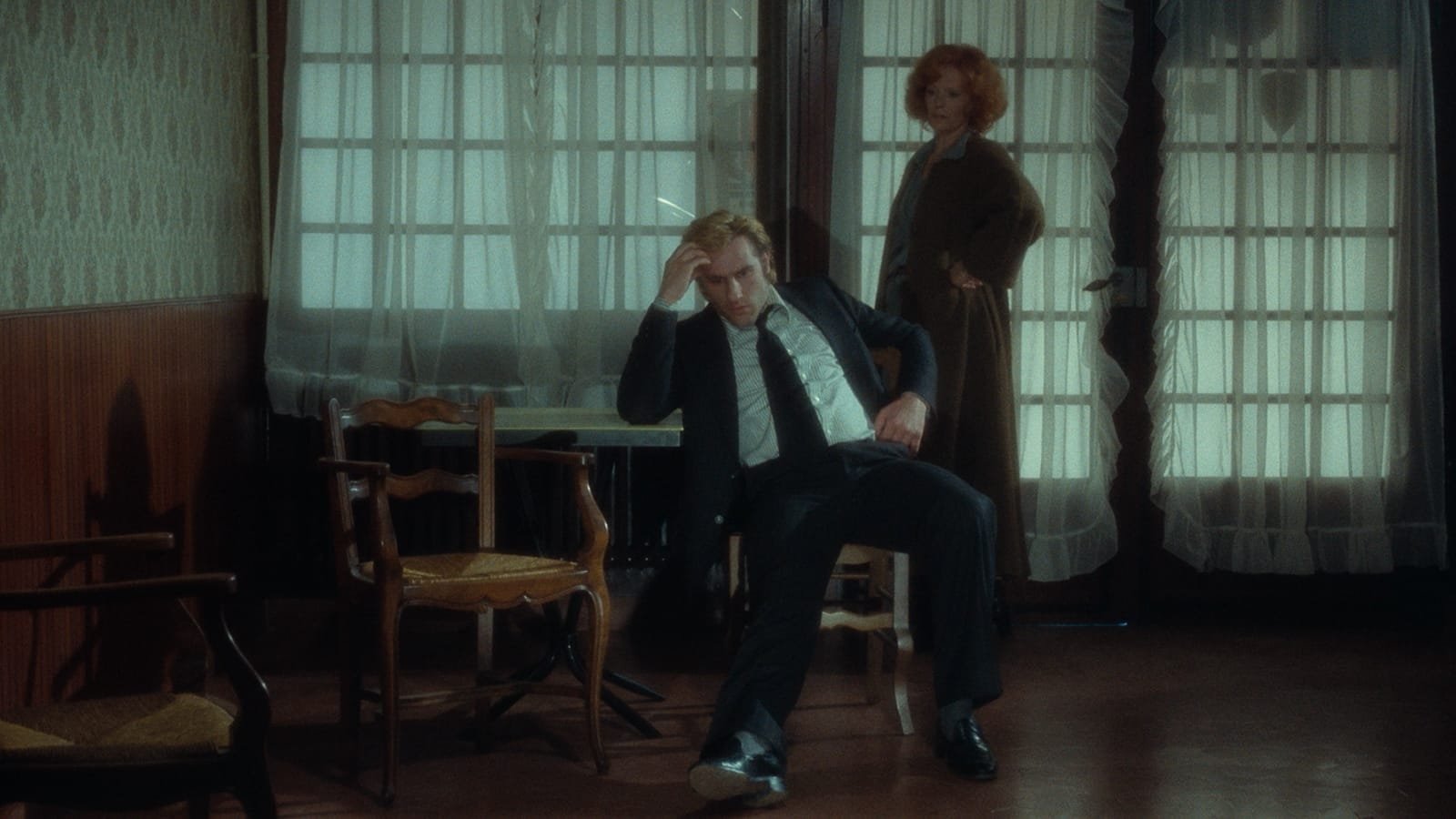
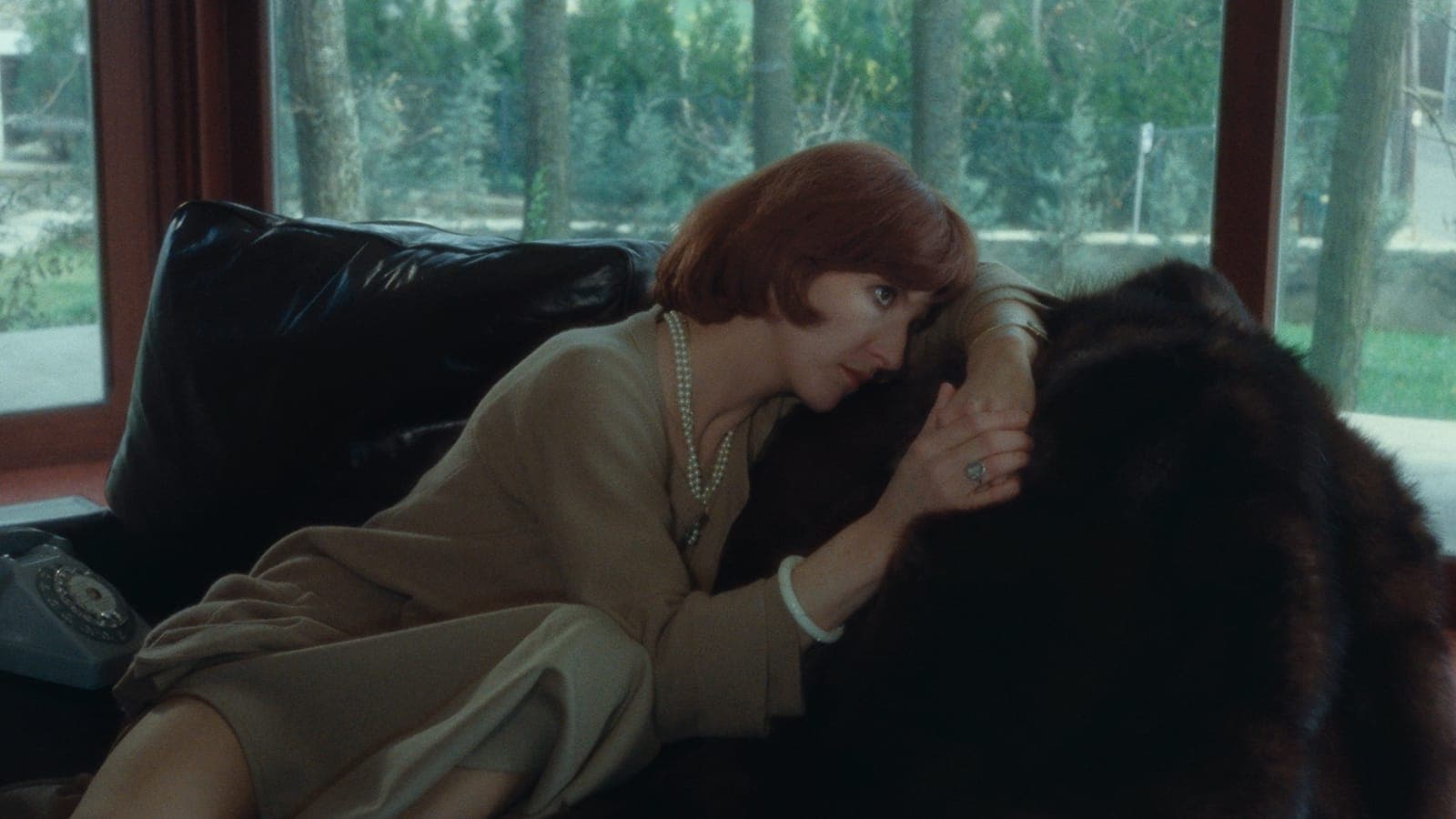
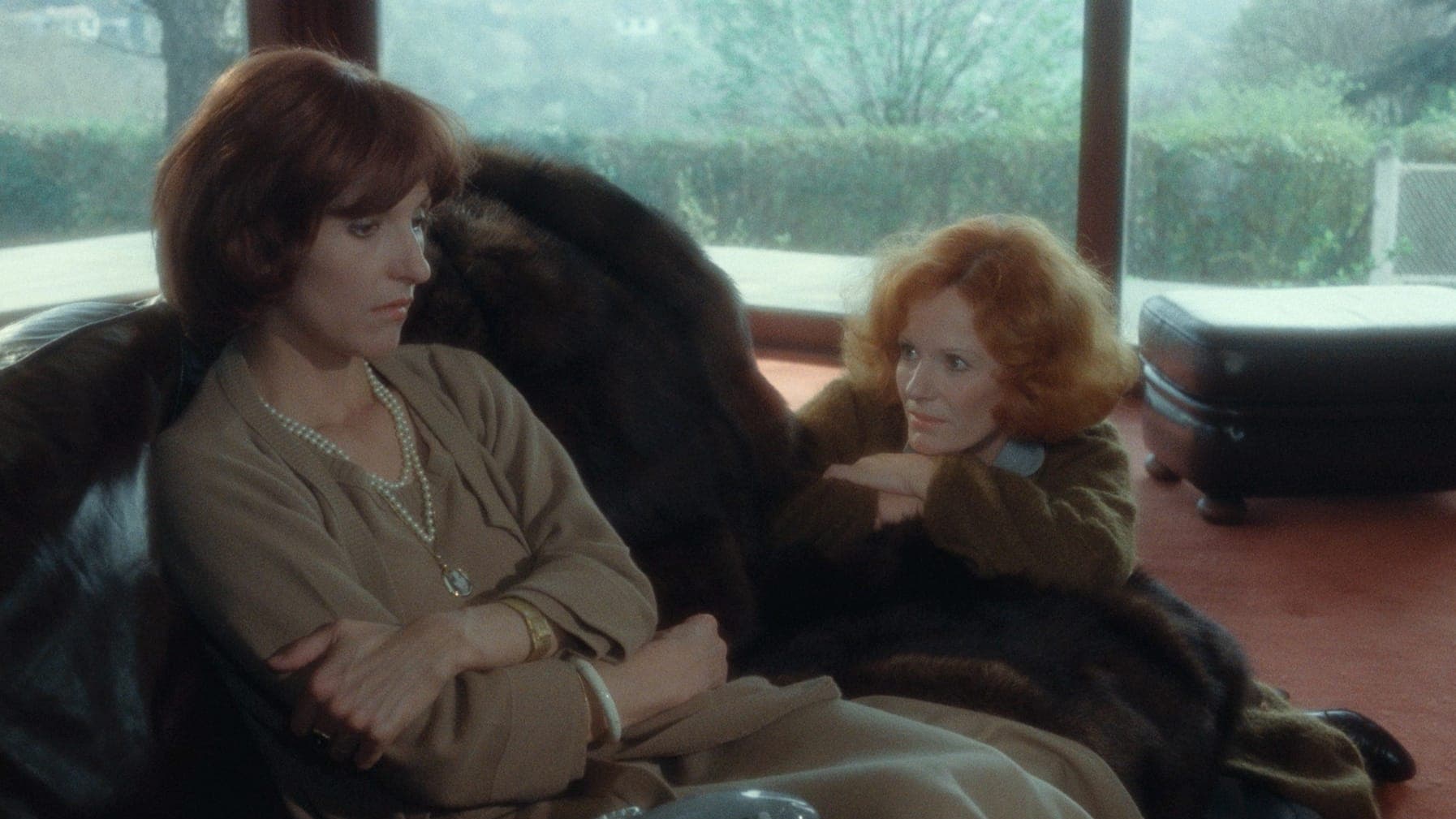
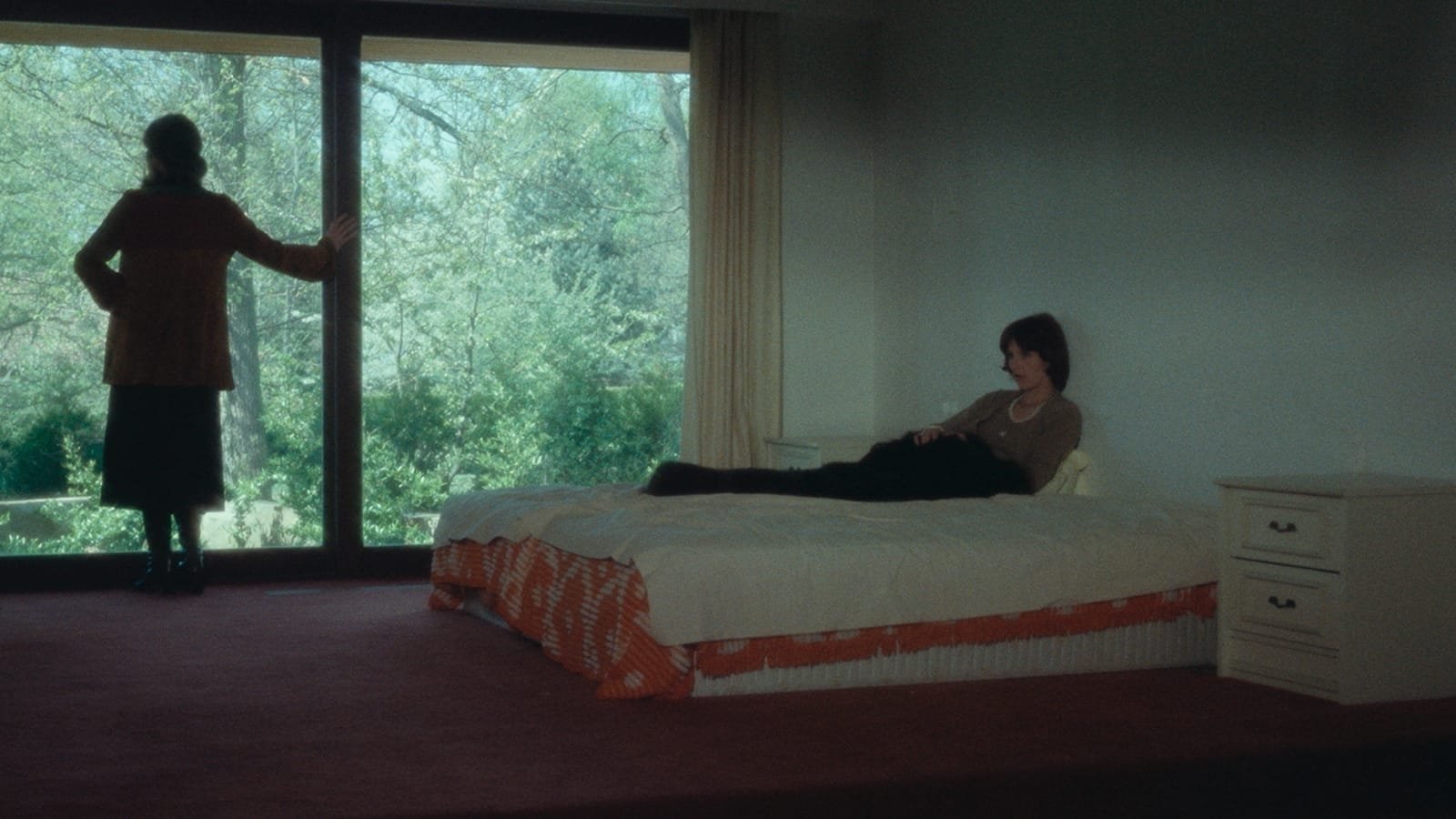
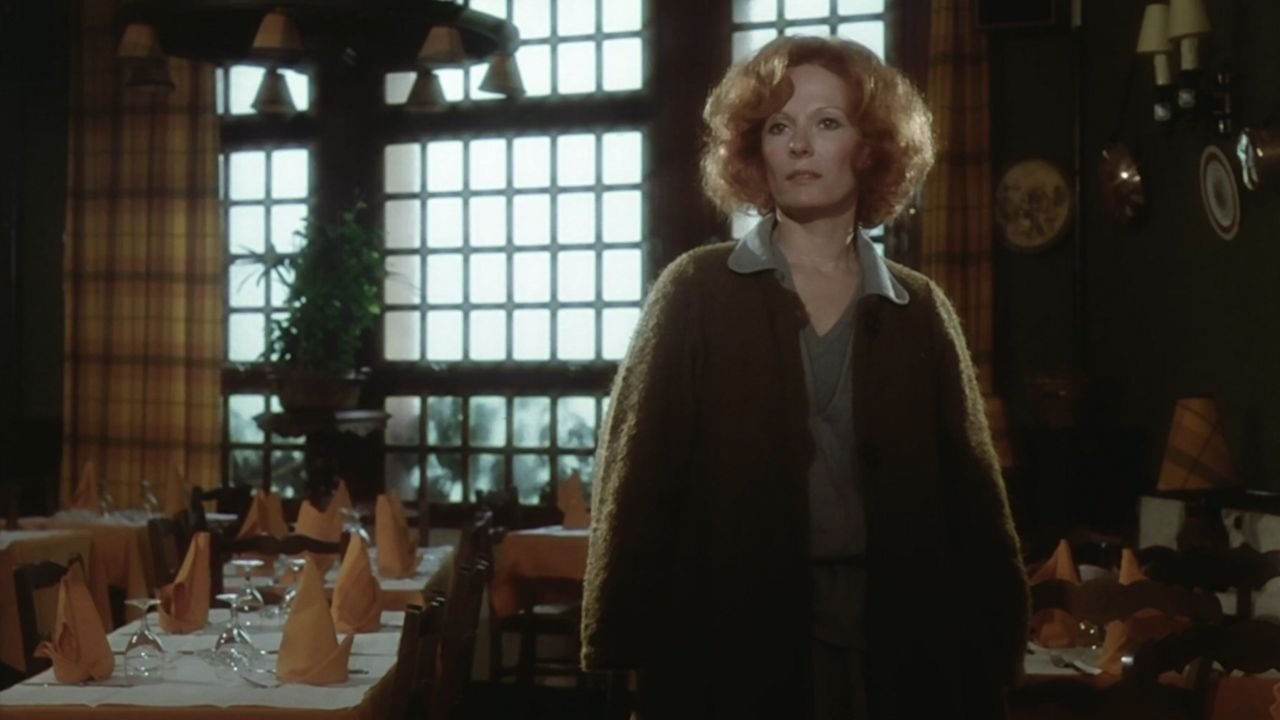
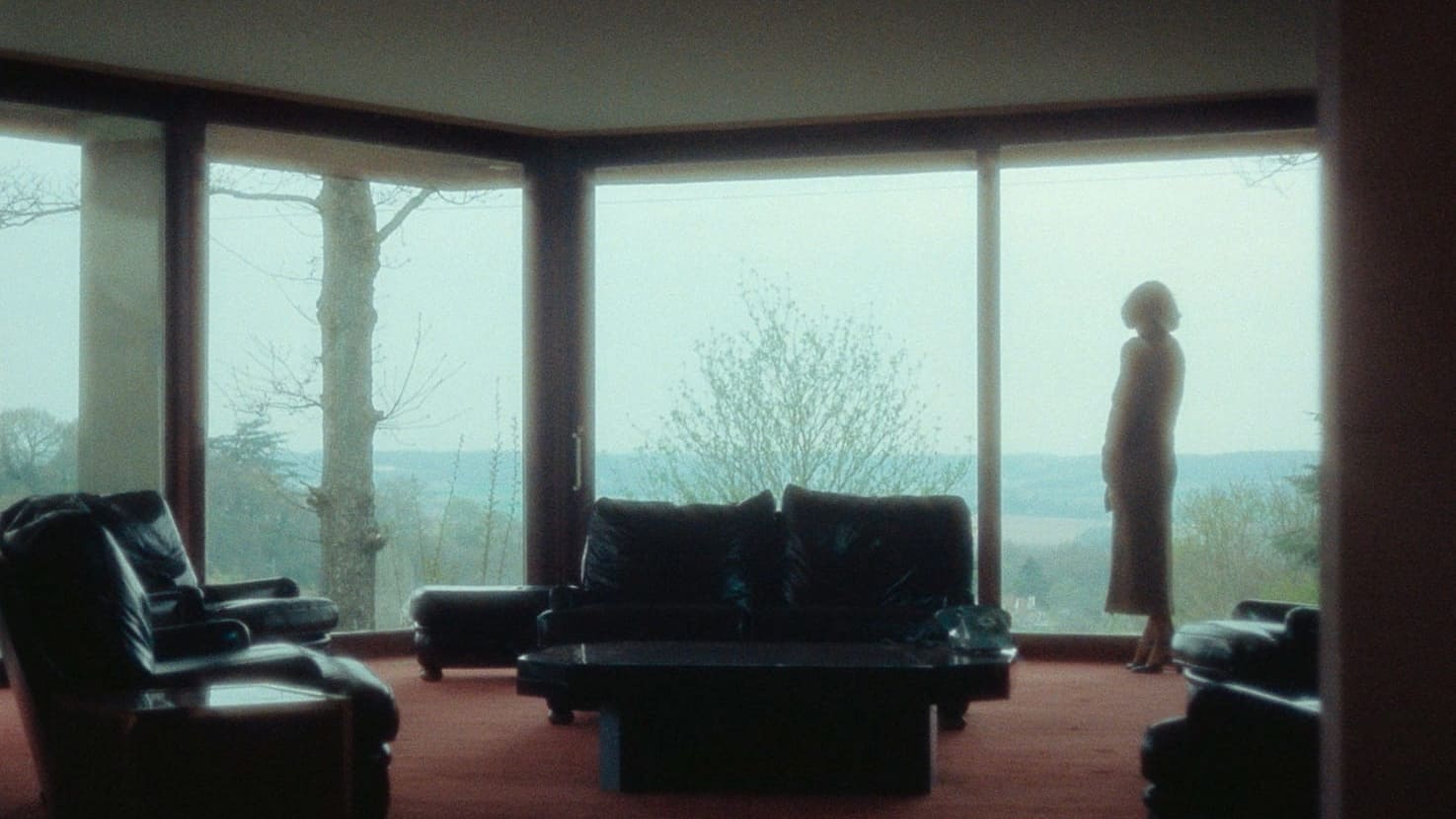
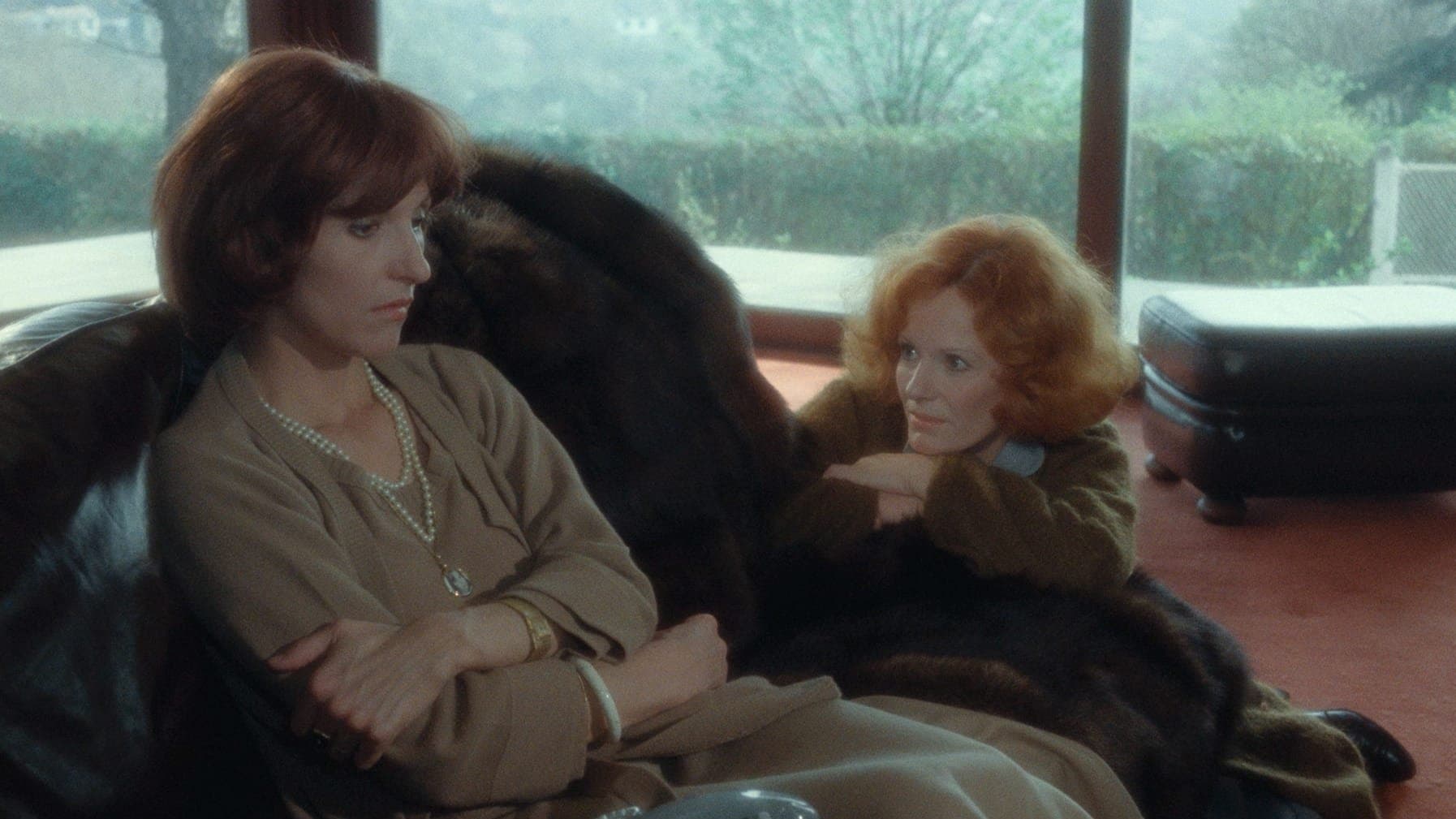
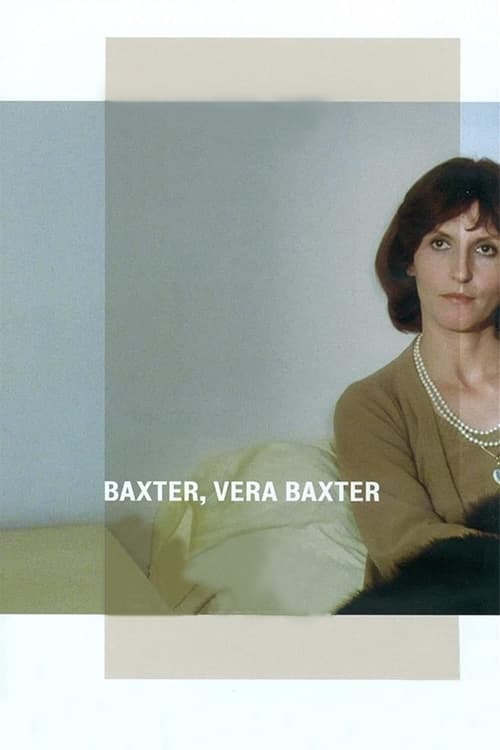
In an empty villa, Vera Baxter sits and contemplates her life, as she recounts to a woman who was drawn to the villa when she heard the name Vera Baxter pronounced. Vera tells her about her no-good husband, who has been using her to keep his failing business afloat, up to her present love affair.
Directed by Marguerite Duras
woman director

IMDB
N/A
Cast

Delphine Seyrig
L'inconnue

Noëlle Châtelet
Monique Combes

Claudine Gabay
Vera Baxter

Gérard Depardieu
Michel Cayre

Nathalie Nell
La maîtresse de Jean

Claude Aufaure
Barman

François Périer
Jean Baxter (voice)

Marguerite Duras
Narrator (voice) (uncredited)
Crew
Marguerite Duras
Director
Marguerite Duras
Writer

Dominique Auvray
Editor

Danièle Gégauff
Producer

Guillaume Sciama
Sound Engineer
Patrick Bordier
Production Assistant
Popular Reviews
12 reviews
Lo-fi adapter
5.0★ · 06/21/25
Претенциозно, нудно ни о чём, с заевшей музыкой на фоне.
Претенциозно, нудно ни о чём, с заевшей музыкой на фоне.


Ivy
9.6★ · 06/14/25
"I am not yet worthy of what I've discovered in cinema. I'll be dead when people discover why it's so powerful. As long as I make films, as long as I live, I must remain unaware of it, I am unaware of it."
Marguerite Duras does something unexplainable to me. The apparent and absolute faith present inside her cinematic works serves as an overpowering presence in my life all while she repeatedly informs how I view the entire art form. L’homme atlantique is one of the films I think about most often, constantly shaping my own perception of my own artistic desires and the very concept of filmic expression. I couldn’t begin to describe the impact that piece has had on my life and my art, even if I don’t want to admit that an artist so seemingly alienating and singular inspires me as deeply as Duras does.
Watch as I write an essay entitled Marguerite Duras and The Art of Absence; or, How I Found God Through The Ghosts of Sad French Women… or some shit.
Marguerite Duras does something unexplainable to me. The apparent and absolute faith present inside her cinematic works serves as an overpowering presence in my life all while she repeatedly informs how I view the entire art form. L’homme atlantique is one of the films I think about most often, constantly shaping my own perception of my own artistic desires and the very concept of filmic expression. I couldn’t begin to describe the impact that piece has had on my life and my art, even if I don’t want to admit that an artist so seemingly alienating and singular inspires me as deeply as Duras does.
Watch as I write an essay entitled Marguerite Duras and The Art of Absence; or, How I Found God Through The Ghosts of Sad French Women… or some shit.
"I am not yet worthy of what I've discovered in cinema. I'll be dead when people discover why it's so powerful. As long as I make films, as long as I live, I must remain unaware of it, I am unaware of it."
Marguerite Duras does something unexplainable to me. The apparent and absolute faith present inside her cinematic works serves as an overpowering presence in my life all while she repeatedly informs how I view the entire art form. L’homme atlantique is one of the films I think about most often, constantly shaping my own perception of my own artistic desires and the very concept of filmic expression. I couldn’t begin to describe the impact that piece has had on my life and my art, even if I don’t want to admit that an artist so seemingly alienating and singular inspires me as deeply as Duras does.
Watch as I write an essay entitled Marguerite Duras and The Art of Absence; or, How I Found God Through The Ghosts of Sad French Women… or some shit.
Marguerite Duras does something unexplainable to me. The apparent and absolute faith present inside her cinematic works serves as an overpowering presence in my life all while she repeatedly informs how I view the entire art form. L’homme atlantique is one of the films I think about most often, constantly shaping my own perception of my own artistic desires and the very concept of filmic expression. I couldn’t begin to describe the impact that piece has had on my life and my art, even if I don’t want to admit that an artist so seemingly alienating and singular inspires me as deeply as Duras does.
Watch as I write an essay entitled Marguerite Duras and The Art of Absence; or, How I Found God Through The Ghosts of Sad French Women… or some shit.
Polo
2.0★ · 12/31/24
I hate vapid pretentious movies man, the soundtrack alone is Guantanamo bay level of torture. At least have some substance that’s all we ask
I hate vapid pretentious movies man, the soundtrack alone is Guantanamo bay level of torture. At least have some substance that’s all we ask
Gabriel Silva
8.5★ · 11/08/23
If India Song is the suffocating cage of high life with bars made of gossip of those around you, then Baxter, Vera Baxter is the leash of patriarchy wrapped around the necks of women, made up of the various social contracts we hold with one another.
Vera is first introduced by her last name, the name she got from marriage to Jean Baxter, and spends most of the film talking about him and the various ways she has hurt him and he has hurt her. The women of this film, far away from most other men for the most part and isolated from them, spend a majority of the time talking about the men. It is the background radiation of their lives and an oppressive force, these unspoken contracts. The continuous music that plays throughout the film, panflute and ukulele, are an upbeat and calming presence initially when Vera is looking to rent a place, but as Vera and the women who visit her as she waits for news from her realtor the music starts to represent malaise. Vera is stuck. Stuck in marriage, stuck in society. She wishes to be rid of it, to die and wash herself of all of this noise around her, but the music keeps her alive, in stasis.
This film is a film of contrasts and it is made all the more beautiful for its contradictions of truth and lies.
Vera is first introduced by her last name, the name she got from marriage to Jean Baxter, and spends most of the film talking about him and the various ways she has hurt him and he has hurt her. The women of this film, far away from most other men for the most part and isolated from them, spend a majority of the time talking about the men. It is the background radiation of their lives and an oppressive force, these unspoken contracts. The continuous music that plays throughout the film, panflute and ukulele, are an upbeat and calming presence initially when Vera is looking to rent a place, but as Vera and the women who visit her as she waits for news from her realtor the music starts to represent malaise. Vera is stuck. Stuck in marriage, stuck in society. She wishes to be rid of it, to die and wash herself of all of this noise around her, but the music keeps her alive, in stasis.
This film is a film of contrasts and it is made all the more beautiful for its contradictions of truth and lies.
If India Song is the suffocating cage of high life with bars made of gossip of those around you, then Baxter, Vera Baxter is the leash of patriarchy wrapped around the necks of women, made up of the various social contracts we hold with one another.
Vera is first introduced by her last name, the name she got from marriage to Jean Baxter, and spends most of the film talking about him and the various ways she has hurt him and he has hurt her. The women of this film, far away from most other men for the most part and isolated from them, spend a majority of the time talking about the men. It is the background radiation of their lives and an oppressive force, these unspoken contracts. The continuous music that plays throughout the film, panflute and ukulele, are an upbeat and calming presence initially when Vera is looking to rent a place, but as Vera and the women who visit her as she waits for news from her realtor the music starts to represent malaise. Vera is stuck. Stuck in marriage, stuck in society. She wishes to be rid of it, to die and wash herself of all of this noise around her, but the music keeps her alive, in stasis.
This film is a film of contrasts and it is made all the more beautiful for its contradictions of truth and lies.
Vera is first introduced by her last name, the name she got from marriage to Jean Baxter, and spends most of the film talking about him and the various ways she has hurt him and he has hurt her. The women of this film, far away from most other men for the most part and isolated from them, spend a majority of the time talking about the men. It is the background radiation of their lives and an oppressive force, these unspoken contracts. The continuous music that plays throughout the film, panflute and ukulele, are an upbeat and calming presence initially when Vera is looking to rent a place, but as Vera and the women who visit her as she waits for news from her realtor the music starts to represent malaise. Vera is stuck. Stuck in marriage, stuck in society. She wishes to be rid of it, to die and wash herself of all of this noise around her, but the music keeps her alive, in stasis.
This film is a film of contrasts and it is made all the more beautiful for its contradictions of truth and lies.
Josh Cooley
8.8★ · 08/11/23
Checked out for some of this because I’m stressed but what I saw was just as good as India Song.maybe not as potent
Checked out for some of this because I’m stressed but what I saw was just as good as India Song.maybe not as potent