

1976·Drama·1h 28m
7.1
★
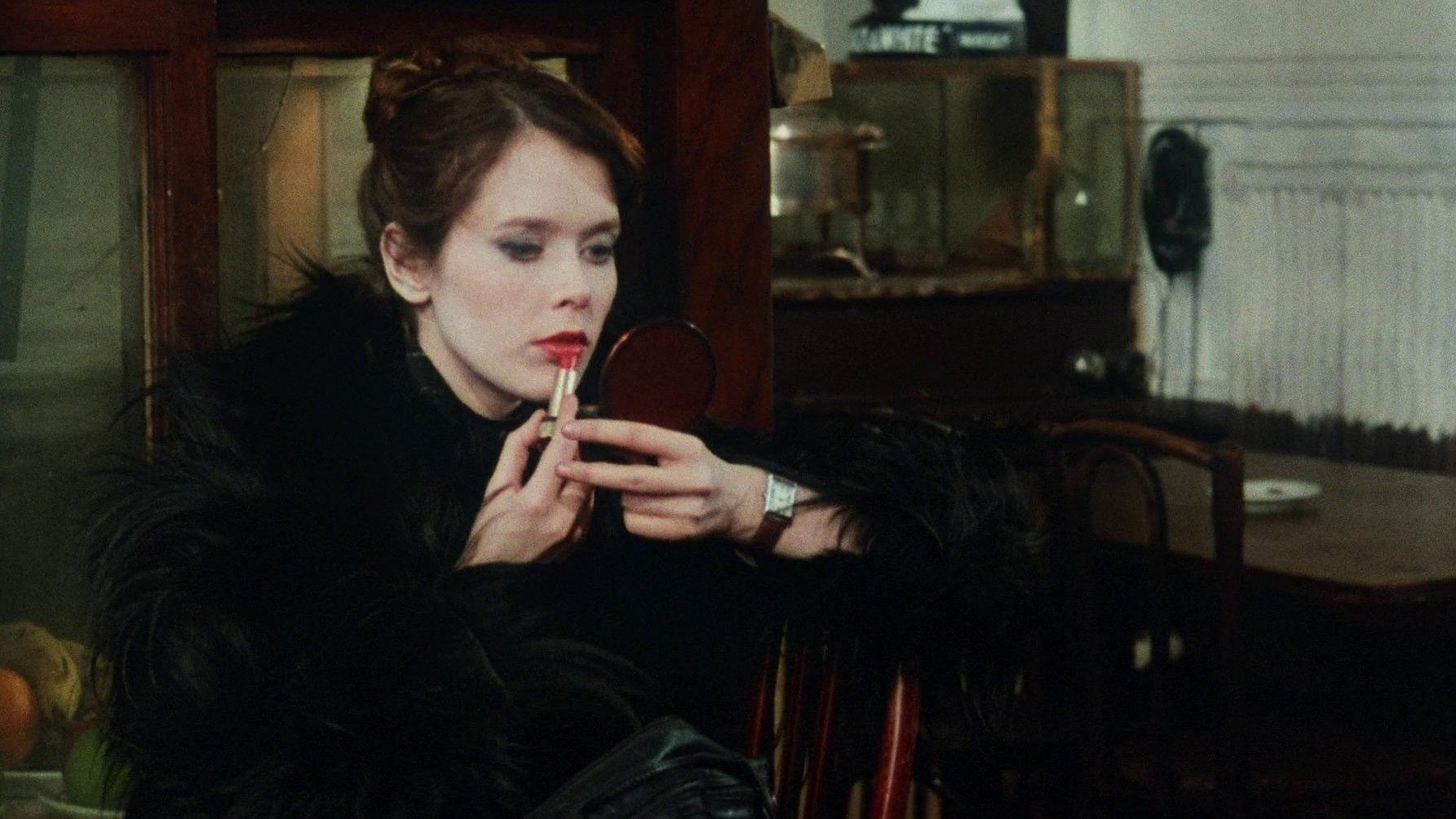
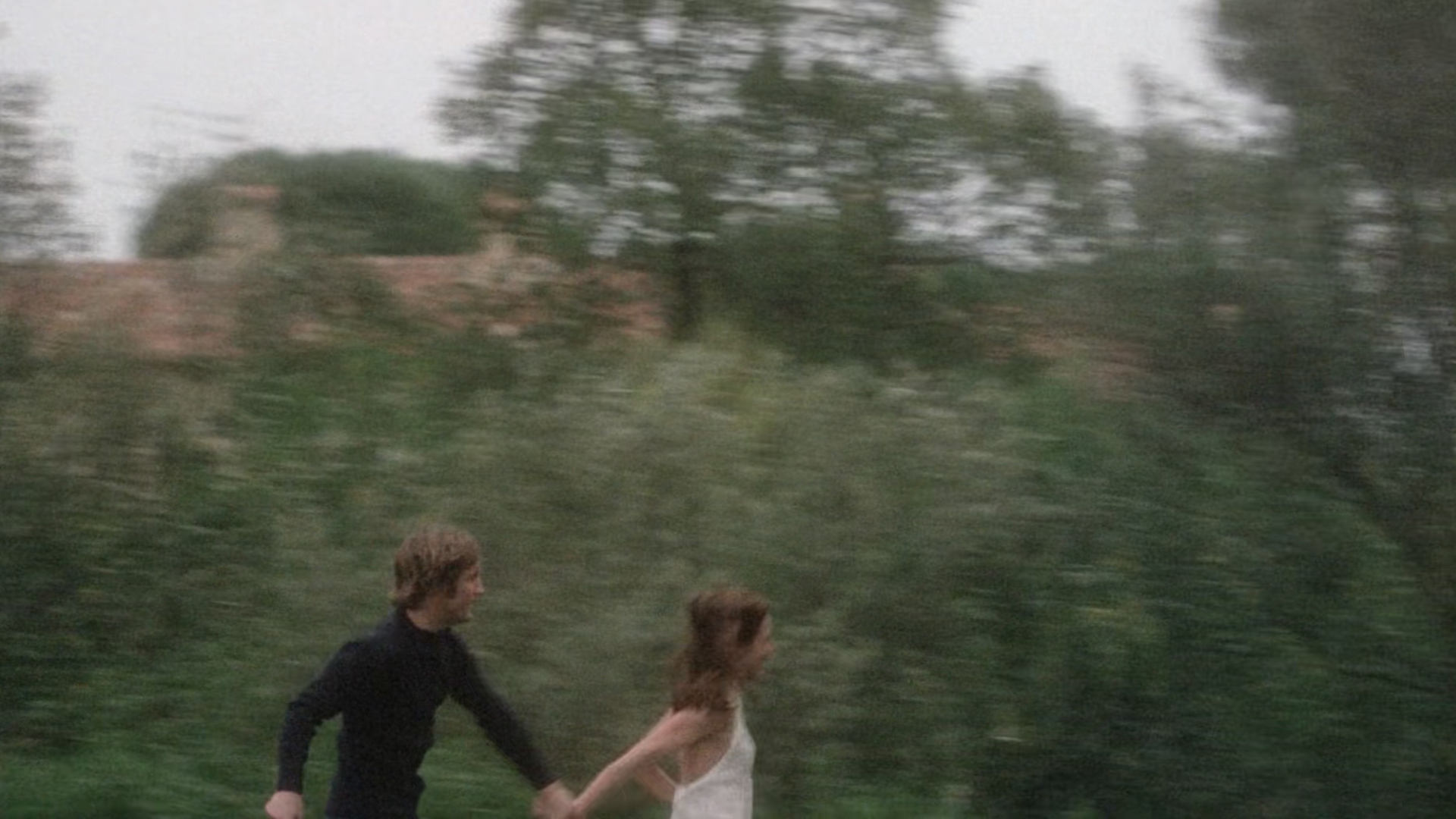
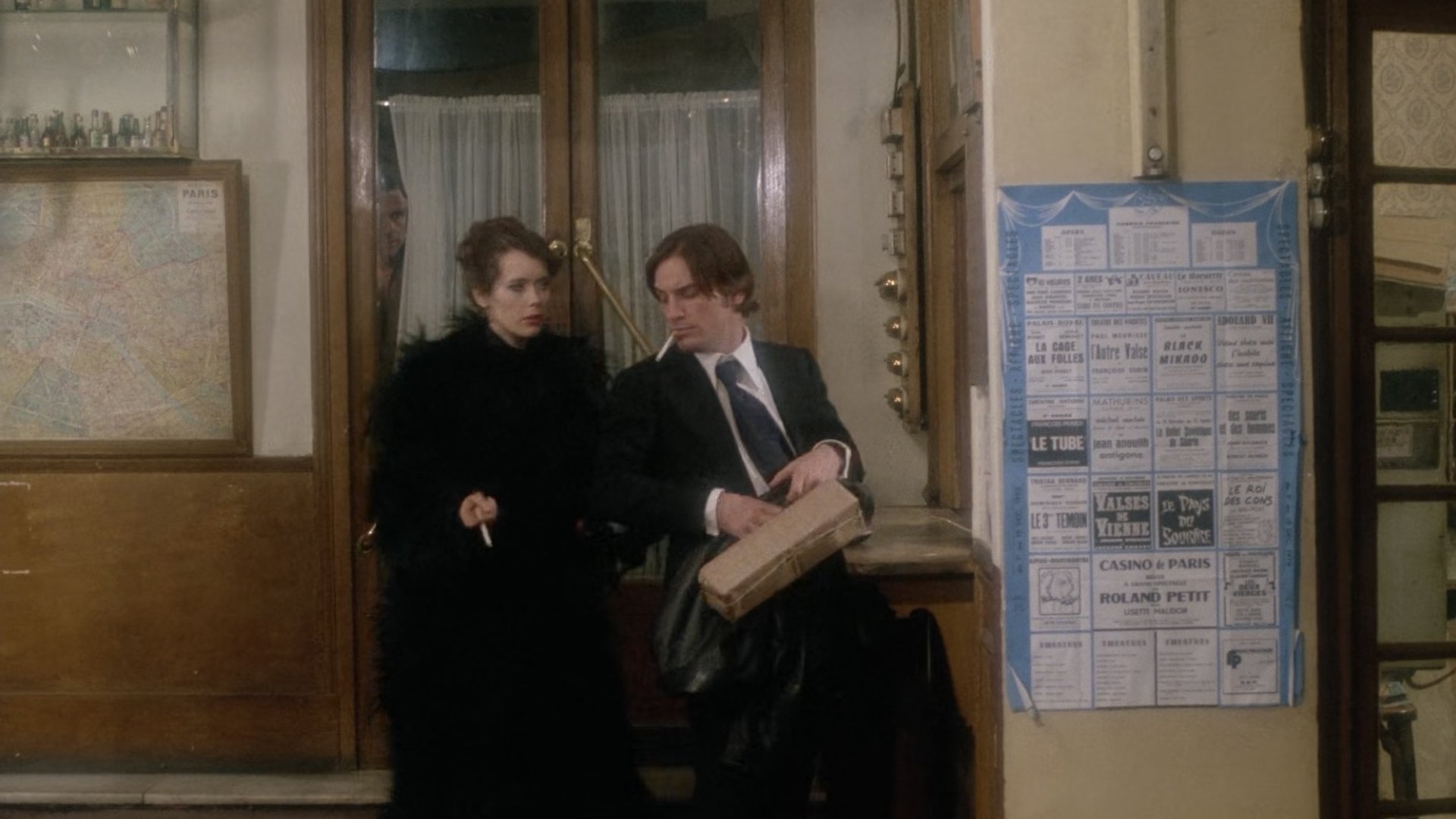
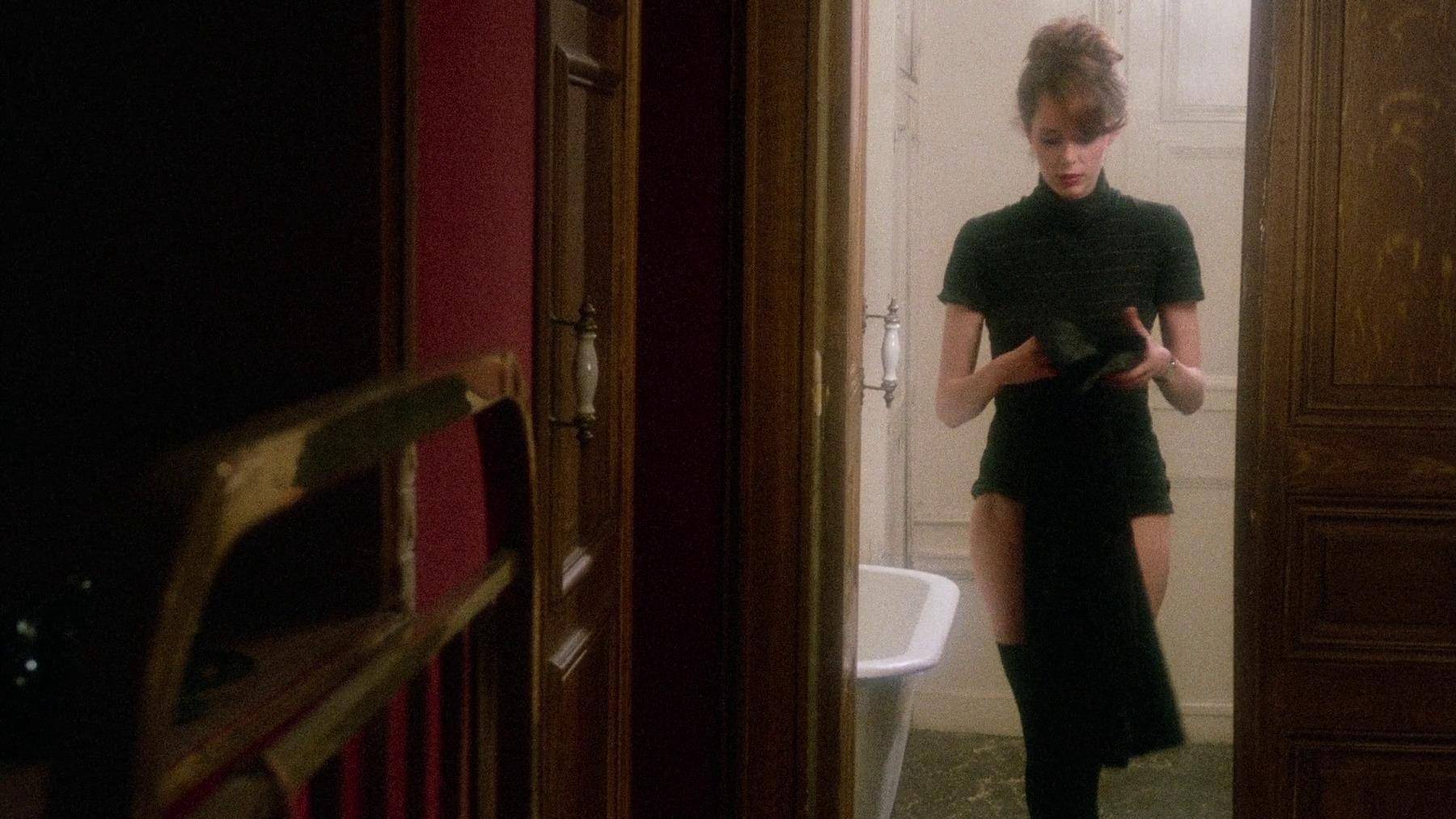
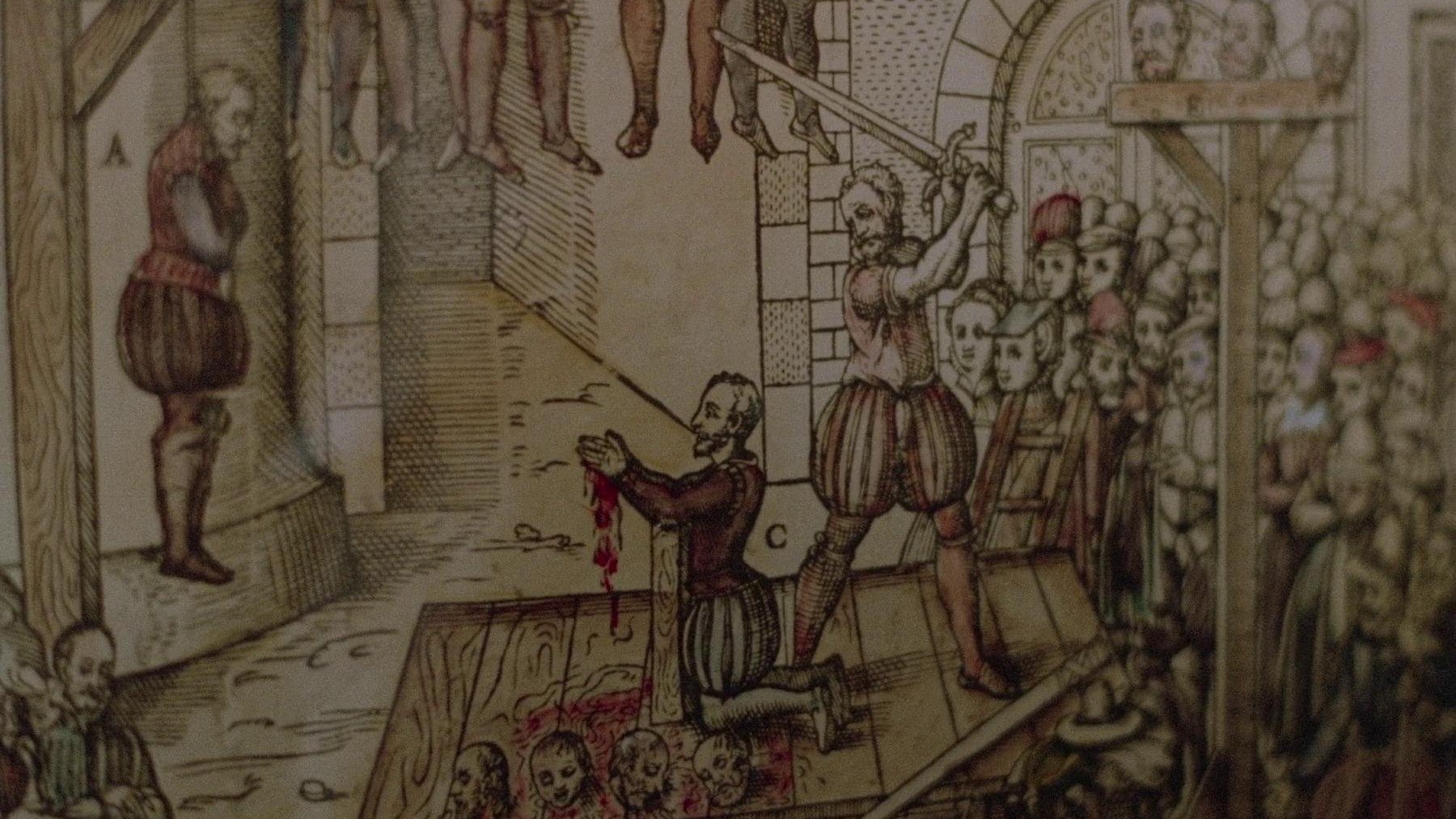
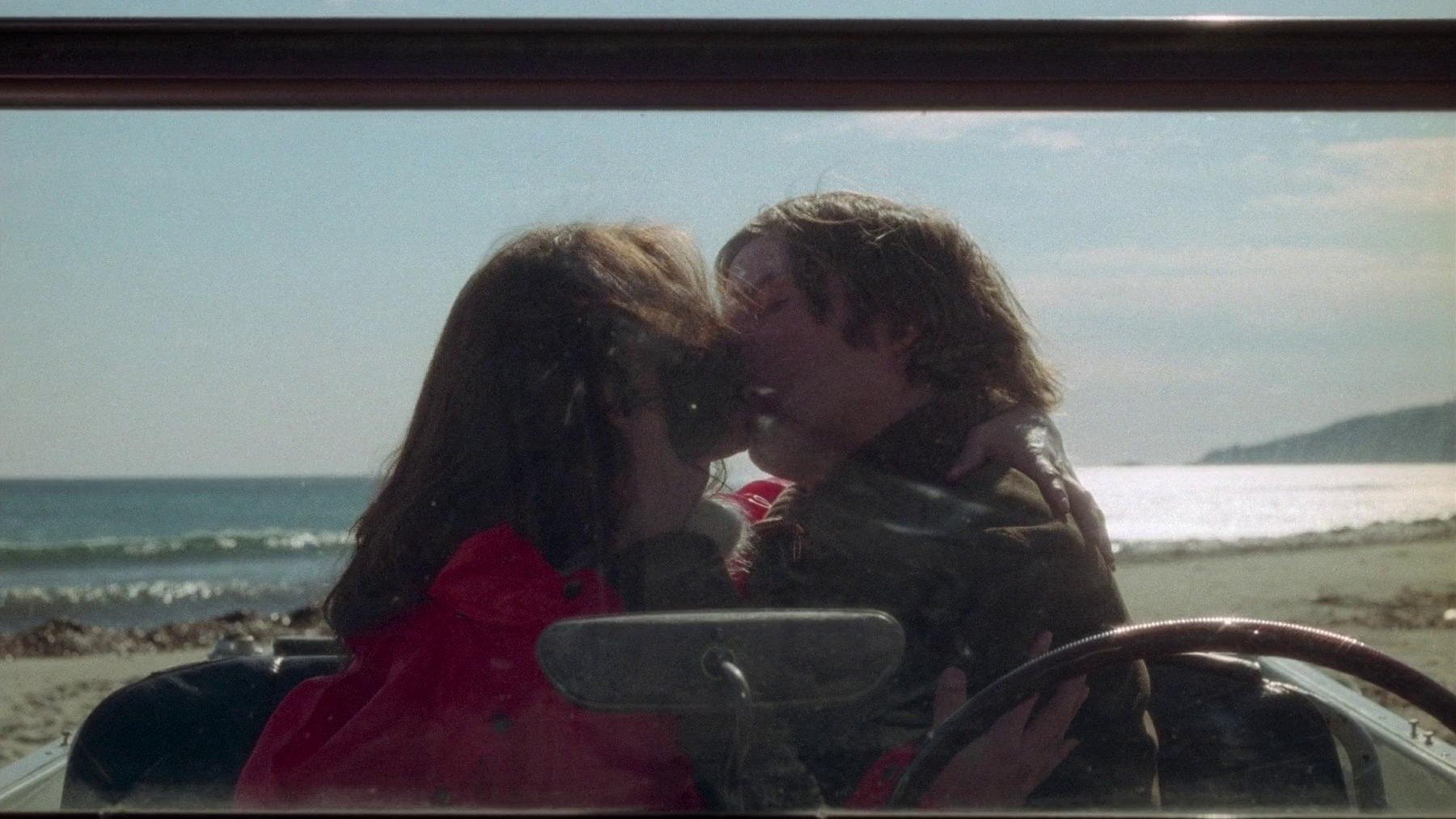
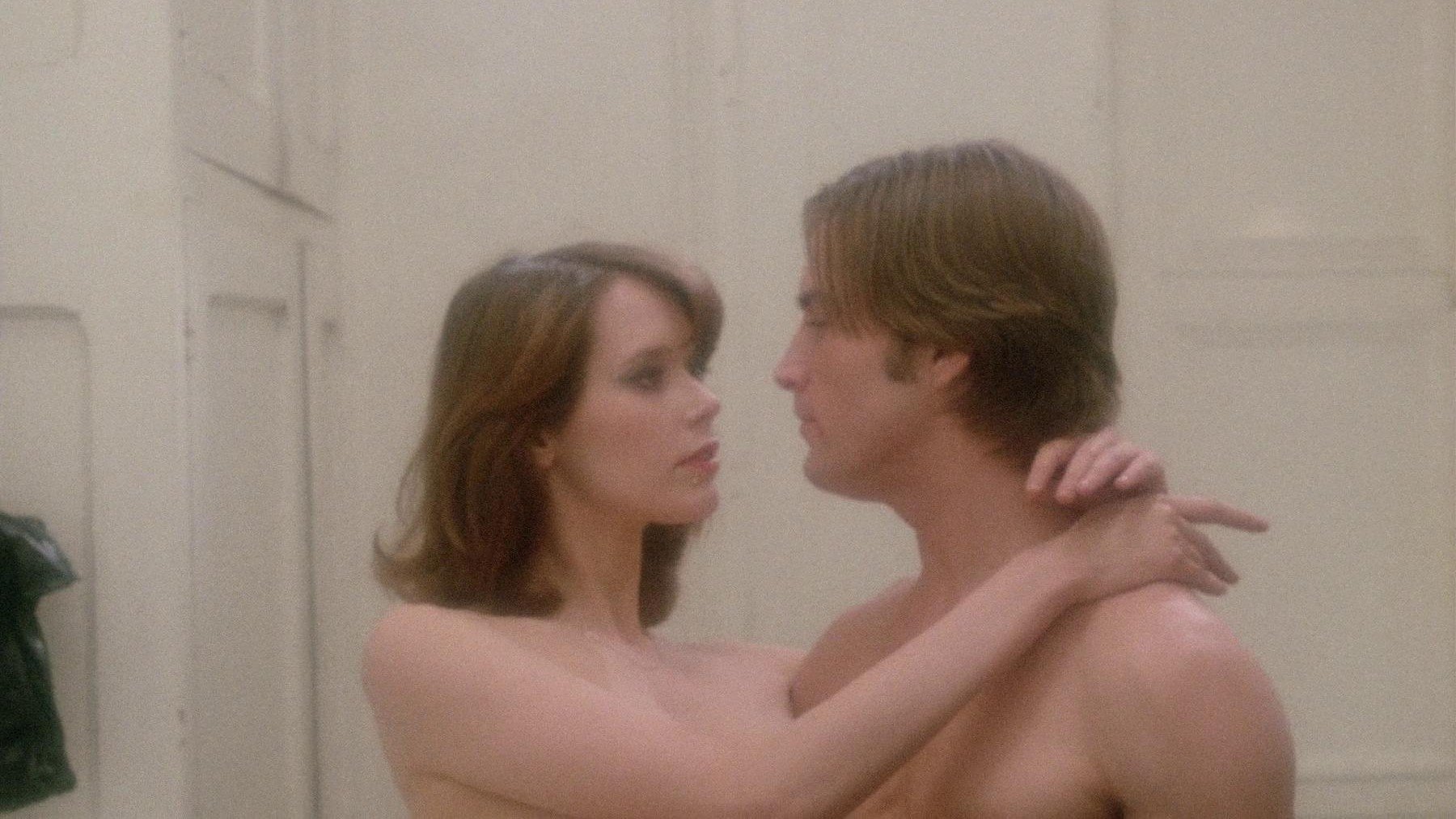
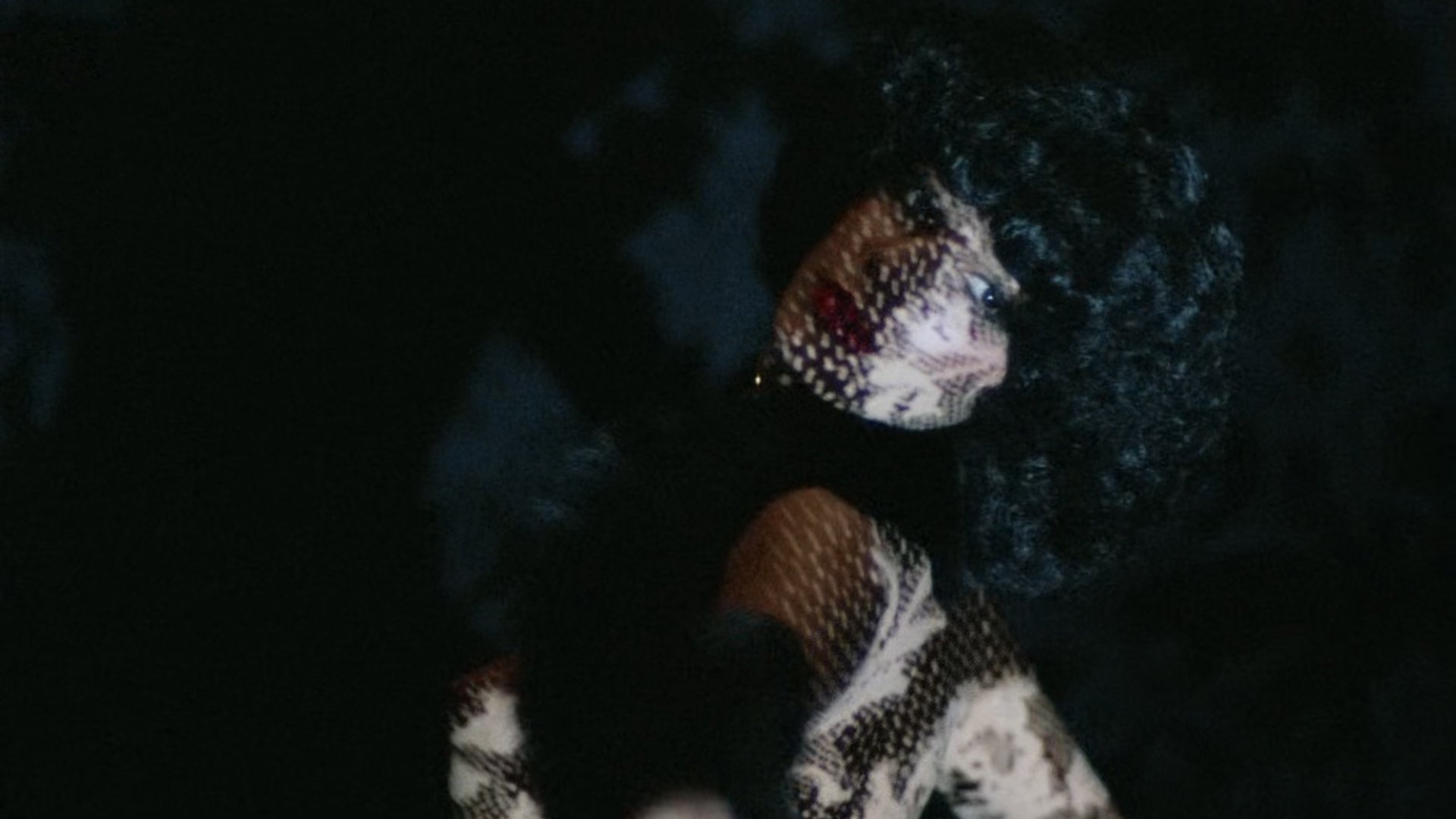
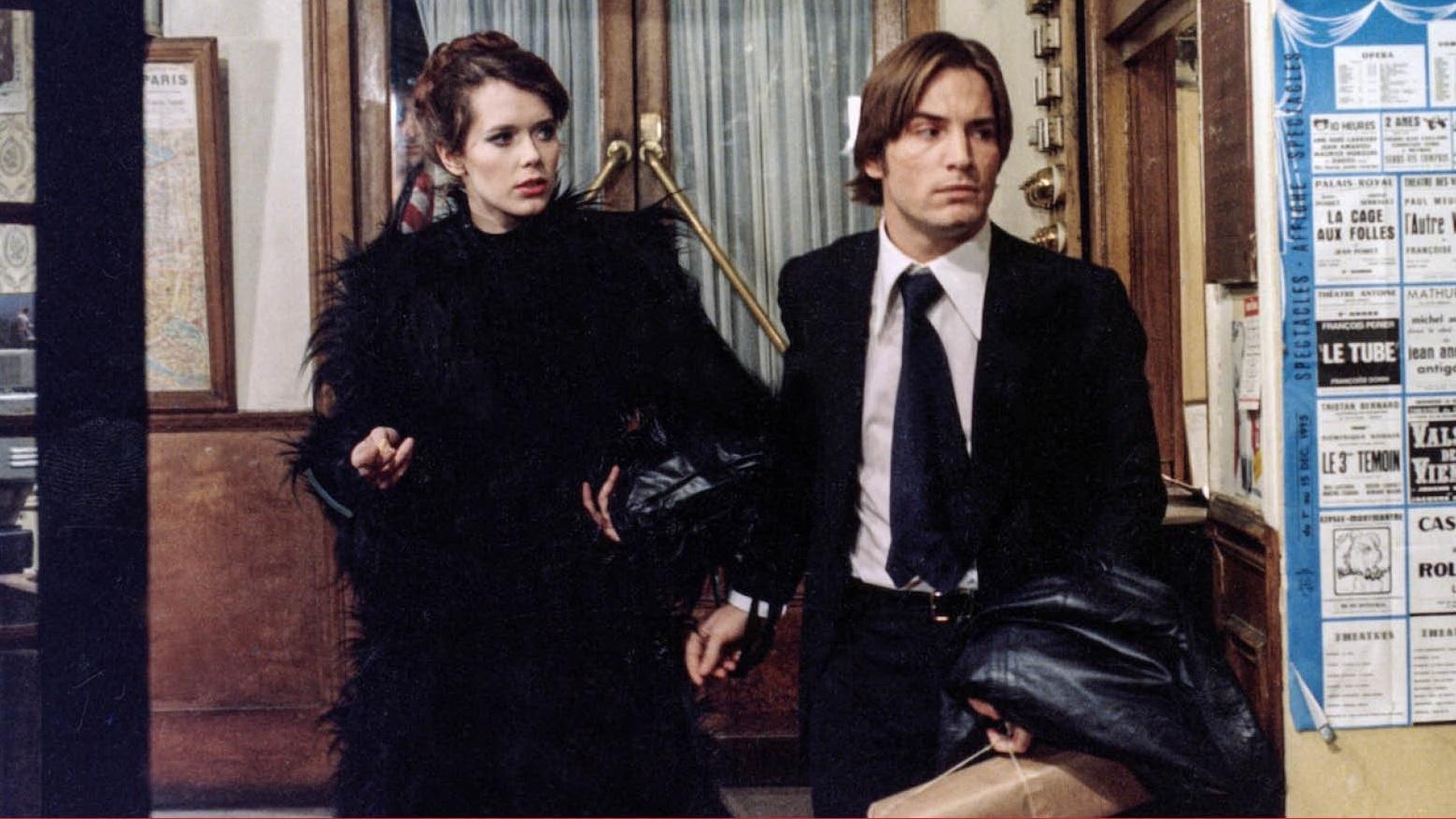
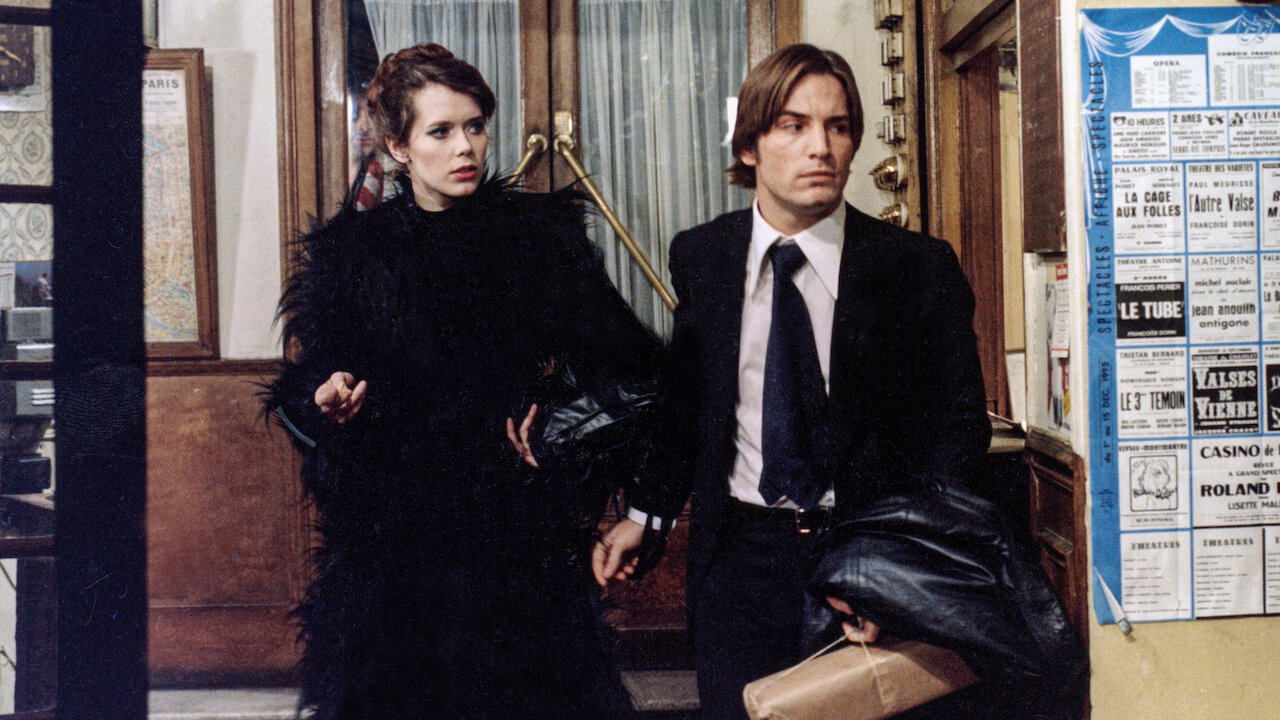
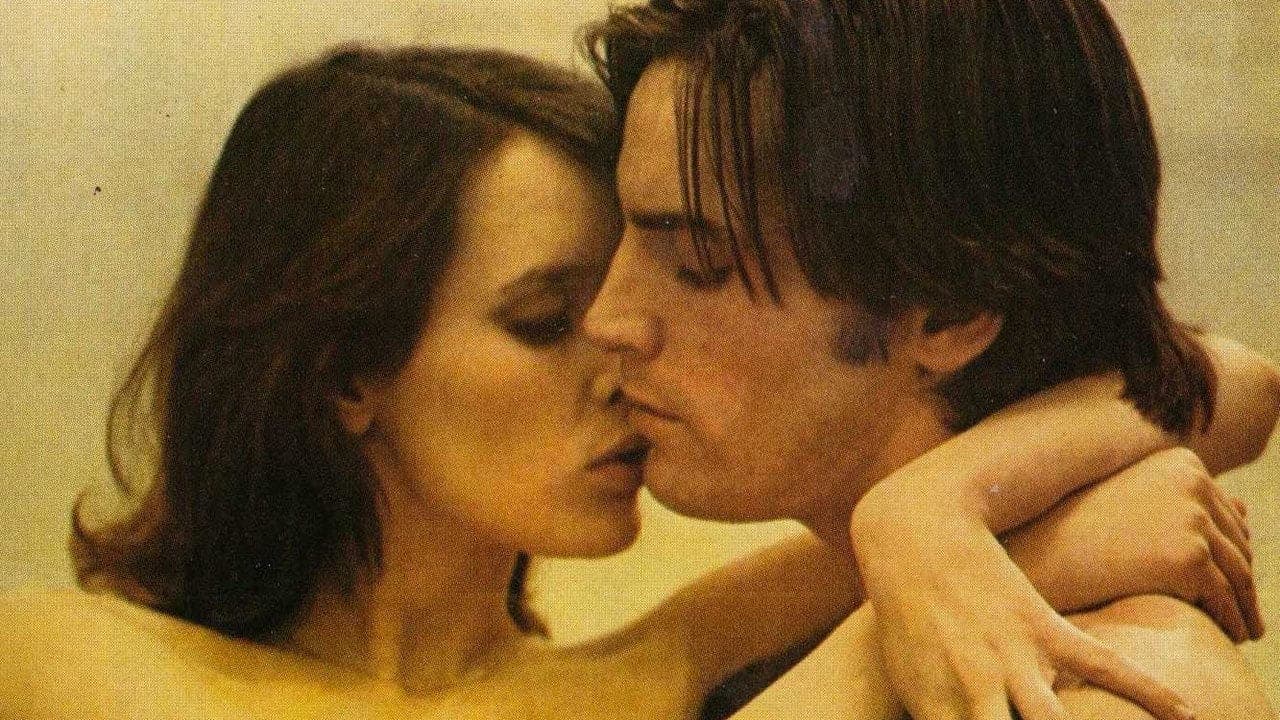
A businessman leaves his country home, and wife and young son for a business trip to Paris. While there he develops a sexual and spiritual bond with a call girl.
Directed by Walerian Borowczyk
prostitute
paris, france
businessman
call girl

IMDB
N/A
Cast
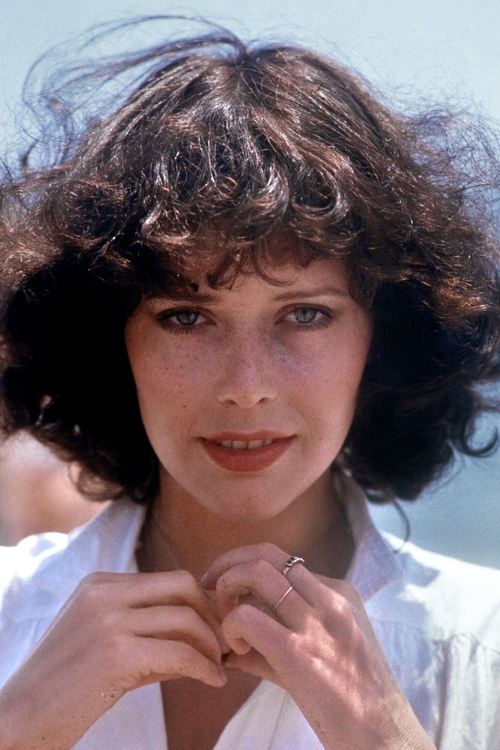
Sylvia Kristel
Diana
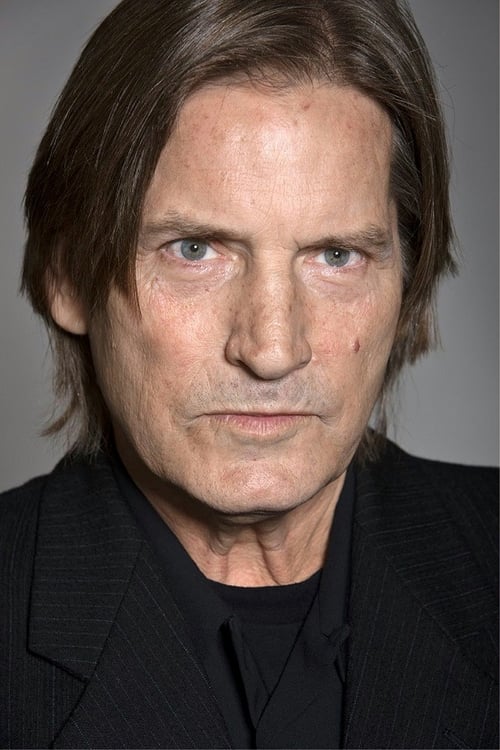
Joe Dallesandro
Sigimond Pons
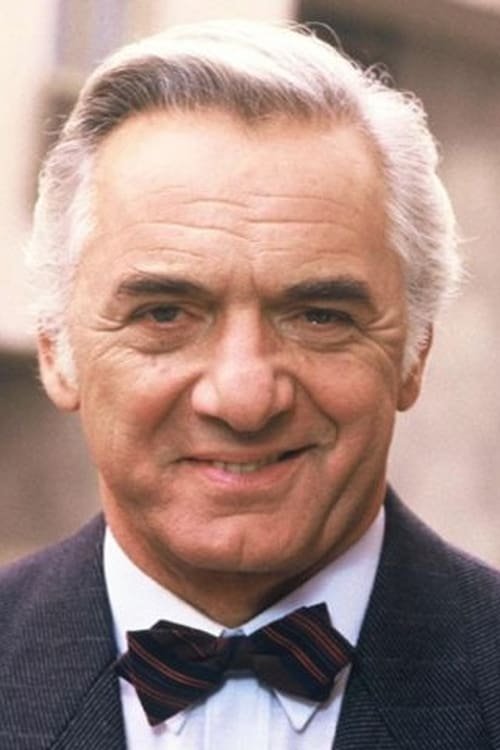
André Falcon
Antonin Pons
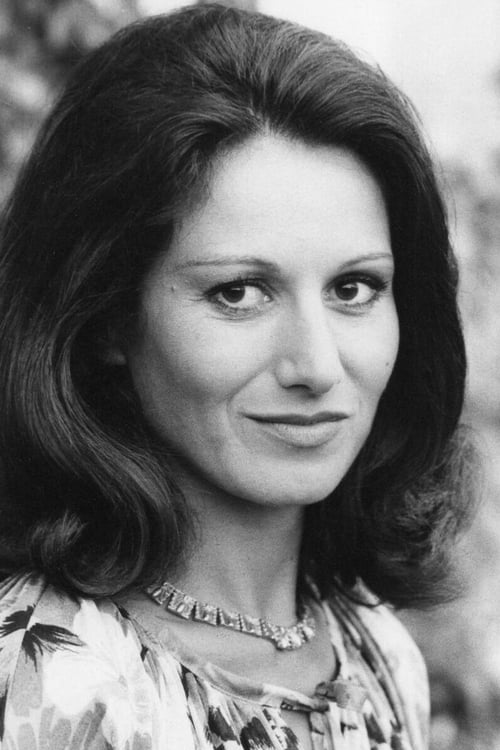
Mireille Audibert
Sergine Pons

Denis Manuel
Le moustachu
Louise Chevalier
Feline
Dominique Marcas
Carlo Nell
Sylvaine Charlet
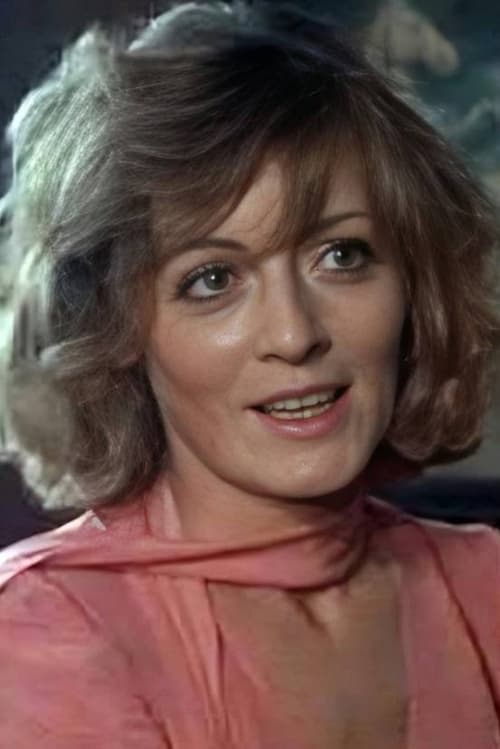
Isabelle Mercanton
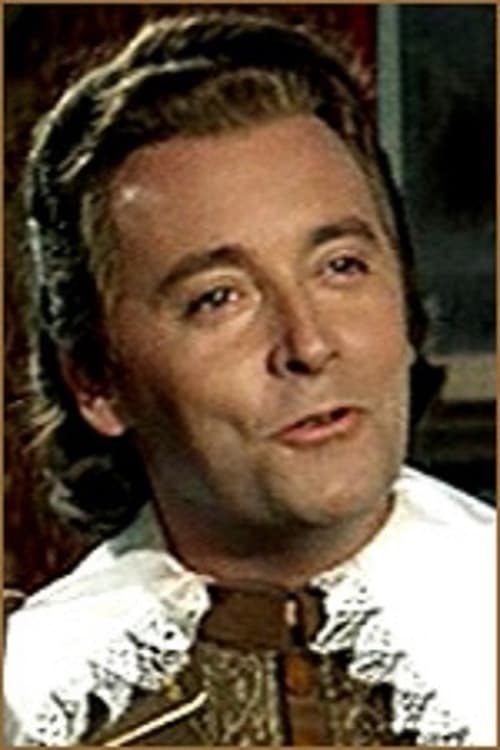
Jean Lara

Rosette
Prostitute (uncredited)
Crew
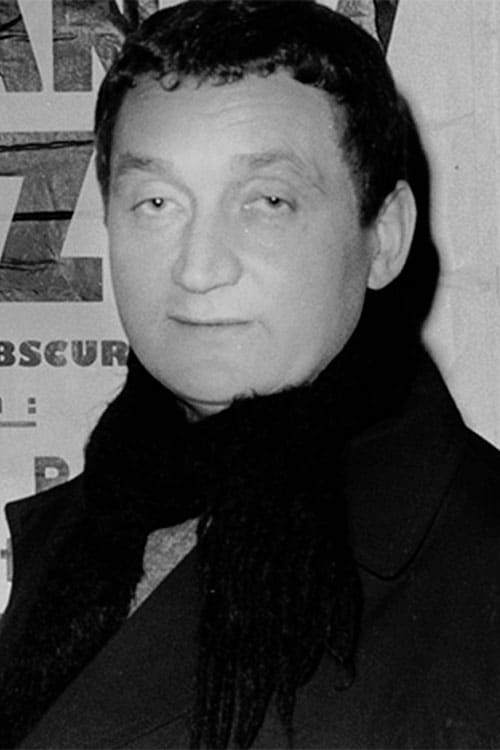
Walerian Borowczyk
Director
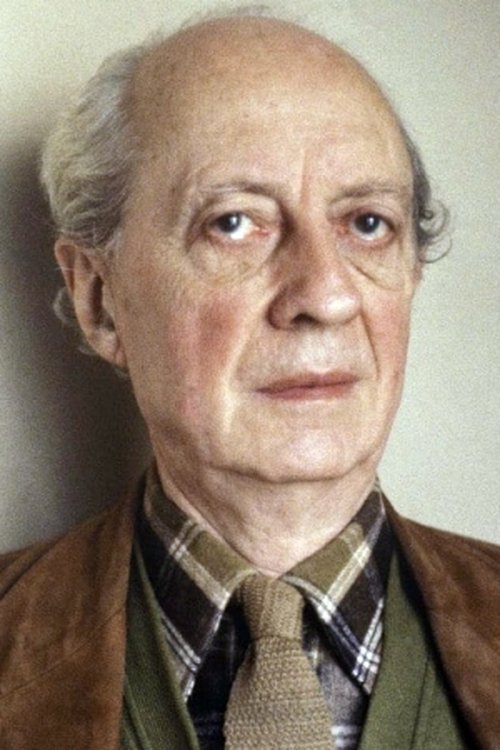
André Pieyre de Mandiargues
Writer
André Heinrich
First Assistant Director
Popular Reviews
19 reviews
Viciouskaa
9.0★ · 06/13/26
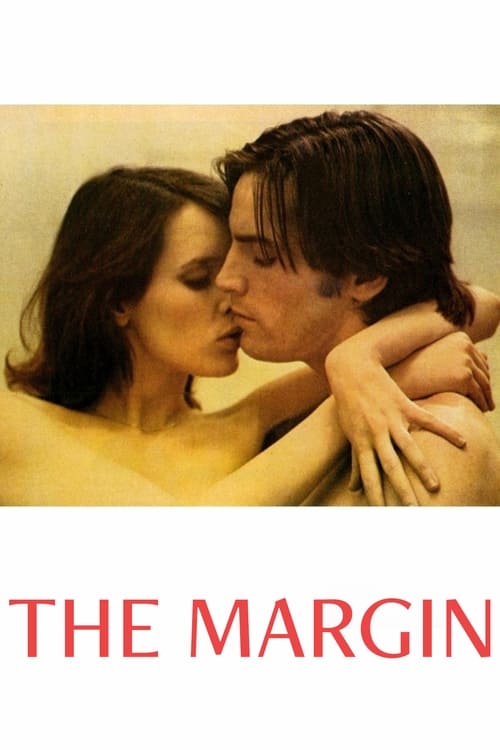
Visualmente es una total belleza. Juega con las sombras, las siluetas y los colores rojos de forma muy equilibrada, creando un contraste precioso que también puede representar la pasión y el vacío que se perciben a lo largo de la película; una soledad que no tarda en hacerse presente.
Al tener constantes y largas escenas sexuales, bien podría verse como una película pornográfica, pero algo en la dirección logra convertir el erotismo en arte.
Si bien hay mucha desnudez, este film consigue que el cuerpo femenino se vea vulnerable y bastante humano, alejándose de toda índole de morbo. Fue lo que más me gustó: que no se buscó mostrarlo desde la perversión ni incluirlo simplemente porque sí, sino como una forma de representar la búsqueda desesperada de alguien a quien se amó tan profundamente que se intenta encontrar su reflejo en las sombras de otra persona.
También resulta muy interesante cómo fragmentos de la carta aparecen en diferentes escenas. En lugar de atormentar al protagonista, parecen convertirse en el precio que debe pagar por su traición. Vemos cómo su mente se rompe por completo ante ese sentimiento de culpa. Aun así, me falta leer el libro para poder hacer una reseña mucho más profunda.
Te amo cine francés
Al tener constantes y largas escenas sexuales, bien podría verse como una película pornográfica, pero algo en la dirección logra convertir el erotismo en arte.
Si bien hay mucha desnudez, este film consigue que el cuerpo femenino se vea vulnerable y bastante humano, alejándose de toda índole de morbo. Fue lo que más me gustó: que no se buscó mostrarlo desde la perversión ni incluirlo simplemente porque sí, sino como una forma de representar la búsqueda desesperada de alguien a quien se amó tan profundamente que se intenta encontrar su reflejo en las sombras de otra persona.
También resulta muy interesante cómo fragmentos de la carta aparecen en diferentes escenas. En lugar de atormentar al protagonista, parecen convertirse en el precio que debe pagar por su traición. Vemos cómo su mente se rompe por completo ante ese sentimiento de culpa. Aun así, me falta leer el libro para poder hacer una reseña mucho más profunda.
Te amo cine francés
Visualmente es una total belleza. Juega con las sombras, las siluetas y los colores rojos de forma muy equilibrada, creando un contraste precioso que también puede representar la pasión y el vacío que se perciben a lo largo de la película; una soledad que no tarda en hacerse presente.
Al tener constantes y largas escenas sexuales, bien podría verse como una película pornográfica, pero algo en la dirección logra convertir el erotismo en arte.
Si bien hay mucha desnudez, este film consigue que el cuerpo femenino se vea vulnerable y bastante humano, alejándose de toda índole de morbo. Fue lo que más me gustó: que no se buscó mostrarlo desde la perversión ni incluirlo simplemente porque sí, sino como una forma de representar la búsqueda desesperada de alguien a quien se amó tan profundamente que se intenta encontrar su reflejo en las sombras de otra persona.
También resulta muy interesante cómo fragmentos de la carta aparecen en diferentes escenas. En lugar de atormentar al protagonista, parecen convertirse en el precio que debe pagar por su traición. Vemos cómo su mente se rompe por completo ante ese sentimiento de culpa. Aun así, me falta leer el libro para poder hacer una reseña mucho más profunda.
Te amo cine francés
Al tener constantes y largas escenas sexuales, bien podría verse como una película pornográfica, pero algo en la dirección logra convertir el erotismo en arte.
Si bien hay mucha desnudez, este film consigue que el cuerpo femenino se vea vulnerable y bastante humano, alejándose de toda índole de morbo. Fue lo que más me gustó: que no se buscó mostrarlo desde la perversión ni incluirlo simplemente porque sí, sino como una forma de representar la búsqueda desesperada de alguien a quien se amó tan profundamente que se intenta encontrar su reflejo en las sombras de otra persona.
También resulta muy interesante cómo fragmentos de la carta aparecen en diferentes escenas. En lugar de atormentar al protagonista, parecen convertirse en el precio que debe pagar por su traición. Vemos cómo su mente se rompe por completo ante ese sentimiento de culpa. Aun así, me falta leer el libro para poder hacer una reseña mucho más profunda.
Te amo cine francés


jamblo
7.0★ · 02/14/26
So I had this notion that maybe I'd watch a couple of films by Tinto Brass. I'd seen 'Salon Kitty' years (maybe decades?) ago and pretty much all I could recall was boobs and Nazis. Oh, and some weird set designs. Anyway, I started watching 'Paprika' and I had to give up -- I found the whole thing terribly, terribly dull. Figuring maybe it wasn't, you know, one of his better films, I tried 'All Ladies Do It' and that was worse. These films (at the least the first half hour/forty-five minutes of them, appear sort of, I dunno, cheerful, I guess, but there's nothing at all going on other than Italian women undressing followed by close-ups of vaginas (and butts, Brass does seem to be into those in a pretty big way). I fast-forwarded through some of the rest of both movies, but I'm not going to log them and I'm almost certainly never going to watch/rewatch them, I just don't think there's anything for me there.
So, switching gears, I've had the special edition of Borowczyk's 'Le Marge' (or 'The Streetwalker,' or 'Emanuela 77,' depending) sitting around for a bit now and decided to watch that instead. I know some of Boro's stuff ('Beast,' 'Immoral Tales,' and 'Jekyll') and those have been interesting (enough so that, over the years, I've assembled a bit of pile of his Arrow & BFI blu rays on the shelf as well as this one), and so here we are with Sylvia Kristal and Joe Dallesandro in Paris and a jukebox packed with French Pop and Anglo/American soft rock.
There's going to be a few spoilers below -- though one is referenced in basically every plot synopsis I've seen -- so be warned, if you want.
The story, adapted from (and, if reporting is to be believed, deviates pretty significantly from) a short novel, follows a happily married guy (Dallesandro) who lives with his wife, kid, and elderly housekeeper in some sort of idyllic rural mansion sort of situation. They laugh, love, and, you know, live with carefree abandon for the first 10 or so minutes of the film until a man who may or may not be the guy's father (or father-in-law) or boss, or both, shows up and sends him off to Paris with a job to sell dessert wine and a wistful description of the Rue Saint-Denis red light district.
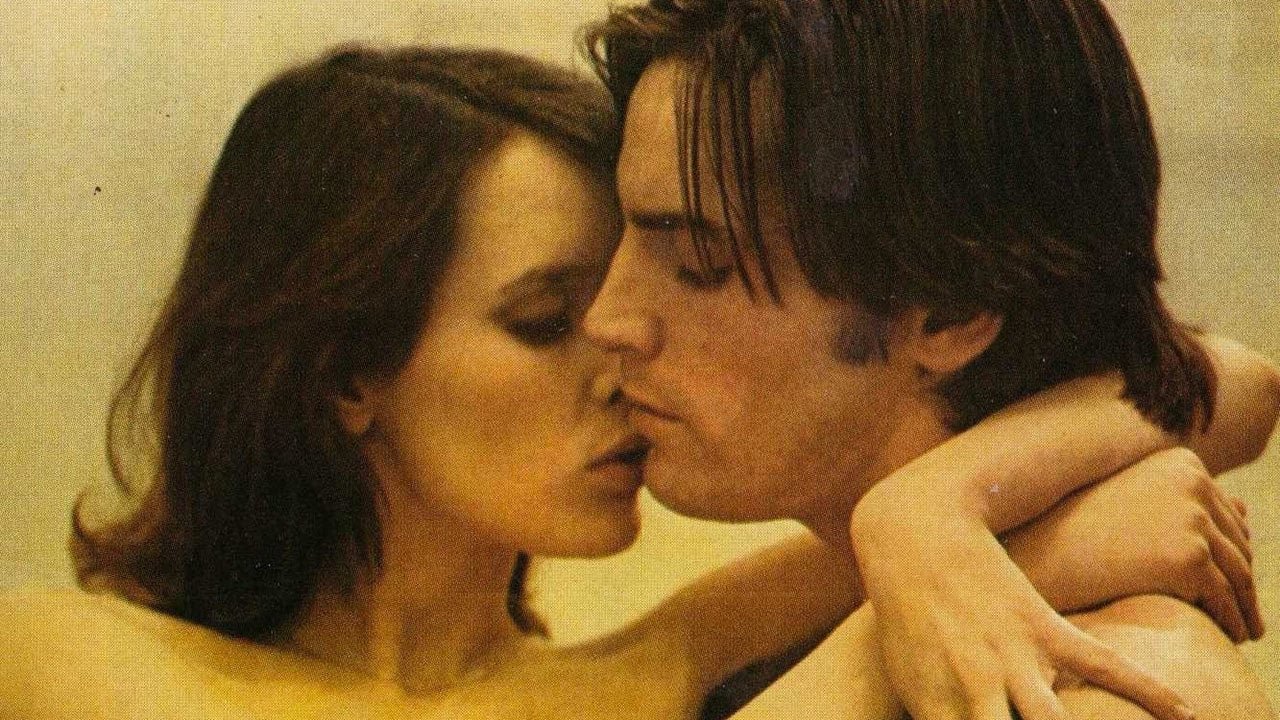
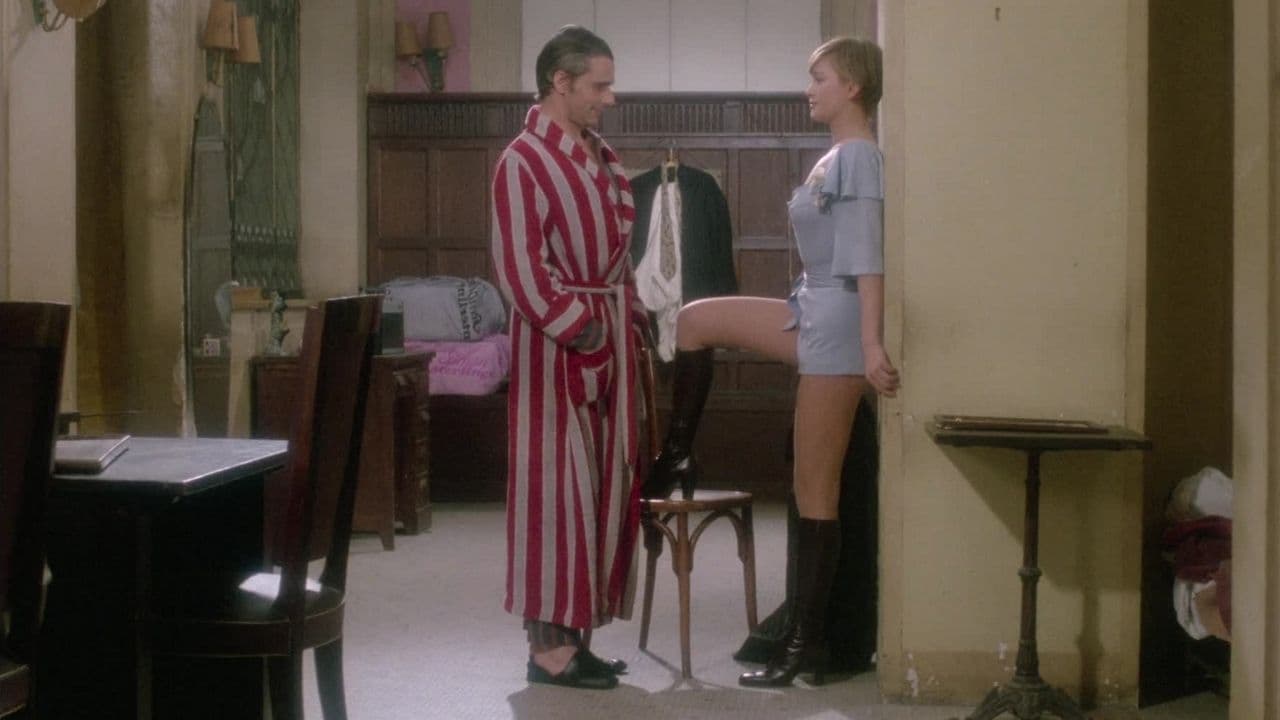
Joe arrives and is immediately set upon by roaming gangs of prostitutes, but is able to resist them all (instead buying a telescope for no apparent reason) until he runs into Diana (Kristal). Now, at this point all the aforementioned plot synopsis claim that she reminds him of his wife and hence the attraction -- maybe I'm blind, but I didn't see this at all (and I only read about the supposed resemblance afterwards). Anyway, they have sex (for the record, none of the sex, even in the director's cut, is hardcore, though there is a lot of full frontal nudity, including from Dallesandro). They do this a fair bit throughout the film, always accompanied by the pop/soft rock soundtrack (10cc, Pink Floyd, Elton John, etc), so rather than me mentioning it chronologically, just assume they get it on every three or four scenes. Meanwhile, in between, we get cross-cut scenes of Joe wandering around Paris while Diana and her fellow prostitutes (and other hangers on) go about their daily lives. Then, at a certain point Joe gets a letter from home with some bad news and, after a tonally odd (and seemingly, I guess, 'troubling') blow job scene, drives off and kills himself, while life for all the prostitutes continues apace.
Ok so far?
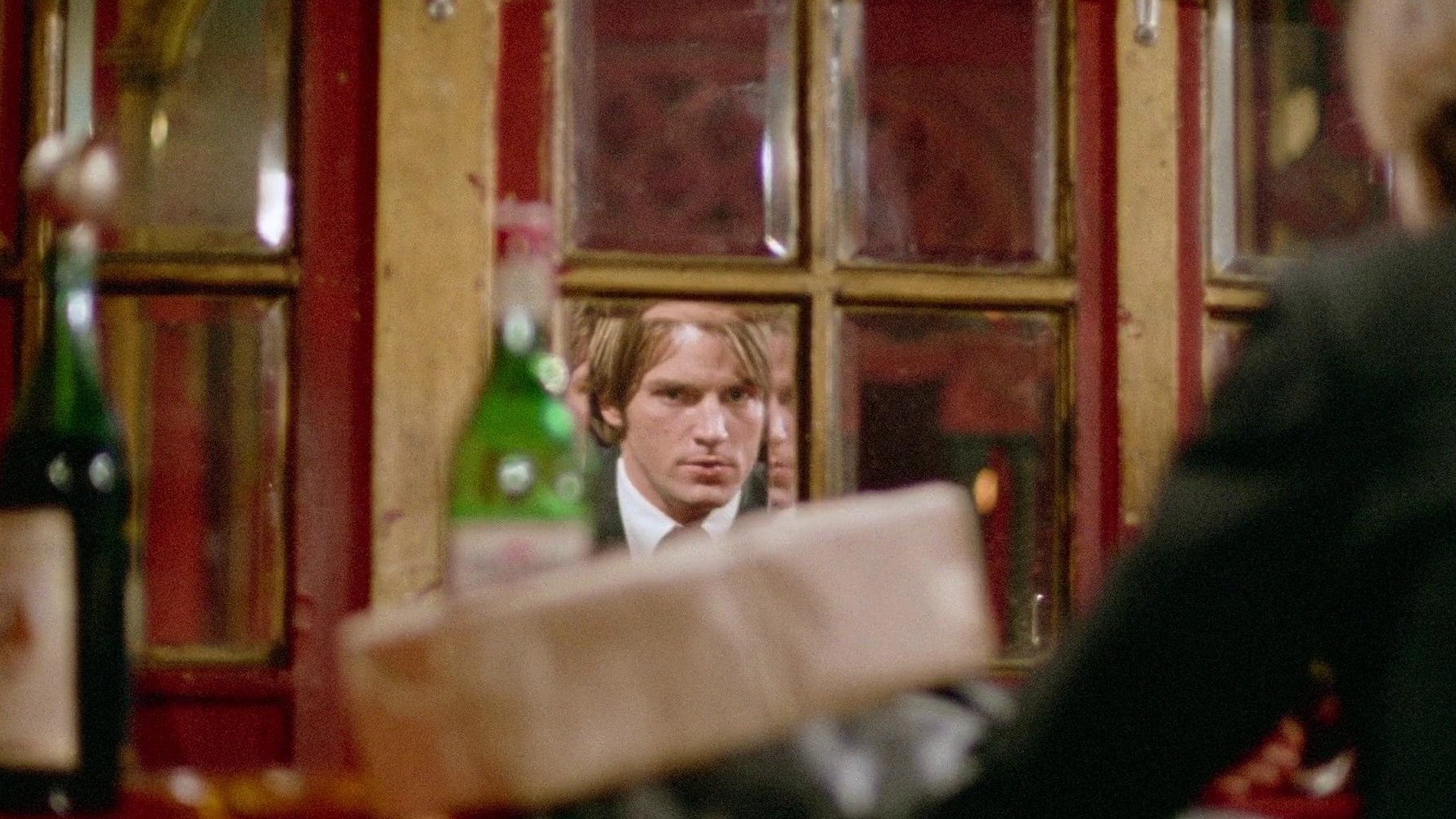
Let's deal with some mechanics before I get to what I want to talk about. Barring the mid to late 70s inexplicable fascination with the gauzy look, the film looks great and there's loads of interesting shots that play with ideas of doubling and reflection (which is also mirrored sometimes with both blocking & framing). Both the leads are actually really good (and, it must be said, really pretty to look at whatever one's preferences in that regard). I watched it with the original French dialogue track, and I'm not sure if Dallesandro actually spoke French, but he and Kristal seemed to have the kind of chemistry that I'd imagine a transactional relationship of the kind depicted would have and it all appeared quite natural. The music score is a bit weird and intrusive, though many of the songs do seem to have been selected somewhat deliberately to, again, mirror what is happening onscreen.
Visually, the film is pretty much in Boro's wheelhouse, he's guy who could probably be accurately accused of objectification, particularly of women, but I genuinely think there's something else going on as well (if not instead of): it seems to me (based, mind you, on what I've seen) that he's someone who is more interested in shapes (it is absolutely no accident, for example, that the profile view of Kristal's breasts is echoed by shots of the dome of the Bourse de commerce) and angles (flexing feet, sunlight between legs, clenched hands) and, where he finds things he likes the look of, he'll just linger on them for extended periods. Obviously, the market for images of naked woman is going to benefit & exploit this, and I'm not calling him a misunderstood saint -- he knew what he was doing -- but I feel it was, for him, kind of a happy accident that he could get paid to film extremely closeup of geometric shapes even when they are echoed on the human form.
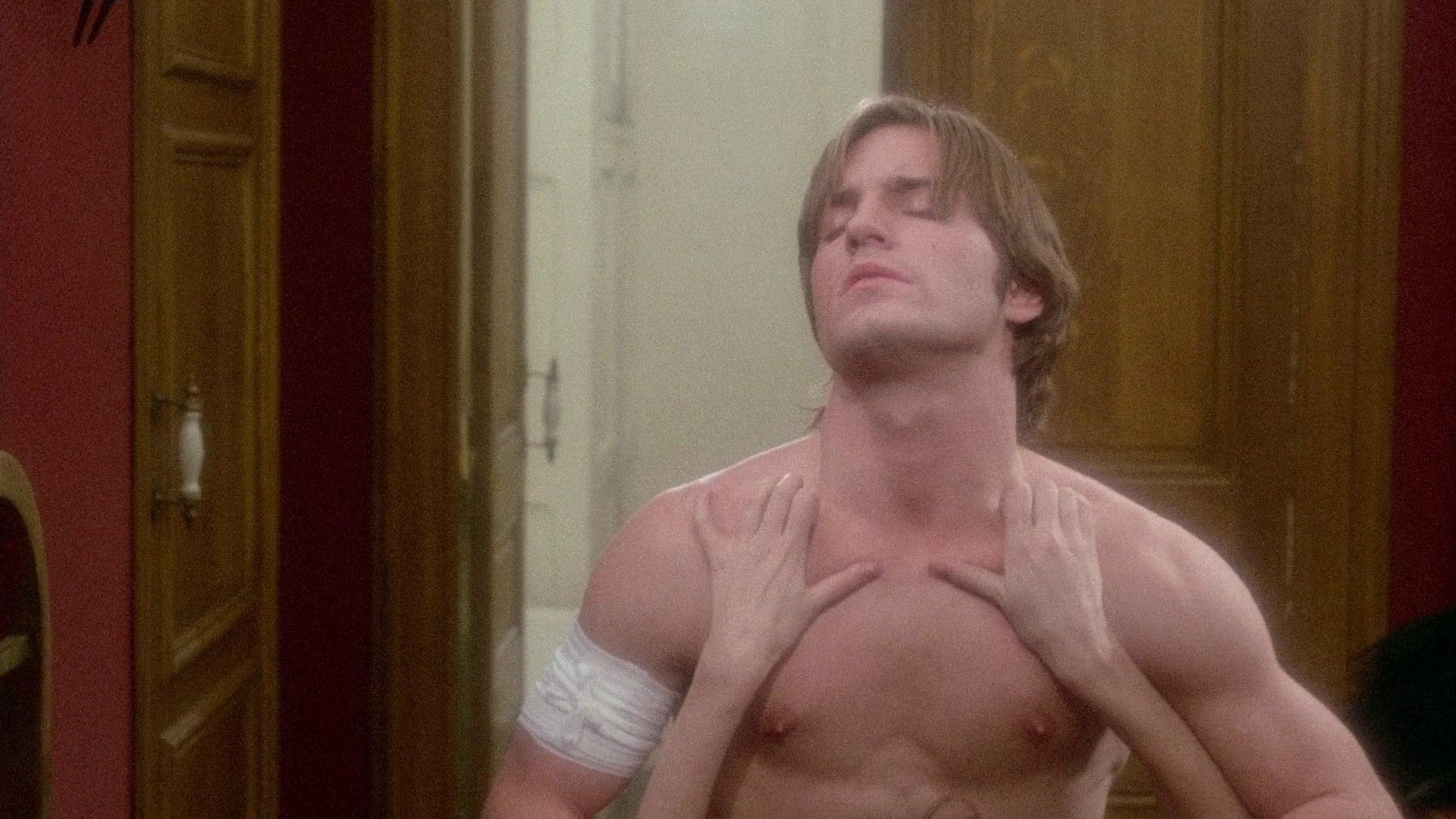
And finally, I want to mention something else: I've been deliberately avoiding Dallesandro's character's name up until now. It's Sigismond, a name that's similarity (they are variants of the same Germanic root) to the father of psychoanalysis (however much stock you put in his theories) cannot be overlooked within the film. A large yellow ball (which Freud posited was related to castration anxiety, either literal or, as here, figuratively) plays a significant roll in the character's development; early on, he gets a rather large cut on his arm which is quite vaginal-looking, in retrospect; he buys a telescope which the shopkeeper eagerly demonstrates, extending its length substantially; hell, there are elevators constantly going up and down in their, um, shafts.
It is the effectiveness of the above that forms the bulk of what I liked about the film.
What I didn't like is that, to me, it just does not make sense, and while perhaps is doesn't need to, I have a hard time accepting that Sigismond is so, I dunno, lonely? horny? so soon after arriving on the big city that he seemingly immediately hooks up with Diana, especially if she reminded him of his wife, who it has been established he loves. Similarly, he receives the bad news letter around the midpoint of the film and he either doesn't read it all (only a single line is heard in voice-over) or does, but either way, it doesn't seem to affect any kind of change in his demeanor until he seemingly decides to kill himself (mid-bj, I guess?). I am aware grief takes all kinds of forms, but this presentation seems implausible to me. Apparently, in the novel (and I'm just going by reviews here, so maybe this is wrong) the letter is received at the outset and the seeking of someone similar to his wife is presented more as a coping mechanism; in the film, it seems just a hamfisted way to say love dies, but sex continues? Or something?
Anyway, I liked most of the film, and I sincerely doubt, that Tinto Brass has anything approaching this in his filmography. But maybe it's just a matter of personal taste.
[edit: holy crap, I forgot to mention the funniest scene -- the elongated sequence of Kristal using her body like a Labyrinth game to move a hard boiled egg up and down her torso. She seemed to be having a great time and I thought it was hilarious; it was actually kind of a shame when it ended]
So, switching gears, I've had the special edition of Borowczyk's 'Le Marge' (or 'The Streetwalker,' or 'Emanuela 77,' depending) sitting around for a bit now and decided to watch that instead. I know some of Boro's stuff ('Beast,' 'Immoral Tales,' and 'Jekyll') and those have been interesting (enough so that, over the years, I've assembled a bit of pile of his Arrow & BFI blu rays on the shelf as well as this one), and so here we are with Sylvia Kristal and Joe Dallesandro in Paris and a jukebox packed with French Pop and Anglo/American soft rock.
There's going to be a few spoilers below -- though one is referenced in basically every plot synopsis I've seen -- so be warned, if you want.
The story, adapted from (and, if reporting is to be believed, deviates pretty significantly from) a short novel, follows a happily married guy (Dallesandro) who lives with his wife, kid, and elderly housekeeper in some sort of idyllic rural mansion sort of situation. They laugh, love, and, you know, live with carefree abandon for the first 10 or so minutes of the film until a man who may or may not be the guy's father (or father-in-law) or boss, or both, shows up and sends him off to Paris with a job to sell dessert wine and a wistful description of the Rue Saint-Denis red light district.
Joe arrives and is immediately set upon by roaming gangs of prostitutes, but is able to resist them all (instead buying a telescope for no apparent reason) until he runs into Diana (Kristal). Now, at this point all the aforementioned plot synopsis claim that she reminds him of his wife and hence the attraction -- maybe I'm blind, but I didn't see this at all (and I only read about the supposed resemblance afterwards). Anyway, they have sex (for the record, none of the sex, even in the director's cut, is hardcore, though there is a lot of full frontal nudity, including from Dallesandro). They do this a fair bit throughout the film, always accompanied by the pop/soft rock soundtrack (10cc, Pink Floyd, Elton John, etc), so rather than me mentioning it chronologically, just assume they get it on every three or four scenes. Meanwhile, in between, we get cross-cut scenes of Joe wandering around Paris while Diana and her fellow prostitutes (and other hangers on) go about their daily lives. Then, at a certain point Joe gets a letter from home with some bad news and, after a tonally odd (and seemingly, I guess, 'troubling') blow job scene, drives off and kills himself, while life for all the prostitutes continues apace.
Ok so far?
Let's deal with some mechanics before I get to what I want to talk about. Barring the mid to late 70s inexplicable fascination with the gauzy look, the film looks great and there's loads of interesting shots that play with ideas of doubling and reflection (which is also mirrored sometimes with both blocking & framing). Both the leads are actually really good (and, it must be said, really pretty to look at whatever one's preferences in that regard). I watched it with the original French dialogue track, and I'm not sure if Dallesandro actually spoke French, but he and Kristal seemed to have the kind of chemistry that I'd imagine a transactional relationship of the kind depicted would have and it all appeared quite natural. The music score is a bit weird and intrusive, though many of the songs do seem to have been selected somewhat deliberately to, again, mirror what is happening onscreen.
Visually, the film is pretty much in Boro's wheelhouse, he's guy who could probably be accurately accused of objectification, particularly of women, but I genuinely think there's something else going on as well (if not instead of): it seems to me (based, mind you, on what I've seen) that he's someone who is more interested in shapes (it is absolutely no accident, for example, that the profile view of Kristal's breasts is echoed by shots of the dome of the Bourse de commerce) and angles (flexing feet, sunlight between legs, clenched hands) and, where he finds things he likes the look of, he'll just linger on them for extended periods. Obviously, the market for images of naked woman is going to benefit & exploit this, and I'm not calling him a misunderstood saint -- he knew what he was doing -- but I feel it was, for him, kind of a happy accident that he could get paid to film extremely closeup of geometric shapes even when they are echoed on the human form.
And finally, I want to mention something else: I've been deliberately avoiding Dallesandro's character's name up until now. It's Sigismond, a name that's similarity (they are variants of the same Germanic root) to the father of psychoanalysis (however much stock you put in his theories) cannot be overlooked within the film. A large yellow ball (which Freud posited was related to castration anxiety, either literal or, as here, figuratively) plays a significant roll in the character's development; early on, he gets a rather large cut on his arm which is quite vaginal-looking, in retrospect; he buys a telescope which the shopkeeper eagerly demonstrates, extending its length substantially; hell, there are elevators constantly going up and down in their, um, shafts.
It is the effectiveness of the above that forms the bulk of what I liked about the film.
What I didn't like is that, to me, it just does not make sense, and while perhaps is doesn't need to, I have a hard time accepting that Sigismond is so, I dunno, lonely? horny? so soon after arriving on the big city that he seemingly immediately hooks up with Diana, especially if she reminded him of his wife, who it has been established he loves. Similarly, he receives the bad news letter around the midpoint of the film and he either doesn't read it all (only a single line is heard in voice-over) or does, but either way, it doesn't seem to affect any kind of change in his demeanor until he seemingly decides to kill himself (mid-bj, I guess?). I am aware grief takes all kinds of forms, but this presentation seems implausible to me. Apparently, in the novel (and I'm just going by reviews here, so maybe this is wrong) the letter is received at the outset and the seeking of someone similar to his wife is presented more as a coping mechanism; in the film, it seems just a hamfisted way to say love dies, but sex continues? Or something?
Anyway, I liked most of the film, and I sincerely doubt, that Tinto Brass has anything approaching this in his filmography. But maybe it's just a matter of personal taste.
[edit: holy crap, I forgot to mention the funniest scene -- the elongated sequence of Kristal using her body like a Labyrinth game to move a hard boiled egg up and down her torso. She seemed to be having a great time and I thought it was hilarious; it was actually kind of a shame when it ended]
So I had this notion that maybe I'd watch a couple of films by Tinto Brass. I'd seen 'Salon Kitty' years (maybe decades?) ago and pretty much all I could recall was boobs and Nazis. Oh, and some weird set designs. Anyway, I started watching 'Paprika' and I had to give up -- I found the whole thing terribly, terribly dull. Figuring maybe it wasn't, you know, one of his better films, I tried 'All Ladies Do It' and that was worse. These films (at the least the first half hour/forty-five minutes of them, appear sort of, I dunno, cheerful, I guess, but there's nothing at all going on other than Italian women undressing followed by close-ups of vaginas (and butts, Brass does seem to be into those in a pretty big way). I fast-forwarded through some of the rest of both movies, but I'm not going to log them and I'm almost certainly never going to watch/rewatch them, I just don't think there's anything for me there.
So, switching gears, I've had the special edition of Borowczyk's 'Le Marge' (or 'The Streetwalker,' or 'Emanuela 77,' depending) sitting around for a bit now and decided to watch that instead. I know some of Boro's stuff ('Beast,' 'Immoral Tales,' and 'Jekyll') and those have been interesting (enough so that, over the years, I've assembled a bit of pile of his Arrow & BFI blu rays on the shelf as well as this one), and so here we are with Sylvia Kristal and Joe Dallesandro in Paris and a jukebox packed with French Pop and Anglo/American soft rock.
There's going to be a few spoilers below -- though one is referenced in basically every plot synopsis I've seen -- so be warned, if you want.
The story, adapted from (and, if reporting is to be believed, deviates pretty significantly from) a short novel, follows a happily married guy (Dallesandro) who lives with his wife, kid, and elderly housekeeper in some sort of idyllic rural mansion sort of situation. They laugh, love, and, you know, live with carefree abandon for the first 10 or so minutes of the film until a man who may or may not be the guy's father (or father-in-law) or boss, or both, shows up and sends him off to Paris with a job to sell dessert wine and a wistful description of the Rue Saint-Denis red light district.
Joe arrives and is immediately set upon by roaming gangs of prostitutes, but is able to resist them all (instead buying a telescope for no apparent reason) until he runs into Diana (Kristal). Now, at this point all the aforementioned plot synopsis claim that she reminds him of his wife and hence the attraction -- maybe I'm blind, but I didn't see this at all (and I only read about the supposed resemblance afterwards). Anyway, they have sex (for the record, none of the sex, even in the director's cut, is hardcore, though there is a lot of full frontal nudity, including from Dallesandro). They do this a fair bit throughout the film, always accompanied by the pop/soft rock soundtrack (10cc, Pink Floyd, Elton John, etc), so rather than me mentioning it chronologically, just assume they get it on every three or four scenes. Meanwhile, in between, we get cross-cut scenes of Joe wandering around Paris while Diana and her fellow prostitutes (and other hangers on) go about their daily lives. Then, at a certain point Joe gets a letter from home with some bad news and, after a tonally odd (and seemingly, I guess, 'troubling') blow job scene, drives off and kills himself, while life for all the prostitutes continues apace.
Ok so far?
Let's deal with some mechanics before I get to what I want to talk about. Barring the mid to late 70s inexplicable fascination with the gauzy look, the film looks great and there's loads of interesting shots that play with ideas of doubling and reflection (which is also mirrored sometimes with both blocking & framing). Both the leads are actually really good (and, it must be said, really pretty to look at whatever one's preferences in that regard). I watched it with the original French dialogue track, and I'm not sure if Dallesandro actually spoke French, but he and Kristal seemed to have the kind of chemistry that I'd imagine a transactional relationship of the kind depicted would have and it all appeared quite natural. The music score is a bit weird and intrusive, though many of the songs do seem to have been selected somewhat deliberately to, again, mirror what is happening onscreen.
Visually, the film is pretty much in Boro's wheelhouse, he's guy who could probably be accurately accused of objectification, particularly of women, but I genuinely think there's something else going on as well (if not instead of): it seems to me (based, mind you, on what I've seen) that he's someone who is more interested in shapes (it is absolutely no accident, for example, that the profile view of Kristal's breasts is echoed by shots of the dome of the Bourse de commerce) and angles (flexing feet, sunlight between legs, clenched hands) and, where he finds things he likes the look of, he'll just linger on them for extended periods. Obviously, the market for images of naked woman is going to benefit & exploit this, and I'm not calling him a misunderstood saint -- he knew what he was doing -- but I feel it was, for him, kind of a happy accident that he could get paid to film extremely closeup of geometric shapes even when they are echoed on the human form.
And finally, I want to mention something else: I've been deliberately avoiding Dallesandro's character's name up until now. It's Sigismond, a name that's similarity (they are variants of the same Germanic root) to the father of psychoanalysis (however much stock you put in his theories) cannot be overlooked within the film. A large yellow ball (which Freud posited was related to castration anxiety, either literal or, as here, figuratively) plays a significant roll in the character's development; early on, he gets a rather large cut on his arm which is quite vaginal-looking, in retrospect; he buys a telescope which the shopkeeper eagerly demonstrates, extending its length substantially; hell, there are elevators constantly going up and down in their, um, shafts.
It is the effectiveness of the above that forms the bulk of what I liked about the film.
What I didn't like is that, to me, it just does not make sense, and while perhaps is doesn't need to, I have a hard time accepting that Sigismond is so, I dunno, lonely? horny? so soon after arriving on the big city that he seemingly immediately hooks up with Diana, especially if she reminded him of his wife, who it has been established he loves. Similarly, he receives the bad news letter around the midpoint of the film and he either doesn't read it all (only a single line is heard in voice-over) or does, but either way, it doesn't seem to affect any kind of change in his demeanor until he seemingly decides to kill himself (mid-bj, I guess?). I am aware grief takes all kinds of forms, but this presentation seems implausible to me. Apparently, in the novel (and I'm just going by reviews here, so maybe this is wrong) the letter is received at the outset and the seeking of someone similar to his wife is presented more as a coping mechanism; in the film, it seems just a hamfisted way to say love dies, but sex continues? Or something?
Anyway, I liked most of the film, and I sincerely doubt, that Tinto Brass has anything approaching this in his filmography. But maybe it's just a matter of personal taste.
[edit: holy crap, I forgot to mention the funniest scene -- the elongated sequence of Kristal using her body like a Labyrinth game to move a hard boiled egg up and down her torso. She seemed to be having a great time and I thought it was hilarious; it was actually kind of a shame when it ended]
So, switching gears, I've had the special edition of Borowczyk's 'Le Marge' (or 'The Streetwalker,' or 'Emanuela 77,' depending) sitting around for a bit now and decided to watch that instead. I know some of Boro's stuff ('Beast,' 'Immoral Tales,' and 'Jekyll') and those have been interesting (enough so that, over the years, I've assembled a bit of pile of his Arrow & BFI blu rays on the shelf as well as this one), and so here we are with Sylvia Kristal and Joe Dallesandro in Paris and a jukebox packed with French Pop and Anglo/American soft rock.
There's going to be a few spoilers below -- though one is referenced in basically every plot synopsis I've seen -- so be warned, if you want.
The story, adapted from (and, if reporting is to be believed, deviates pretty significantly from) a short novel, follows a happily married guy (Dallesandro) who lives with his wife, kid, and elderly housekeeper in some sort of idyllic rural mansion sort of situation. They laugh, love, and, you know, live with carefree abandon for the first 10 or so minutes of the film until a man who may or may not be the guy's father (or father-in-law) or boss, or both, shows up and sends him off to Paris with a job to sell dessert wine and a wistful description of the Rue Saint-Denis red light district.
Joe arrives and is immediately set upon by roaming gangs of prostitutes, but is able to resist them all (instead buying a telescope for no apparent reason) until he runs into Diana (Kristal). Now, at this point all the aforementioned plot synopsis claim that she reminds him of his wife and hence the attraction -- maybe I'm blind, but I didn't see this at all (and I only read about the supposed resemblance afterwards). Anyway, they have sex (for the record, none of the sex, even in the director's cut, is hardcore, though there is a lot of full frontal nudity, including from Dallesandro). They do this a fair bit throughout the film, always accompanied by the pop/soft rock soundtrack (10cc, Pink Floyd, Elton John, etc), so rather than me mentioning it chronologically, just assume they get it on every three or four scenes. Meanwhile, in between, we get cross-cut scenes of Joe wandering around Paris while Diana and her fellow prostitutes (and other hangers on) go about their daily lives. Then, at a certain point Joe gets a letter from home with some bad news and, after a tonally odd (and seemingly, I guess, 'troubling') blow job scene, drives off and kills himself, while life for all the prostitutes continues apace.
Ok so far?
Let's deal with some mechanics before I get to what I want to talk about. Barring the mid to late 70s inexplicable fascination with the gauzy look, the film looks great and there's loads of interesting shots that play with ideas of doubling and reflection (which is also mirrored sometimes with both blocking & framing). Both the leads are actually really good (and, it must be said, really pretty to look at whatever one's preferences in that regard). I watched it with the original French dialogue track, and I'm not sure if Dallesandro actually spoke French, but he and Kristal seemed to have the kind of chemistry that I'd imagine a transactional relationship of the kind depicted would have and it all appeared quite natural. The music score is a bit weird and intrusive, though many of the songs do seem to have been selected somewhat deliberately to, again, mirror what is happening onscreen.
Visually, the film is pretty much in Boro's wheelhouse, he's guy who could probably be accurately accused of objectification, particularly of women, but I genuinely think there's something else going on as well (if not instead of): it seems to me (based, mind you, on what I've seen) that he's someone who is more interested in shapes (it is absolutely no accident, for example, that the profile view of Kristal's breasts is echoed by shots of the dome of the Bourse de commerce) and angles (flexing feet, sunlight between legs, clenched hands) and, where he finds things he likes the look of, he'll just linger on them for extended periods. Obviously, the market for images of naked woman is going to benefit & exploit this, and I'm not calling him a misunderstood saint -- he knew what he was doing -- but I feel it was, for him, kind of a happy accident that he could get paid to film extremely closeup of geometric shapes even when they are echoed on the human form.
And finally, I want to mention something else: I've been deliberately avoiding Dallesandro's character's name up until now. It's Sigismond, a name that's similarity (they are variants of the same Germanic root) to the father of psychoanalysis (however much stock you put in his theories) cannot be overlooked within the film. A large yellow ball (which Freud posited was related to castration anxiety, either literal or, as here, figuratively) plays a significant roll in the character's development; early on, he gets a rather large cut on his arm which is quite vaginal-looking, in retrospect; he buys a telescope which the shopkeeper eagerly demonstrates, extending its length substantially; hell, there are elevators constantly going up and down in their, um, shafts.
It is the effectiveness of the above that forms the bulk of what I liked about the film.
What I didn't like is that, to me, it just does not make sense, and while perhaps is doesn't need to, I have a hard time accepting that Sigismond is so, I dunno, lonely? horny? so soon after arriving on the big city that he seemingly immediately hooks up with Diana, especially if she reminded him of his wife, who it has been established he loves. Similarly, he receives the bad news letter around the midpoint of the film and he either doesn't read it all (only a single line is heard in voice-over) or does, but either way, it doesn't seem to affect any kind of change in his demeanor until he seemingly decides to kill himself (mid-bj, I guess?). I am aware grief takes all kinds of forms, but this presentation seems implausible to me. Apparently, in the novel (and I'm just going by reviews here, so maybe this is wrong) the letter is received at the outset and the seeking of someone similar to his wife is presented more as a coping mechanism; in the film, it seems just a hamfisted way to say love dies, but sex continues? Or something?
Anyway, I liked most of the film, and I sincerely doubt, that Tinto Brass has anything approaching this in his filmography. But maybe it's just a matter of personal taste.
[edit: holy crap, I forgot to mention the funniest scene -- the elongated sequence of Kristal using her body like a Labyrinth game to move a hard boiled egg up and down her torso. She seemed to be having a great time and I thought it was hilarious; it was actually kind of a shame when it ended]
jason
8.0★ · 01/05/26
Now I need a cigarette 🚬
Now I need a cigarette 🚬
Dani
8.0★ · 12/26/25
Necesito secuelas de todos los personajes… que preciosidad y el paquete de joe dallesandro es patrimonio mundial
Necesito secuelas de todos los personajes… que preciosidad y el paquete de joe dallesandro es patrimonio mundial
thomo
9.0★ · 09/23/25
Soundtrack on this is CRAZZZY!! unironic 10cc I'm Not in Love needledrop? Shine on You Crazy Diamond blowjob scene??
fuckin brilliant, man
fuckin brilliant, man
Soundtrack on this is CRAZZZY!! unironic 10cc I'm Not in Love needledrop? Shine on You Crazy Diamond blowjob scene??
fuckin brilliant, man
fuckin brilliant, man