
I Never Promised You a Rose Garden
1977·Drama·1h 36m
7.1
★
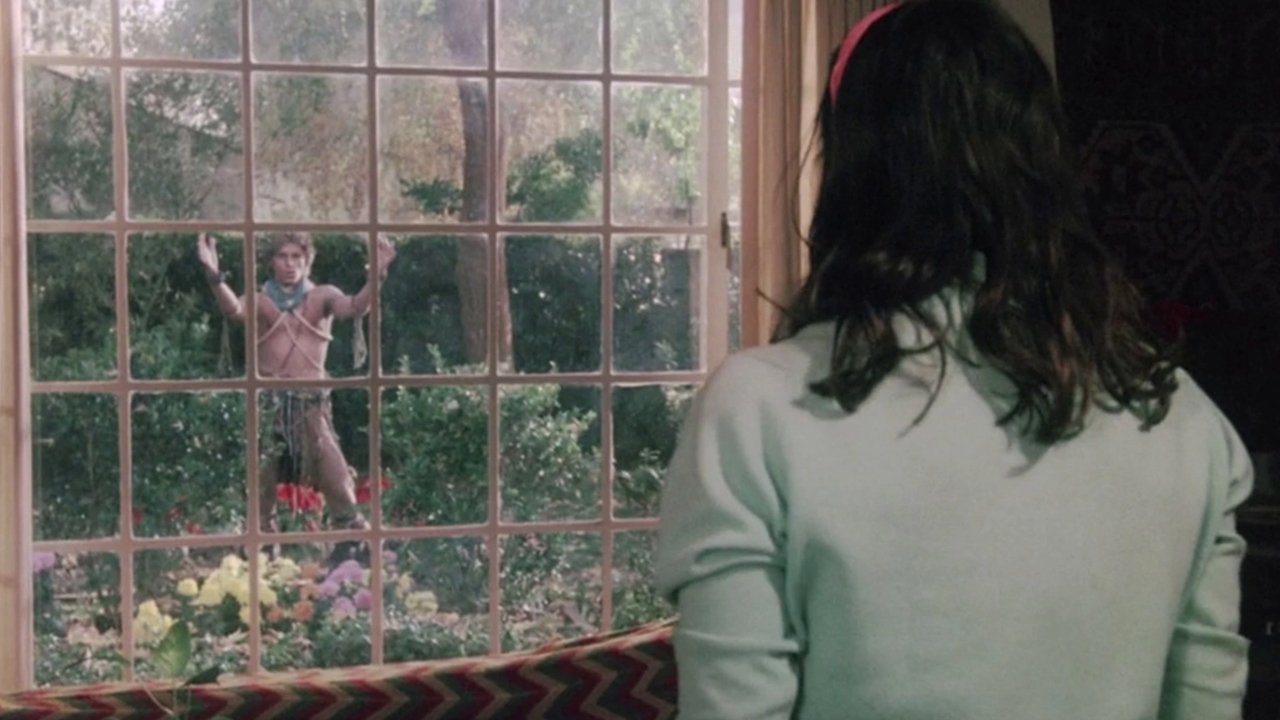

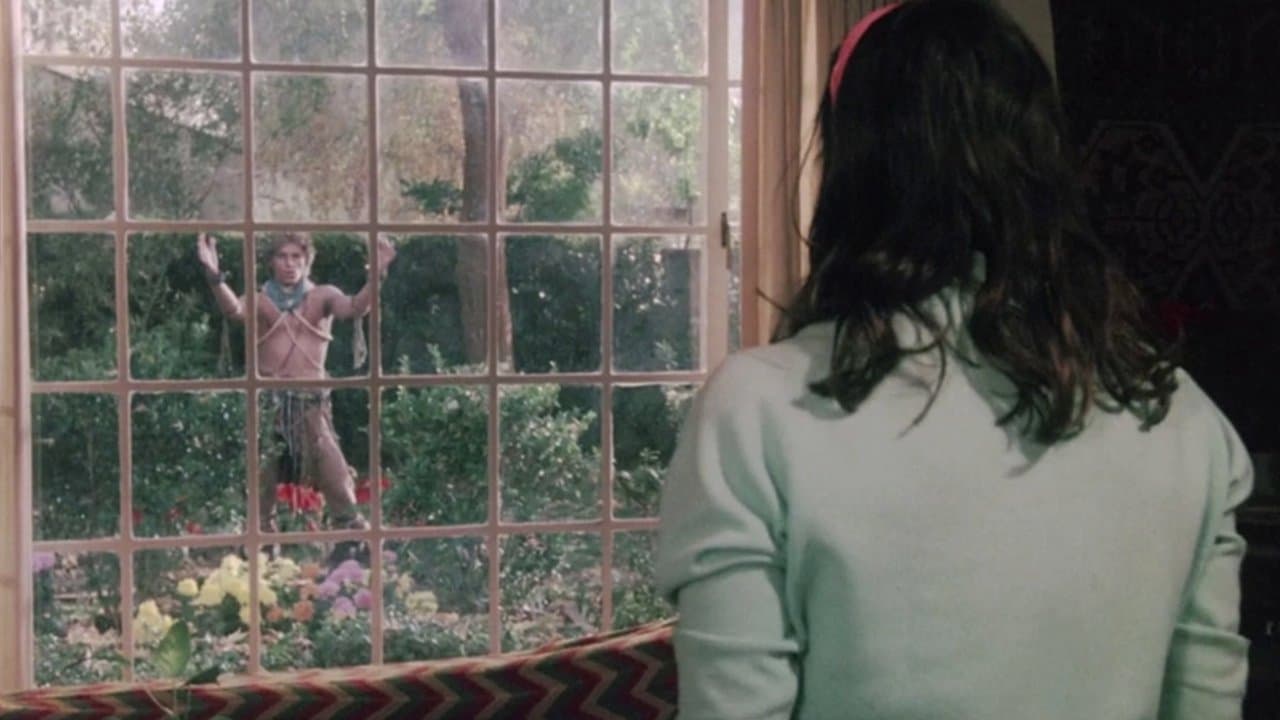
A disturbed and institutionalized 16-year-old girl struggles between fantasy and reality.
Directed by Anthony Page
disturbed teenager

Trailer

IMDB
N/A
Where to Watch



Cast
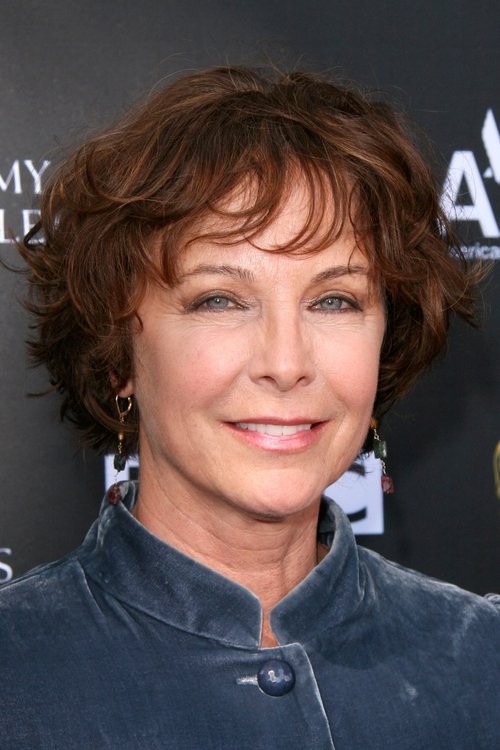
Kathleen Quinlan
Deborah Blake

Bibi Andersson
Dr. Fried
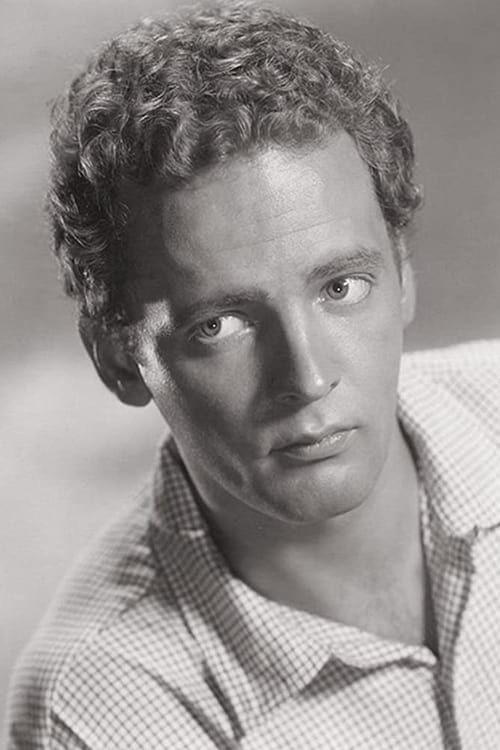
Ben Piazza
Jay Blake

Lorraine Gary
Ester Blake
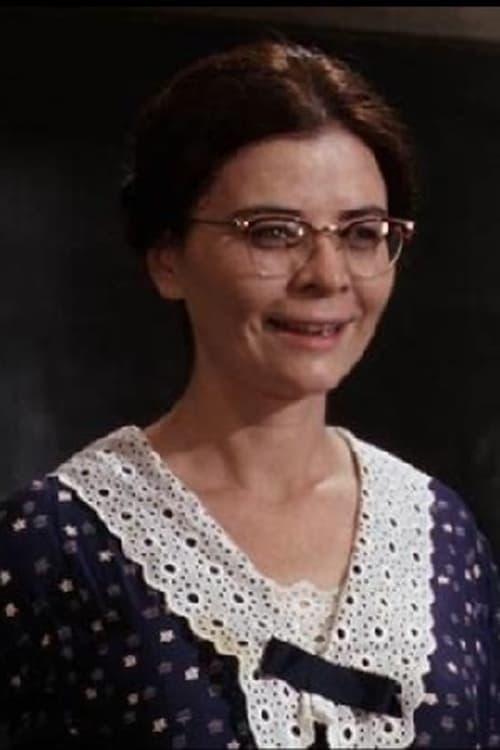
Martine Bartlett
Secret Wife
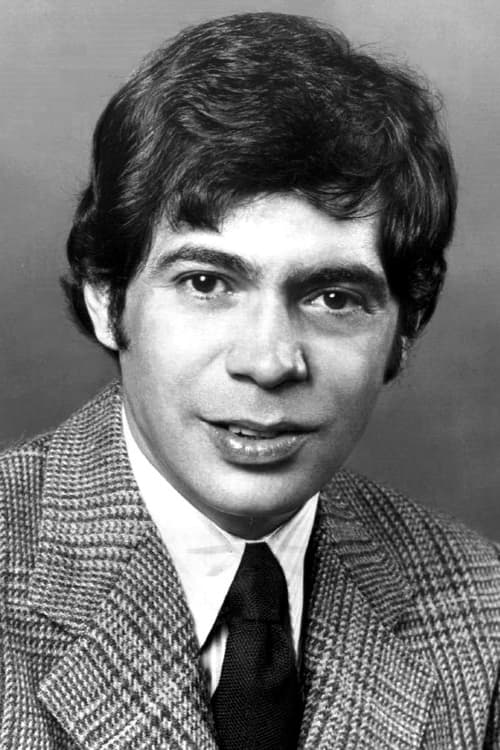
Reni Santoni
Hobbs

Susan Tyrrell
Lee

Signe Hasso
Helene
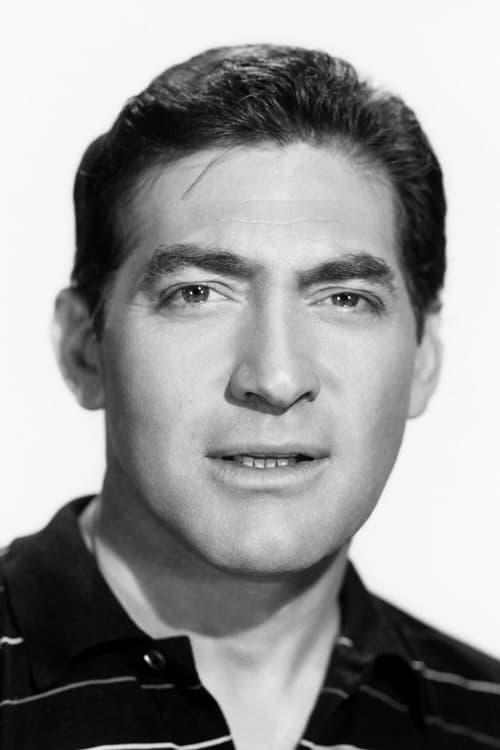
Norman Alden
McPherson

Sylvia Sidney
Miss Coral

Dennis Quaid
Shark, Baseball Pitcher

Karin Collison
Nurse
Crew
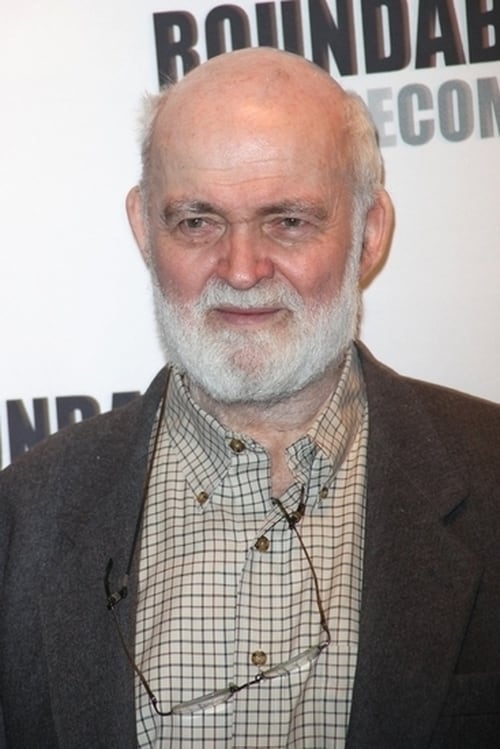
Anthony Page
Director

Paul Chihara
Original Music Composer
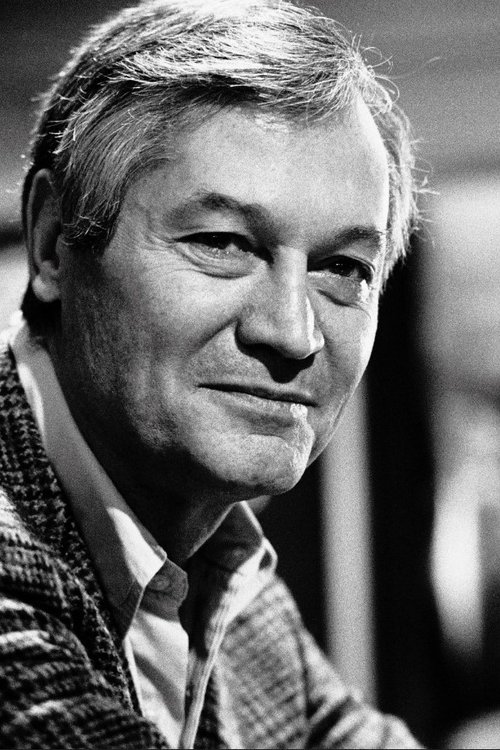
Roger Corman
Executive Producer

Barbara Peeters
Location Manager
Popular Reviews
20 reviews
vexevo
8.0★ · 03/19/26

I rewatched after reading the book, and as an adaptation, this film really deserves a 3 1/2. I still like this film, but why did they erase her Jewish identity? I don’t see why it was necessary. The decision to make Yr (Yiri in the film) look like a reservation was certainly an odd choice. In the book, Yr’s inhabitants were inspired by a depiction of Lucifer on one of her grandfather’s books. I personally imagined Yr as more of a void with these fallen angel type beings. The ending was pretty different from the book, but still hopeful and sweet. It’s a little humorous and sort of sad rewatching the movie after reading the book and seeing her play baseball with the boys knowing they laughed at her for talking to herself and she never spoke to them in the book. I feel like the film could have been a tad longer. In the book there’s more going on between the screaming.
I rewatched after reading the book, and as an adaptation, this film really deserves a 3 1/2. I still like this film, but why did they erase her Jewish identity? I don’t see why it was necessary. The decision to make Yr (Yiri in the film) look like a reservation was certainly an odd choice. In the book, Yr’s inhabitants were inspired by a depiction of Lucifer on one of her grandfather’s books. I personally imagined Yr as more of a void with these fallen angel type beings. The ending was pretty different from the book, but still hopeful and sweet. It’s a little humorous and sort of sad rewatching the movie after reading the book and seeing her play baseball with the boys knowing they laughed at her for talking to herself and she never spoke to them in the book. I feel like the film could have been a tad longer. In the book there’s more going on between the screaming.


vexevo
10.0★ · 02/16/26
Tubi made it seem like Dennis Quaid was the second billed actor and I was so confused when he only showed up in the last five minutes lmao.
Honestly might have to place this in my top 25. I have a fondness for the way media from the 70s likes to blend whimsy and realism into the most dramatic stories. I appreciate that this film takes itself seriously, but doesn’t try to traumatize you with its subject matter. The cinematography was really intriguing at times, and an amazing performance from the lead actress as well!
ETA: I feel like since I gave Little House flack for its portrayal of Native Americans, it’d be dismissive of me to ignore that this film has a similar, stereotyped, portrayal of Natives that is definitely dated. I think that the context of this being the imagination of a schizophrenic teen was the intended justification, though I agree with another user that it would have been more thoughtful to have the character’s imaginative world be more related to her own background.
Honestly might have to place this in my top 25. I have a fondness for the way media from the 70s likes to blend whimsy and realism into the most dramatic stories. I appreciate that this film takes itself seriously, but doesn’t try to traumatize you with its subject matter. The cinematography was really intriguing at times, and an amazing performance from the lead actress as well!
ETA: I feel like since I gave Little House flack for its portrayal of Native Americans, it’d be dismissive of me to ignore that this film has a similar, stereotyped, portrayal of Natives that is definitely dated. I think that the context of this being the imagination of a schizophrenic teen was the intended justification, though I agree with another user that it would have been more thoughtful to have the character’s imaginative world be more related to her own background.
Tubi made it seem like Dennis Quaid was the second billed actor and I was so confused when he only showed up in the last five minutes lmao.
Honestly might have to place this in my top 25. I have a fondness for the way media from the 70s likes to blend whimsy and realism into the most dramatic stories. I appreciate that this film takes itself seriously, but doesn’t try to traumatize you with its subject matter. The cinematography was really intriguing at times, and an amazing performance from the lead actress as well!
ETA: I feel like since I gave Little House flack for its portrayal of Native Americans, it’d be dismissive of me to ignore that this film has a similar, stereotyped, portrayal of Natives that is definitely dated. I think that the context of this being the imagination of a schizophrenic teen was the intended justification, though I agree with another user that it would have been more thoughtful to have the character’s imaginative world be more related to her own background.
Honestly might have to place this in my top 25. I have a fondness for the way media from the 70s likes to blend whimsy and realism into the most dramatic stories. I appreciate that this film takes itself seriously, but doesn’t try to traumatize you with its subject matter. The cinematography was really intriguing at times, and an amazing performance from the lead actress as well!
ETA: I feel like since I gave Little House flack for its portrayal of Native Americans, it’d be dismissive of me to ignore that this film has a similar, stereotyped, portrayal of Natives that is definitely dated. I think that the context of this being the imagination of a schizophrenic teen was the intended justification, though I agree with another user that it would have been more thoughtful to have the character’s imaginative world be more related to her own background.
Talisa
6.0★ · 12/10/25
fuck Mr. Hobbs all my homies hate Mr. Hobbs
fuck Mr. Hobbs all my homies hate Mr. Hobbs
Ghoulie
6.0★ · 10/06/25
Okay, look. I love Roger Corman. I love what he represents in the world of cinema. He defined great discipline in the way he mentored his young proteges (Scorsese, Demme, etc.). It must be said in the same breath that his name rests on some seriously weird output. Even with all of those trashy pictures, I never thought I’d see him go so far as to produce something this "out there".
Kathleen Quinlan, who would later become a character actress of quite some brilliance (in films such as EVENT HORIZON and THE HILLS HAVE EYES remake) plays a girl named Deborah who by the looks of modern psychiatry, seems to suffer from a psychotic and dissociative disorder. She spends most of this film’s 90 minutes strapped to a bed in a mental institution, lost in a haze of delusion and suicidal ideation. Bibi Andersson, best known as Ingmar Bergman’s muse, is her sympathetic doctor (hilariously named Dr. Fried) and together they must help poor Deborah out of her psychoses. And honestly, that’s pretty much it.
First thing to say is, from a present-day perspective this is one seriously depraved affair. I couldn’t help but wonder if this was made by Corman as a quick cash-in on the heels of ONE FLEW OVER THE CUCKOO'S NEST, and while that certainly is likely, I NEVER PROMISED YOU A ROSE GARDEN is an entirely different beast. While Forman’s film was concerned with the tragic nature of the McMurphy character and his battle with Nurse Ratched, director Page and Corman seem less concerned with narrative and more with histrionic art-house surrealism in the vein of Ken Russell. And boy, is this sordid tale trippy. The hallucinatory scenes are jarring and often-times overwhelming, calling to mind certain scenes from Dennis Hopper’s THE TRIP and Bergman’s THE SEVENTH SEAL. I’d also be remiss if I didn’t call attention to the bizarre casting. In supporting roles, we find Danny Elfman (!) leading some weird Monty Pythonesque knights haunting the protagonist, Mel Gibson and Dennis Quaid as baseball players in dream sequences, and Lorraine Gary (Mrs. Brody from JAWS) playing the main character’s self-absorbed mother. Oh, and Reni Santoni (RIP) as one of the most evil orderlies this side of Ben Stiller in HAPPY GILMORE.
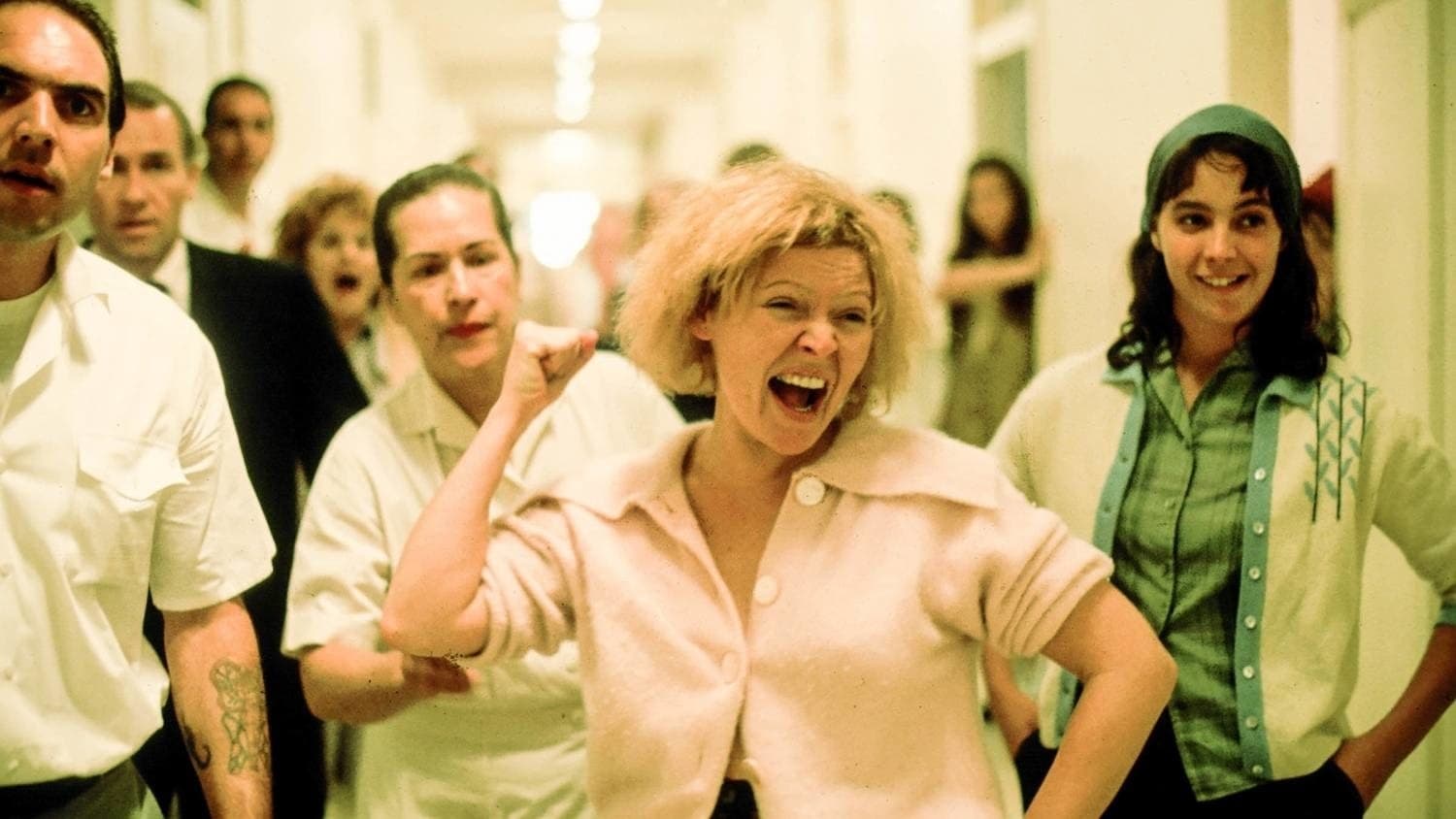
Beyond the simplistic narrative, there’s a not-so-surprising amount of exploitation content in the film’s mental hospital setting, some of which is inappropriately played for laughs, but most of the rest is relegated to frankly disturbing scenes of human suffering. Most of the time, when Hollywood tackles subjects like severe mental illness and long-term hospitalizations, there is a certain artifice only possible when audience attention spans are in the forefront of the producer’s minds. Most viewers who view this will be stunned to find the lack of characterization and narrative more indicative of a documentary, the camera merely observational and the message being one of understanding and empathy.
The film this reminds me most of is Allan King’s docudrama WARRENDALE, which at ten years older, had the benefit of being a much more shocking experience. What Page and Corman bring to the catalog of suffering is more up-close-and-personal and exhausting than King, who brought a more detached filmmaking style. I think beyond the hysteria and shrill insanity that pervades most of this film’s runtime, there is something interesting going on here. I’m just not sure what it is. I did have a bit of a headache after finishing this, but that could have just been the generous amount of vodka in my drink. Who knows.
Kathleen Quinlan, who would later become a character actress of quite some brilliance (in films such as EVENT HORIZON and THE HILLS HAVE EYES remake) plays a girl named Deborah who by the looks of modern psychiatry, seems to suffer from a psychotic and dissociative disorder. She spends most of this film’s 90 minutes strapped to a bed in a mental institution, lost in a haze of delusion and suicidal ideation. Bibi Andersson, best known as Ingmar Bergman’s muse, is her sympathetic doctor (hilariously named Dr. Fried) and together they must help poor Deborah out of her psychoses. And honestly, that’s pretty much it.
First thing to say is, from a present-day perspective this is one seriously depraved affair. I couldn’t help but wonder if this was made by Corman as a quick cash-in on the heels of ONE FLEW OVER THE CUCKOO'S NEST, and while that certainly is likely, I NEVER PROMISED YOU A ROSE GARDEN is an entirely different beast. While Forman’s film was concerned with the tragic nature of the McMurphy character and his battle with Nurse Ratched, director Page and Corman seem less concerned with narrative and more with histrionic art-house surrealism in the vein of Ken Russell. And boy, is this sordid tale trippy. The hallucinatory scenes are jarring and often-times overwhelming, calling to mind certain scenes from Dennis Hopper’s THE TRIP and Bergman’s THE SEVENTH SEAL. I’d also be remiss if I didn’t call attention to the bizarre casting. In supporting roles, we find Danny Elfman (!) leading some weird Monty Pythonesque knights haunting the protagonist, Mel Gibson and Dennis Quaid as baseball players in dream sequences, and Lorraine Gary (Mrs. Brody from JAWS) playing the main character’s self-absorbed mother. Oh, and Reni Santoni (RIP) as one of the most evil orderlies this side of Ben Stiller in HAPPY GILMORE.
Beyond the simplistic narrative, there’s a not-so-surprising amount of exploitation content in the film’s mental hospital setting, some of which is inappropriately played for laughs, but most of the rest is relegated to frankly disturbing scenes of human suffering. Most of the time, when Hollywood tackles subjects like severe mental illness and long-term hospitalizations, there is a certain artifice only possible when audience attention spans are in the forefront of the producer’s minds. Most viewers who view this will be stunned to find the lack of characterization and narrative more indicative of a documentary, the camera merely observational and the message being one of understanding and empathy.
The film this reminds me most of is Allan King’s docudrama WARRENDALE, which at ten years older, had the benefit of being a much more shocking experience. What Page and Corman bring to the catalog of suffering is more up-close-and-personal and exhausting than King, who brought a more detached filmmaking style. I think beyond the hysteria and shrill insanity that pervades most of this film’s runtime, there is something interesting going on here. I’m just not sure what it is. I did have a bit of a headache after finishing this, but that could have just been the generous amount of vodka in my drink. Who knows.
Okay, look. I love Roger Corman. I love what he represents in the world of cinema. He defined great discipline in the way he mentored his young proteges (Scorsese, Demme, etc.). It must be said in the same breath that his name rests on some seriously weird output. Even with all of those trashy pictures, I never thought I’d see him go so far as to produce something this "out there".
Kathleen Quinlan, who would later become a character actress of quite some brilliance (in films such as EVENT HORIZON and THE HILLS HAVE EYES remake) plays a girl named Deborah who by the looks of modern psychiatry, seems to suffer from a psychotic and dissociative disorder. She spends most of this film’s 90 minutes strapped to a bed in a mental institution, lost in a haze of delusion and suicidal ideation. Bibi Andersson, best known as Ingmar Bergman’s muse, is her sympathetic doctor (hilariously named Dr. Fried) and together they must help poor Deborah out of her psychoses. And honestly, that’s pretty much it.
First thing to say is, from a present-day perspective this is one seriously depraved affair. I couldn’t help but wonder if this was made by Corman as a quick cash-in on the heels of ONE FLEW OVER THE CUCKOO'S NEST, and while that certainly is likely, I NEVER PROMISED YOU A ROSE GARDEN is an entirely different beast. While Forman’s film was concerned with the tragic nature of the McMurphy character and his battle with Nurse Ratched, director Page and Corman seem less concerned with narrative and more with histrionic art-house surrealism in the vein of Ken Russell. And boy, is this sordid tale trippy. The hallucinatory scenes are jarring and often-times overwhelming, calling to mind certain scenes from Dennis Hopper’s THE TRIP and Bergman’s THE SEVENTH SEAL. I’d also be remiss if I didn’t call attention to the bizarre casting. In supporting roles, we find Danny Elfman (!) leading some weird Monty Pythonesque knights haunting the protagonist, Mel Gibson and Dennis Quaid as baseball players in dream sequences, and Lorraine Gary (Mrs. Brody from JAWS) playing the main character’s self-absorbed mother. Oh, and Reni Santoni (RIP) as one of the most evil orderlies this side of Ben Stiller in HAPPY GILMORE.
Beyond the simplistic narrative, there’s a not-so-surprising amount of exploitation content in the film’s mental hospital setting, some of which is inappropriately played for laughs, but most of the rest is relegated to frankly disturbing scenes of human suffering. Most of the time, when Hollywood tackles subjects like severe mental illness and long-term hospitalizations, there is a certain artifice only possible when audience attention spans are in the forefront of the producer’s minds. Most viewers who view this will be stunned to find the lack of characterization and narrative more indicative of a documentary, the camera merely observational and the message being one of understanding and empathy.
The film this reminds me most of is Allan King’s docudrama WARRENDALE, which at ten years older, had the benefit of being a much more shocking experience. What Page and Corman bring to the catalog of suffering is more up-close-and-personal and exhausting than King, who brought a more detached filmmaking style. I think beyond the hysteria and shrill insanity that pervades most of this film’s runtime, there is something interesting going on here. I’m just not sure what it is. I did have a bit of a headache after finishing this, but that could have just been the generous amount of vodka in my drink. Who knows.
Kathleen Quinlan, who would later become a character actress of quite some brilliance (in films such as EVENT HORIZON and THE HILLS HAVE EYES remake) plays a girl named Deborah who by the looks of modern psychiatry, seems to suffer from a psychotic and dissociative disorder. She spends most of this film’s 90 minutes strapped to a bed in a mental institution, lost in a haze of delusion and suicidal ideation. Bibi Andersson, best known as Ingmar Bergman’s muse, is her sympathetic doctor (hilariously named Dr. Fried) and together they must help poor Deborah out of her psychoses. And honestly, that’s pretty much it.
First thing to say is, from a present-day perspective this is one seriously depraved affair. I couldn’t help but wonder if this was made by Corman as a quick cash-in on the heels of ONE FLEW OVER THE CUCKOO'S NEST, and while that certainly is likely, I NEVER PROMISED YOU A ROSE GARDEN is an entirely different beast. While Forman’s film was concerned with the tragic nature of the McMurphy character and his battle with Nurse Ratched, director Page and Corman seem less concerned with narrative and more with histrionic art-house surrealism in the vein of Ken Russell. And boy, is this sordid tale trippy. The hallucinatory scenes are jarring and often-times overwhelming, calling to mind certain scenes from Dennis Hopper’s THE TRIP and Bergman’s THE SEVENTH SEAL. I’d also be remiss if I didn’t call attention to the bizarre casting. In supporting roles, we find Danny Elfman (!) leading some weird Monty Pythonesque knights haunting the protagonist, Mel Gibson and Dennis Quaid as baseball players in dream sequences, and Lorraine Gary (Mrs. Brody from JAWS) playing the main character’s self-absorbed mother. Oh, and Reni Santoni (RIP) as one of the most evil orderlies this side of Ben Stiller in HAPPY GILMORE.
Beyond the simplistic narrative, there’s a not-so-surprising amount of exploitation content in the film’s mental hospital setting, some of which is inappropriately played for laughs, but most of the rest is relegated to frankly disturbing scenes of human suffering. Most of the time, when Hollywood tackles subjects like severe mental illness and long-term hospitalizations, there is a certain artifice only possible when audience attention spans are in the forefront of the producer’s minds. Most viewers who view this will be stunned to find the lack of characterization and narrative more indicative of a documentary, the camera merely observational and the message being one of understanding and empathy.
The film this reminds me most of is Allan King’s docudrama WARRENDALE, which at ten years older, had the benefit of being a much more shocking experience. What Page and Corman bring to the catalog of suffering is more up-close-and-personal and exhausting than King, who brought a more detached filmmaking style. I think beyond the hysteria and shrill insanity that pervades most of this film’s runtime, there is something interesting going on here. I’m just not sure what it is. I did have a bit of a headache after finishing this, but that could have just been the generous amount of vodka in my drink. Who knows.
Lance
8.1★ · 03/31/25
"do you know why you're here?""clumsiness is at the top of list, and then we have lazy, self-centered, tactless, mean, abstinent, imaginary pains, fake dizziness. also im unfriendly."
"do you know why you're here?""clumsiness is at the top of list, and then we have lazy, self-centered, tactless, mean, abstinent, imaginary pains, fake dizziness. also im unfriendly."