


1962·Drama·1h 18m
7.1
★


In Bahia, an educated black man returns to his home fishing village to try and free people from mysticism, in particular the Candomblé religion, which he considers a factor of political and social oppression, with tragic outcome.
Directed by Glauber Rocha

Trailer

IMDB
N/A
Cast

Antônio Pitanga
Firmino
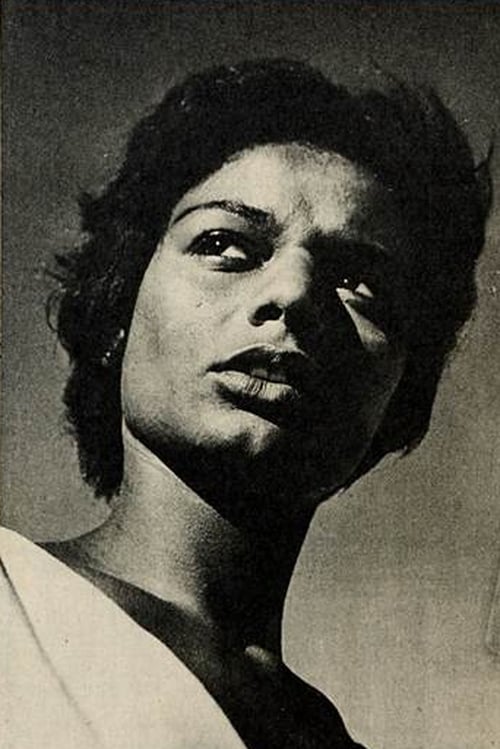
Luiza Maranhão
Cota

Lucy de Carvalho
Naína
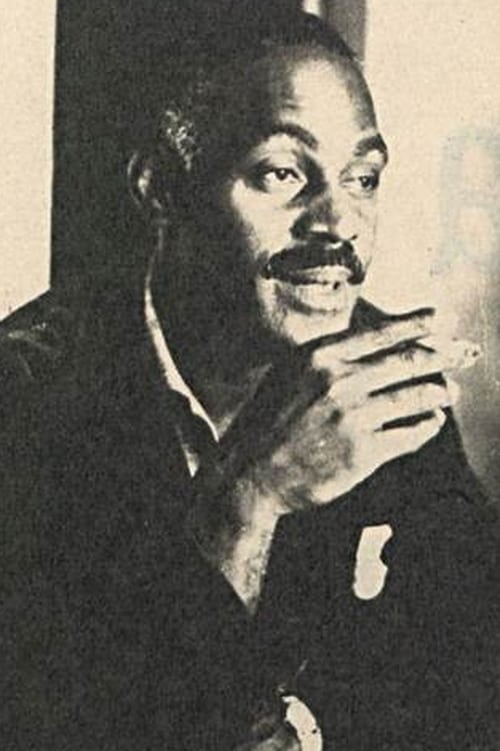
Lídio Silva
Mestre
Crew
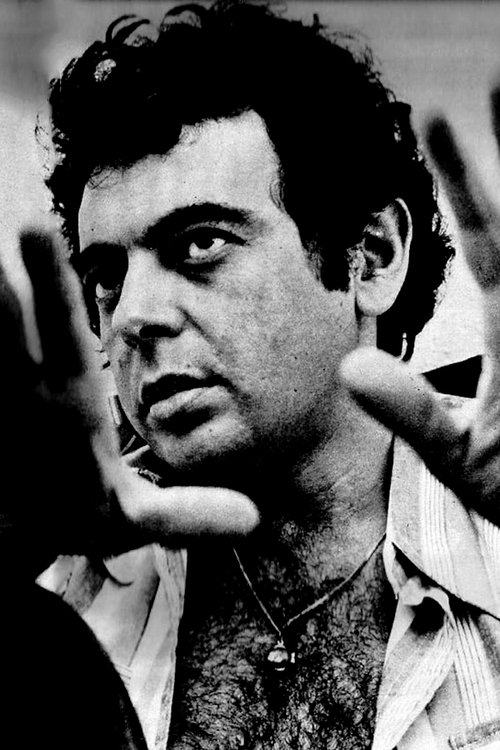
Glauber Rocha
Director
Glauber Rocha
Screenplay

Luiz Paulino dos Santos
Screenplay
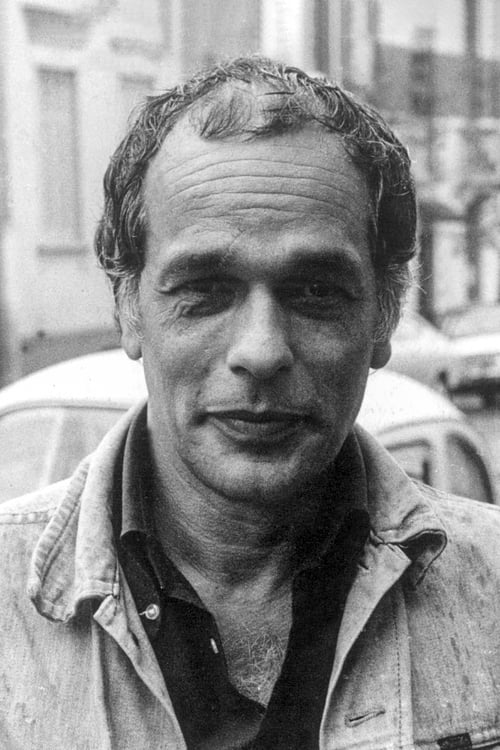
Nelson Pereira dos Santos
Editor

Tony Rabatoni
Director of Photography

Roberto Pires
Executive Producer
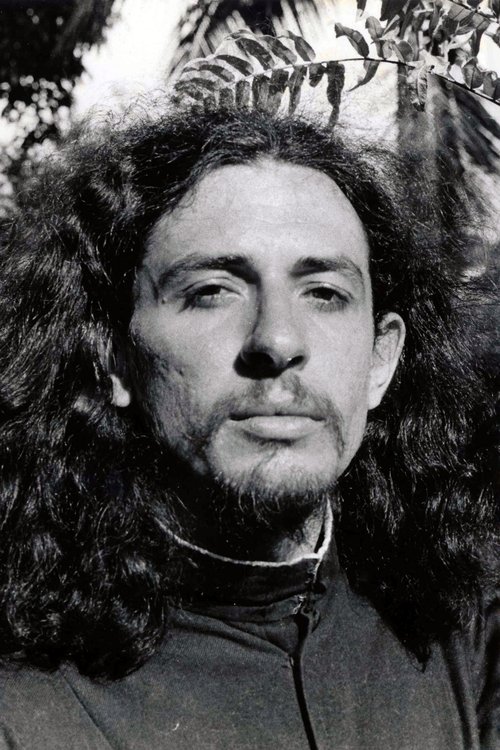
Torquato Neto
Assistant Director
Popular Reviews
20 reviews
Wari
10.0★ · 04/02/26

Berimbau e capoeira, 10/10
Berimbau e capoeira, 10/10


endo
6.0★ · 09/17/25
le sujet est tellement bien pitié et les plans magnifiques mais c’est la même chose pendant 1h30 on sent que le réal avait son idée principale mais à limite oublié de développer l’univers autour de celle ci.
le sujet est tellement bien pitié et les plans magnifiques mais c’est la même chose pendant 1h30 on sent que le réal avait son idée principale mais à limite oublié de développer l’univers autour de celle ci.
transcendentalbooks
7.0★ · 07/25/25
نفس الفنتازية الدينية نفس الحاكم المطلق(رب العمل) صوت العقل غير مسموع (الشاب الانيق) يولدن نفس الفقر المتقع والعبودية في كل بقاء الارض
نفس الفنتازية الدينية نفس الحاكم المطلق(رب العمل) صوت العقل غير مسموع (الشاب الانيق) يولدن نفس الفقر المتقع والعبودية في كل بقاء الارض
Joao rodrigues
8.8★ · 05/25/25
The way Glauber films those rituals is something truly special. His gaze also directs itself towards Lucy de Carvalho’s Nayna, who essentially serves as Glauber’s Anne Buchanan; she’s one of the main characters and I’m pretty sure she doesn’t even get a line of dialogue. For a film about demystifying religion, it sure makes it pretty mystifying, one of Barravento’s many contradictions. This was Glauber’s first film and it is an excelent debut, which would start his work with the aesthetics of hunger and opression, that he would later expand on with the arrival of the military dictatorship. But even before the dictatorship he still highlights the grim reality of the opressed brazillian people “A [emancipação da] Princesa Isabel é uma ilusão” - Brazil freed all of its slaves and let them starve. Barravento is candomblé, an african tradition, suffering death by capitalism. Really good fucking movie.
The way Glauber films those rituals is something truly special. His gaze also directs itself towards Lucy de Carvalho’s Nayna, who essentially serves as Glauber’s Anne Buchanan; she’s one of the main characters and I’m pretty sure she doesn’t even get a line of dialogue. For a film about demystifying religion, it sure makes it pretty mystifying, one of Barravento’s many contradictions. This was Glauber’s first film and it is an excelent debut, which would start his work with the aesthetics of hunger and opression, that he would later expand on with the arrival of the military dictatorship. But even before the dictatorship he still highlights the grim reality of the opressed brazillian people “A [emancipação da] Princesa Isabel é uma ilusão” - Brazil freed all of its slaves and let them starve. Barravento is candomblé, an african tradition, suffering death by capitalism. Really good fucking movie.
lala
6.0★ · 03/29/24
"preto vem pra essa terra é pra sofrer, trabalha muito e não come nada, menos eu que sou indepedente, já larguei esse negócio de religião, candomblé não resolve nada nada não."
barravento, surpreendentemente, vem com uma retórica bastante classicista. ao interpretar o candomblé e as religiões no geral como um meio de alienação, glauber ignora de maneira completa o contexto no qual elas são inseridas e como classes marginalizadas buscam através delas uma maneira de escapismo e da criação da fé na existência.
contém erros de edição, porém esses sãos compensados por um roteiro quase sem defeitos, repleto de diversas frases marcantes e que dão o valor artístico a primeira obra de glauber.
"para mim, princesa isabel é ilusão."
assistir esse filme requer um olhar crítico e consciência de classe, ainda tem seu valor por ser uma das primeiras obras a representar o candomblé e suas tradições (por mais que em certas partes seja de maneira exagerada e irrealista, porém, nas vezes boas são muito boas) porém é um ótimo objeto de estudo reflexivo de que tratar e resumir todas as religiões como uma maneira de iludir e enganar o povo é uma visão bastante limitada e elitista.
barravento, surpreendentemente, vem com uma retórica bastante classicista. ao interpretar o candomblé e as religiões no geral como um meio de alienação, glauber ignora de maneira completa o contexto no qual elas são inseridas e como classes marginalizadas buscam através delas uma maneira de escapismo e da criação da fé na existência.
contém erros de edição, porém esses sãos compensados por um roteiro quase sem defeitos, repleto de diversas frases marcantes e que dão o valor artístico a primeira obra de glauber.
"para mim, princesa isabel é ilusão."
assistir esse filme requer um olhar crítico e consciência de classe, ainda tem seu valor por ser uma das primeiras obras a representar o candomblé e suas tradições (por mais que em certas partes seja de maneira exagerada e irrealista, porém, nas vezes boas são muito boas) porém é um ótimo objeto de estudo reflexivo de que tratar e resumir todas as religiões como uma maneira de iludir e enganar o povo é uma visão bastante limitada e elitista.
"preto vem pra essa terra é pra sofrer, trabalha muito e não come nada, menos eu que sou indepedente, já larguei esse negócio de religião, candomblé não resolve nada nada não."
barravento, surpreendentemente, vem com uma retórica bastante classicista. ao interpretar o candomblé e as religiões no geral como um meio de alienação, glauber ignora de maneira completa o contexto no qual elas são inseridas e como classes marginalizadas buscam através delas uma maneira de escapismo e da criação da fé na existência.
contém erros de edição, porém esses sãos compensados por um roteiro quase sem defeitos, repleto de diversas frases marcantes e que dão o valor artístico a primeira obra de glauber.
"para mim, princesa isabel é ilusão."
assistir esse filme requer um olhar crítico e consciência de classe, ainda tem seu valor por ser uma das primeiras obras a representar o candomblé e suas tradições (por mais que em certas partes seja de maneira exagerada e irrealista, porém, nas vezes boas são muito boas) porém é um ótimo objeto de estudo reflexivo de que tratar e resumir todas as religiões como uma maneira de iludir e enganar o povo é uma visão bastante limitada e elitista.
barravento, surpreendentemente, vem com uma retórica bastante classicista. ao interpretar o candomblé e as religiões no geral como um meio de alienação, glauber ignora de maneira completa o contexto no qual elas são inseridas e como classes marginalizadas buscam através delas uma maneira de escapismo e da criação da fé na existência.
contém erros de edição, porém esses sãos compensados por um roteiro quase sem defeitos, repleto de diversas frases marcantes e que dão o valor artístico a primeira obra de glauber.
"para mim, princesa isabel é ilusão."
assistir esse filme requer um olhar crítico e consciência de classe, ainda tem seu valor por ser uma das primeiras obras a representar o candomblé e suas tradições (por mais que em certas partes seja de maneira exagerada e irrealista, porém, nas vezes boas são muito boas) porém é um ótimo objeto de estudo reflexivo de que tratar e resumir todas as religiões como uma maneira de iludir e enganar o povo é uma visão bastante limitada e elitista.