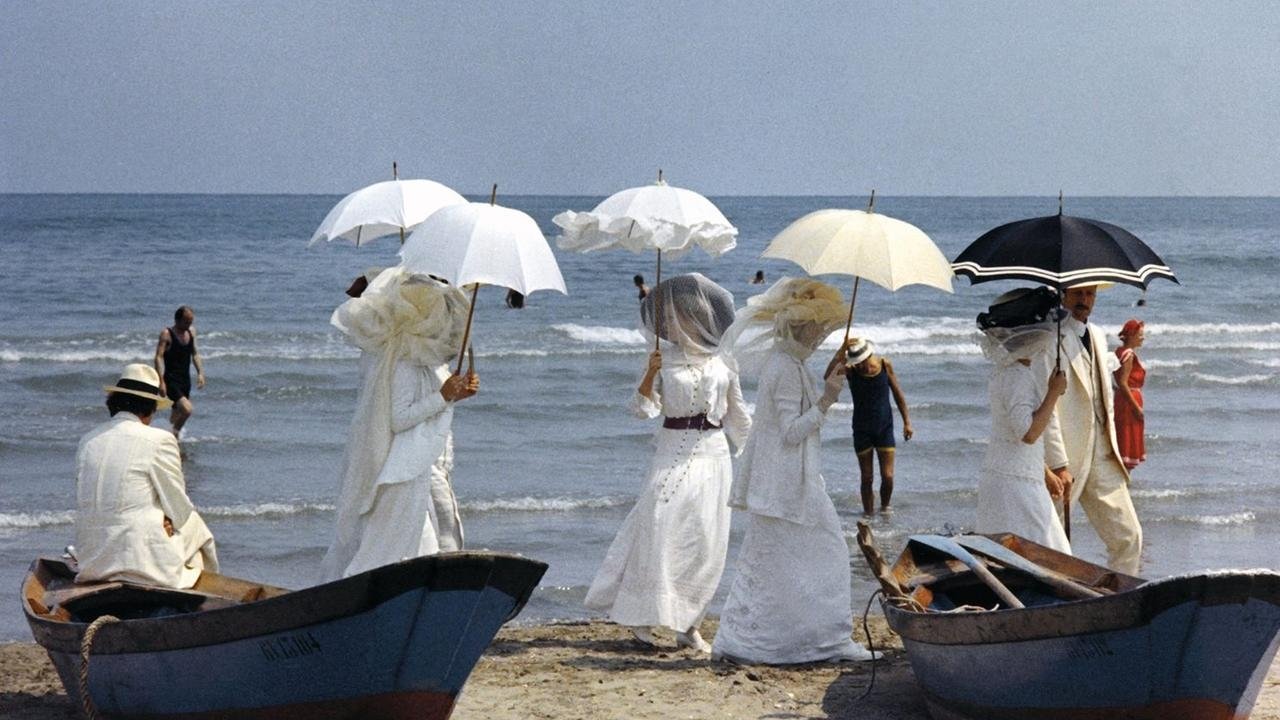
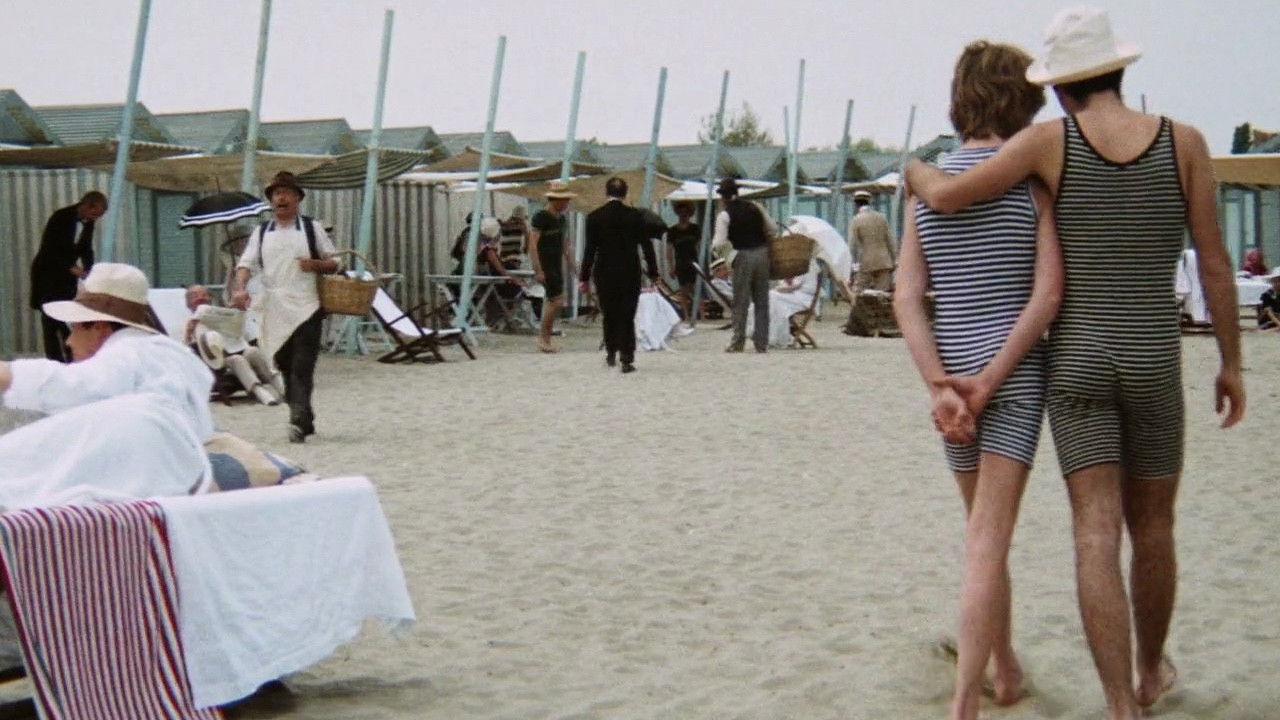
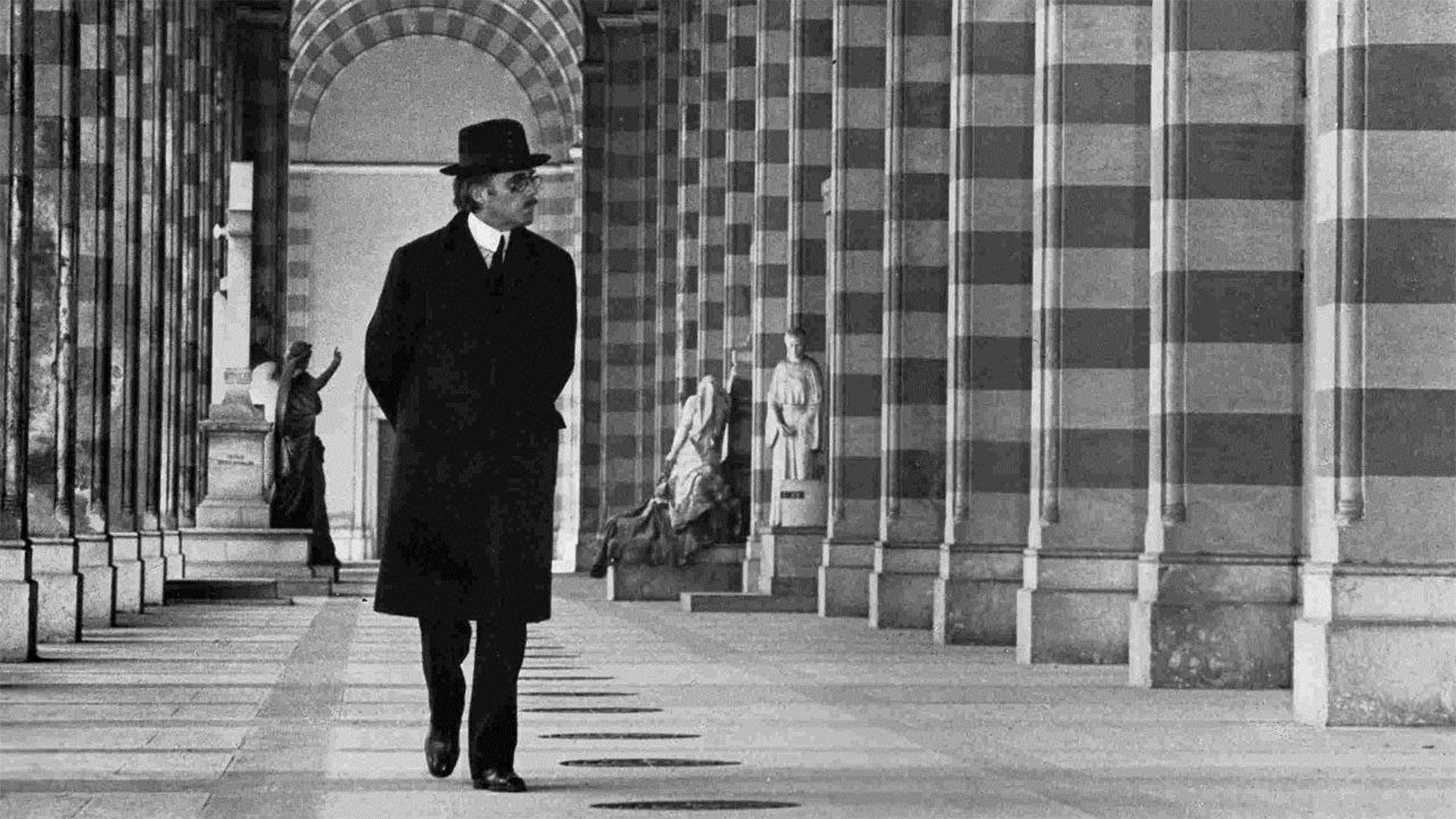
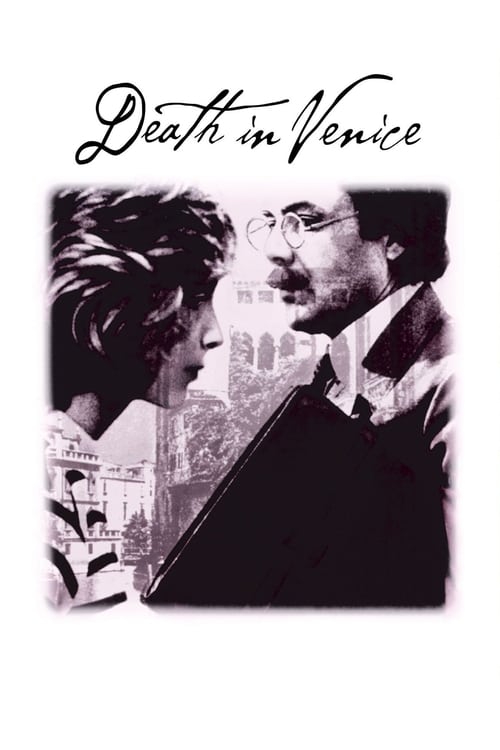
Very different from what I had imagined, I had in mind a film built on the strength of action, on the frantic unfolding of events, on narrative urgency, but it’s completely the opposite: there is no rush in the subject, but rather a certain contemplation of moments; without proclamation, but with silence. It does not rely on agitation but on gestures, on glances, on the suspended time of a decaying Venice, where death insinuates itself in the Sirocco and the ancient canals. It’s essentially a work of subtle movements.
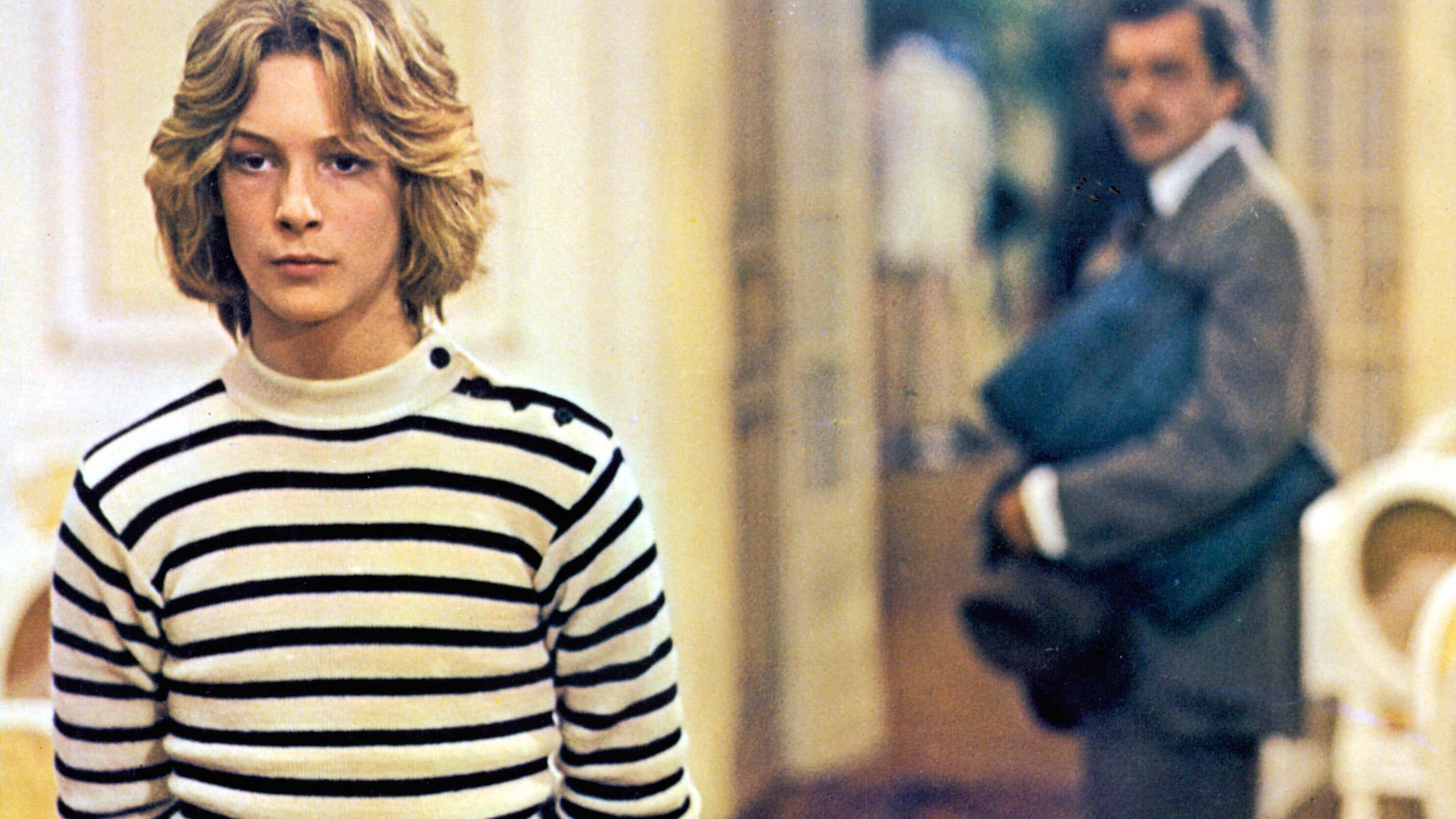
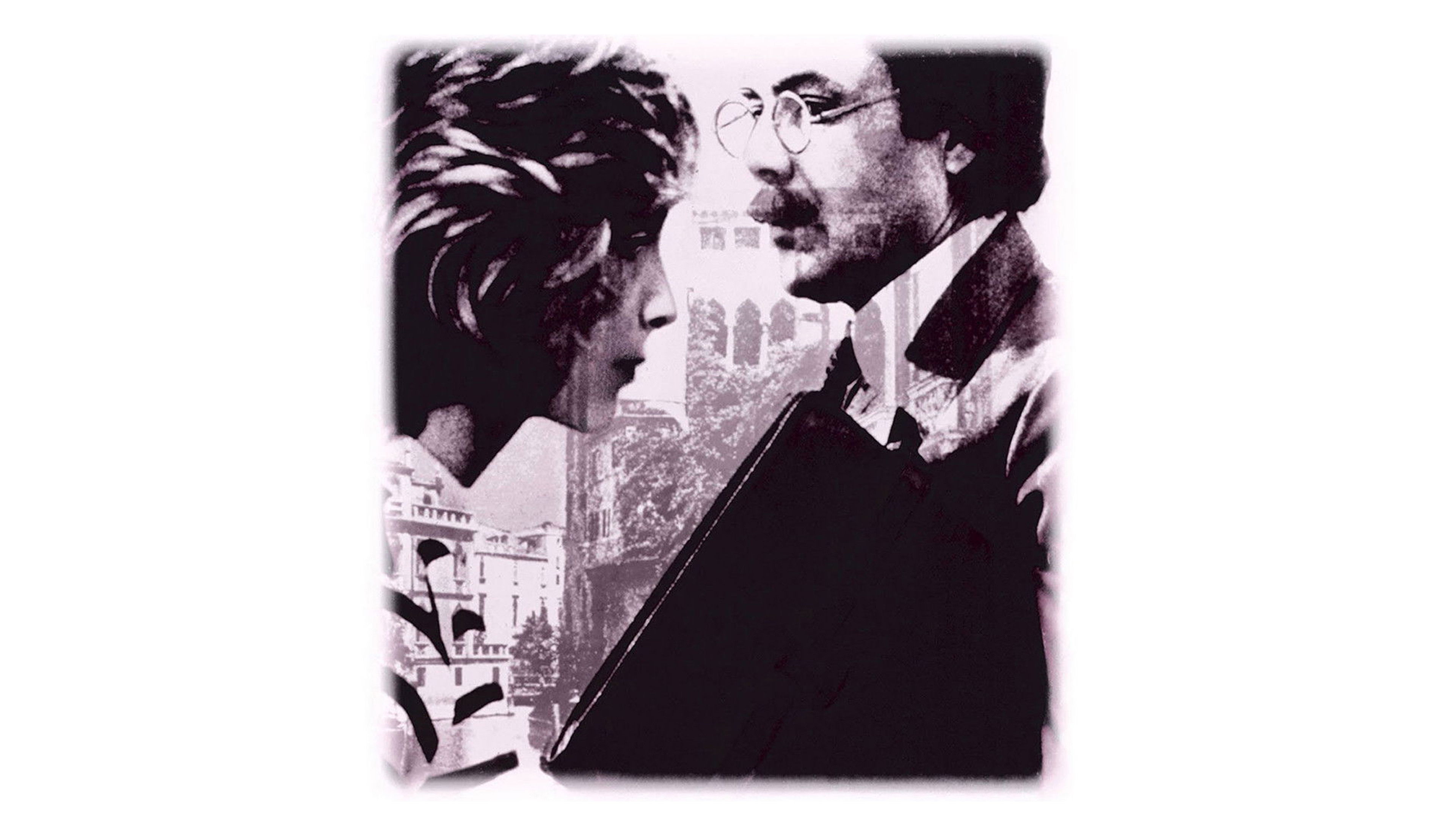
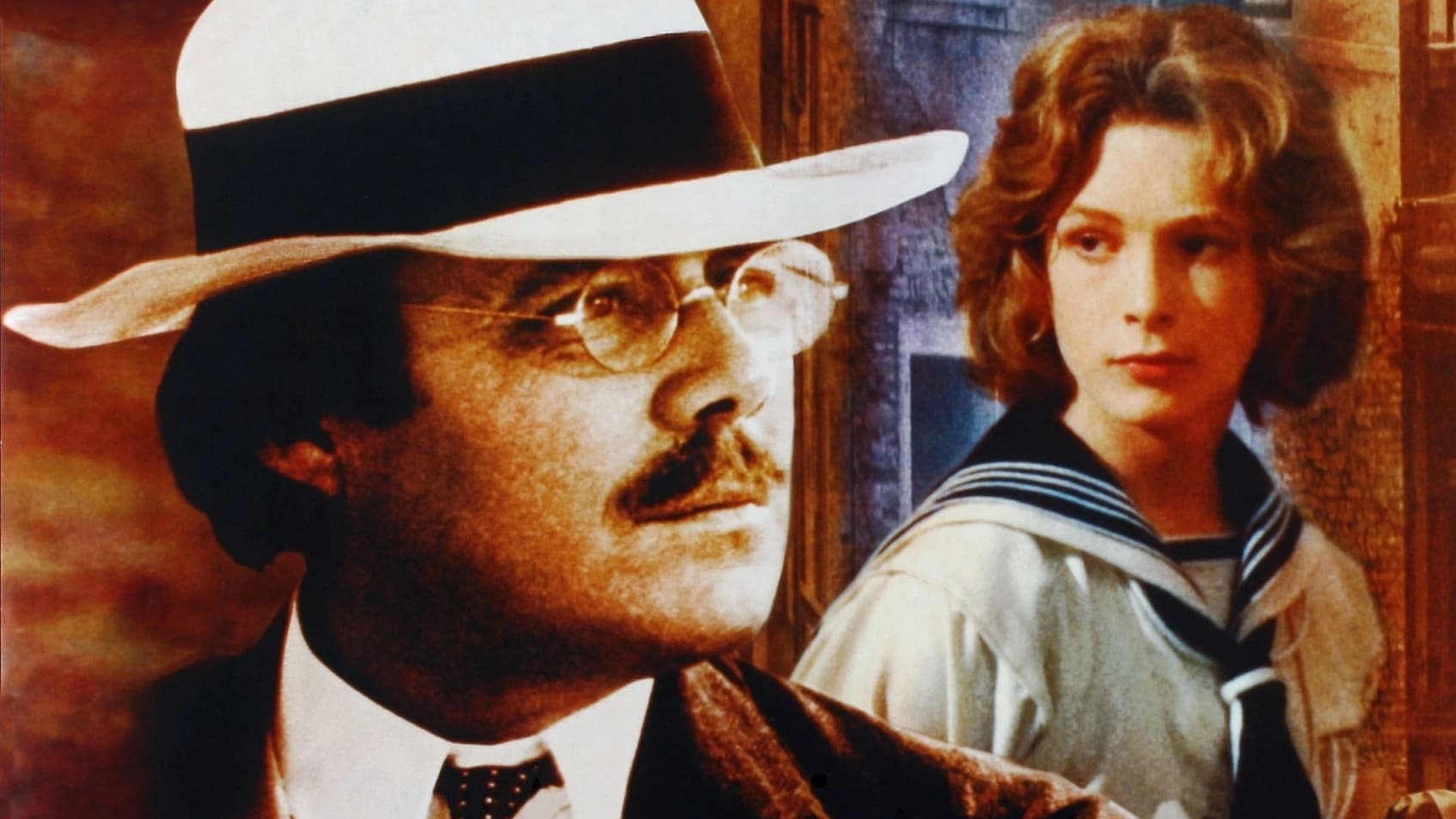
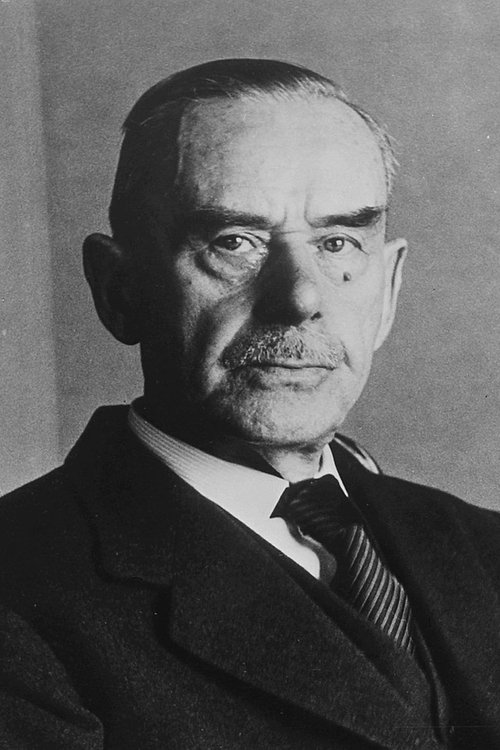
Adapted from Thomas Mann’s novel, the film is less a narrative in the traditional sense and a more sensory and philosophical experience, a study on aesthetic obsession and the fragility of existence. The film slowly leads us into the decay of Gustav, a composer seeking rest, who finds himself entangled in the contemplation of a young boy, Tadzio, whose beauty transcends the human. But this is not a carnal love, nor a sexual desire — it’s something more ethereal, almost platonic, a fascination that does not belong to the physical world but to the ideal of perfection that torments the artist’s soul.
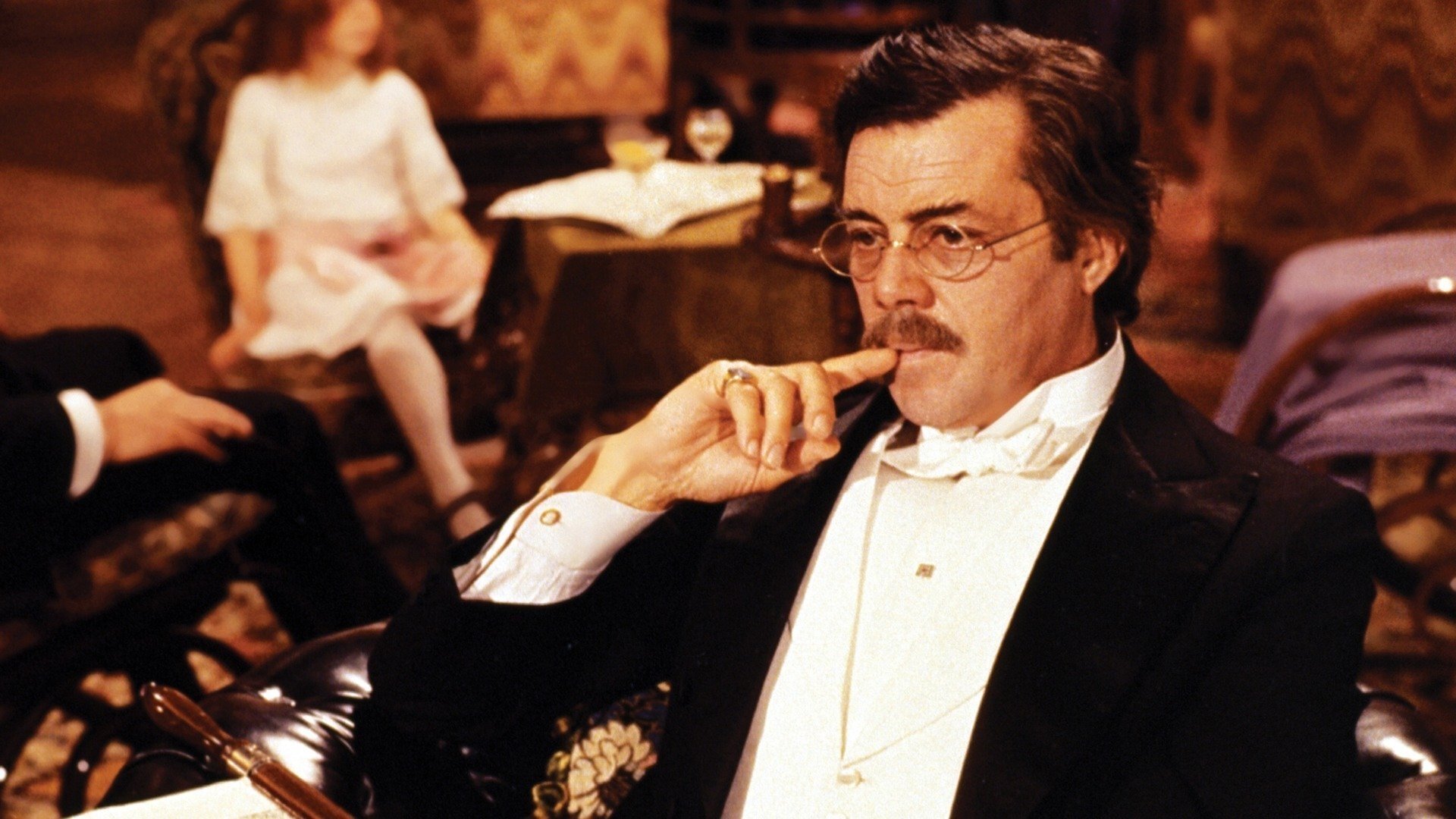
Some of the themes that Visconti explores are the relationship between art and life, between the ideal and the real, between the pursuit of pure beauty and the impossibility of possessing it. Gustav, a man who dedicated his existence to order and intellectual rigor, finds himself in old age confronted with something that escapes reason: beauty in its simplest, most instinctive, and indifferent form. His obsession is not only with the young Tadzio but with what he represents — immaculate youth, the perfection he always pursued in art but never managed to capture.
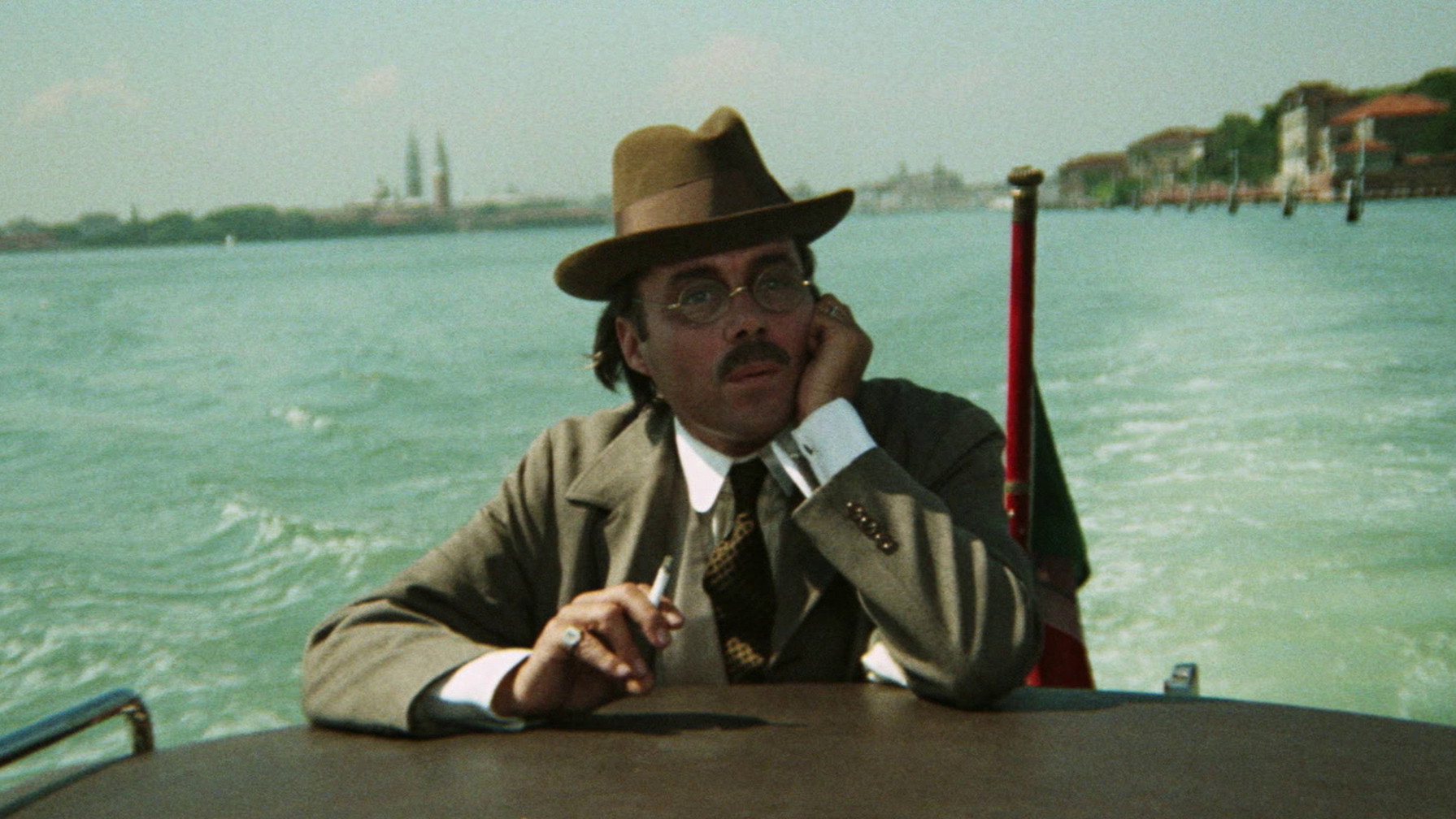
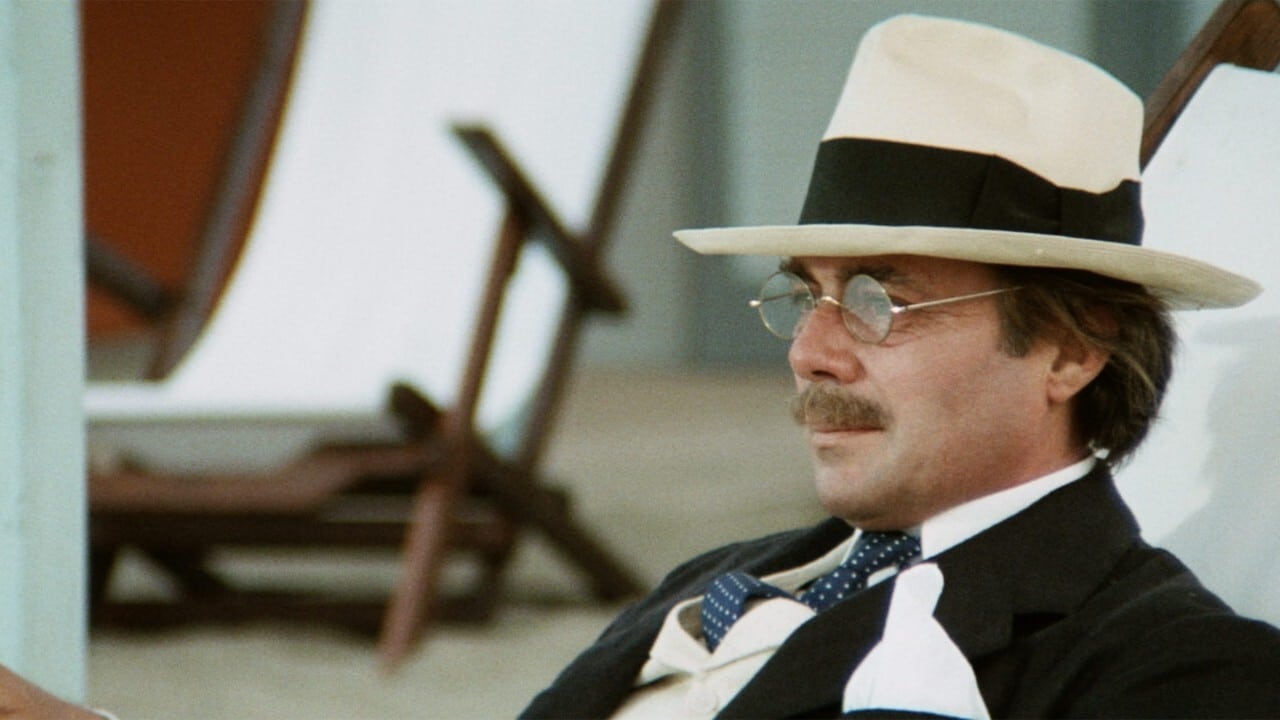
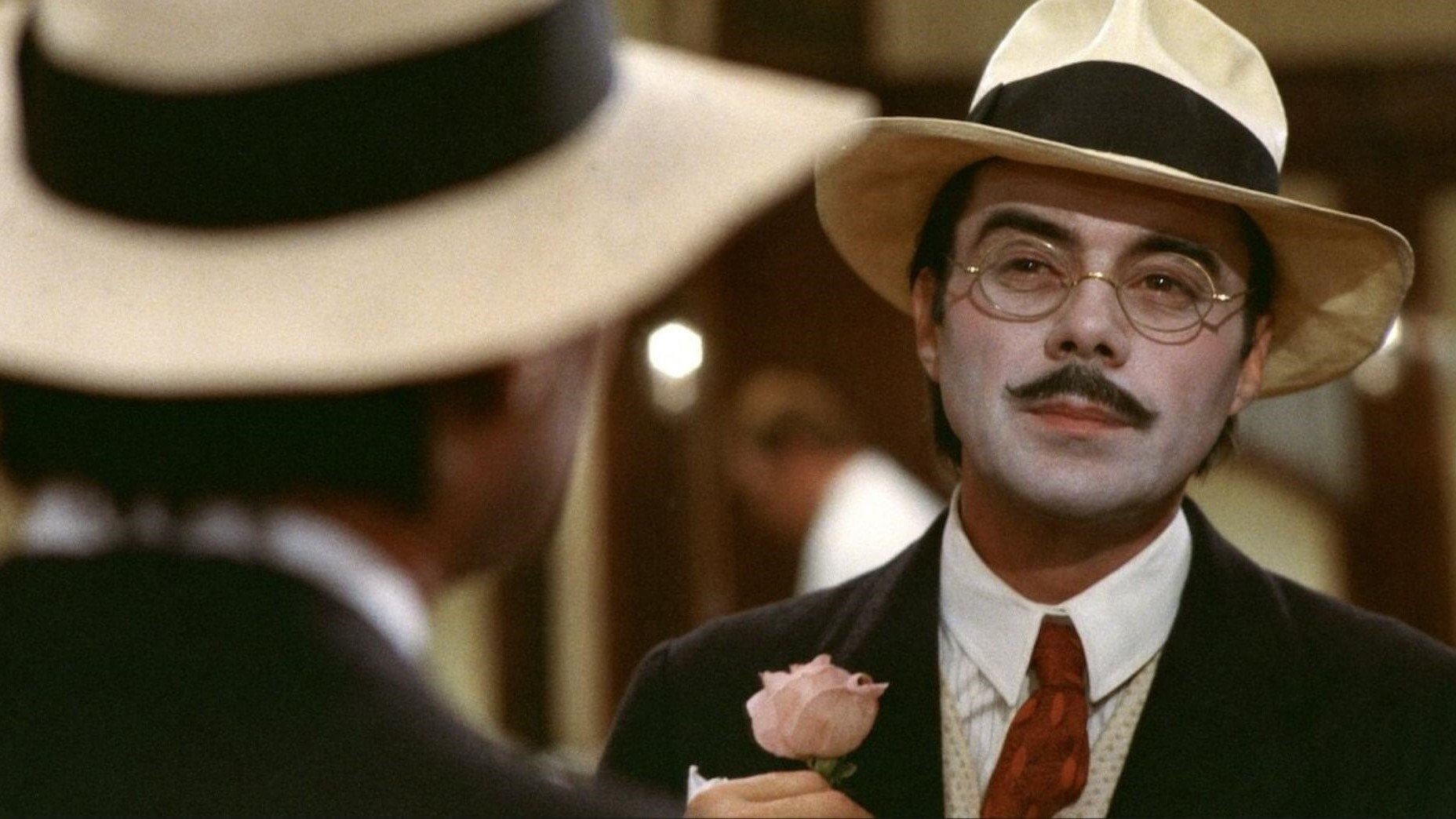
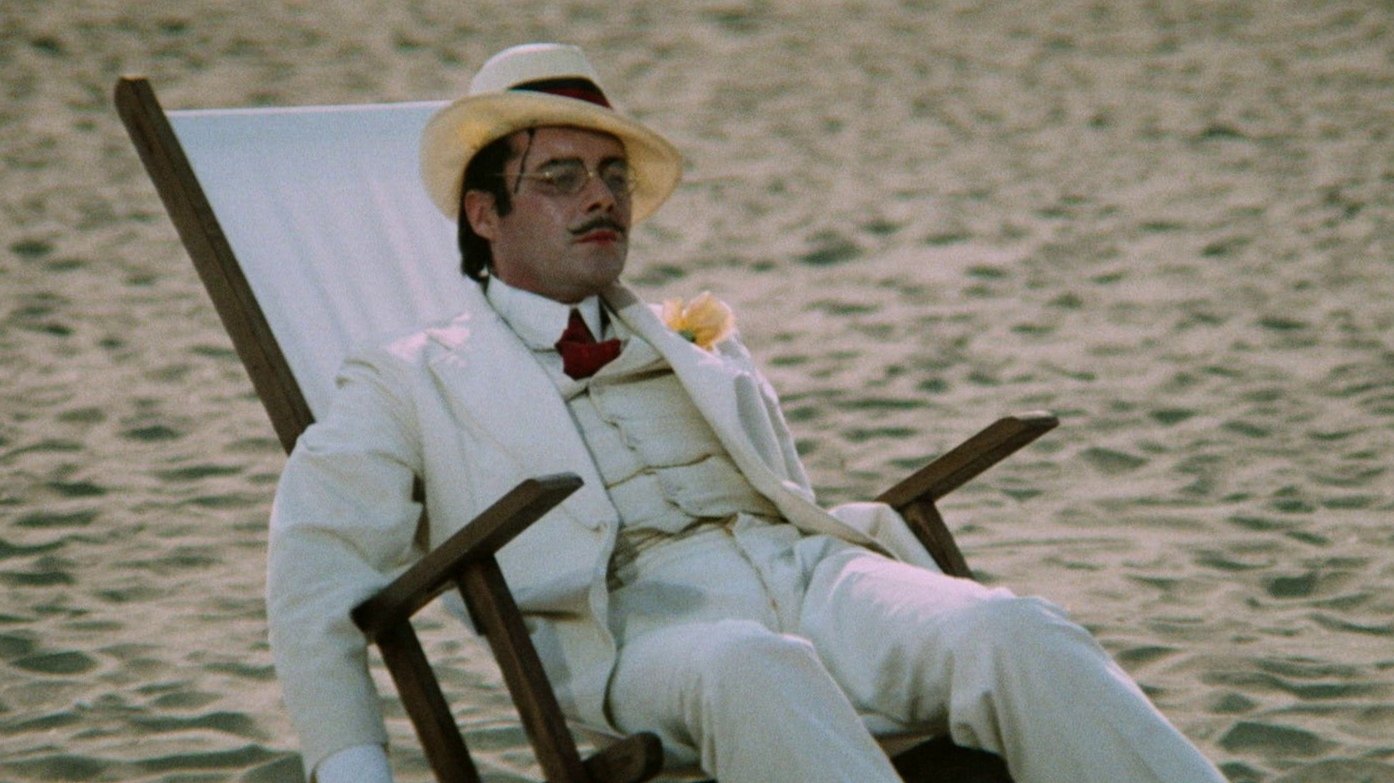
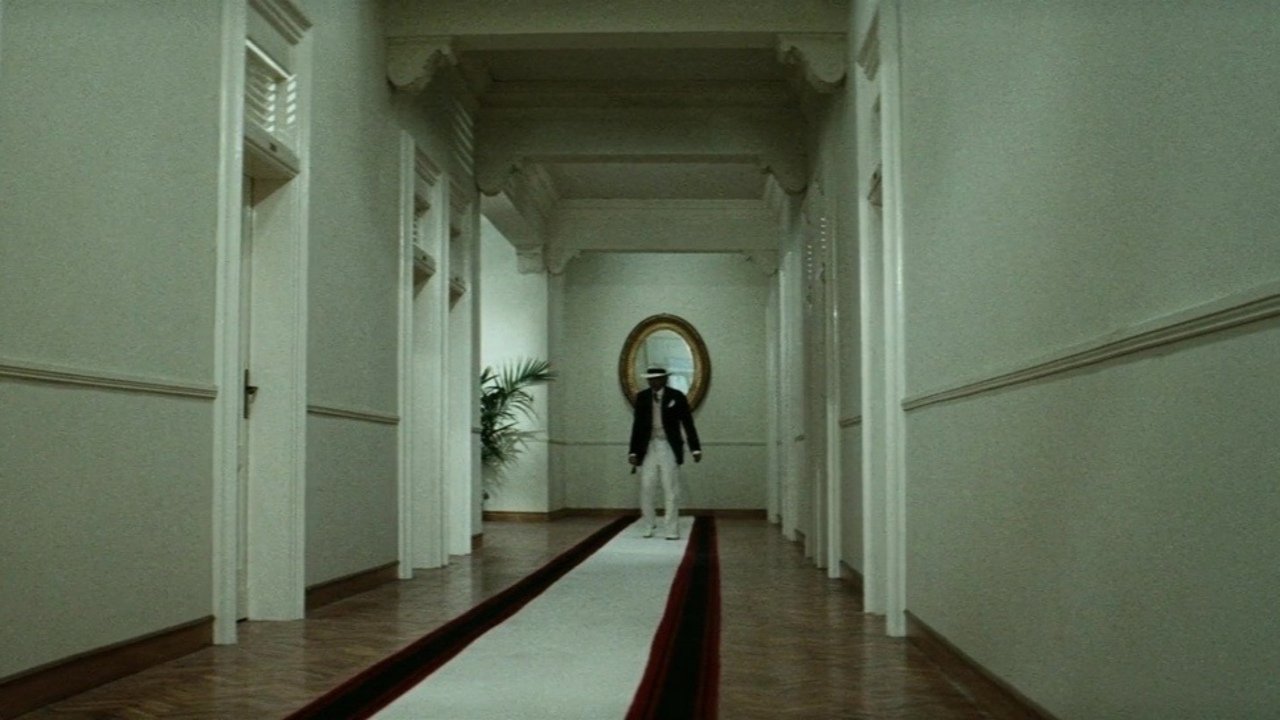
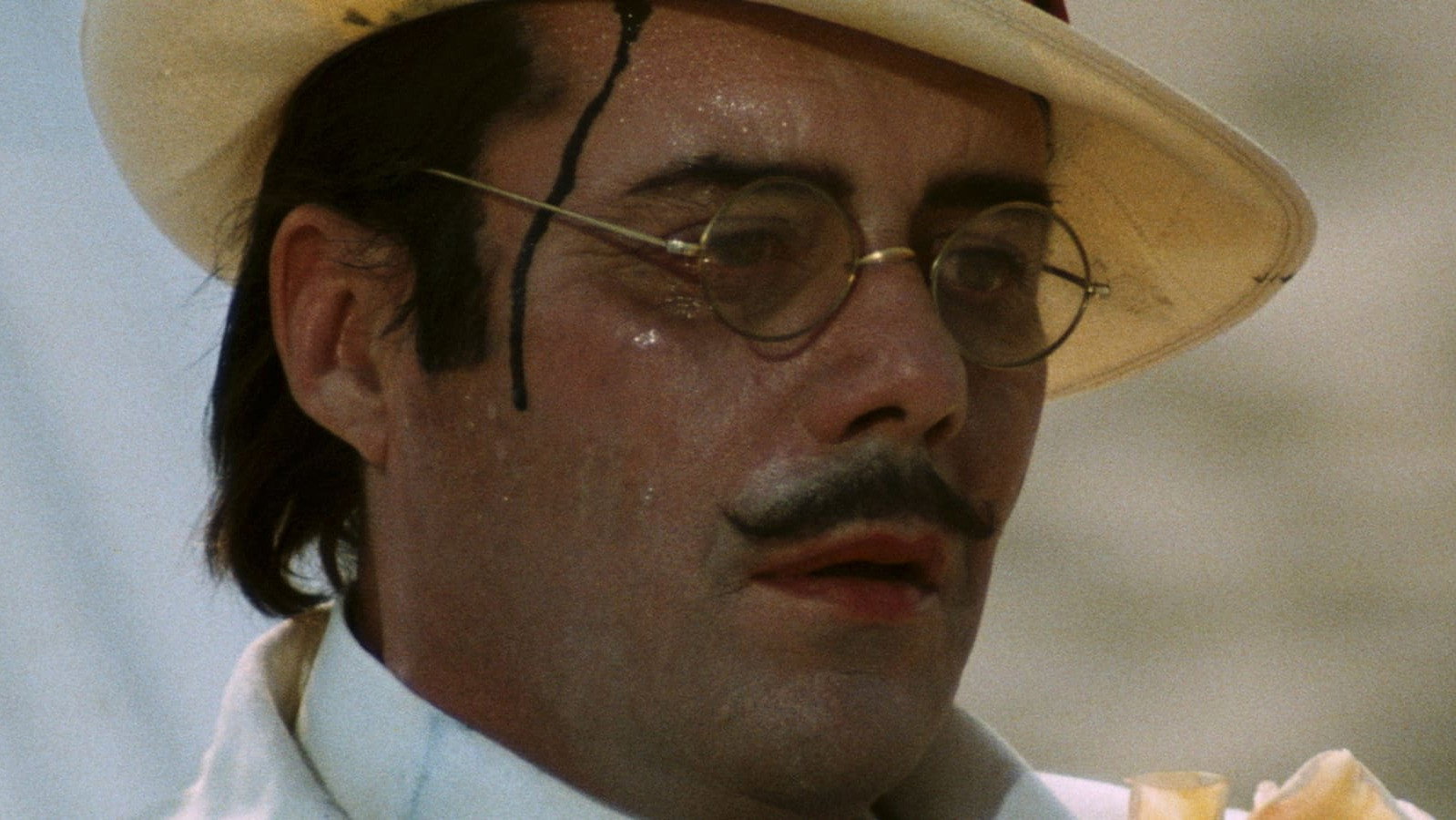
It’s also an analysis into the themes of physical and moral decay. The figure of Gustav, aging and falling ill under the Venetian sun, reflects the decomposition not only of the body but also of the spirit. The city, overtaken by cholera, is a mirror of his own decline. Visconti films this decadence with a precision I found cruel: the exaggerated makeup, the sweat accumulating on his pale skin, his increasingly clouded eyes. The composer, who once controlled his existence with strict rules and principles, now surrenders to something irrational, uncontrollable — and pays the price for it.
Gustav represents the artist who, throughout his life, tried to remain in the sphere of pure thought, rejecting spontaneity, raw emotion, and chance. But his journey in Venice leads him to realize that true beauty cannot be grasped by reason — it’s ephemeral, intangible, and precisely because of this, irresistible. In him, there is not only physical decline, but a collapse of everything he once believed to be true.
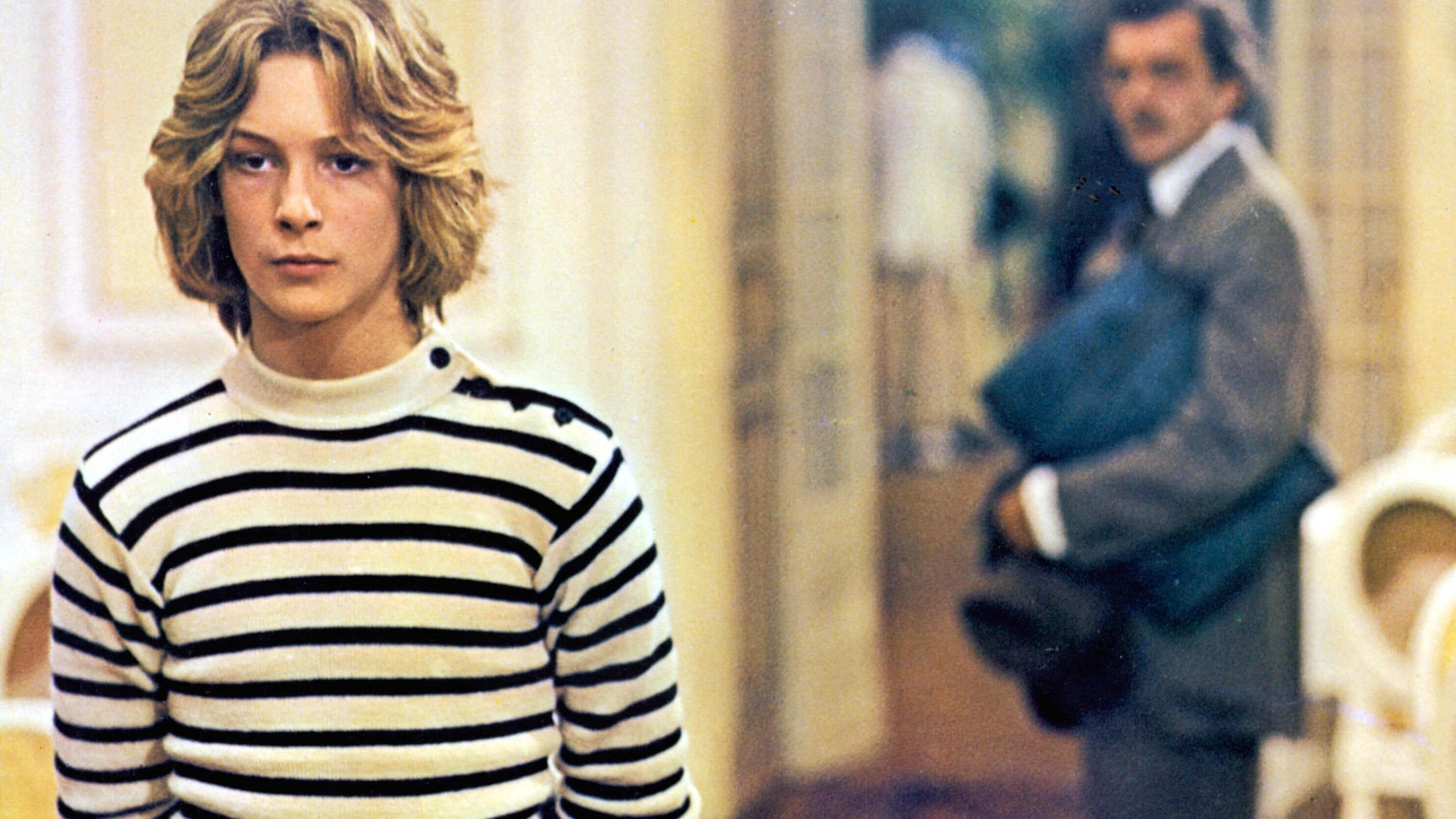
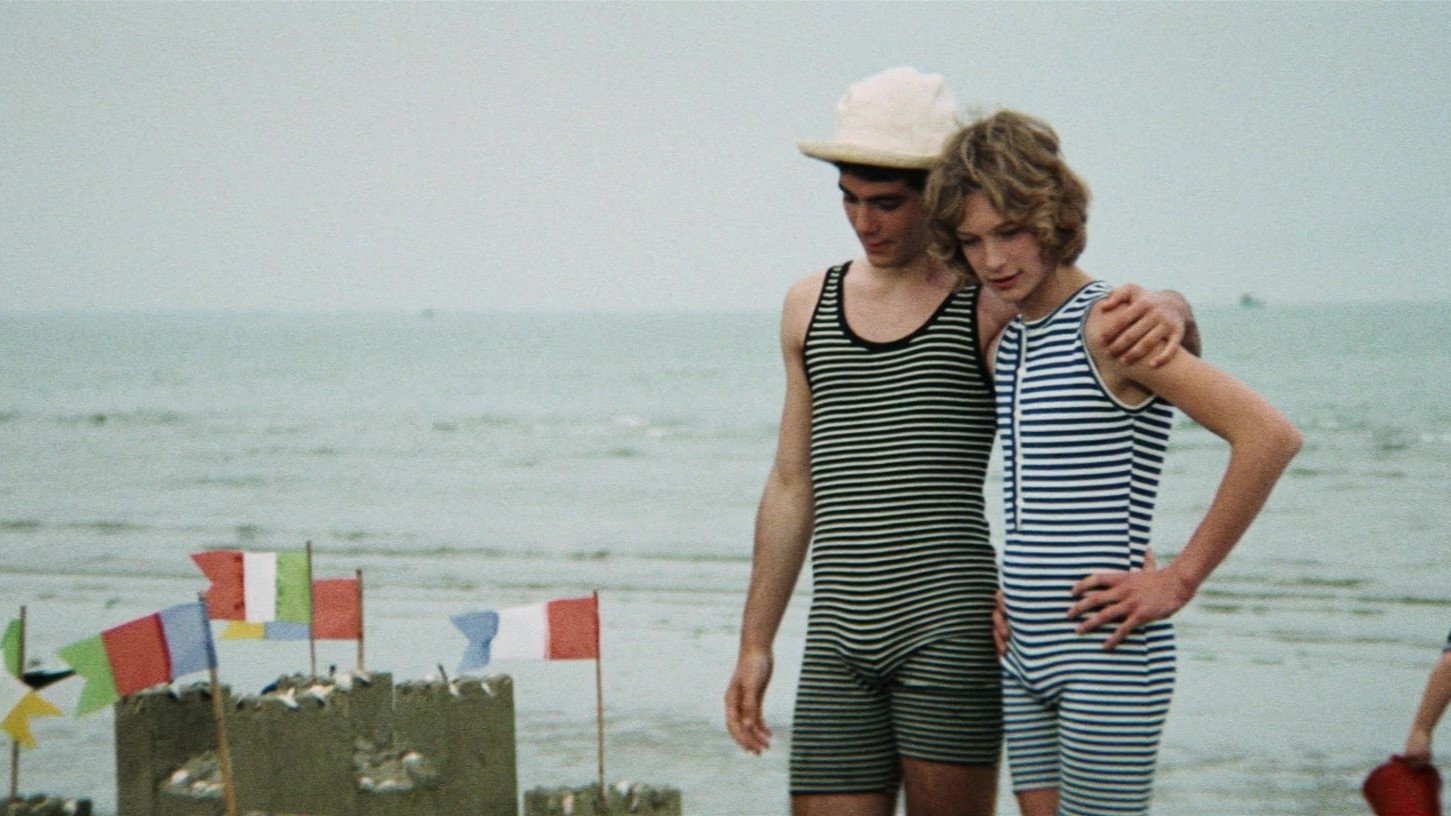
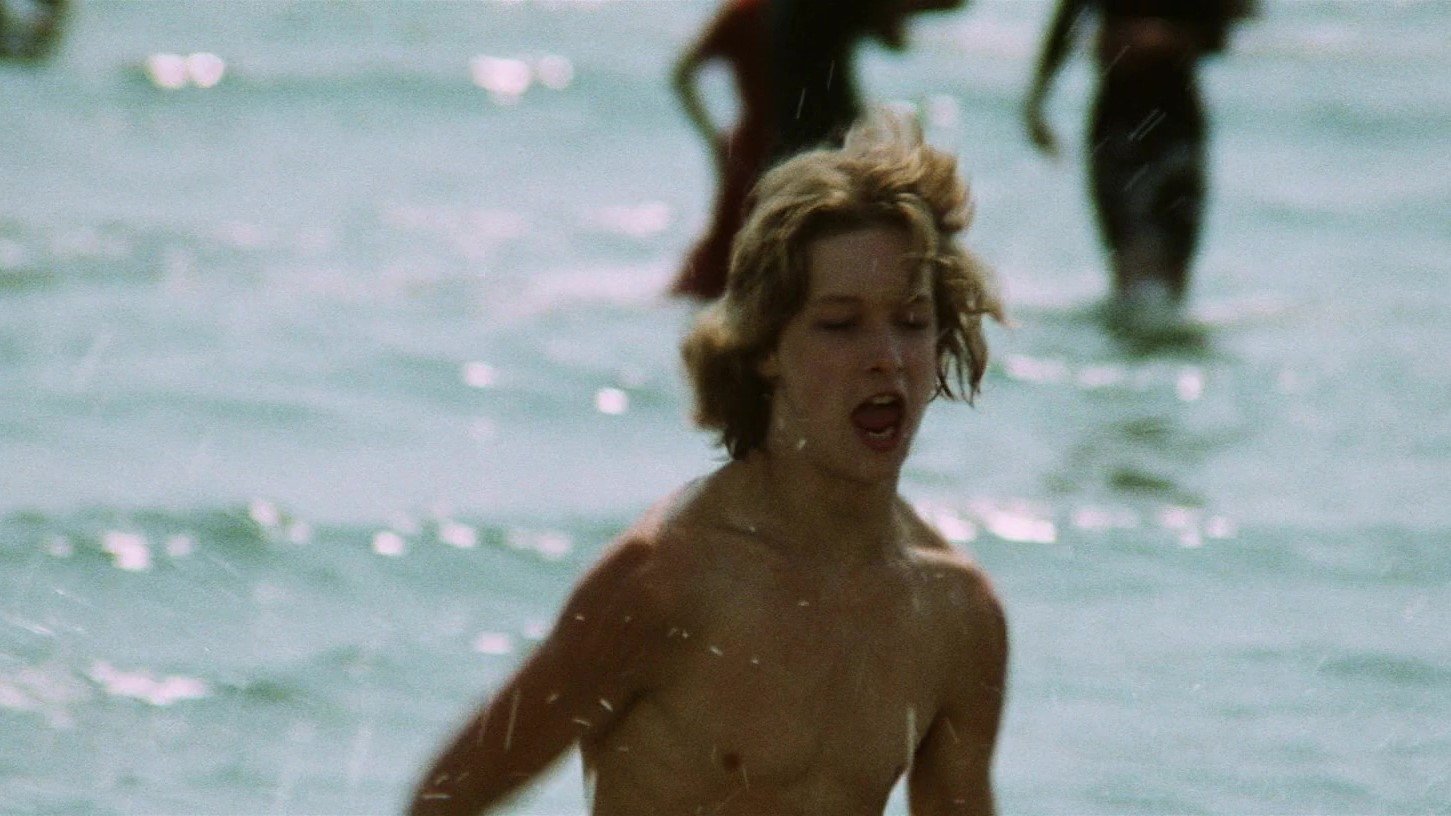
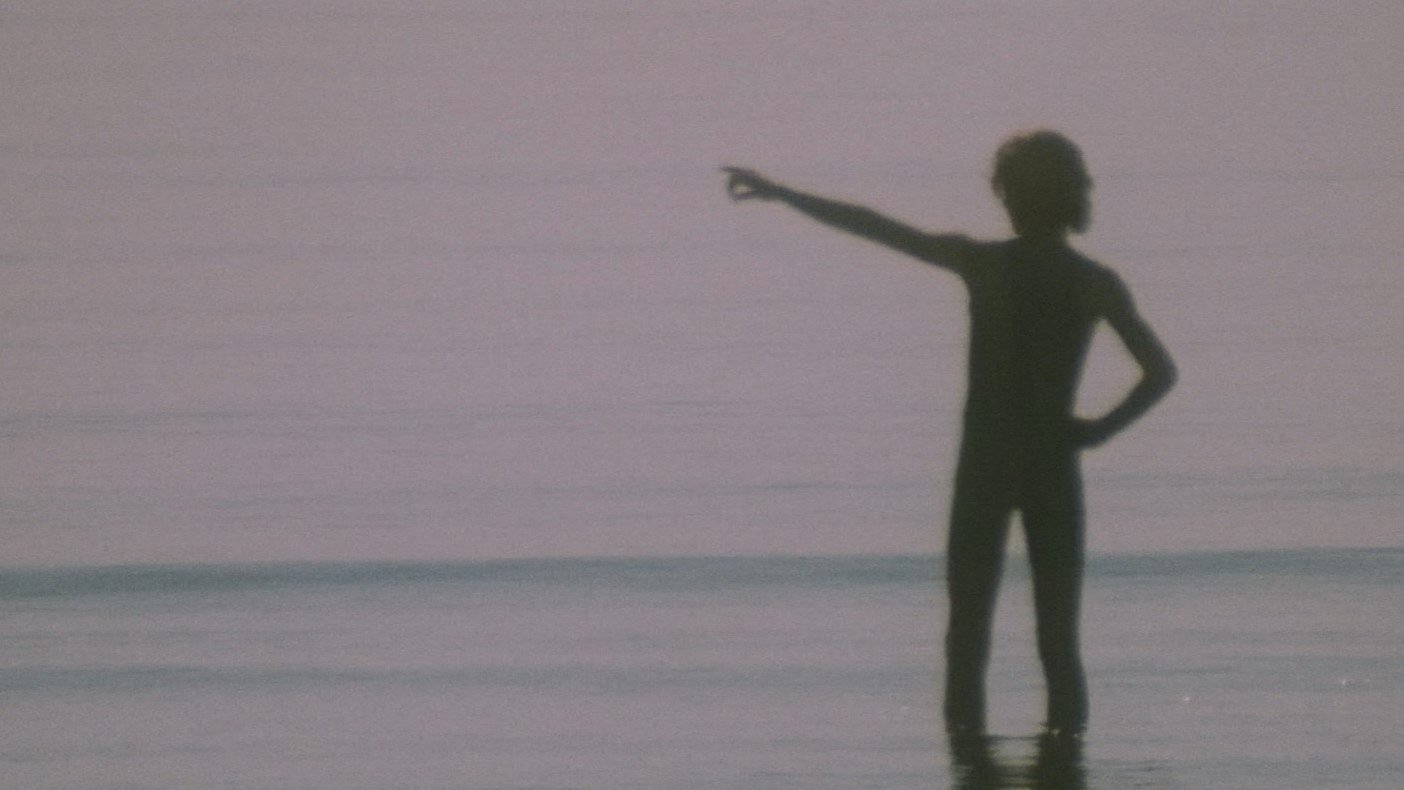
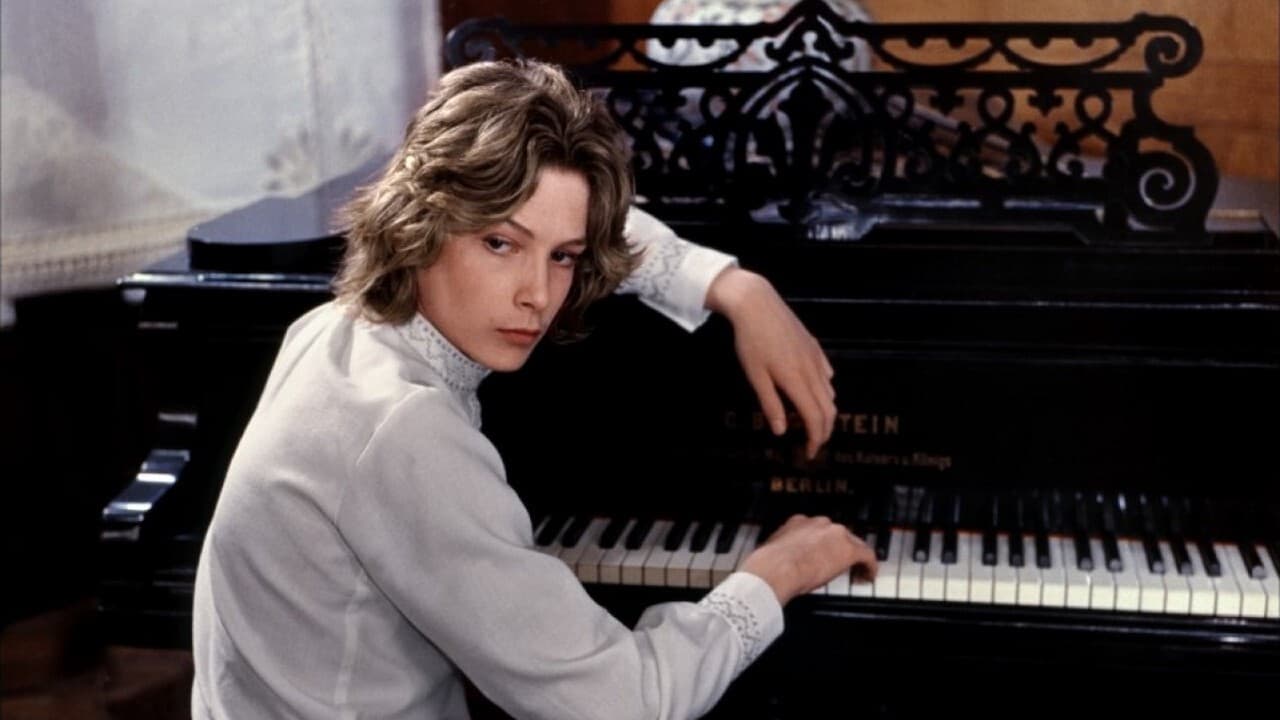
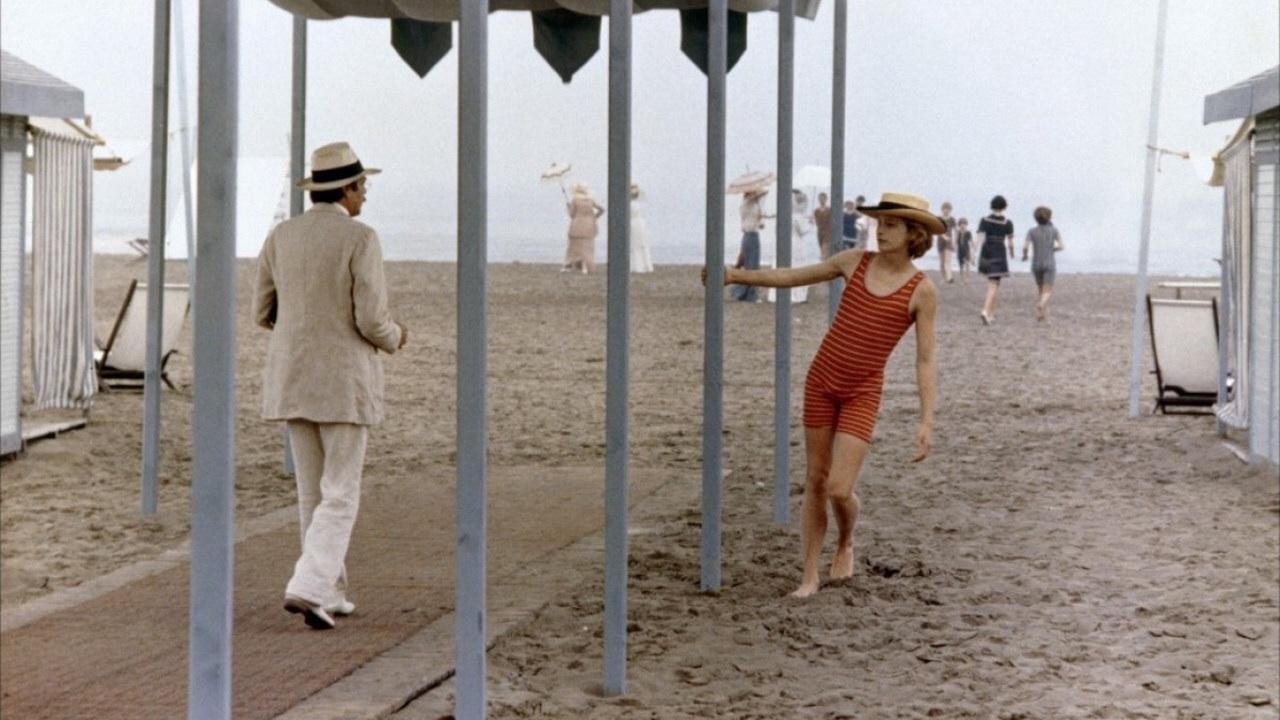
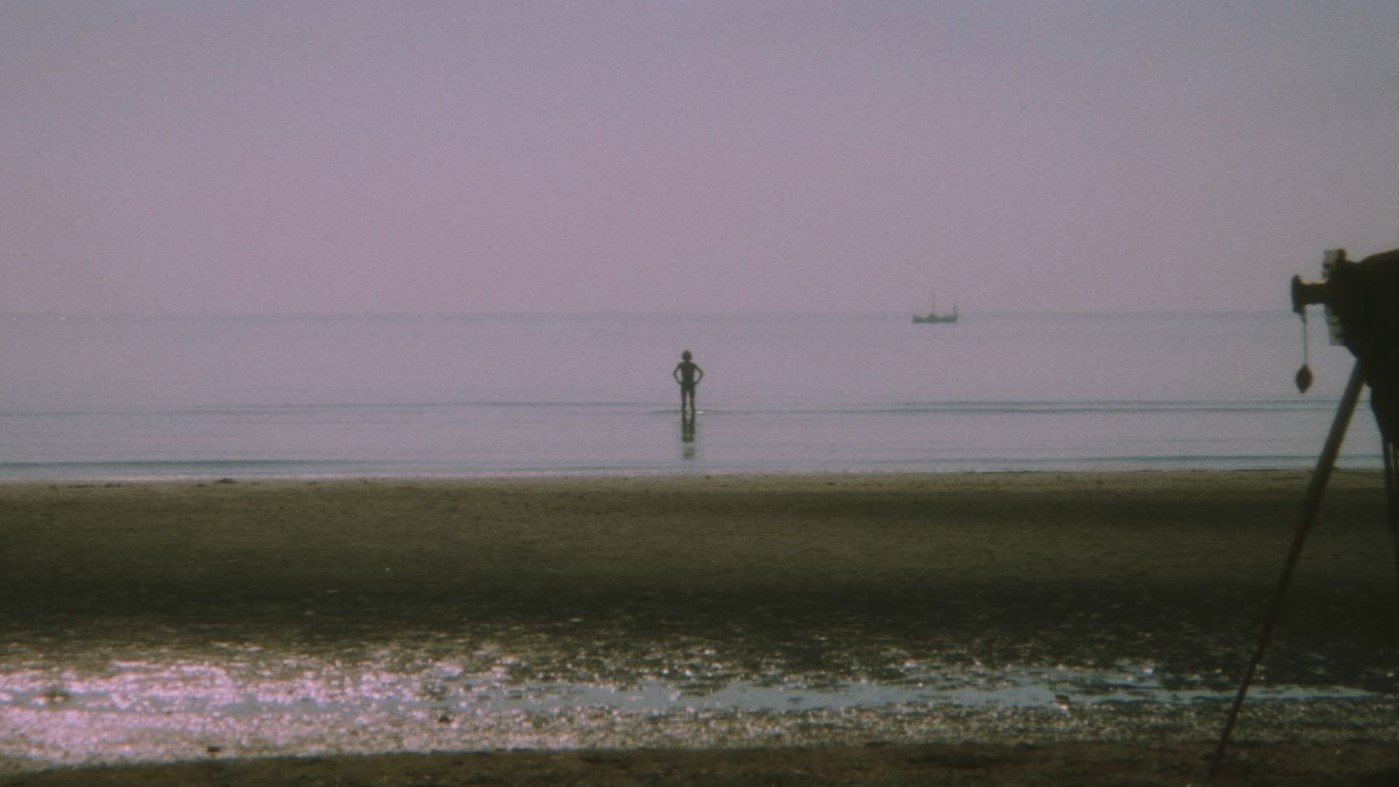
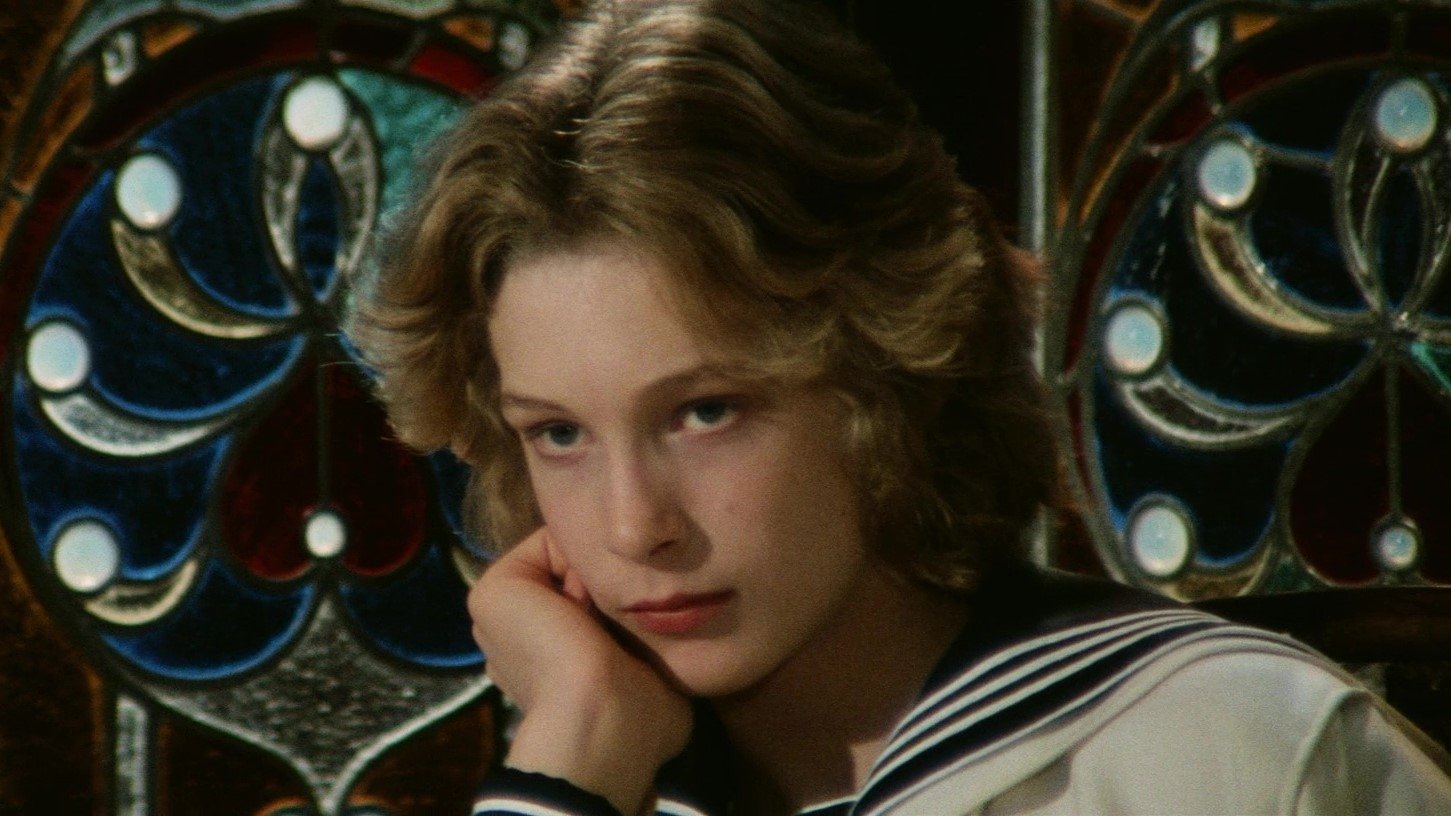
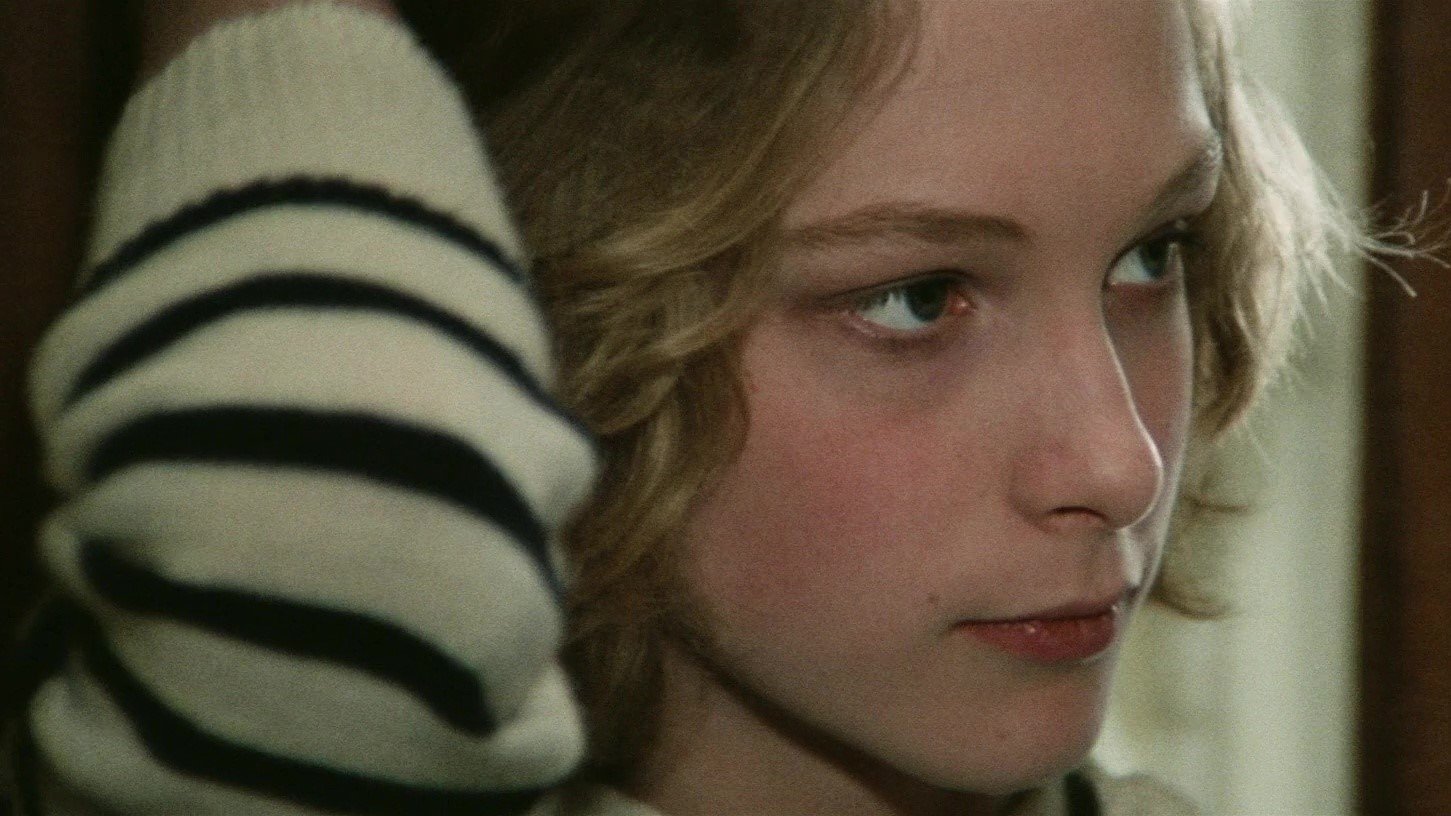
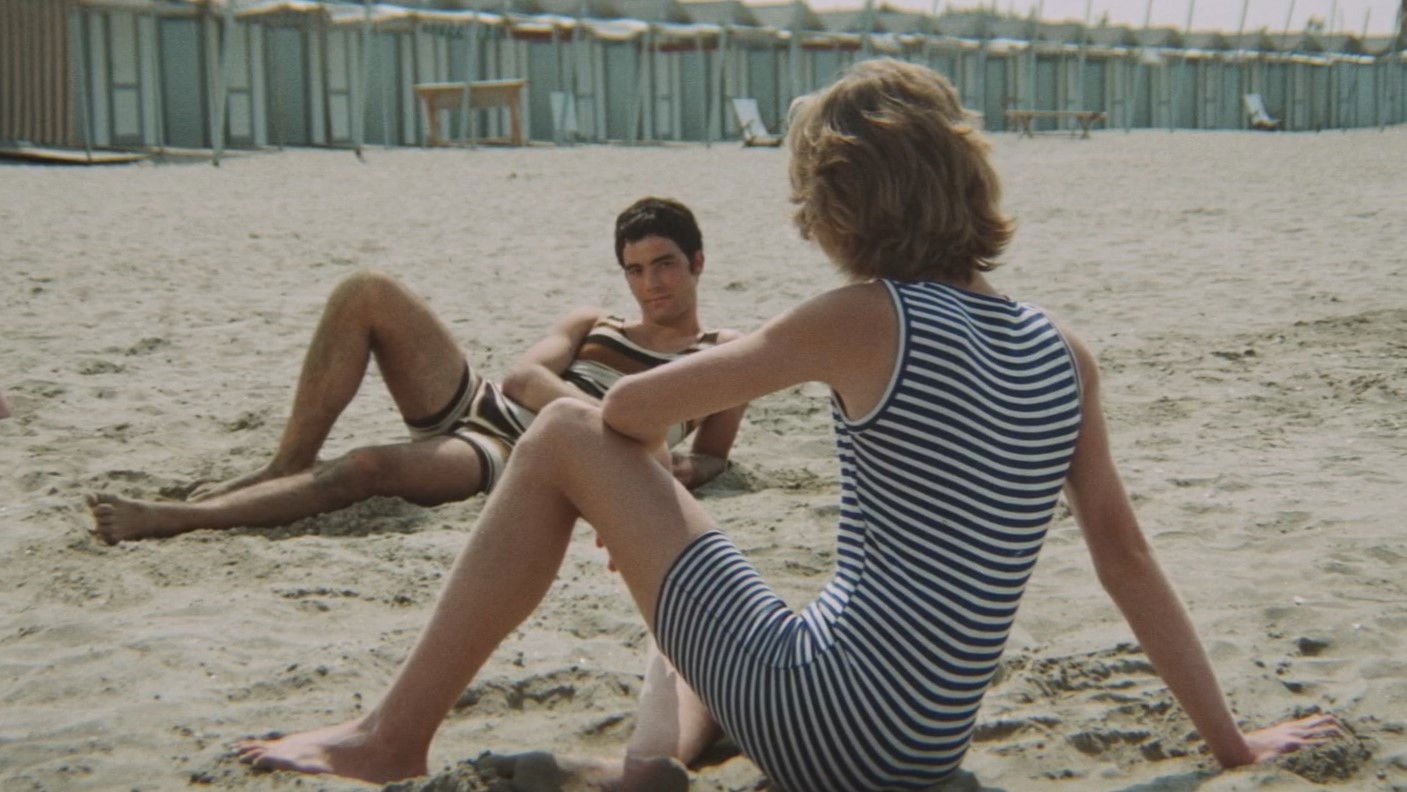
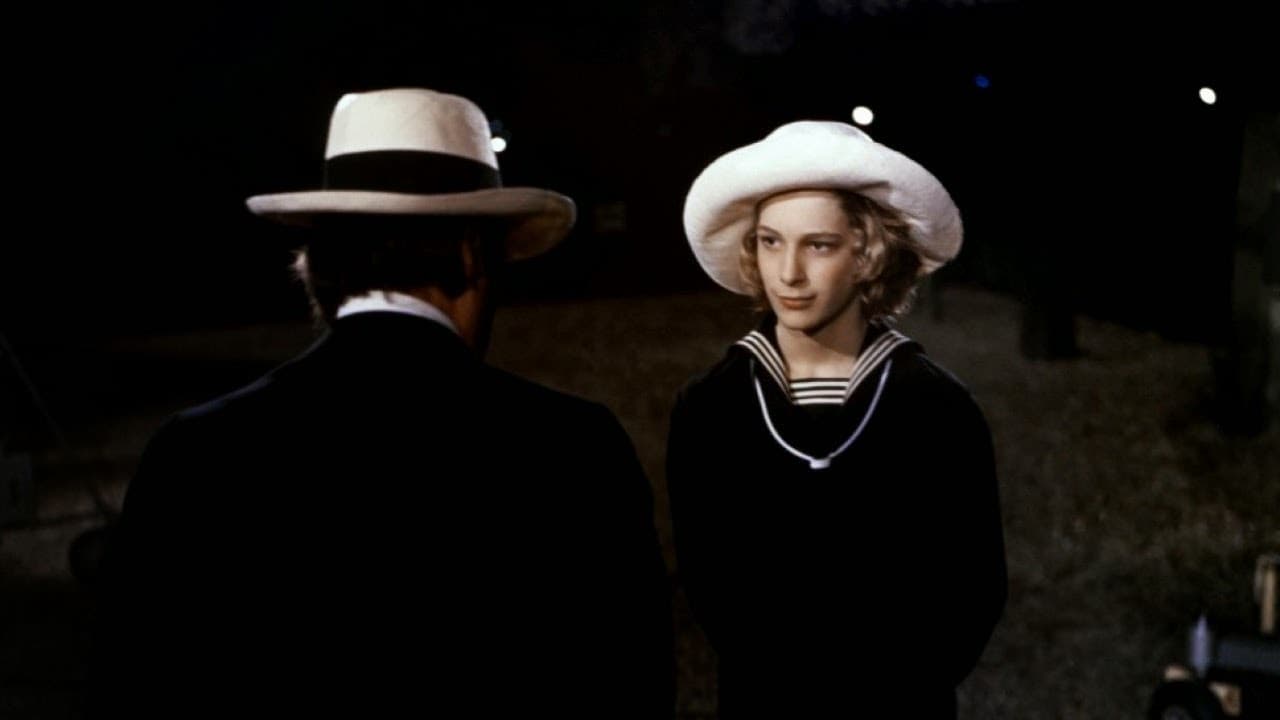
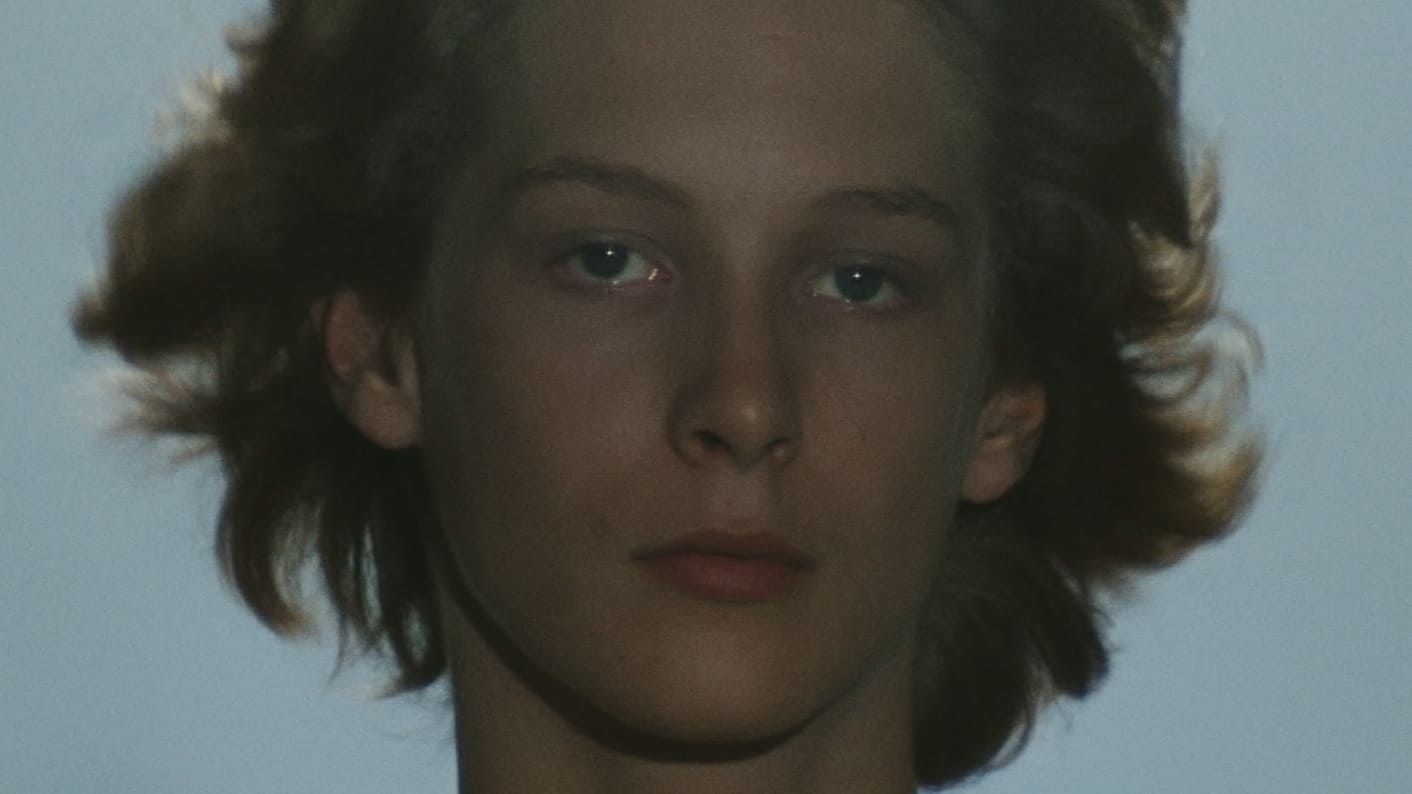
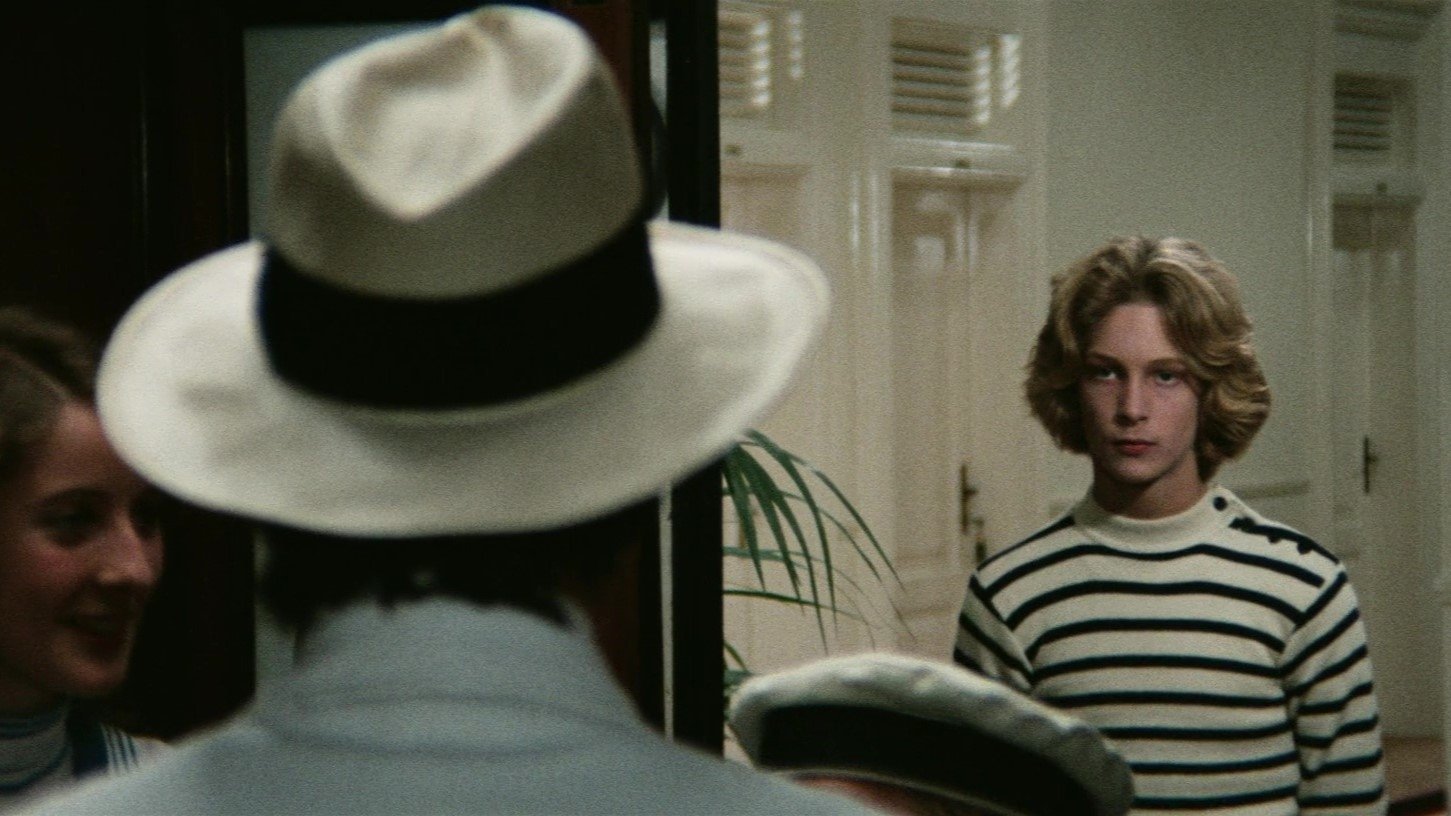
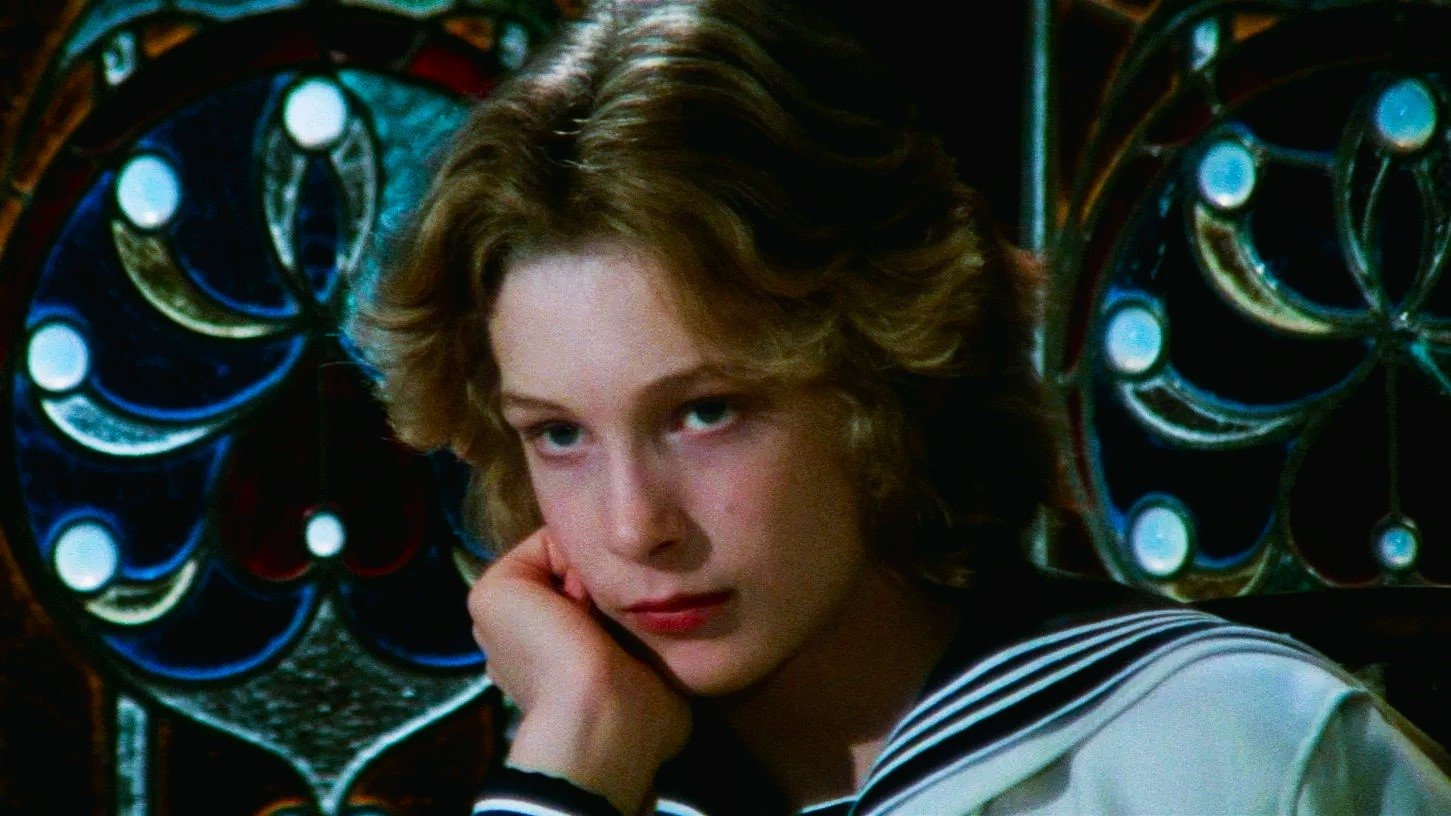
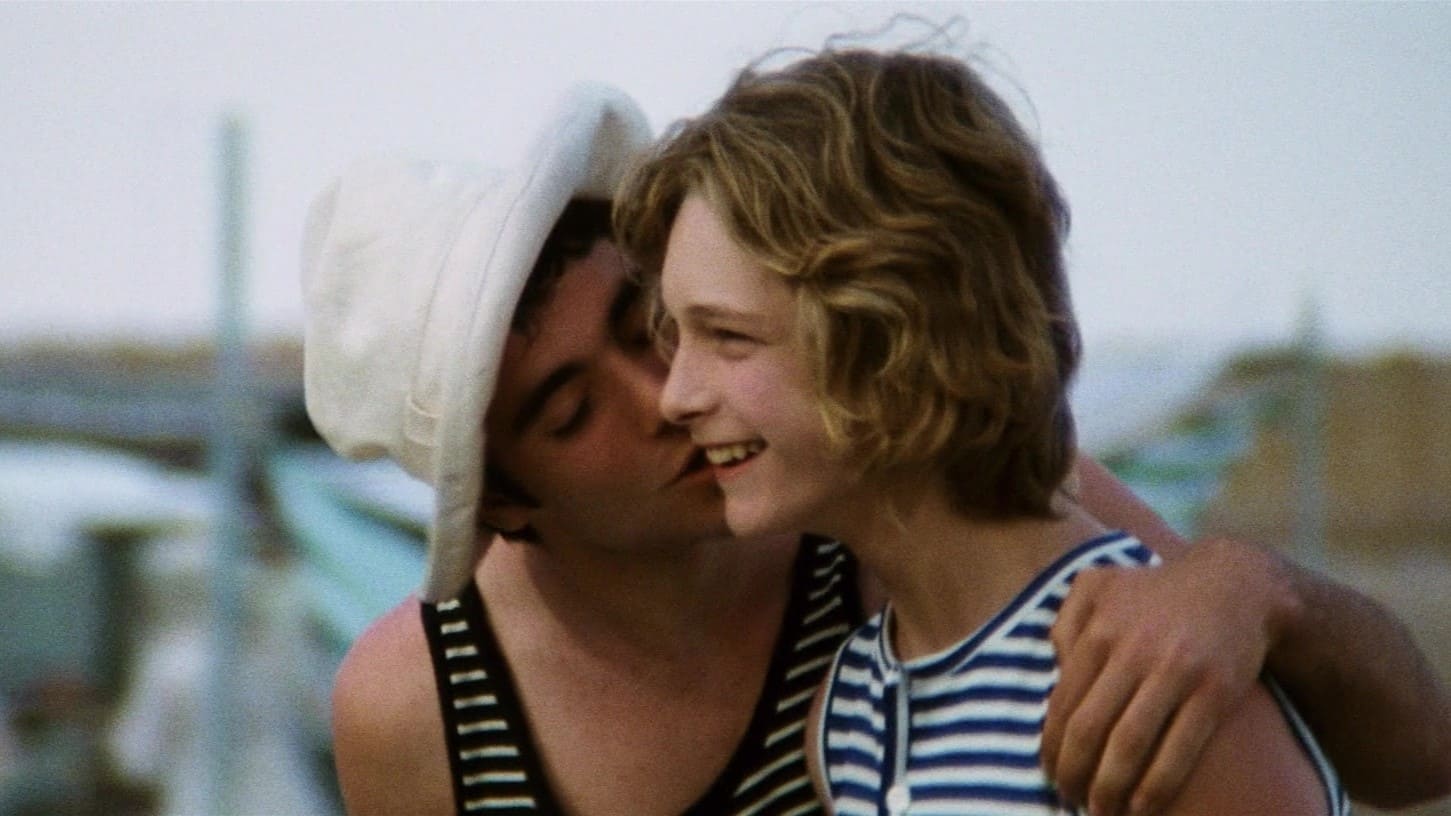
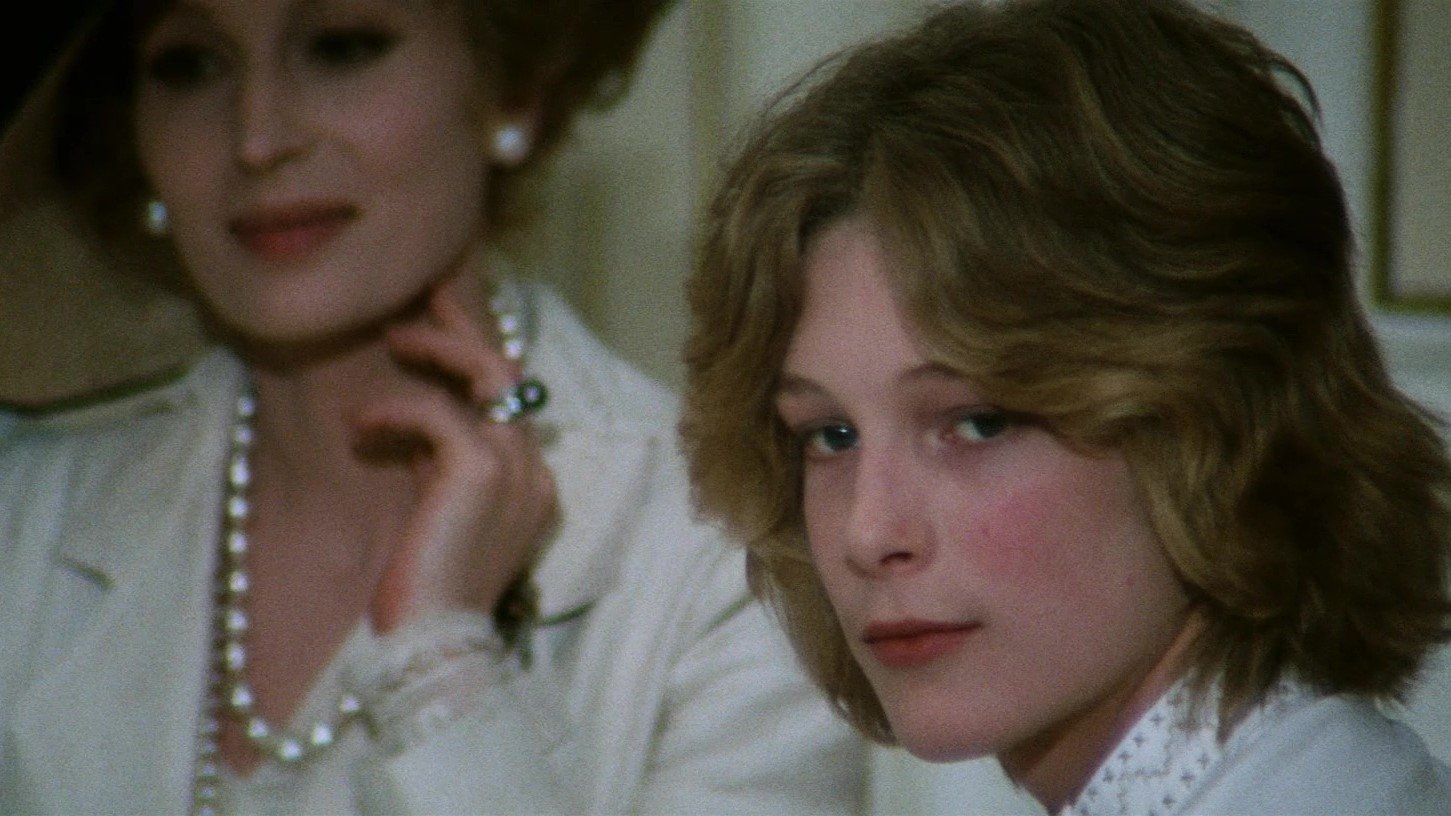
And finally, there is youth — unattainable, indifferent, eternally elusive. Tadzio is not only a character in the conventional sense; he is an icon, an embodiment of idealized beauty. Visconti films him as a vision, a being who never speaks much, never acts concretely, but simply exists, hovering between reality and myth. He does not return Gustav’s gaze with desire nor with rejection — he simply allows himself to be admired, like a Greek sculpture that does not belong to the world of men but to something divine.
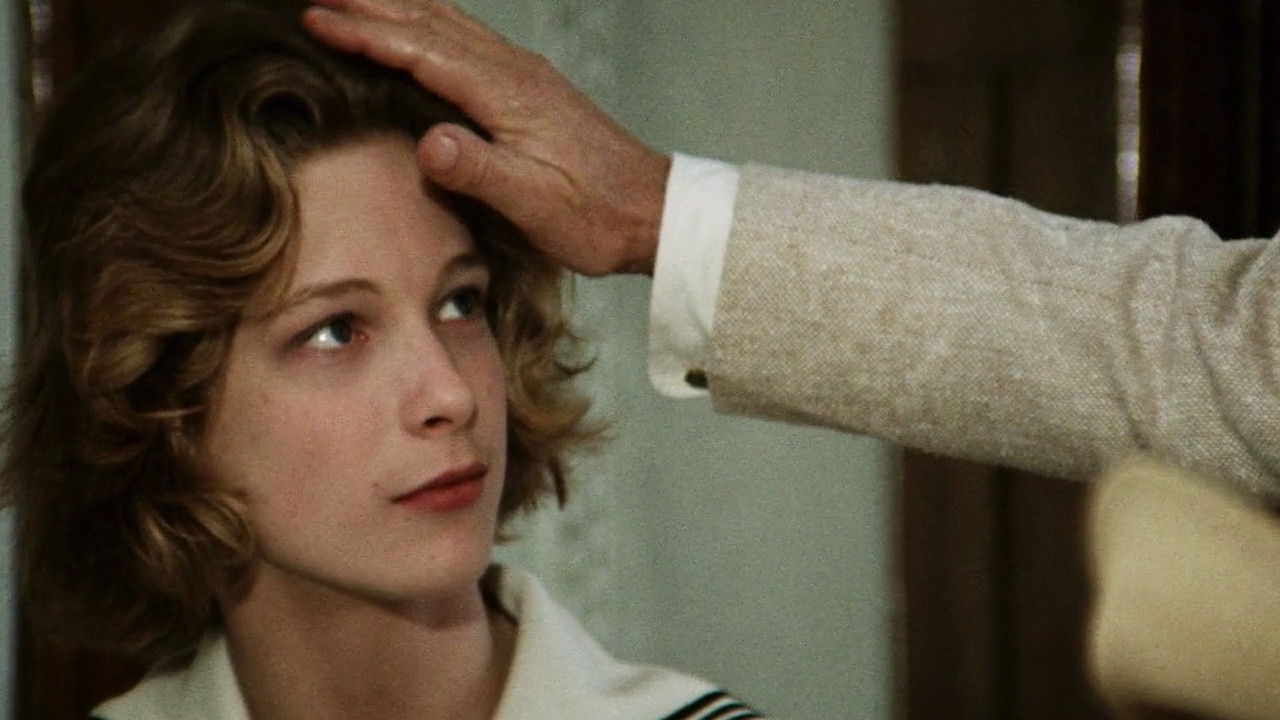
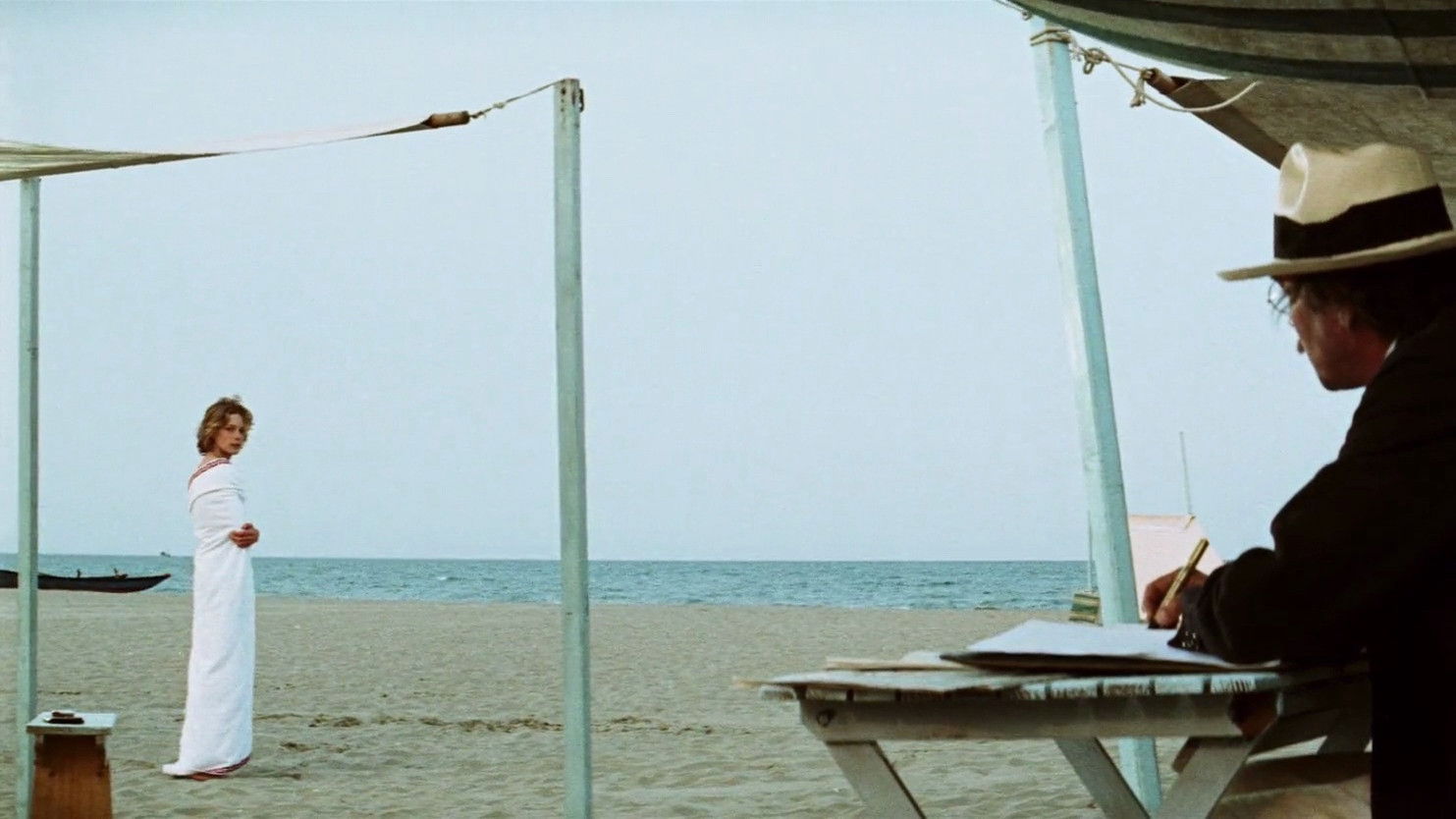
The way Visconti constructs this dynamic between the characters is of rare intelligence. Gustav’s gaze is always one of devotion and torment, never of possession. Though he desires to touch Tadzio, he only sees him, absorbs his image as if it were really a divine figure. This approach, in my view, avoids any vulgar interpretation of the story and keeps it on a more philosophical level, where love for beauty becomes both an ecstasy and a condemnation.
Visconti demonstrates, once again for me, his absolute mastery of cinema as an art form. His ability to transform literature into imagery, to give weight and texture to abstract concepts, is undeniable.
However, I have a small issue with the film. Its prolonged duration and insistence on contemplation in scenes. It’s huge in its proposal, but perhaps it extends beyond what is necessary. Still, this is a minor complaint in the face of the magnitude of what Visconti achieves here.
Very different from what I had imagined, I had in mind a film built on the strength of action, on the frantic unfolding of events, on narrative urgency, but it’s completely the opposite: there is no rush in the subject, but rather a certain contemplation of moments; without proclamation, but with silence. It does not rely on agitation but on gestures, on glances, on the suspended time of a decaying Venice, where death insinuates itself in the Sirocco and the ancient canals. It’s essentially a work of subtle movements.
Adapted from Thomas Mann’s novel, the film is less a narrative in the traditional sense and a more sensory and philosophical experience, a study on aesthetic obsession and the fragility of existence. The film slowly leads us into the decay of Gustav, a composer seeking rest, who finds himself entangled in the contemplation of a young boy, Tadzio, whose beauty transcends the human. But this is not a carnal love, nor a sexual desire — it’s something more ethereal, almost platonic, a fascination that does not belong to the physical world but to the ideal of perfection that torments the artist’s soul.
Some of the themes that Visconti explores are the relationship between art and life, between the ideal and the real, between the pursuit of pure beauty and the impossibility of possessing it. Gustav, a man who dedicated his existence to order and intellectual rigor, finds himself in old age confronted with something that escapes reason: beauty in its simplest, most instinctive, and indifferent form. His obsession is not only with the young Tadzio but with what he represents — immaculate youth, the perfection he always pursued in art but never managed to capture.
It’s also an analysis into the themes of physical and moral decay. The figure of Gustav, aging and falling ill under the Venetian sun, reflects the decomposition not only of the body but also of the spirit. The city, overtaken by cholera, is a mirror of his own decline. Visconti films this decadence with a precision I found cruel: the exaggerated makeup, the sweat accumulating on his pale skin, his increasingly clouded eyes. The composer, who once controlled his existence with strict rules and principles, now surrenders to something irrational, uncontrollable — and pays the price for it.
Gustav represents the artist who, throughout his life, tried to remain in the sphere of pure thought, rejecting spontaneity, raw emotion, and chance. But his journey in Venice leads him to realize that true beauty cannot be grasped by reason — it’s ephemeral, intangible, and precisely because of this, irresistible. In him, there is not only physical decline, but a collapse of everything he once believed to be true.
And finally, there is youth — unattainable, indifferent, eternally elusive. Tadzio is not only a character in the conventional sense; he is an icon, an embodiment of idealized beauty. Visconti films him as a vision, a being who never speaks much, never acts concretely, but simply exists, hovering between reality and myth. He does not return Gustav’s gaze with desire nor with rejection — he simply allows himself to be admired, like a Greek sculpture that does not belong to the world of men but to something divine.
The way Visconti constructs this dynamic between the characters is of rare intelligence. Gustav’s gaze is always one of devotion and torment, never of possession. Though he desires to touch Tadzio, he only sees him, absorbs his image as if it were really a divine figure. This approach, in my view, avoids any vulgar interpretation of the story and keeps it on a more philosophical level, where love for beauty becomes both an ecstasy and a condemnation.
Visconti demonstrates, once again for me, his absolute mastery of cinema as an art form. His ability to transform literature into imagery, to give weight and texture to abstract concepts, is undeniable.
However, I have a small issue with the film. Its prolonged duration and insistence on contemplation in scenes. It’s huge in its proposal, but perhaps it extends beyond what is necessary. Still, this is a minor complaint in the face of the magnitude of what Visconti achieves here.