If I could get a bit personal, I’m currently undergoing trauma work to treat my (C-)PTSD. Of course, this means confronting my own relationship with memory. I’ve realized that I am rarely an active participant in my memories. What lingers is space and all of the voices which fill it in light of my passive silence.
I do not recall myself, but I remember my daddy’s paintings clearly. He was never the religious man; yet, he would always paint Christ up on his cross.
I do not recall myself, but I remember my daddy laying there on the kitchen floor. Truth to be told, he was barely breathing. Perhaps this explains my apparent lack of reaction when his time came.
I do not recall myself, but I remember my daddy’s beaten up red house. Though he lost it when he fell into homelessness, I can’t help but believe that a piece of us is still trapped there after all of these years.
All I hold is framed pictures: symbolic pieces of imagery that fill the gaps in my mind. It was soon after mama confirmed that you were the one who took your life where I discovered cinema. In fact, it was the same day. I had almost bled to death, lying in that hospital bed. One of her friends had given me Spirited Away on blu-ray, and ever since that moment, I’ve been chasing those images my mind always held. Film took up my every waking thought before I ever started having proper conversations with anyone.
I live without a language. I’ve been told that I’m a skilled writer (note: I pray that none of you reading this take any of my Letterboxd ramblings as evidence of their claims. I’m literally writing this with one finger pressing against my phone ‘cause my hands don’t work well as I curl myself up against my couch. I’m quite literally yapping here), but it has always felt like I’m translating my thoughts and emotions for the oppressor. English has never felt right. I live as an observer of this world I’ve been placed inside. I live through these images, through these sounds, through these moments. I see everything, even if I wish that I hadn’t. I feel everyone, even if I wish that I didn’t.
As melodramatic it may sound for the speaking folk reading this, film is the only language that could ever capture my lived experience and the emotions that experience produces. This film, through its abstraction of concrete memory, only illustrates this fact to me.
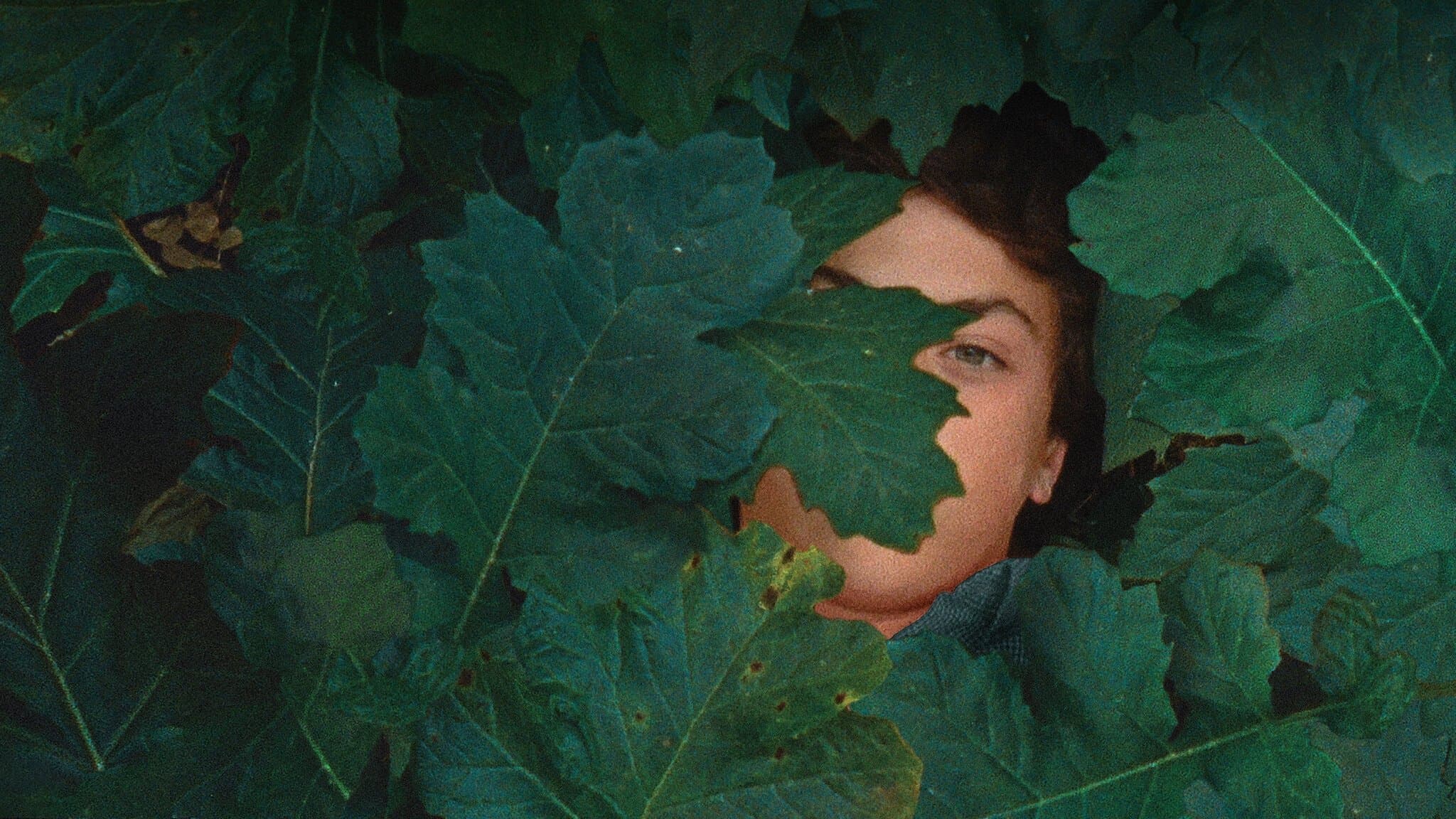
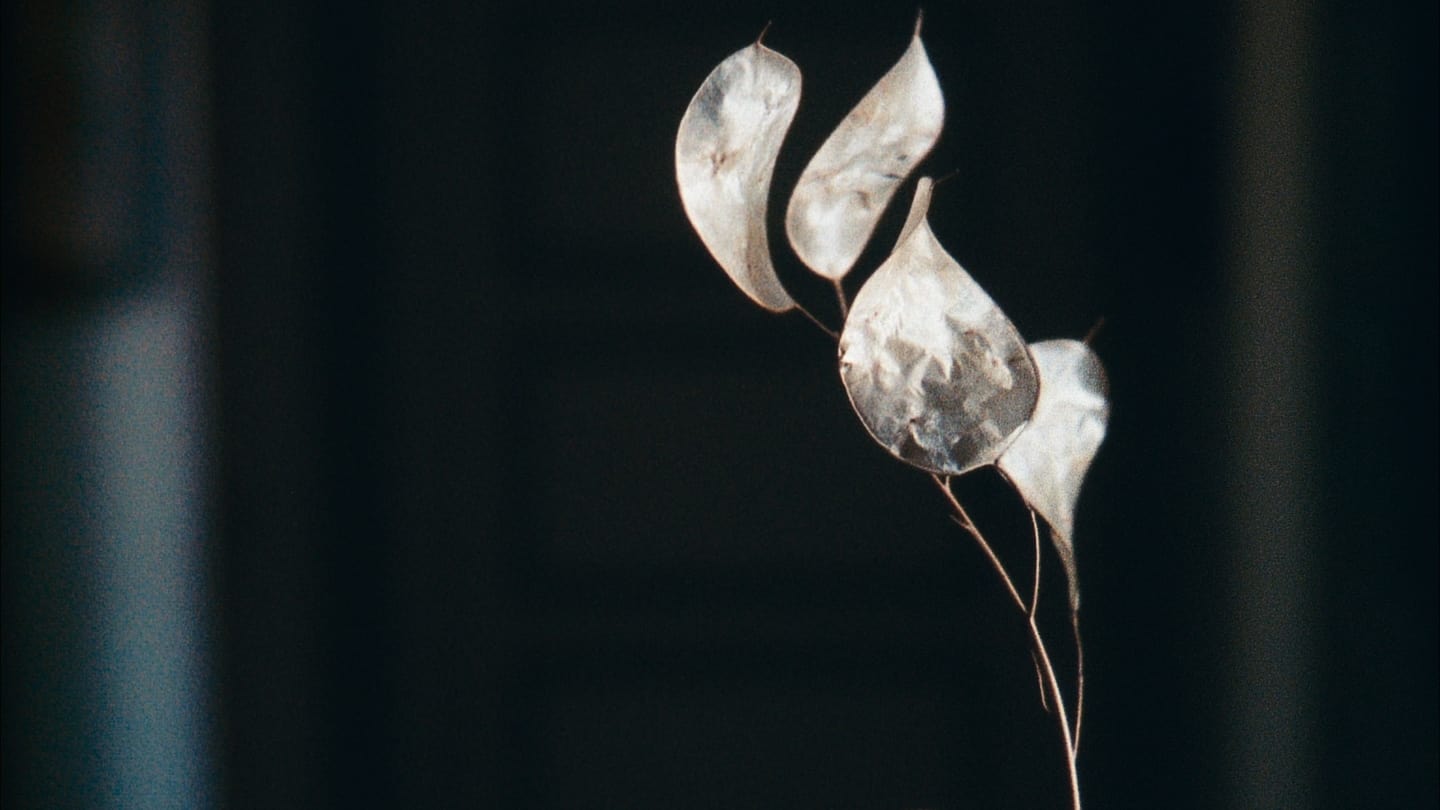
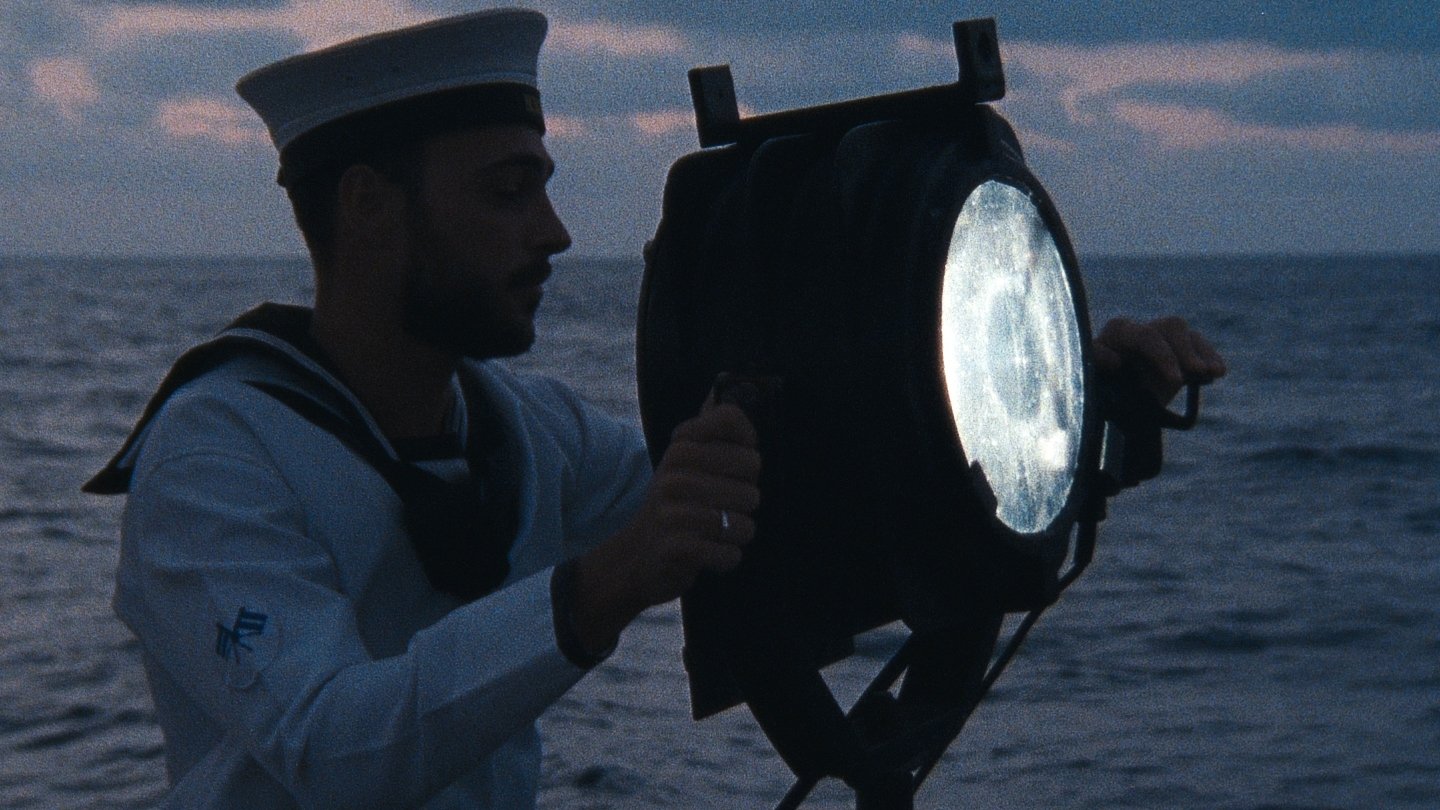
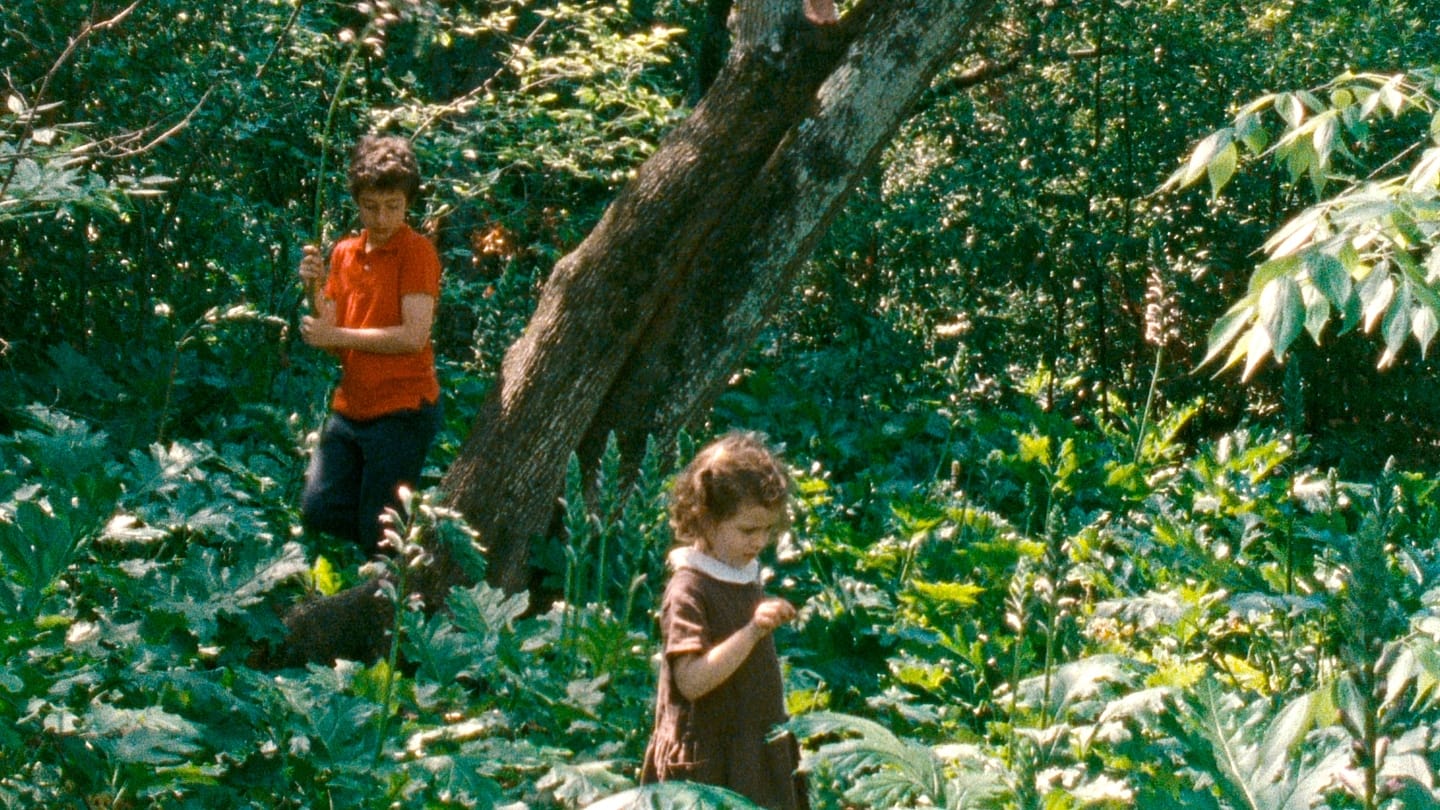
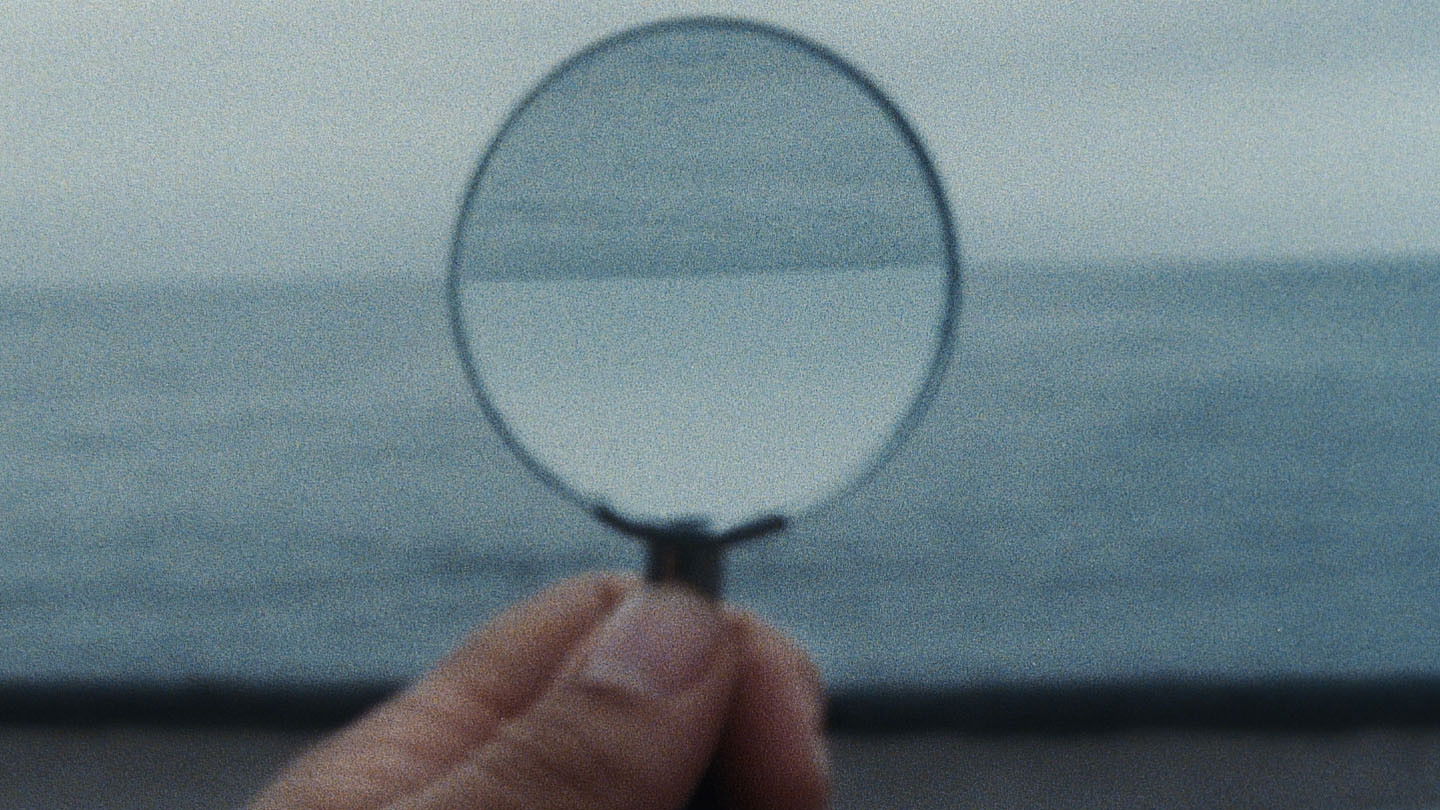
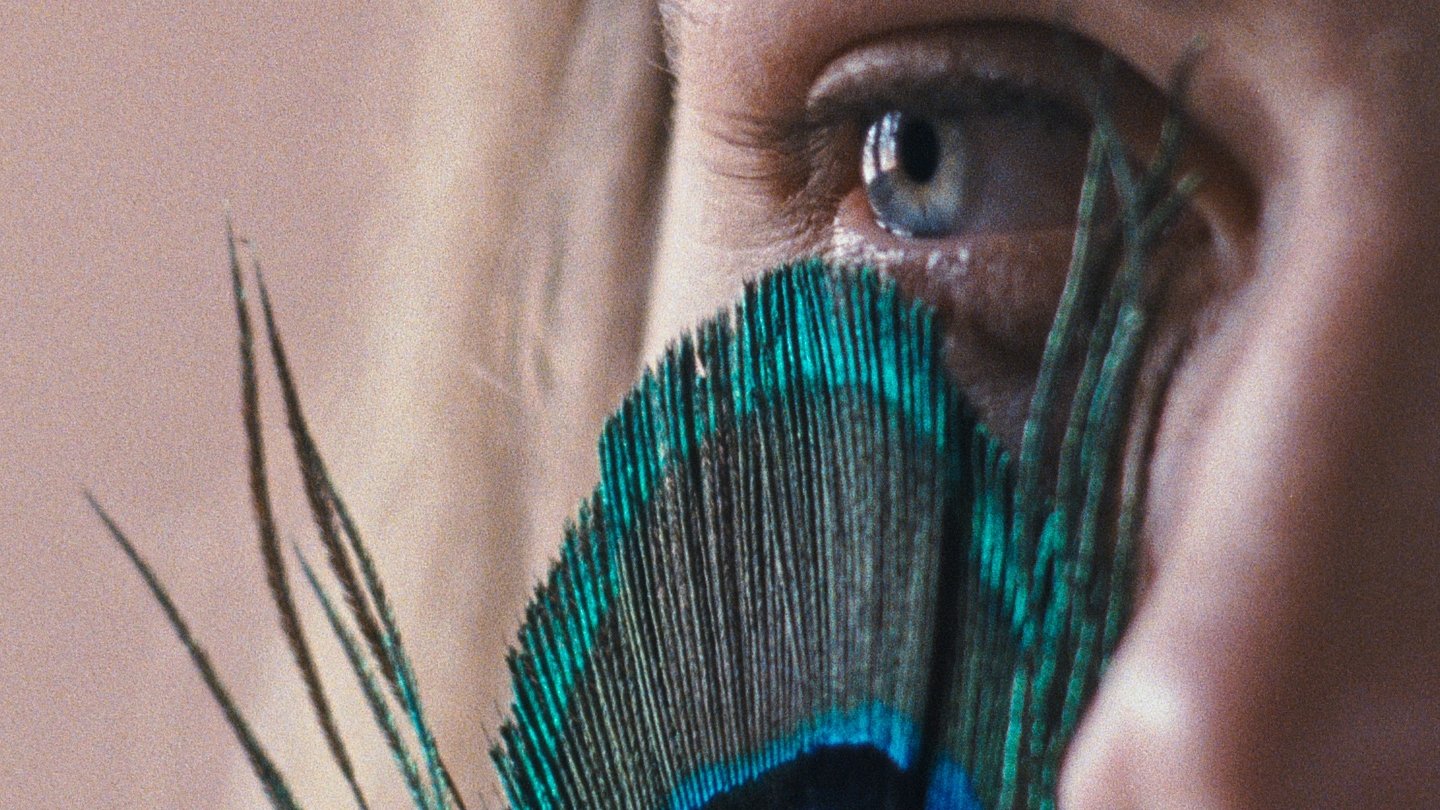
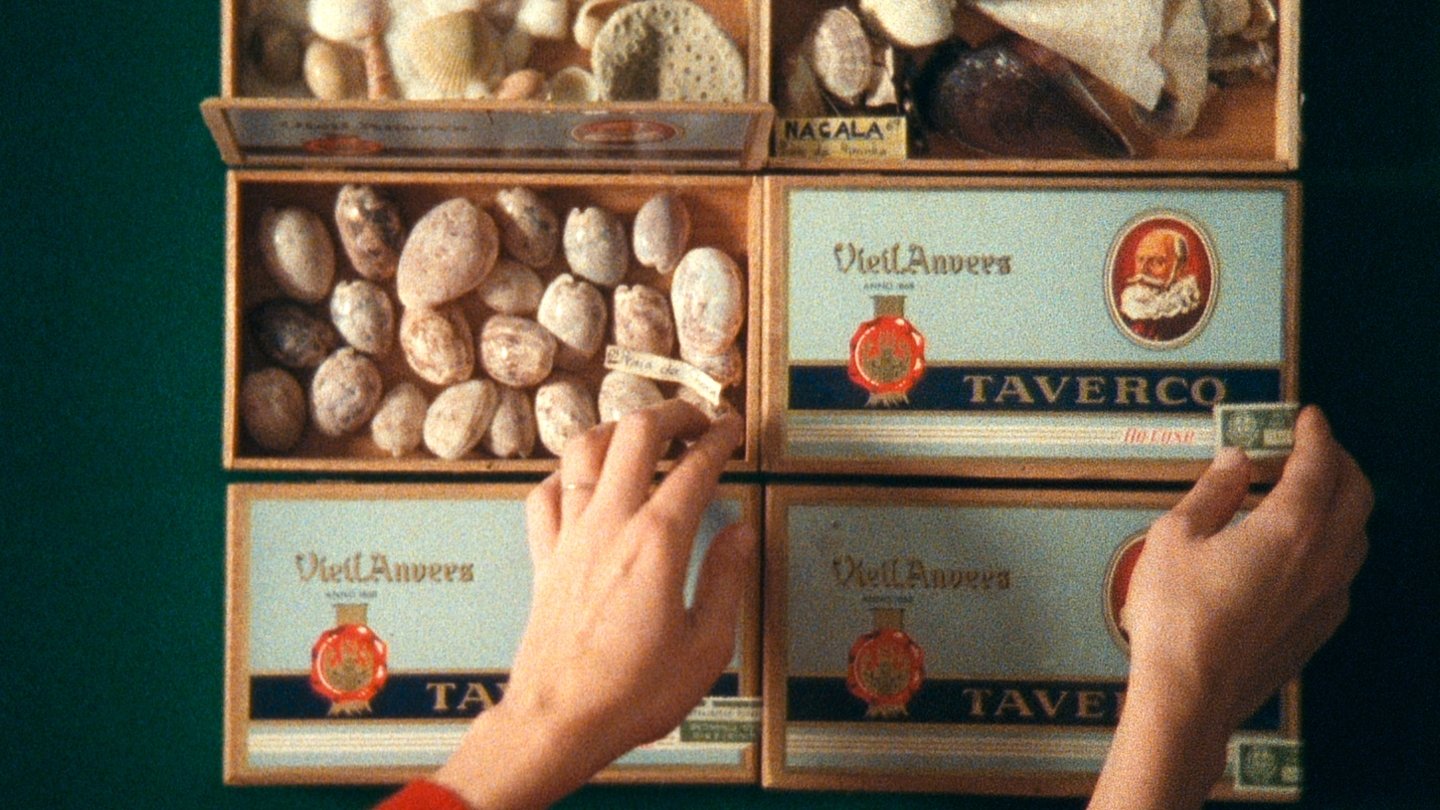
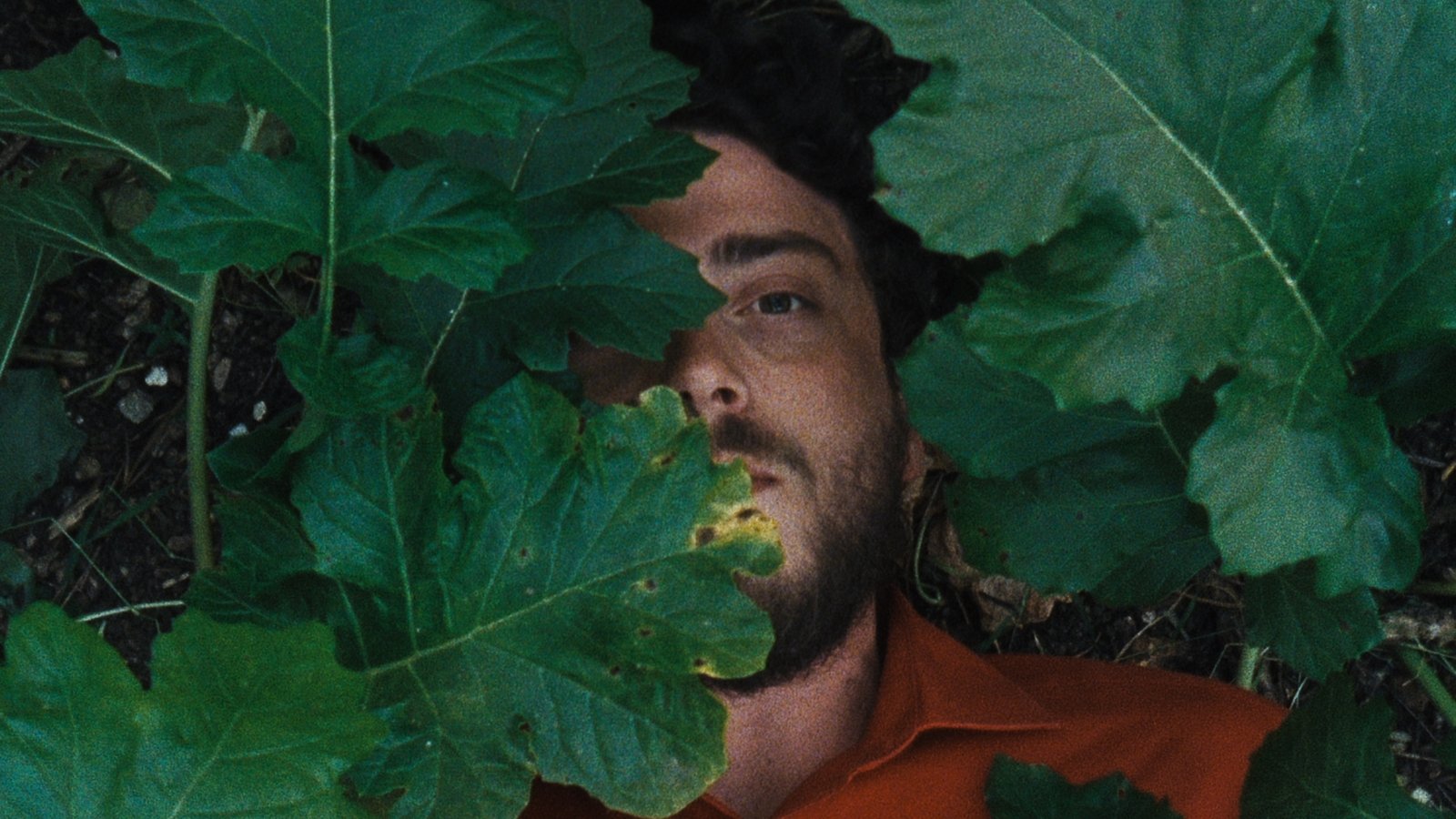
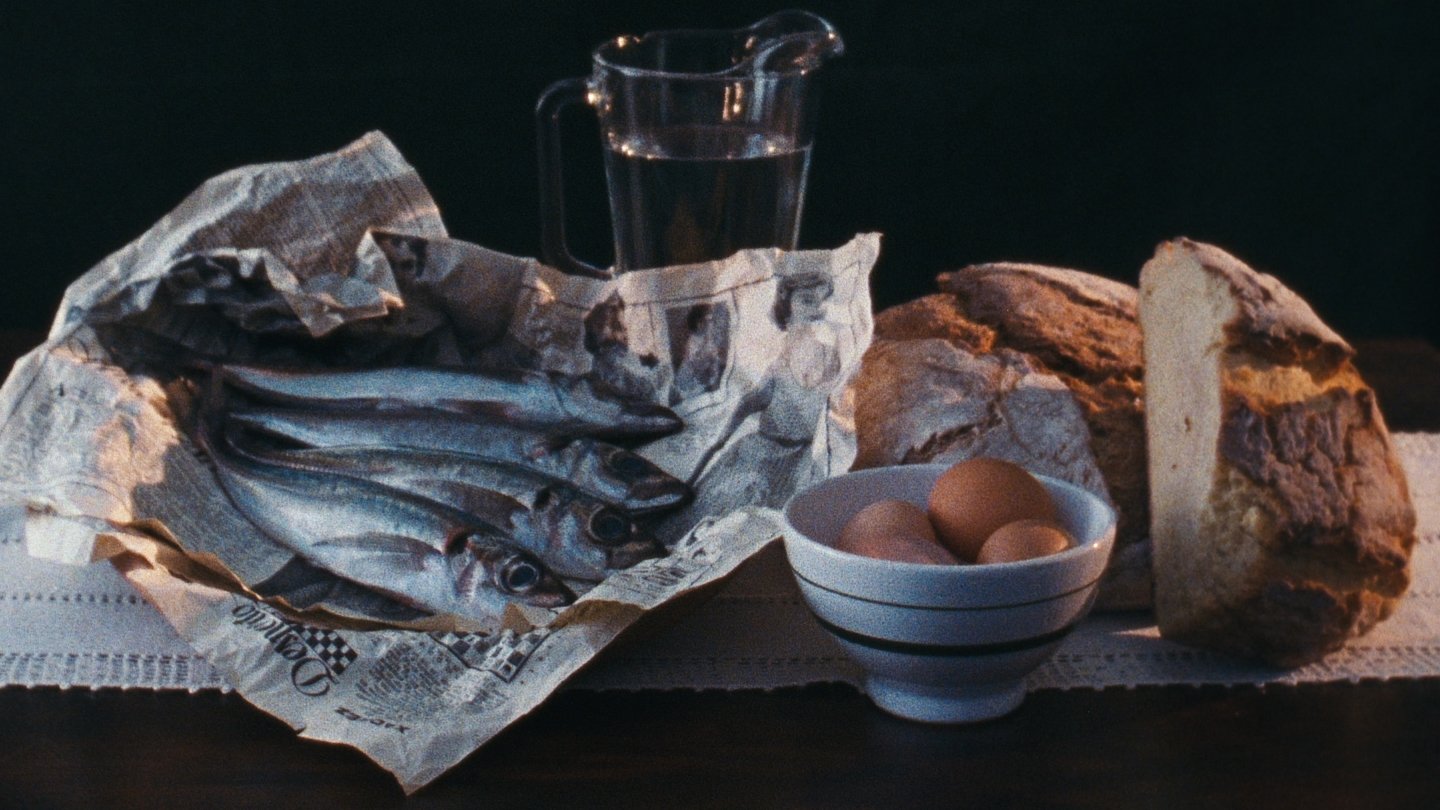
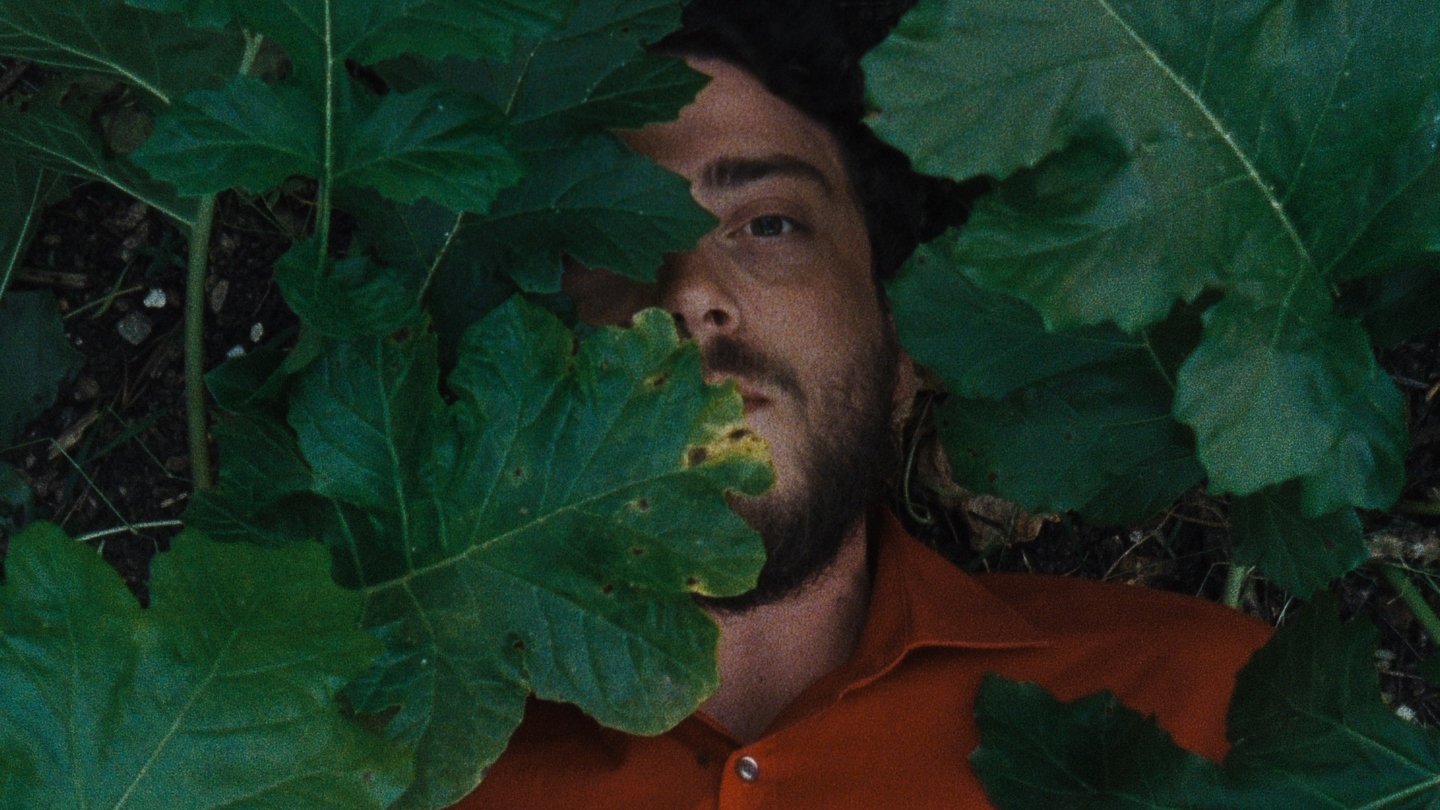
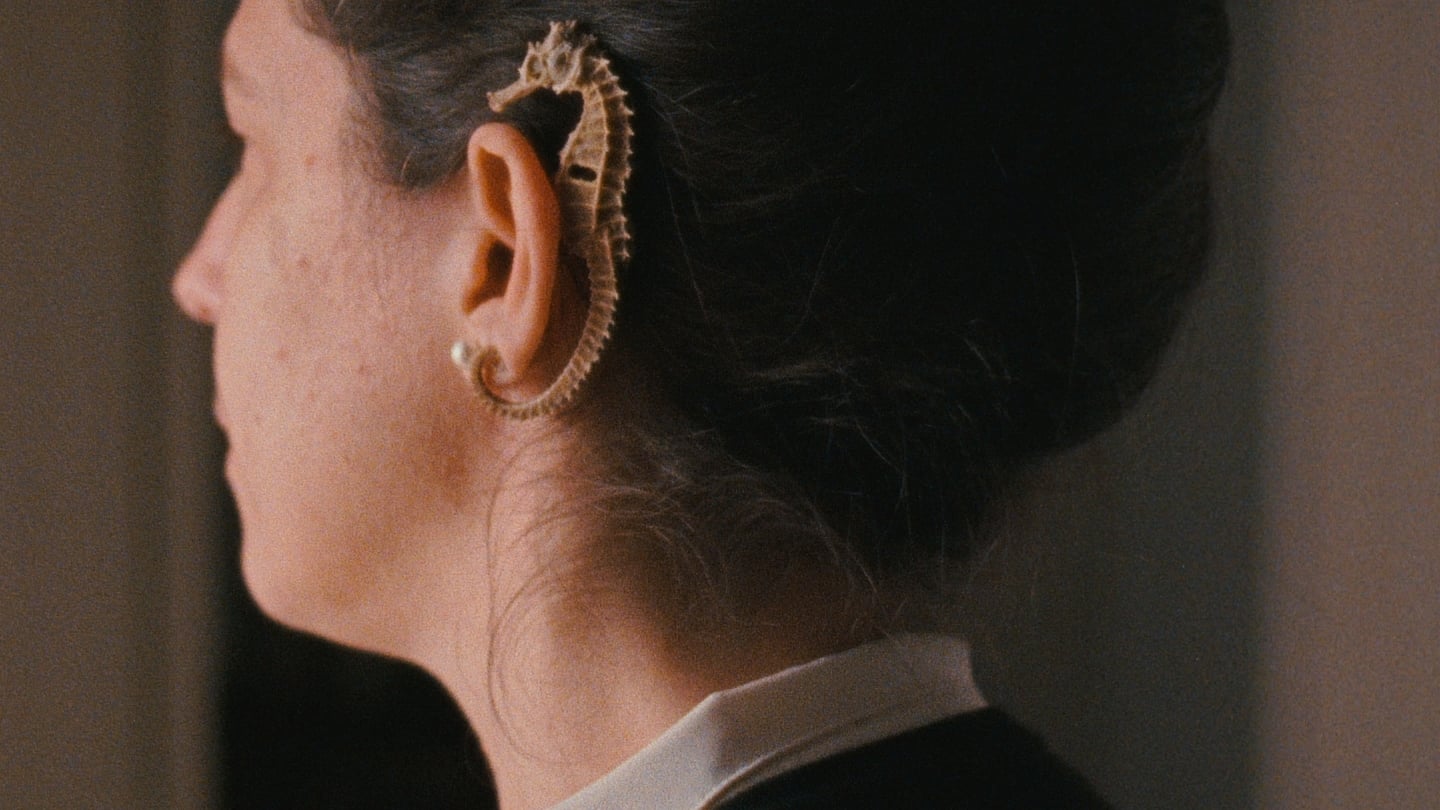
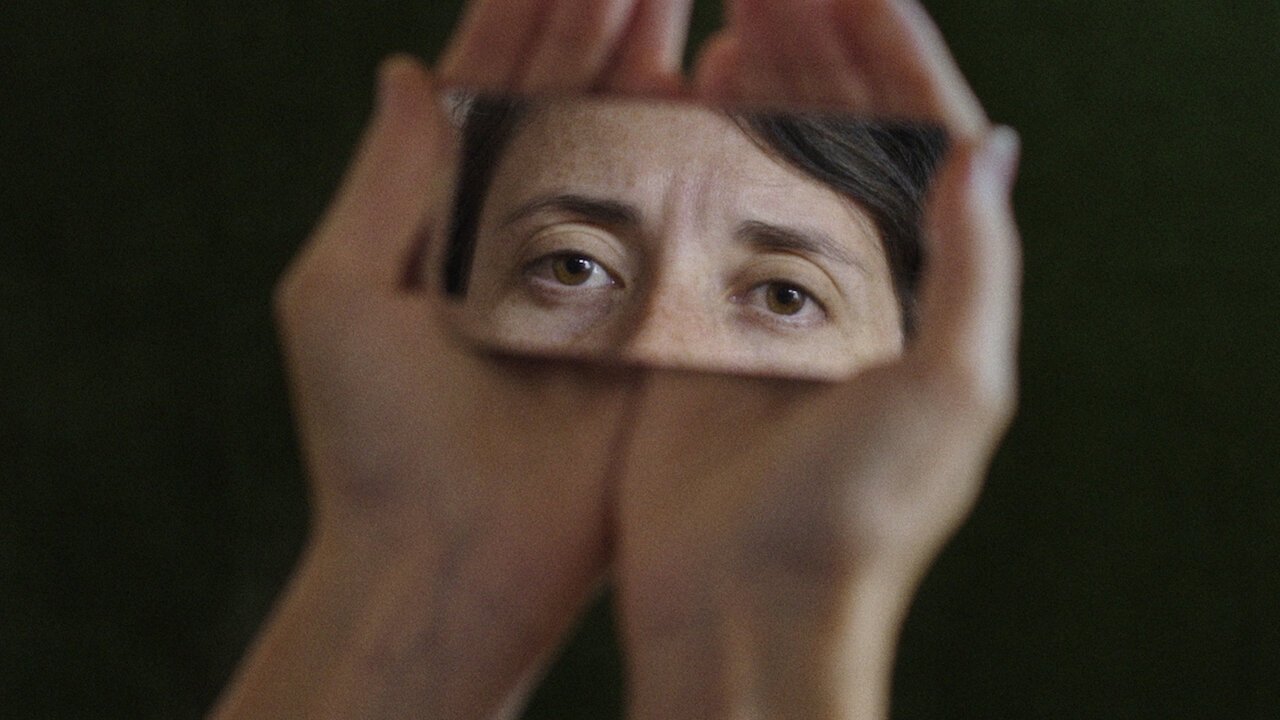
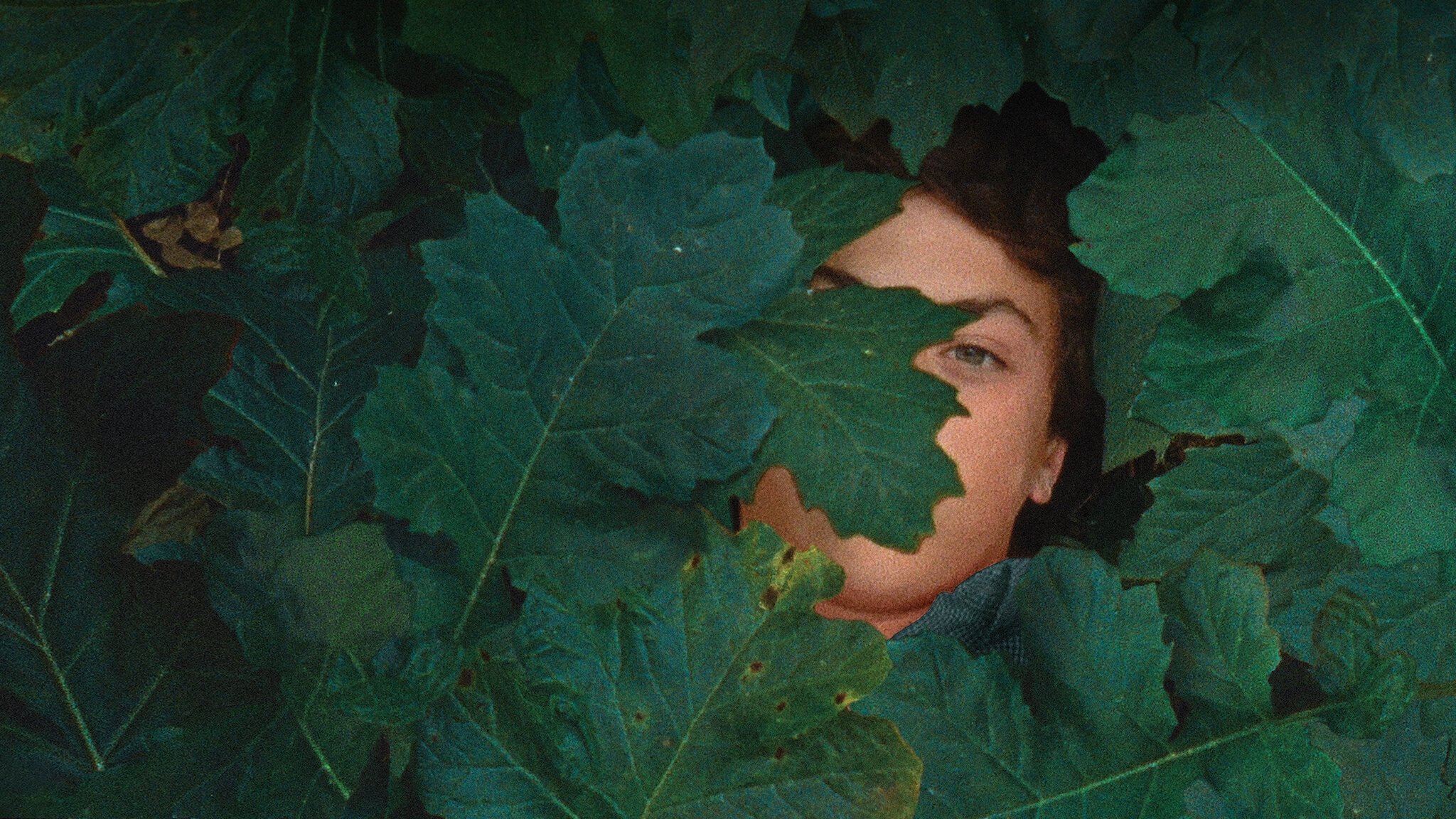
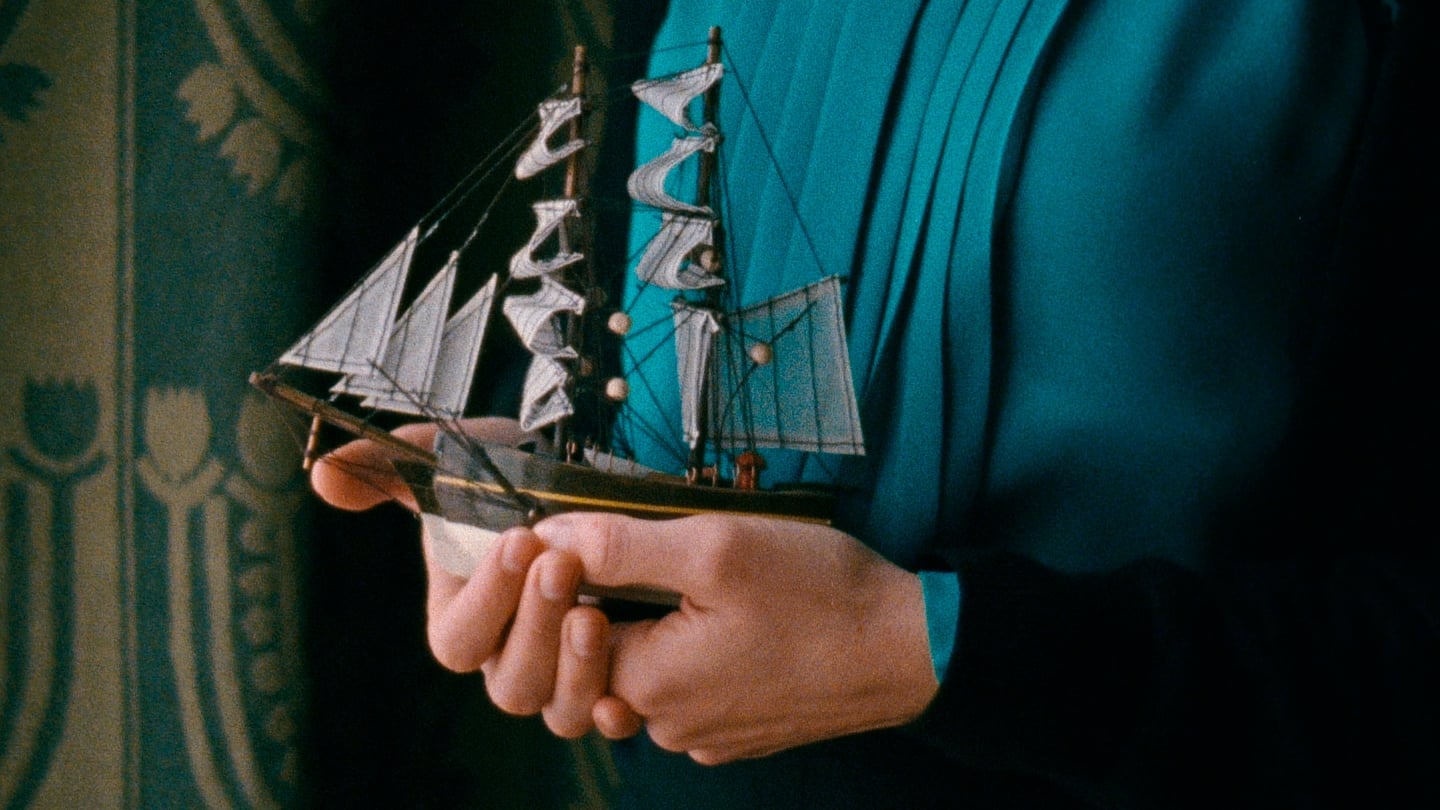
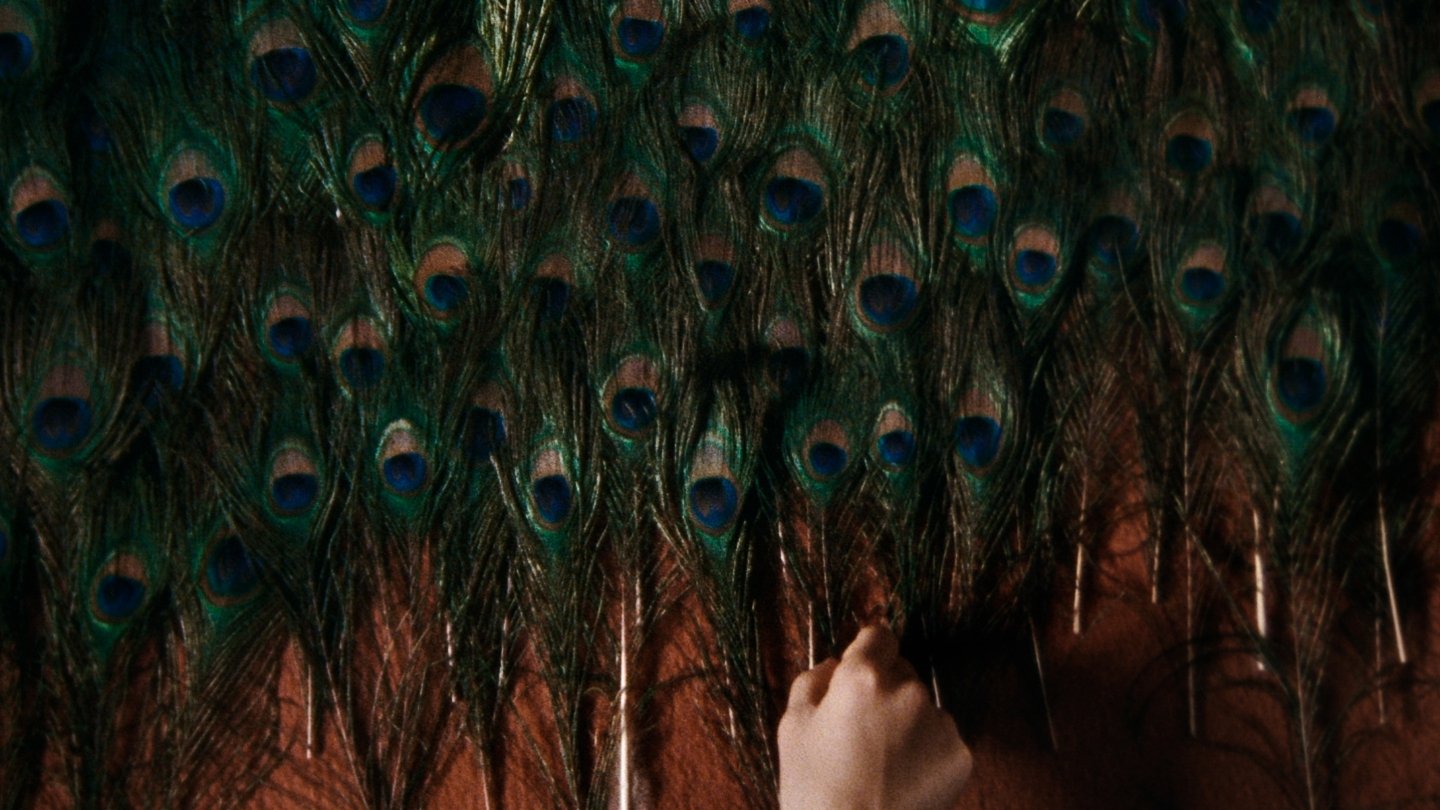
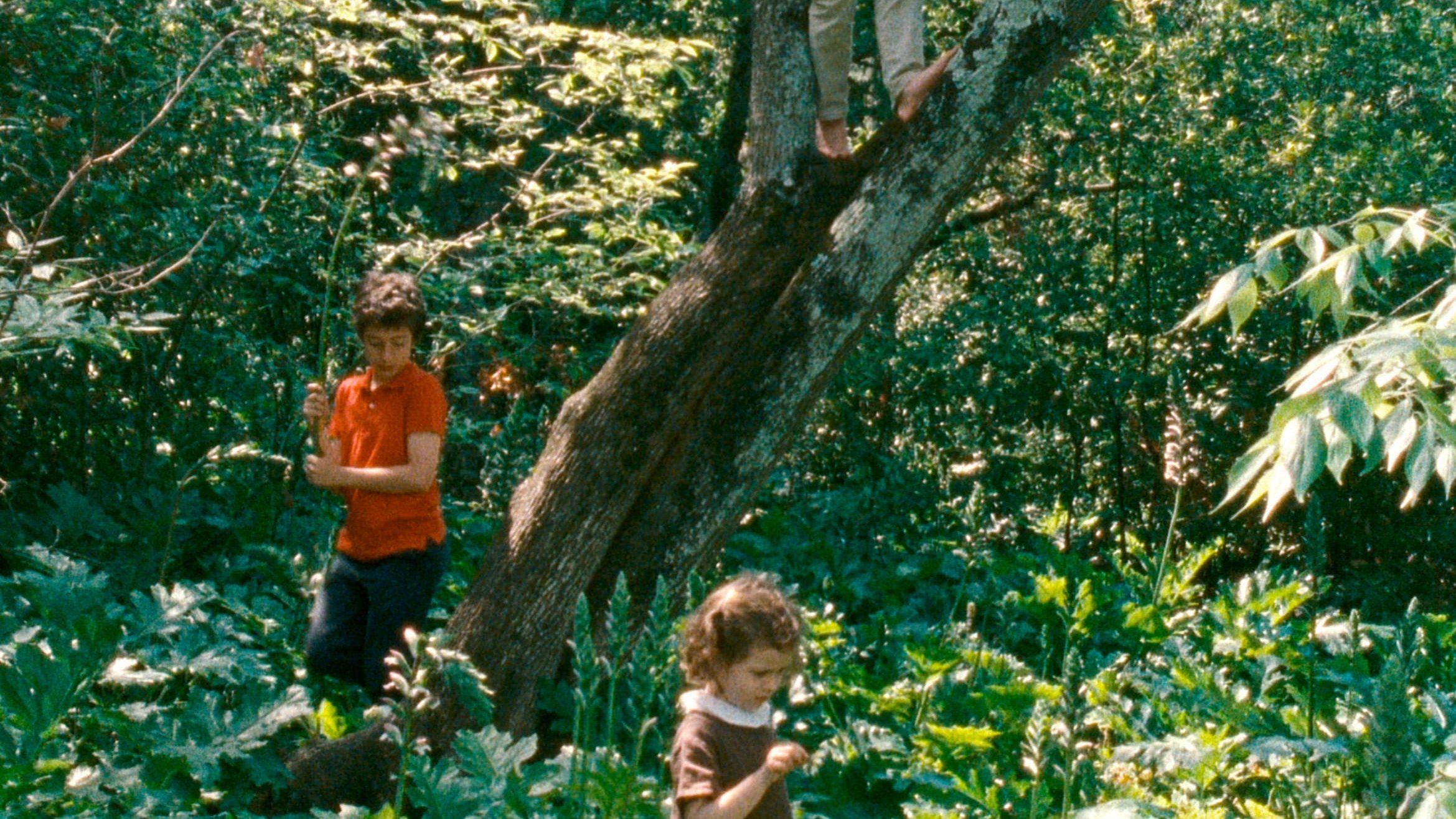
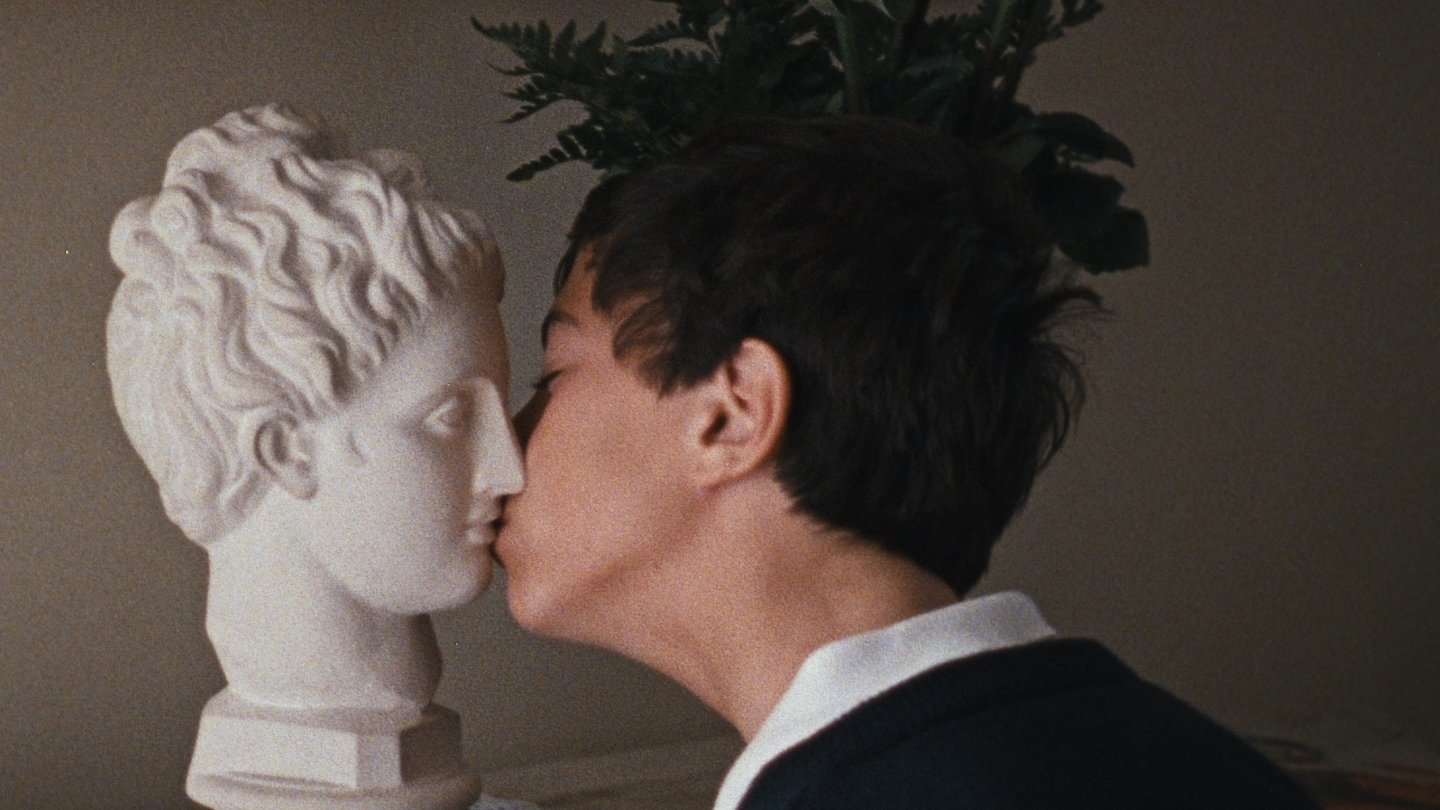
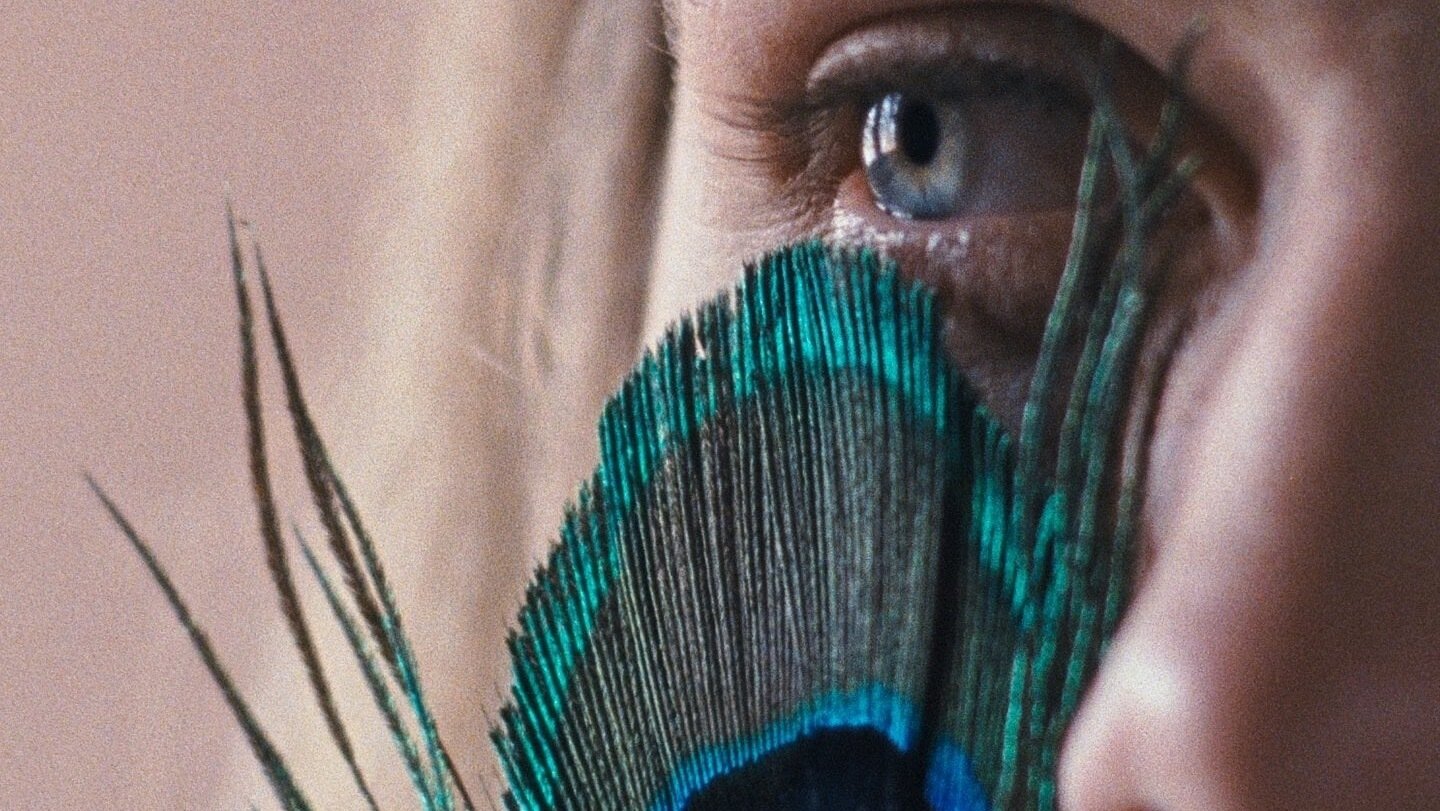
To discuss the film itself, it’s no surprise, as a Duras fangirl, that this grand cinematic essay on memory clicked for me. While being far from Duras’ static naturalism, a similar philosophy still stands in its disconnect between monologues and images. What’s most striking to me is the (auto)biographical nature of the text. I always feel egocentric when I discuss film because I’m admittedly not taking it as it is. In my mind, I’m dismantling the piece in search of what I can utilize for myself. One of my personal dreams/goals is to normalize the blending of dramatization and non-fictional concepts in filmmaking. Watching The Metamorphosis of Birds, in the simplest terms, showed me a possible path towards that dream—albeit in more “artistic” terms that I don’t think that would connect to the masses. Though, of course, I was deeply touched by it ‘cause I’m a pretentious little hoe.
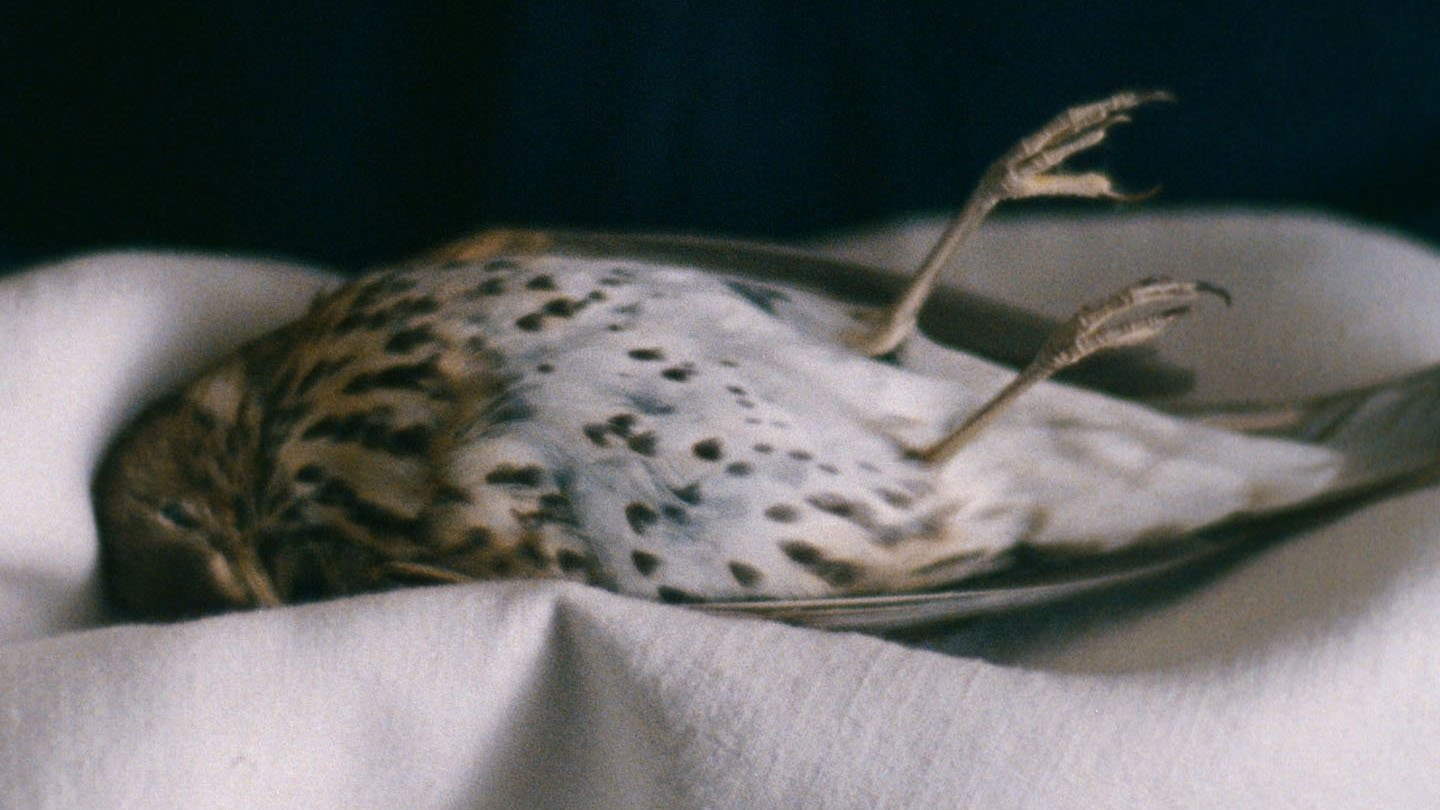
bird.
If I could get a bit personal, I’m currently undergoing trauma work to treat my (C-)PTSD. Of course, this means confronting my own relationship with memory. I’ve realized that I am rarely an active participant in my memories. What lingers is space and all of the voices which fill it in light of my passive silence.
I do not recall myself, but I remember my daddy’s paintings clearly. He was never the religious man; yet, he would always paint Christ up on his cross.
I do not recall myself, but I remember my daddy laying there on the kitchen floor. Truth to be told, he was barely breathing. Perhaps this explains my apparent lack of reaction when his time came.
I do not recall myself, but I remember my daddy’s beaten up red house. Though he lost it when he fell into homelessness, I can’t help but believe that a piece of us is still trapped there after all of these years.
All I hold is framed pictures: symbolic pieces of imagery that fill the gaps in my mind. It was soon after mama confirmed that you were the one who took your life where I discovered cinema. In fact, it was the same day. I had almost bled to death, lying in that hospital bed. One of her friends had given me Spirited Away on blu-ray, and ever since that moment, I’ve been chasing those images my mind always held. Film took up my every waking thought before I ever started having proper conversations with anyone.
I live without a language. I’ve been told that I’m a skilled writer (note: I pray that none of you reading this take any of my Letterboxd ramblings as evidence of their claims. I’m literally writing this with one finger pressing against my phone ‘cause my hands don’t work well as I curl myself up against my couch. I’m quite literally yapping here), but it has always felt like I’m translating my thoughts and emotions for the oppressor. English has never felt right. I live as an observer of this world I’ve been placed inside. I live through these images, through these sounds, through these moments. I see everything, even if I wish that I hadn’t. I feel everyone, even if I wish that I didn’t.
As melodramatic it may sound for the speaking folk reading this, film is the only language that could ever capture my lived experience and the emotions that experience produces. This film, through its abstraction of concrete memory, only illustrates this fact to me.
To discuss the film itself, it’s no surprise, as a Duras fangirl, that this grand cinematic essay on memory clicked for me. While being far from Duras’ static naturalism, a similar philosophy still stands in its disconnect between monologues and images. What’s most striking to me is the (auto)biographical nature of the text. I always feel egocentric when I discuss film because I’m admittedly not taking it as it is. In my mind, I’m dismantling the piece in search of what I can utilize for myself. One of my personal dreams/goals is to normalize the blending of dramatization and non-fictional concepts in filmmaking. Watching The Metamorphosis of Birds, in the simplest terms, showed me a possible path towards that dream—albeit in more “artistic” terms that I don’t think that would connect to the masses. Though, of course, I was deeply touched by it ‘cause I’m a pretentious little hoe.
bird.