

2021·Drama·1h 56m
7.1
★
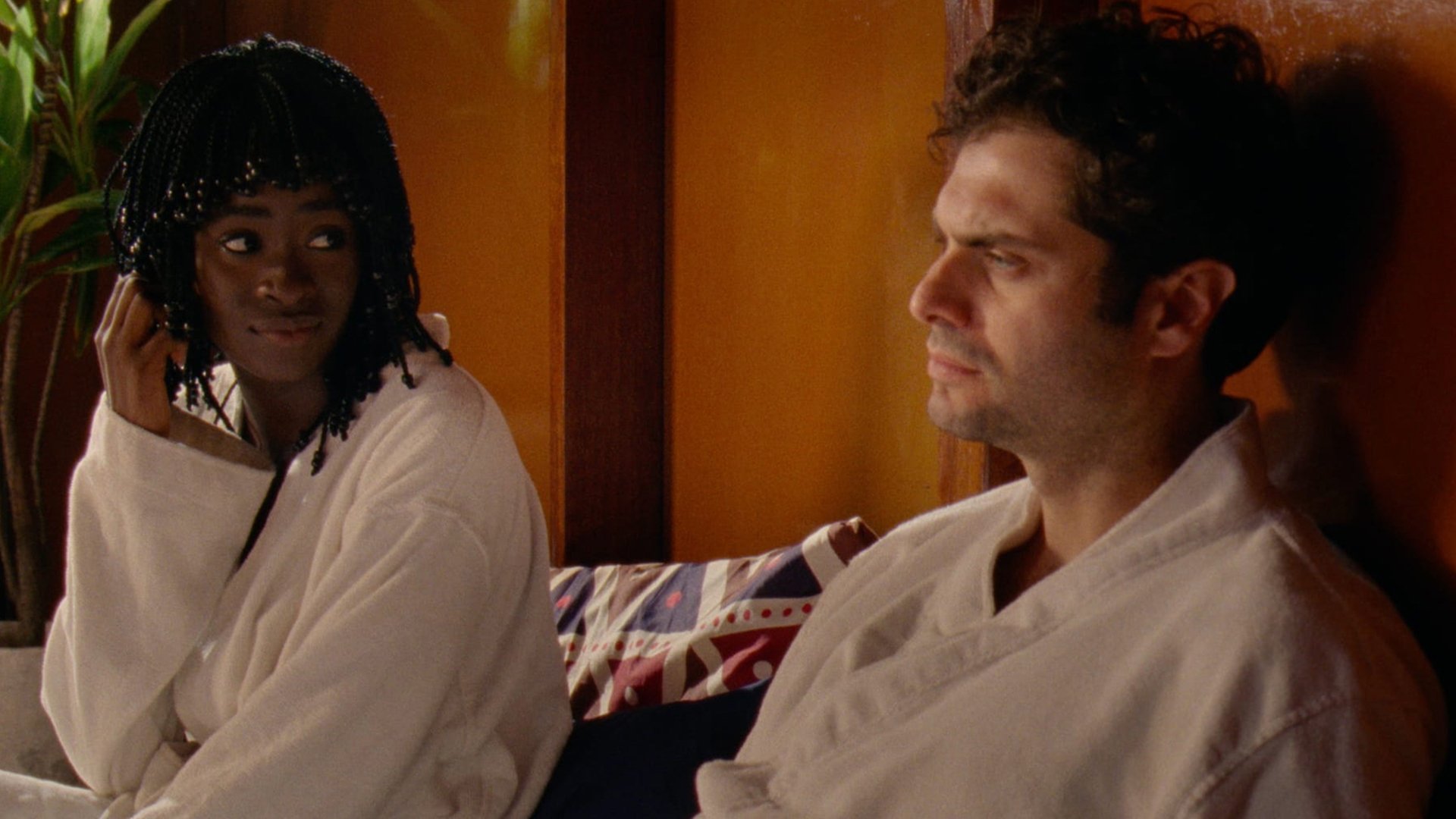
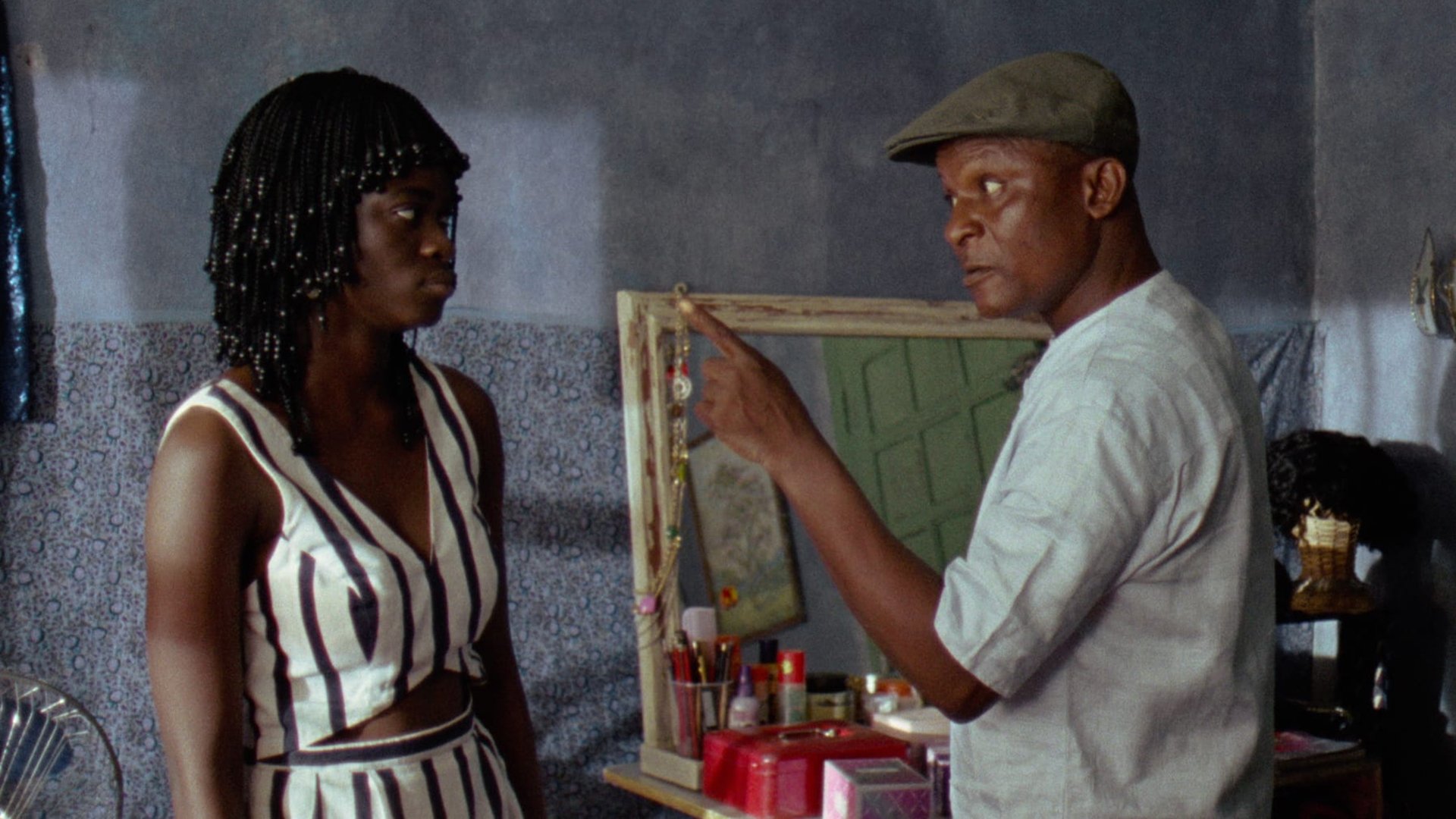
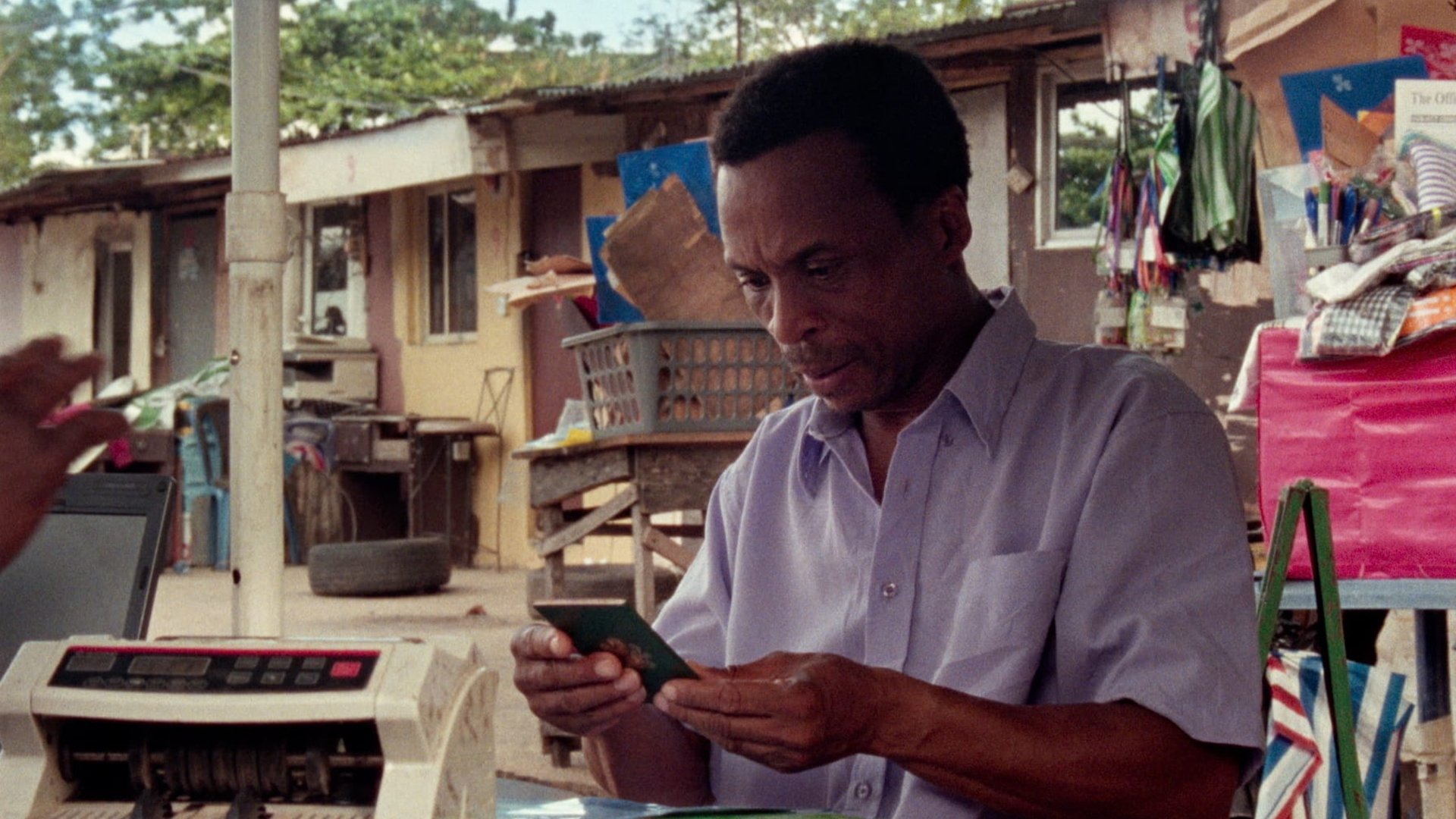
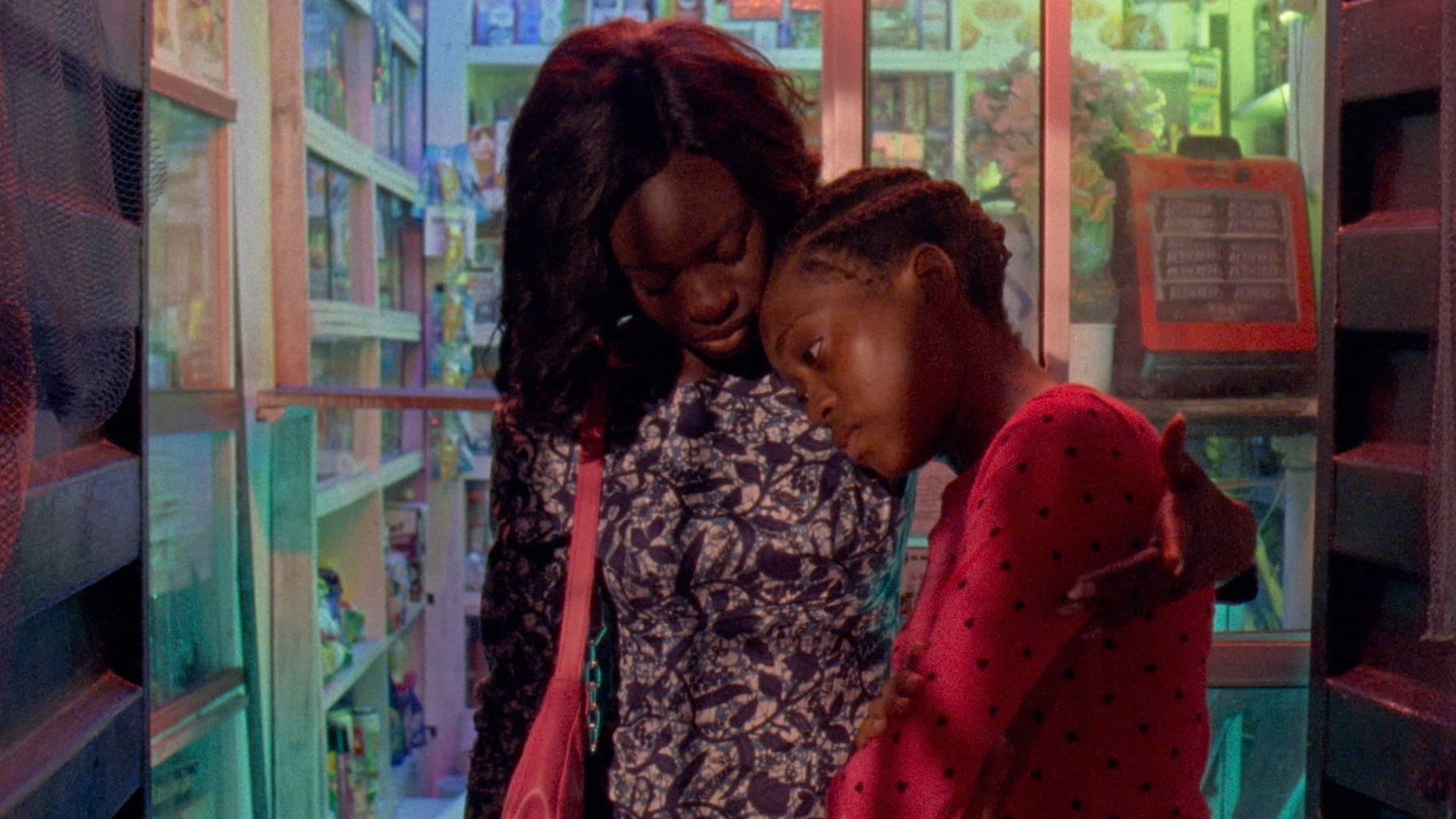
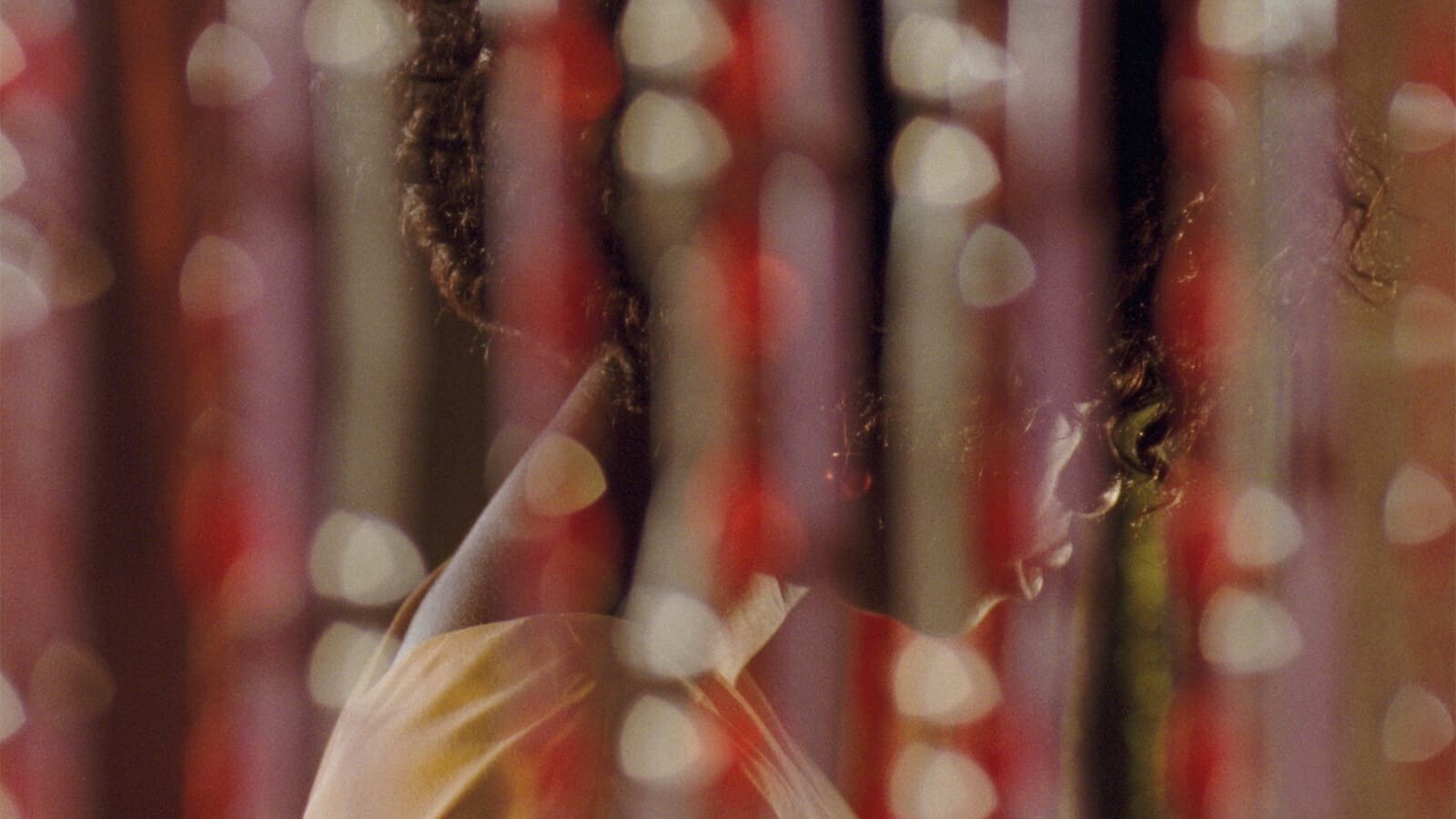
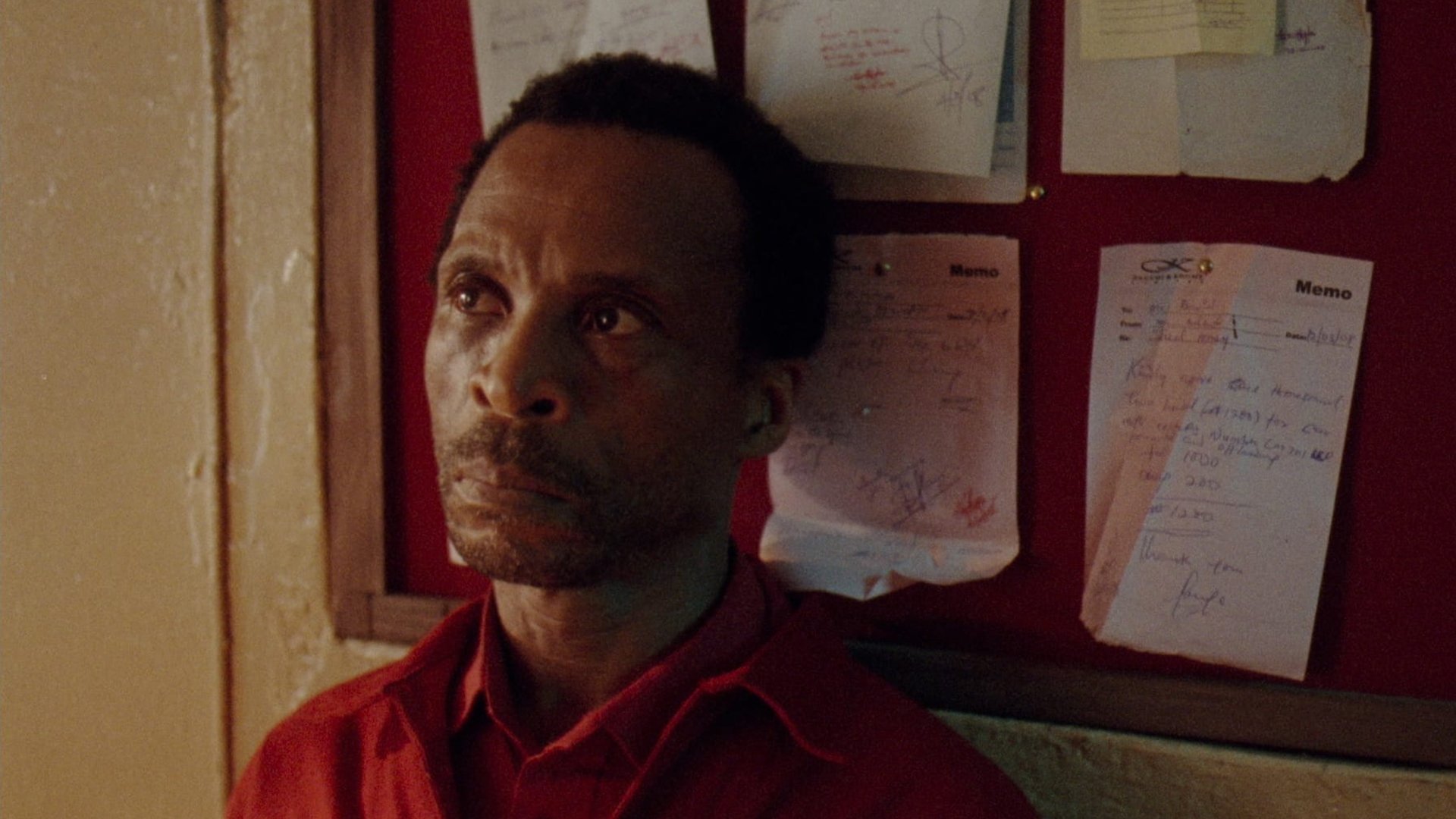
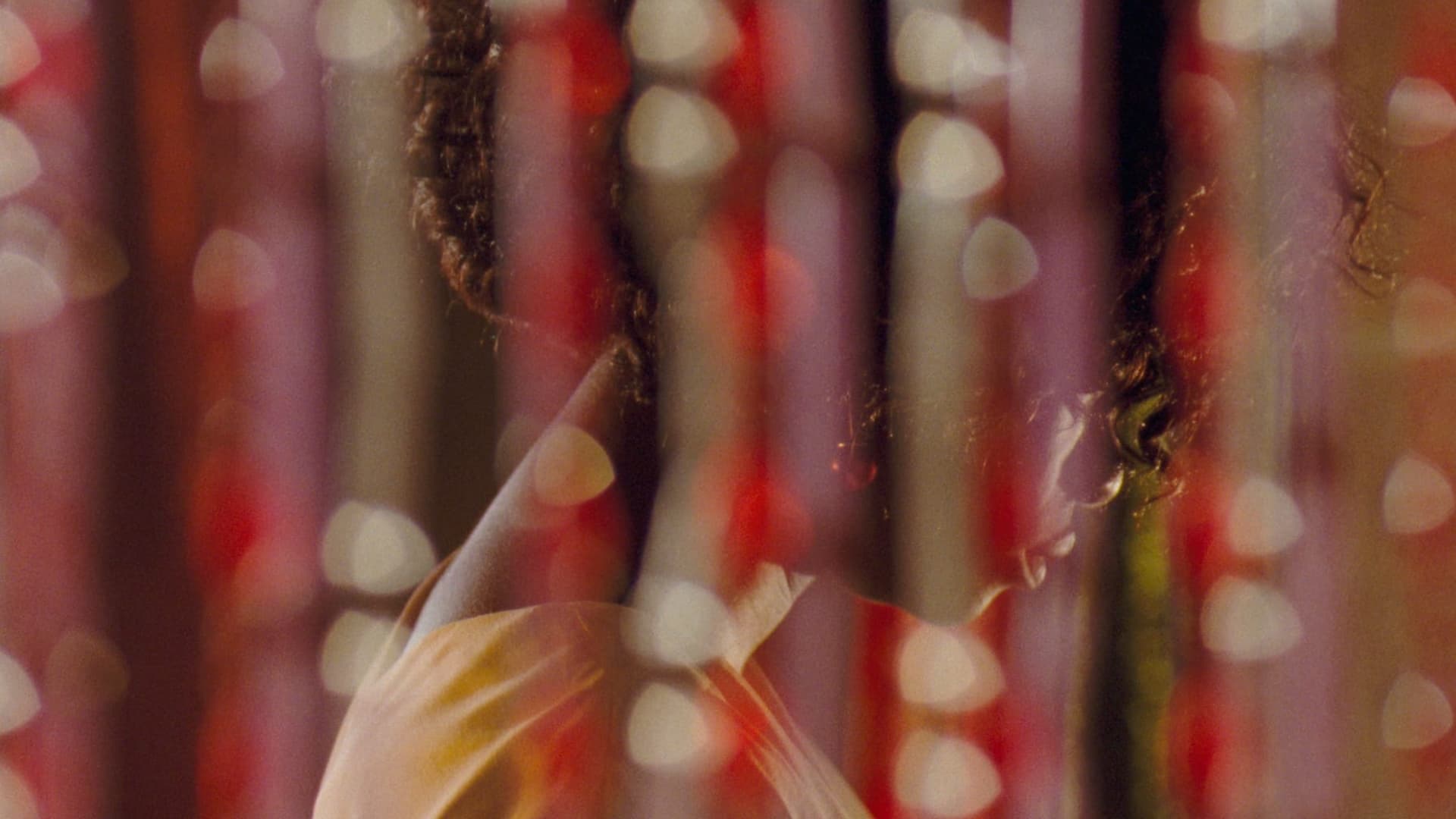
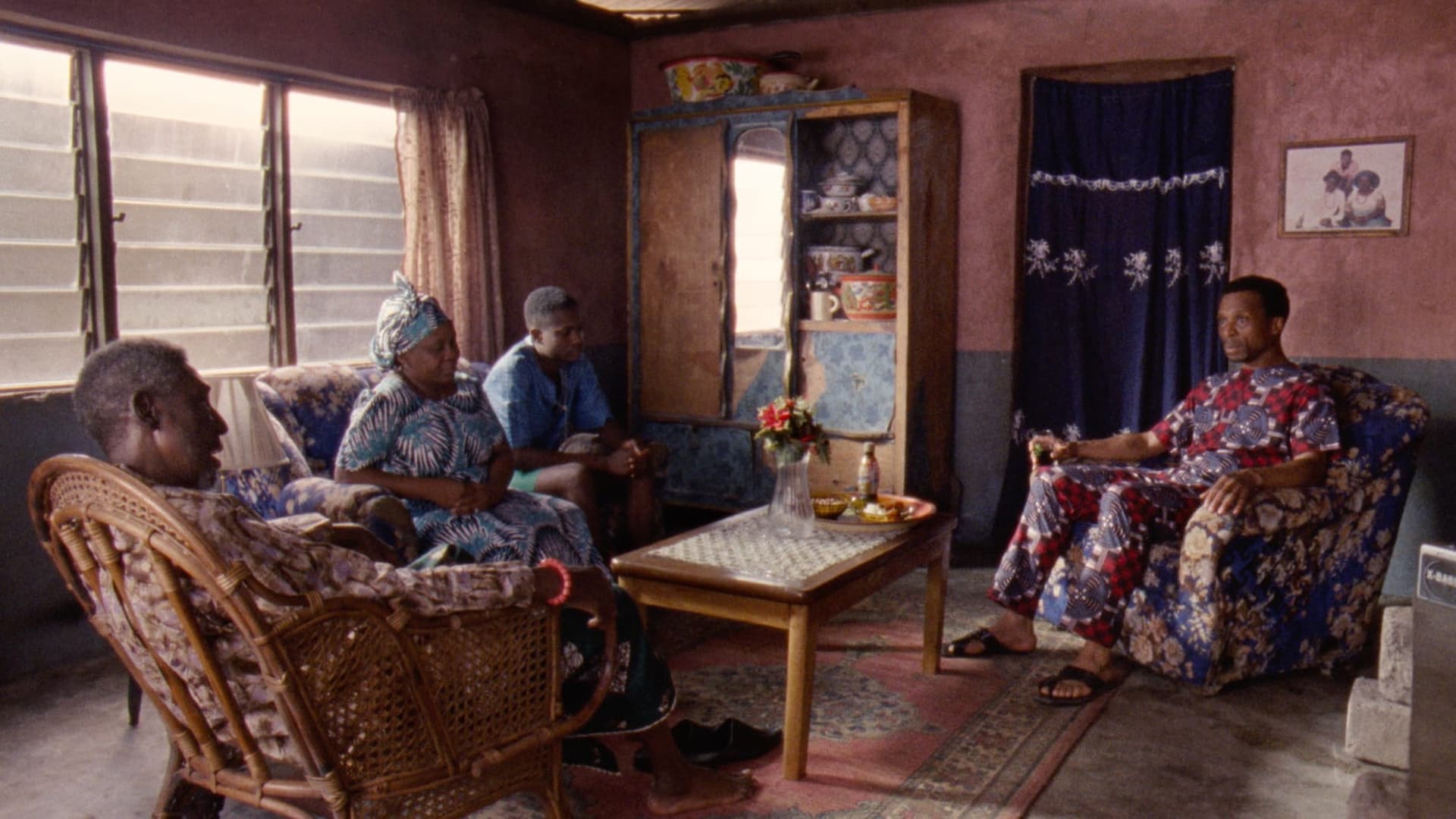
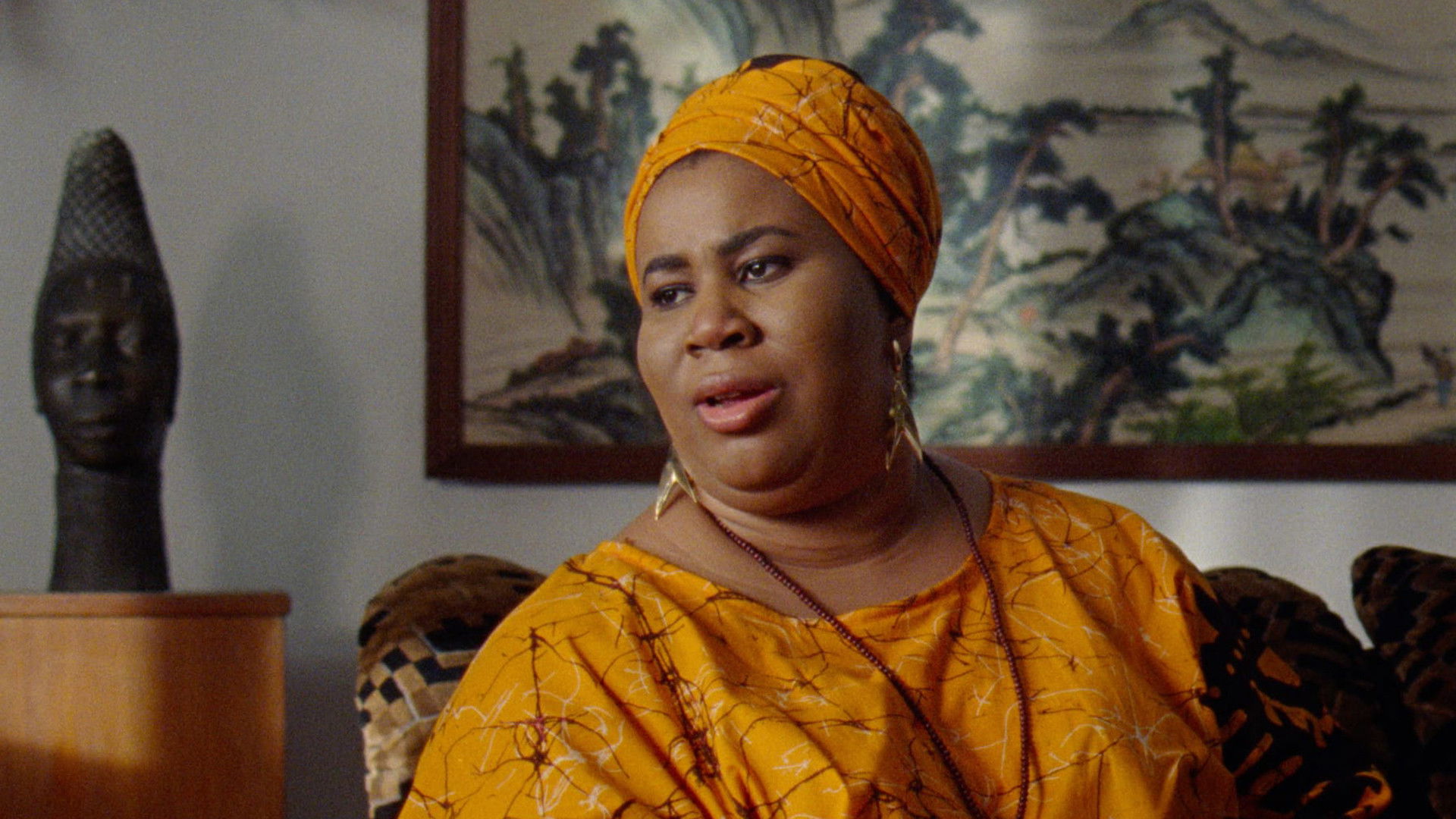
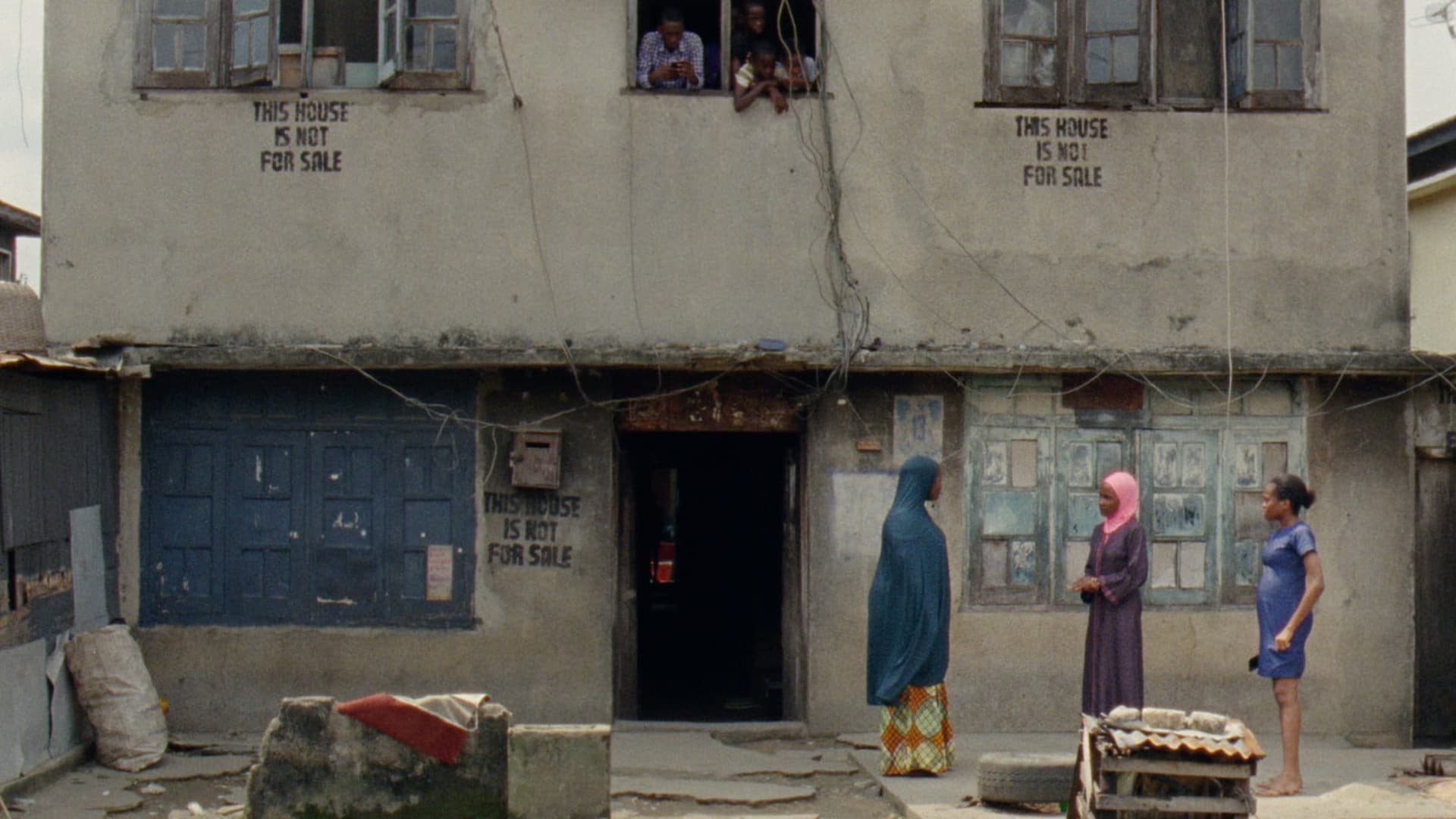
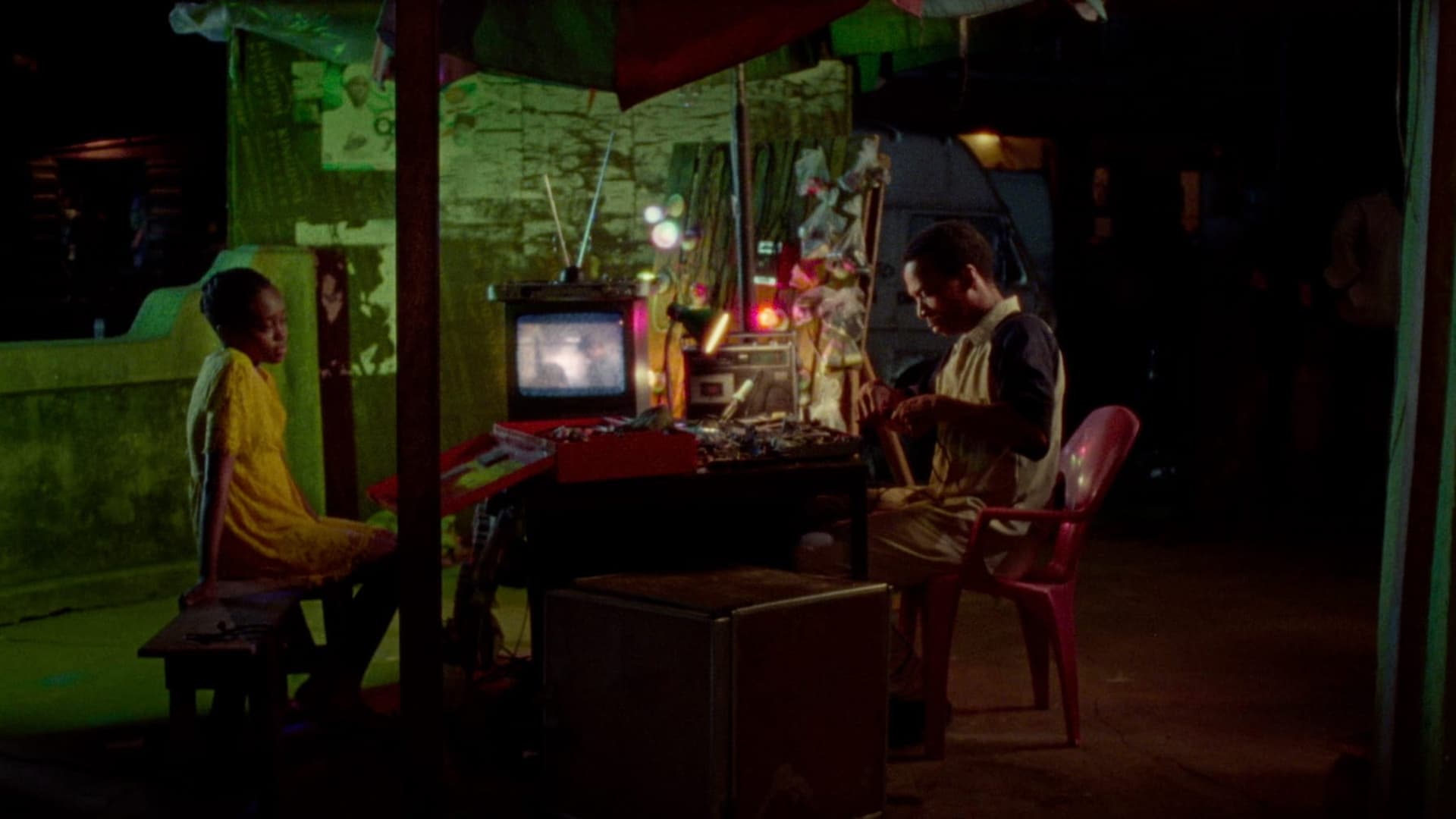
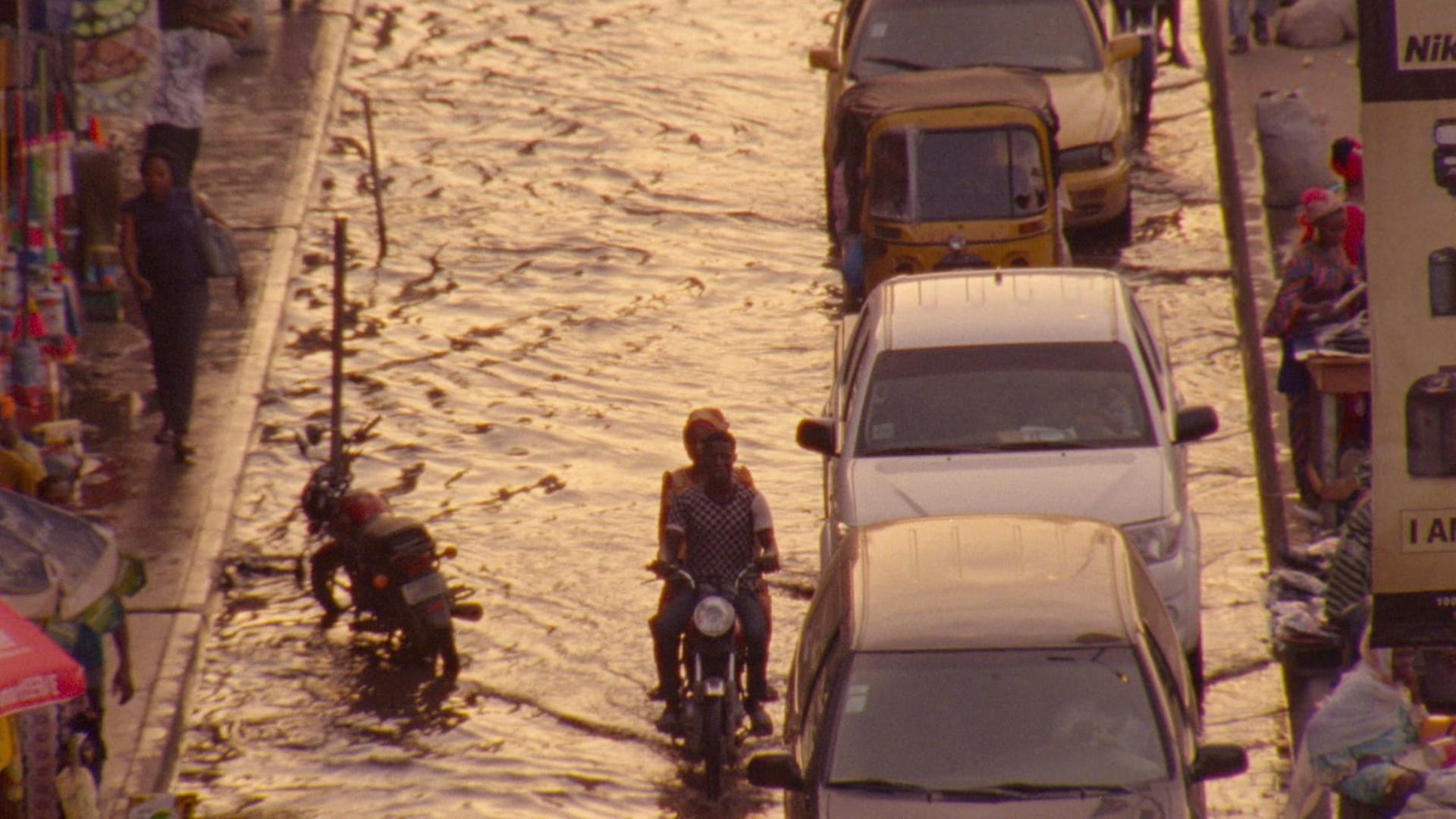
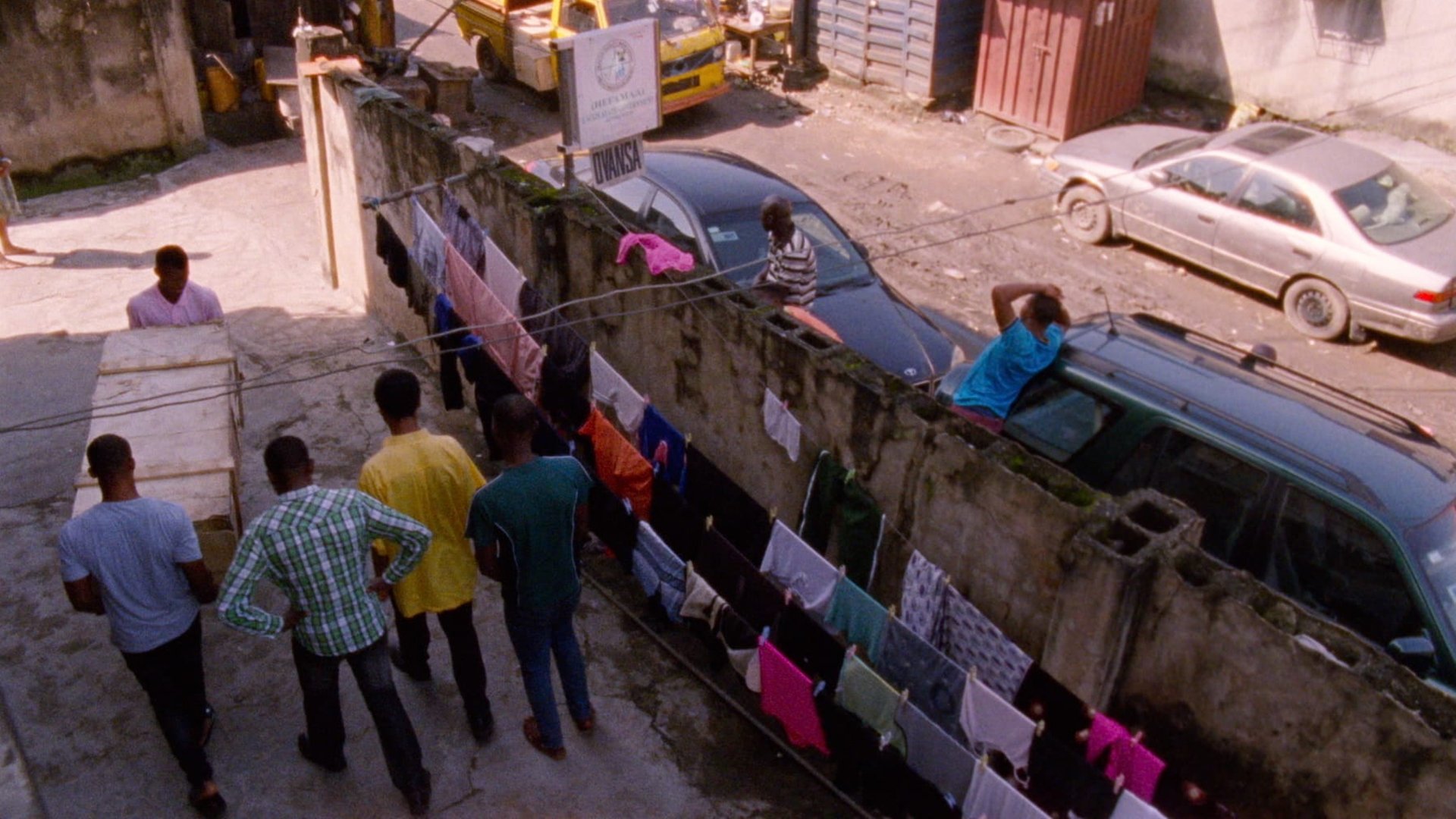
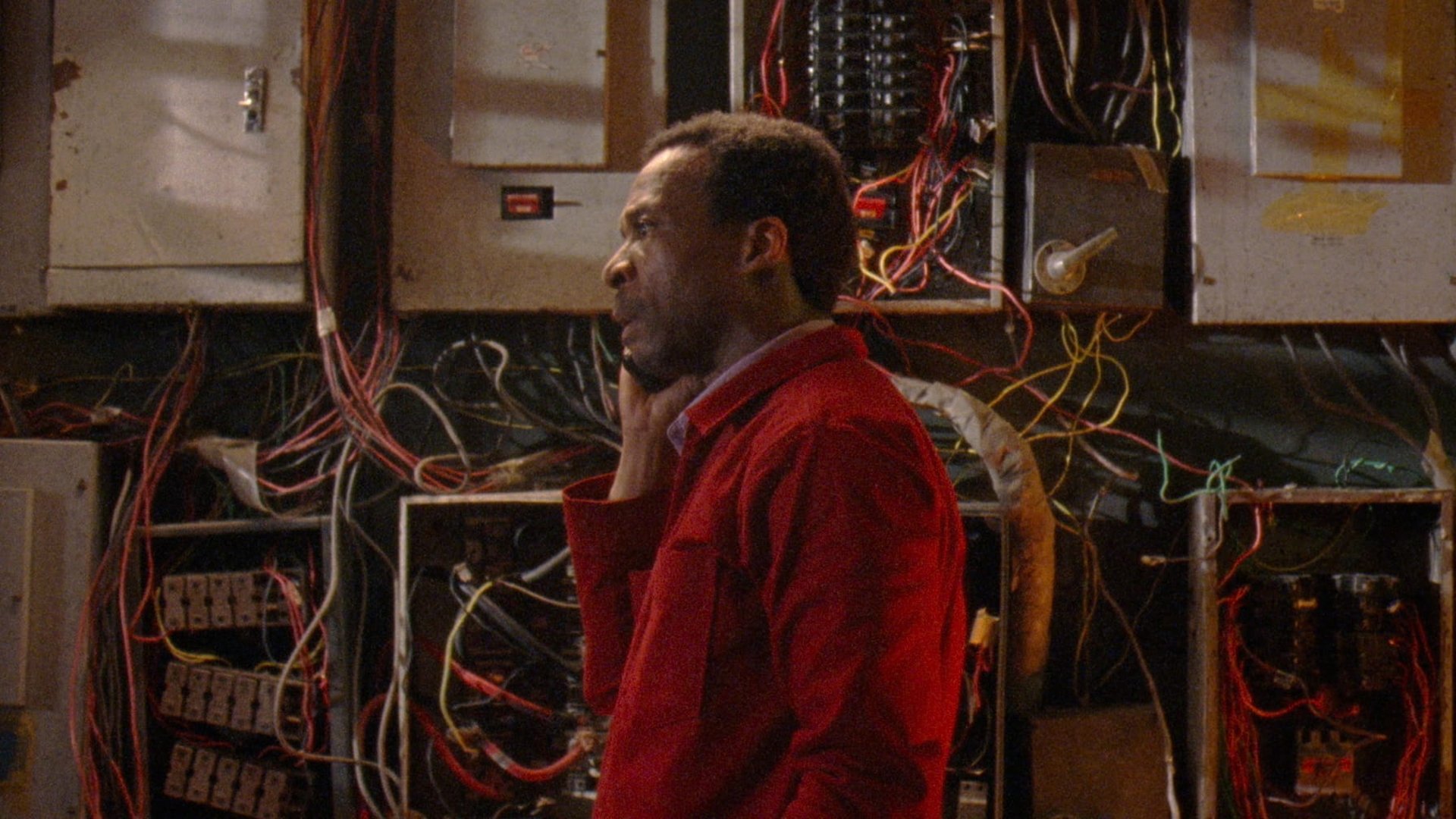
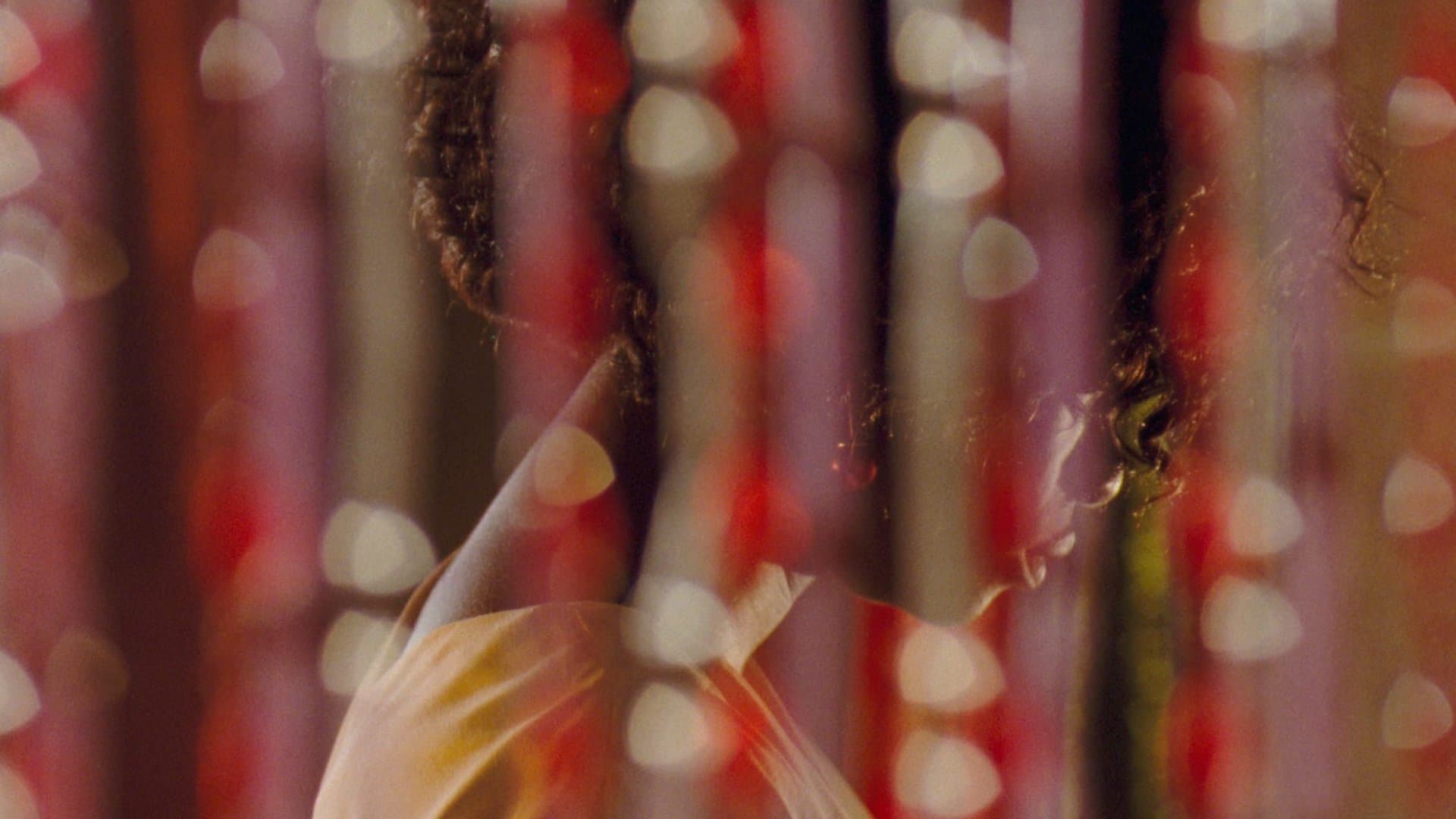
A man and a woman in Lagos want to escape their everyday lives, but extricating themselves is no easy task. Two stories narrated with tenderness and restraint that only fleetingly touch, the dream of migrating to Europe floating above them all the while.
Directed by Arie Esiri and Chuko Esiri
europe
migration
lagos
16mm film

Trailer

IMDB
N/A
Where to Watch



Cast
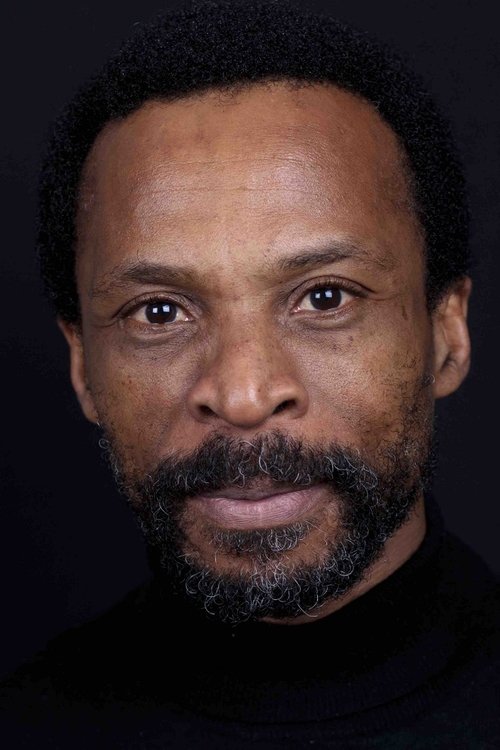
Jude Akuwudike
Mofe
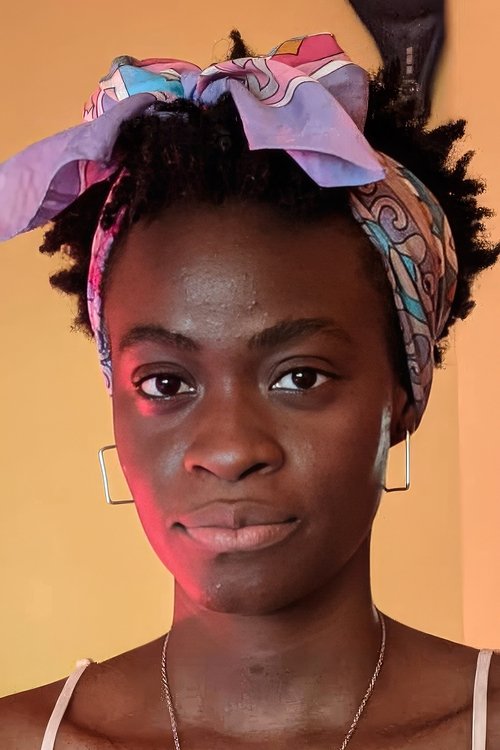
Temi Ami-Williams
Rosa
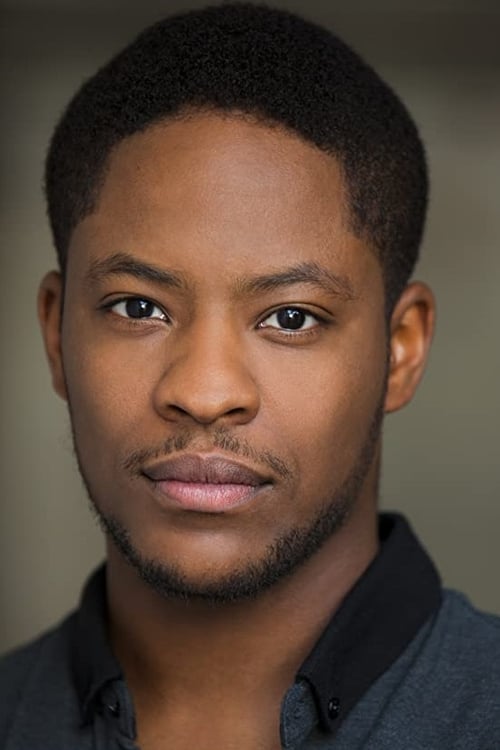
Tomiwa Edun
Seyi

Cynthia Ebijie
Grace

Jacob Alexander
Peter

Toyin Oshinaike
Vincent

Bimbo Manuel
Clarence
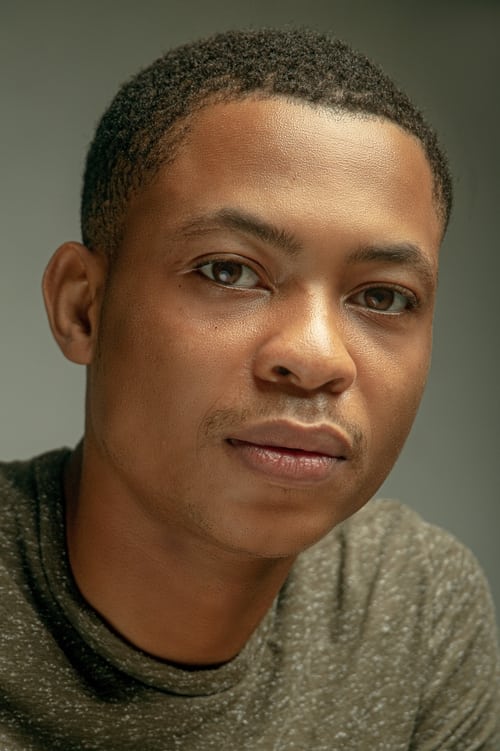
Emeka Nwagbaraocha
Akin

Omoye Uzamere
Precious

Joy Sunday
Tolu
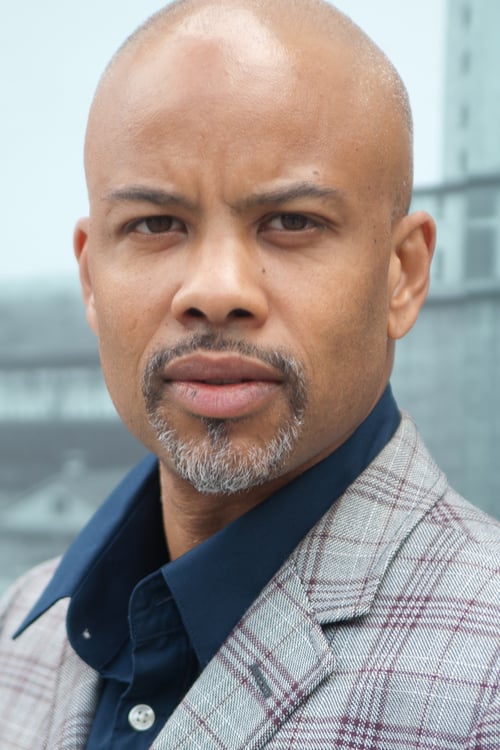
Christian Paul
Tailor
Crew
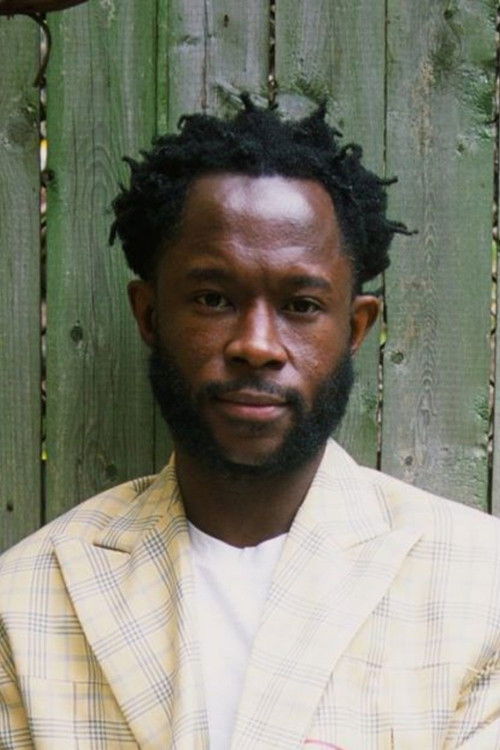
Arie Esiri
Director
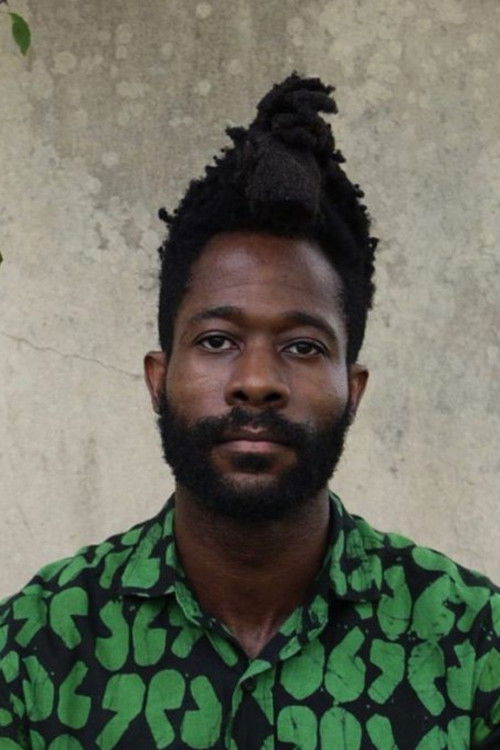
Chuko Esiri
Director
Chuko Esiri
Writer

Arseni Khachaturan
Director of Photography
Arie Esiri
Producer
Chuko Esiri
Producer

Toke Alex Ibru
Executive Producer

Dylan Brown
Leadman
Popular Reviews
33 reviews
Molere
7.0★ · 07/10/26

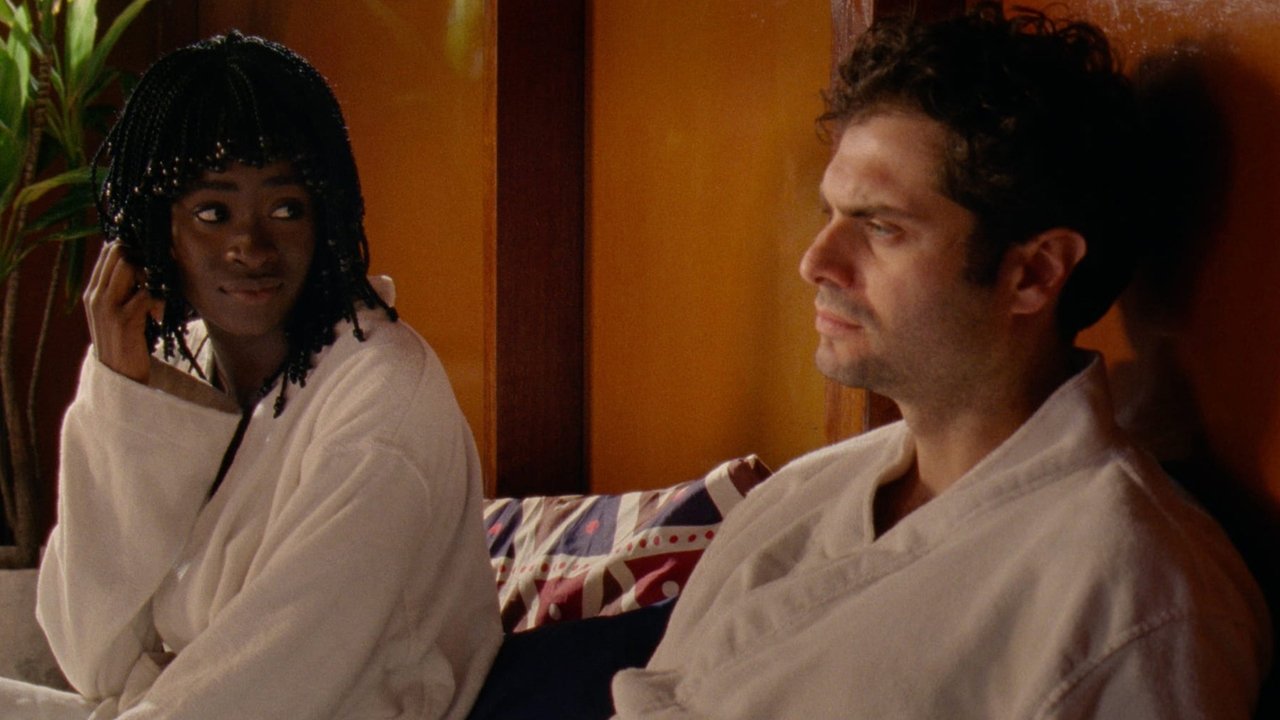
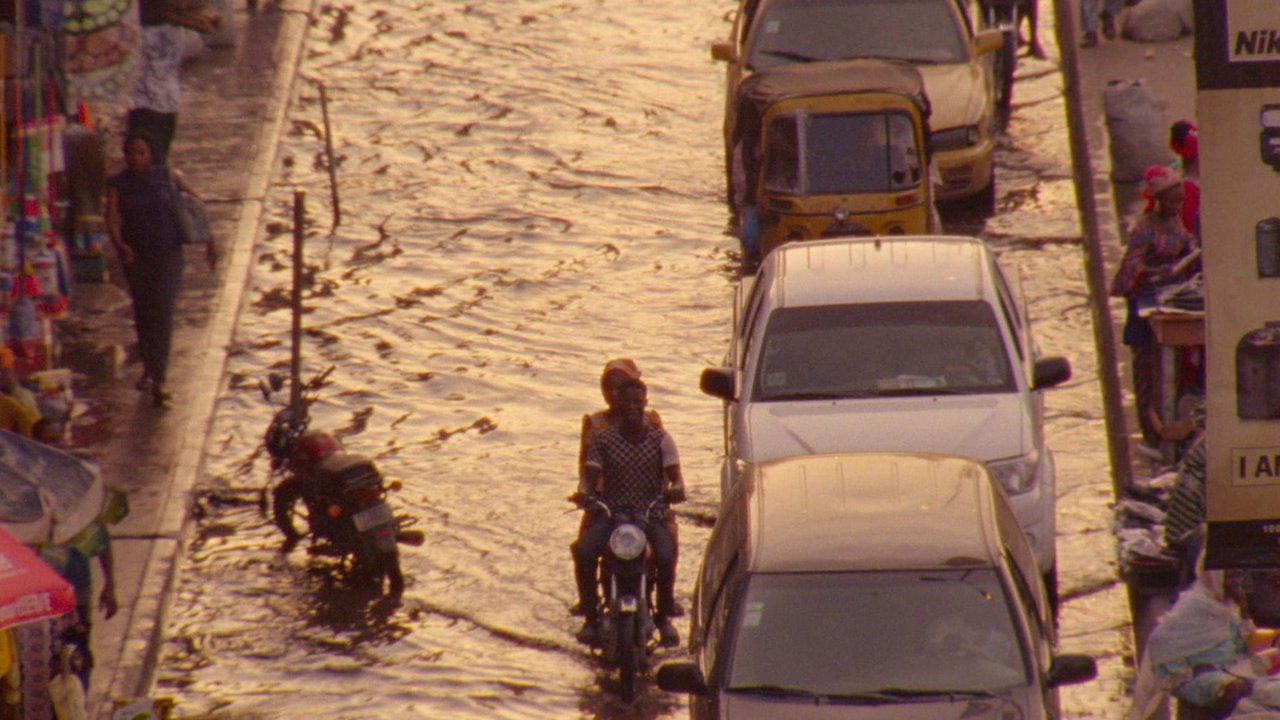
I'm actually in love with the visuals in this film it's not even funny. I wish films in Nigeria were more like the message is so sad but still so evident and true to every day life for many people and the choices that come with it. S/o to my cousin who made me watch this
I'm actually in love with the visuals in this film it's not even funny. I wish films in Nigeria were more like the message is so sad but still so evident and true to every day life for many people and the choices that come with it. S/o to my cousin who made me watch this


filmstudiesPRO
7.0★ · 03/22/26
'it's good to show people that they were loved. that their lives mattered'.
the Chuko brothers really created. something special with this film. Nigeria's own 'Eyimofe' is equally as beautiful as it is heartbreaking, while also being a vital stepping stone for all of Nollywood, demonstrating skilful cinematography, shadowing the styles of Hirokazu Kore-eda who explores silenced voices through a documentary-like lens. 'Eyimofe' released in 2020, being at the very start of Nigerias promised development in the film industry, potentially influencing the most acclaimed Nigerian film 'My Fathers Shadow' despite its recent release (2025). my future-Wife & future-kids are Nigerians, & we will most likely live one day too, so i feel this film has a stronger hold on me emotionally. ignoring my bias, it shows an exciting level up to Nigerian cinema with 2 promising, debuting directors who will surely make lots of amazing Nigerian films in the future.
the Chuko brothers really created. something special with this film. Nigeria's own 'Eyimofe' is equally as beautiful as it is heartbreaking, while also being a vital stepping stone for all of Nollywood, demonstrating skilful cinematography, shadowing the styles of Hirokazu Kore-eda who explores silenced voices through a documentary-like lens. 'Eyimofe' released in 2020, being at the very start of Nigerias promised development in the film industry, potentially influencing the most acclaimed Nigerian film 'My Fathers Shadow' despite its recent release (2025). my future-Wife & future-kids are Nigerians, & we will most likely live one day too, so i feel this film has a stronger hold on me emotionally. ignoring my bias, it shows an exciting level up to Nigerian cinema with 2 promising, debuting directors who will surely make lots of amazing Nigerian films in the future.
'it's good to show people that they were loved. that their lives mattered'.
the Chuko brothers really created. something special with this film. Nigeria's own 'Eyimofe' is equally as beautiful as it is heartbreaking, while also being a vital stepping stone for all of Nollywood, demonstrating skilful cinematography, shadowing the styles of Hirokazu Kore-eda who explores silenced voices through a documentary-like lens. 'Eyimofe' released in 2020, being at the very start of Nigerias promised development in the film industry, potentially influencing the most acclaimed Nigerian film 'My Fathers Shadow' despite its recent release (2025). my future-Wife & future-kids are Nigerians, & we will most likely live one day too, so i feel this film has a stronger hold on me emotionally. ignoring my bias, it shows an exciting level up to Nigerian cinema with 2 promising, debuting directors who will surely make lots of amazing Nigerian films in the future.
the Chuko brothers really created. something special with this film. Nigeria's own 'Eyimofe' is equally as beautiful as it is heartbreaking, while also being a vital stepping stone for all of Nollywood, demonstrating skilful cinematography, shadowing the styles of Hirokazu Kore-eda who explores silenced voices through a documentary-like lens. 'Eyimofe' released in 2020, being at the very start of Nigerias promised development in the film industry, potentially influencing the most acclaimed Nigerian film 'My Fathers Shadow' despite its recent release (2025). my future-Wife & future-kids are Nigerians, & we will most likely live one day too, so i feel this film has a stronger hold on me emotionally. ignoring my bias, it shows an exciting level up to Nigerian cinema with 2 promising, debuting directors who will surely make lots of amazing Nigerian films in the future.
Jalyn JonesPRO
8.0★ · 01/07/26
Lagos looks so beautiful on 16mm film. The colors are so vibrant and cheery, and then every other scene makes you take a heavy sigh
Lagos looks so beautiful on 16mm film. The colors are so vibrant and cheery, and then every other scene makes you take a heavy sigh
Bebe Pointer
8.0★ · 12/18/25
Life always happens, regardless of your dreams. This movie shows the harsh reality through two different people with dreams of leaving their Nigerian homes for a better life. This was a slowly shot wonder that everyone should see!
Life always happens, regardless of your dreams. This movie shows the harsh reality through two different people with dreams of leaving their Nigerian homes for a better life. This was a slowly shot wonder that everyone should see!
Paul NopPRO
8.0★ · 09/02/25
first criterion film I watched (thanks to Ayo Edebiri) and you’d appreciate it more when you frame it as a sociological snapshot of contemporary Nigerian urban doomsday rather than to come in with a preconceived notion expecting a resolution or payout because this film is miles away from engendering a hopeful ending
first criterion film I watched (thanks to Ayo Edebiri) and you’d appreciate it more when you frame it as a sociological snapshot of contemporary Nigerian urban doomsday rather than to come in with a preconceived notion expecting a resolution or payout because this film is miles away from engendering a hopeful ending