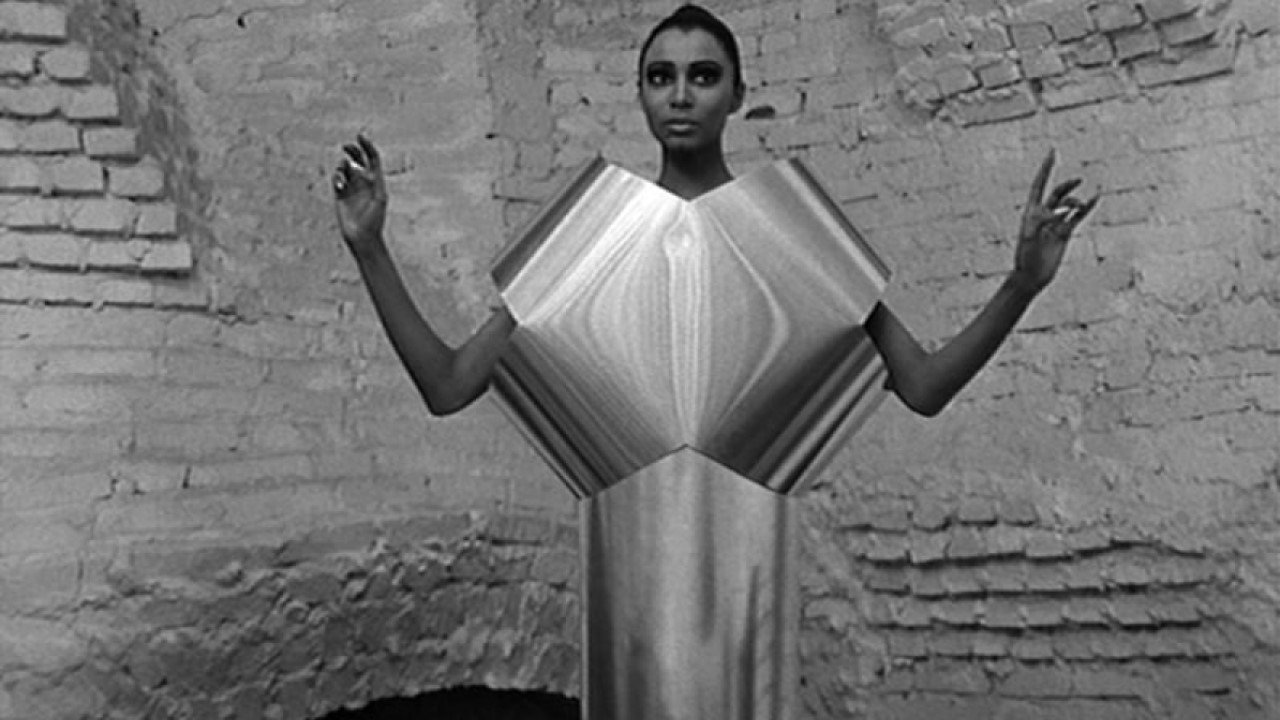
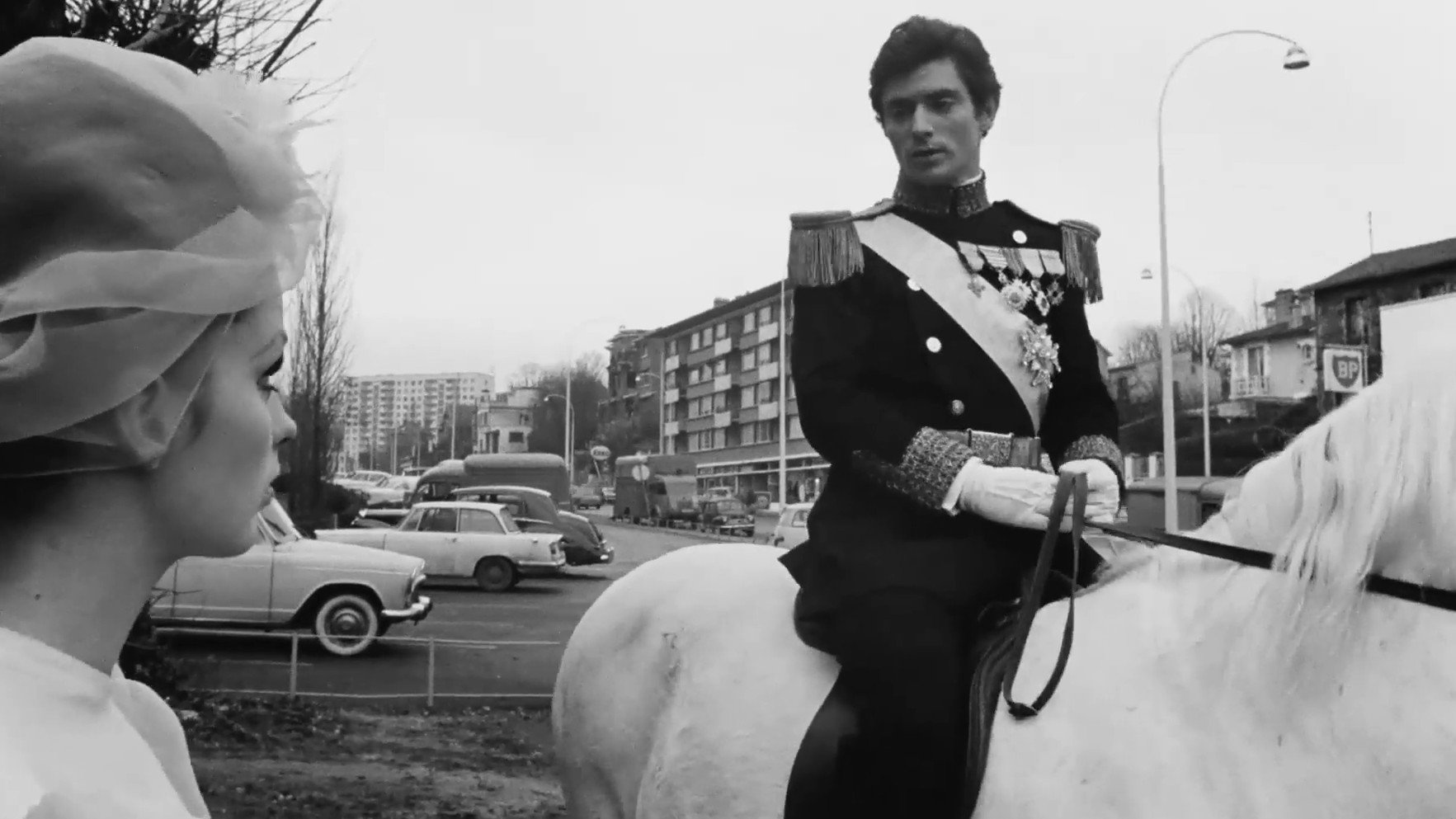
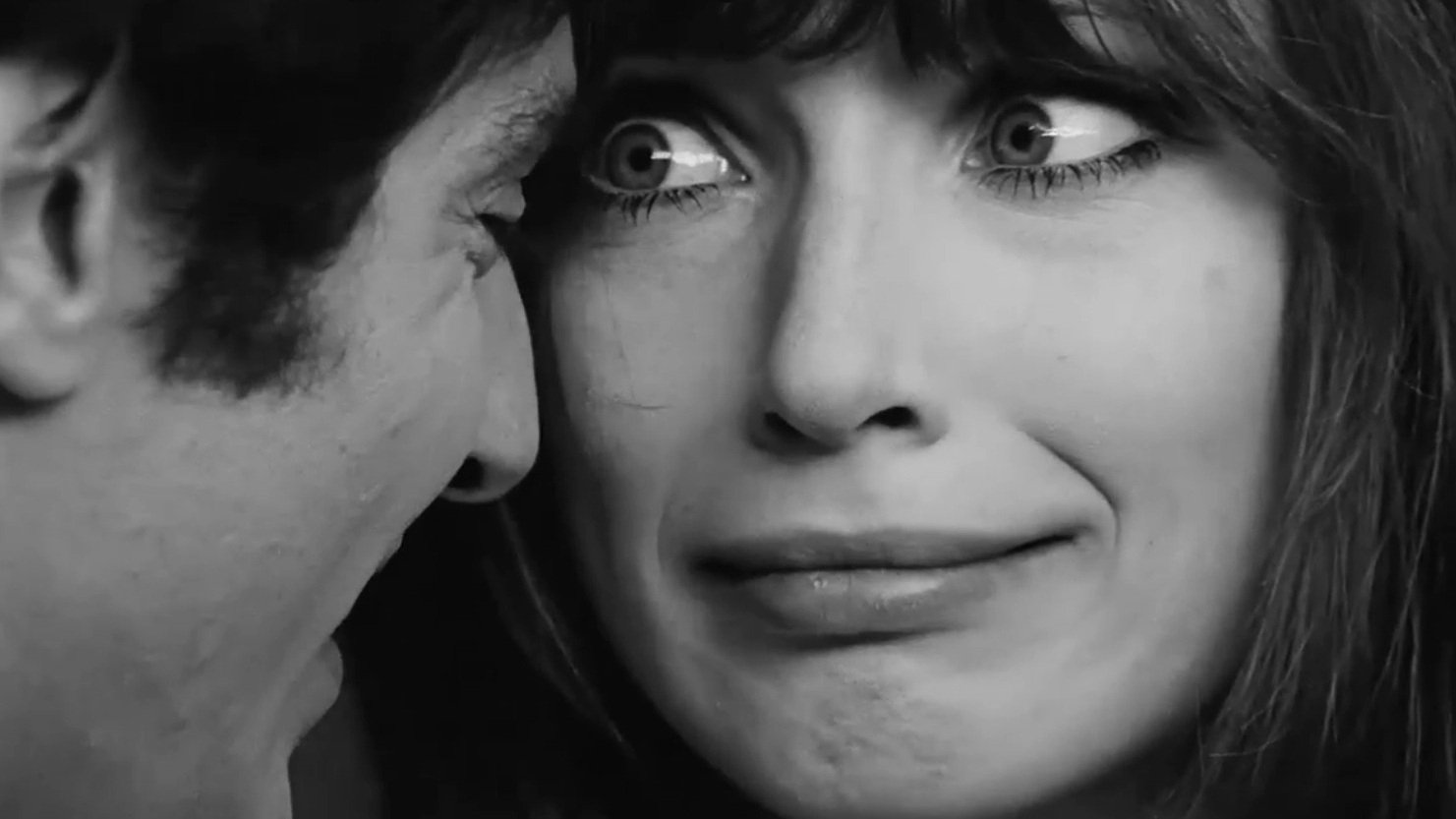
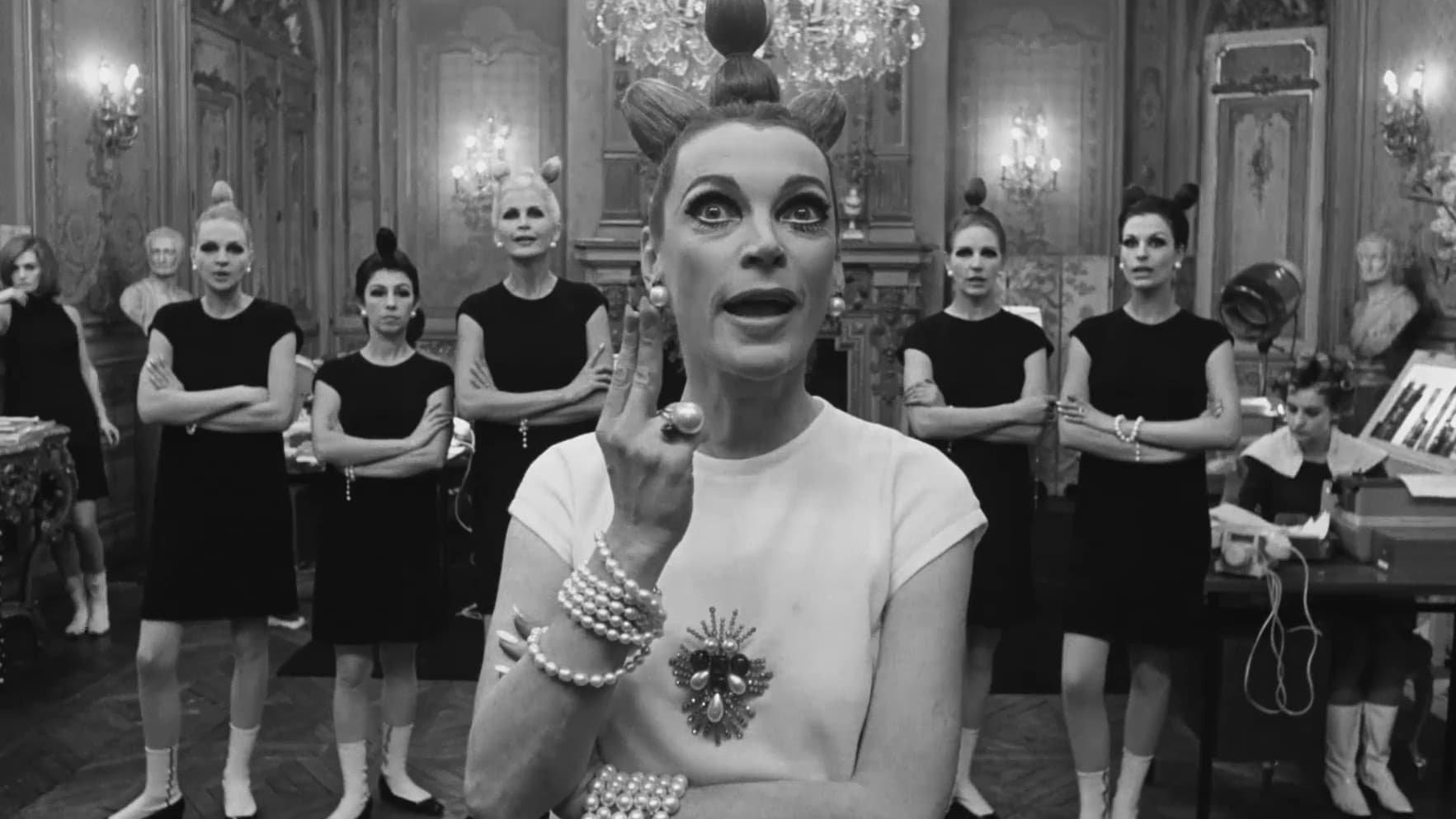
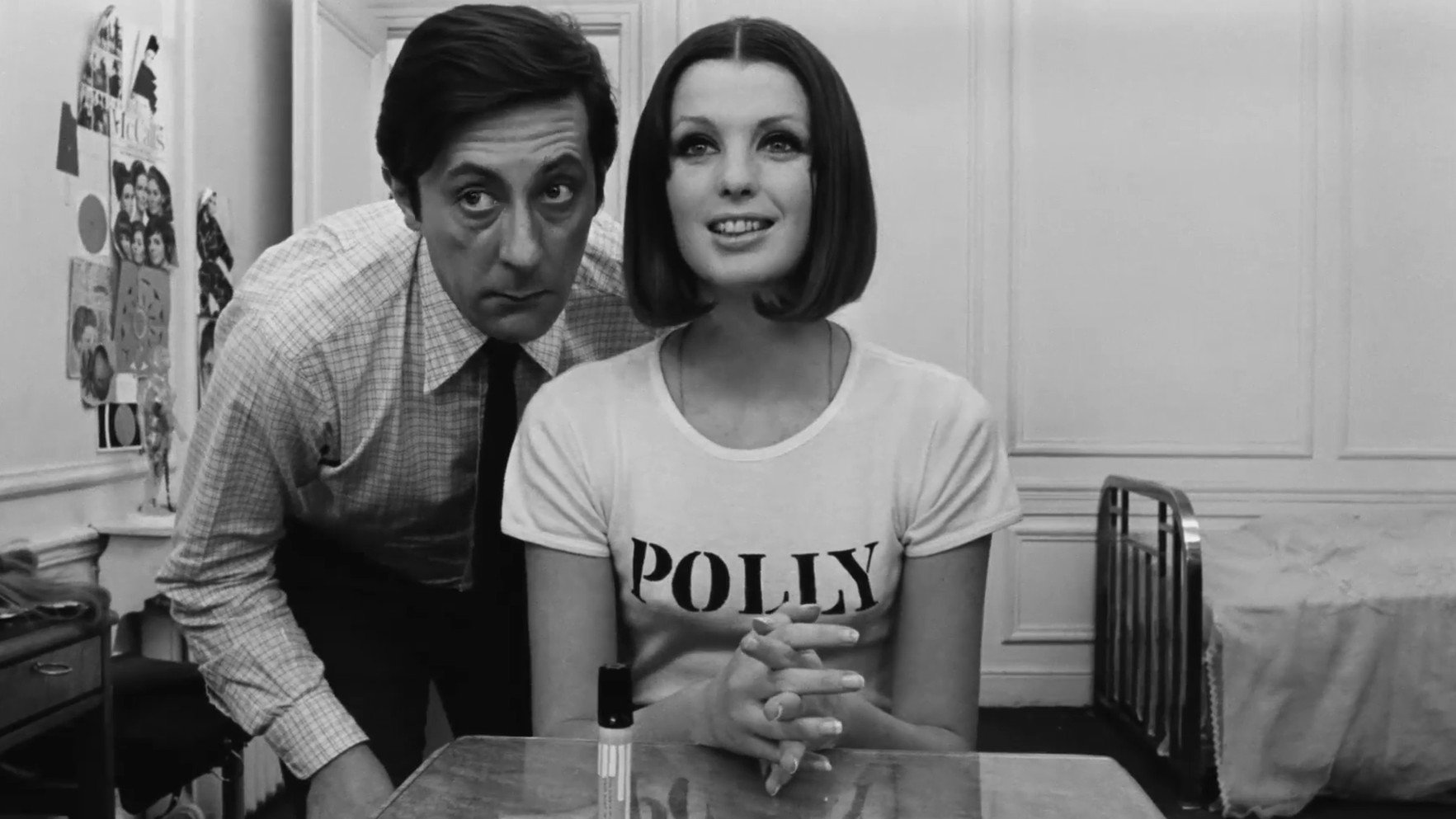
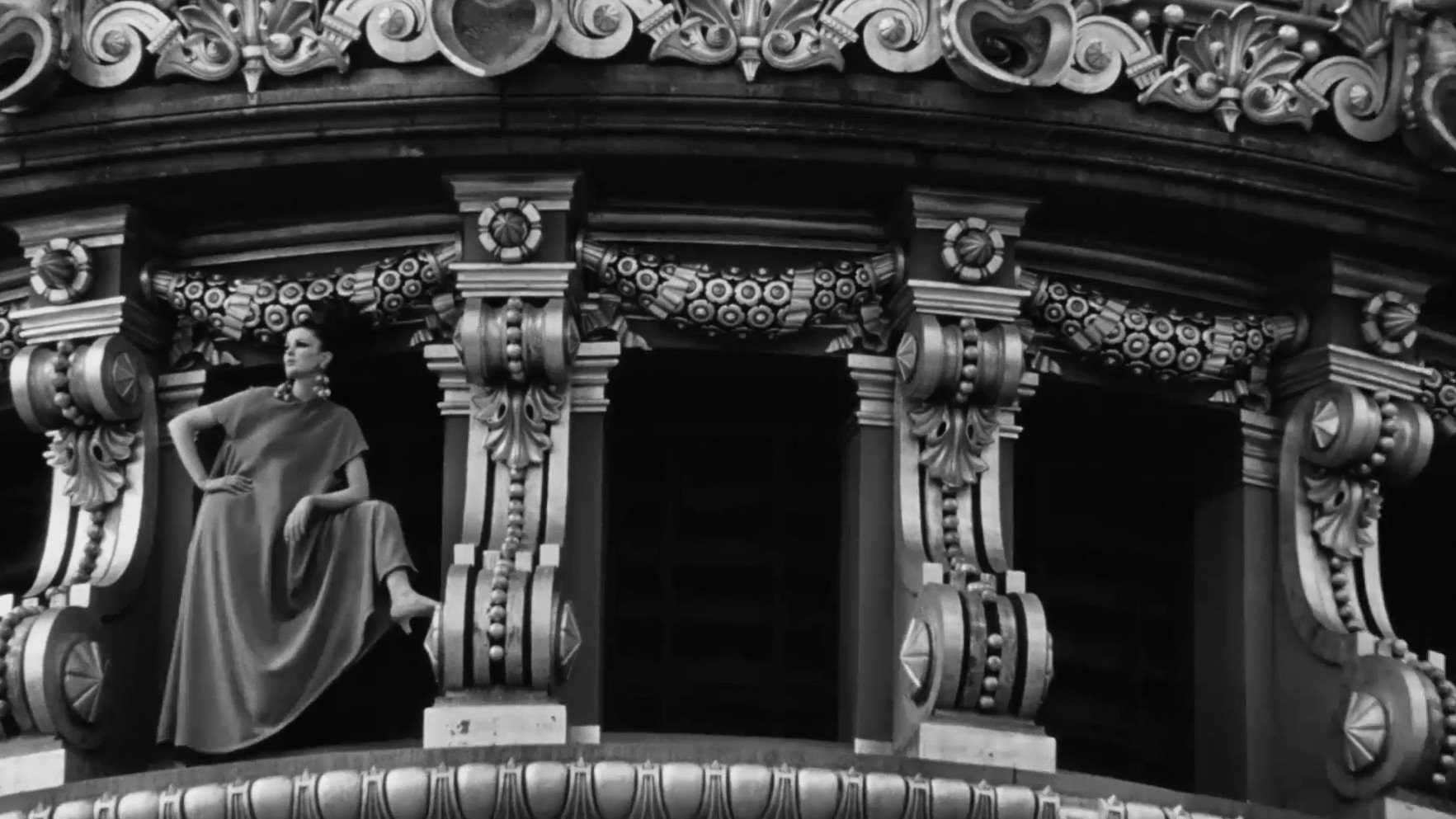
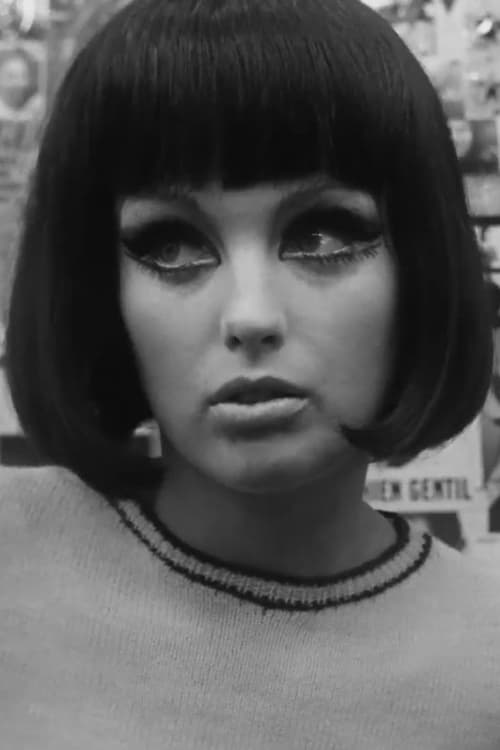
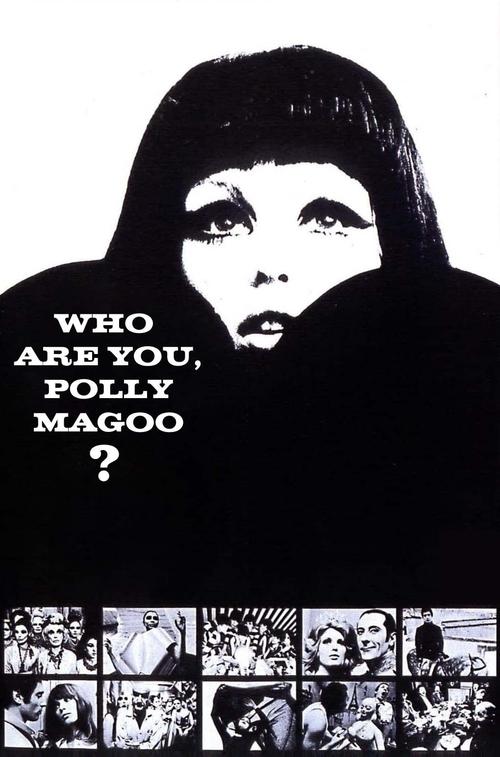
"-Fashion is about money and deception!-So is War"A masterpiece of a film! It felt as if it had everything to say about fashion and then some! Sadly(?) still relevant.I watched this because i read a review on the film in a fashion magazine. The review article was very well-written and it described its significance fashionwise in ways I haven't imagine and it obviously convinced me to check out the film. It brought to light the way the people around Polly Maggoo were not really interested in knowing who she is. How that "being a doll," or projected on is part of the fashion world, however, it is not the entire picture. It illustrated the ways fashion is is ever changing and with that: its attention span too short, models forgotten when a new face is there. The fashion industry treatment of the models does not help: the most striking scene was the scene where Polly is cut with the metal dress, designed by a man who supposedly "recreated woman" in the atomic age, which means ridding her of all her body's curves and giving her edges that completely change her body-as well as hurt her (allusion to plastic surgery and other excessive things the fashion world demands). When she was hurt, no one cared for her pain, only for covering up the scar.At the same time, the film presented the ways film can be radical and transformative, how it can be good but as it accompanies care for the people. Though the ending song claims that Polly is a loser, it overwhelmingly felt like a good ending for her. She is smiling as she is part of the masses, lifted up as others in the crowd are, and her smile not gone when she is put down. Had Polly ended up with the prince, i'd have been sad for her, for her to truly believe in the constructed imagine that Gregorie and others made for her! Of her being a Cinderella. That prince is a dog and his fate was to be overturned as we've seen. He always projected on her, fantasized about her, viewed her as entertainment (we've seen his room's setup, his dolls and TV sitting right beside Polly's posters).The article argued that we don't end up knowing who she really is but I have to disagree. We know she is funny and intelligent. That she loves fun and loves to be admired. If "knowing" someone means knowing more than that? Do we really ever truly know people?
"-Fashion is about money and deception!-So is War"A masterpiece of a film! It felt as if it had everything to say about fashion and then some! Sadly(?) still relevant.I watched this because i read a review on the film in a fashion magazine. The review article was very well-written and it described its significance fashionwise in ways I haven't imagine and it obviously convinced me to check out the film. It brought to light the way the people around Polly Maggoo were not really interested in knowing who she is. How that "being a doll," or projected on is part of the fashion world, however, it is not the entire picture. It illustrated the ways fashion is is ever changing and with that: its attention span too short, models forgotten when a new face is there. The fashion industry treatment of the models does not help: the most striking scene was the scene where Polly is cut with the metal dress, designed by a man who supposedly "recreated woman" in the atomic age, which means ridding her of all her body's curves and giving her edges that completely change her body-as well as hurt her (allusion to plastic surgery and other excessive things the fashion world demands). When she was hurt, no one cared for her pain, only for covering up the scar.At the same time, the film presented the ways film can be radical and transformative, how it can be good but as it accompanies care for the people. Though the ending song claims that Polly is a loser, it overwhelmingly felt like a good ending for her. She is smiling as she is part of the masses, lifted up as others in the crowd are, and her smile not gone when she is put down. Had Polly ended up with the prince, i'd have been sad for her, for her to truly believe in the constructed imagine that Gregorie and others made for her! Of her being a Cinderella. That prince is a dog and his fate was to be overturned as we've seen. He always projected on her, fantasized about her, viewed her as entertainment (we've seen his room's setup, his dolls and TV sitting right beside Polly's posters).The article argued that we don't end up knowing who she really is but I have to disagree. We know she is funny and intelligent. That she loves fun and loves to be admired. If "knowing" someone means knowing more than that? Do we really ever truly know people?