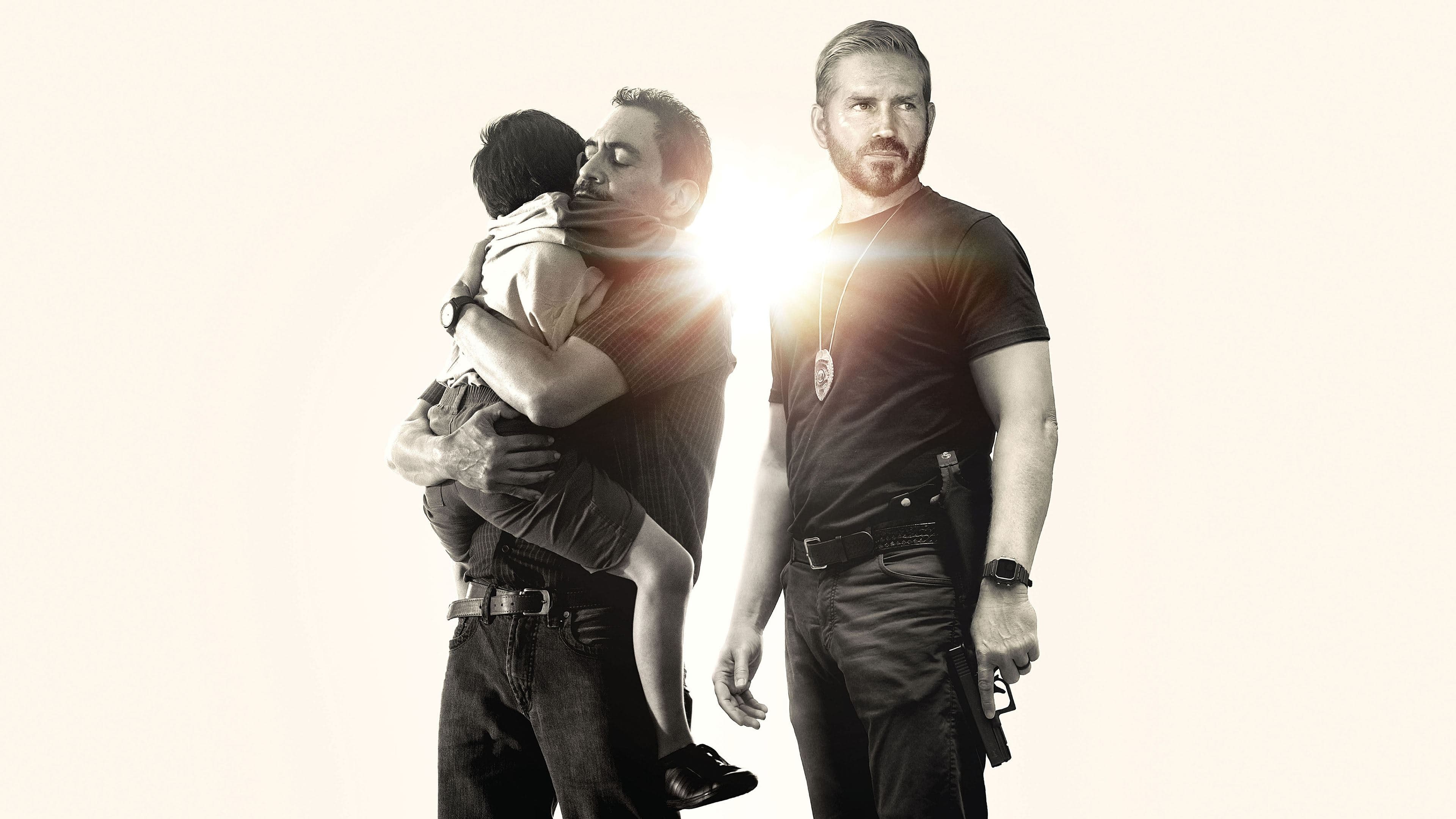
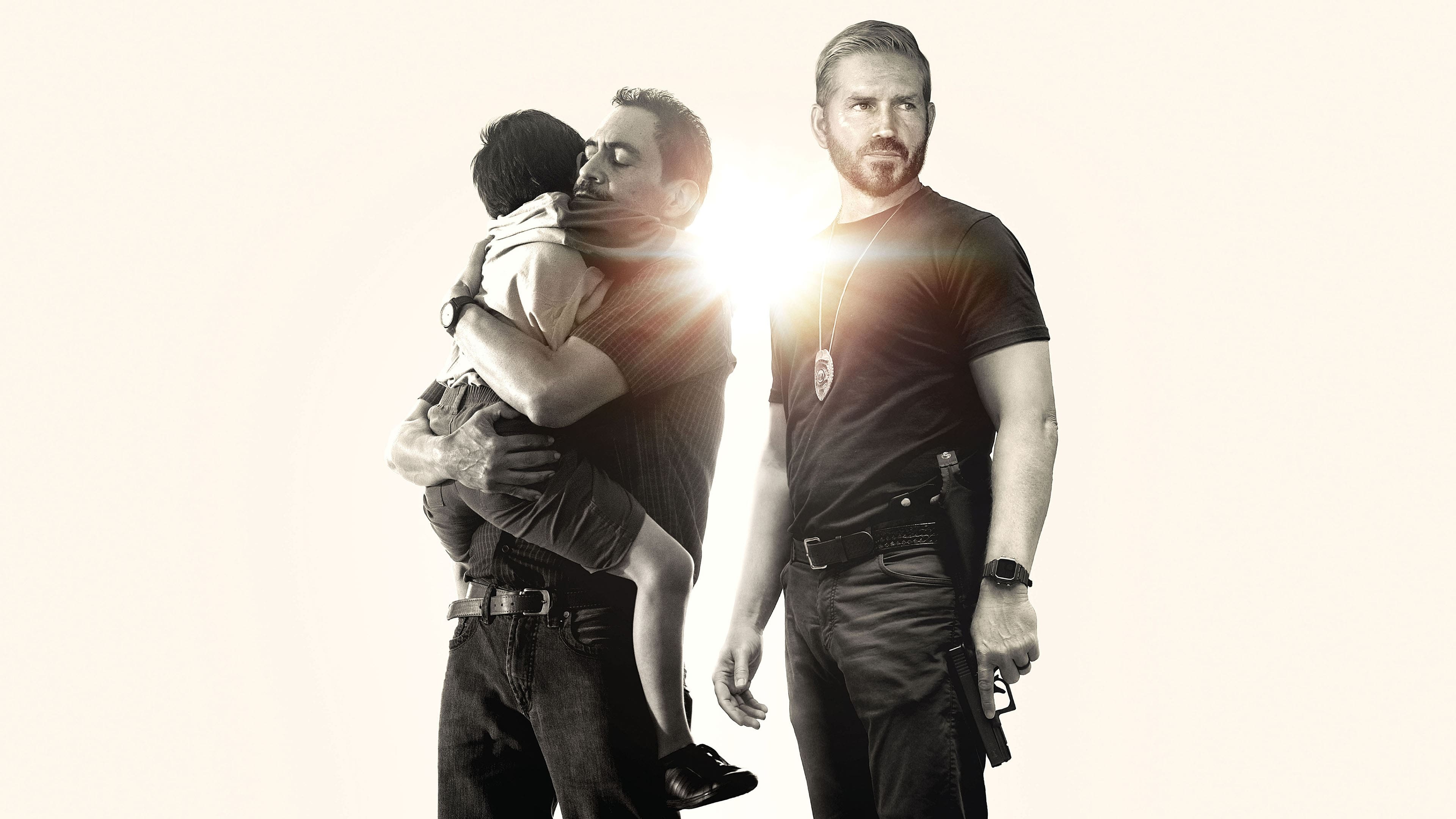
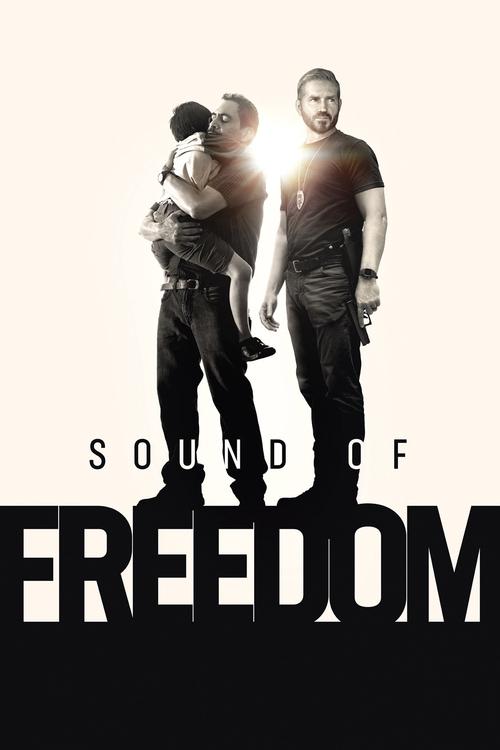
Sound of Freedom is frustrating to me because it takes a real, complex issue and flattens it into something simplistic, sensationalized, and ultimately hollow. The film presents child trafficking in a way that feels closer to an action movie than reality—kidnappings, clear-cut villains, and heroic rescues. But in reality, trafficking is usually quieter and far more insidious. It often involves grooming, coercion, and exploitation by people the victim already knows. By ignoring that, the film doesn’t just simplify the issue, it actively distorts it.
Instead of exploring that complexity, the film centers itself around a “hero narrative,” turning Tim Ballard into a larger-than-life savior figure. The focus shifts away from victims and systemic causes and becomes about one man fighting evil. That turns what should be a structural issue into something closer to myth-making. It replaces analysis with a kind of moral fantasy, where problems are solved by individuals rather than understood as part of broader social conditions.
Because of that, the film often feels less like an attempt to inform and more like an attempt to provoke emotion. It leans heavily into shock, sadness, and outrage, creating the feeling that you’re engaging with the issue without actually deepening your understanding of it. There’s a difference between making people feel something and helping them understand something, and this film chooses the former almost entirely. It turns real suffering into spectacle, blurring the line between raising awareness and exploiting the very thing it claims to expose.


That discomfort gets amplified by the political context surrounding the film. Even if the movie itself isn’t always explicit, the discourse around it ties it to reactionary narratives—especially the way terms like “grooming” get used in misleading ways or how trafficking is conflated with unrelated cultural issues. Instead of bringing clarity, it feeds into a broader culture of moral panic, where fear and outrage replace nuance. That kind of framing is dangerous because it simplifies the world into good and evil in a way that makes people easier to mobilize emotionally but less capable of thinking critically.
One of the biggest problems is that the film risks misdirecting attention away from real solutions. If people come away thinking trafficking primarily looks like what’s shown here, they’re going to misunderstand where it actually happens and how it works. That leads to a focus on rare, dramatic scenarios while ignoring systemic causes like poverty, instability, and exploitation. It encourages symbolic action over meaningful change, which is especially frustrating given how serious the issue is.
That problem is made worse by how the film presents itself as a form of activism. The “pay-it-forward” ticket system and the messaging around supporting the film feel manipulative, almost like a moral obligation is being attached to consuming a product. It turns concern into a kind of transaction, where being a good person is framed as buying more tickets. There’s something deeply cynical about that loop—real suffering gets turned into emotional leverage, which then gets turned into profit.
Even beyond all of that, the film just doesn’t hold up very well on its own as a piece of cinema. The writing leans heavily on clichés, the characters feel thin, and the tone swings awkwardly between seriousness and melodrama. For a subject this heavy, you’d expect something more restrained, more thoughtful, or at least more artistically compelling. Instead, it feels blunt and surface-level, like it never fully commits to exploring the weight of what it’s depicting.
What makes it more frustrating is that the film creates the illusion of awareness without actually offering substance. Its core message is essentially that child trafficking is bad, which is something almost everyone already agrees with. But it provides no real explanation of how trafficking works, no systemic context, no meaningful solutions, and no direction for action. It feels important without actually being informative, which is maybe worse than saying nothing at all.
At the same time, it largely erases the people who are already doing real work on this issue. There are thousands of organizations, activists, and social workers dealing with trafficking in meaningful ways, but the film doesn’t highlight them or direct viewers toward them. Instead, it redirects attention back to itself, reinforcing the idea that watching or supporting the movie is a form of engagement.
All of this exists within a broader culture of moral panic that the film seems to feed into rather than challenge. The emphasis on fear, outrage, and simplified narratives contributes to a worldview where complex issues are reduced to easily digestible stories about evil. Historically, that kind of framing leads to scapegoating and misdirected anger, rather than thoughtful or effective responses.
The film also blurs the line between fact and fiction in ways that feel irresponsible. Even if it’s based on real events, it dramatizes and cleans up reality to fit a more heroic and emotionally satisfying narrative. That might make for a more compelling story, but it risks distorting the truth, which is especially problematic given the subject matter.
In terms of what it presents as a solution, the film leans heavily on the idea of heroic individuals and dramatic rescues. But in reality, the fight against trafficking is long-term, systemic, and often invisible. It involves policy, social work, and addressing underlying conditions, not just isolated acts of heroism. By focusing on the latter, the film replaces structural thinking with individual fantasy.
Stylistically, it also relies on blunt emotional manipulation rather than meaningful exploration. It uses shock and sentimentality to force reactions instead of building understanding through nuance or depth. That approach might be effective in the moment, but it doesn’t leave you with anything lasting.
There are also moments that feel ethically questionable in how they depict trauma, especially involving children. At times, it seems more concerned with impact than responsibility, which creates an uncomfortable tension between what it’s showing and why it’s showing it.
Ultimately, the film fails both as a message and as a piece of cinema. It doesn’t offer meaningful insight into the issue it claims to address, and it doesn’t stand out artistically either. It replaces complexity with moral simplicity, reducing everything to pure good and pure evil while avoiding the messy reality of how these systems actually function.
Because of that, it encourages a kind of passive morality. You watch it, feel something, maybe feel righteous, and then move on. It doesn’t challenge you to think more deeply or engage with the issue in a meaningful way. It’s morality as feeling rather than morality as understanding or action.
The discourse around the film only reinforces these problems. Criticism is often framed as a moral failure, as if not liking the movie means not caring about the issue. That shuts down nuance and turns disagreement into something personal and accusatory, which is intellectually dishonest.
In the end, what bothers me most is how cynical it all feels. A serious, complex issue gets turned into a dramatic product, wrapped in moral urgency, and then sold back to people as a way to feel like they’re doing something meaningful. You leave the film feeling something, but you don’t necessarily understand anything more than you did before—and that’s the real problem.
Sound of Freedom is frustrating to me because it takes a real, complex issue and flattens it into something simplistic, sensationalized, and ultimately hollow. The film presents child trafficking in a way that feels closer to an action movie than reality—kidnappings, clear-cut villains, and heroic rescues. But in reality, trafficking is usually quieter and far more insidious. It often involves grooming, coercion, and exploitation by people the victim already knows. By ignoring that, the film doesn’t just simplify the issue, it actively distorts it.
Instead of exploring that complexity, the film centers itself around a “hero narrative,” turning Tim Ballard into a larger-than-life savior figure. The focus shifts away from victims and systemic causes and becomes about one man fighting evil. That turns what should be a structural issue into something closer to myth-making. It replaces analysis with a kind of moral fantasy, where problems are solved by individuals rather than understood as part of broader social conditions.
Because of that, the film often feels less like an attempt to inform and more like an attempt to provoke emotion. It leans heavily into shock, sadness, and outrage, creating the feeling that you’re engaging with the issue without actually deepening your understanding of it. There’s a difference between making people feel something and helping them understand something, and this film chooses the former almost entirely. It turns real suffering into spectacle, blurring the line between raising awareness and exploiting the very thing it claims to expose.
That discomfort gets amplified by the political context surrounding the film. Even if the movie itself isn’t always explicit, the discourse around it ties it to reactionary narratives—especially the way terms like “grooming” get used in misleading ways or how trafficking is conflated with unrelated cultural issues. Instead of bringing clarity, it feeds into a broader culture of moral panic, where fear and outrage replace nuance. That kind of framing is dangerous because it simplifies the world into good and evil in a way that makes people easier to mobilize emotionally but less capable of thinking critically.
One of the biggest problems is that the film risks misdirecting attention away from real solutions. If people come away thinking trafficking primarily looks like what’s shown here, they’re going to misunderstand where it actually happens and how it works. That leads to a focus on rare, dramatic scenarios while ignoring systemic causes like poverty, instability, and exploitation. It encourages symbolic action over meaningful change, which is especially frustrating given how serious the issue is.
That problem is made worse by how the film presents itself as a form of activism. The “pay-it-forward” ticket system and the messaging around supporting the film feel manipulative, almost like a moral obligation is being attached to consuming a product. It turns concern into a kind of transaction, where being a good person is framed as buying more tickets. There’s something deeply cynical about that loop—real suffering gets turned into emotional leverage, which then gets turned into profit.
Even beyond all of that, the film just doesn’t hold up very well on its own as a piece of cinema. The writing leans heavily on clichés, the characters feel thin, and the tone swings awkwardly between seriousness and melodrama. For a subject this heavy, you’d expect something more restrained, more thoughtful, or at least more artistically compelling. Instead, it feels blunt and surface-level, like it never fully commits to exploring the weight of what it’s depicting.
What makes it more frustrating is that the film creates the illusion of awareness without actually offering substance. Its core message is essentially that child trafficking is bad, which is something almost everyone already agrees with. But it provides no real explanation of how trafficking works, no systemic context, no meaningful solutions, and no direction for action. It feels important without actually being informative, which is maybe worse than saying nothing at all.
At the same time, it largely erases the people who are already doing real work on this issue. There are thousands of organizations, activists, and social workers dealing with trafficking in meaningful ways, but the film doesn’t highlight them or direct viewers toward them. Instead, it redirects attention back to itself, reinforcing the idea that watching or supporting the movie is a form of engagement.
All of this exists within a broader culture of moral panic that the film seems to feed into rather than challenge. The emphasis on fear, outrage, and simplified narratives contributes to a worldview where complex issues are reduced to easily digestible stories about evil. Historically, that kind of framing leads to scapegoating and misdirected anger, rather than thoughtful or effective responses.
The film also blurs the line between fact and fiction in ways that feel irresponsible. Even if it’s based on real events, it dramatizes and cleans up reality to fit a more heroic and emotionally satisfying narrative. That might make for a more compelling story, but it risks distorting the truth, which is especially problematic given the subject matter.
In terms of what it presents as a solution, the film leans heavily on the idea of heroic individuals and dramatic rescues. But in reality, the fight against trafficking is long-term, systemic, and often invisible. It involves policy, social work, and addressing underlying conditions, not just isolated acts of heroism. By focusing on the latter, the film replaces structural thinking with individual fantasy.
Stylistically, it also relies on blunt emotional manipulation rather than meaningful exploration. It uses shock and sentimentality to force reactions instead of building understanding through nuance or depth. That approach might be effective in the moment, but it doesn’t leave you with anything lasting.
There are also moments that feel ethically questionable in how they depict trauma, especially involving children. At times, it seems more concerned with impact than responsibility, which creates an uncomfortable tension between what it’s showing and why it’s showing it.
Ultimately, the film fails both as a message and as a piece of cinema. It doesn’t offer meaningful insight into the issue it claims to address, and it doesn’t stand out artistically either. It replaces complexity with moral simplicity, reducing everything to pure good and pure evil while avoiding the messy reality of how these systems actually function.
Because of that, it encourages a kind of passive morality. You watch it, feel something, maybe feel righteous, and then move on. It doesn’t challenge you to think more deeply or engage with the issue in a meaningful way. It’s morality as feeling rather than morality as understanding or action.
The discourse around the film only reinforces these problems. Criticism is often framed as a moral failure, as if not liking the movie means not caring about the issue. That shuts down nuance and turns disagreement into something personal and accusatory, which is intellectually dishonest.
In the end, what bothers me most is how cynical it all feels. A serious, complex issue gets turned into a dramatic product, wrapped in moral urgency, and then sold back to people as a way to feel like they’re doing something meaningful. You leave the film feeling something, but you don’t necessarily understand anything more than you did before—and that’s the real problem.